
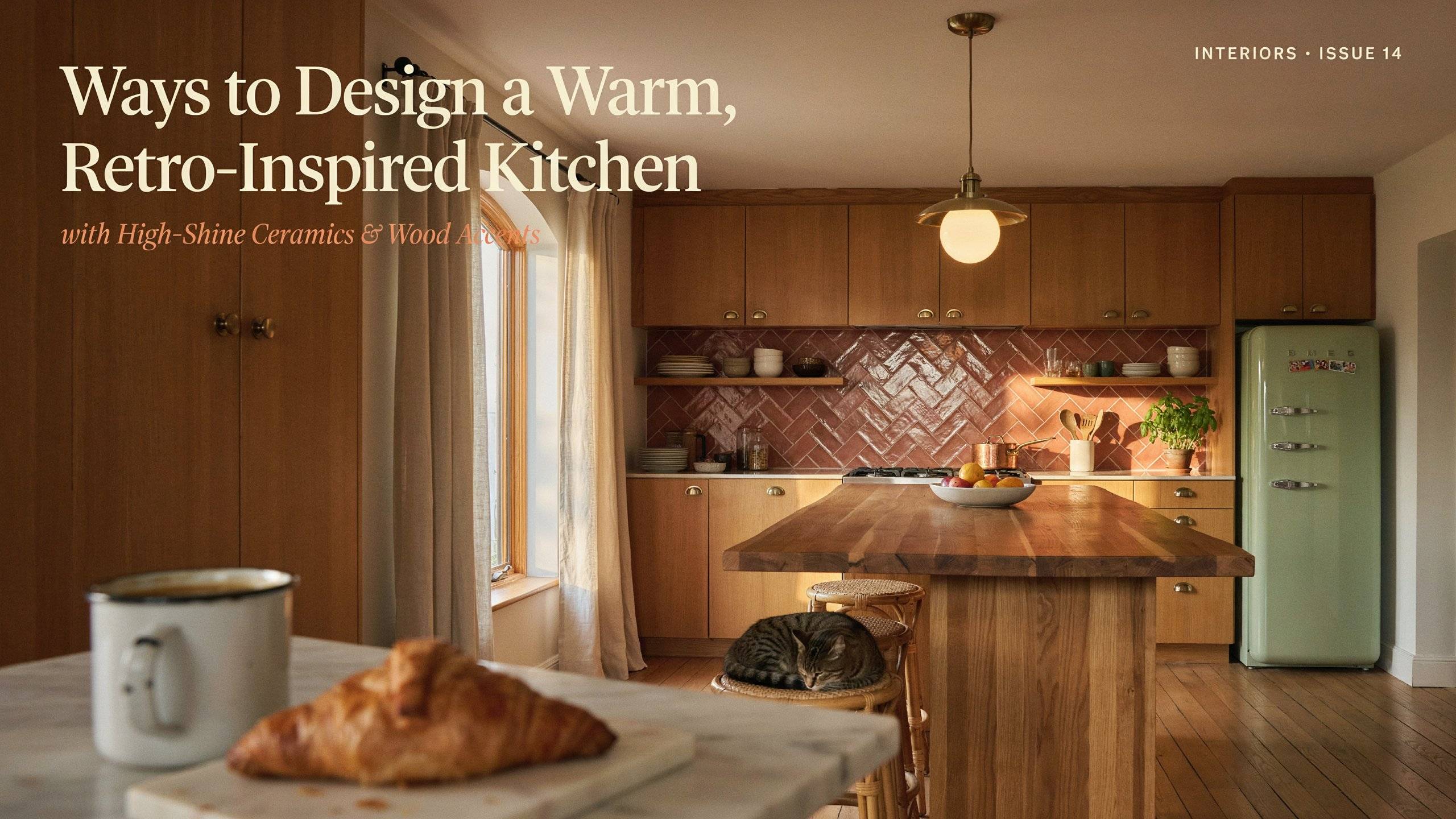
There’s something about a retro kitchen that just feels like home. Maybe it’s the warm colors, the familiar shapes, or the way everything seems to have a little personality. Lately, more people are moving away from those all-white, showroom-style kitchens and leaning into spaces that feel lived-in and full of character. And honestly? I get it.
If you’re thinking about giving your kitchen a retro refresh, you’ve probably come across two key elements that keep popping up: high-shine ceramics and wood accents. They’re the dynamic duo of retro design. The glossy tiles catch the light and add a playful sparkle, while the wood brings in that cozy, grounded warmth. Together, they create a balance that feels both nostalgic and totally fresh.
The best part? You don’t need to tear everything out and start from scratch. Whether you’re planning a full remodel or just want to add a few touches, there are plenty of ways to bring this look into your space. Let’s walk through 16 practical ideas that’ll help you design a kitchen that feels warm, inviting, and undeniably retro.
Why This Style Works So Well
Retro kitchens are making a strong comeback, and it’s not hard to see why. After years of sleek, minimal kitchens that felt more like labs than living spaces, people are craving warmth and personality. The retro look brings exactly that.
What makes the combination of high-shine ceramics and wood accents so special is how they play off each other. The glossy surface of ceramic tiles reflects light and adds a sense of energy to the room. Wood tones whether in cabinets, shelves, or smaller accents soften that shine and keep the space from feeling too cold or polished. It’s the kind of contrast that just works.
Plus, this style has staying power. It’s not about chasing a fleeting trend. It’s about creating a kitchen that feels personal, comfortable, and timeless. And honestly, who doesn’t want that?
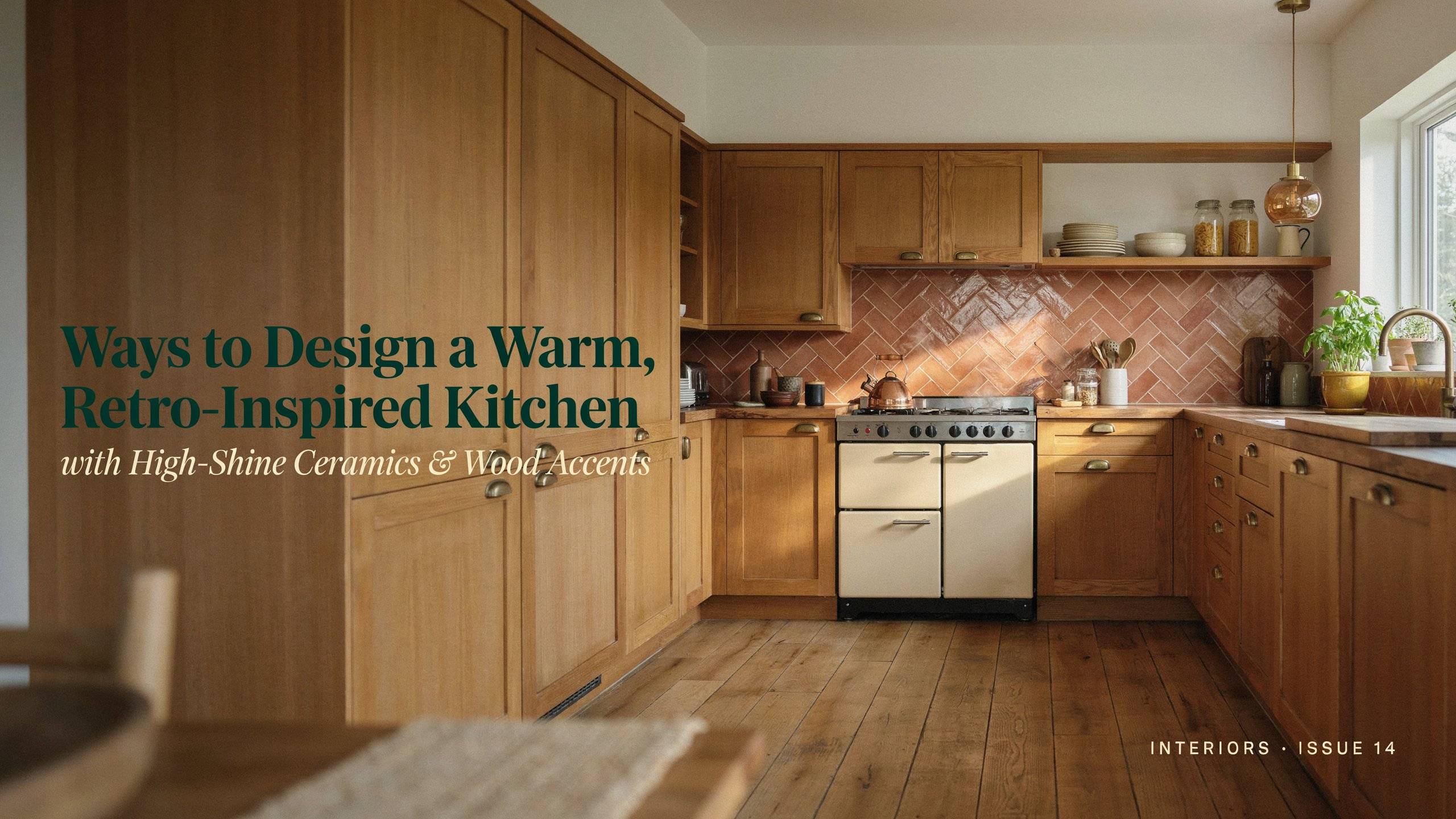
16 Design Ideas for a Warm Retro Kitchen
1. Start with a High-Shine Ceramic Backsplash
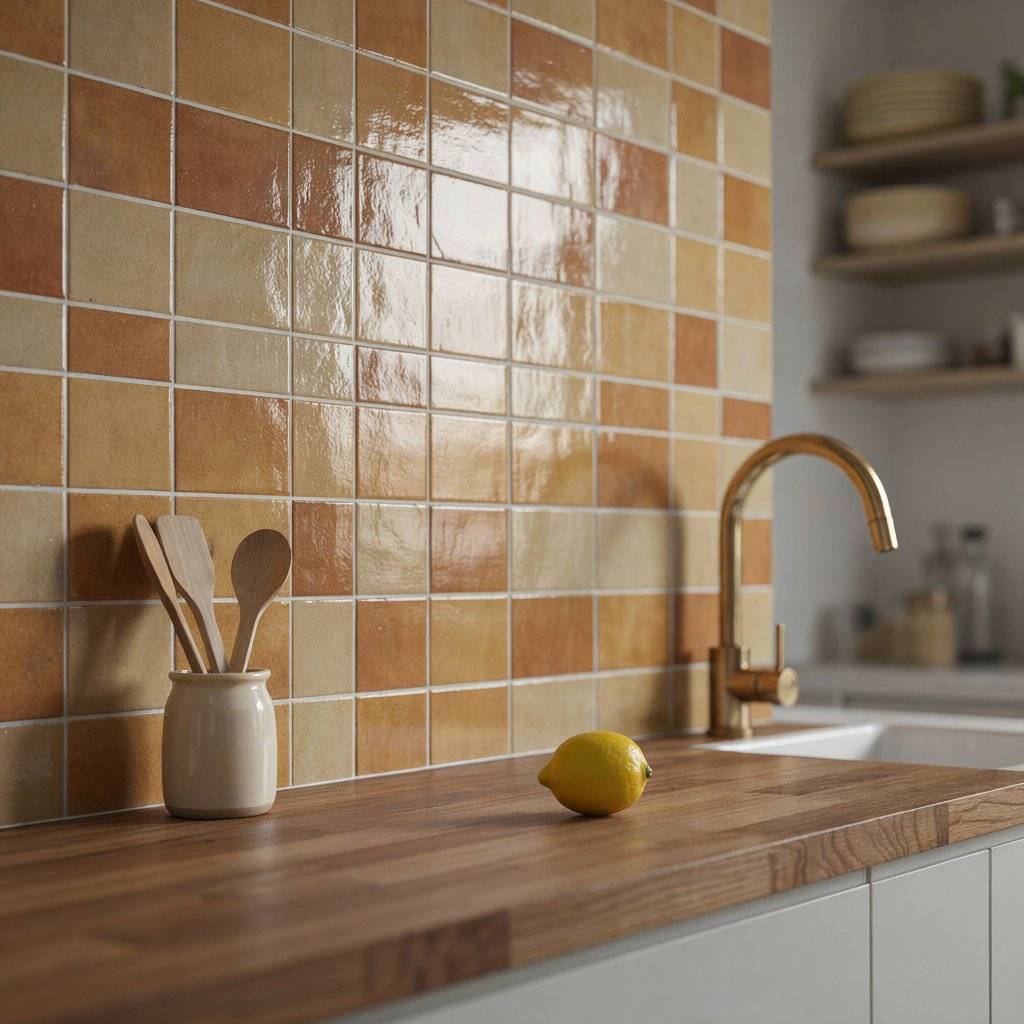
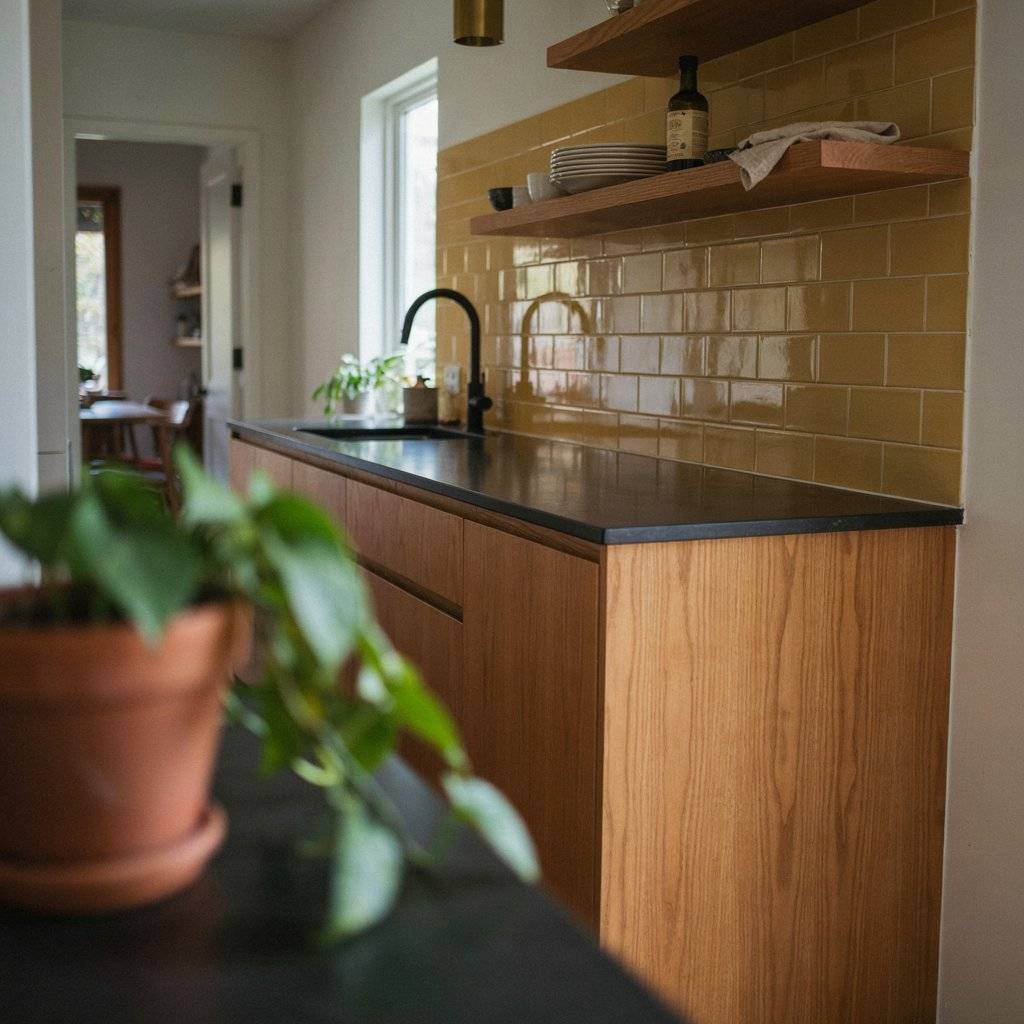
The backsplash is where high-shine ceramics really get to shine pun intended. Go for glossy subway tiles in warm shades like amber, caramel, or mustard yellow.
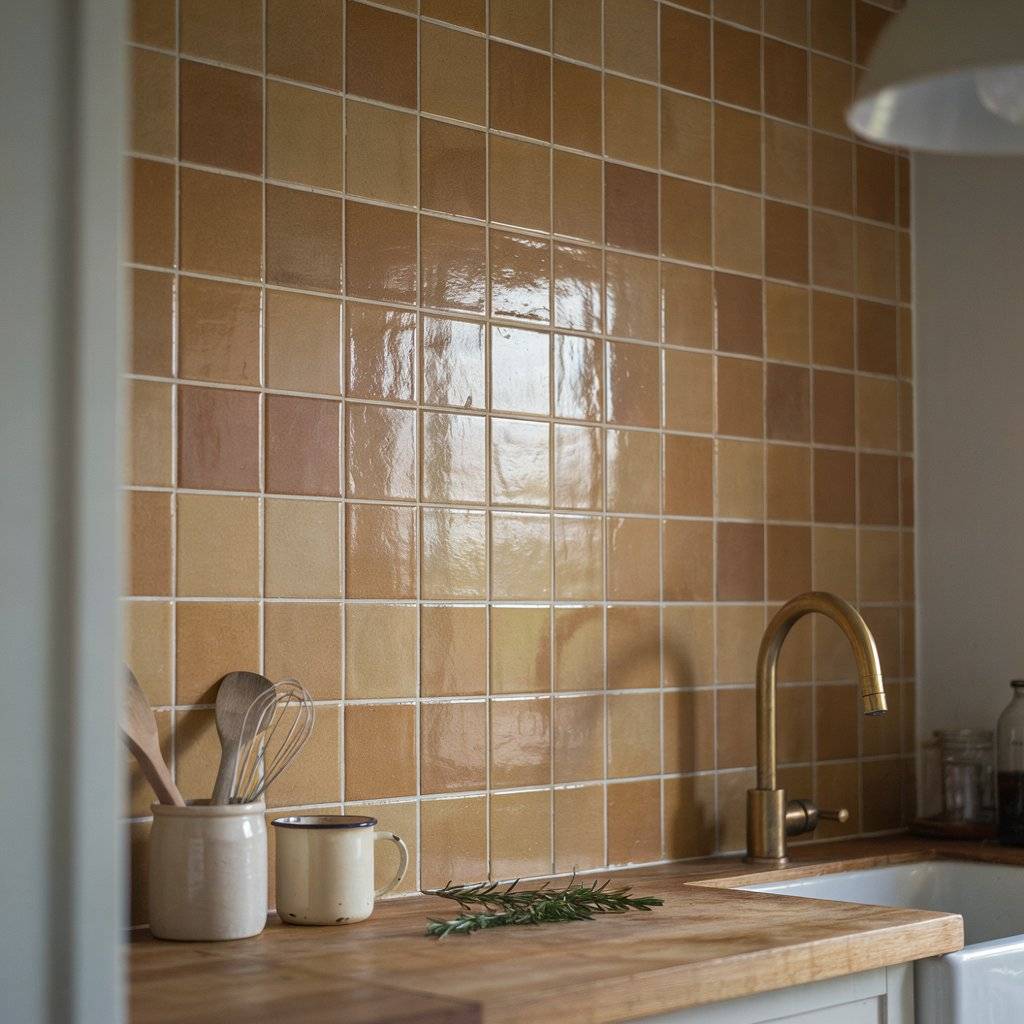
These colors instantly add that retro feel without screaming “theme kitchen.” A square glossy tile in a grid layout can also give you that classic diner look while reflecting light beautifully. Keep the grout lines clean and even about 2 to 3 millimeters works well for most ceramic tiles.
2. Bring in Warm Wood Cabinetry
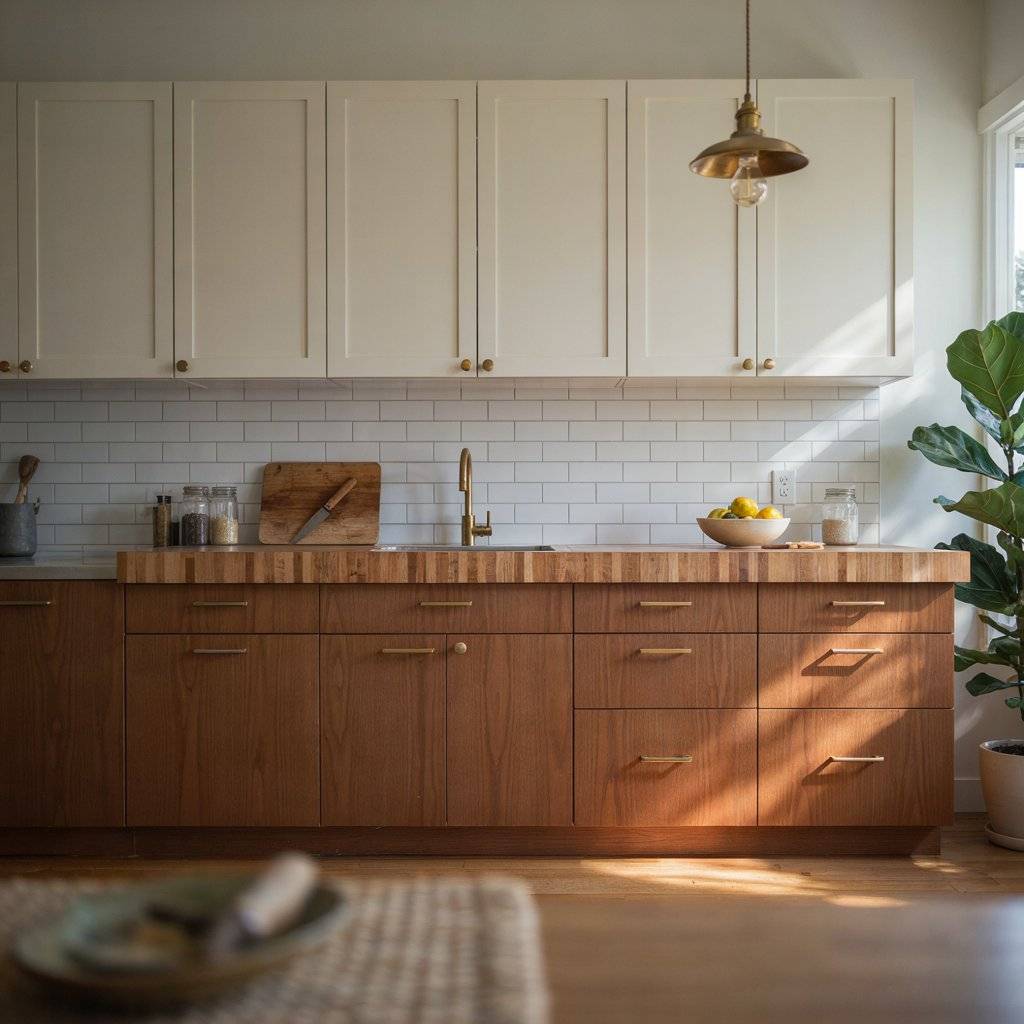
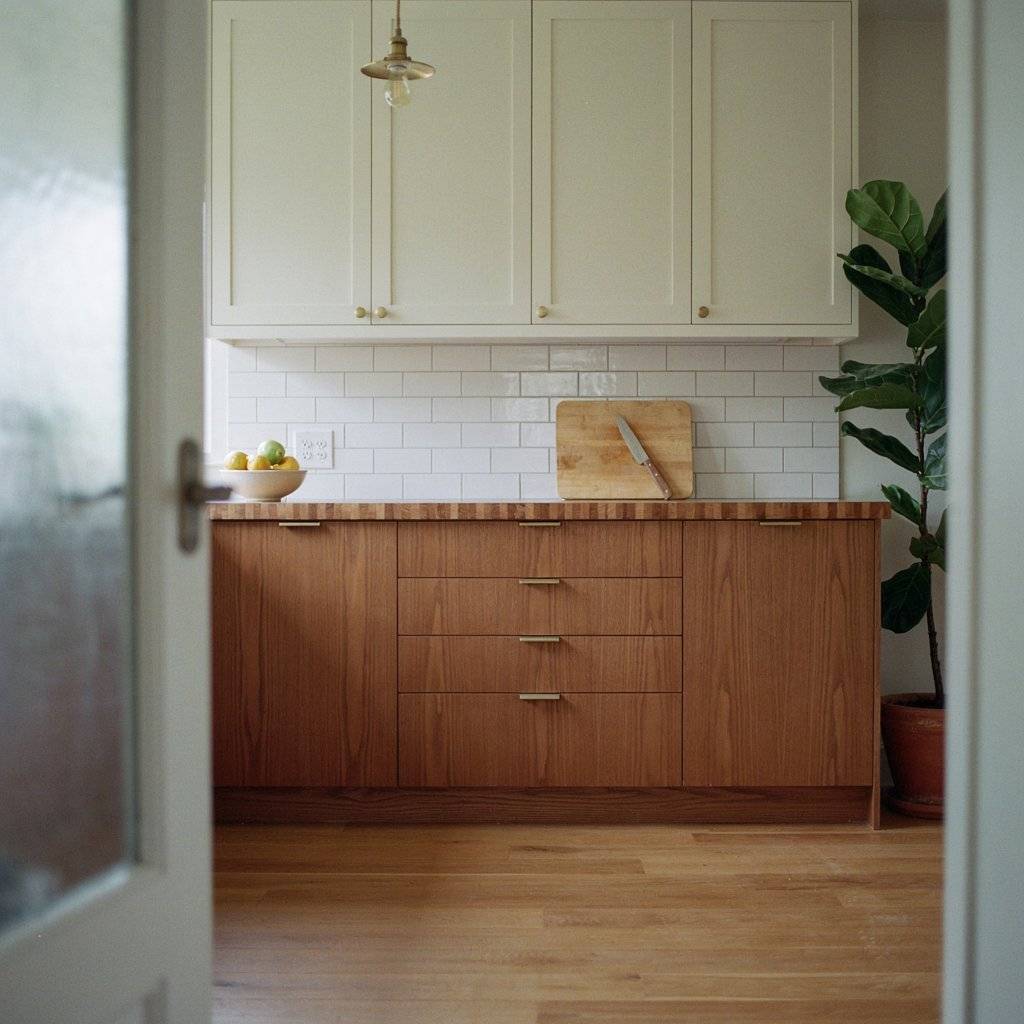
Wood cabinets are the backbone of this style. Think walnut, teak, or honey oak with a natural or slightly caramel finish.
Flat-front doors give you that mid-century modern vibe, while shaker-style doors offer a more traditional retro feel.
If full wood cabinets feel like too much, try a two-tone approach wood lower cabinets with painted uppers. It adds visual interest and keeps the space from feeling too heavy.
3. Add Open Shelving with Wood Accents
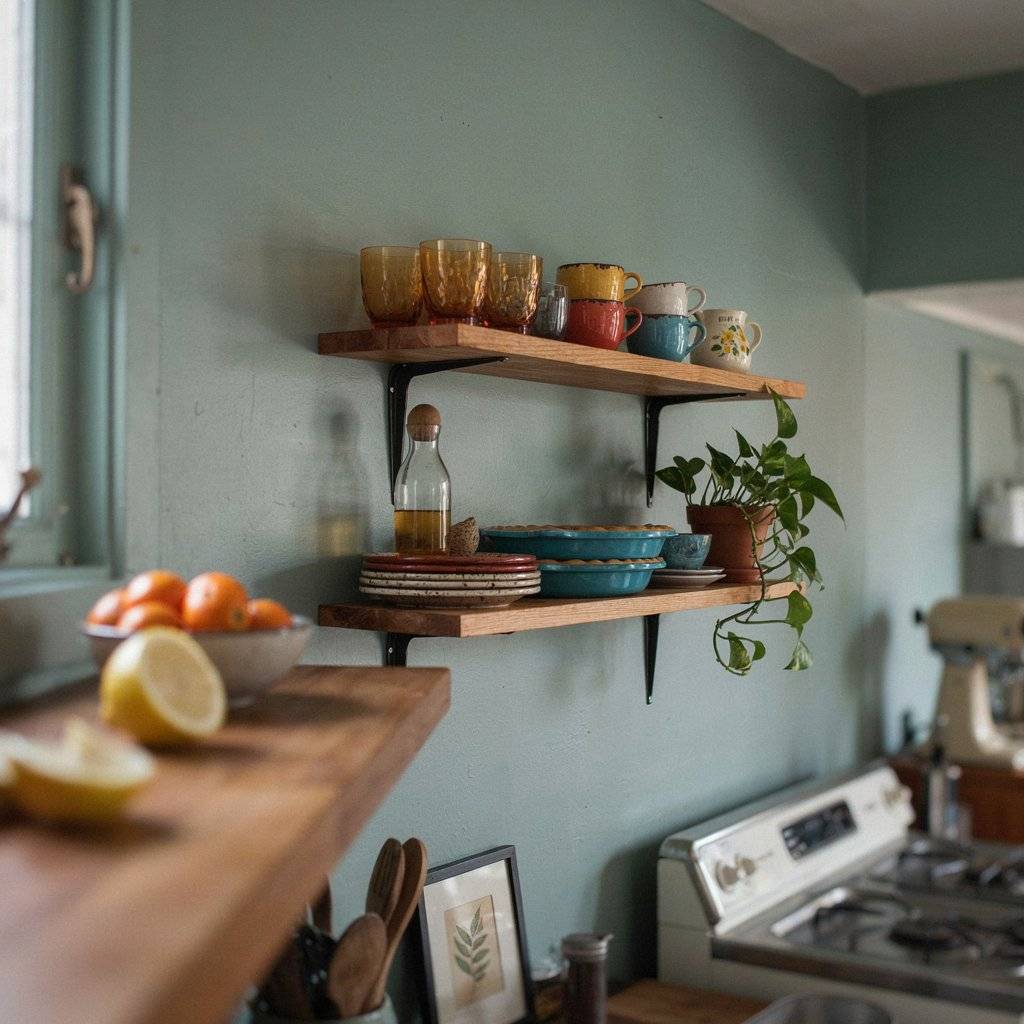
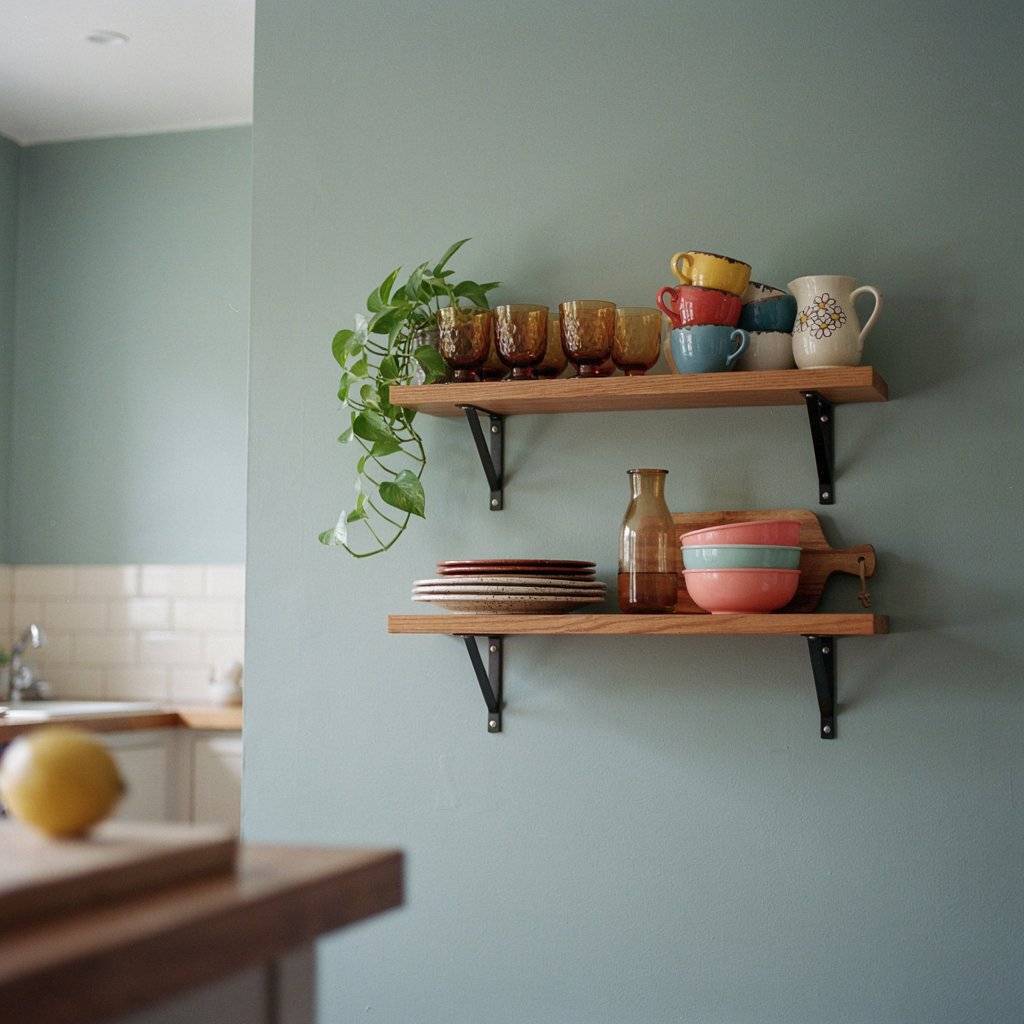
Open shelves are a great way to show off your personality while adding warmth to the kitchen. Use floating wood shelves to display retro crockery, amber-toned glassware, or colorful vintage mugs.
The wood adds texture and warmth, while the items you display bring in color and nostalgia. It’s an easy way to incorporate the retro feel without committing to permanent changes.
4. Choose a Retro-Inspired Color Palette
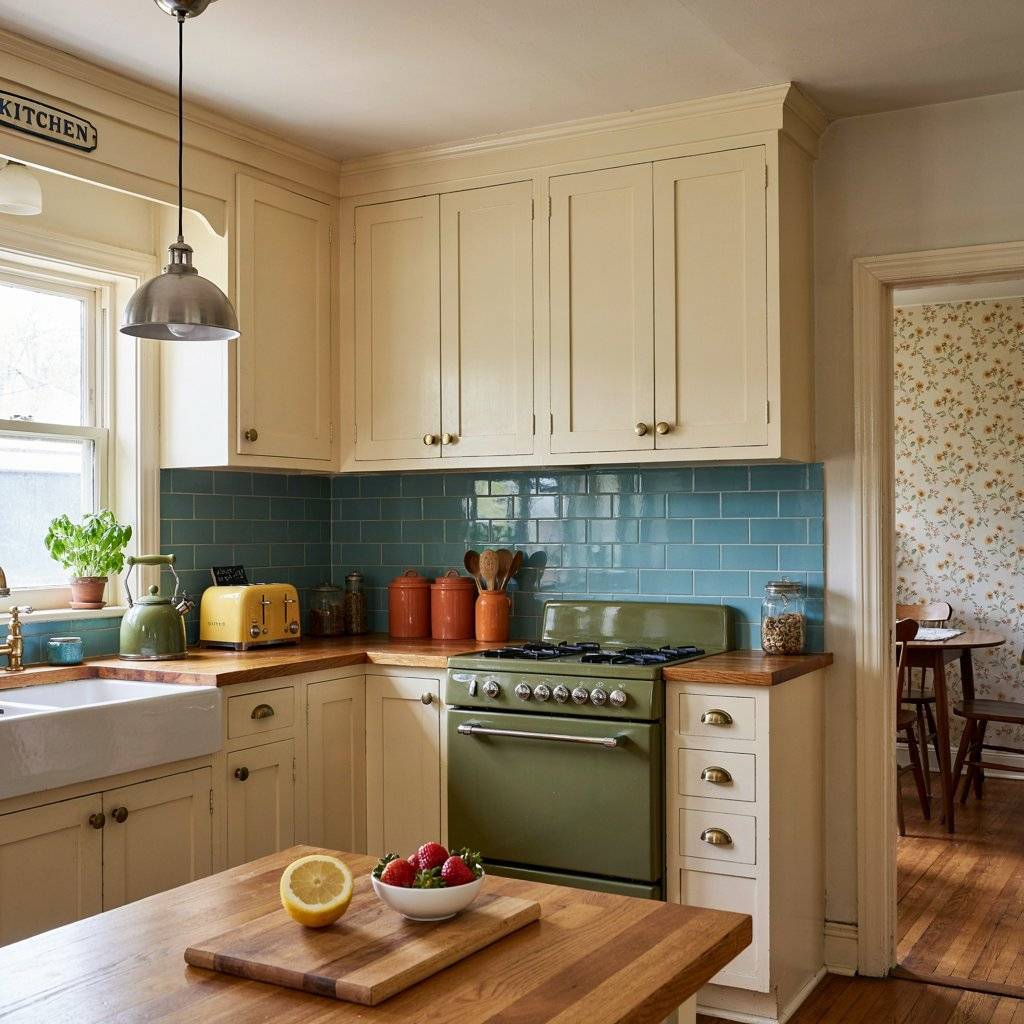
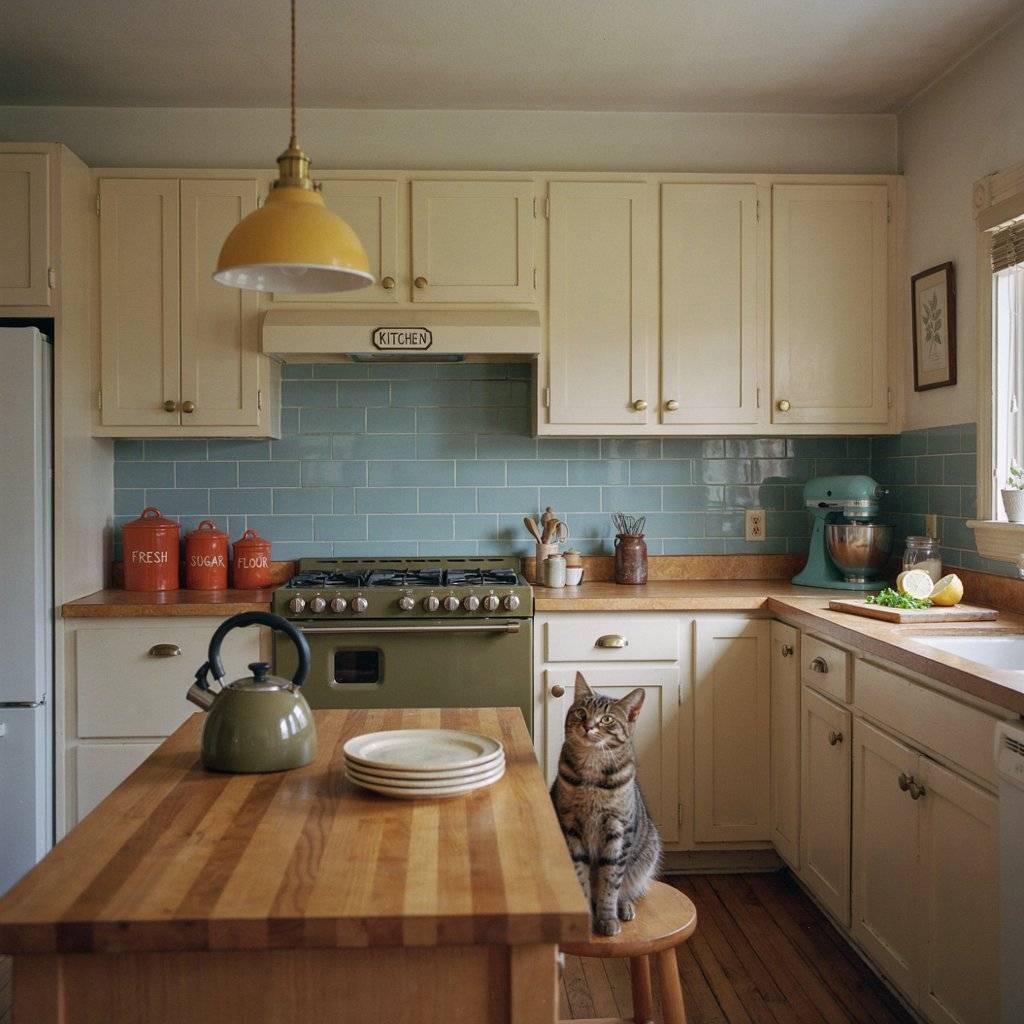
Color is everything in a retro kitchen. Think bold blues, greens, oranges, and soft pastels. Mustard yellow, olive green, and aqua are particularly popular right now.
Use these colors in your tile choices, small appliances, or even as an accent wall. Just remember to balance bold colors with neutral tones like cream, white, or warm wood to keep the space from feeling overwhelming.
5. Mix High-Gloss Tiles with Matte Finishes
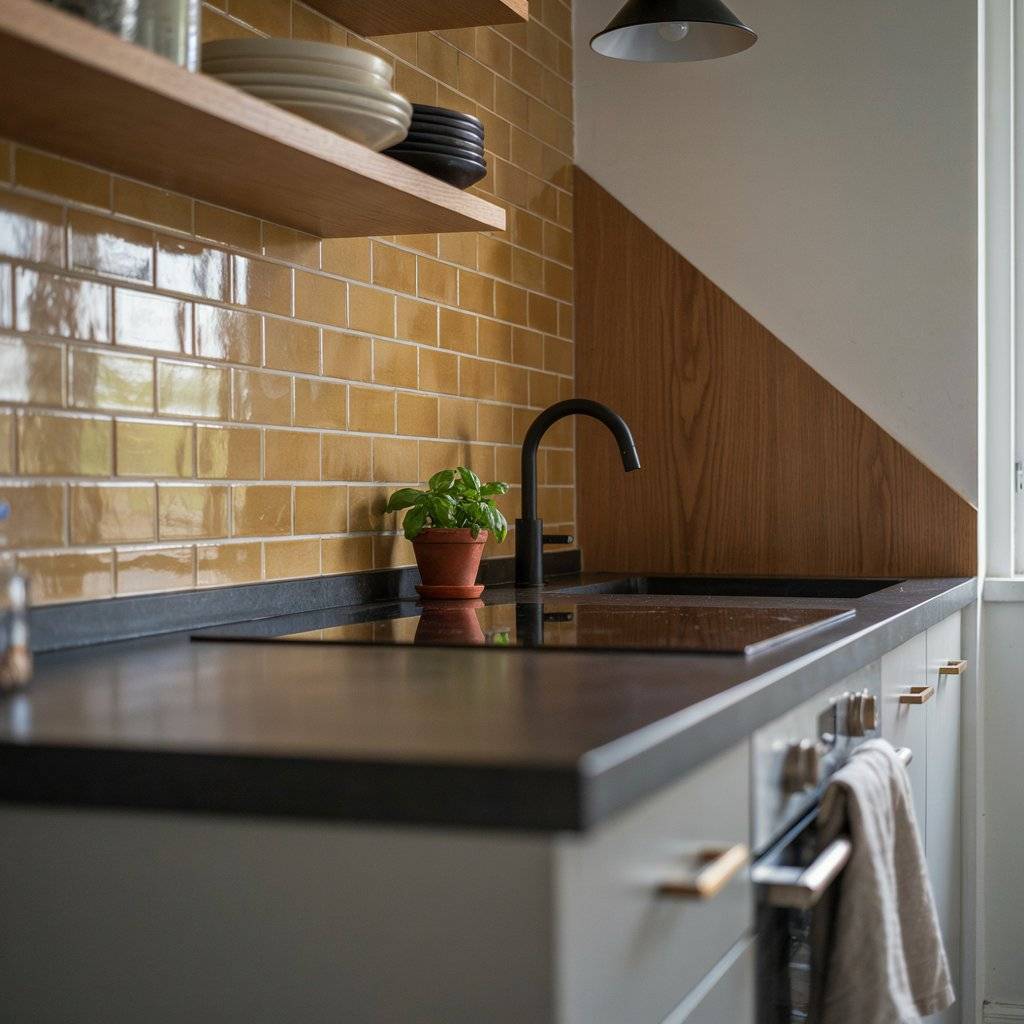
Don’t be afraid to mix things up. Pair your high-shine ceramic backsplash with matte-finish countertops or wood cabinets.
The contrast between glossy and matte surfaces adds depth and keeps the eye moving around the room. For example, a glossy mustard tile backsplash looks fantastic against matte black countertops or a warm wood island.
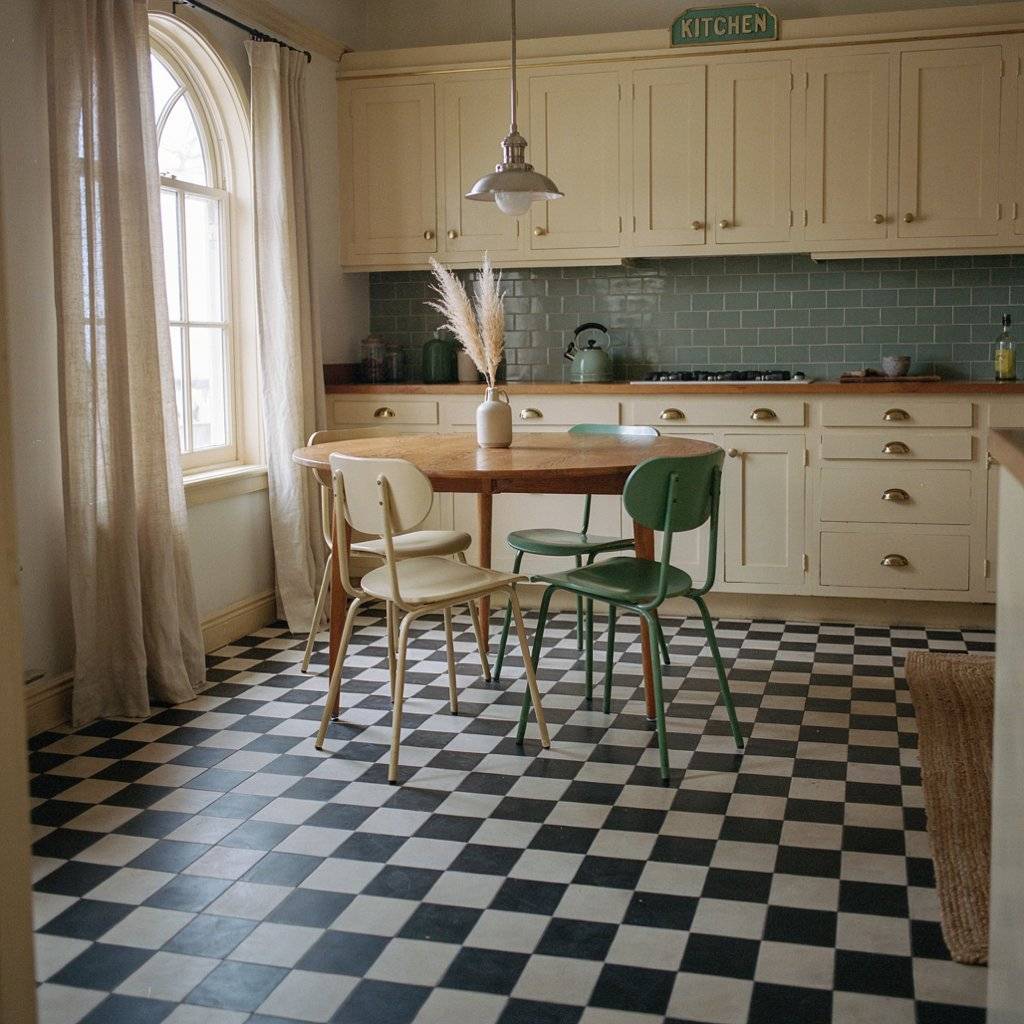
6. Incorporate Checkerboard Flooring
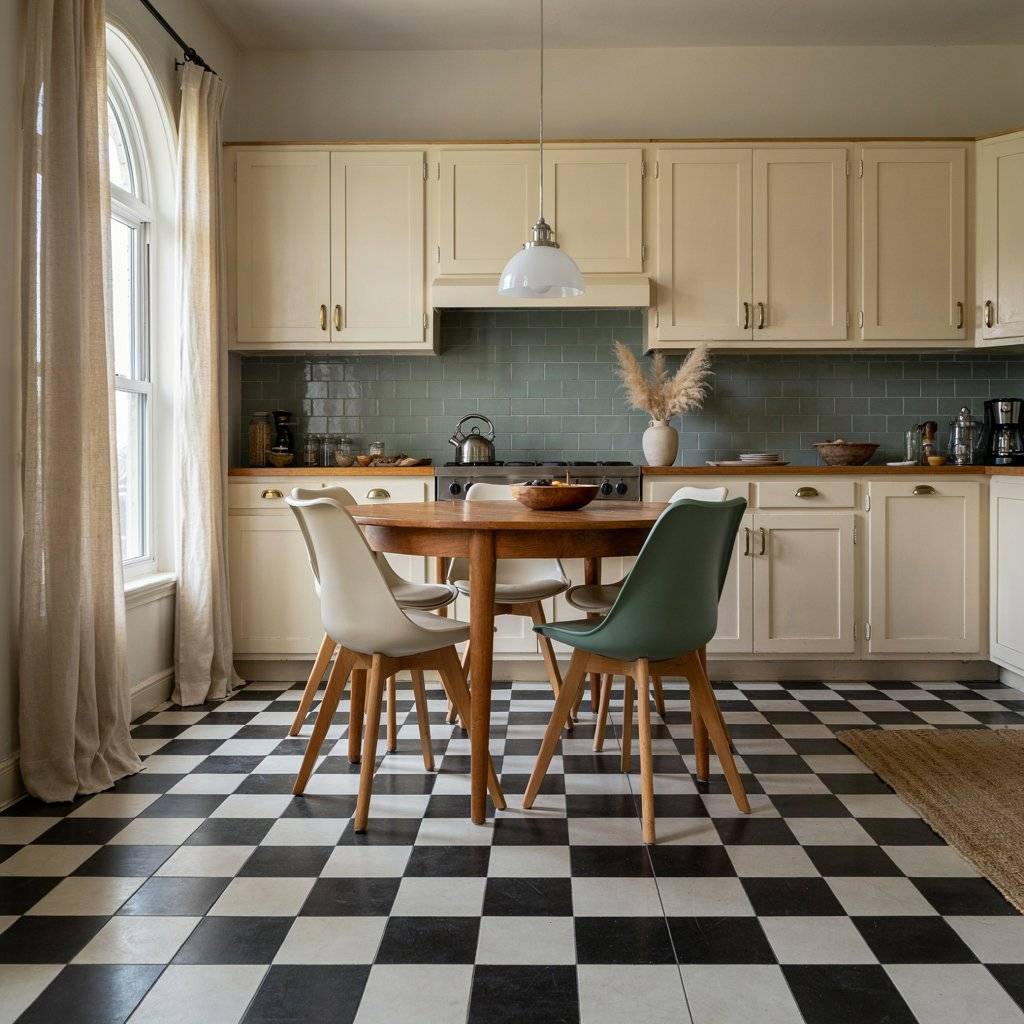
Checkerboard flooring is a classic retro choice that never gets old. Black and white is the most iconic combination, but you can also try softer color pairings like cream and sage or warm beige and white.
It’s a bold move, but it instantly anchors the room in retro style. Plus, it pairs beautifully with both high-shine tiles and wood accents.
7. Use Wood Accents Beyond Cabinetry
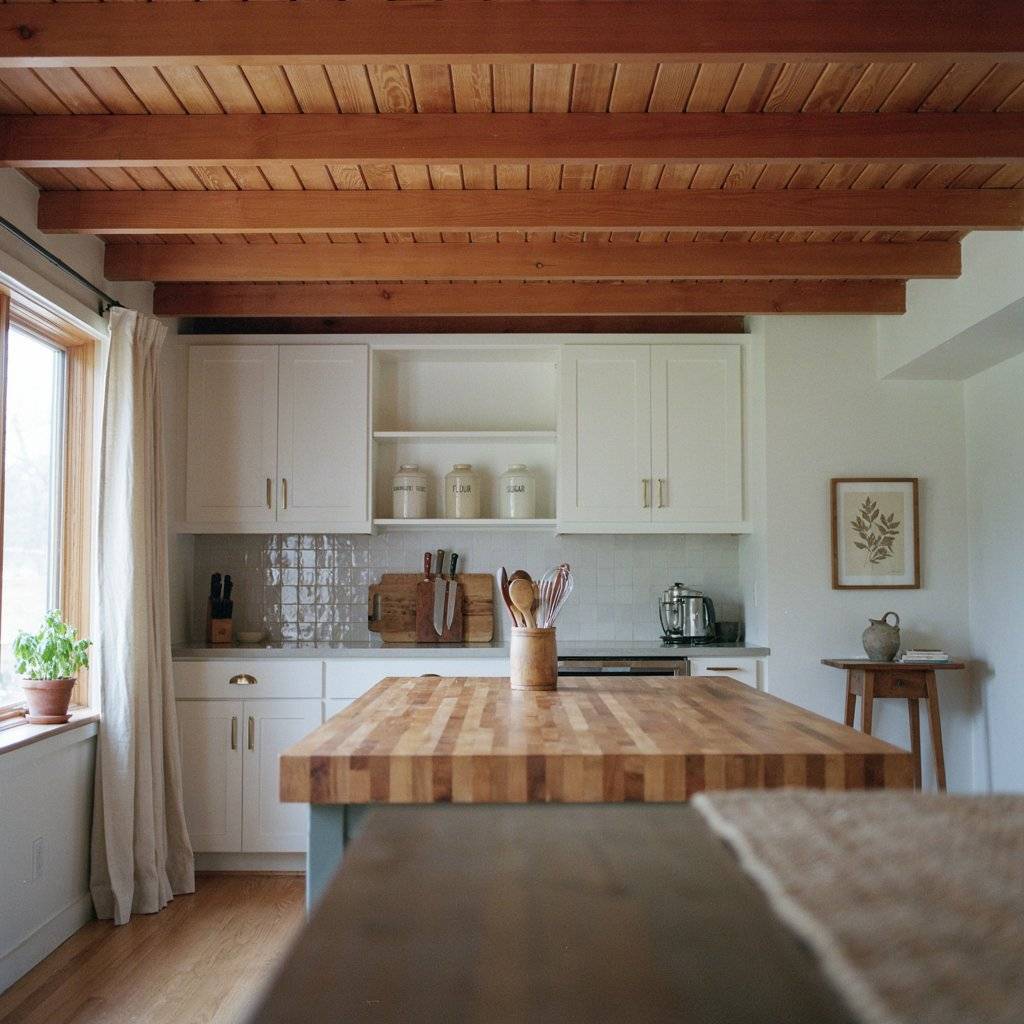
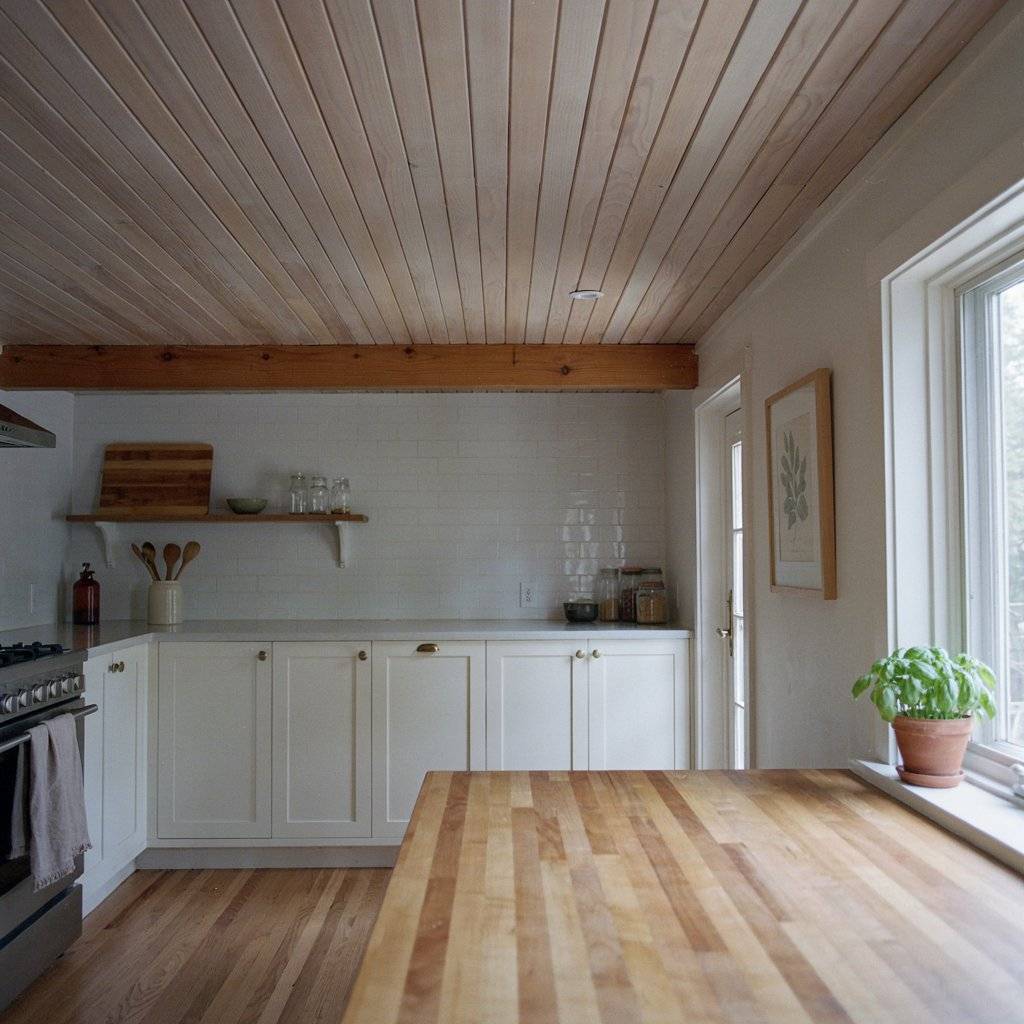
Wood doesn’t have to stop at the cabinets. Think about adding wood through ceiling beams, butcher block countertops, or even a wooden island top.
A slatted wood ceiling can add incredible warmth and texture to the space. Small touches like wooden cutting boards, utensil holders, or framed art also bring in that natural element without a major commitment.
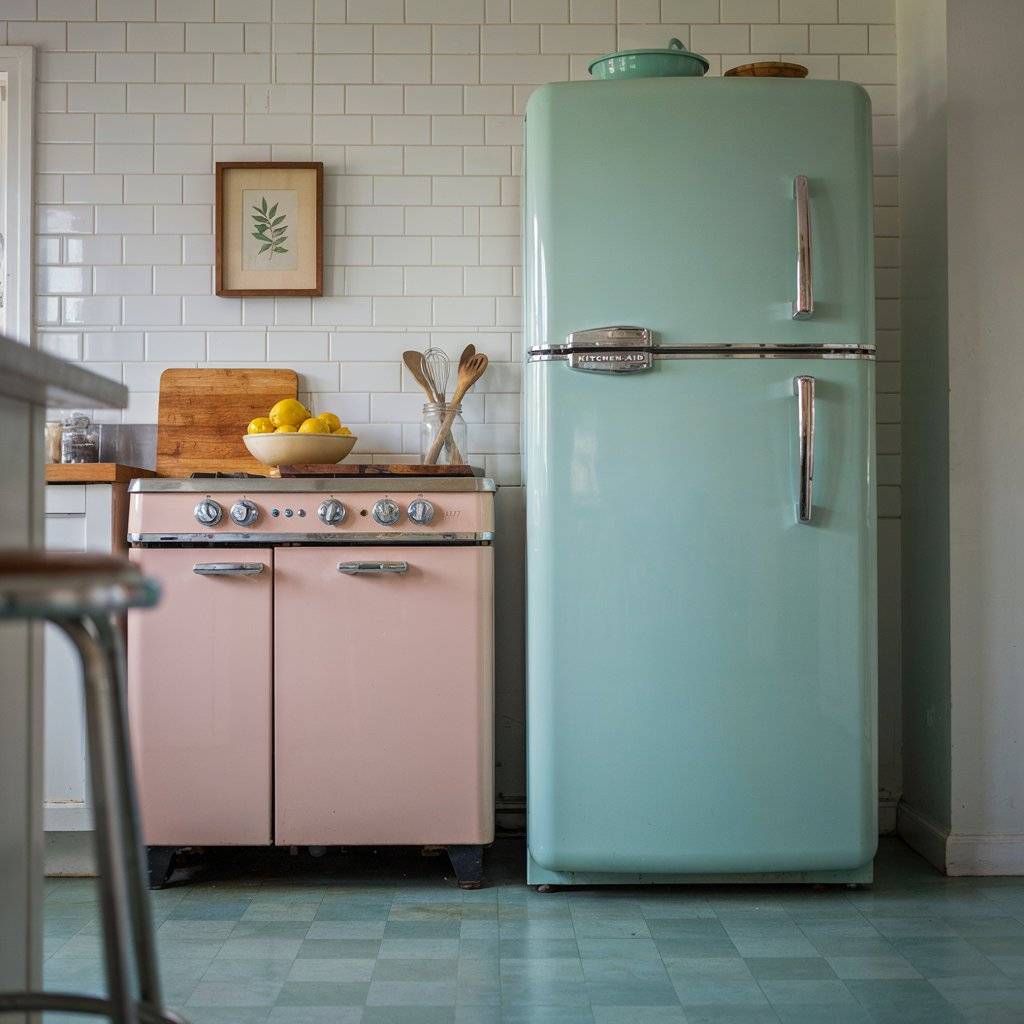
8. Add a Retro Fridge or Range
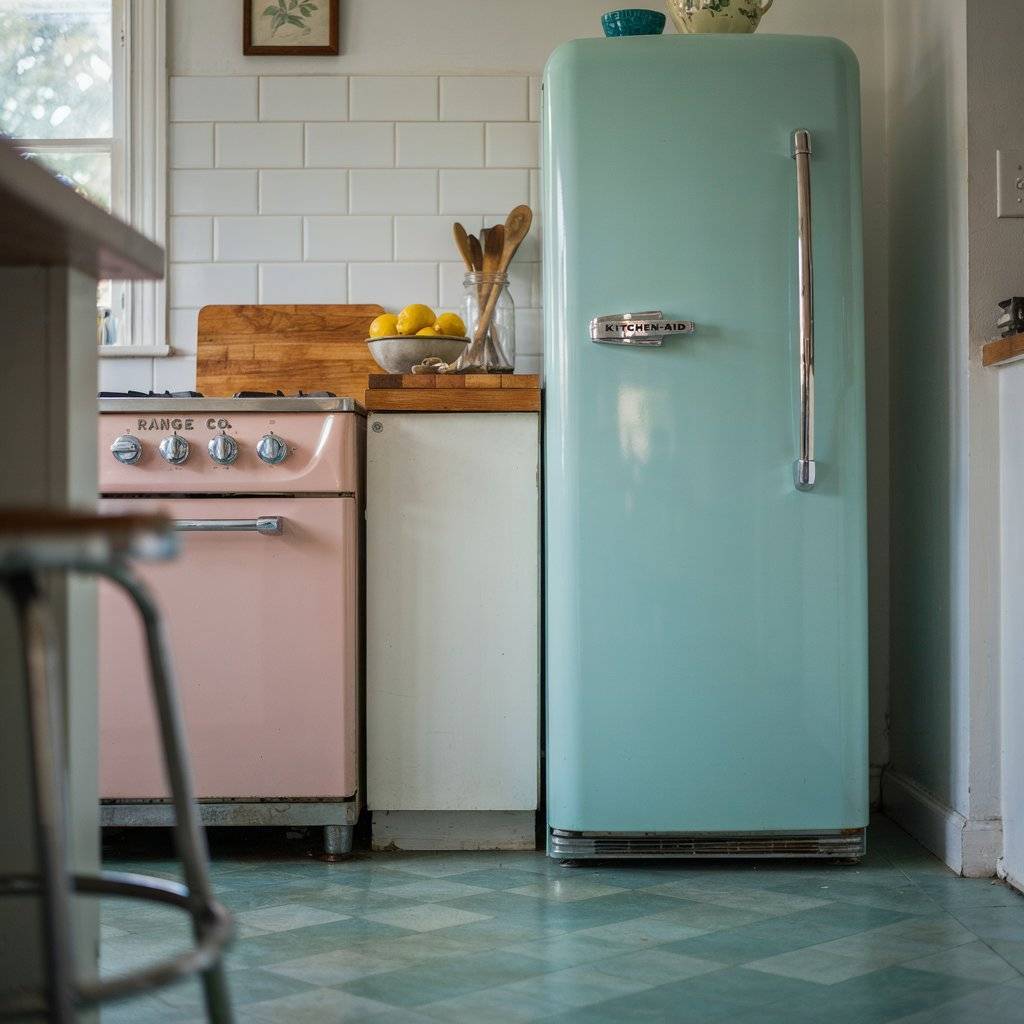
A retro-style refrigerator or range can be a real showstopper. Look for appliances with curved lines, chrome detailing, and bold colors like aqua, pastel pink, or mint green.
These pieces double as decor and immediately set the retro tone. Just be careful not to go overboard one or two statement appliances are usually enough.
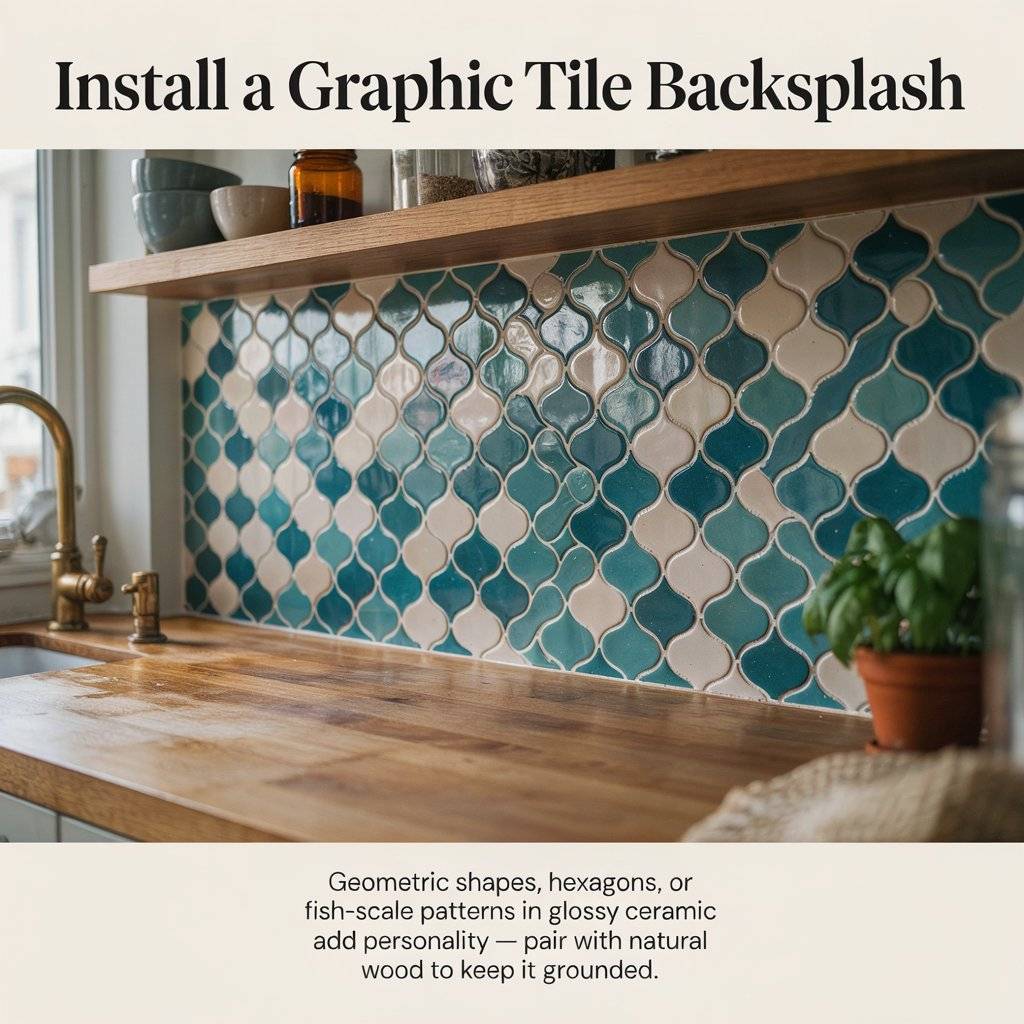
9. Install a Graphic Tile Backsplash
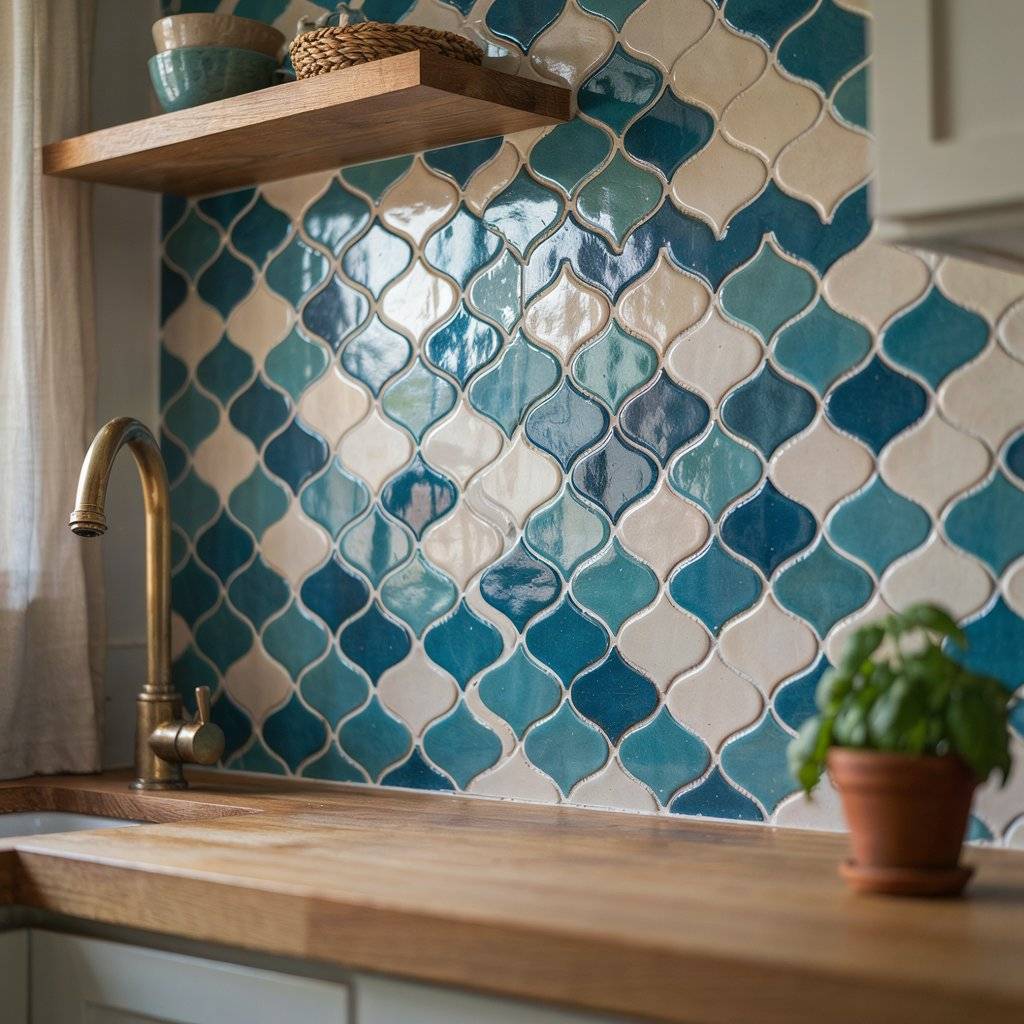
If you want to lean into the playful side of retro design, consider a graphic patterned tile backsplash. Geometric shapes, hexagons, or fish-scale patterns in glossy ceramic can add a ton of personality. Pair these with natural wood elements to keep the look grounded and balanced.
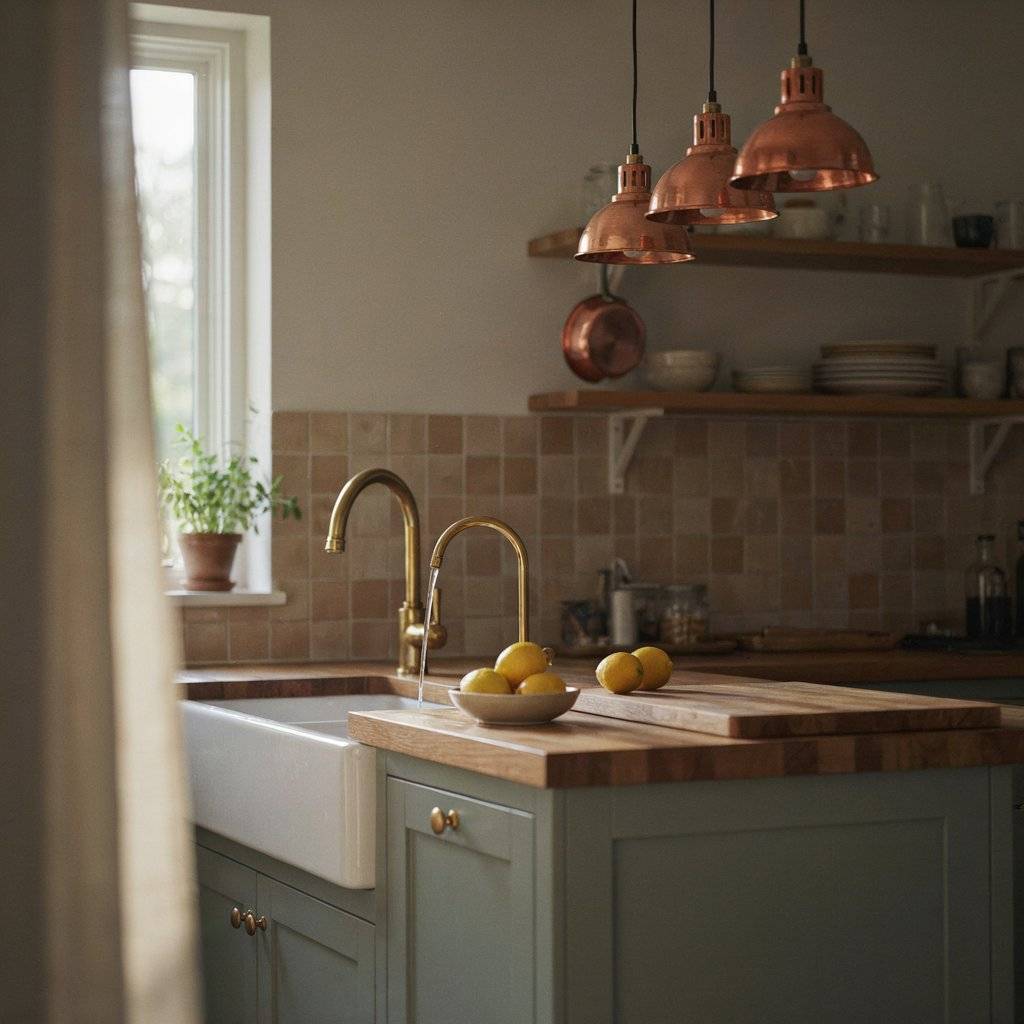
10. Choose Warm Metal Finishes
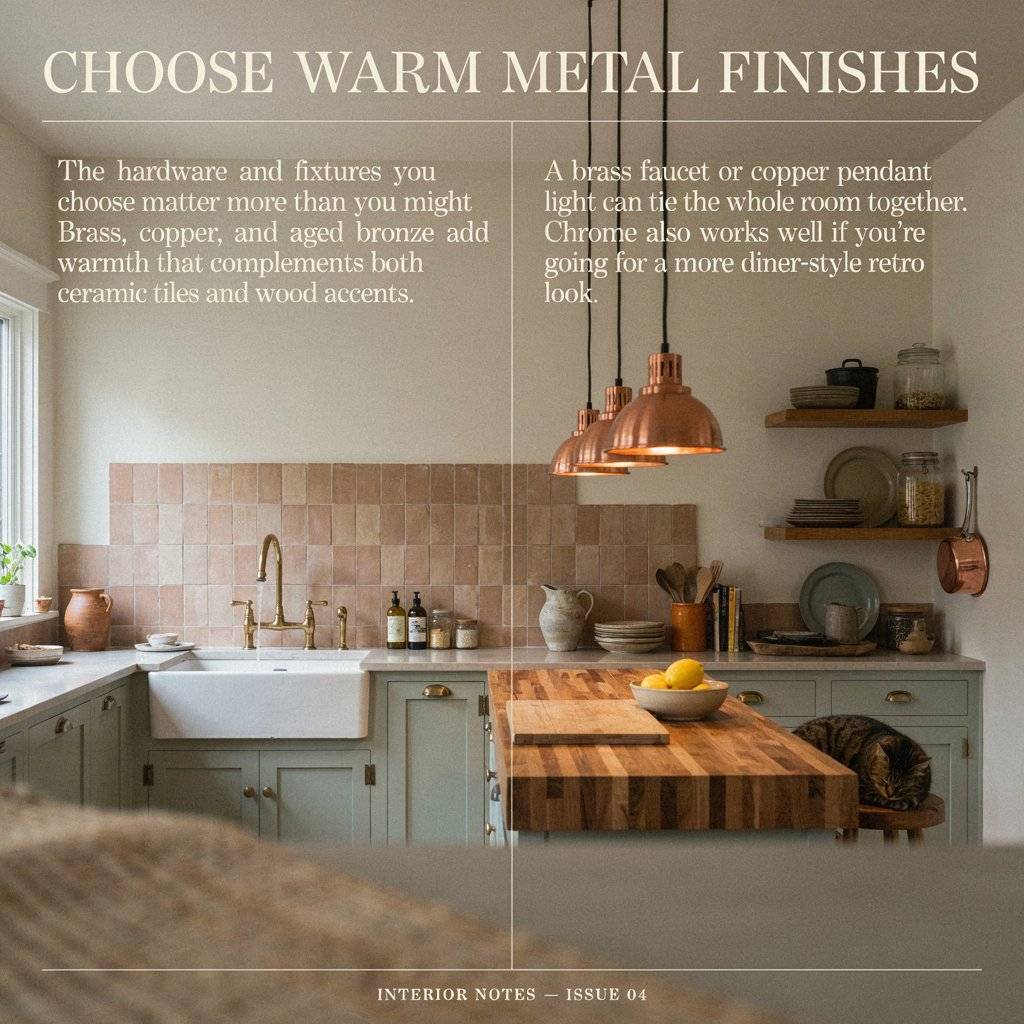
The hardware and fixtures you choose matter more than you might think. Brass, copper, and aged bronze add warmth that complements both ceramic tiles and wood accents.
A brass faucet or copper pendant light can tie the whole room together. Chrome also works well if you’re going for a more diner-style retro look.
11. Create a Cozy Breakfast Nook
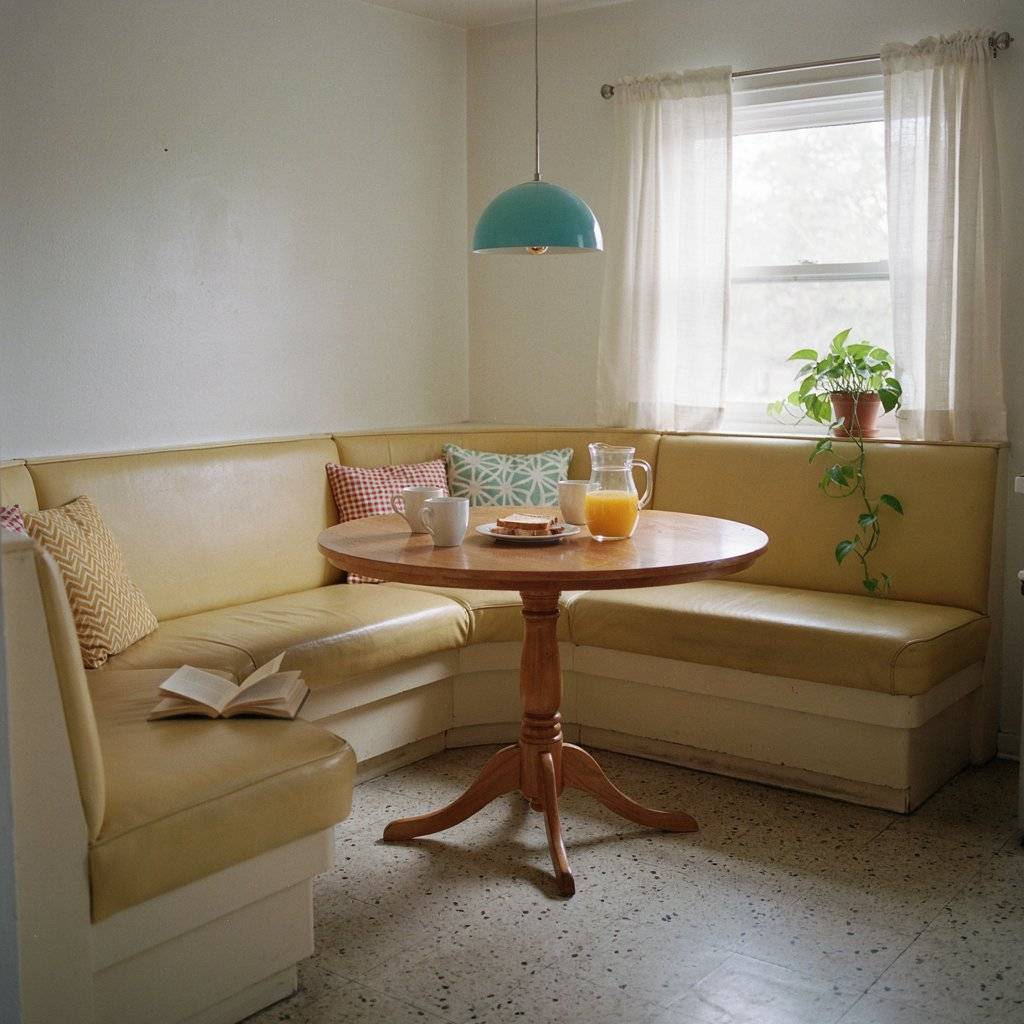
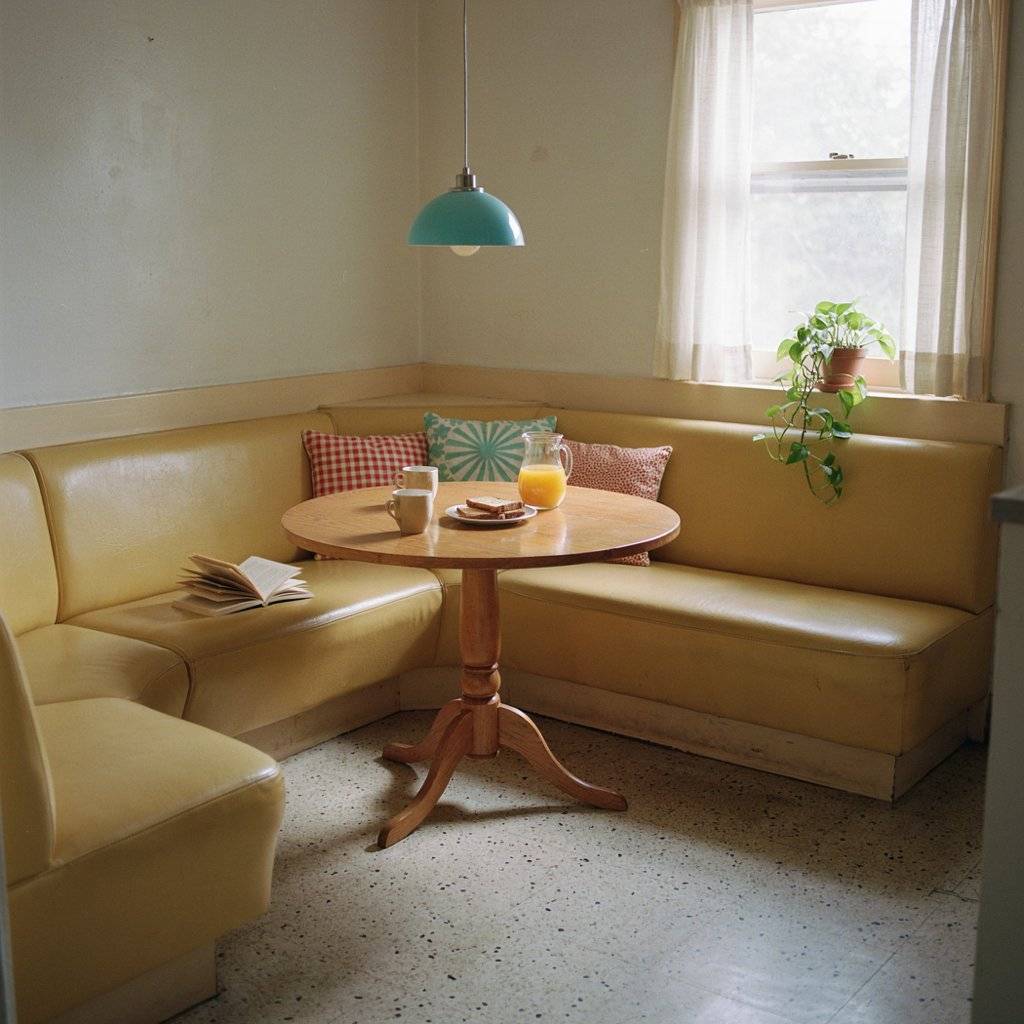
If you have the space, a banquette seating area adds instant retro charm. Choose colorful vinyl or leather upholstery and pair it with a wooden table.
Add some patterned cushions or a retro pendant light above, and you’ve got a cozy spot that feels straight out of the 1950s.
12. Display Vintage Collectibles
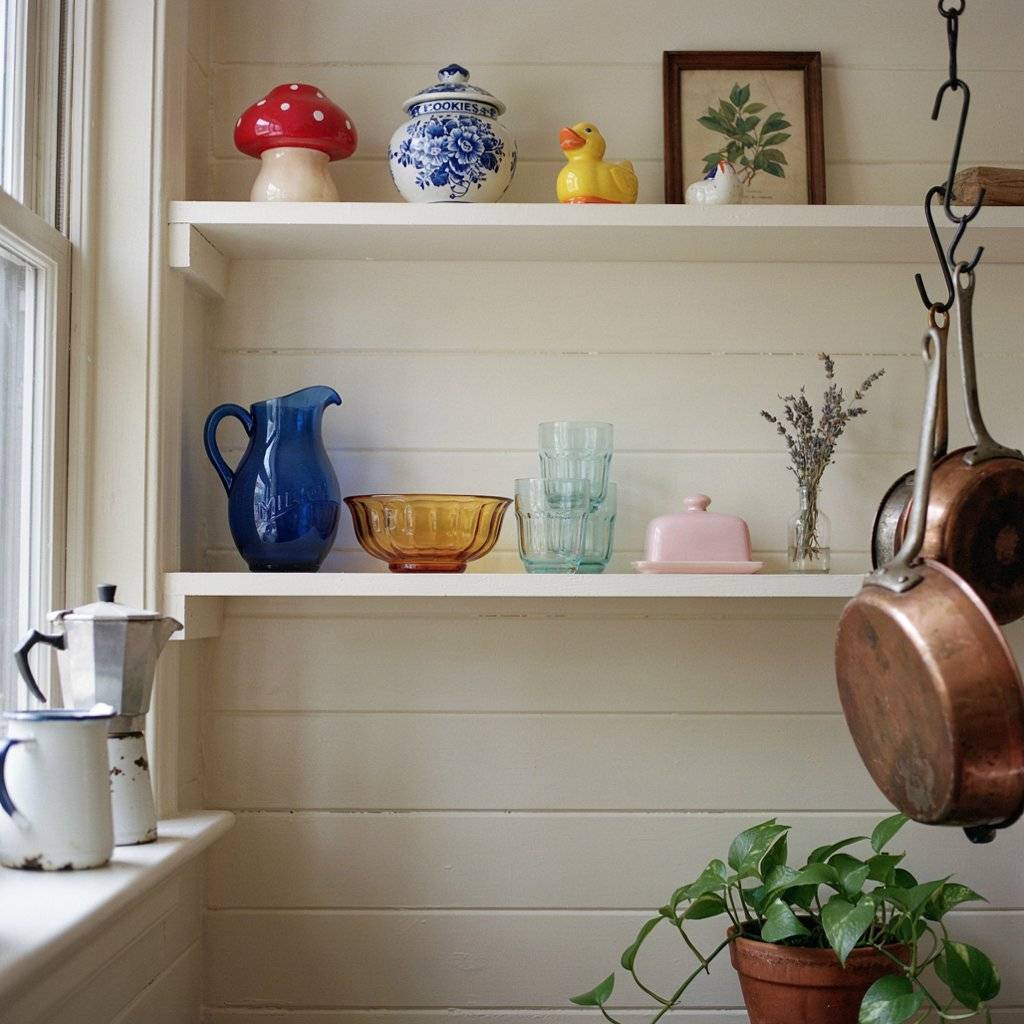
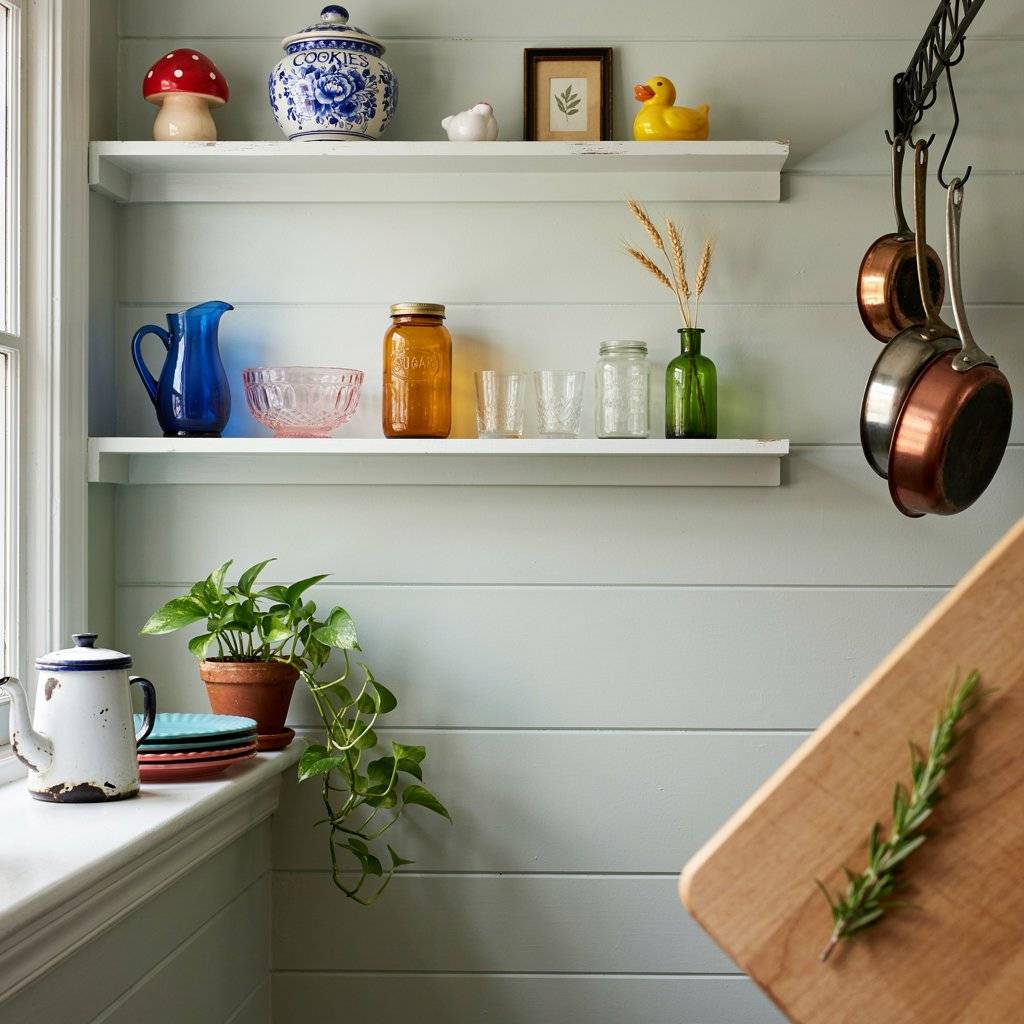
Retro style is all about personality, so don’t be afraid to show off your collections. Vintage cookie jars, mushroom canisters, colored glassware, and old enamelware all add to the nostalgic feel.
Display them on open shelves, window sills, or even hanging from a pot rack. The key is to curate too many items can look cluttered rather than charming.
13. Use Terrazzo Tile for Floors or Backsplash
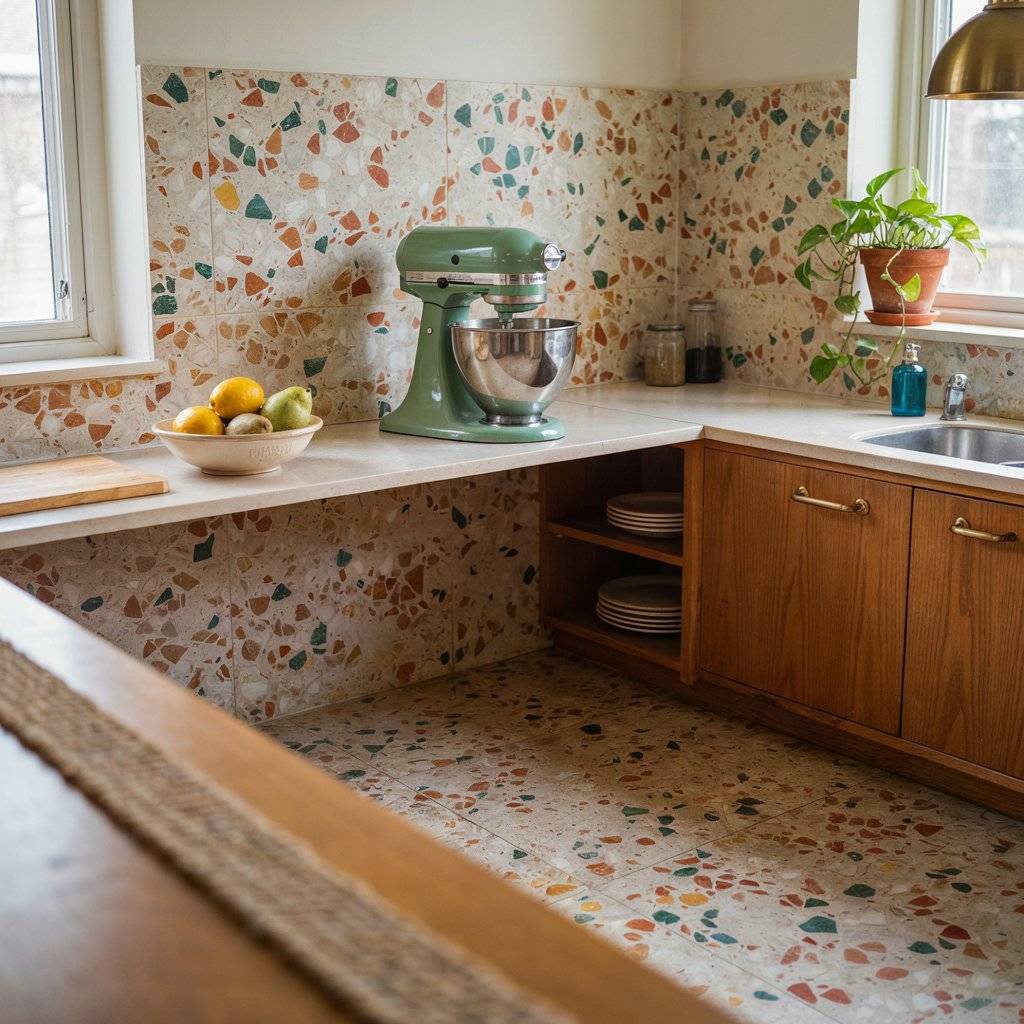
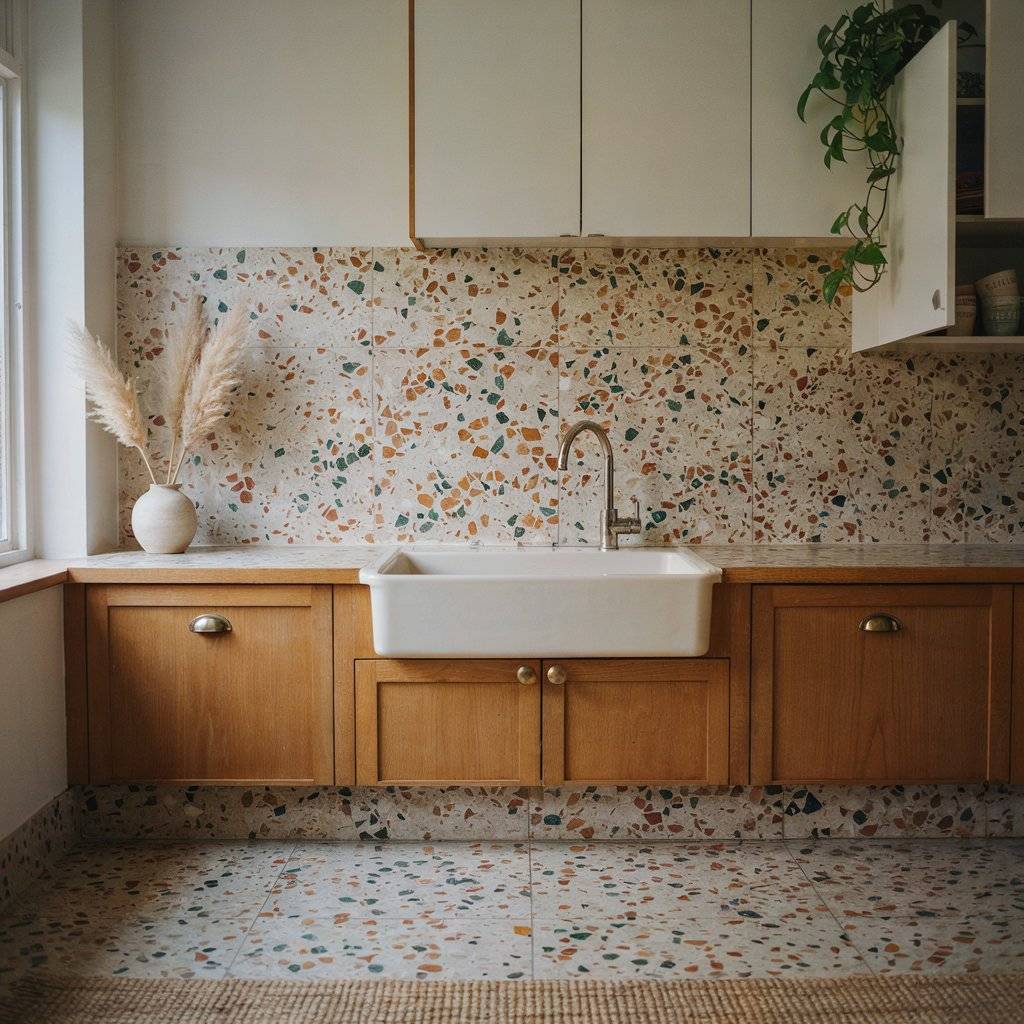
Terrazzo is having a moment, and it fits perfectly with retro design. The speckled pattern adds playful texture and works well as either flooring or a backsplash. It’s a great alternative to traditional ceramic tile if you want something a little different but still undeniably retro.
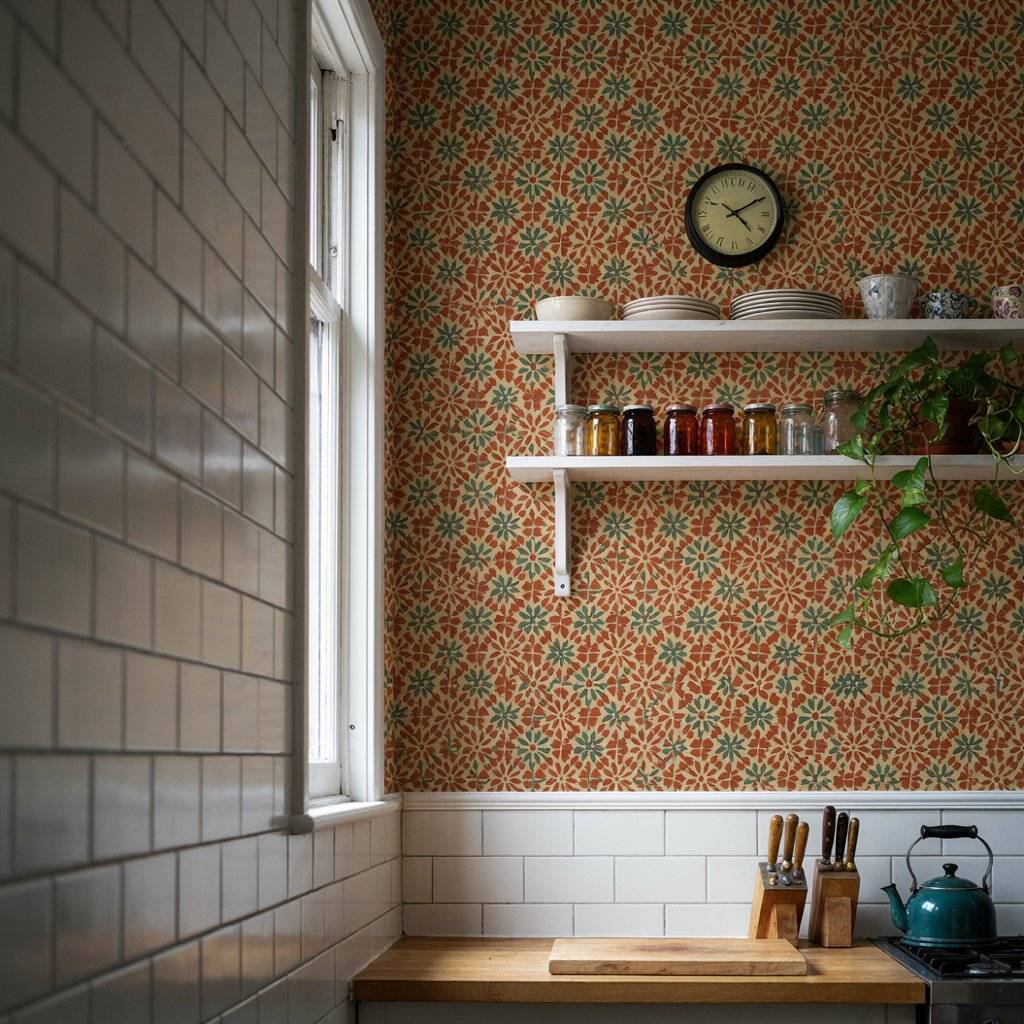
14. Add Patterned Wallpaper
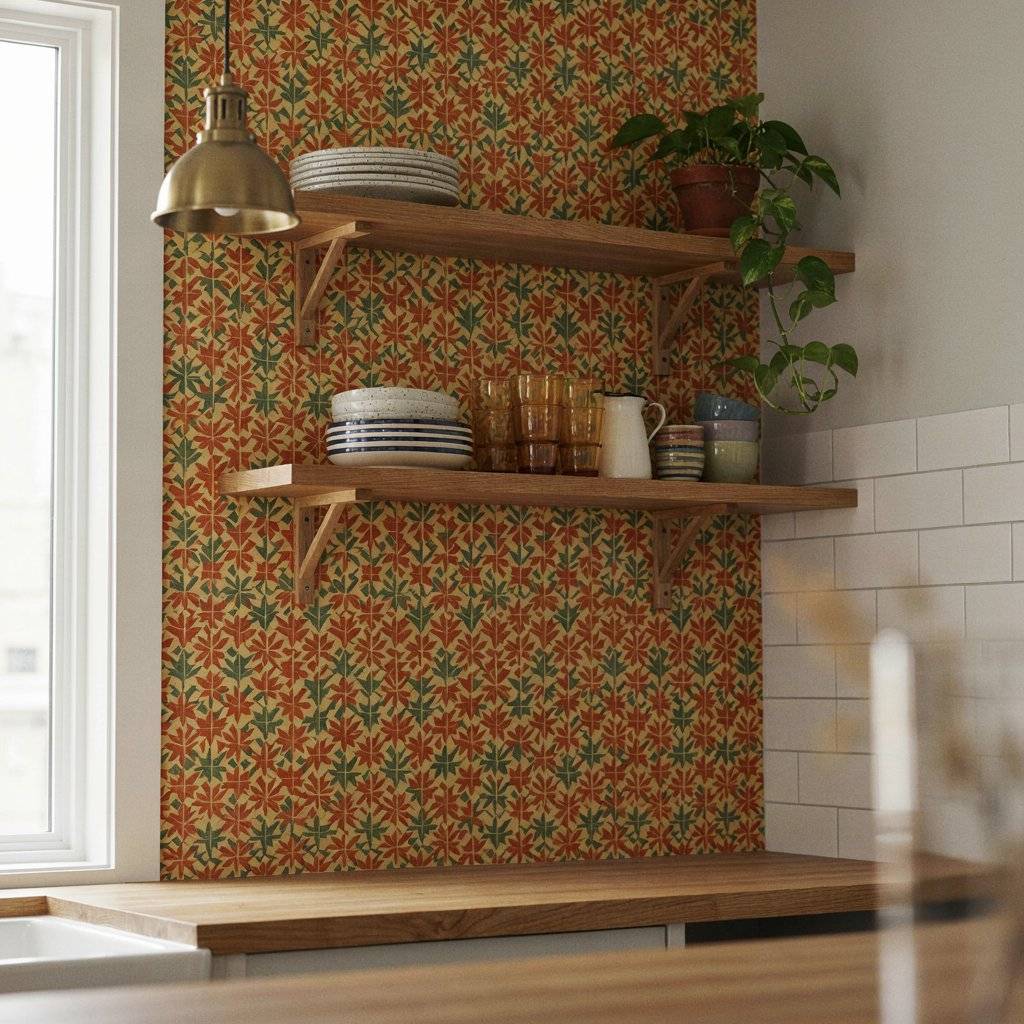
Wallpaper is another way to bring retro vibes into your kitchen. Think floral patterns, geometric designs, or even small-scale prints.
Use it on one wall or inside open shelving units for a pop of pattern. Just keep the rest of the room relatively simple so the wallpaper doesn’t overwhelm the space.
15. Balance High-Shine with Natural Textures
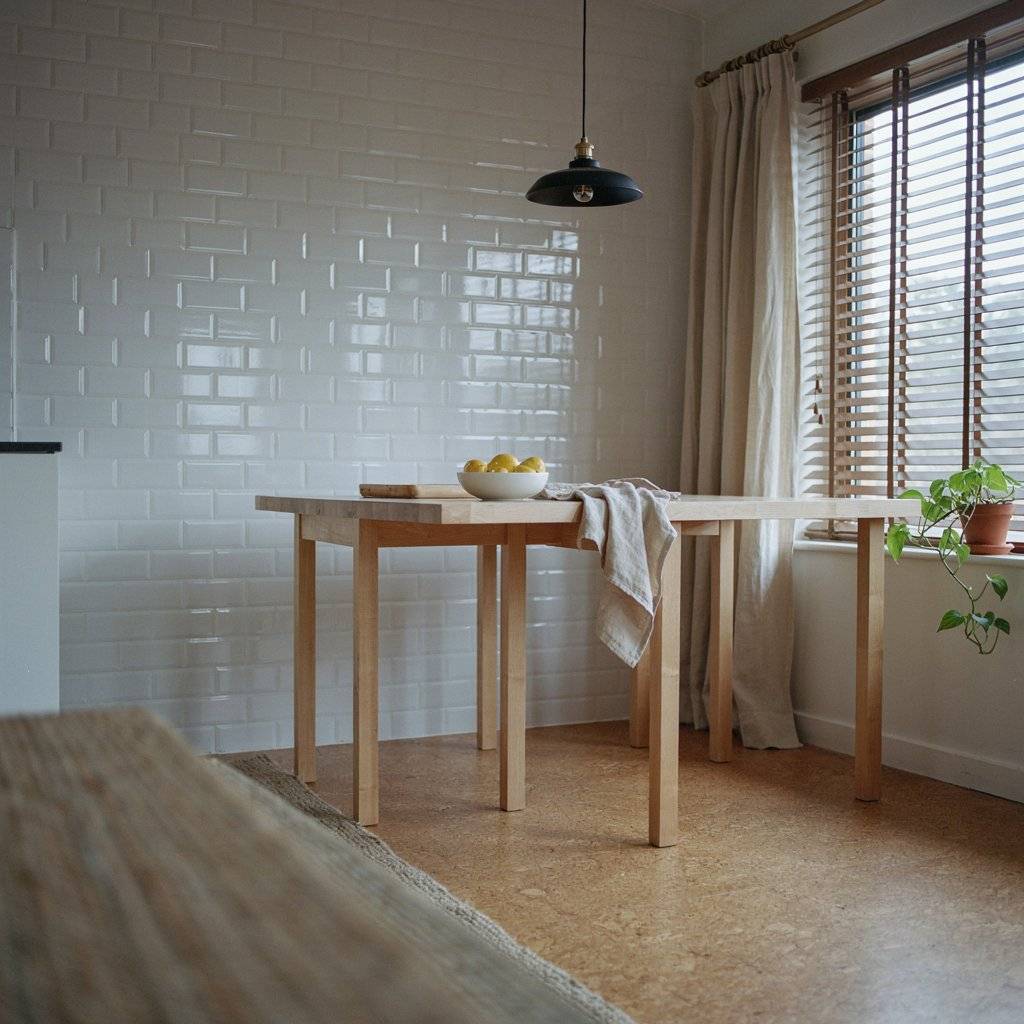
Too much shine can feel cold, while too much wood can feel heavy. The trick is balance. Pair your glossy ceramic tiles with natural textures like cork flooring, woven wood blinds, or linen cafe curtains. These softer elements add warmth and keep the high-shine surfaces from feeling too polished or sterile.
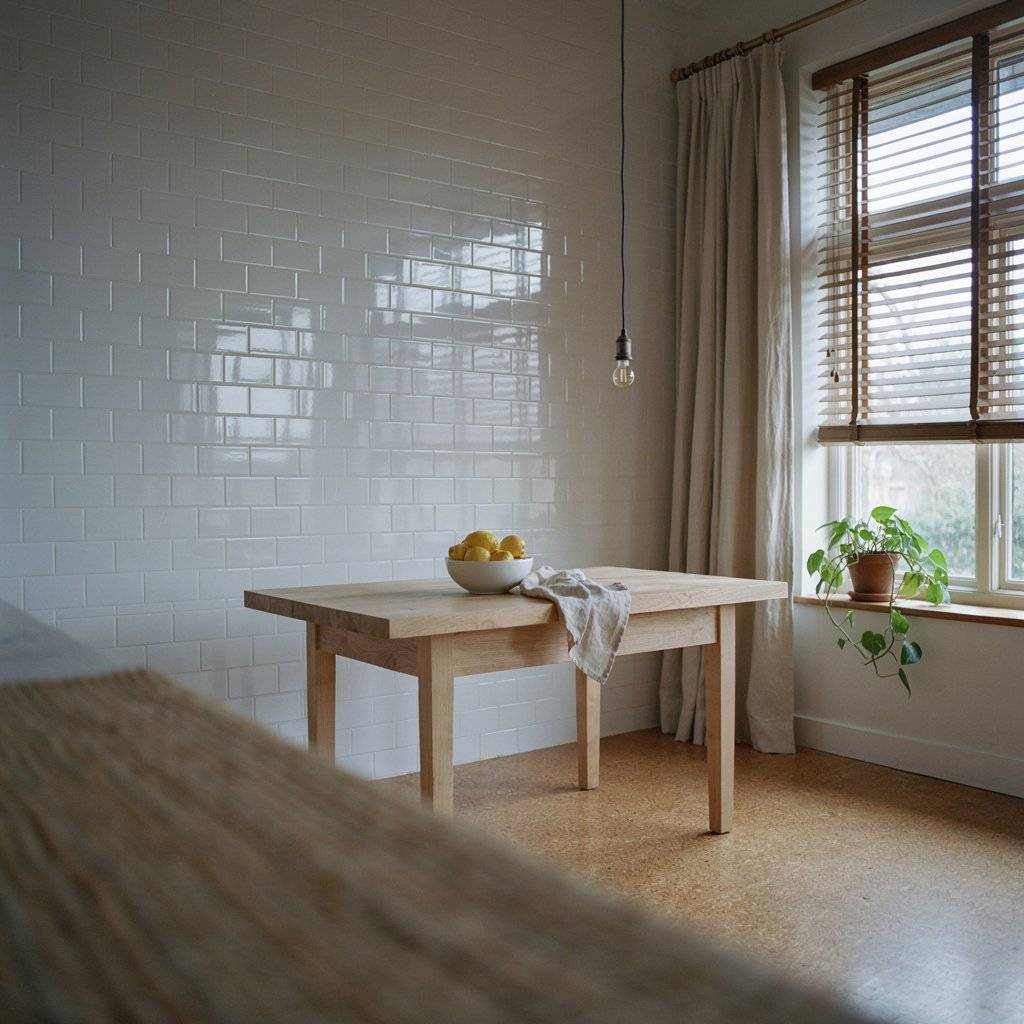
16. Don’t Forget the Lighting
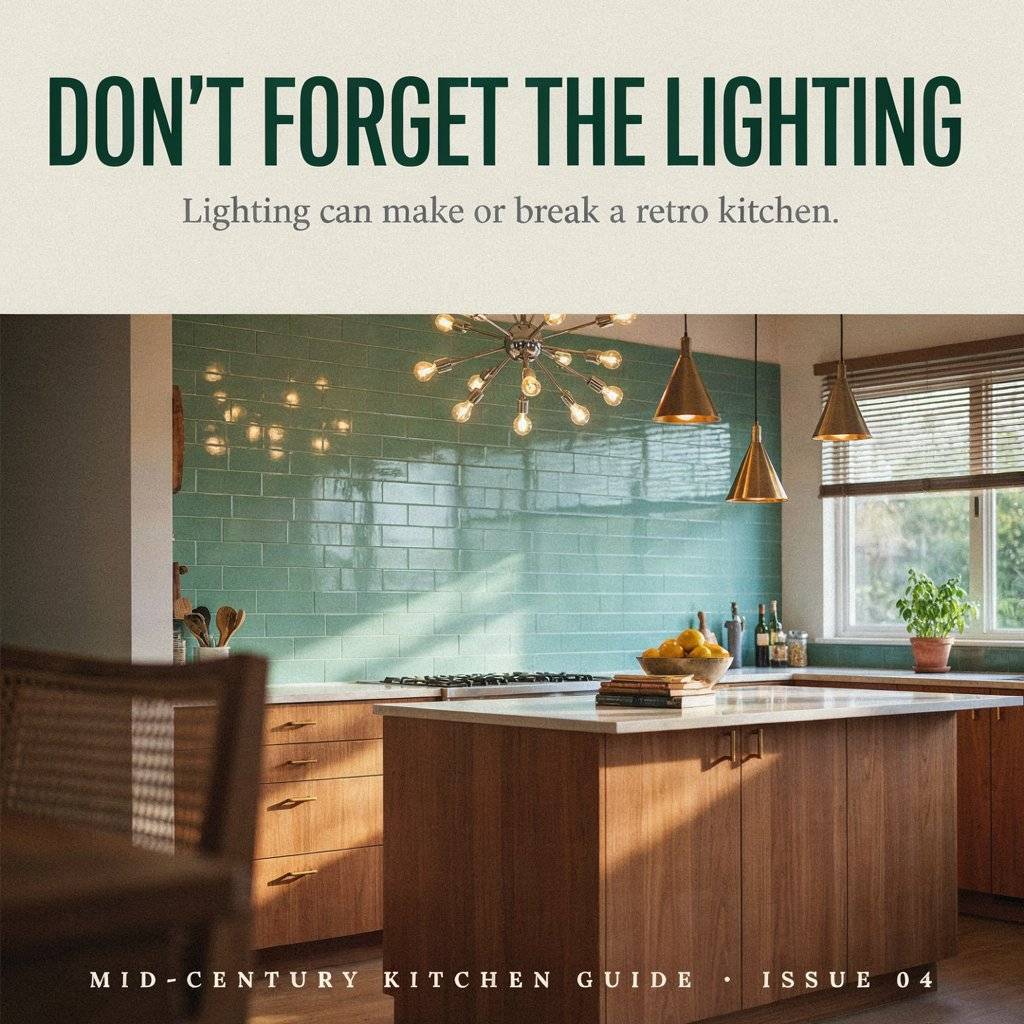
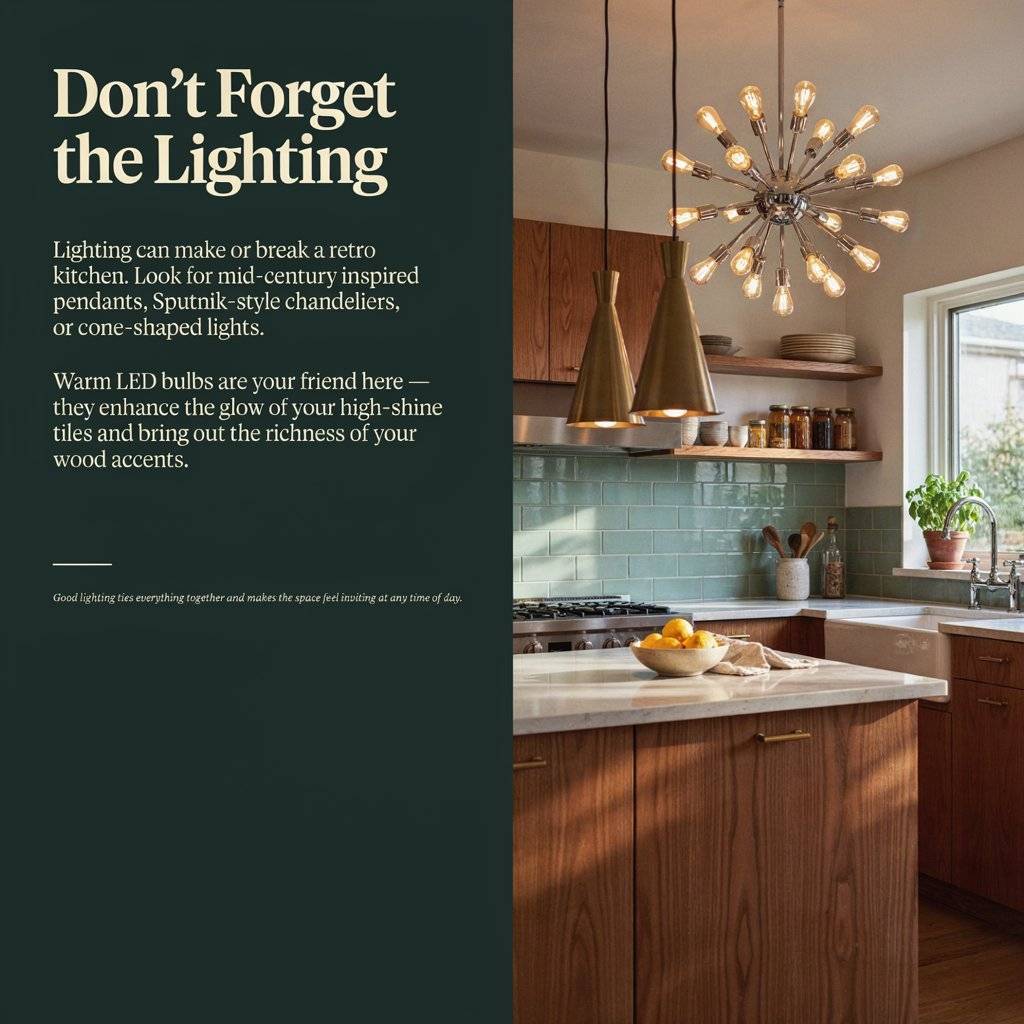
Lighting can make or break a retro kitchen. Look for mid-century inspired pendants, Sputnik-style chandeliers, or cone-shaped lights.
Warm LED bulbs are your friend here they’ll enhance the glow of your high-shine tiles and bring out the richness of your wood accents. Good lighting ties everything together and makes the space feel inviting at any time of day.
Tips for Getting It Right
Start small. You don’t need to remodel your whole kitchen at once. Adding a retro-style toaster, a colorful backsplash, or a few open shelves can make a big difference.
Pick one era and stick with it. Mixing too many decades can make the space feel messy rather than curated. Choose the 50s, 60s, or 70s as your inspiration and go from there.
Limit your accent colors. A good rule of thumb is to keep accent colors to about 30 percent of the visible surfaces. This prevents the space from feeling overwhelming.
Think about functionality. A retro kitchen should still work for modern life. Make sure your appliances are practical and your storage solutions make sense for how you actually cook and live.
Take your time collecting pieces. Retro style often looks best when it feels collected over time rather than bought all at once. Visit thrift stores, flea markets, and estate sales to find unique items with real character.
Mistakes to Avoid
Going too theme-heavy. A retro kitchen should feel nostalgic, not like a movie set. Avoid filling every corner with themed items. A few well-chosen pieces go a long way.
Forgetting about modern functionality. Old-school charm is great, but you still need to cook in this space. Make sure your layout works and your appliances are up to the task.
Overlooking lighting. Poor lighting can make even the most beautiful retro kitchen feel dark and uninviting. Plan your lighting carefully layered lighting works best.
Mixing too many colors. While retro design loves color, too many competing hues can feel chaotic. Stick to a cohesive palette and use accent colors sparingly.
Choosing the wrong wood tones. Not all wood works well with retro style. Avoid red oak or green-toned woods and opt for warmer tones like walnut, teak, or honey oak.
FAQs
Q: Can I mix retro style with modern elements?
A: Absolutely. In fact, that’s exactly what designers recommend. Mixing retro touches with modern finishes keeps the space from feeling like a time capsule.
Q: What colors work best for a retro kitchen?
A: Bold blues, greens, oranges, and soft pastels are all popular choices. Mustard yellow, olive green, and aqua are particularly trendy right now.
Q: How do I keep my retro kitchen from looking dated?
A: Focus on quality materials and timeless design choices. The line between retro and dated often comes down to the quality of the finishes.
Q: Are retro appliances worth the investment?
A: They can be, but they work best as accent pieces. One or two statement appliances add charm without overwhelming the space.
Q: What’s the best way to add wood accents without a full remodel?
A: Start with smaller touches wooden cutting boards, open shelving, or a butcher block countertop. These add warmth without a major commitment.
Style Ideas to Try
- Mid-century modern warmth: Flat-front walnut cabinets, olive green ceramic tile backsplash, and aqua appliances
- Diner-inspired: Checkerboard flooring, high-gloss mustard tile, chrome accents, and retro bar stools
- Granny chic: Warm wood cabinets, floral wallpaper, vintage dishware on open shelves, and lace cafe curtains
- Boho retro: Green and walnut cabinetry, pink Moroccan ceramic tiles, and plenty of plants
✨ Wrapping It Up
Designing a warm retro-inspired kitchen with high-shine ceramics and wood accents is all about balance. The glossy tiles bring energy and light, while the wood adds the cozy, grounded feeling that makes a kitchen feel like home. You don’t need to do everything at once start with a few key pieces and build from there.
Remember, the best retro kitchens aren’t the ones that look like they came straight out of a catalog. They’re the ones that feel personal, lived-in, and full of character. So take your time, choose pieces you genuinely love, and don’t be afraid to mix old with new. Your kitchen should work for you not the other way around.
Happy designing!
Related Post: