

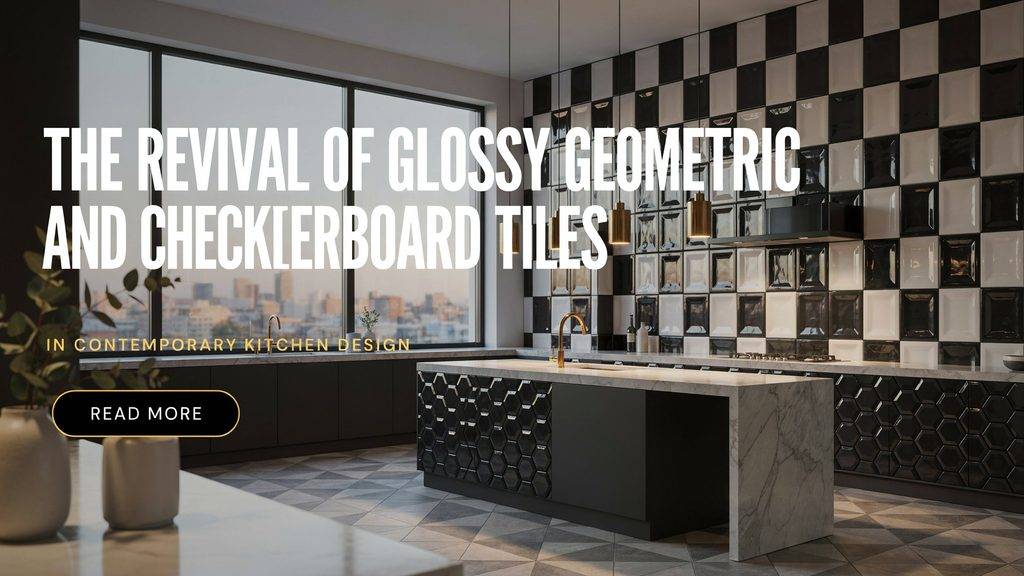
If you’ve been scrolling through kitchen photos lately, you’ve probably noticed something familiar popping up again. Glossy geometric tiles and checkerboard patterns are making a serious comeback. And no, it’s not just nostalgia for 1980s diners or old-school pizza joints.
This trend is different. It’s sleeker, more thoughtful, and fits into modern homes in ways that feel fresh rather than dated. Designers are taking those bold, graphic patterns and pairing them with contemporary finishes, warm color palettes, and unexpected placements. Kitchens that have personality without screaming for attention.
What makes this revival work is the glossy finish. That high-shine surface bounces light around the room, making spaces feel brighter and more open. It also gives the pattern a polished, intentional look that separates it from the matte, rustic tiles that have dominated for the past few years.
Whether you’re planning a full renovation or just want to update your backsplash, this trend offers something for everyone. Let’s walk through what’s happening, why it works, and how you can pull it off in your own kitchen.
Why This Trend Matters Now
For a while, kitchen design played it safe. Neutral colors, simple subway tiles, and minimalist everything was the default choices. But people started craving more personality in their homes. They wanted spaces that felt like theirs not something copied from a catalog.
That’s where geometric and checkerboard tiles come in. They add instant visual interest without needing a complete overhaul. A single patterned backsplash or a graphic floor can transform an entire room.
There’s also a practical side. Glossy tiles are easy to wipe down, resist stains, and hold up well in busy kitchens. So you’re not just choosing style you’re choosing something that works for real life.
The timing makes sense too. With more people spending time at home, kitchens have become the heart of daily life again. It’s natural to want that space to feel special. Geometric tiles give you a way to make a statement without overwhelming the room.
Design Ideas to Get You Started
1. Go Big with a Checkerboard Floor
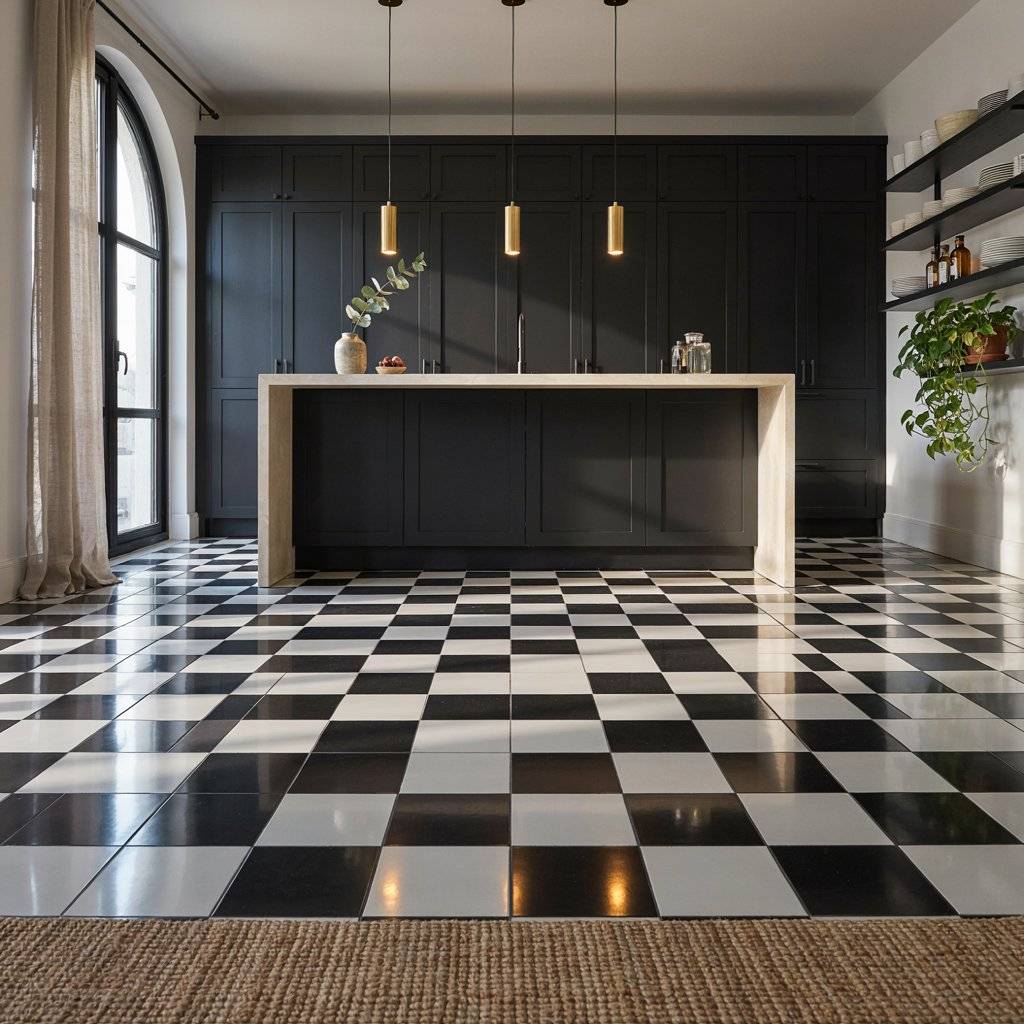
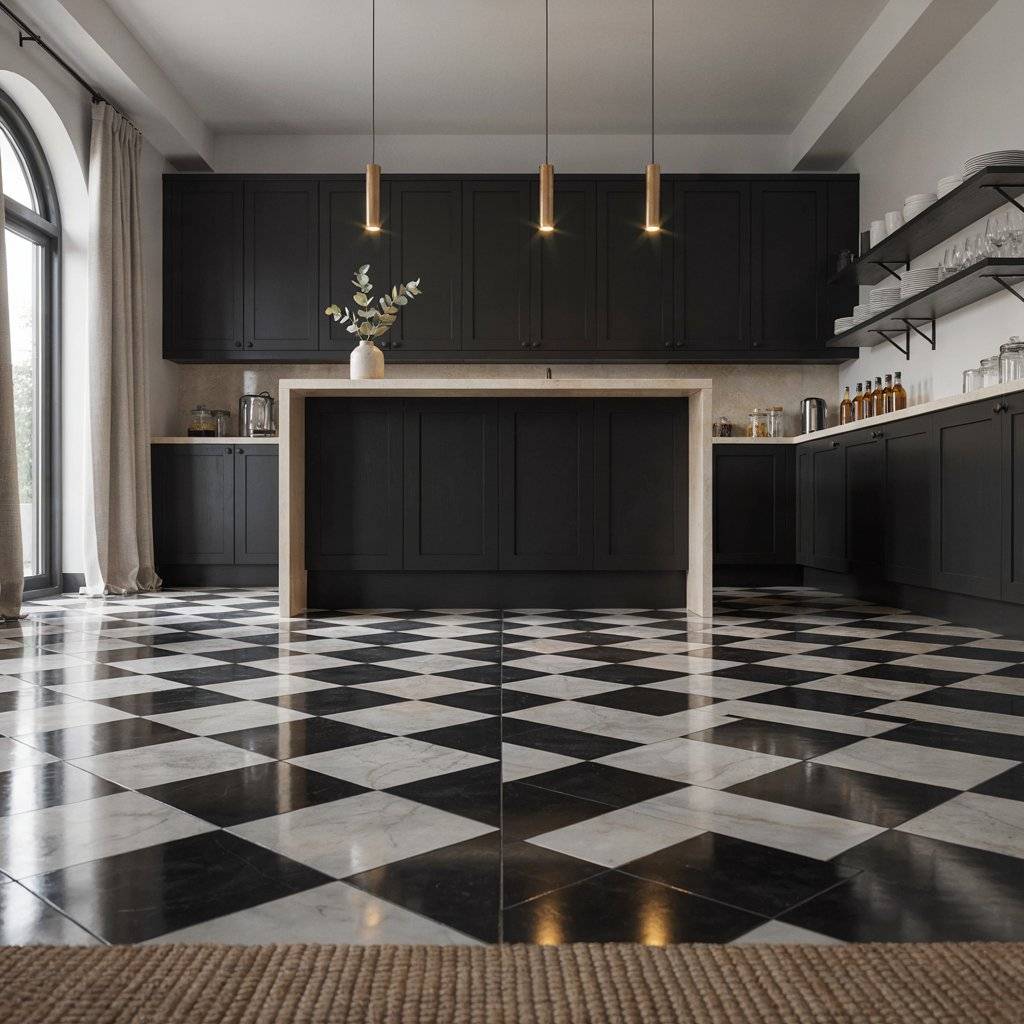
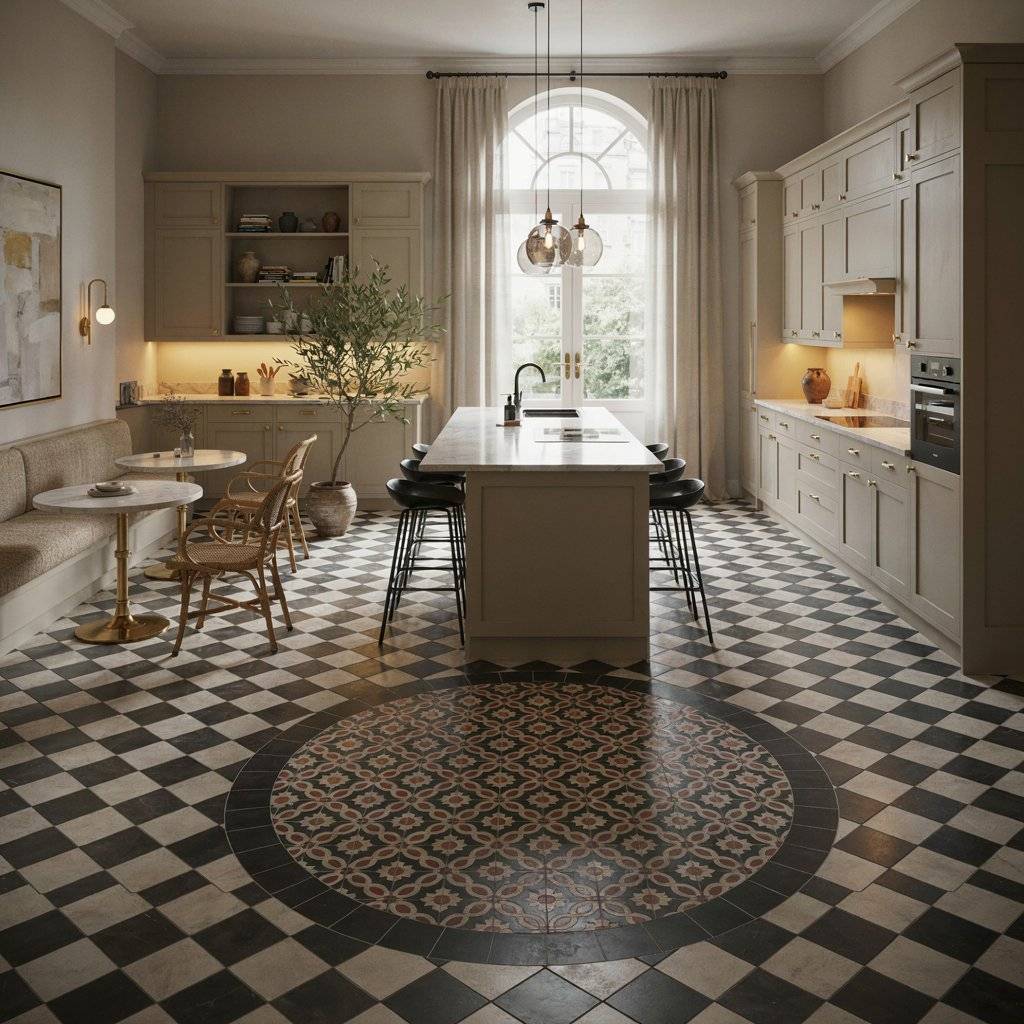
The classic black-and-white checkerboard floor never really went away, but it’s having a moment again. Designers are now exploring softer takes on this look think warm beige and cream, or taupe and off-white. These muted combinations feel less harsh than traditional black and white and blend more easily with modern cabinetry.
If you want to keep the high-contrast look, glossy black and white tiles create a bold, sophisticated feel. Just be mindful of natural light direct sunlight on glossy floors can create glare. For high-traffic areas, consider matte tiles on the floor to prevent slips while keeping the pattern you love.
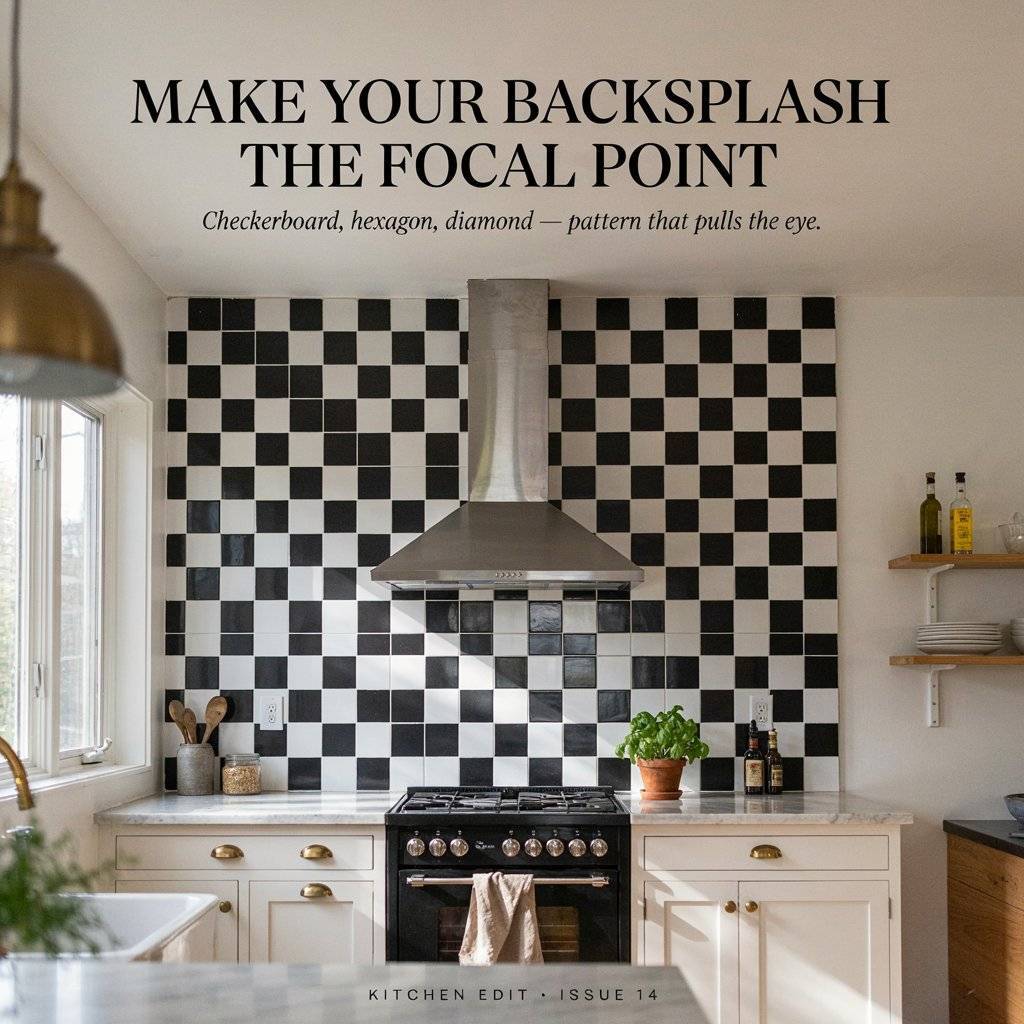
2. Make Your Backsplash the Focal Point
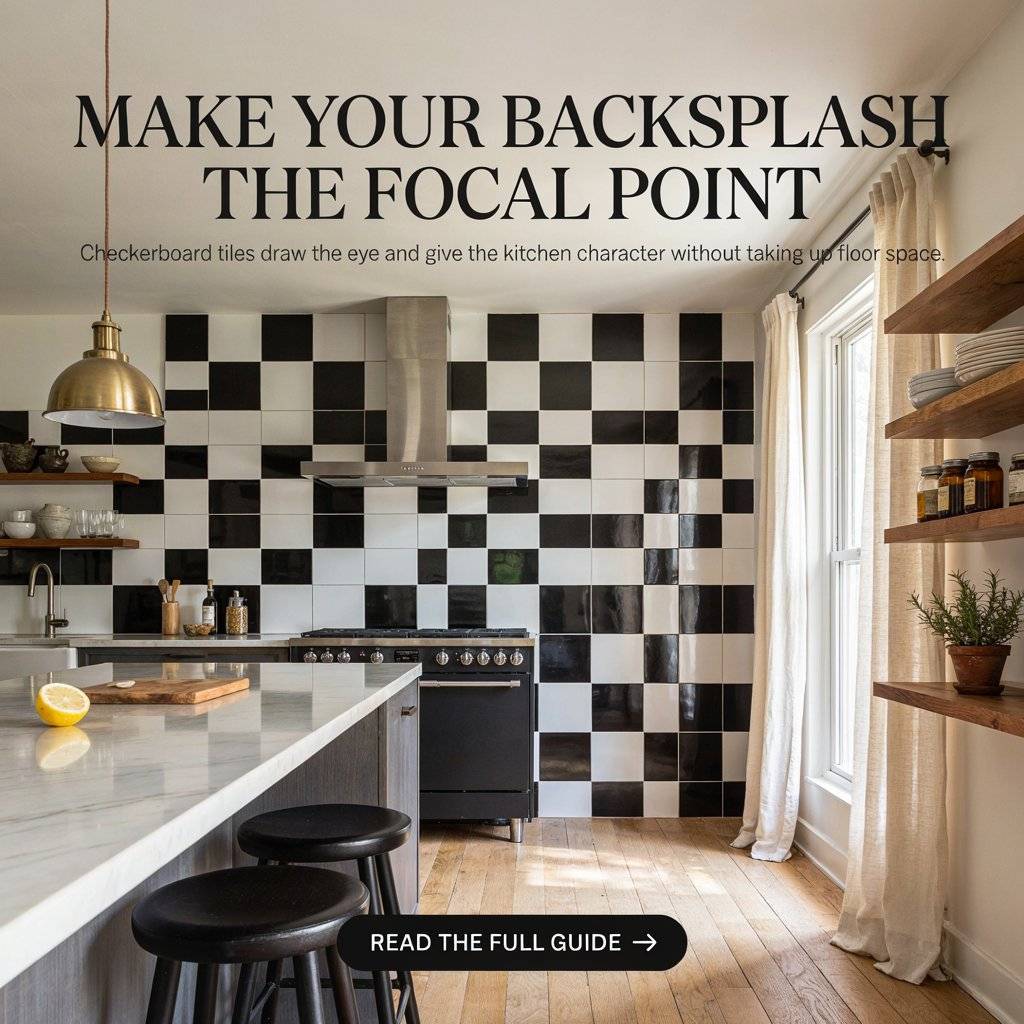
A checkerboard backsplash is one of the fastest ways to update a kitchen. It draws the eye and gives the room character without taking up floor space. Zooey Deschanel recently showed how effective this can be, using a classic black-and-white checkerboard backsplash that feels timeless yet completely current.
For a more subtle approach, try geometric shapes like hexagons or diamonds in a single color with contrasting grout. The pattern adds texture and movement while keeping the overall look clean. Glossy finishes work especially well here because they reflect light and make the kitchen feel more open.
3. Try Geometric Shapes Beyond Squares
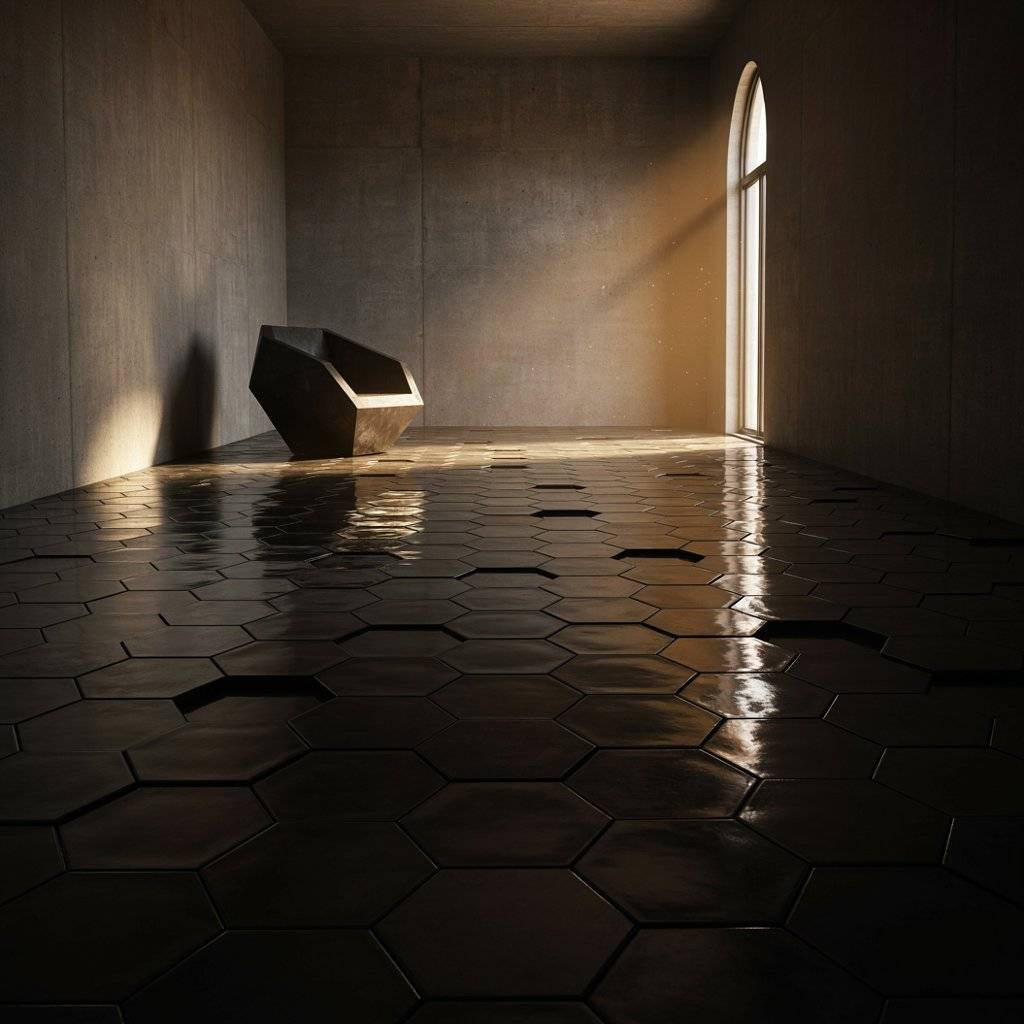
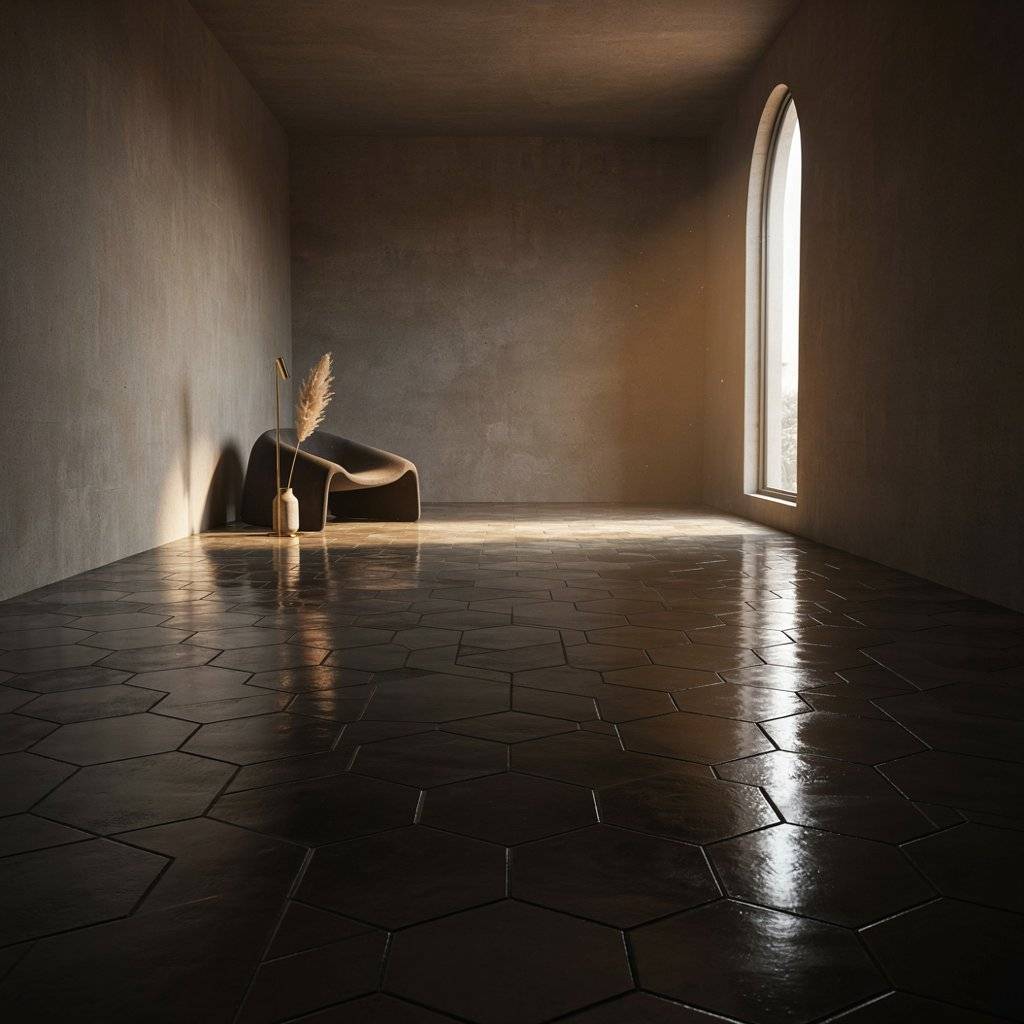
Checkerboards are the most recognizable pattern, but geometric tiles come in all sorts of shapes. Hexagons, triangles, chevrons, and diamonds are all fair game. These shapes create movement and energy that standard square tiles just can’t match.
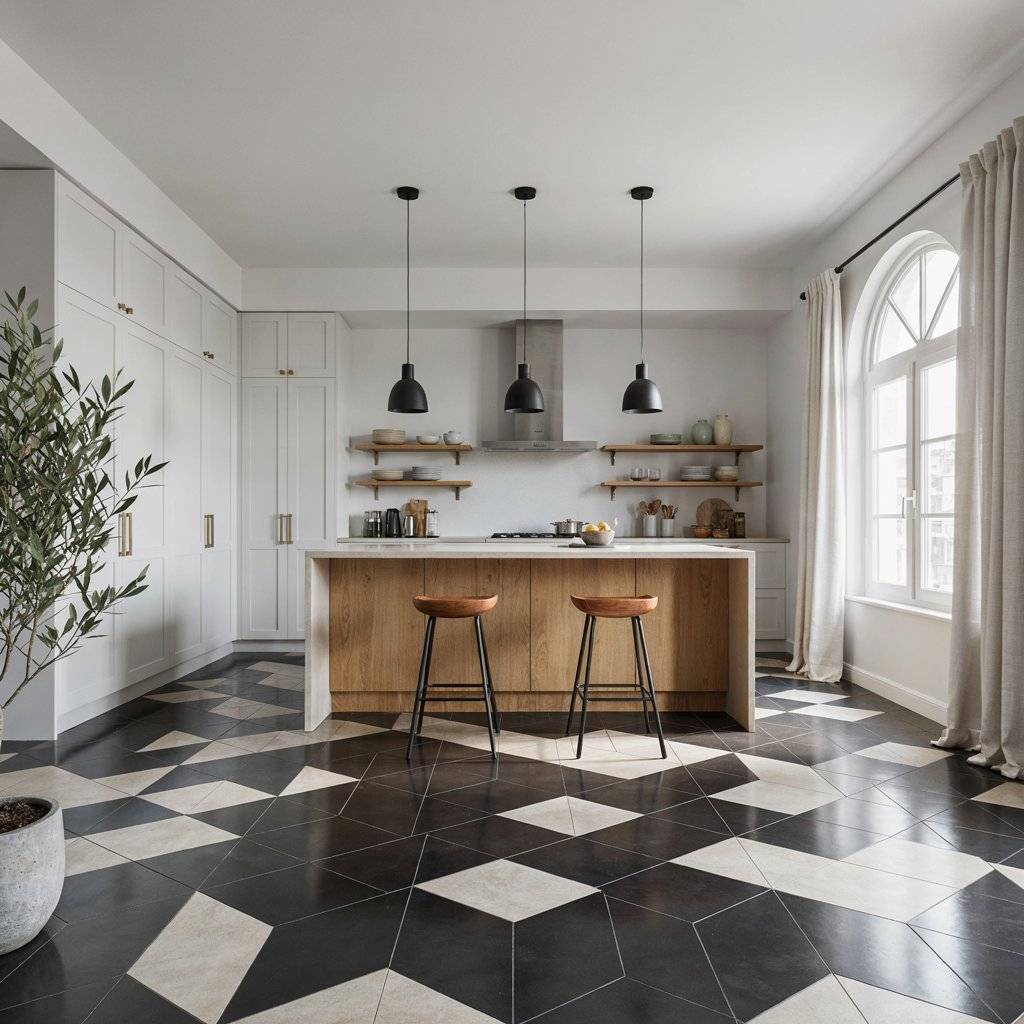
One approach is to use large-scale geometric tiles in a single color. The shape itself becomes the design element, and the glossy finish adds depth. This works particularly well in open-plan spaces where the floor can define the room.
4. Mix Glossy and Matte Finishes
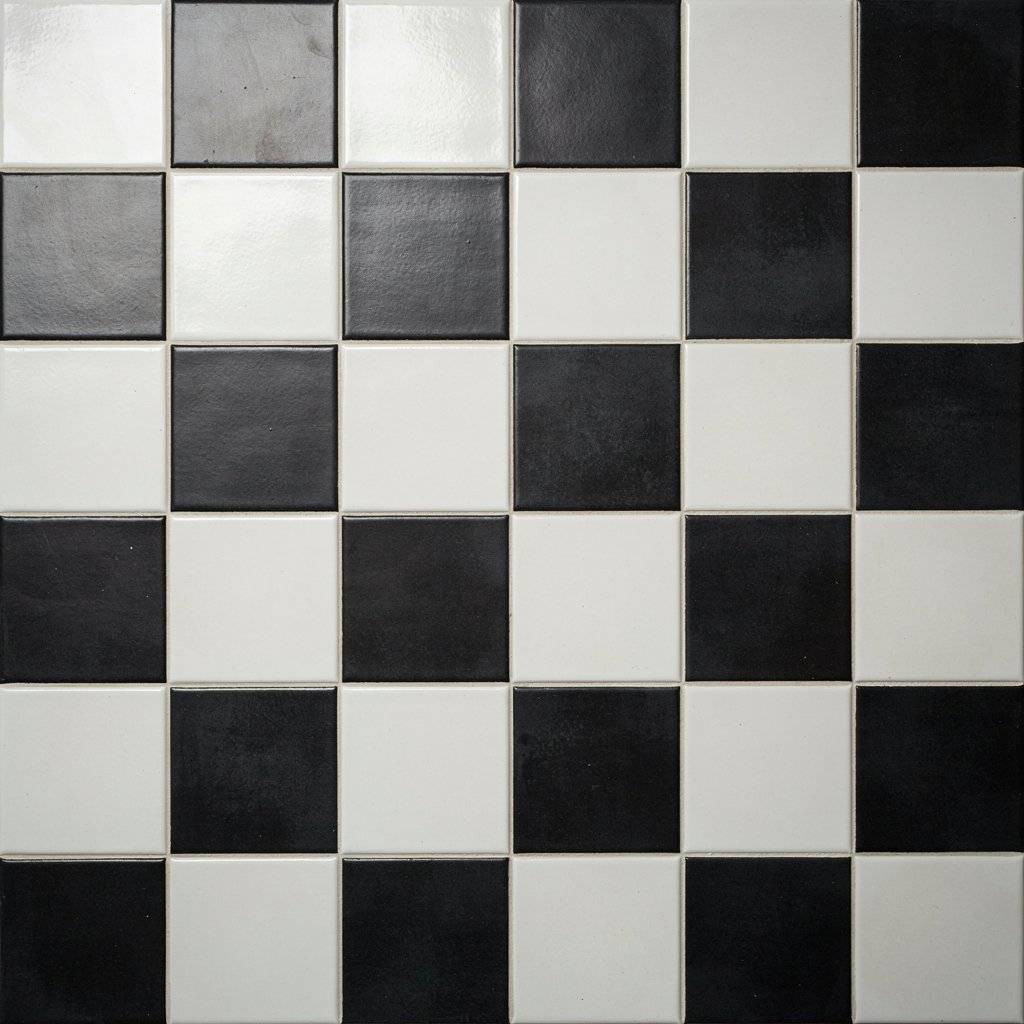
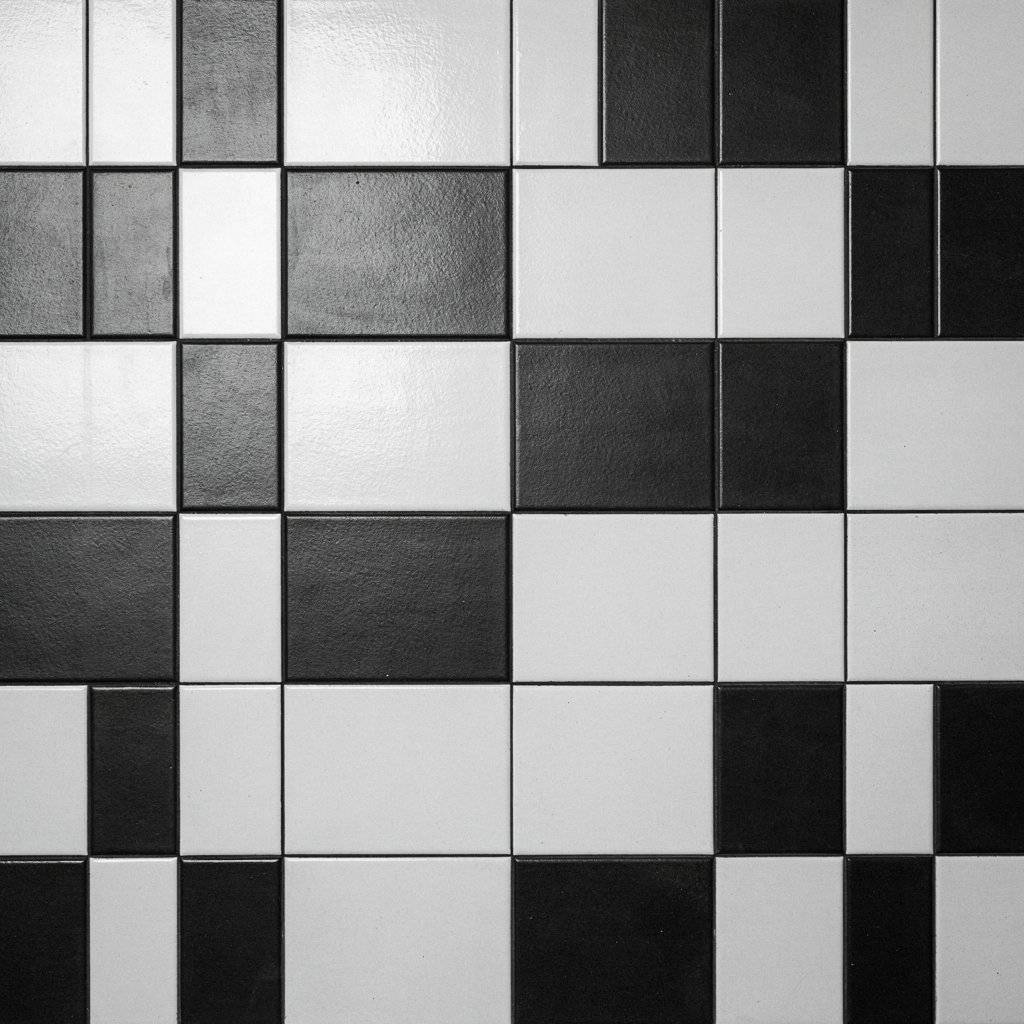
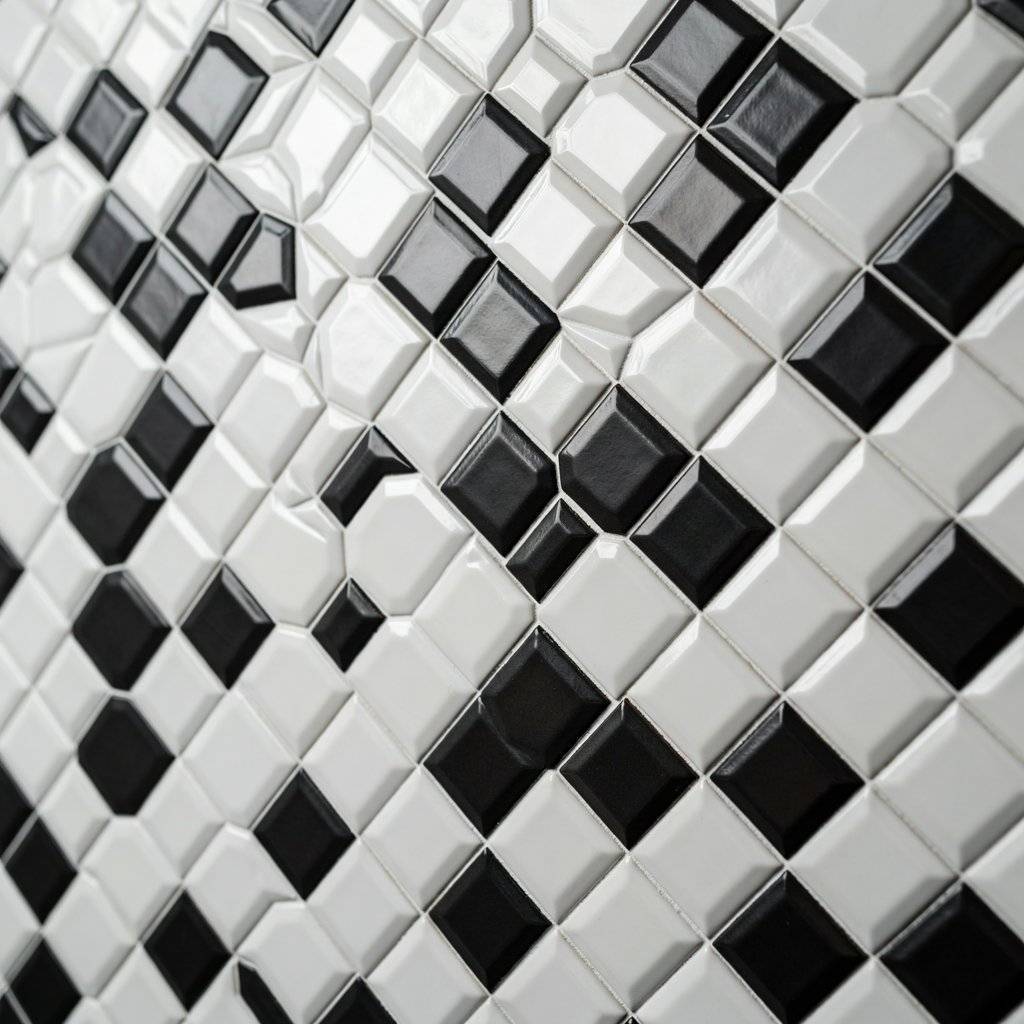
Combining glossy and matte tiles in the same pattern adds visual interest without introducing more colors. You could use glossy white squares with matte black ones, or keep both tiles glossy but vary the texture. This technique gives the pattern dimension and keeps it from looking flat.
It’s also a practical choice. Glossy tiles reflect light and brighten the space, while matte tiles in work zones reduce glare and hide smudges better.
5. Consider Color Beyond Black and White
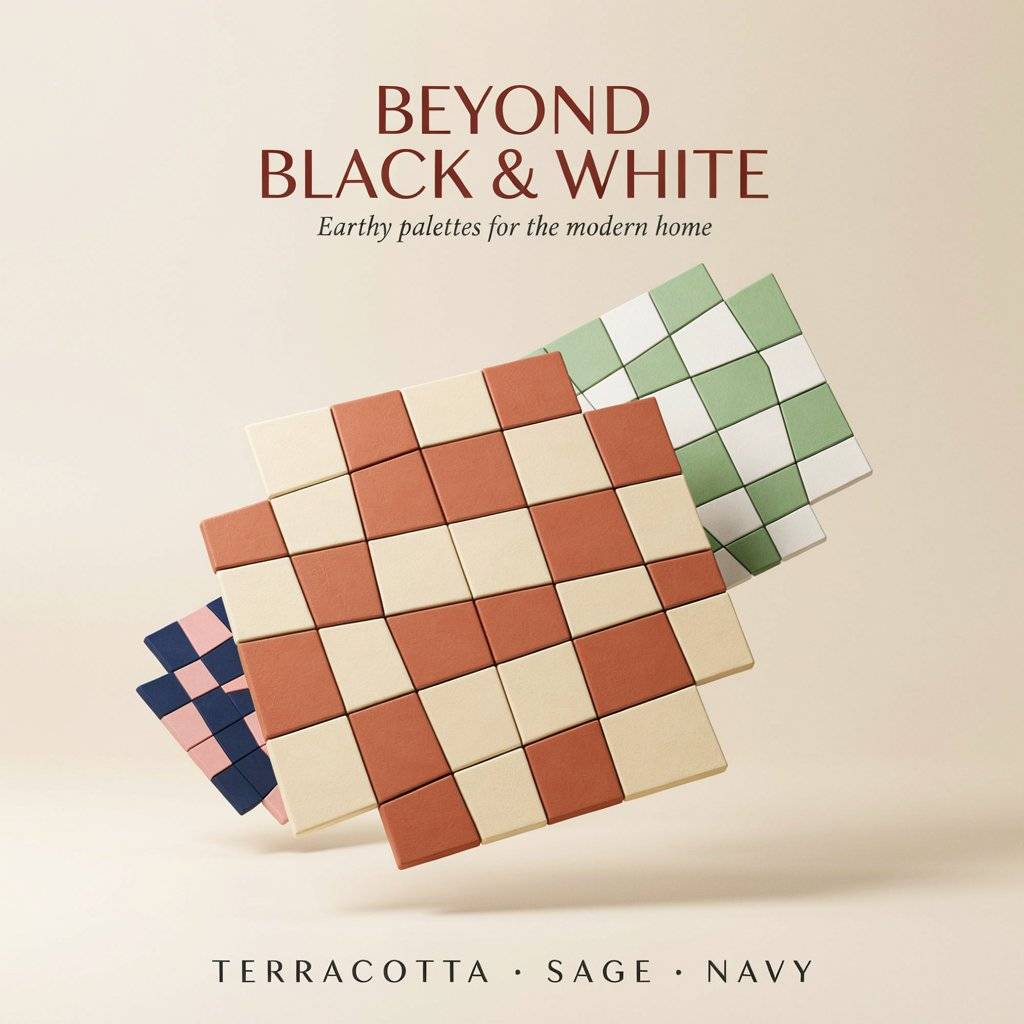
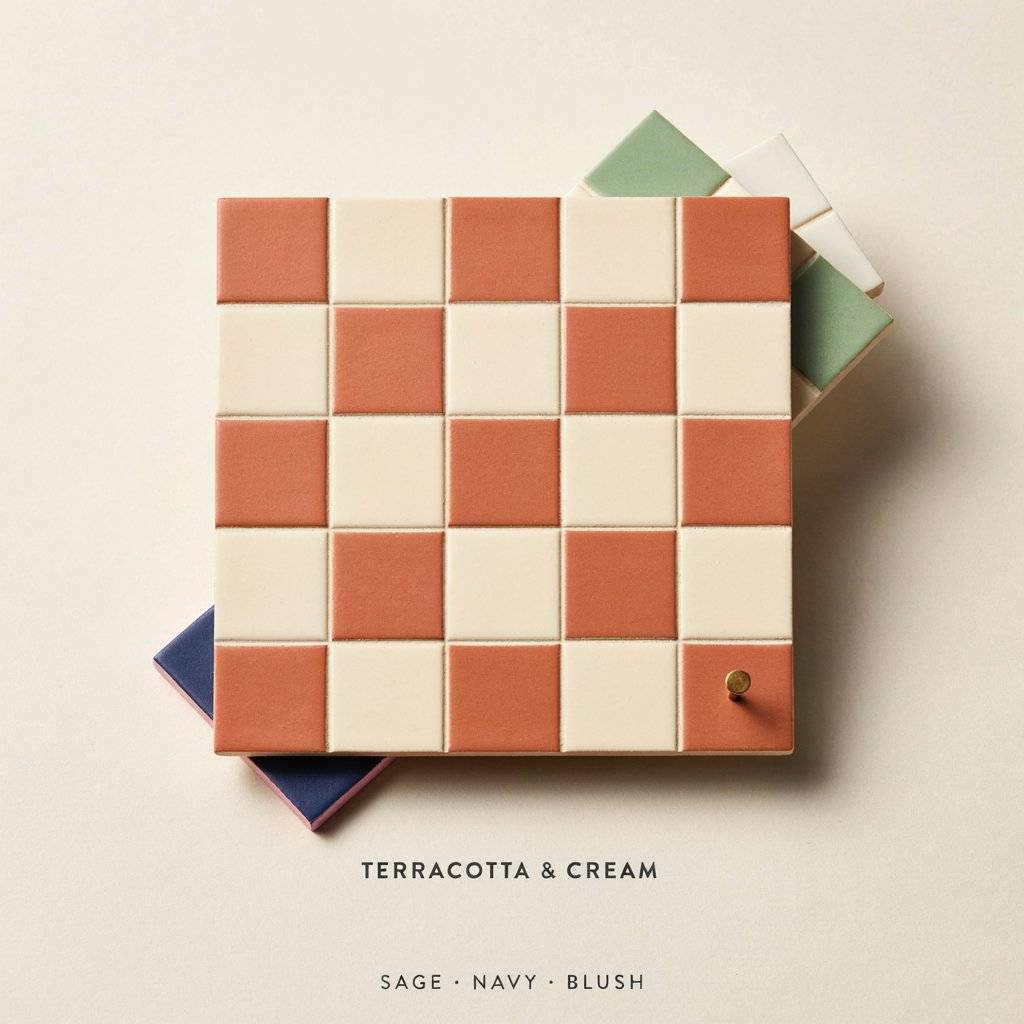
While black and white is the classic choice, designers are embracing warmer, more unexpected color combinations. Terracotta and cream, sage and white, navy and blush these pairings feel fresh and personal.
Singer Cat Burns recently showed off a brown and cream checkerboard in her kitchen, proving that earthy tones can be just as striking.
If you’re nervous about committing to bold color, start with a neutral palette and introduce color through accessories. A warm beige and off-white checkerboard is subtle enough to work with almost any cabinet style.
6. Play with Scale for Impact

The size of your tiles changes everything. Large-format checkerboards create a bold, modern statement that feels open and airy.
Small tiles, on the other hand, give a more intricate, detailed look that suits compact spaces. Before you buy, lay a few tiles out on the floor in natural light to see how the pattern reads.
What looks great in the showroom might feel overwhelming once it’s in your actual kitchen. Taking that extra time to test the scale will save you from a costly mistake.

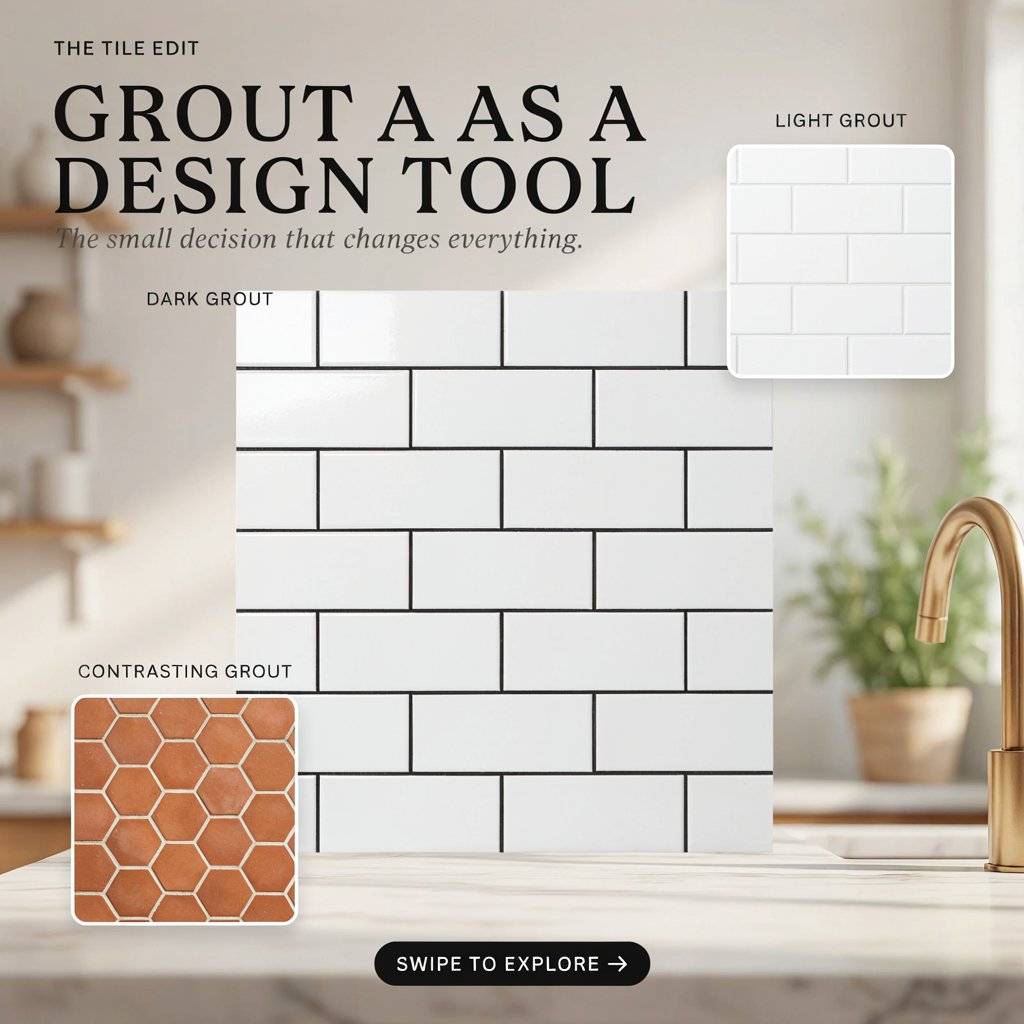
7. Use Grout as a Design Tool
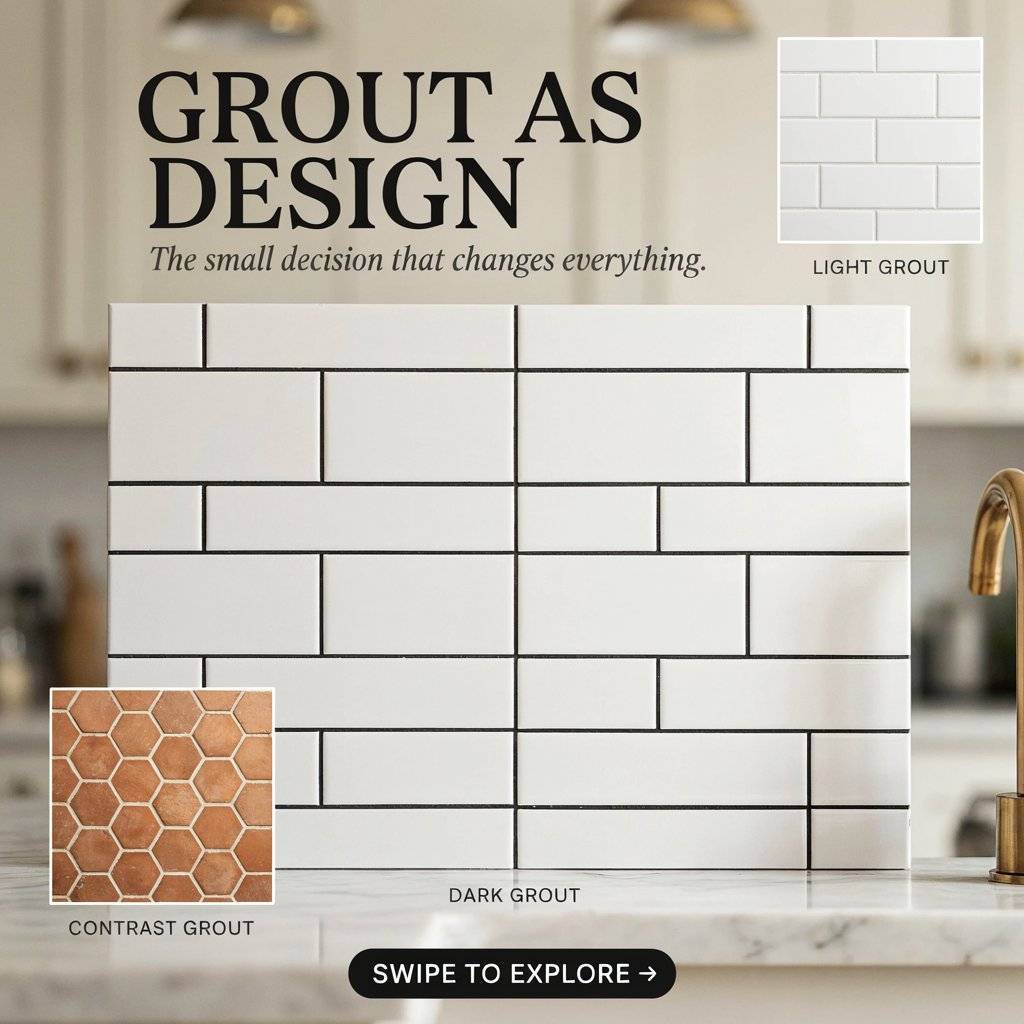
Grout isn’t just functional it’s part of the design. Dark grout emphasizes the pattern and hides stains, making it great for busy households.
Light grout keeps the look clean and airy but shows dirt more easily. Matching grout creates a seamless, subtle effect, while contrasting grout makes each tile pop.
Think about how much cleaning you’re willing to do, then choose accordingly. A small decision like grout color can completely change how your finished kitchen looks and feels.
8. Try Diagonal Layouts for a Fresh Take
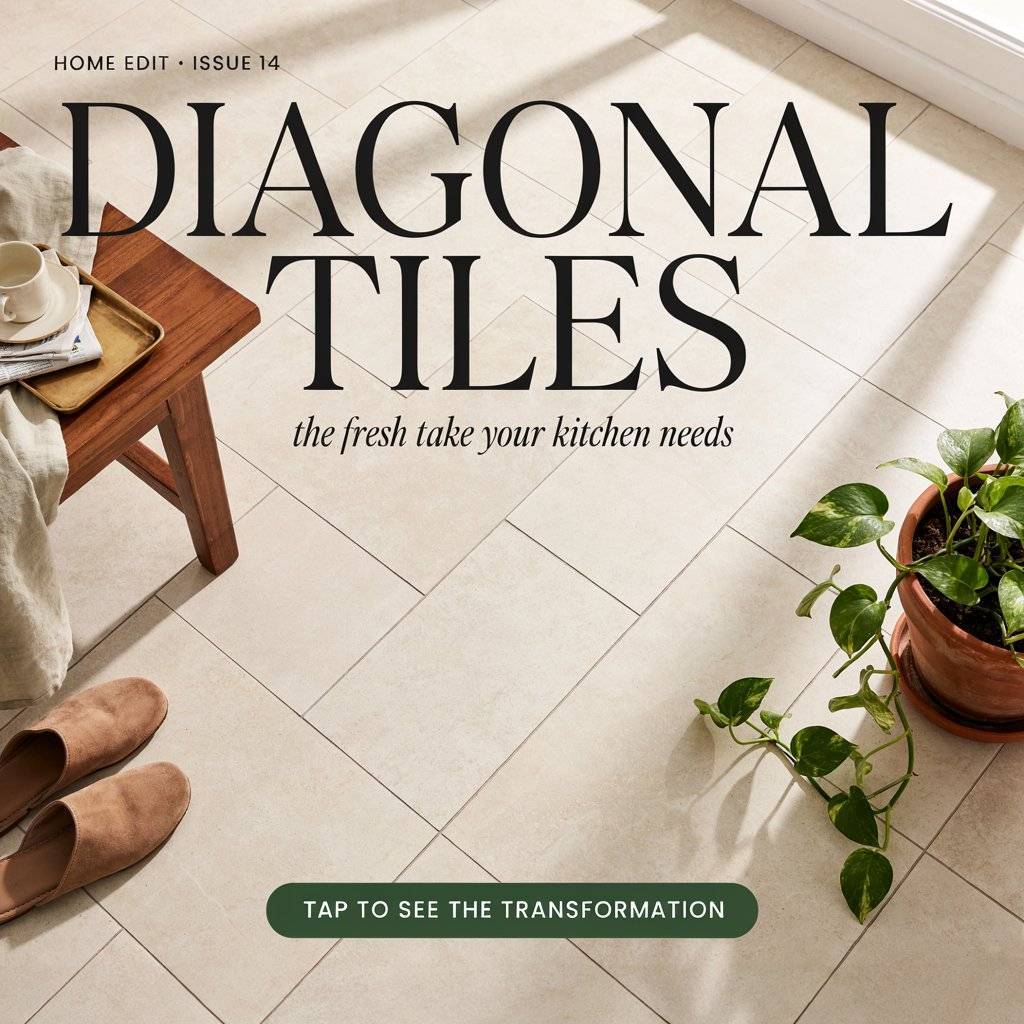
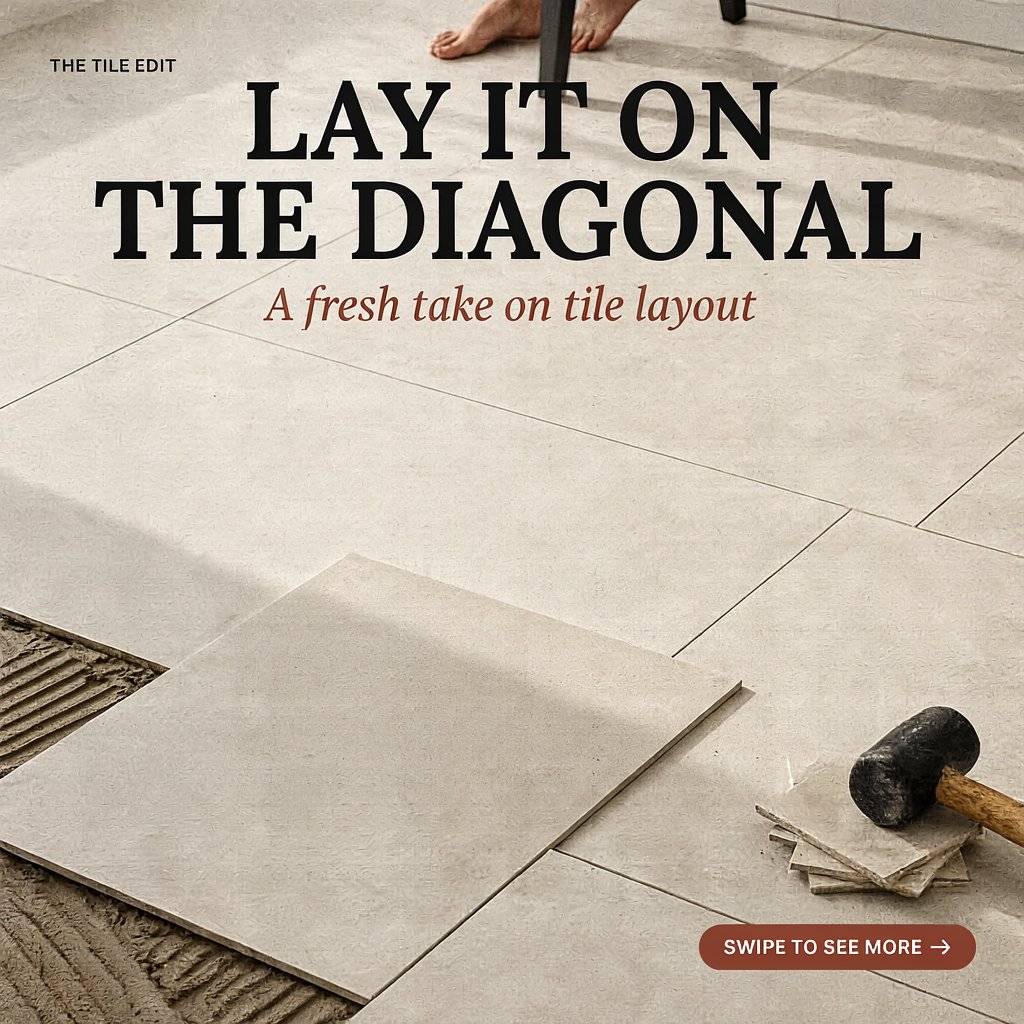
Laying tiles on a diagonal instead of straight can completely change the feel of a room. It draws the eye upward, making ceilings feel higher and spaces more expansive.
Diagonal layouts can also visually widen narrow kitchens, making them feel less like a corridor. The angled pattern adds movement and energy that a standard straight layout just can’t match.
Just be aware that angled layouts require more cutting and waste, so budget a bit extra for labor and materials.
9. Create Defined Zones with Borders and Insets
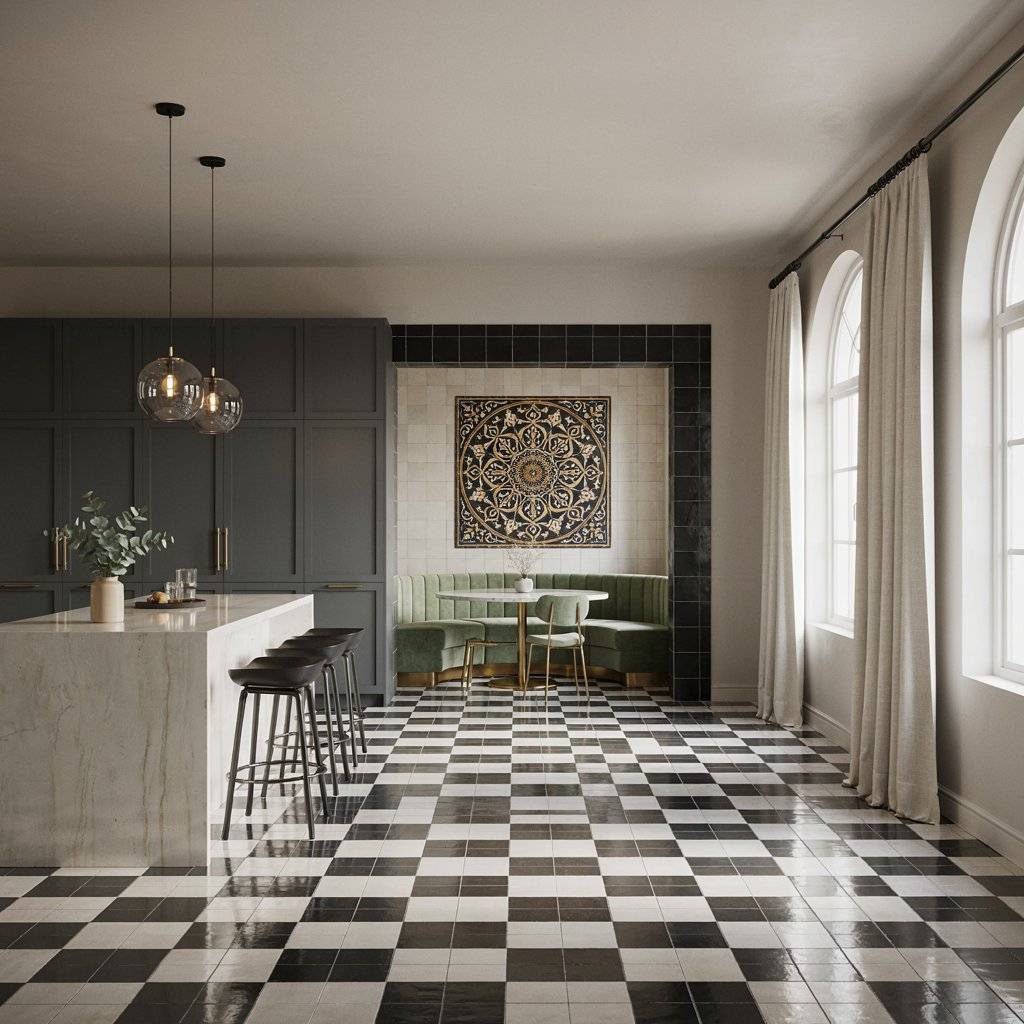
If you have an open-plan kitchen, checkerboard tiles can help define different areas without adding walls. A black tile border or an inset medallion of patterned tiles can frame a breakfast nook or cooking zone beautifully.
This technique gives a bespoke, custom feel to your space and breaks up long runs of cabinetry. It adds some complexity to the installation, but the visual payoff is worth it. You get clear zoning that feels intentional and thoughtfully designed.
10. Mix Glossy and Matte Finishes for Depth

Combining glossy and matte tiles in the same pattern adds visual interest without introducing more colors. Use glossy white tiles with matte black ones, or keep both tiles glossy but vary the texture.
This technique gives the pattern dimension and keeps it from looking flat. It’s also a practical choice glossy tiles reflect light and brighten the space, while matte tiles in work zones reduce glare and hide smudges better. The contrast creates a designer touch that feels polished and intentional.
11. Choose Warm Neutrals Over Classic Black and White
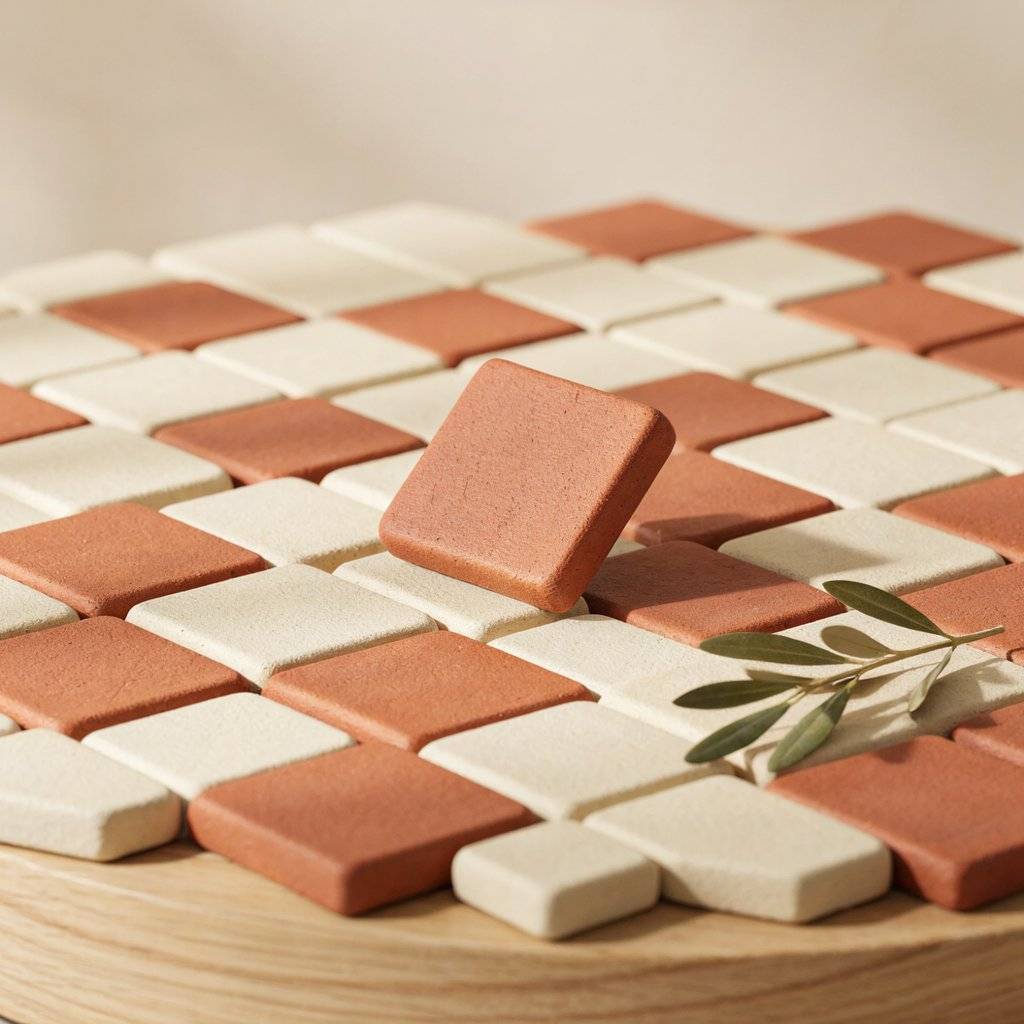
While black and white is the classic choice, designers are embracing warmer, more unexpected color combinations. Think terracotta and cream, sage and white, or navy and blush.
Singer Cat Burns recently showed off a brown and cream checkerboard in her kitchen, proving that earthy tones can be just as striking.
Warm neutrals bring a calmer feel to the pattern, making it easier to integrate into modern interiors without overwhelming the space. They also pair beautifully with natural materials like wood.
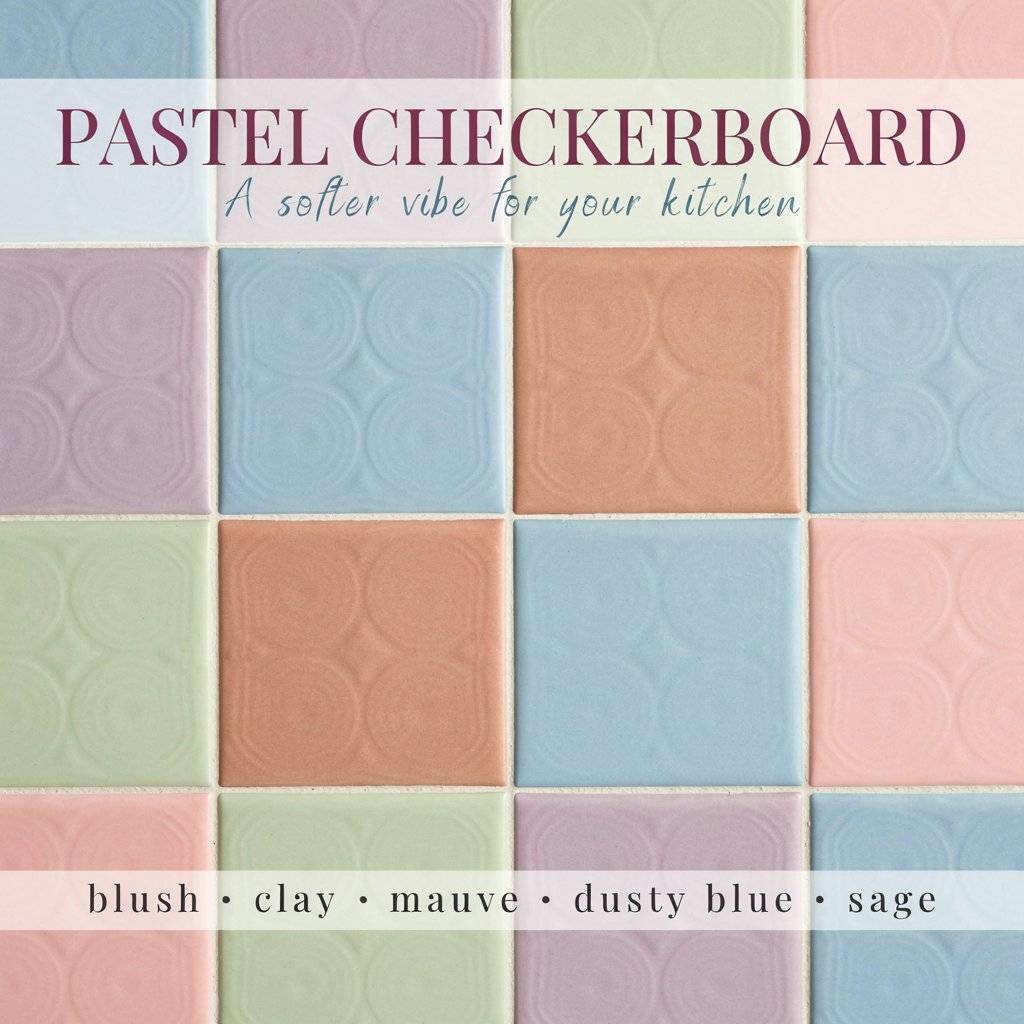
12. Try Pastels for a Softer Vibe
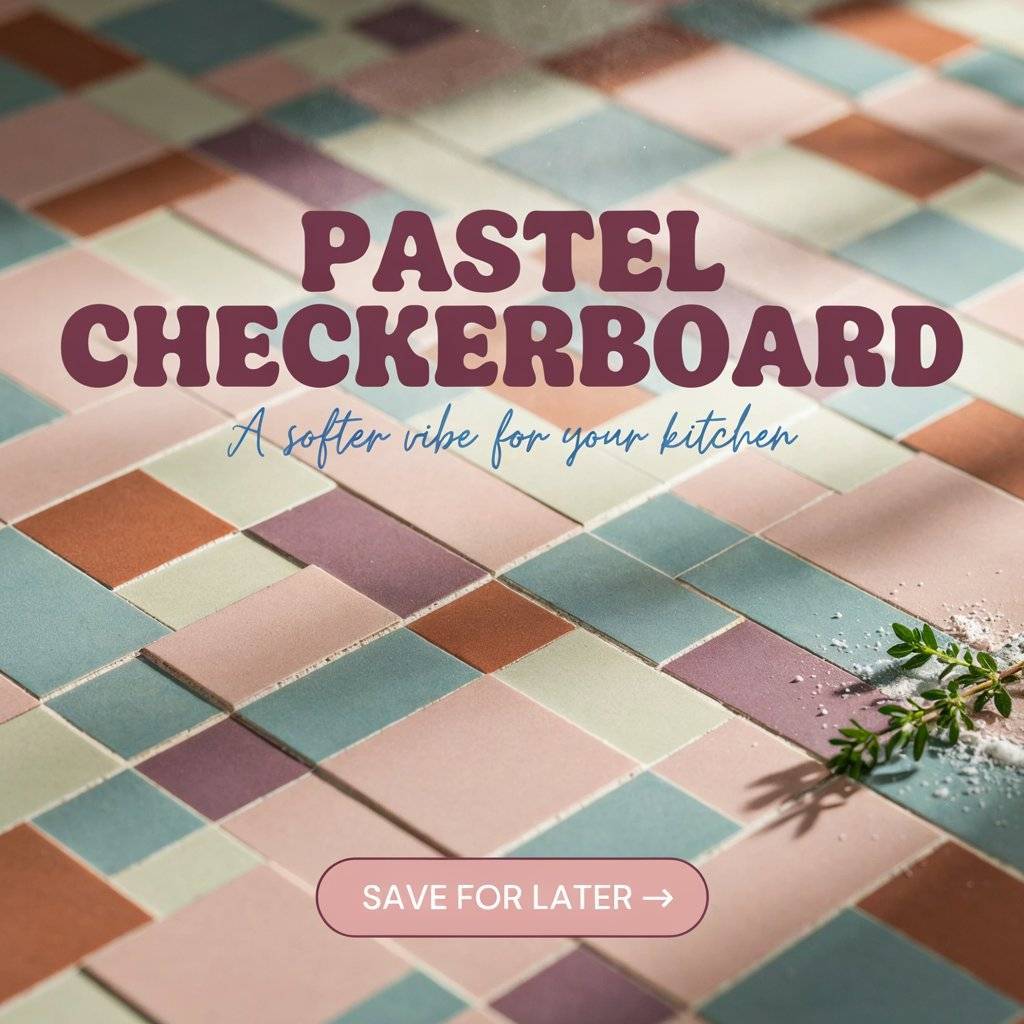
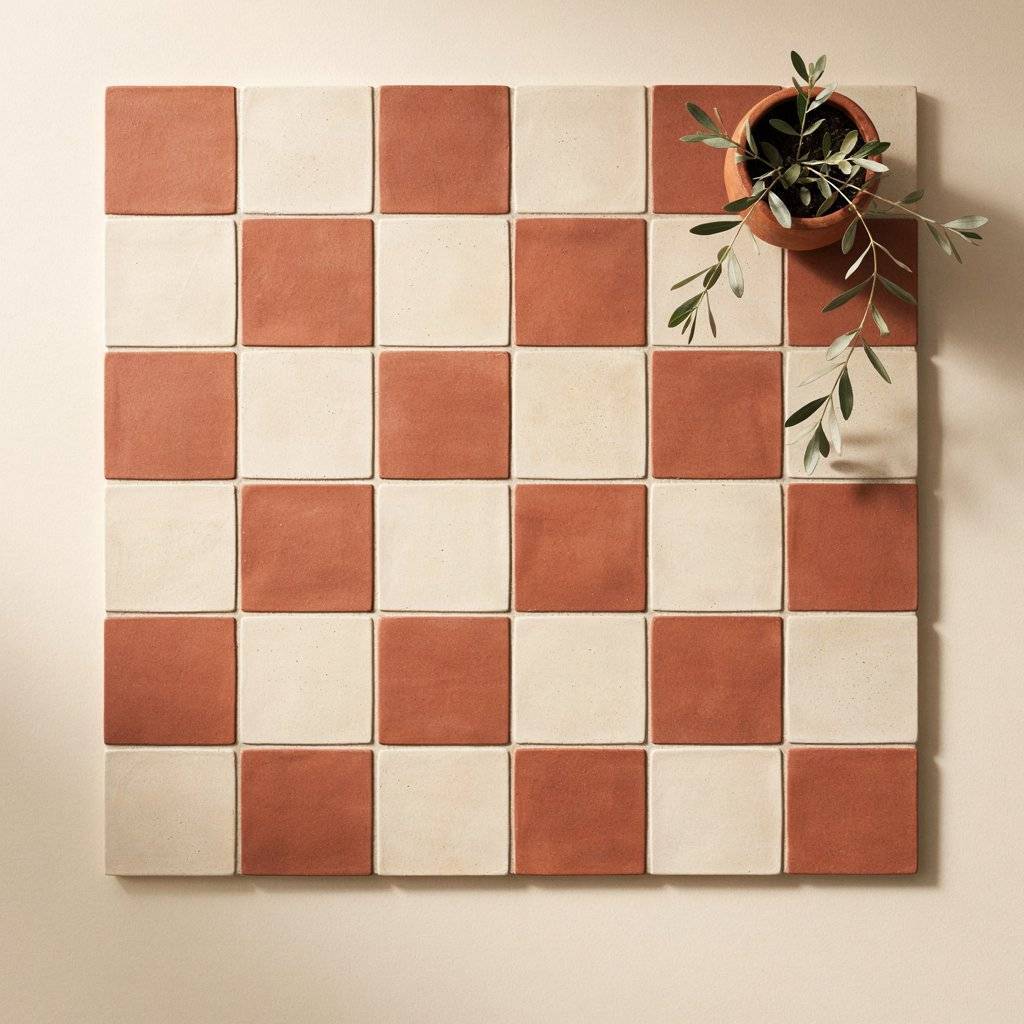
If bold contrast feels too harsh, pastel checkerboards offer a softer alternative. Blush, clay, mauve, dusty blue, and soft green are all popular choices right now. These muted tones create a playful, vintage-inspired look without the intensity of black and white.
Pastel checkerboards work especially well in kitchens with lots of natural light, where the soft colors can really shine. They add personality and charm without dominating the room.
13. Go Beyond Squares with Hexagons and Triangles
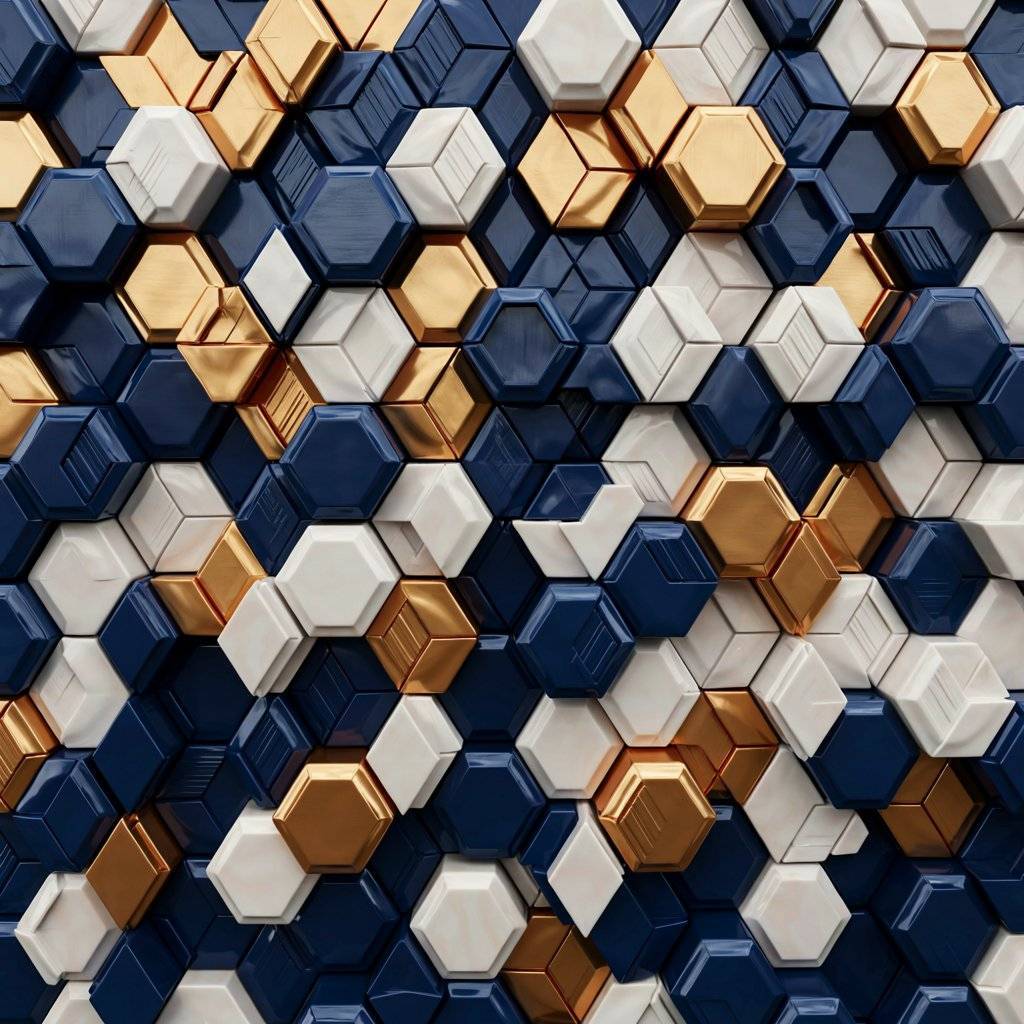
Checkerboards are the most recognizable pattern, but geometric tiles come in all sorts of shapes. Hexagons, triangles, chevrons, and diamonds are all fair game. These shapes create movement and energy that standard square tiles just can’t match.
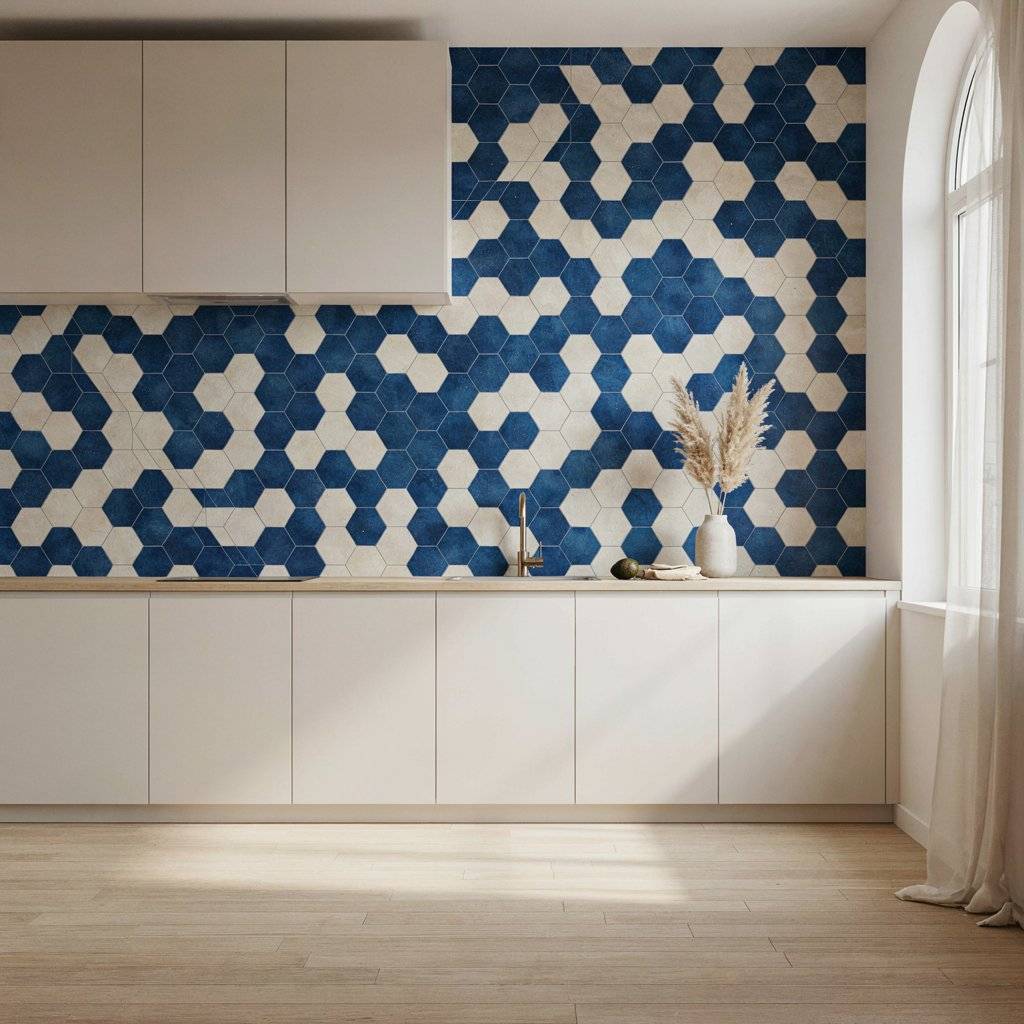
Hexagon tiles, in particular, are having a moment they add continuous visual rhythm while maintaining a structured, timeless symmetry. If you want something truly unique, consider triangular designs for a modern, edgy look.
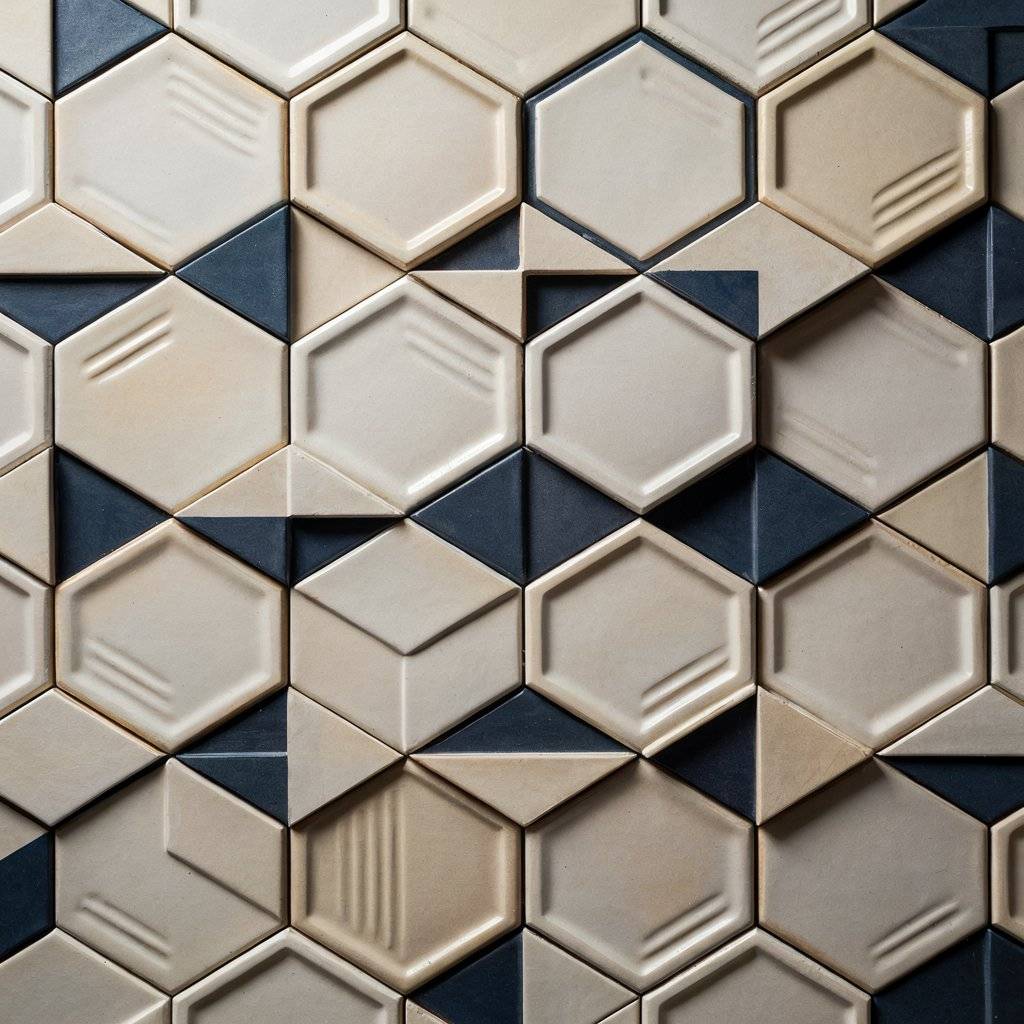
14. Consider Large-Scale Geometric Tiles for a Modern Feel
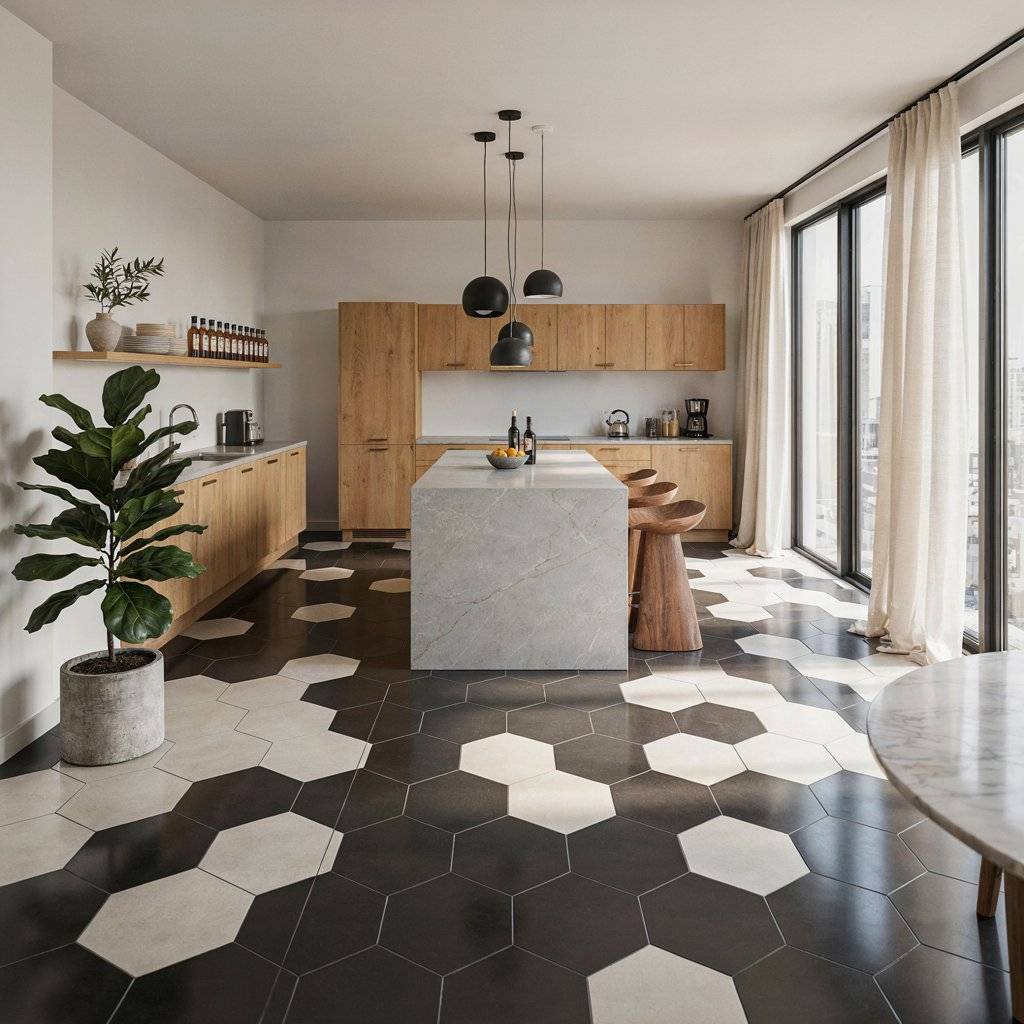
Oversized geometric tiles in black and white can make a compact kitchen feel more open by reducing visual clutter on the floor. Big patterns create a contemporary, streamlined look that works well in open-plan apartments.
They’re pricier and may need more precise leveling during installation, but the wow factor is worth it. If you want a bold statement without a busy pattern, large-scale geometric tiles are the way to go. They deliver impact with simplicity.
15. Use Peel-and-Stick Tiles for a Renter-Friendly Option
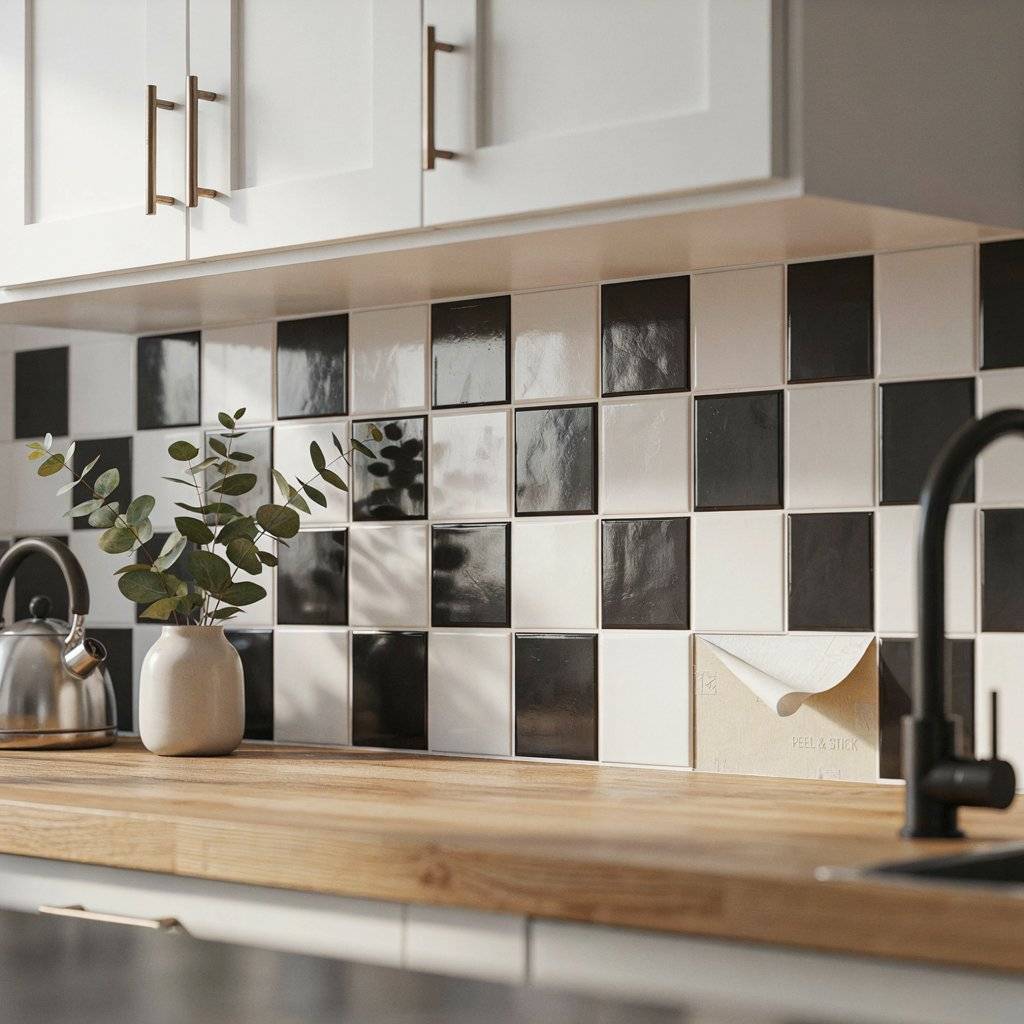
You don’t need to do a full remodel to enjoy this trend. Peel-and-stick tiles are simple to install and can be removed just as easily. They’re an affordable and attractive DIY option, though they aren’t as durable as real tile.
You can create a stunning checkerboard backsplash or accent wall without any permanent changes. This is perfect for renters or anyone who likes to change up their decor frequently. Just make sure to follow the manufacturer’s instructions for best results.
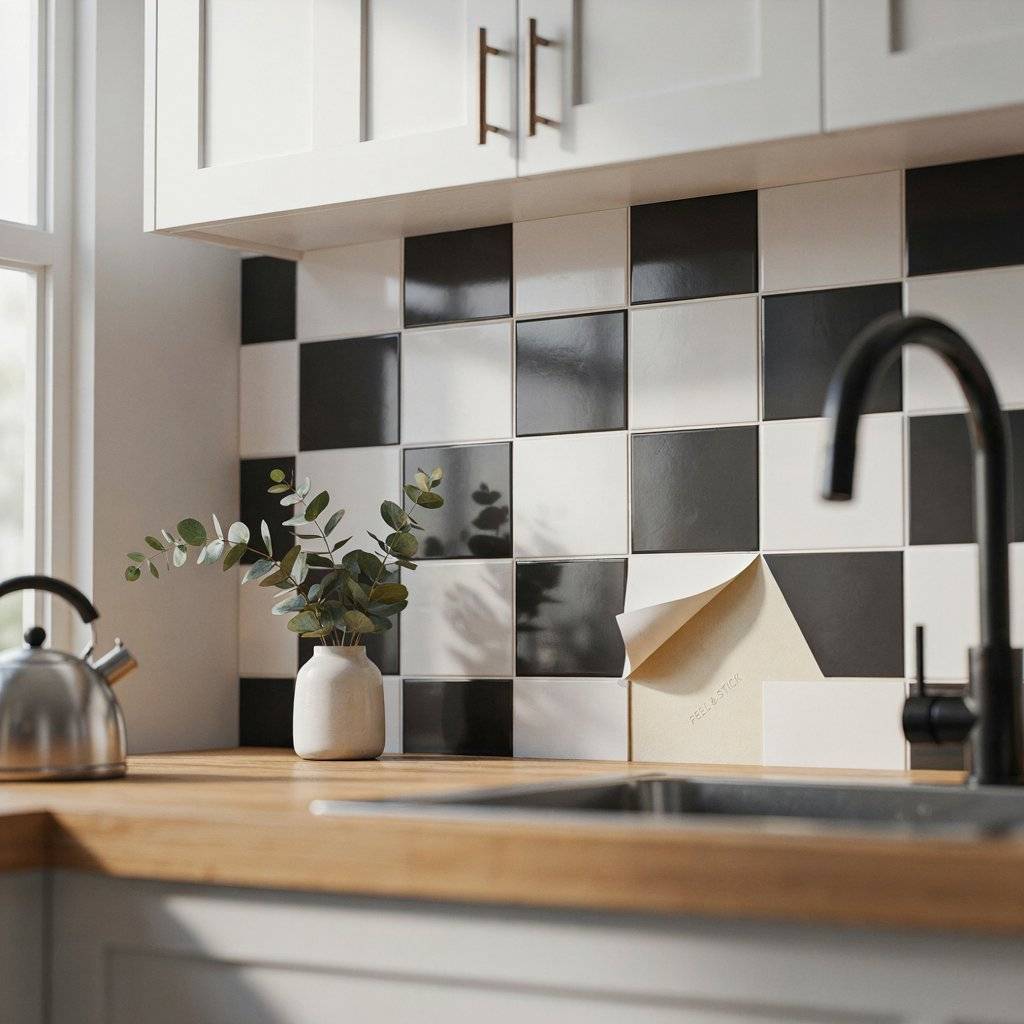
16. Pair Patterned Tiles with Simple Surroundings
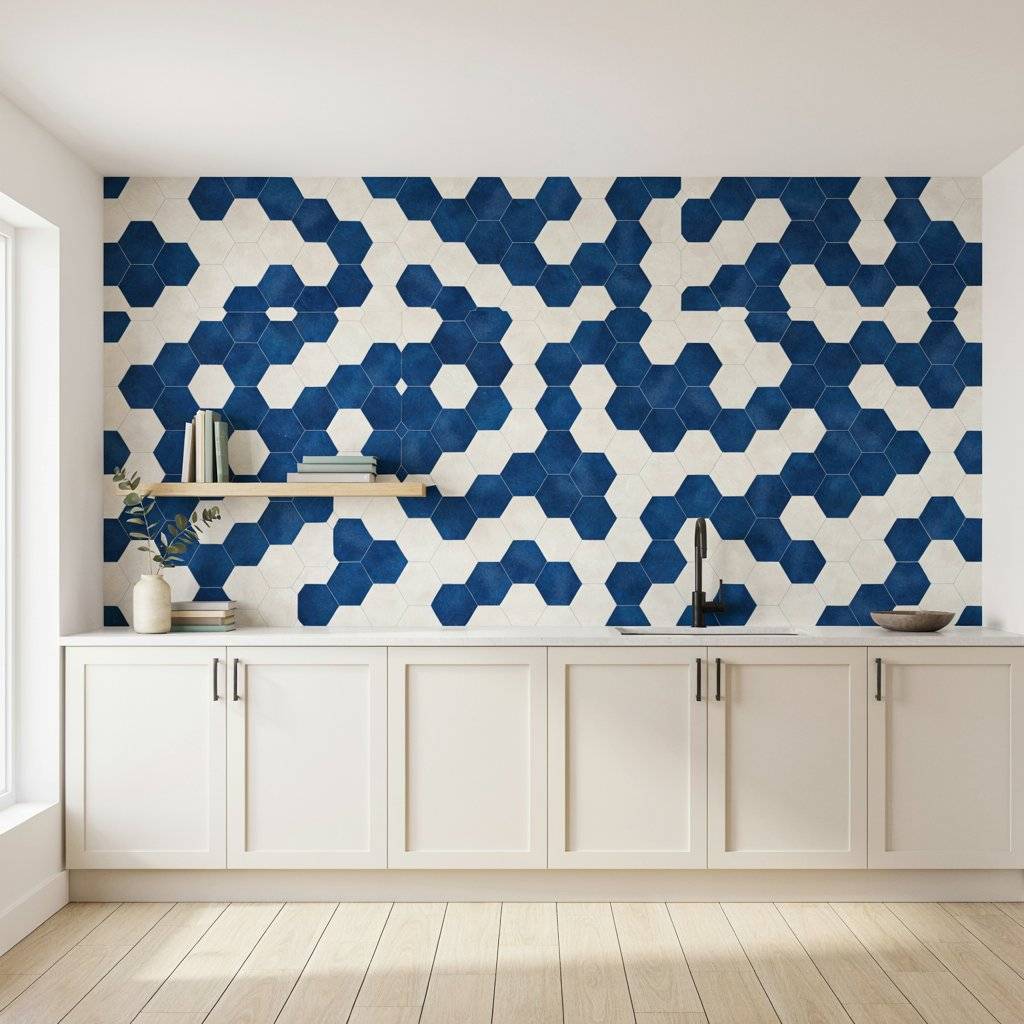
If you choose a bold geometric or checkerboard tile, keep your cabinets and countertops relatively plain. Let the tile be the star of the show. Busy patterns paired with busy cabinets can feel chaotic and overwhelming.
Instead, opt for simple, solid-colored cabinetry and countertops that let the tile pattern shine. This balance ensures your kitchen feels designed and intentional, not cluttered. The tile becomes a focal point rather than just another busy element.
17. Think About Lighting Before You Commit
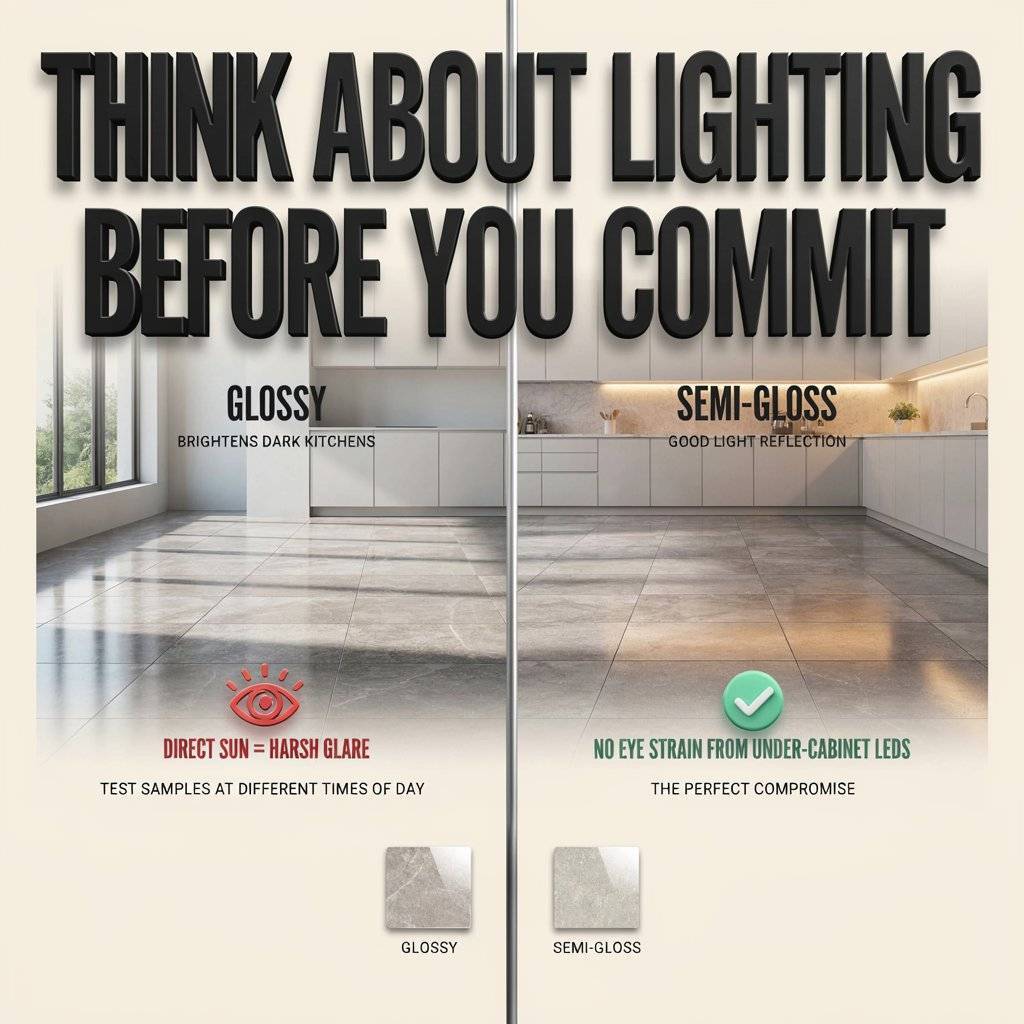
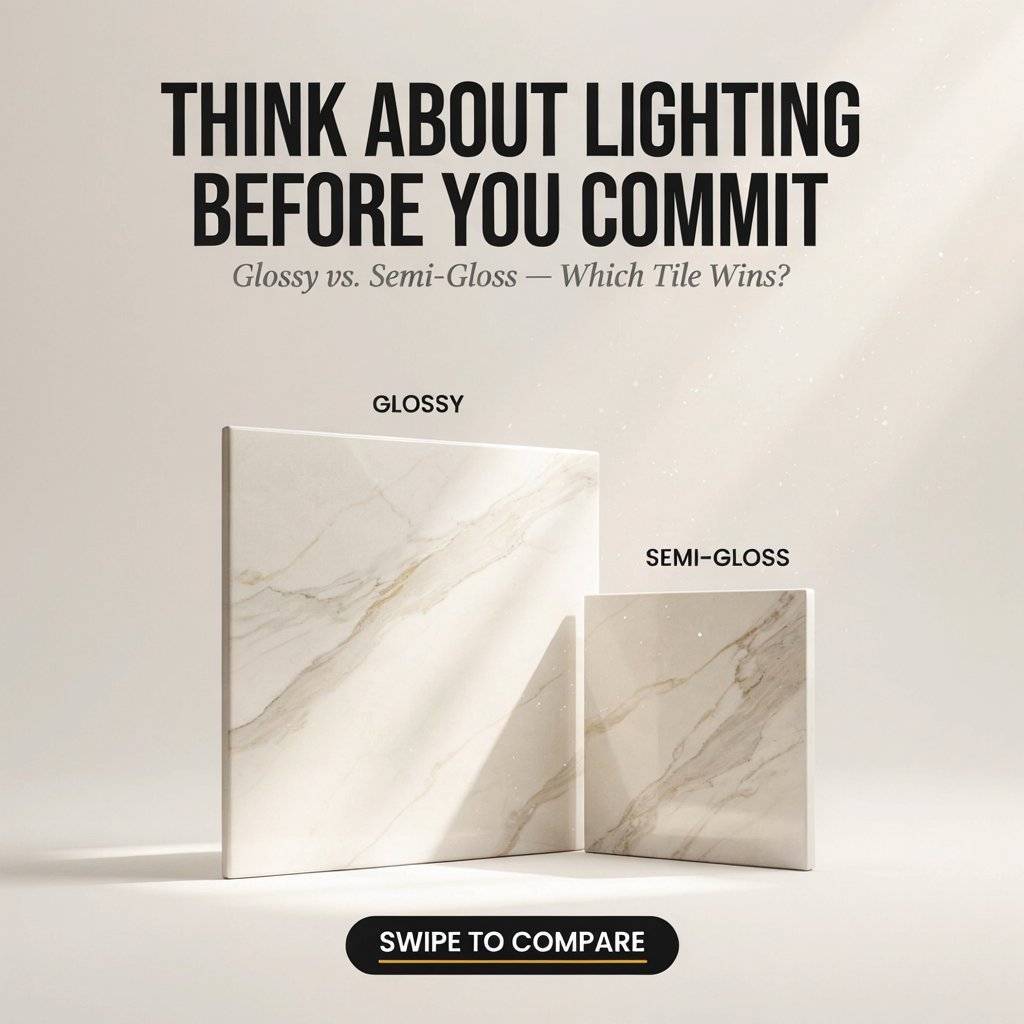
Glossy tiles reflect light, which is great for brightening dark kitchens. But if your kitchen gets a lot of direct sun, glossy floors can create uncomfortable glare. Test samples in your actual space at different times of day before making a final choice.
Also consider your under-cabinet lighting high-gloss tiles directly opposite powerful LEDs can cause eye strain. Semi-gloss finishes offer a good compromise, providing light reflection without excessive glare.
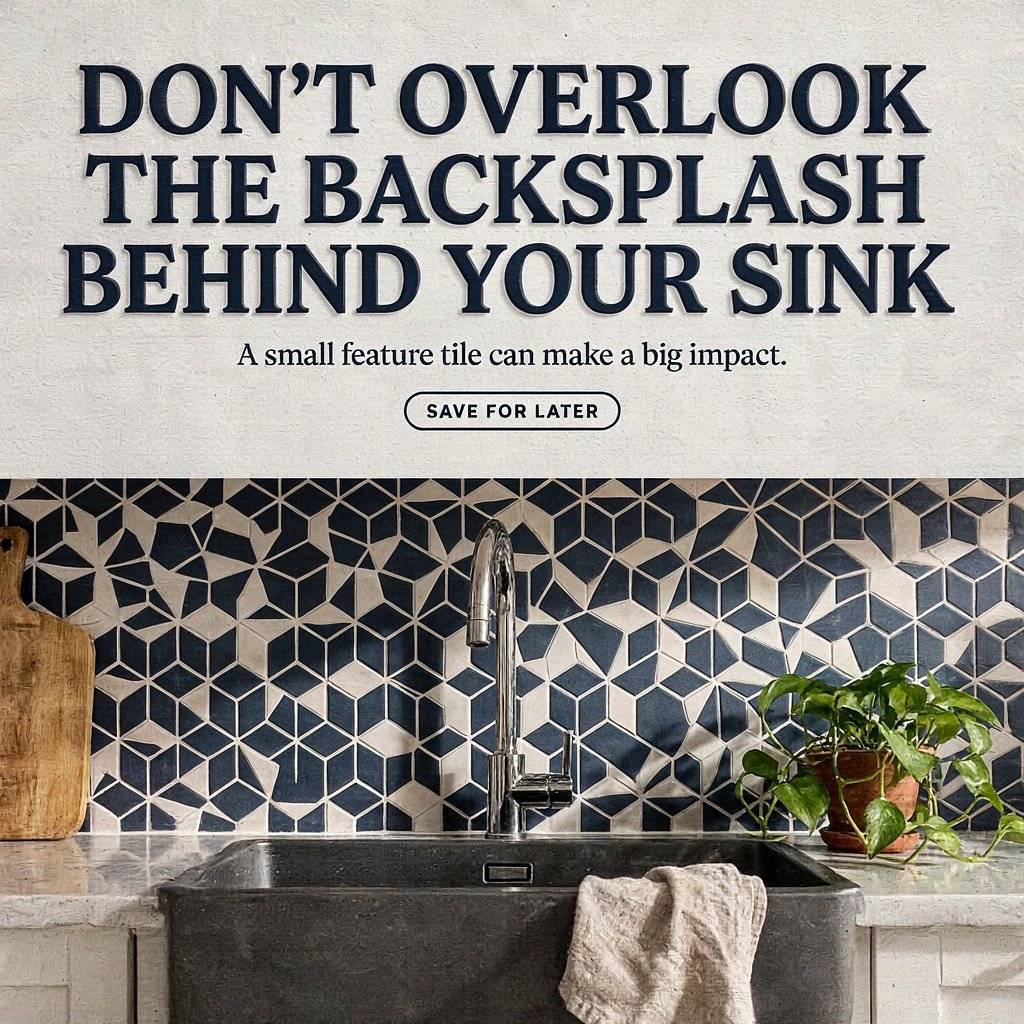
18. Don’t Overlook the Backsplash Behind Your Sink
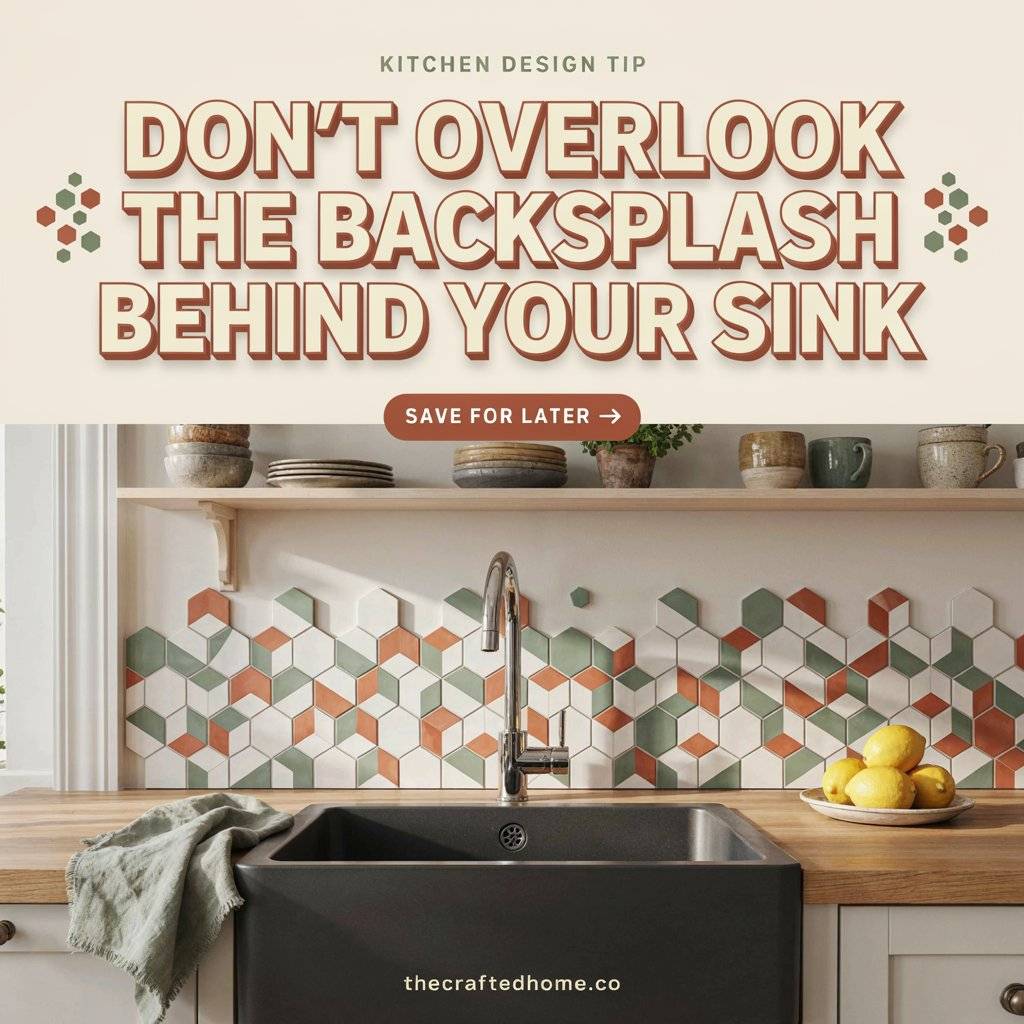
You don’t have to tile your entire kitchen to make an impact. Installing geometric tiles as a feature element on the backsplash behind your sink can be just as effective. This focused approach adds personality without overwhelming the space.
It’s also a more affordable way to try the trend less tile means lower material costs and less labor. Plus, the area behind the sink is a natural focal point that draws the eye, making it the perfect spot for a statement tile.
19. Embrace the Trend on a Budget
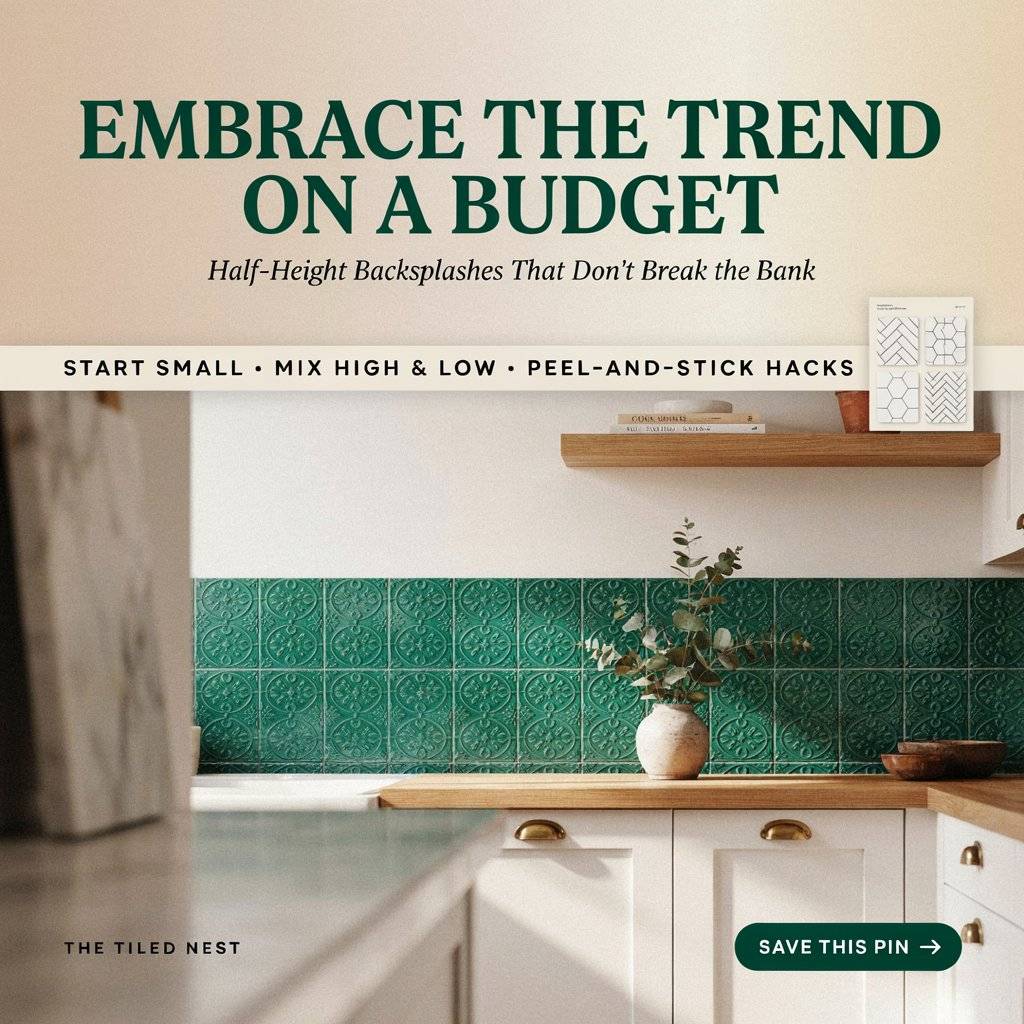
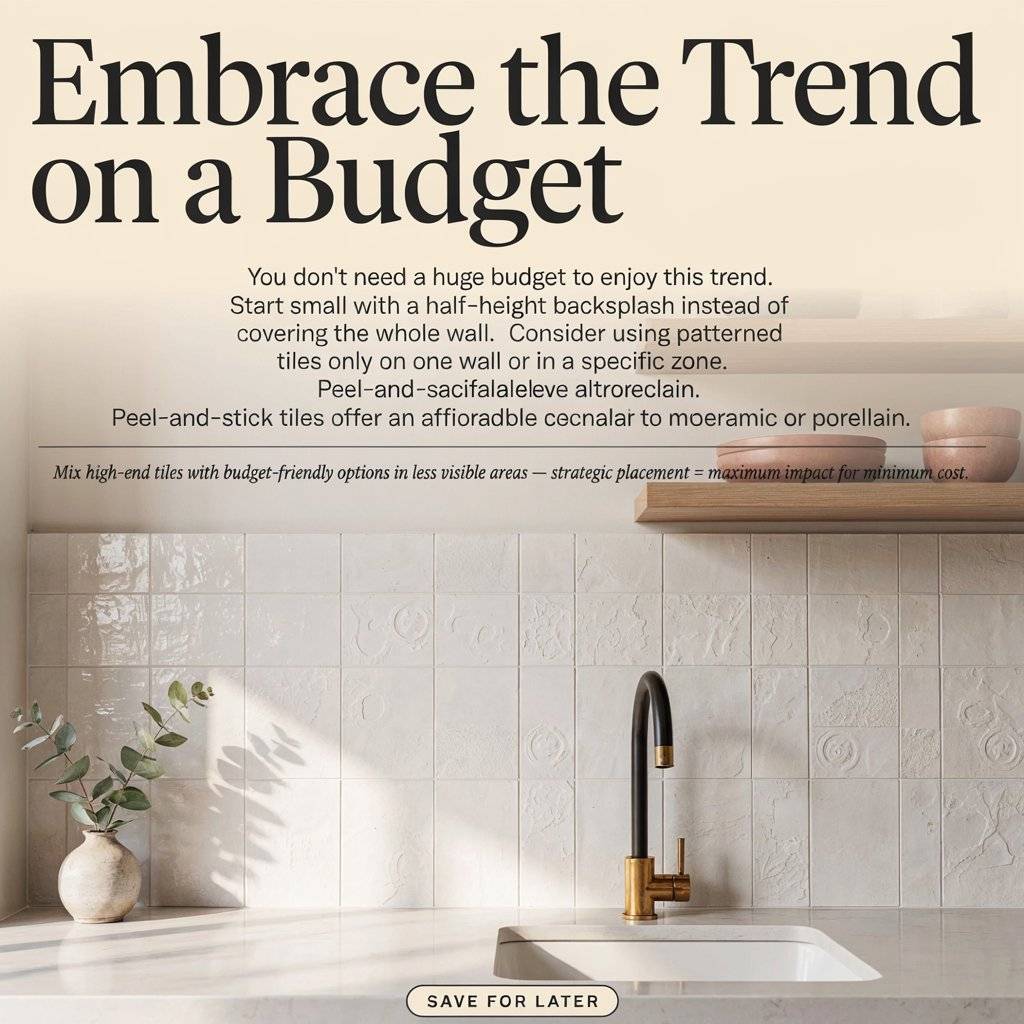
You don’t need a huge budget to enjoy this trend. Start small with a half-height backsplash instead of covering the whole wall. Consider using patterned tiles only on one wall or in a specific zone. Peel-and-stick tiles offer an affordable alternative to traditional ceramic or porcelain.
You can also mix high-end tiles with more budget-friendly options in less visible areas. The key is to be strategic about where you place the pattern so you get maximum impact for minimum cost.
Tips for Getting It Right
Start small if you’re unsure. You don’t have to tile the entire kitchen. A backsplash, an accent wall, or even just the area behind the stove can give you the look without overwhelming the space.
Consider the scale of your tiles. Large tiles make a bold statement and work well in open spaces. Smaller tiles create a more intricate, detailed look that suits compact kitchens.
Pay attention to grout color. Contrasting grout emphasizes the geometric pattern. Matching grout creates a more seamless, subtle effect. Choose based on how bold you want the pattern to appear.
Think about lighting. Glossy tiles reflect light, which is great for brightening dark kitchens. But if your kitchen gets a lot of direct sun, glossy floors can create uncomfortable glare. Test samples in your actual space before committing.
Balance busy patterns with simple surroundings. If you choose a bold geometric tile, keep your cabinets and countertops relatively plain. Let the tile be the star.
Mistakes to Avoid
Overdoing it. Geometric and checkerboard tiles are statement pieces. Using them on every surface floor, backsplash, and walls can feel chaotic. Pick one area to feature the pattern and keep the rest simple.
Ignoring practicality on floors. Glossy tiles can be slippery, especially when wet. For kitchen floors, consider matte or textured finishes that offer better traction while still giving you the pattern you want.
Choosing the wrong scale for your space. Large tiles in a small kitchen can feel overwhelming. Small tiles in a large kitchen can look busy and fragmented. Match the tile size to your room’s proportions.
Forgetting about maintenance. Glossy tiles show water spots, fingerprints, and smudges more than matte finishes. If you don’t enjoy cleaning, factor that into your decision.
Skipping samples. Colors and finishes look different in showrooms than they do in your home. Always order samples and test them in your actual kitchen lighting before making a final choice.
FAQs
Are glossy geometric tiles hard to clean?
Not at all. The smooth surface wipes clean easily with a damp cloth. The main thing to watch for is that glossy finishes show water spots and fingerprints more readily than matte tiles. A quick wipe-down keeps them looking great.
Can I use checkerboard tiles in a small kitchen?
Yes, but choose your scale carefully. Smaller tiles in a checkerboard pattern can make a small space feel busy. Larger tiles or a simpler geometric pattern often work better in compact kitchens.
Do I have to stick with black and white?
Absolutely not. While black and white is the classic choice, designers are using all sorts of color combinations. Earthy tones like terracotta and cream, or soft pastels like blush and mauve, are becoming increasingly popular.
What’s the difference between ceramic and porcelain tiles for this look?
Porcelain is denser and more water-resistant than ceramic, making it better for floors and high-moisture areas. Ceramic is usually more affordable and works well for backsplashes and walls. Both can have glossy finishes.
Can I DIY this?
Smaller projects like backsplashes are achievable for confident DIYers. For floors or large areas, professional installation is usually worth the cost. If you’re renting or want a temporary option, peel-and-stick tiles are available and can be removed later.
✨ Wrapping It Up
Glossy geometric and checkerboard tiles are back, and they’re better than ever. The key to making this trend work is balance choose one area to feature the pattern, keep the rest of the kitchen simple, and pick colors and finishes that feel right for your space.
Whether you go for a bold black-and-white floor, a warm neutral backsplash, or a geometric pattern that breaks all the rules, these tiles add personality and polish. They’re practical enough for daily life and stylish enough to make your kitchen feel special.
Take your time, order samples, and don’t be afraid to try something unexpected. Your kitchen should feel like yours and this trend gives you plenty of room to make that happen.
Related Post: