

You love the idea of a green, leafy balcony. But if you have little ones running around or a curious cat who thinks every leaf is a snack, you’ve probably hesitated. I get it. The last thing anyone wants is a trip to the vet or the emergency room because of a plant.
You don’t have to choose between a beautiful balcony and a safe home. There are plenty of stunning plants that are completely non-toxic to both children and pets. The ASPCA maintains a comprehensive database of toxic and non-toxic plants, and many common balcony favorites actually make the safe list. You just need to know which ones to pick.
In this guide, I’ll walk you through 18 plants that are verified safe. We’ll cover what they look like, how to care for them, and why they work well on a balcony. Whether you have a tiny apartment balcony or a spacious terrace, there’s something here for you.
Why This Matters More Than You Think
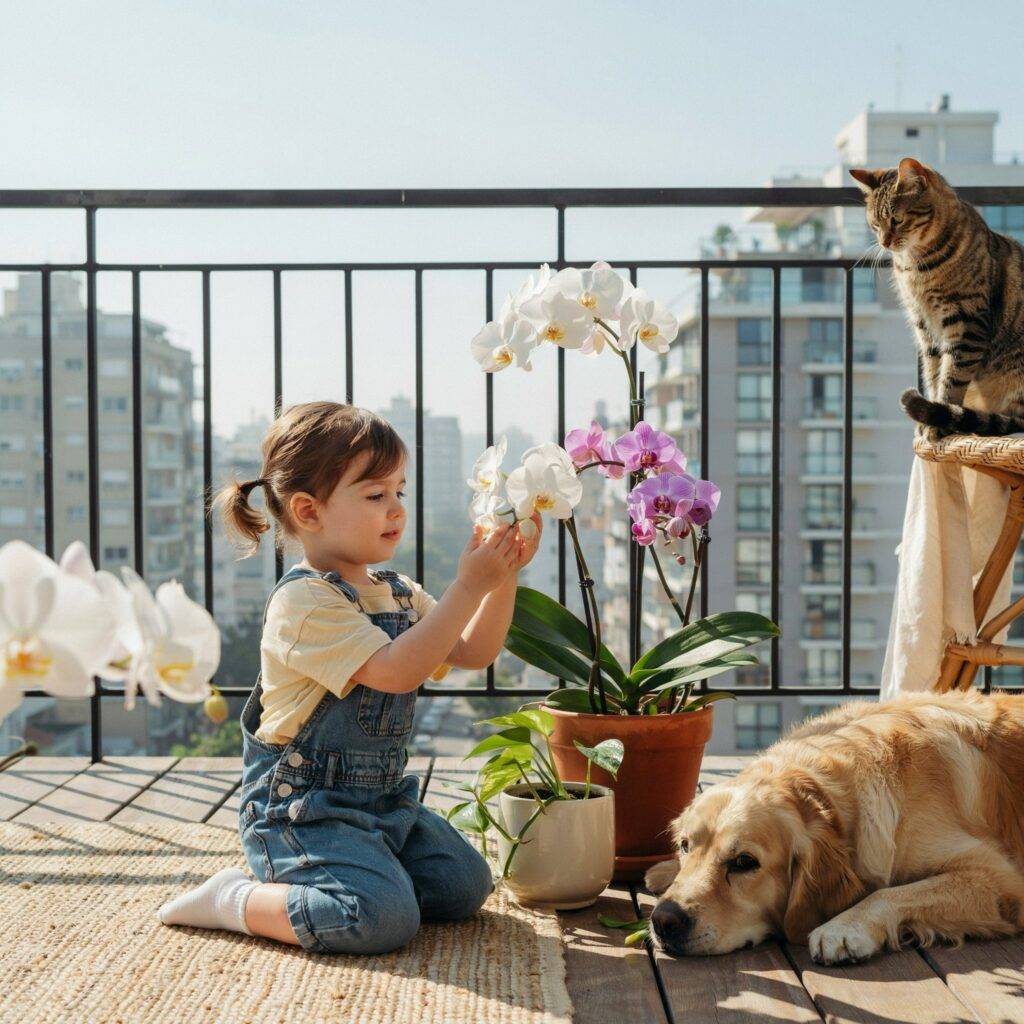
Here’s the thing kids explore with their hands and mouths. Pets do the same. A toddler might pick a flower and put it in their mouth before you can blink. A dog might chew on a low-hanging leaf out of boredom. Cats are notorious for nibbling on anything green.
Many common balcony plants are actually toxic. Lilies can cause kidney failure in cats. Aloe vera, which many people keep for its healing properties, can cause digestive issues in pets. Even some popular houseplants like pothos and philodendron can be harmful if chewed on.
That doesn’t mean you should give up on plants altogether. It just means you need to be smart about what you bring home. The plants on this list have been checked against the ASPCA’s toxicity database.
They won’t harm your kids or your furry friends if they take an occasional nibble. (Though, full disclosure even non-toxic plants can cause mild stomach upset if eaten in large amounts. So it’s still best to discourage eating them.)
18 Safe Balcony Plants for Kids and Pets
1. Spider Plant (Chlorophytum comosum)
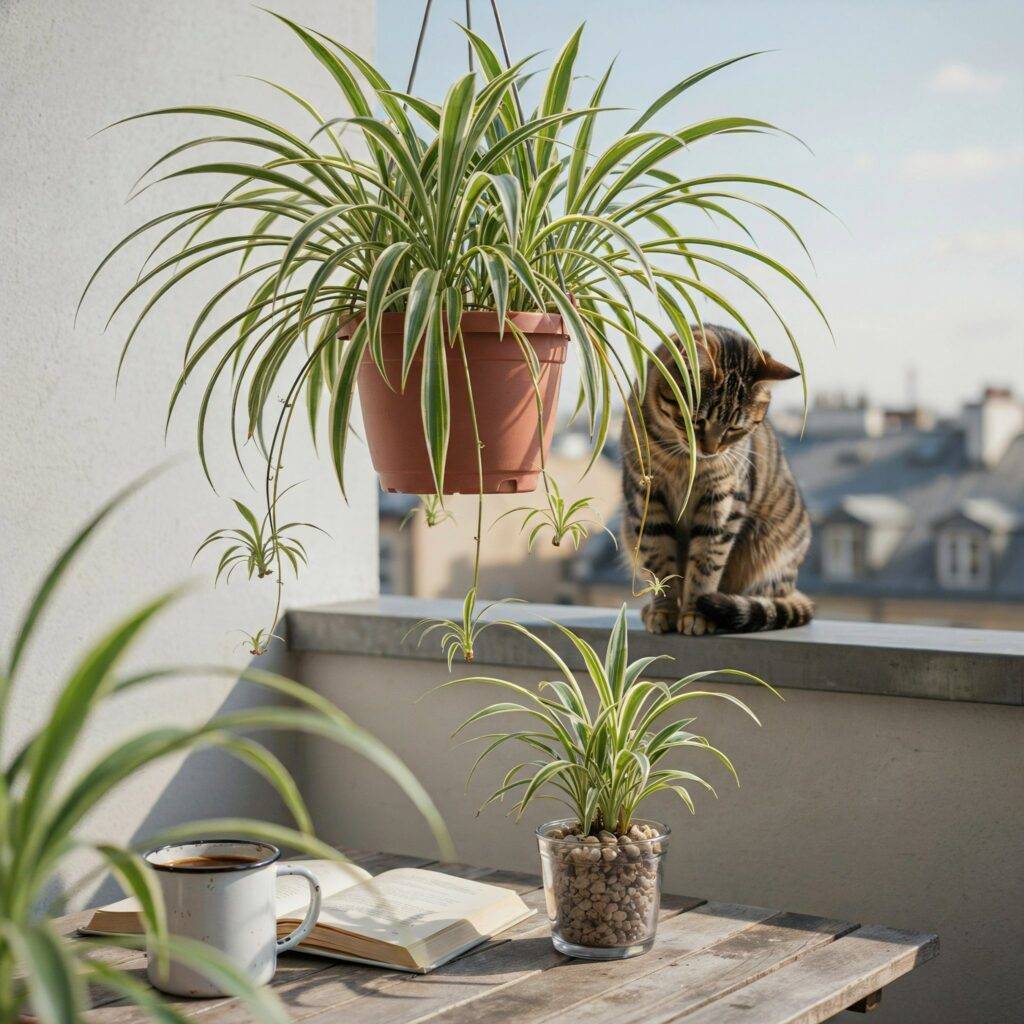
Spider plants are basically the gold standard for pet-safe greenery. They have long, arching leaves with white stripes that look great in hanging baskets.
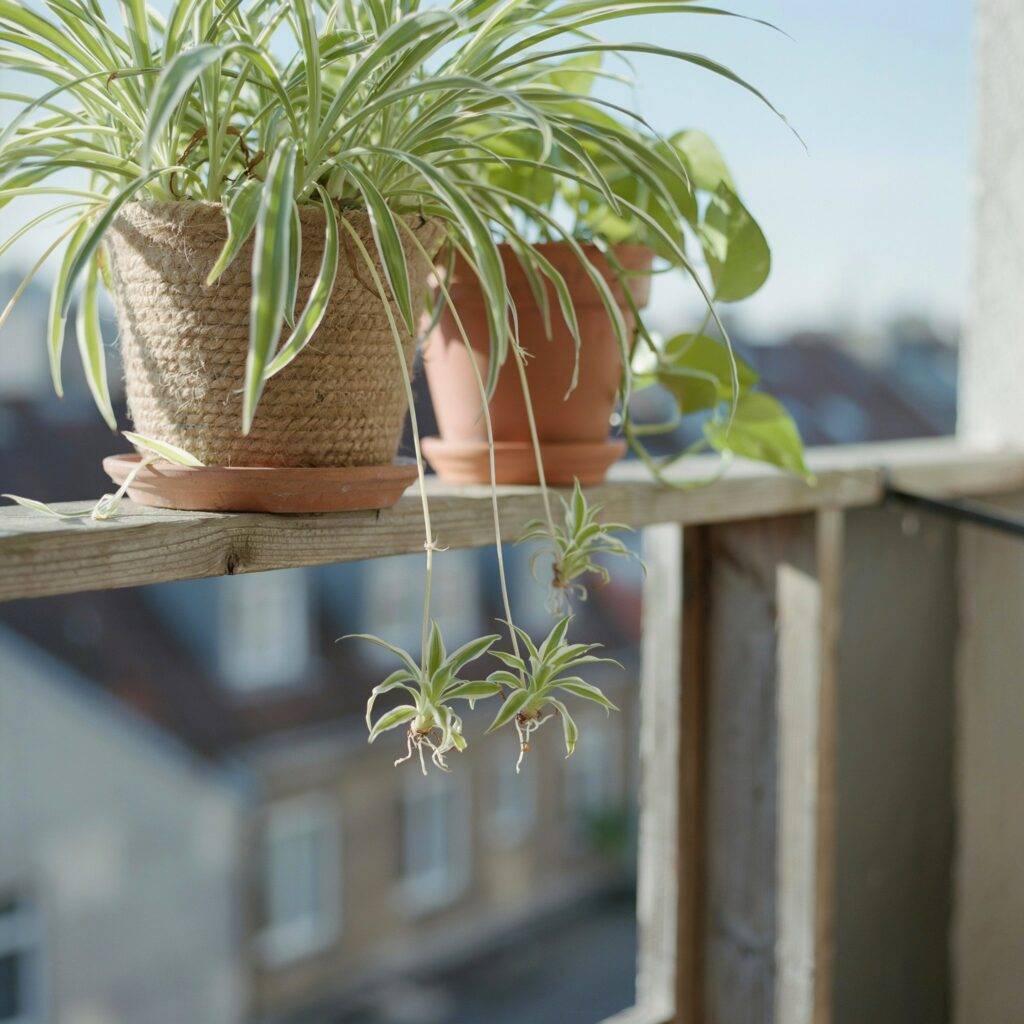
What makes them perfect for balconies is how they produce baby spiderettes that dangle down kids love watching them grow.
They thrive in bright, indirect light and don’t need constant watering. Just let the soil dry out between waterings. The ASPCA lists them as non-toxic to cats and dogs. They’re also known for purifying the air. If you’re new to plants, start here.
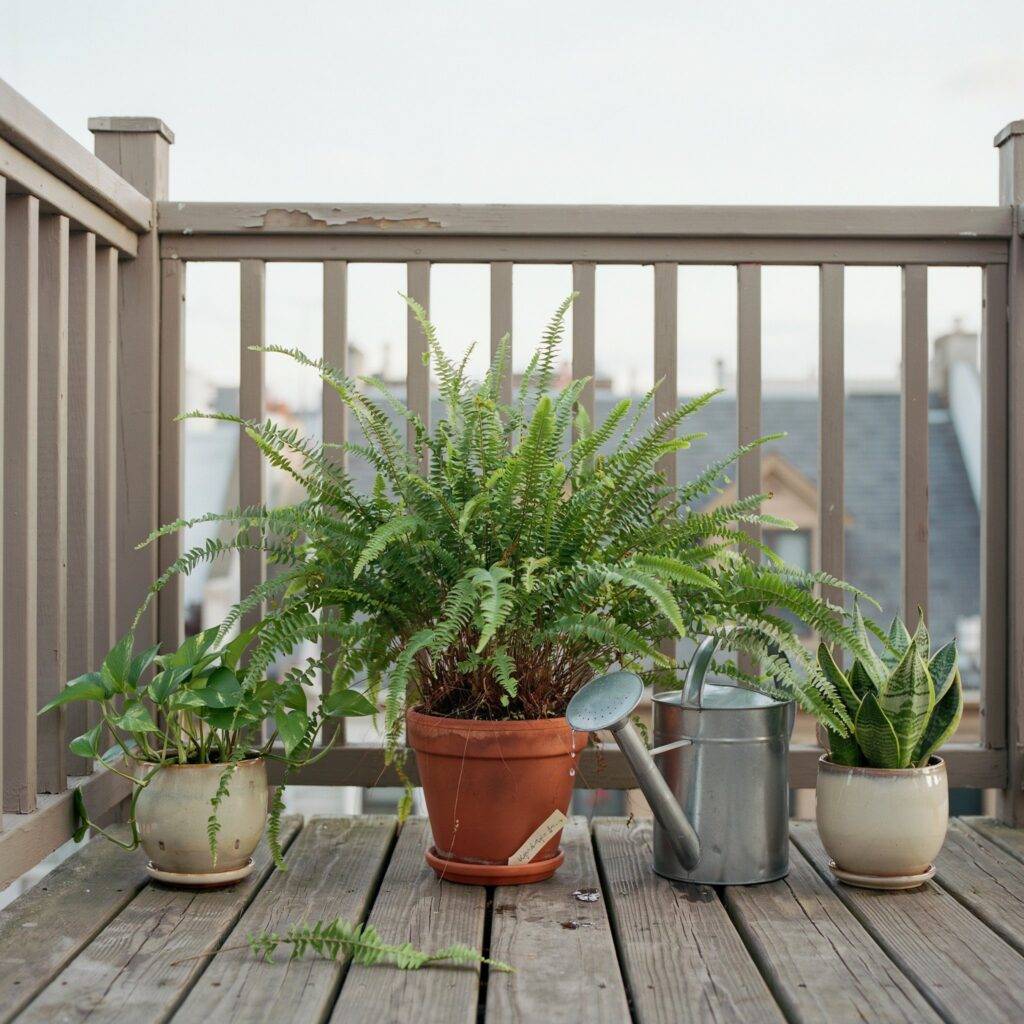
2. Boston Fern (Nephrolepis exaltata)
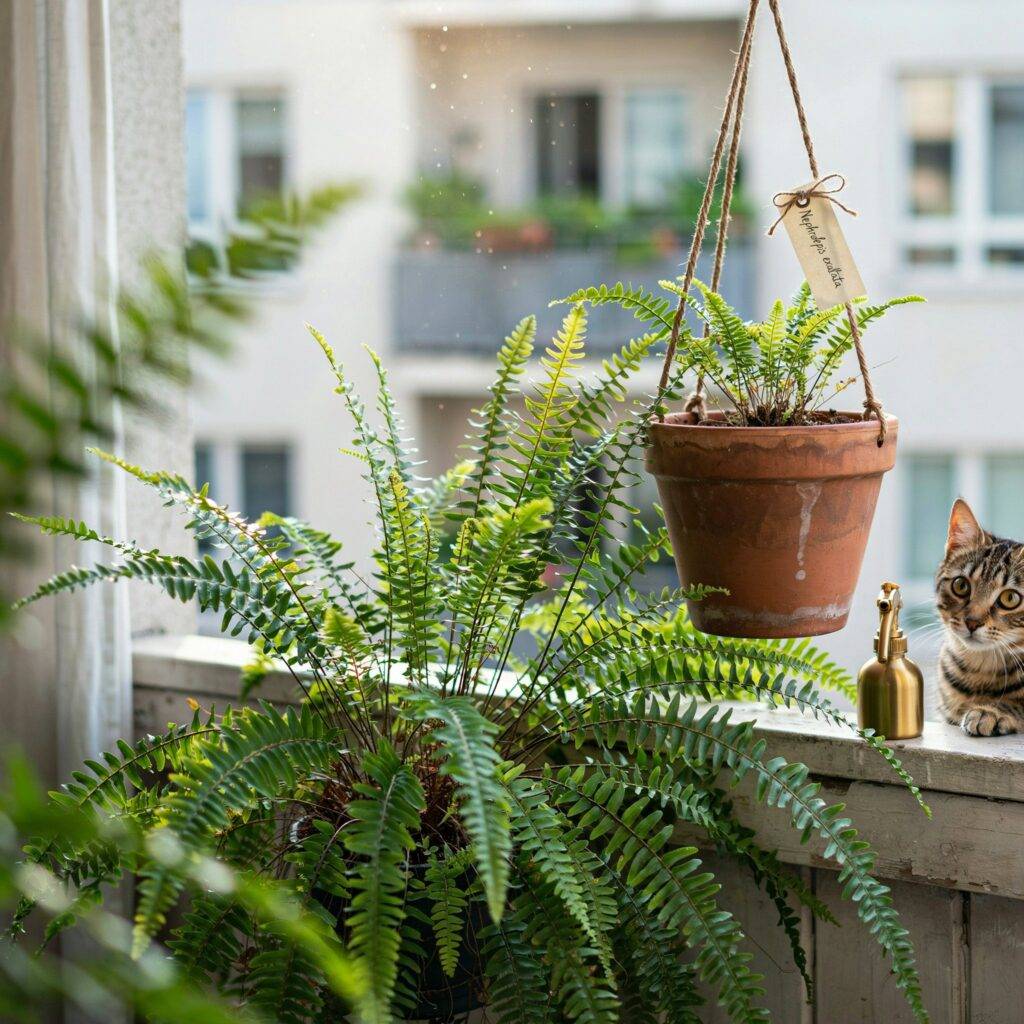
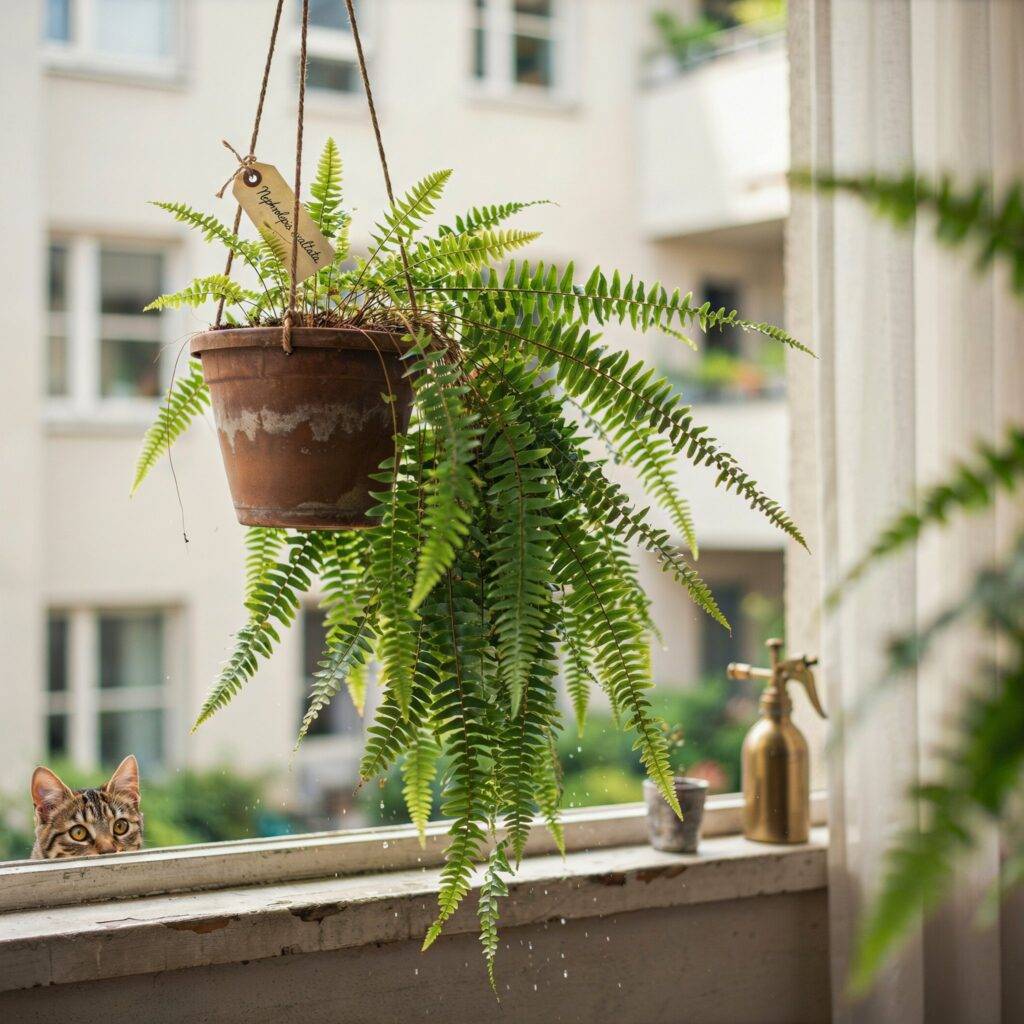
Boston ferns are lush, bushy, and absolutely beautiful. Their feathery fronds create a soft, cascading effect that transforms any balcony corner into a green oasis.
They’re completely non-toxic to cats and dogs according to the ASPCA. They prefer indirect light or partial shade and need consistently moist soil.
Mist them regularly they love humidity. They’re also great at improving air quality naturally. Just keep them out of direct sun, which can scorch their delicate leaves.
3. African Violet (Saintpaulia)
If you want color without worry, African violets are a fantastic choice. These small, fuzzy-leaved plants produce beautiful flowers in purple, pink, and white.
They stay under 12 inches tall, so they won’t take over your balcony. They don’t need constant sunlight and only require moderate watering.
The ASPCA considers them non-toxic to cats and dogs. Kids love their soft, velvety leaves, and pets are safe around them. Place them on a small table or shelf where everyone can enjoy their blooms.
4. Areca Palm (Dypsis lutescens)
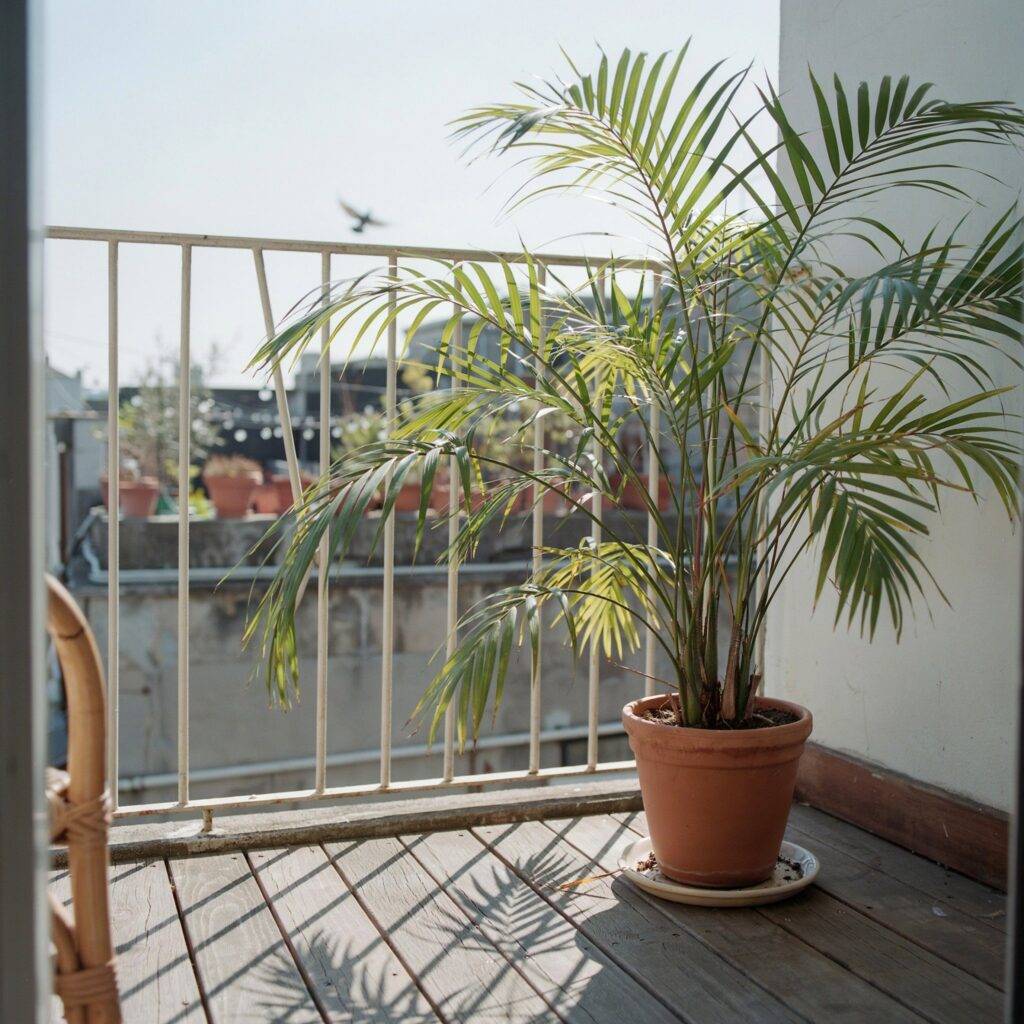
Also called the butterfly palm, this plant adds a tropical feel to any balcony. It has feathery, arching fronds that create a relaxed, vacation vibe.
The ASPCA lists it as non-toxic. It thrives in bright, indirect light and prefers evenly moist soil. It’s a slow grower that can reach several feet tall in a container. This palm is also excellent at purifying the air.
Place it in a corner where it has room to spread out. Your pets won’t be harmed if they brush against it or take a curious bite.
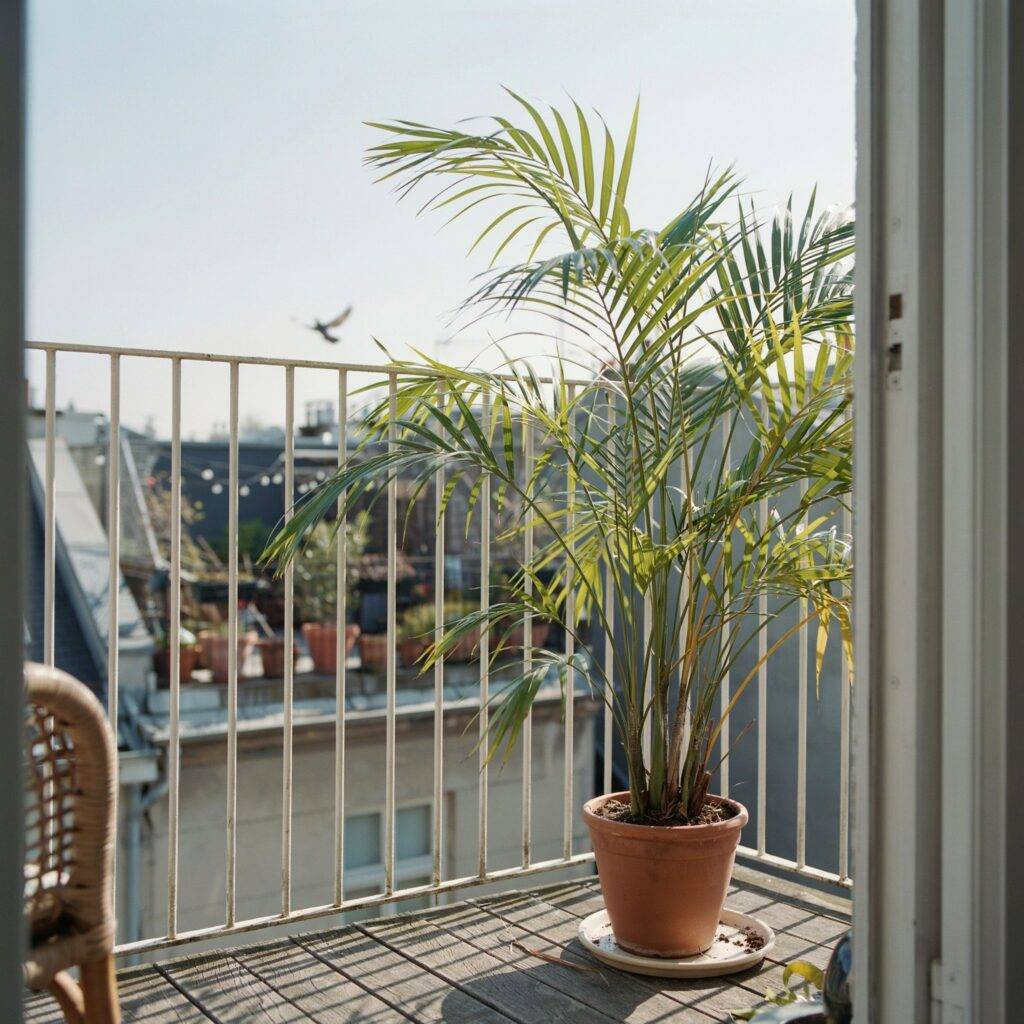
5. Parlor Palm (Chamaedorea elegans)
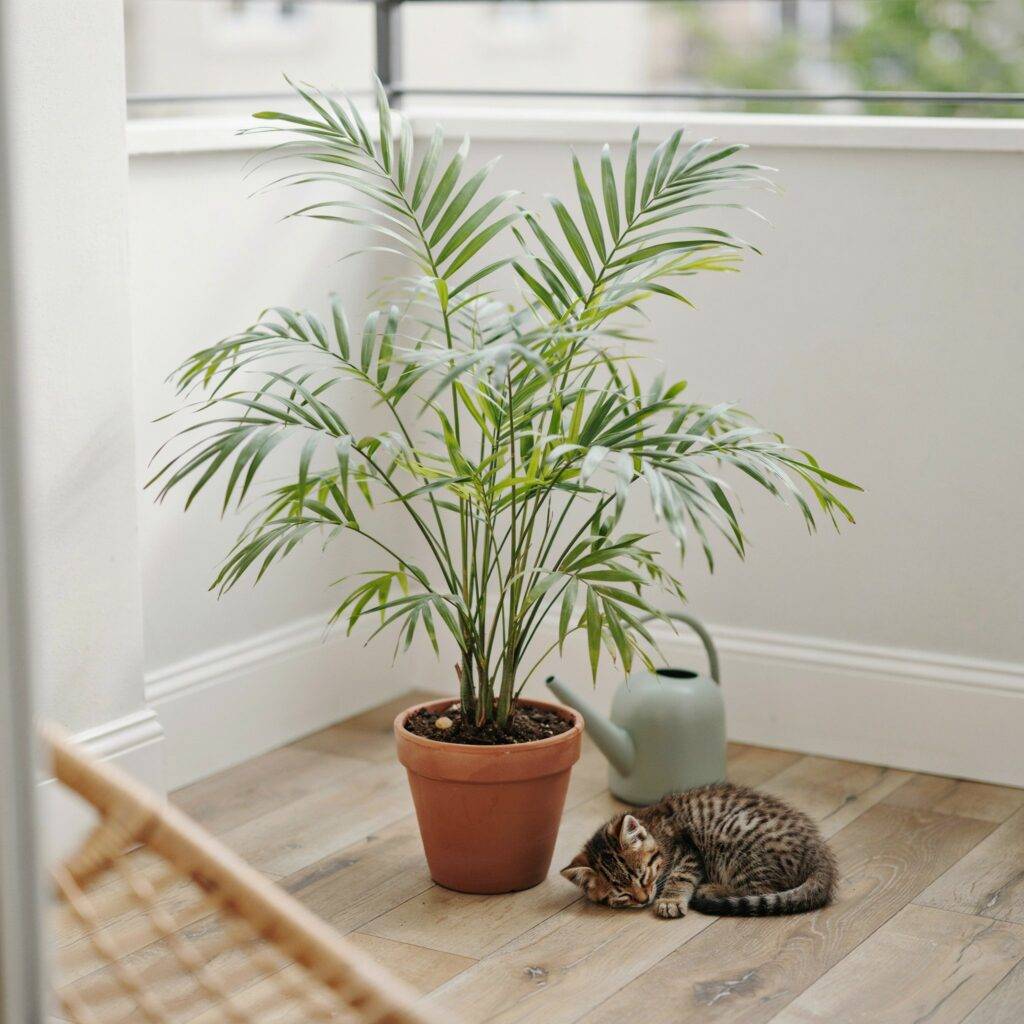
The parlor palm is compact, elegant, and one of the best low-light options out there. It’s non-toxic to cats and dogs and has been a popular houseplant for generations.
It grows slowly and stays manageable in a pot, making it ideal for smaller balconies. It doesn’t need direct sunlight bright, indirect light works just fine. Water it when the top inch of soil feels dry.
This plant is forgiving and resilient, which is great if you’re still learning the ropes of plant care. Kids and pets can safely be around it without worry.
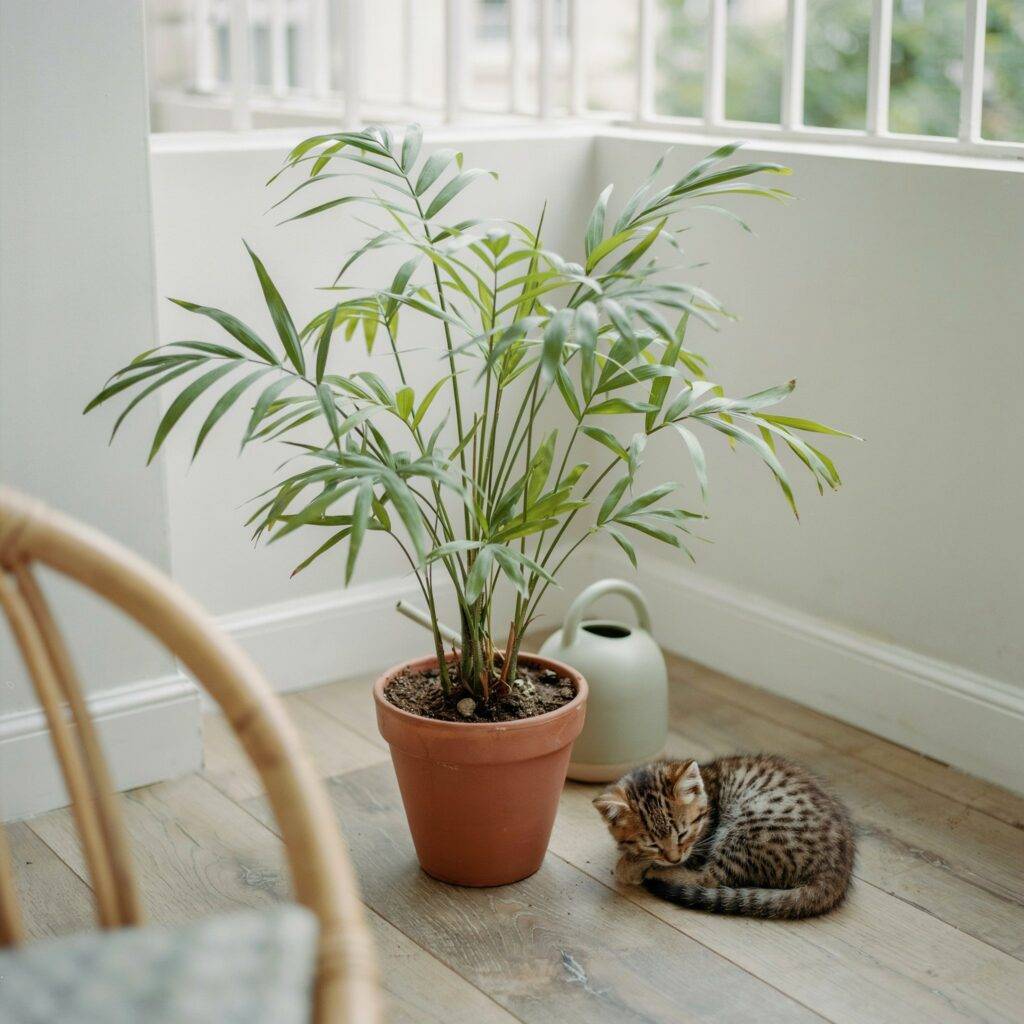
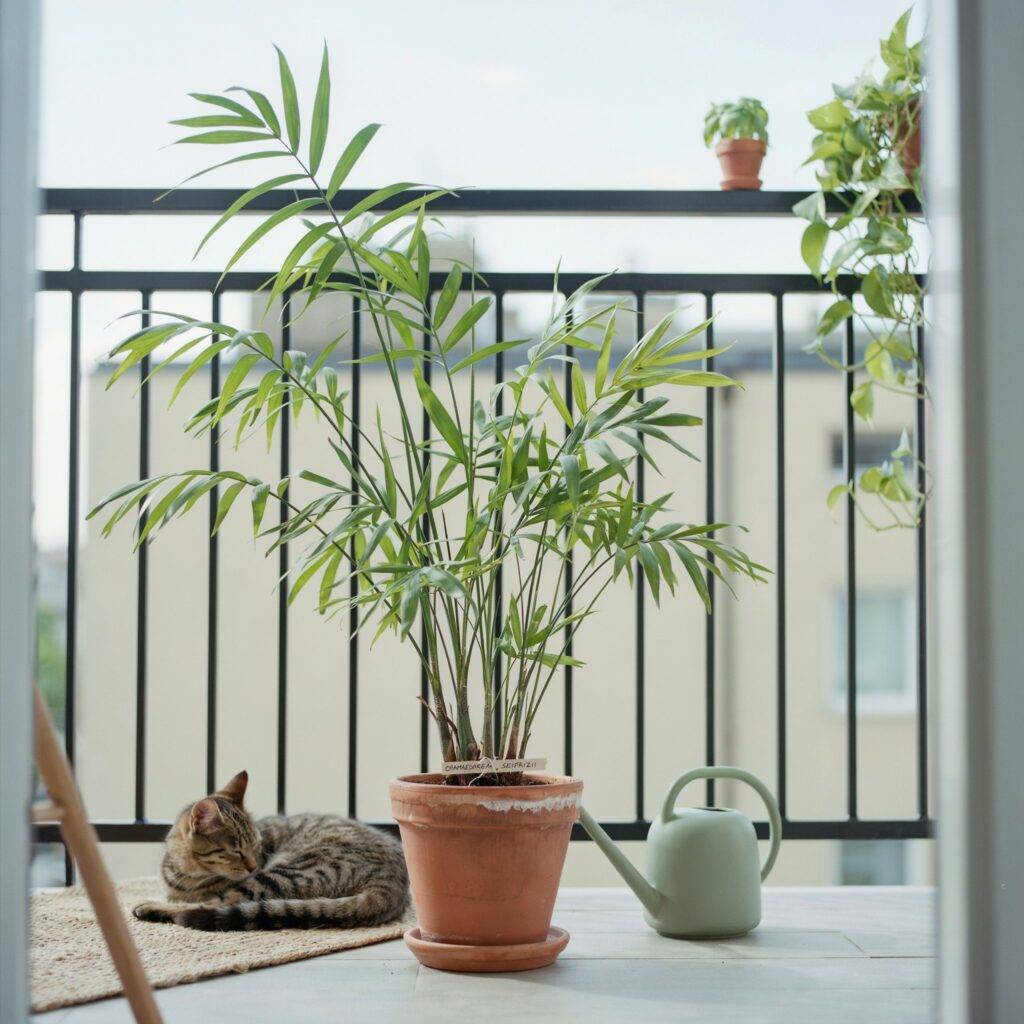
6. Bamboo Palm (Chamaedorea seifrizii)
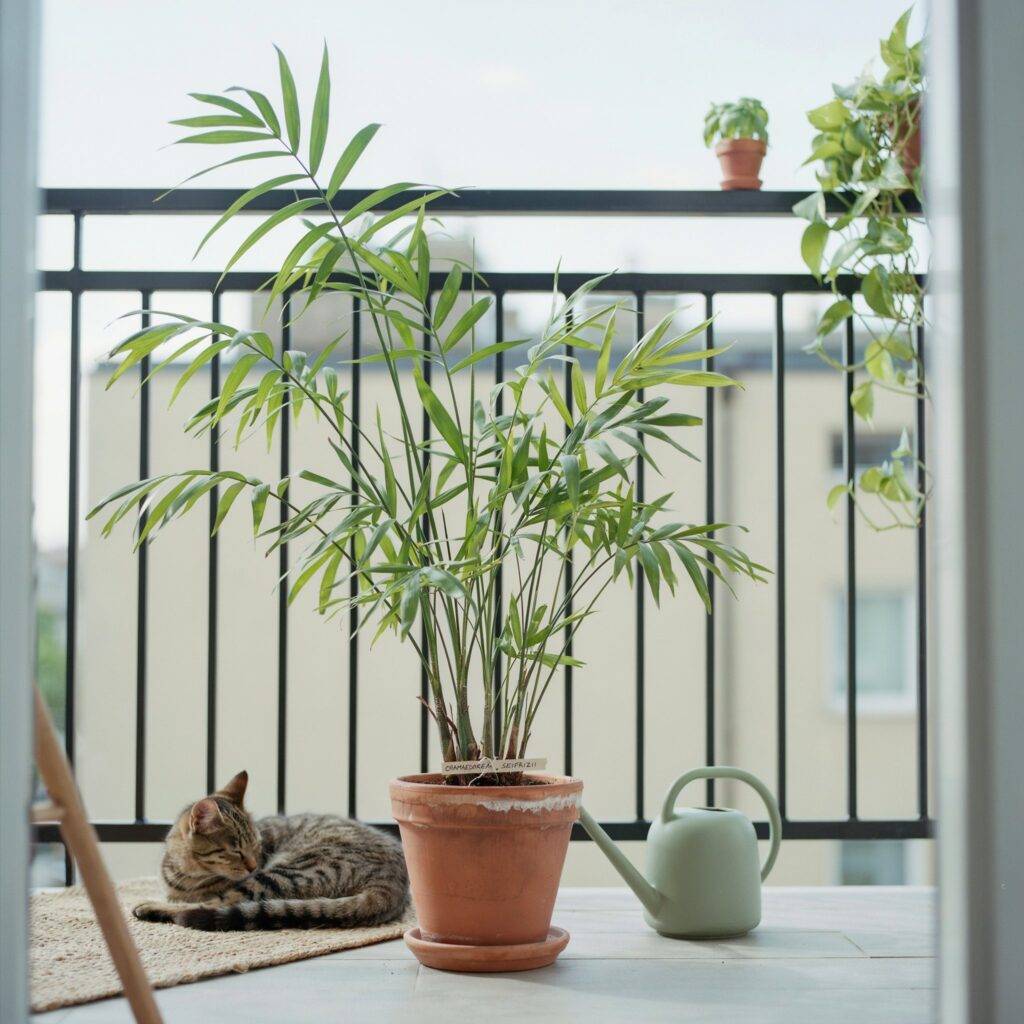
Bamboo palms are air-purifying, low-maintenance, and completely safe for pets. They have a bamboo-like appearance but are actually true palms.
They need only a few hours of sunlight each day, so you can place them in deeper corners of your balcony. They’re slow growers and can take years to reach three to four feet tall. Keep the soil evenly moist.
This plant is a great choice if you want something that looks substantial but doesn’t require constant
attention. Both kids and pets are safe around it.
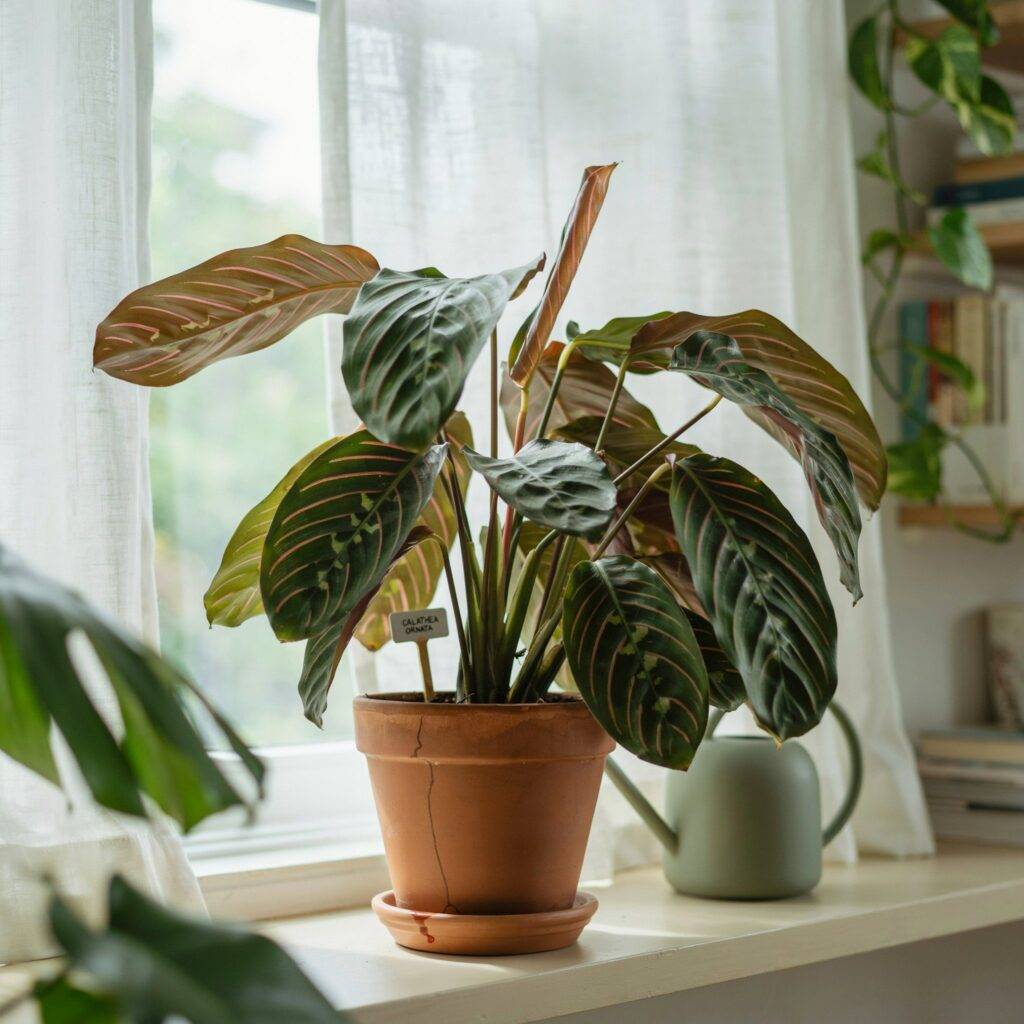
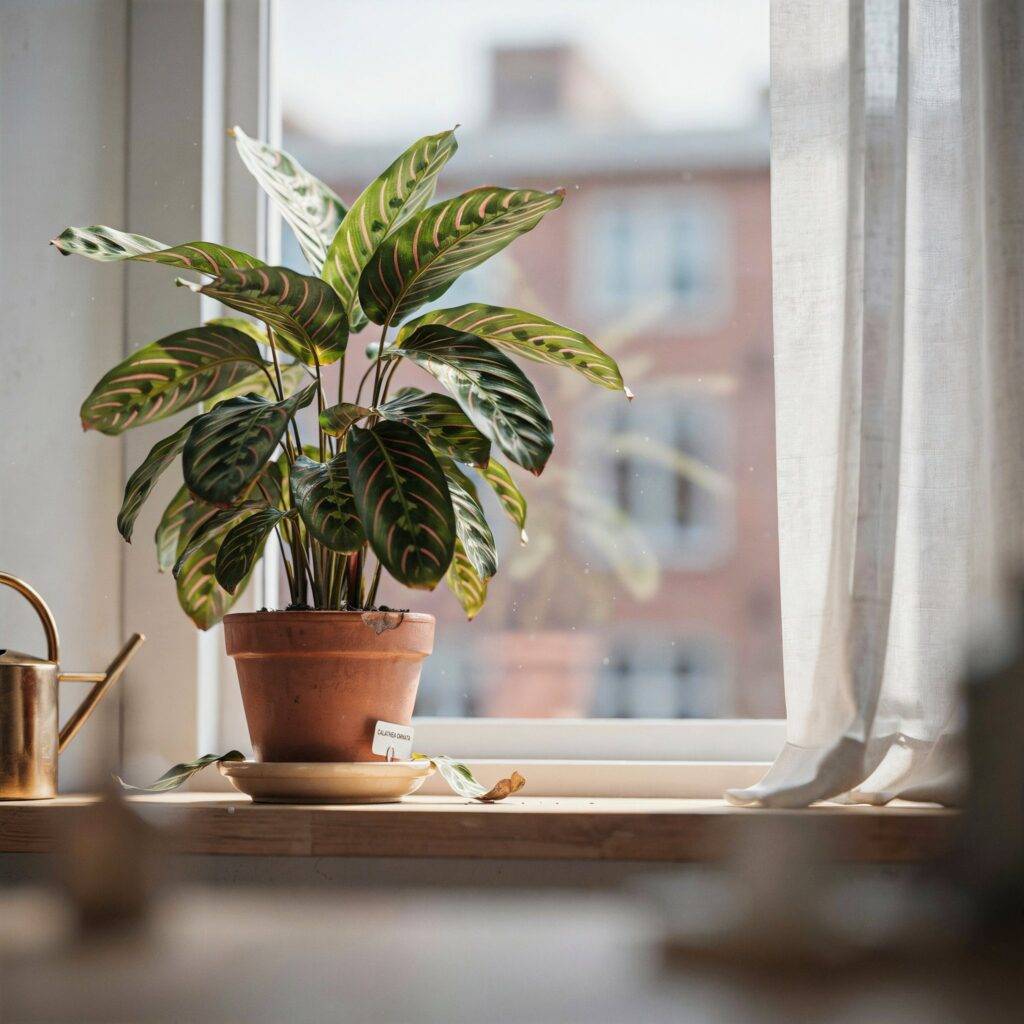
7. Calathea (Calathea spp.)
Calatheas are known as “prayer plants” because their leaves fold up at night. Their bold, patterned foliage makes them stunning focal points.
They come in various colors and patterns, from dark green with pink stripes to silver and purple undersides. The ASPCA lists them as non-toxic. They prefer indirect light and high humidity.
Water them regularly but don’t let them sit in water. These plants are safe for both kids and pets, so you can enjoy their striking beauty without any anxiety.
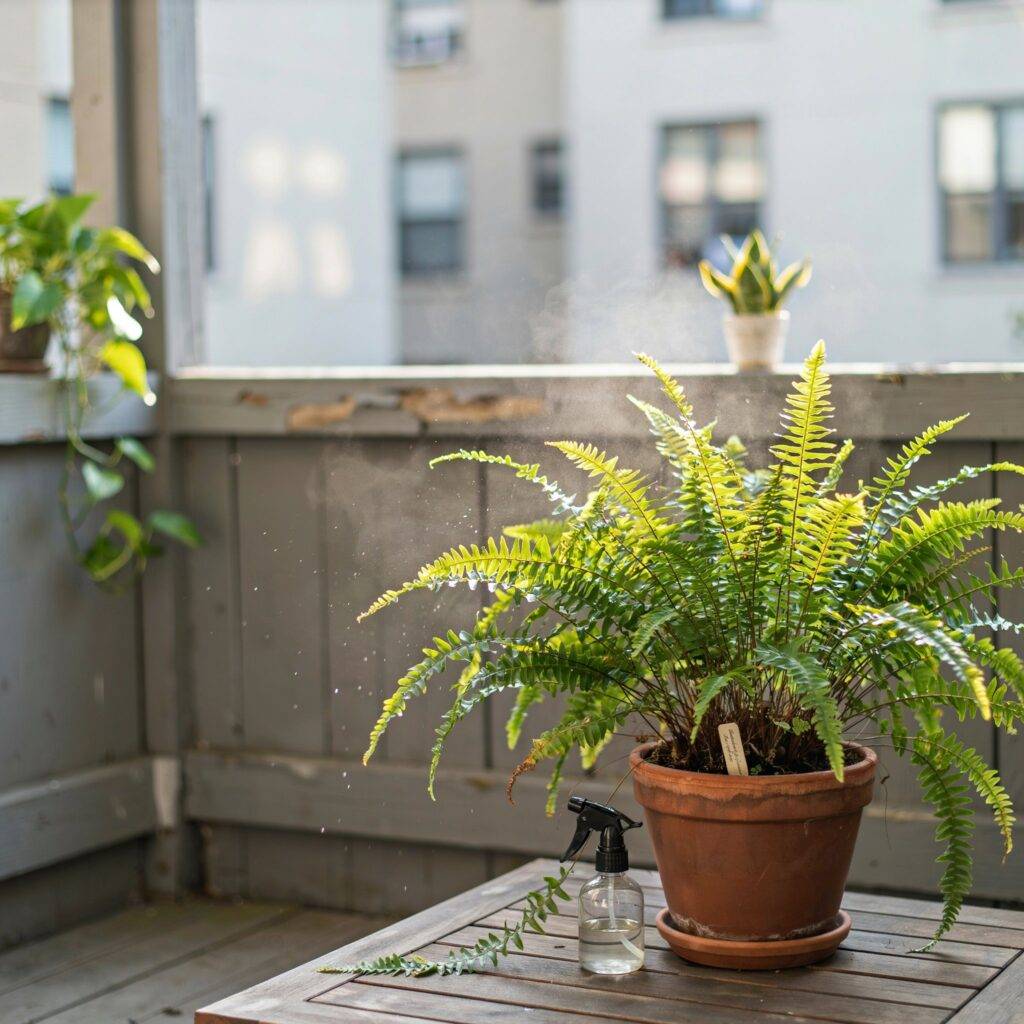
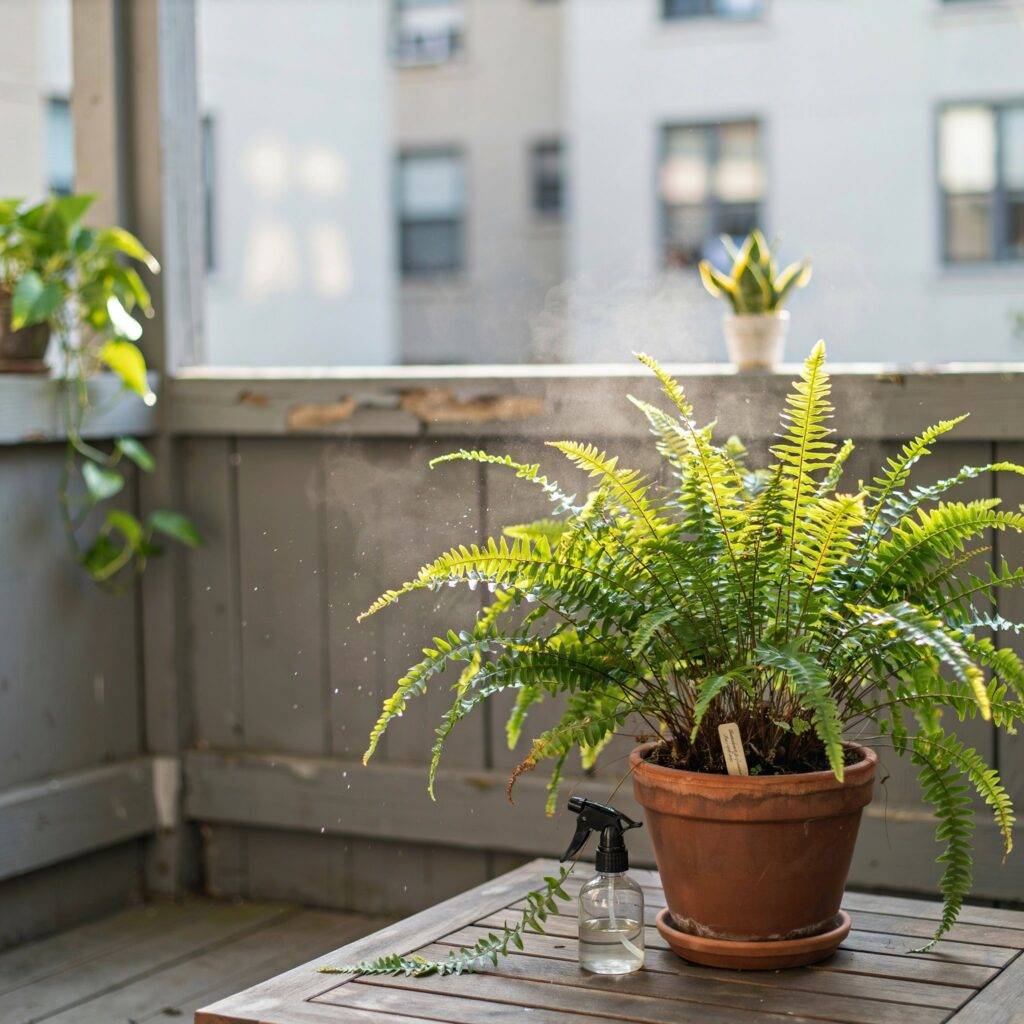
8. Boston Fern (Nephrolepis exaltata)
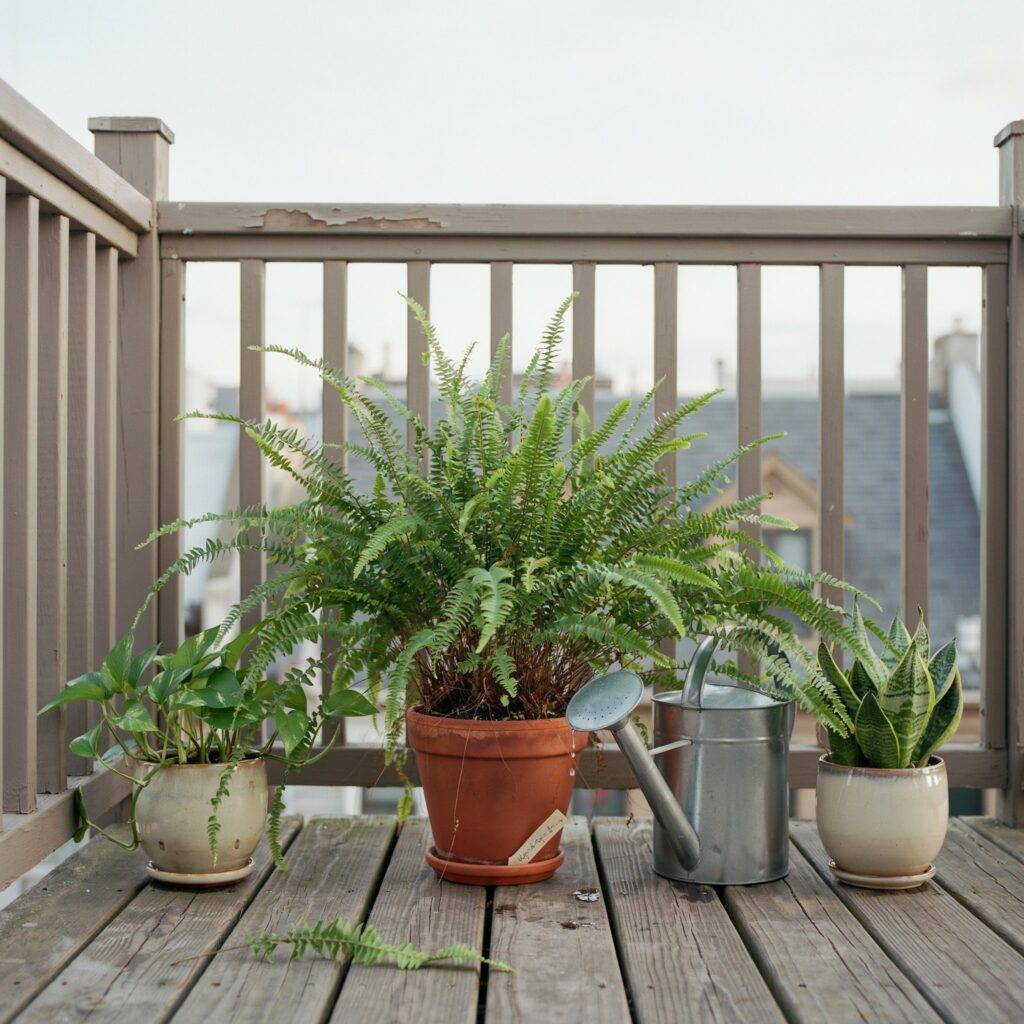
Yes, Boston ferns are so good they deserve another mention. They’re classic, reliable, and completely non-toxic. Their graceful, arching fronds provide excellent visual interest for shaded balcony spaces.
They’re particularly effective at adding humidity to the surrounding area. Keep the soil consistently moist but not waterlogged, and mist regularly to maintain humidity.
They prefer temperatures between 60-75°F and need at least 50% humidity. This plant is a workhorse that looks gorgeous and keeps your family safe.
9. Bromeliad
Bromeliads are striking plants with colorful bracts and unique shapes. They’re safe for pets and offer striking beauty with their greenery and flowers.
They require relatively low maintenance and add beautiful color to your balcony. They don’t need soil to grow many varieties are epiphytes that attach to other surfaces.
Water them by filling their central cup with water. They thrive in bright, indirect light. Kids are fascinated by their unusual appearance, and pets are completely safe around them. A great conversation starter for your balcony.
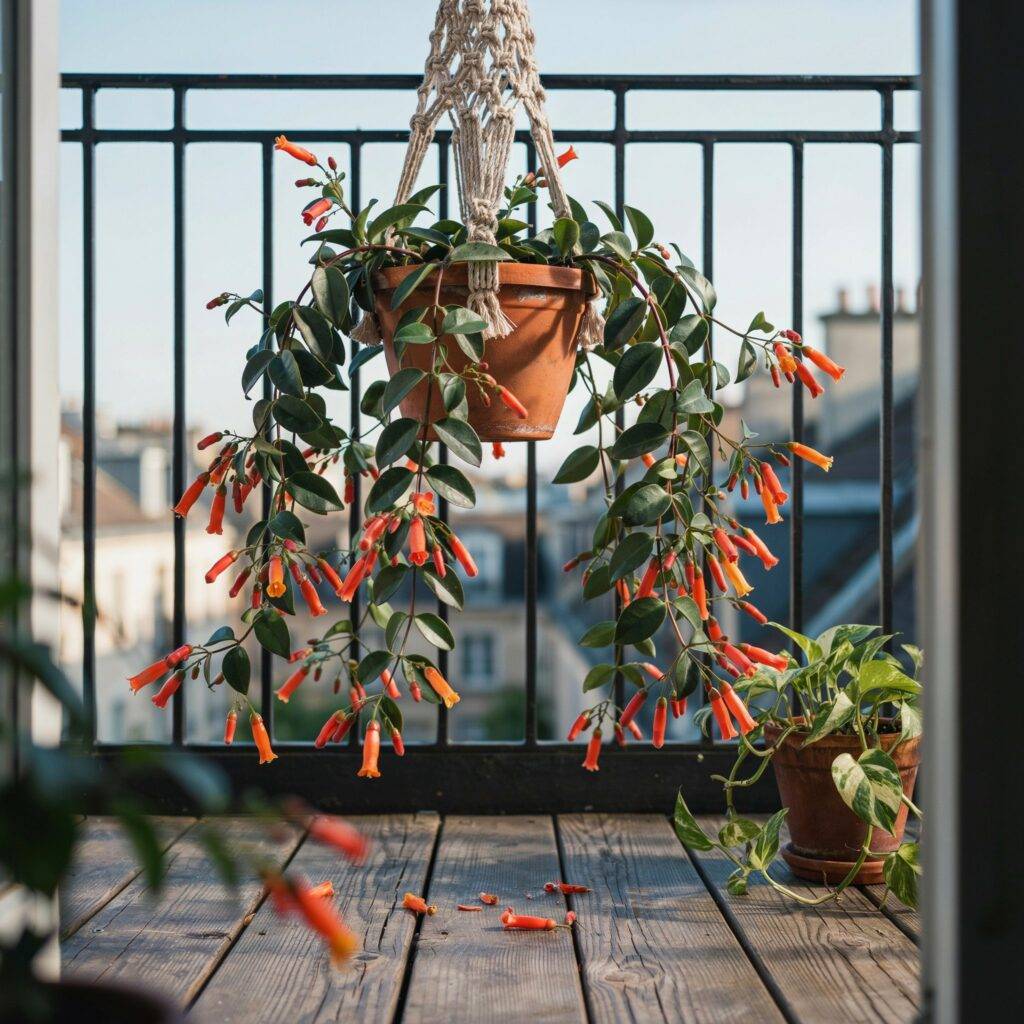
10. Lipstick Plant
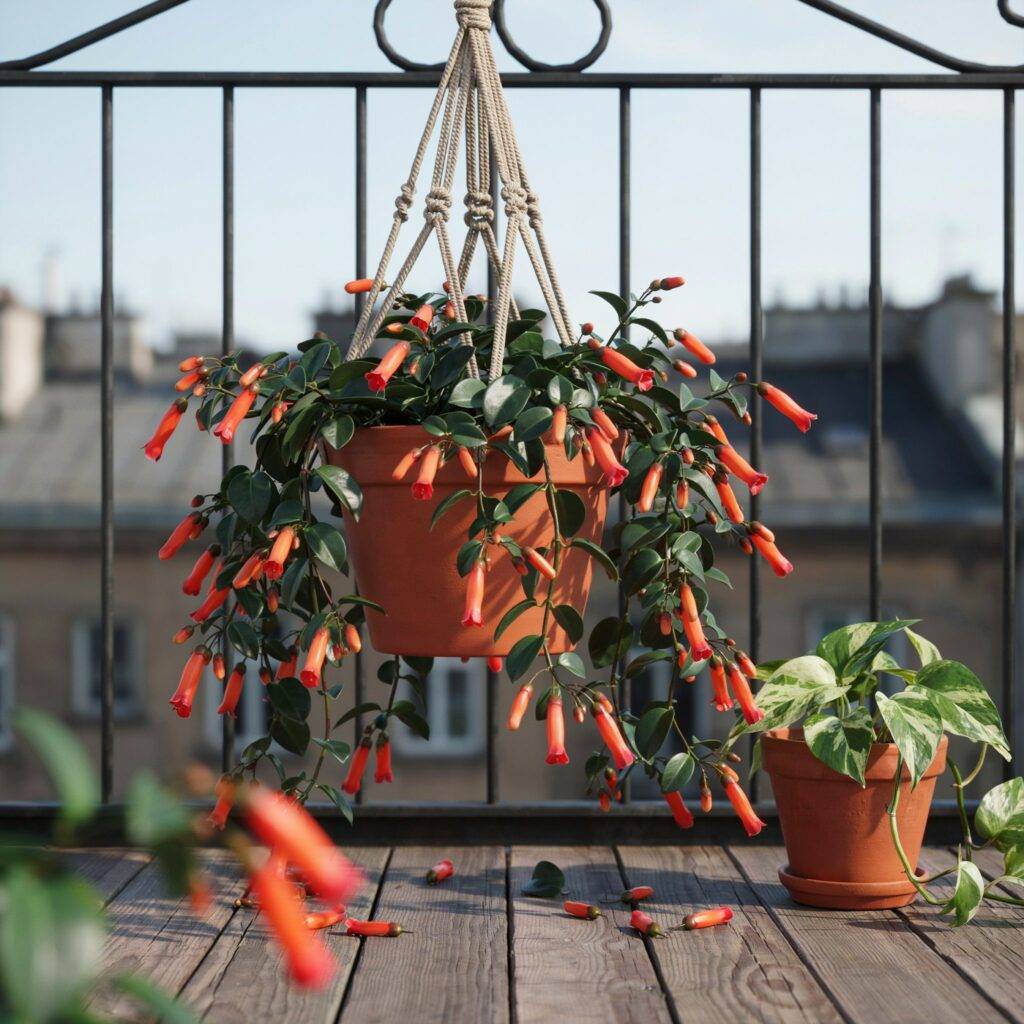
If you want to brighten up your balcony with colorful plants, the lipstick plant is one of the easiest choices. Its blooms look like lipstick tubes, hence the name.
They grow in bright light and need regular watering. The ASPCA considers them non-toxic. They’re trailing plants, so they work beautifully in hanging baskets.
The bright red or orange flowers are a real showstopper. Kids love the unique shape of the blooms. Your pets are safe if they get curious and take a sniff or a small nibble.
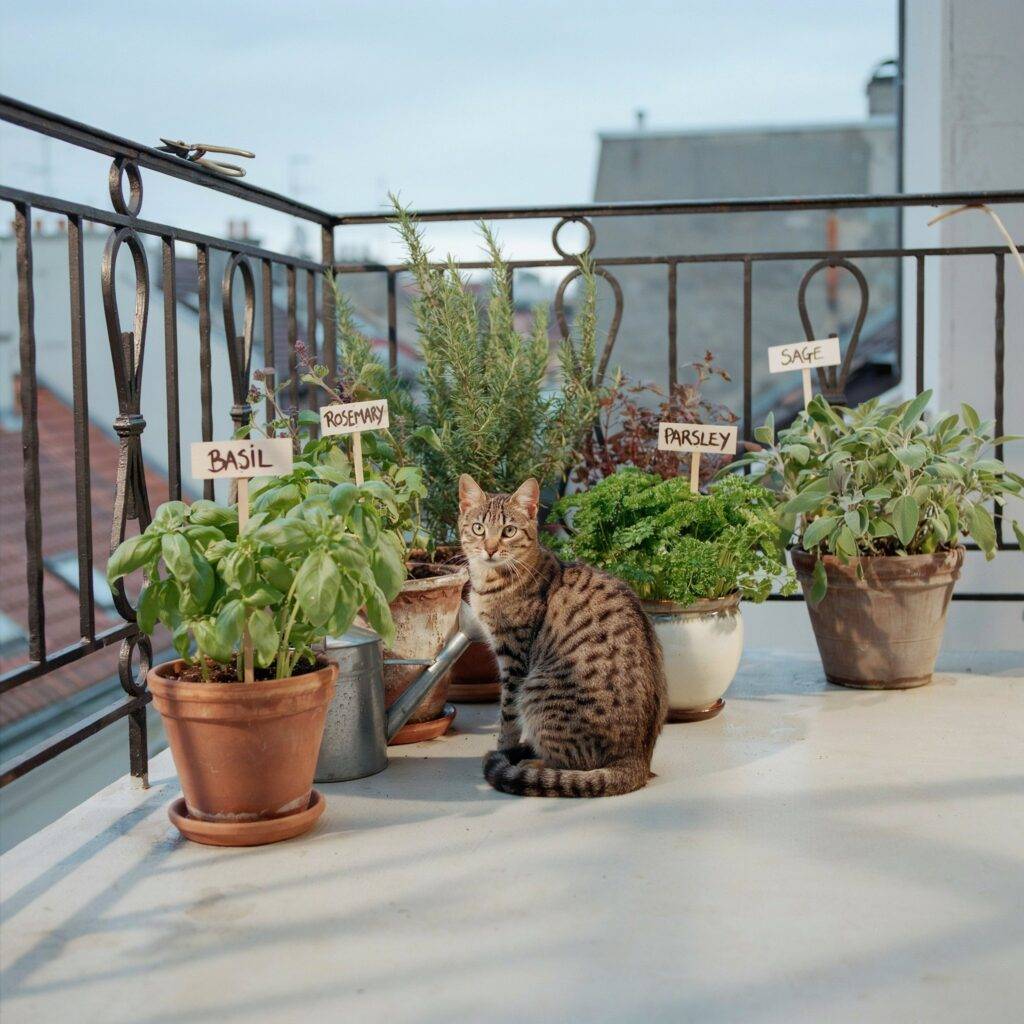
11. Herbs (Basil, Rosemary, Parsley, Sage)
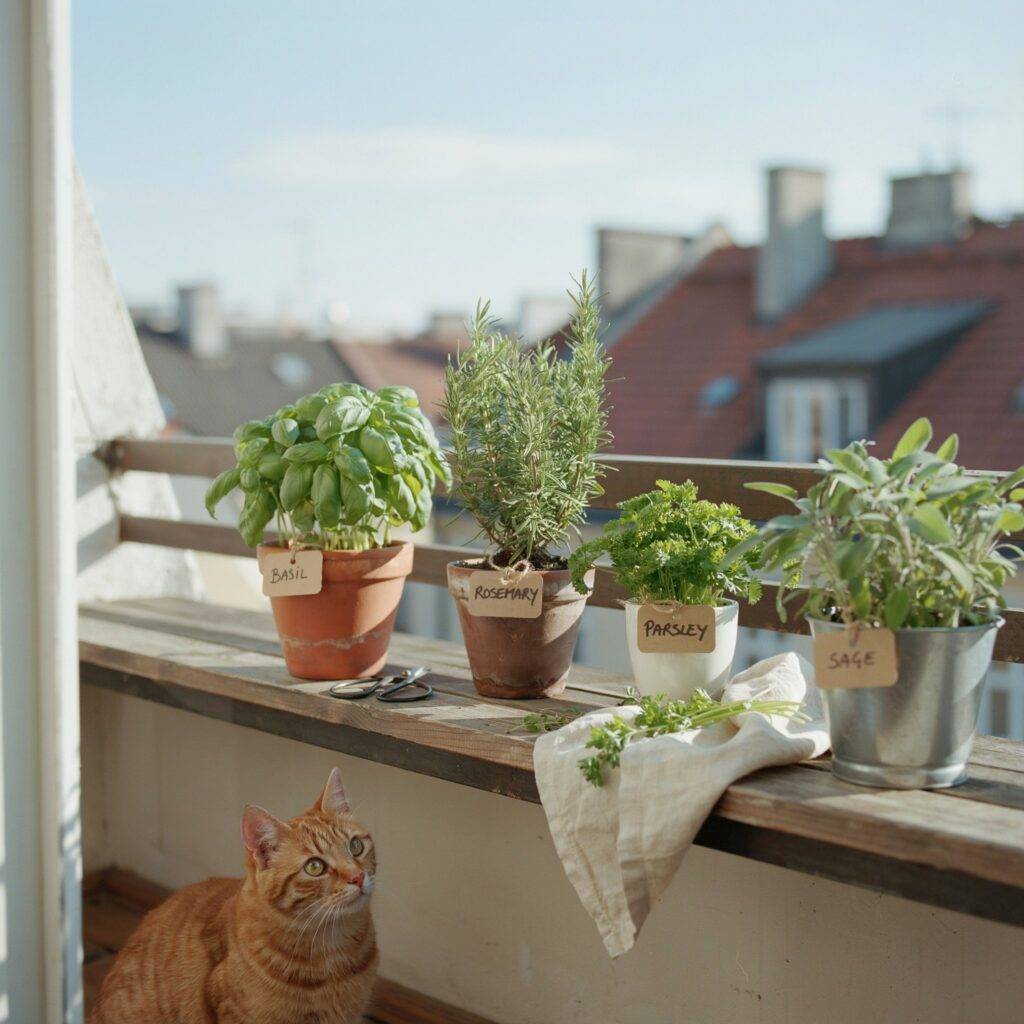
Kitchen herbs are a fantastic addition to any balcony. Basil, rosemary, parsley, and sage are all non-toxic to cats and dogs.
They’re also useful you can snip fresh herbs for your cooking. Basil and rosemary have strong aromas that naturally deter flying pests. They thrive in sunny spots and need regular watering. Rosemary is particularly low-maintenance.
Just make sure to buy organic plants to avoid pesticides. Kids can safely touch and smell them, and they might even get interested in gardening themselves. Plus, fresh herbs taste so much better than dried ones from the store.
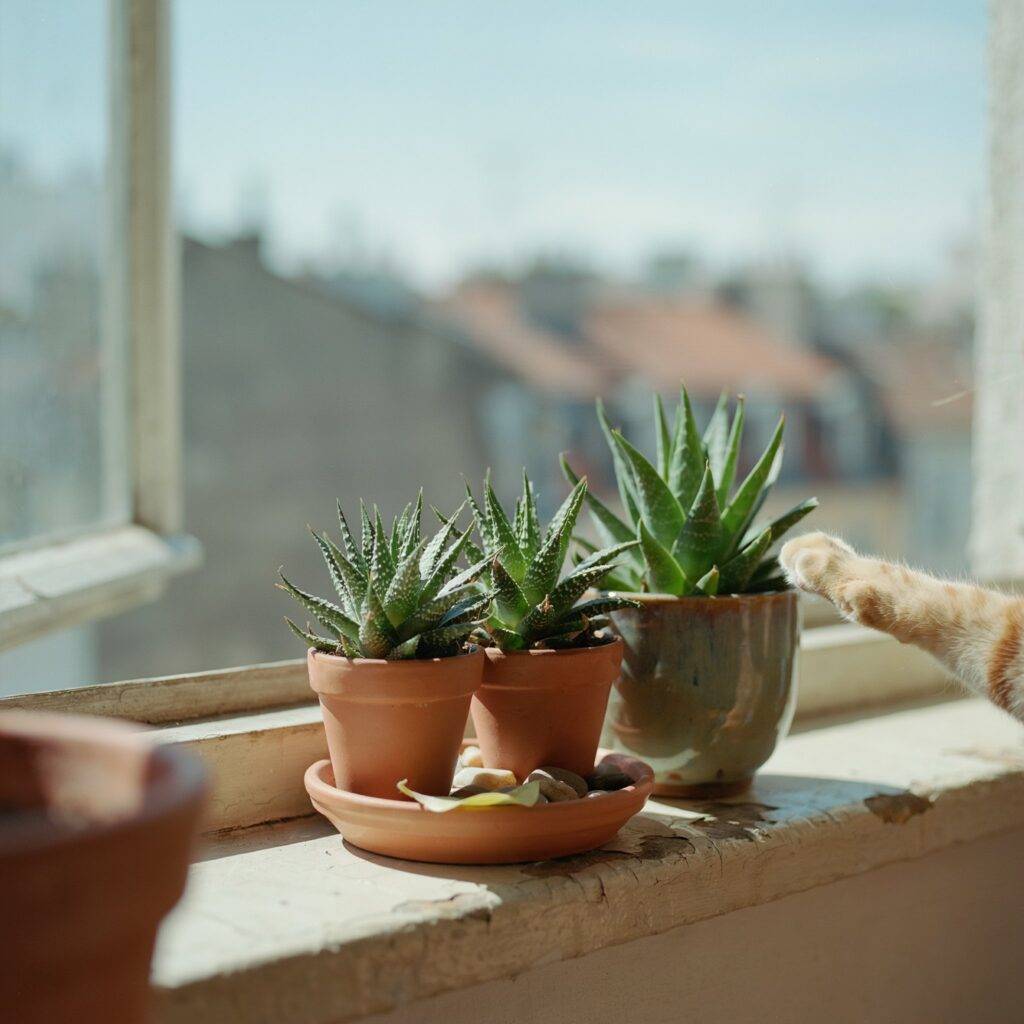
12. Haworthia (Haworthia spp.)
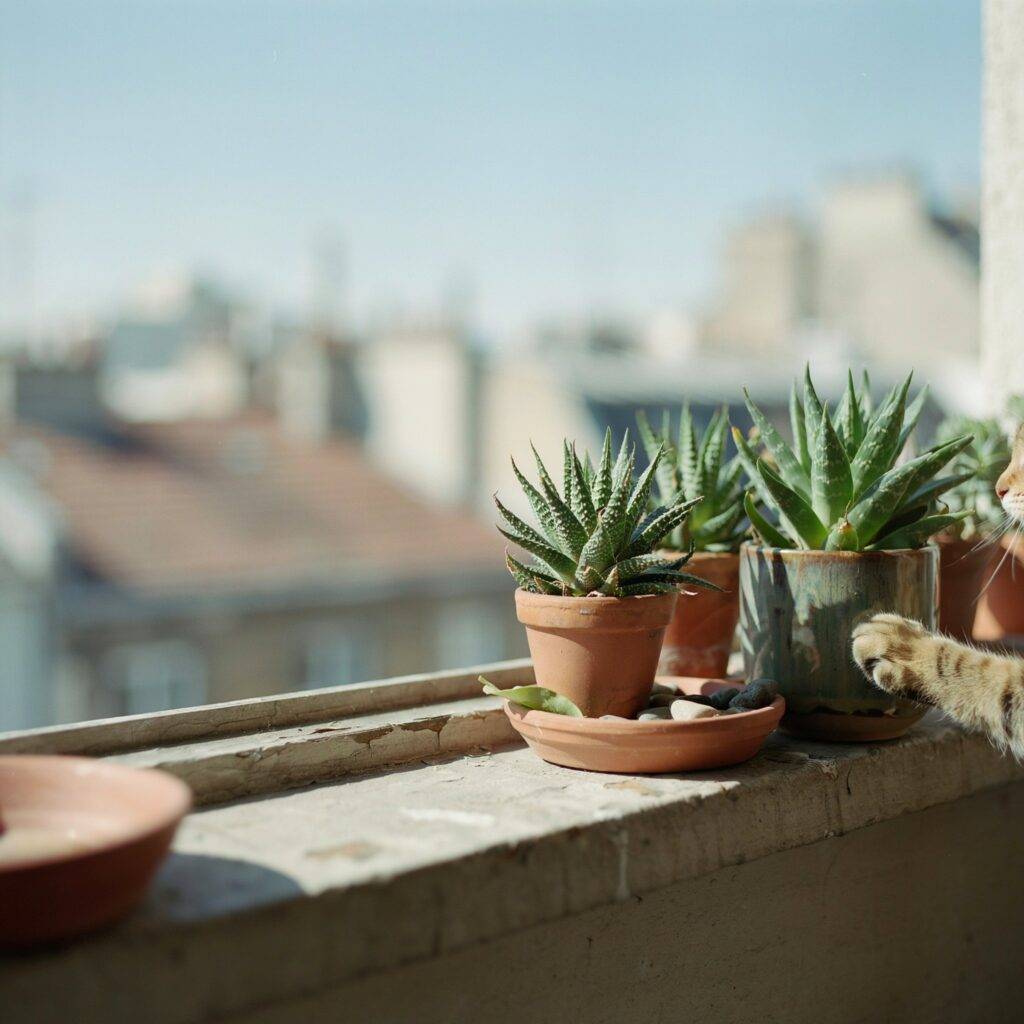
Haworthias are small succulents that look like aloe but are completely safe for cats and dogs. They have striking spiky leaves that stand out on any windowsill.
They’re incredibly easy to care for they thrive even if you forget to water them for a bit. Unlike many succulents, they do well in low-light conditions. Their compact size allows them to fit seamlessly into any space.
They’re a worry-free addition to your balcony. Kids are drawn to their interesting shapes, and pets are safe if they get curious.
13. Echeveria
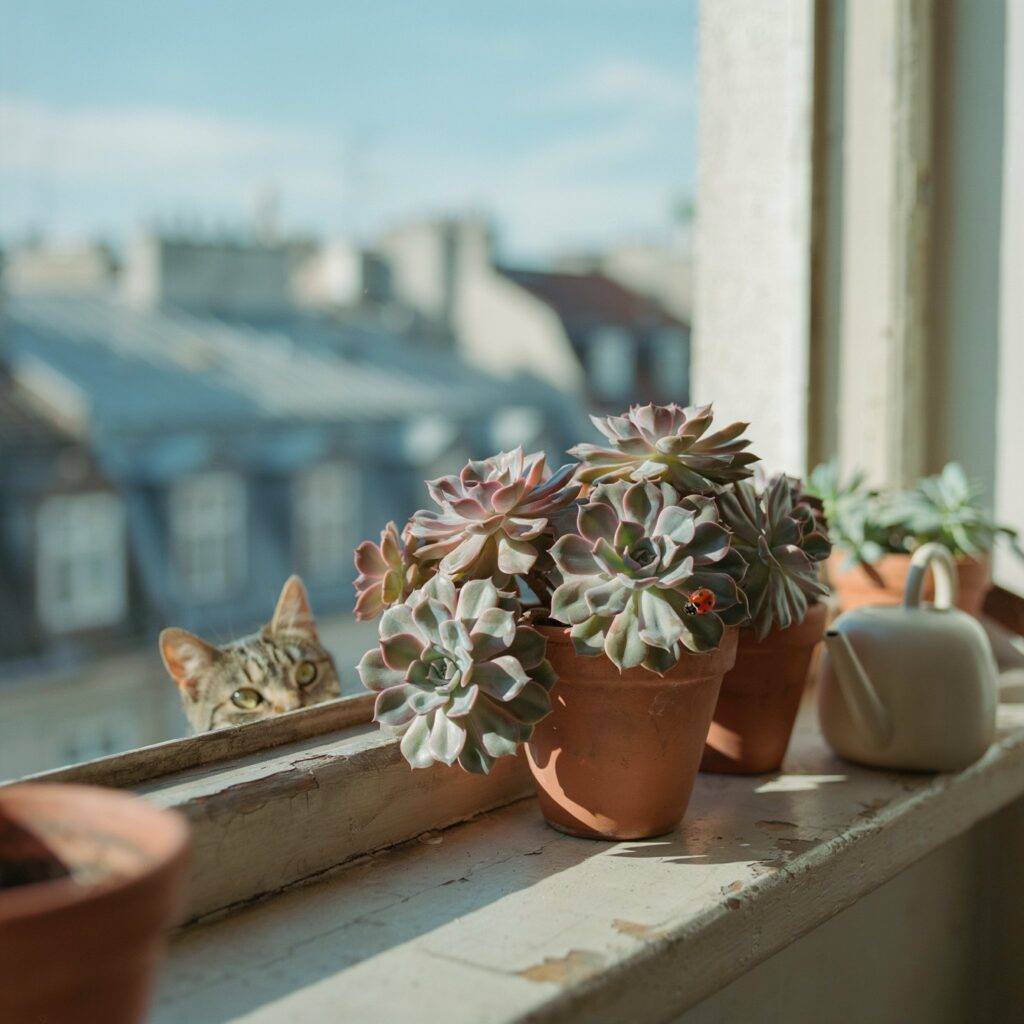
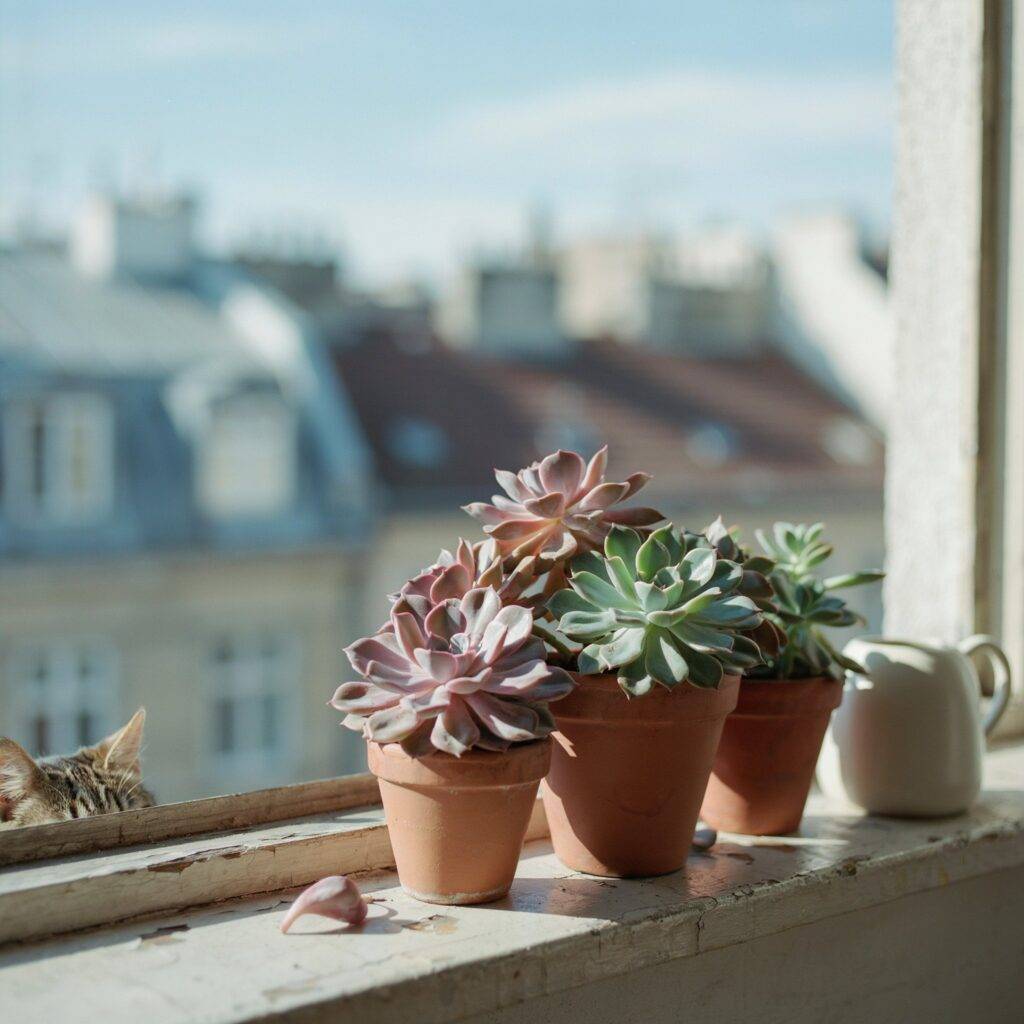
Echeverias are rosette-shaped succulents that come in beautiful pastel hues. They look like blooming roses and add a touch of softness to any space.
They’re completely pet-friendly, so there’s no need to worry if your cat takes a nibble. They love bright, indirect light and need minimal watering. Place them on a sunny windowsill where they can soak up gentle morning sun.
These plants are low-effort but deliver high rewards in beauty and safety. Kids love their perfect, geometric shapes, and pets are safe around them.
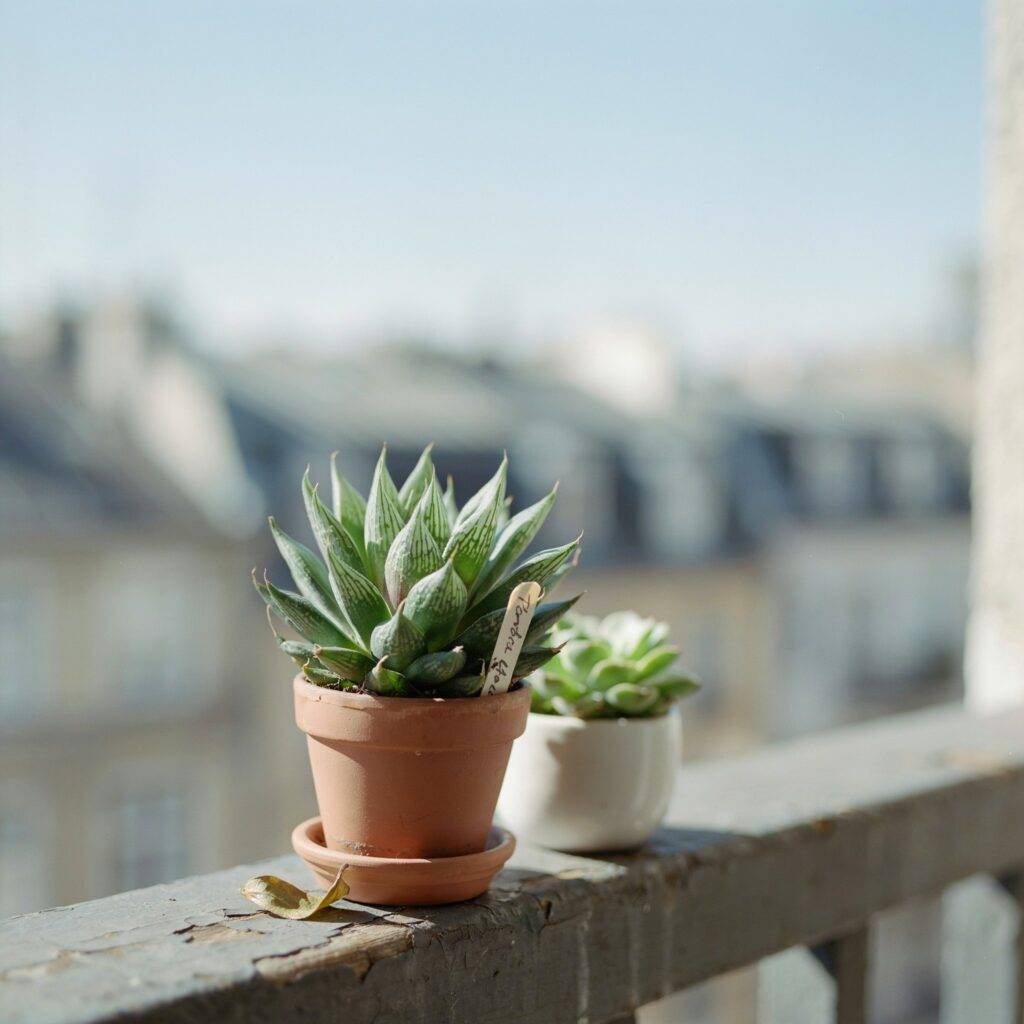
14. Zebra Plant (Haworthia attenuata)
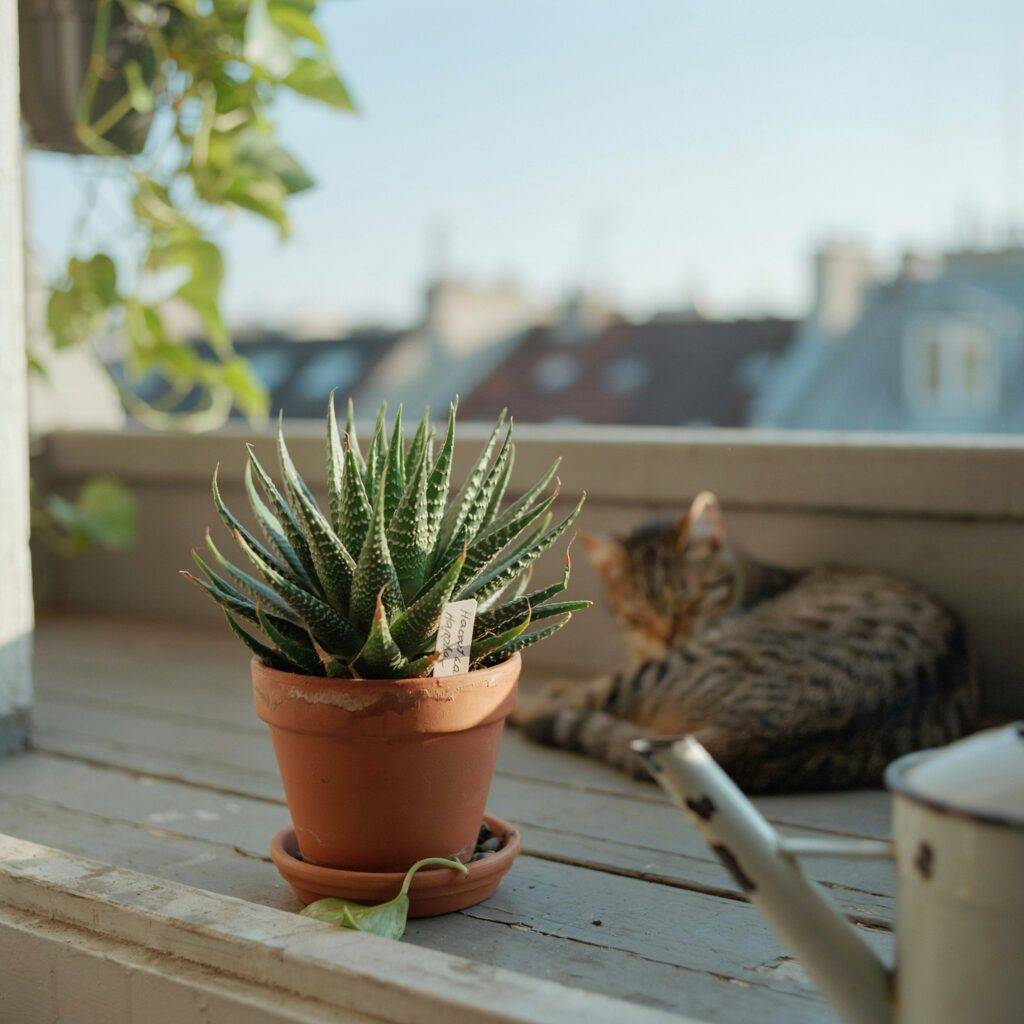
The zebra plant features striking white-striped leaves that make it a standout piece in any plant collection. It’s not only visually intriguing but also safe for pets, making it a guilt-free choice for animal lovers.
This succulent is adaptable, thriving in both bright and low light. It’s resilient and forgiving of occasional neglect. A little bit of care goes a long way with this charming plant.
It’s perfect for busy individuals who still want something beautiful on their balcony. Kids and pets are both safe around it.
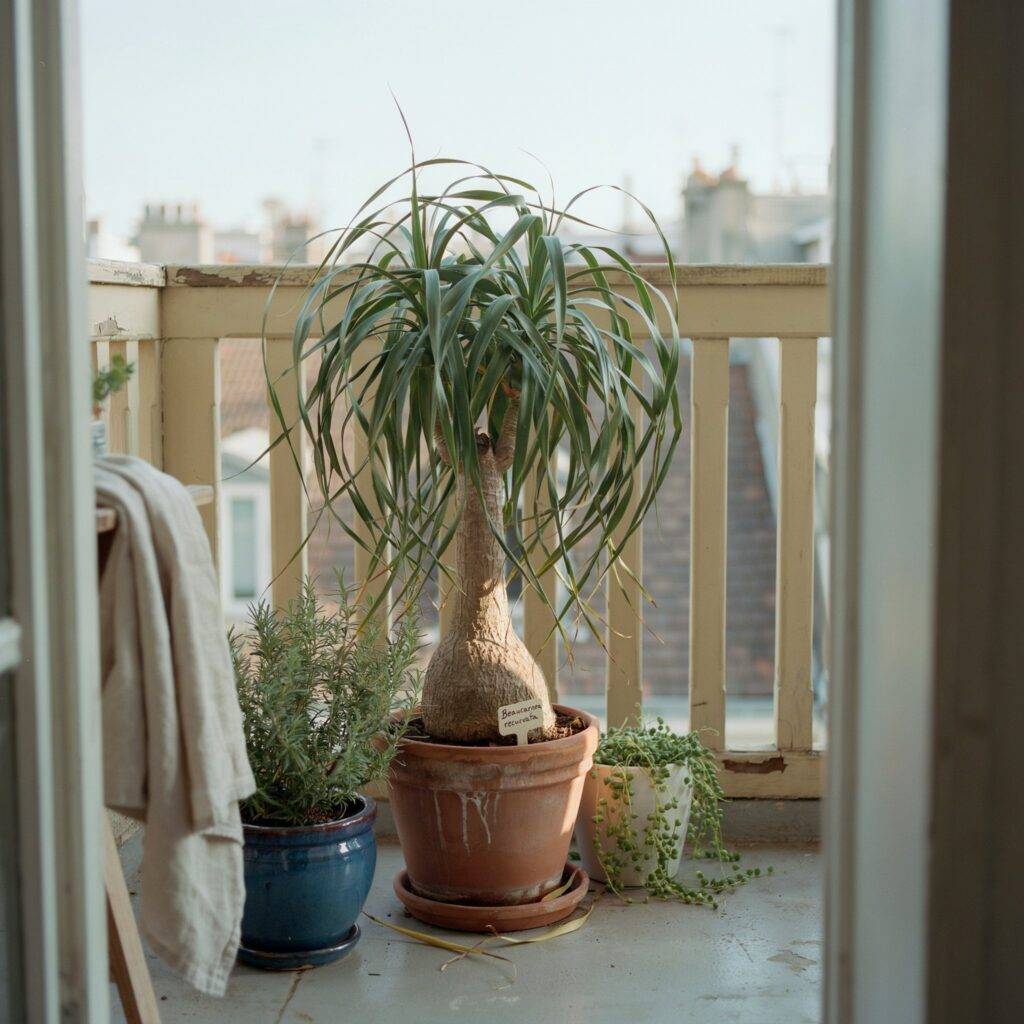
15. Ponytail Palm (Beaucarnea)
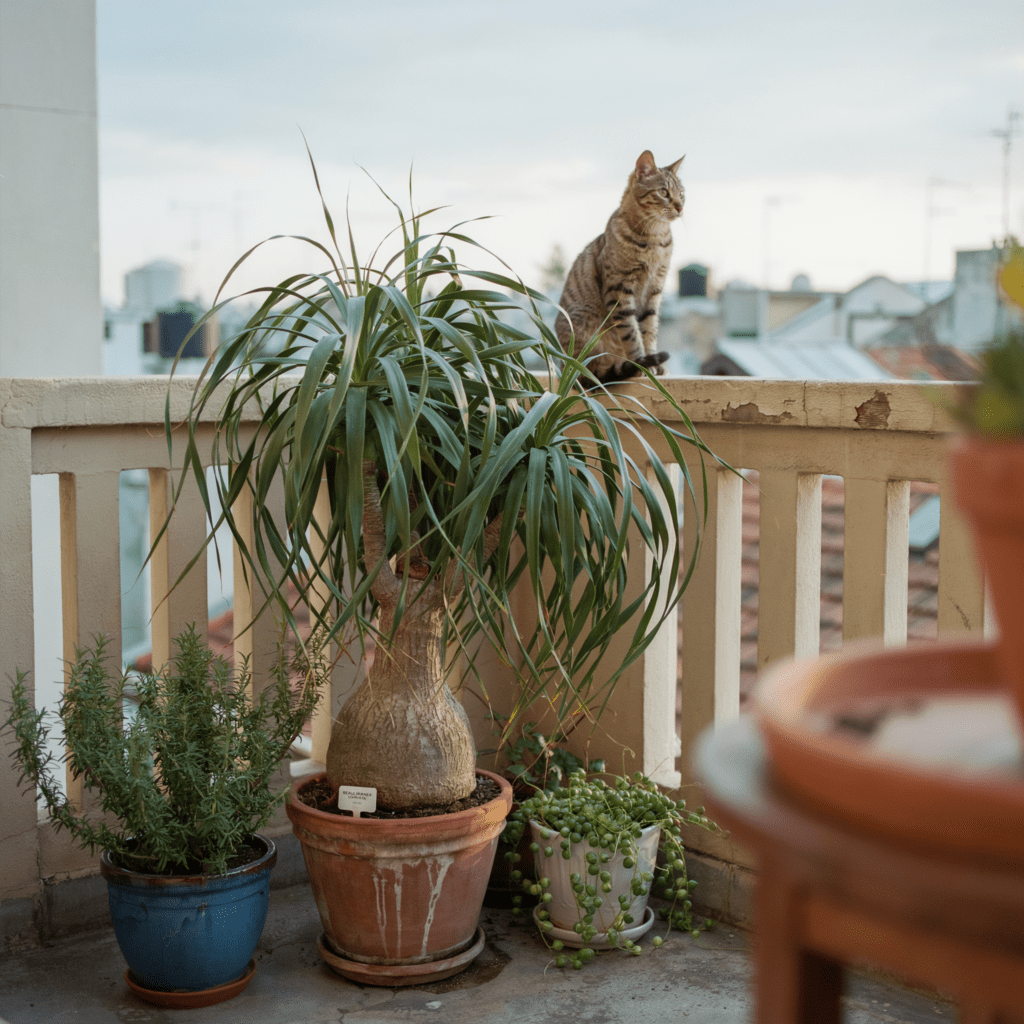
The ponytail palm has a unique look a thick, swollen trunk with long, cascading leaves that resemble a ponytail. It’s non-toxic to pets.
This plant is incredibly drought-tolerant, so it’s perfect if you sometimes forget to water. It thrives in bright light but can tolerate some shade. It grows slowly and stays manageable in a container.
The unusual shape makes it a fun talking point. Kids are fascinated by the “ponytail,” and pets are safe around it. It’s a great choice for adding visual interest to your balcony.
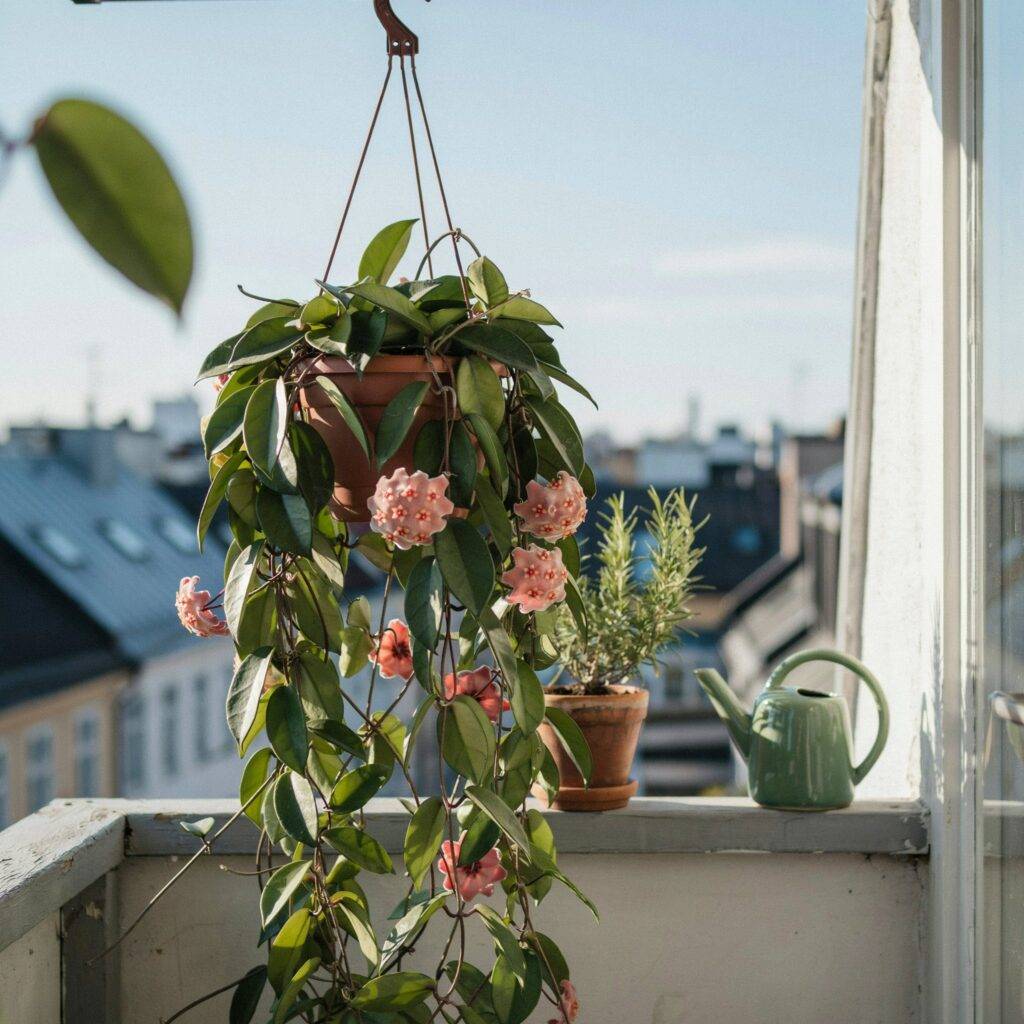
16. Wax Plant (Hoya Carnosa)
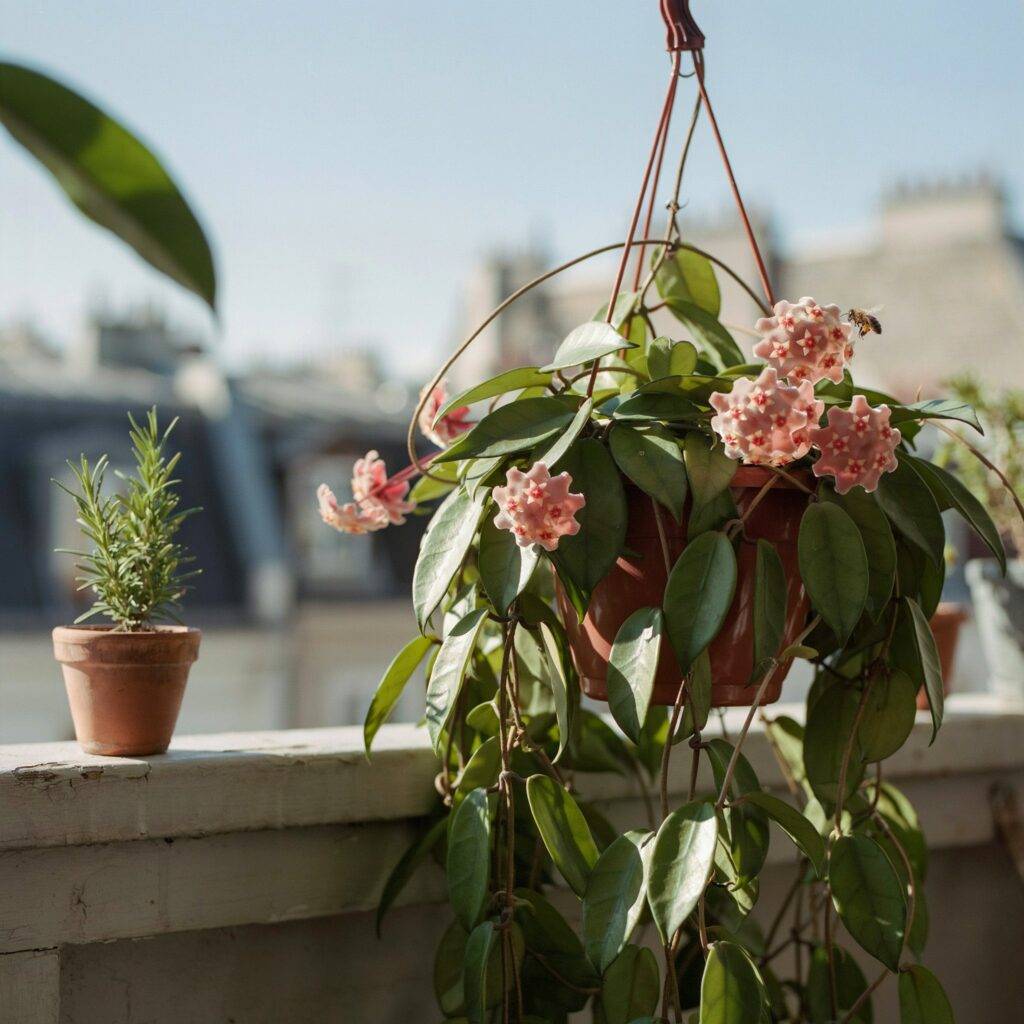
Wax plants are non-toxic and safe for children and pets despite their succulent-like leaves. They thrive in bright light conditions.
The brighter the area, the more likely it will produce sweet, fragrant flowers that look almost unreal. These are trailing plants that work beautifully in hanging baskets.
Their waxy, thick leaves are attractive and interesting to touch. They don’t need frequent watering let the soil dry out between waterings. Both kids and pets are safe around this beautiful, flowering plant.
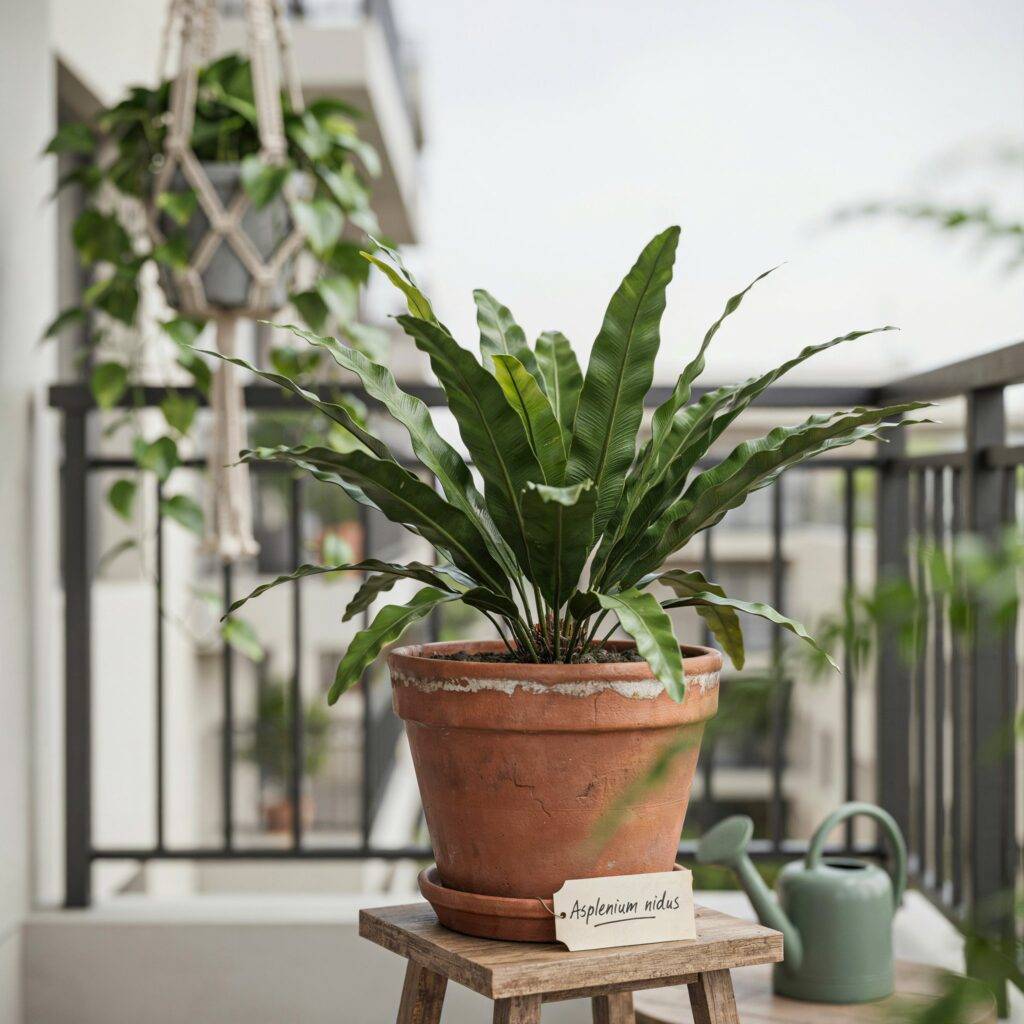
17. Bird’s Nest Fern (Asplenium nidus)
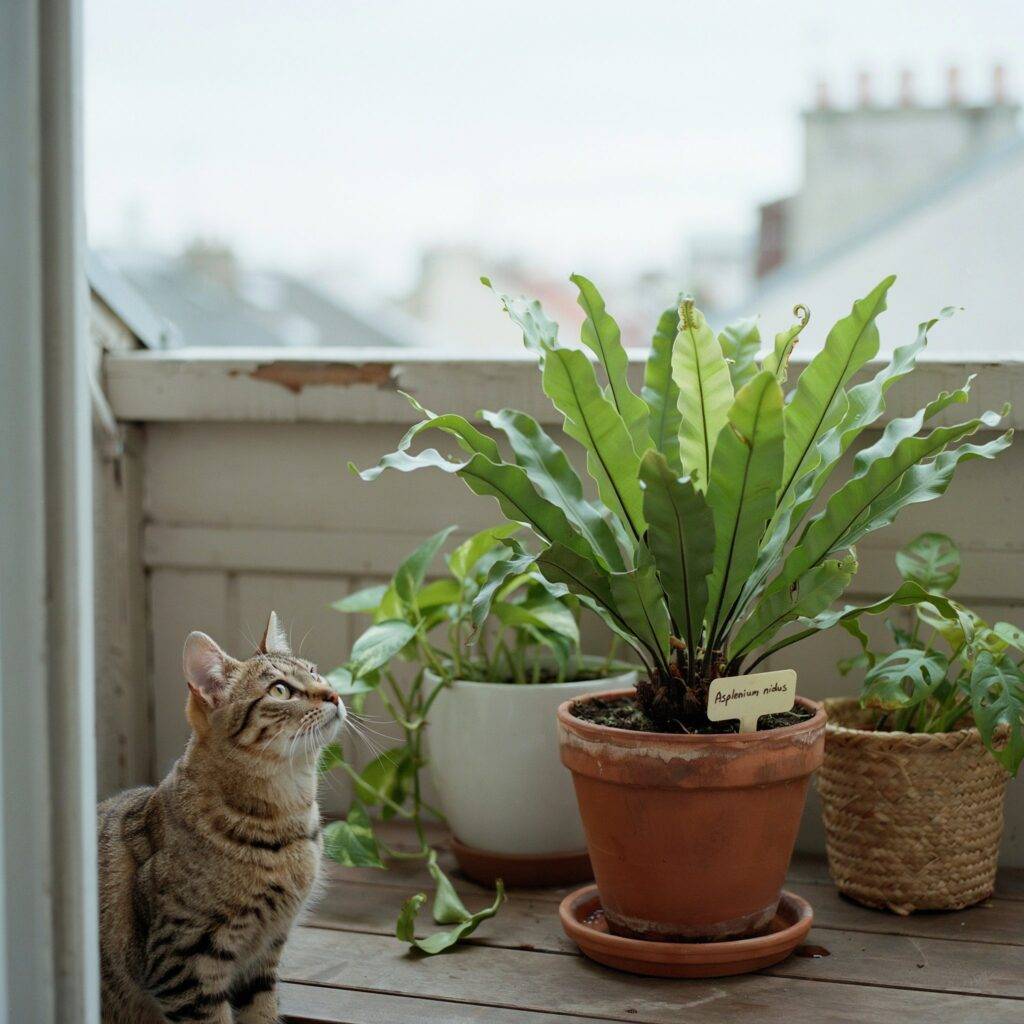
Bird’s nest ferns have a distinctive look their leaves unfurl from a central rosette, resembling a bird’s nest. They’re non-toxic to cats and dogs. T
hey thrive in low to medium light and high humidity. Keep the soil consistently moist but not waterlogged. They’re relatively low-maintenance and add a lush, tropical feel to any balcony. T
heir unique growth habit makes them interesting for kids to observe. Pets are safe if they get curious and take a bite. This fern is a great option for shadier spots on your balcony.
18. Moth Orchid (Phalaenopsis)
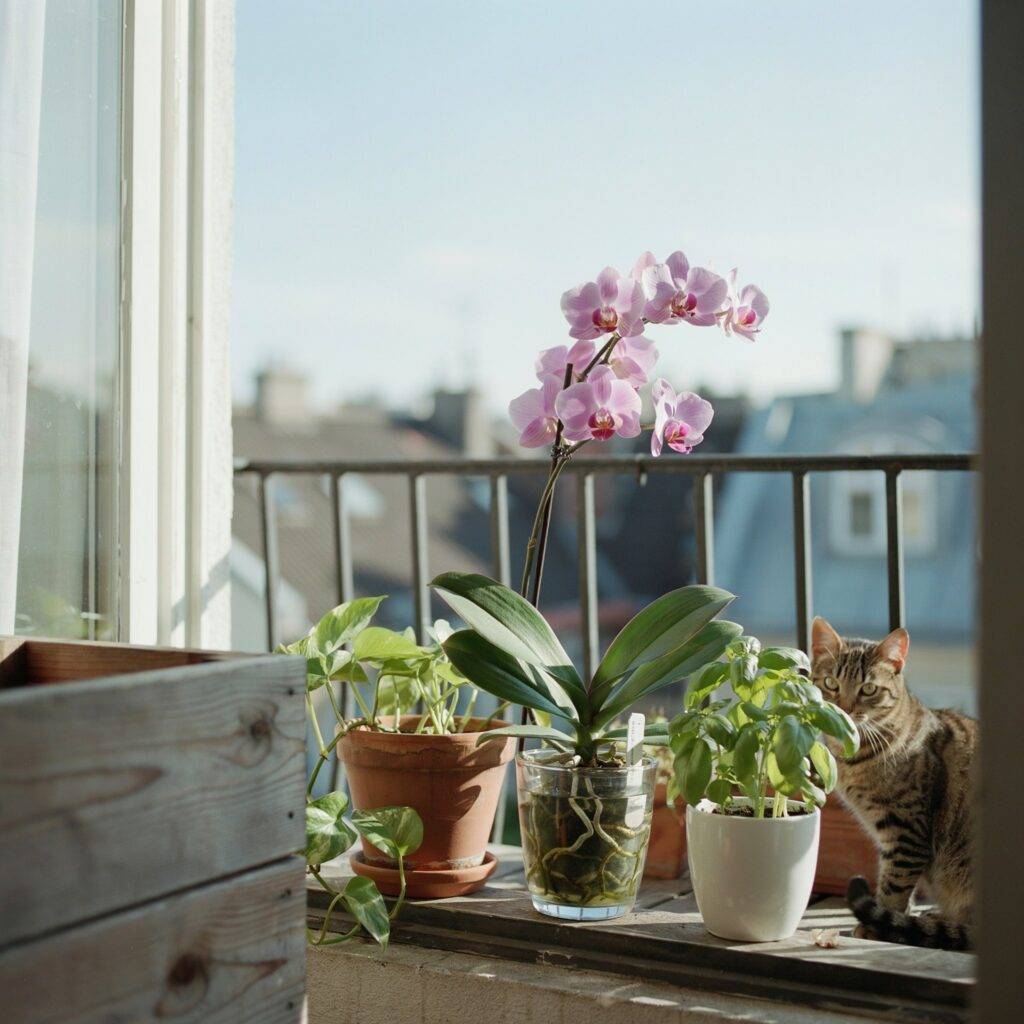
Moth orchids are popular, easy-to-grow orchids that produce long-lasting blooms in a rainbow of colors from pure white to vibrant purple.
They’re non-toxic to cats and dogs according to the ASPCA. They thrive in bright, indirect light and prefer to dry out between waterings. They’re surprisingly low-maintenance for such beautiful flowers.
Kids are amazed by their elegant blooms, and pets are completely safe around them. They add a touch of elegance to any balcony without any safety concerns.
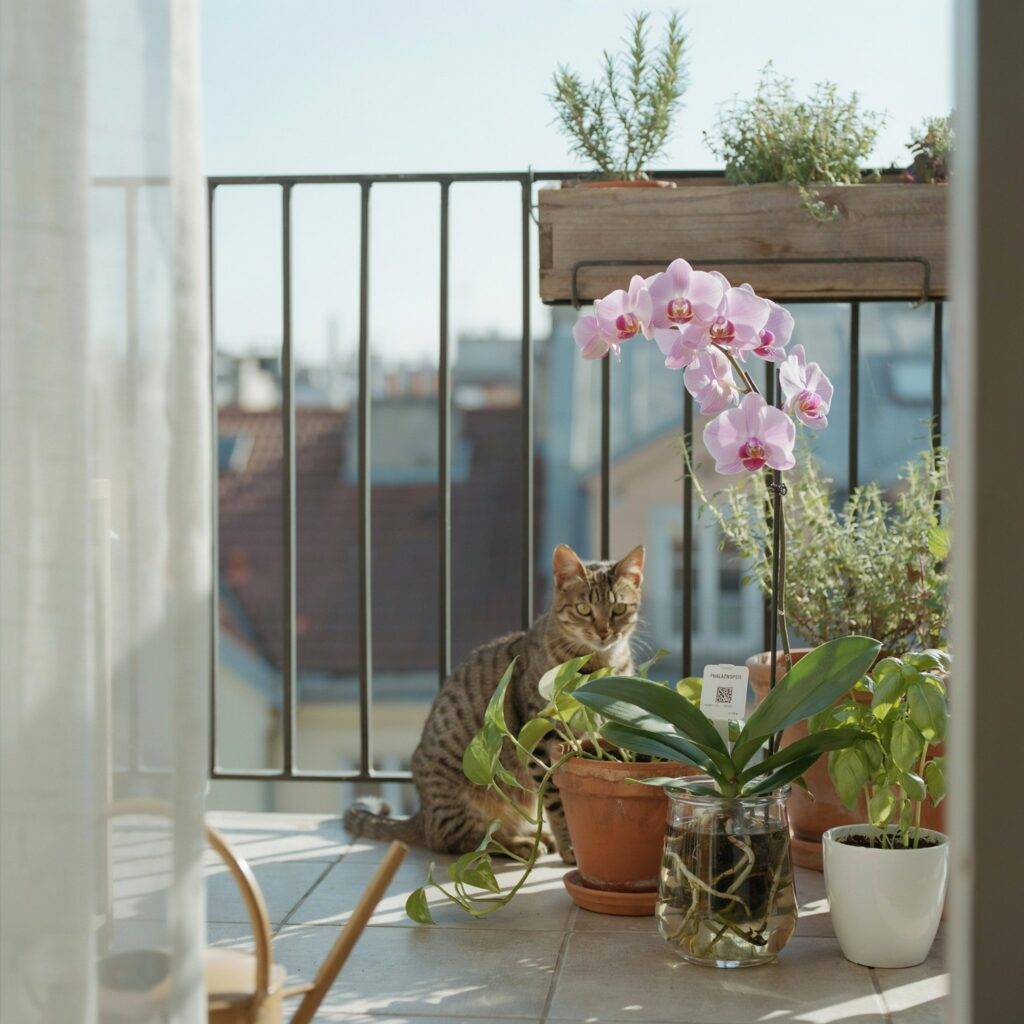
Tips for a Safe Balcony Garden
Choose sturdy containers. Heavy pots are less likely to tip over if a pet bumps into them or a child pulls on a plant.
Use well-draining potting soil. This prevents standing water, which can harbor harmful bacteria.
Place plants away from balcony edges. You don’t want a pot falling off and hurting someone below.
Consider hanging baskets. They keep plants out of reach of curious pets and small children.
Create physical barriers. Decorative stones or plant guards can prevent pets from digging in the soil.
Clean up regularly. Remove fallen leaves, berries, or debris promptly.
Check local regulations. Make sure your balcony can support the weight of your containers.
Mistakes to Avoid
Assuming a plant is safe because it looks harmless. Always verify against a reliable source like the ASPCA database.
Keeping toxic plants “out of reach.” Curious pets and kids can find their way to almost anything. It’s safer to just avoid toxic plants altogether.
Forgetting that non-toxic doesn’t mean edible. Even safe plants can cause mild stomach upset if eaten in large amounts. Discourage eating them.
Using chemical fertilizers or pesticides. These can be harmful to pets and children. Opt for organic options instead.
Overwatering. This leads to root rot and can attract pests. Most plants prefer to dry out between waterings.
Ignoring plant placement. Some plants need more sun or shade than others. Pay attention to each plant’s specific needs.
FAQs
What does “non-toxic” actually mean?
It means the plant won’t cause serious harm if ingested. The ASPCA considers these plants safe for cats and dogs. However, any plant material can cause mild gastrointestinal upset if eaten in large amounts.
Where can I verify if a plant is safe?
The ASPCA maintains a comprehensive Toxic and Non-Toxic Plants List. It’s the most reliable source for this information.
What are the most toxic plants to avoid?
Lilies (especially for cats), aloe vera, sago palms, azaleas, rhododendrons, oleanders, foxglove, hydrangeas, daffodils, and tulips are all toxic.
Can I have herbs and vegetables on my balcony?
Yes! Basil, rosemary, parsley, and sage are all non-toxic. Just skip chives and onions, which can cause issues for pets.
What if my pet eats a non-toxic plant?
They might experience mild stomach upset vomiting or diarrhea. Monitor them and call your vet if symptoms persist.
Balcony Design Ideas
Create a green corner. Group several plants together in one area to create a lush, inviting space.
Use hanging baskets. They save floor space and keep plants away from curious pets and kids.
Add a small table or shelf. This gives you a place to display smaller plants like African violets and succulents.
Mix heights. Combine tall palms with trailing plants and small succulents for visual interest.
Include edible herbs. They’re useful, smell great, and are completely safe.
Add decorative stones. They prevent pets from digging in the soil and look nice too.
Wrapping It Up
Creating a balcony garden when you have kids and pets is absolutely doable. You just need to choose the right plants. The 18 plants I’ve shared here are all verified safe by the ASPCA. They’re beautiful, varied, and relatively easy to care for.
Remember, even non-toxic plants aren’t meant to be eaten. Keep an eye on your little ones and your furry friends. But if they do take a curious bite, you can rest easy knowing these plants won’t cause serious harm.
Start small. Pick one or two plants from this list and see how they do on your balcony. As you gain confidence, add more. Before you know it, you’ll have a gorgeous, green space that everyone in your family including the four-legged members can enjoy safely.
Happy planting!
Related Post: