

Most of the time, being eco-friendly at home just means it’s make smarter small choices. Things like using less water, wasting less food, and not throwing away things that still work.
This guide gives you 21 real ideas you can start today. Some will save you money on your bills. Others will keep trash out of landfills. None of them require you to be perfect.
Why This Matters
The average home wastes more energy and water than people realize. A toilet that runs too long can waste hundreds of gallons a week. A phone charger left plugged in uses power even when no phone is attached.
Little things add up to big numbers. But the good news is that small fixes add up too. You can lower your monthly bills while helping the planet. And most of these tips are either cheap or free.
21 Eco-Friendly Ideas for Your Home
1. Use a pressure cooker or Instant Pot
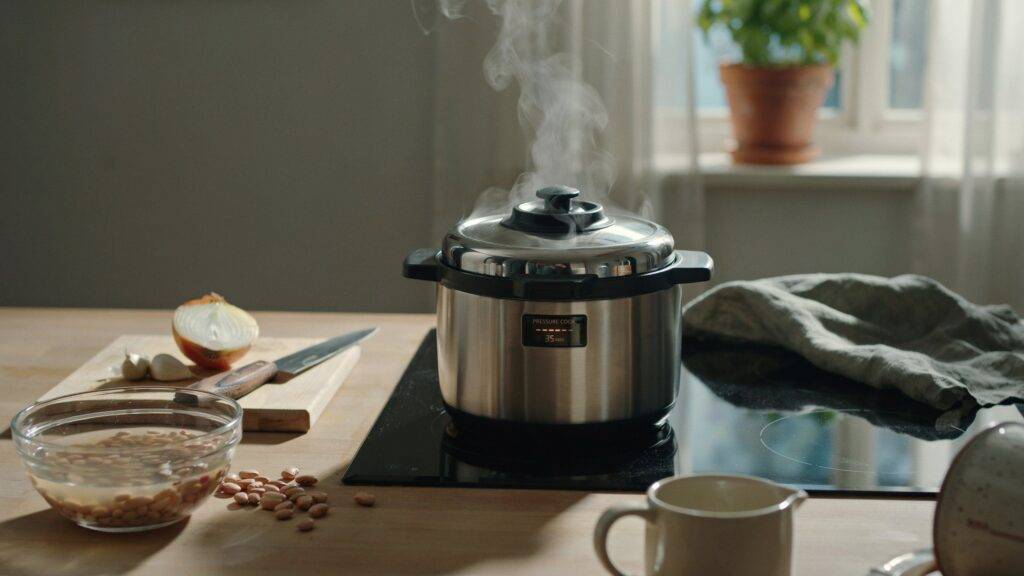
Cooking on a stovetop or in a regular oven takes a lot of energy. A pressure cooker or electric Instant Pot cooks food much faster because it traps heat and steam inside. For example, dried beans that take two hours on the stove can be done in 35 minutes.
That is way less electricity or gas. Plus, pressure cooking keeps more nutrients in your food compared to boiling. If you already own one, use it more often. If not, it is one of the best kitchen investments for saving energy over time.
2. Put a brick or water jug in your toilet tank
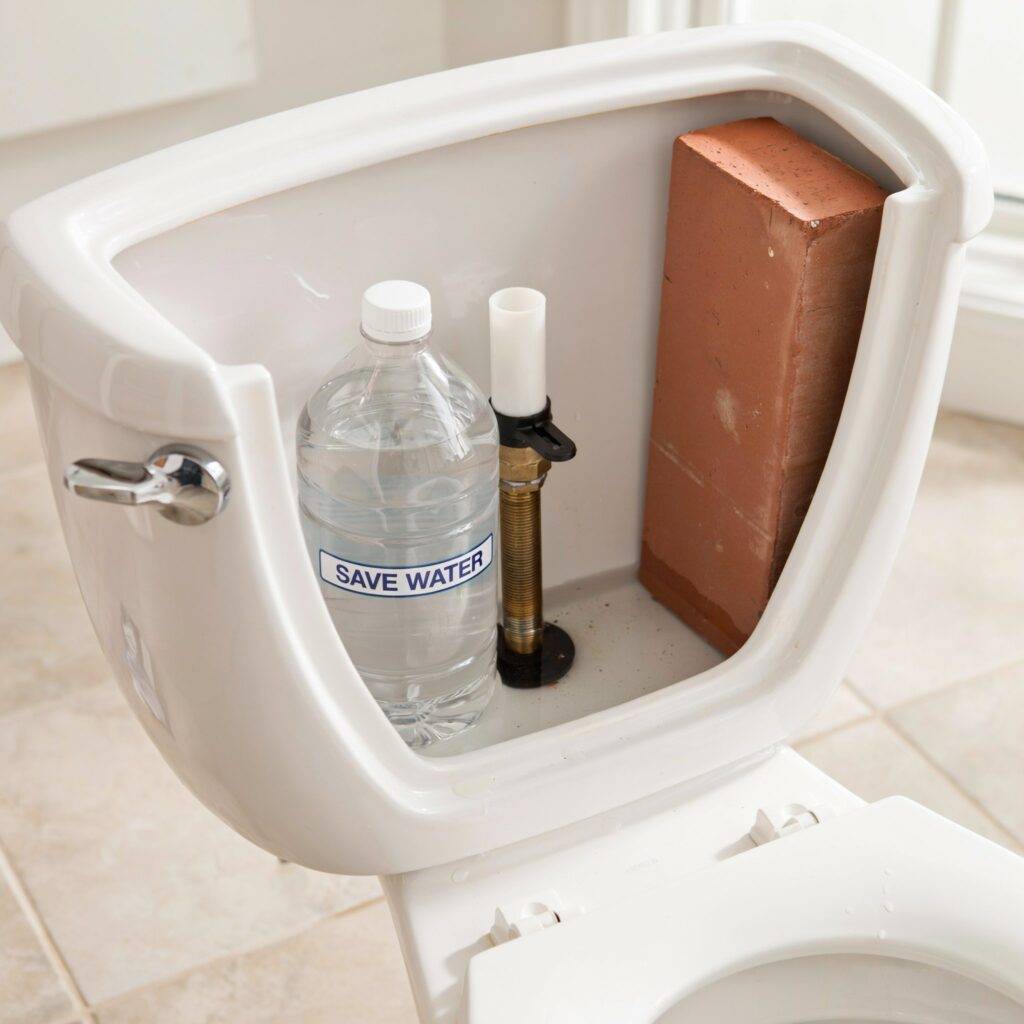
Here is an old trick that still works great. Find a clean brick or fill a plastic jug with water and put a lid on it. Set it inside your toilet tank away from the moving parts.
The brick or jug takes up space, so the tank fills with less water. Every time you flush, you use less water. A family of four can save thousands of gallons a year this way. It costs nothing. Just make sure the brick does not crumble. A sealed jug is usually safer.
3. Switch to reusable coffee filters
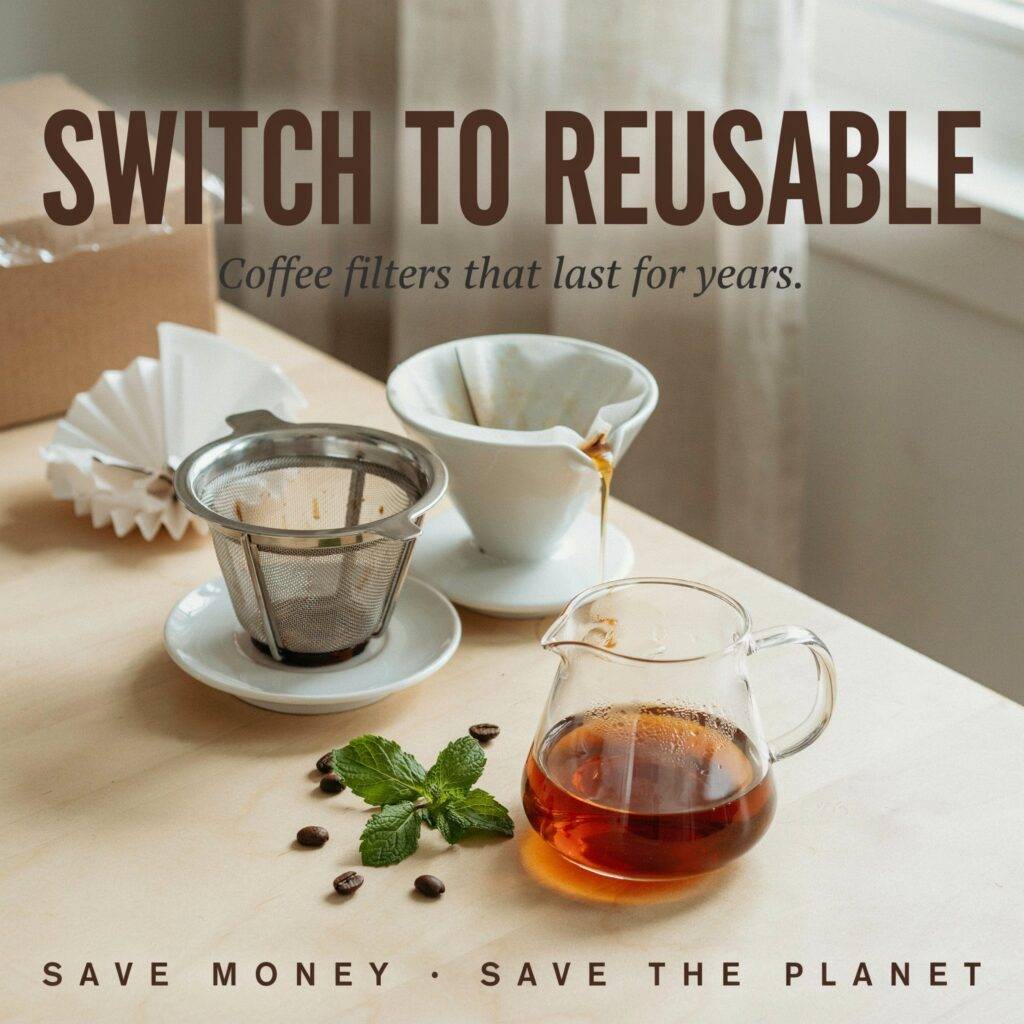
If you brew coffee with a drip machine or pour-over cone, you probably throw away a paper filter every single day. Those paper filters come in cardboard boxes wrapped in plastic. A reusable metal mesh filter or cloth filter works just as well and lasts for years.
The coffee tastes richer too because more natural oils get through. Rinse the filter after each use and wash it properly once a week. You will save money and stop throwing away hundreds of paper filters each year.
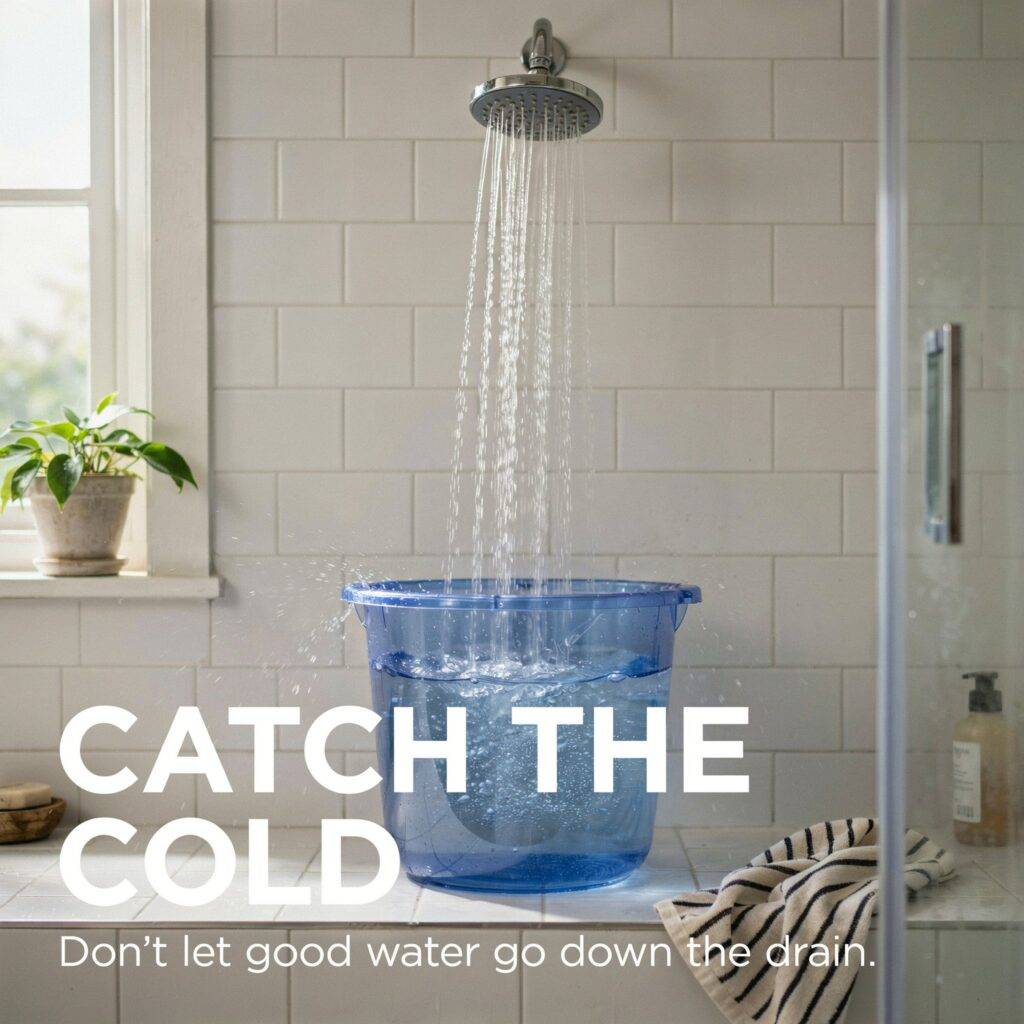
4. Collect cold shower water in a bucket
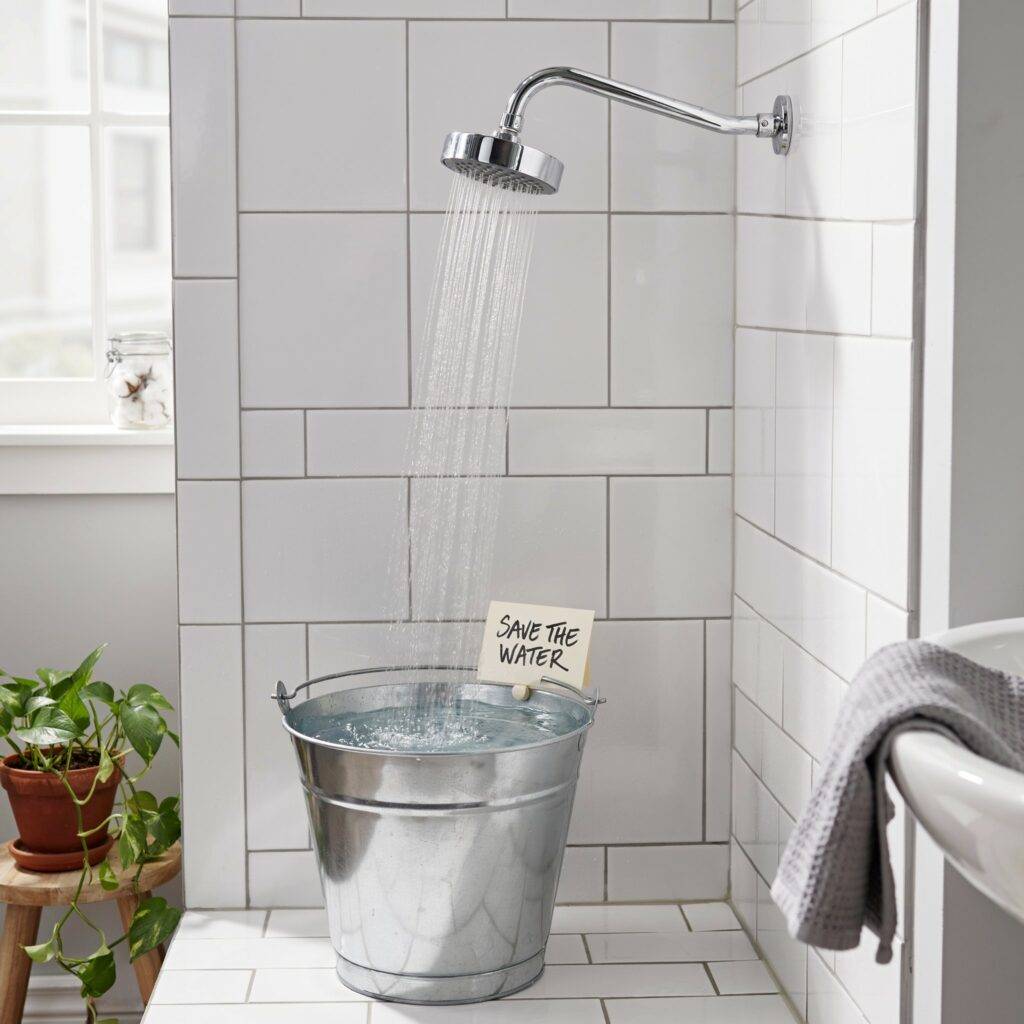
Most people turn on the shower and let cold water run down the drain while waiting for it to heat up. That is perfectly good water going to waste. Put a bucket or a large bowl under the stream while you wait.
Catch that cold water and use it to water your houseplants, fill your pet’s bowl, or pour into your toilet tank. You can also use it to soak dirty pots and pans. This one simple habit can save hundreds of gallons a month.
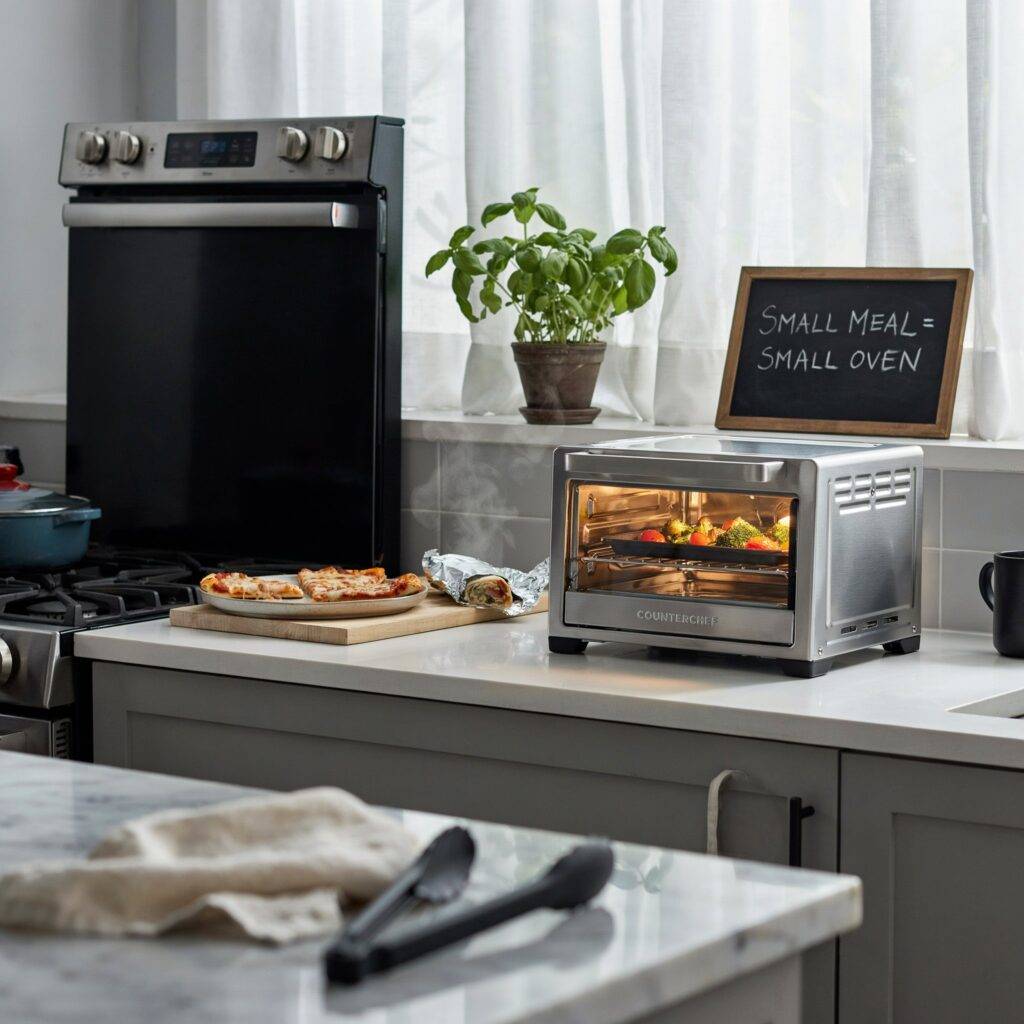
5. Use a toaster oven instead of a big oven
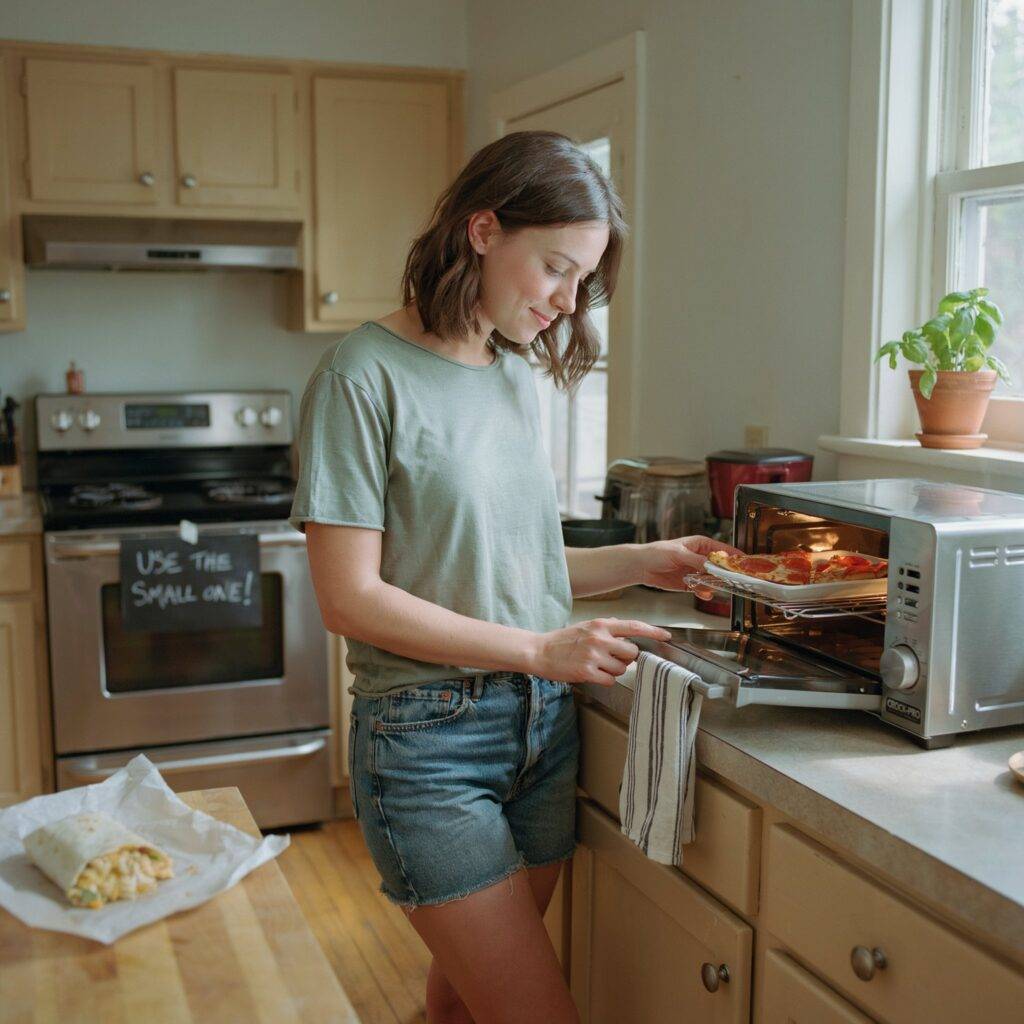
Heating up a full-sized oven to cook a small meal is like using a fire hose to water a flower. A toaster oven uses about half the energy because it heats a much smaller space.
For leftover pizza, frozen burritos, roasted vegetables, or even a small casserole, the toaster oven works great. It also heats up faster and keeps your kitchen cooler in summer. If you bake a lot, this swap alone can save a noticeable chunk on your electric bill.
6. Install faucet aerators
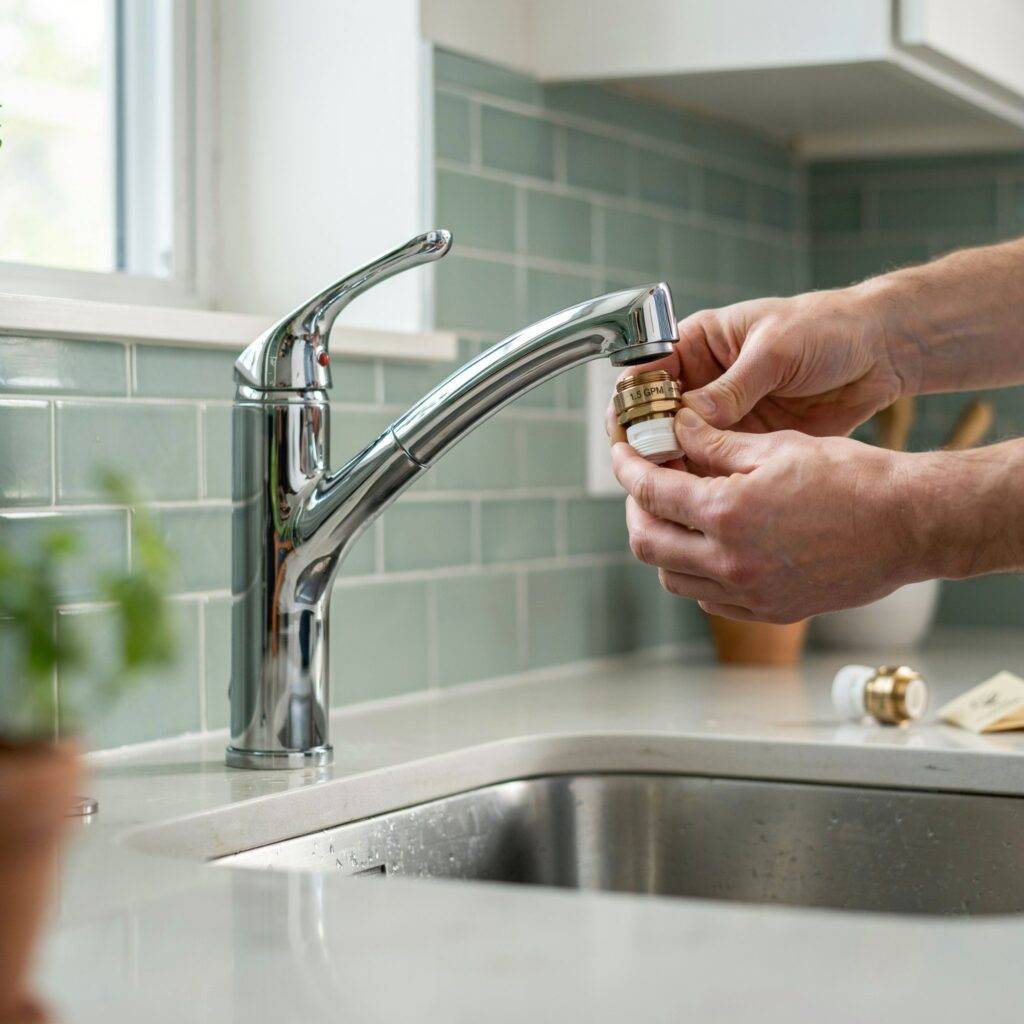
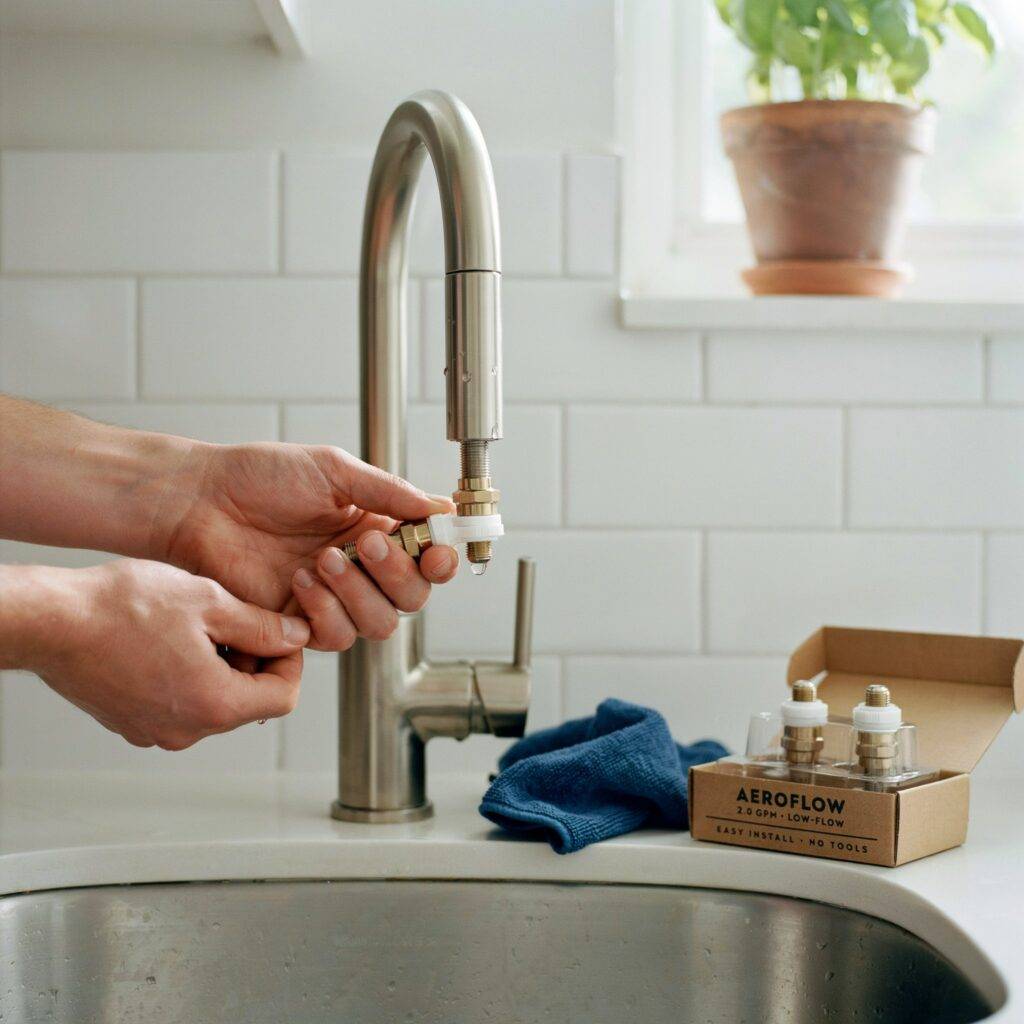
A faucet aerator is a tiny metal screen that screws onto the end of your kitchen or bathroom faucet. It mixes air into the water stream so you use less water without feeling less pressure. Most aerators cost two or three dollars. They take about one minute to install with no tools.
A 2.2 gallon per minute faucet can drop to 1.5 gallons per minute with an aerator. Your hands still get clean. Your dishes still rinse. But your water bill goes down. How to Create an Eco-Friendly Environment at Home on a Budget
7. Switch to rechargeable batteries
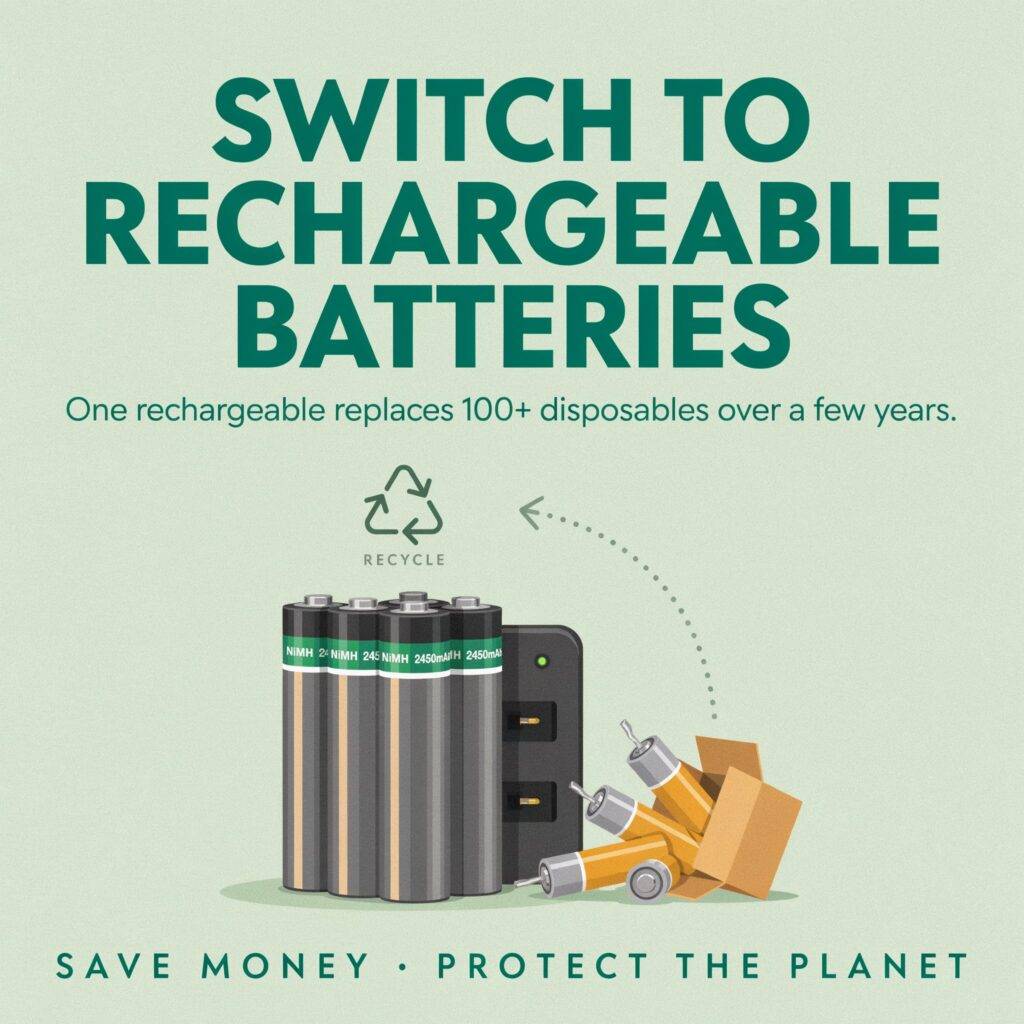
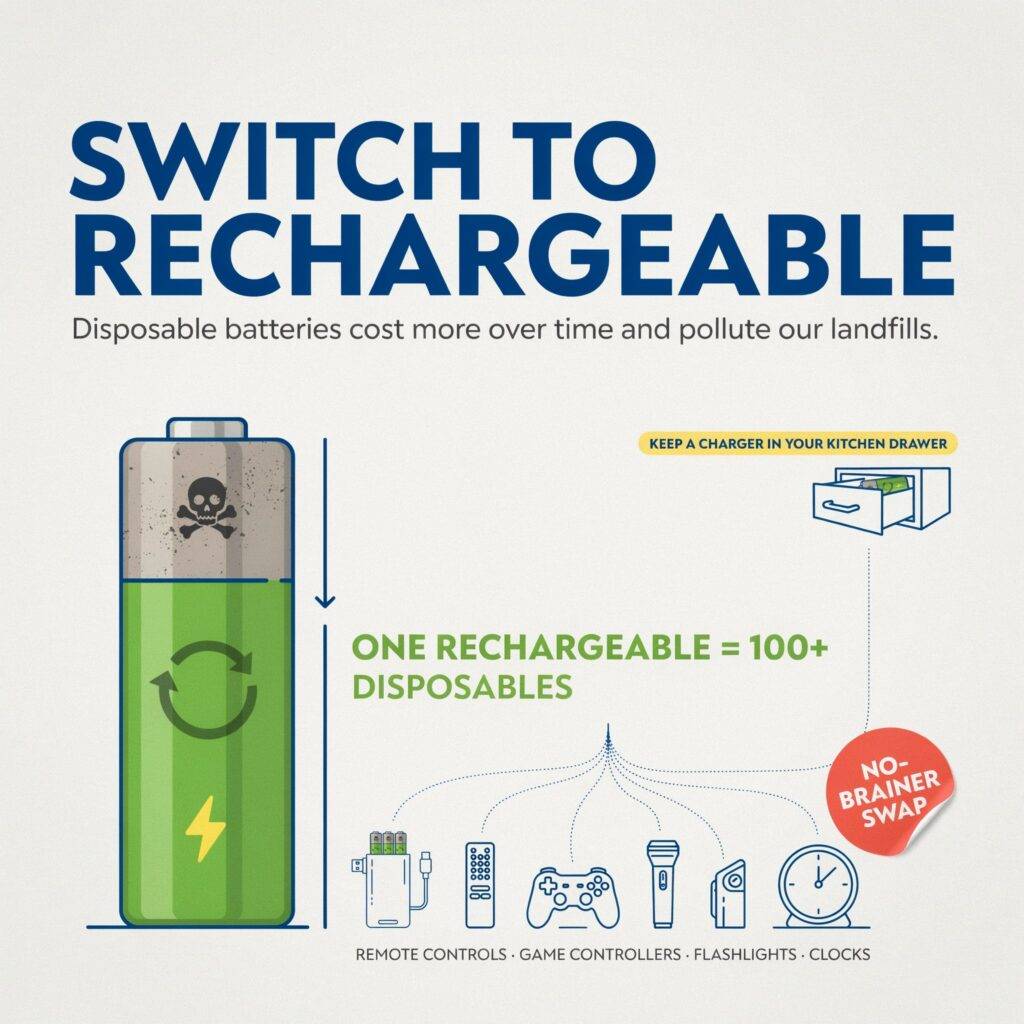
Disposable batteries are expensive and terrible for the environment. They contain heavy metals and most end up in landfills. A set of rechargeable AA or AAA batteries costs more upfront but can be recharged hundreds of times.
Over a few years, one rechargeable battery replaces more than 100 disposables. Keep a charger in a kitchen drawer and top them off as needed. For remote controls, game controllers, flashlights, and clocks, this is a no-brainer.
8. Use a clothes steamer instead of an iron

Irons use a lot of electricity to heat a heavy metal plate. They also require an ironing board and take time to set up. A handheld clothes steamer heats up fast, uses less energy, and works on hanging clothes.
You just fill the water tank, wait about 30 seconds, and run the steamer down your shirt or dress. It removes wrinkles quickly and is gentler on fabric. If you only need to freshen up a few items, the steamer is the better choice.

9. Make your own cleaner from castile soap
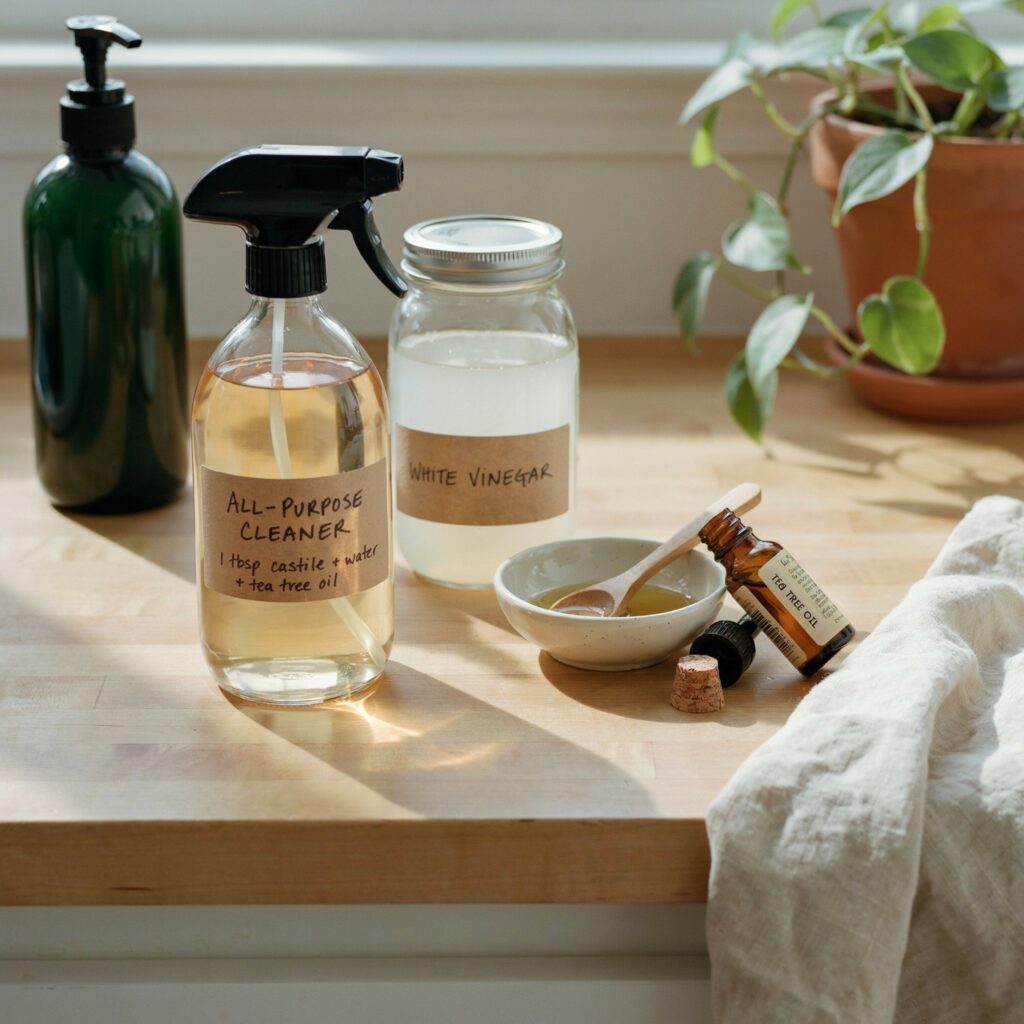
You do not need a different spray bottle for every surface. Buy a bottle of liquid castile soap like Dr. Bronner’s. Mix one tablespoon of soap with water in a 16-ounce glass spray bottle. That is your all-purpose cleaner for counters, sinks, stovetops, and even floors.
For extra cleaning power, add a few drops of tea tree oil or a splash of white vinegar. This cleaner costs pennies per bottle, has no harsh chemicals, and does not come in a disposable plastic container.
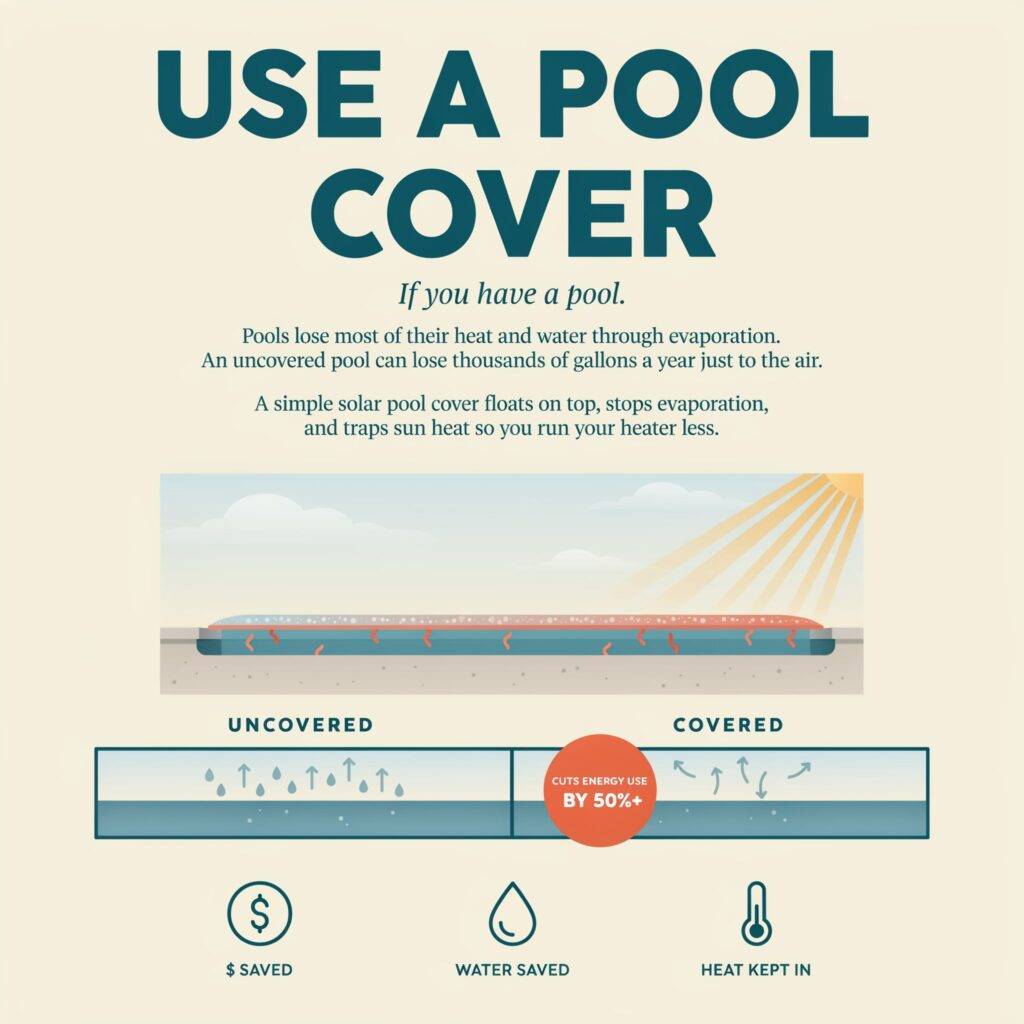
10. Use a pool cover if you have a pool
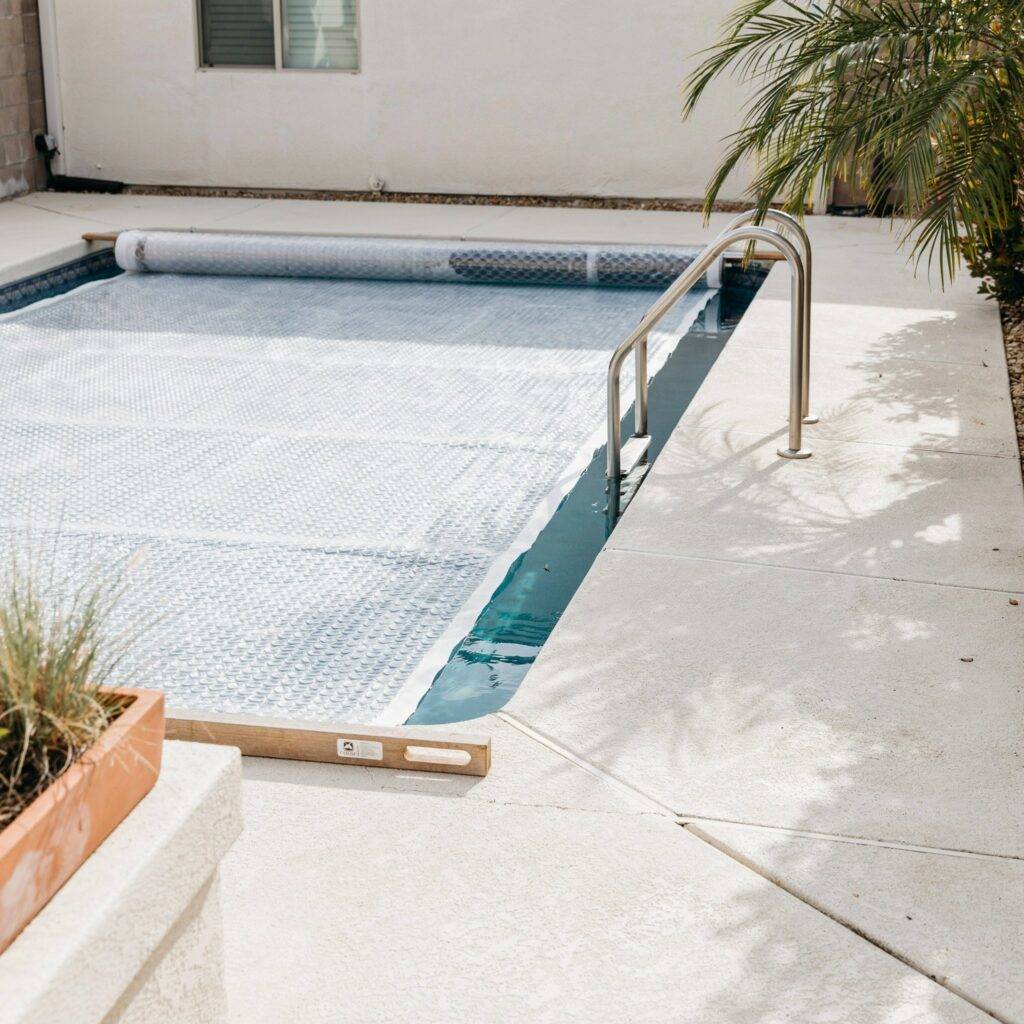
Pools lose most of their heat and water through evaporation. An uncovered pool can lose thousands of gallons a year just to the air. A simple solar pool cover floats on top and stops evaporation. It also traps heat from the sun so you run your pool heater less.
This one item can cut your pool’s energy use by 50% or more. If you have a pool and do not use a cover, you are literally throwing money and water into thin air.
11. Put lids on pots while cooking
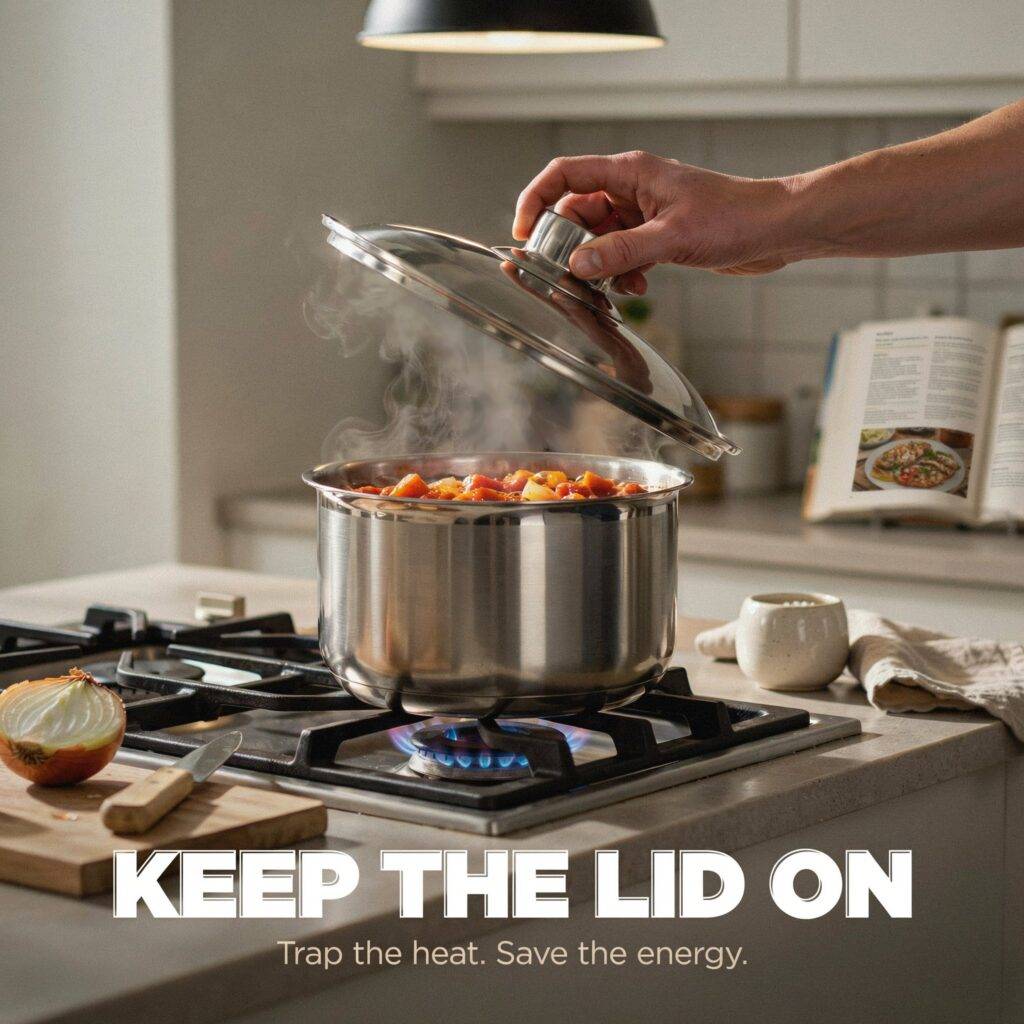
When you boil water or simmer soup without a lid, heat escapes fast. Your stove has to work harder to keep things hot. Putting a lid on a pot traps that heat inside, so the water boils faster and you use less energy. This works for rice, pasta, potatoes, and stews.
It also helps your kitchen stay cooler and less humid. Try it the next time you cook. You will hear the difference right away less hissing and steaming means less wasted energy.
12. Use a solar phone charger for small devices
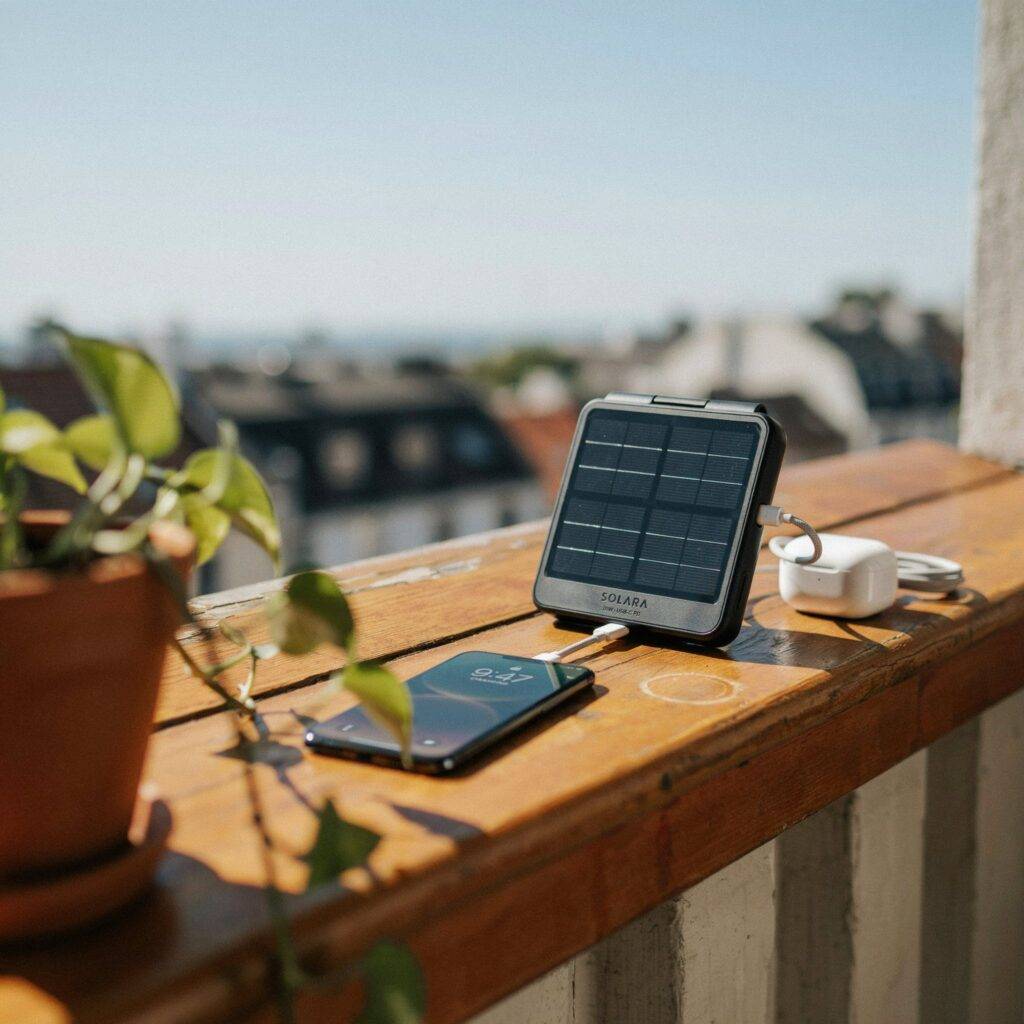
You can charge your phone, tablet, or wireless earbuds using nothing but sunlight. Small solar chargers cost around $20 to $40 and work well on a sunny windowsill or balcony. Leave the charger in the sun for a few hours, then plug in your device. It is free power.
This is especially handy during power outages or when you want to cut down on the electricity you pull from the grid. For everyday use, it adds up to real savings over a year.
13. Swap paper towels for unpaper towels
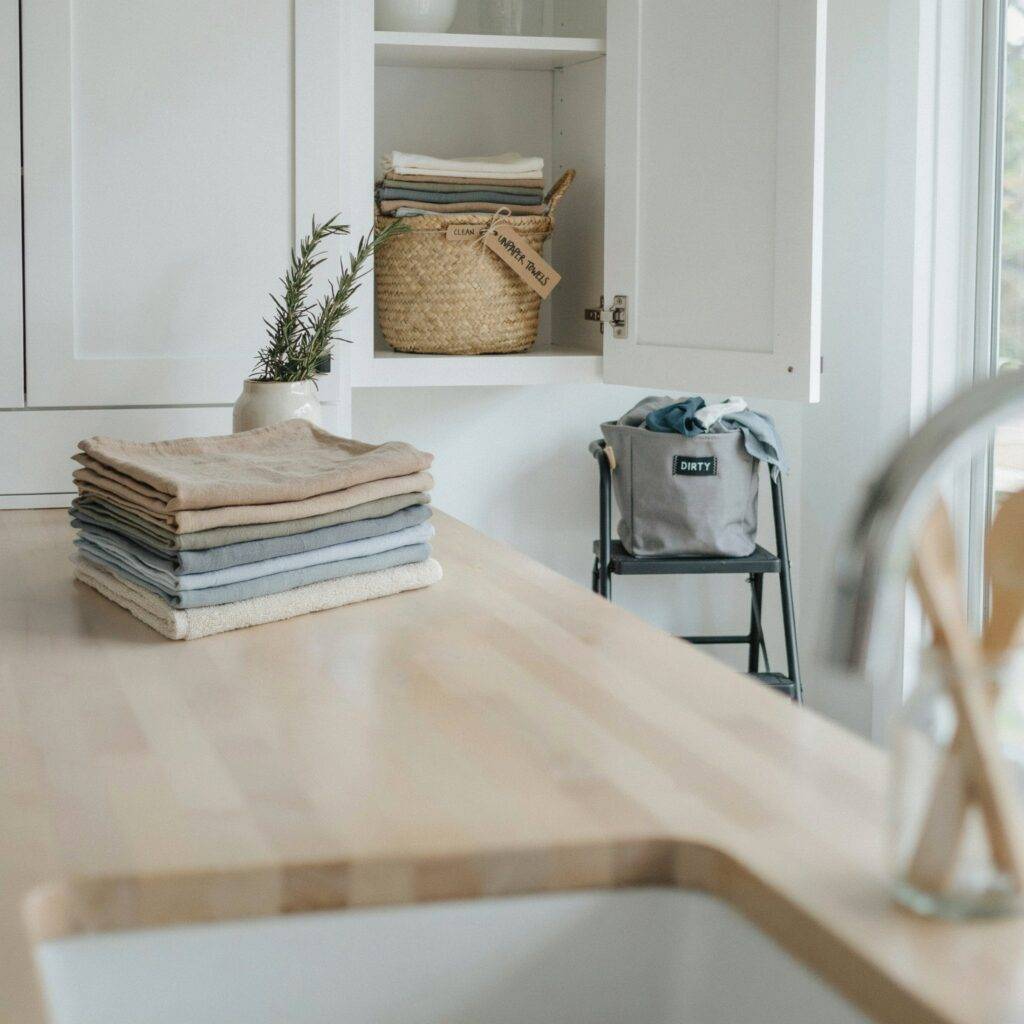
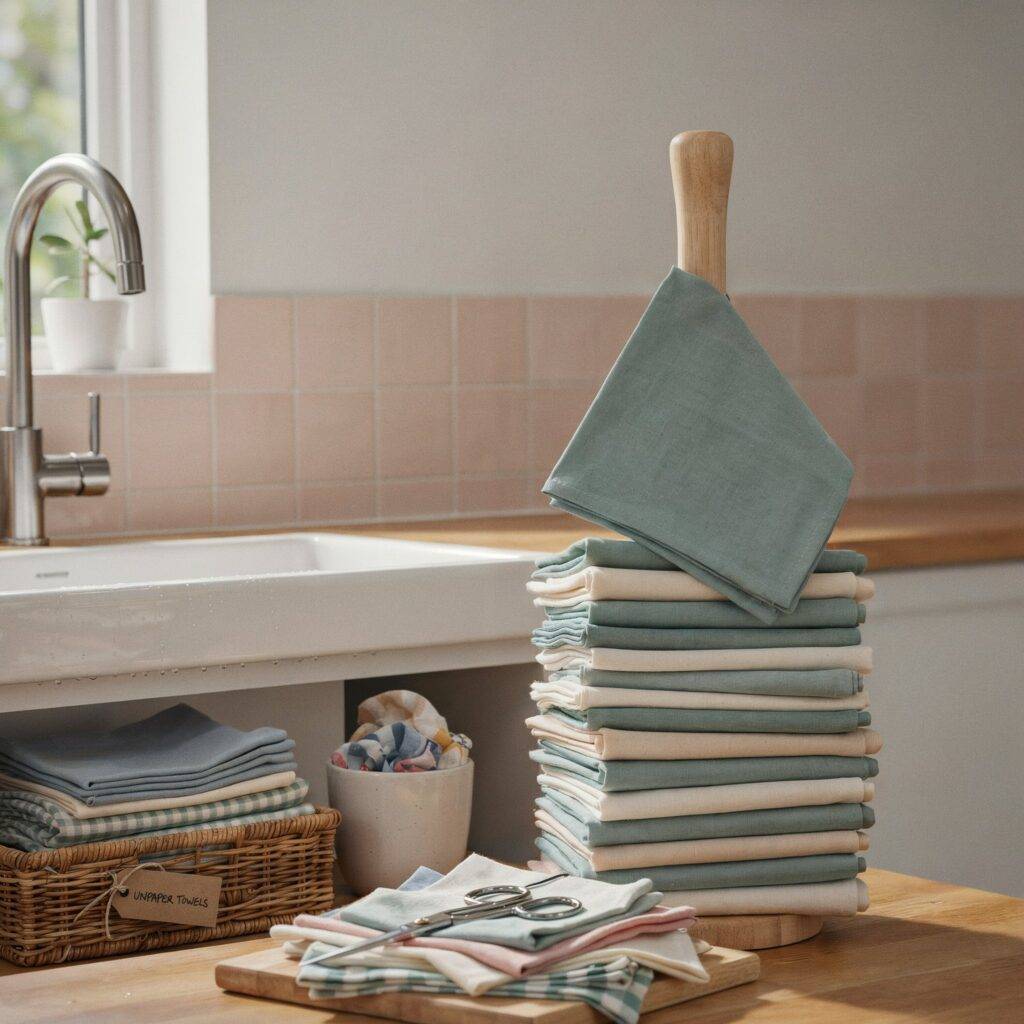
Paper towels are expensive and create a lot of trash. “Unpaper towels” are fabric squares that snap or roll together like a paper towel roll. You use one, wash it, and reuse it for years. Even cheaper: cut up old t-shirts, towels, or flannel sheets into squares.
Keep a basket of clean cloths under your sink and a small bin for dirty ones. Use them for spills, wiping counters, cleaning mirrors, and drying hands. You will save hundreds of dollars over time.
14. Use a rain chain instead of a downspout
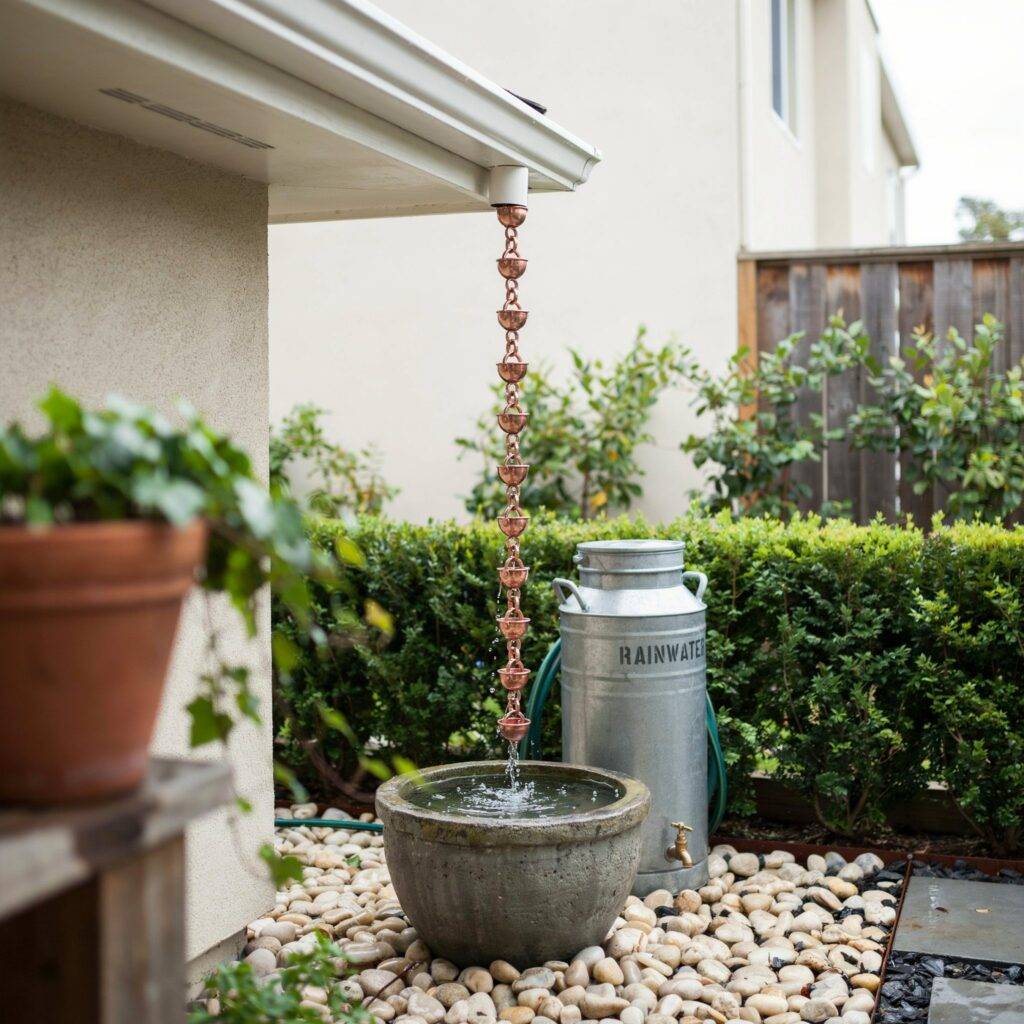
A regular downspout dumps rainwater into one spot, which can cause erosion or puddling. A rain chain is a decorative chain that hangs from your gutter. Rainwater runs down the chain into a barrel, a basin, or a gravel bed.
It looks beautiful and slows down the water so it soaks into the ground instead of running off. You can pair a rain chain with a rain barrel to collect free water for your garden. It is an easy weekend project that saves water and adds charm.
15. Turn your water heater down to 120°F
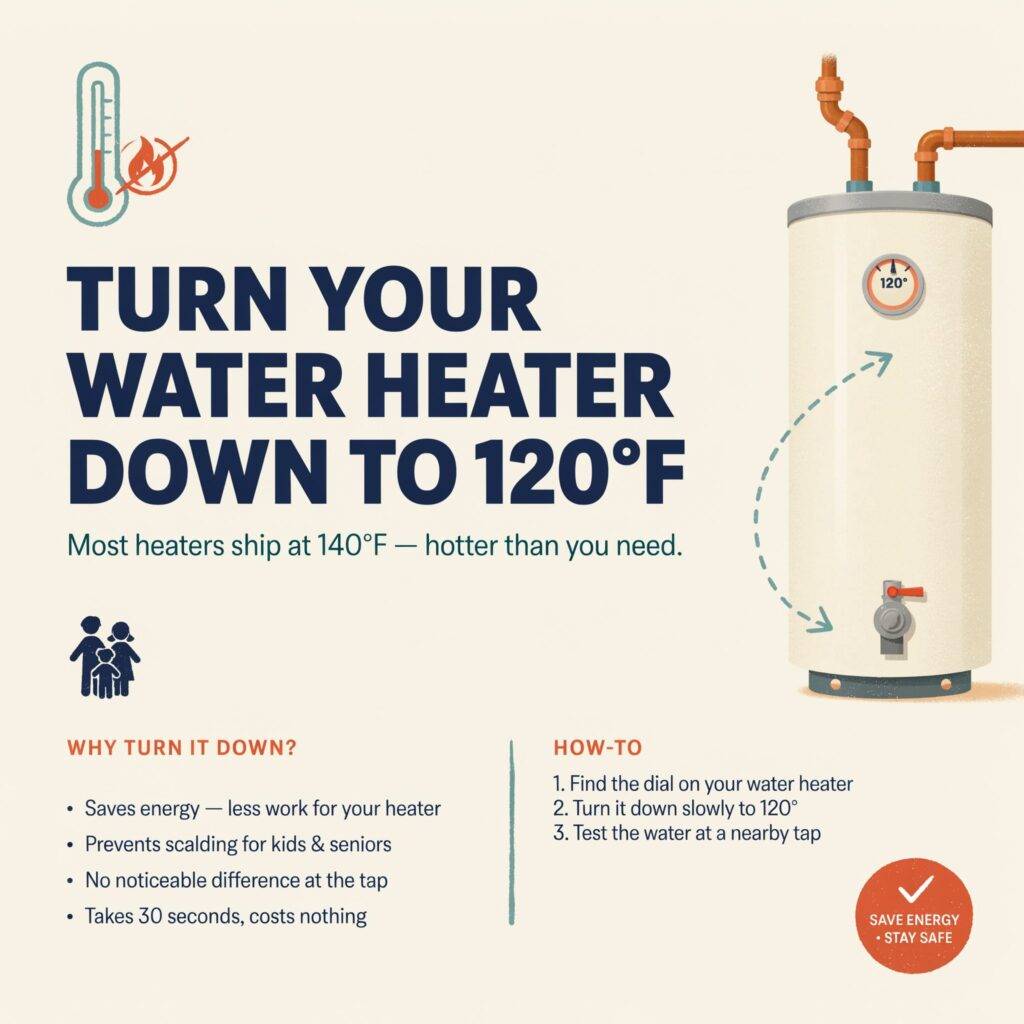
Most water heaters come from the factory set to 140°F. That is hotter than most homes need. Turning it down to 120°F saves energy because your heater does not have to work as hard. It also prevents scalding, especially if you have kids or elderly people in the house.
Look for the dial on your water heater. Turn it down slowly and test the water at a tap. You probably will not notice a difference except on your energy bill. This takes 30 seconds and costs nothing.
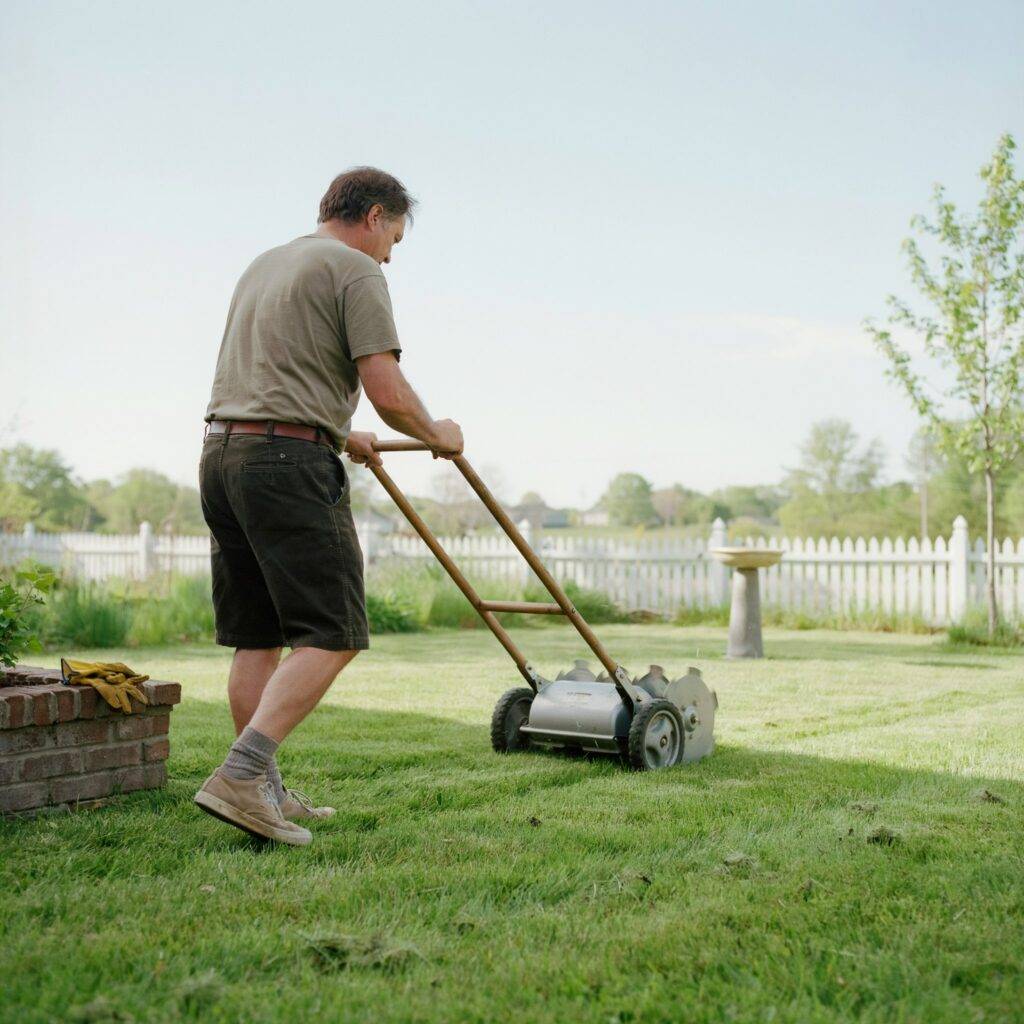
16. Use a manual lawn mower (reel mower)
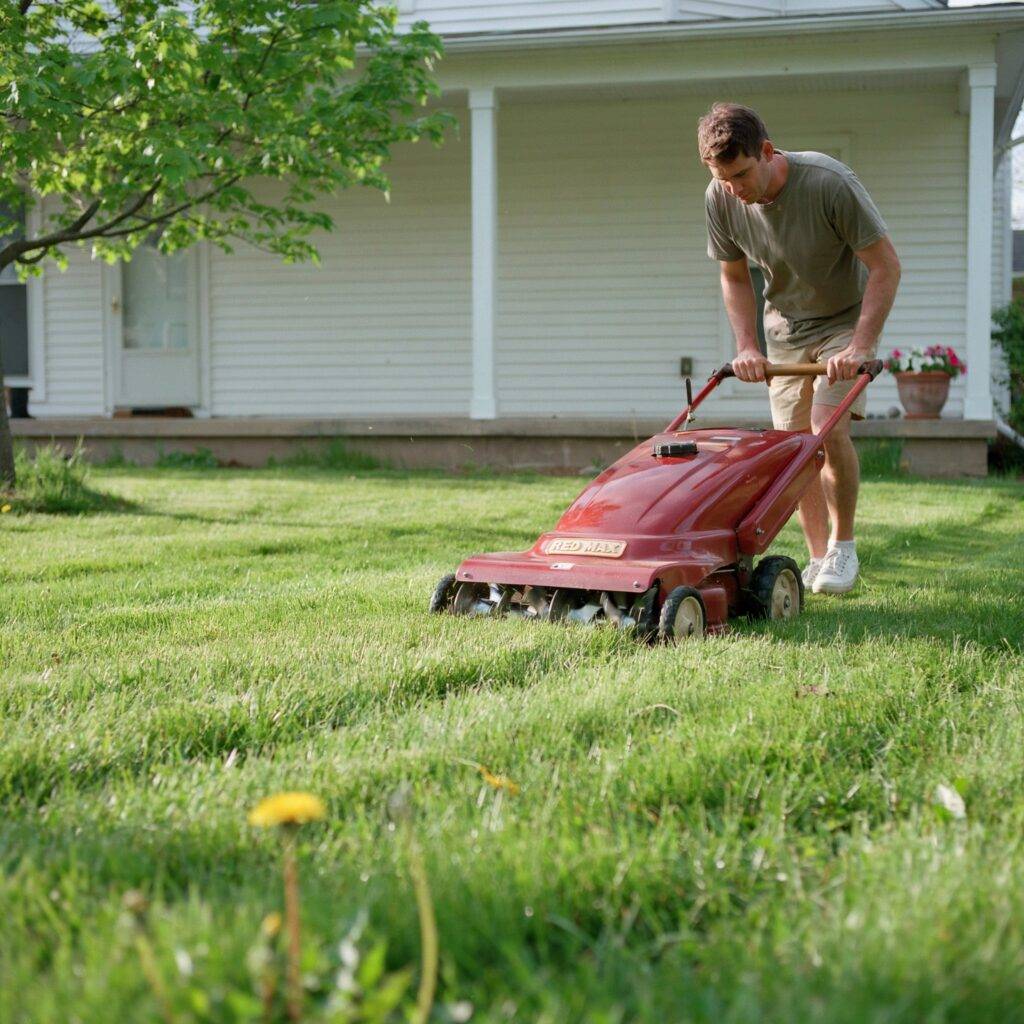
Gas lawn mowers pollute a lot for such a small engine. Electric mowers are better but still use power. A reel mower runs on your own legs pushing it. The blades spin as you walk and cut grass cleanly, like scissors.
Reel mowers are quiet, lightweight, and give you good exercise. They work best on small to medium yards where the grass is not too tall. No gas, no oil, no extension cords, and no noise bothering your neighbors.
17. Plant a small herb garden on your windowsill
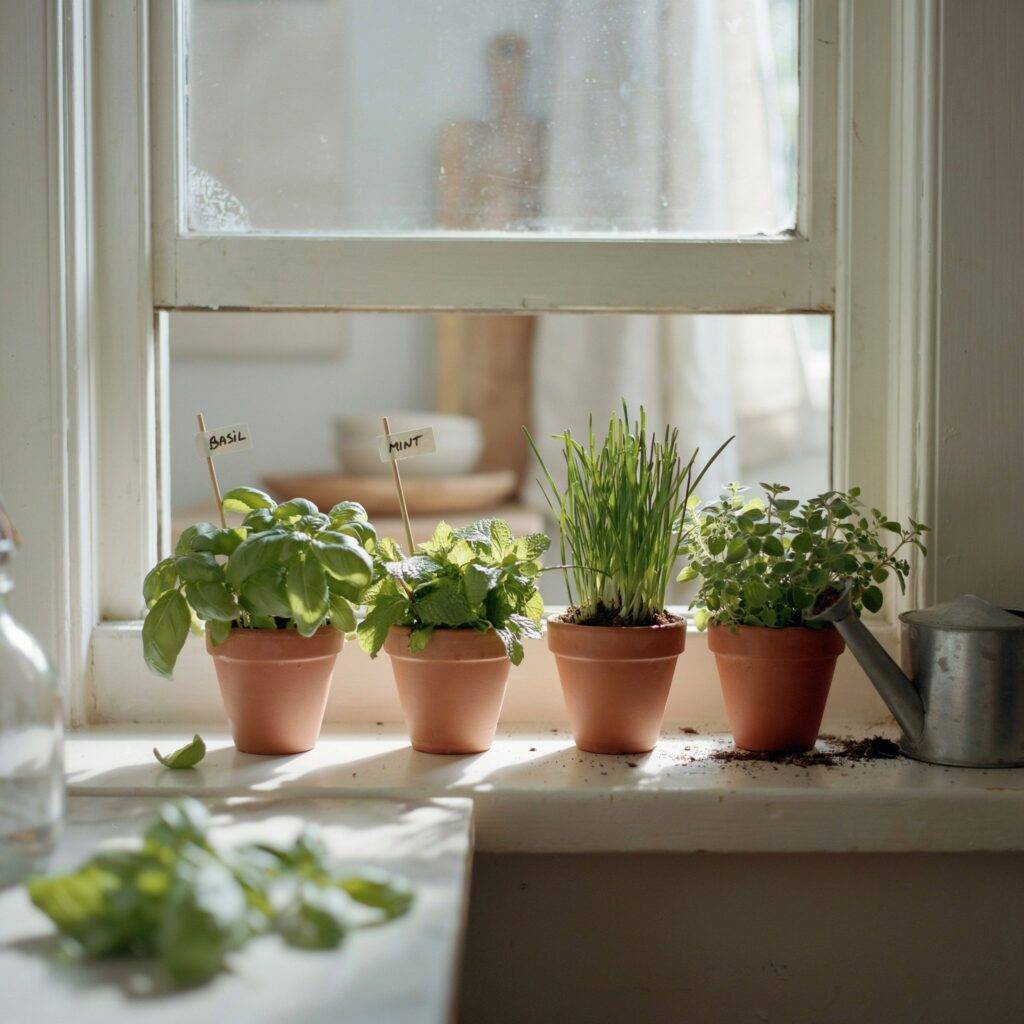
Fresh herbs from the store come in plastic clamshells or plastic bags. They also wilt fast and cost a lot. A small windowsill herb garden solves all of that. Buy three or four small pots and some potting soil. Plant basil, mint, chives, oregano, or thyme.
Put them in a sunny kitchen window. Water them when the soil feels dry. Now you have fresh herbs whenever you cook. No plastic packaging, no driving to the store, and no wasted herbs that rot in your fridge.
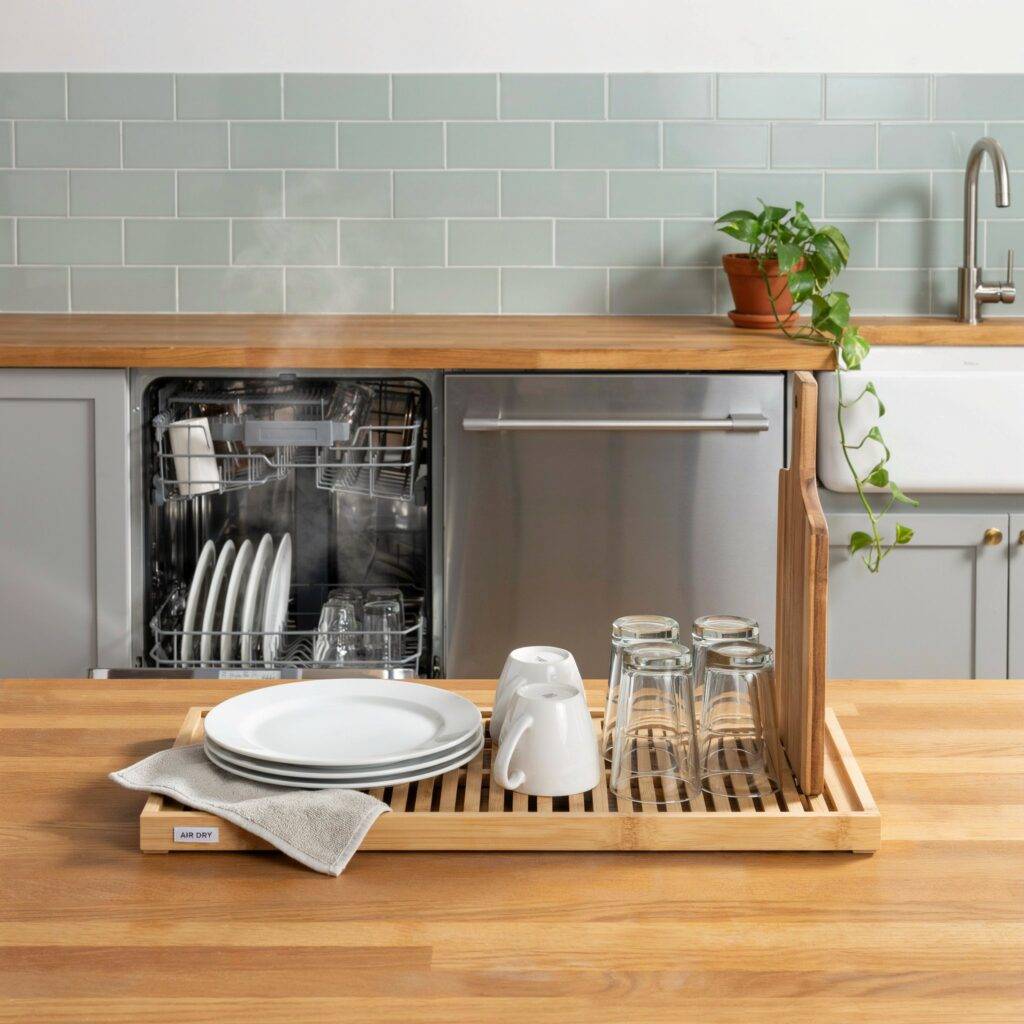
18. Use a dish drying rack instead of a dishwasher dry cycle
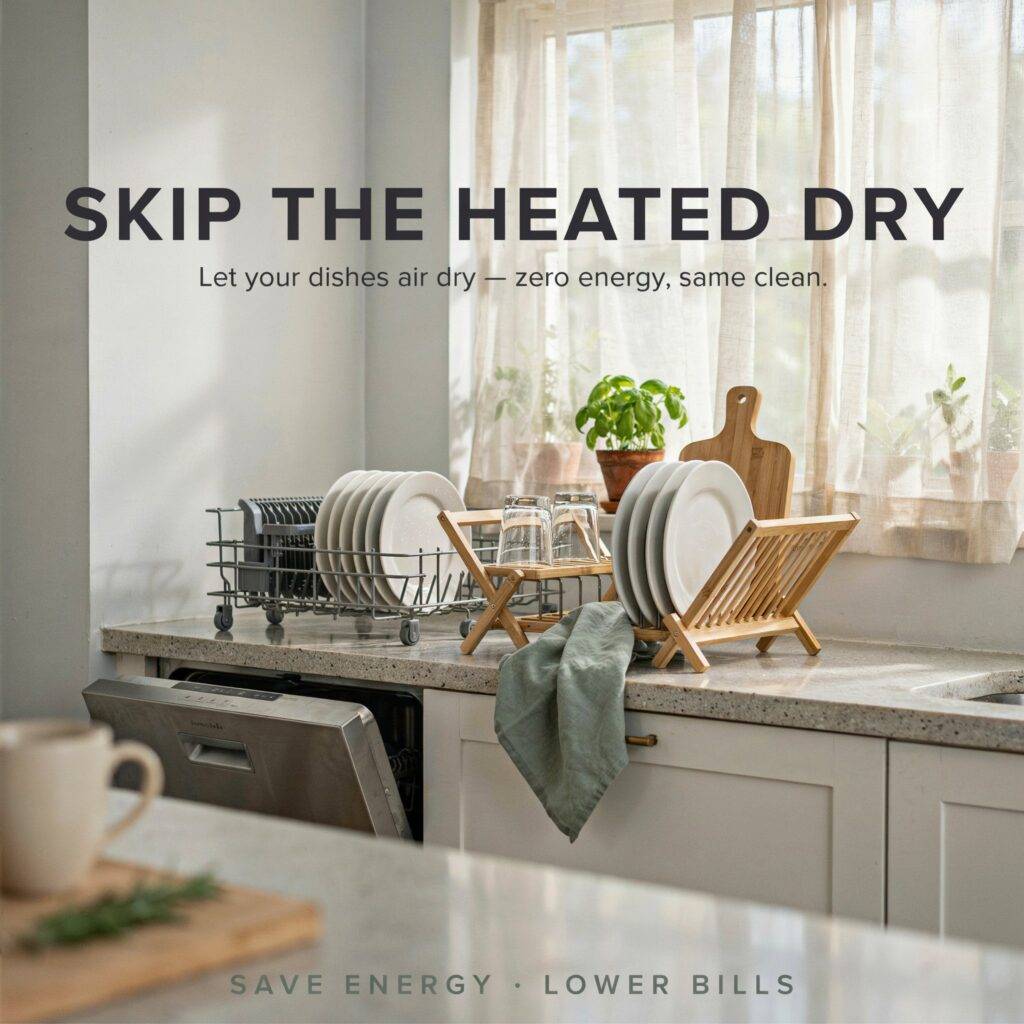
Most dishwashers have a heated drying cycle that uses a lot of electricity. After the wash cycle finishes, simply open the door a few inches and let the dishes air dry. Better yet, pull the racks out and let them dry on a countertop drying rack.
It takes a couple of extra hours, but it uses zero energy. If you are in a hurry, towel dry a few items by hand. Skipping the dry cycle on every load can save a noticeable amount on your electric bill over a year.
19. Repurpose old t-shirts as cleaning rags
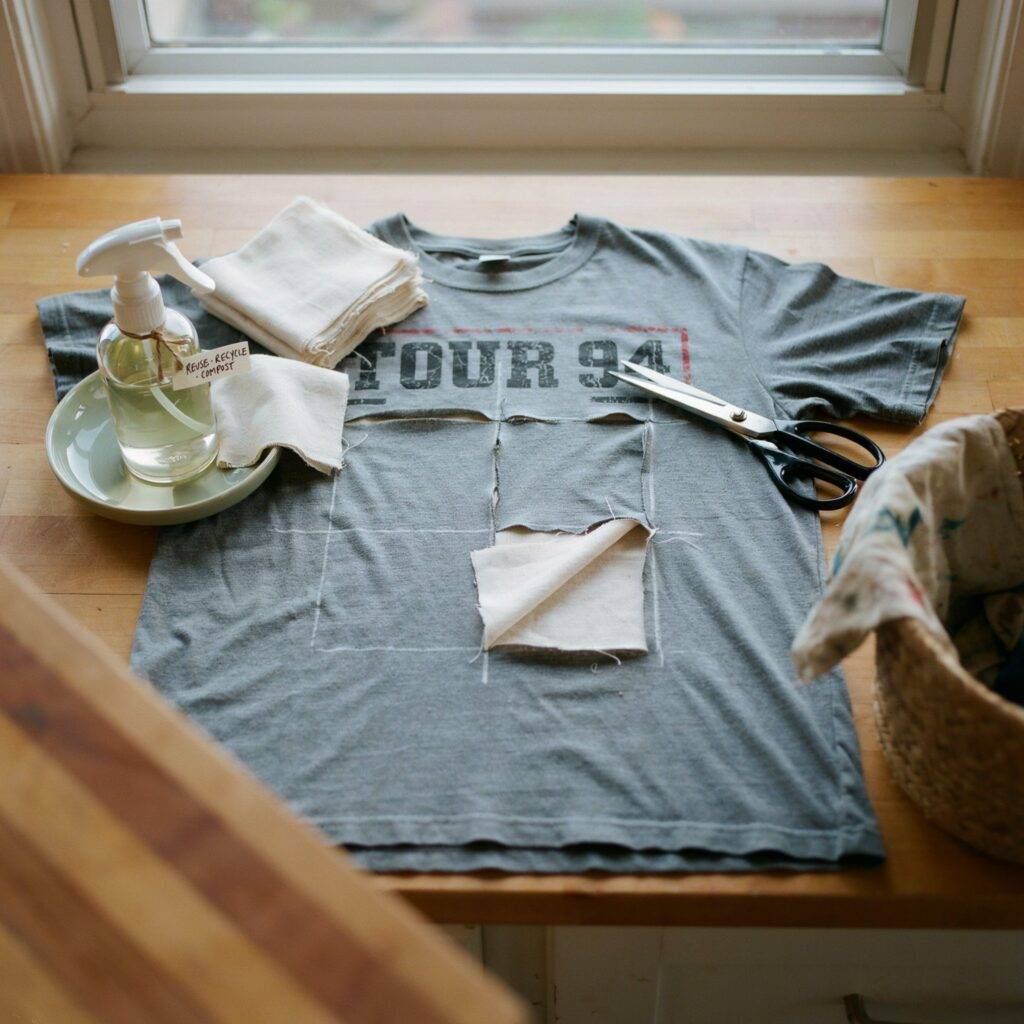
You know that drawer of old t-shirts you never wear? Turn them into your best cleaning rags. Cut them into squares roughly six inches across. You do not need to sew the edges. Use them to dust, wipe up spills, clean bathroom counters, or polish windows.
When they get dirty, throw them in the laundry. When they get too stained or worn, compost them if they are 100% cotton or just recycle them as rag bin stuffing. Stop buying disposable cleaning wipes and paper towels for messy jobs.
20. Use a programmable thermostat correctly
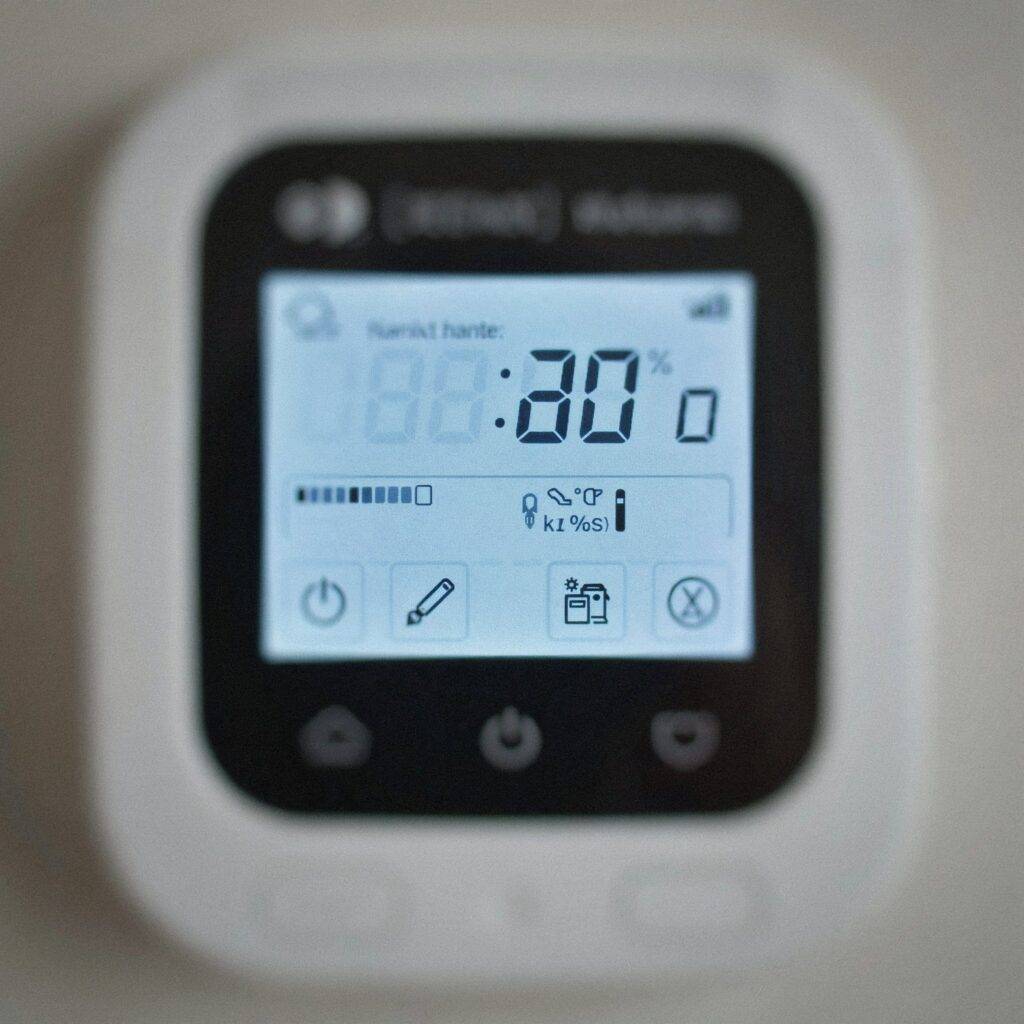
A programmable thermostat only saves money if you actually program it. Set the temperature lower in winter when you are asleep or at work. Set it higher in summer during those same times.
For example, 68°F when you are home awake in winter, and 60°F at night or away. In summer, 76°F when home and 82°F when away. Every degree you adjust for eight hours saves about 1% on your heating and cooling bill. If you have a smart thermostat, set it and forget it.
21. Borrow instead of buying
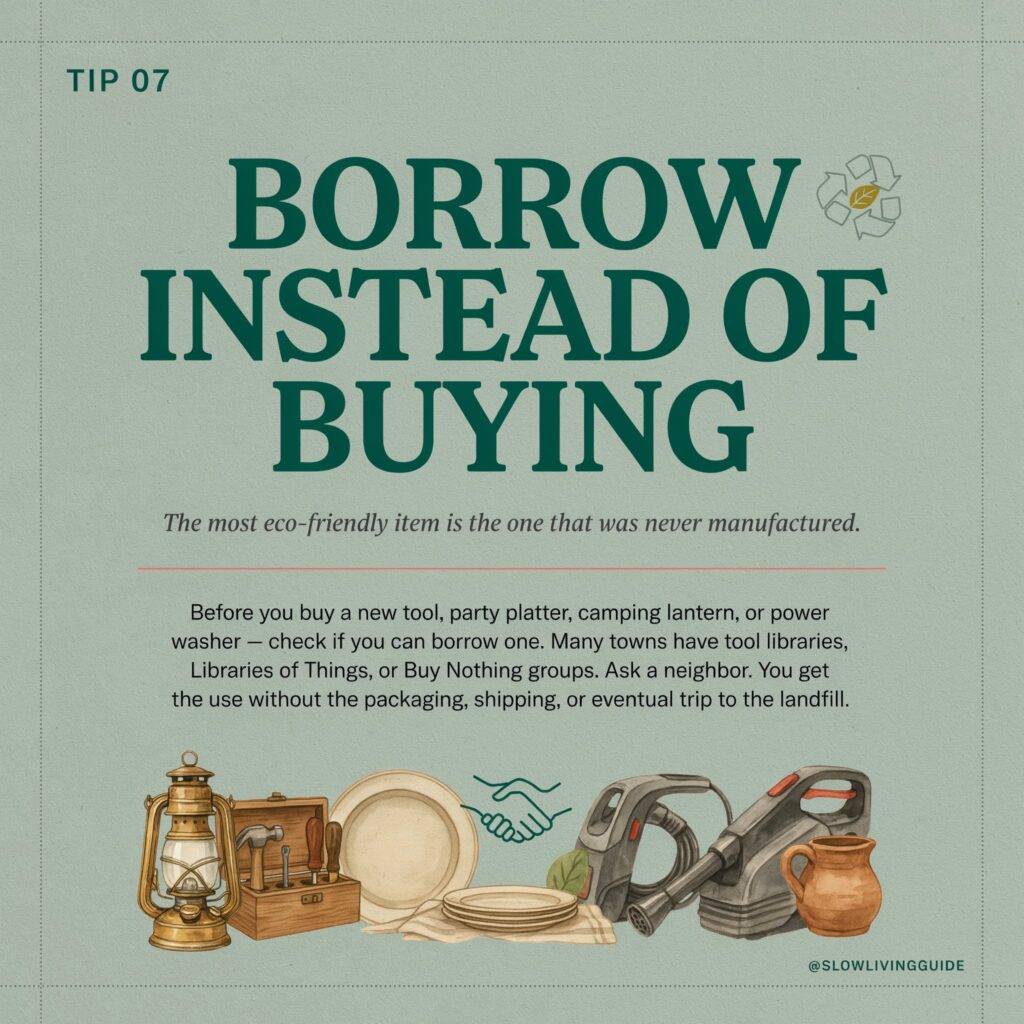
The most eco-friendly item is the one that was never manufactured in the first place. Before you buy a new tool, a party platter, a camping lantern, or a power washer, check if you can borrow one. Many towns have tool libraries, library of things, or buy-nothing groups on social media.
Ask a neighbor or a friend. You get the use of the item without the packaging, the shipping, or the eventual trip to the landfill. This one mindset shift is probably the most powerful tip on this whole list.
Pros and Cons of an Eco-Friendly Home
Pros
- Lower electricity, water, and gas bills each month
- Less trash going to the landfill
- Fewer harsh chemicals inside your house
- You feel good knowing you waste less
Cons
- Some items cost more upfront (like rechargeable batteries or a pressure cooker)
- A few habits take time to remember (like using the bucket in the shower)
- Not every tip works for every living situation (apartment vs. house)
Recommended Products
Here are a few products that make going green easier.
1. Instant Pot Duo 7-in-1 Electric Pressure Cooker
Cooks fast, uses way less energy than a stove. Great for beans, rice, soups, and stews.
👉 Check price on Amazon.com
2. Panasonic Eneloop Rechargeable Battery Kit with Charger
These hold their charge for years. Comes with AA and AAA batteries and a smart charger.
👉 Check price on Amazon.com
3. Faucet Aerator Multi-Pack (1.5 GPM)
Fits most standard faucets. Reduces water flow without losing pressure. Cheap and easy.
👉 Check price on Amazon.com
4. Unpaper Towel Roll (Reusable Cloth)
Machine washable, snaps together like regular paper towels. Lasts for years.
👉 Check price on Amazon.com
Note: As an Amazon Associate, I earn from qualifying purchases.
Tips & Mistakes to Avoid
Mistakes
- Trying to do all 21 things at once. Pick three or four to start.
- Buying new “green” gear when you already have something that works (old t-shirts work fine as rags).
- Forgetting that small habits matter. A brick in the toilet tank only works if you leave it there.
Tips
- Put a sticky note on your bathroom mirror to remind you about the shower bucket.
- Keep your reusable bags and cloth napkins somewhere visible, not hidden in a drawer.
- Tell one other person about a tip you tried. It helps you remember and spreads the idea.
FAQs
Q: Do these tips actually save money or is it mostly hype?
A: Real savings. Faucet aerators cost a few dollars and cut water use by 30%. Turning down your water heater saves energy every single day. The savings add up.
Q: What is the single easiest first step?
A: Put a brick or a water jug in your toilet tank. It takes two minutes, costs nothing, and you never have to think about it again.
Q: I live in a small apartment. Can I still do most of these?
A: Yes. Skip the pool cover and manual lawn mower. Do the rest. Herbs on a windowsill, rechargeable batteries, reusable coffee filter, and borrowing instead of buying all work great in an apartment.
Q: How do I remember to do these new habits?
A: Start with one habit for a week. Leave visual reminders (bucket in the shower, cloths by the sink). After a week, add another. Do not rush.
Simple Styling & Design Ideas
- Save glass spaghetti sauce jars. Remove labels and use them for drinking glasses, leftover storage, or holding pens.
- Hang a small wooden shelf in your kitchen window for your herb pots. It looks cozy and keeps them out of the way.
- Store your reusable cloth rags in a nice woven basket next to the sink. It looks intentional, not messy.
- Use a rain chain instead of a plain downspout. Choose copper or brass for a classic look that ages beautifully.
Final Thoughts
You do not have to be a perfect eco-friendly person. Nobody is. Just pick two or three ideas from this list that feel easy for you. Give them a week. See if they save you a little time or money. Then maybe add another. Small changes done by many people actually make a big difference. And honestly, it just feels better to waste less. Start with one tip today. You have got this.
Related Post: