

Setting up an outdoor dog potty area at home is one of those things most people don’t think about until they really need it. I learned this the hard way. Cleaning random spots in the yard, dealing with muddy paws, and guessing where the dog would go every day gets tiring fast. Once I created a clear potty space, everything became easier to manage.
A good outdoor dog potty area doesn’t need to be fancy. It just needs to be easy for your dog to understand, simple to clean, and placed in a spot that makes sense for your yard. Dogs like routine, and when you give them a consistent place to go, they usually catch on quicker than expected.
Below are 15 real, doable ways to set up an outdoor dog potty area at home. These are based on common yard layouts and materials people can actually find and afford.

1. Natural Grass Patch
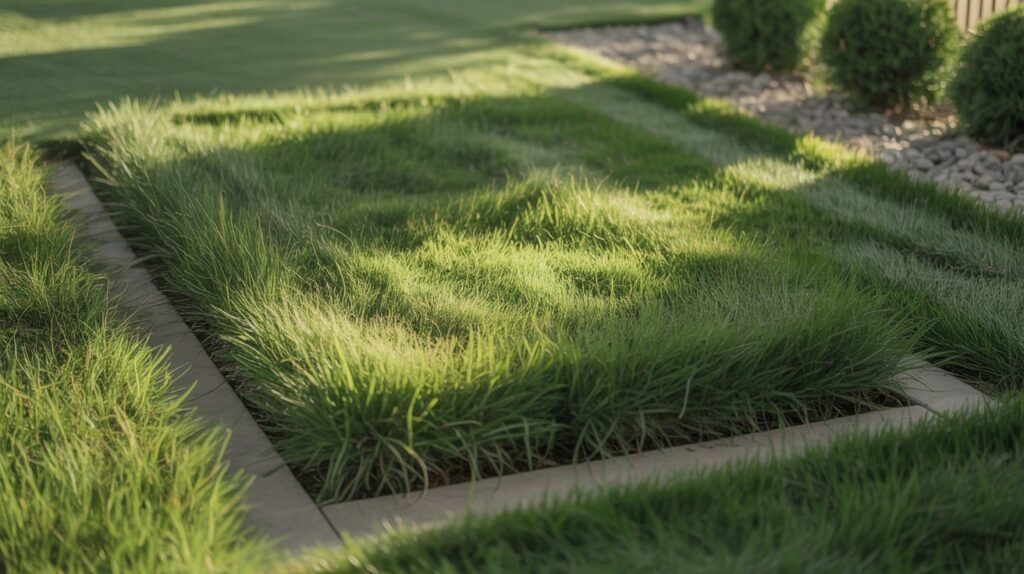
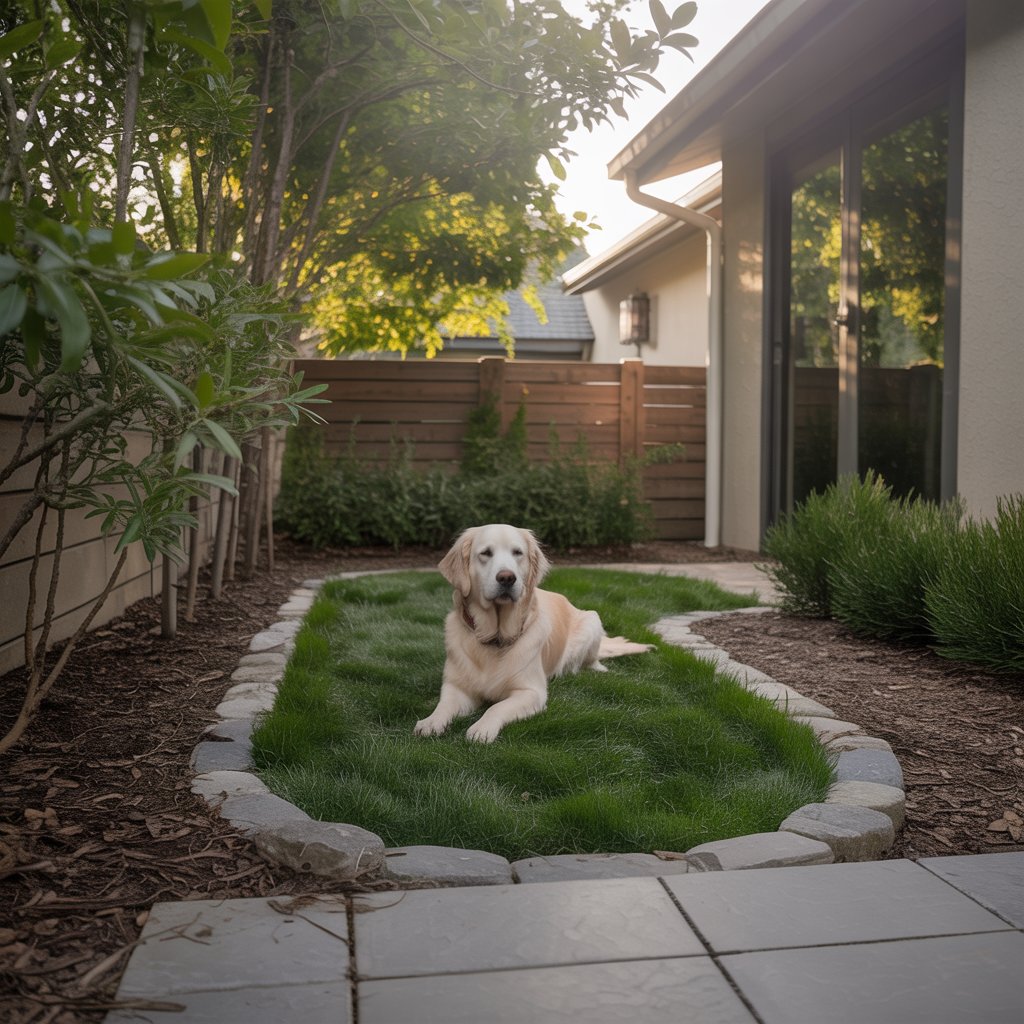
A natural grass patch is the most familiar option for most dogs. If you already have a yard, choose a quiet corner and let that area become the designated potty spot. I found it works best to keep the grass trimmed and avoid letting people walk through it often. Dogs tend to prefer areas that feel “theirs.”
Water the spot regularly to reduce smell and help the grass recover. If the area starts to wear down, rotate use slightly or reseed when needed. This method works especially well for dogs transitioning from walks to home potty use because it feels natural under their paws. Just make sure the area drains well so it doesn’t turn muddy after rain.
2. Gravel Potty Area
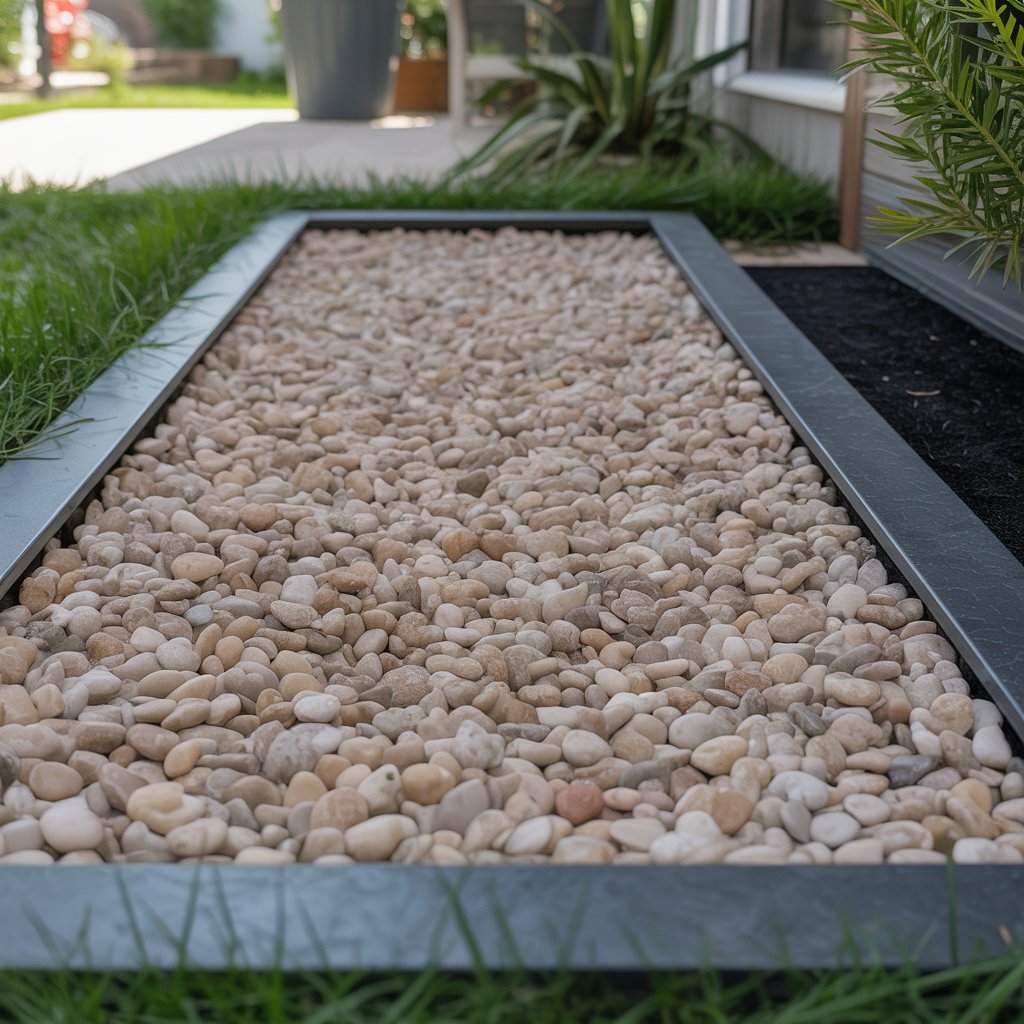
Gravel is a solid choice if grass doesn’t survive well in your yard. Use smooth pea gravel rather than sharp stones. I’ve seen dogs take to this quickly once they realize it’s their spot. Gravel drains well, which helps reduce odor and standing water.
Lay landscaping fabric underneath before adding gravel to prevent weeds. Rinse the area weekly with water to keep it clean. This option works especially well for homes with limited grass or for dogs that don’t like wet soil. It’s also easier to maintain year-round.
3. Artificial Turf Section
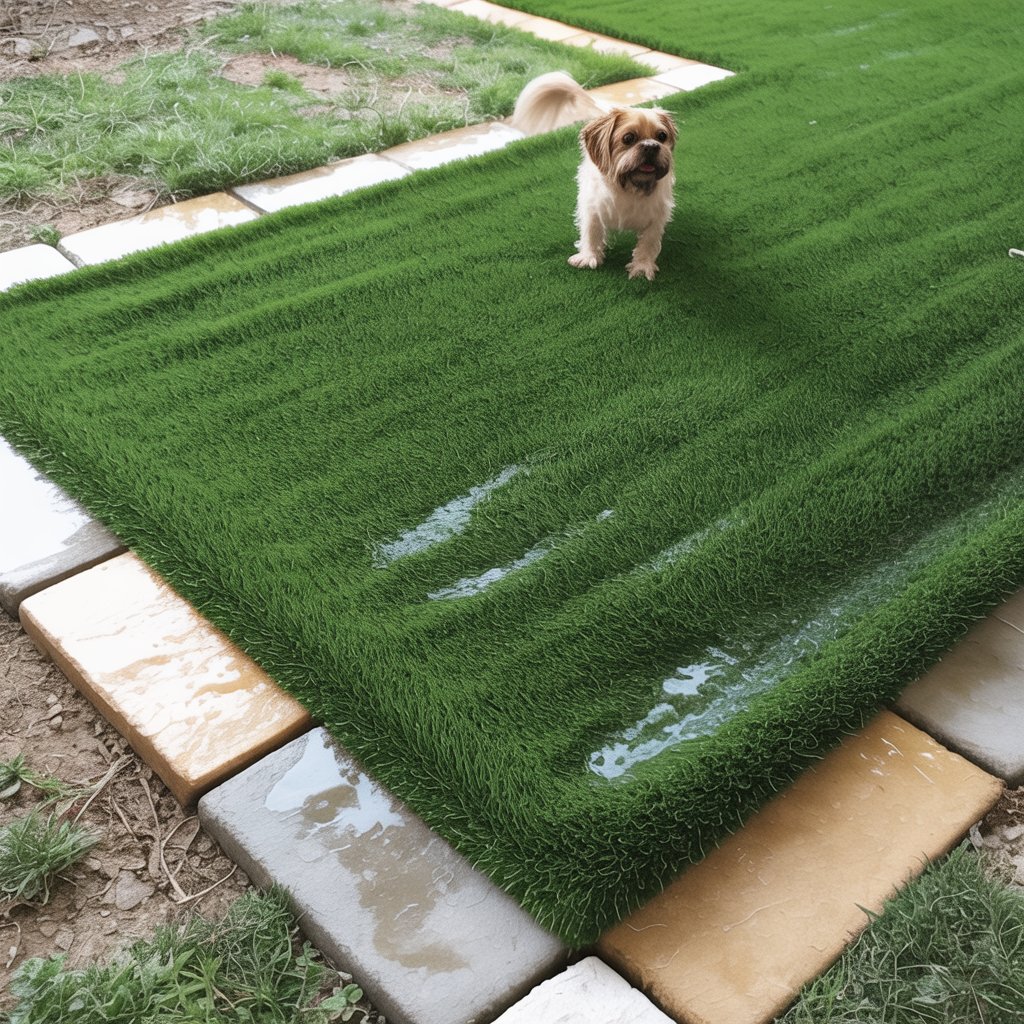
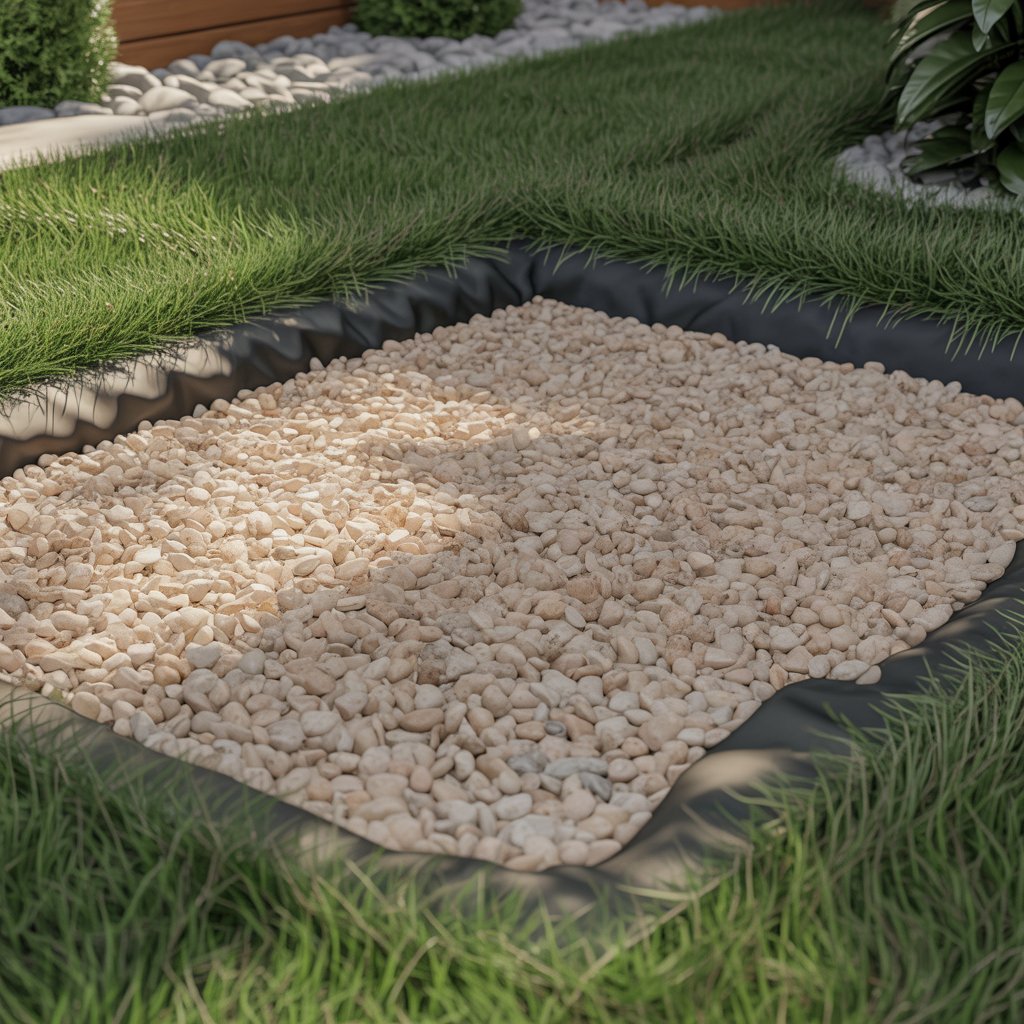
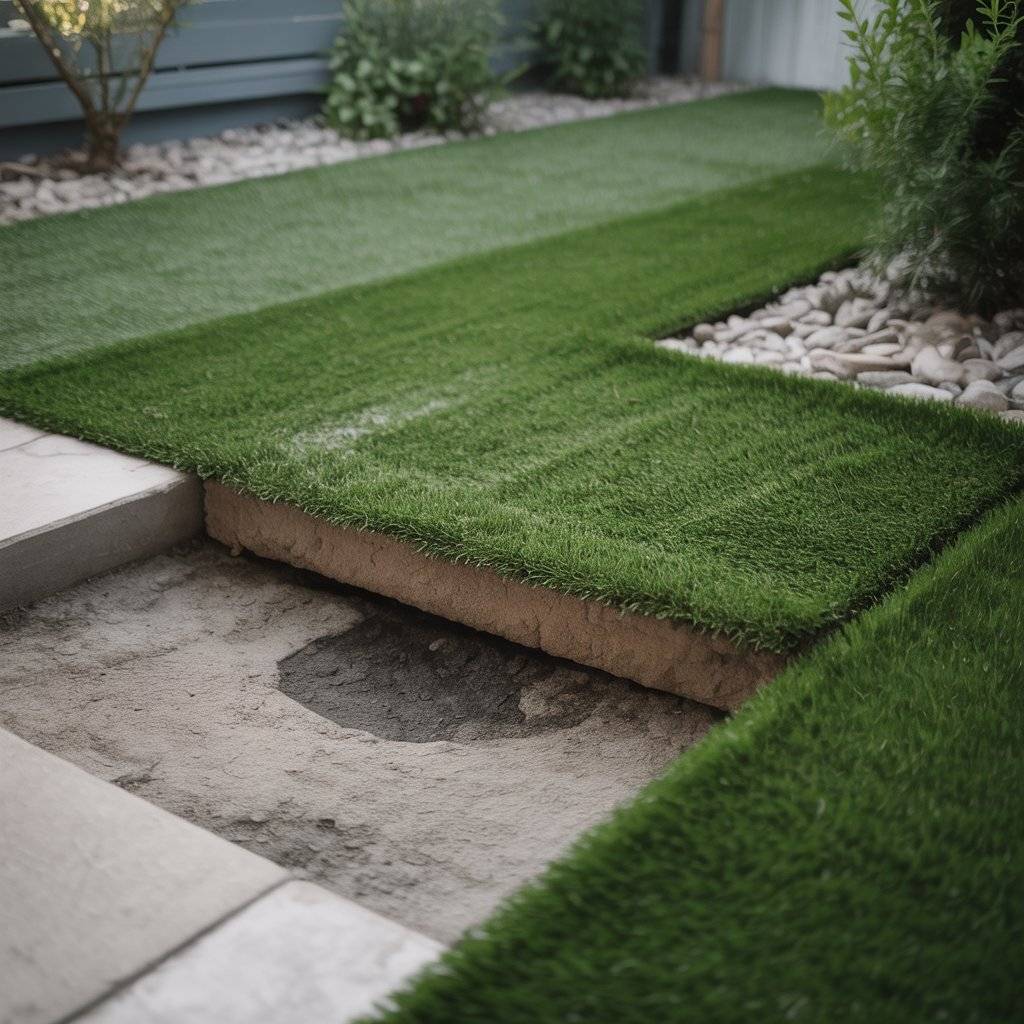
Artificial turf is useful if you want a cleaner-looking setup. Choose turf made for pets, as it drains better and is easier to rinse. I’ve noticed dogs adapt quickly when turf is placed in a consistent location.
Install it over a sloped base so liquids drain away properly. Rinse daily or every other day depending on use. This option is great for small yards or homes where grass struggles to grow. It does require regular cleaning, but it stays neat and predictable.
4. Mulch or Wood Chips Area
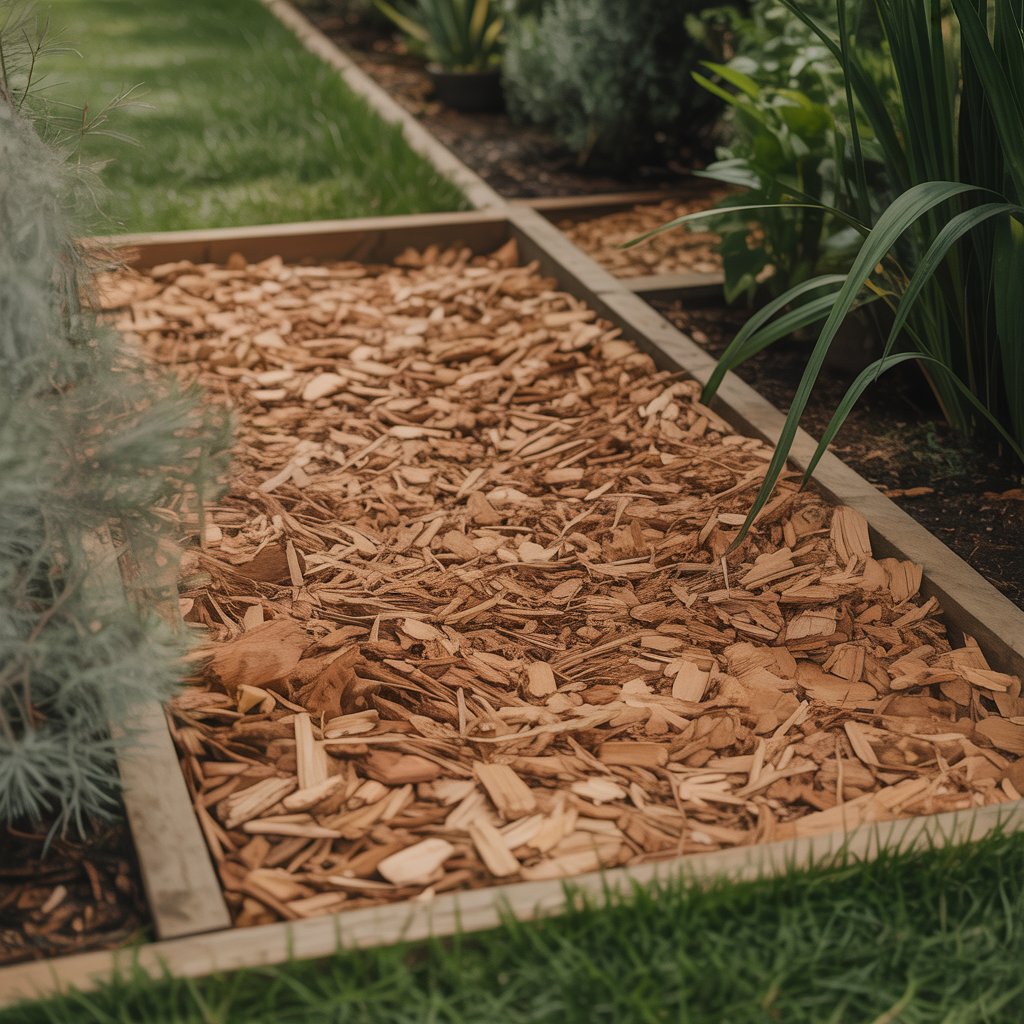
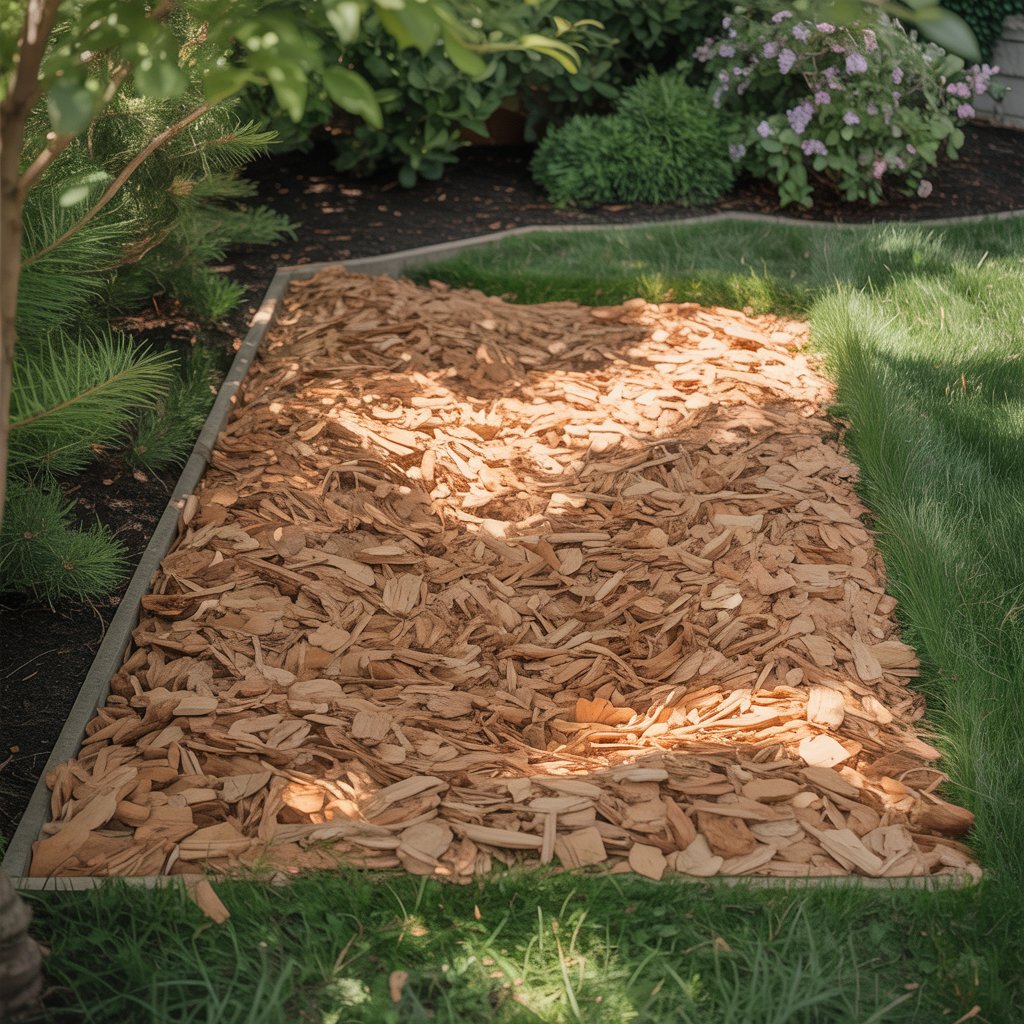
Natural wood chips or mulch can work well if you choose untreated materials. This setup feels softer underfoot and blends into garden areas nicely. I’ve seen this work best when the area is clearly bordered so dogs know where to go.
Replace mulch occasionally to keep the area fresh. Avoid dyed or chemically treated wood. This option is simple to set up and works well for dogs that don’t like gravel or turf textures.
5. Sand-Based Potty Spot
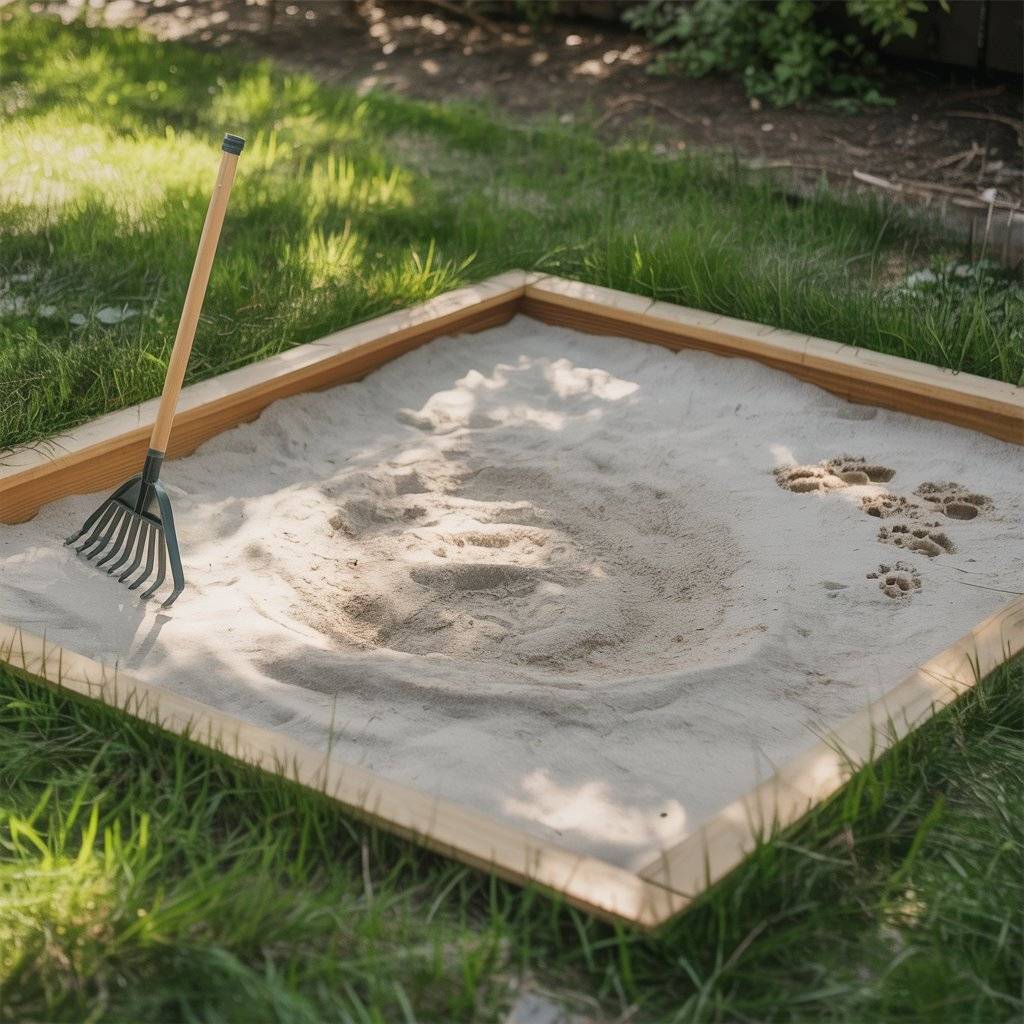
Sand drains quickly and is easy to rake clean. I’ve seen people use play sand or builder’s sand successfully. The key is to keep it dry and replace it when it becomes compacted.
Sand works best in sunny areas where moisture dries fast. Add a border to prevent it from spreading. While it needs upkeep, many dogs prefer sand because it’s soft and easy to dig slightly before going.

6. Raised Potty Box
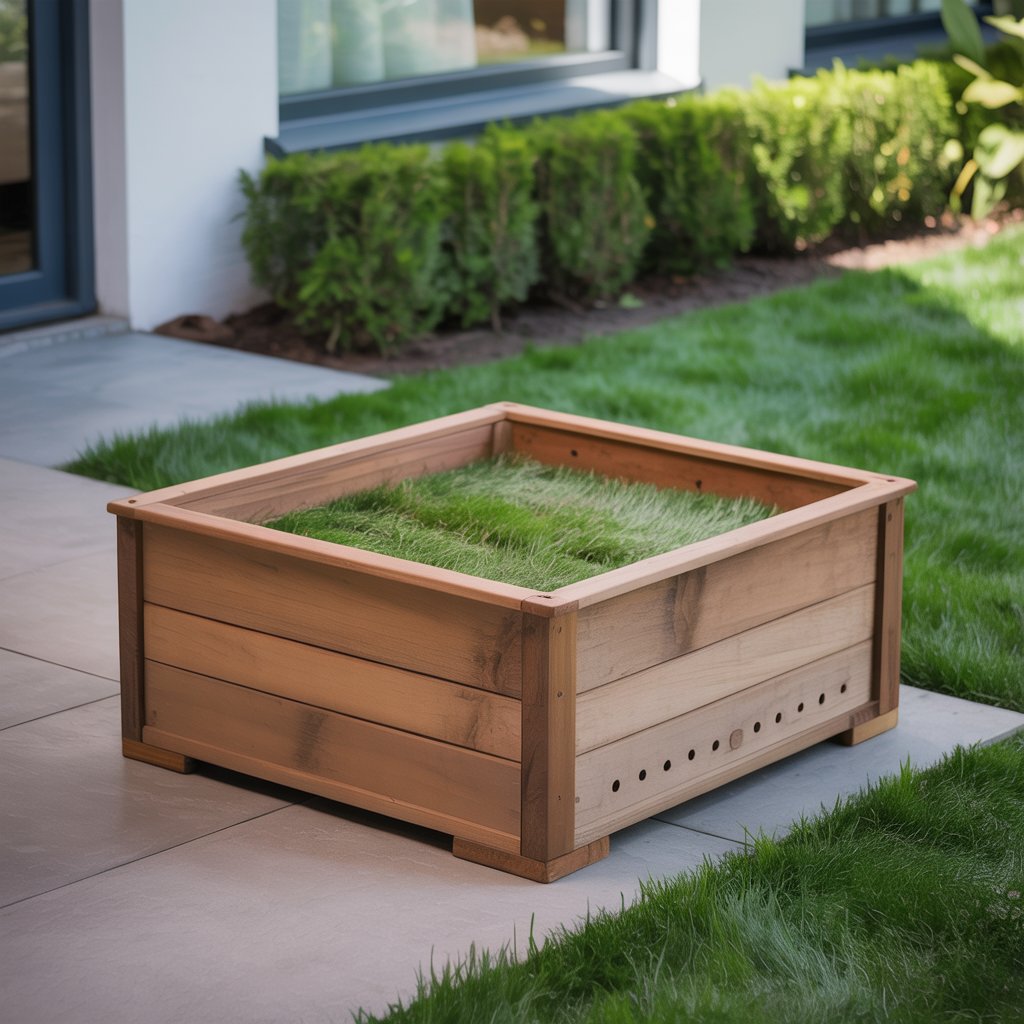
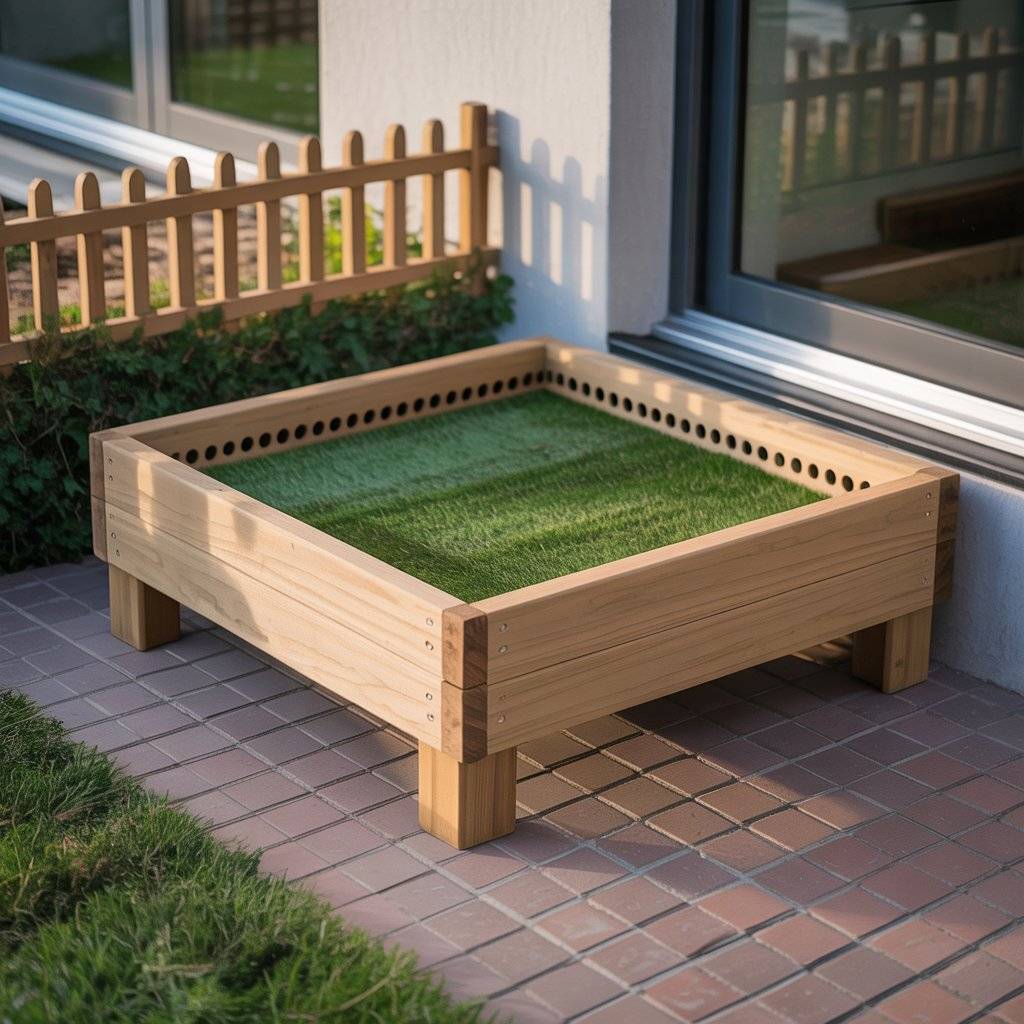
A raised potty box works well for patios or uneven yards. Use a shallow wooden or plastic frame and fill it with turf, gravel, or mulch. I’ve seen this help dogs understand boundaries faster.
Drainage holes are important. Clean the box regularly and keep it stable so it doesn’t move. This setup is useful when yard space is limited or when you want the potty area closer to the house.
7. Shaded Potty Area
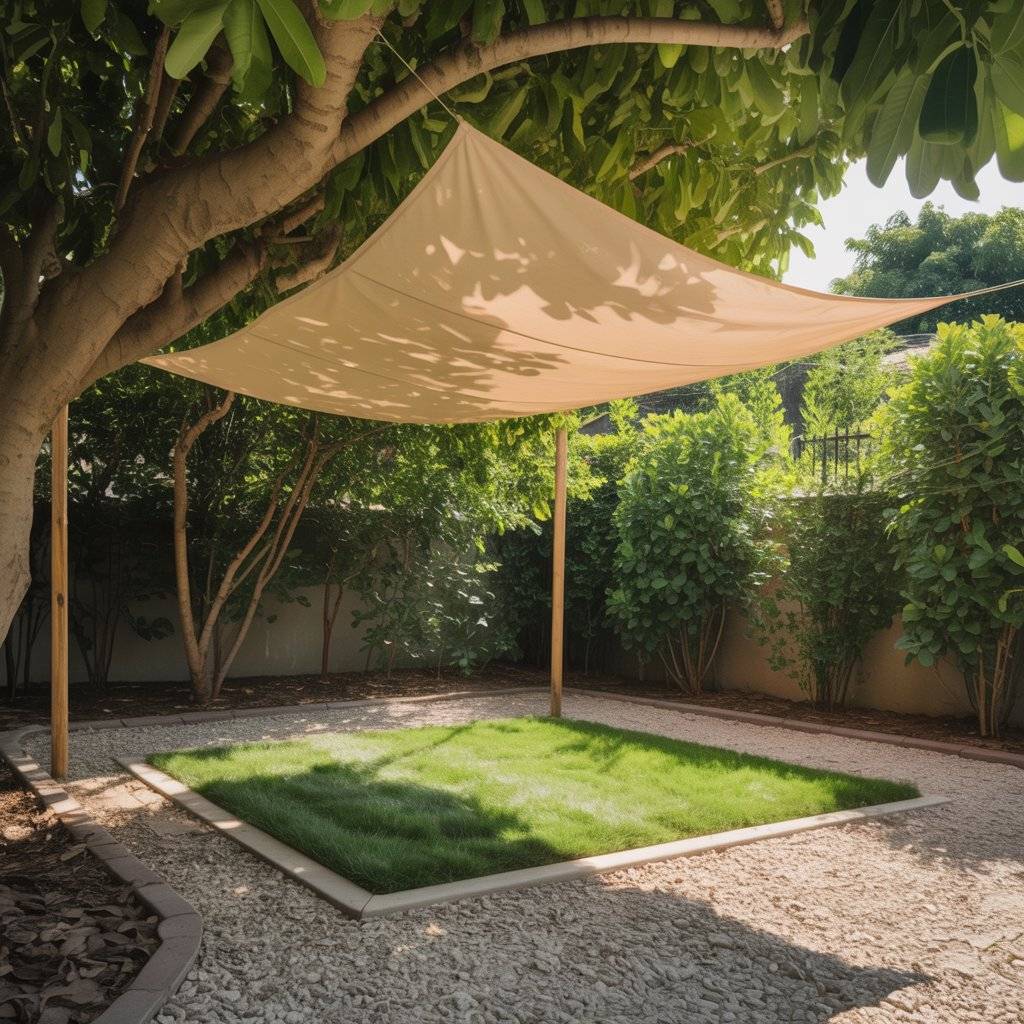
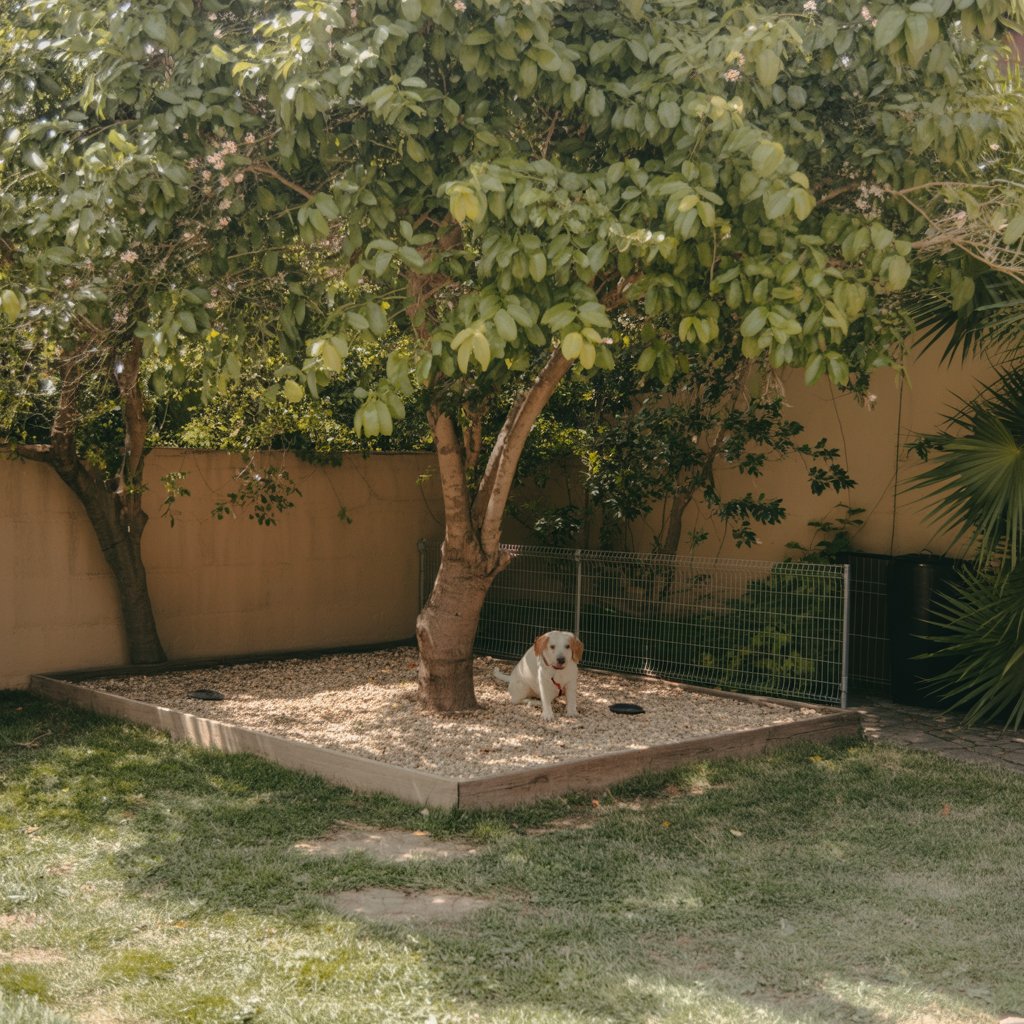
Some dogs avoid using the potty in direct sun. Adding shade using a tree, umbrella, or simple canopy can make a big difference. I noticed dogs go more consistently when the area feels comfortable.
This works especially well in hot climates. Shade also helps reduce odors by keeping surfaces cooler. Make sure airflow stays good so moisture doesn’t build up.
8. Fenced Potty Corner
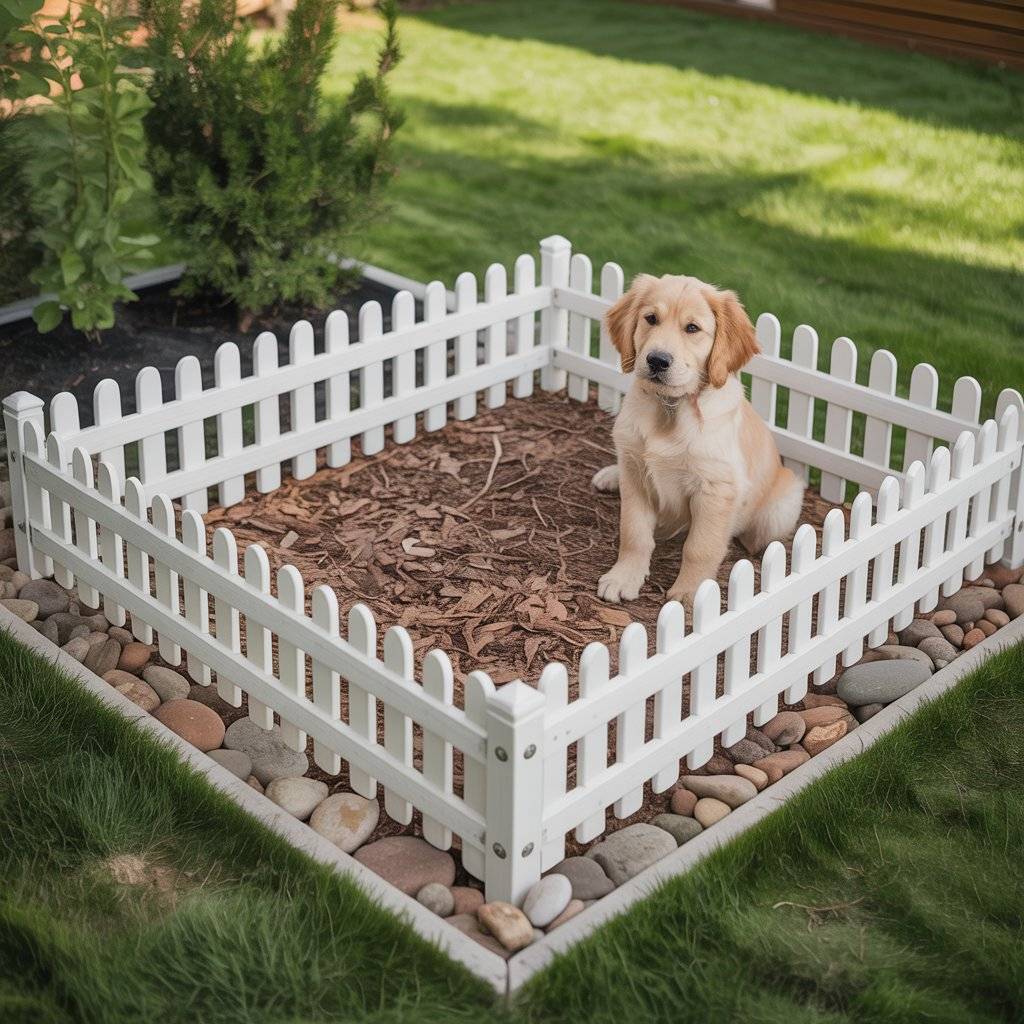
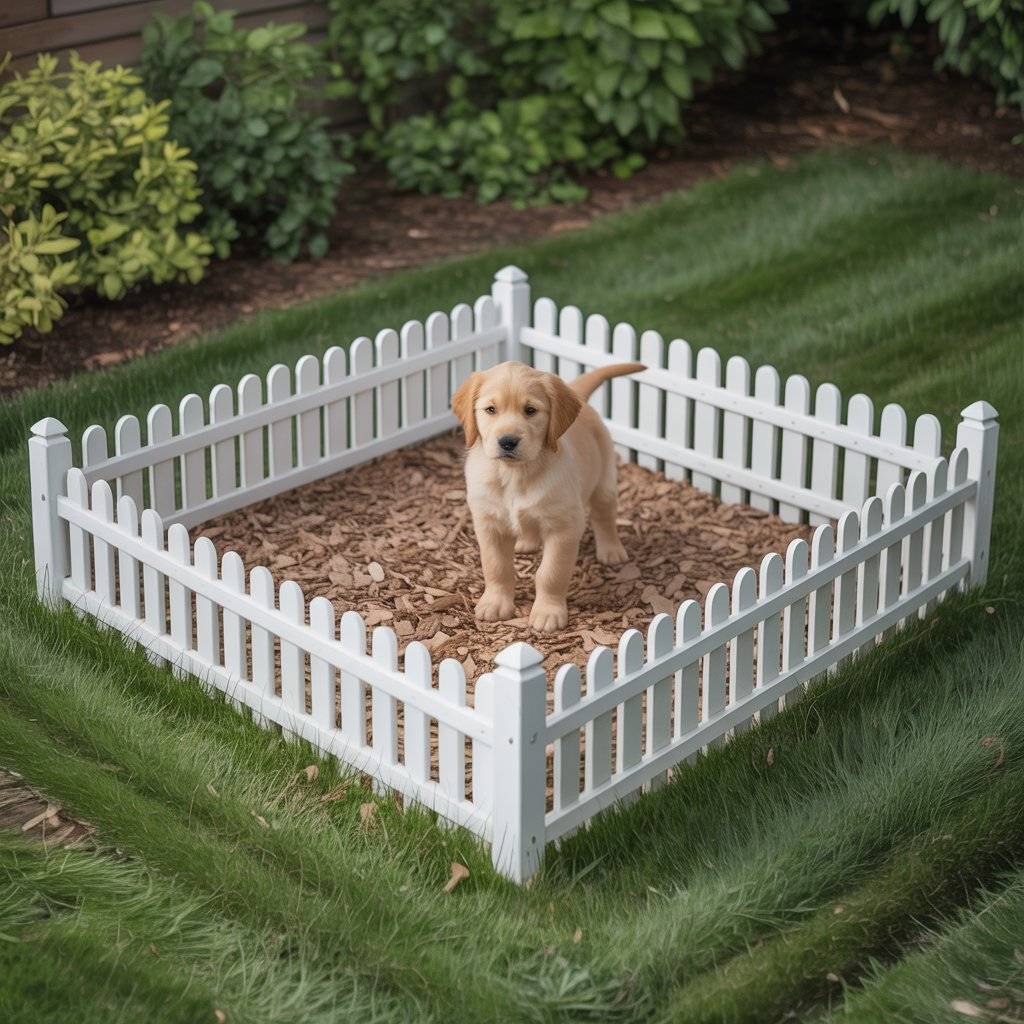
A small fence or border helps dogs understand where they’re supposed to go. This doesn’t need to be tall just enough to define the space. I’ve seen this reduce accidents around the yard.
Use low garden fencing or edging. This setup works well for training puppies or dogs learning a new routine.
Also you can read: Comfortable Modern Pet Feeders for Cats and Dogs
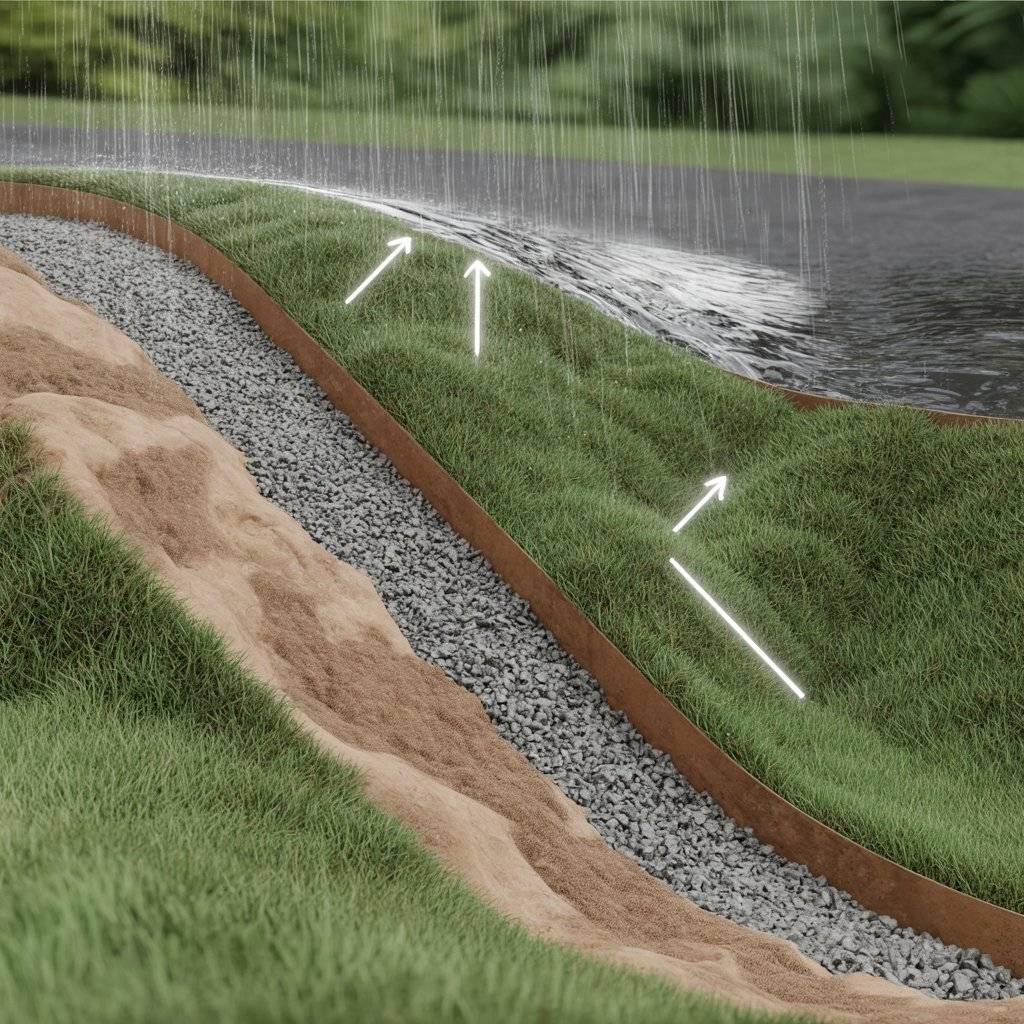
9. Sloped Drainage Area
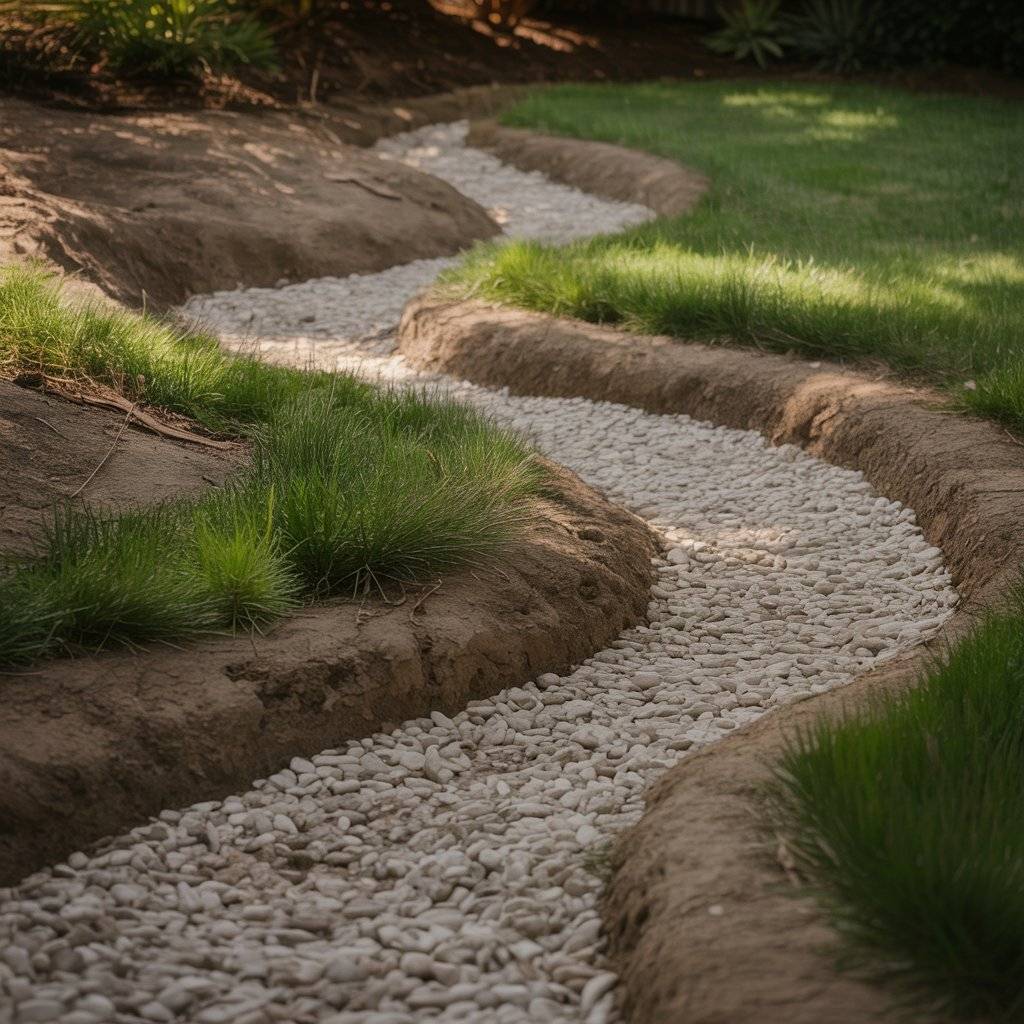
A slight slope helps liquids drain away instead of pooling. I’ve seen people build this using gravel or turf over compacted soil.
Good drainage keeps the area cleaner and reduces smell. This is especially helpful in rainy regions or yards with heavy clay soil.
10. Keep a Hose or Water Source Nearby
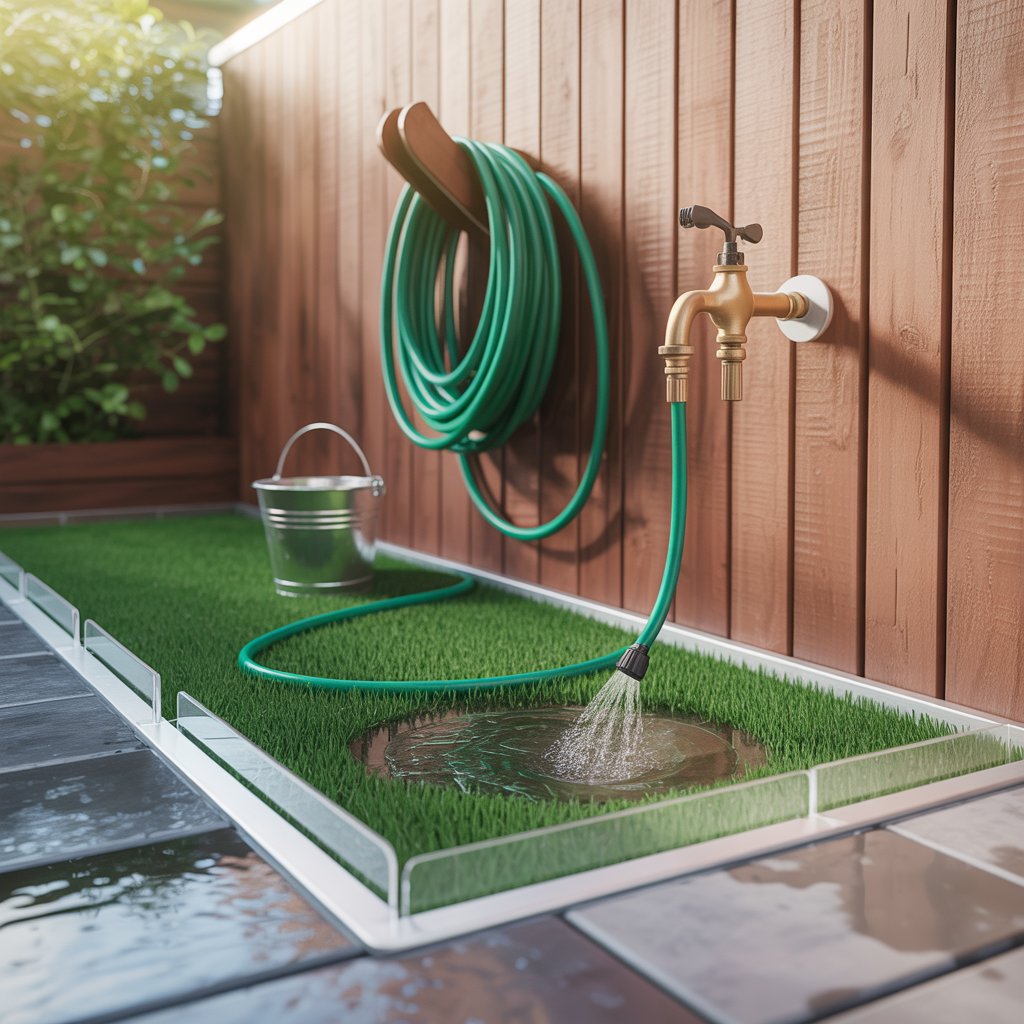
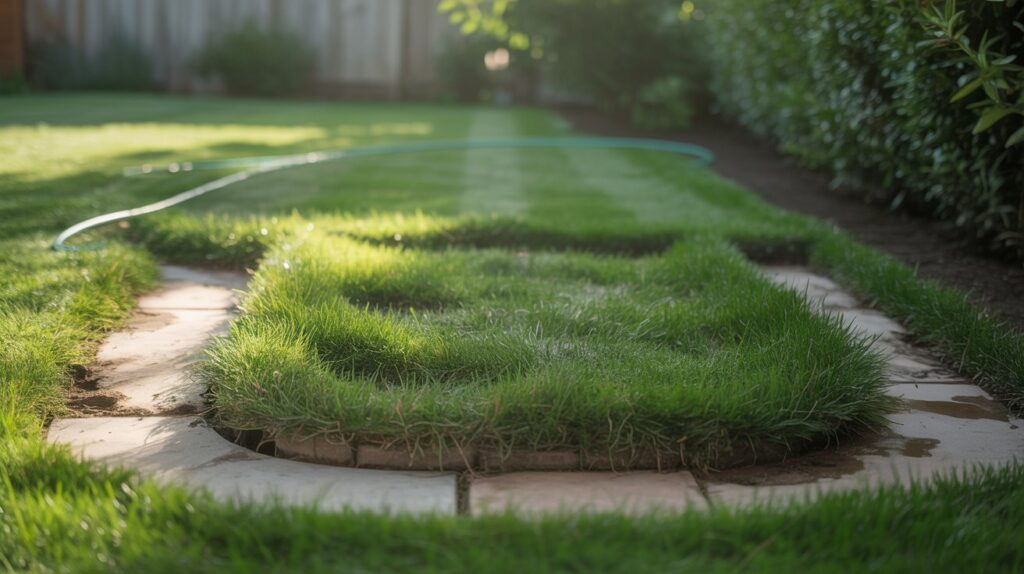
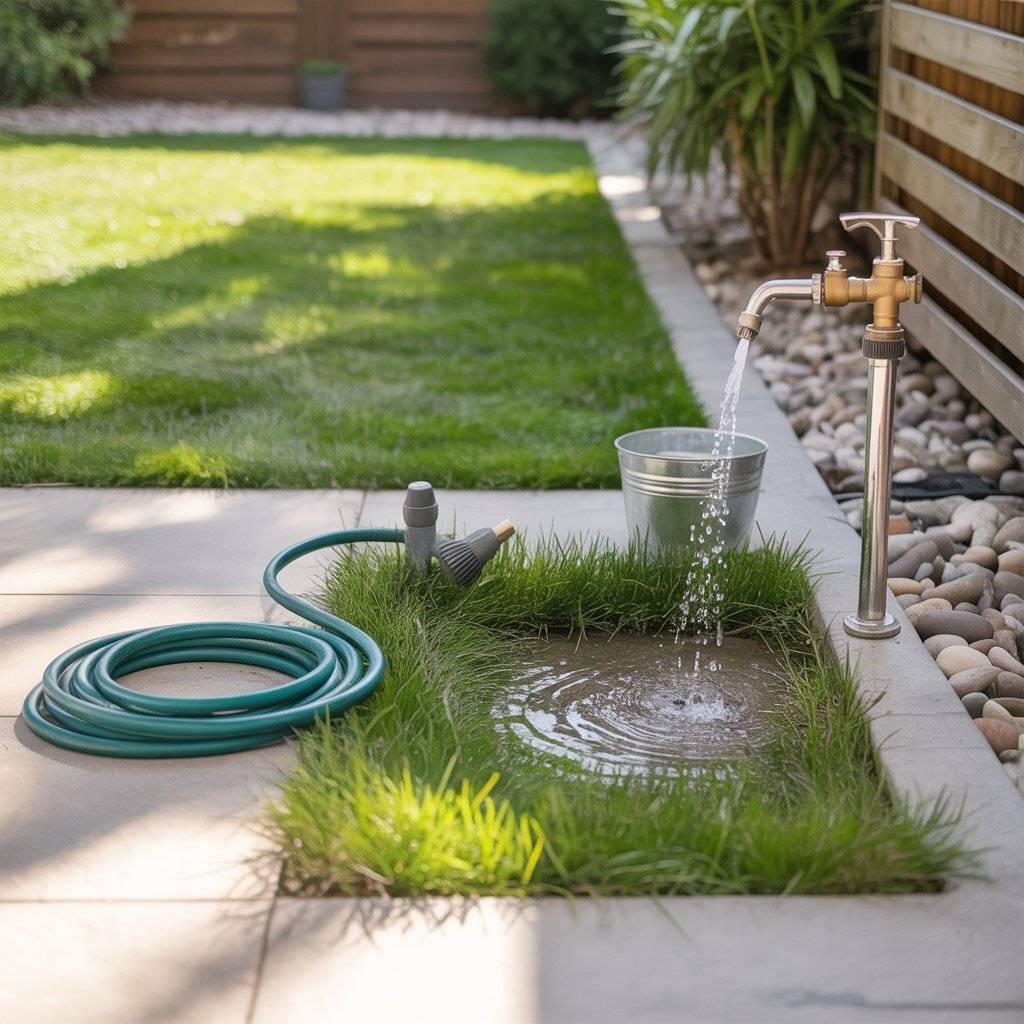
Having the potty area close to a hose or water source makes cleaning so much simpler. I quickly learned that rinsing the spot right after use keeps it fresh and prevents odors from building up.
Even a simple daily rinse makes the area more pleasant for both you and your dog. This works no matter what surface you choose grass, gravel, or turf. I also found that keeping a small bucket or spray nozzle handy saves time and keeps the routine easy.
11. Quiet, Low-Traffic Location
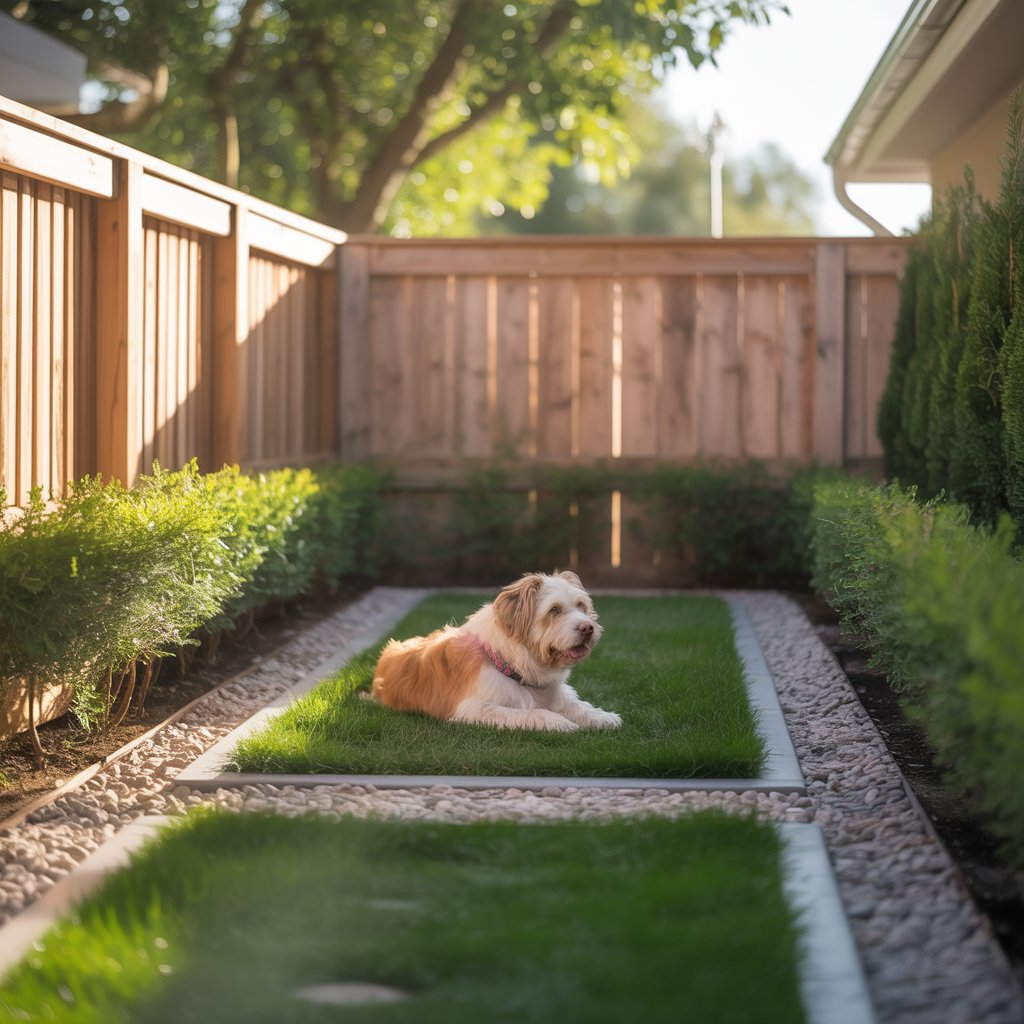
Dogs like a bit of privacy when they go. Placing the potty area away from doors, walkways, and busy play zones helps them stay focused. When I moved the spot away from foot traffic, potty breaks became faster and more consistent. Fewer distractions meant the dog knew exactly why they were there.
Look for a calm corner of the yard where people don’t pass through often. It doesn’t need to be hidden, just quiet. This simple adjustment can reduce accidents and make daily routines smoother, especially for shy dogs or puppies still learning where to go.
12. Consistent Entry Path
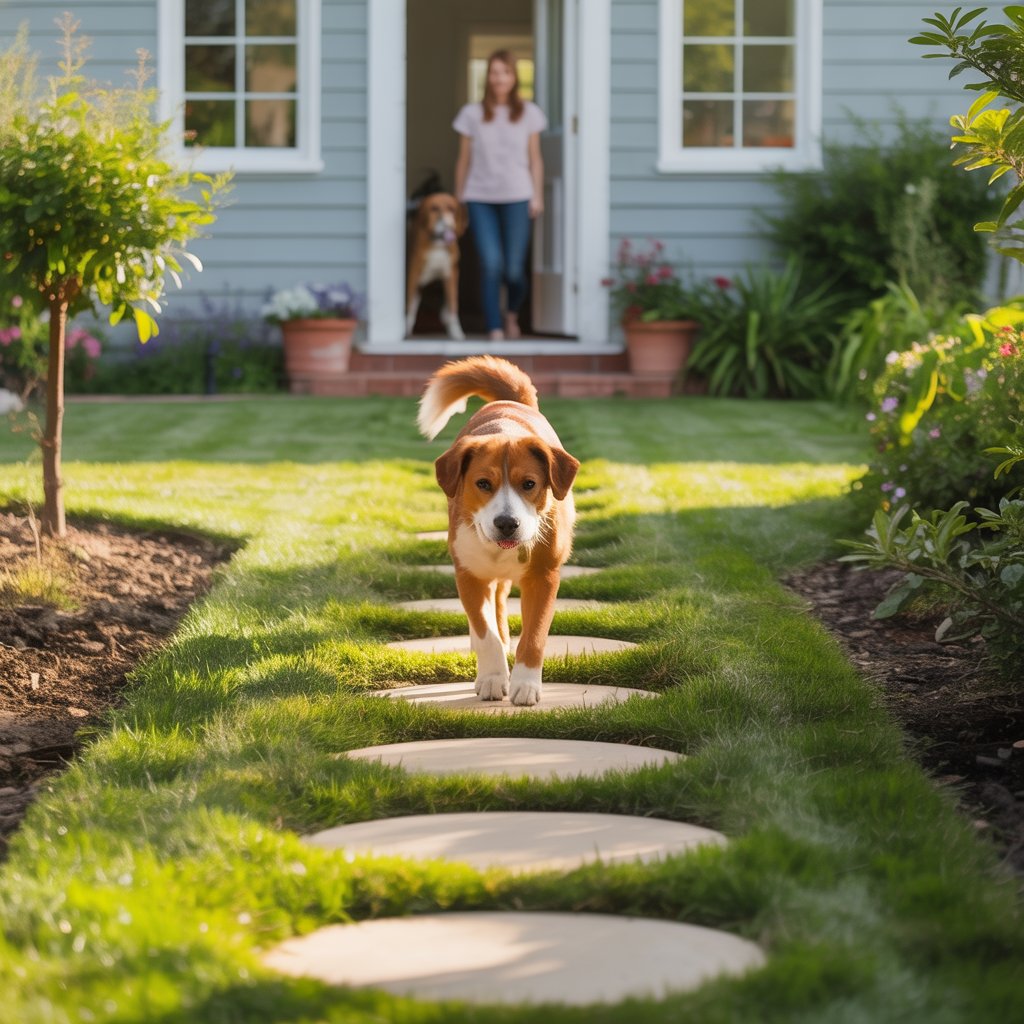
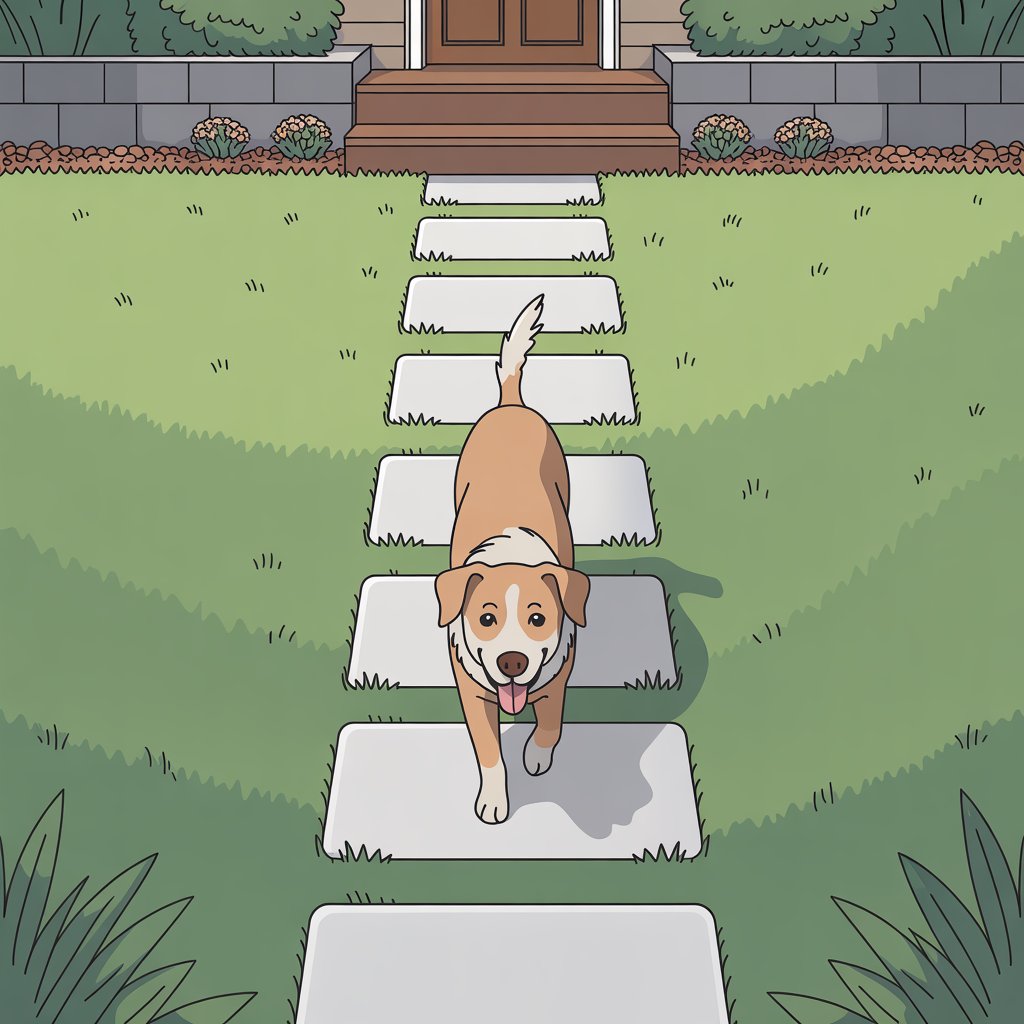
Creating a clear and consistent path from your door to the dog potty area makes a big difference. Dogs learn through repetition, and when they walk the same route every time, they start to understand exactly where they’re supposed to go. I’ve seen dogs skip distractions and head straight to the potty spot just because the path feels familiar.
This doesn’t need to be anything fancy. Stepping stones, pavers, or even a worn dirt path can work. The goal is to guide your dog without confusion. A clear path also helps during rain or mud, keeping paws cleaner and making trips outside quicker. Over time, this simple setup helps build a strong routine and reduces accidents around the yard.
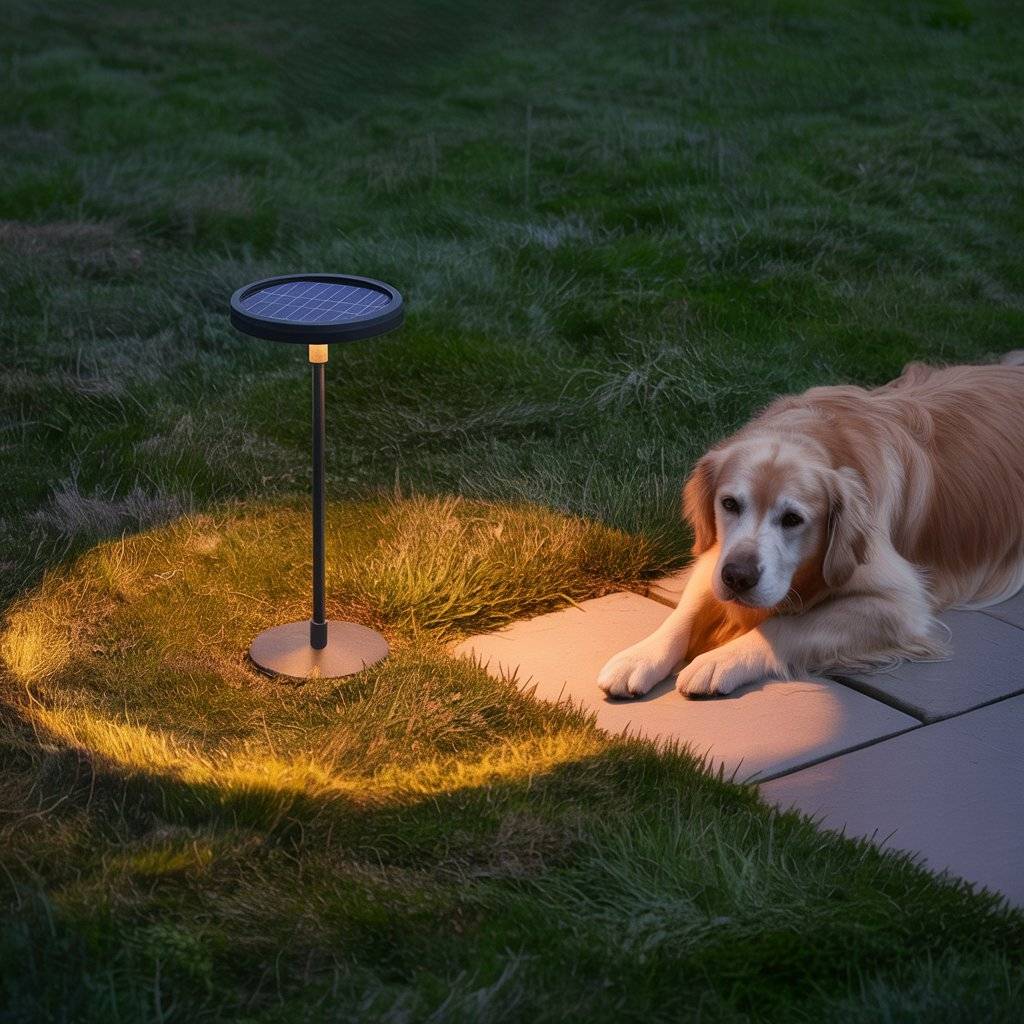
13. Lighting for Night Use
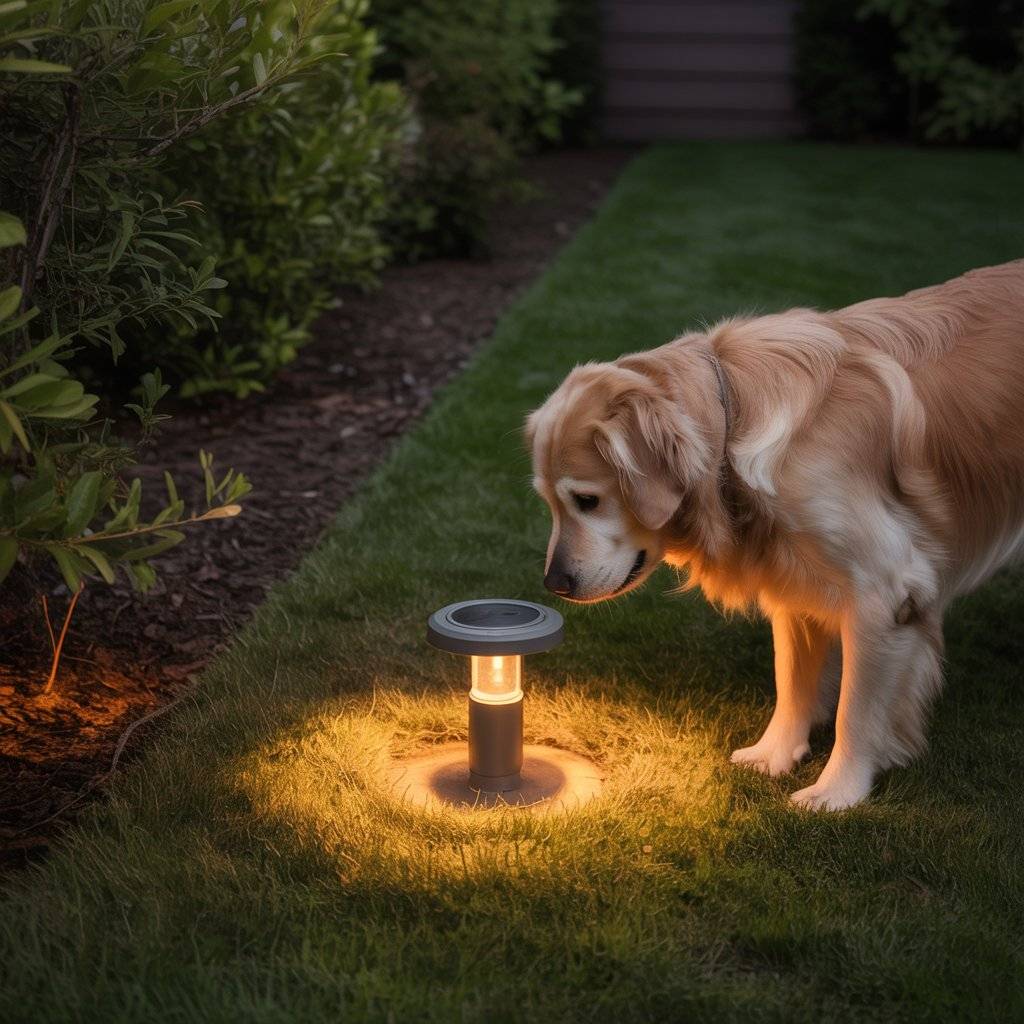
A small solar light helps dogs feel comfortable using the area at night. I found this especially helpful for older dogs.
Soft lighting is enough no bright floodlights needed. This improves nighttime routines without disturbing neighbors.
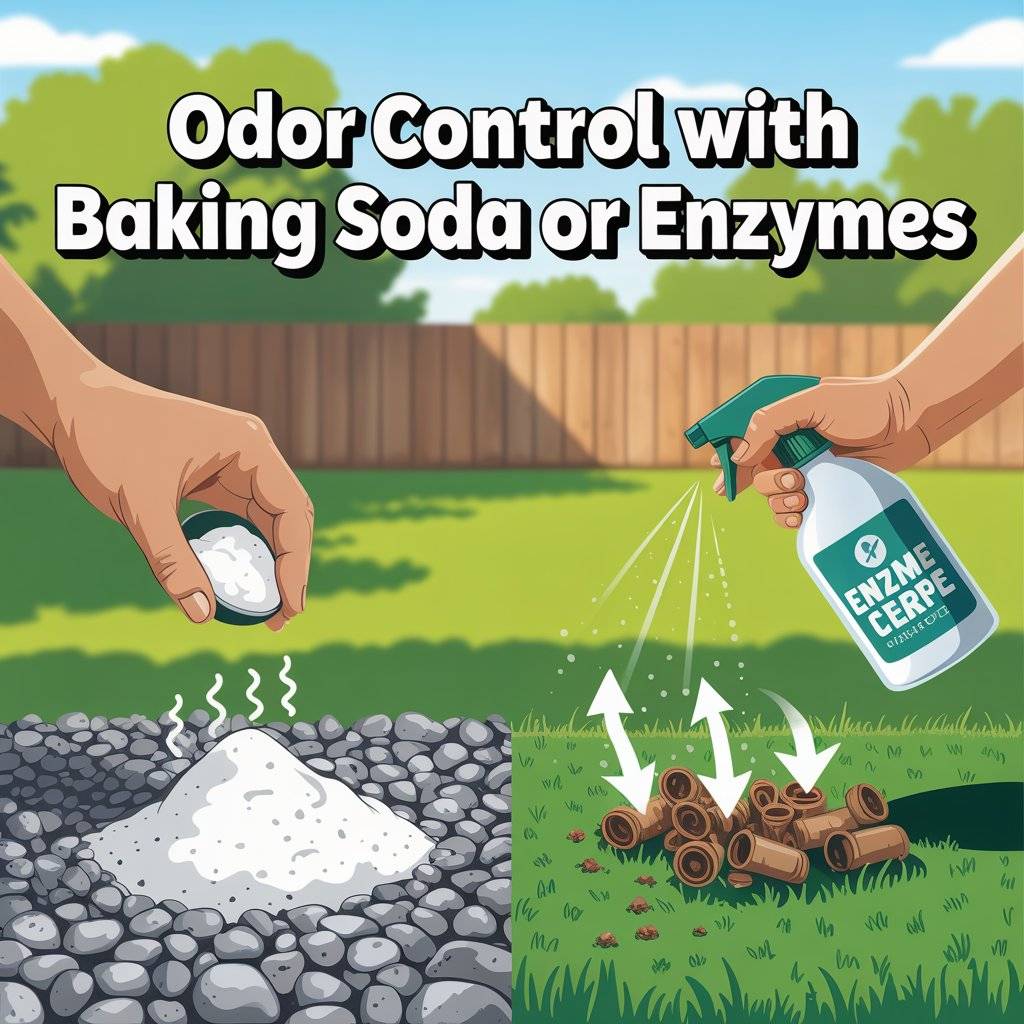
14. Odor Control with Baking Soda or Enzymes

Smell is one of the first problems people notice with an outdoor dog potty area, especially when the weather is warm. What worked for me was keeping things simple.
Sprinkling a light layer of baking soda on hard surfaces or gravel helps absorb odors without harming your dog. For turf or grass, a pet-safe enzyme cleaner breaks down waste smells instead of just covering them up.
15. Training with Routine and Praise
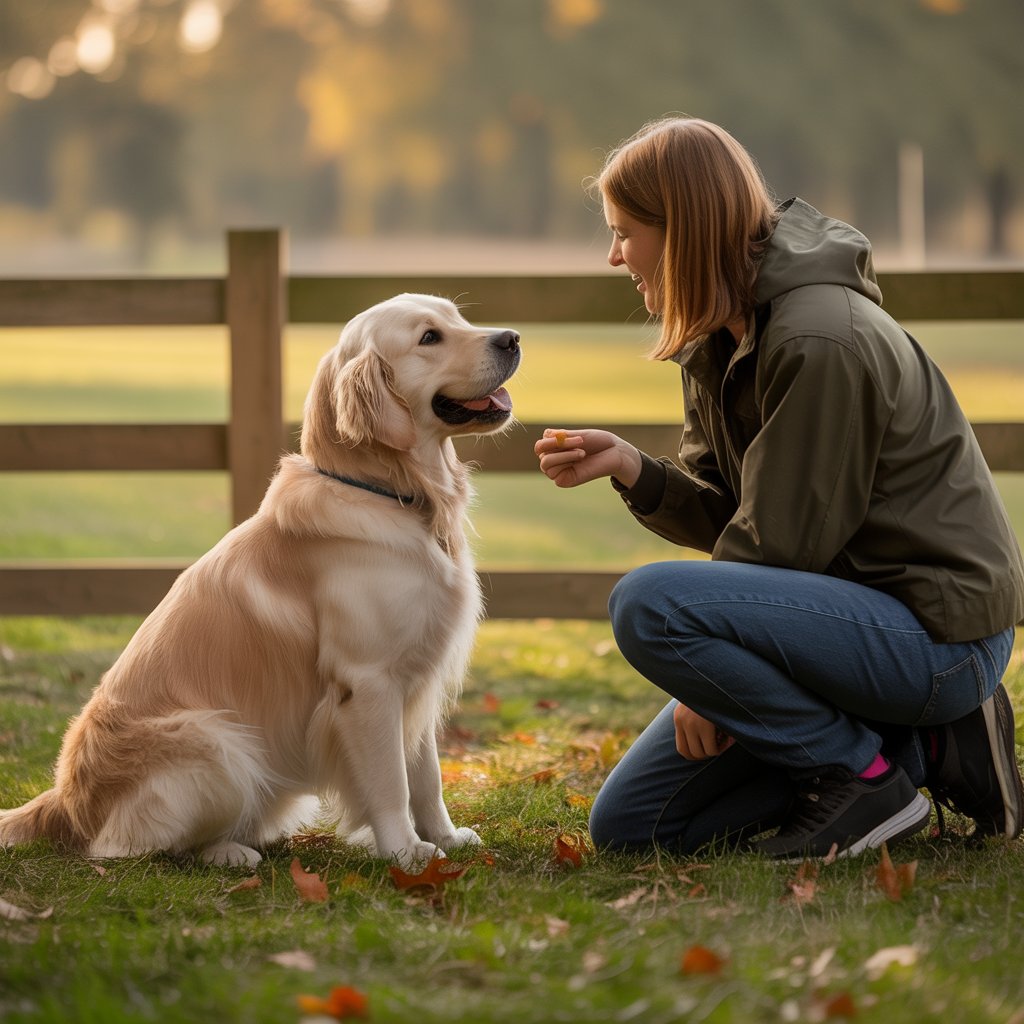
No setup works without consistency. Take your dog to the area at the same times each day and reward success. I’ve seen dogs learn within days when routines stay clear.
Avoid punishment for mistakes. Calm repetition works best. Over time, the area becomes their natural choice.
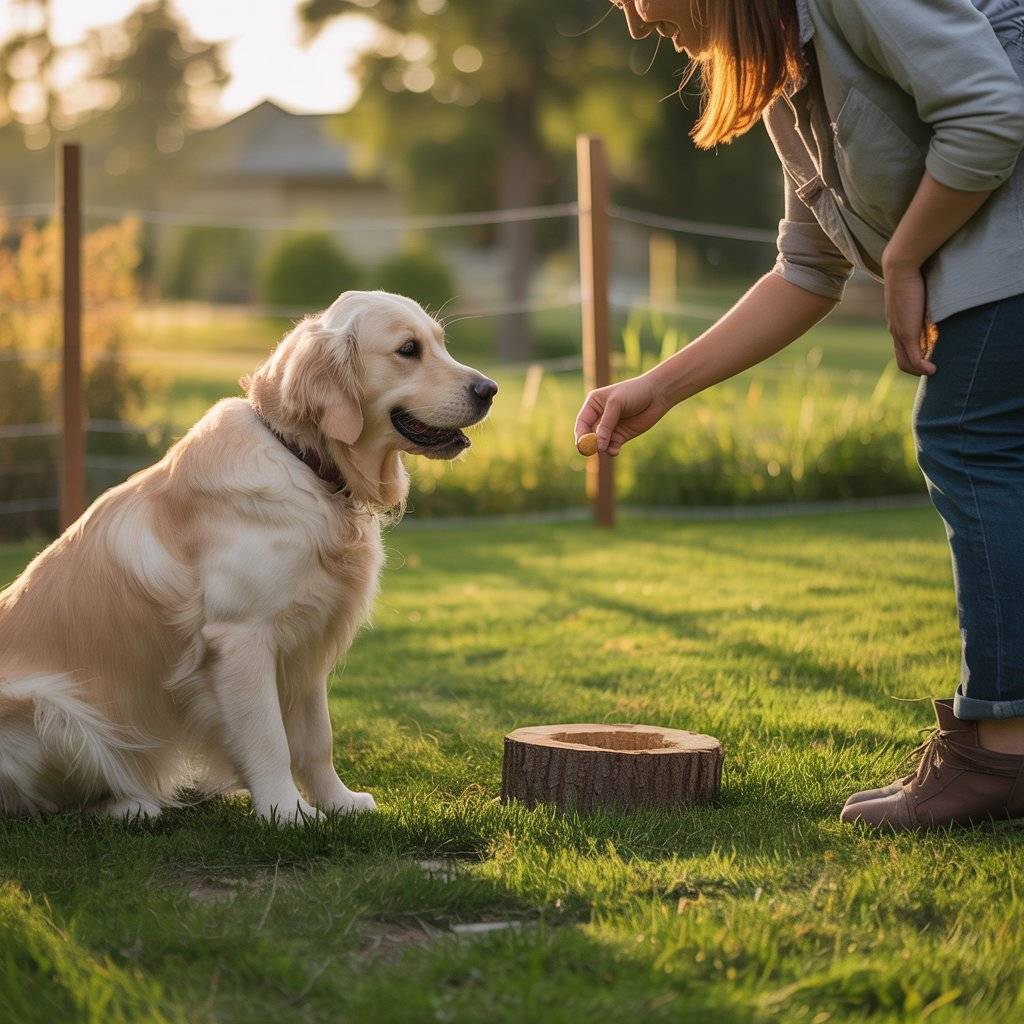
16. Use a Scent Marker to Reinforce the Spot
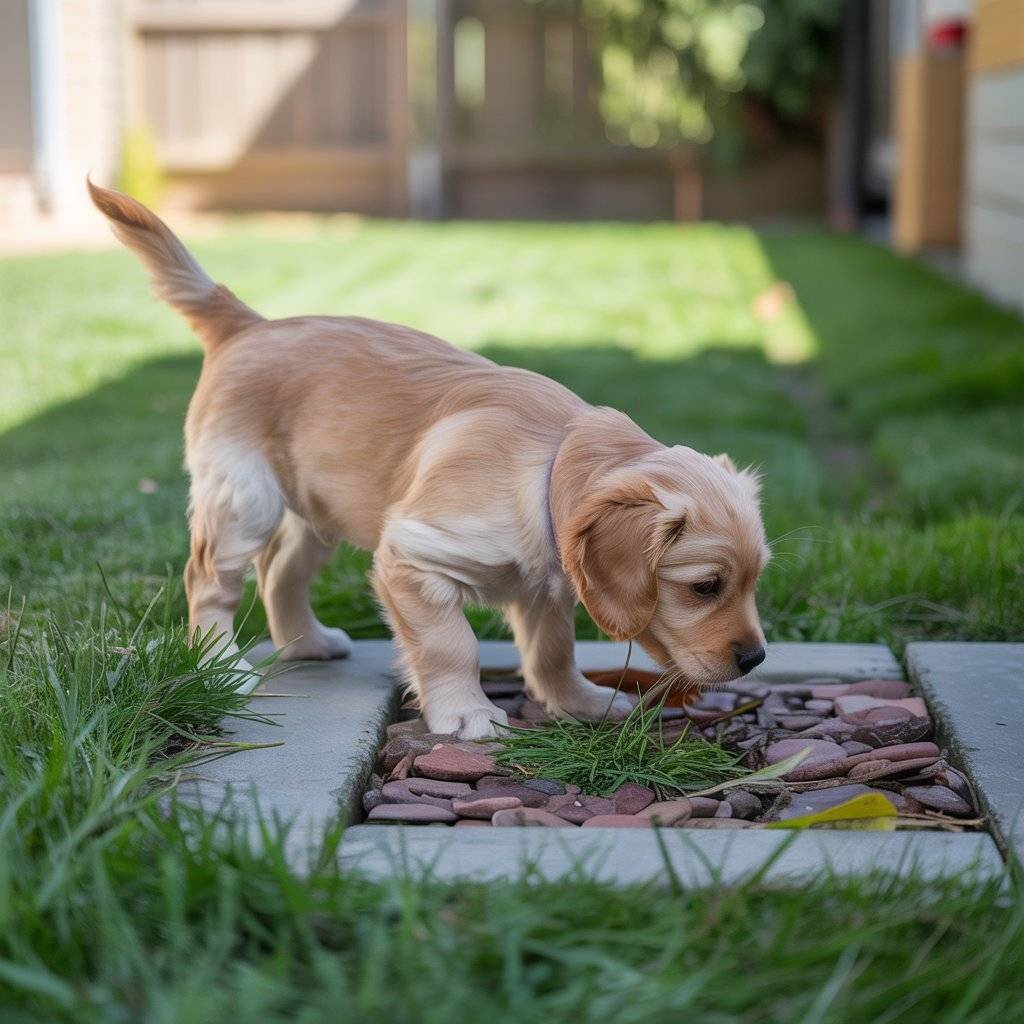
Dogs rely heavily on scent, and you can use that to your advantage. Once your dog successfully uses the potty area a few times, avoid over-cleaning it right away. Leaving a light scent helps your dog recognize that this is the correct place. I’ve seen dogs return to the same spot just because it smells familiar.
If needed, you can move a small amount of waste from another area into the potty zone during training. This helps connect the smell with the location. Over time, your dog won’t need this cue anymore, but it helps in the early stages. This approach works especially well for puppies or dogs that keep changing spots around the yard.
17. Separate Potty and Play Areas Clearly

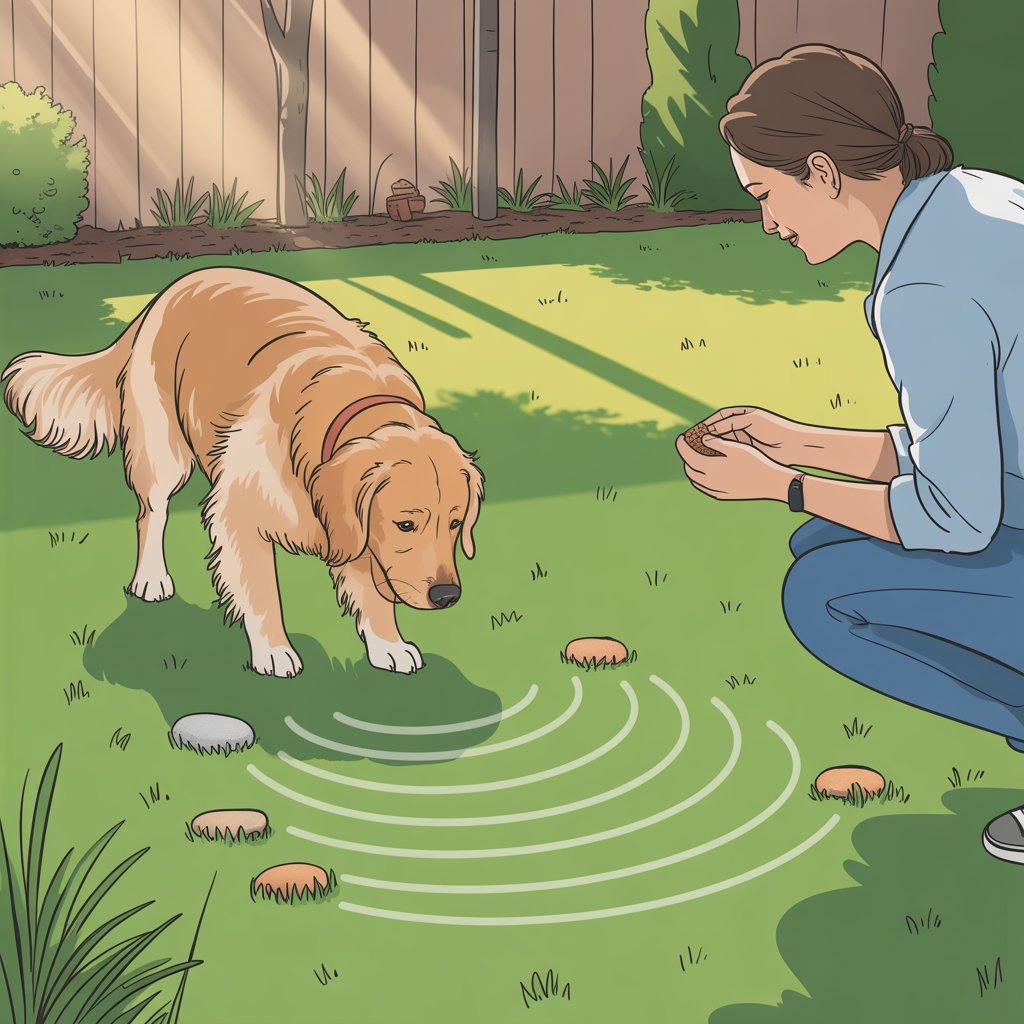
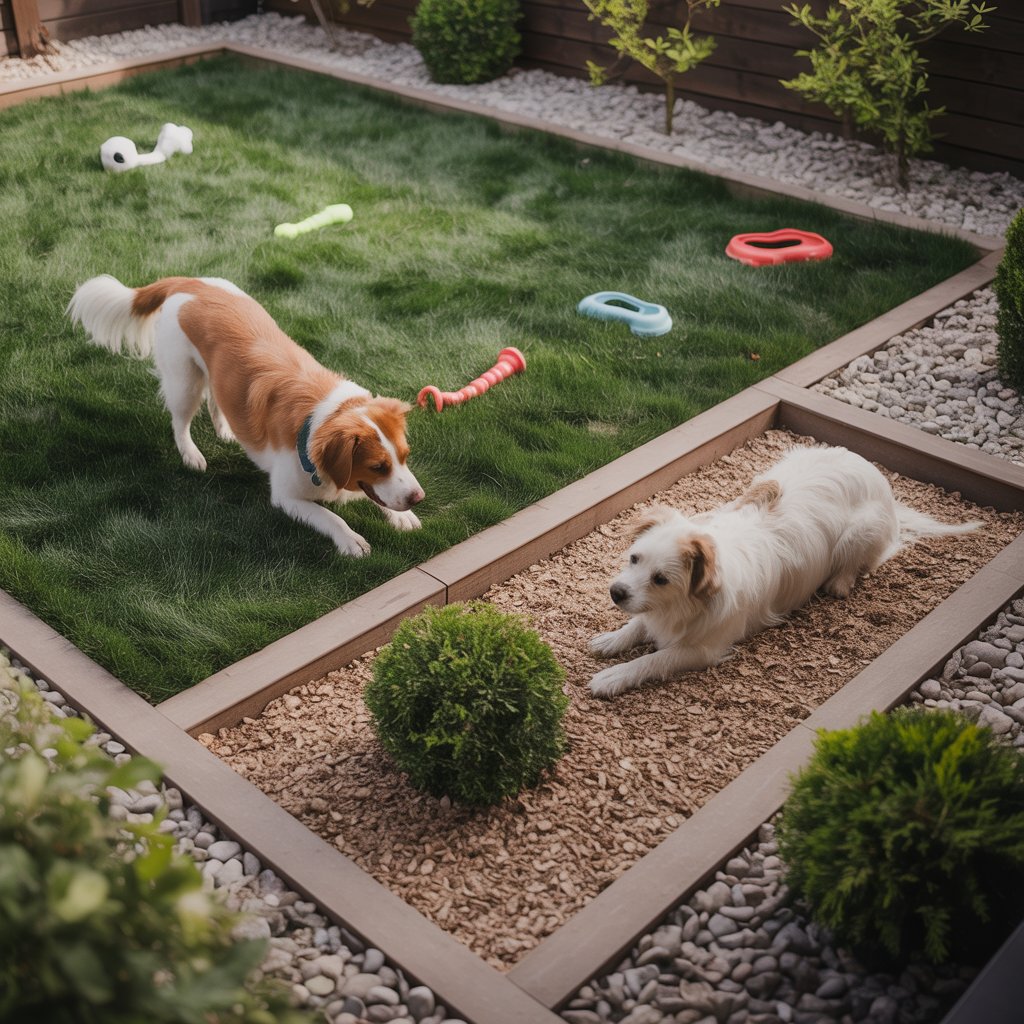
One mistake I see often is letting the potty area blend into the play space. Dogs don’t like going where they run, eat, or relax. If everything feels like one big open yard, they may choose random spots instead.
Use edging, fencing, plants, or even different ground materials to separate zones. For example, grass for play and gravel for potty. Once the difference is clear, dogs usually respect it. This makes training easier and keeps the rest of the yard cleaner. It also helps guests and kids know which areas to avoid.
18. Adjust the Area as Your Dog Ages
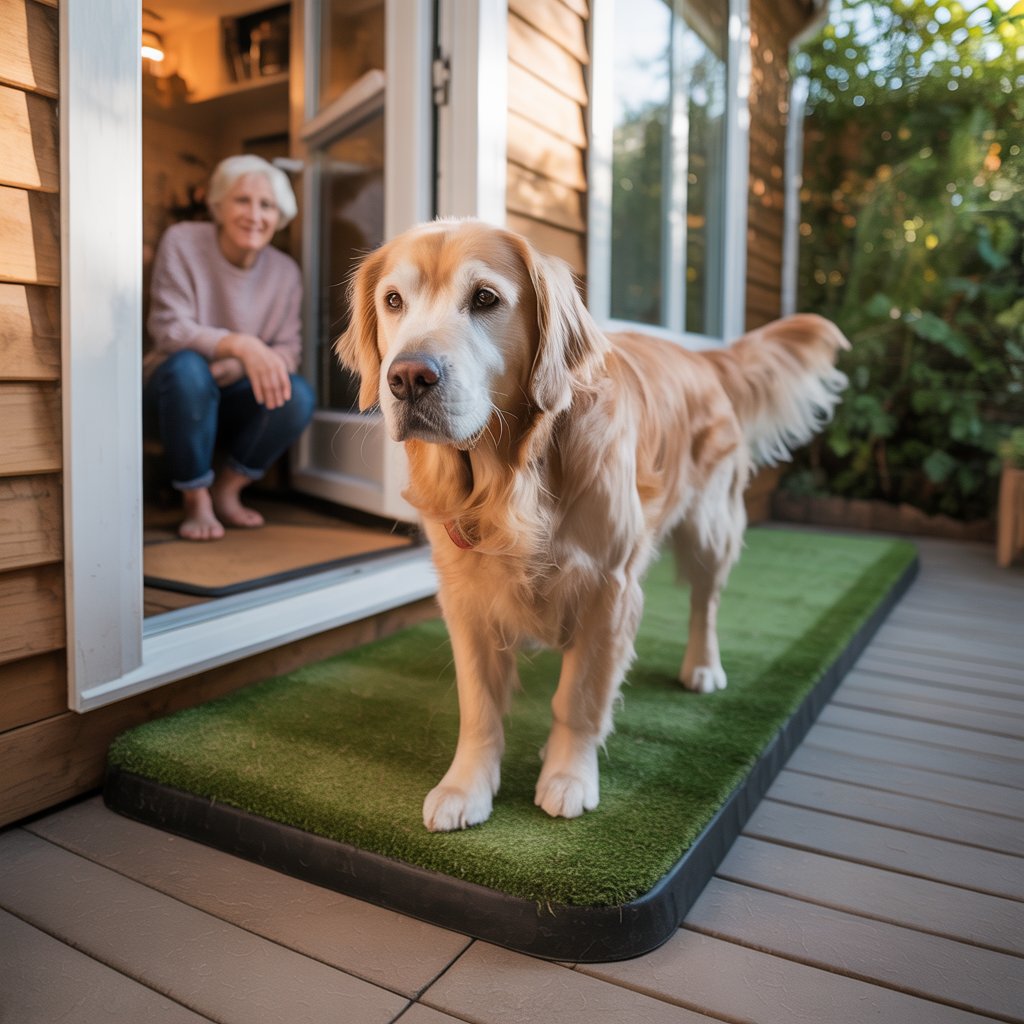
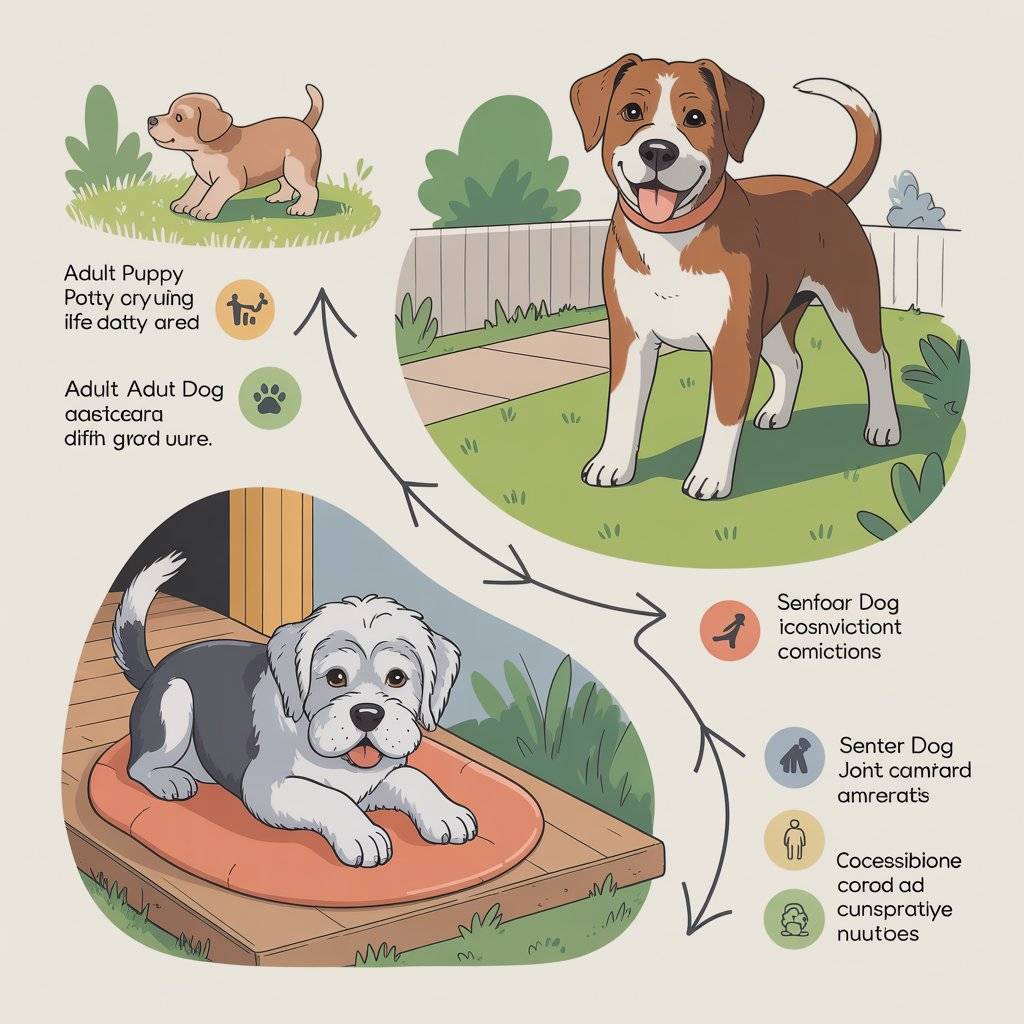
A potty area that works for a puppy may not work for a senior dog. As dogs get older, they may need easier access, softer surfaces, or a closer location. I’ve seen older dogs struggle with slippery turf or long walks across the yard.
If needed, move the potty area closer to the house or switch to a surface that’s easier on joints, like fine gravel or padded turf. Making small changes keeps your dog comfortable and prevents accidents. Paying attention to these changes shows real care and makes daily routines smoother.
19. Keep a Simple Cleaning Schedule
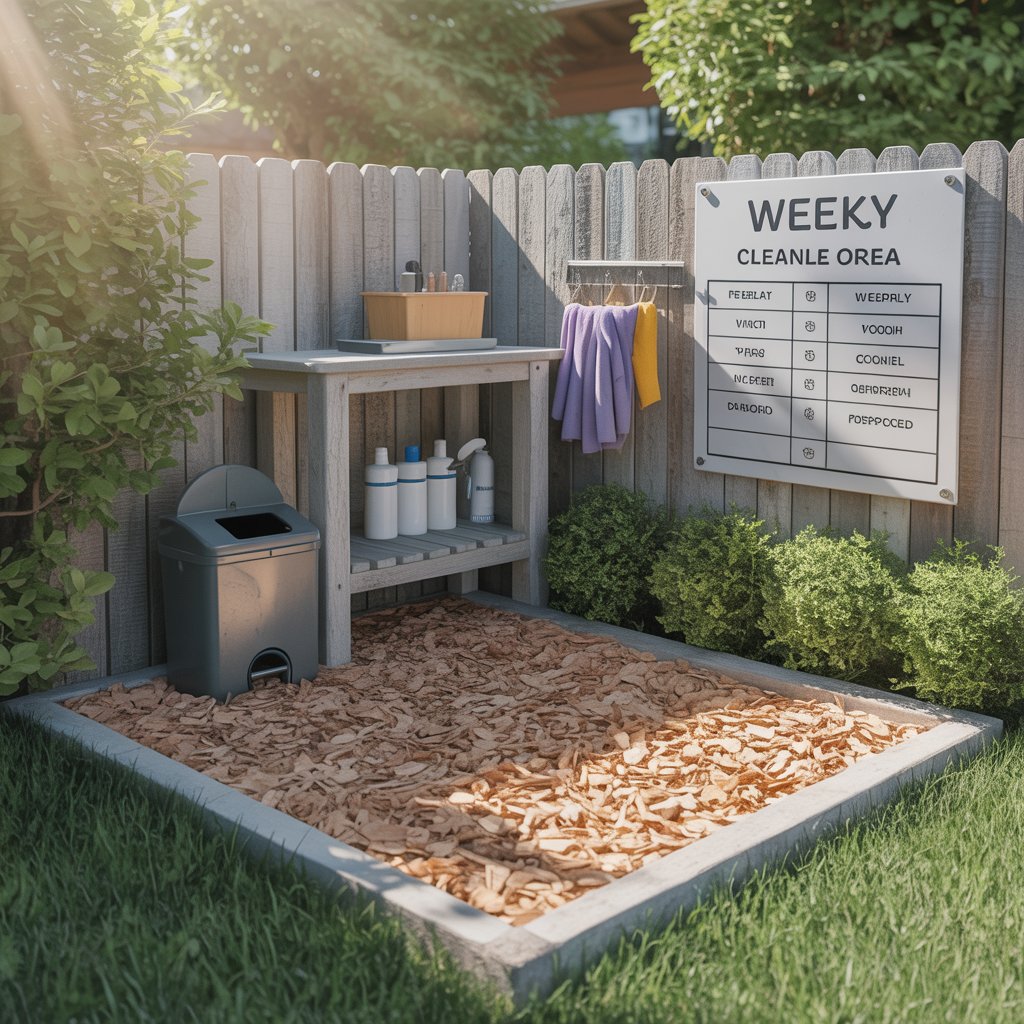
The biggest reason potty areas fail is poor maintenance. You don’t need anything complicated. Pick up waste daily, rinse surfaces regularly, and do a deeper clean once a week. I’ve found that short, consistent cleaning works better than waiting too long.
A clean area smells better, looks better, and your dog is more likely to keep using it. This also prevents flies and bacteria buildup. When the space stays fresh, it becomes part of the routine instead of a problem spot in the yard.

7 Reasons Why I Wrote This Article
1. I dealt with the same mess at home
I wrote this because I went through the daily cleanup, muddy spots, and confusion around where my dog should go. Nothing feels more frustrating than fixing the same problem every day. This article comes from real experience, not theory.
2. Most advice online feels incomplete
Many guides mention ideas but skip the details that actually matter. I wanted something clear and practical. Every reason here comes from what I tested or saw work in real homes.
3. Small yards need realistic solutions
Not everyone has a large backyard. I wrote this for people working with tight spaces, shared compounds, or simple outdoor areas. These ideas fit normal homes.
4. Dogs learn better with clear structure
I noticed dogs respond well when one spot stays consistent. This article explains how simple changes create better habits without stress or confusion.
5. Clean outdoor spaces save time daily
Once a proper potty area exists, cleanup becomes faster and easier. I wanted readers to enjoy more free time instead of constant yard repairs.
6. Simple setups work better long term
Fancy designs break or get ignored. Straightforward materials last longer and stay easier to maintain. That lesson shaped every section of this article.
7. I wanted something people could trust
This article exists because honest information helps more than perfect images. Everything here reflects what people actually do at home.
Final Thought
If even one idea here helps your dog settle into a clear routine, then this article did its job. Take your time reading, choose what fits your space, and apply it step by step. A calm setup brings better days for you and your dog.Top of FormBottom of Form
Creating an outdoor dog potty area at home doesn’t need to be complicated. The goal is clarity, comfort, and easy cleanup. Grass, gravel, turf, or mulch can all work if the area is consistent and well-maintained.
Start simple. Pick one spot, set it up properly, and stick to a routine. Once your dog understands where to go, daily life becomes cleaner and less stressful for both of you.
Relaed post: