
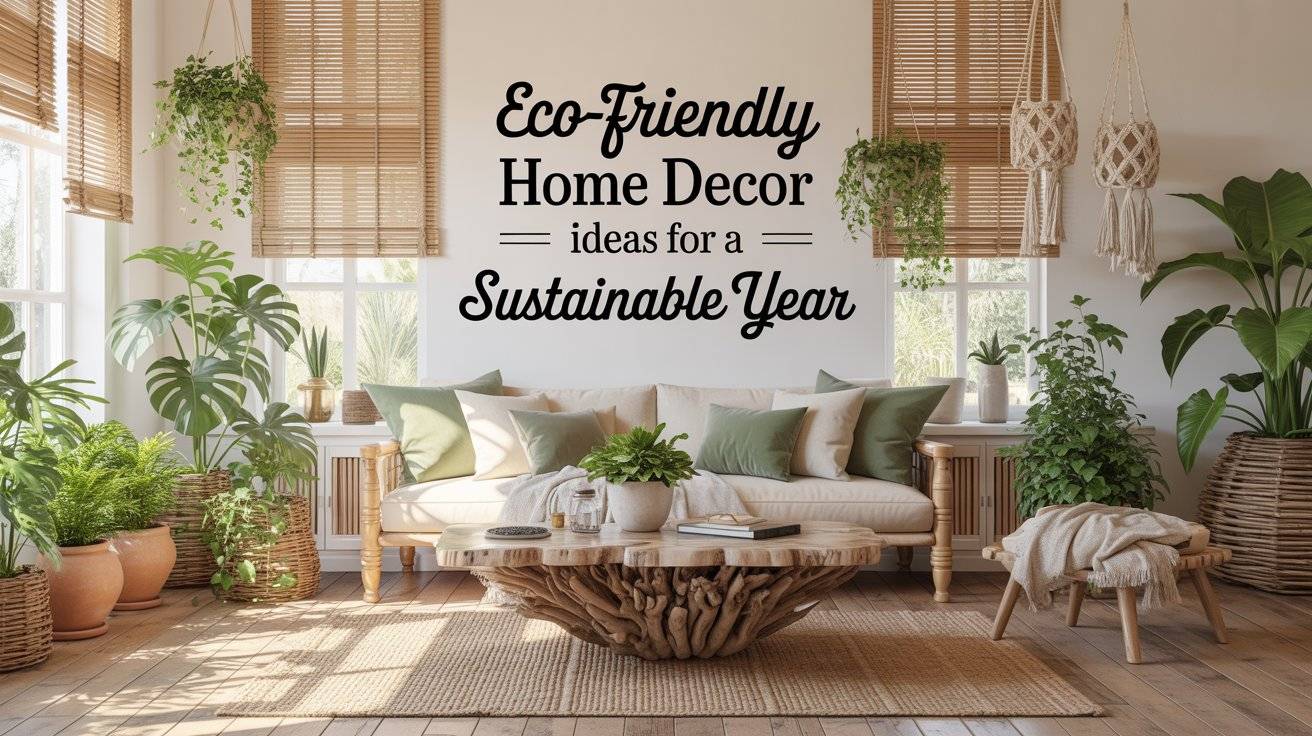
I’ve always liked decorating my home, but a few years ago I started asking myself a simple question: Can my decor be beautiful and good for the planet too? What I found out is that you don’t need to choose one or the other. You can make your home look warm and stylish while also making choices that reduce waste, save energy, and support the environment.
This article isn’t about trends or expensive purchases. It’s about things you can actually do right now, in your kitchen, living room, bedroom, or outdoor space that help make your home greener. Over the years I’ve tried many of these ideas, and I’ll share what worked, what feels good to live with, and what people consistently appreciate when they visit.
Whether you’re just starting your sustainable journey or you’re looking for new inspiration to make this year greener, these ideas can help you make real, usable changes without stress.
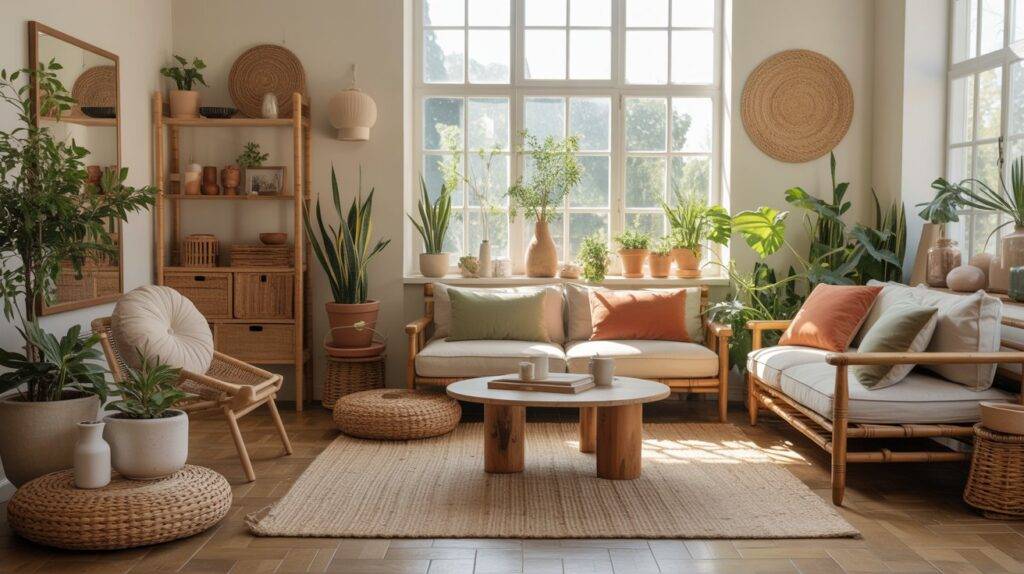
1. Upcycled and Repurposed Furniture
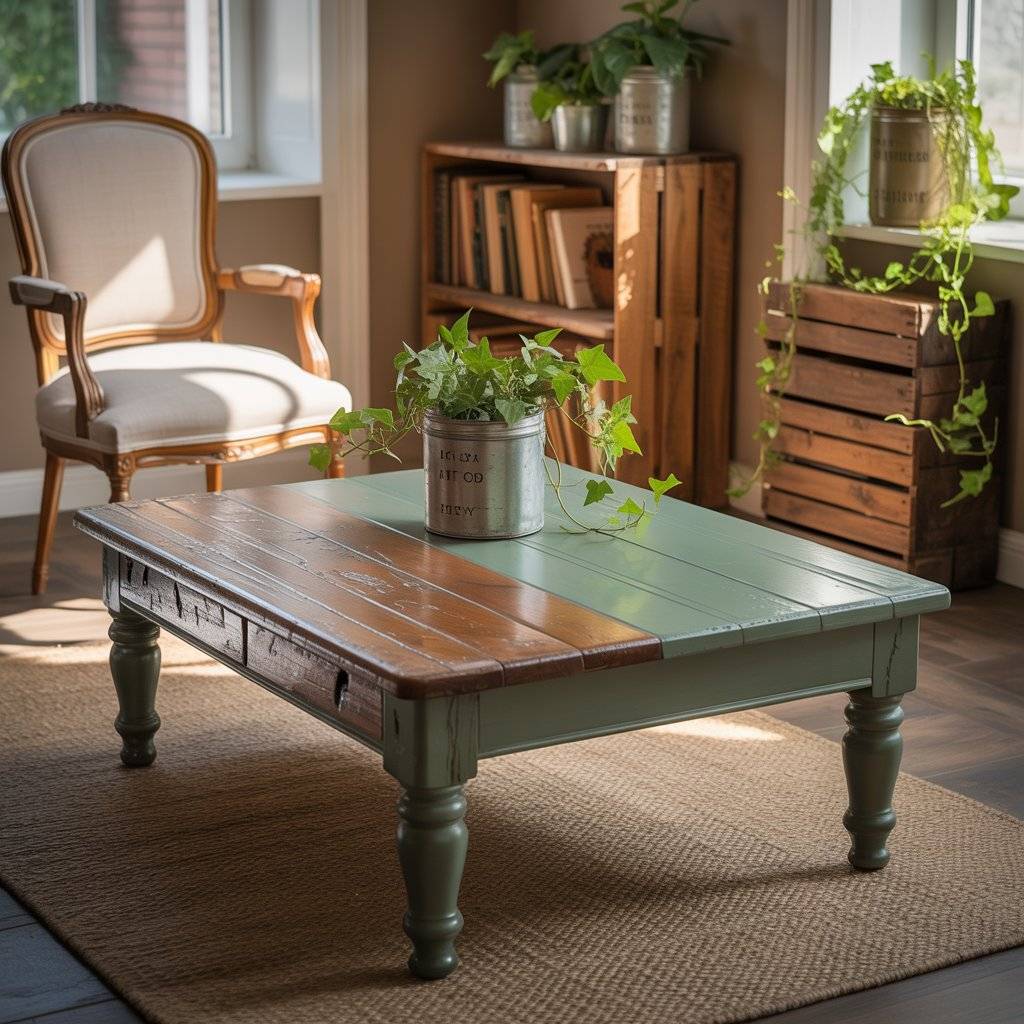
One of the easiest ways to make your home greener is to use what you already have instead of buying new pieces. I started with an old wooden coffee table that had a few scratches. Instead of replacing it, I sanded it down and gave it a fresh coat of eco-friendly paint. It instantly felt new, but without creating waste or buying something mass-produced.
You can do similar things with dining chairs, shelves, dressers, or picture frames. Look around your home and ask: Does this still have life in it? Can it be refreshed with a little love?
Upcycling not only keeps useful items out of the landfill, it also gives your space personality that you can’t find in store-bought furniture. Even small changes repainting drawer pulls, recovering a cushion with organic fabric, or re-staining wood make a noticeable difference. It’s real, practical, and something most people can start doing this weekend.
2. Indoor Plant Walls and Green Corners
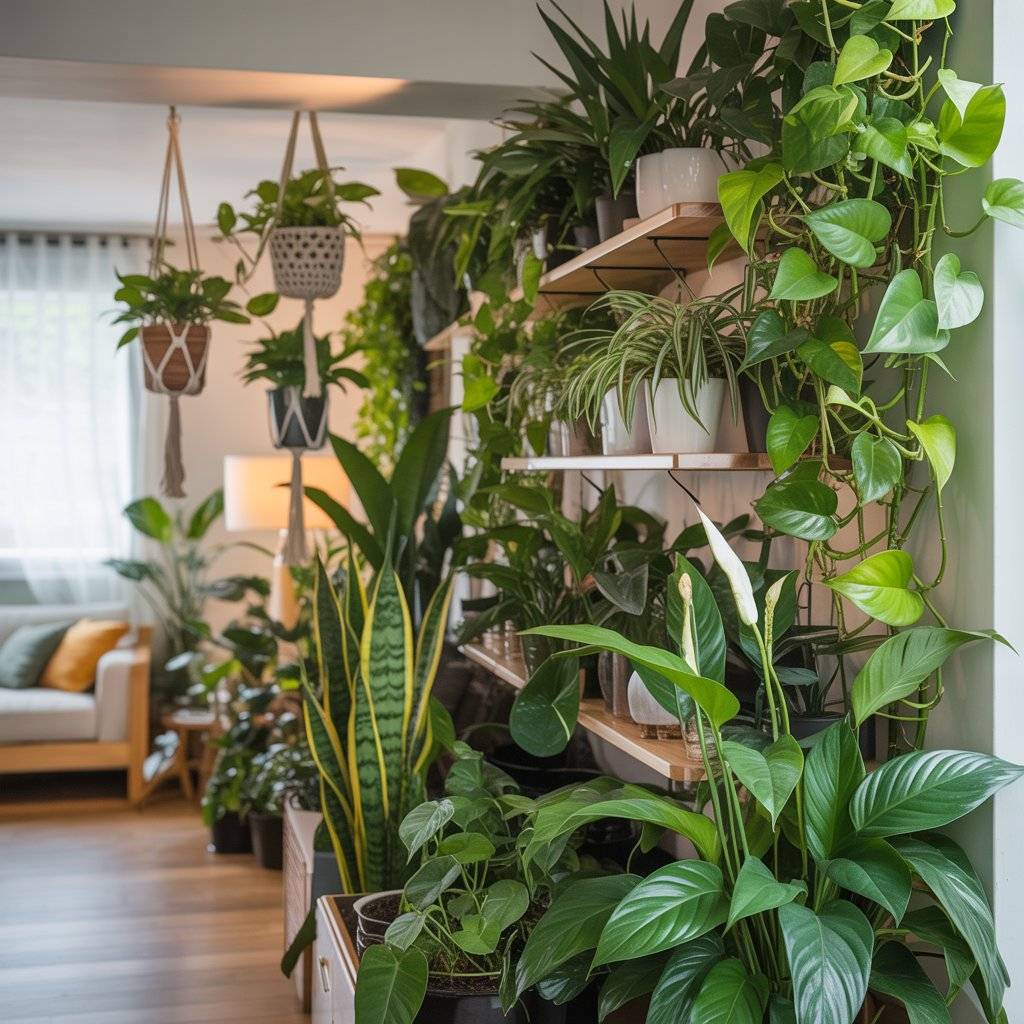
Bringing plants indoors is one of the simplest eco-friendly decor ideas I’ve ever used, and it changed how my home feels. Not only do plants clean the air, many make a room feel happier, calmer, and more alive.
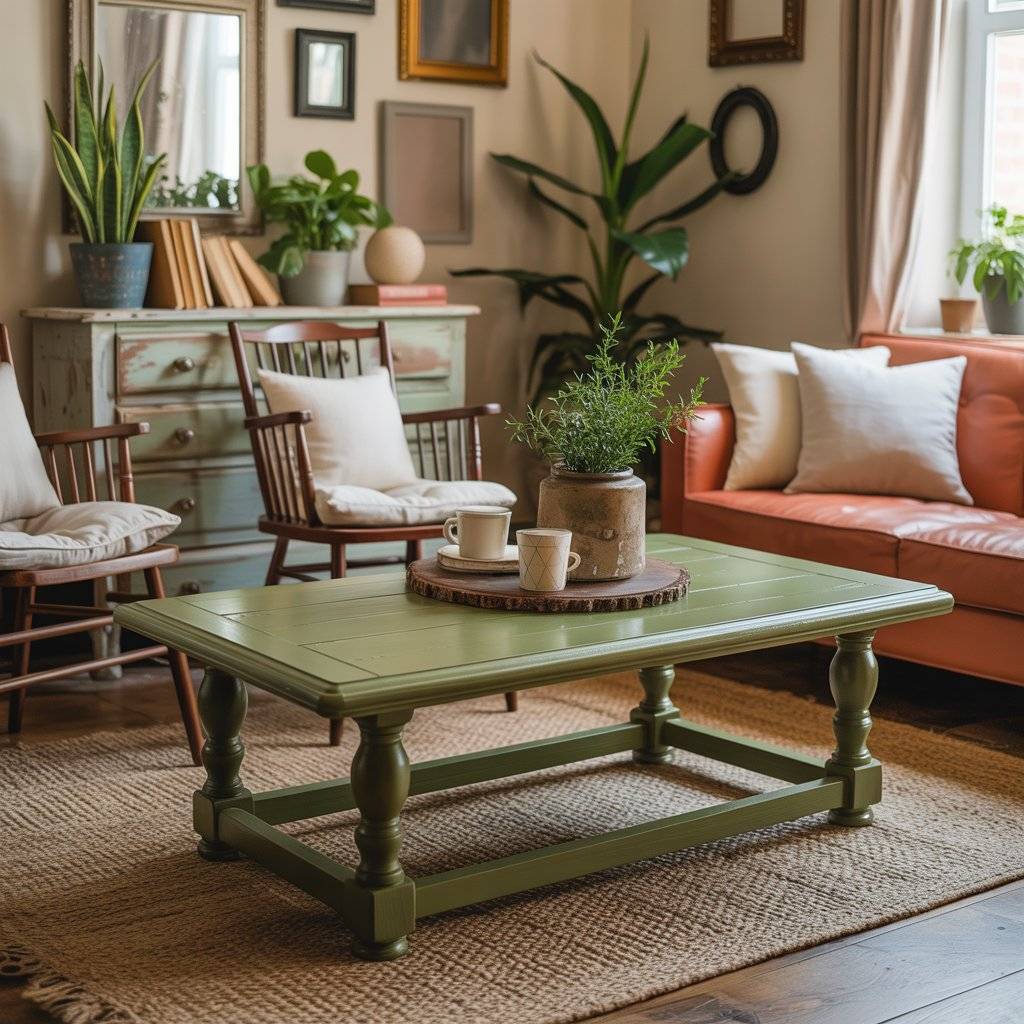
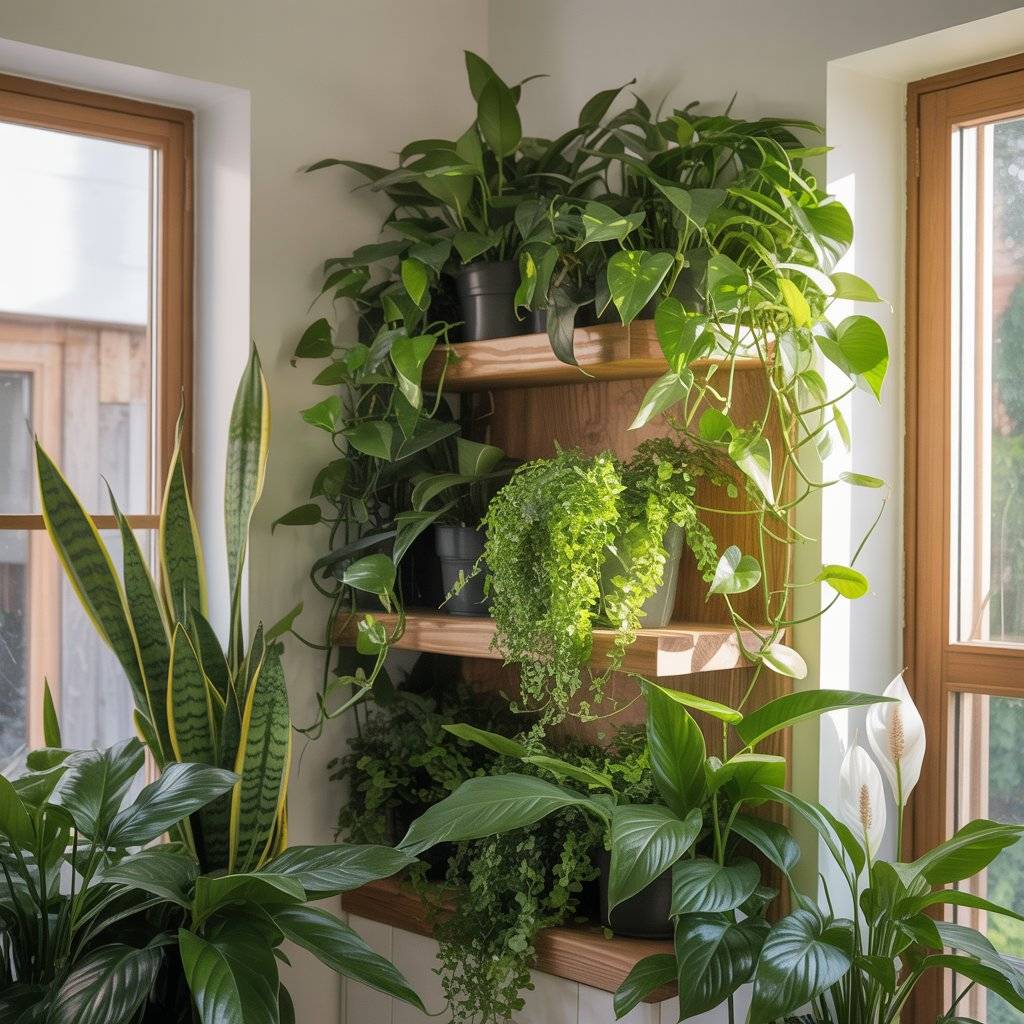
You don’t need a greenhouse to start. Pick a corner with good light and begin with a few easy plants like pothos, snake plants, or peace lilies. If you want something a little more dramatic, try a plant wall a group of plants arranged on shelves or hanging in baskets. It can become a focal point in your living room or kitchen.
What I like most is how forgiving this idea is. If one plant struggles, you just learn from it and try another. And because plants grow over time, your space keeps evolving in a natural way. Adding greenery is one of those things guests always ask about, and it’s something you can build gradually without big costs.
3. Natural Textiles and Organic Fabrics
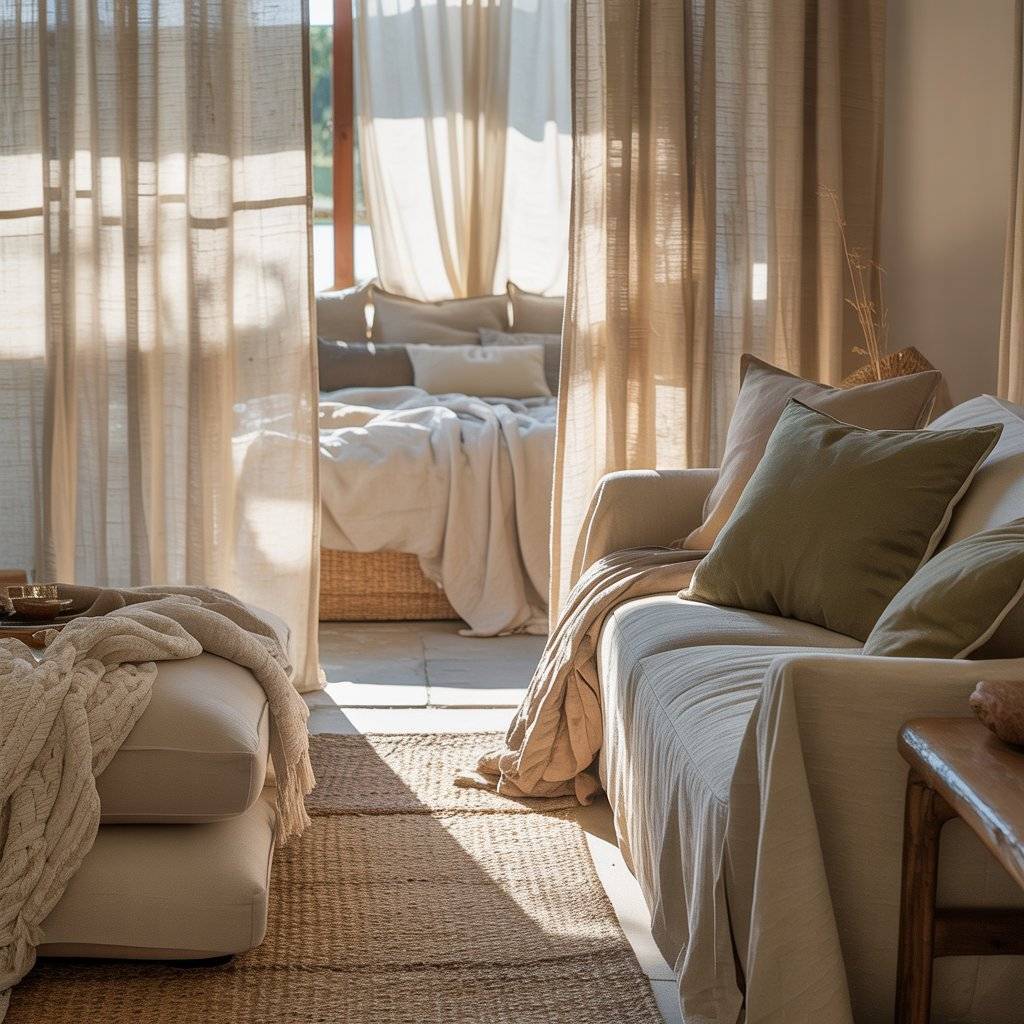
Swapping out synthetic fabrics for natural, responsibly made textiles has been one of the most impactful changes in my home. Things like linen curtains, organic cotton throw pillows, wool rugs, or bamboo bed linens feel softer and look better long term.
Synthetic fabrics can shed tiny plastic fibers into the air and water when they’re washed or worn. Natural textiles, on the other hand, breathe better, last longer, and often have fewer chemicals in them. When I updated my sofa with linen slipcovers and added a few recycled cotton throws, the room immediately felt cozier but also lighter and cleaner.
You might not replace everything at once. Instead, think about each piece as it wears out and choose organic or natural when you next buy. Over time you’ll notice the difference in comfort and how your home feels more connected to nature.
4. Energy-Saving Lighting and Warm Ambience
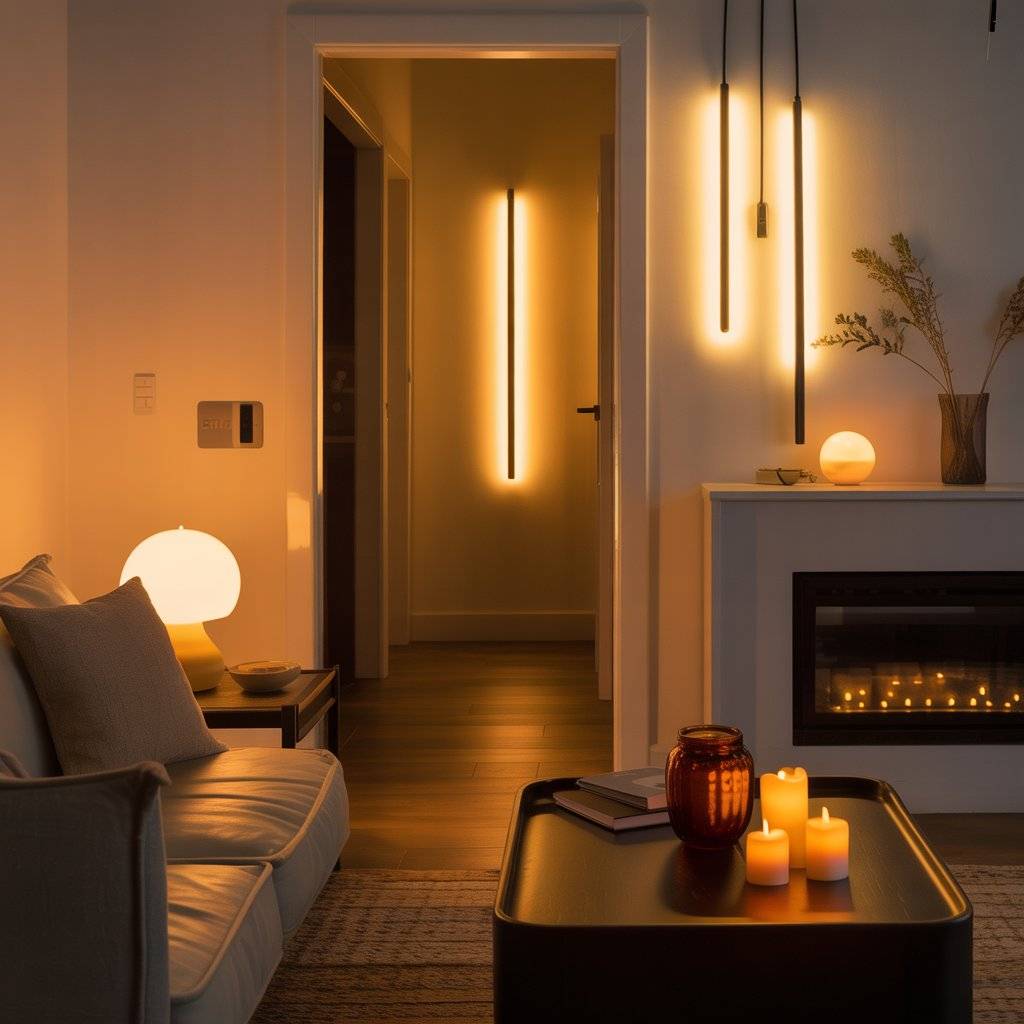
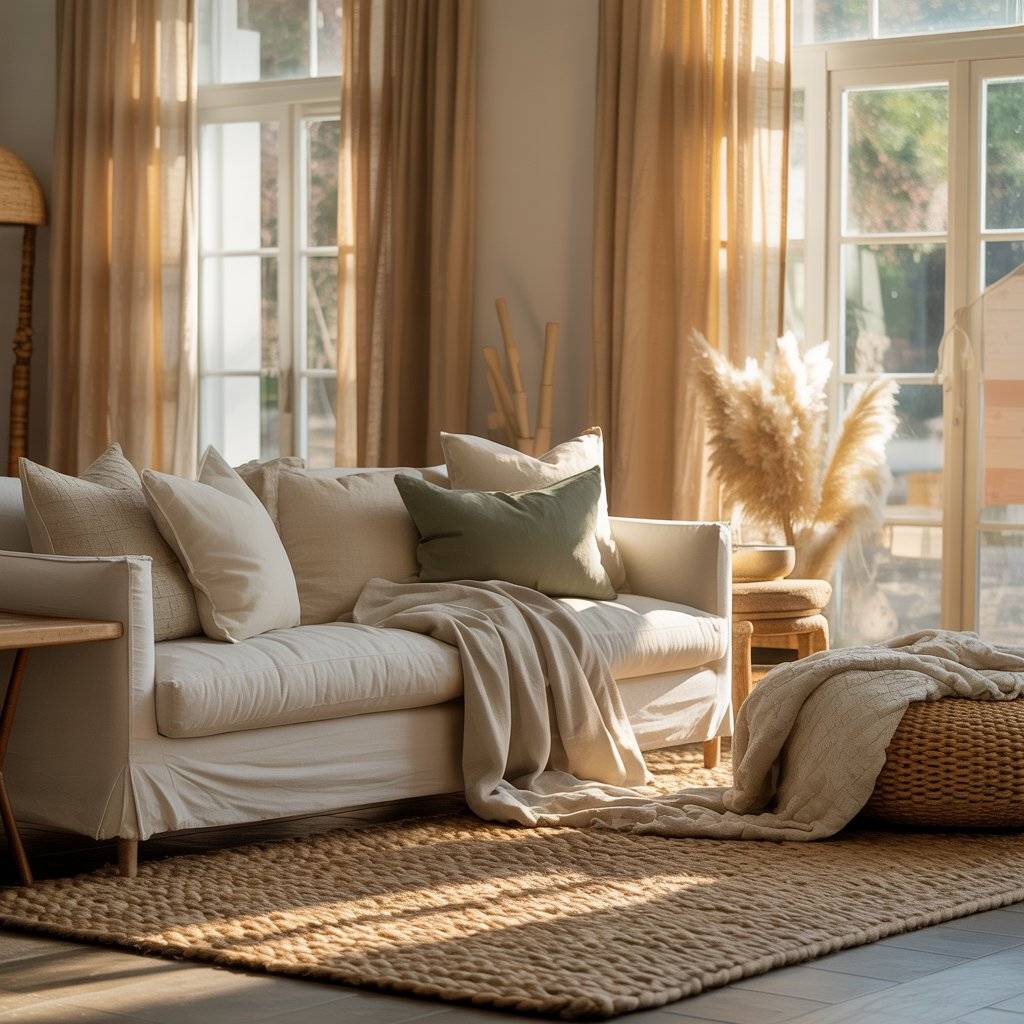
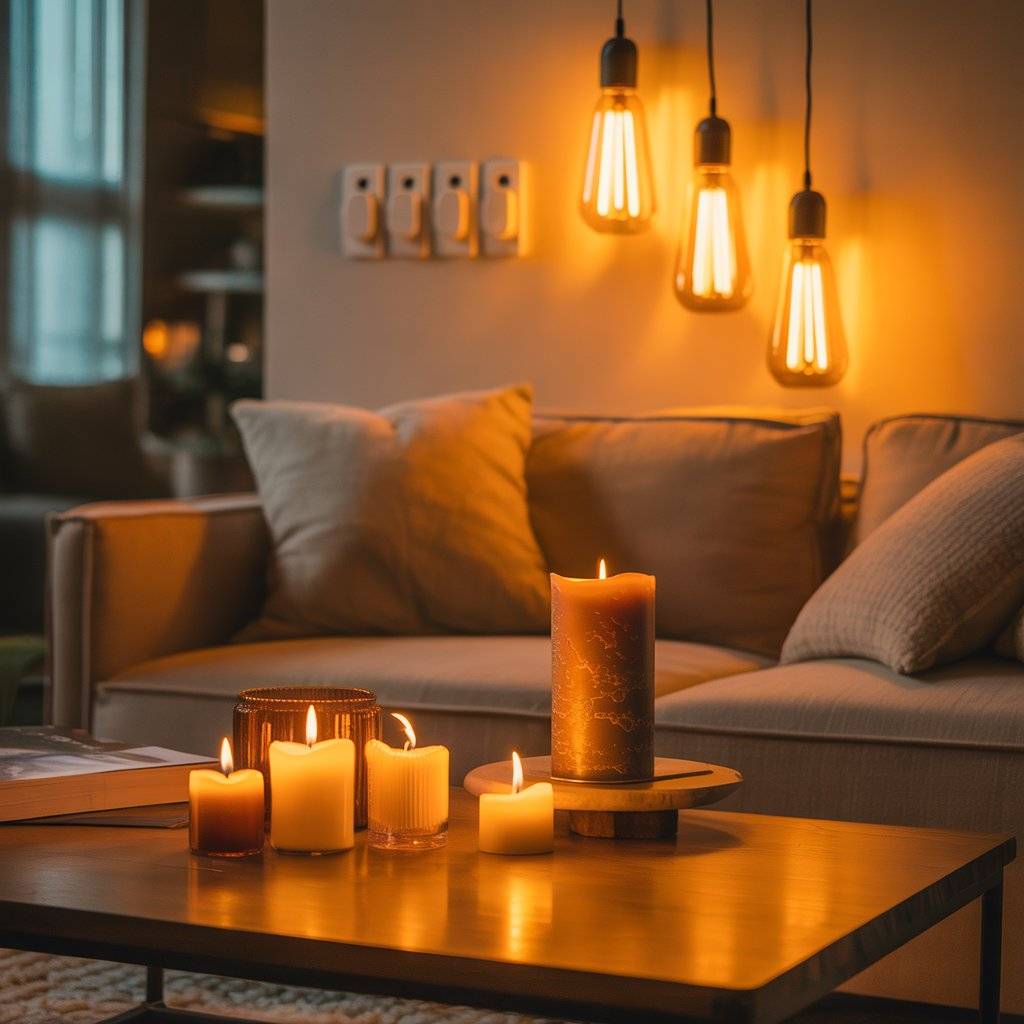
Lighting is something we use every day and switching to energy-efficient options has a big impact. I replaced most of my old bulbs with LED or warm-tone bulbs. Not only do they use less electricity, they last much longer. The warm light also makes my living room feel softer and more inviting at night.
You can take this further by adding dimmers or motion sensor lights in areas like hallways or closets. That way lights aren’t wasting energy when no one is in the room.
Another idea I picked up was using natural candlelight in the evenings for mood and warmth. Beeswax or soy candles add glow without harmful chemicals. Just remember to use them safely and never leave candles unattended.
Small lighting changes feel subtle, but over time they add up both in lowering your energy use and in making your home feel more peaceful.
Check price on amazon.com Energy-Saving Lighting
5. Thoughtful Wall Art From Recycled Materials
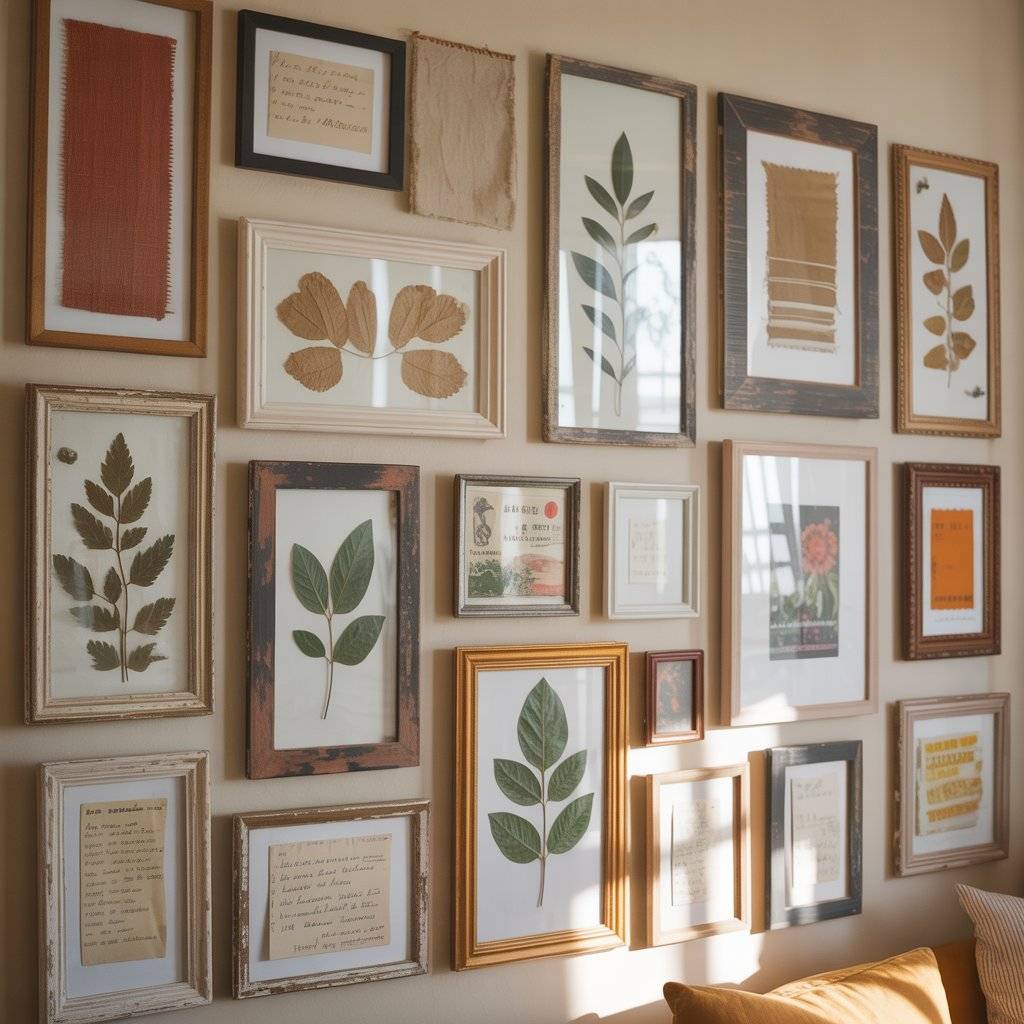
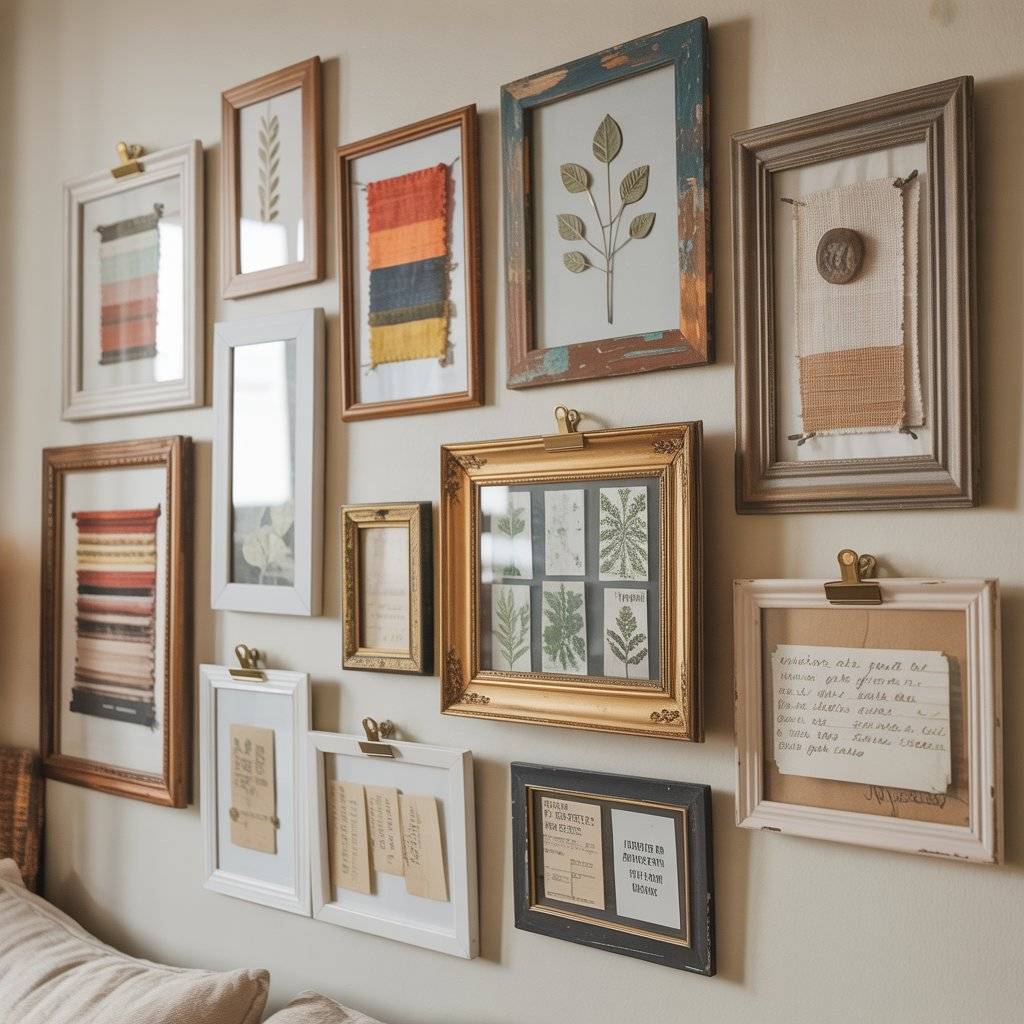
Wall art doesn’t need to be expensive or brand-new. Some of my favorite pieces have come from scraps, old posters, fabric remnants, or even pressed leaves and flowers from walks. I made one piece by framing leftover textile swatches from a sewing project and friends always ask where I got it.
Another option is to collect postcards, postcards from travels, or handwritten notes and display them in a gallery wall. You’re not just decorating; you’re preserving memories in a way that feels personal and meaningful.
Even thrifted prints and second-hand frames can add character without buying new. The goal isn’t perfection it’s intentionality. When art tells a story or has a history, it feels richer and is a real reflection of you.
6. Zero-Waste Kitchen Swaps
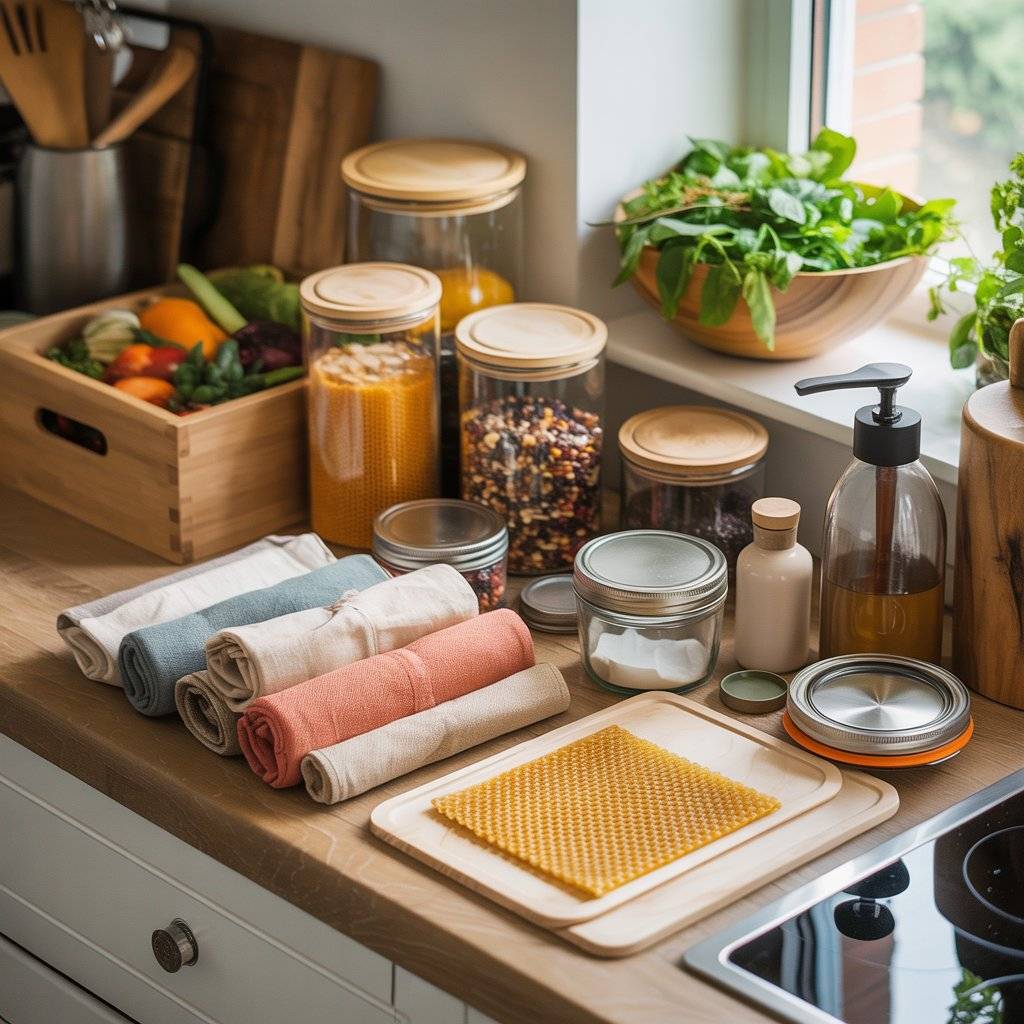
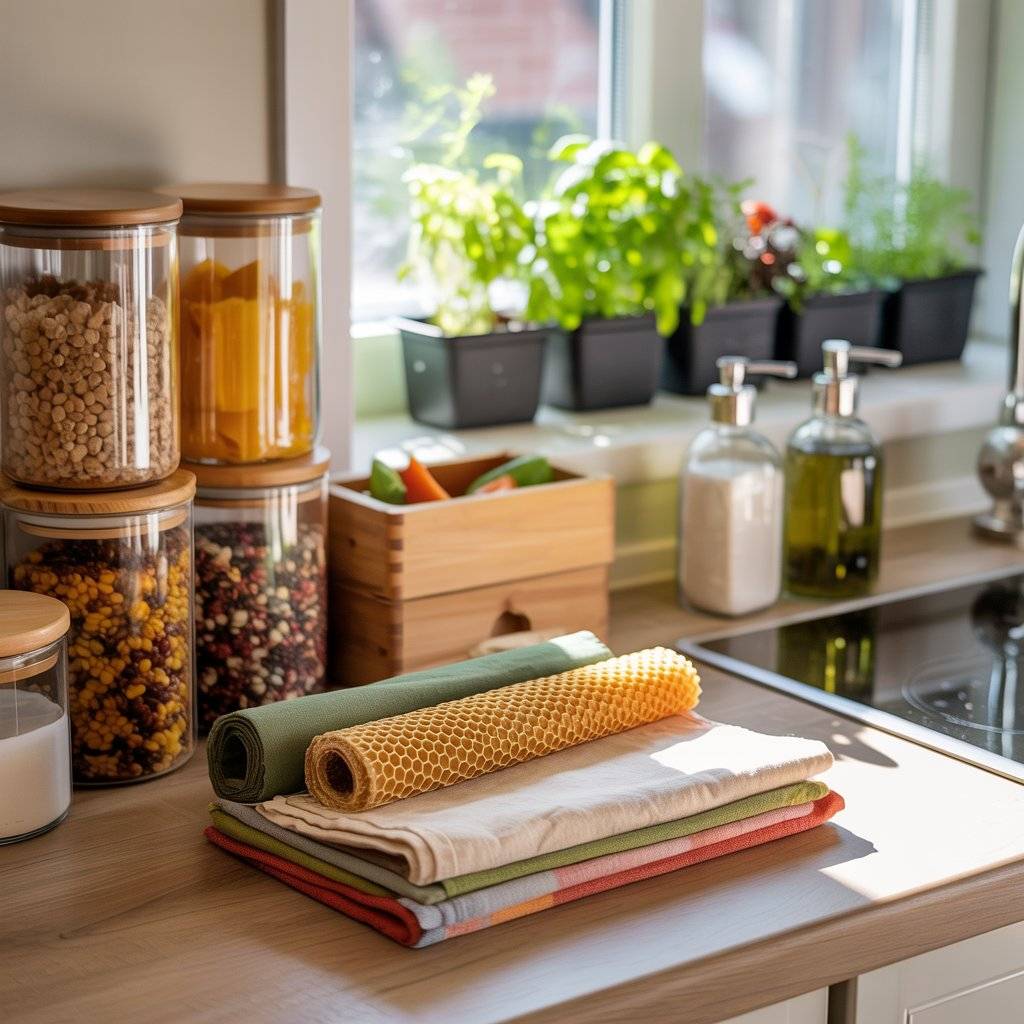
The kitchen is one place where simple swaps make a big difference. Instead of single-use paper towels or plastic wraps, I started using reusable cloth towels and beeswax wraps. I also keep jars and containers for bulk foods so I reduce packaging waste.
A small step I did early on was switching to glass storage containers instead of disposable plastic bags. They’re stronger, don’t stain, and keep food fresher. Another thing I did was create a little compost bin for vegetable scraps, which goes straight into my garden.
None of these swaps cost a fortune, and most pay for themselves over time. Even if you adopt just one change like using cloth towels or refillable soap bottles you’ll see how practical and satisfying it feels.
7. Sustainable Rugs and Floor Coverings
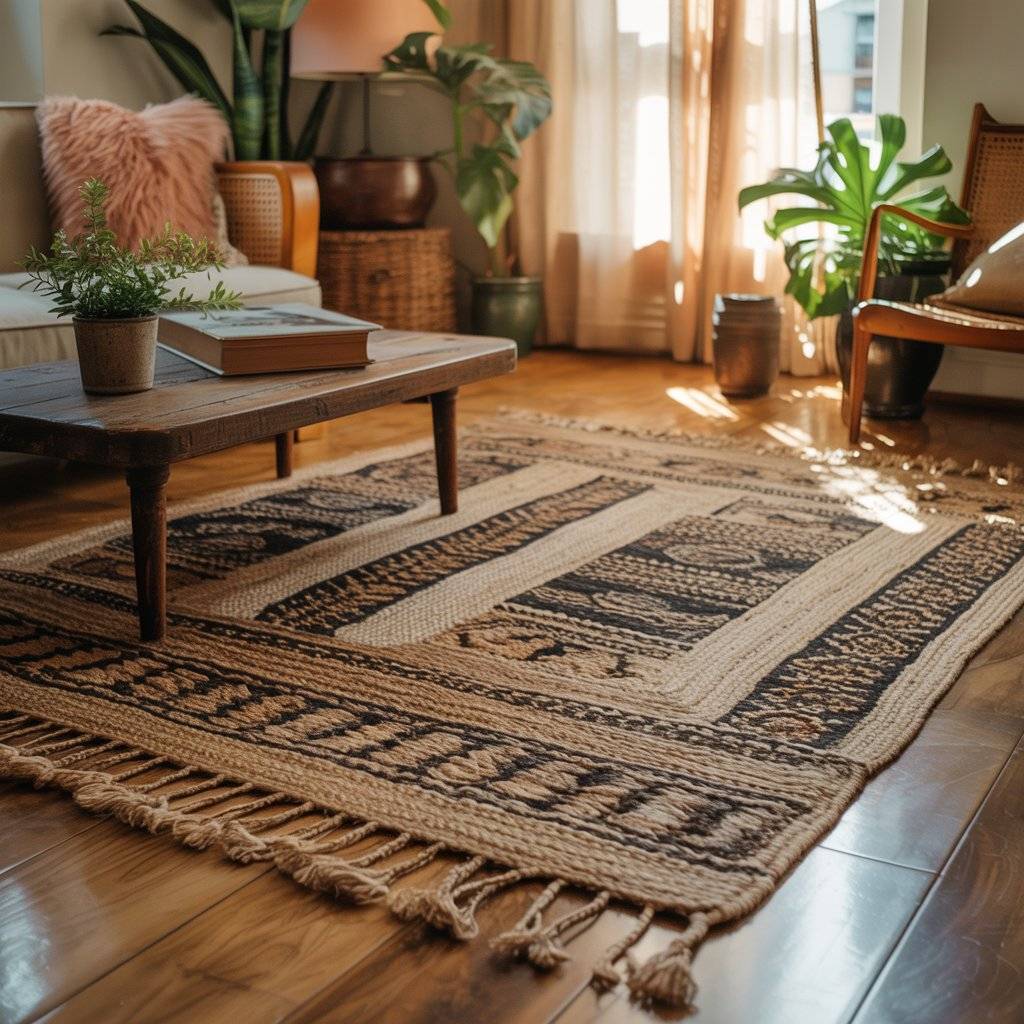
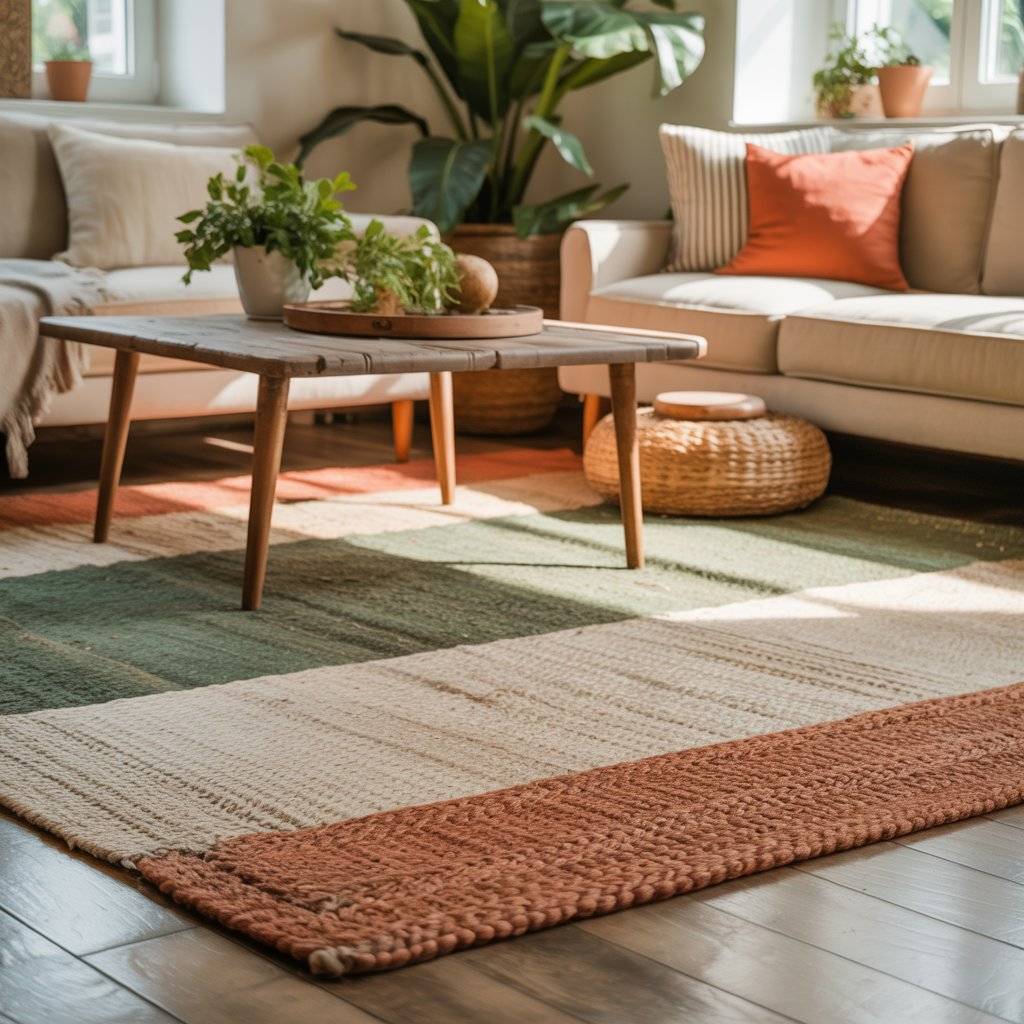
Rugs make a room feel complete, but many are made from materials that shed fibers or aren’t eco-friendly. I switched to rugs made from natural fibers like jute, seagrass, wool, or recycled cotton. These materials feel grounded underfoot and don’t trap as much dust or synthetic lint.
If you shop second-hand or check local markets, you can often find beautiful rugs with character at a fraction of the cost. Sometimes just washing and refreshing a thrifted rug makes it look brand new.
A well-chosen rug doesn’t just warm up a space it ties everything together. And when it’s made from natural or recycled fibers, it feels good under your feet and aligns with your eco-friendly goals.
8. DIY Natural Scents and Room Fresheners
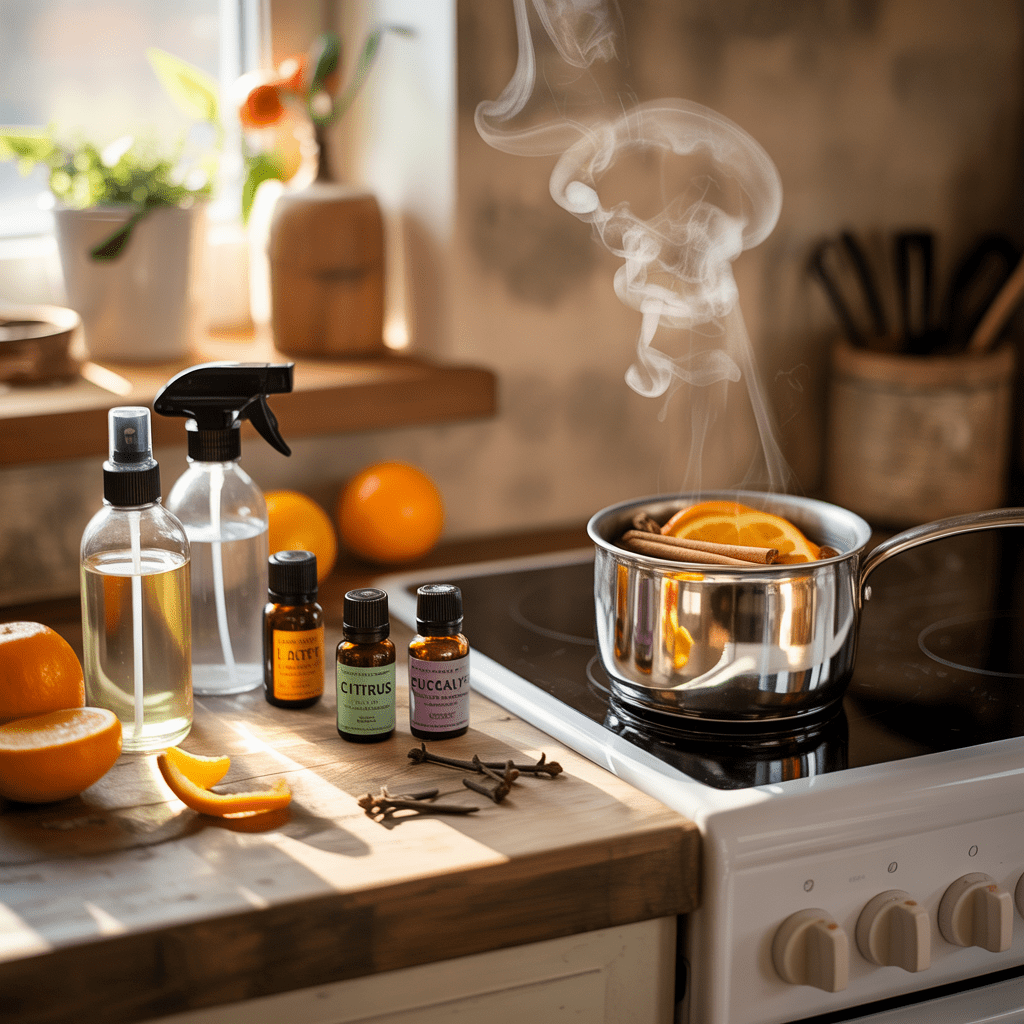
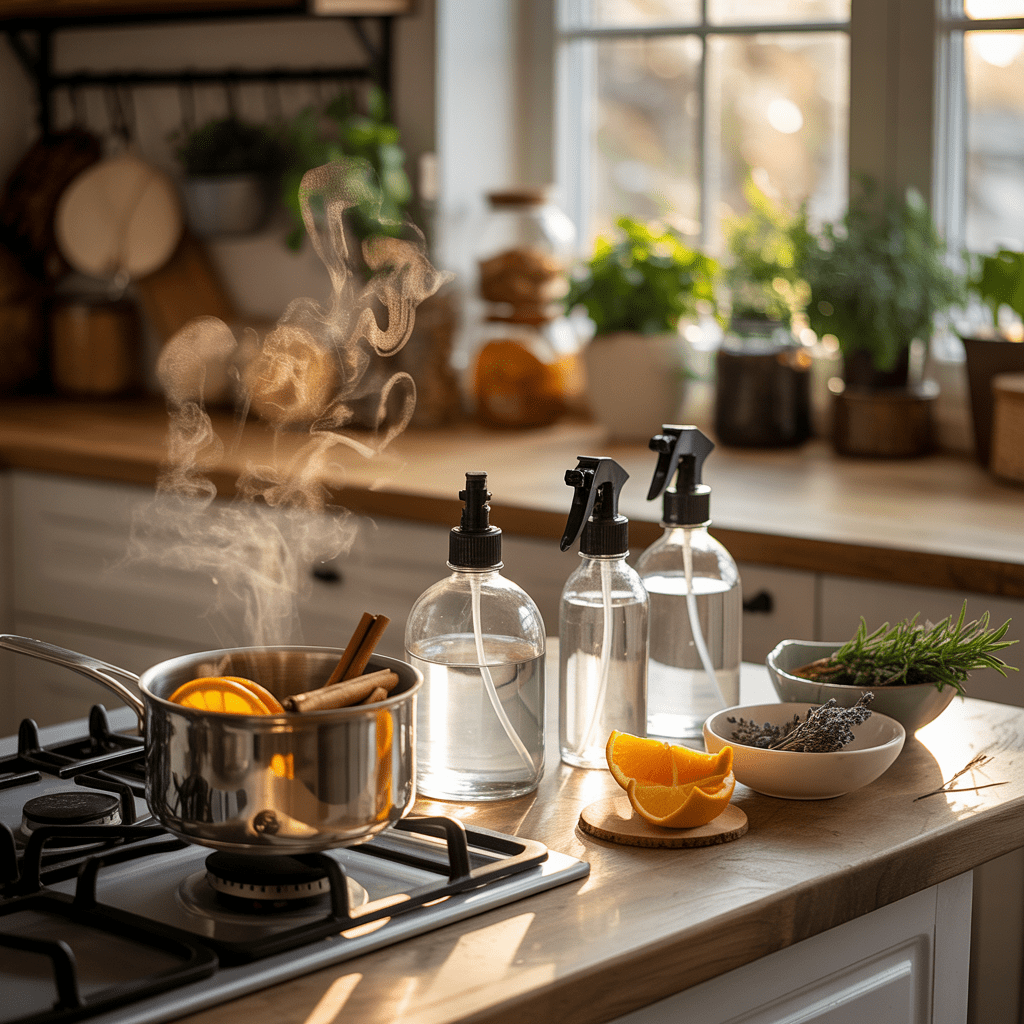
You don’t need chemical sprays to make your home smell good. One thing I do is simmer water with orange peels, cinnamon sticks, and cloves on the stove. It fills the house with a gentle, natural scent and uses peelings that would otherwise go in the trash.
Another idea is to make your own room sprays using water, a bit of alcohol, and essential oils like lavender, citrus, or eucalyptus. Just spray a light mist where you want freshness without artificial fragrances.
Not only do these natural scents smell better to me, they’re also better for indoor air quality. It’s a small habit, but something you’ll notice every time you walk into your home.
9. Seasonal Decor From Nature
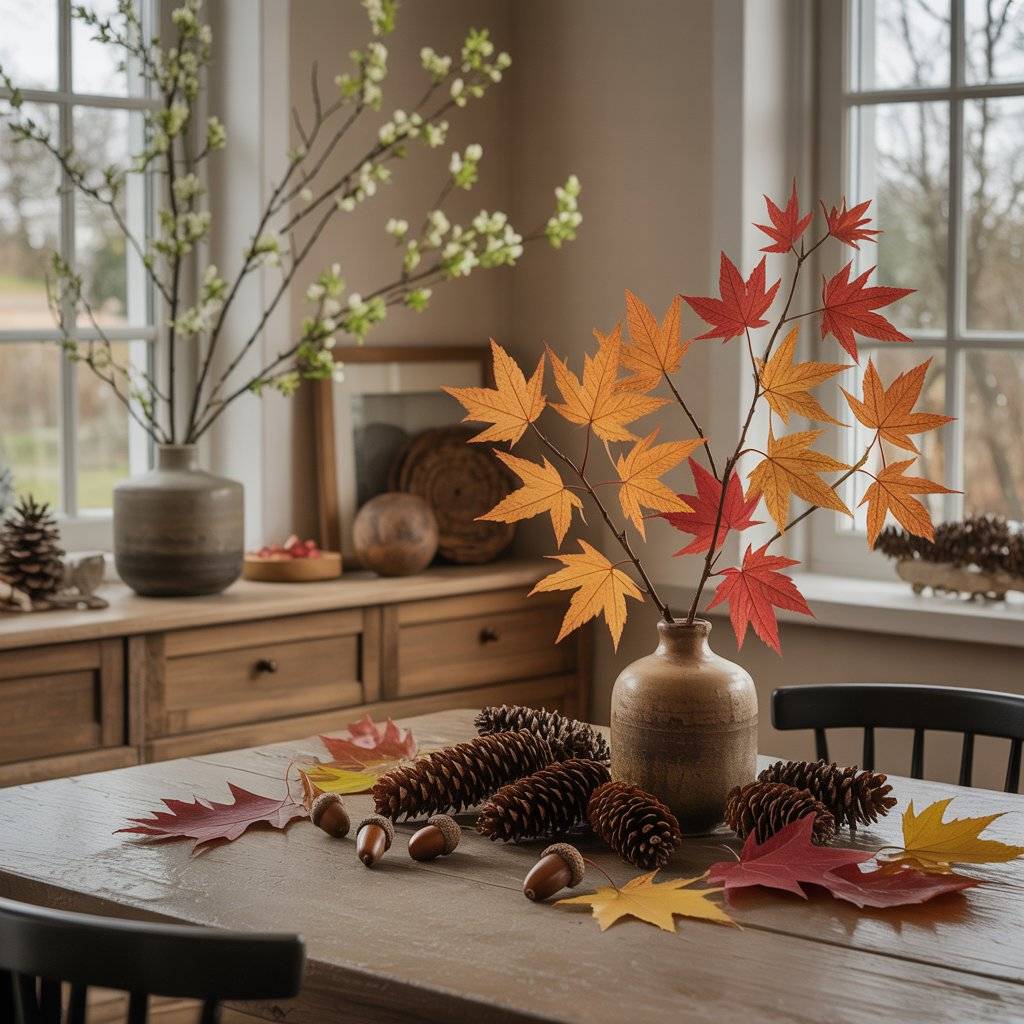
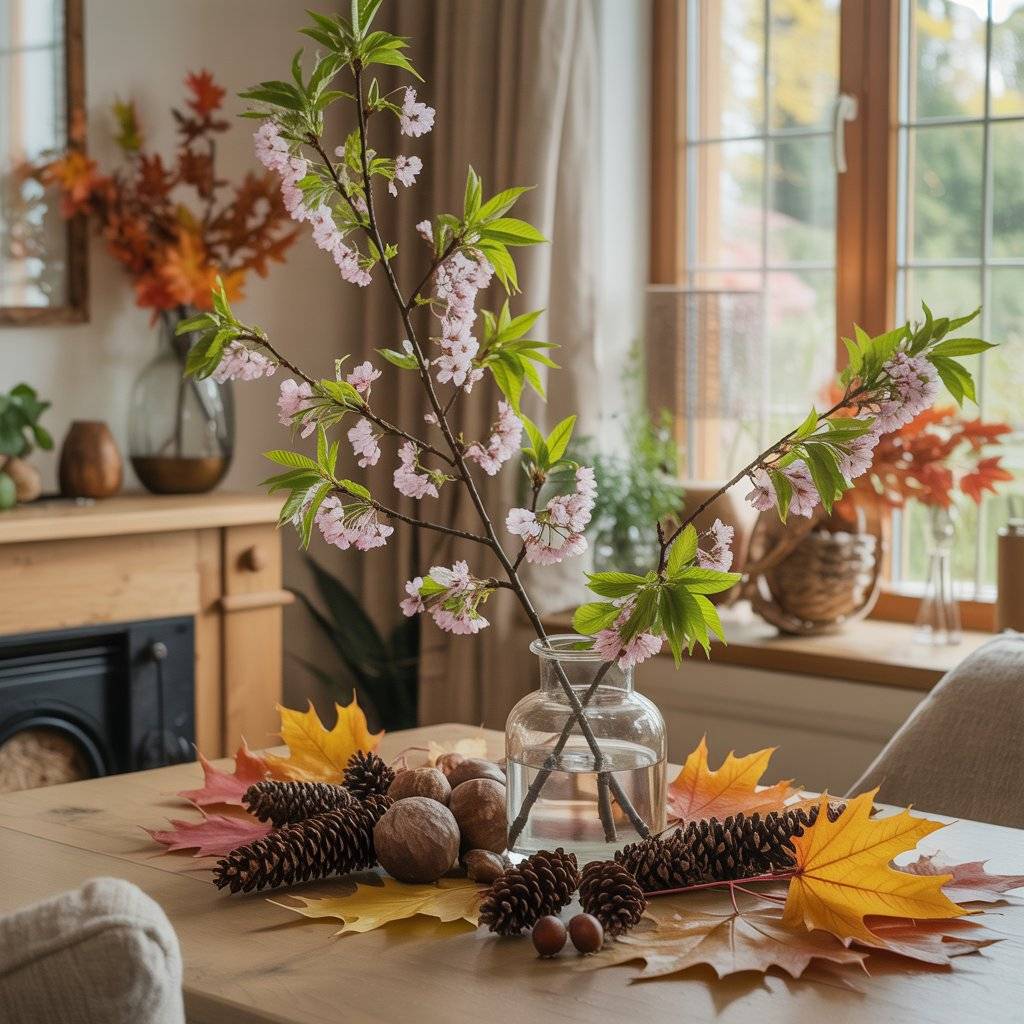
One of my favorite eco-friendly decorating habits is using natural things from the season. In spring I bring in branches with fresh leaves or flowers from my garden. In fall, I gather pinecones, colorful leaves, and acorns to make simple centerpieces.
Instead of buying artificial decorations, you work with what’s around you and that makes your home feel connected to the season. When things dry or fade naturally, you compost them at the end of the season instead of throwing plastic away.
These small seasonal touches keep your space feeling fresh and alive throughout the year, without adding waste.
10. Mindful Purchasing and Long-Lasting Pieces
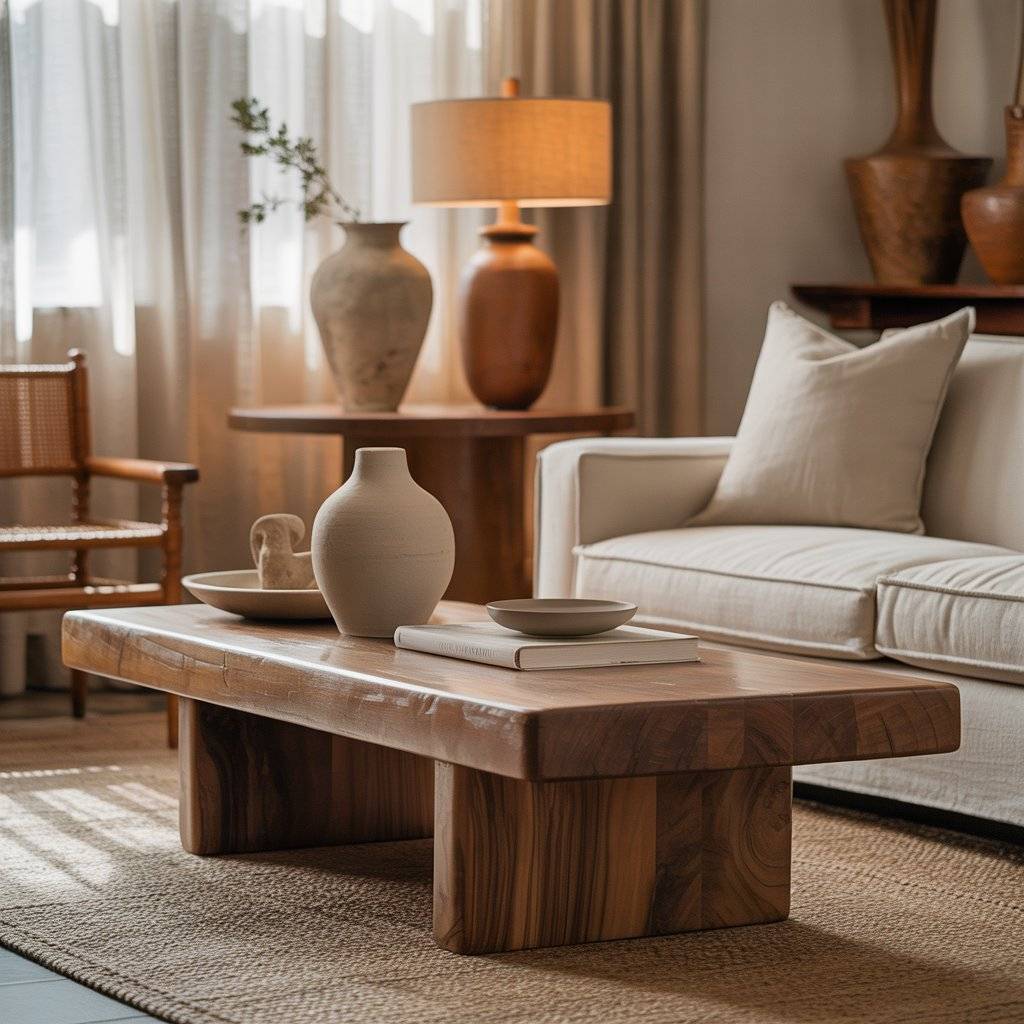
One of the biggest lessons I’ve learned is that being eco-friendly isn’t just about buying “green” products it’s about buying less, and choosing well. Instead of grabbing the cheapest item on the shelf, I now ask: Will I still want this in five years? Is it made responsibly? Will it last?
This shift changed how I shop for decor and everyday items. I look for solid materials, timeless designs, and pieces that feel like they belong in my home for a long time. Yes, some items cost a bit more upfront, but when they last years instead of months, they’re actually better for your wallet and better for the planet too.
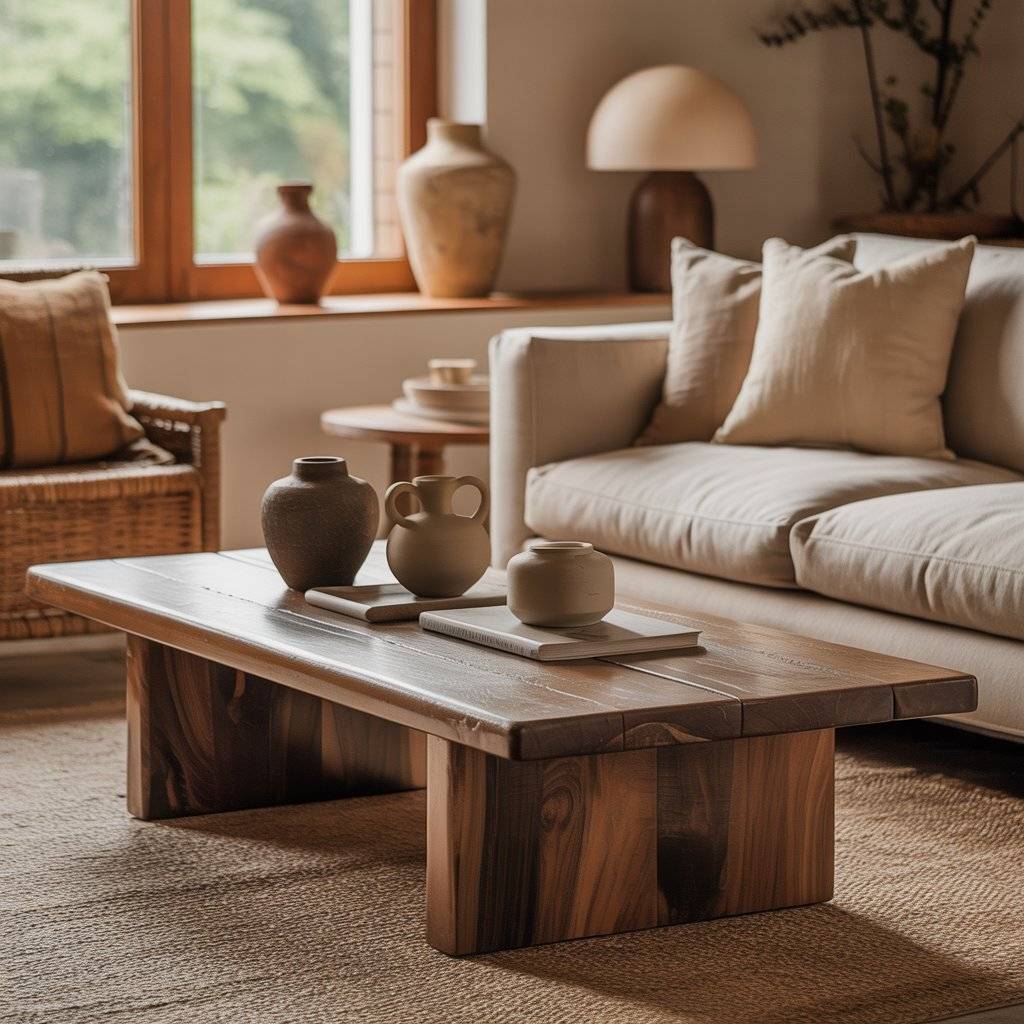
11. Secondhand and Vintage Decor Finds
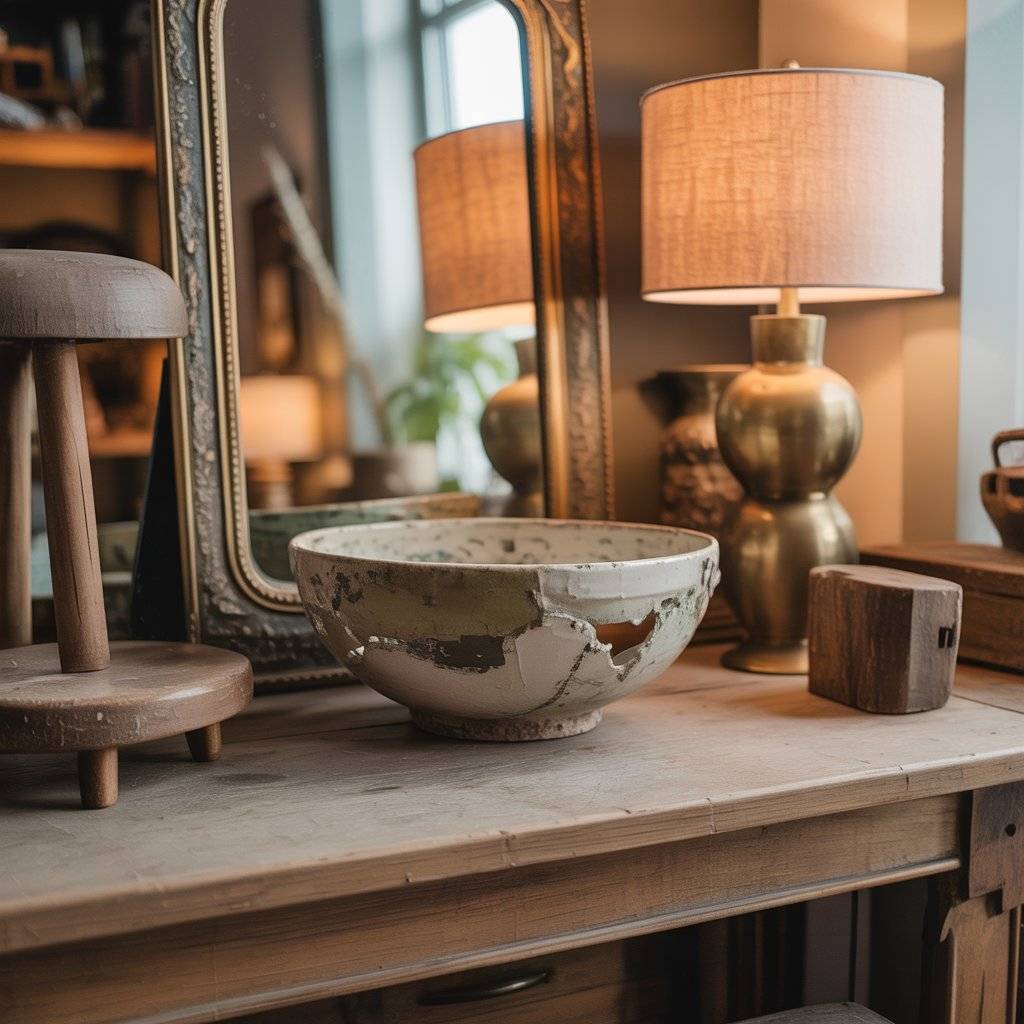
One habit that changed how I decorate was shopping secondhand before buying new. Thrift stores, flea markets, and online resale platforms are full of items that still have years of life left in them. I’ve found solid wood stools, mirrors, ceramic bowls, and even lamps that just needed a little cleaning or a new shade.
What I like most about secondhand decor is that it adds character. These pieces often have small imperfections, but that’s what makes them feel real and lived-in. Instead of filling your home with identical items, you end up with things that feel personal.
From an eco-friendly point of view, buying secondhand reduces demand for new production and keeps usable items out of landfills. It also slows down impulse buying. When you take time to search, you’re more thoughtful about what you bring into your home. Over time, your space starts to tell a story and that’s something brand-new decor rarely does.
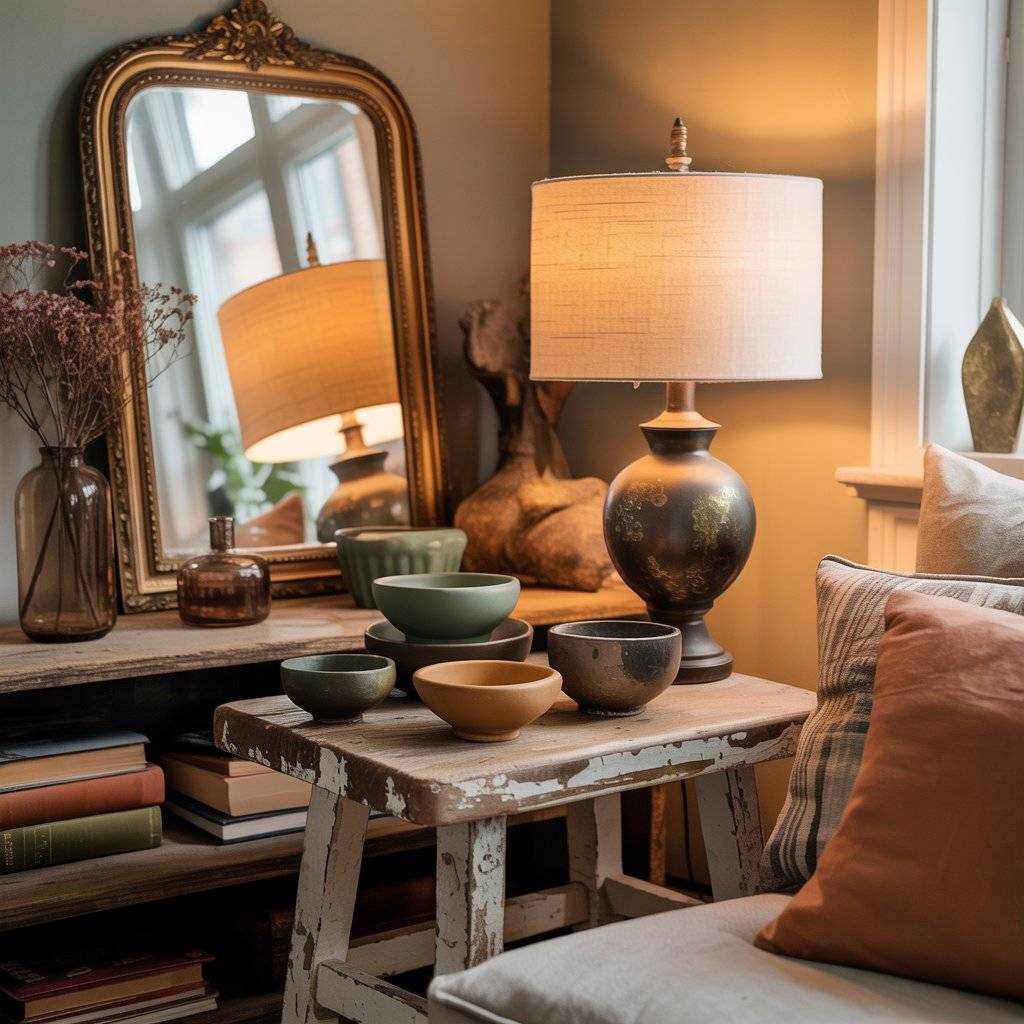
12. Low-Toxic Paints and Natural Finishes
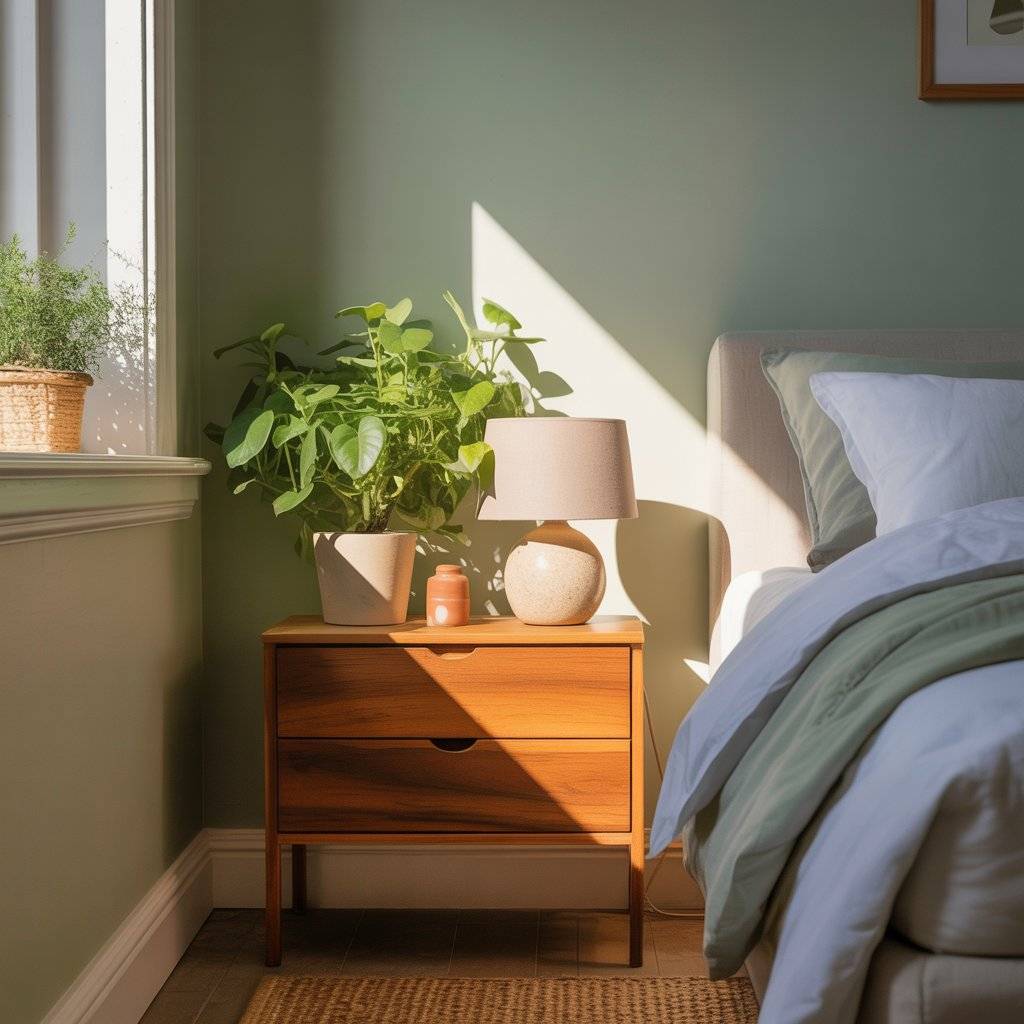
When I first repainted a room using low-VOC paint, I noticed the difference immediately. There was no strong smell, and the air felt cleaner. Traditional paints can release chemicals long after they dry, which isn’t ideal for everyday living. Choosing low-toxic or natural paints is a simple switch that improves indoor air quality.
This applies not just to walls, but also to furniture. I’ve used natural wood oils, beeswax finishes, and water-based sealers on shelves and tables. These finishes protect surfaces while keeping the look natural.
You don’t need to repaint your whole house at once. Start small maybe a bedroom, a piece of furniture, or a shelf. These finishes may take a little more patience to apply, but the result feels healthier and more intentional. Over time, these choices add up and make your home safer and more comfortable to live in.
Check price on amazon.com Low-Toxic Paints and Natural Finishes
13. Reusable Decor for Celebrations and Holidays
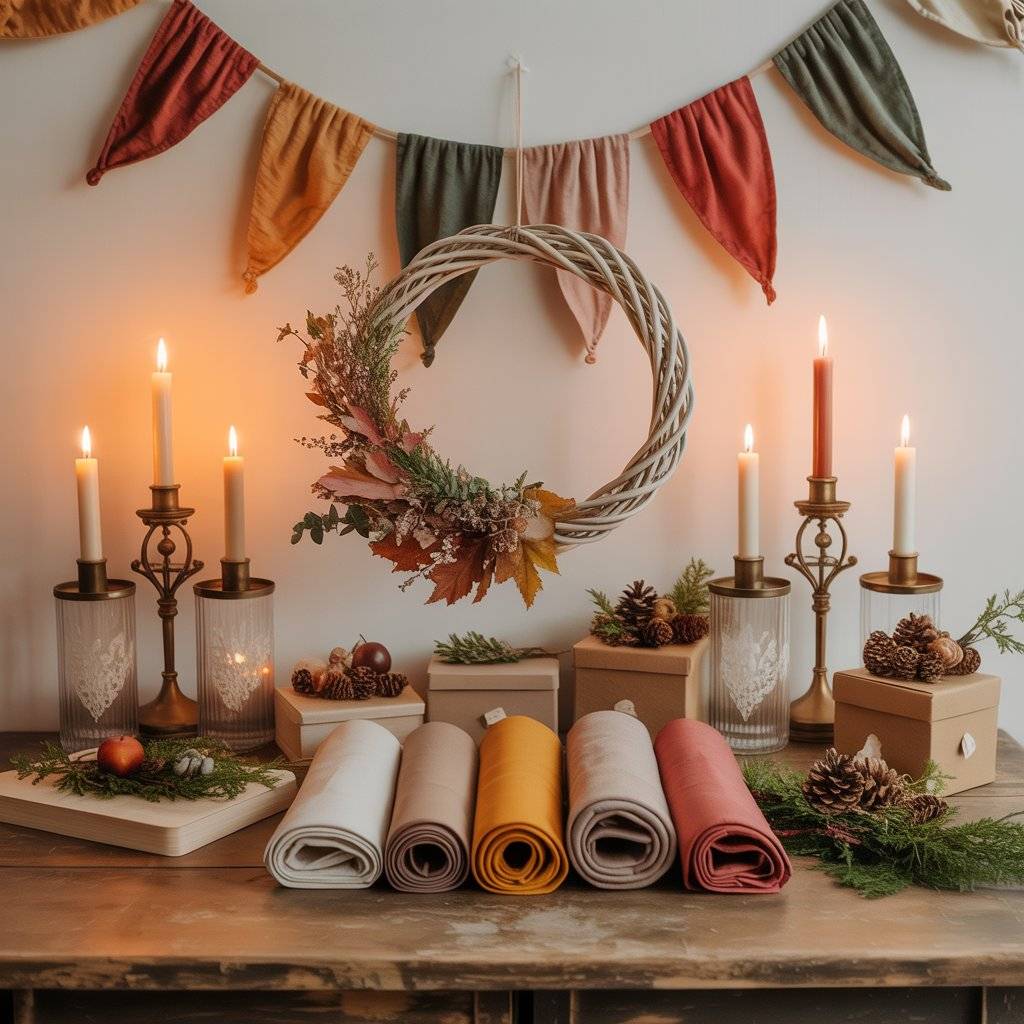
For a long time, I used to buy seasonal decorations every year. Most of them were plastic, and many didn’t last beyond one season. Eventually, I started creating reusable decor instead. Fabric bunting, cloth table runners, glass candle holders, and neutral wreaths can be reused year after year with small updates.
For example, one wreath can work for different seasons just by changing what you add dried flowers in spring, greenery in summer, leaves in fall. I store these items carefully and bring them out when the time comes.
This approach saves money and reduces waste. It also makes decorating feel calmer and less rushed. Instead of buying new items every season, you’re building a collection you actually care about. Over time, your celebrations feel more meaningful because they’re tied to items you’ve chosen and kept, not just things bought last minute.
14. Open Shelving With Purpose
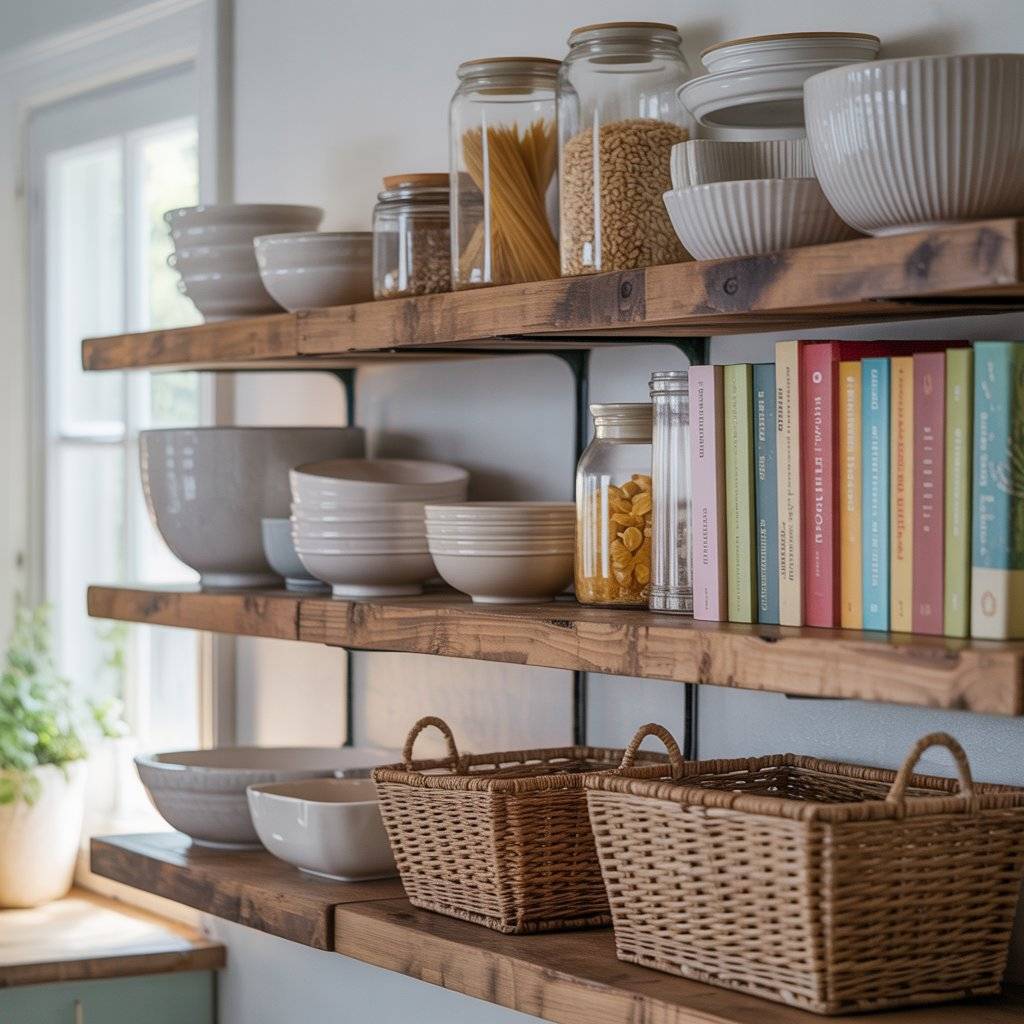
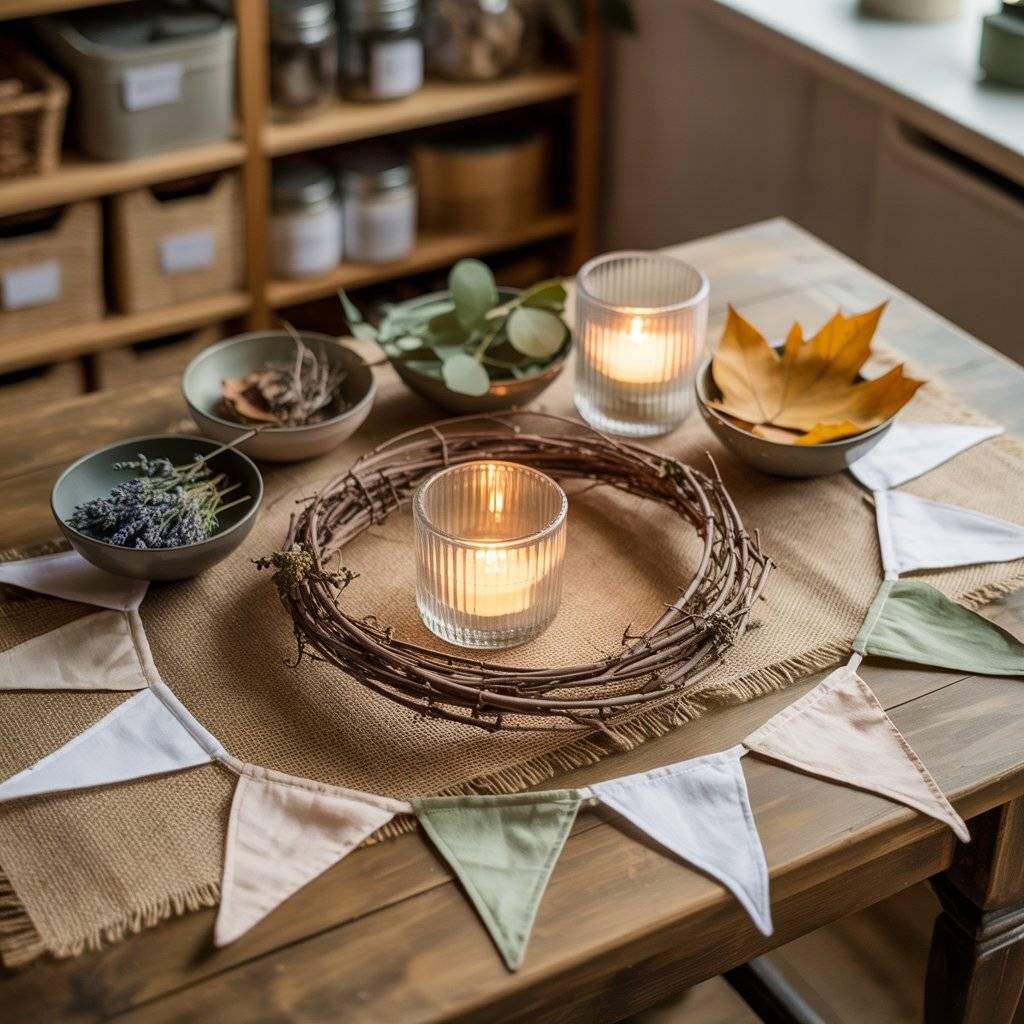
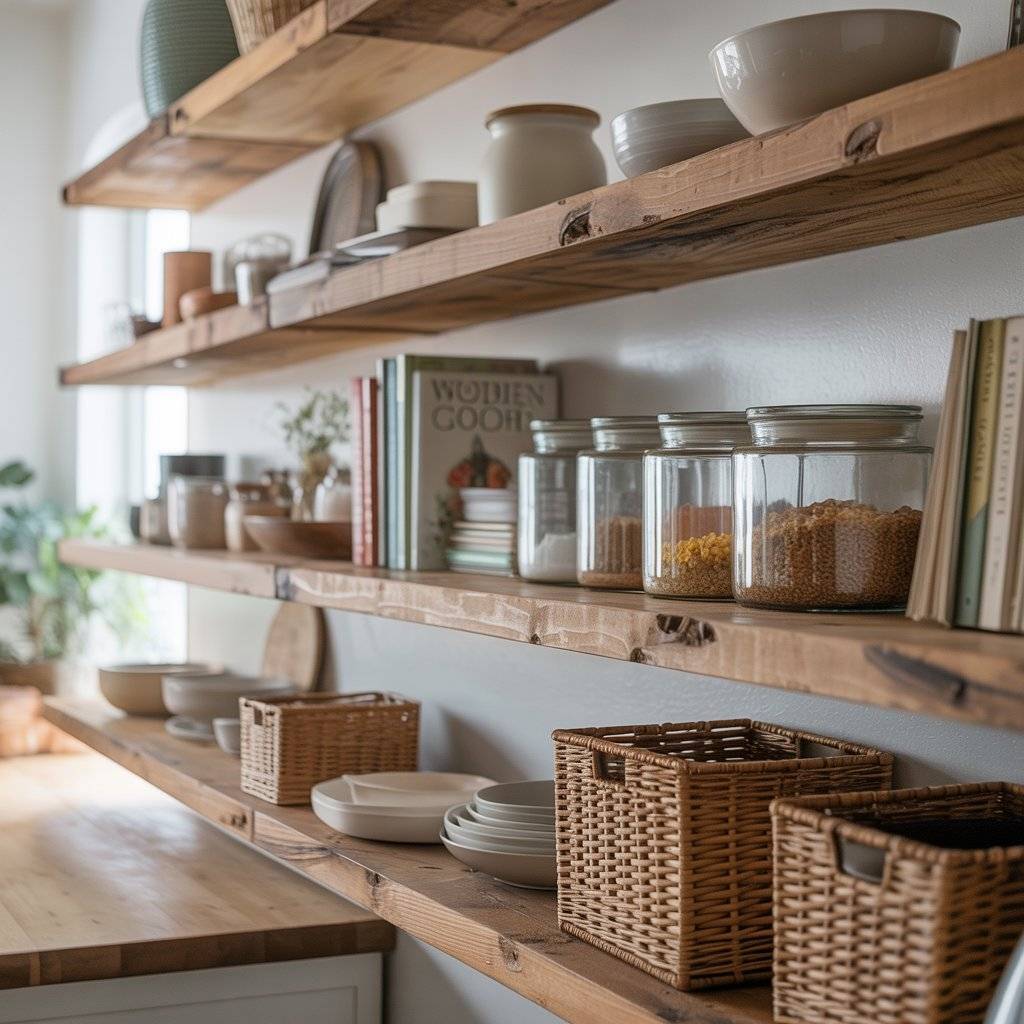
Open shelving can be eco-friendly when done thoughtfully. I started using open shelves to display items I already owned ceramic bowls, glass jars, cookbooks, and baskets. Instead of hiding everything behind cabinets, I turned everyday items into part of the decor.
This approach works best when shelves aren’t overcrowded. Keeping things simple makes the space feel lighter and more organized. It also helps you avoid buying unnecessary decor, since what you already use becomes the decoration.
Another benefit is that open shelving encourages mindful consumption. When you see what you own, you’re less likely to overbuy. Reclaimed wood shelves or secondhand brackets make this even more sustainable. It’s a practical solution that blends storage and style without adding clutter or waste.
15. Natural Window Treatments
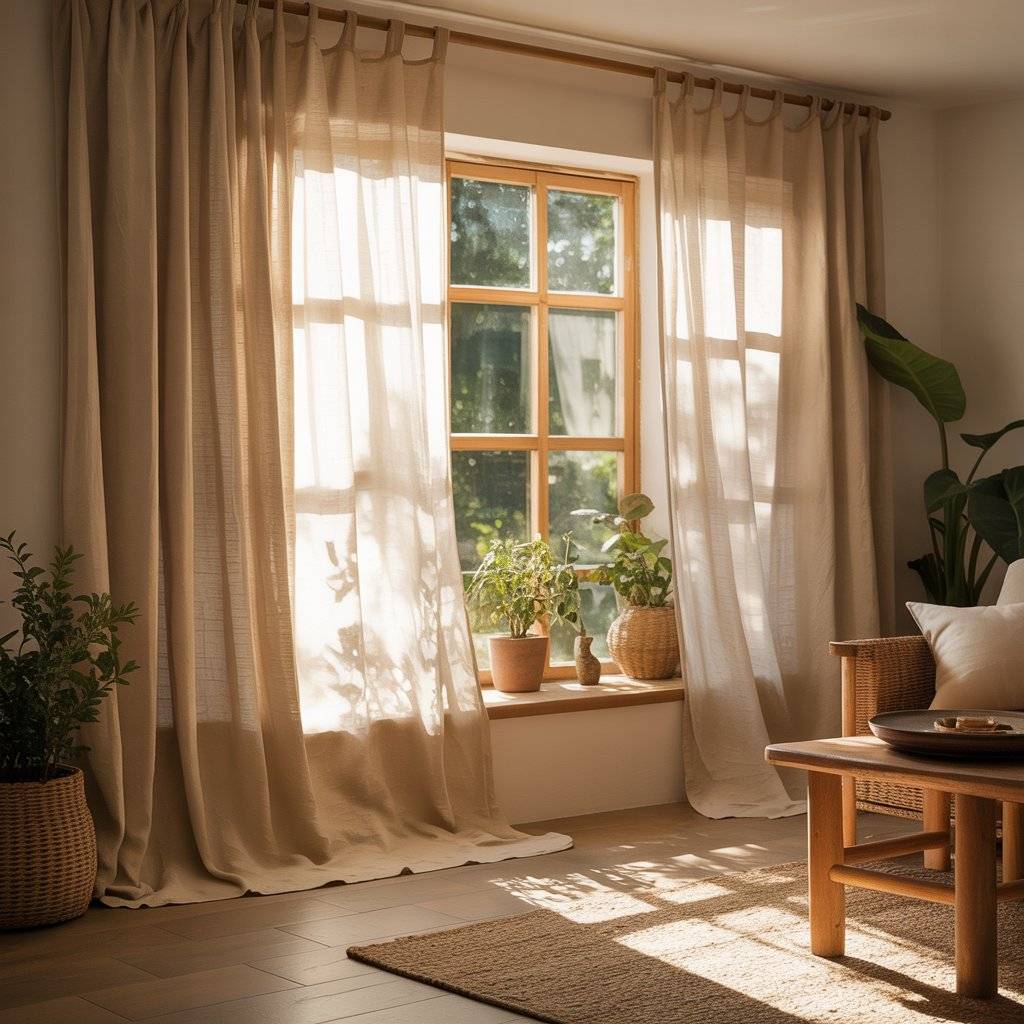
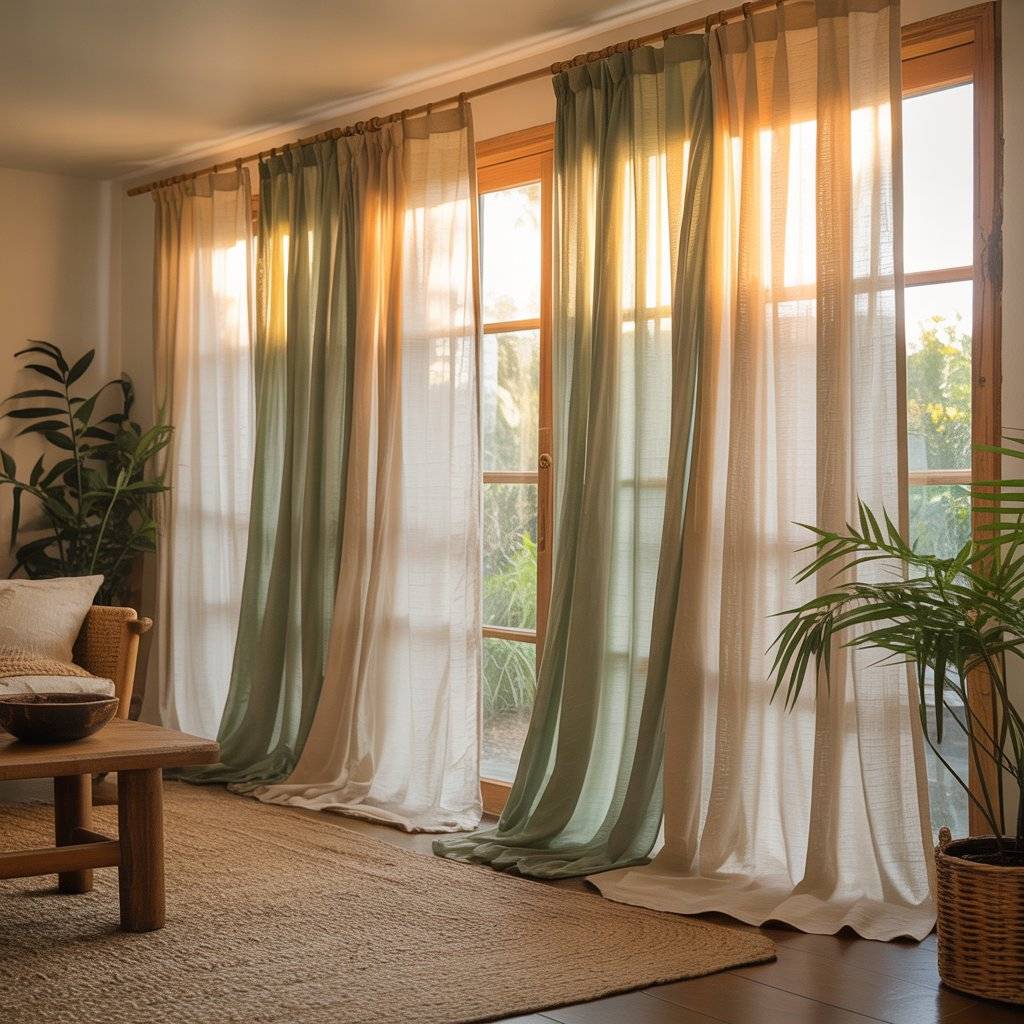
Curtains and blinds are often overlooked, but they play a big role in how a room feels. I switched to natural materials like linen and cotton for my window treatments, and the change was noticeable. These fabrics let light filter in softly while still offering privacy.
Natural curtains also help regulate temperature. In warmer months, they block harsh sunlight, and in cooler months, they help keep warmth inside. Choosing light, breathable fabrics means you rely less on artificial lighting and heating during the day.
You don’t need custom-made curtains to do this. Ready-made panels, thrifted fabric, or even repurposed sheets can work. Simple rod systems or wooden rails keep the look clean and natural. It’s a small change, but one that improves comfort while aligning with eco-friendly living.
16. Reclaimed Wood Accents
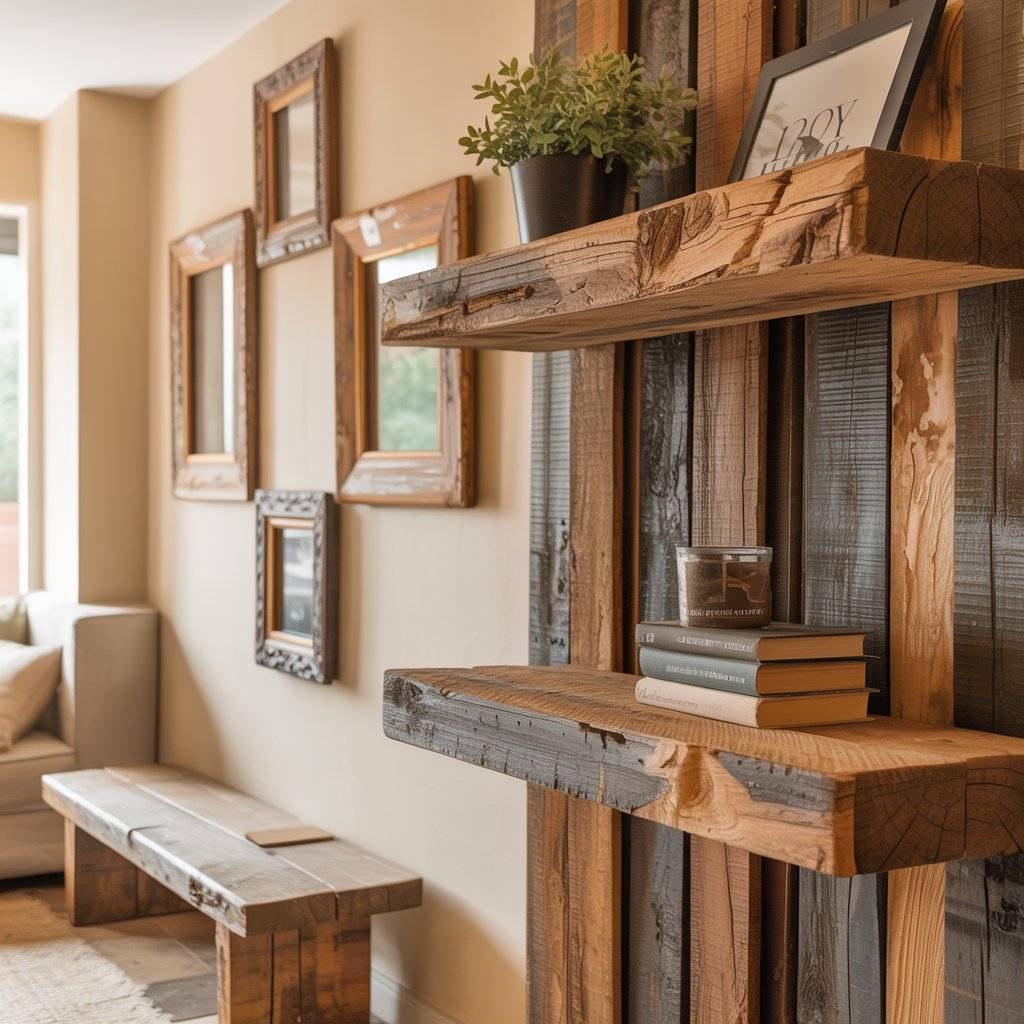
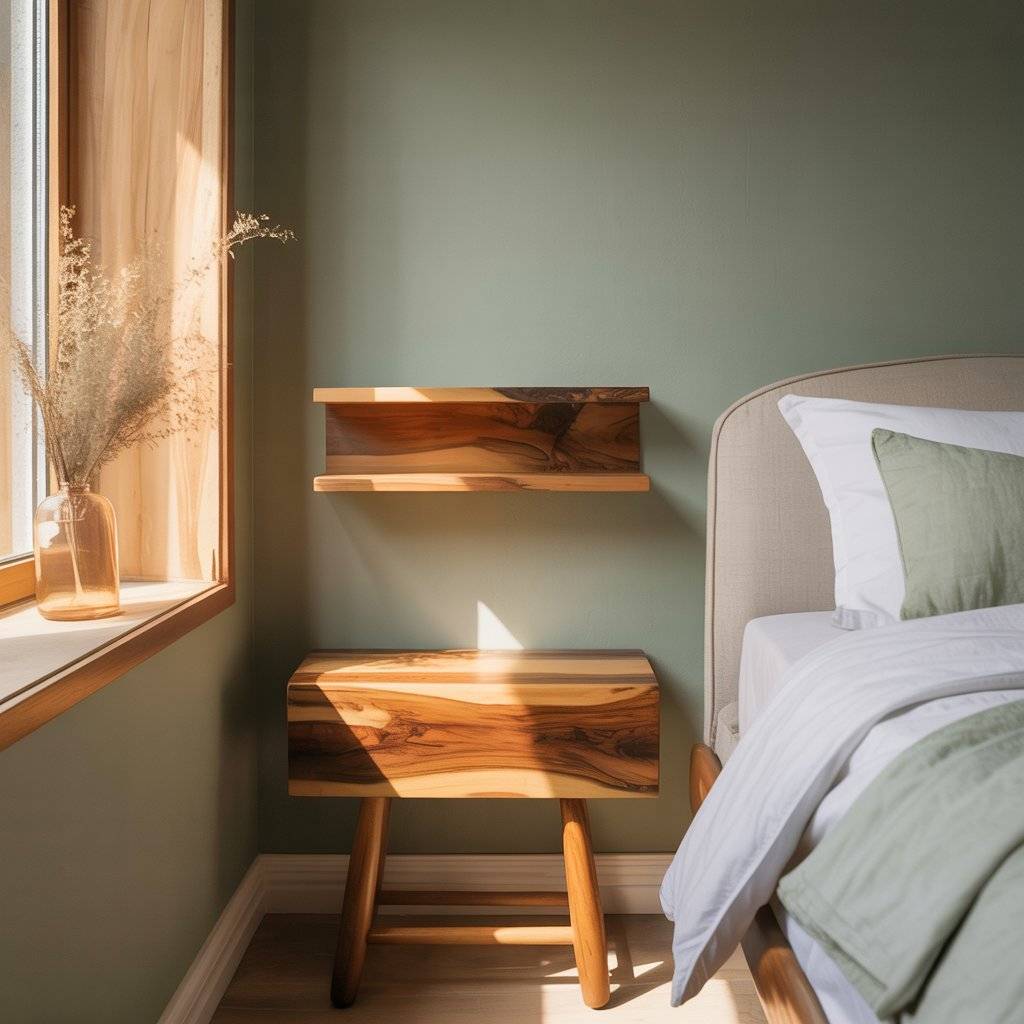
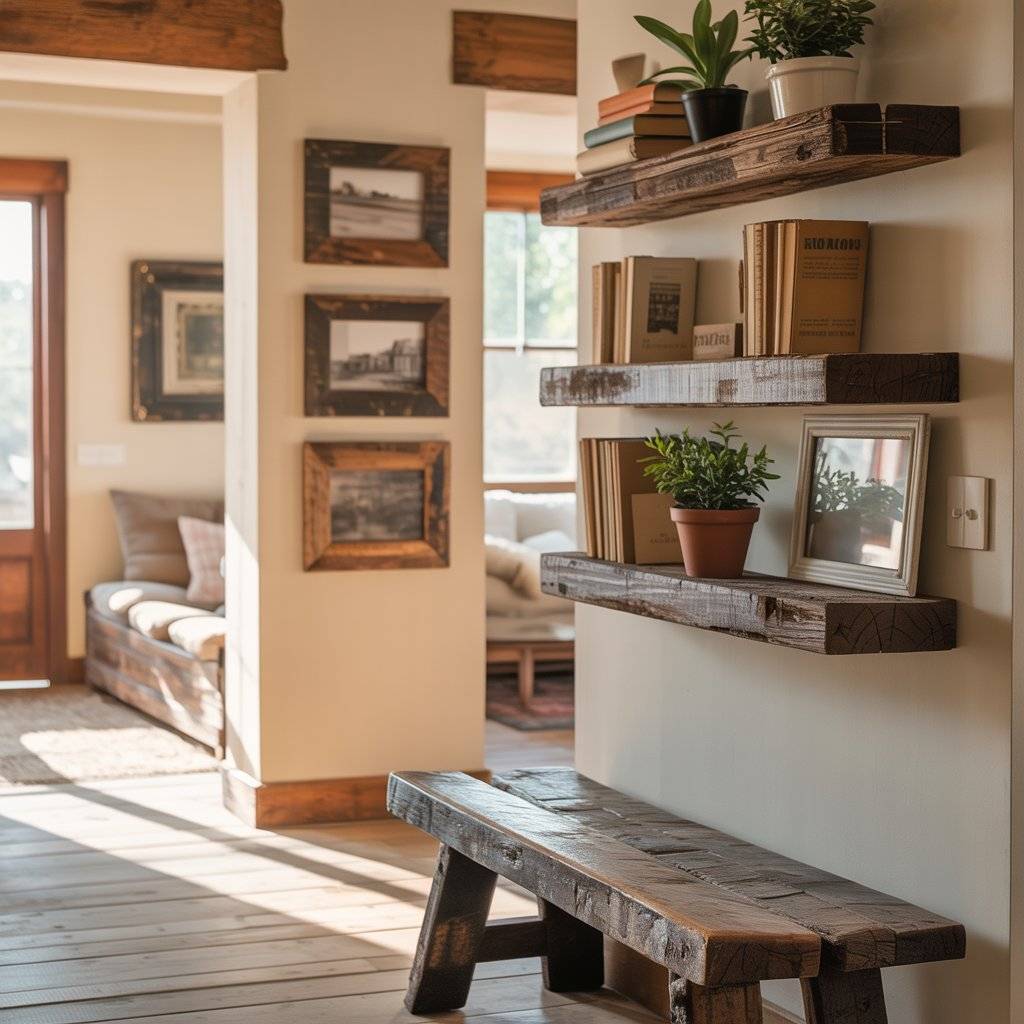
One change that made my home feel warmer was adding small reclaimed wood accents. I didn’t start with big furniture just shelves, picture frames, and a simple bench made from old planks. Reclaimed wood has texture and character that new materials often lack, and every mark tells a story.
Using reclaimed wood is also one of the most eco-friendly decor choices you can make. It gives existing materials a second life and reduces the need for new trees to be cut down. I found wood through local sellers, leftover construction materials, and even old furniture that could be taken apart.
You don’t need advanced tools for this. Sanding, sealing with natural oil, and keeping the design simple goes a long way. These accents work well in living rooms, kitchens, and entryways. They blend easily with many styles and add warmth without feeling heavy or overdone.
17. Handmade Decor From Natural Materials
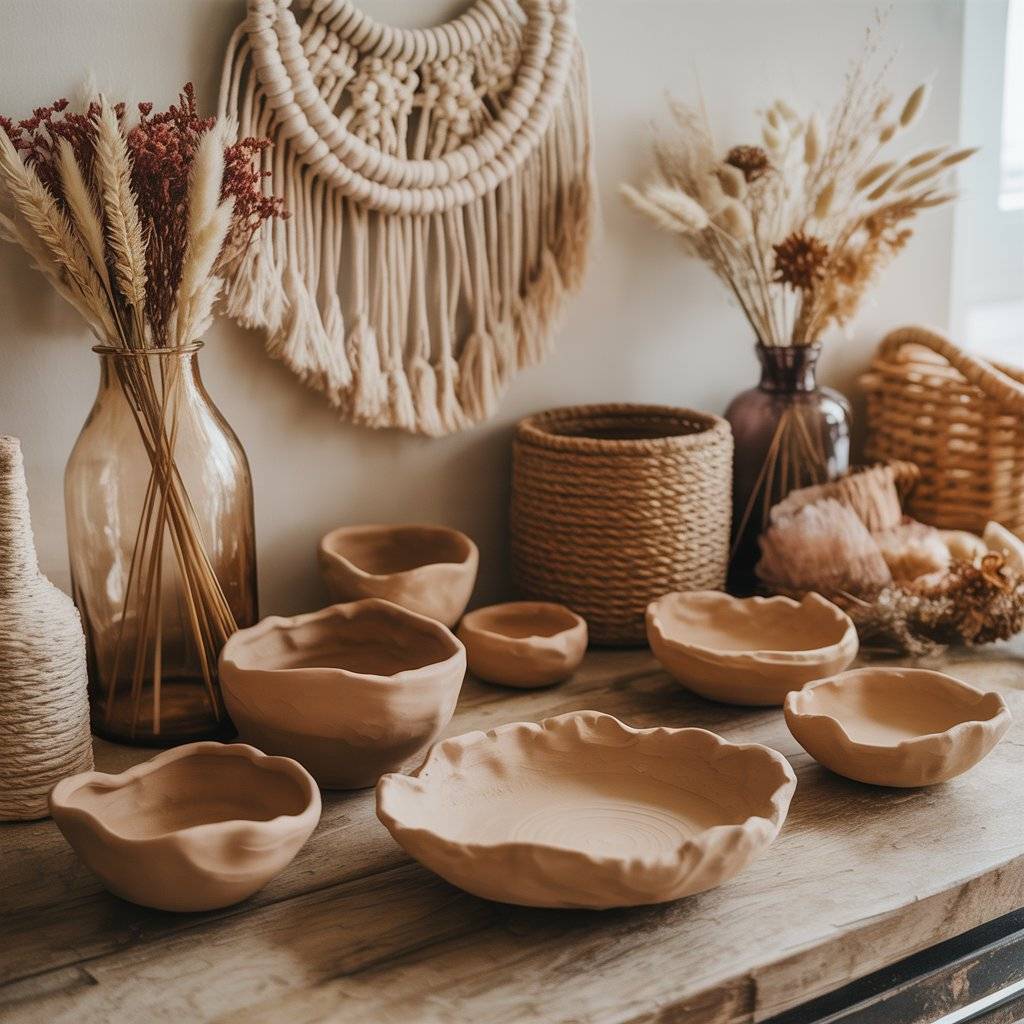
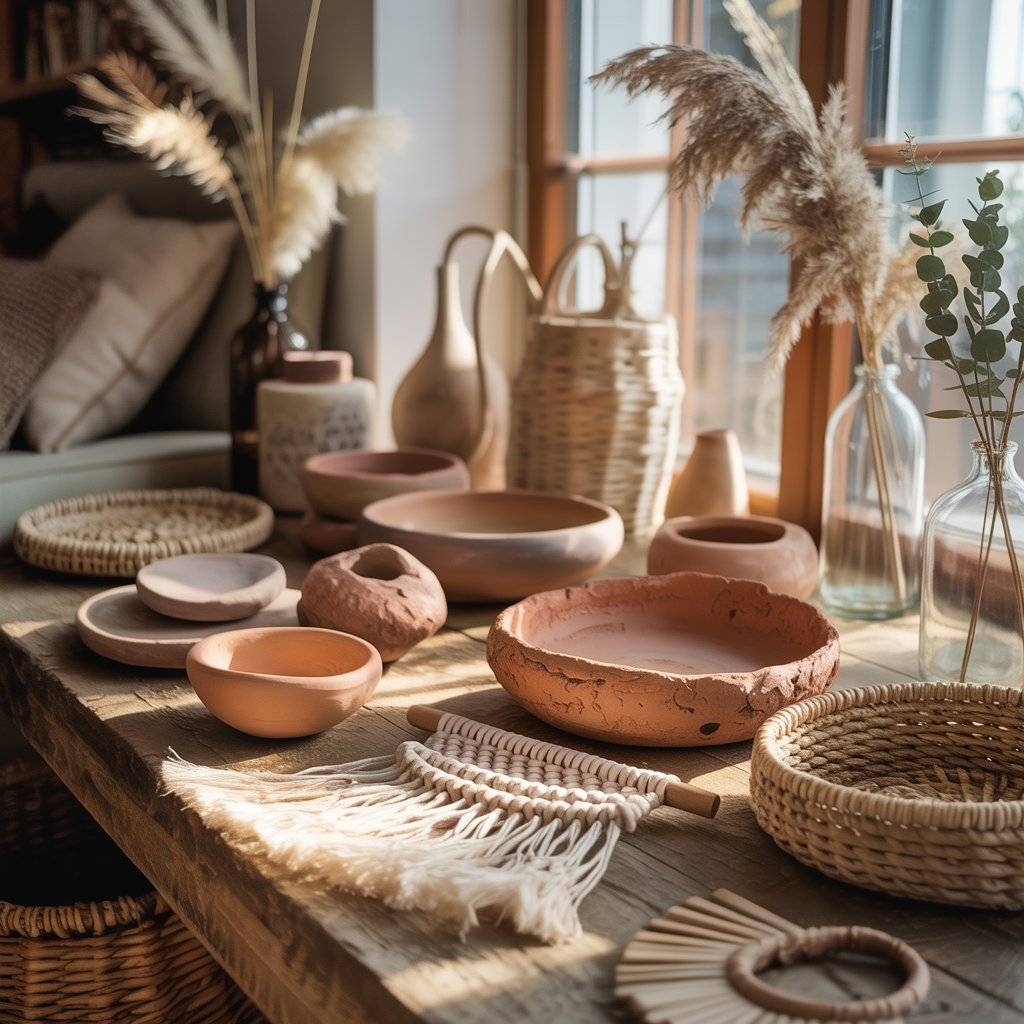
Making decor by hand using natural materials helped me slow down and decorate with intention. Things like clay bowls, woven wall hangings, dried flower arrangements, and rope baskets don’t require perfection to look good. In fact, their imperfections are what make them feel authentic.
I started small air-dry clay trays for keys, simple macramé hangings, and dried grasses in glass vases. These materials are biodegradable or long-lasting, which makes them a better choice than plastic decor.
Handmade pieces also reduce impulse buying. When you create something yourself, you’re less likely to replace it quickly. Even if you’re not crafty, many of these projects are beginner-friendly and don’t require expensive tools. Over time, your home becomes filled with items that feel meaningful, not just decorative.
18. Multi-Purpose Furniture Choices
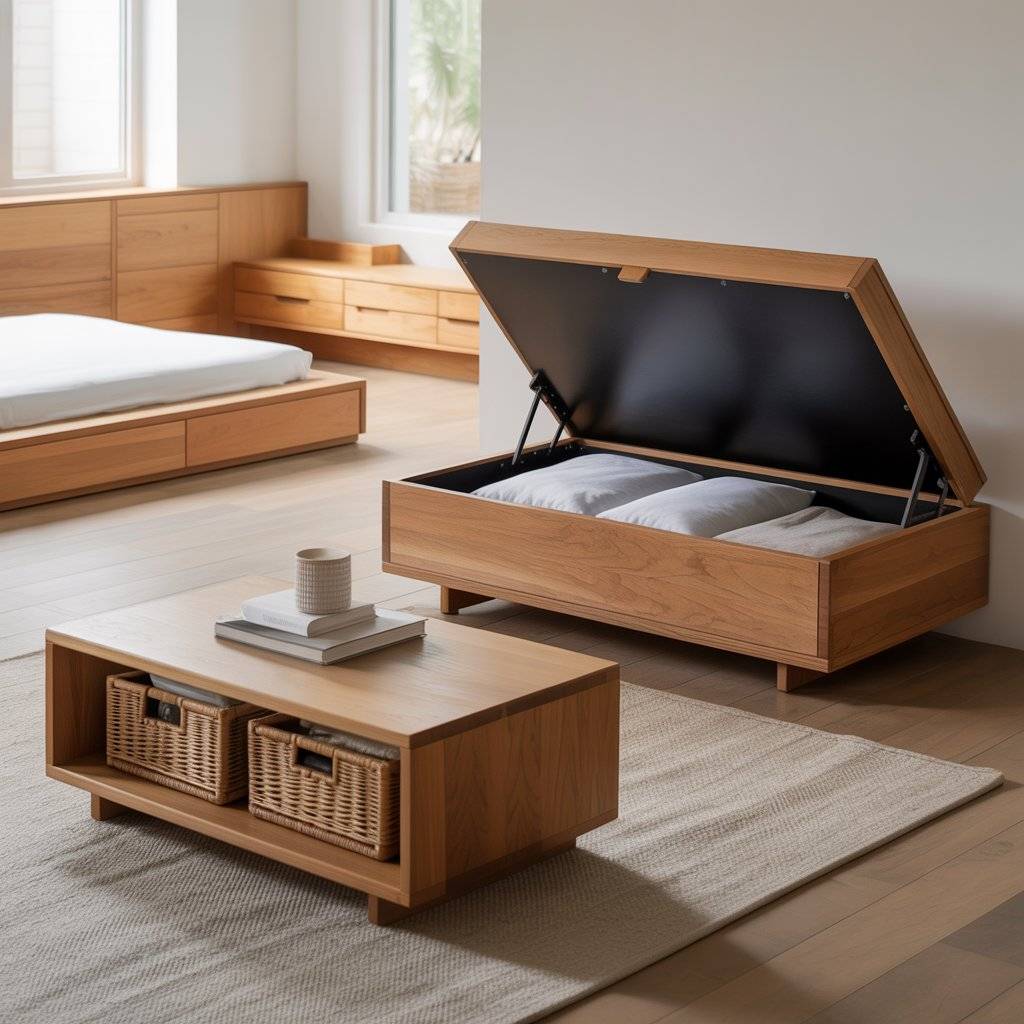
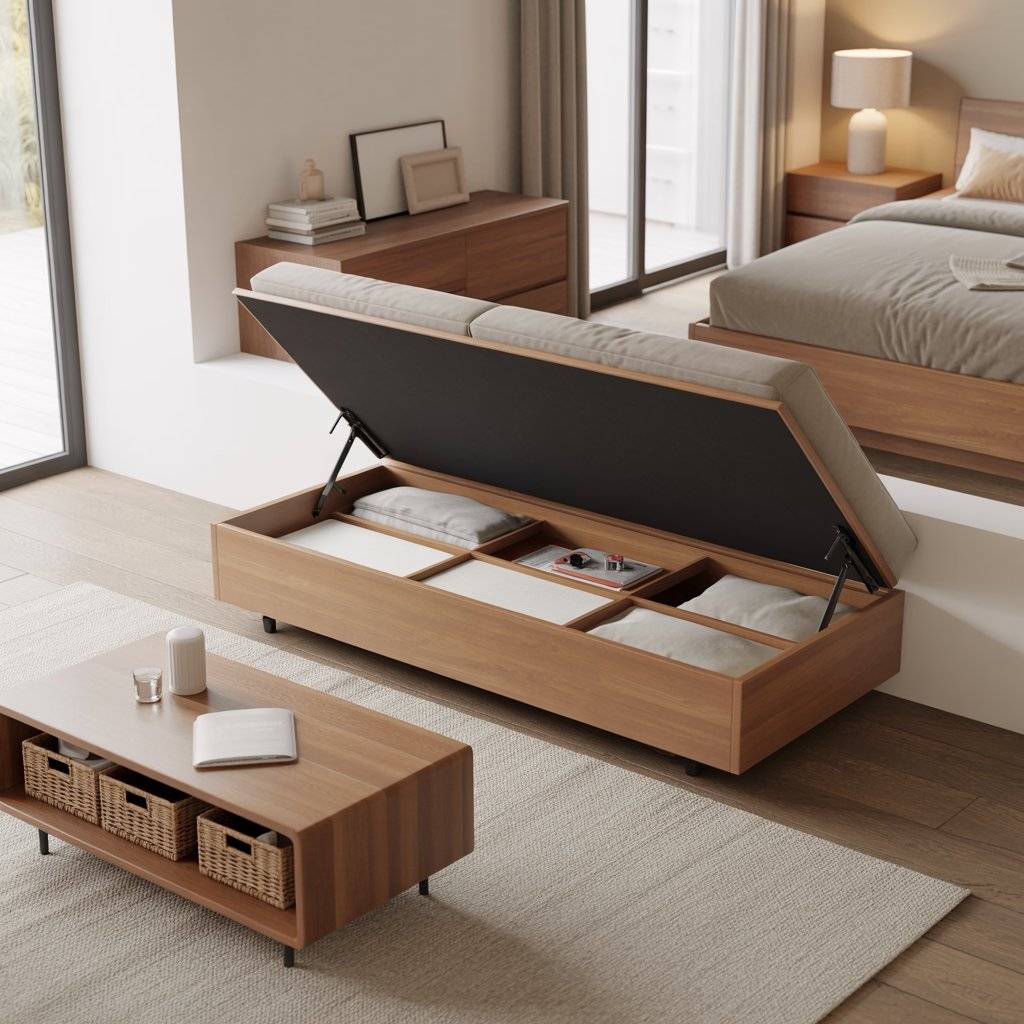
Choosing furniture that serves more than one purpose has helped me reduce clutter and buy less. A bench with storage, a coffee table that holds baskets underneath, or a bed with drawers can replace several separate items.
Multi-purpose furniture means fewer materials are used overall, which is better for the environment. It also makes small spaces easier to manage. I noticed that once I switched to functional pieces, I stopped buying extra storage solutions that didn’t really fit my space.
When choosing these items, I focus on solid materials and simple designs. Furniture that’s well-made lasts longer and doesn’t need frequent replacement. It’s a practical approach that supports both sustainability and everyday living. Instead of filling rooms with more things, you let each piece work harder for you.
19. Eco-Friendly Cleaning and Care for Decor
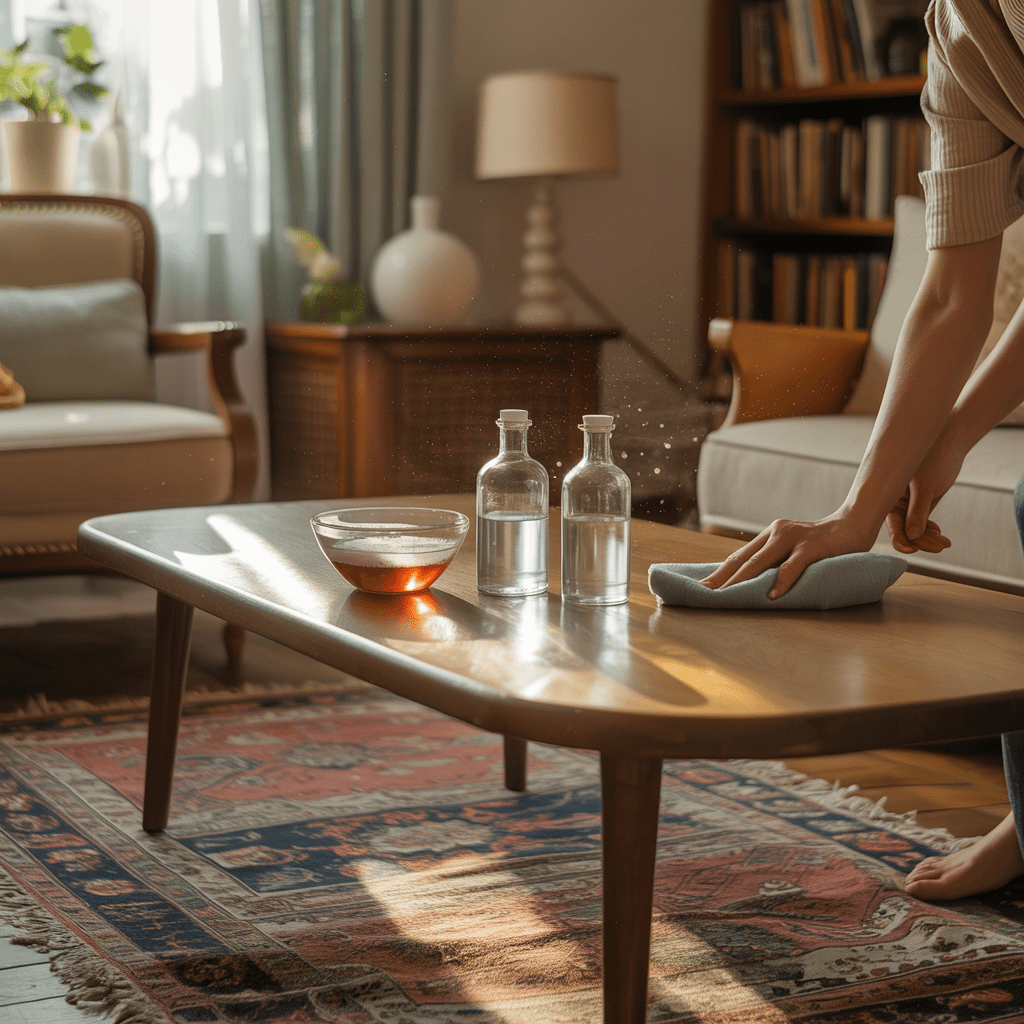
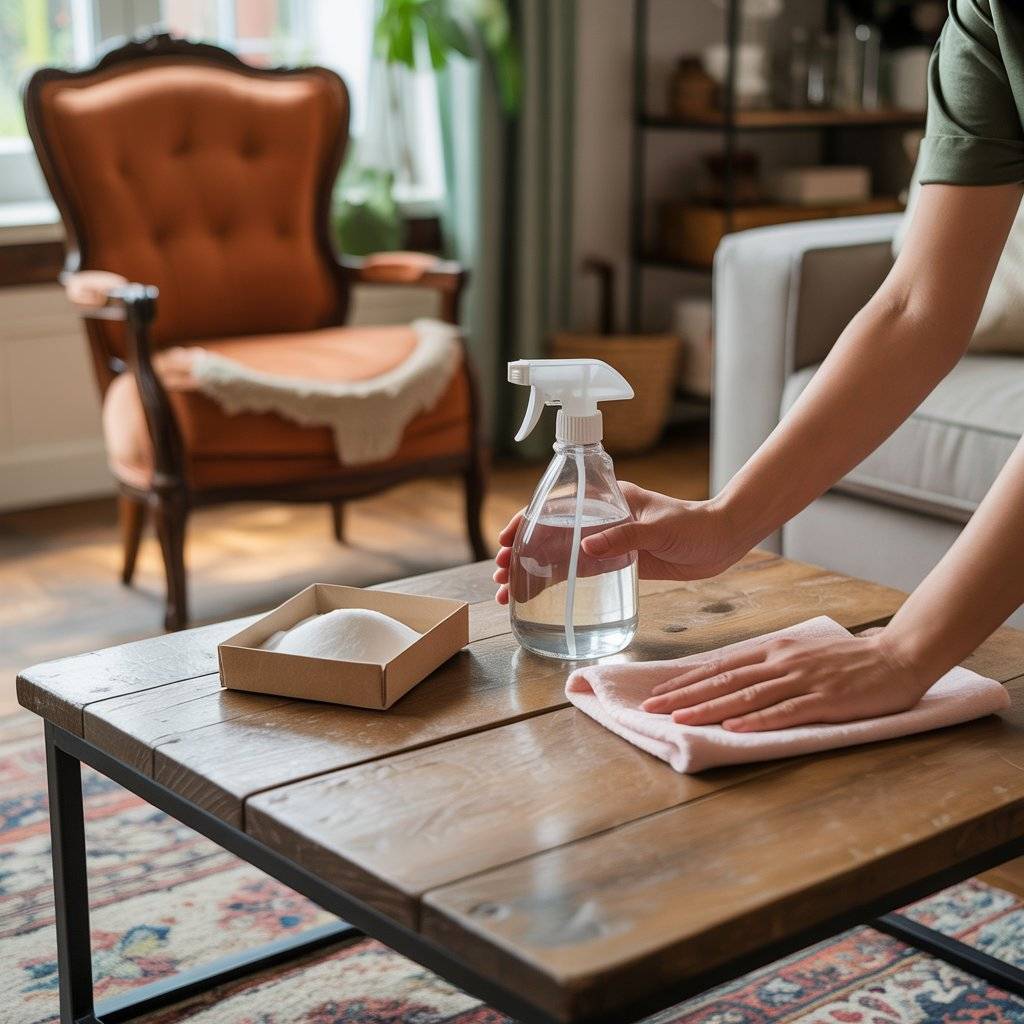
How you care for your decor matters just as much as what you buy. I started using natural cleaning solutions like vinegar, baking soda, and mild soap to clean surfaces, rugs, and furniture. These options are safer for indoor air and don’t leave behind harsh residues.
Proper care extends the life of your decor. Regular dusting, rotating rugs, and treating wood with natural oils help prevent damage and wear. This means fewer replacements and less waste over time.
I also try to repair items before replacing them. A loose chair leg, a torn cushion cover, or faded wood can often be fixed with a little effort. Taking care of what you own builds a more sustainable home and encourages a mindset of appreciation rather than constant replacement.
20. Letting Your Home Evolve Slowly
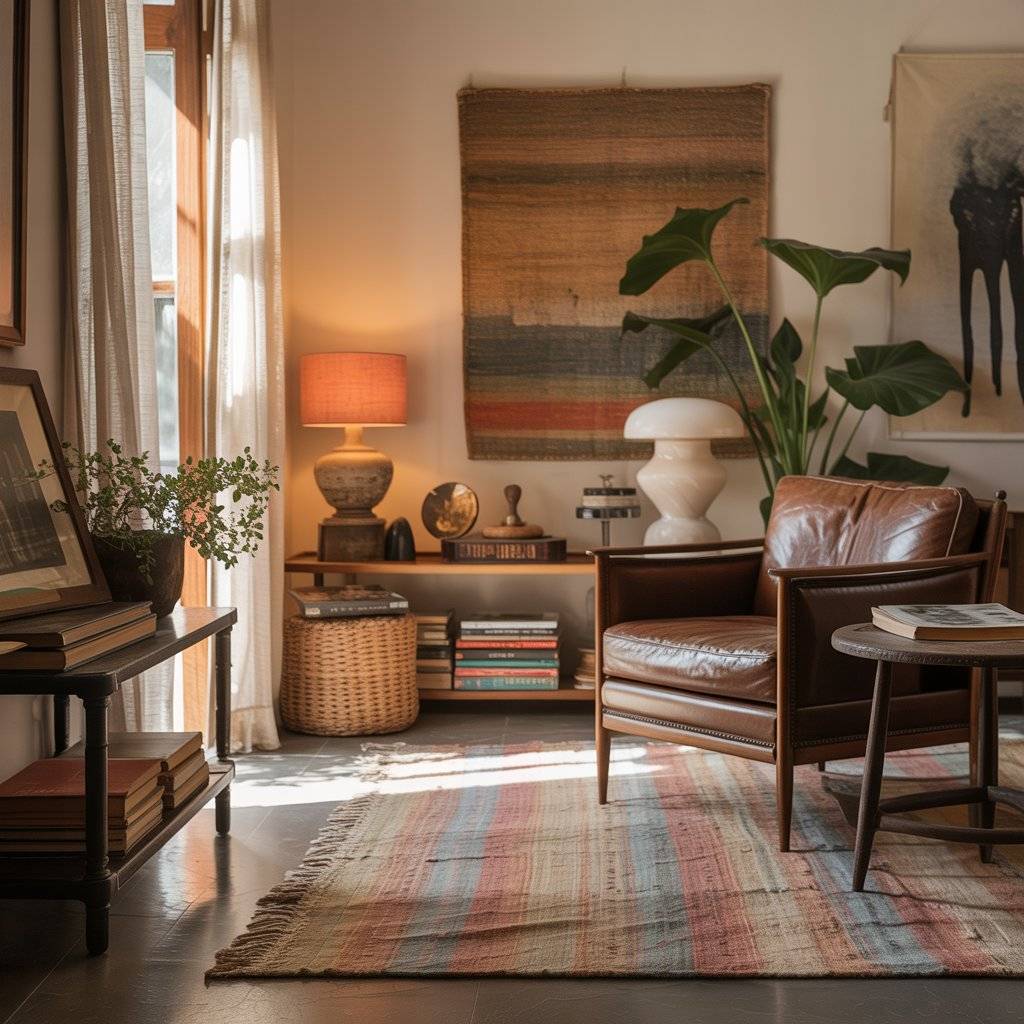
One of the most eco-friendly choices I’ve made is learning to slow down when it comes to decorating. Instead of changing things often or chasing trends, I let my home evolve over time. I wait, observe how I use a space, and only add or change something when it truly feels necessary.
This approach naturally reduces waste. When you decorate slowly, you make better decisions. You’re less likely to buy items that don’t last or don’t fit your lifestyle. I’ve found that the pieces I waited for whether it was a chair, a rug, or artwork ended up being the ones I kept the longest.
Letting your home grow with you also makes it feel more personal. It reflects real life, not a showroom. Eco-friendly living isn’t about doing everything at once. It’s about building habits that last, and giving yourself permission to take your time.
Conclusion
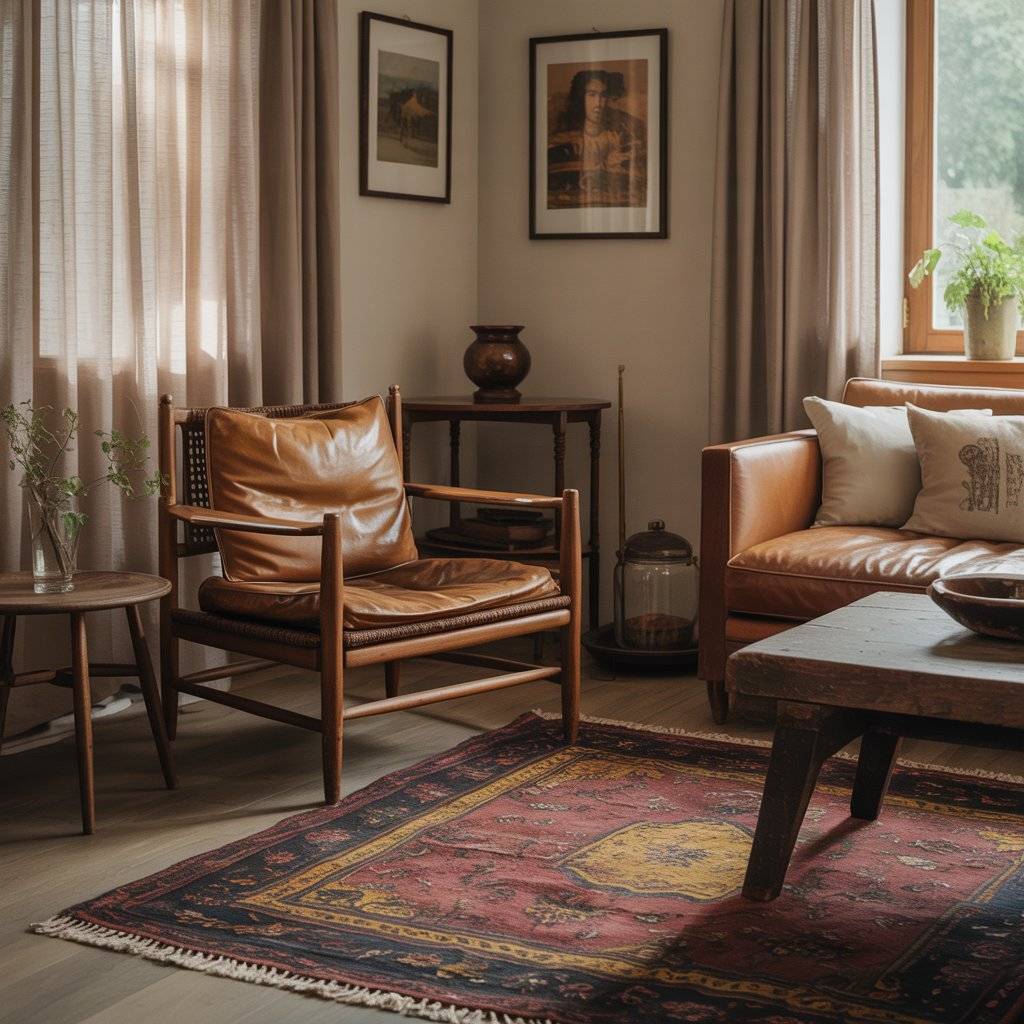
Eco-friendly home decor isn’t about perfection or following rules. It’s about making thoughtful choices that support both your lifestyle and the environment. Throughout this article, the focus has been on real things you can do using what you already have, choosing natural materials, caring for your belongings, and slowing down your buying habits.
When you look at sustainability this way, it feels achievable. You don’t need to redo your entire home or spend a lot of money. Even small changes like switching fabrics, adding plants, or repurposing old items can make a difference over time.
If there’s one thing I hope you take away, it’s this: your home doesn’t need more stuff, it needs more intention. Start with one idea that feels right for you and build from there. A sustainable home isn’t created overnight it’s shaped gradually, just like the life happening inside it.
Related Post: