
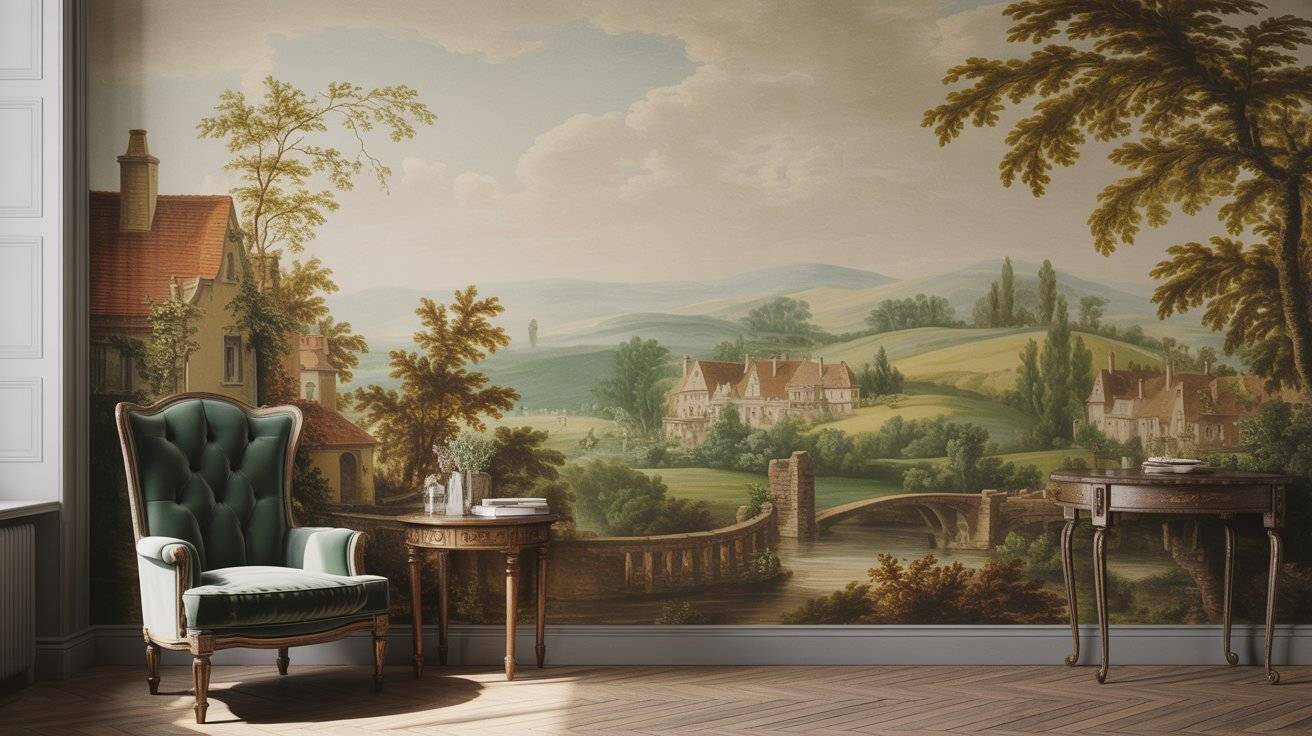
I’ve always been drawn to old European gardens the kind you see in faded paintings or historic estates. Stone paths, tall trees, rolling hills, and quiet fountains have a calm quality that modern decor often lacks. When I first came across vintage European landscape wall murals, I realized they offered a way to bring that feeling indoors without permanent changes. Peel and stick murals made it even more practical.
What I like about these murals is that they don’t try to dominate a space. When chosen well, they feel like a window into another place. They work in homes that want warmth, history, and a sense of calm. And because they’re removable, you don’t have to commit forever. You can try them, live with them, and change them when your space or taste shifts.
This article breaks down how vintage European landscape peel and stick murals actually work in real homes, where they fit best, and what to pay attention to before installing one.
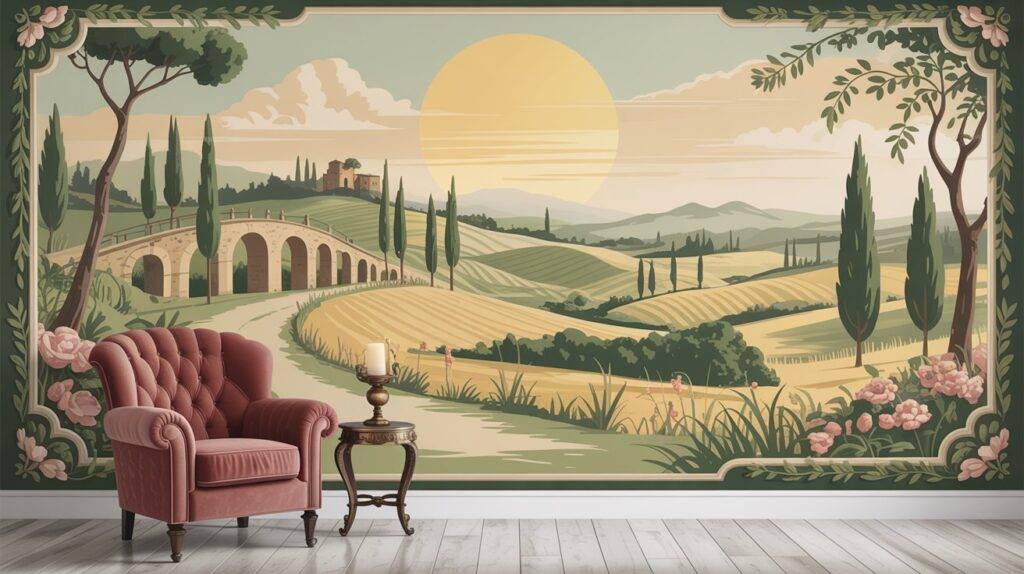
1. Why Vintage European Landscapes Work So Well Indoors
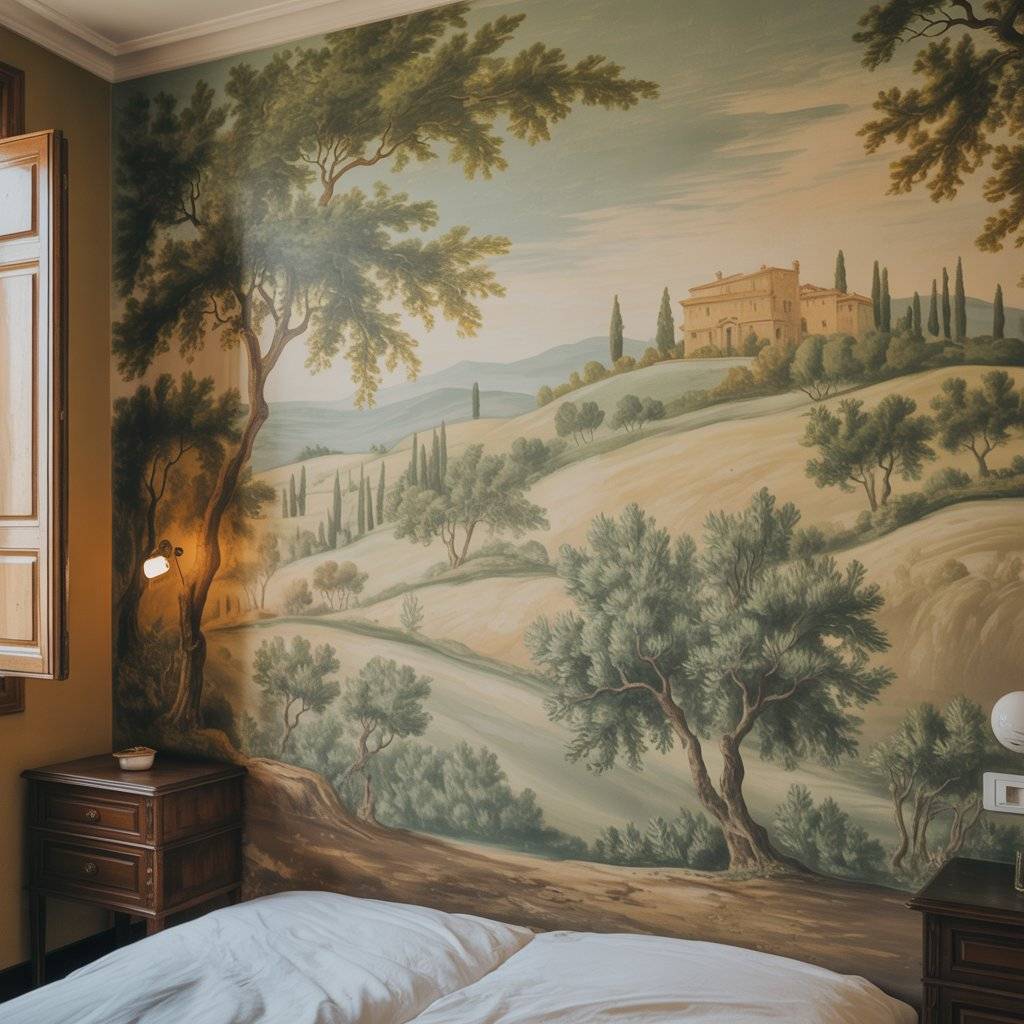
Vintage European landscapes have a softness that modern prints often lack. The colors tend to be muted greens, browns, soft blues, and warm stone tones which makes them easier to live with every day. I’ve found these murals work especially well because they don’t feel loud. They sit quietly in the background and let the room breathe.
Scenes inspired by French countryside gardens, Italian hills, or English estates bring depth to a wall without making the space feel crowded. Unlike bold patterns, landscape murals give the eye somewhere to rest. This is helpful in rooms where you spend time relaxing, like bedrooms or reading areas.
Peel & Stick Wall Murals: check price on amazon
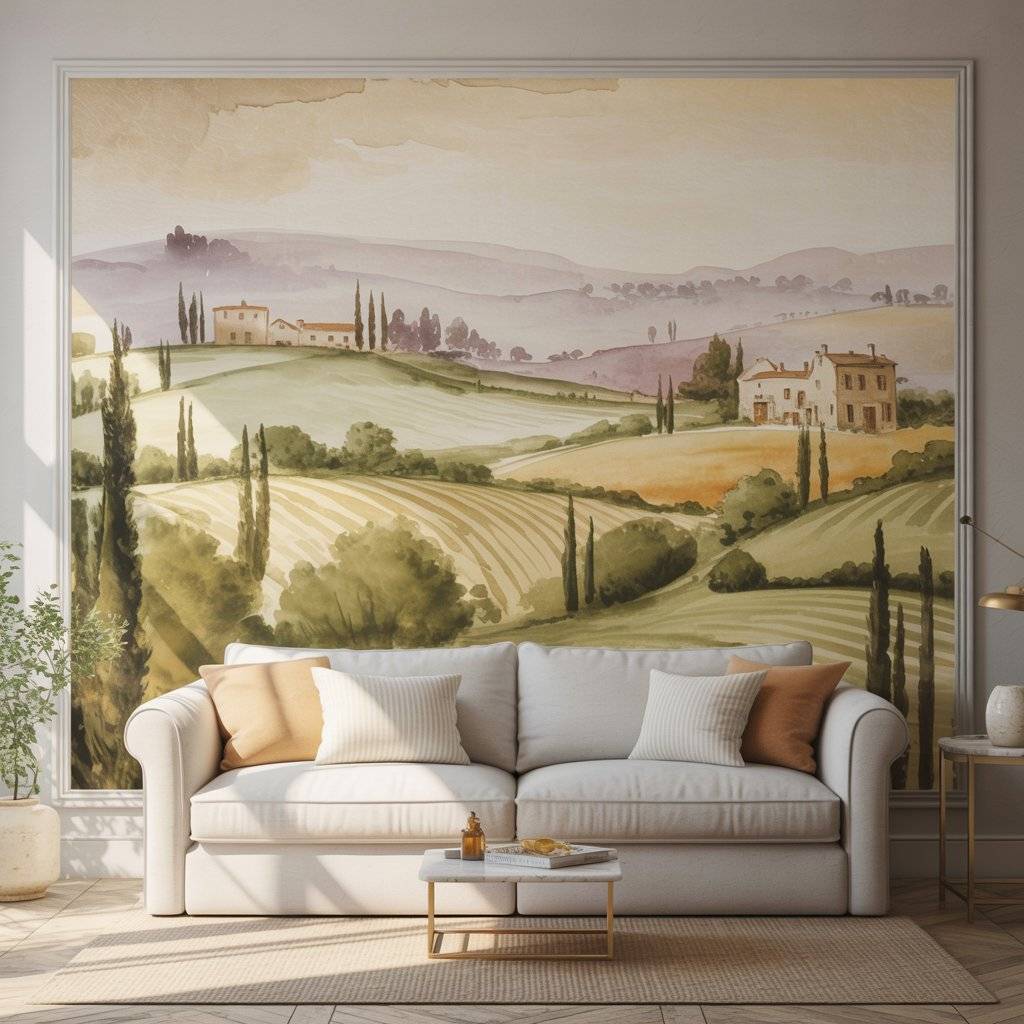
2. Peel & Stick Murals: A Practical Choice for Real Homes
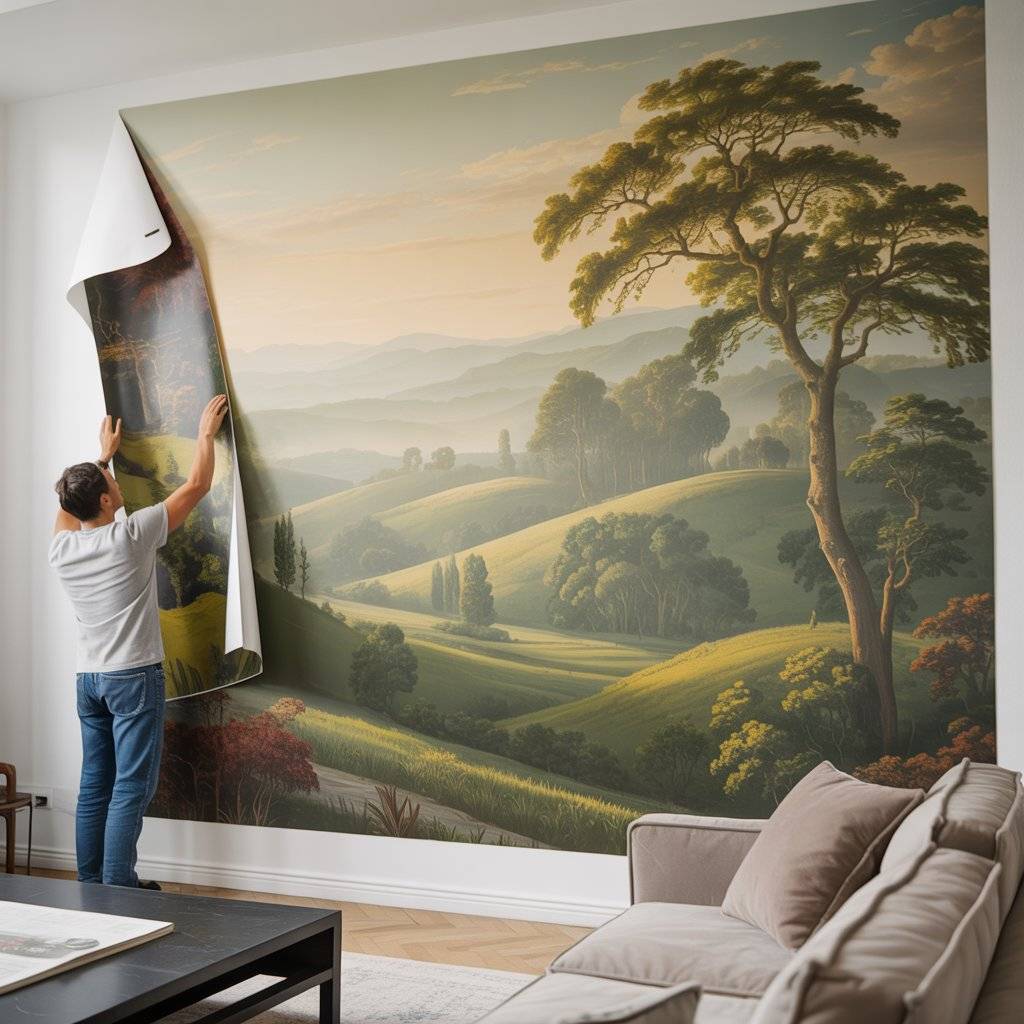
Peel and stick wall murals are popular for a simple reason they’re manageable. You don’t need professional tools, heavy paste, or permanent commitment. I’ve worked with them in rentals, older homes, and newer builds, and they adapt well to all three.
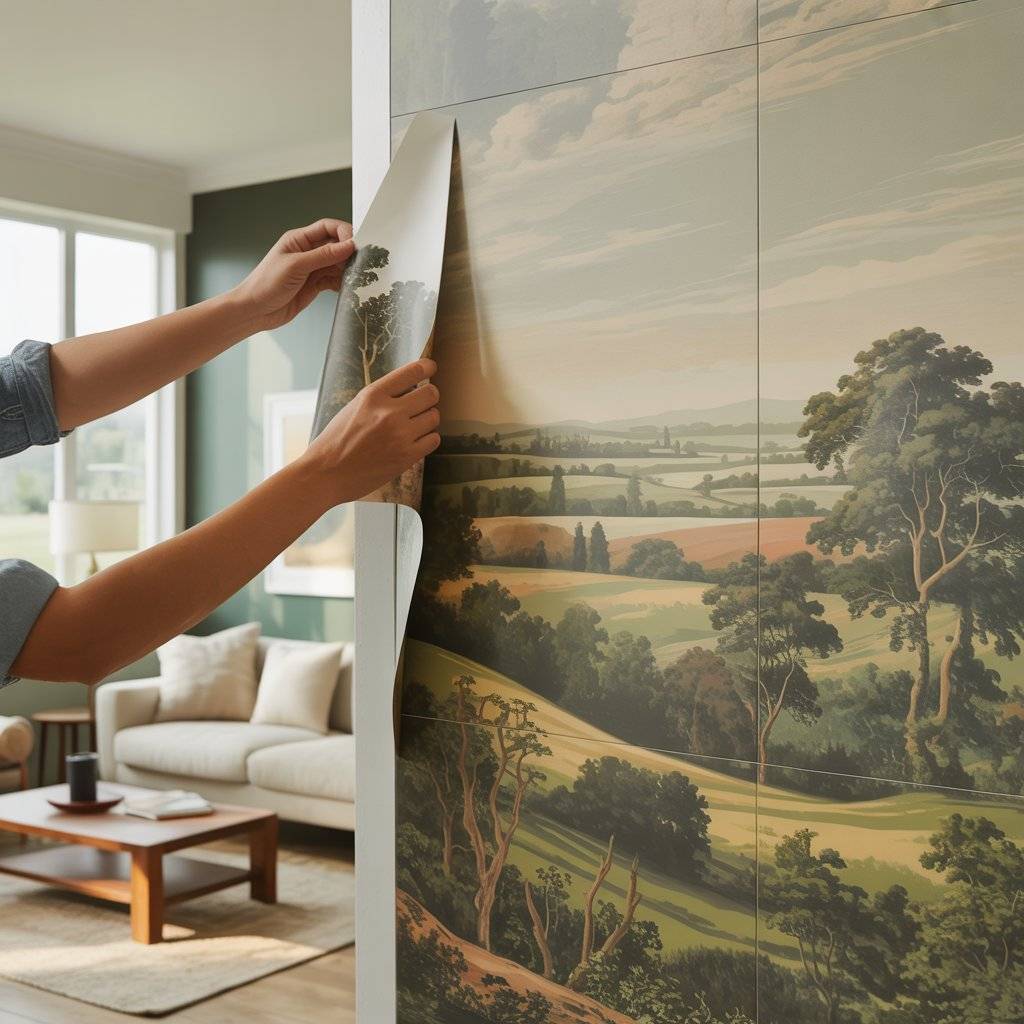
The key benefit is control. You can install a mural slowly, panel by panel, adjusting as you go. If you make a mistake, you can lift and reposition it. That alone removes a lot of stress. For people who want a detailed vintage landscape without damaging walls, this matters.
They’re also easier to remove than traditional wallpaper. When it’s time for a change, you can peel them off without scraping or sanding. That flexibility makes it easier to experiment with large-scale art, especially if you’re not sure how bold you want to go at first.
Peel & Stick Murals chec price on amazon
3. Best Rooms for Vintage Landscape Wall Murals
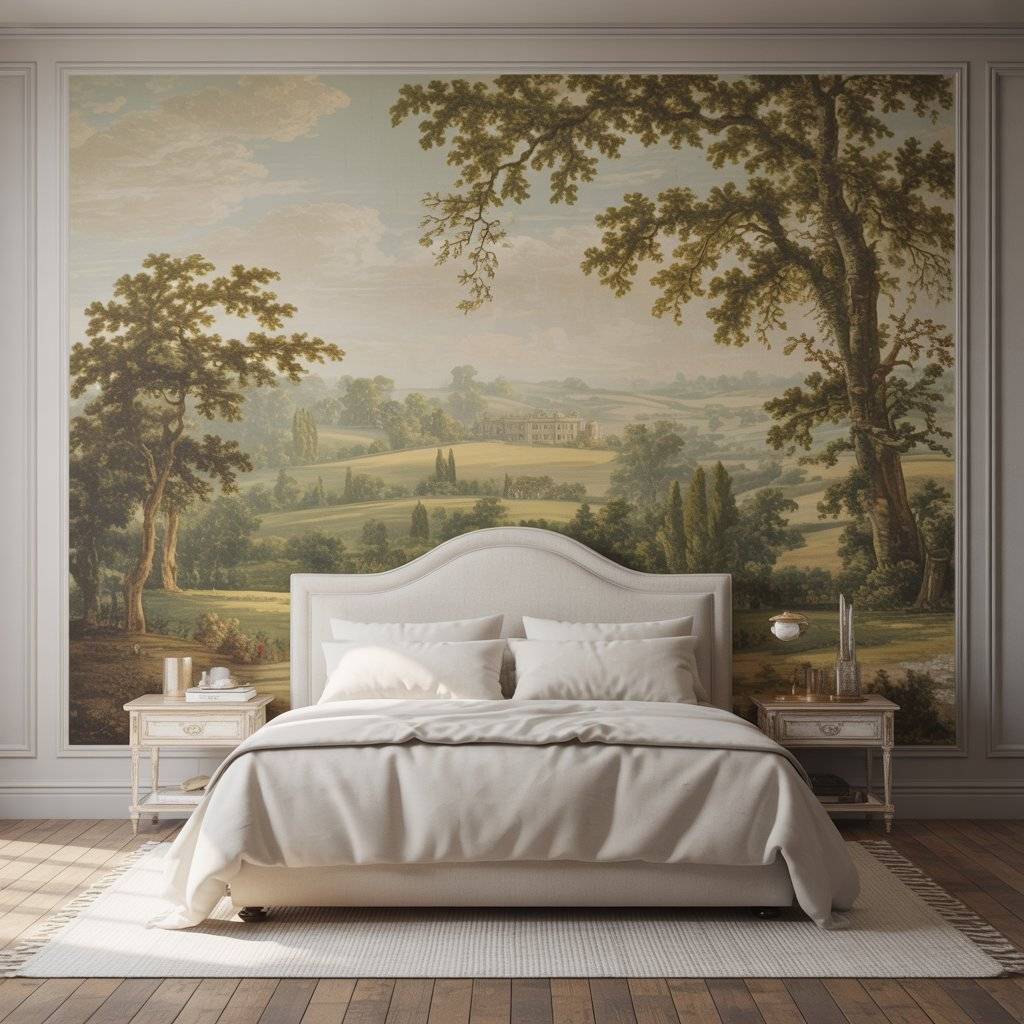
Not every room needs a mural, but some spaces benefit more than others. Bedrooms are one of the best places I’ve seen these murals used. A garden scene behind the bed creates a calm focal point without needing extra decor. It feels intentional without being busy.
Dining rooms also work well, especially when the mural suggests an outdoor terrace or vineyard. It adds atmosphere without competing with furniture. In living rooms, murals look best on one main wall rather than wrapping the entire space. This keeps the room balanced.
Home offices and reading corners are another smart choice. A quiet landscape can help the space feel less boxed in, which makes long hours more comfortable. What matters most is giving the mural space to be seen without crowding it with shelves or frames.
Vintage Landscape Wall Murals check price on amazon
4. Choosing the Right Style and Color Tone
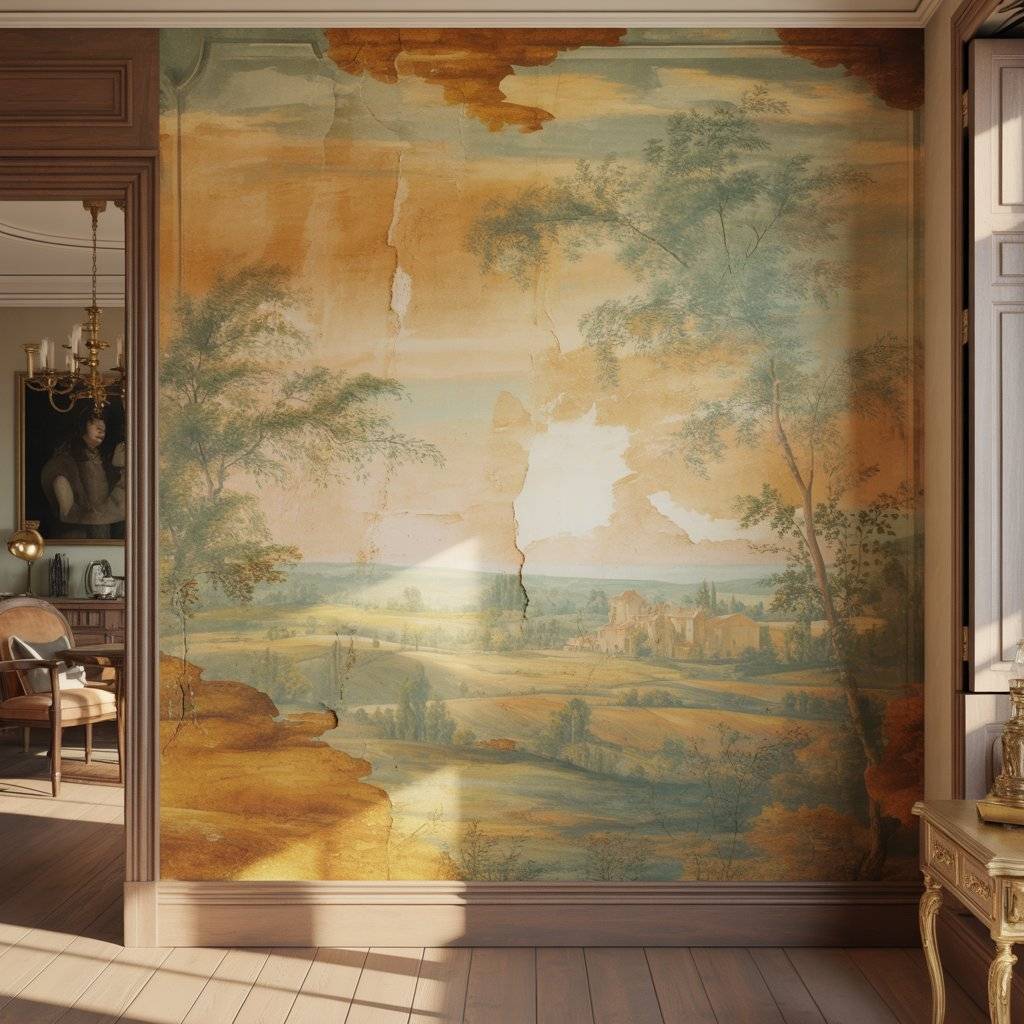
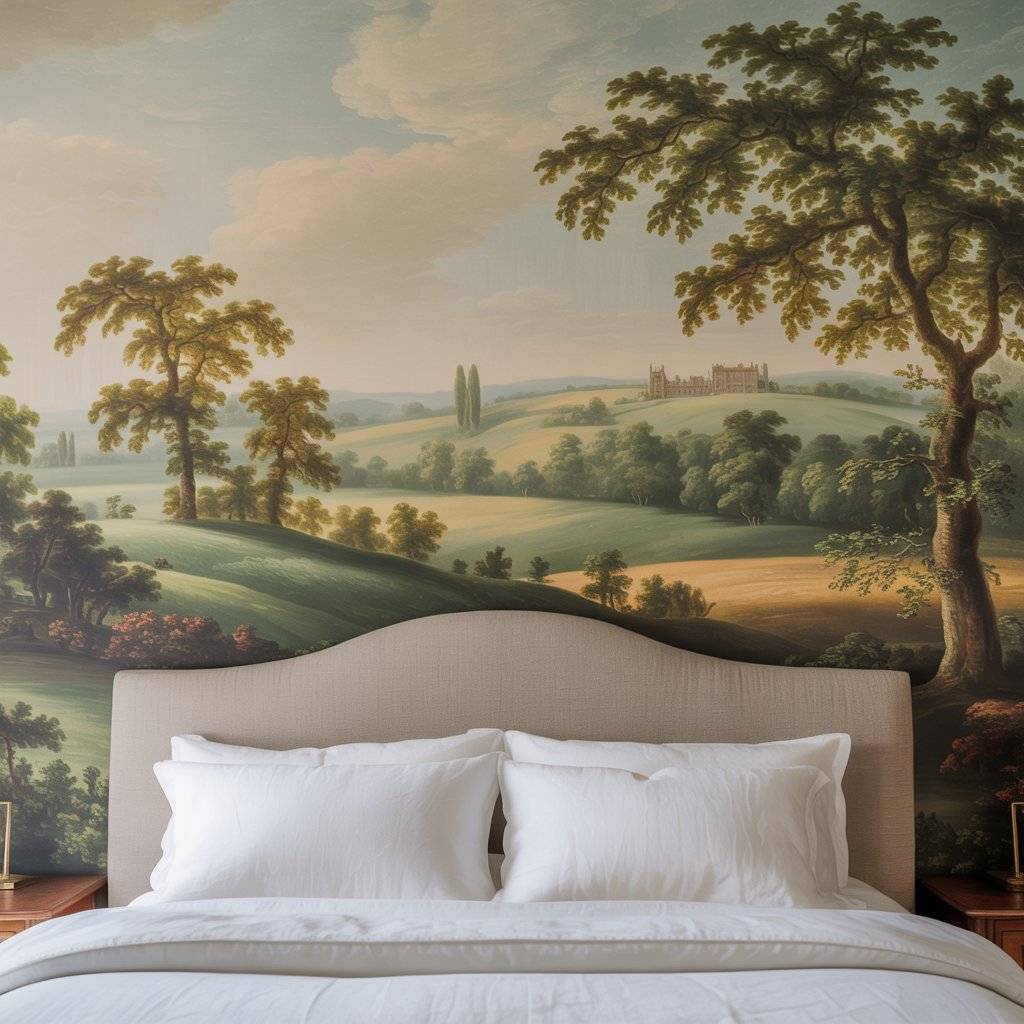
Not all vintage European murals feel the same. Some lean romantic, others more architectural. I always recommend starting with your room’s natural light. Rooms with good daylight can handle slightly darker, more detailed scenes. Rooms with limited light do better with open landscapes and lighter skies.
Pay attention to color temperature. Warm-toned murals pair well with wood floors, antique furniture, and brass accents. Cooler tones work better with stone, linen, and simple furniture. Avoid murals with overly sharp contrast they can feel modern rather than vintage.
It also helps to look for murals that mimic aged artwork. Slight fading, soft brush strokes, and natural imperfections give the mural depth. Those details are what make it feel like part of the room instead of a printed surface stuck on the wall.
Indoor Plants or Planter Sets check price on amazon
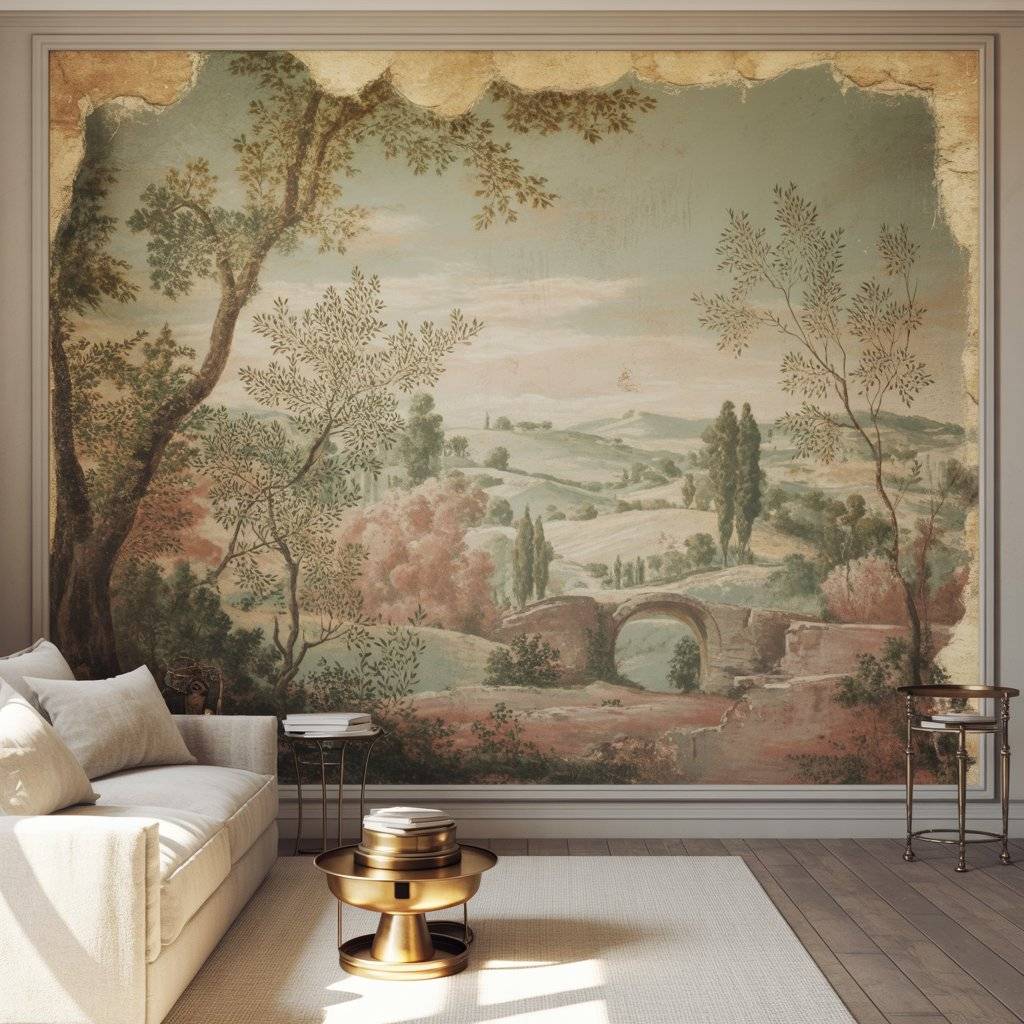
5. How to Install Without Making It Feel Overdone
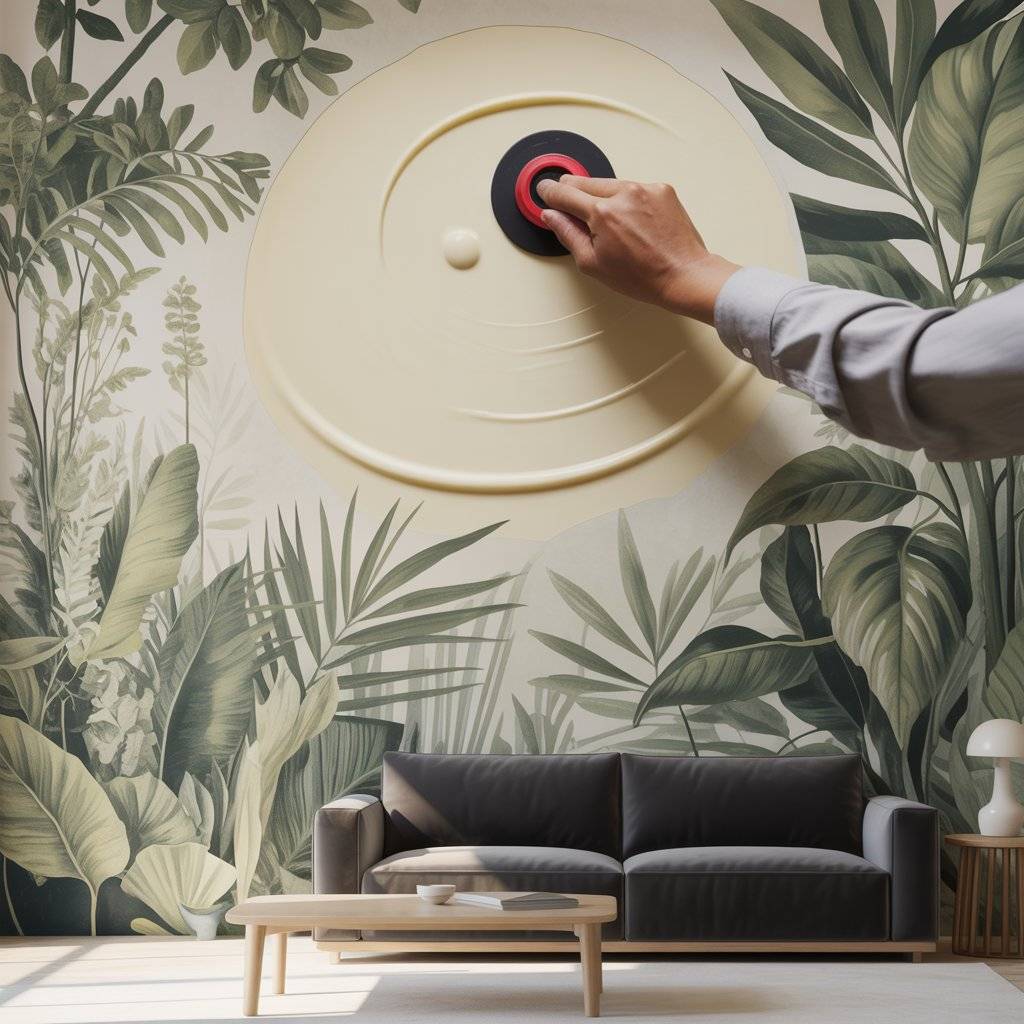
The biggest mistake I see is trying to do too much at once. A mural should anchor the room, not overwhelm it. Before installing, clear the wall completely and step back. Visualize how furniture will sit in front of it.
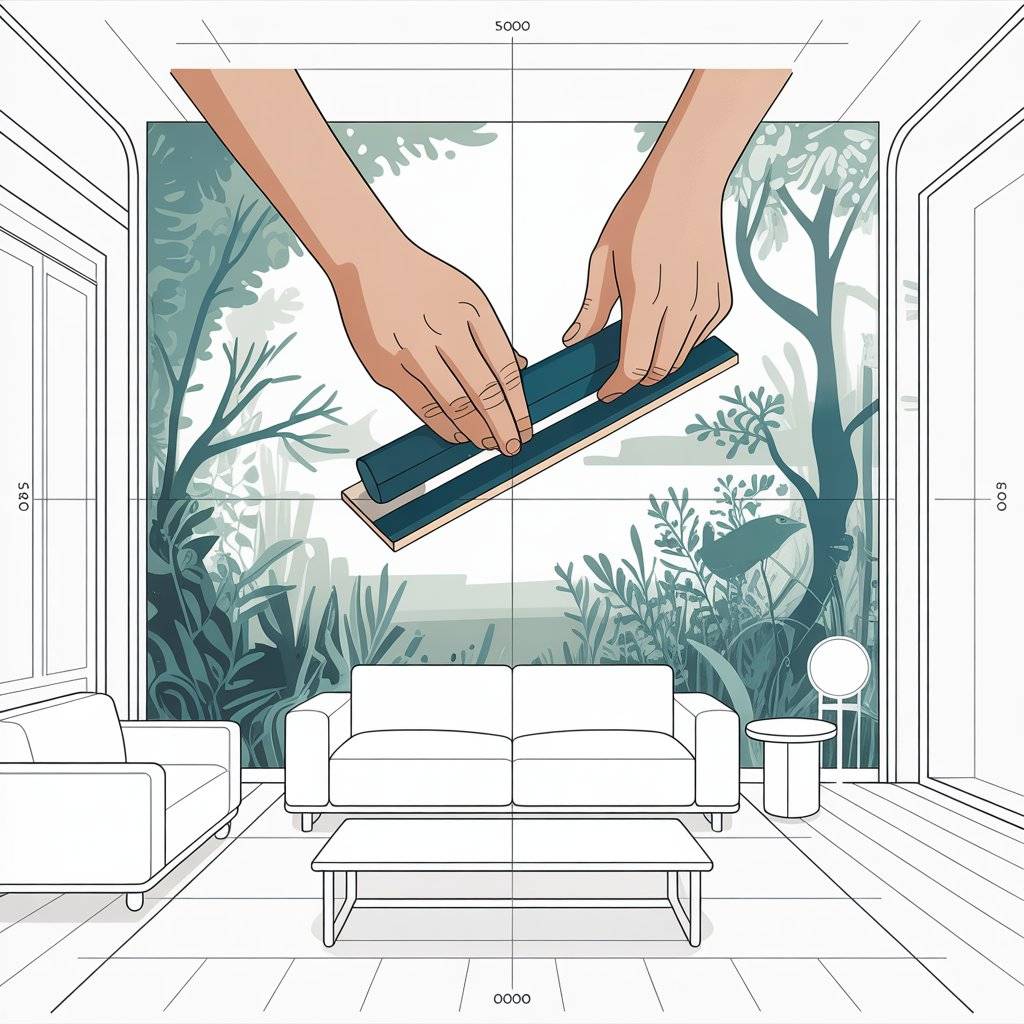
I always recommend starting installation from the center and working outward. This keeps the main focal point aligned. Use a soft cloth or smoothing tool to remove air bubbles as you go. Take breaks rushing is how mistakes happen.
Once installed, let the mural stand on its own. Avoid hanging frames or heavy decor over it. Let furniture and lighting support the scene rather than compete with it. The goal is for the mural to feel like part of the architecture, not an add-on.
6. Living With the Mural Over Time

A good vintage landscape mural doesn’t get tiring quickly. Because the scenes are natural and grounded, they age well in a home. Over time, you’ll notice different details depending on the light and season, which keeps the wall interesting.
Maintenance is simple. Most peel and stick murals can be wiped gently with a dry or slightly damp cloth. Avoid harsh cleaners, as they can damage the surface.
If your style changes, removal is straightforward. That freedom is what makes these murals so practical. You can enjoy the elegance of a European garden today without locking yourself into it forever.
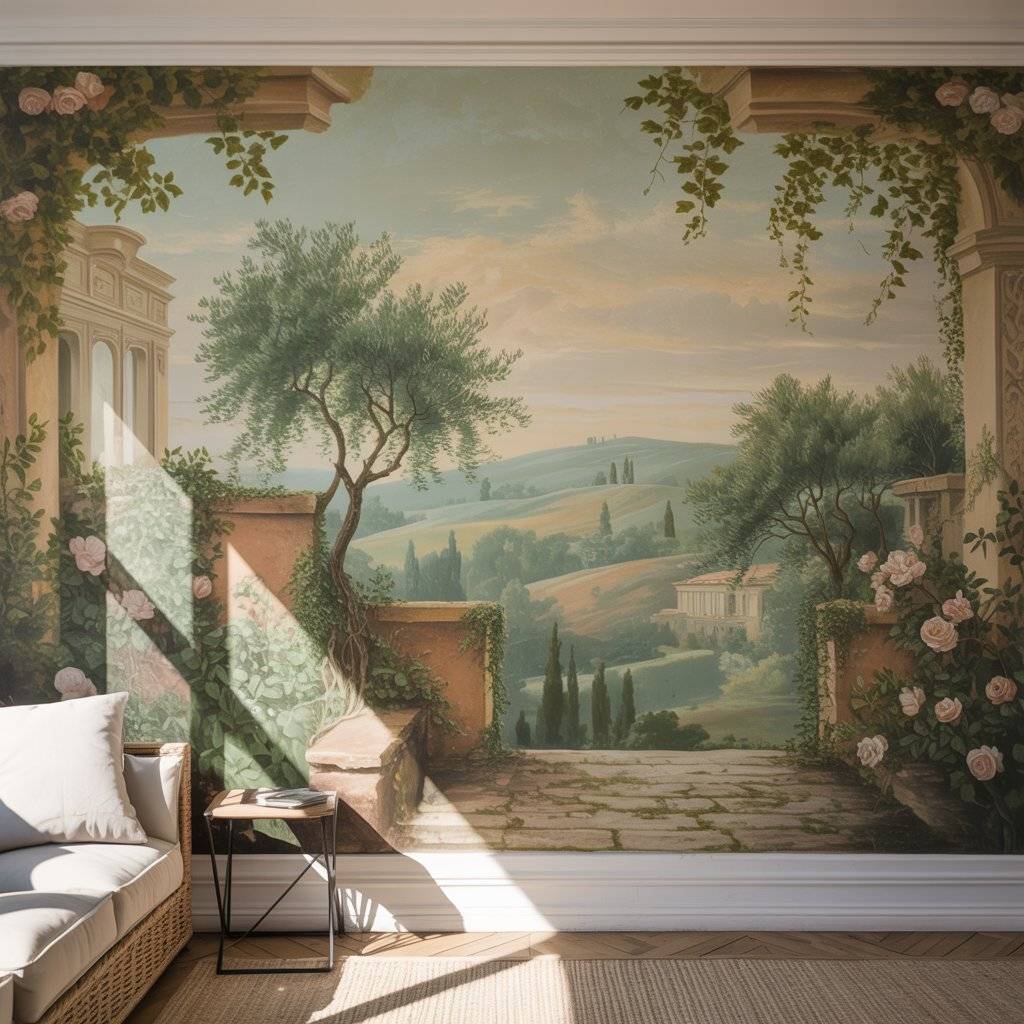
7. Matching Furniture and Decor Without Forcing the Look
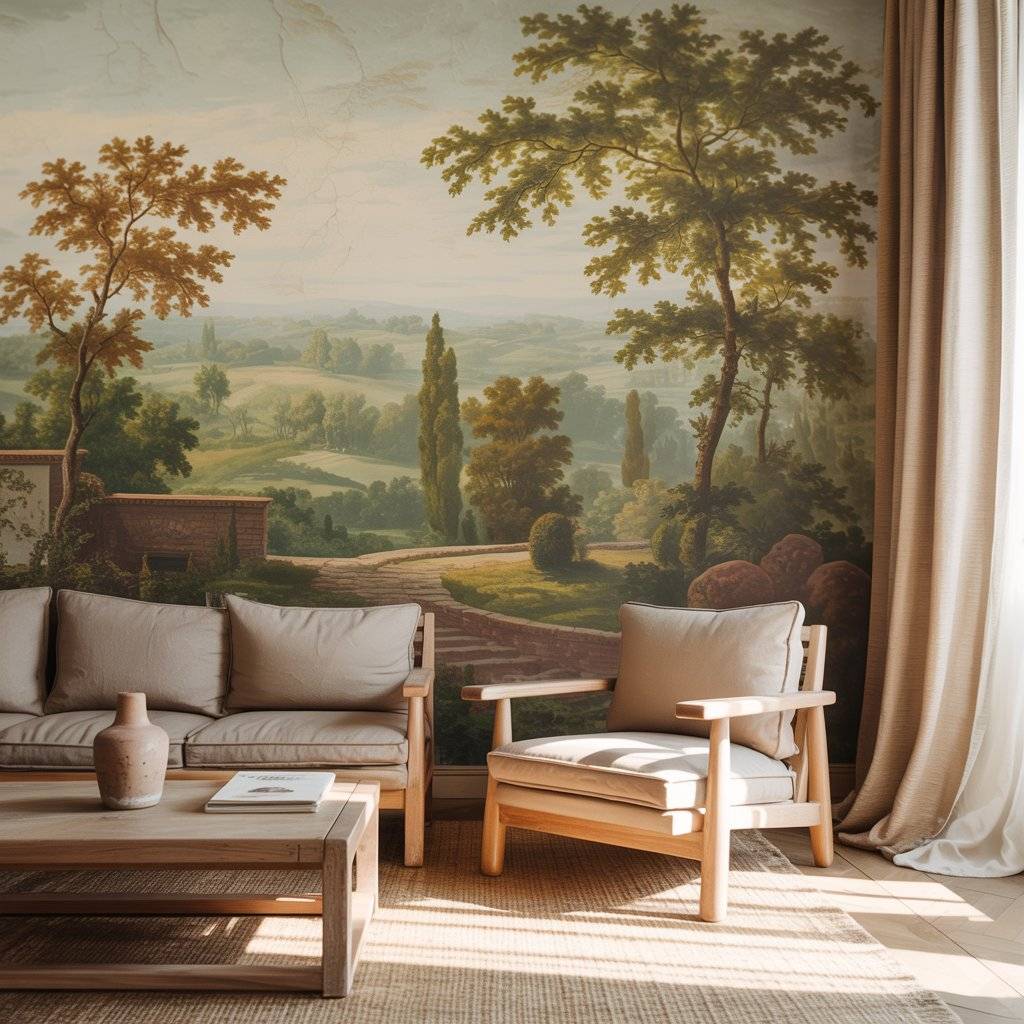
One thing I’ve learned is that vintage European landscape murals don’t need much help. Heavy styling around them usually works against the scene. Instead of trying to “match” every color, I focus on materials. Wood, linen, stone, and aged metals naturally sit well with garden landscapes.
If the mural shows trees or countryside paths, simple wooden furniture feels right. Light oak, walnut, or even slightly worn finishes work better than glossy surfaces. Upholstery should stay neutral soft beige, muted green, or warm gray. These tones let the mural stay visible without competing for attention.
I also avoid adding too many decorative items. A single ceramic vase, a linen curtain, or a woven chair is often enough. When the room feels balanced, the mural starts to feel like it belongs there, not like something added later.
Decorative Rattan Accents check price on amazon
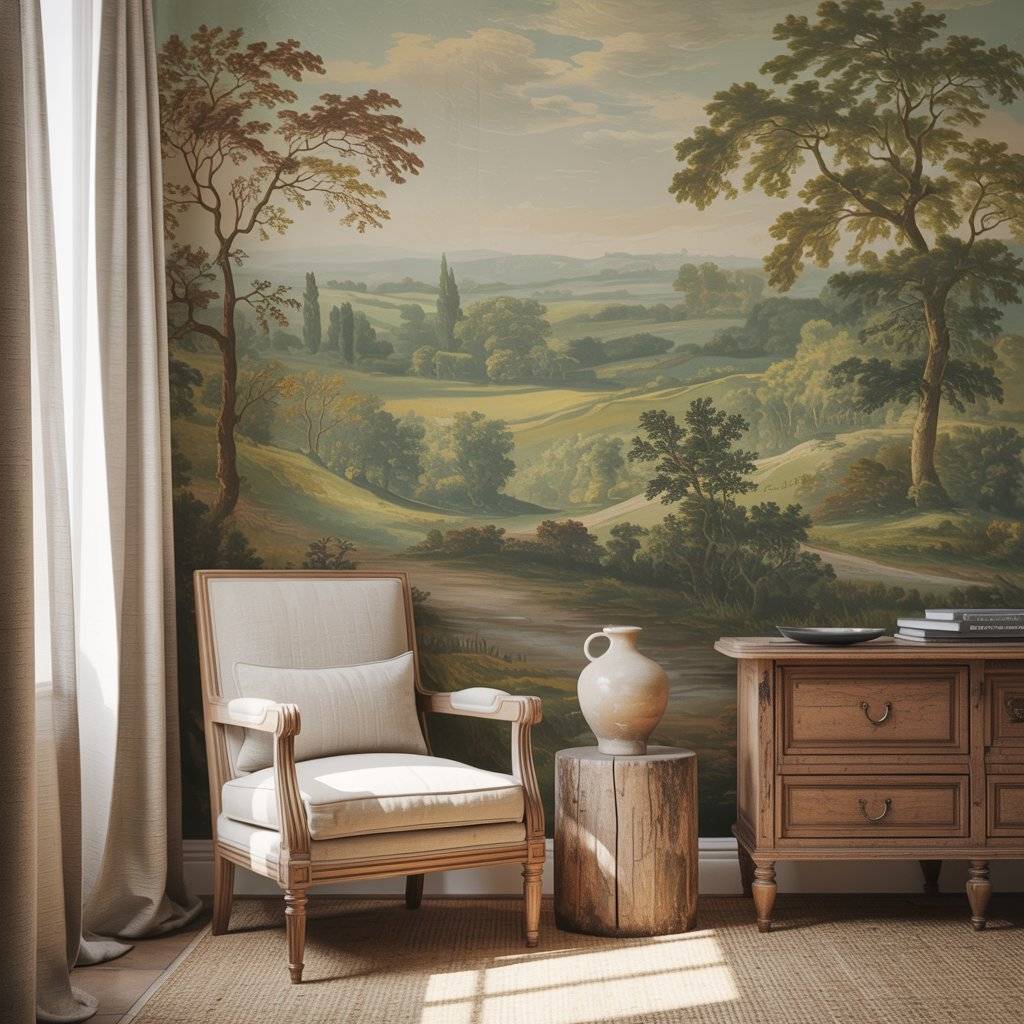
8. Using Murals in Small or Narrow Spaces
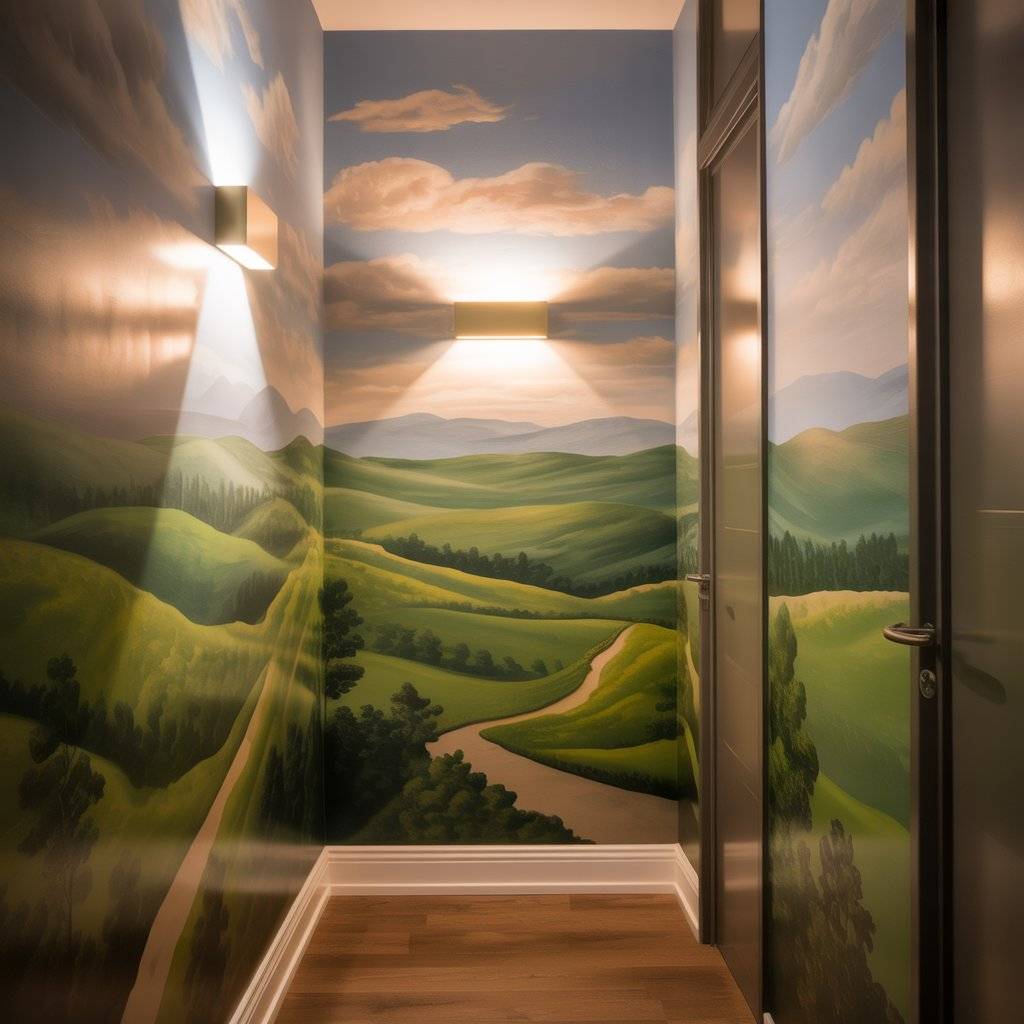
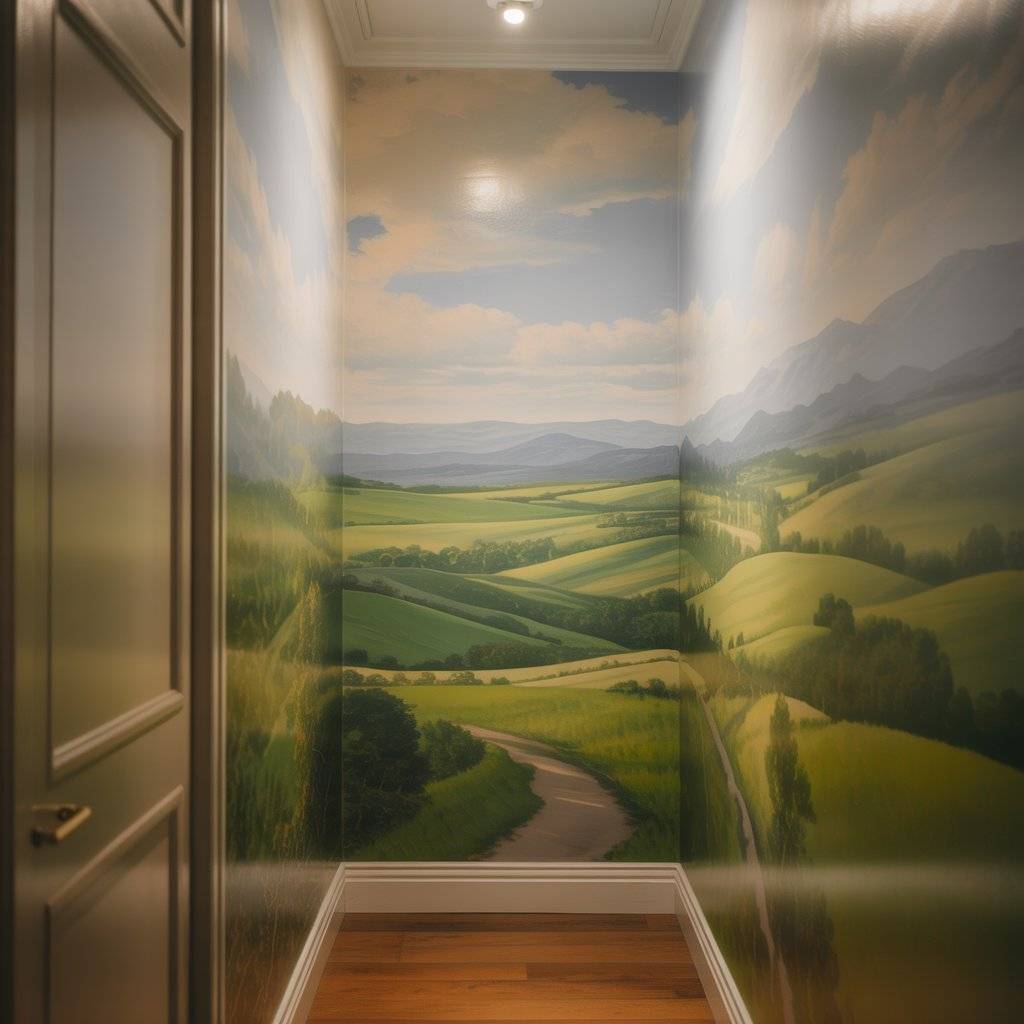
Many people assume murals are only for large rooms, but I’ve seen them work well in tight spaces too. Hallways, stair landings, and small dining areas can benefit from a landscape scene because it adds visual depth. It tricks the eye into seeing more space than there really is.
In narrow areas, I recommend choosing murals with open views paths, distant hills, or wide skies. Avoid crowded scenes with too many buildings or figures. Simple compositions feel calmer and less overwhelming in close quarters.
Lighting matters here. A soft wall light or nearby natural light helps bring out details without casting harsh shadows. When done right, a small space with a landscape mural can feel thoughtful rather than cramped.
Lighting Options chec price on amazon
- Soft, warm-toned lamps, wall sconces, or pendant lights.
9. Common Mistakes to Avoid Before You Install
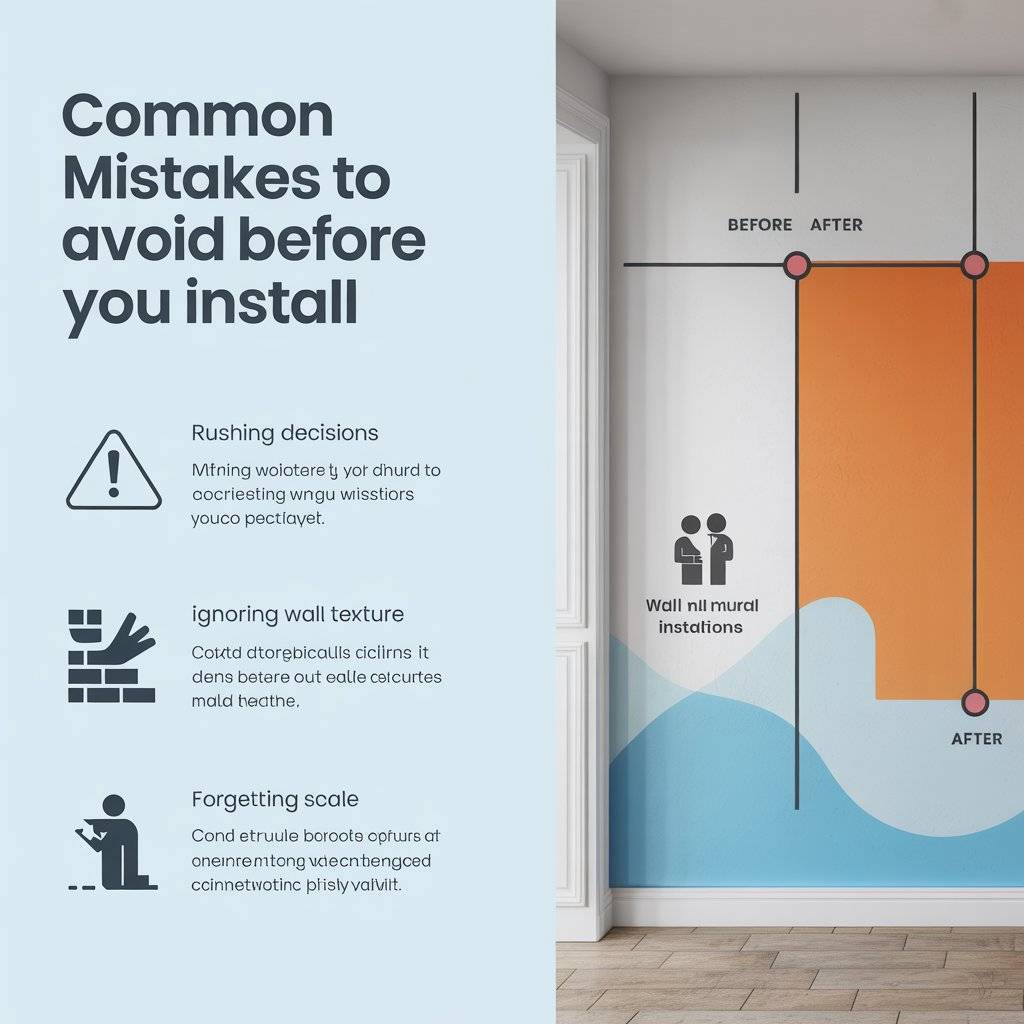
The most common mistake I see is rushing the decision. Choosing a mural based only on trend photos often leads to regret. I always suggest sitting with the image for a few days. Ask yourself if you’d still enjoy seeing it every morning.
Another mistake is ignoring wall texture. Peel and stick murals work best on smooth, clean walls. Heavily textured surfaces can cause lifting over time. Taking a few minutes to prep the wall makes a big difference in how long the mural lasts.
Finally, people often forget scale. A small mural on a large wall can feel lost, while an oversized one can overpower a room. Measuring carefully and checking panel sizes before ordering saves a lot of frustration later.

10. Why These Murals Feel Timeless in Everyday Homes
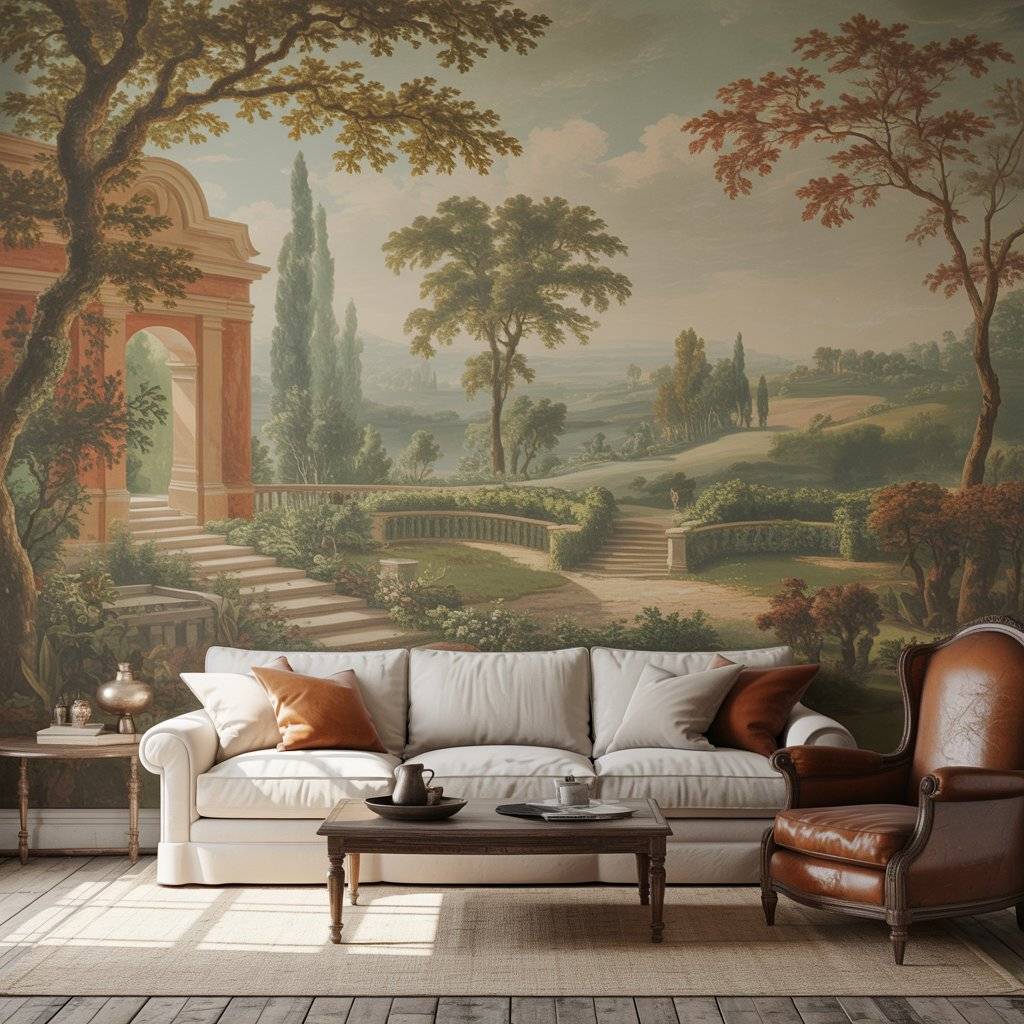
Vintage European landscape murals last because they’re rooted in nature and history. Trees, gardens, and stone paths don’t go out of style the way colors or patterns do. That’s why these murals feel steady even as trends change around them.
I’ve noticed that people live more comfortably with these scenes. They don’t demand attention. Instead, they quietly support the room. Over time, the mural becomes part of daily life something you glance at without thinking, like a familiar view.
That’s what makes them worth considering. They’re not about decorating for show. They’re about creating a space that feels settled, calm, and lived in.
11. How Lighting Changes the Look of a Landscape Mural
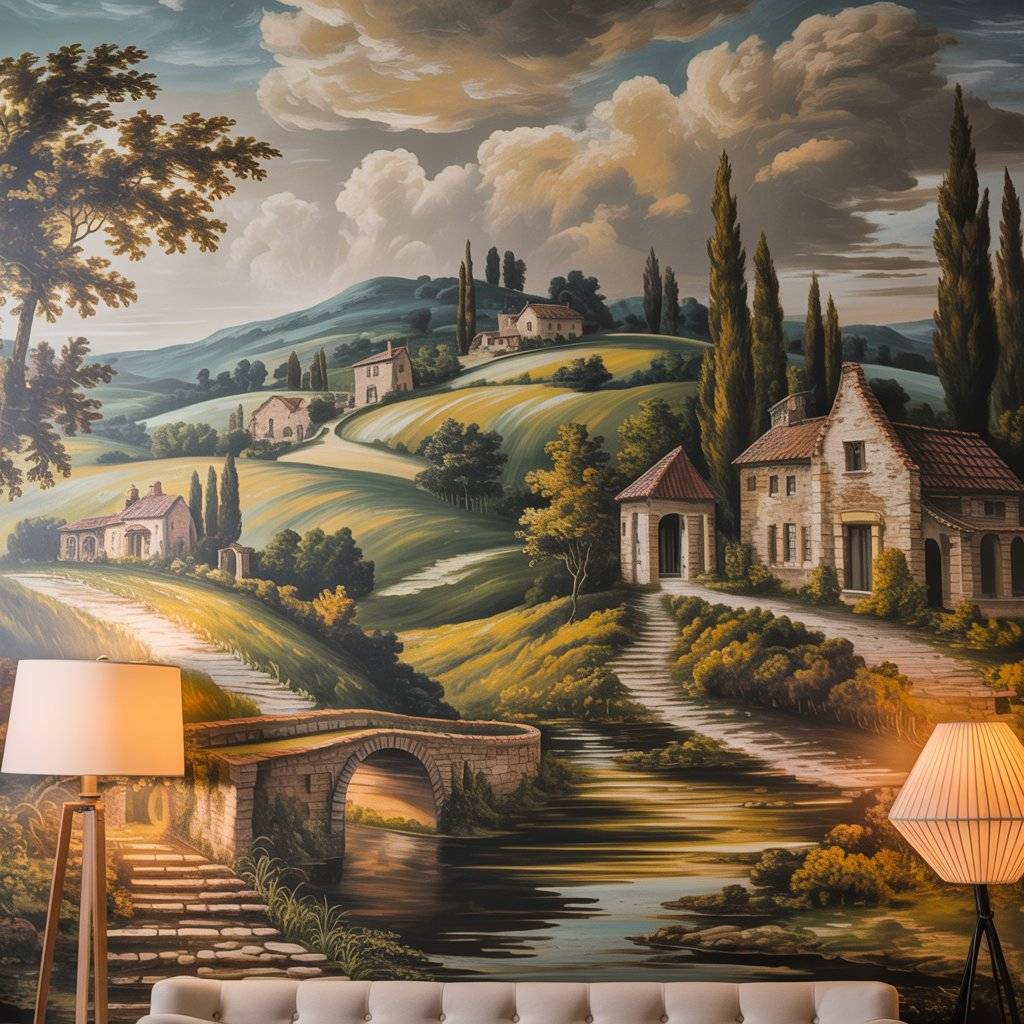
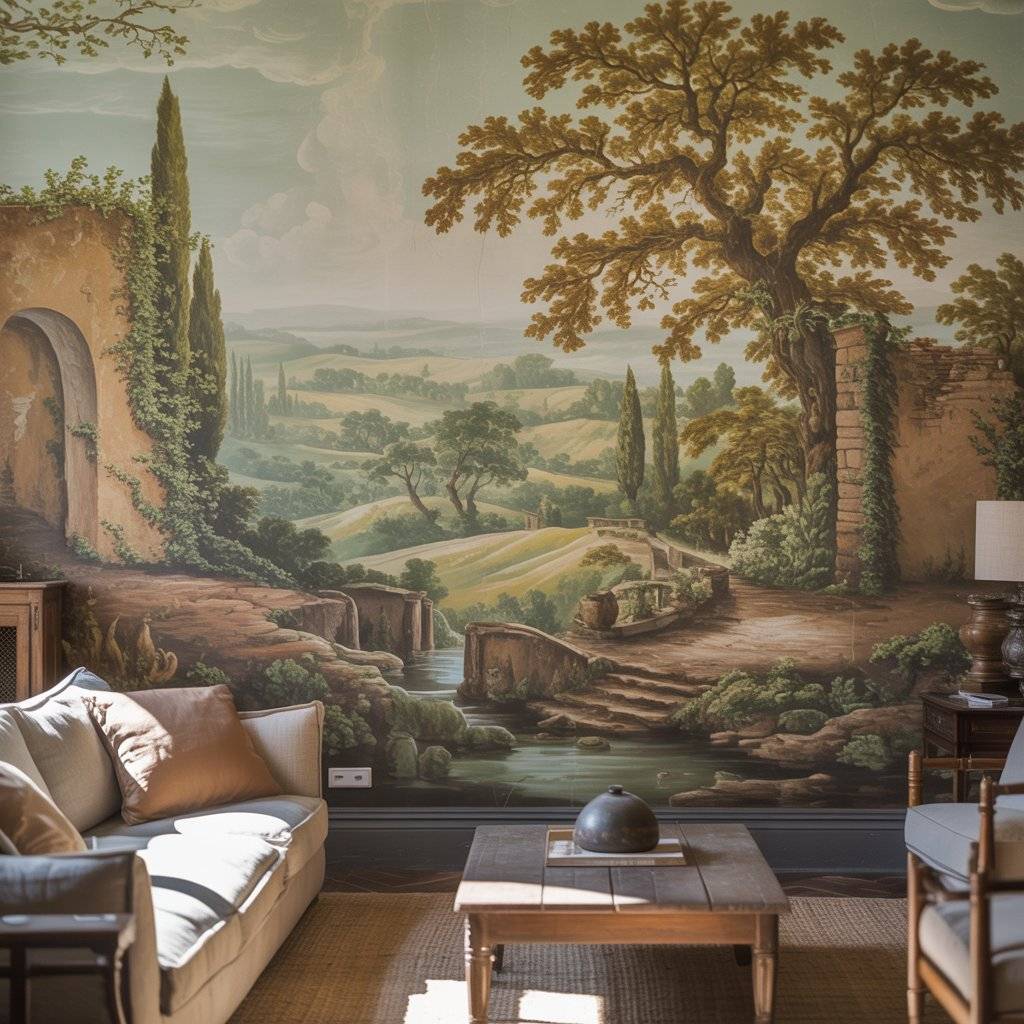
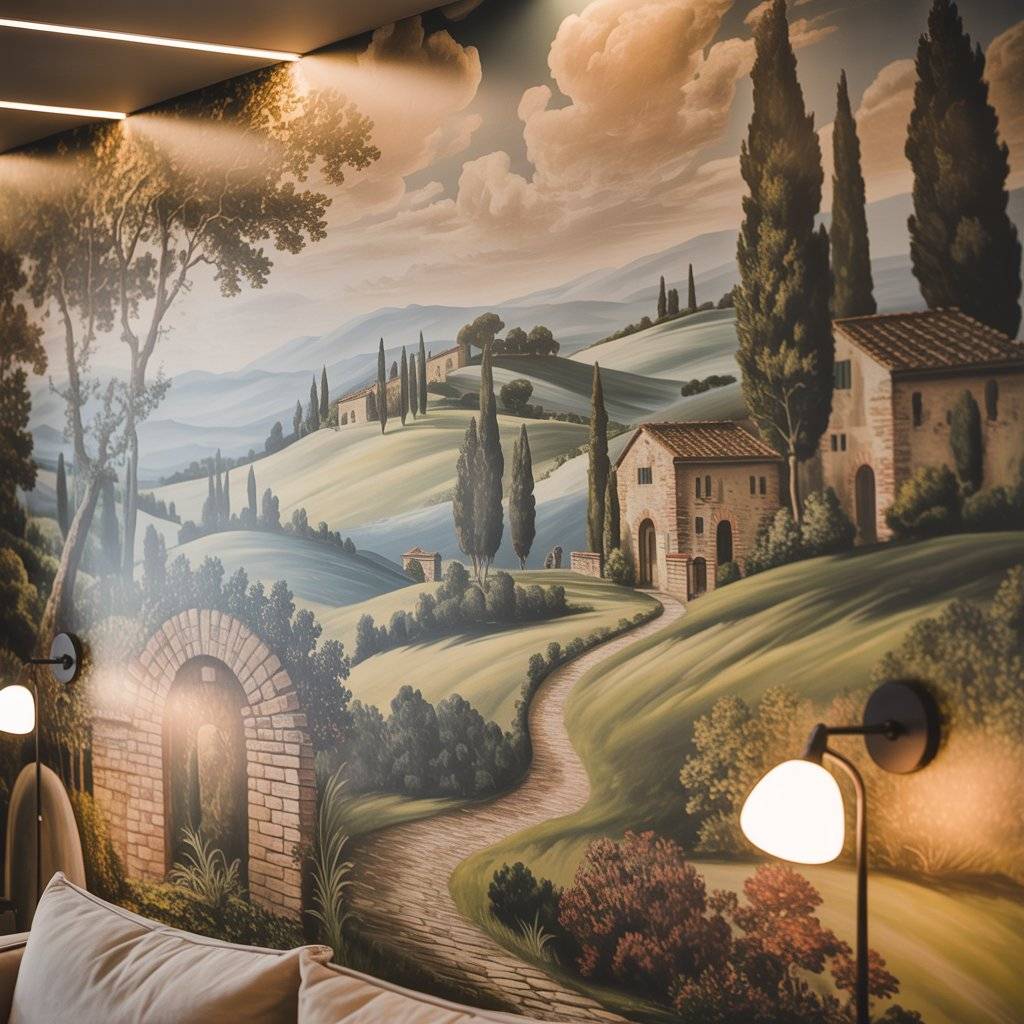
One thing people don’t always expect is how much lighting affects a mural. The same vintage European landscape can look soft and calm in the morning, then deeper and more detailed in the evening. Natural light brings out texture and brush-style details, especially in murals with trees, clouds, or stone paths.
If the room doesn’t get much daylight, warm lighting works best. Soft white bulbs help keep the mural from looking flat or dull. I avoid harsh overhead lights aimed directly at the wall because they can create glare. Instead, floor lamps or wall sconces nearby give a more natural effect.
This is something you can adjust over time. You don’t need new fixtures sometimes just changing the bulb makes the mural feel more balanced and comfortable.
12. Making the Mural Feel Like Part of the House
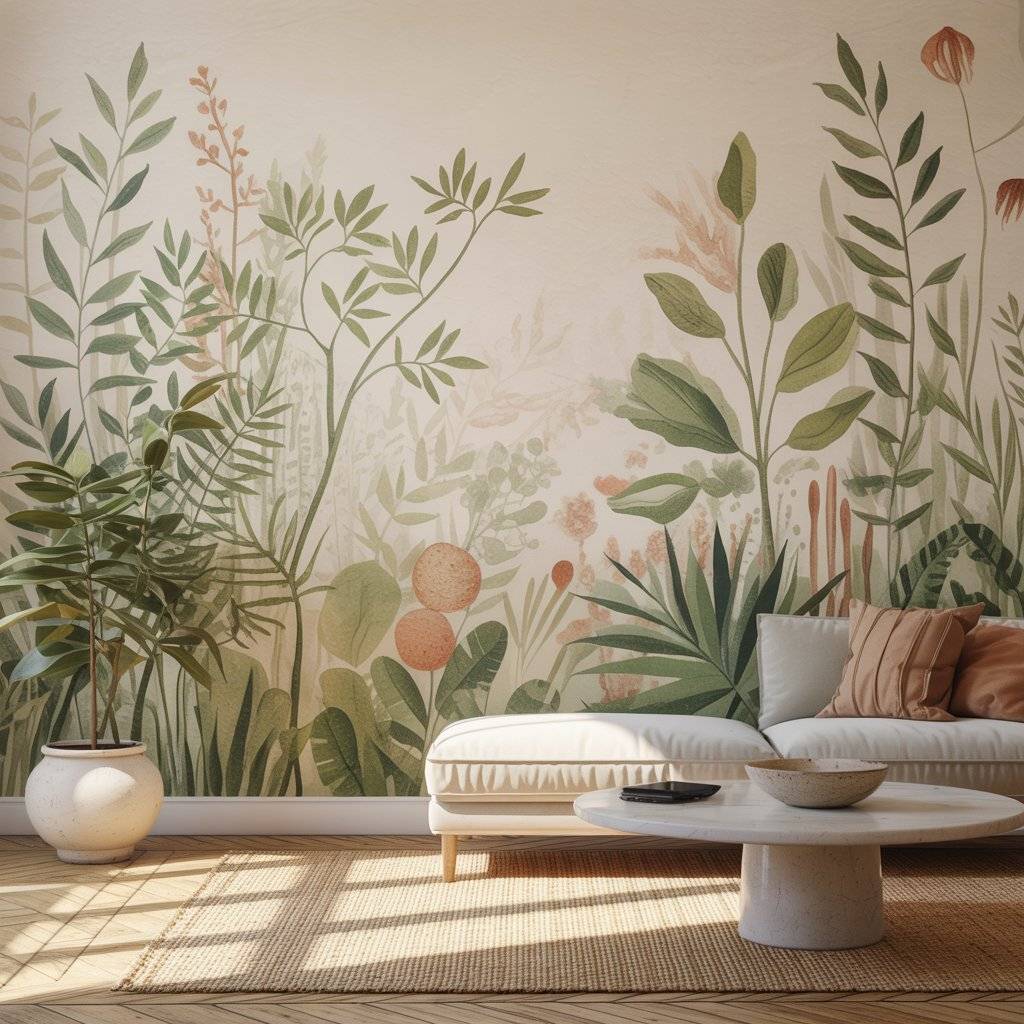
The best murals don’t feel separate from the home. They feel like they’ve always been there. One way I do this is by repeating small details from the mural elsewhere in the room. Not copying it exactly, just echoing it.
If the mural shows greenery, I’ll add one real plant nearby. If there’s stone or earth tones, I might use a ceramic bowl or textured rug. These small connections help tie the wall to the rest of the space.
I avoid matching everything too closely. That can feel forced. Instead, I let the mural set the mood and let the room respond naturally. Over time, this approach makes the space feel settled rather than styled.
13. Using Murals in Rental Homes Without Stress
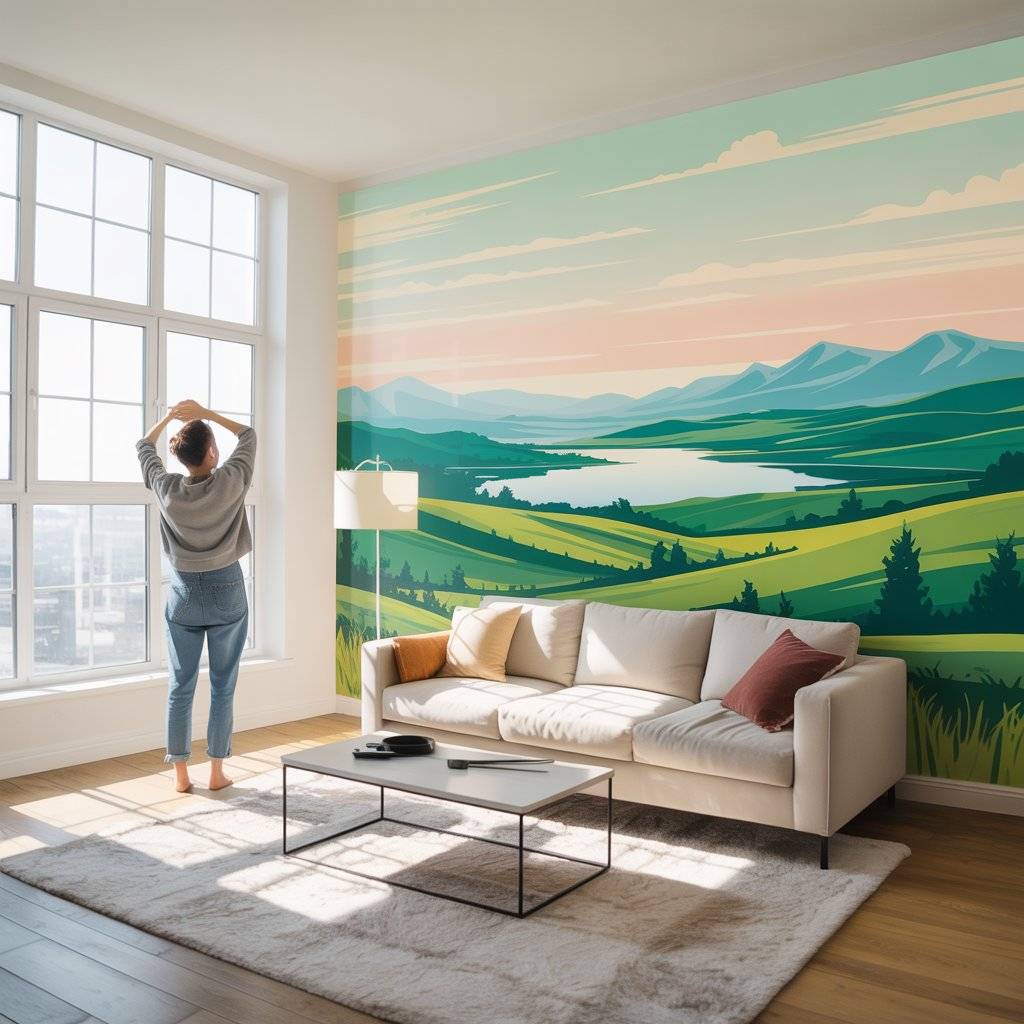
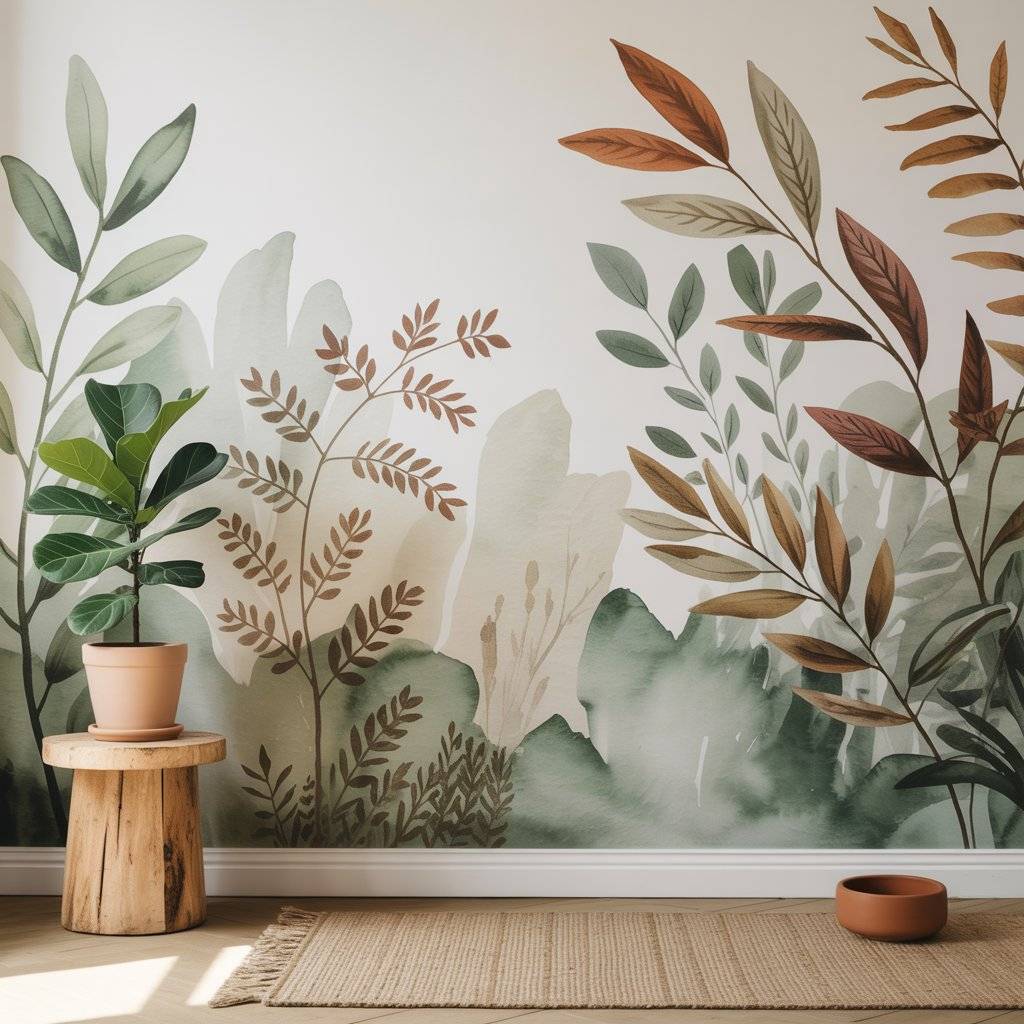
Renters often feel limited, but peel and stick murals actually open up options. I’ve seen them used successfully in apartments, rented houses, and temporary living spaces. The key is choosing a wall that’s easy to access and easy to repair if needed.
Before installing, I always clean the wall and test a small corner. This helps avoid surprises later. Most quality peel and stick murals remove cleanly, especially from painted drywall, but it’s still smart to go slow when taking them down.
What I like most is that renters don’t have to settle for plain walls. A vintage landscape mural can make a temporary space feel personal without risking damage or losing a security deposit.
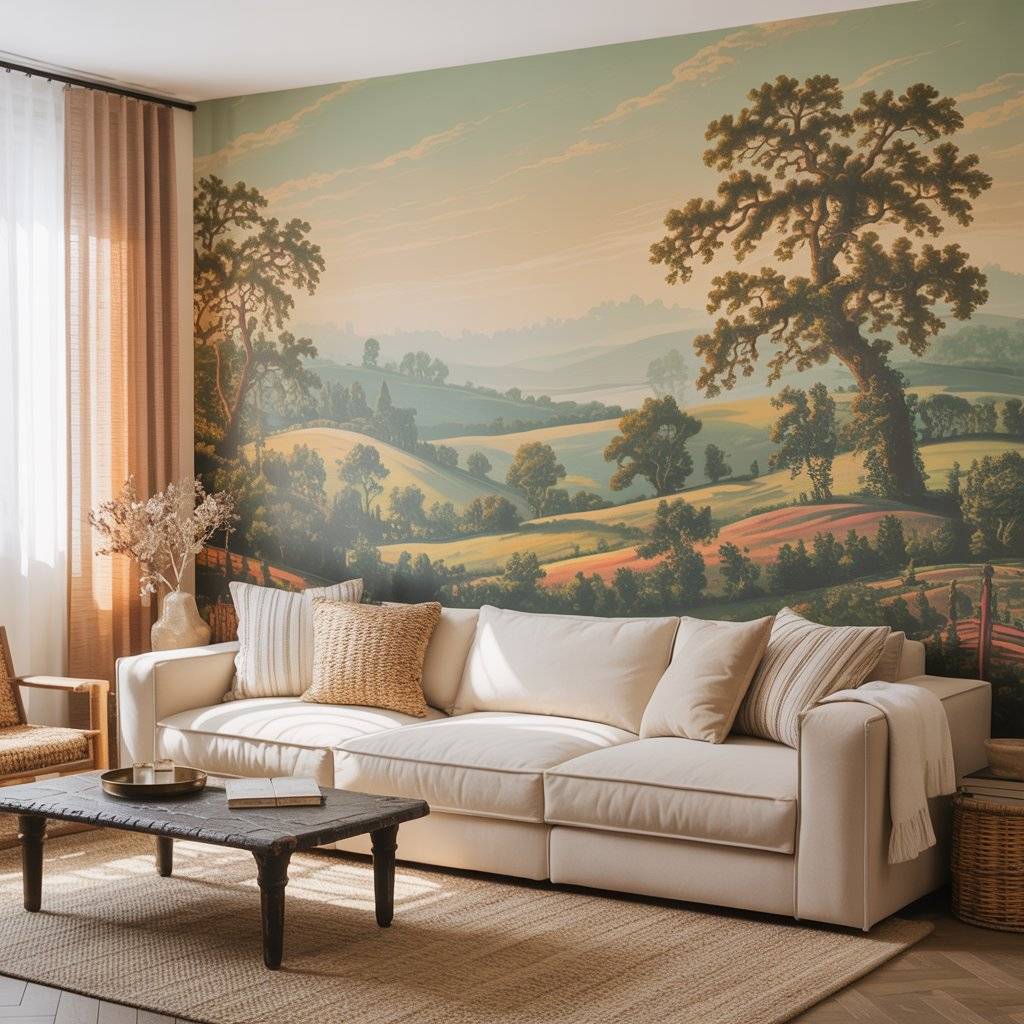
14. Knowing When a Mural Is Enough
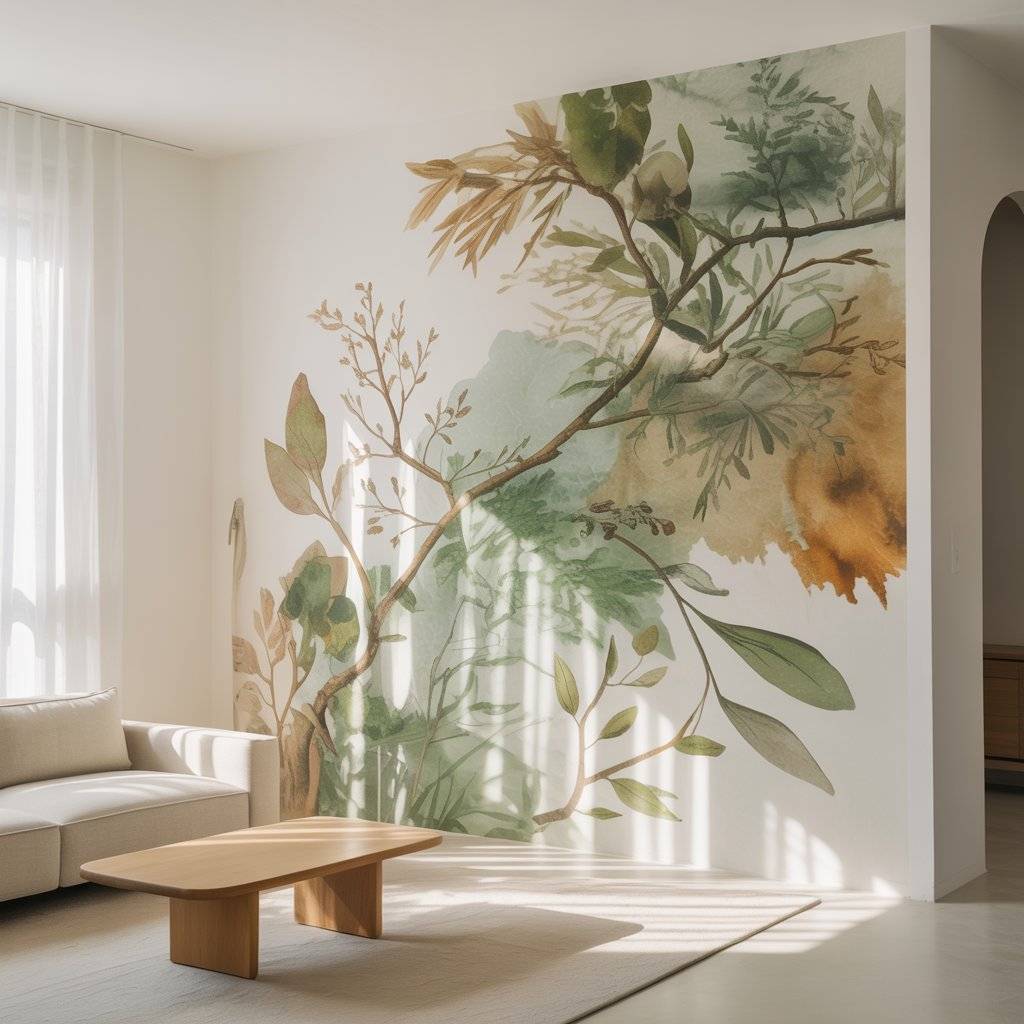
Not every room needs layers of decor. Sometimes the mural alone does the job. I’ve walked into spaces where the mural was clearly meant to carry the room, and adding more would have taken away from it.
If the wall already has depth and detail, I keep everything else simple. Fewer patterns, fewer colors, fewer distractions. This helps the mural stay calm rather than busy.
This approach also makes cleaning and rearranging easier. When the wall is doing the visual work, the rest of the room can stay practical and comfortable.
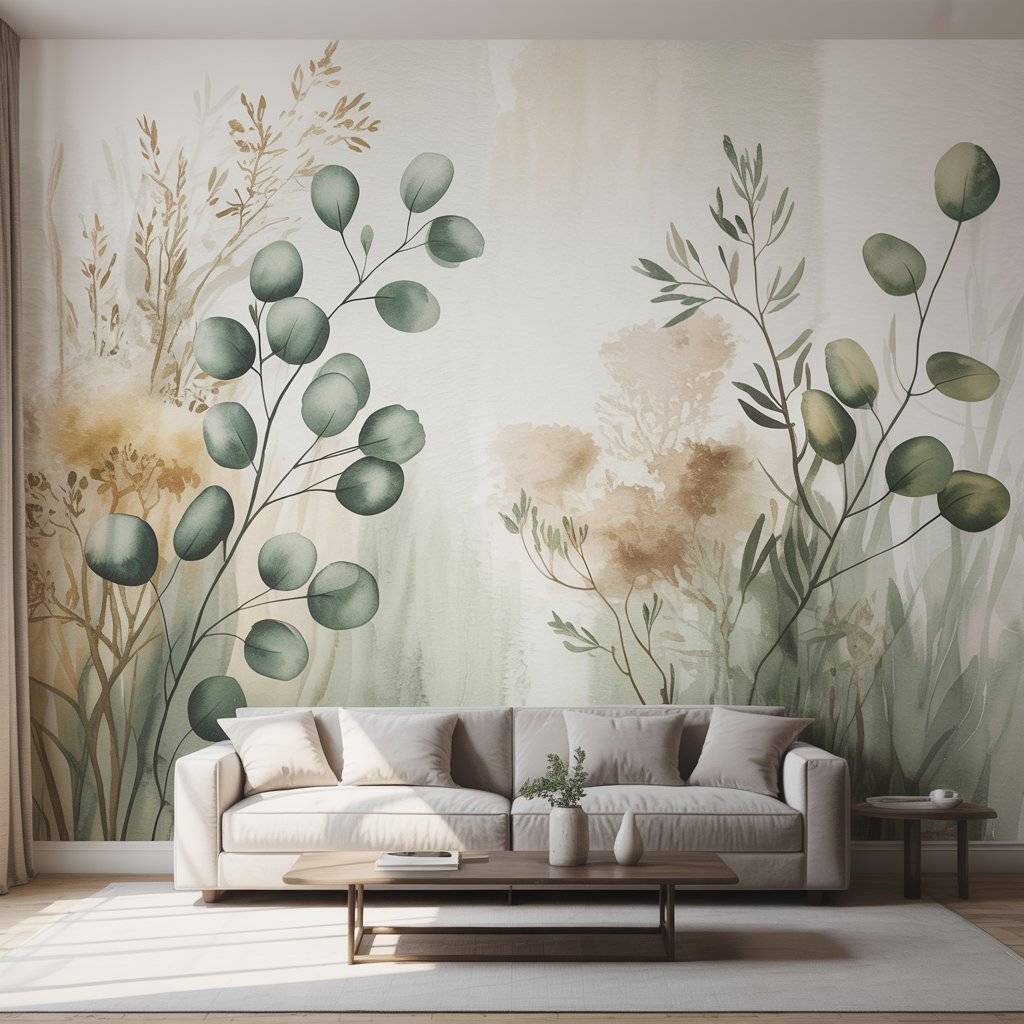
15. How These Murals Fit With Everyday Family Life
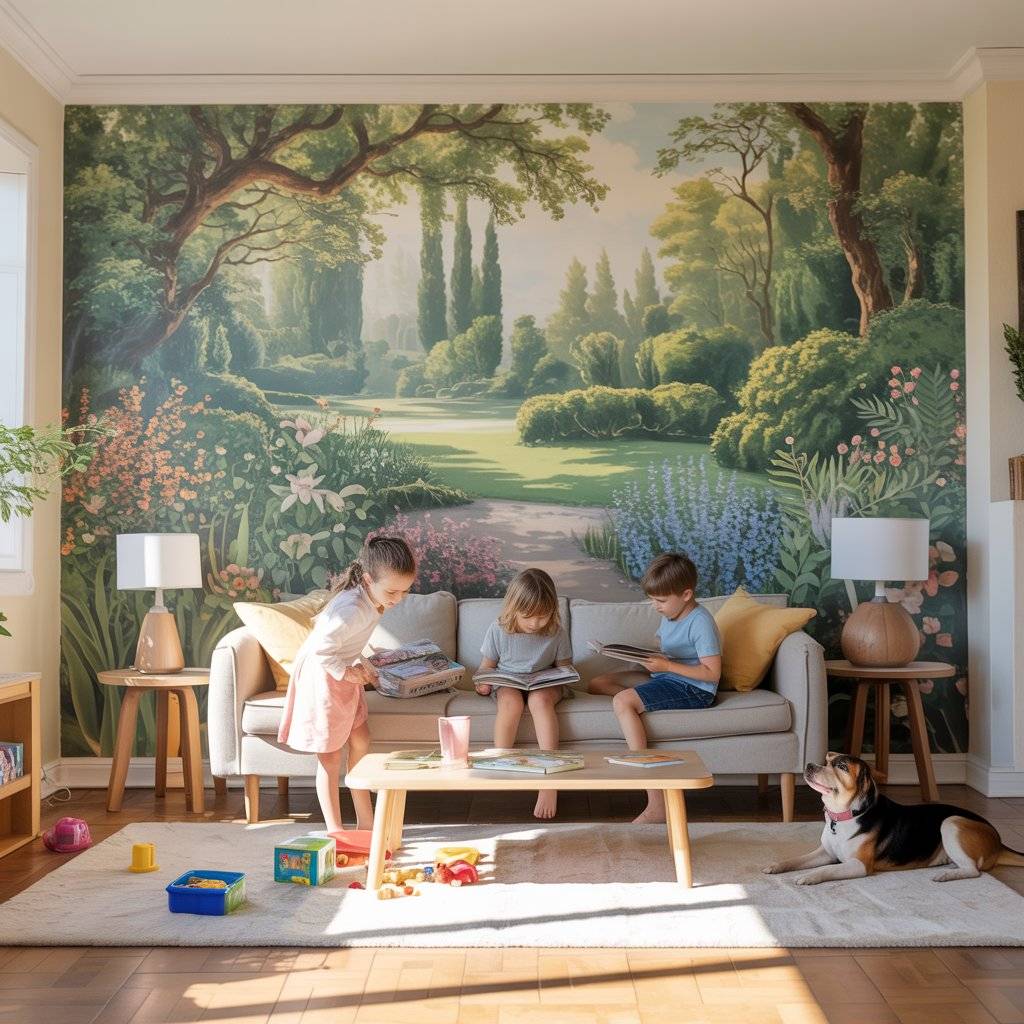
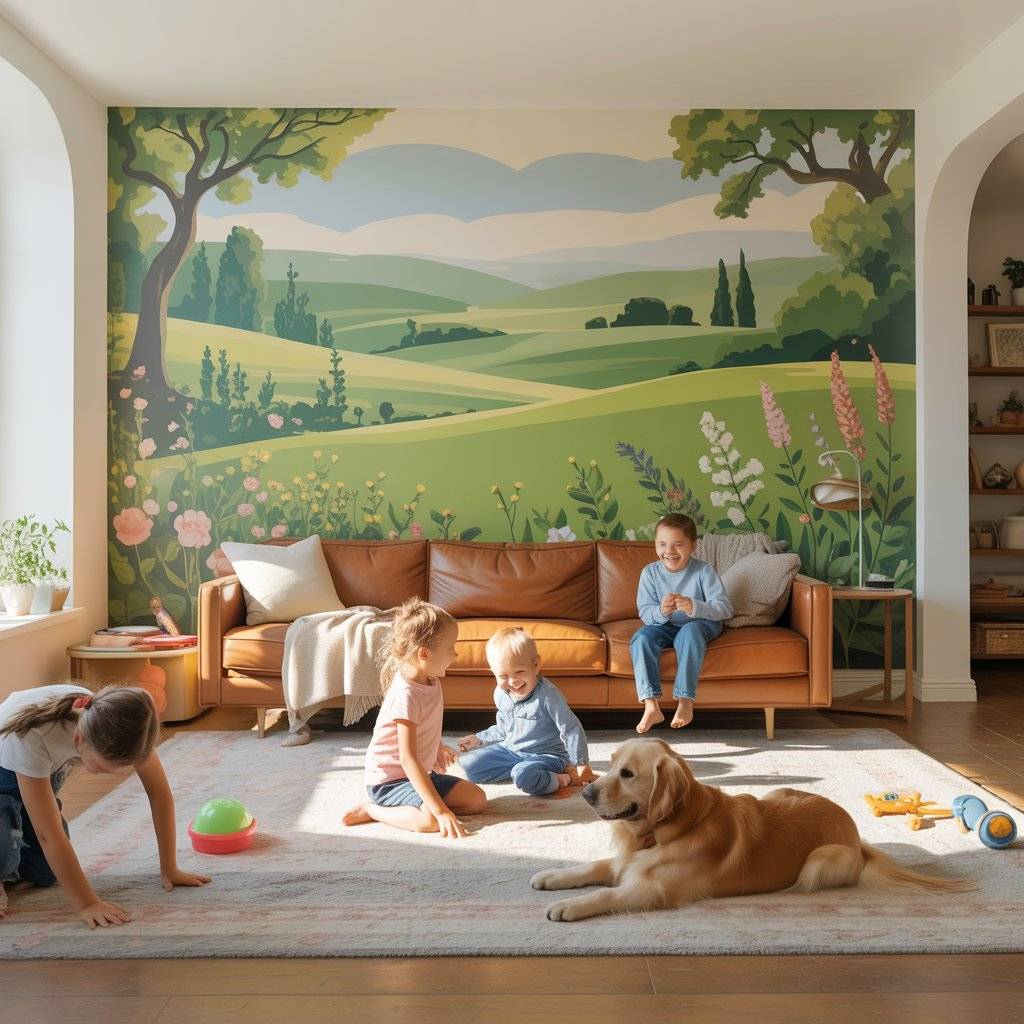
One concern I hear often is whether a detailed wall mural can handle real life kids, pets, daily movement. From what I’ve seen, peel and stick landscape murals hold up well when placed thoughtfully. They work best on walls that aren’t constantly rubbed by chairs, doors, or heavy traffic.
In family homes, I’ve noticed murals help soften busy spaces. A garden scene in a dining area or living room creates a calmer backdrop during noisy moments. It doesn’t fix chaos, but it balances it.
If fingerprints happen, a gentle wipe usually takes care of it. The key is treating the mural like a painted wall, not something fragile or untouchable.
16. Seasonal Changes and Why Murals Still Feel Right
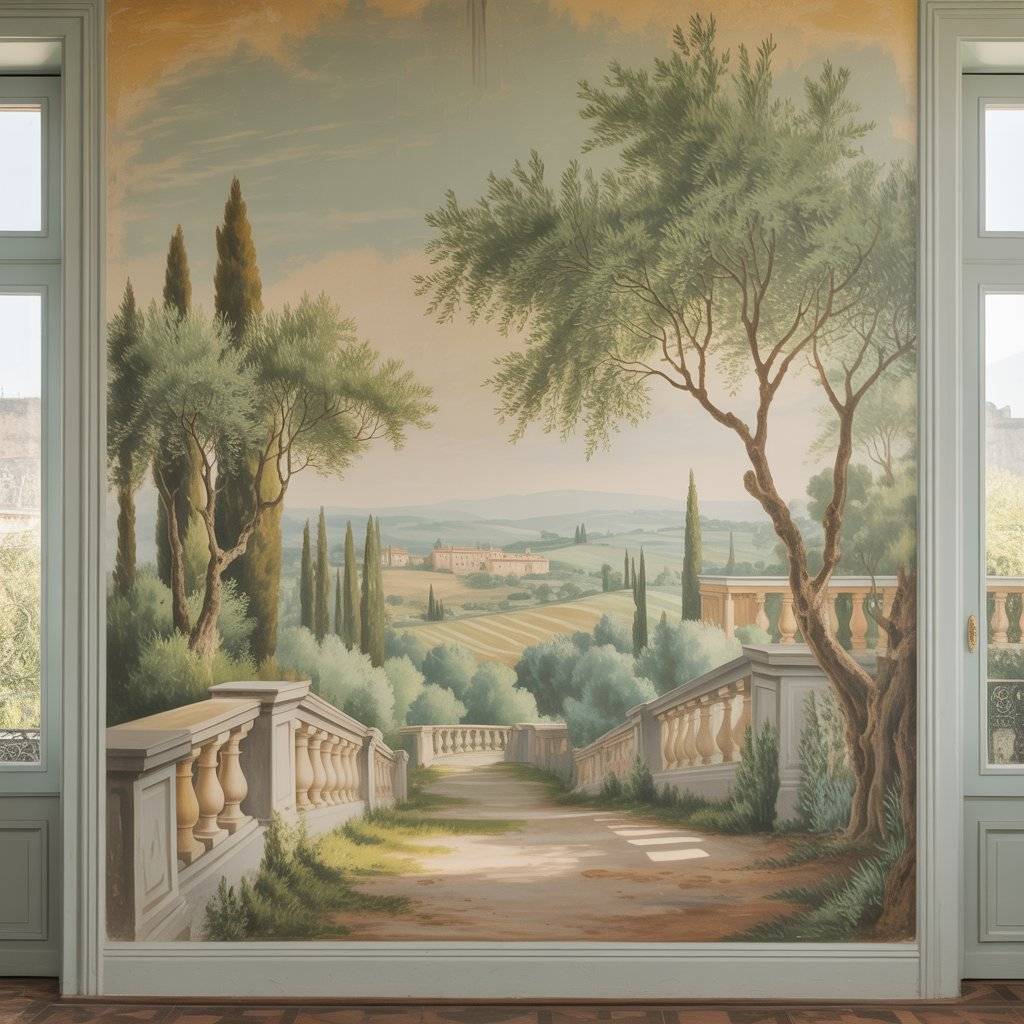
Unlike seasonal decor that comes and goes, vintage European landscape murals stay relevant year-round. Garden paths, trees, and open skies don’t belong to one season. They adapt naturally as the light changes throughout the year.
In warmer months, the mural feels airy and open. In colder months, it adds depth and warmth, especially when paired with heavier fabrics like wool or linen. I’ve found this consistency comforting. You don’t feel the need to update or cover it as seasons shift.
That’s one reason these murals work long-term. They don’t lock your space into a specific mood or time of year.
17. When It Makes Sense to Change or Remove a Mural
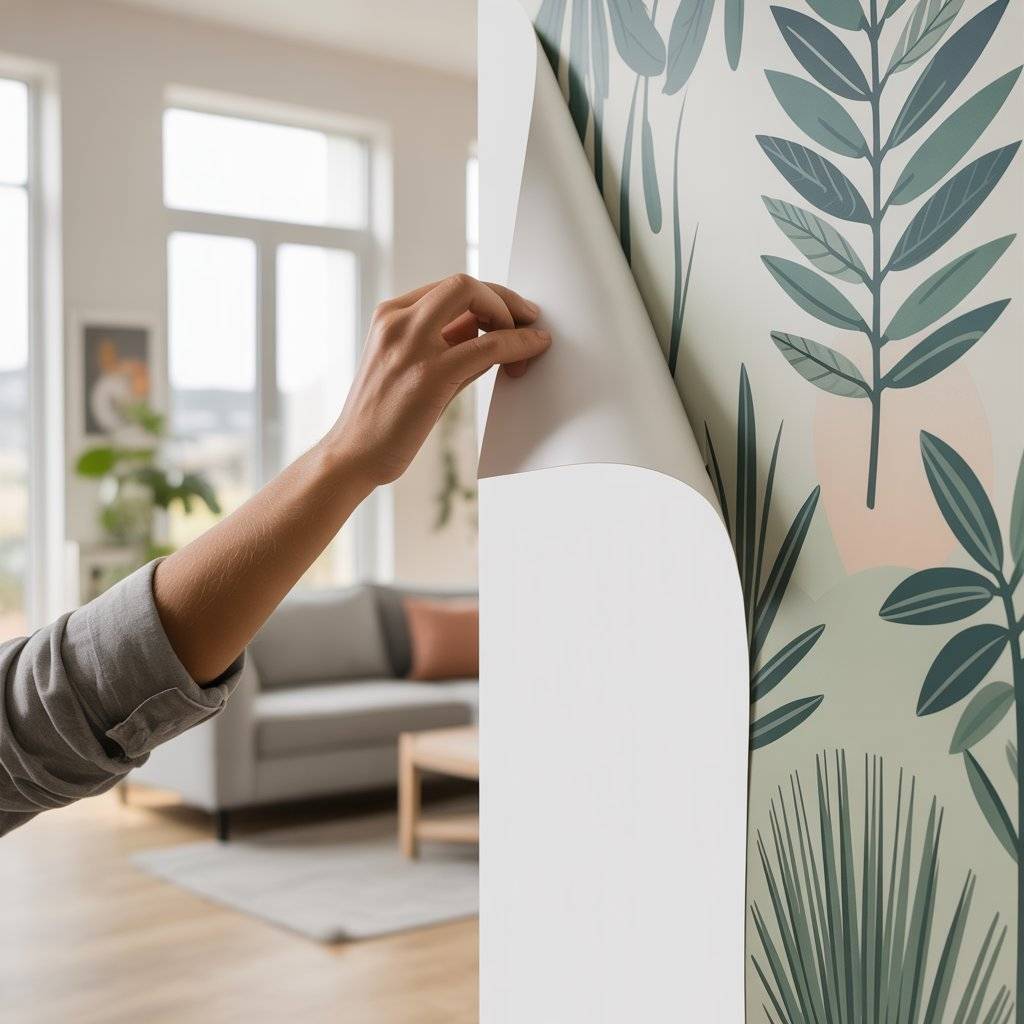
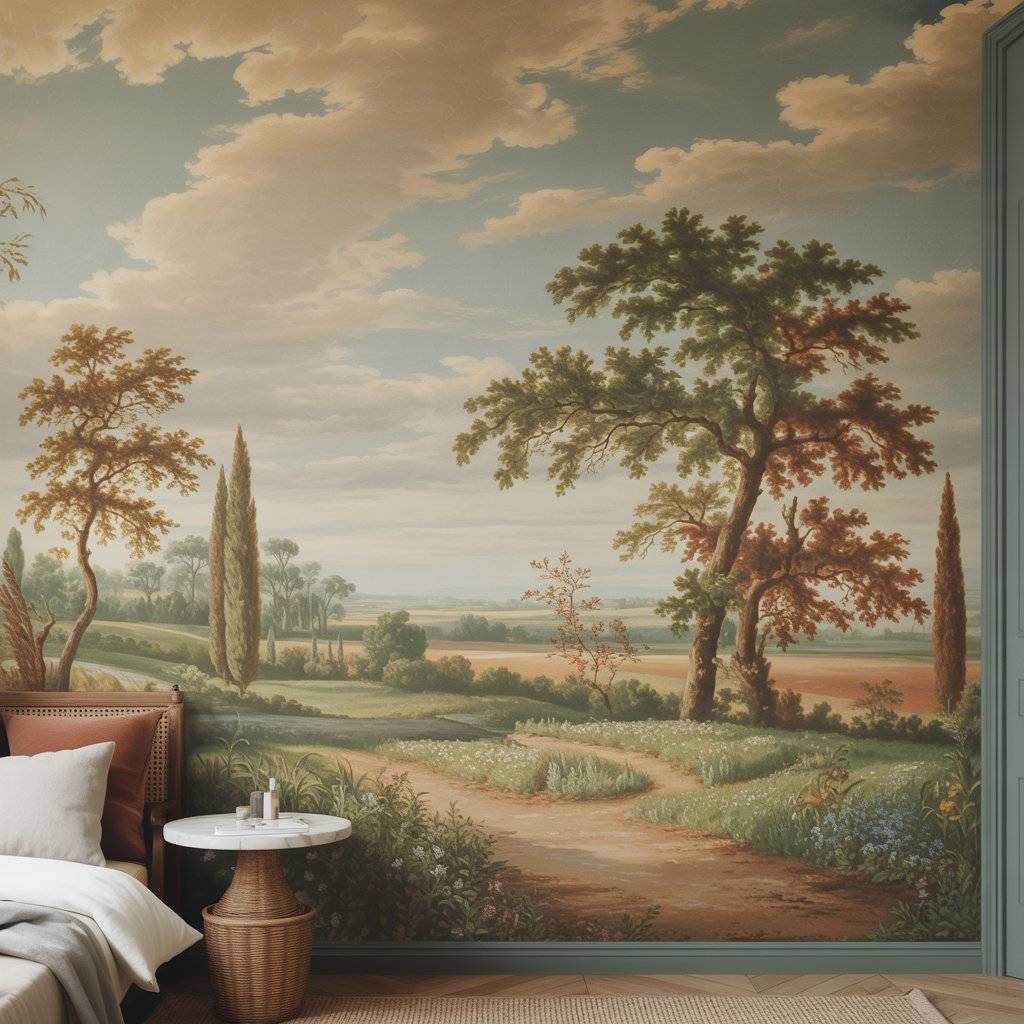
Even good design doesn’t have to be permanent. One advantage of peel and stick murals is knowing you can change them when your space or lifestyle changes. Moving, redecorating, or simply wanting a fresh feel are all valid reasons.
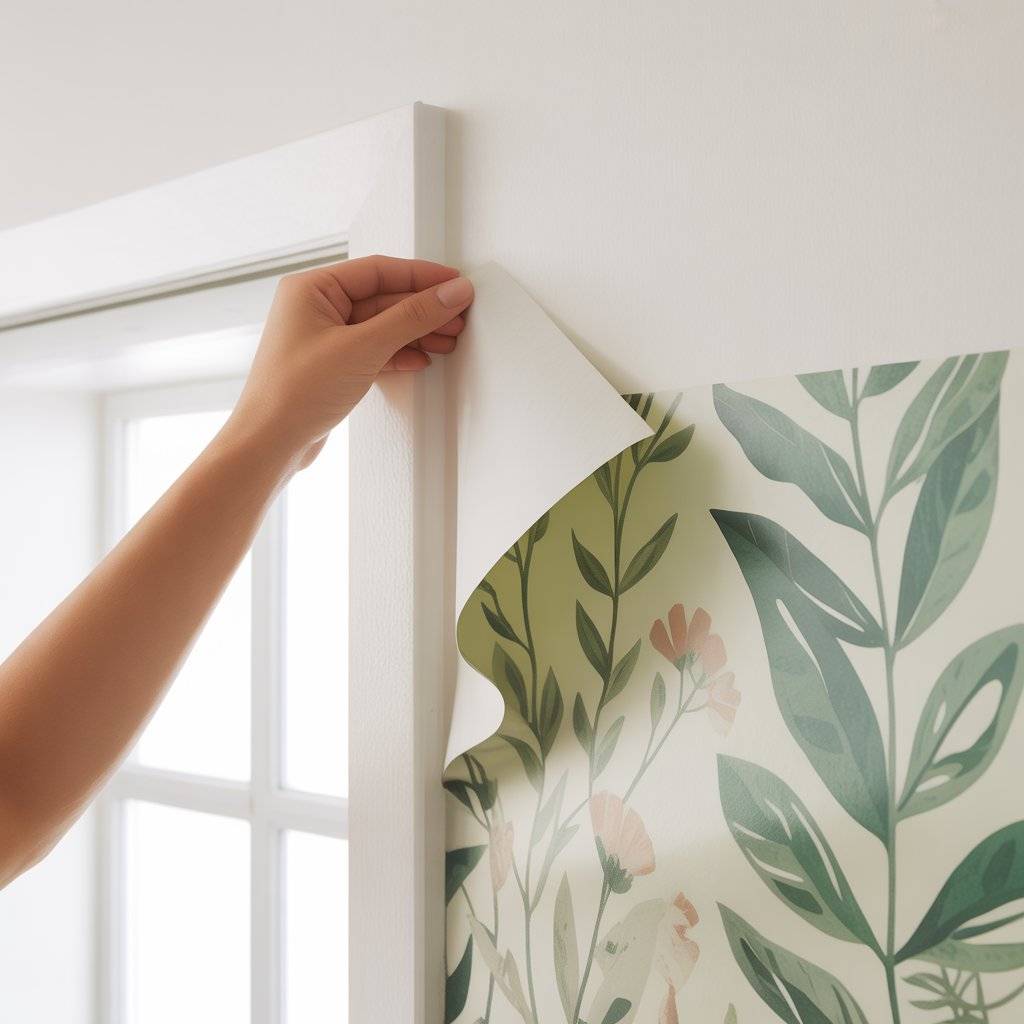
When removing a mural, I go slowly and start from one corner. Pulling at a low angle helps protect the wall. Also Most of the time the wall underneath looks the same as it did before.
Knowing removal is easy takes the pressure off the decision. You can enjoy the mural fully without worrying about being stuck with it forever.
18. Why Vintage European Landscapes Continue to Matter
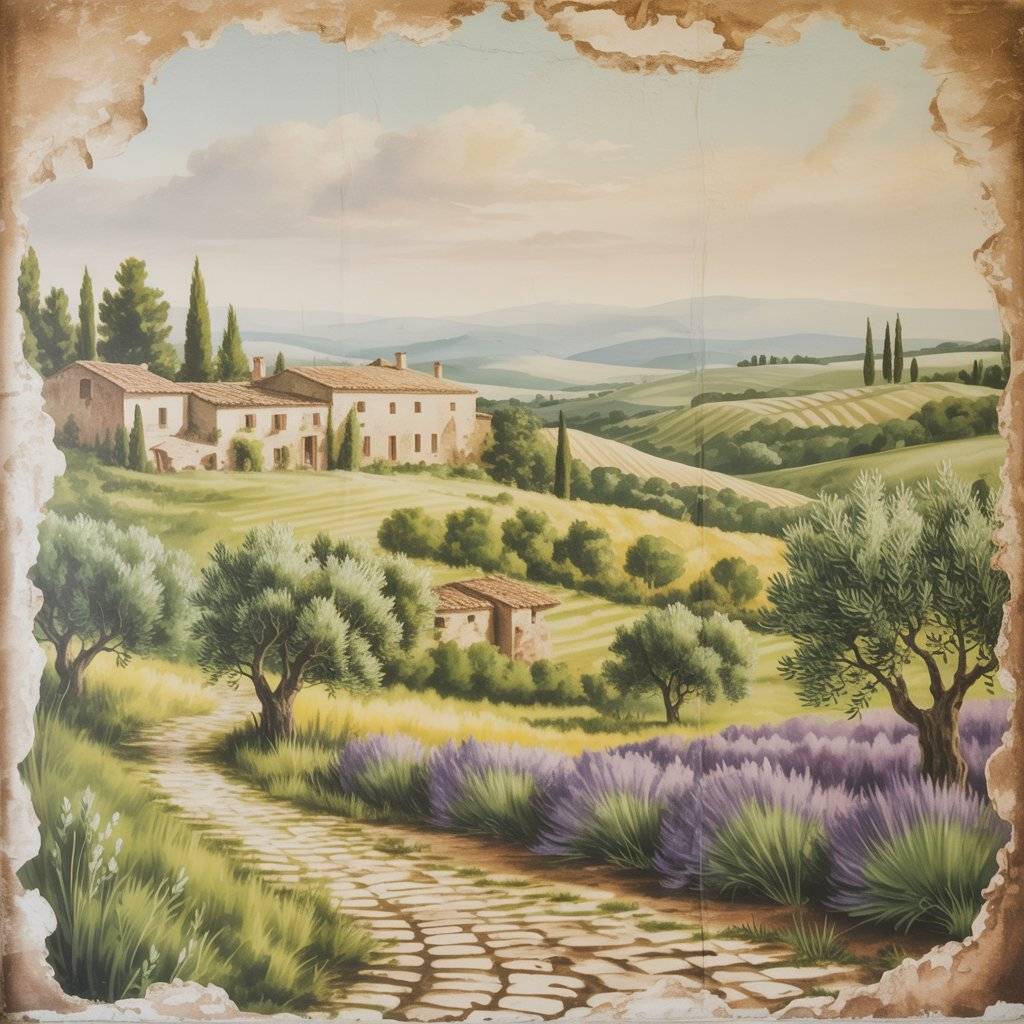
There’s something steady about these scenes. They reflect places shaped over time, not rushed or overdesigned. That feeling translates well into homes that value comfort and balance over trends.
Vintage European landscape wall murals don’t ask for attention. They offer it quietly. Over time, they become familiar, like a view you’ve known for years.
For anyone looking to add character without noise, and beauty without excess, these murals remain a thoughtful choice. They support a home rather than compete with it and that’s why they continue to matter.
19. Final Thoughts on Living With Vintage Landscape Murals
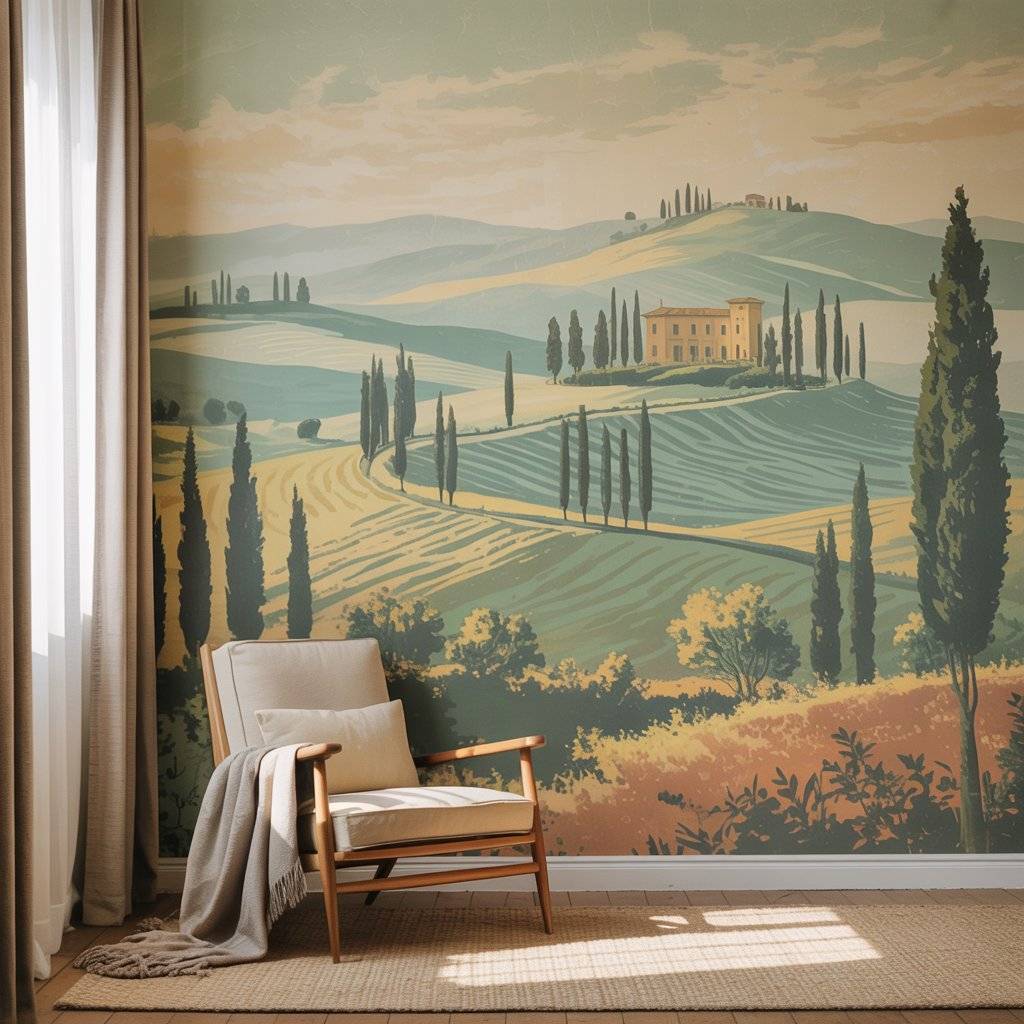
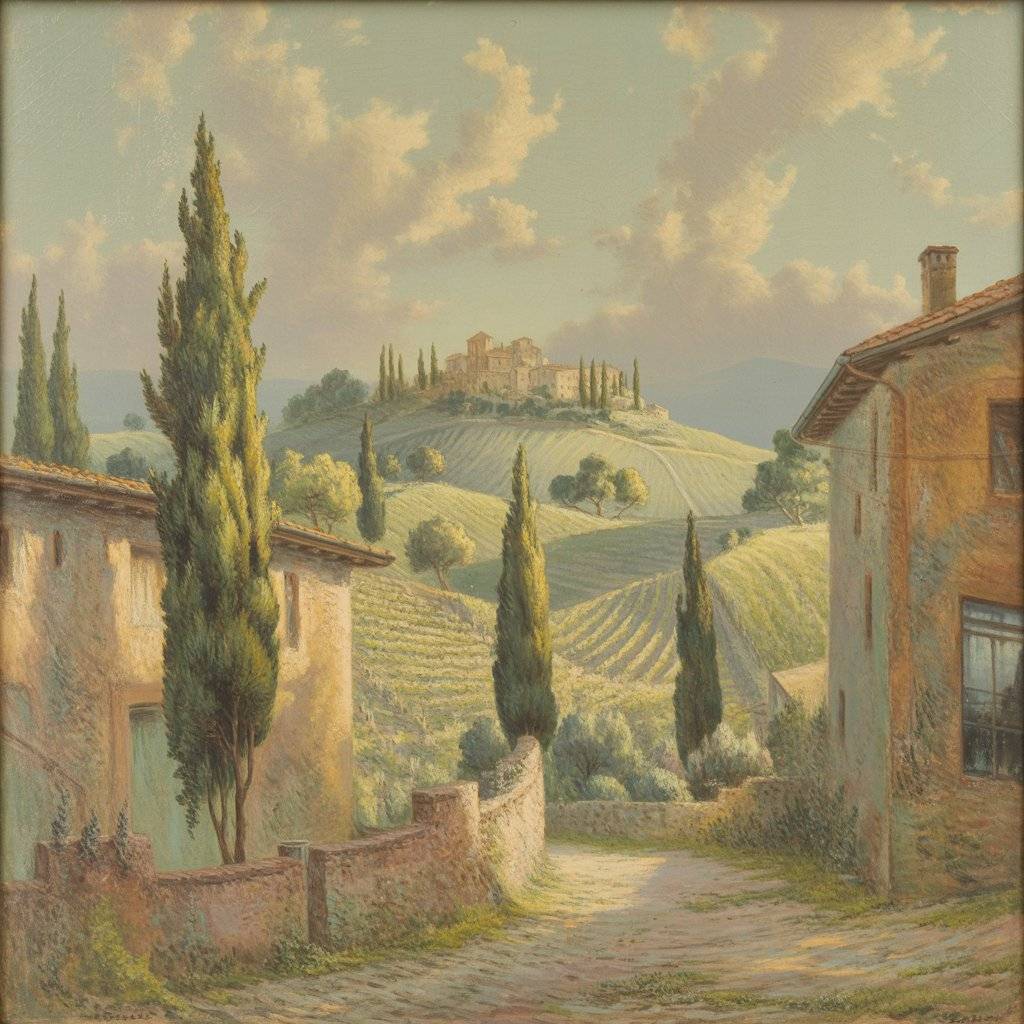
After spending time with these murals in real homes, what stands out most is how quietly they work. They don’t try to impress. They just sit there, offering a sense of place.
Vintage European landscape peel and stick murals fit well into everyday life. They suit slow mornings, quiet evenings, and lived-in spaces. They’re flexible, removable, and forgiving, which makes them easy to live with long-term.
If you take your time choosing one and install it with care, it can become a background you don’t think about much but one you’d miss if it were gone. That, to me, is a sign it’s doing its job.
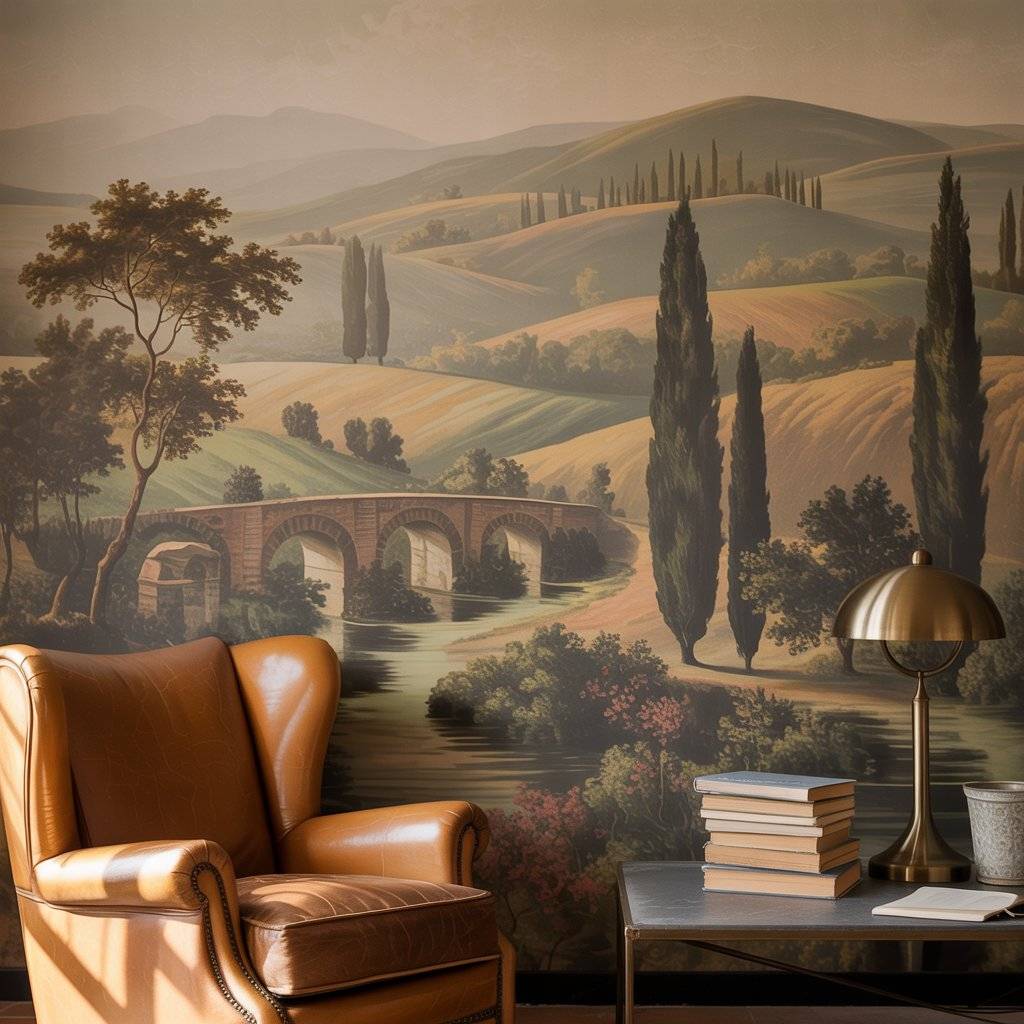
Verdict
If you like spaces that feel calm and settled, these murals make sense. You get character on the wall without locking yourself into anything permanent. They add depth and a sense of place, but they don’t take over the room or force you to decorate around them.
What I’ve noticed is that they work best when you don’t overthink them. Good light, simple furniture, and taking your time during installation is enough. Once they’re up, they just sit there and do their thing. They don’t ask for attention, and that’s the point.
Conclusion
A vintage European landscape mural isn’t just decoration. It can make your home feel calm and a little more special. You don’t need to overthink it or add a lot of extras. Pick a scene you like, make sure it gets some light, and that’s enough.
If you’re thinking about getting one, just go for it. Put it on a wall, watch how it changes the room, and see how it makes a corner or hallway feel better. Small steps like that make a space feel more like yours.
Take your time, but try it. You’ll see how it changes a room without being too much. When it’s done, your home will feel lived in, welcoming, and yours.
Related Post: