
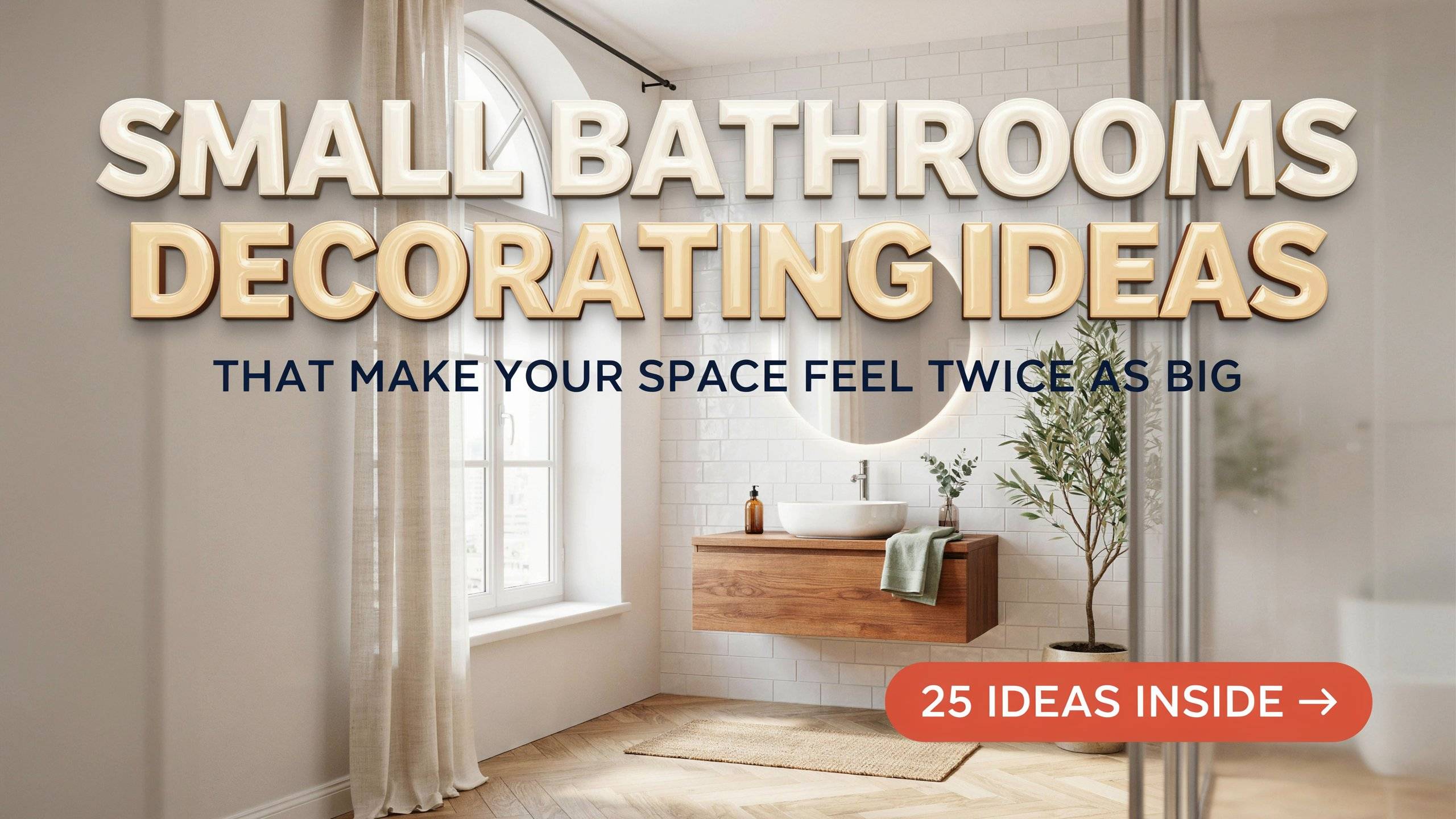
Small bathrooms come with a list of frustrations. Not enough storage. Tight corners. That feeling of bumping into the same wall every morning.
The good news is that you don’t need to knock down walls or win the lottery to fix it. With a few smart choices, you can make a tiny bathroom feel open, organized, and even a little luxurious. Here are 13 ideas that work.
1. Stick to One Light Color Scheme
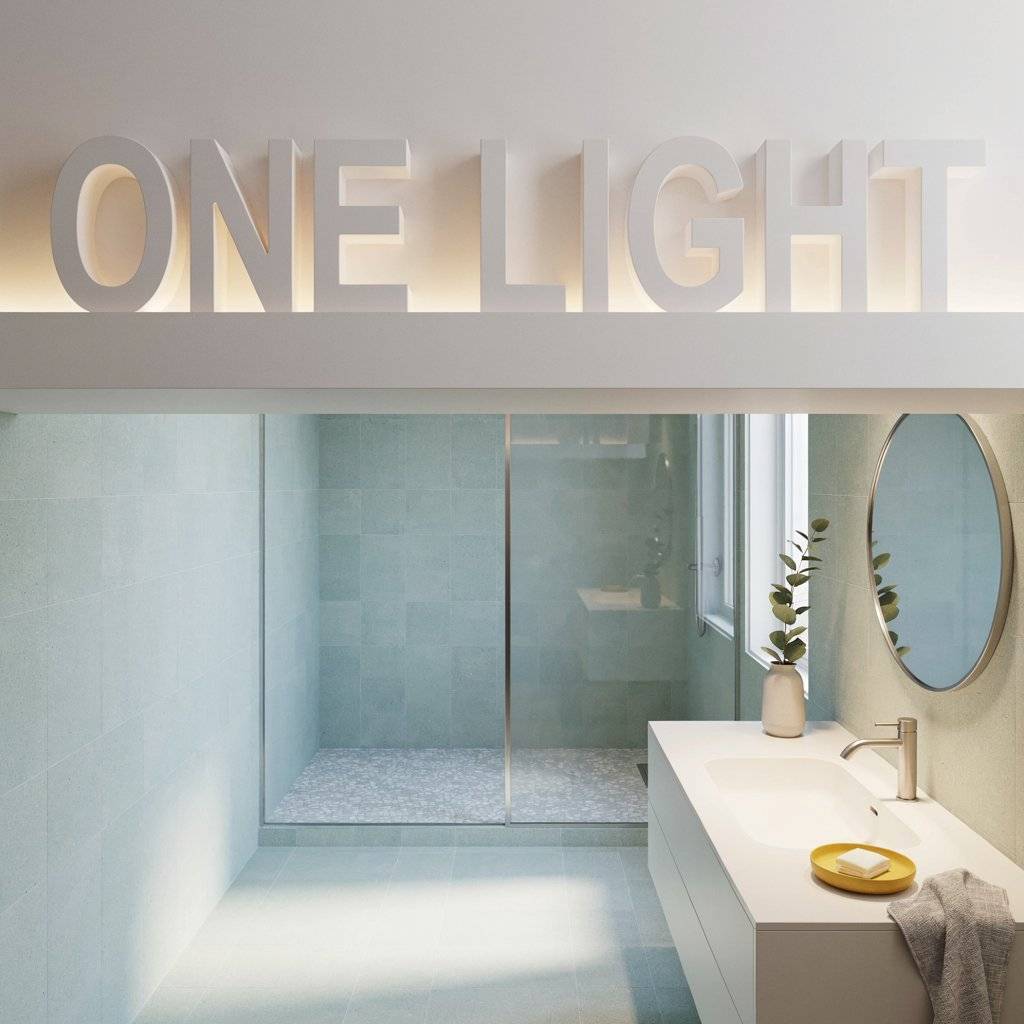
The quickest way to make a small bathroom feel bigger is to keep everything in the same light tone. Designer Pamela O’Brien says the key is avoiding heavy contrast between colors, meaning everything from floor to ceiling should share a similar hue or tone. Think soft whites, pale grays, or spa-like greens.
This creates a seamless flow that tricks the eye into seeing more space. If you want a pop of personality, add it through one small accessory, not the walls. A single yellow soap dish or a patterned hand towel can bring interest without breaking the calm, open feel.
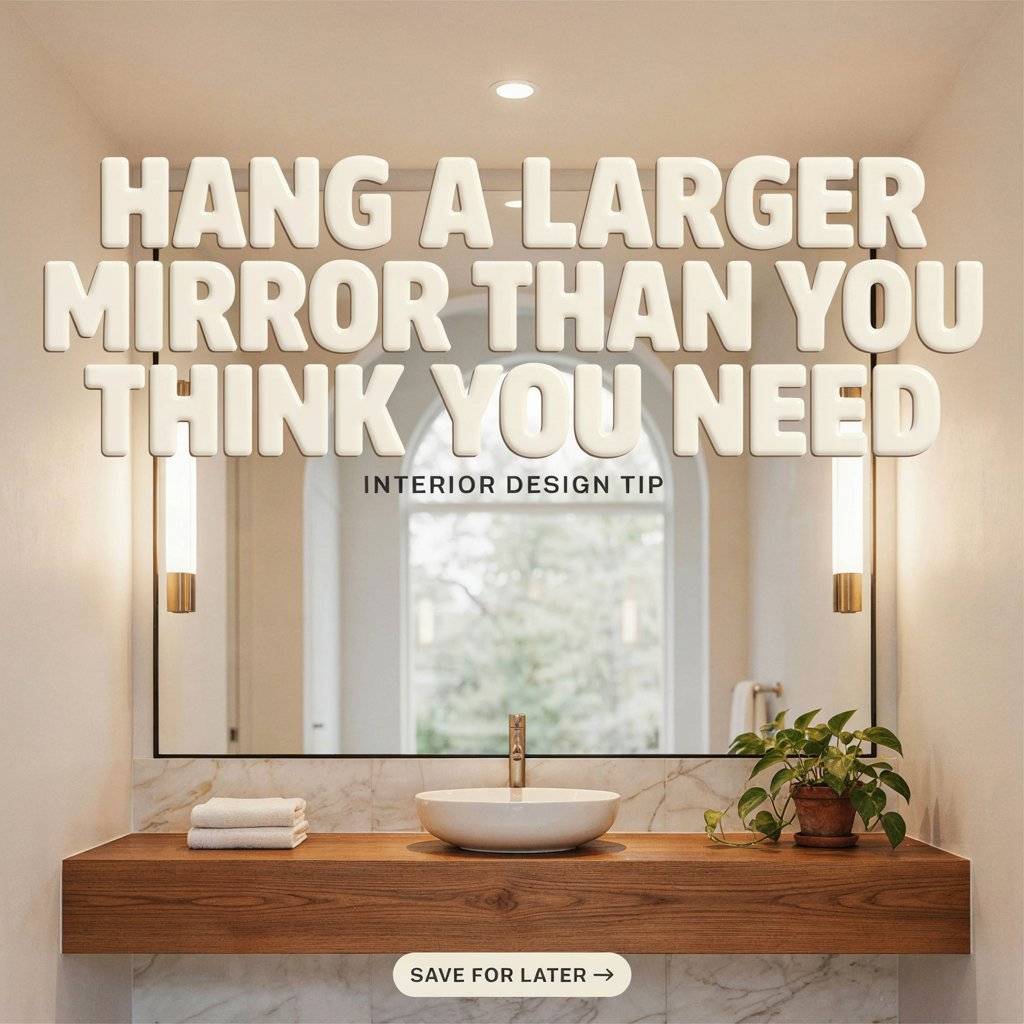
2. Hang a Larger Mirror Than You Think You Need
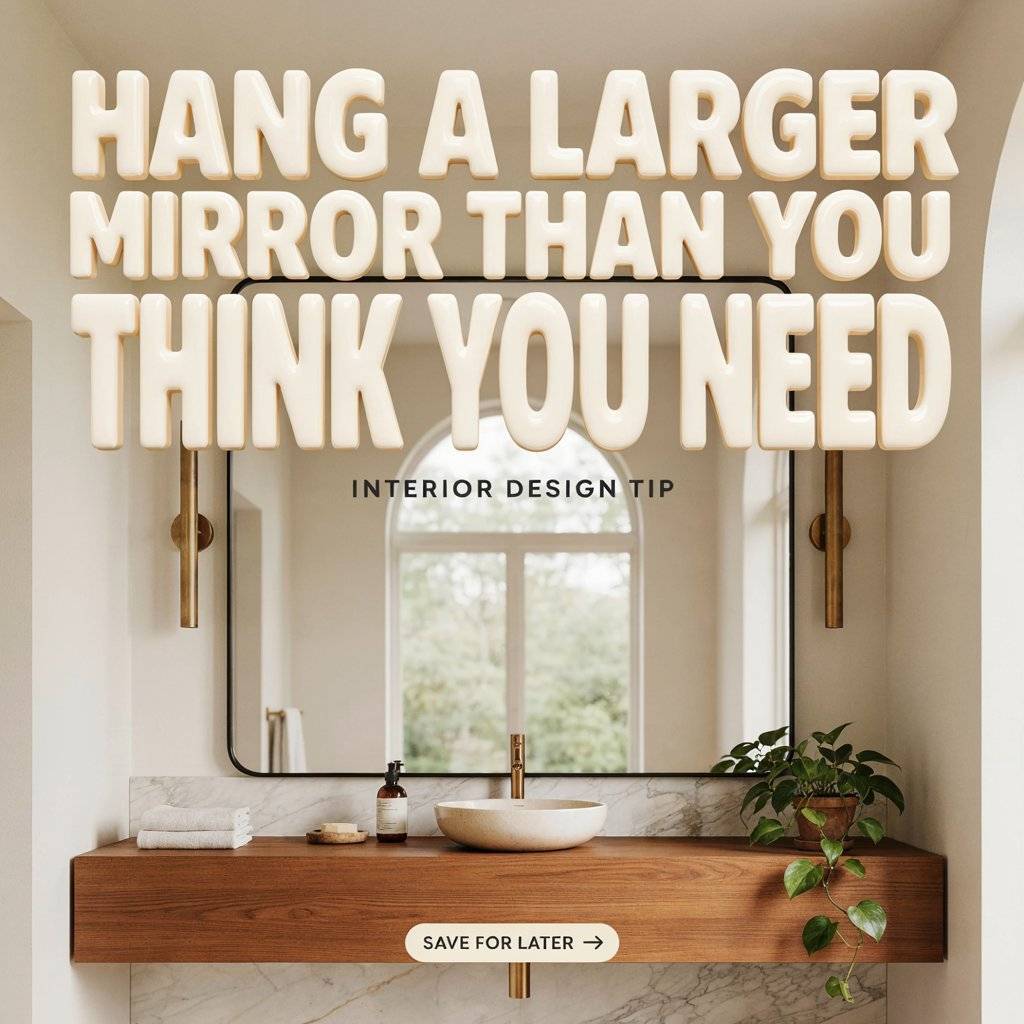
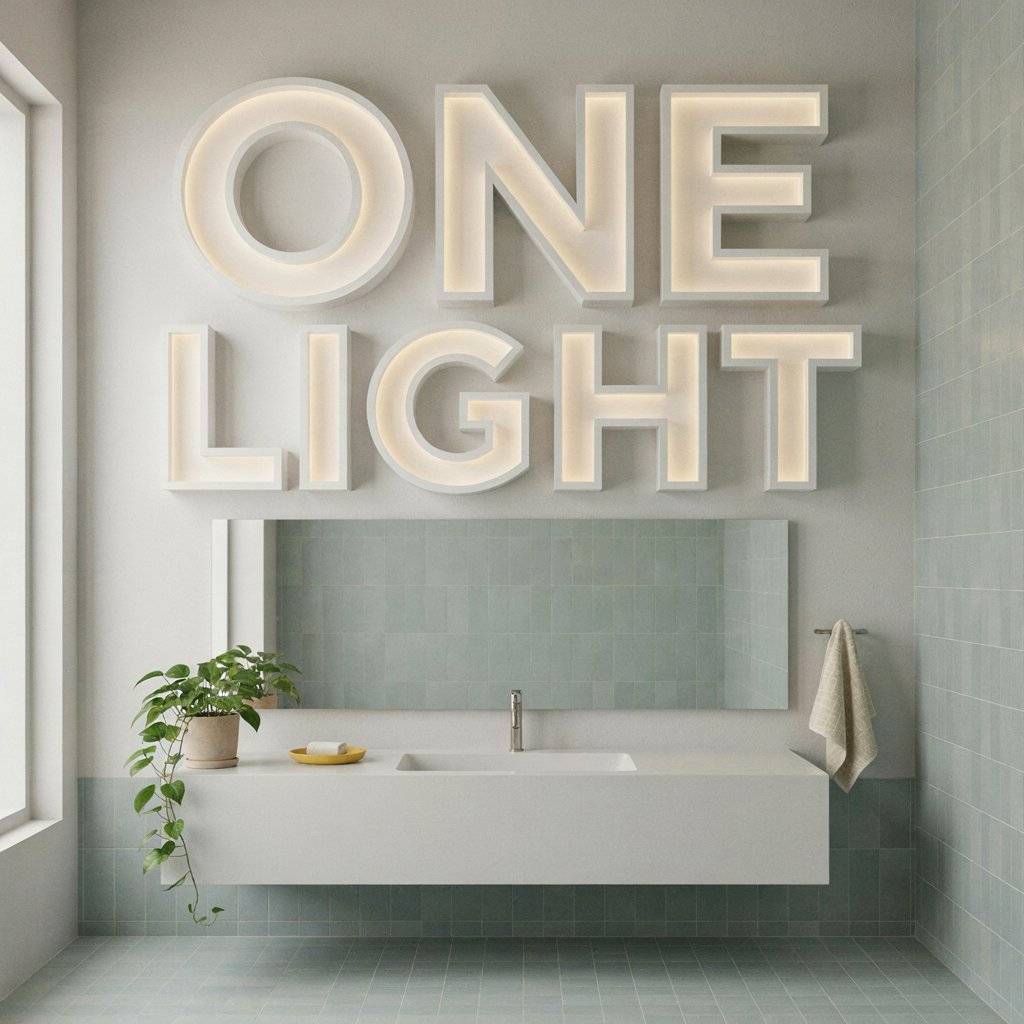
A small mirror in a small bathroom is a wasted opportunity. Designers say mirrors are one of the most powerful tools for expanding perceived space, and an undersized one cuts off light and shortens sight lines. Go bigger than feels comfortable.
A mirror that spans the width of your vanity will reflect more light and draw the eye upward. If you can place it opposite a window, even better. The reflection doubles the natural light and makes the whole room feel brighter and more expansive.
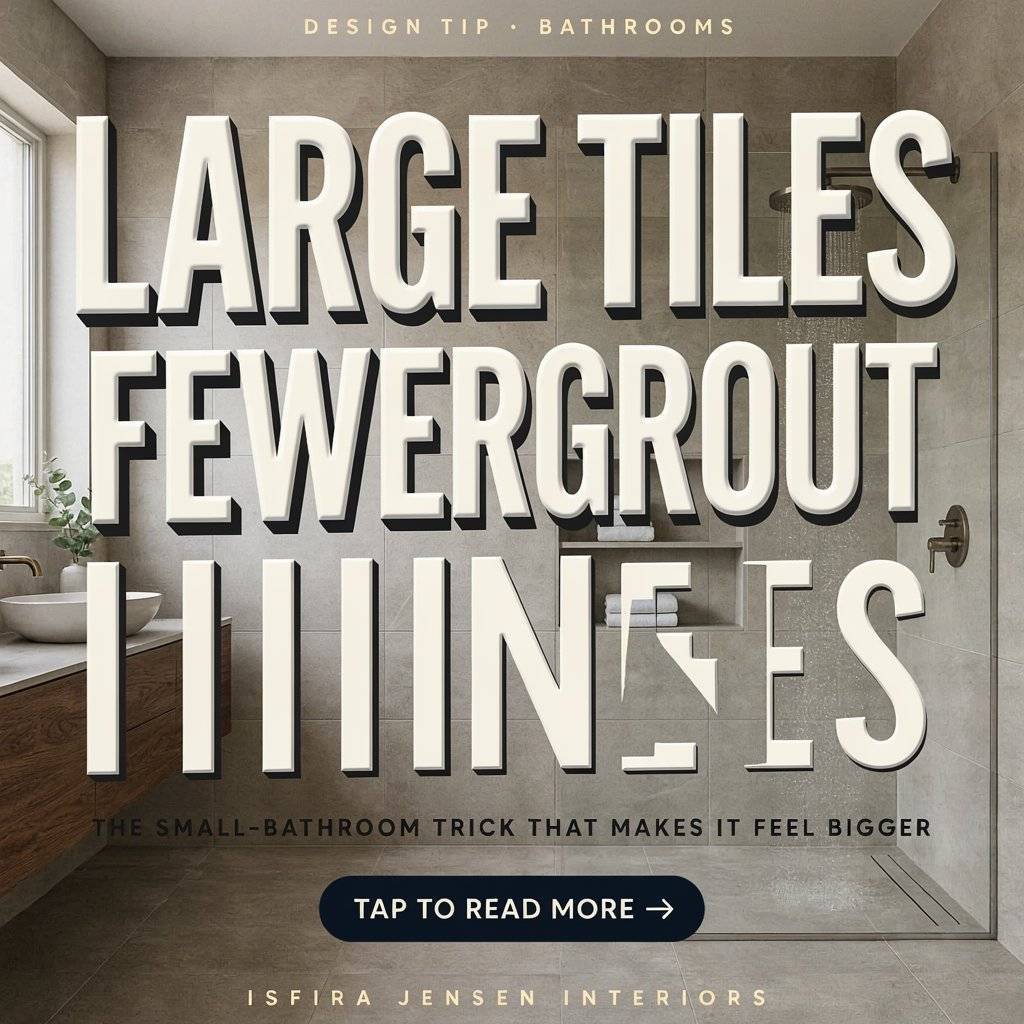
3. Use Large Tiles with Fewer Grout Lines
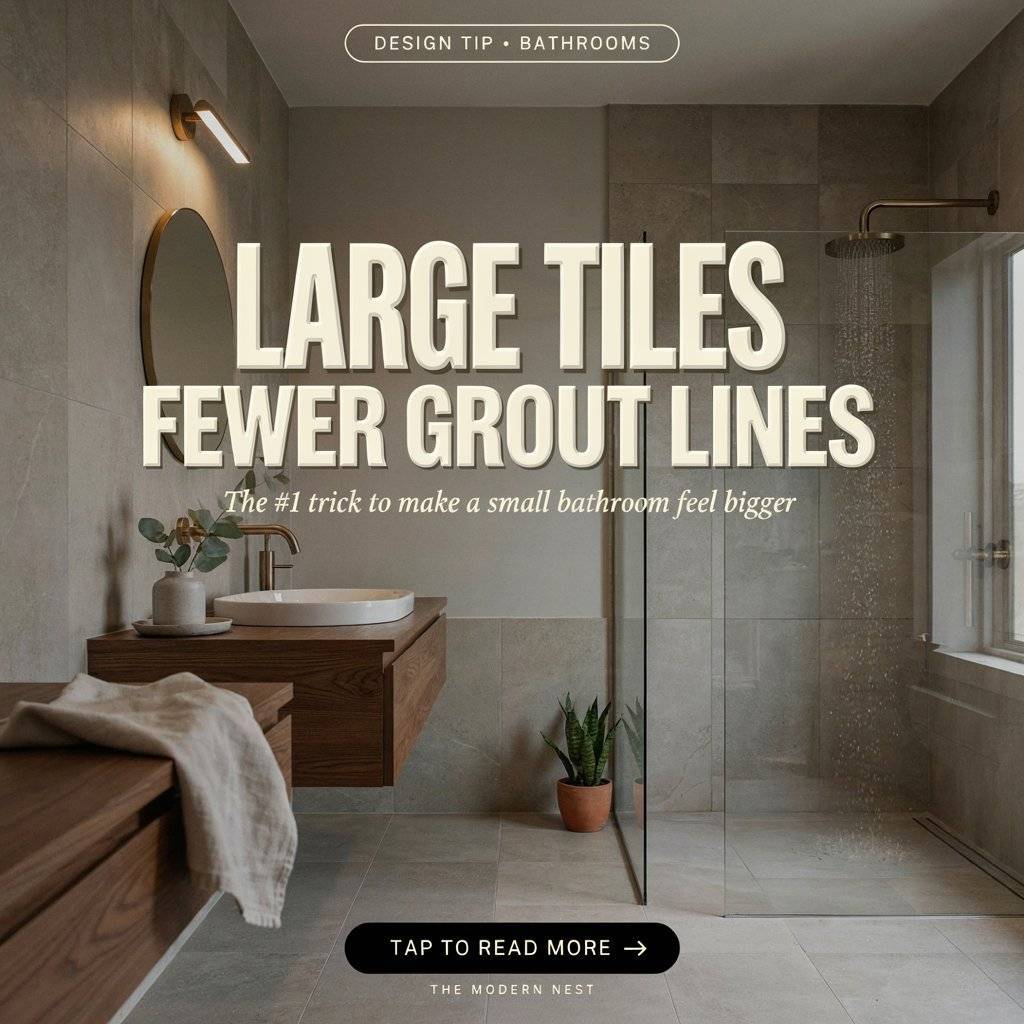
Those tiny mosaic tiles might look charming in photos, but in a small bathroom, they create visual clutter. Designer Isfira Jensen explains that less square outlines means less visual clutter, which helps the room feel more expansive. Large-format porcelain tiles are your friend here.
A single 600×1200 tile covers more surface with fewer breaks, creating a smooth, uninterrupted plane. Fewer grout lines also means easier cleaning, which is a win for any bathroom. Just make sure your walls are level before installation, since large tiles show unevenness more easily.
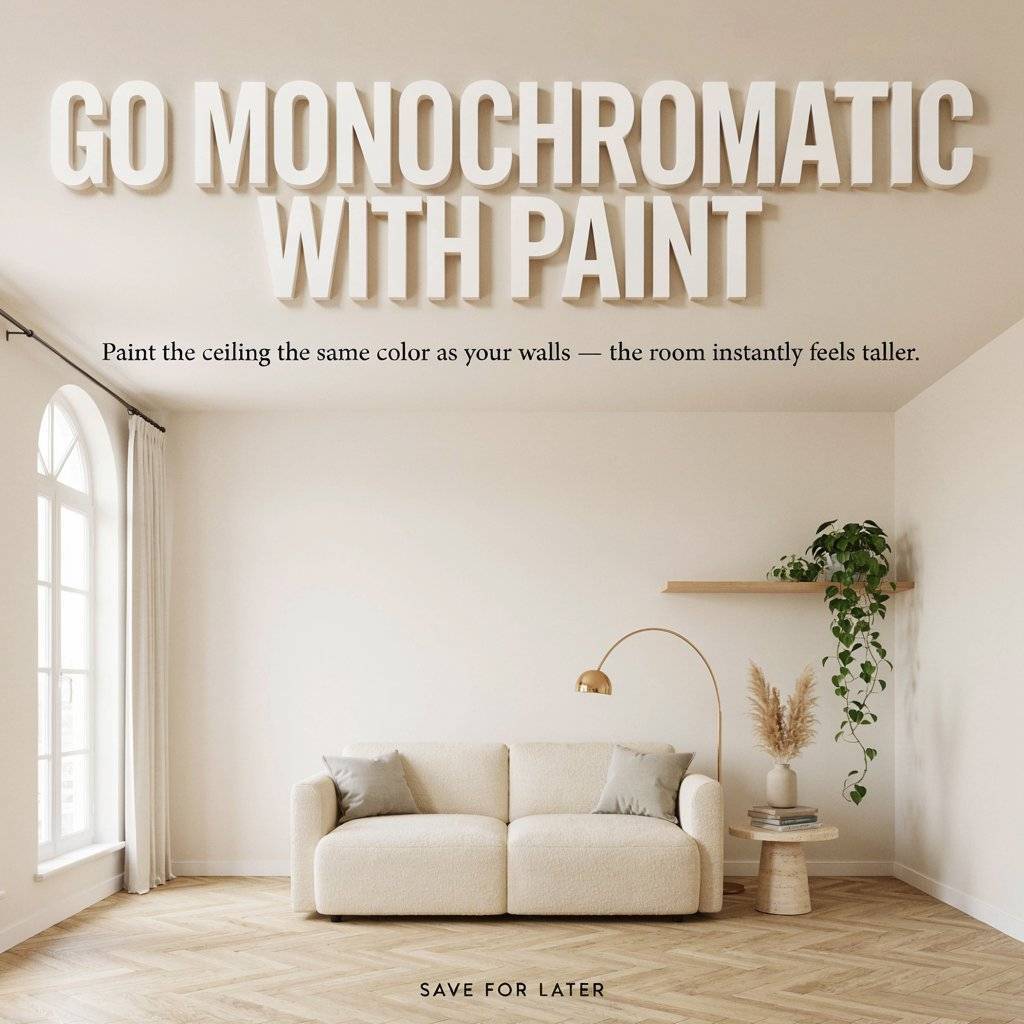
4. Go Monochromatic with Paint
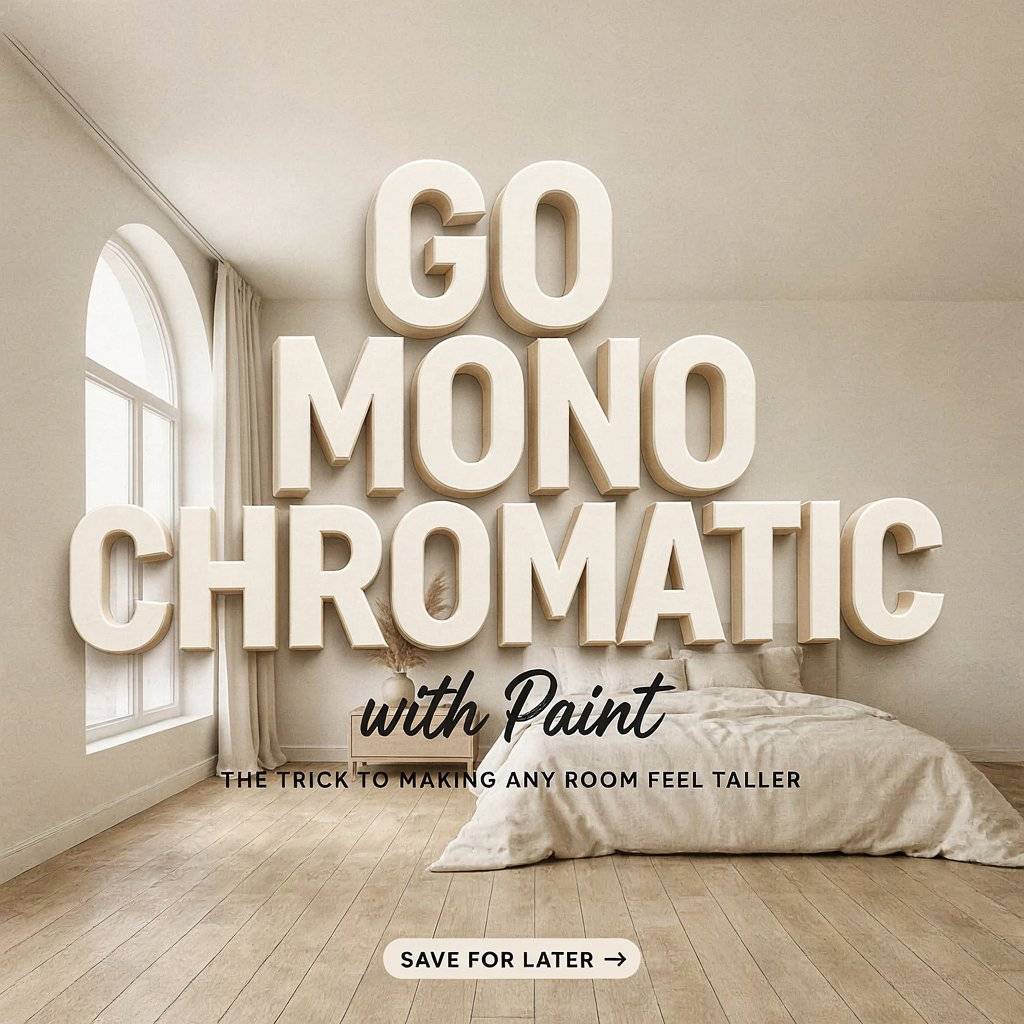
Painting the ceiling the same color as your walls might sound strange, but it works. When you remove the visual boundary between wall and ceiling, the room feels taller and more open. This is a simple trick that costs nothing extra.
Choose a soft, light color and carry it across every surface you can. If you have tile on the walls, try to match your paint color as closely as possible to create that same seamless effect. The goal is to eliminate visual stops that make the space feel chopped up.
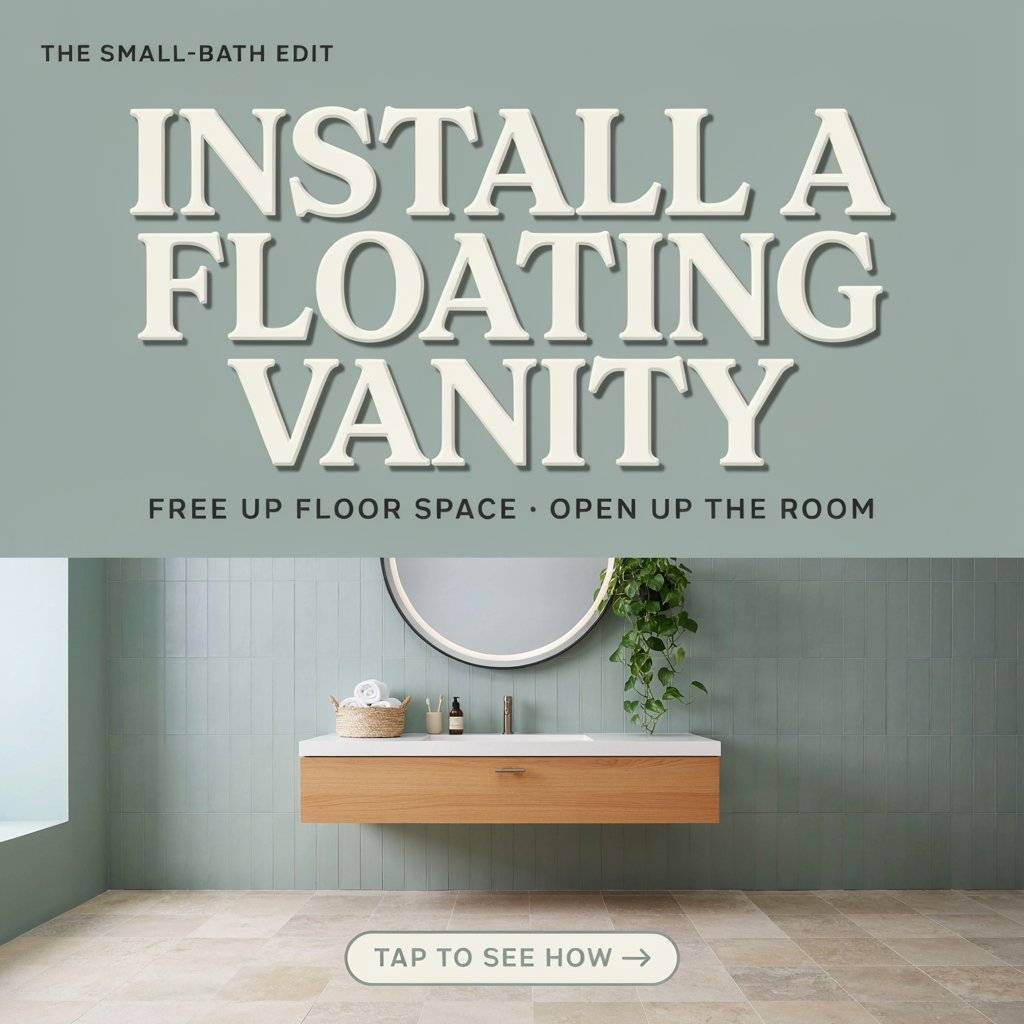
5. Install a Floating Vanity
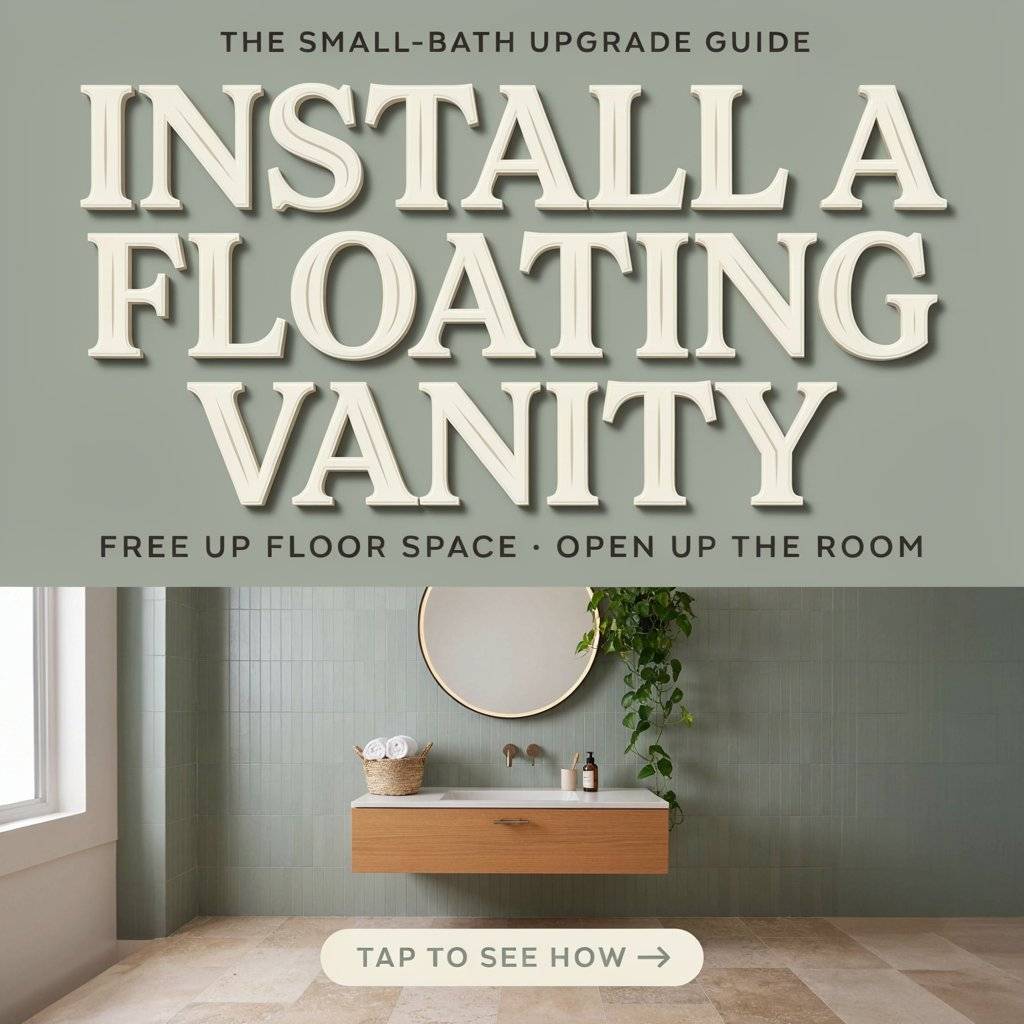
A bulky vanity that sits on the floor eats up visual space and makes a small bathroom feel tighter. A floating or wall-mounted vanity does the opposite. It frees up floor space underneath, creating an airy, open feeling. Yes, you lose some storage, but that’s where smart organization comes in.
Pair your floating vanity with a mirrored cabinet for medicine and toiletries, and use baskets or slim organizers elsewhere. The trade-off is worth it for the instant sense of lightness it brings to the room.
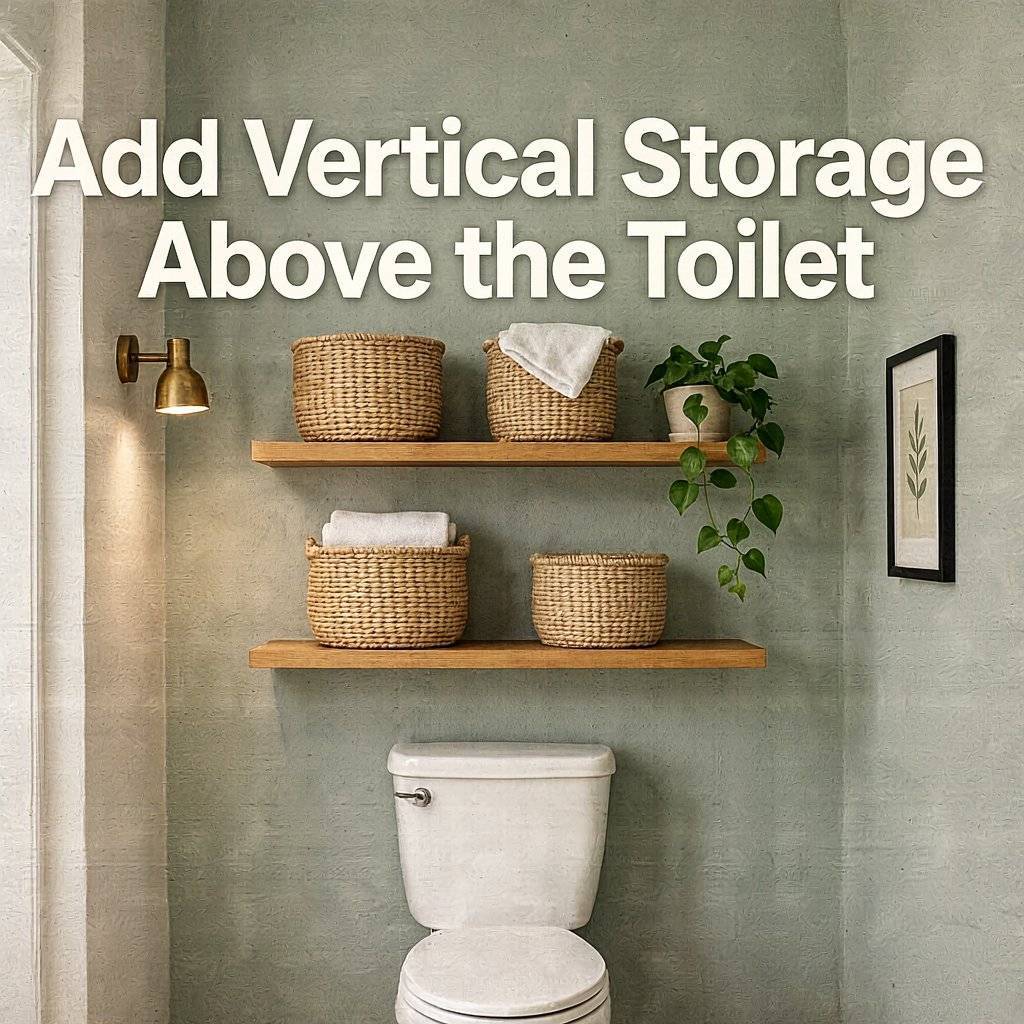
6. Add Vertical Storage Above the Toilet
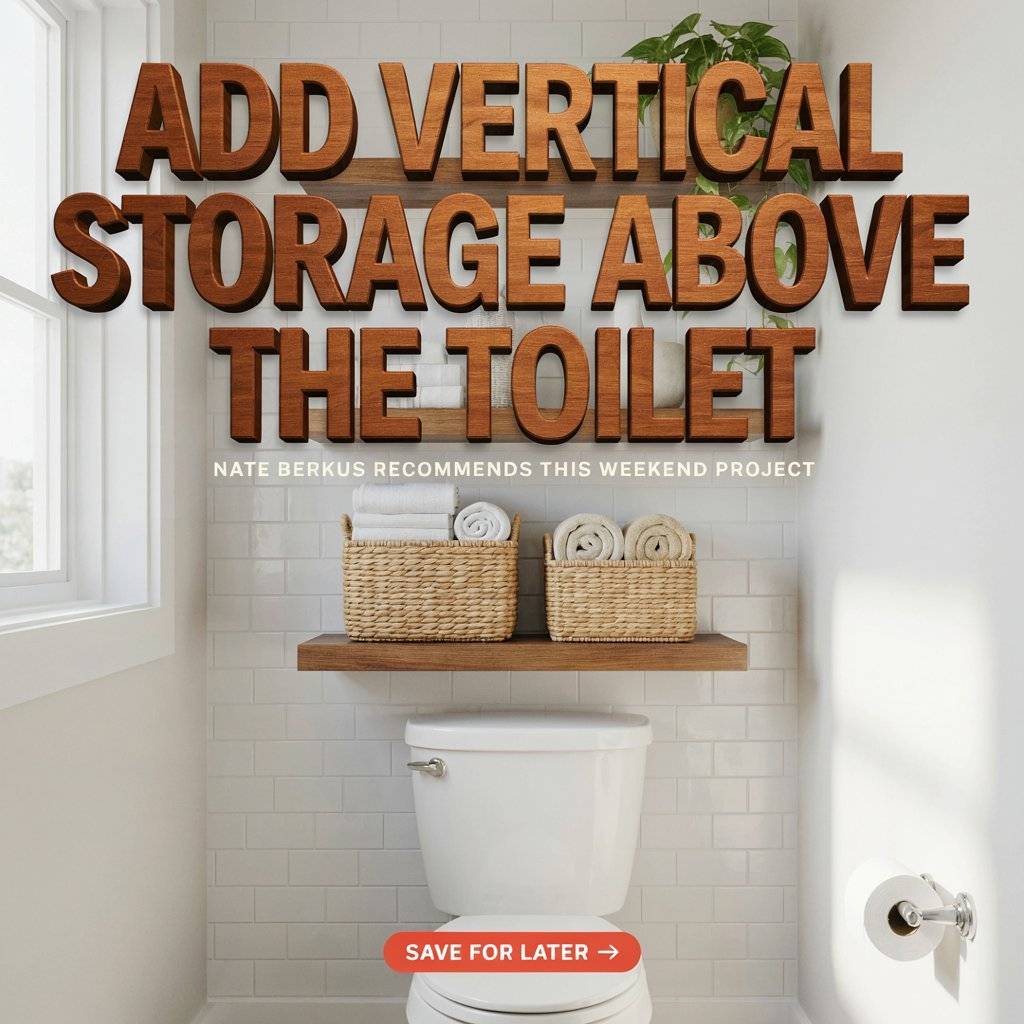
That empty wall above your toilet is prime real estate. Designer Nate Berkus recommends running two floating shelves across that space, with matching baskets to hide the contents. It keeps things organized without adding visual clutter.
The key is uniformity. Use the same style of basket so the look stays clean and intentional. This is one of the easiest weekend projects you can do yourself. Just make sure the shelves are high enough that you can still access the toilet tank without bumping your head.
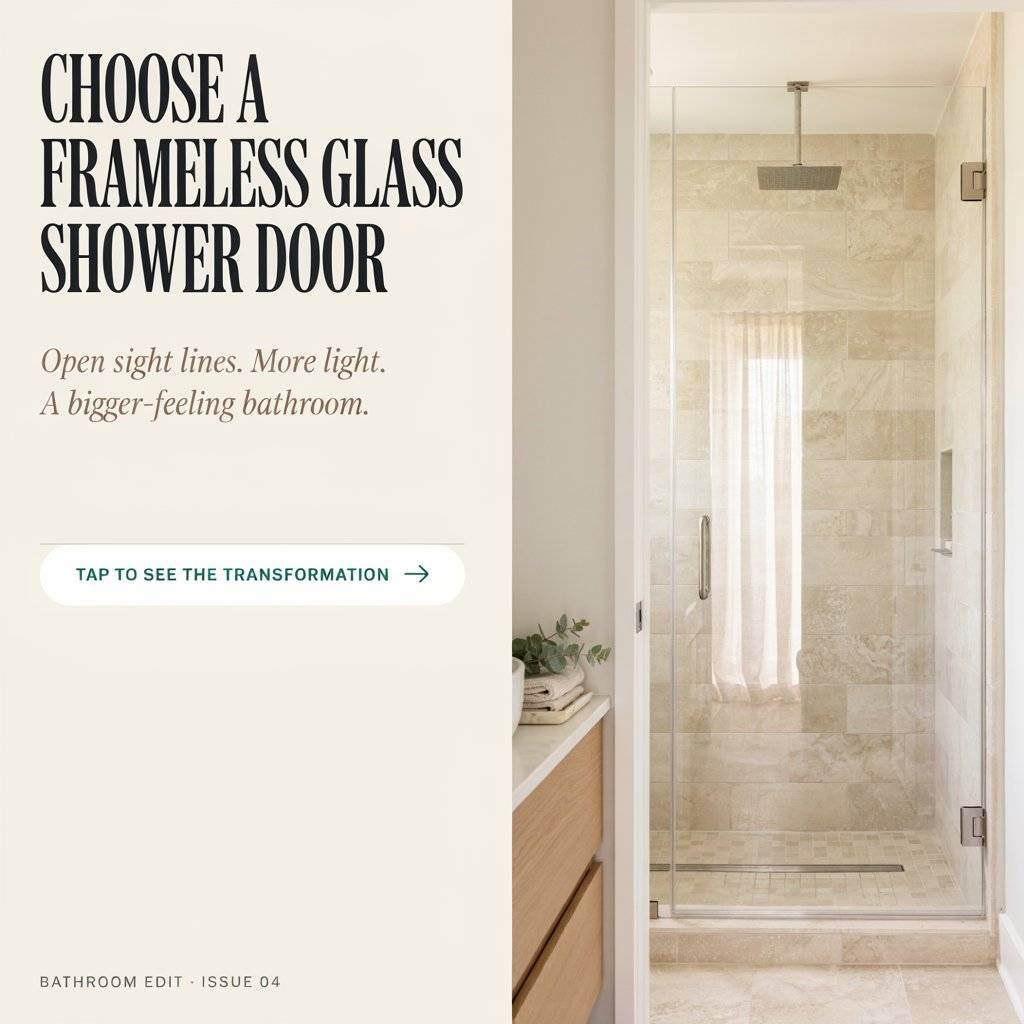
7. Choose a Frameless Glass Shower Door
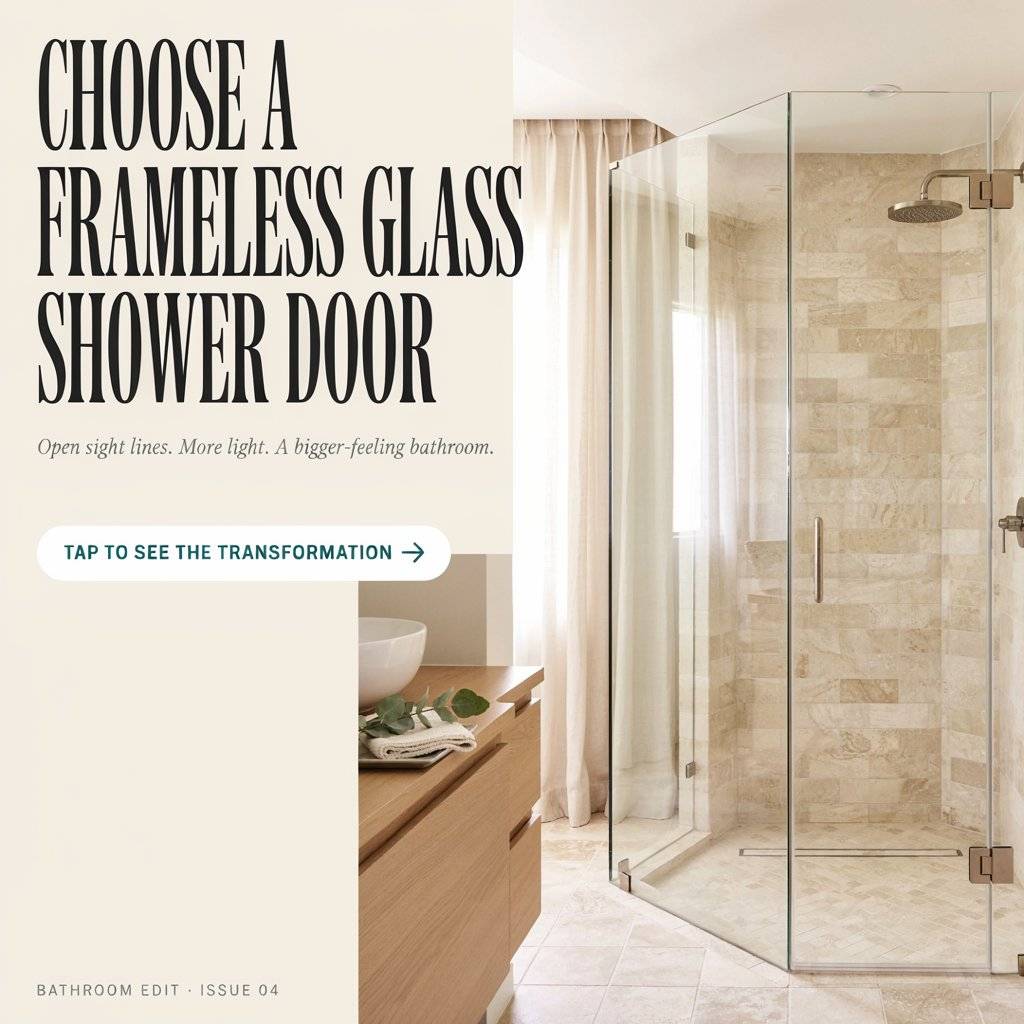
A heavy shower curtain or a dark-tinted glass door visually cuts the room in half. A clear, frameless glass panel keeps sight lines open and lets light flow through the entire space. The shower feels like part of the bathroom rather than a separate compartment.
If you can’t install glass, choose a sheer, light-colored curtain instead. Either way, the goal is to remove visual barriers that make the room feel smaller than it actually is. This one change can transform how you experience the space daily.
8. Layer Your Lighting
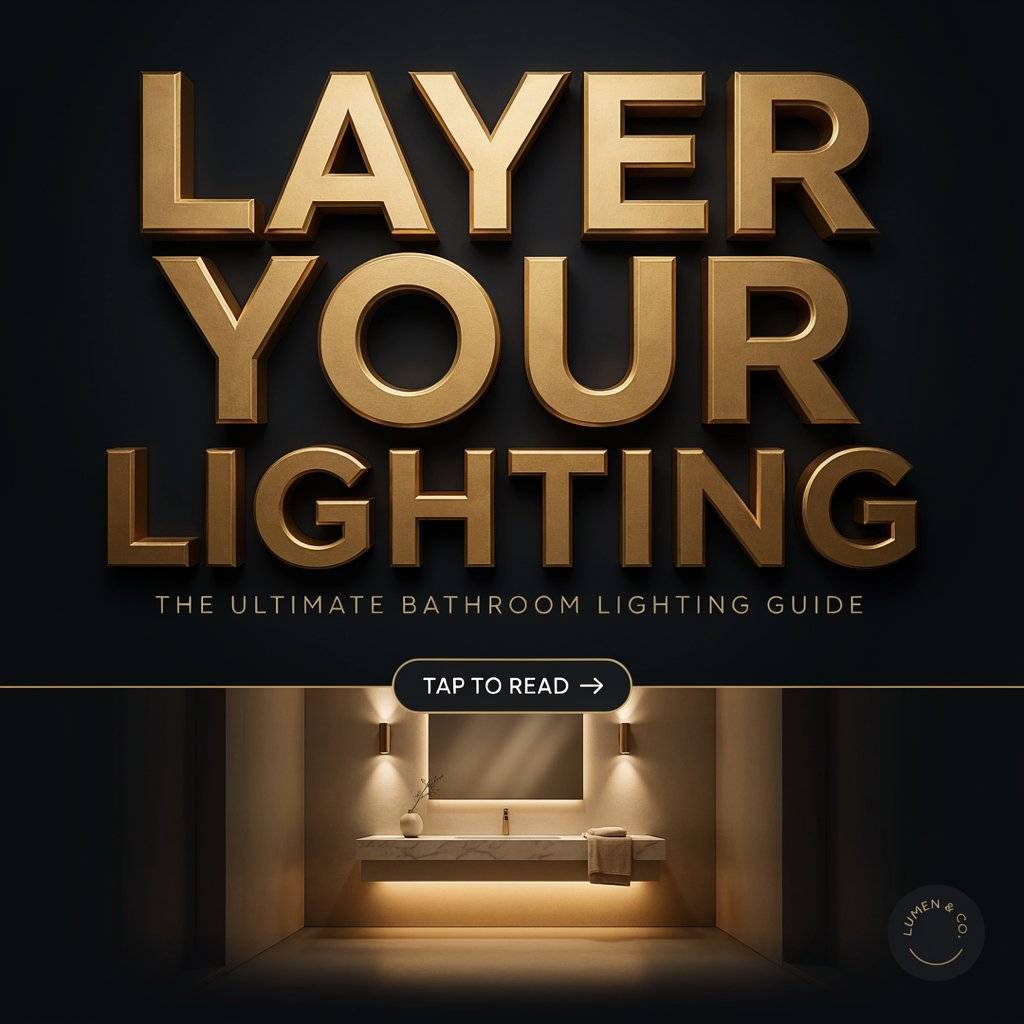
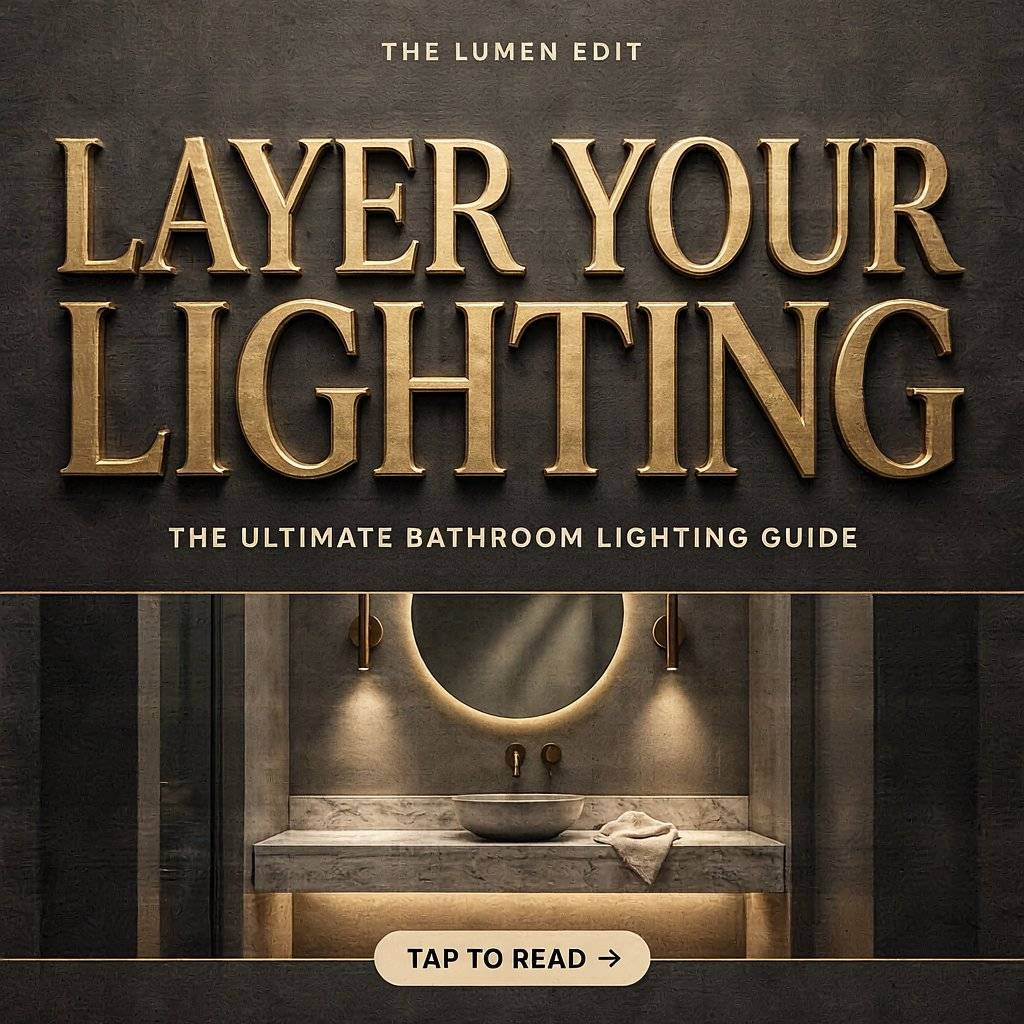
One overhead light creates harsh shadows and makes the room feel flat. A proper lighting plan uses multiple sources at different levels. Add wall sconces beside your mirror for task lighting. Consider under-vanity lighting for a soft glow.
A backlit mirror is another modern option that brightens the space without adding bulk. The goal is even illumination that eliminates dark corners. When every part of the room is properly lit, the space feels larger and more inviting. It’s worth the investment.
9. Use Vertical Tile Layouts to Add Height
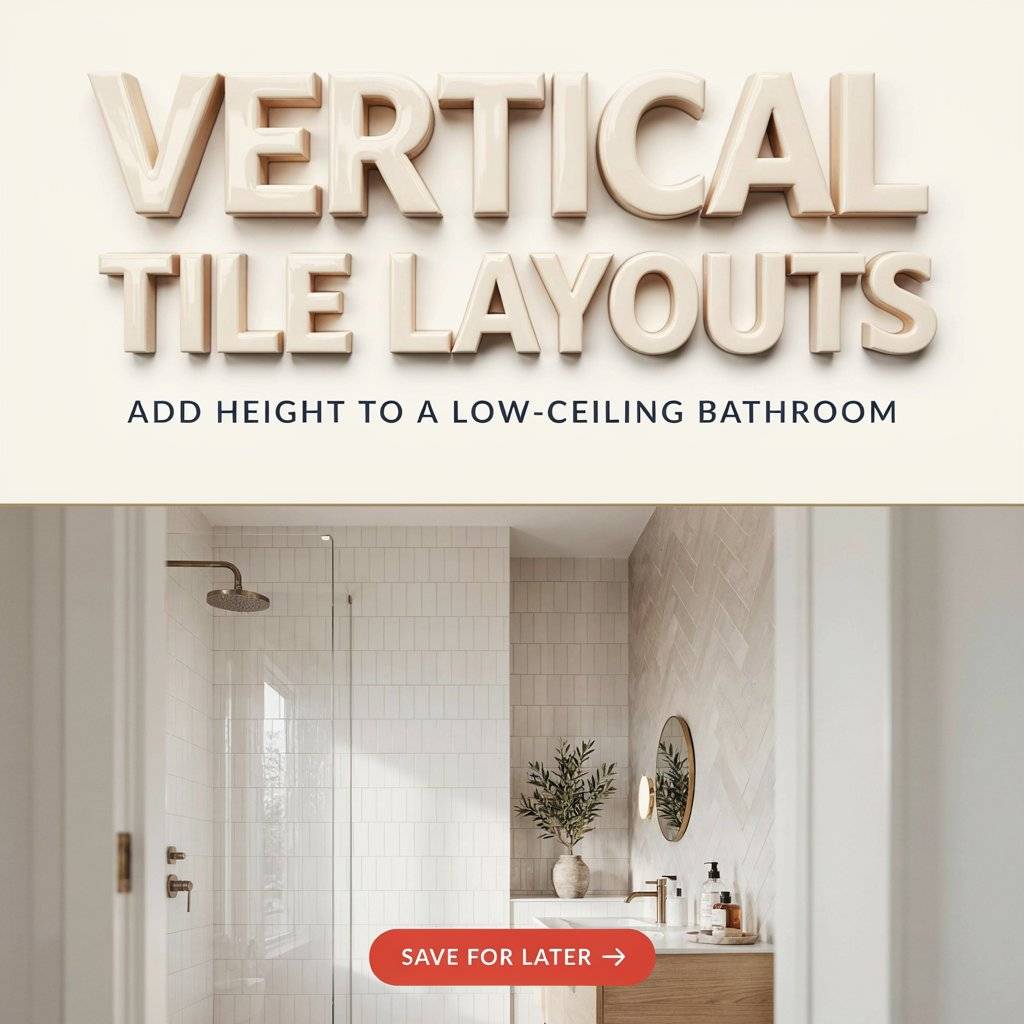
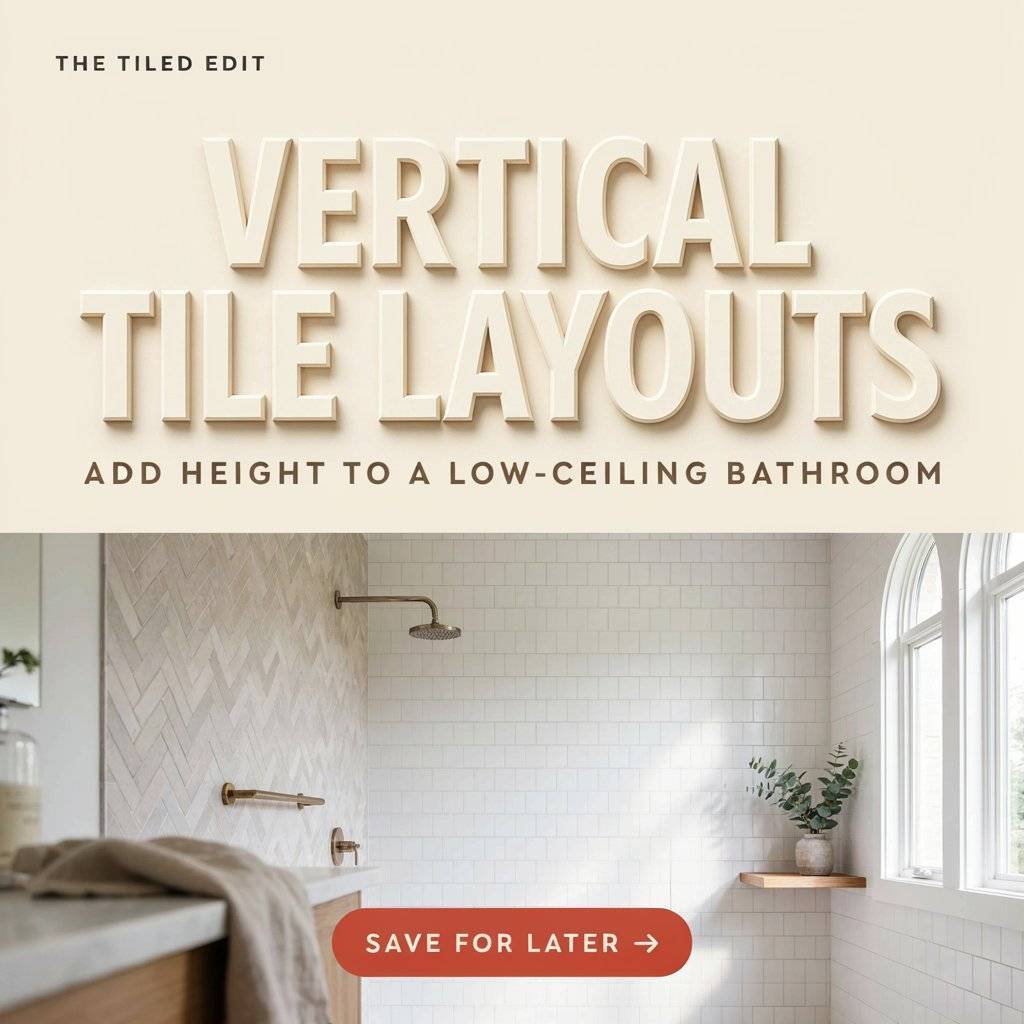
If your bathroom ceiling is low, your tiles can work to change that perception. Stacking subway tiles vertically or using a narrow herringbone pattern creates vertical lines that draw the eye upward. This makes the ceiling feel higher and the room feel less compressed.
The same principle applies to wallpaper with vertical stripes. It’s a subtle trick, but the effect is noticeable. Just avoid horizontal patterns, which can make the room feel wider but shorter. Vertical is the way to go in a low-ceilinged bathroom.
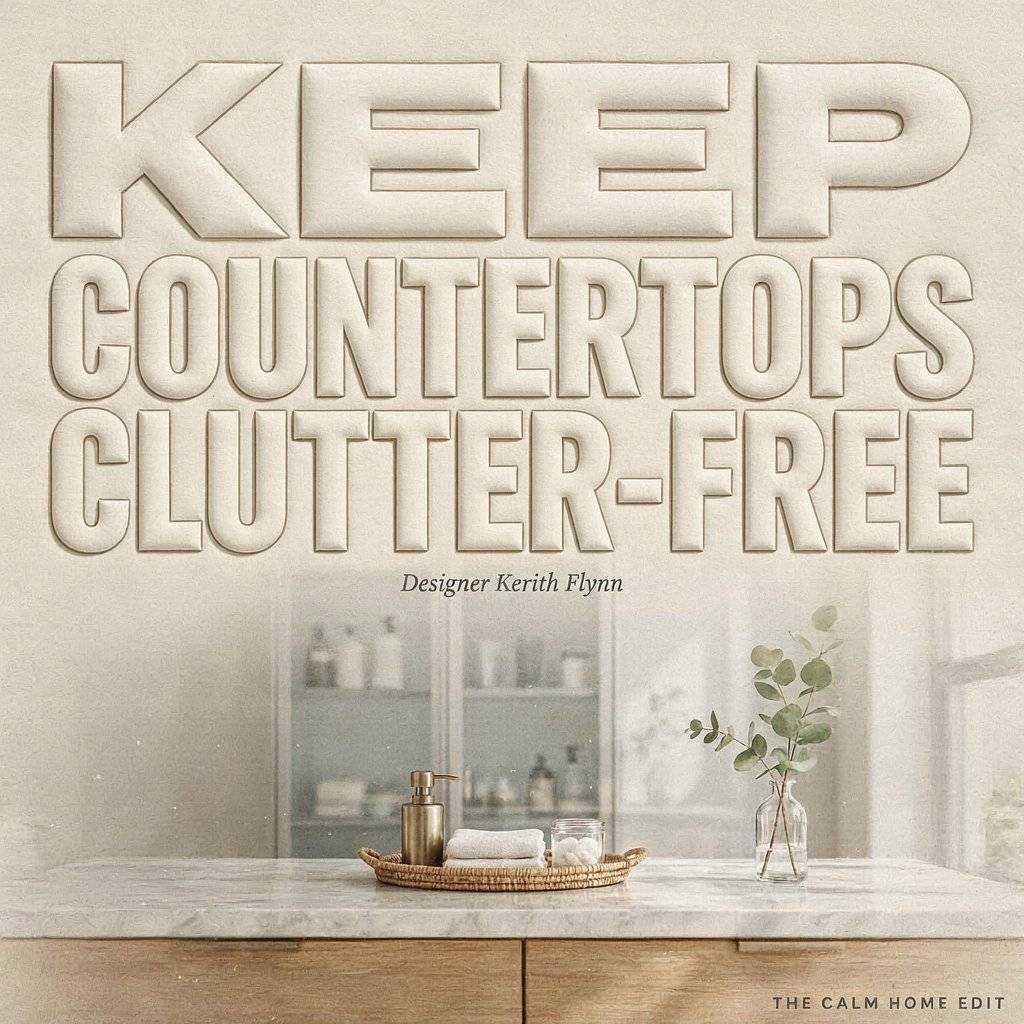
10. Keep Countertops Clutter-Free
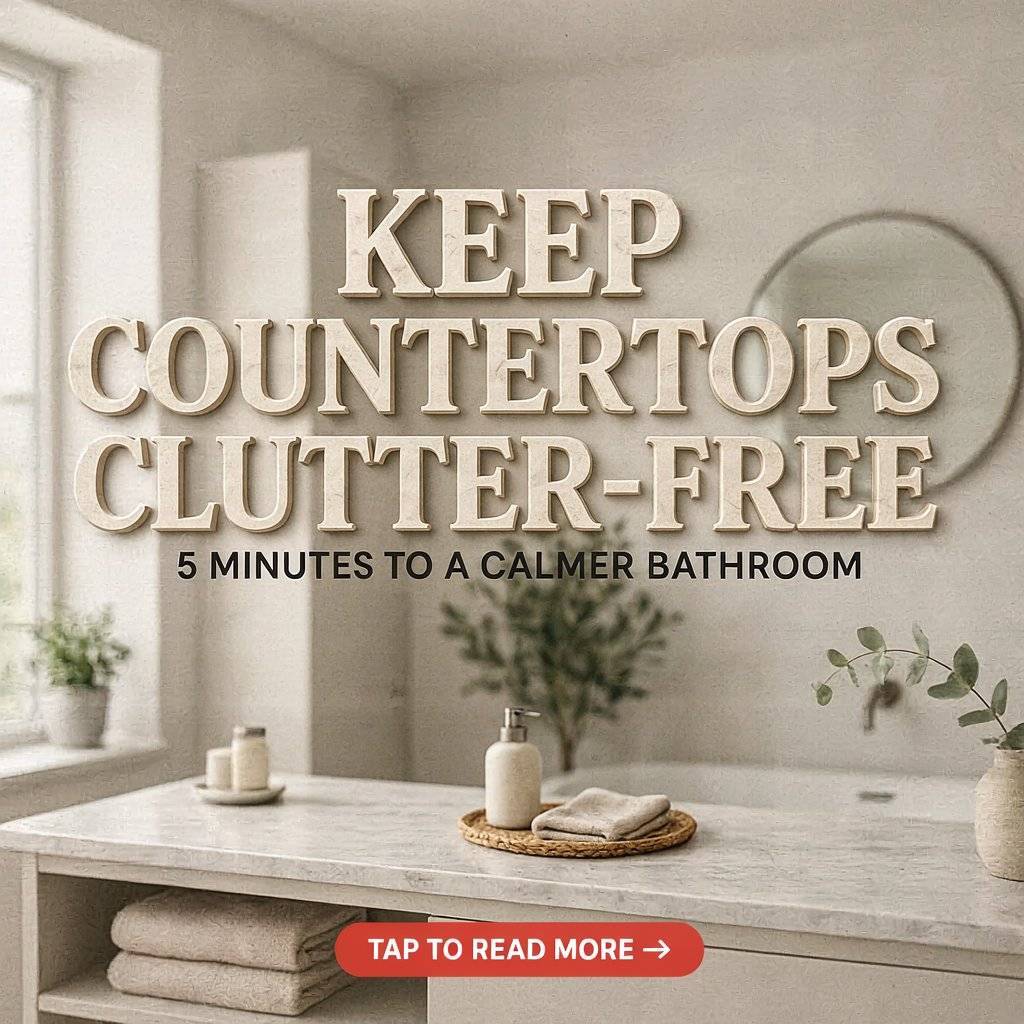
Clutter is the enemy of spaciousness. When counters are covered with bottles, jars, and random items, the room looks chaotic and small. Give everything a designated home. Use a small tray for daily essentials and put everything else in drawers or cabinets.
Designer Kerith Flynn says when counters are stacked with products, the mess distracts from the design and makes the room feel disorganized. A clean surface instantly makes the space feel calmer and more open. It costs nothing and takes five minutes.
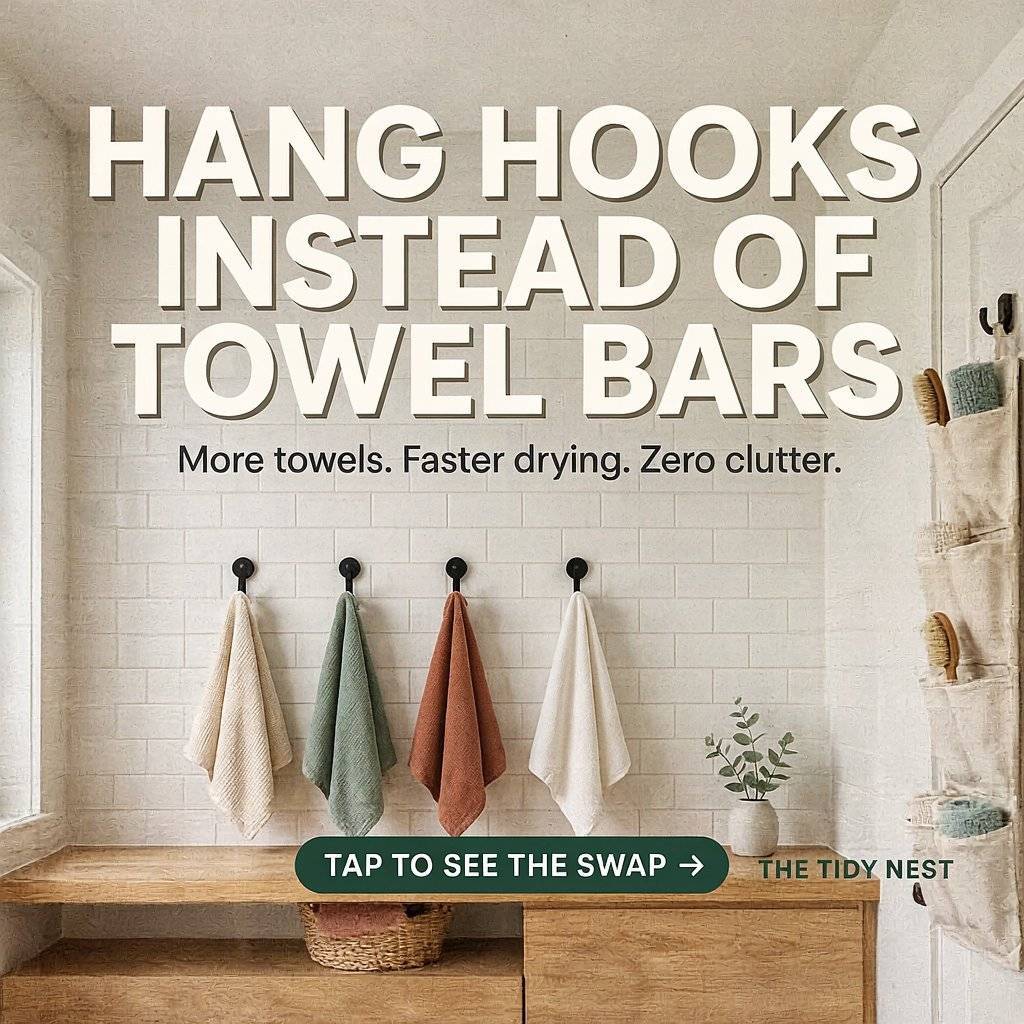
11. Hang Hooks Instead of Towel Bars
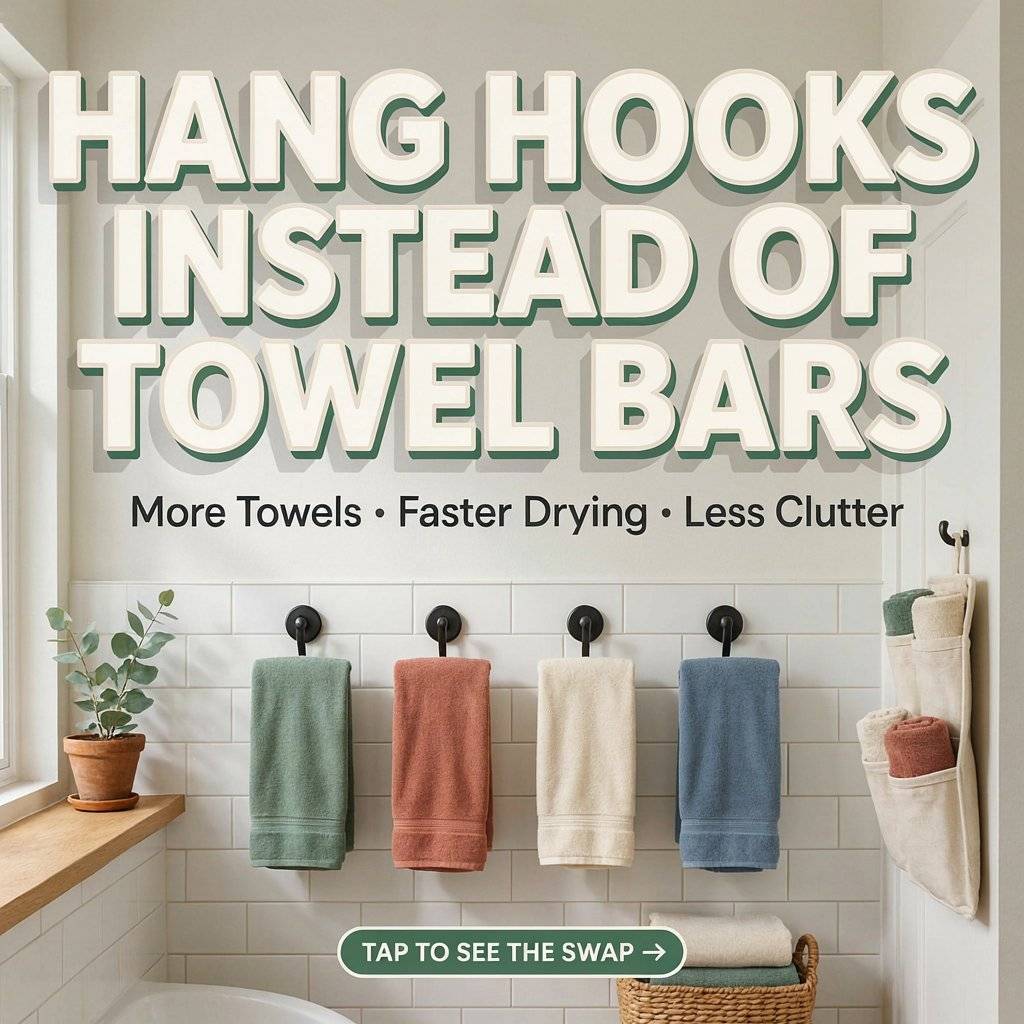
Towel bars take up wall space and limit how many towels you can hang. Hooks are more efficient and take up almost no room. You can fit more towels on hooks, and they dry faster too. The back of the bathroom door is a great spot for an over-door organizer or a simple hook rack.
This keeps towels off the floor and off your limited counter space. It’s a small change, but it reduces visual clutter and keeps the room feeling tidier and more functional.
12. Limit Your Patterns
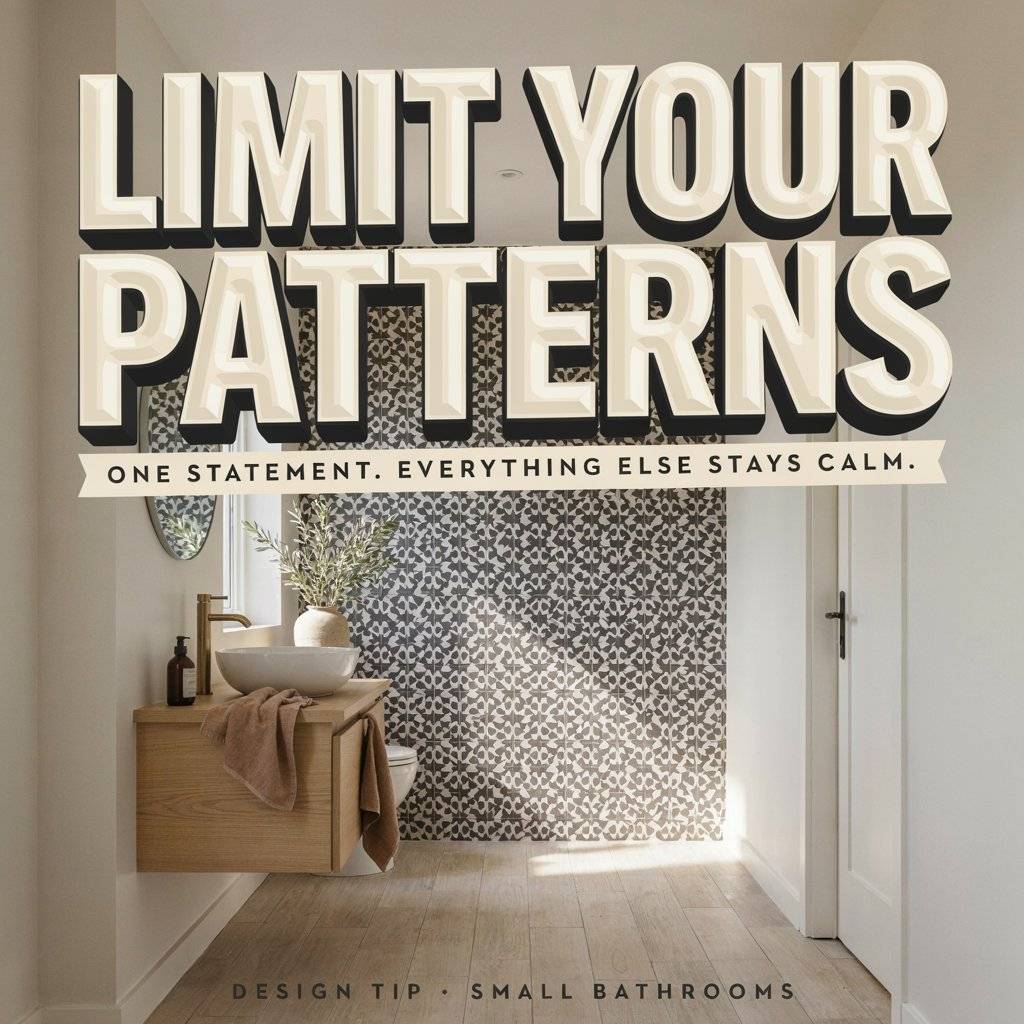
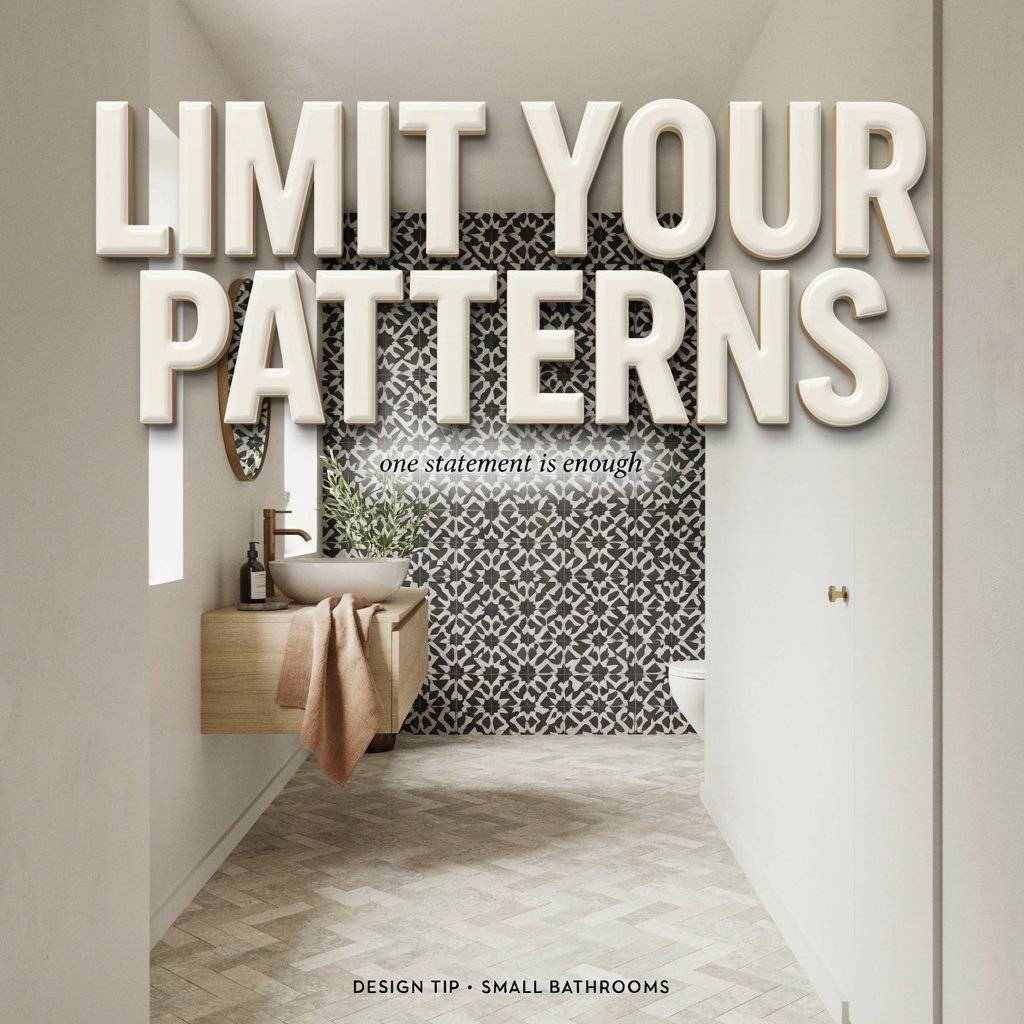
Bold patterns add personality, but in a small bathroom, too many competing designs create visual noise. Designer Lauren Lerner says bold or intricate patterns create visual clutter that adds to the sense of confinement. Pick one standout pattern and let everything else stay neutral.
Maybe it’s a patterned floor tile or a single accent wall. Whatever you choose, give it room to breathe. The rest of the bathroom should be calm and cohesive. One statement is enough. More than that, and the room starts to feel busy and cramped.
13. Use Reflective Finishes Strategically
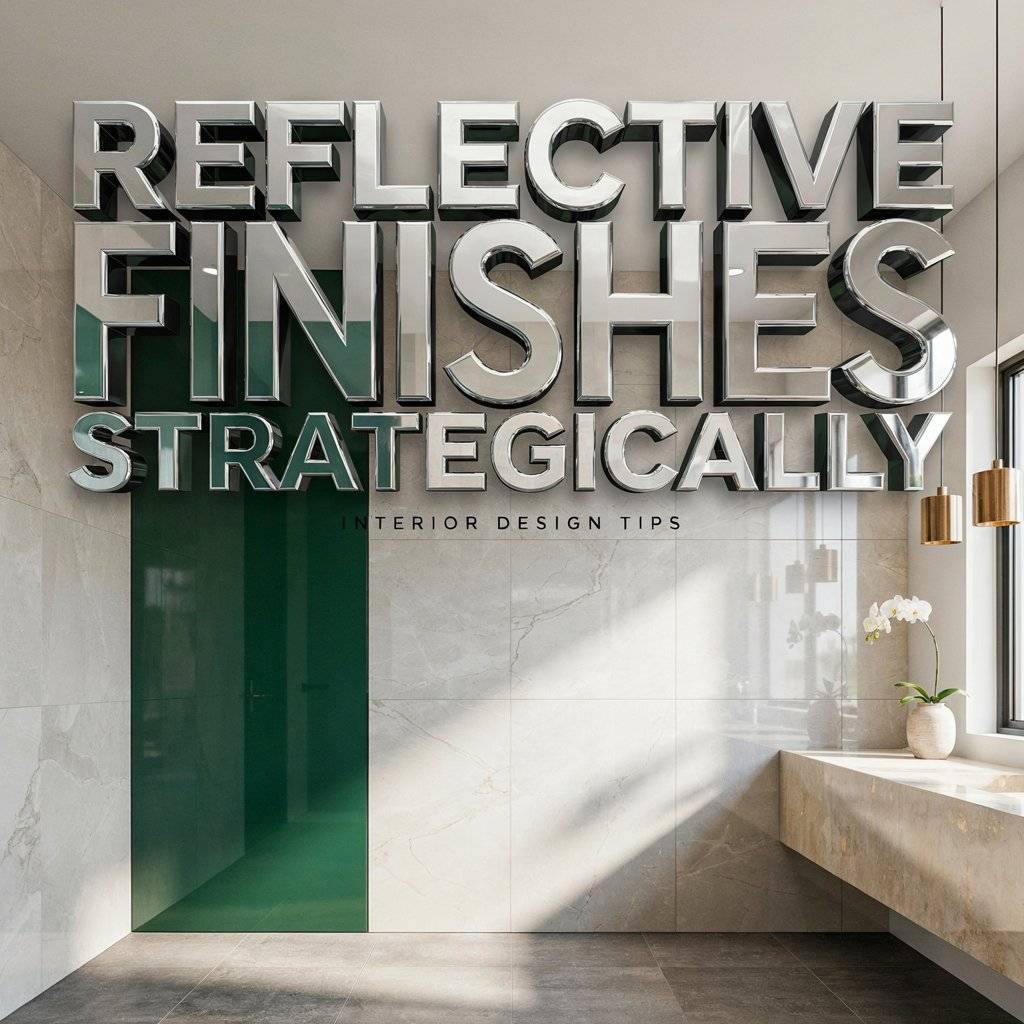
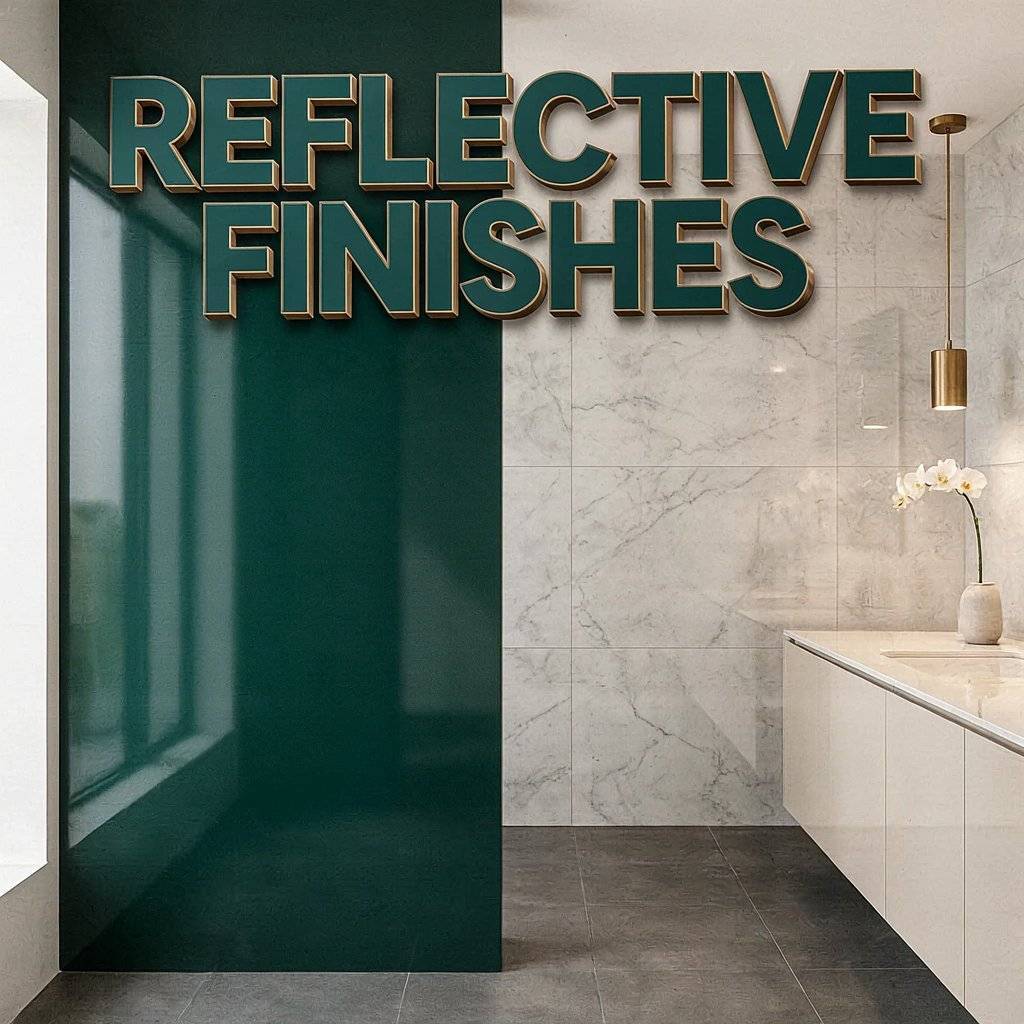
Glossy surfaces bounce light around the room, making it feel brighter and larger. A high-gloss paint on the door, glossy tiles on the walls, or a polished countertop can all help. The trick is balance.
Too much gloss can feel cold and show every water spot. Use it strategically on vertical surfaces or as an accent. Pair it with matte finishes on the floor for safety and warmth. When light bounces off reflective surfaces, the whole room feels more open without any structural changes.
FAQs
What is the best color for a small bathroom?
Light, monochromatic colors work best. Whites, soft grays, pale blues, and light greens reflect more light and create a sense of openness. The key is avoiding heavy contrast between walls, floors, and fixtures.
When everything flows together in a similar tone, the eye sees more space. You can still add personality through accessories or one accent piece, but keep the foundation calm and cohesive.
Do large mirrors really make a bathroom look bigger?
Yes. A large mirror reflects light and creates depth. Designers say an undersized mirror actually cuts off light and shortens sight lines, making the room feel smaller.
A mirror that spans the width of your vanity is ideal. Placing it opposite a window doubles the natural light and makes the whole space feel brighter and more expansive.
Should I use small or large tiles in a small bathroom?
Large tiles are generally better. Fewer grout lines mean less visual clutter, which makes the space feel calmer and more open.
Small mosaic tiles create lots of little breaks that the eye reads as busy and cramped. If you love small tiles, use them as an accent rather than covering the whole room. For the main surfaces, go large.
How can I add storage without making the room feel cramped?
Use vertical space and hidden storage. Floating shelves above the toilet, a mirrored cabinet, and over-door organizers all add storage without eating floor space. The key is keeping the storage visually clean.
Use matching baskets to hide contents. When storage looks organized, it doesn’t feel like clutter even in a small room.
Is a shower curtain or glass door better for a small bathroom?
A frameless glass door is better for making the space feel open. A heavy or opaque curtain visually divides the room and makes it feel smaller.
Glass keeps sight lines open and lets light flow through. If you can’t install glass, choose a sheer, light-colored curtain that you can push to one side when not in use.
Conclusion
A small bathroom doesn’t have to feel small. You can’t change the square footage, but you can change how the space reads. Light colors, smart storage, and a few well-placed mirrors do more than any renovation ever could.
Start with the easiest changes. Clear your counters. Swap your towel bar for hooks. Hang a bigger mirror. Then work your way up to the bigger projects if you want to go further.
The goal is simple: remove the visual noise and let the room breathe. When you do that, you’ll walk in every morning and feel the difference. Your bathroom can be calm, organized, and yes, even feel twice as big.
Related Post: