
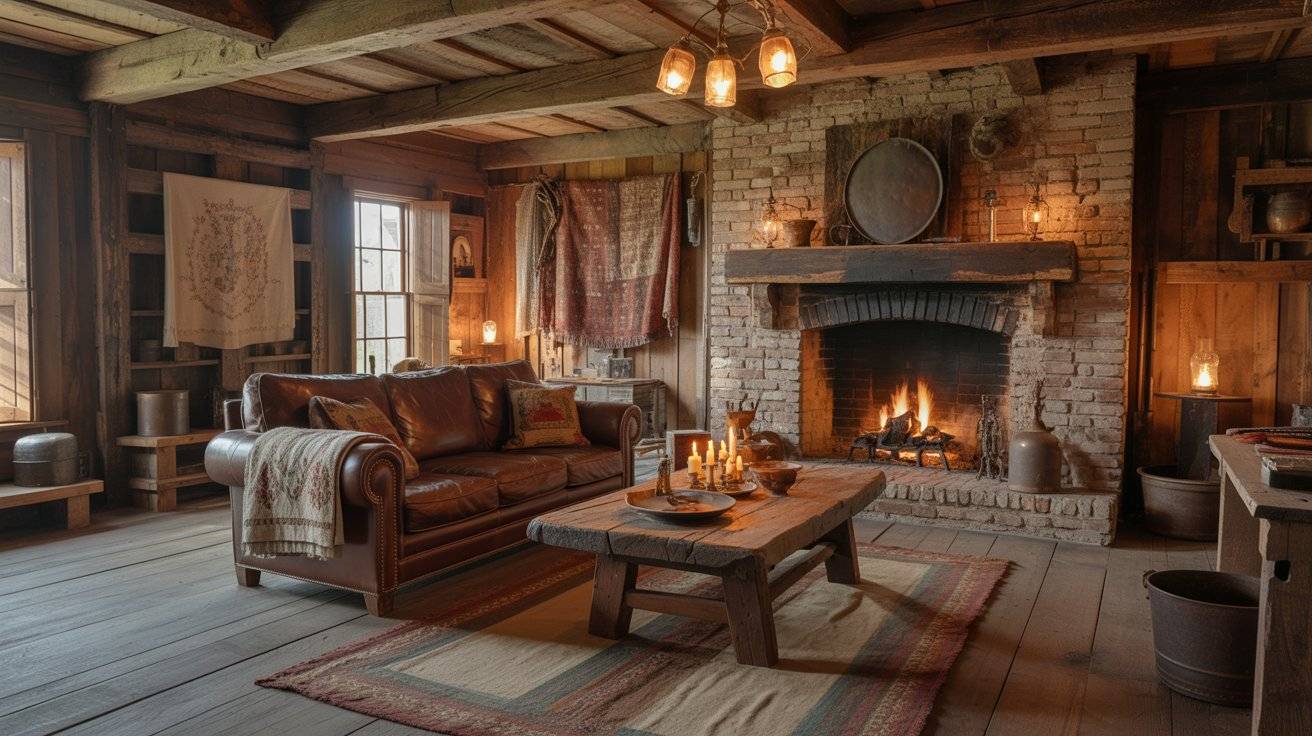
I’ve always believed a living room should feel lived in, not staged. When I started exploring primitive living room ideas, I realized the style isn’t about making a space look old. It’s about making it feel grounded, warm, and honest. Primitive design focuses on natural materials, simple shapes, and pieces that look like they have a story.
What I like most about a warm, rustic and timeless home is that it doesn’t chase trends. It uses wood that shows its grain, fabrics that feel soft but durable, and colors that remind you of nature. You don’t need a huge budget or a cabin in the woods to achieve this look. Most of it comes down to smart choices solid furniture, earthy tones, and meaningful decor.
If you want a space that feels calm and welcoming every day, these ideas will help you build it step by step.
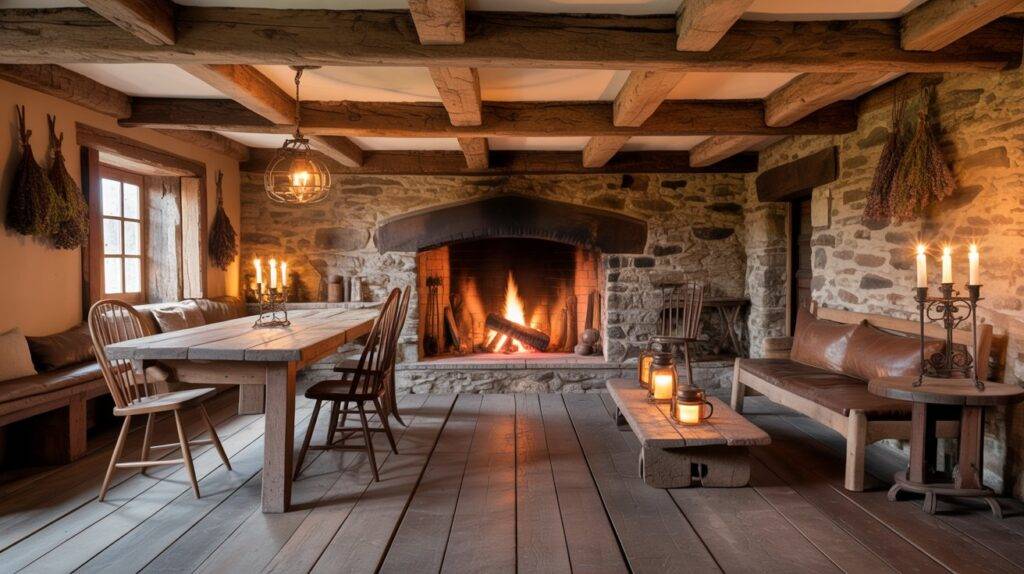
1. Use Solid Wood Furniture with a Worn Finish
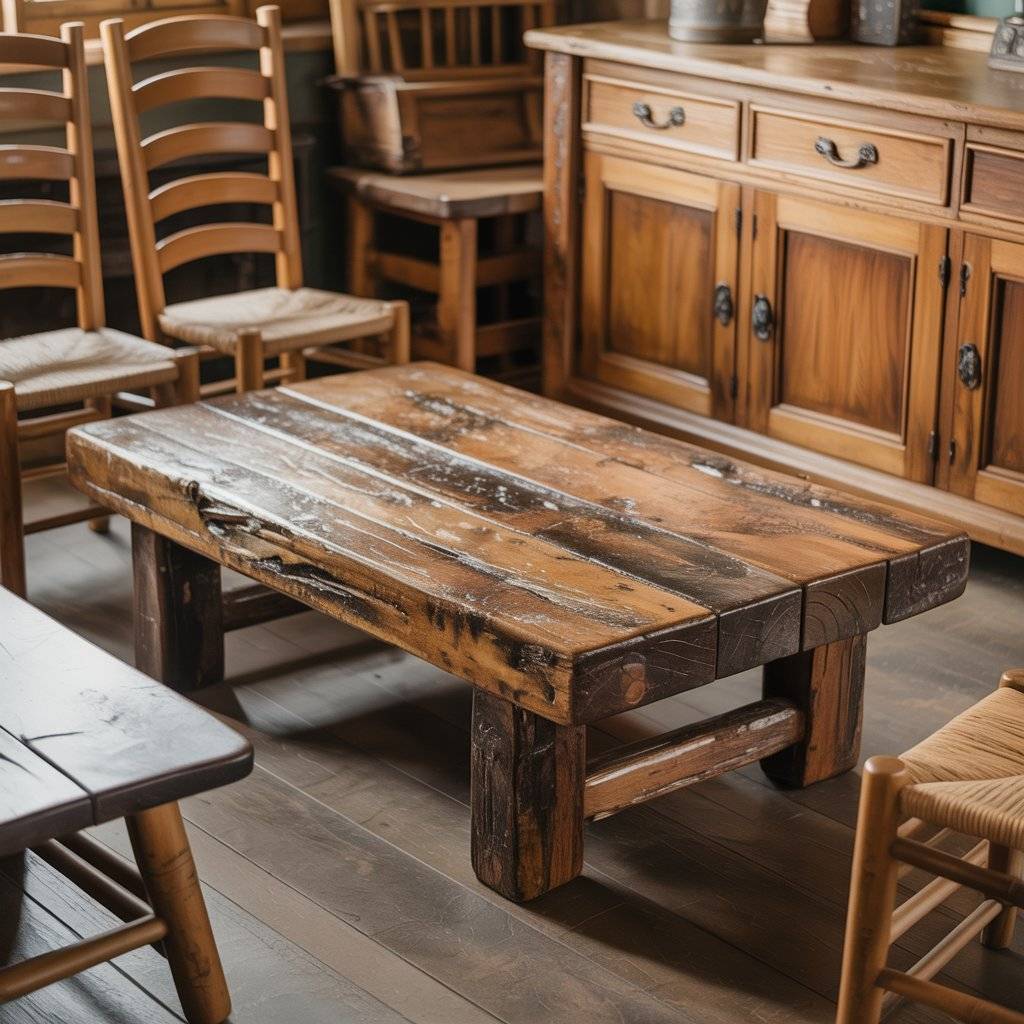
When I think about a primitive living room, the first thing that comes to mind is solid wood furniture. Not glossy, polished pieces but tables and cabinets with visible knots, grain, and even small imperfections. A reclaimed wood coffee table or a chunky oak sideboard can anchor the entire room.
I’ve found that a worn finish makes a space feel more relaxed. You don’t have to worry about every scratch because it adds character instead of damage. Look for sturdy sofas with wooden frames, ladder-back chairs, or simple benches that can double as seating and storage. The key is durability. Primitive style values pieces that last for years, not something you replace every season.
If you’re starting small, swap out one modern piece for a rustic wooden table. You’ll notice how quickly it warms up the space.
2. Keep the Color Palette Earthy and Neutral
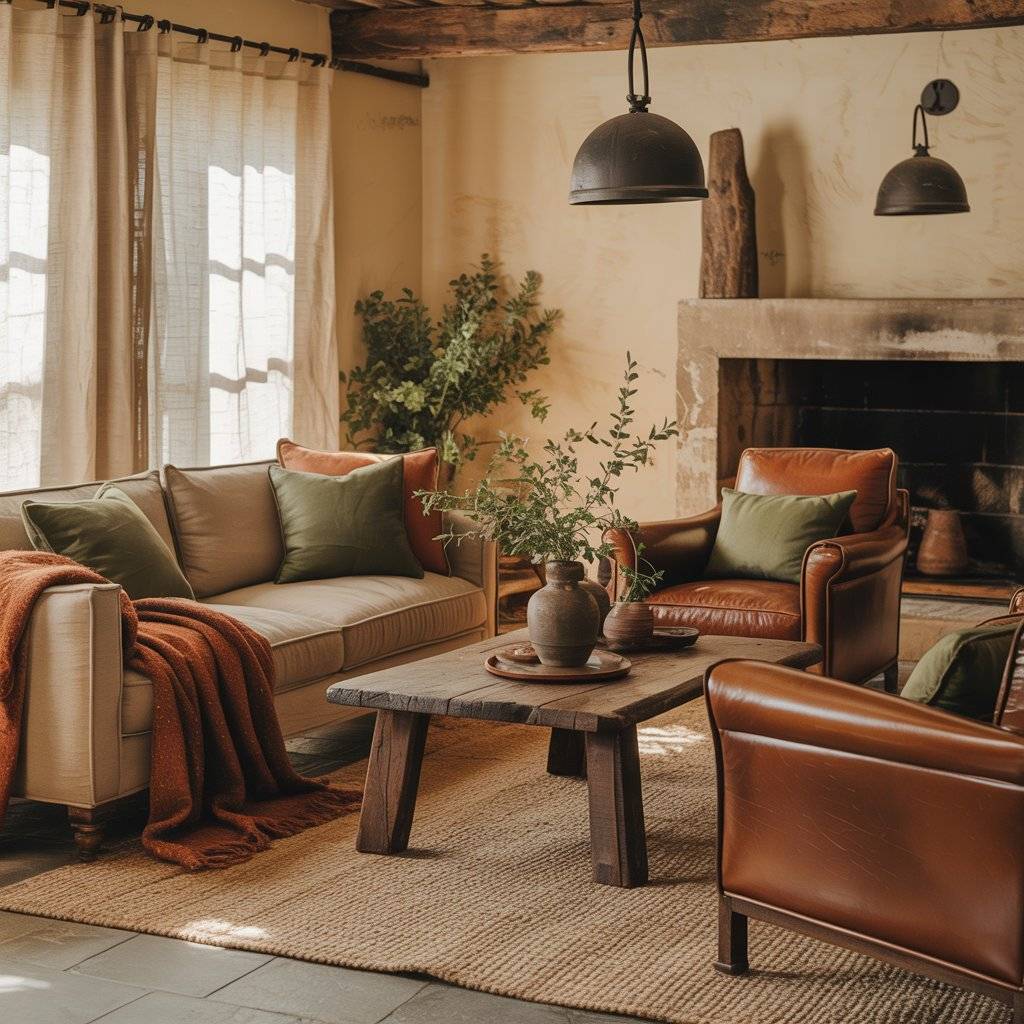
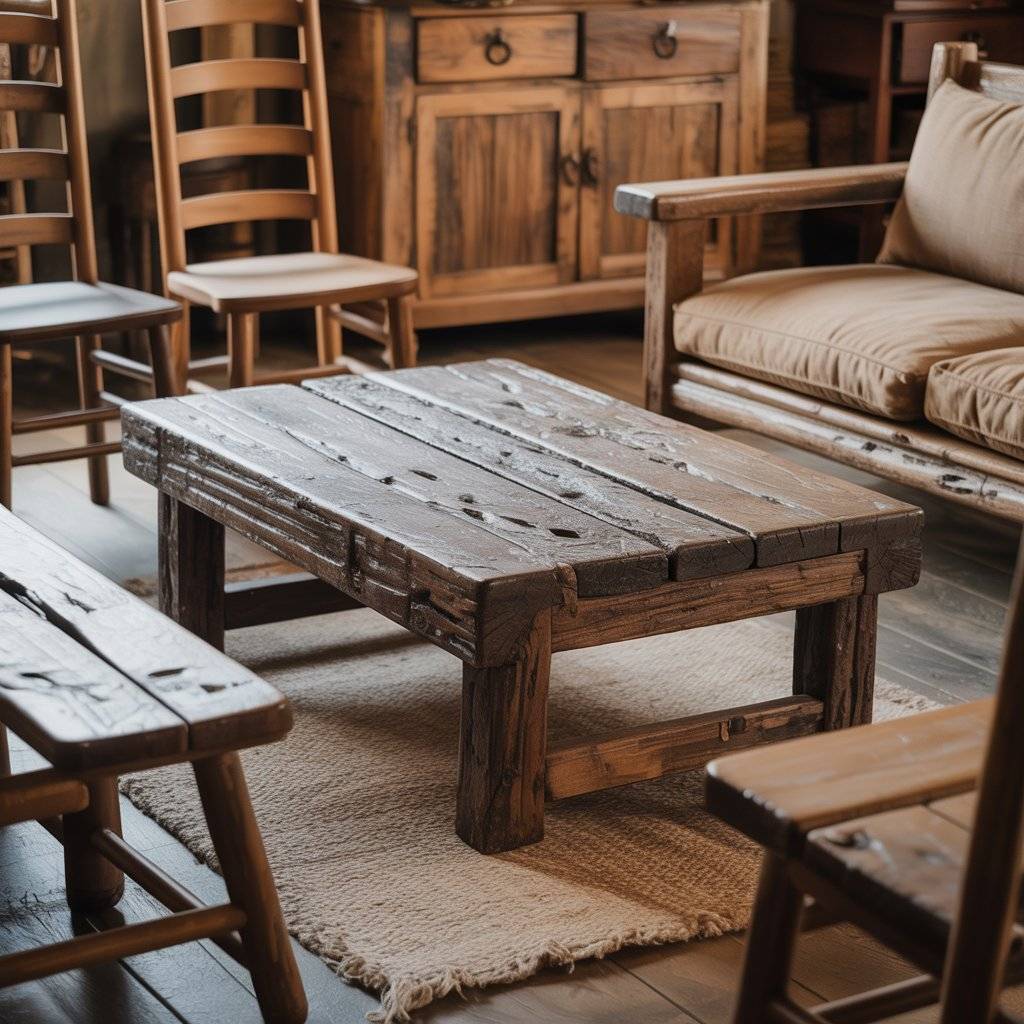
One thing I’ve learned is that color makes or breaks a rustic space. For a warm and timeless home, stick to earthy tones cream, beige, soft brown, muted green, and deep charcoal. These colors reflect nature and create a calm background.
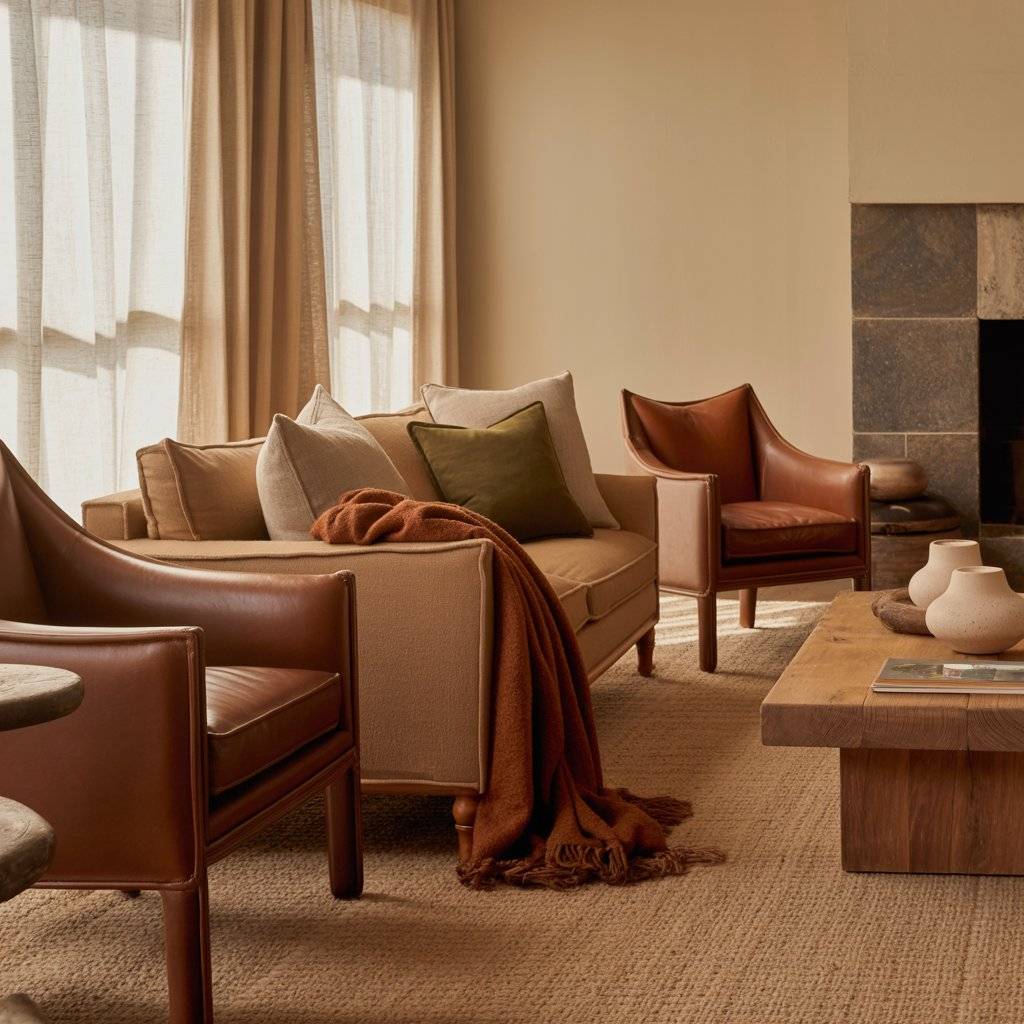
I usually start with neutral walls and layer in darker shades through furniture or textiles. A tan sofa paired with brown leather chairs feels balanced and grounded. Adding olive green cushions or a rust-colored throw blanket brings depth without overwhelming the room.
The goal isn’t to make everything match perfectly. It’s to create harmony. Primitive living room ideas work best when the colors feel natural and slightly muted. Bright, shiny shades can take away from that relaxed, rustic feel. If you’re unsure, think about the colors you see in wood, stone, and soil. That’s your guide.
3. Add Stone or Brick Elements
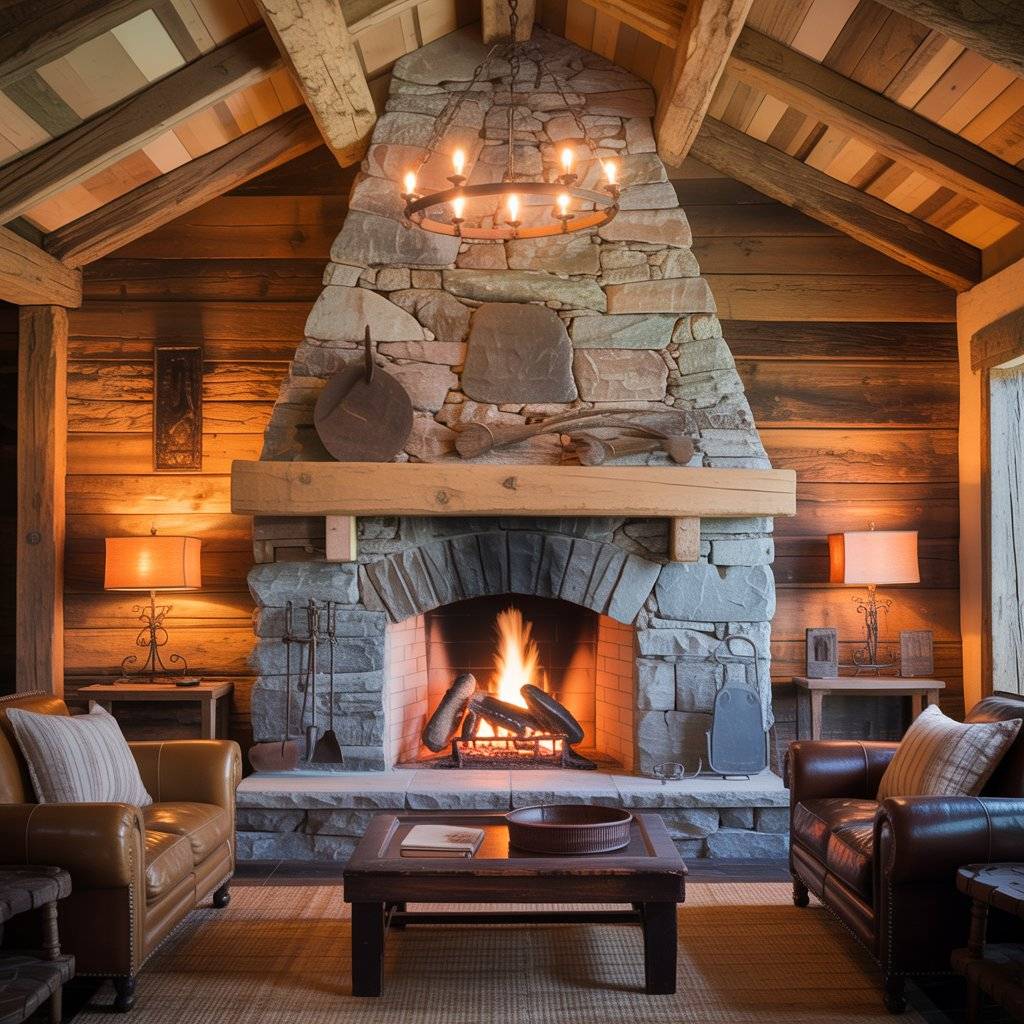
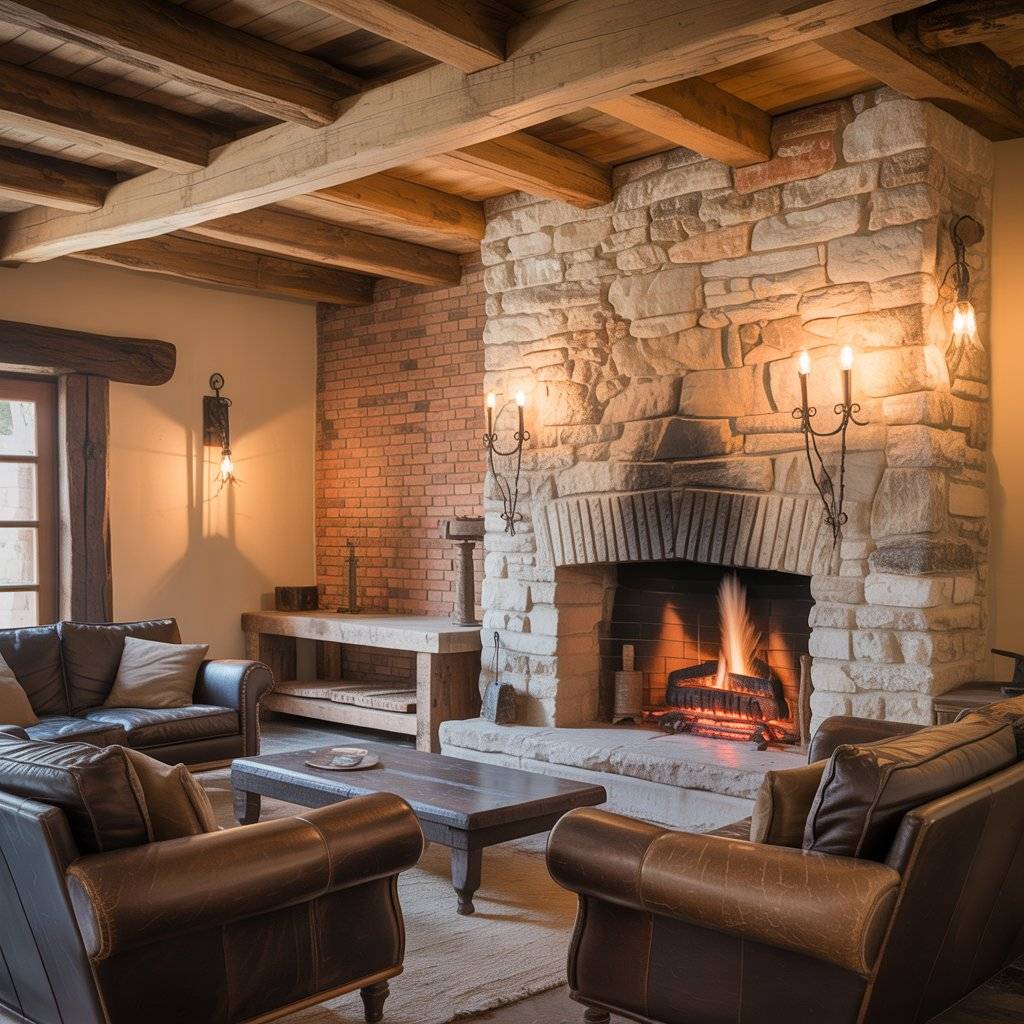
If you really want a rustic and timeless living room, consider adding a stone or brick feature. A fireplace with exposed stone instantly gives a primitive feel. Even if you don’t have a working fireplace, a brick accent wall can bring texture and depth.
I’ve seen people use peel-and-stick brick panels for a budget-friendly option. While it’s not real stone, it still adds visual weight and warmth. Pair it with wooden beams or simple iron fixtures for a balanced look.
Stone and brick ground the space. They remind you of older homes built with natural materials. That’s what makes primitive design feel authentic. You don’t need to cover every wall one strong feature is enough to change the atmosphere of the room.
4. Layer Textiles for Warmth
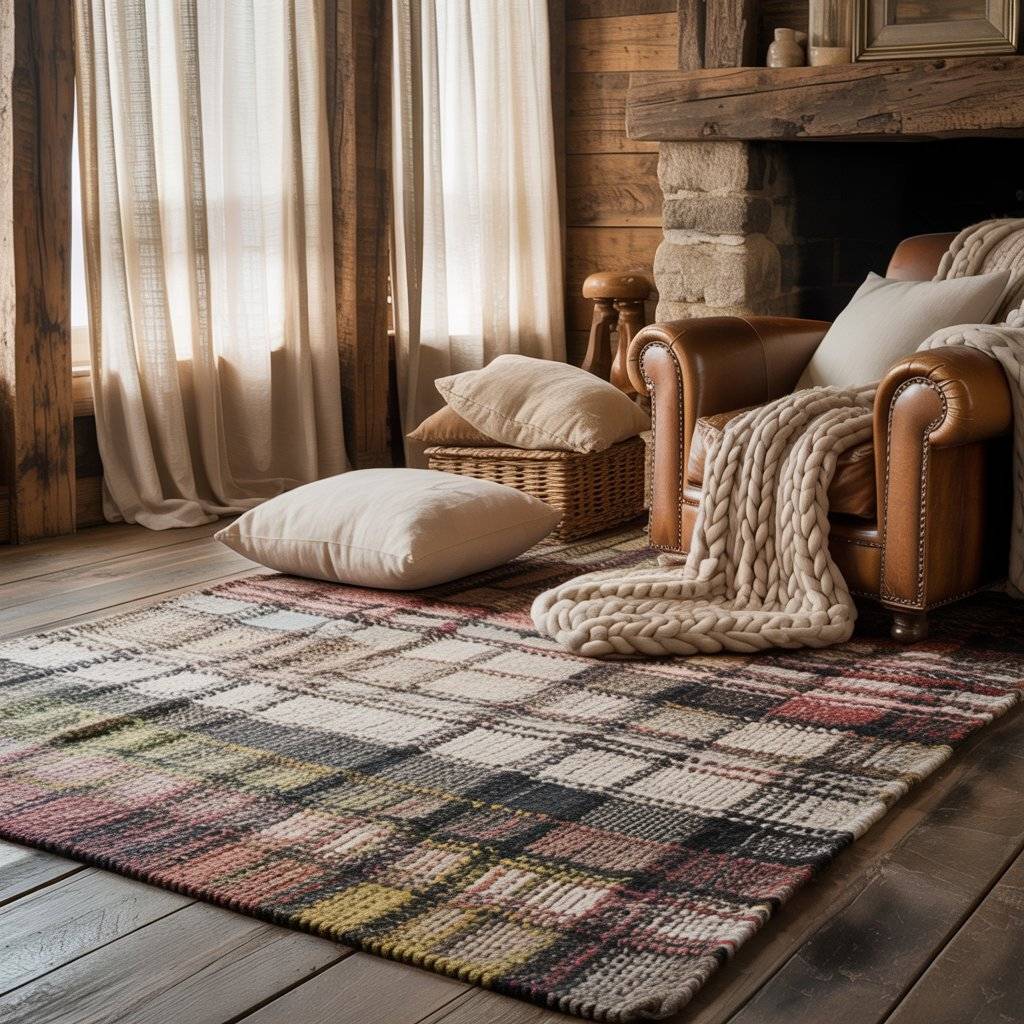
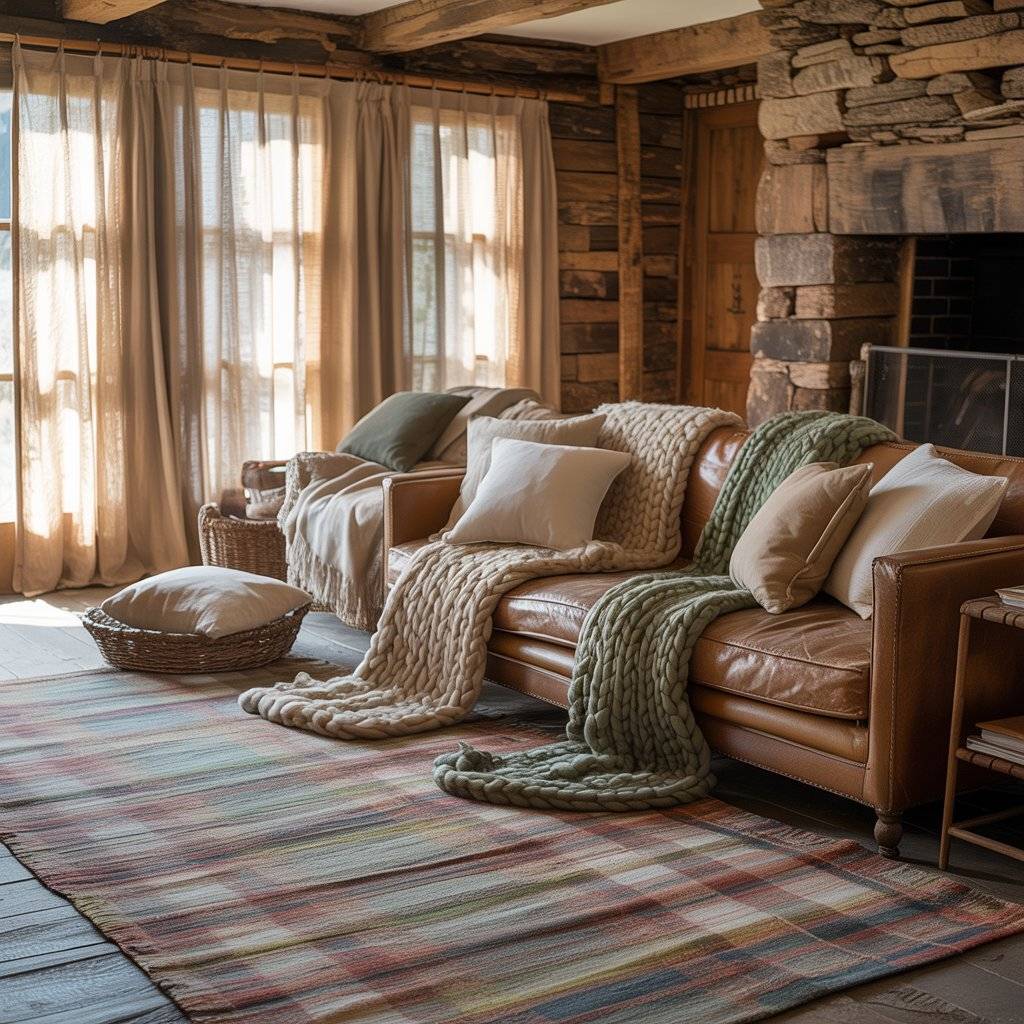
Primitive living rooms aren’t empty or bare. They feel comfortable. I like to layer textiles to soften the harder elements like wood and stone. Think woven rugs, linen curtains, and chunky knit throws.
A large area rug in a muted pattern can tie the room together. Plaid or simple striped designs work well without feeling busy. Add cushions in natural fabrics like cotton or wool. The mix of textures makes the space inviting.
I’ve found that layering also makes the room practical. In colder months, thicker blankets keep the space cozy. In warmer seasons, you can switch to lighter fabrics while keeping the same rustic base. It’s a simple way to maintain a warm home all year without redesigning everything.
5. Choose Simple, Handcrafted Decor
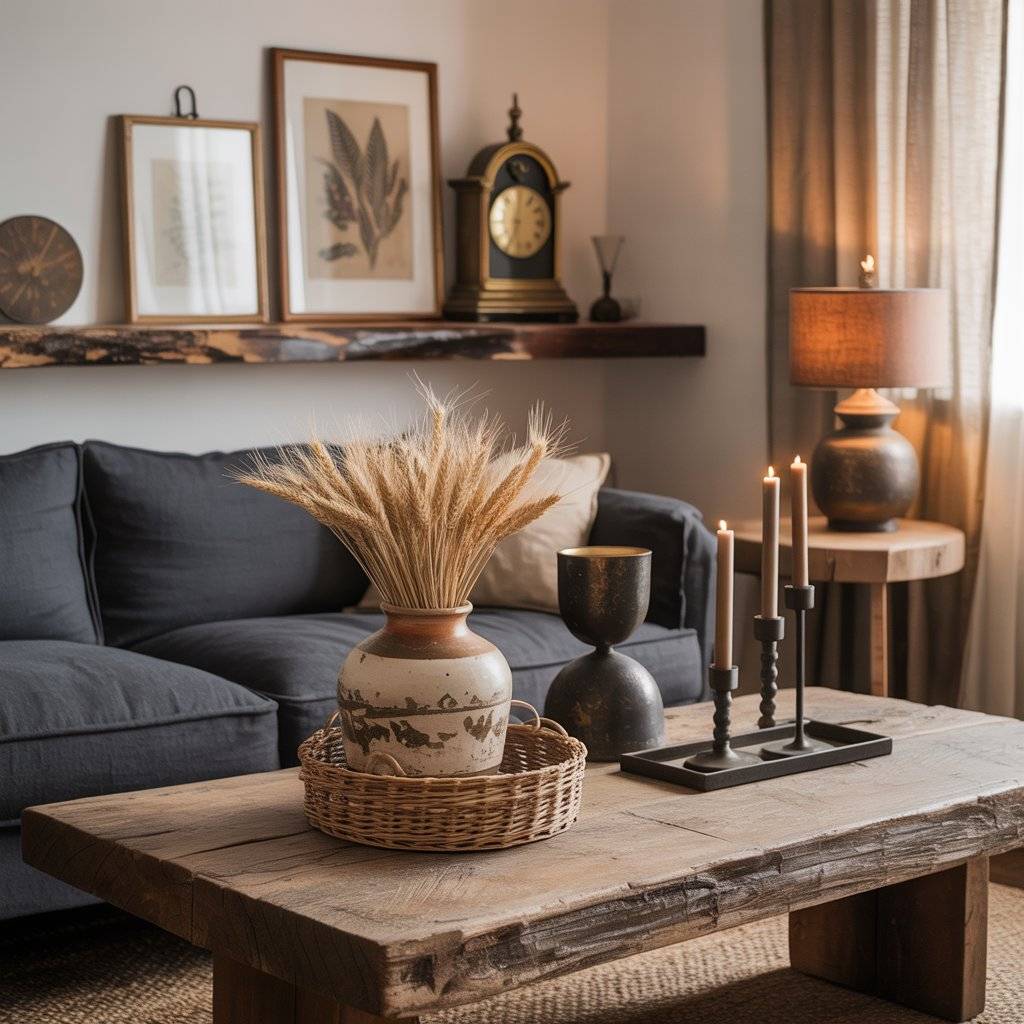
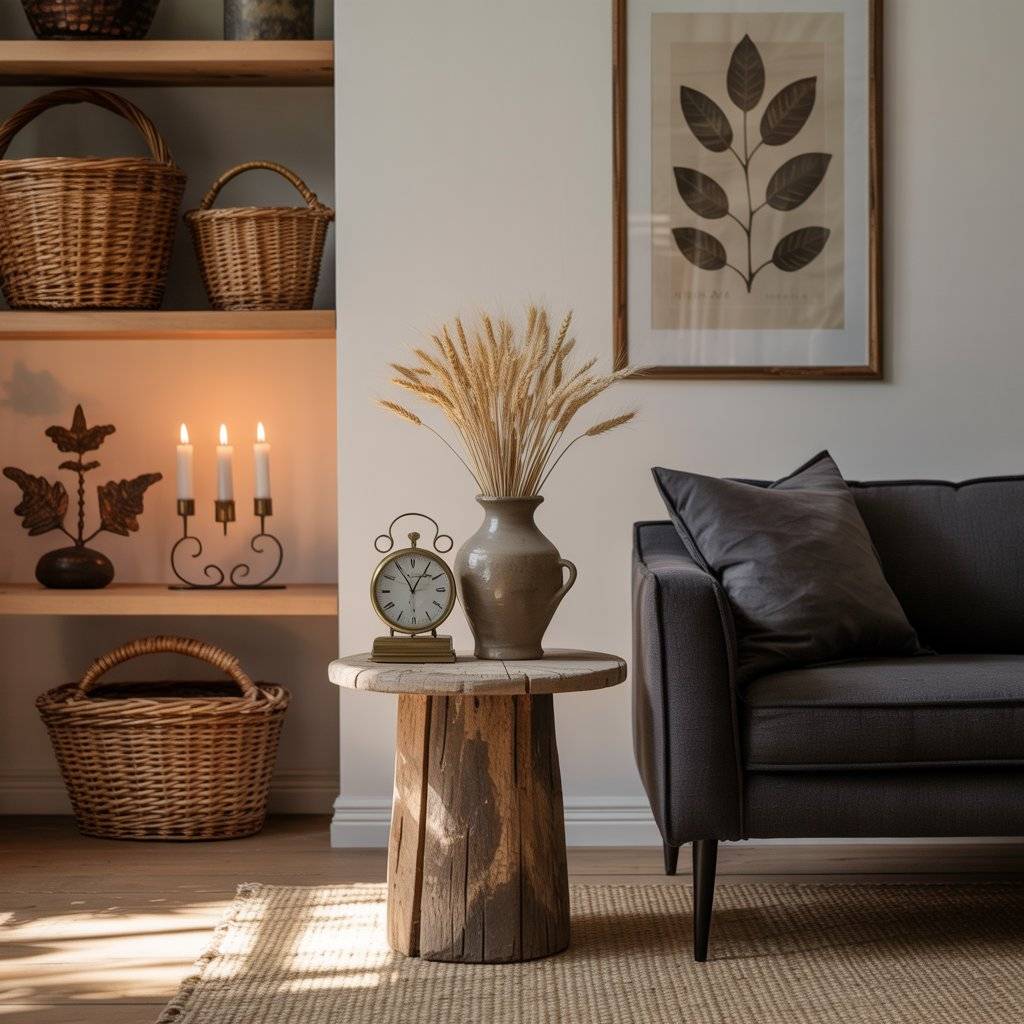
Decor in a primitive living room should feel meaningful, not crowded. I prefer handcrafted pieces ceramic vases, woven baskets, or iron candle holders. These small details add character without overpowering the space.
Instead of filling every shelf, display a few well-chosen items. A vintage clock, a wooden bowl, or framed botanical prints can tell a story. Primitive living room ideas focus on quality over quantity. Each piece should look like it belongs there.
What works best for me is mixing old and new. A modern sofa can sit next to a reclaimed wood side table. The contrast keeps the room from feeling outdated while still holding onto that rustic charm. When done right, the result is a warm, welcoming space that feels timeless not trendy.
6. Use Warm, Soft Lighting Instead of Harsh Bright Lights
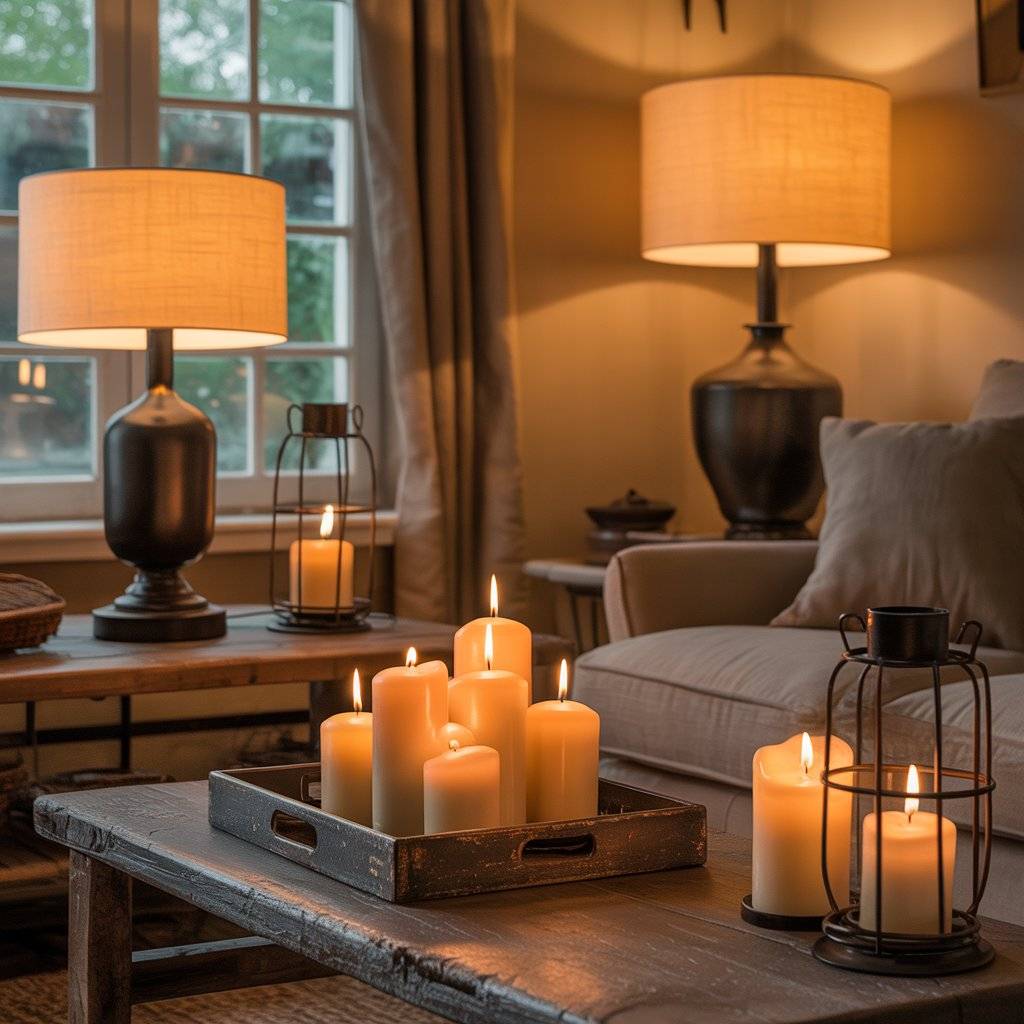
Lighting changes everything in a primitive living room. I learned quickly that bright white ceiling lights can make a rustic space feel cold. Instead, I focus on warm lighting. Soft yellow bulbs, table lamps with linen shades, and simple floor lamps create a relaxed mood.
If you can, add wrought iron or matte black fixtures. They fit well with primitive living room ideas because they feel sturdy and practical. Candles also work beautifully. I often place pillar candles on a wooden tray or inside lantern-style holders. It gives the room a calm glow in the evening.
Layering light is important. Use a main light for function, then smaller lamps for warmth. The goal is to make the room feel inviting at night, not like a showroom. Warm lighting helps create that rustic and timeless home feeling without changing the whole design.
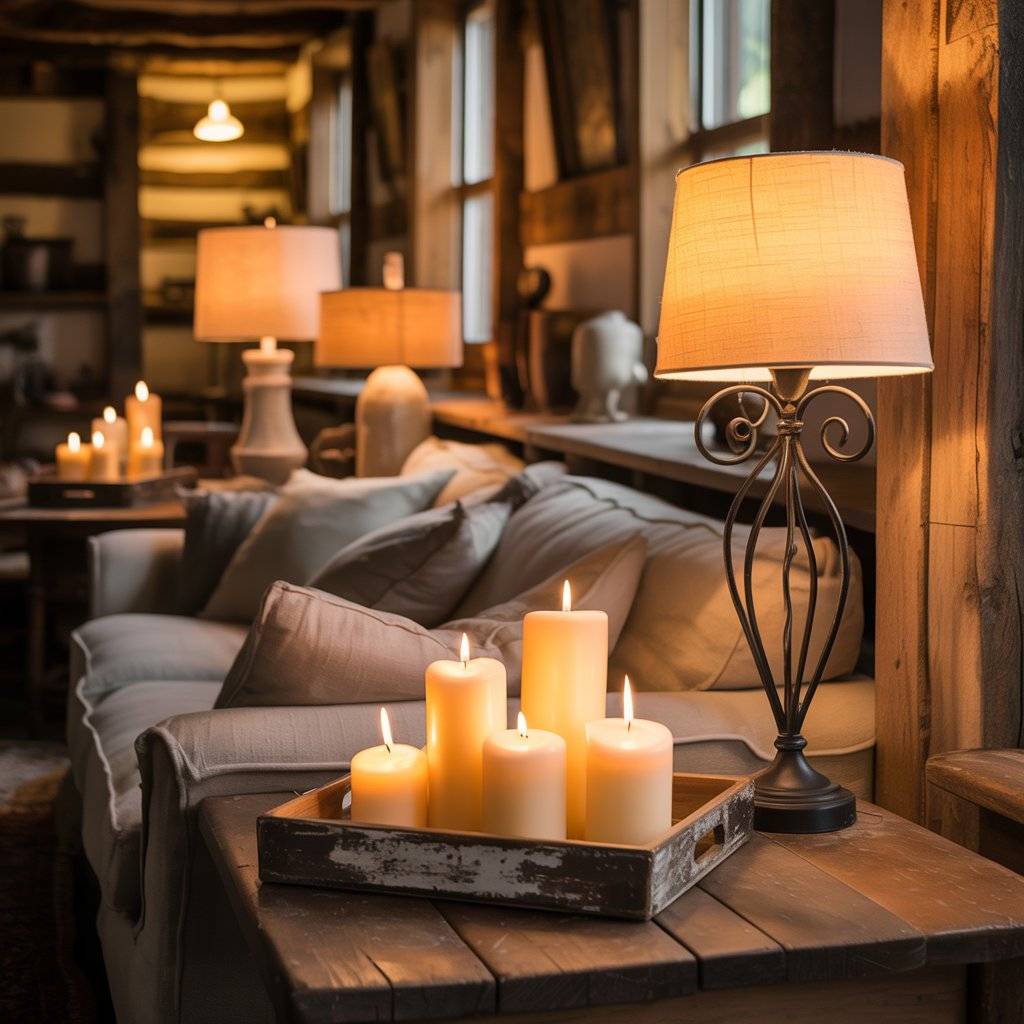
7. Incorporate Natural Textures Like Leather and Linen
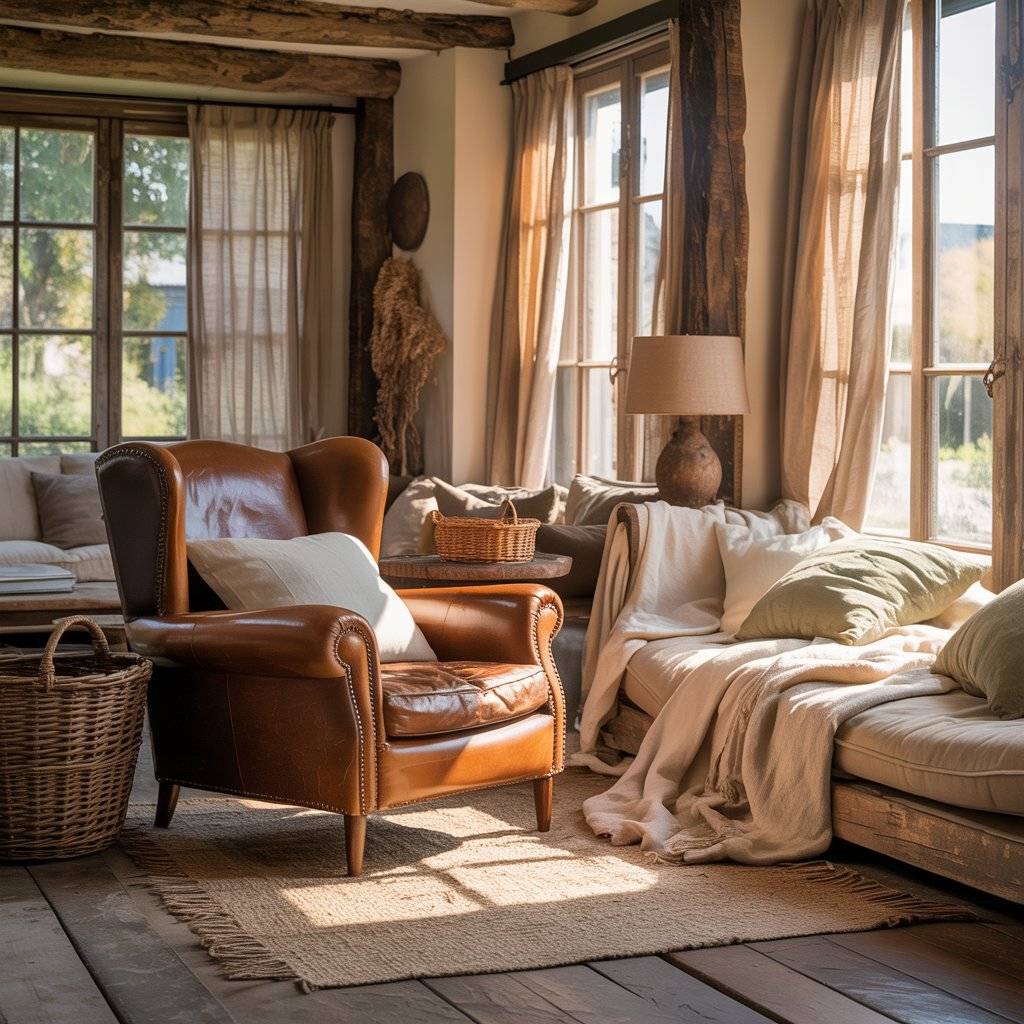
Texture plays a big role in making a space feel warm and real. In my own projects, I like mixing materials like leather, linen, wool, and raw wood. A brown leather chair, even a simple one, instantly adds depth to the room. Over time, leather develops a natural patina, which fits perfectly with primitive style.
Linen curtains are another simple change. They hang softly and let in light without feeling heavy. Wool throws, woven baskets, and cotton cushions all add comfort without looking overly decorated.
Primitive living room ideas are not about perfection. They are about materials that age well and feel honest. When you mix textures carefully, the room feels layered and comfortable. It becomes a place you actually want to sit in, not just look at.
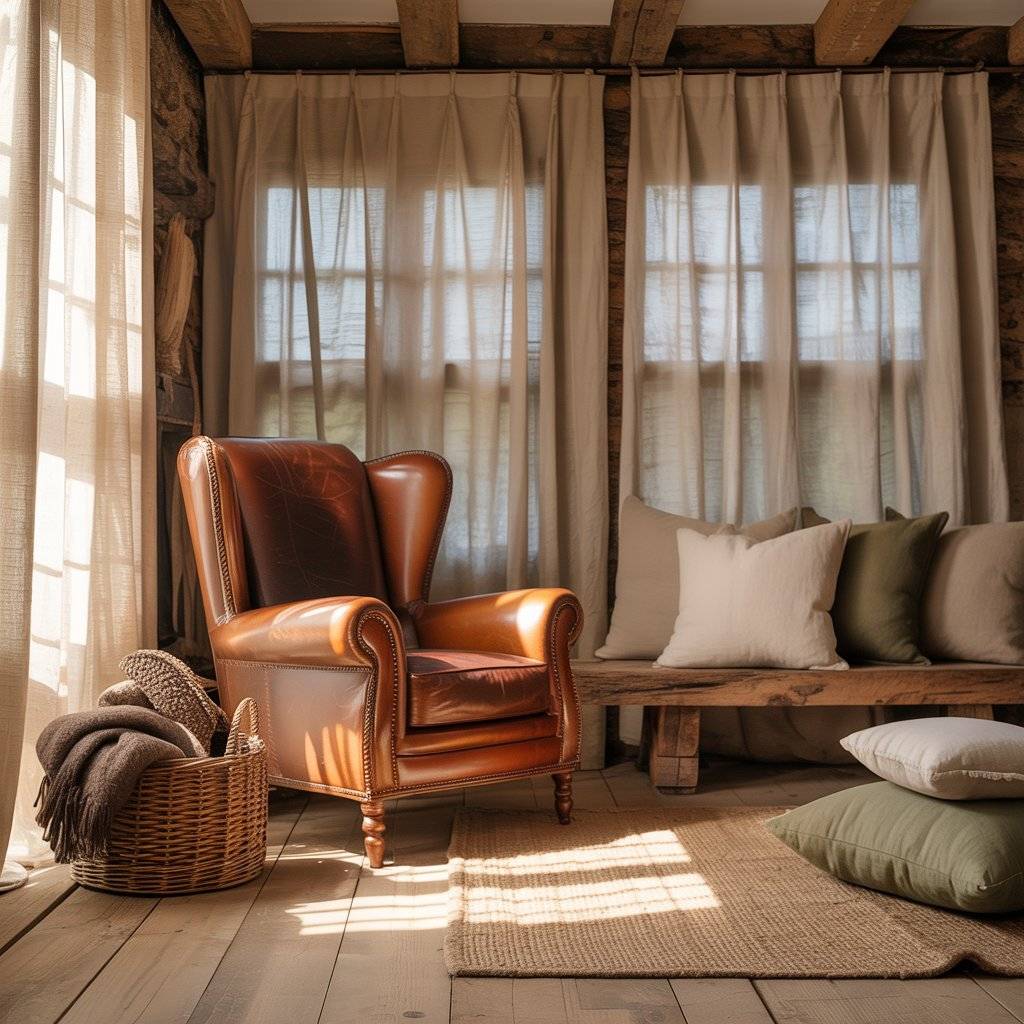
8. Display Functional Pieces as Decor
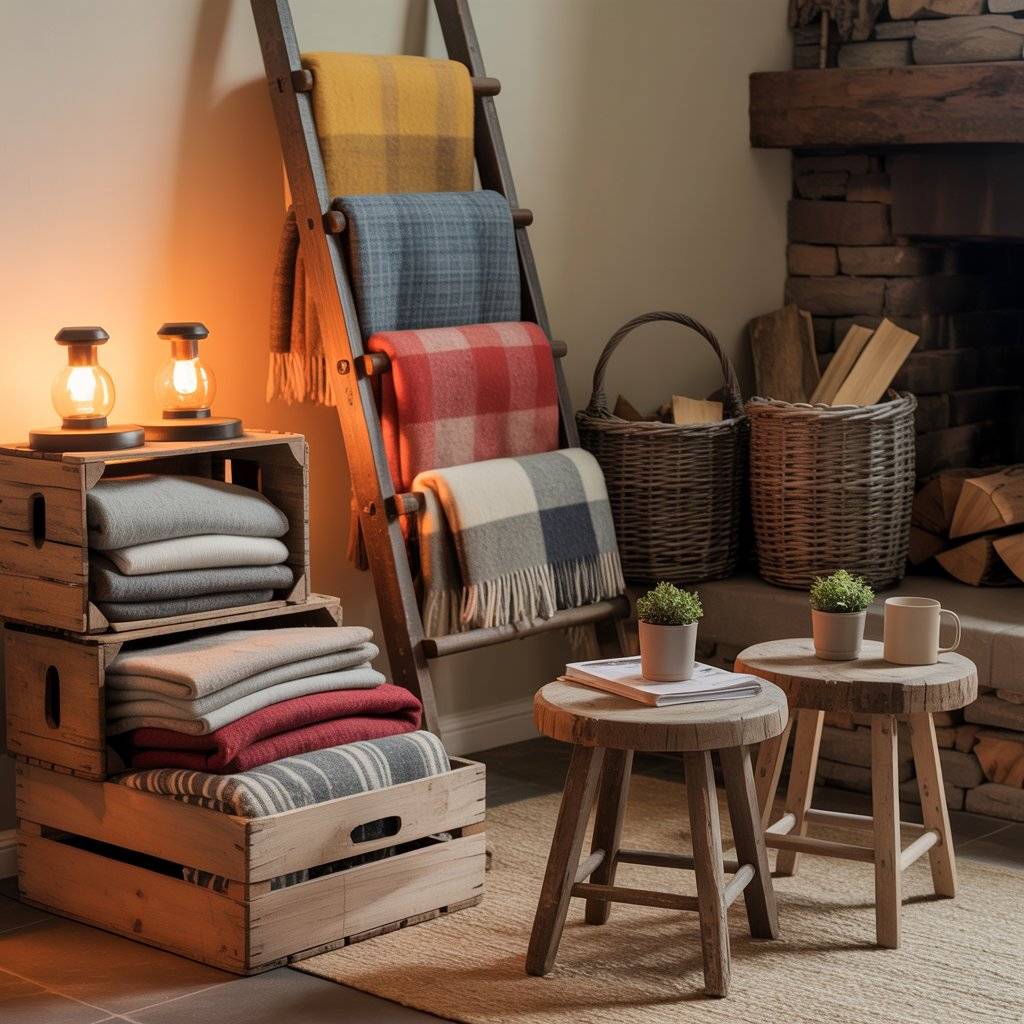
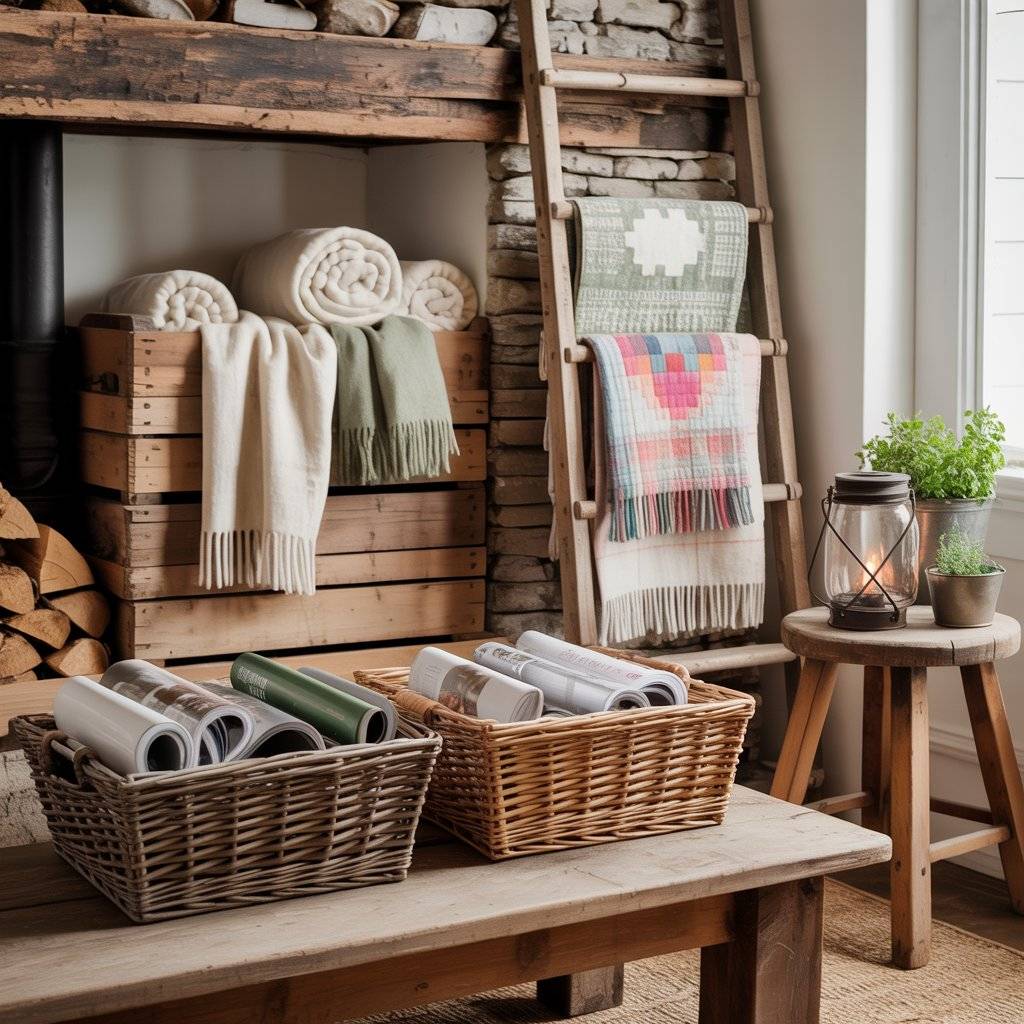
One thing I always remind myself is that primitive style values usefulness. Instead of hiding everything in cabinets, I display functional items in a thoughtful way. Wooden crates can hold blankets. A sturdy ladder can store throws. Woven baskets can organize magazines or firewood.
I’ve even used simple wooden stools as side tables. They are practical and add character at the same time. When decor serves a purpose, the room feels authentic.
This approach also keeps clutter under control. You choose items that work hard but still look good. That’s the heart of a warm, rustic and timeless home. Everything has a reason to be there. Nothing feels forced or just added for show.
9. Mix Vintage Finds with Simple Modern Pieces
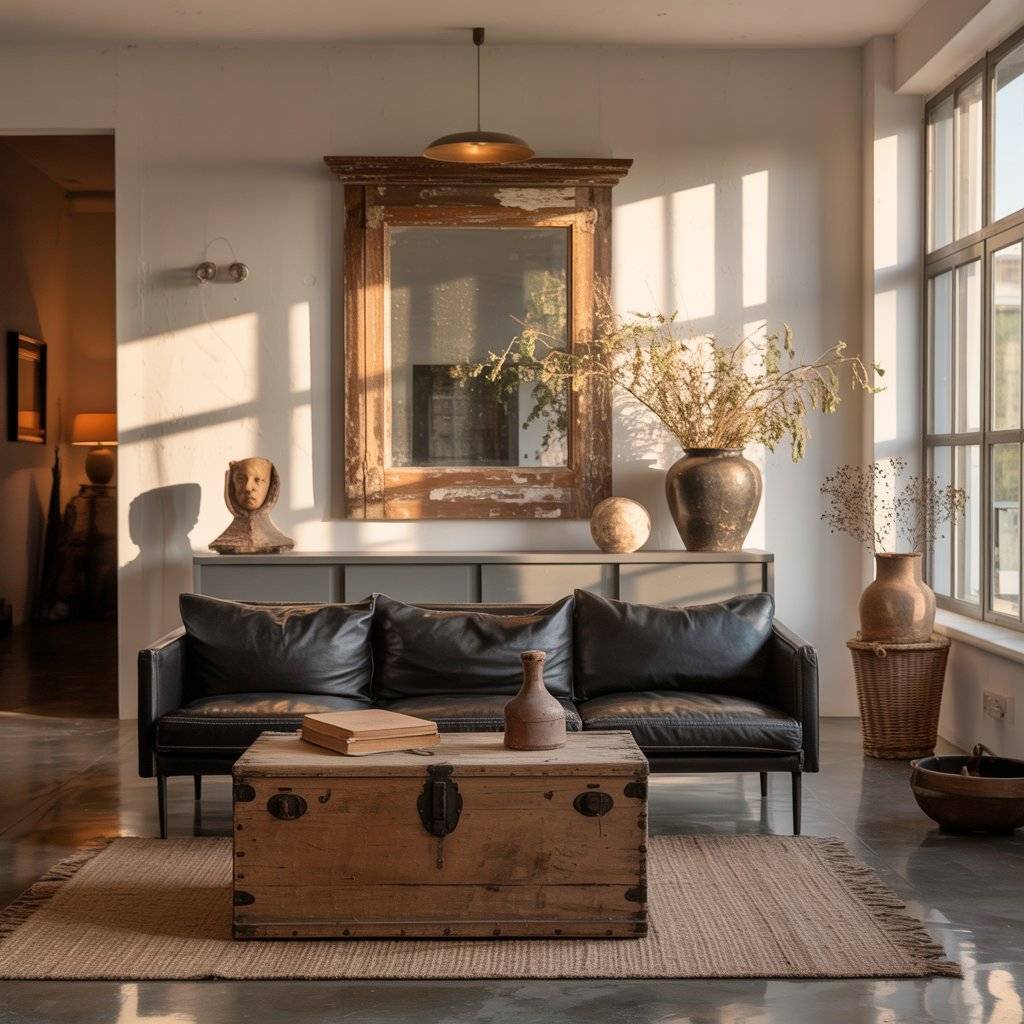
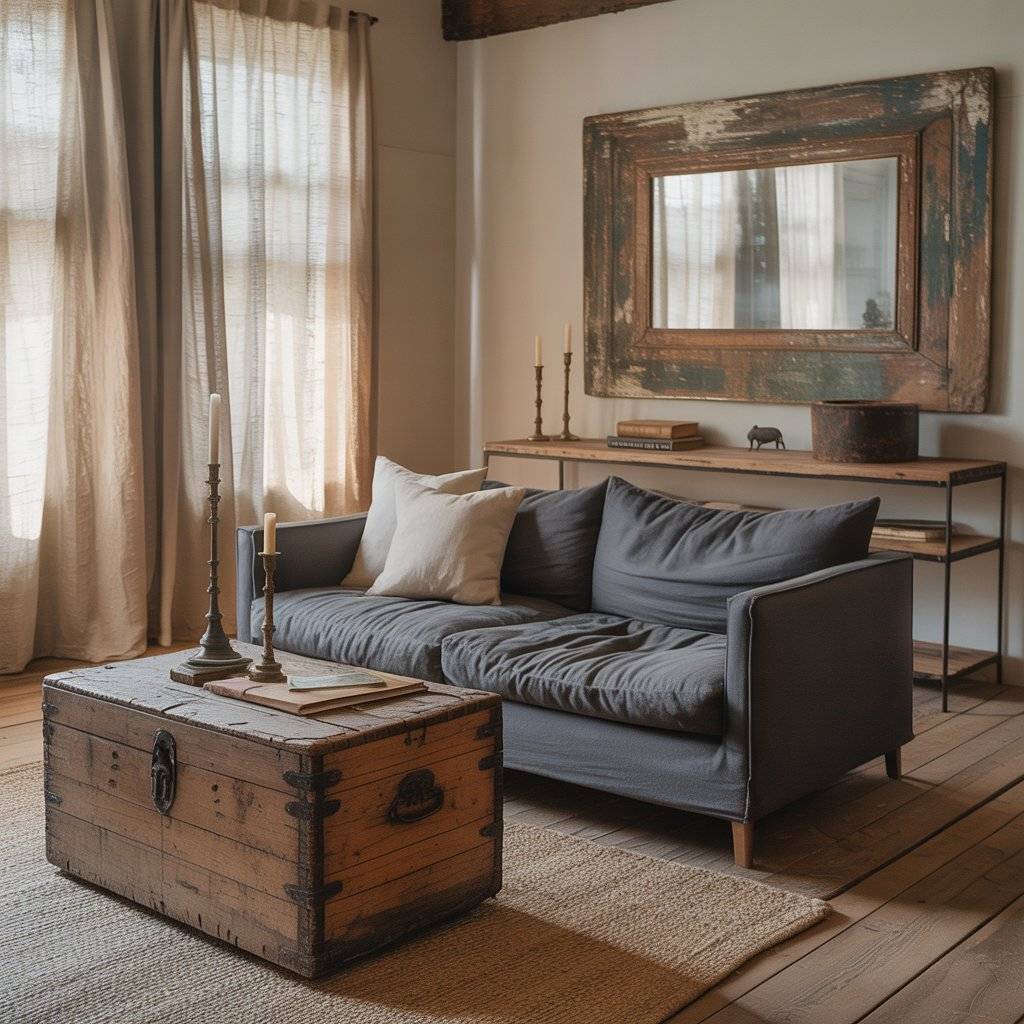
I don’t believe a primitive living room has to look like a museum. Mixing old and new actually keeps it fresh. A vintage trunk can act as a coffee table, while a clean-lined sofa keeps the room comfortable.
I like searching for older pieces at flea markets or thrift stores. Look for solid construction and natural materials. Even small items, like an old wooden mirror or a distressed picture frame, can add history to the space.
When you pair these with simple modern pieces, the room feels balanced. It avoids looking too heavy or too themed. Primitive living room ideas work best when they evolve over time. You collect pieces slowly, and each one adds to the story of the home.
10. Keep the Layout Open and Comfortable
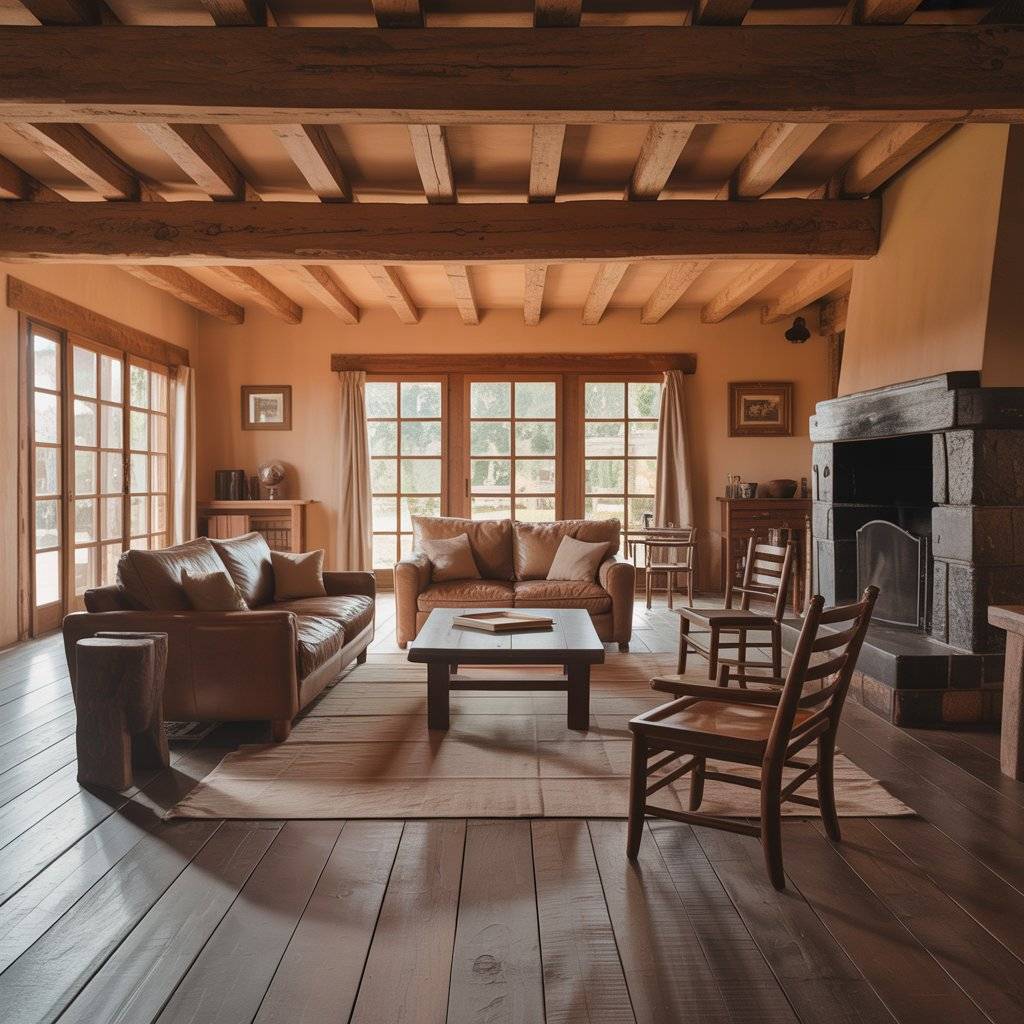
Finally, think about how the room feels to move around in. Primitive design is simple, so the layout should be practical and open. I try not to overcrowd the space with too much furniture. Leave room to walk easily and arrange seating so people can talk comfortably.
Place the sofa and chairs around a central point, like a coffee table or fireplace. Keep pathways clear. This makes the room feel calm and welcoming.
A warm, rustic and timeless home is not just about materials. It’s about comfort. When people walk into the room, they should feel relaxed right away. If the layout is simple and functional, everything else falls into place naturally.
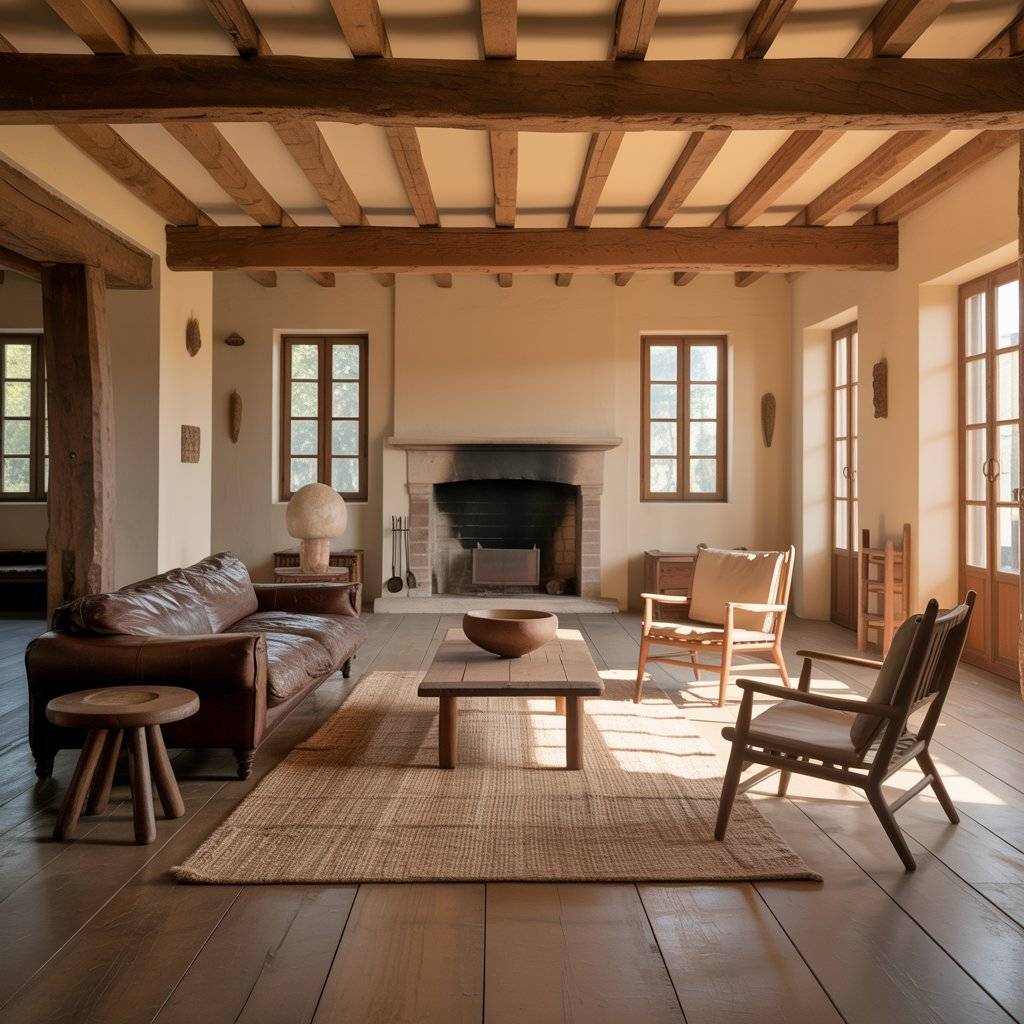
11. Add Exposed Wooden Beams or Beam Accents
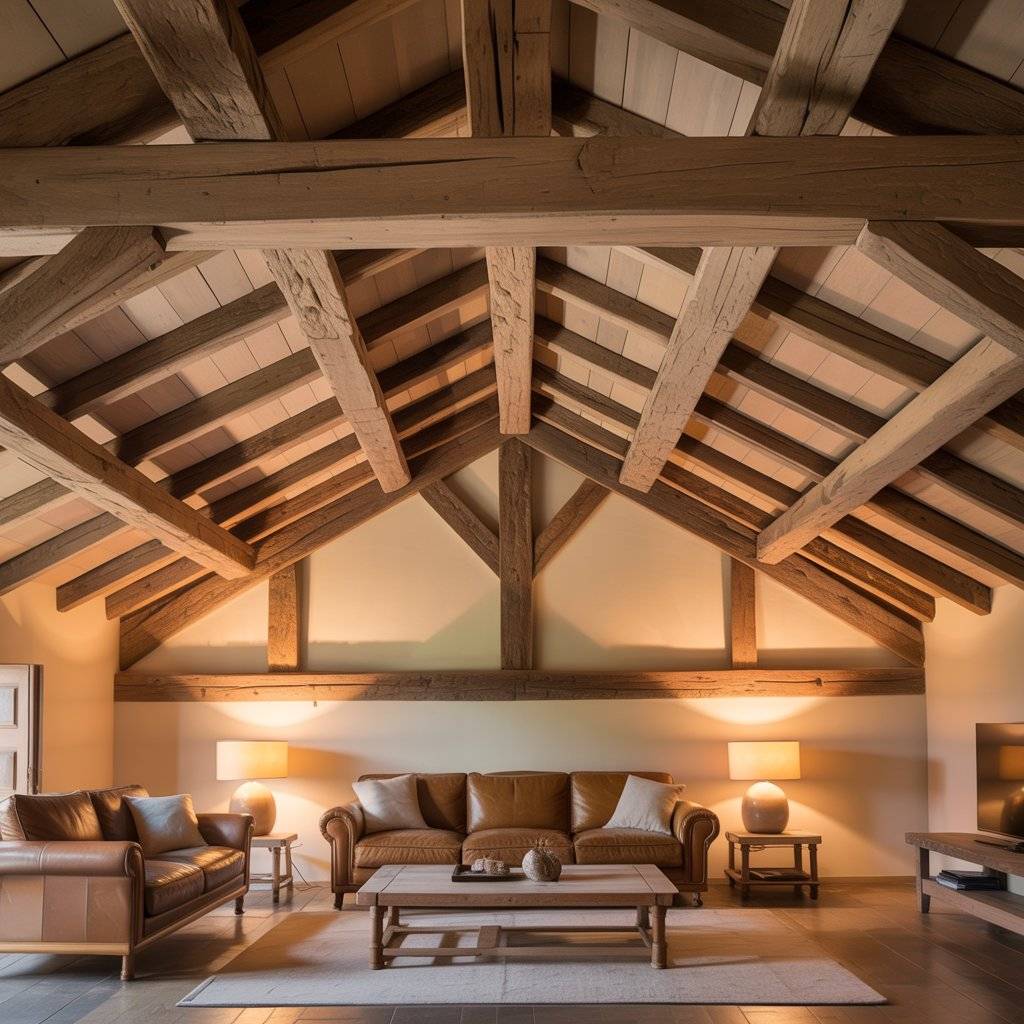
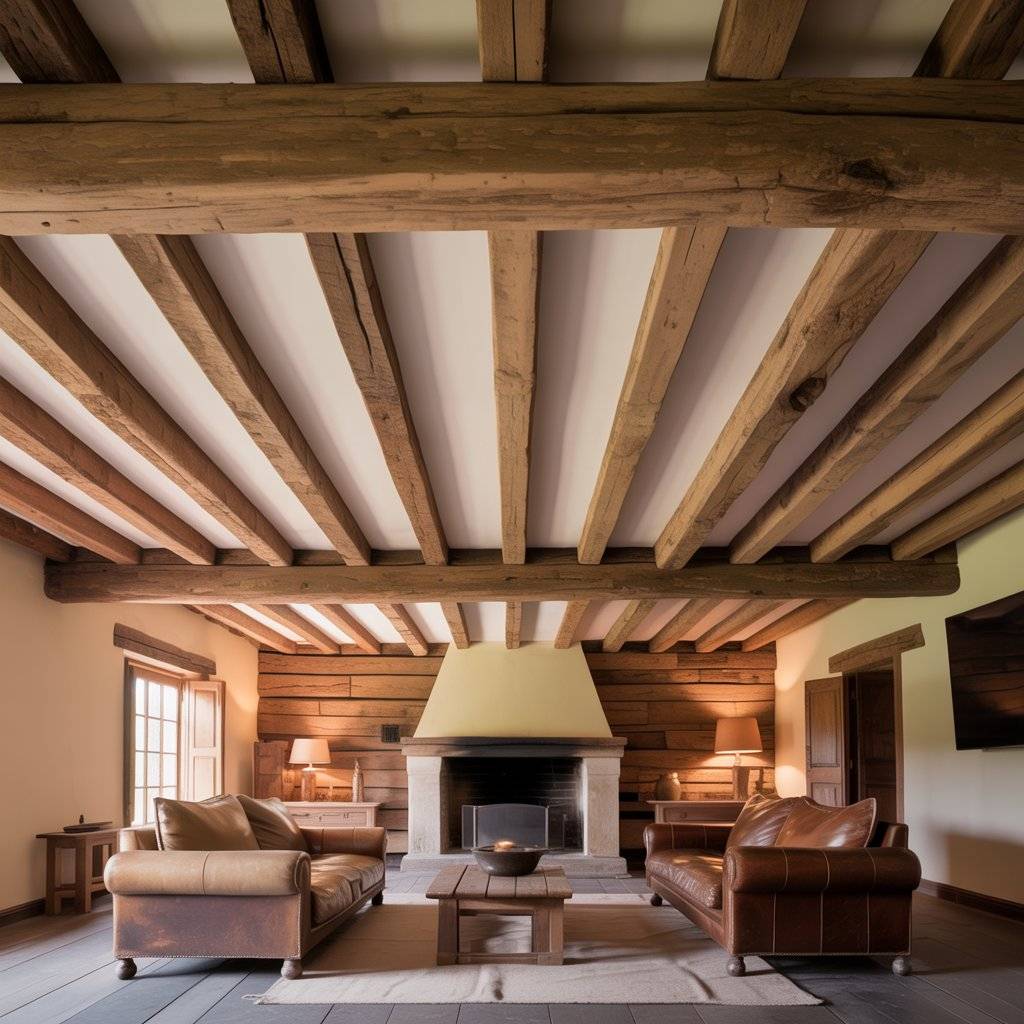
If your home already has exposed ceiling beams, you’re ahead of the game. If not, you can still create the look with faux wooden beams. I’ve seen homeowners install lightweight beam wraps, and it instantly changes the room. It draws the eye upward and adds that solid, grounded feeling that primitive living room ideas are known for.
Wooden beams don’t need to be dark and heavy. Even medium-toned or slightly weathered finishes work well. The goal is to bring natural material into the structure of the room, not just the furniture.
Beams create a sense of craftsmanship. They make the space feel built with care. In a warm, rustic and timeless home, these details matter because they add depth without cluttering the room.
12. Choose Simple Window Treatments
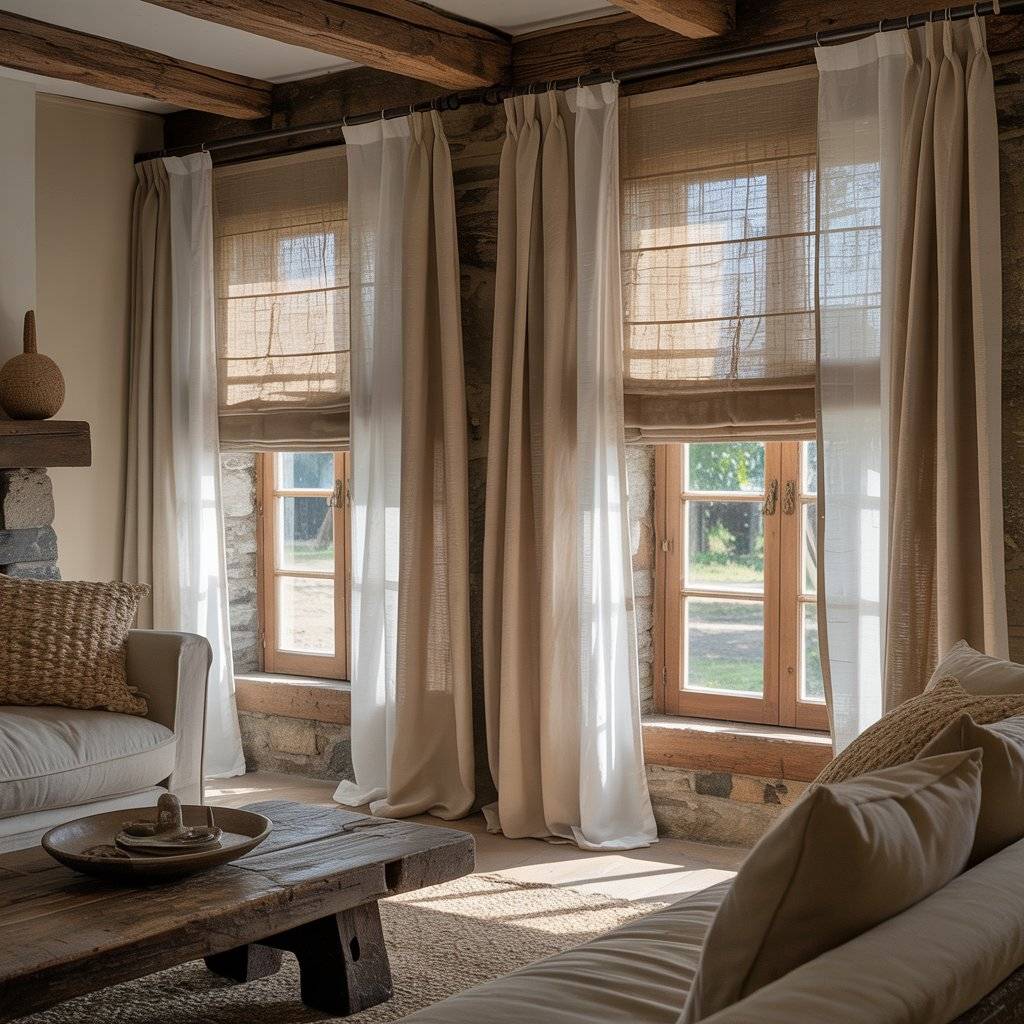
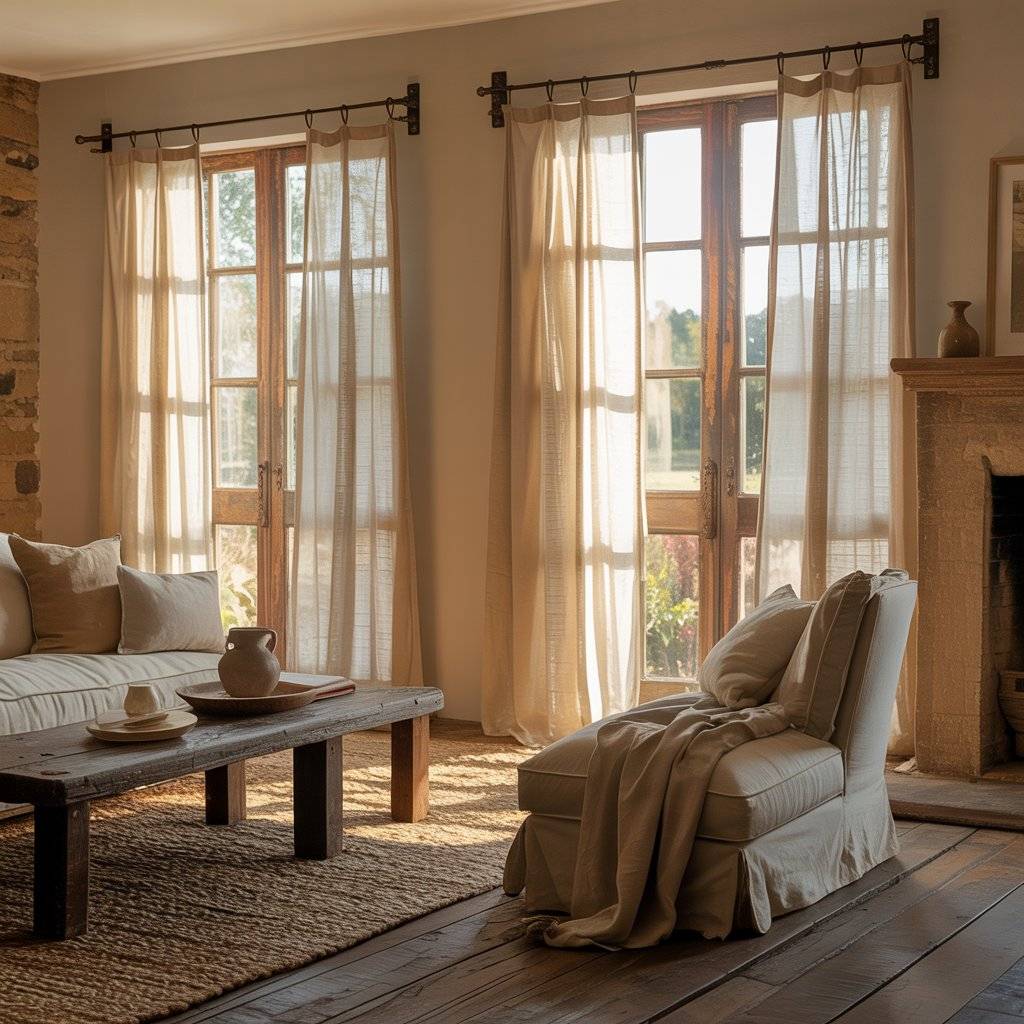
I’ve learned that heavy, dramatic curtains don’t always fit primitive style. Instead, I go for simple window treatments. Linen panels, cotton drapes, or even woven shades feel more natural and relaxed.
Neutral colors work best. Cream, beige, or soft gray allow light to filter in gently. The room stays bright during the day but still feels cozy in the evening. If privacy is needed, layering sheer curtains with thicker panels keeps things practical.
Primitive living room ideas focus on function and comfort. Windows should feel open and breathable, not overly decorated. Simple treatments allow the natural light to highlight wood, stone, and texture in the room. Sometimes less truly creates more warmth.
13. Use Large Area Rugs to Ground the Space
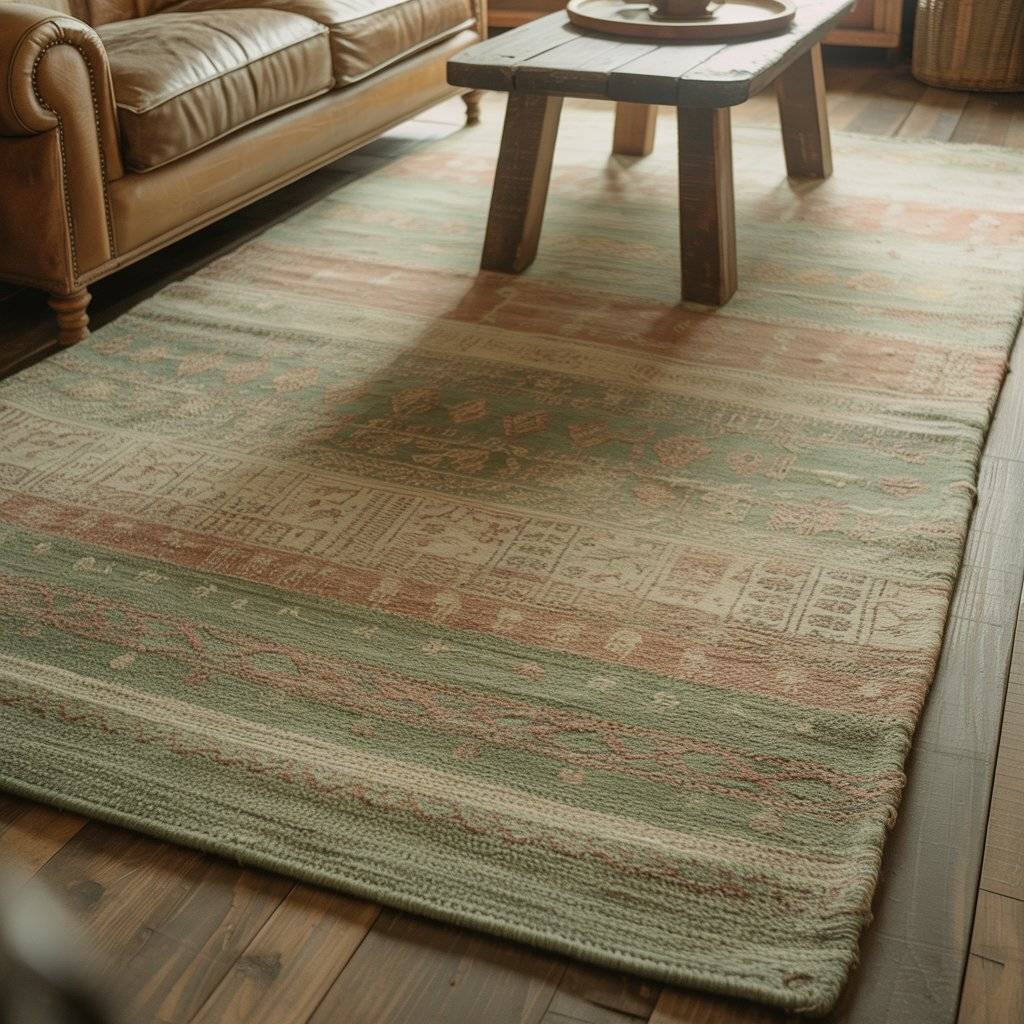
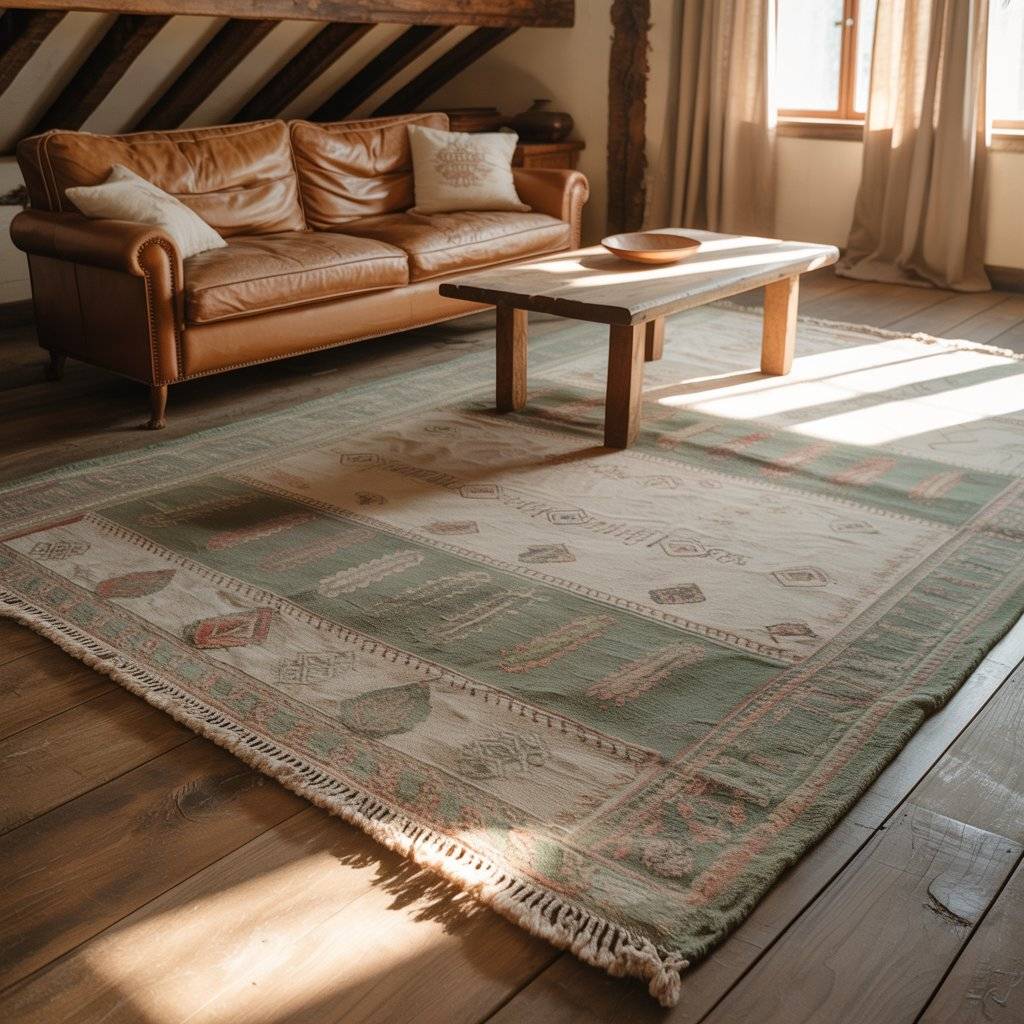
A well-chosen rug can anchor your entire living room. I like using large area rugs with subtle patterns nothing too bold or busy. Faded designs, simple stripes, or soft geometric shapes fit perfectly into a rustic setting.
Rugs also add warmth underfoot, especially if you have hardwood or stone floors. In primitive design, comfort is important. A thick wool or woven cotton rug softens the harder materials and makes the room more inviting.
Make sure the rug is large enough so that at least the front legs of your furniture sit on it. This helps define the seating area and keeps the layout balanced. It’s a simple change, but it pulls everything together in a warm and timeless way.
14. Incorporate Open Shelving with Purpose
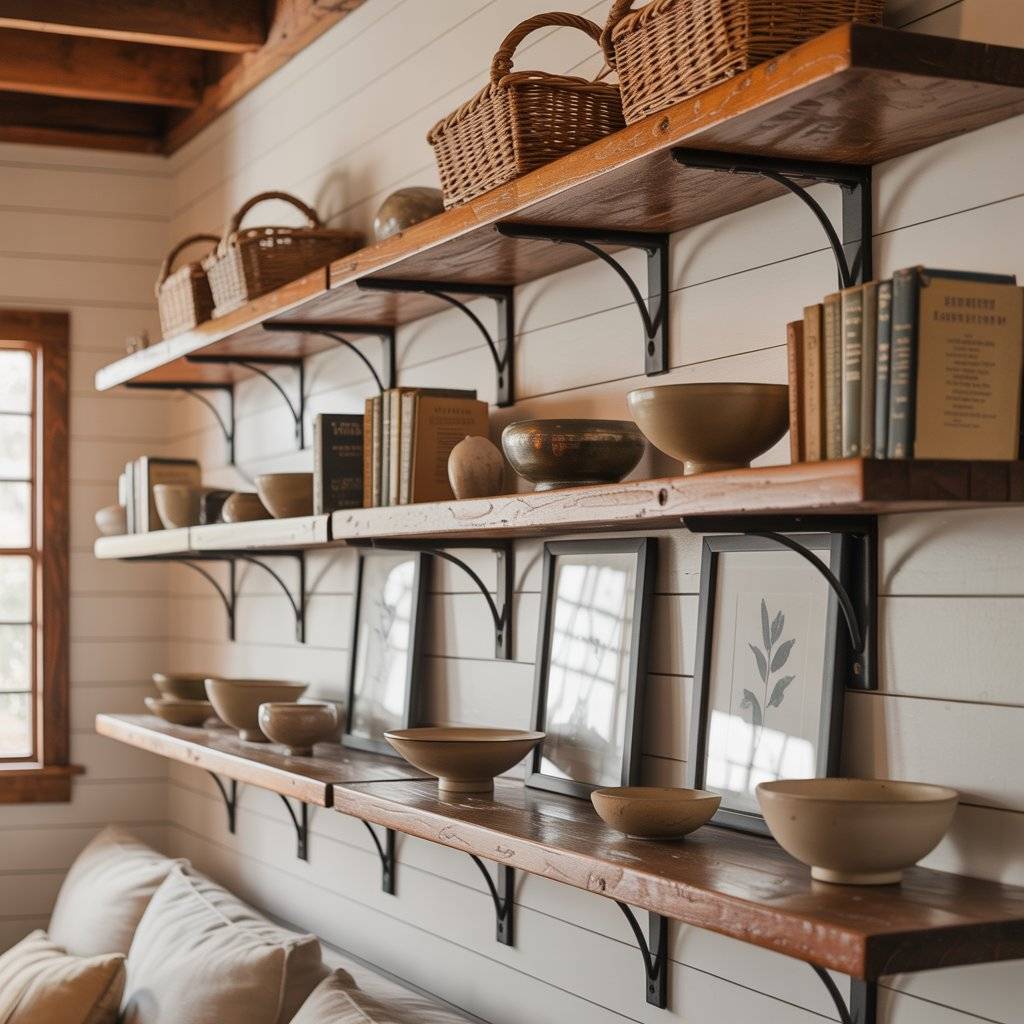
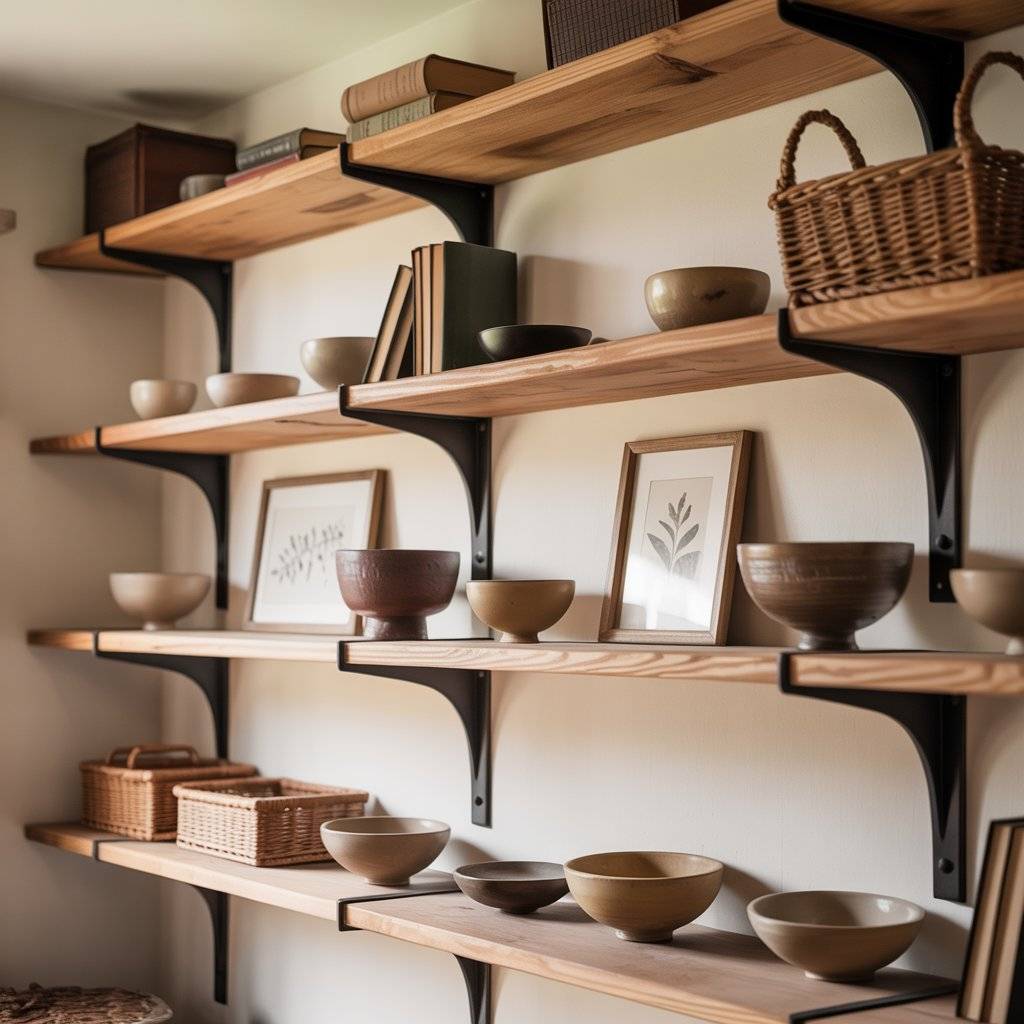
Open shelving can add charm when done thoughtfully. I prefer wooden shelves with visible brackets, especially iron or black metal ones. They feel strong and practical.
Instead of overcrowding the shelves, display items you actually use ceramic bowls, woven baskets, books, or simple framed prints. Keep the arrangement loose and natural. Primitive living room ideas are not about perfect symmetry. They’re about authenticity.
Open shelving also encourages you to stay organized. When everything is visible, you choose quality pieces that deserve to be seen. This keeps the room functional while still adding visual interest. Done right, it makes the space feel lived in but not messy.
15. Bring Nature Indoors with Greenery
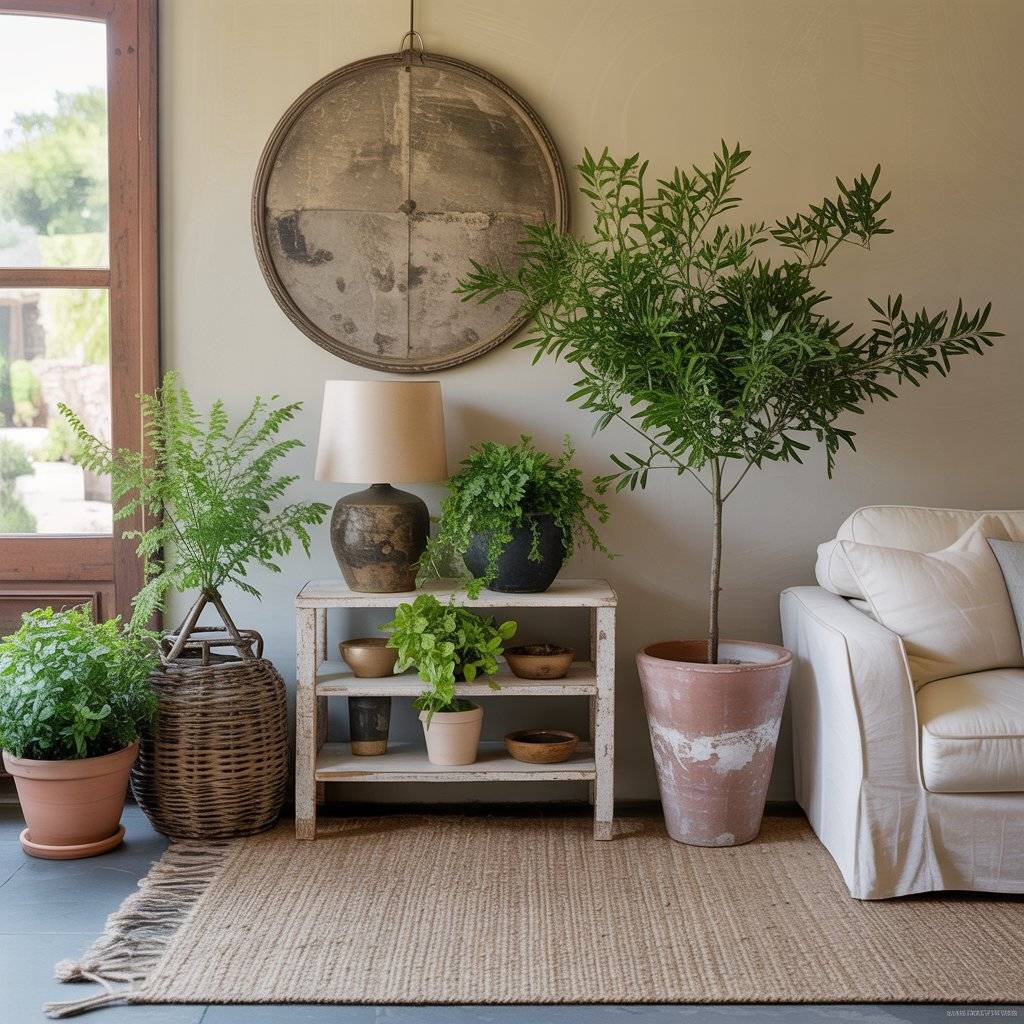
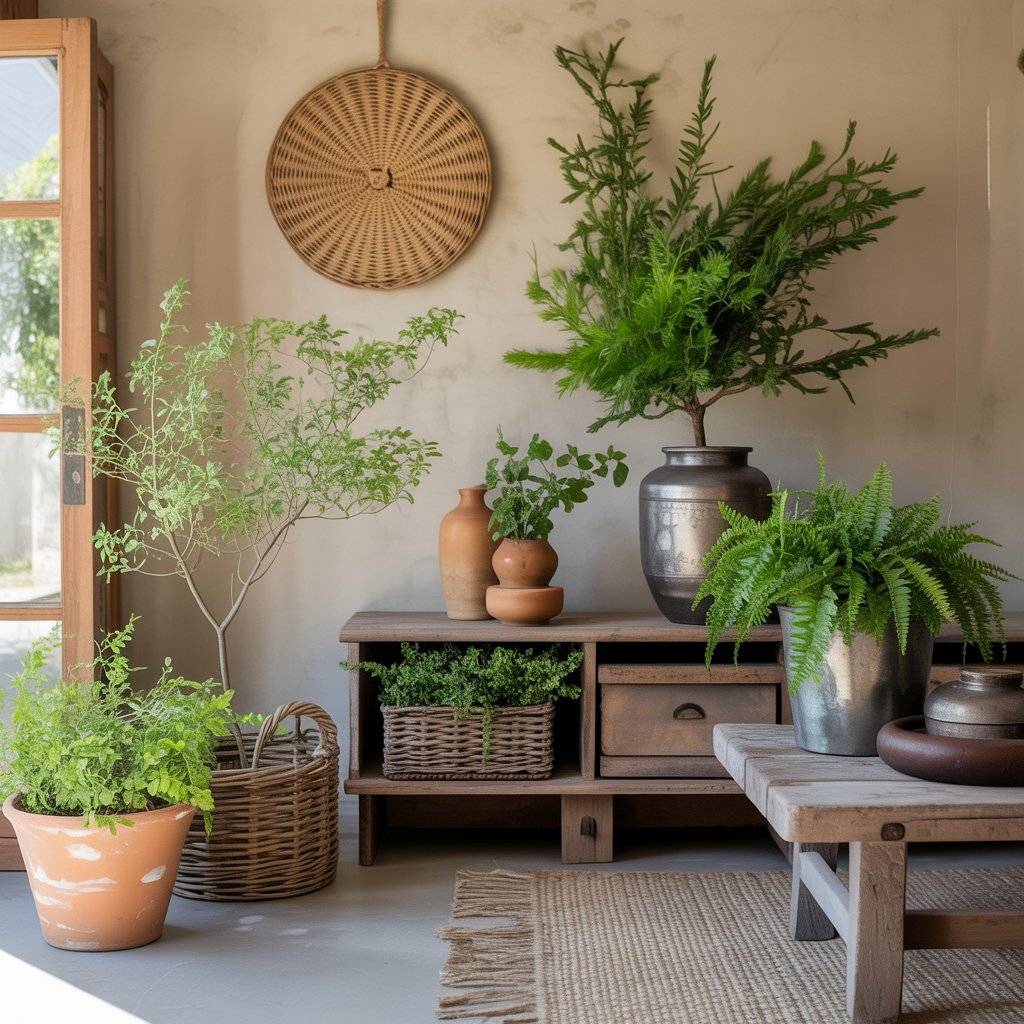
Adding plants is one of the easiest ways to soften a rustic room. I usually choose simple greenery olive trees, ferns, or potted herbs. Even a few branches in a ceramic vase can make a difference.
Natural elements help balance heavier materials like wood and stone. They also bring life into the space. In a primitive living room, greenery doesn’t need fancy planters. Terracotta pots, woven baskets, or even aged metal containers work well.
Plants remind us that this style is rooted in nature. They create freshness while keeping the overall design warm and grounded. It’s a small detail, but it makes the room feel complete and welcoming.
16. Focus on Comfortable, Deep Seating
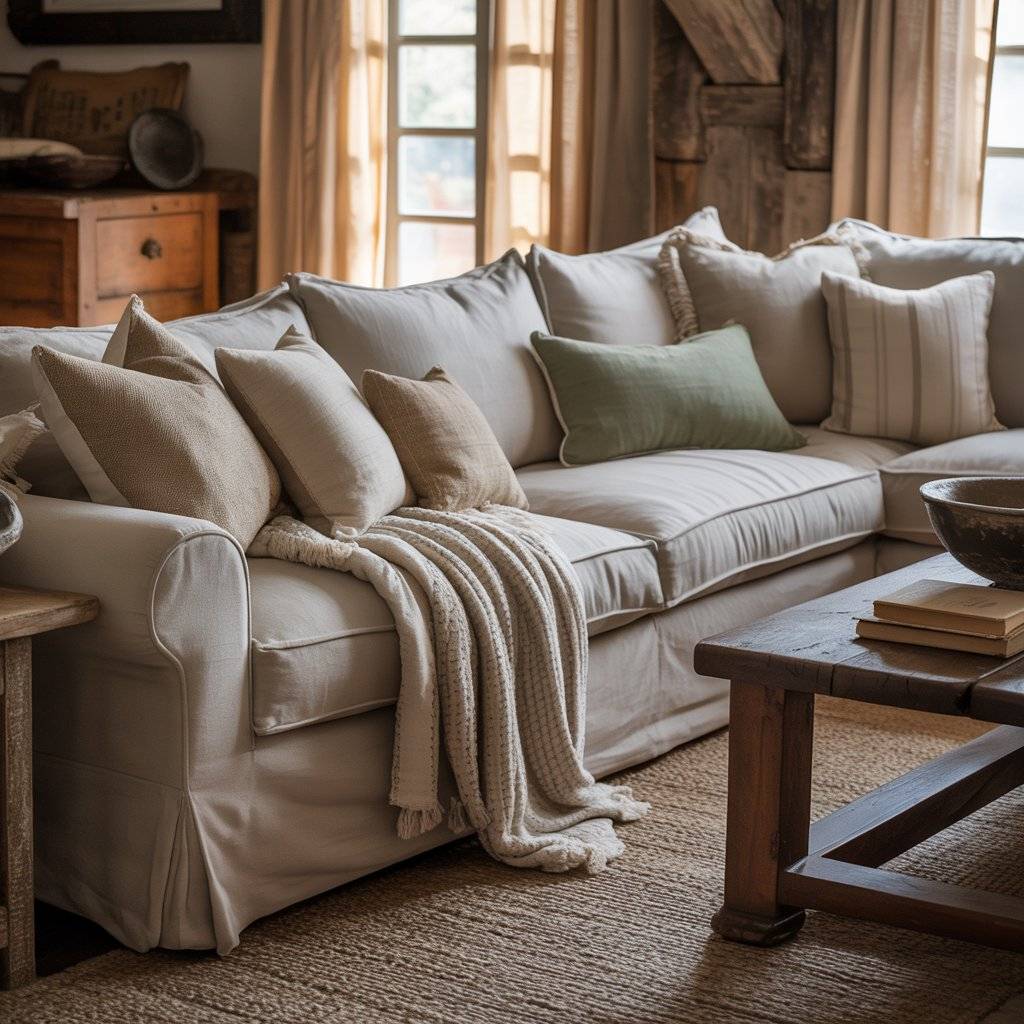
Comfort should never be sacrificed for style. When I think of a warm, rustic and timeless home, I picture deep sofas and chairs that invite you to sit down and stay awhile.
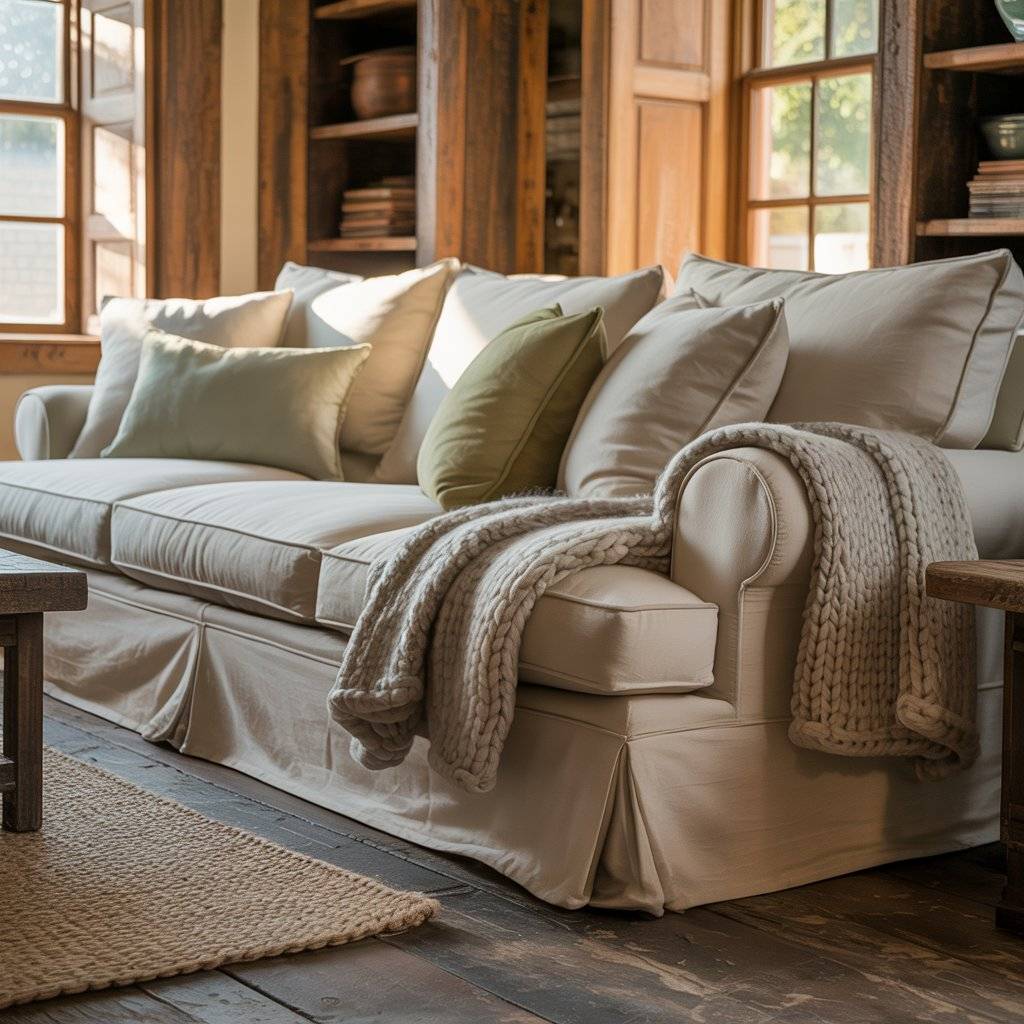
Look for sturdy frames and neutral upholstery. Slip covered sofas are practical and easy to clean. Add layered cushions and textured throws for extra comfort.
Primitive living room ideas are about everyday living. Your seating should handle real life family gatherings, quiet evenings, or even a quick nap. When furniture feels solid and supportive, the room naturally becomes more welcoming. A space that looks good but isn’t comfortable misses the point.
17. Keep Decor Minimal but Meaningful
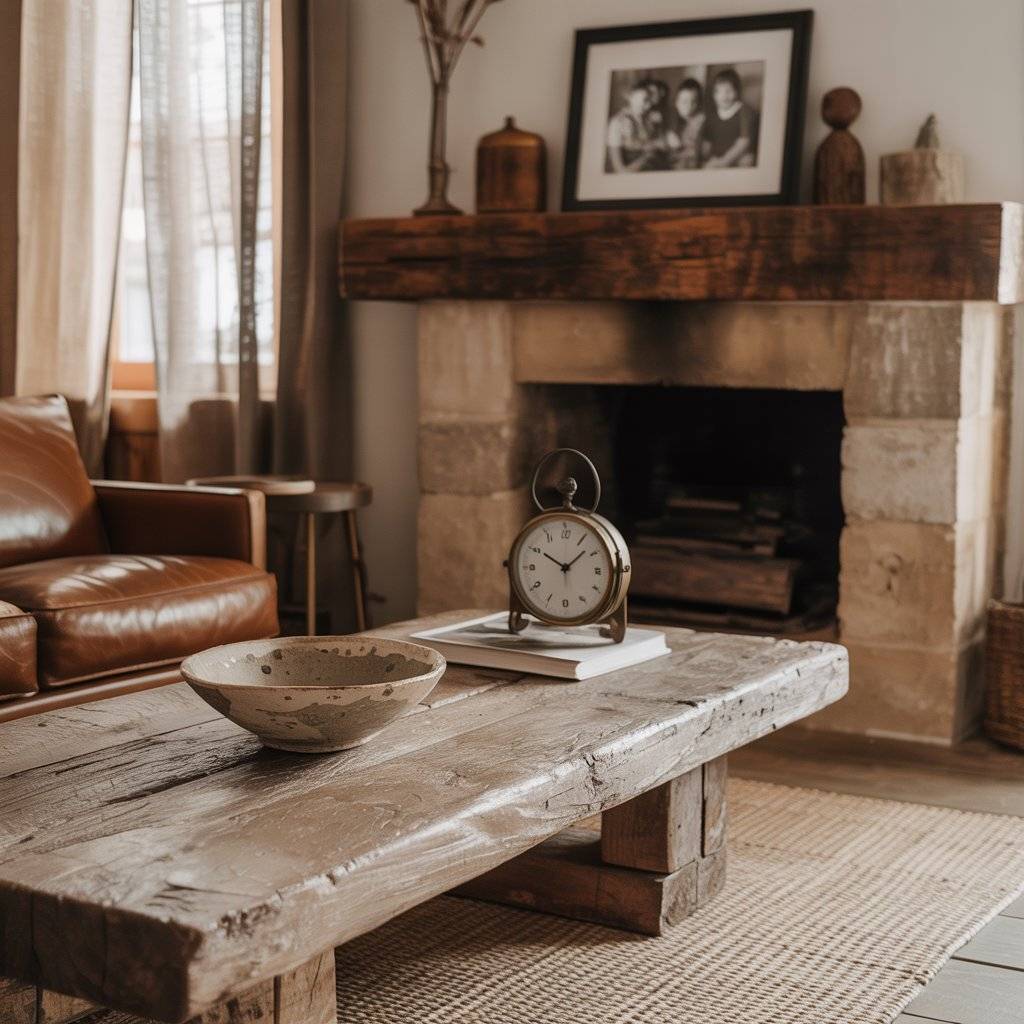
The final piece of the puzzle is restraint. I’ve seen beautiful rustic spaces ruined by too much decoration. Primitive style works best when each item has meaning.
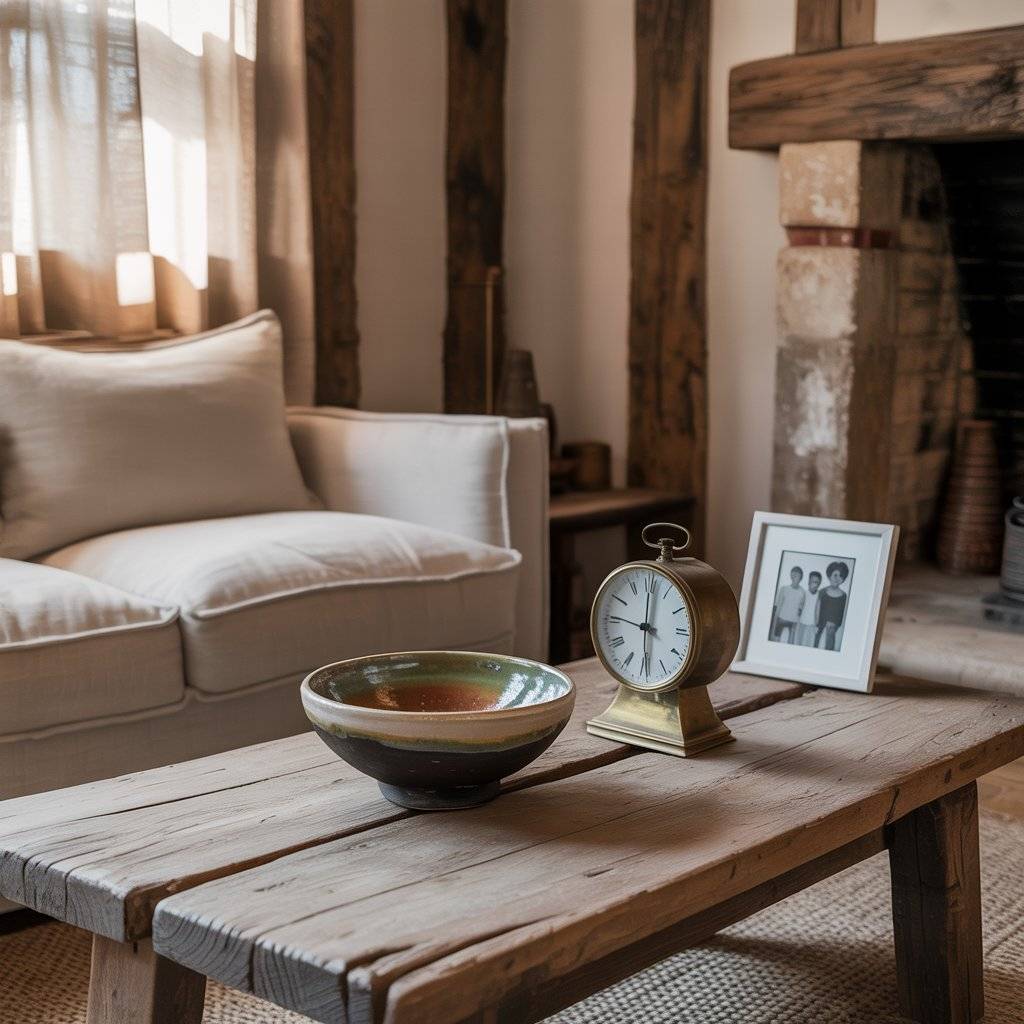
Instead of filling every surface, choose a few pieces that tell a story. Maybe it’s a handmade pottery bowl, a framed family photo, or an old clock passed down through generations. Keep surfaces mostly clear so the materials and textures can stand out.
A warm, rustic and timeless home doesn’t need constant updates. It grows slowly over time. When you focus on meaningful decor and simple design, your living room will feel authentic and personal—not staged. And that’s what makes it truly timeless.
Rustic Table Lamps with Linen Shades
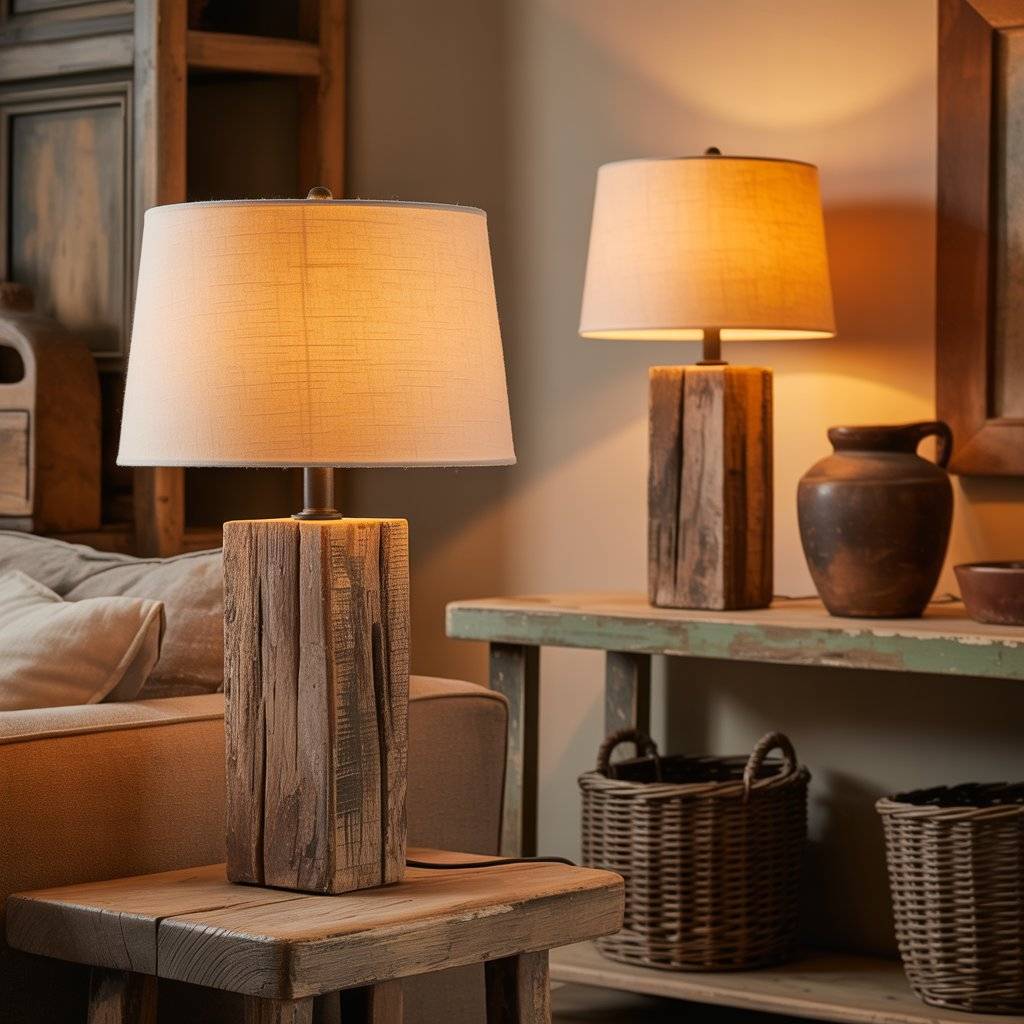
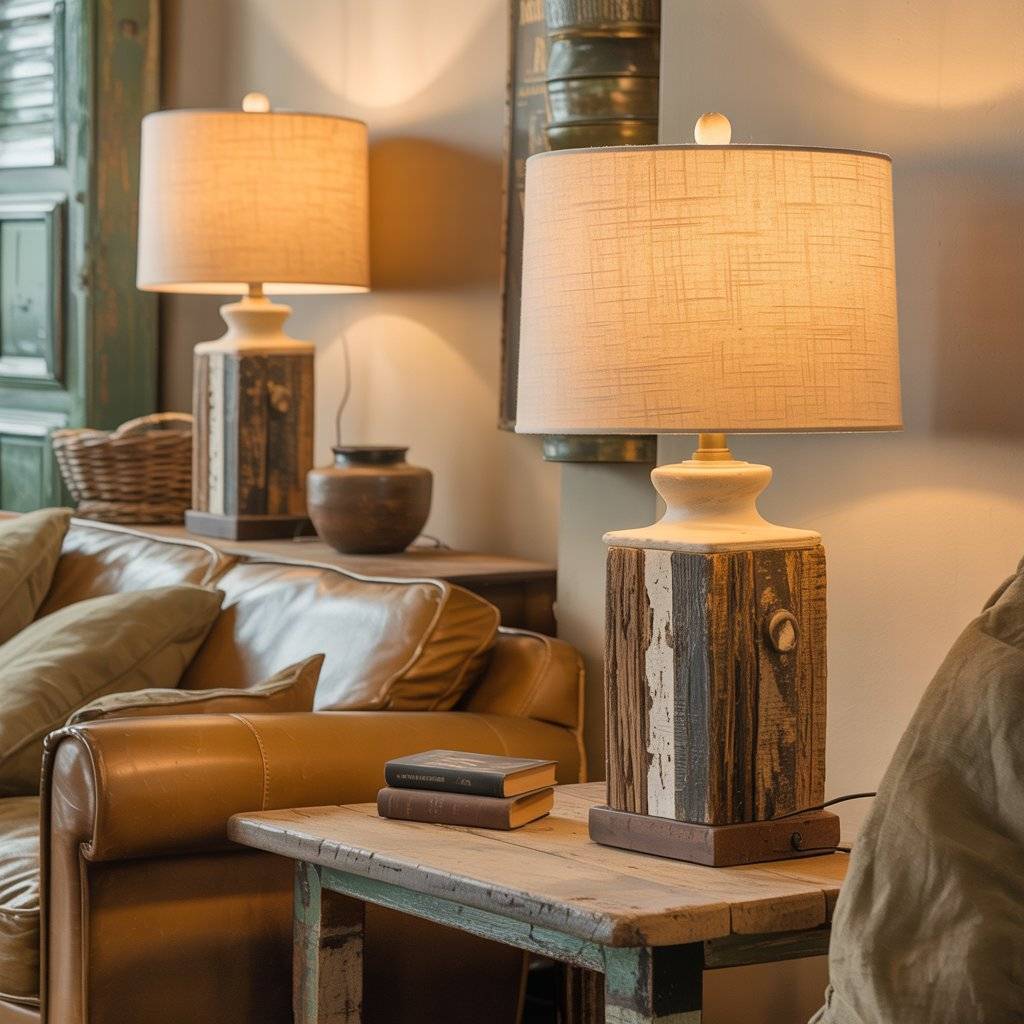
Lighting makes a big difference in a primitive living room. If your space feels flat or too modern, changing the lamps can quickly warm it up. I usually look for table lamps with wooden or ceramic bases and simple linen shades. The softer fabric helps create that warm glow instead of harsh white light.
A neutral lamp blends well with wood furniture and earthy tones. It also works in different seasons, so you won’t feel like replacing it later. Place one on a side table next to your sofa or on a console behind your seating area. It adds both light and texture without taking over the room.
Suggested Supply: Rustic Table Lamp with Linen Shade – Check price on Amazon.com
Handwoven Neutral Area Rug
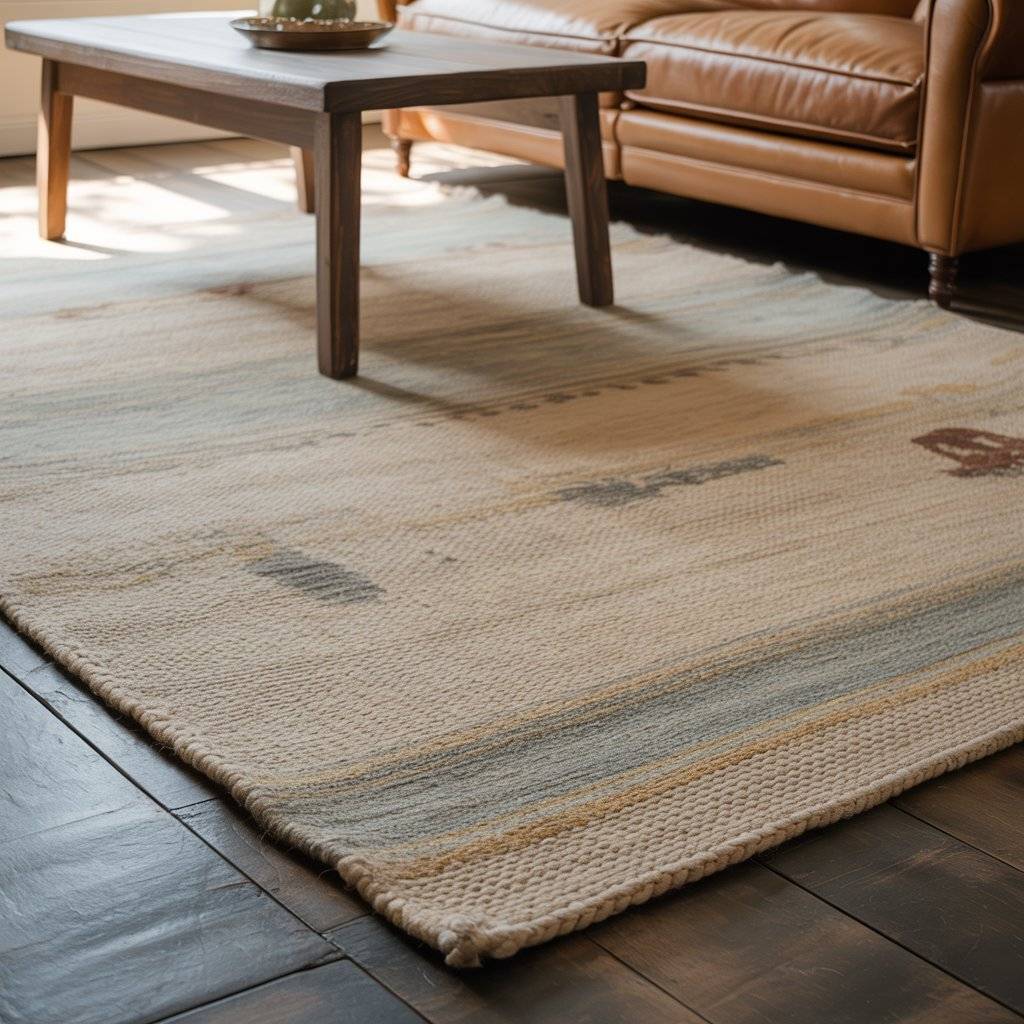
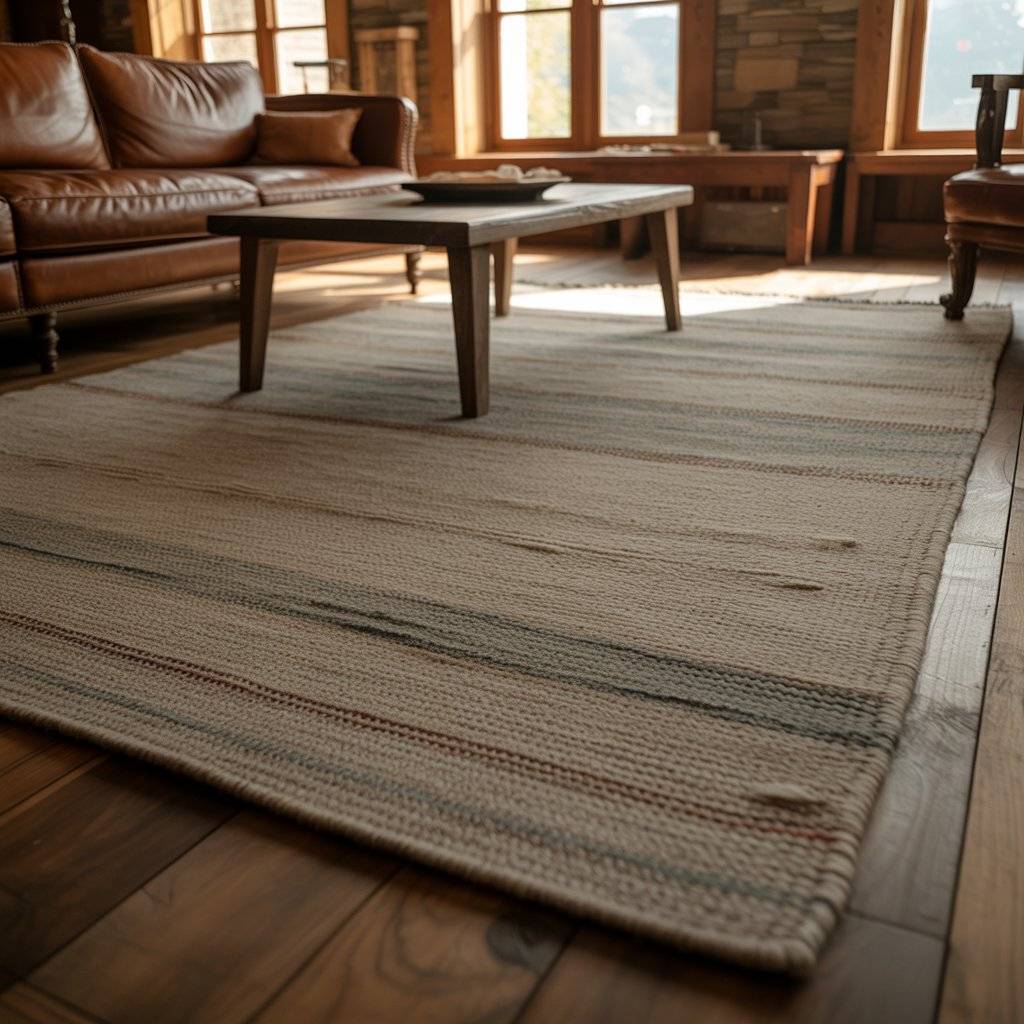
A large area rug can completely ground your seating area. If you have hardwood or tile floors, the room might feel a little cold. A woven rug in beige, soft gray, or muted brown helps soften the space and bring everything together.
I recommend choosing a rug big enough so at least the front legs of your sofa and chairs sit on it. That simple detail makes the layout look intentional. Look for natural materials like wool or cotton blends for durability. Avoid overly bright patterns. A subtle design keeps the rustic look balanced and timeless.
Suggested Supply: Handwoven Neutral Area Rug – Check price on Amazon.com
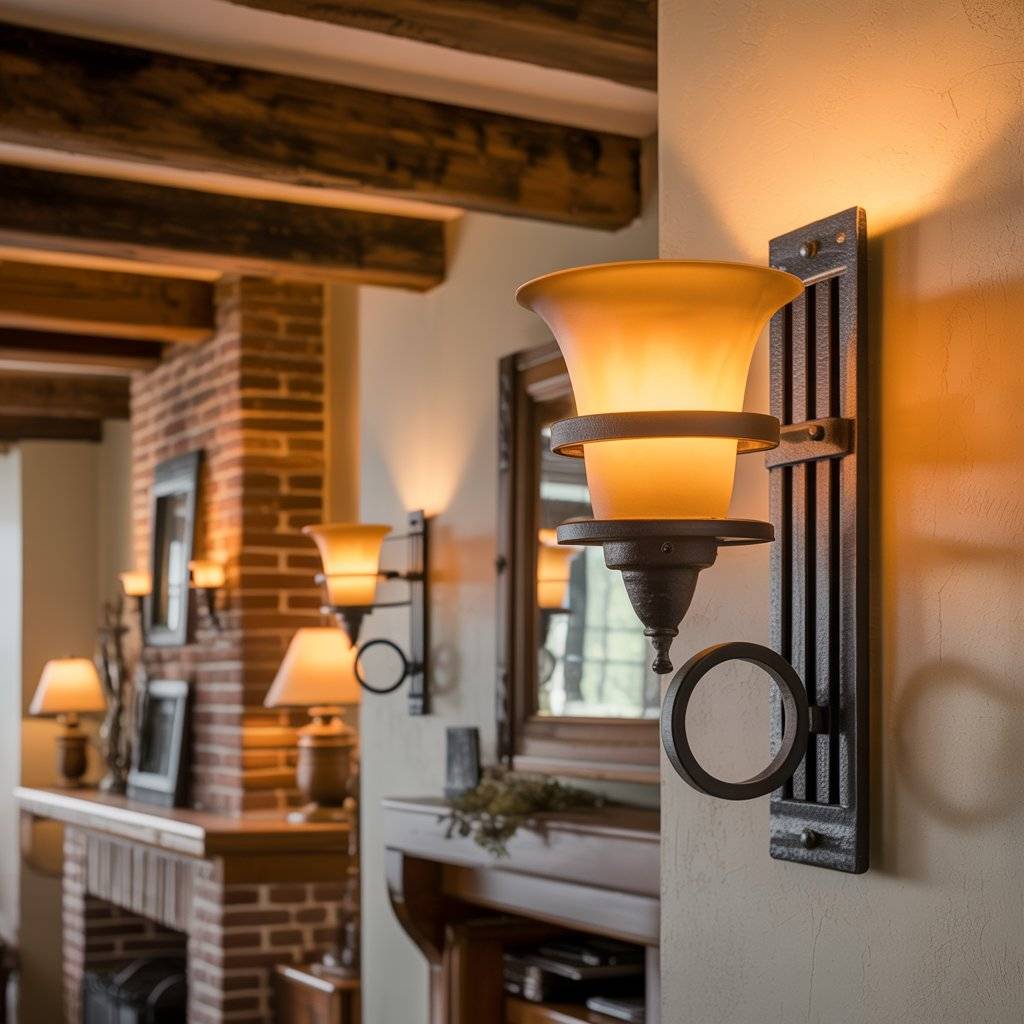
Wrought Iron Wall Sconces
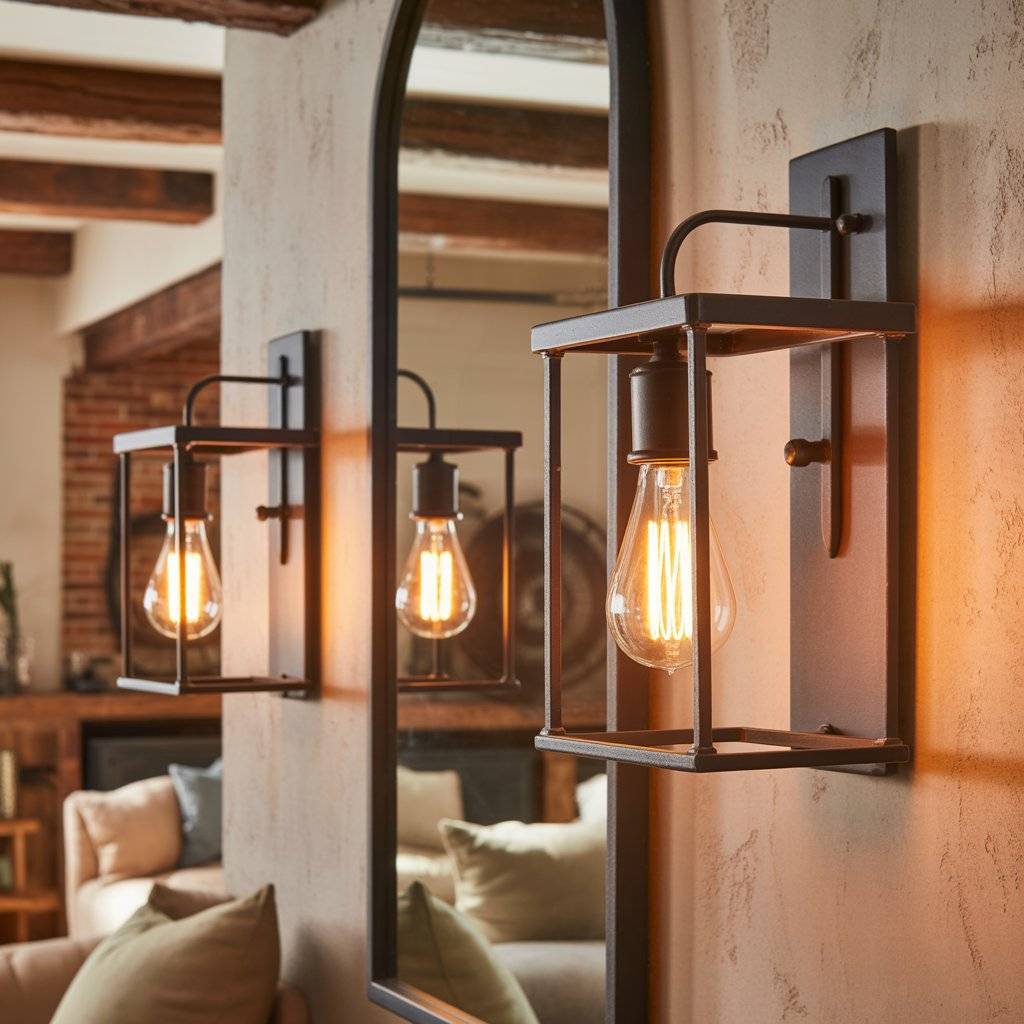
If you want to add character without adding clutter, wall sconces are a good option. I like wrought iron or matte black finishes because they feel sturdy and simple. They pair well with wood beams, brick accents, and neutral walls.
Wall sconces also help layer your lighting. Instead of relying only on overhead lights, you create a softer atmosphere. Install them near a fireplace, beside a mirror, or along an accent wall. Even battery-operated versions can work if wiring isn’t possible.
They’re functional, but they also bring that quiet, rustic detail that primitive living room ideas are known for.
Suggested Supply: Wrought Iron Wall Sconce – Check price on Amazon.com
Conclusion
When I look at all these primitive living room ideas, what stands out most is how practical they are. This style is not about copying a picture from a magazine. It’s about choosing solid materials, simple layouts, and pieces that feel honest. Wood that shows its grain. Stone that adds weight. Fabrics that feel soft but strong. These small decisions slowly shape a warm, rustic and timeless home.
You don’t have to change everything at once. Start with one idea. Maybe switch your lighting to something warmer. Add a large area rug. Bring in a wooden table with character. Primitive design grows over time. The more thoughtful your choices, the more natural the space feels.
What I like most about this style is that it doesn’t fade with trends. It stays steady. It feels welcoming every day, not just when guests visit. If you’ve been looking for a living room that feels calm, grounded, and real, these ideas give you a clear place to begin.
Related Post: Primitive Living Room Ideas Vintage Inspired Simple Decor