
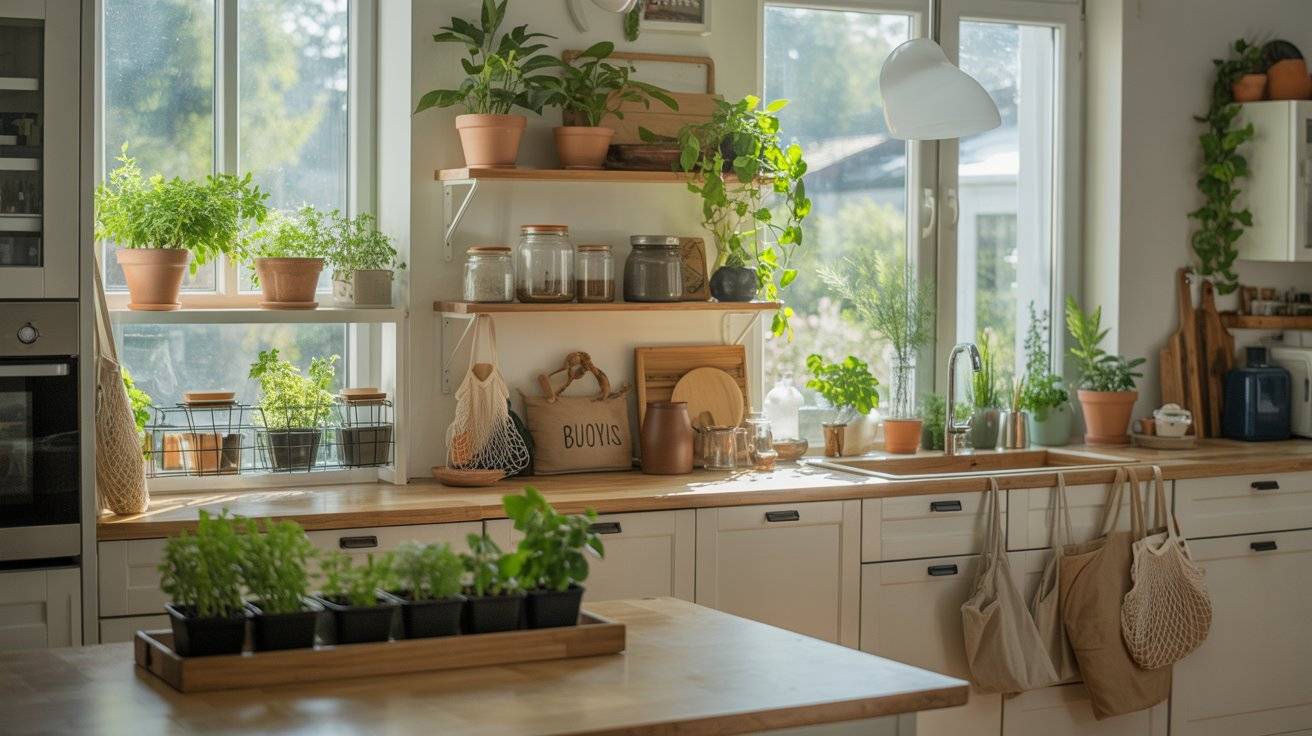
You don’t need a fat wallet to treat the planet better. I know it seems like everything “green” costs extra organic sheets, solar panels, fancy compost bins. But that’s not really true.
Most of the waste and energy loss in a typical home comes from small daily habits, not big purchases. Fix the habits, and you fix most of the problem. And guess what? Fixing habits usually saves you money.
This guide is for regular people who want an eco-friendly environment at home but don’t have hundreds of dollars to throw around. I’ll show you real, boring (but effective) changes that work. No guilt trips. No lectures. Just help.
Why This Topic Matters
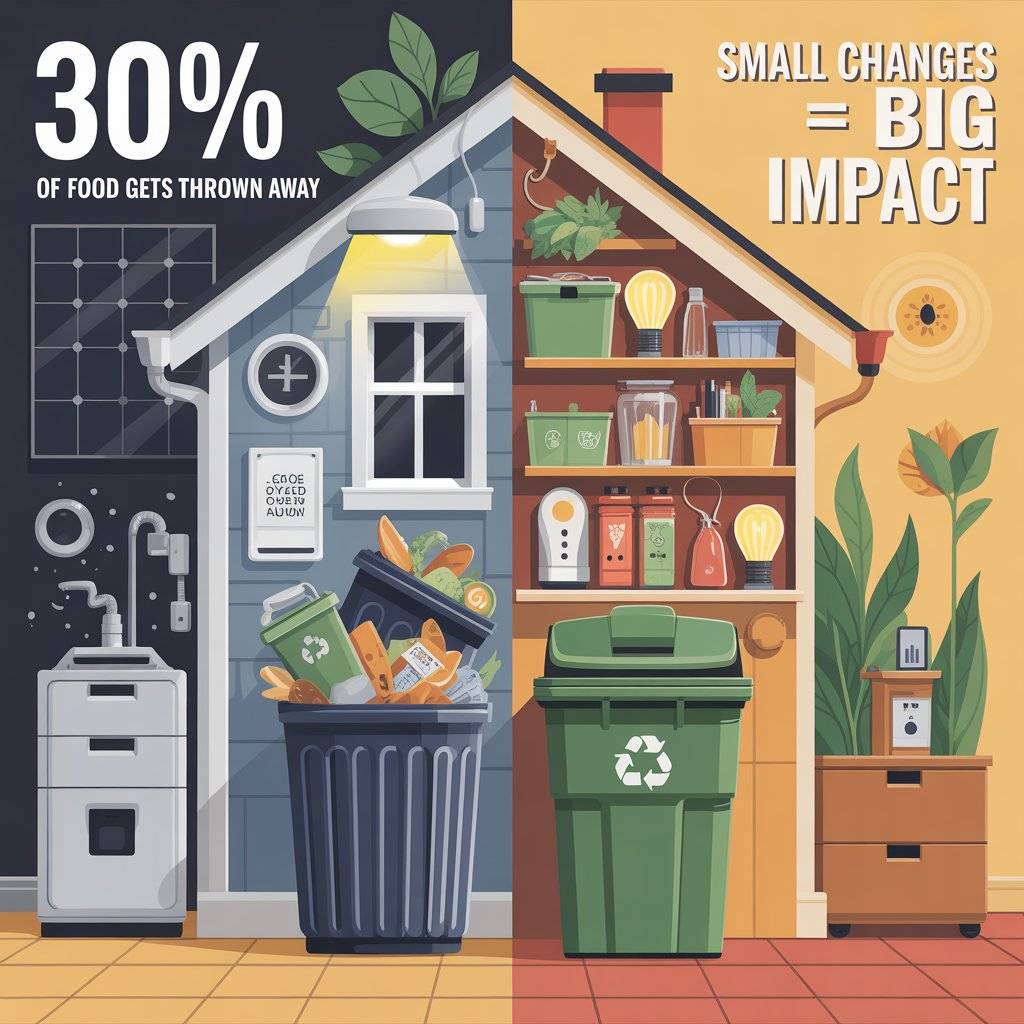
Here’s the deal. The average American household tosses out about 30% of the food they buy. That’s like throwing away one grocery bag out of every three. Meanwhile, the lights stay on in empty rooms, and the thermostat runs while nobody’s home.
You don’t need to be a scientist to see the problem. All that waste costs you real money. And it adds up to a lot of unnecessary pollution.
The good news? Small changes at homedone by millions of peopleactually make a measurable difference. When you cut your waste, you keep trash out of landfills. When you use less electricity, power plants burn less coal and gas. It’s simple math.
Plus, an eco-friendly home is usually a healthier home. Less chemical cleaners in the air. Less plastic touching your food. Better airflow. Your family benefits right away.
So let’s get into the actual steps. No fluff.
10 Ways to Create an Eco-Friendly Environment at Home on a Budget
1. Switch to Reusable Cloths Instead of Paper Towels
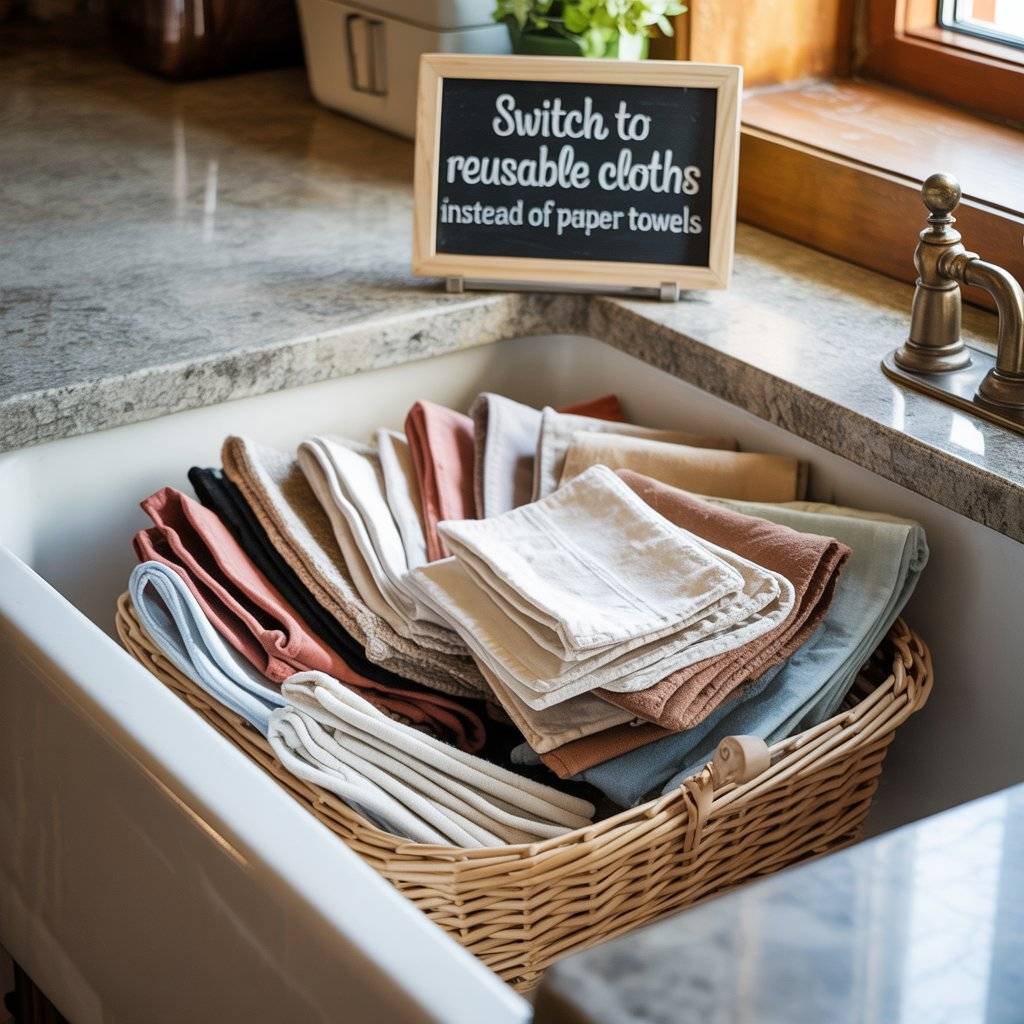
Paper towels feel cheap, but they add up fast. A typical family spends 150–150–300 a year on paper towels. And each roll takes trees, water, and energy to make. Then you toss it after one use.
The fix is easy. Buy a pack of cotton bar mop towels or cut up old t-shirts and flannel sheets. Keep a basket of them under the kitchen sink. Use them for spills, wiping counters, cleaning windows. When they get dirty, throw them in the laundry. Wash them with your regular towels.
After a few weeks, it becomes automatic. You’ll only buy paper towels for truly gross messes (like pet accidents). I’ve done this for three years and buy maybe two rolls a year. My wallet and my trash can both thank me.
Want a kitchen that feels as good as it functions? See our guide to an Eco-Friendly Cottagecore Kitchen for cozy, sustainable ideas.
Cost: $10–20 once, or free if you use old fabric.
2. Fix Drafty Windows and Doors with Cheap Weather Stripping
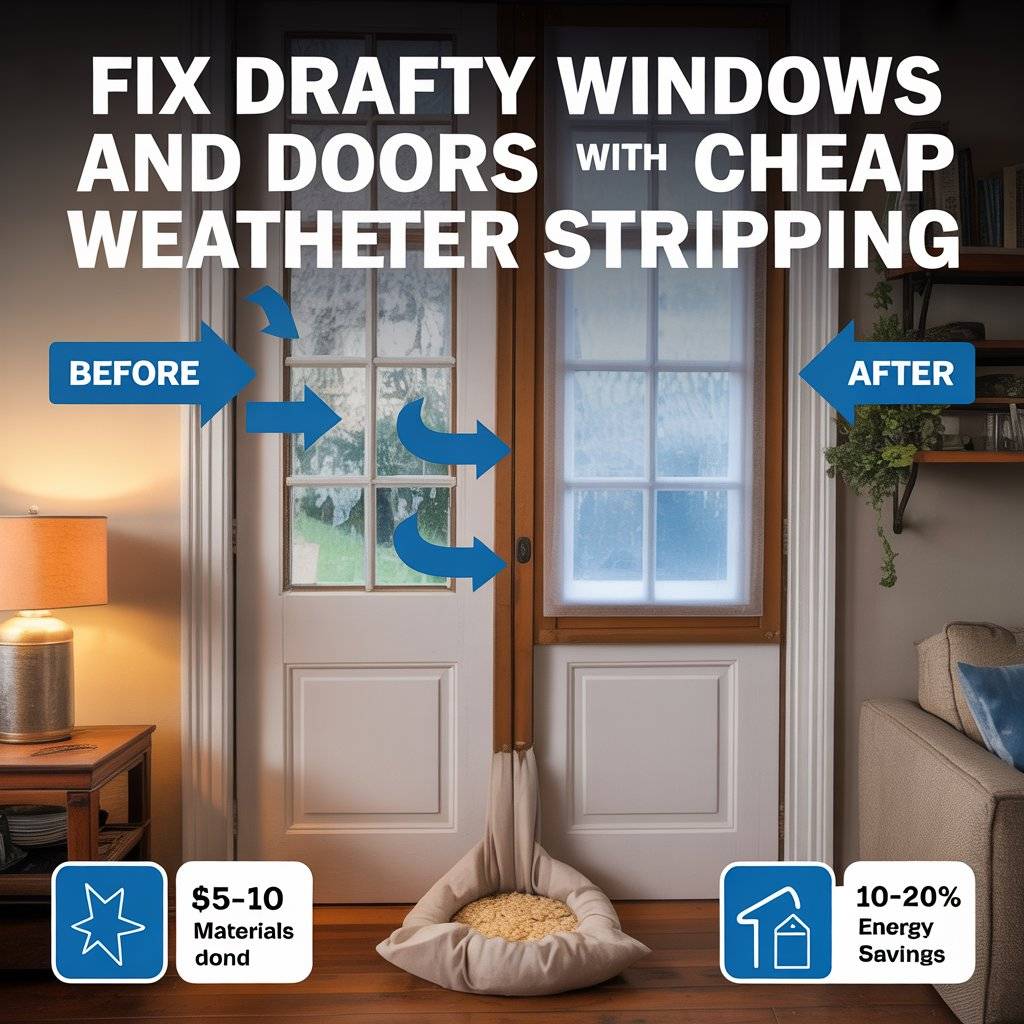
Drafts are like leaving a window open all winter. Your heat escapes, your AC leaks out, and your utility bill climbs. But sealing those gaps is shockingly cheap.
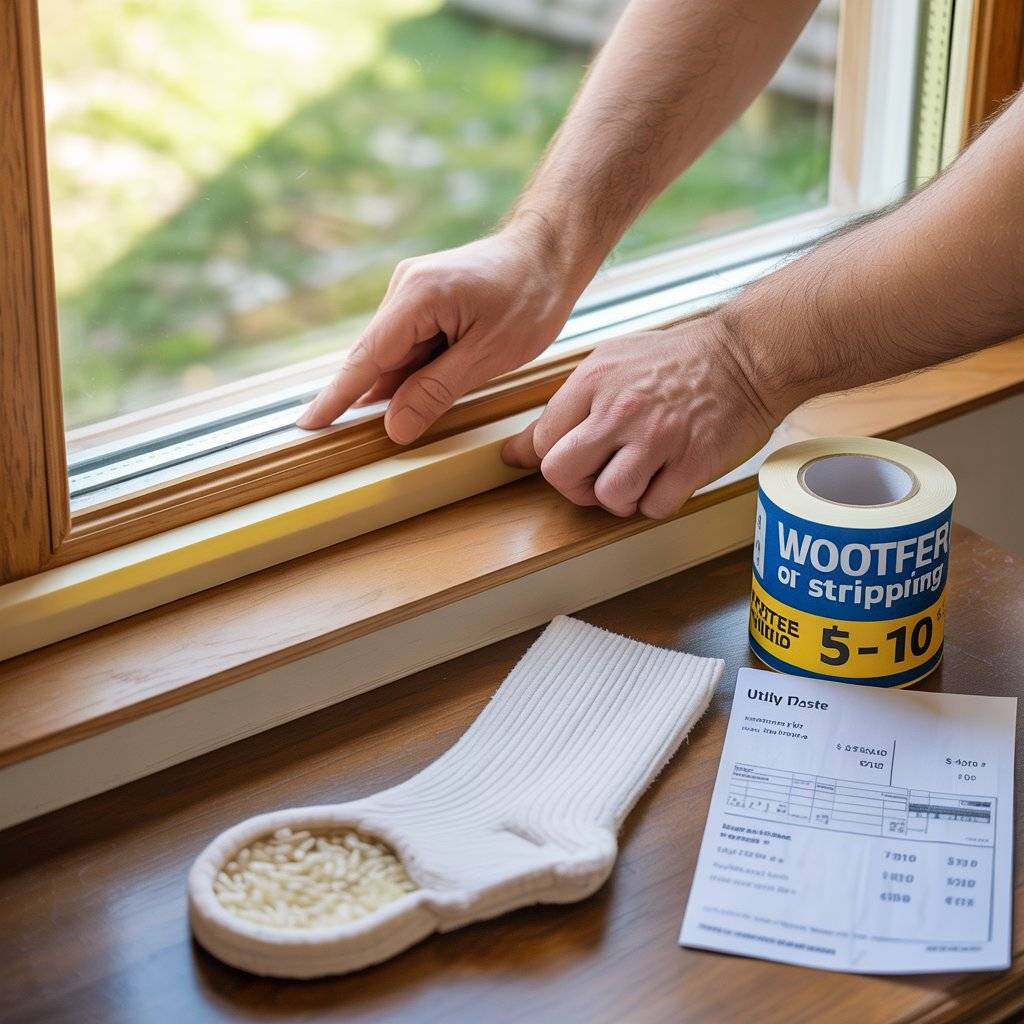
Walk around your house on a windy day. Hold your hand near window frames and door edges. Feel cold air? That’s your money flying away. Buy a roll of foam weather stripping tape (about $5–10 at any hardware store). Stick it along the edges where the draft comes through.
For the bottom of doors, use a draft stopper. You can buy one for $8 or make your own by filling a long sock with rice and tying the end.
This one project can cut your heating and cooling costs by 10–20%. That pays for itself in one month.
“foam weather stripping tape” or “door draft stopper”
3. Start a Countertop Compost Bin for Food Scraps
Food waste in landfills creates methane, a greenhouse gas way stronger than carbon dioxide. But composting sounds fancy and hard, right? Not really.
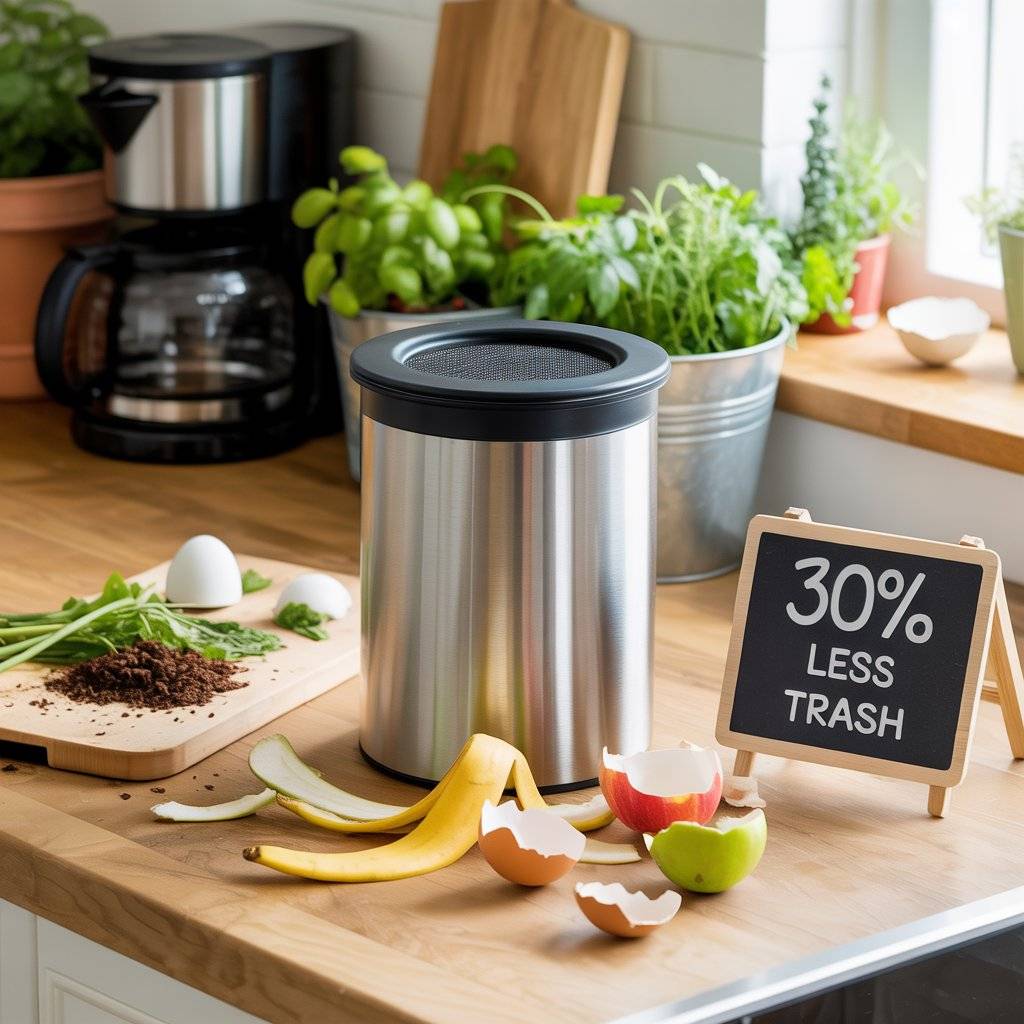
You don’t need a big backyard bin. Get a small countertop compost pail with a charcoal filter (about $20–30). Throw in your veggie peels, eggshells, coffee grounds, fruit scraps, and stale bread. No meat or dairy those get smelly.
Every few days, dump the pail into a small outdoor pile or find a local drop-off site. Many cities now have compost collection. Some farmers markets take scraps. Or if you have a tiny yard, just dig a hole and bury the scraps. Worms will do the rest.
This reduces your trash volume by about 30%. And you get free fertilizer for houseplants or garden if you do it right.
Looking for a ready-made bin? We’ve reviewed the best affordable options here: 10 Eco-Friendly Products for Your Home That Actually Work
“countertop compost bin with filter”
4. Wash Clothes in Cold Water and Hang Dry When You Can
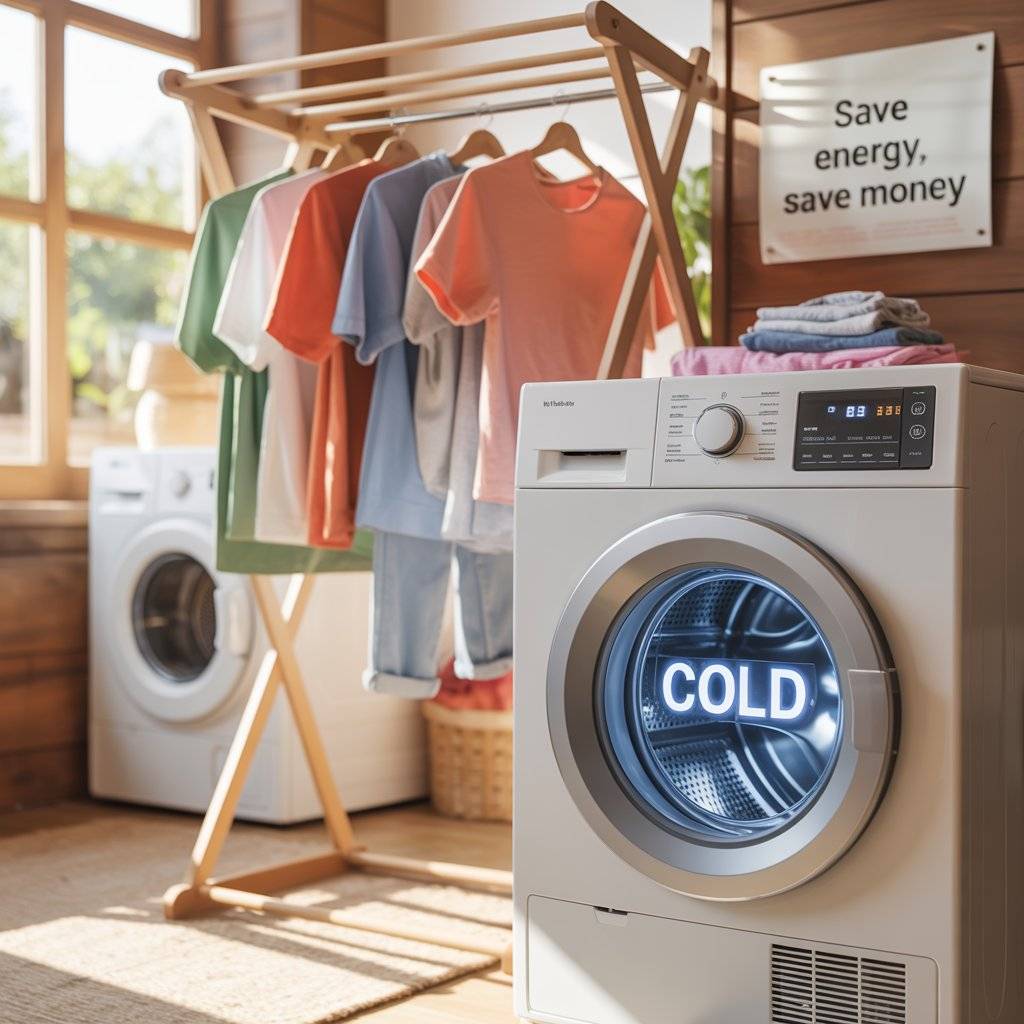
Heating water for laundry uses a ton of energy. About 90% of the energy your washing machine uses goes to heating the water. Modern detergents work just fine in cold water.
Switch your machine to “cold” for every load except heavily soiled stuff (like muddy sports uniforms). Your clothes will last longer too hot water breaks down fabric fibers.
Then look at your dryer. It’s one of the biggest energy hogs in the house. Get a simple folding drying rack ($15–25). Hang your t-shirts, jeans, and delicates overnight. They’ll be dry by morning. Save the dryer for towels and sheets only.
Your electric bill will drop noticeably. And your clothes won’t shrink or fade as fast.
“folding drying rack for clothes”
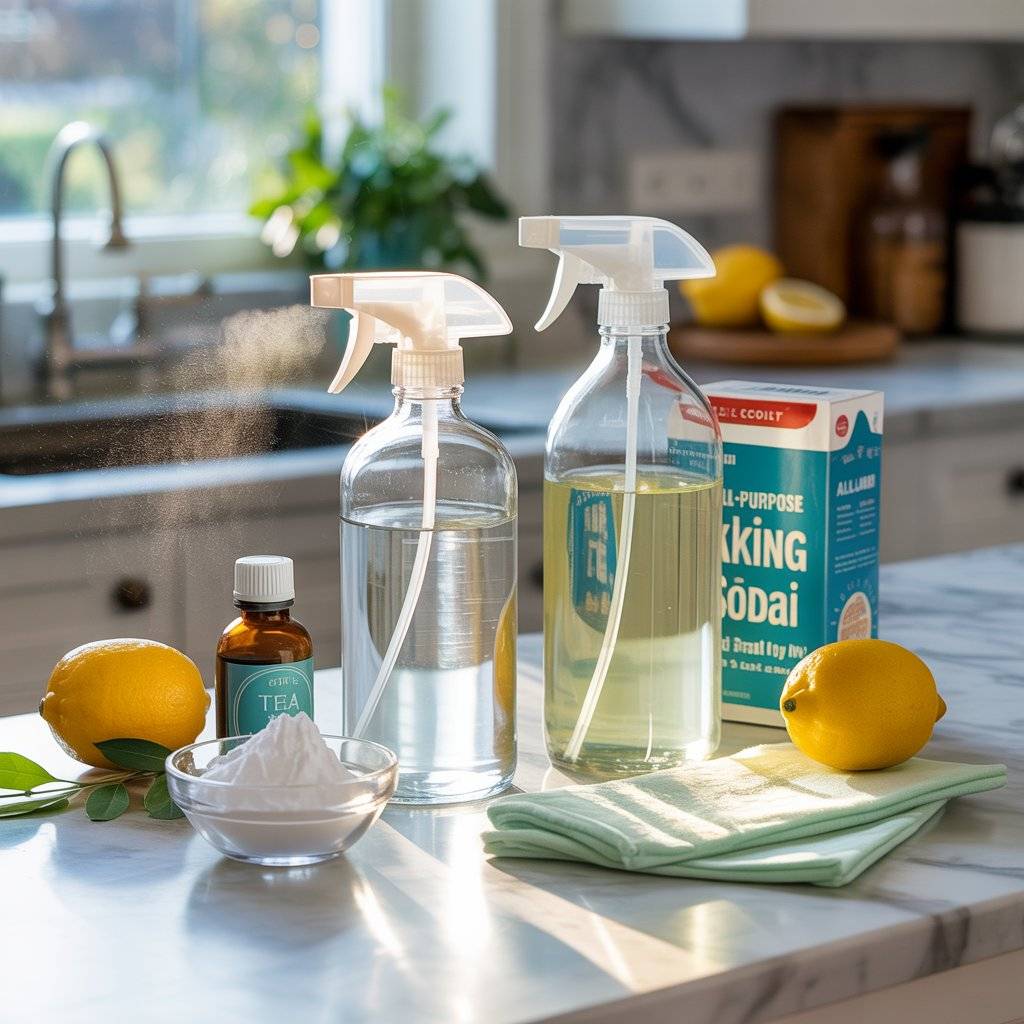
5. Use Vinegar and Baking Soda as All-Purpose Cleaners
Those bright bottles of cleaning spray cost $4–6 each and come in plastic that gets tossed. Most of them are mostly water with a little fragrance and a mild detergent.
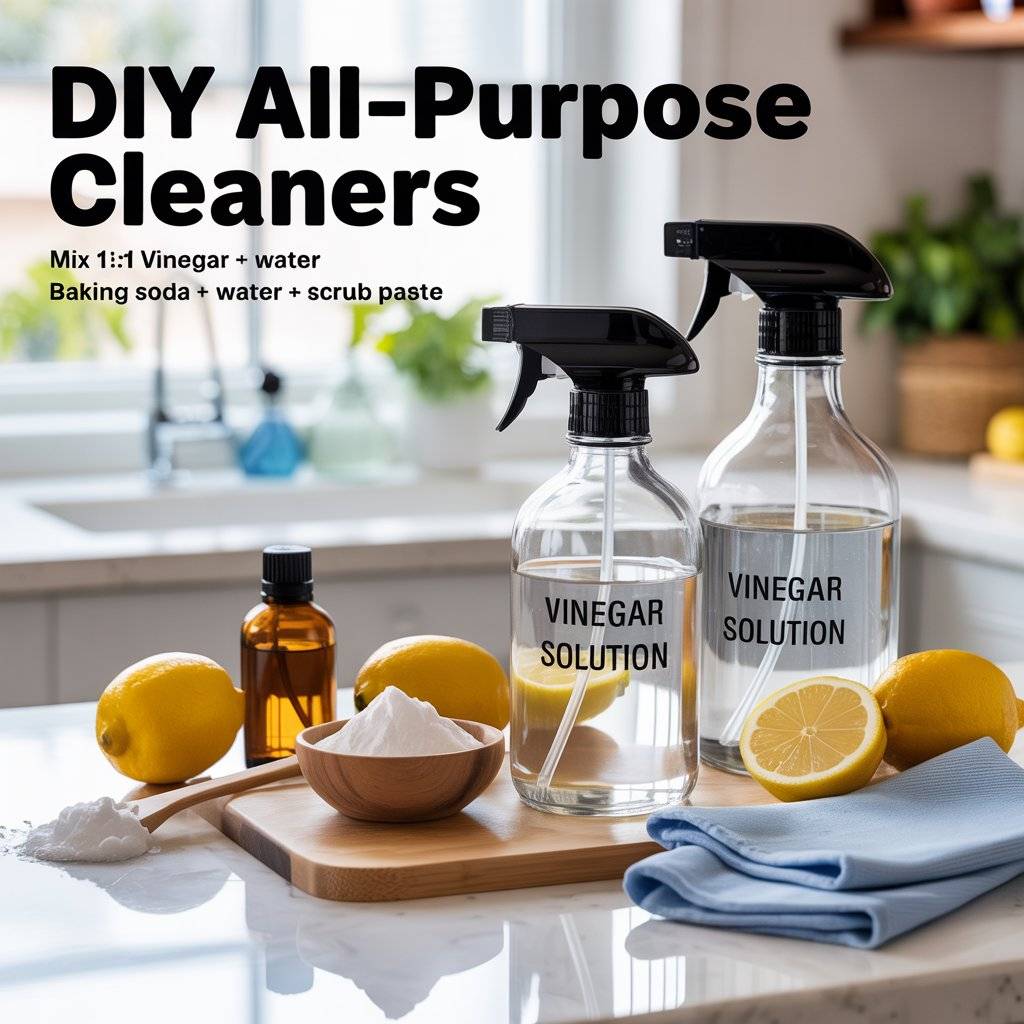
You already have two powerful cleaners in your pantry. White vinegar cuts grease, kills mold, and removes hard water stains. Baking soda scrubs without scratching.
Mix one part vinegar with one part water in an old spray bottle. That’s your daily counter and window cleaner. For tough scrubbing (like stove tops or soap scum), make a paste of baking soda and a few drops of water. Scrub with a rag.
Does it smell like a salad for a few minutes? Yeah. The vinegar smell fades in 10 minutes. Add a few drops of lemon juice or tea tree oil if you want a nicer scent.
You’ll save $50–100 a year on cleaning products and keep dozens of plastic bottles out of recycling.
Cost: Pennies per batch
6. Swap Single-Use Plastic Bags for Reusable Mesh Produce Bags

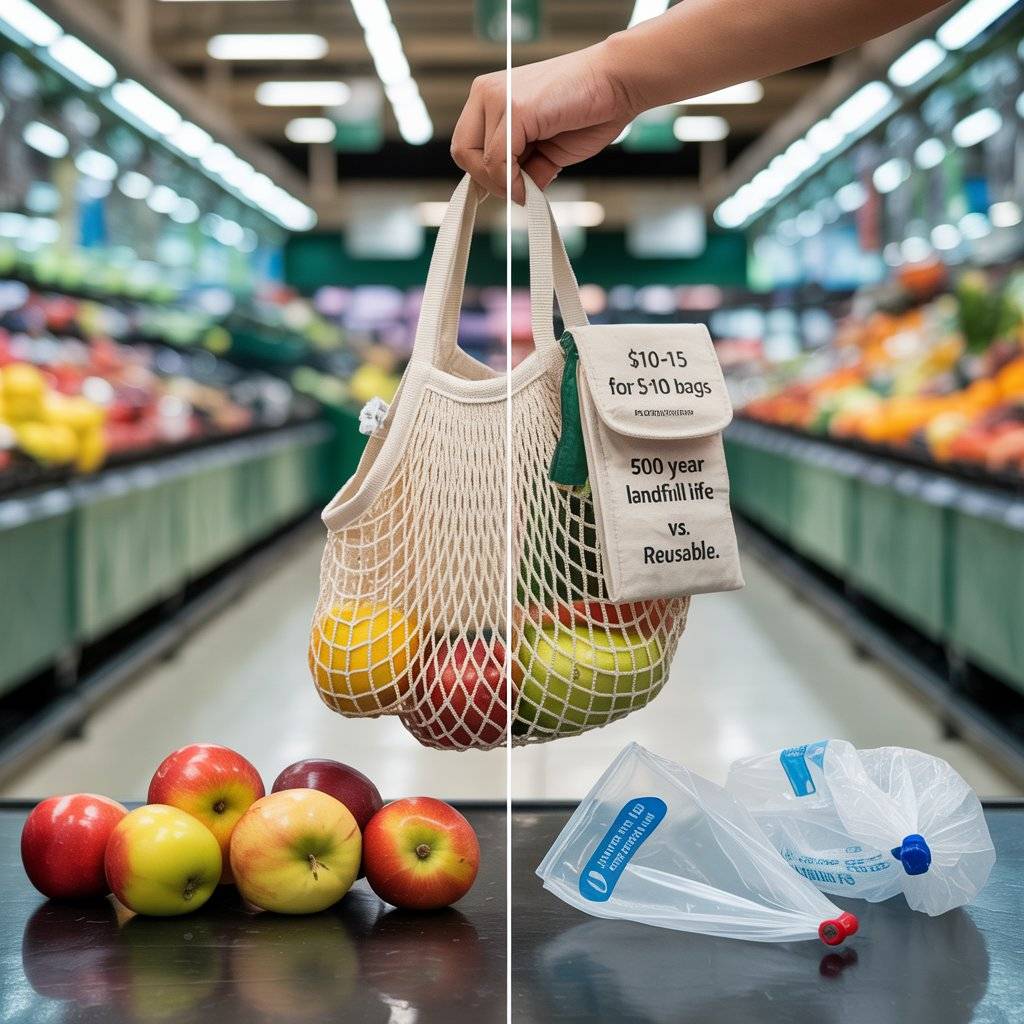
At the grocery store, you grab those thin plastic bags for your apples and potatoes. They get used for 10 minutes and then live in a landfill for 500 years. A pack of reusable mesh produce bags costs about $10–15 for 5–10 bags.
They’re lightweight, washable, and cashiers can see right through them. Keep a few rolled up in your purse or car door. When you buy loose produce, put it straight into the mesh bag.
No more wrestling with those impossible-to-open plastic bags. No more guilt. And many stores give you a small discount for bringing your own bags.
The same idea applies to grocery totes. Keep three fabric totes in your trunk at all times. Train yourself to grab them before walking in.
Cost: $10–15 one time
“reusable mesh produce bags”
7. Unplug “Energy Vampires” When Not in Use
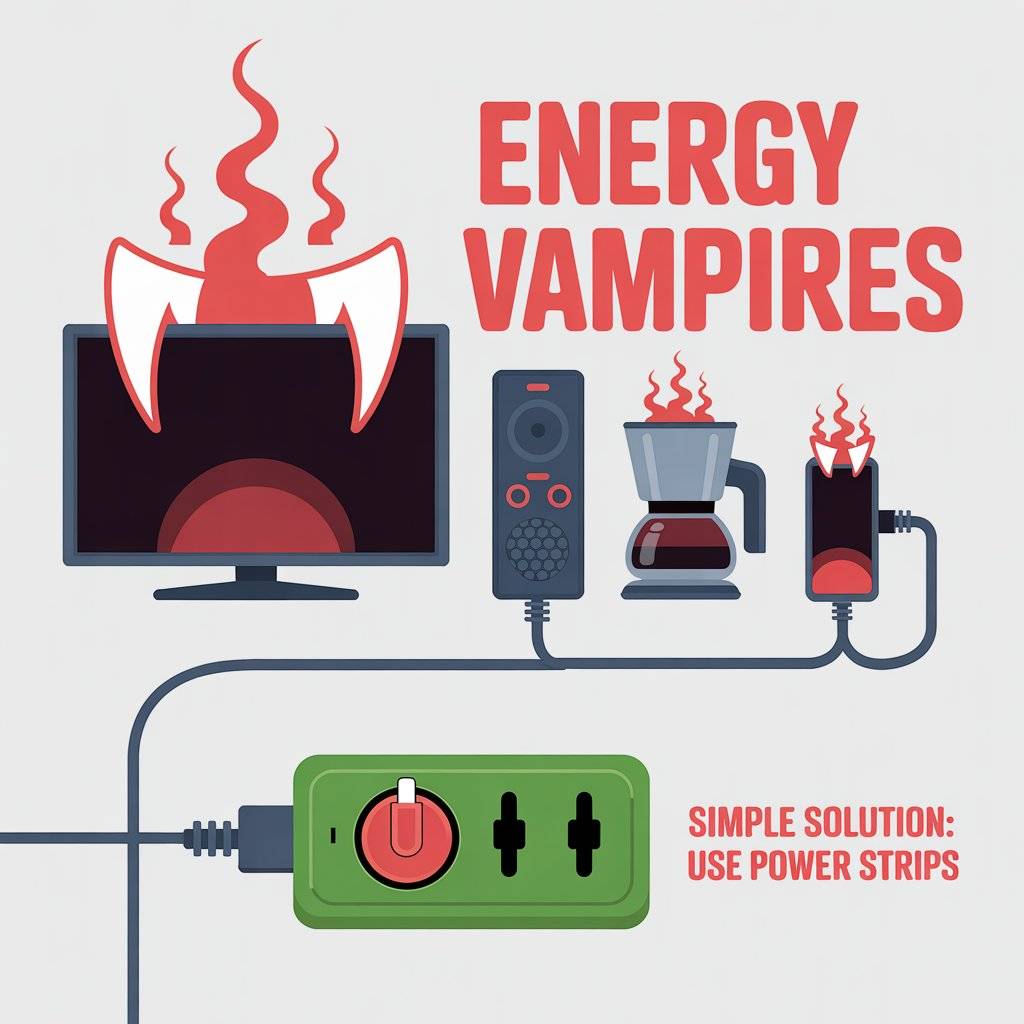
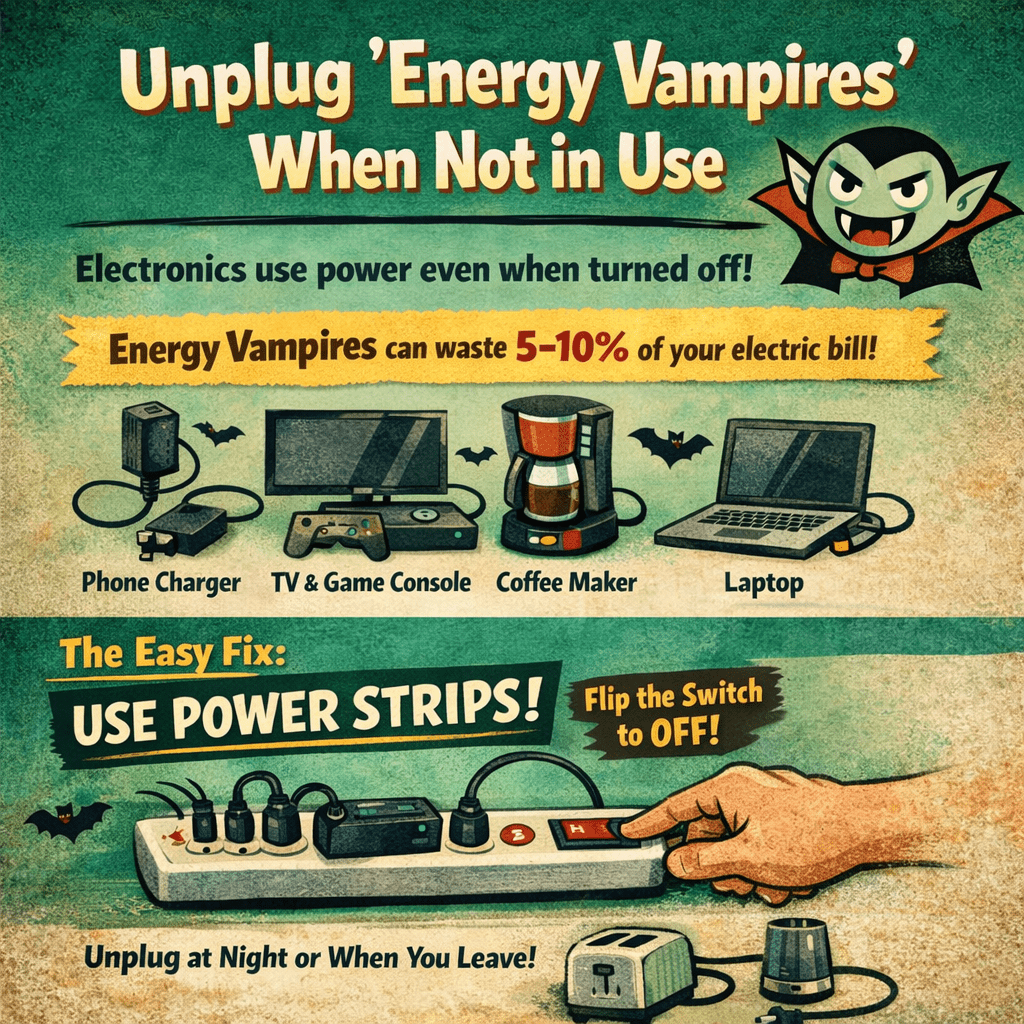
Here’s something most people don’t know. Electronics suck power even when they’re turned off. Your phone charger, coffee maker, TV, game console, and computer they all draw a little electricity 24/7 just waiting for you to press a button.
These are called energy vampires. They add 5–10% to your electric bill for literally nothing.
The cheap fix? Plug your entertainment center, computer setup, and kitchen gadgets into power strips. After you’re done using them, flip the switch on the strip to “off.” That cuts power completely.
For things like your microwave and cable box that need to keep time, leave them alone. But everything else can get unplugged at night or when you leave for work.
This costs nothing and takes five seconds a day.
Cost: 0(or0(or10–15 for a power strip if you don’t have one)
8. Use a Programmable Thermostat (or Just Turn It Down)
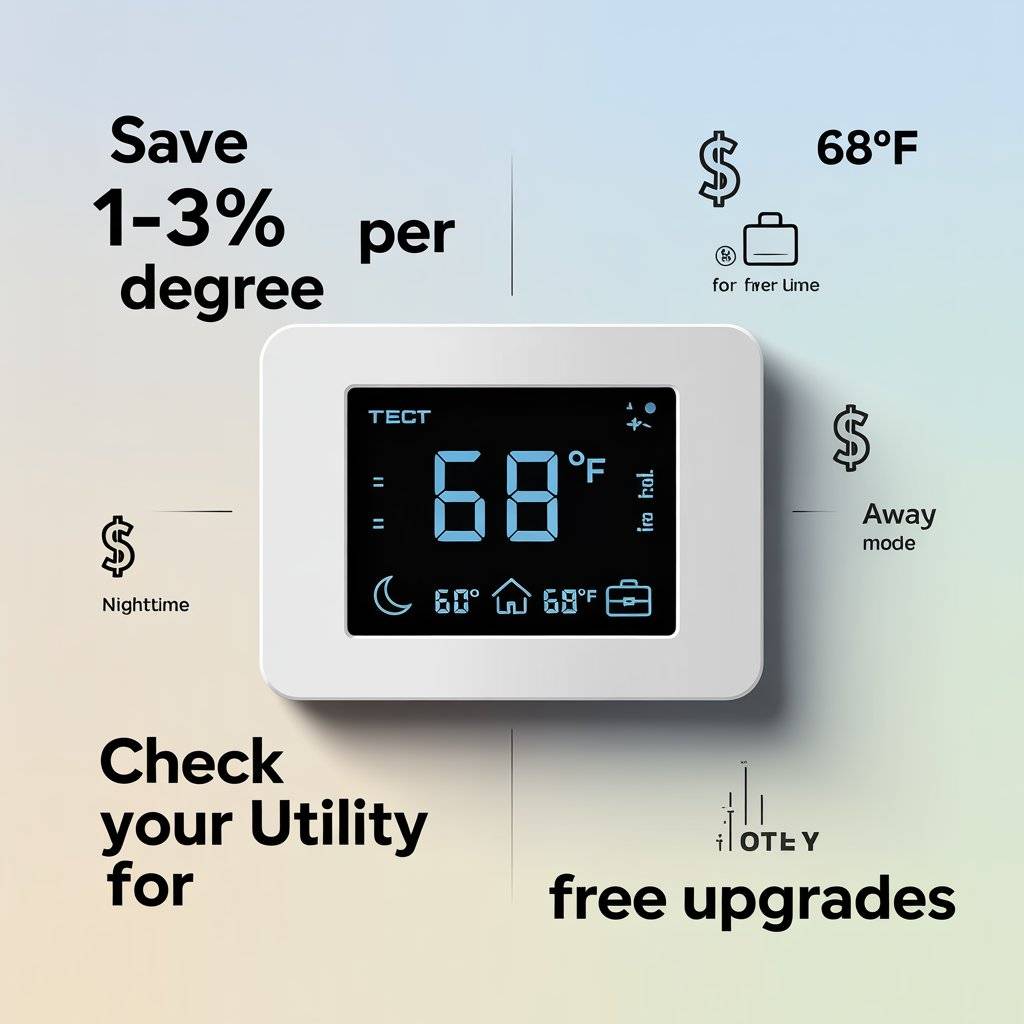
A programmable thermostat is great, but you don’t even need to buy one. You just need a habit.
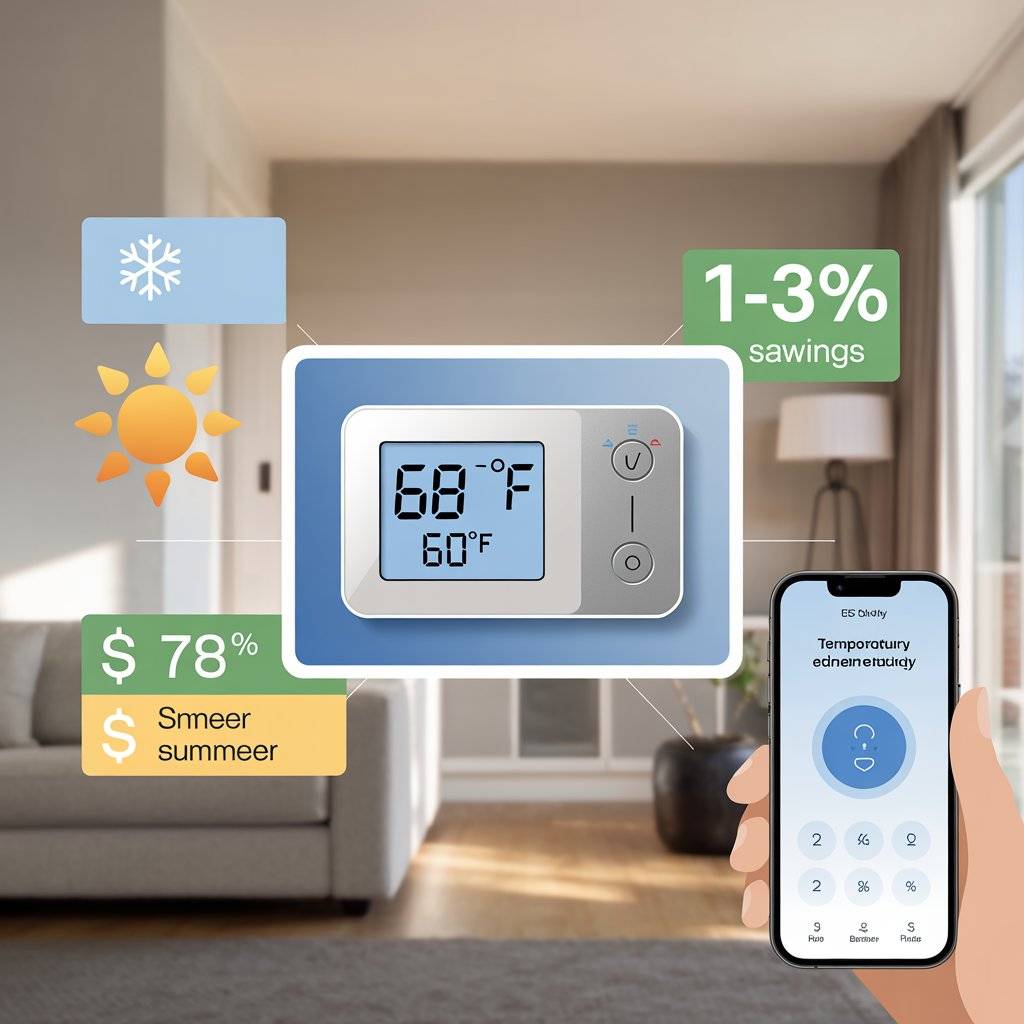
Set your thermostat to 68°F in winter when you’re home and awake. Drop it to 60–62°F at night or when you’re at work. In summer, set it to 78°F when you’re home and 85°F when you’re away. Wear a sweater or shorts instead of expecting your HVAC to do all the work.
Every degree you lower in winter (or raise in summer) saves about 1–3% on your bill. That adds up fast.
If you want to buy a smart thermostat, check your utility company first. Many give them away for free or at a huge discount. Otherwise, just set a reminder on your phone to adjust the temp before bed and before leaving.
“smart thermostat programmable” (only if you want one)
9. Borrow or Buy Used Instead of Buying New
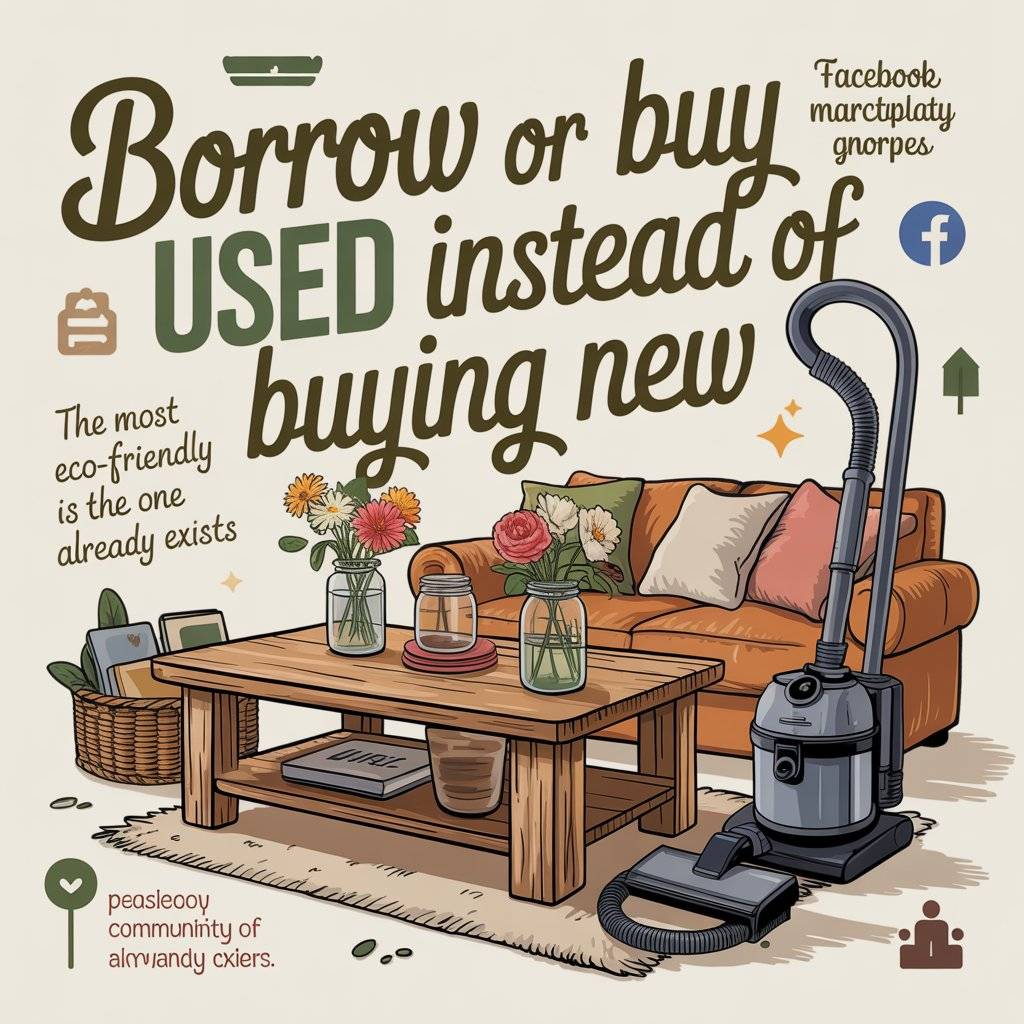
The most eco-friendly product is the one that already exists. Before you buy anything new for your home—furniture, tools, decor, kitchen gadgets check Facebook Marketplace, Craigslist, thrift stores, or your local Buy Nothing group.
People give away perfectly good stuff for free or cheap because they’re moving or just want a change. I’ve gotten a solid wood coffee table (20),aworkingvacuum(20),aworkingvacuum(0), and a set of mason jars ($5).
Even for things like light bulbs or cleaning supplies, check if a friend or neighbor has extras. Sharing saves money and prevents another box from being shipped across the ocean.
This isn’t about being cheap. It’s about being smart. Why pay full price for something that works just as well used?
Cost: Varies, usually 50–90% less than new
10. Collect Rainwater for Plants (Where Legal)
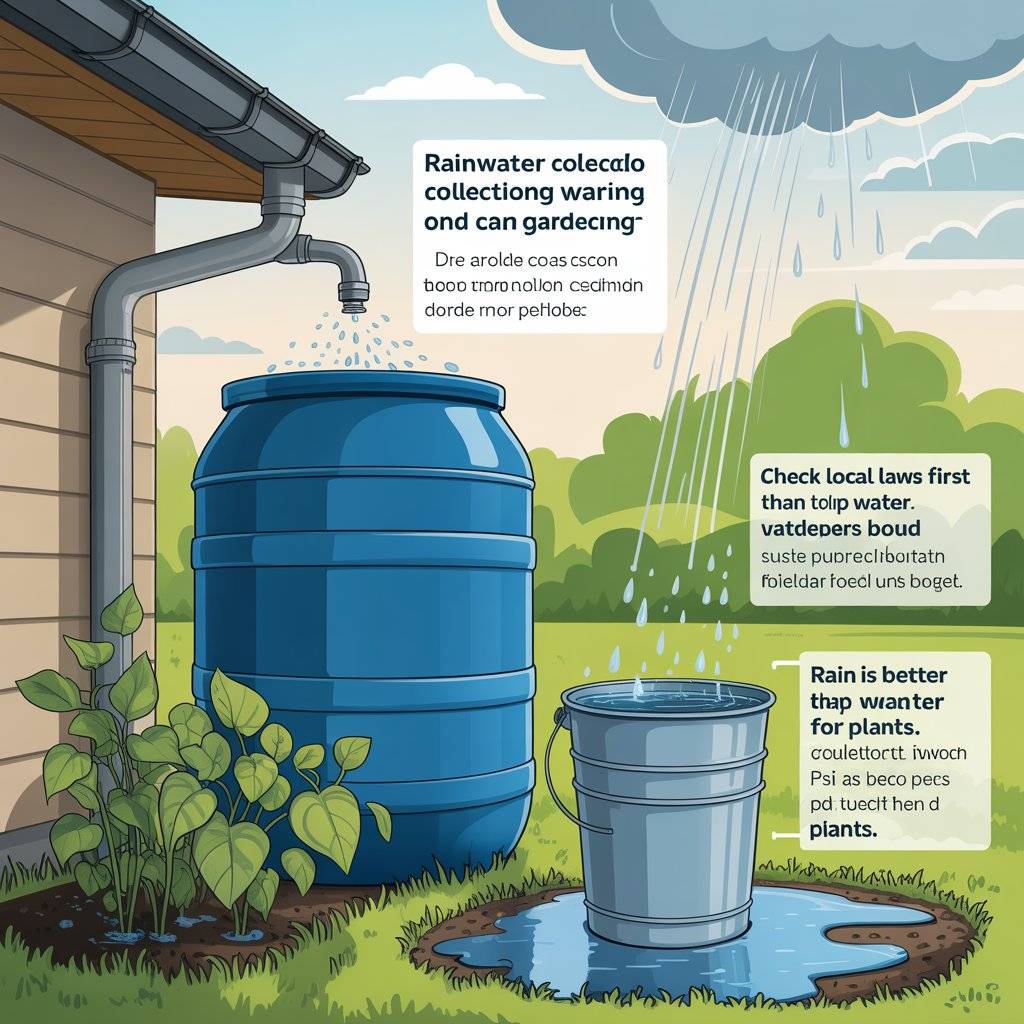
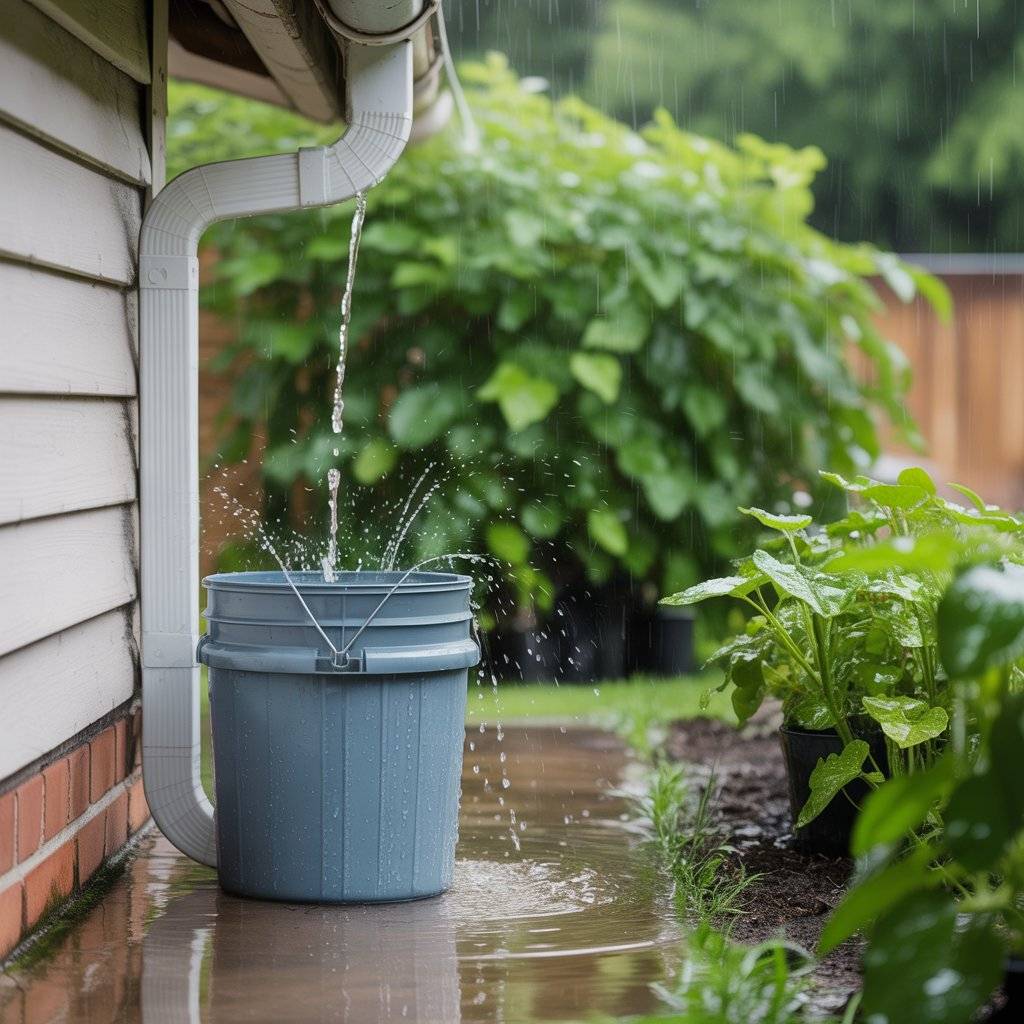
Your outdoor plants don’t need treated tap water. Rain is better for them anyway. Set a 5-gallon bucket under a downspout or just leave a container outside during a storm.
Use that water for your houseplants, garden, or lawn. You’ll use less tap water, which saves energy from water treatment plants.
Check your local laws first some dry states restrict rainwater collection. But in most places, a barrel or two is perfectly fine.
If you want to get fancy, buy a rain barrel with a spigot ($50–80). But a simple bucket works great to start.
“rain barrel for garden”
Pros and Cons of Creating an Eco-Friendly Home on a Budget
| Pros | Cons |
| Saves you money over time | Takes a little extra effort at first |
| Reduces waste going to landfills | Some habits take weeks to stick |
| Makes your home healthier (fewer chemicals) | Family members might resist changes |
| Lowers your carbon footprint | Not every idea works for every home |
| Teaches kids good habits | You might need to explain yourself to guests |
| Less clutter and fewer single-use items | Rainwater collection isn’t legal everywhere |
Overall, the pros far outweigh the cons. Most of the cons are just temporary adjustments.
Product Recommendations
If you’re ready to buy a few items that really help, here are solid products with good affiliate potential. Check price on Amazon.com for current rates.
- Bamboo Paper Towel Alternatives (Reusable) – Last for years, washable, compostable at end of life. Search: “bamboo reusable paper towels” Check price on Amazon.com
- Stainless Steel Food Storage Containers – Replace plastic Tupperware. Last forever, no chemicals. Search: “stainless steel food storage with lids” Check price on Amazon.com
- Compostable Trash Bags – For the waste you can’t avoid. Made from plant starch. Search: “compostable trash bags 13 gallon” Check price on Amazon.com
- LED Light Bulbs (Multipack) – Use 75% less energy than old bulbs. Last 10+ years. Search: “LED light bulbs energy star soft white” Check price on Amazon.com
- Insulated Reusable Water Bottle – Stop buying bottled water. Keeps drinks cold all day. Search: “insulated stainless steel water bottle 32 oz” Check price on Amazon.com
Tips to Make It Stick
- Start with one change at a time. Don’t try all ten next week.
- Put visual reminders where you’ll see them (a sticky note on the thermostat, the produce bags hung on the doorknob).
- Get your family involved. Make it a game to see who remembers to unplug the power strip.
- Track your savings. Watch your electric bill drop and your trash can fill slower.
- Don’t aim for perfect. One reusable bag forgotten at home isn’t the end of the world.
Mistakes to Avoid
- Buying expensive “green” products right away. Use what you have first. Old rags work better than new “eco sponges.”
- Thinking one person doesn’t matter. That’s exactly what corporations want you to believe. Collective action starts with individuals.
- Forgetting to clean your reusable bags occasionally. Wash mesh produce bags and fabric totes every few weeks. They get gross.
- Putting meat or dairy in a small compost bin. It will stink and attract bugs. Stick to plant scraps.
- Leaving the water running while you brush your teeth. Such a small thing, but it wastes gallons every day.
(FAQs)
Q1: Is it really cheaper to be eco-friendly at home?
Yes, most of the time. Using less electricity, less water, and less disposable stuff directly lowers your bills. The only expensive part is if you rush out and buy new “green” gadgets. Stick to the low-cost habits first.
Q2: What’s the single biggest change I can make for free?
Unplugging energy vampires and washing clothes in cold water. Both cost nothing and cut your electric bill noticeably.
Q3: Do I have to compost if I live in an apartment?
No, but you can. Look for a local compost drop-off. Some cities have curbside pickup. Or freeze your scraps and bring them to a community garden once a week.
Q4: Are eco-friendly cleaning products actually better?
White vinegar and baking soda work great for most jobs. For disinfecting, use rubbing alcohol or hydrogen peroxide. You don’t need brand-name “green” cleaners.
Q5: How long does it take to see savings on my utility bill?
You’ll see a difference in the very next bill. Especially if you change thermostat habits and unplug devices. A 10–15% drop is common.
Designs and Styling Ideas for an Eco-Friendly Home
You don’t have to live in a cold, bare house to be green. Here’s how to keep it stylish:
- Use glass jars as drinking glasses and food storage. They look clean and rustic. Remove labels with hot water and baking soda.
- Turn old wine corks into trivets for hot pots. Glue them together in a circle.
- Hang dried herbs and flowers upside down in your kitchen. They look pretty and you can cook with them.
- Use fabric scraps as gift wrap (furoshiki style). Way more interesting than paper.
- Buy secondhand furniture and paint it with low-VOC paint. Gives it new life and matches your taste.
- Put houseplants in mismatched thrift store pots. The imperfection looks intentional and cozy.
The look is “collected over time,” not “bought from a catalog.” That’s actually more interesting anyway.
Final Thoughts
Look, nobody expects you to be perfect. I still buy paper towels once in a while. I forget my produce bags sometimes. I leave the TV on overnight by accident.
But here’s what I’ve learned. You don’t need to do everything. You just need to do something. Pick two or three ideas from this list that feel easy. Try them for a month. See how much money you save and how much less trash you throw out.
Once those feel normal, add another. That’s how you build an eco-friendly environment at home without burning out or going broke.
You’ve got this. And the planet thanks you.
Related Post: