
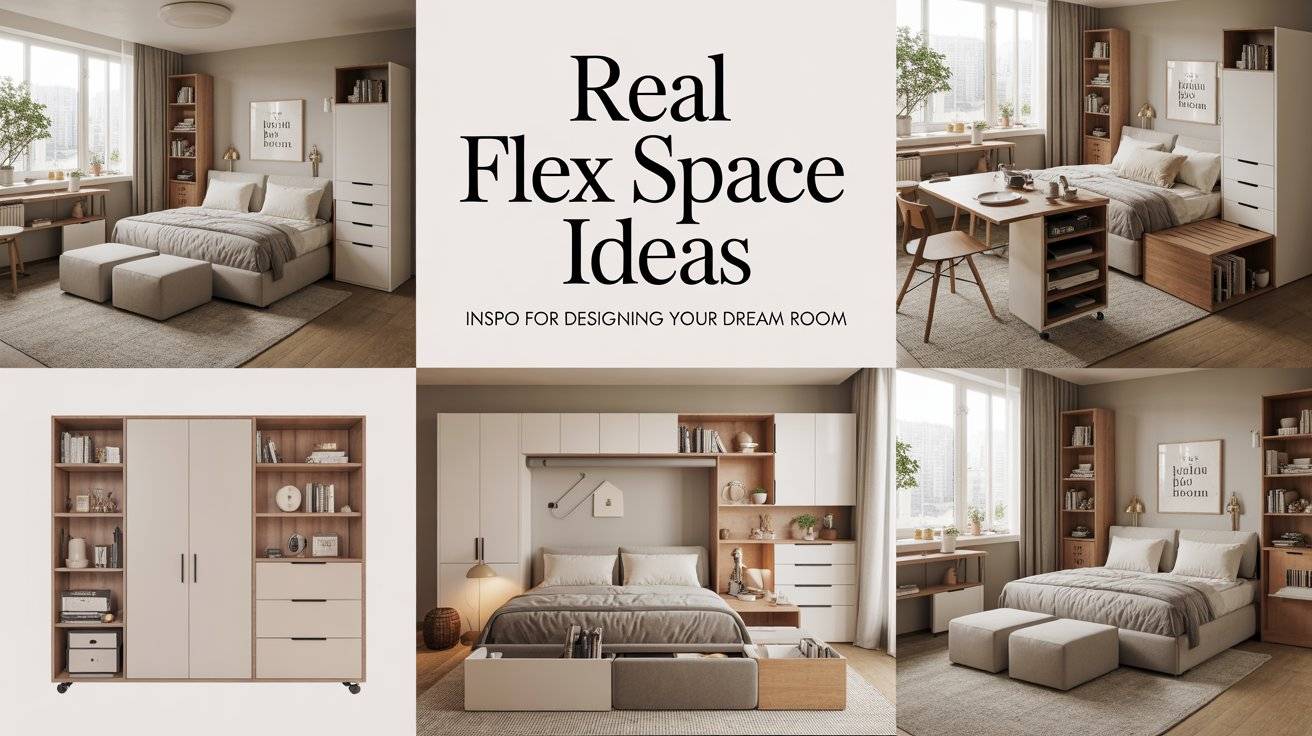
When I first started designing flexible rooms, I realized most online ideas sound good but aren’t grounded in real life. A flex space should adapt without feeling cluttered, give you breathing room, and serve multiple purposes without drama. A room should function as an office one day, a guest room the next, and maybe a workout nook or creative studio on the weekend. That’s the real definition of a flex space useful, comfortable, and intentional.
In this article, I’ll walk you through 24 real flex space ideas that I’ve used or helped others apply in homes of all sizes. I’ll include ways to set them up, why they work, and real supplies you can use right now (including links where you can Check price on Amazon.com). These aren’t abstract concepts they’re practical changes you can do this weekend.
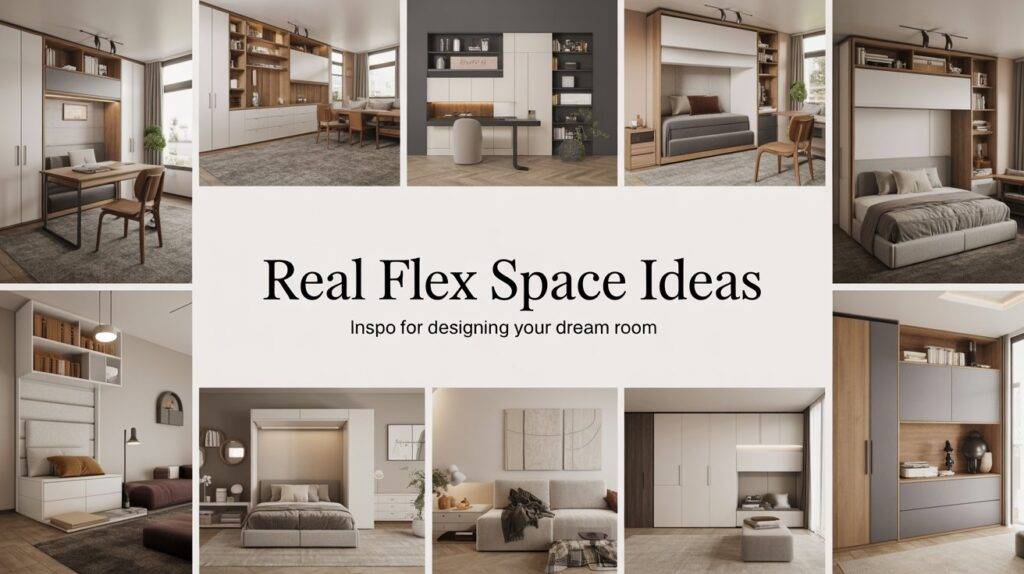
1. Wall-Mounted Folding Desk
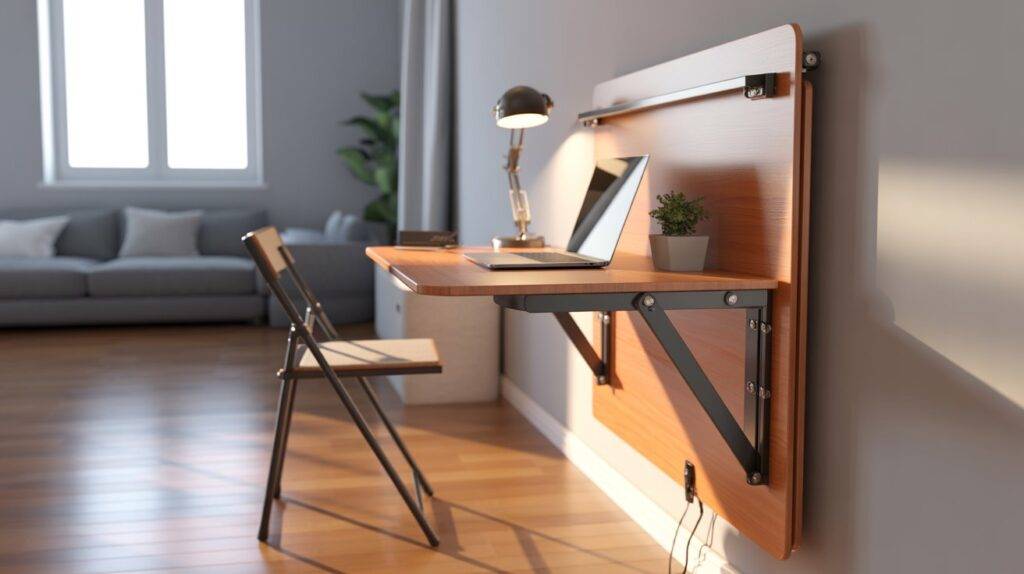
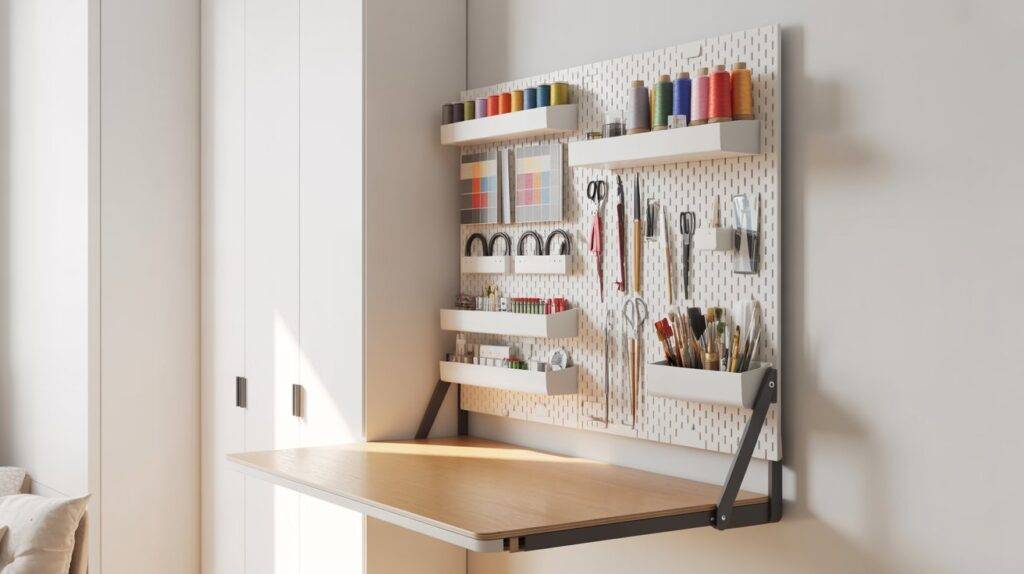
A wall-mounted fold-down desk is one of the most useful tools for a flex space, especially if your room needs to change function easily. I installed one in a small studio where the wall was mostly empty. During work hours, it’s my desk. When it’s not in use, it folds flat so I can stretch, do yoga, or use the room for guests. No bulky furniture, no wasted floor space just a clean surface that disappears when I need it gone.
The trick is choosing a sturdy mounting surface and strong hardware so the desk doesn’t sag over time. Add a slim task lamp or fold-up chair that stows nearby, and you have a full workstation with almost no footprint. For a compact and affordable folding desk that’s easy to install and move, this setup is a real game-changer.
Suggested Supply: Check price on Amazon.com Wallmounted fold-down desk
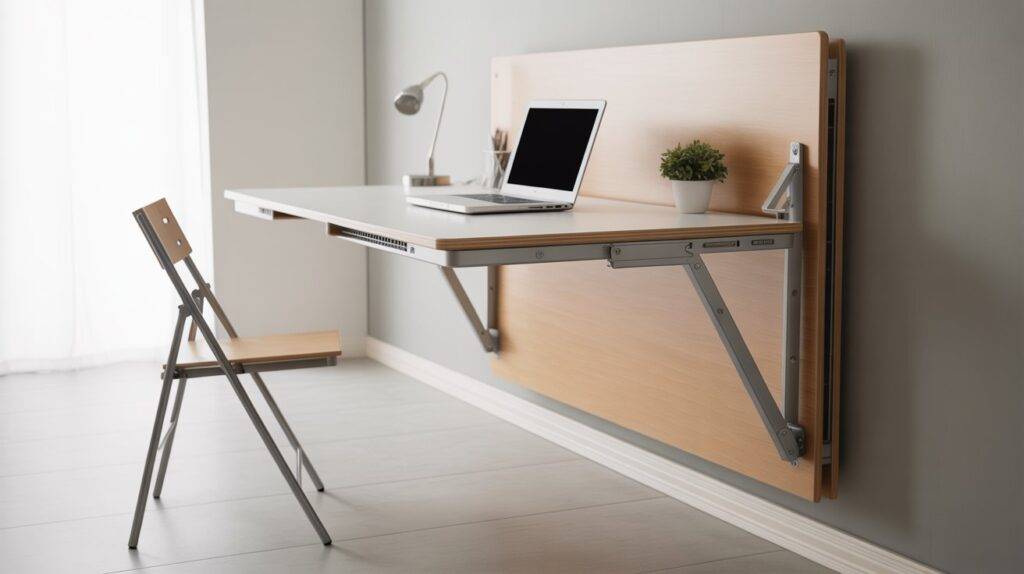
2. Convertible Sofa Bed Lounge
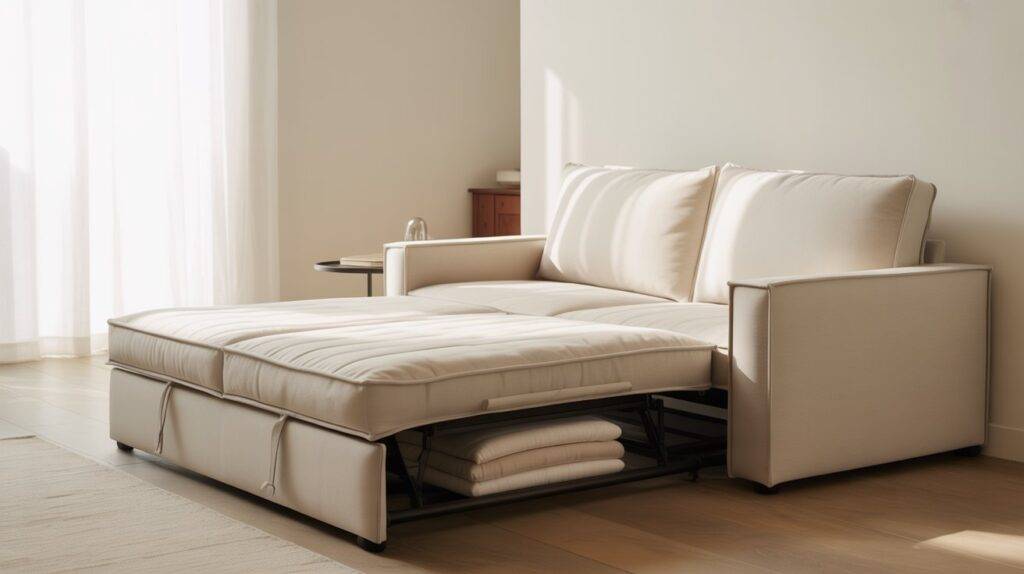
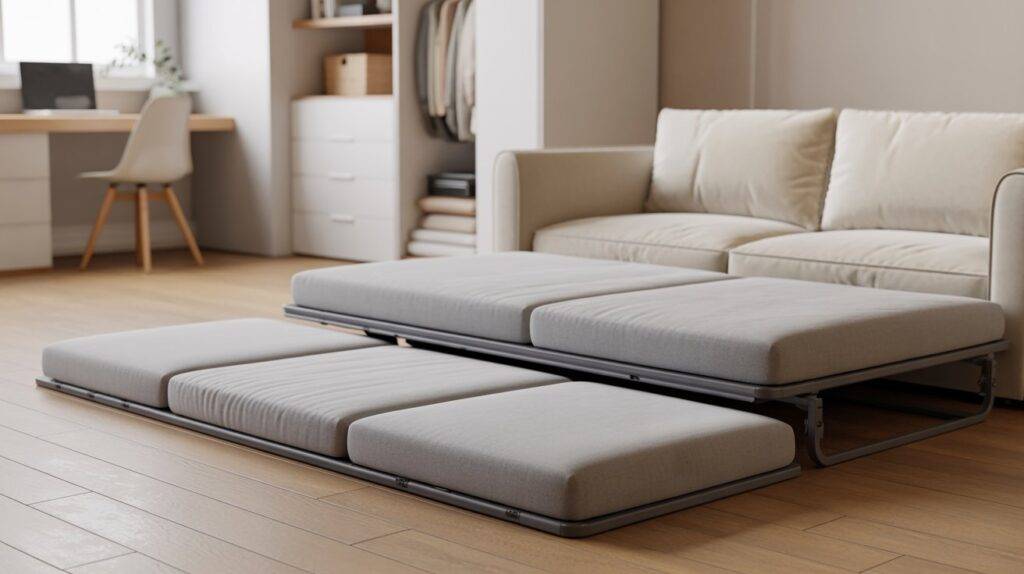
If your flex space pulls double duty as a living area and a guest room, a convertible sofa bed is a smart investment. This is furniture that works as both seating and sleeping without clutter. I’ve used a modular sofa bed in a small den where friends and family often stay over during the day it’s a cozy couch, and by evening it shifts into a full-size bed.
This setup works best when you choose neutral upholstery and simple lines so it fits both casual lounge time and overnight guests without looking “too bedroom.” If your budget allows, pick one with hidden storage underneath for extra blankets and pillows that keeps the room tidy and ready for anything. It’s a straightforward solution that instantly doubles the room’s functionality.
Suggested Supply: Check price on Amazon.com Modular sofa bed sectional
3. Floating Shelves With Work & Store Stations
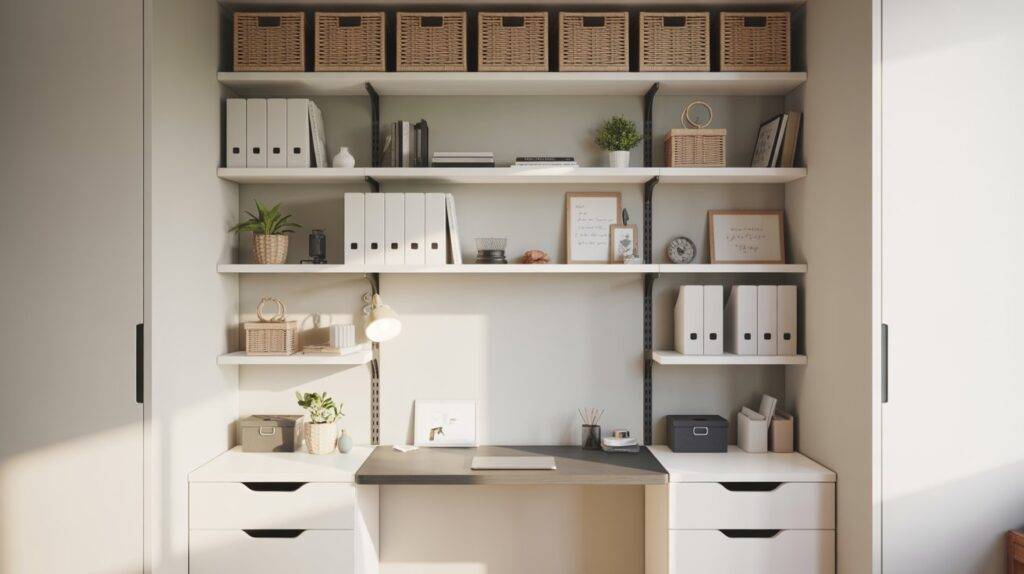
When floor space is limited, I turn to vertical storage. Floating shelves mounted above eye level keep your floors clear while giving you room to store books, bins, decor, or office gear. What’s nice about floating shelving is it feels intentional and open, not crowded.
In one small room I designed, we used three rows of floating shelves on one wall. The top row held baskets and boxes for seasonal items. The middle row became an accessible work zone with notepads, files, and decor. The lowest shelf matched the height of our fold-down desk, so it created a desk storage wall a practical set-up without bulky cabinets. Above all, you don’t lose usable space in a flexible room when you go up instead of out.
Suggested Supply: Check price on Amazon.com Floatingwall shelves set

4. Murphy Sofa With Fold-Out Desk Combo
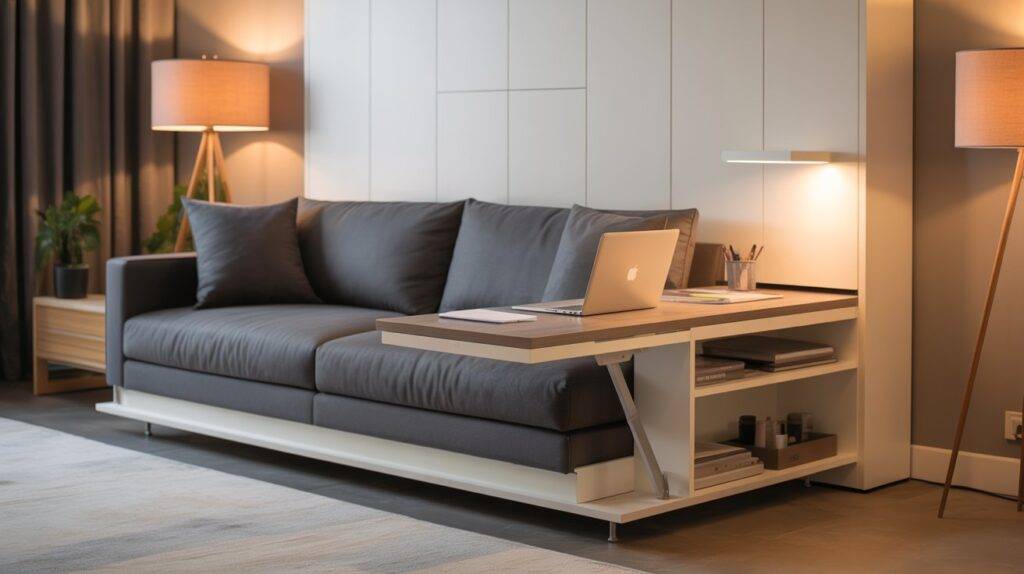
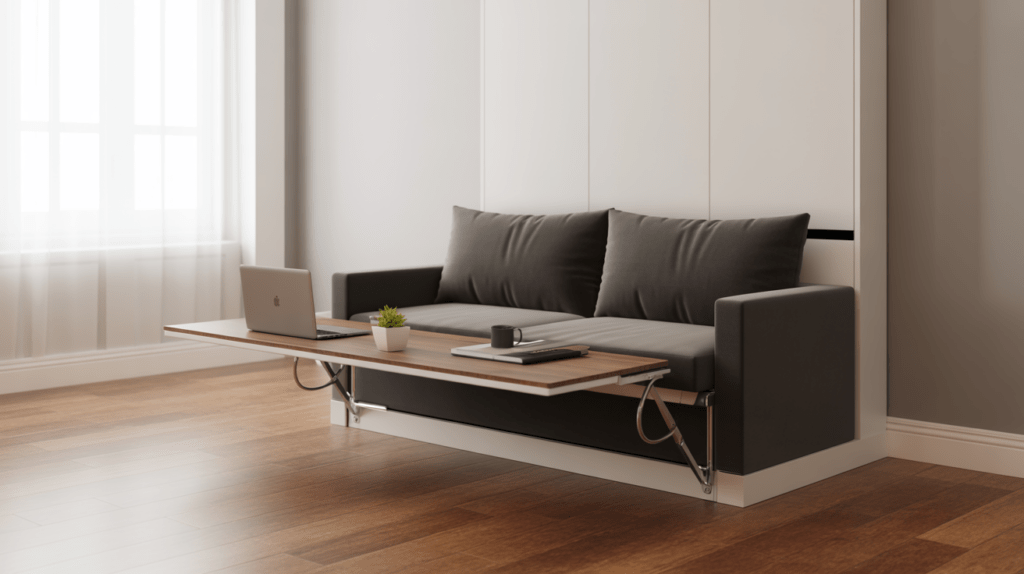
A Murphy sofa that integrates a fold-out desk is one of those solutions that feels like magic in a flex room. During the day, it’s a sofa for reading, watching shows, or chilling with coffee. When work calls, the desk pulls out easily without rearranging the room. At night, the sofa can convert into an extra bed if you’re hosting overnight guests.
This setup works best against a tall wall it becomes a single focal system that anchors the room. It’s especially useful in rooms that must do more than one thing, like a basement rec room that also serves as a home office. Installation takes a bit more planning, but the result is a decluttered room that expands with your needs.
Suggested Supply: Check price on Amazon.com Murphy sofa bed with desk combo
5. Modular Sectional Seating
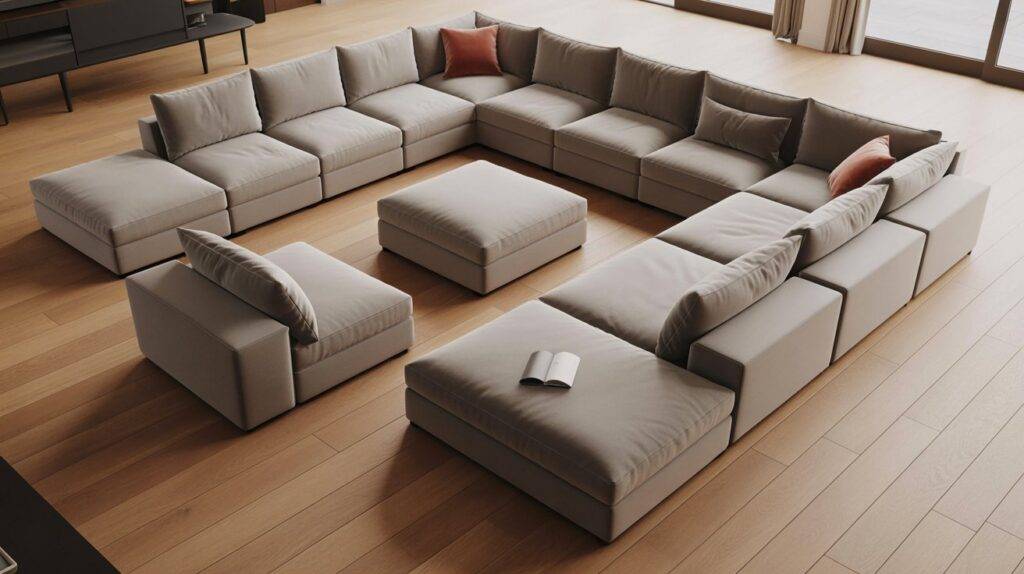
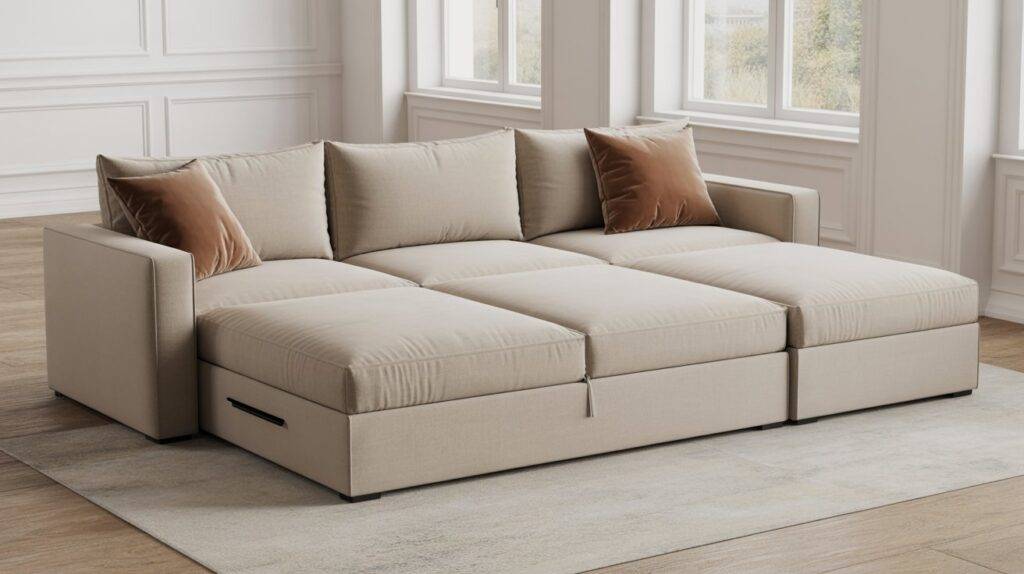
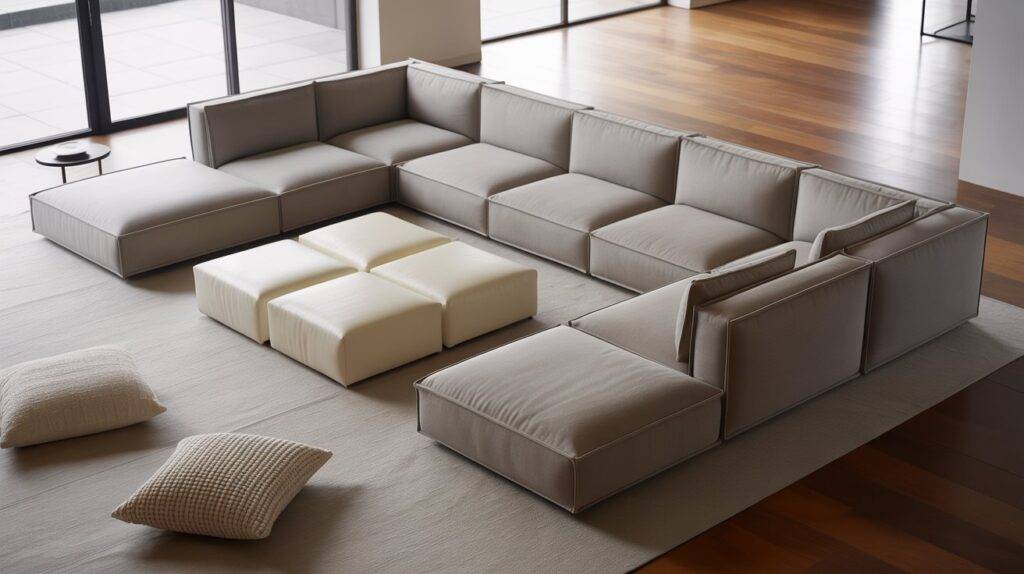
A modular sectional lets you reconfigure seating on the fly. In my own living room/office combo, we chose pieces that can separate into a chaise lounge, small sofa, or guest sleeper. On movie night, we push them together for maximum comfort. For everyday work from home, we spread them out to create smaller seating zones that feel casual but purposeful.
Because the pieces aren’t fixed, you can rearrange them for open floor plans or cozy corners without buying new furniture. Adding a few lightweight ottomans or floor pillows brings even more flexibility. You’re not locked into a single layout, and that’s exactly what a flex space should feel like adaptable, comfortable, and ready for whatever you need that day.
Suggested Supply: Check price on Amazon.com Modular sectional sofa set
6. Foldable Storage Carts
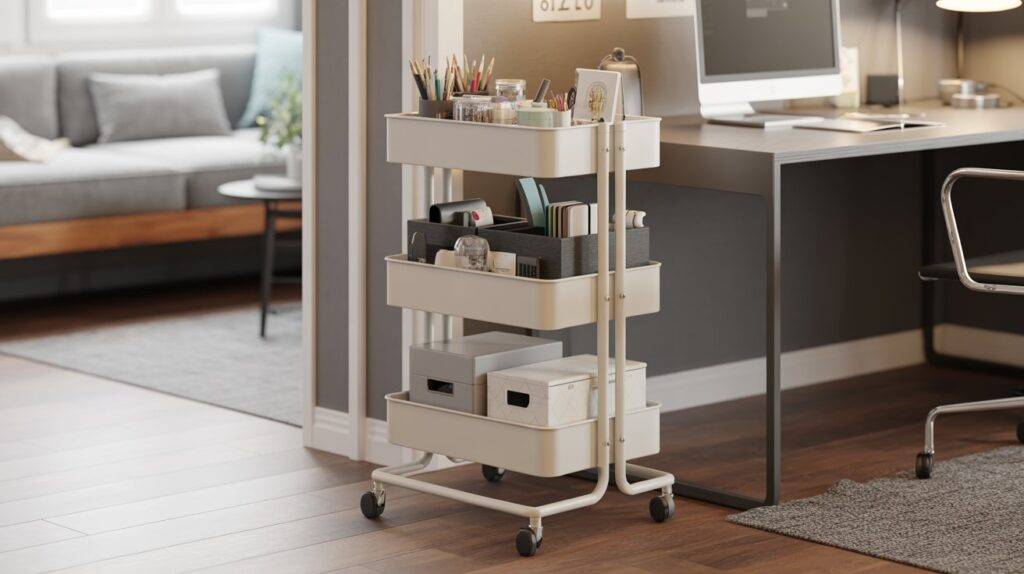
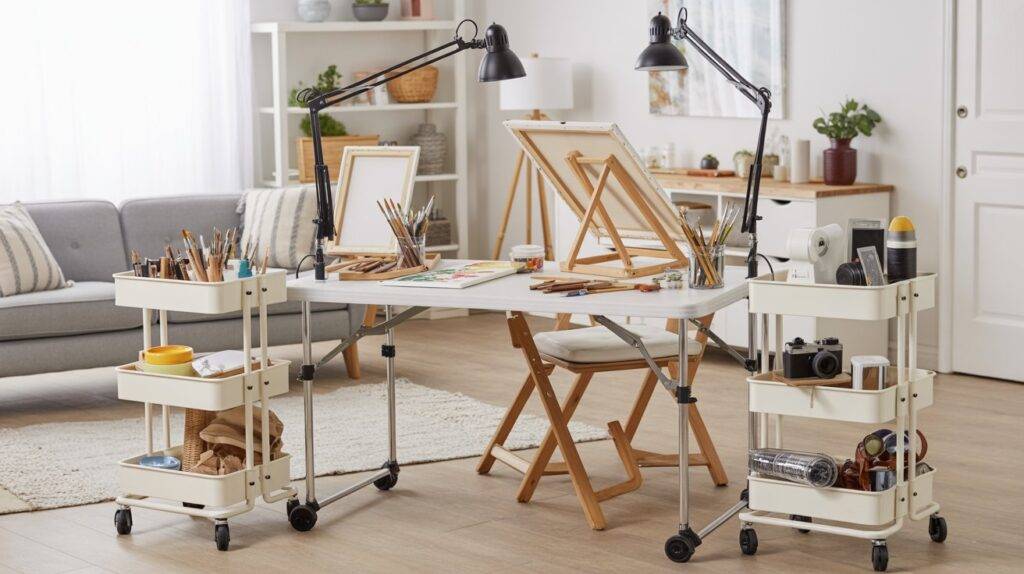
Storage carts on wheels are one of my favorite secret weapons for flexible rooms. They move where you need them, then tuck away under a desk or behind a sofa when you don’t. In a craft-plus-office space, my cart holds art supplies and tech gear together and in minutes it rolls into the closet to make room for guests.
Choose carts with multiple tiers so each level has a purpose: top for everyday items, middle for work tools, and bottom for stash you don’t touch often. The best tip I’ve learned is to label sections so you always know what goes where especially when the room serves multiple roles.
Suggested Supply: Check price on Amazon.com Rollingstorage cart with drawers

7. Loft Bed With Underneath Office
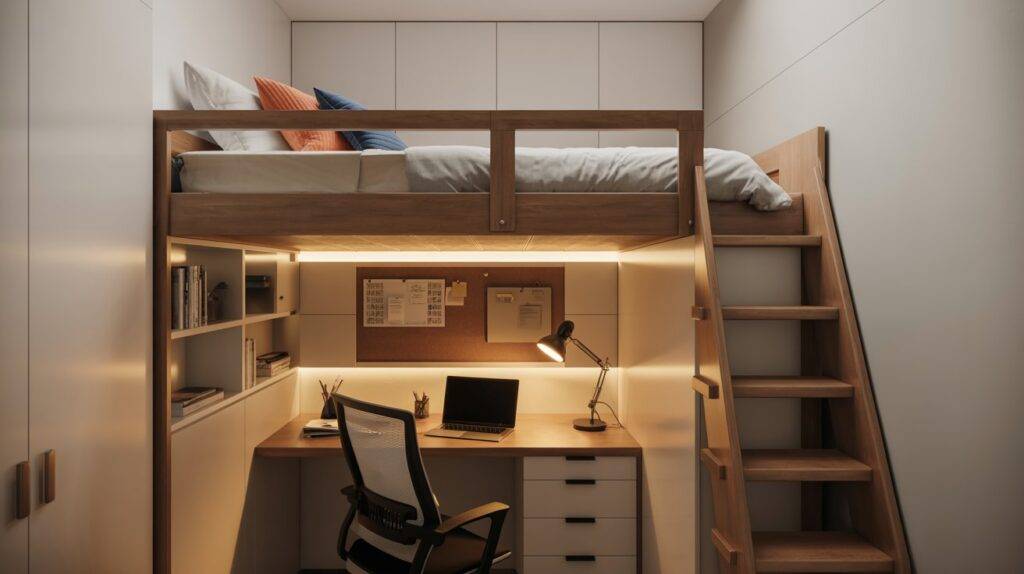
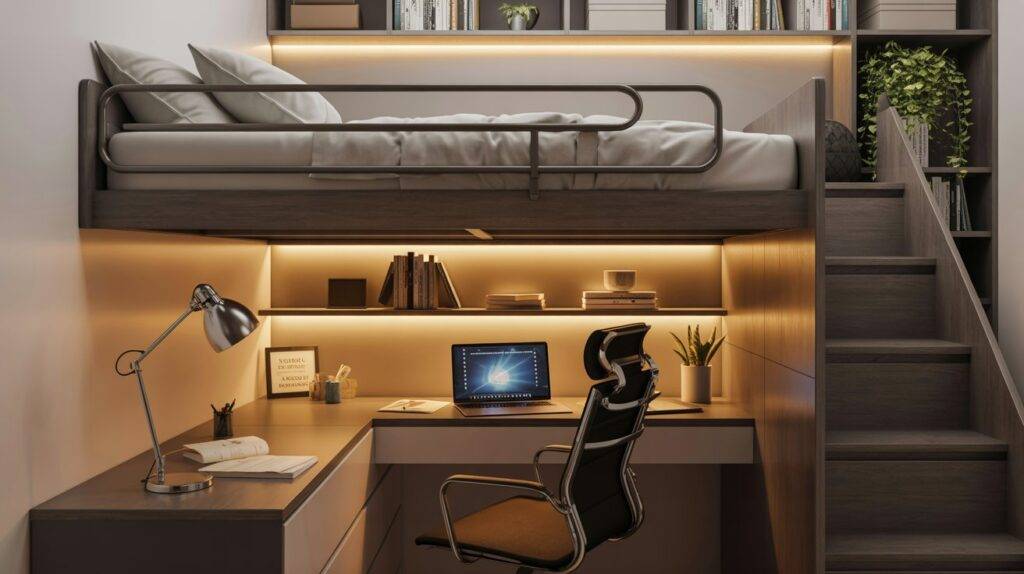
If you’re dealing with high ceilings, a loft bed with an office underneath can double the usable square footage. I’ve helped clients design rooms where kids sleep above and study or game below, all without chewing up footprint. During the day, a chair and desk under the loft feel like a dedicated workspace. When night falls, it becomes a bedroom without needing extra rooms.
The key is lighting use desk lamps or clip-on lights so the lower workspace doesn’t feel like a basement. Also keep the area under the loft organized with shelves and cork boards so it feels intentional, not cluttered. This idea works great with students or in tiny apartments where space needs to stretch.
Suggested Supply: Check price on Amazon.com Loftbed with desk underneath
8. Sliding Room Dividers
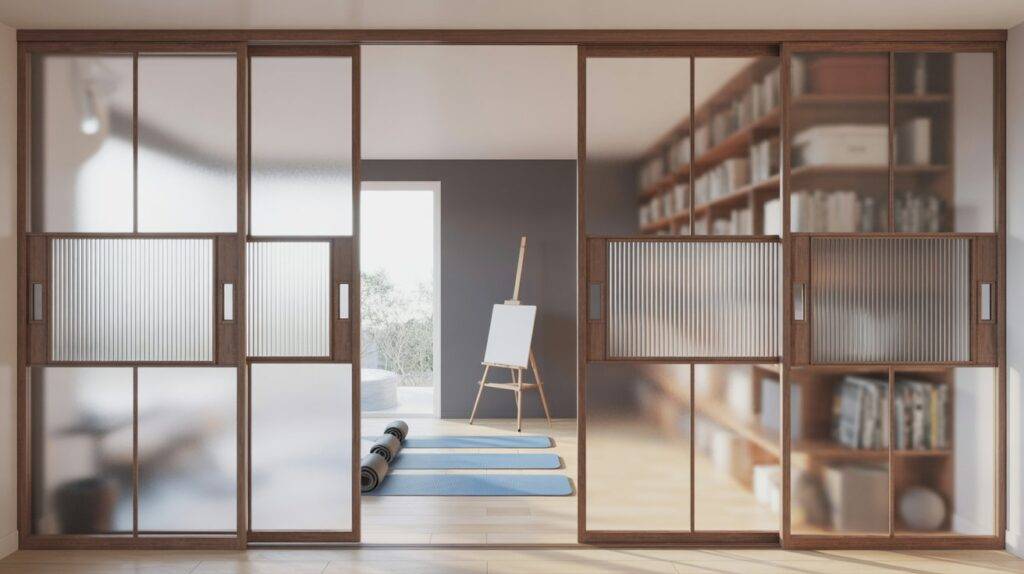
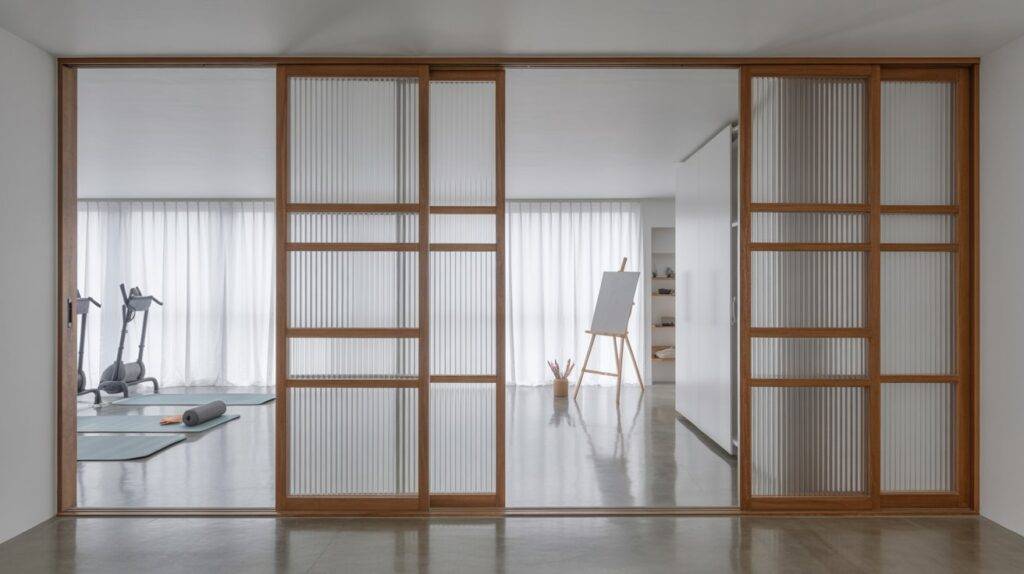
Sliding partitions or panels turn one big space into two functionally separate zones. In a large room I redesigned, we used a sliding divider to split a workout zone from a creative corner. When we needed a big open area for gatherings, the divider opened with ease; when privacy was needed, it slid closed.
The beauty of sliding systems is they feel built-in but don’t require major renovations. You can choose opaque panels for quiet and privacy, or translucent ones to keep light flowing. This way, your flex space adapts visually and functionally without chaos.
Suggested Supply: Check price on Amazon.com Sliding room divider panel set
9. Drop-Leaf Table for Work, Dining, or Projects
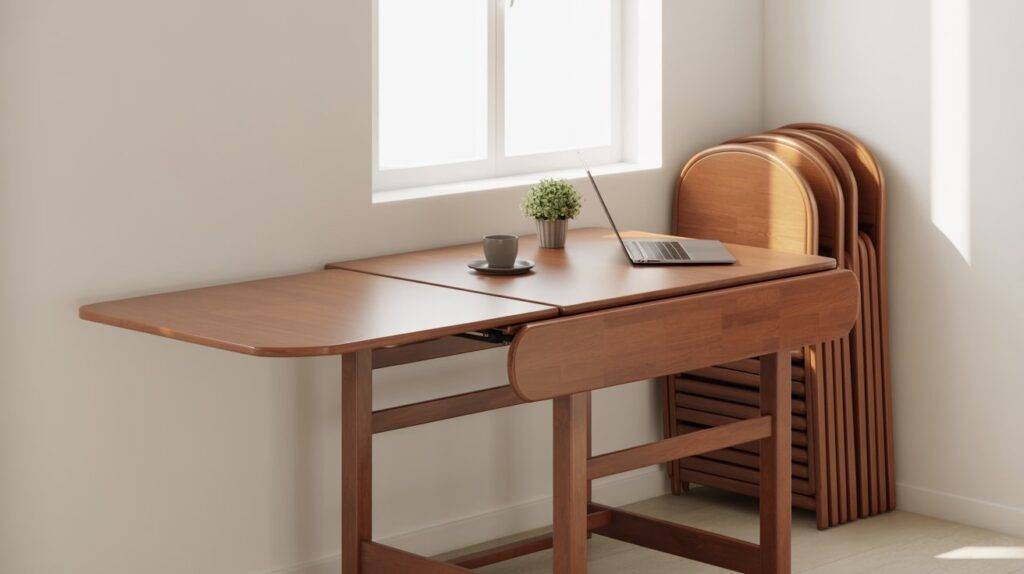
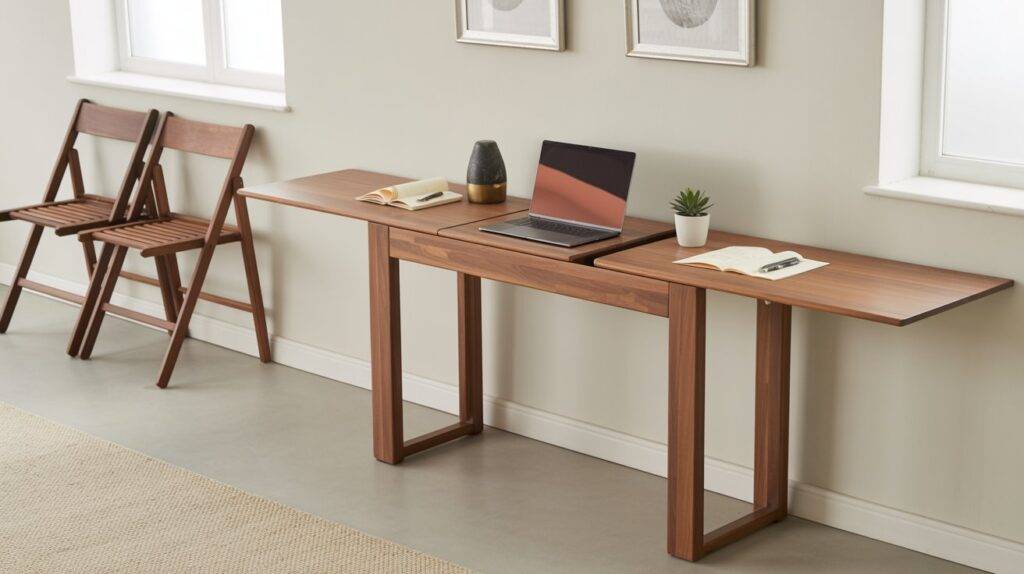
A drop-leaf table is one of the most underrated flex space pieces I’ve used. When it’s folded down, it barely takes up space and works as a slim console against the wall. When you need it, the leaves lift up and suddenly you’ve got a full table for work, dining, or hands-on projects. I’ve used one in a guest room that doubled as a home office, and it handled everything from laptop work to meal prep without feeling out of place.
What makes this idea work is control. You decide how much surface area you need at any moment. Pair it with stackable or folding chairs that can be stored in a closet or corner. This setup is especially helpful in apartments where one room has to do many jobs without looking messy.
Suggested Supply: Check price on Amazon.com Drop-leaf dining table
10. Corner Reading Nook That Converts to Guest Seating
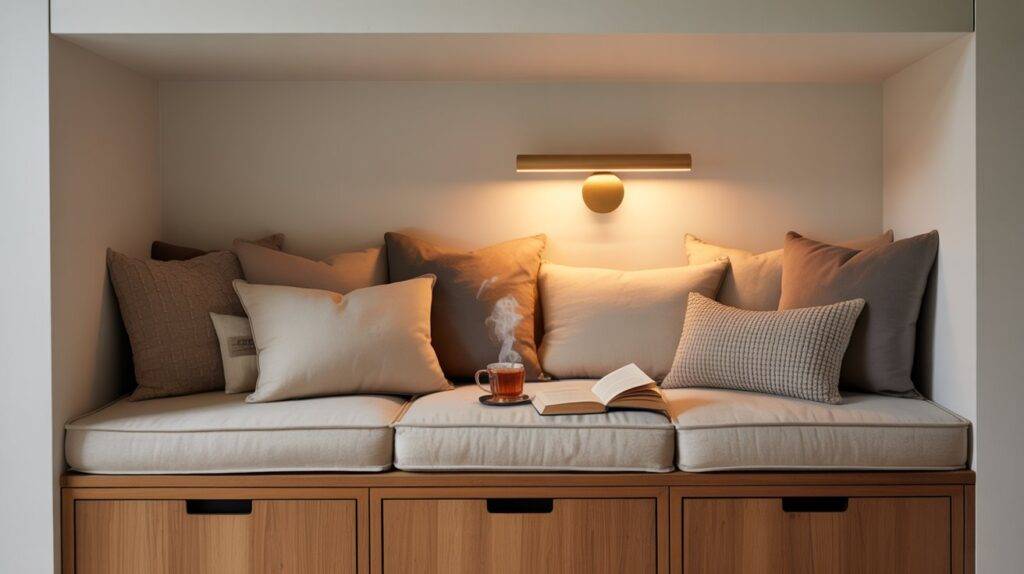
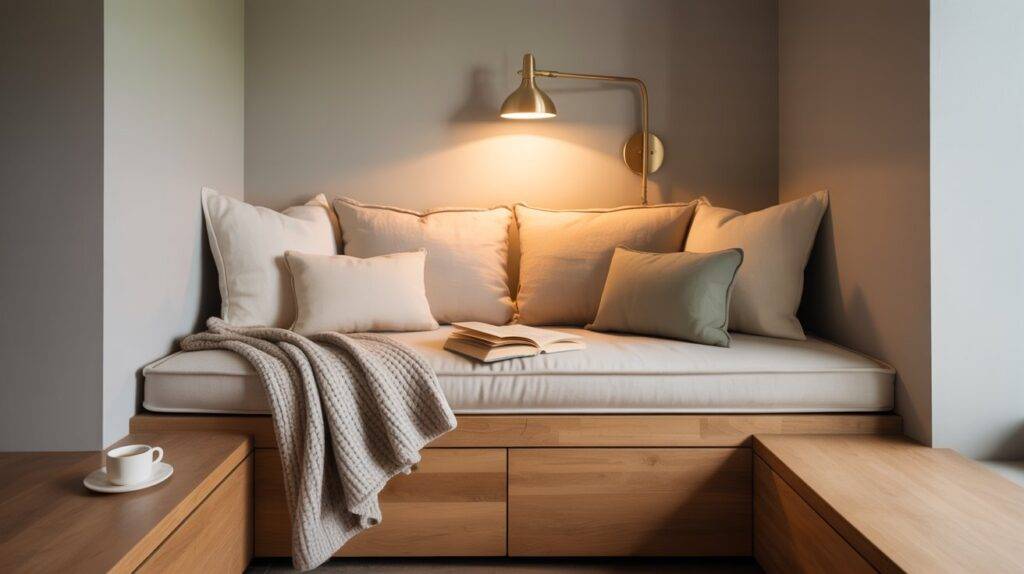
Corners often get ignored, but I’ve turned them into flexible reading nooks that also work as extra seating. A simple bench with storage underneath, a few firm cushions, and a wall light can create a calm spot to read or unwind. When guests come over, that same nook becomes functional seating without dragging chairs from other rooms.
The storage underneath is key. I usually keep throw blankets, pillows, or even work items stored there so nothing feels wasted. If you choose neutral fabrics, the nook blends easily with the rest of the room. This works well in flex spaces that feel too open or undefined the nook creates a “pause” area without building walls.
Suggested Supply: Check price on Amazon.com Storage bench with cushion
11. Foldable Exercise Zone
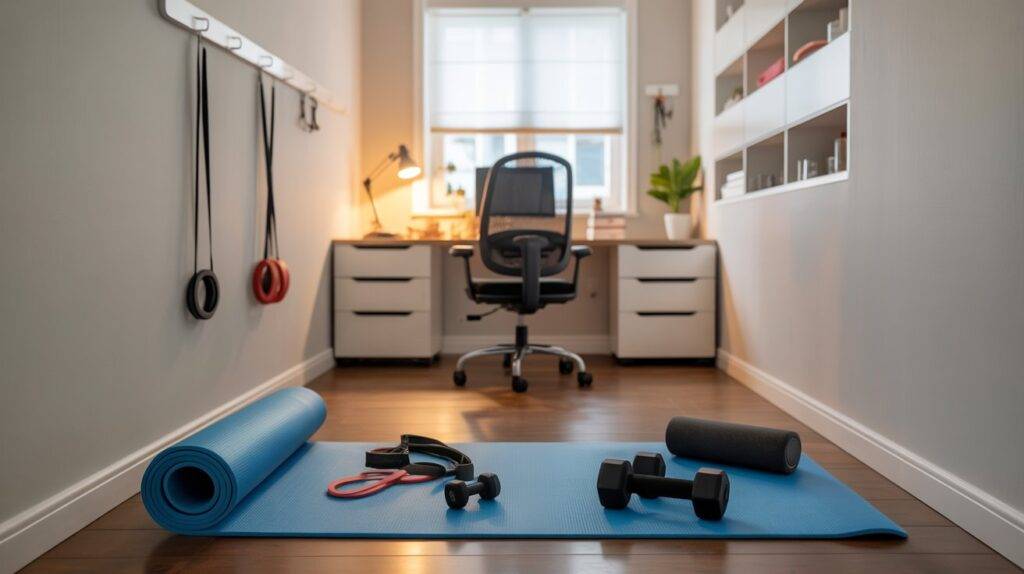
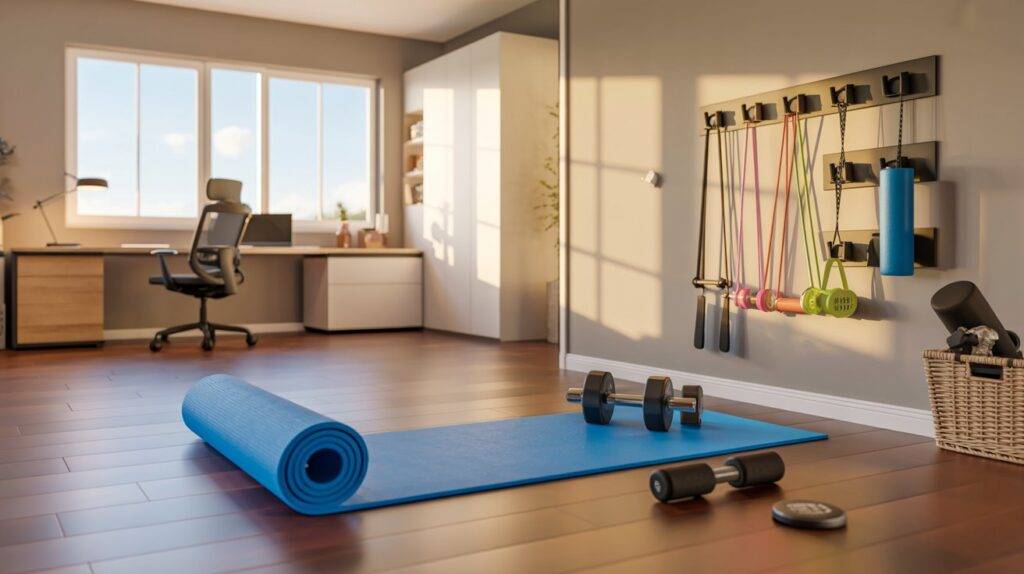
Not everyone has space for a full home gym, but I’ve seen great results with foldable workout setups. A yoga mat that rolls up, resistance bands, adjustable dumbbells, and a wall hook for storage can turn any flex room into a workout space in minutes. When you’re done, everything stores flat and the room resets.
I’ve used this setup in a home office where the floor stays clear most of the day. At lunch or after work, the desk chair rolls aside and the workout begins. No permanent equipment, no visual clutter. This idea works best when storage is intentional hooks, baskets, or a slim cabinet keep gear off the floor and out of sight.
Suggested Supply: Check price on Amazon.com Adjustabledumbbells set
12. Media Wall With Hidden Storage
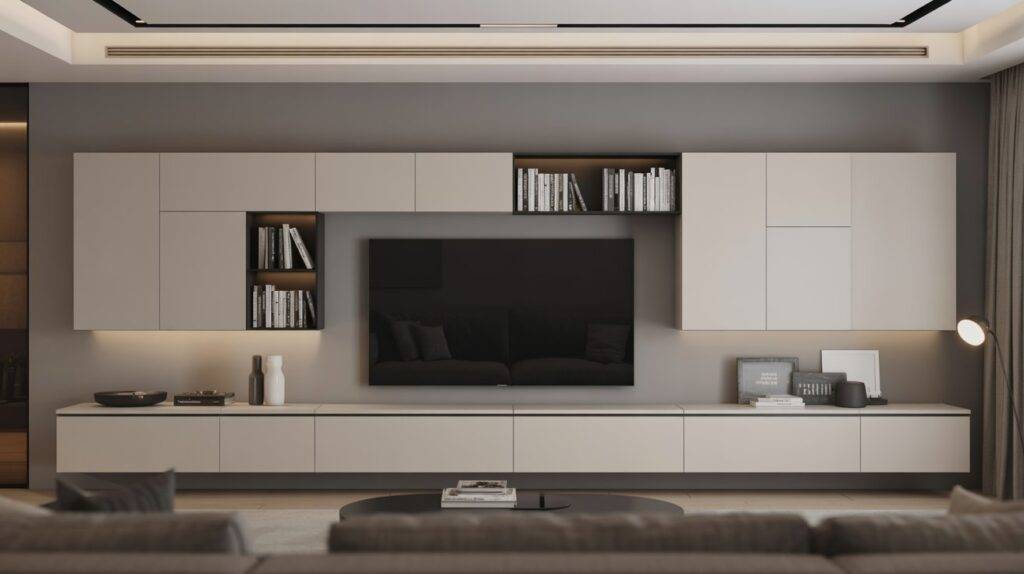
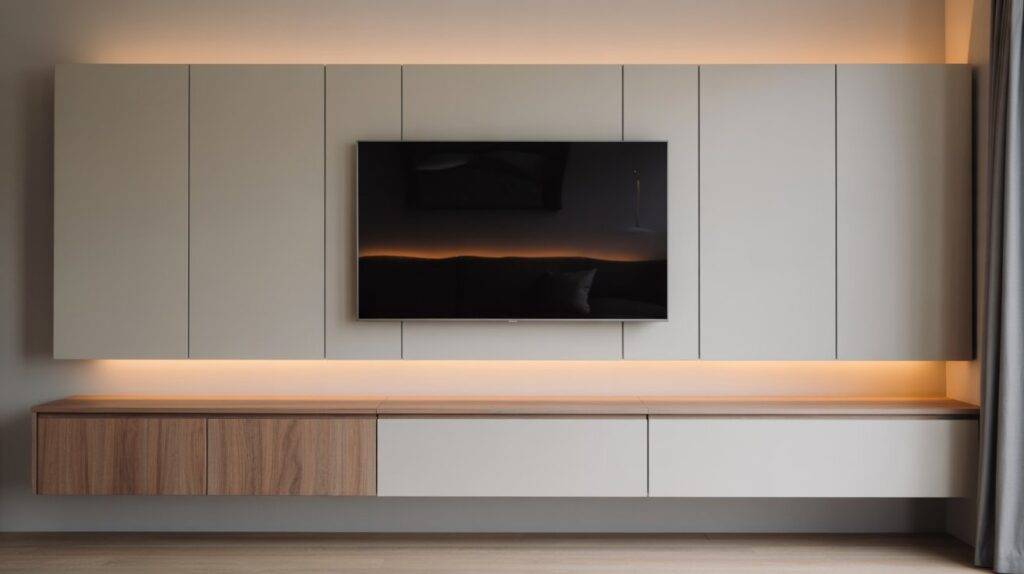
A media wall doesn’t have to mean bulky cabinets. I’ve designed flex rooms where a slim TV mount is paired with floating cabinets or low-profile storage underneath. The room functions as an entertainment space, but the hidden storage holds work items, games, or guest supplies.
This setup works because it anchors the room visually while keeping it adaptable. During the day, it’s a background feature. In the evening, it becomes the focus. Choose cabinets with clean lines and neutral finishes so they don’t overpower the space. If your flex room shifts between office, lounge, and guest use, a media wall keeps everything grounded and organized.
Suggested Supply: Check price on Amazon.com Floating media console cabinet
13. Creative Studio That Packs Away
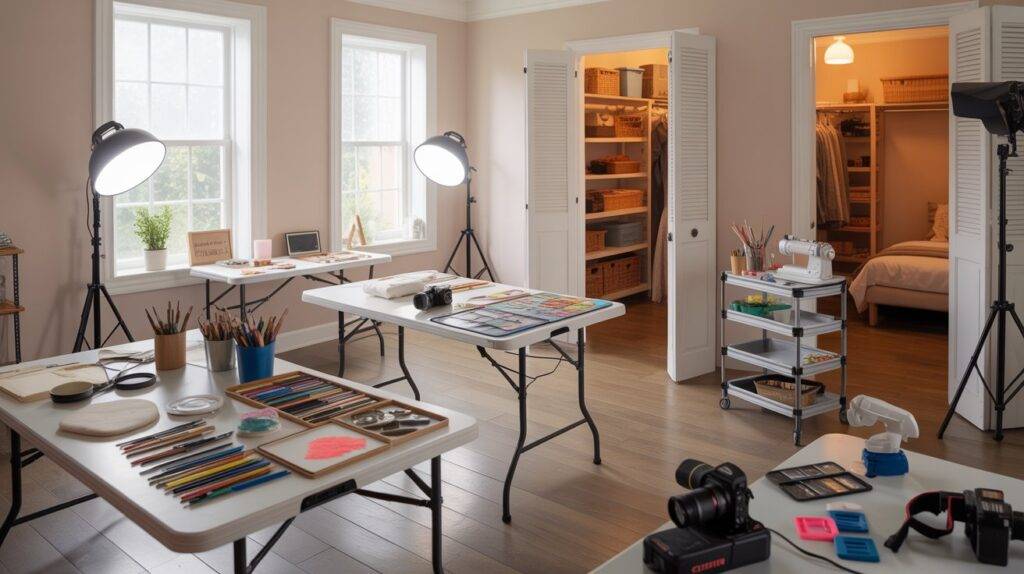
I’ve helped set up creative flex spaces for painting, sewing, and content creation that disappear when not in use. The key is portable surfaces folding tables, clip-on lights, and rolling carts. When creativity strikes, everything comes out. When it’s time to reset the room, it all goes back in minutes.
This works especially well for people who don’t want their hobbies taking over their home. One client used a closet to store all supplies, turning the room back into a guest space when needed. The takeaway is simple: creativity doesn’t need permanence, just access.
Suggested Supply: Check price on Amazon.com Foldable craft table
14. Window-Side Workstation
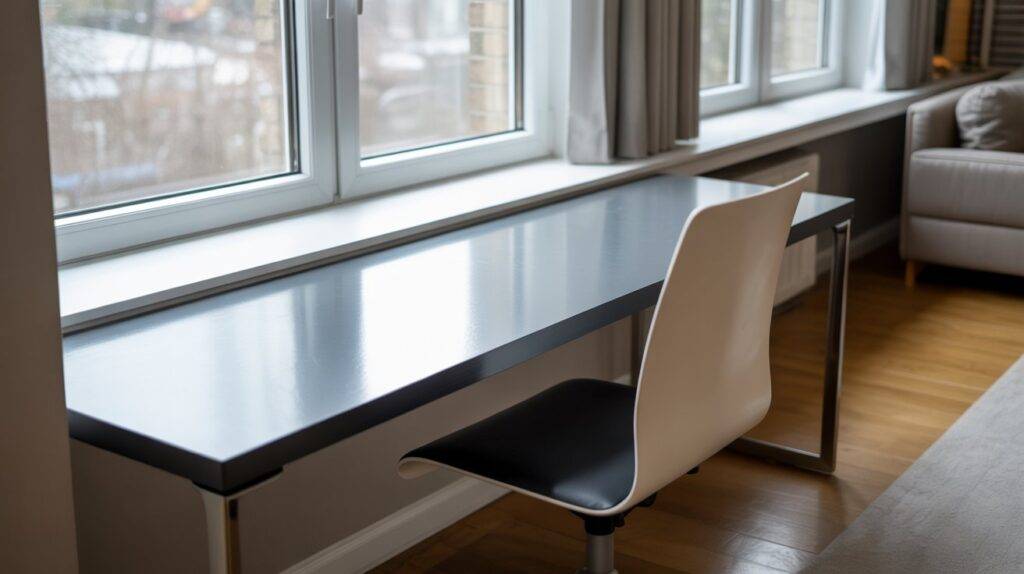
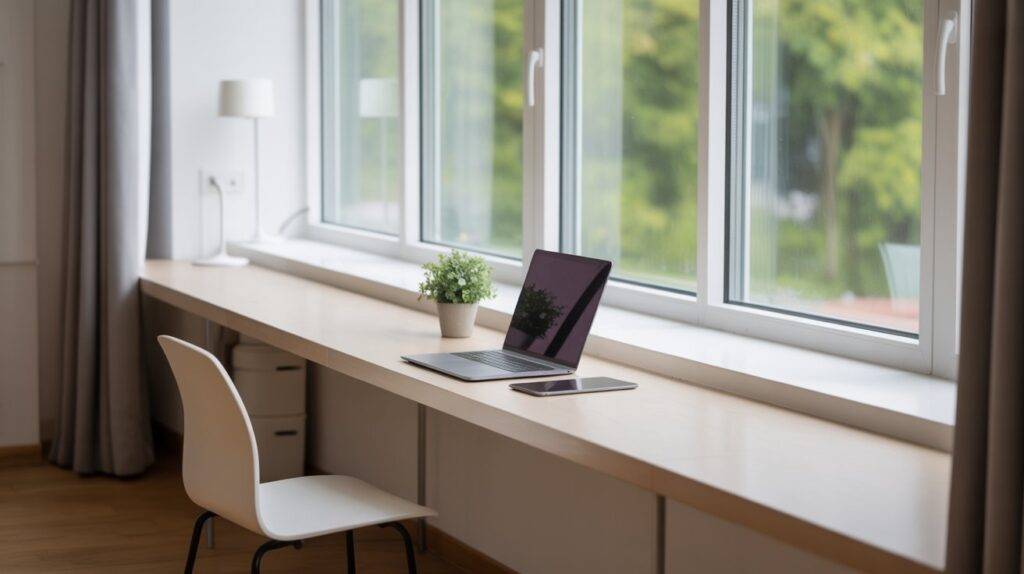
Placing a workstation near a window changes how a flex room feels. Natural light makes working easier and helps the space feel open instead of boxed in. I’ve set up narrow desks along windowsills so the room still feels open when the desk isn’t in use.
This idea works well in multipurpose rooms because the desk doesn’t dominate the layout. Choose a slim desk and a chair that can slide completely underneath. When work is done, the space still feels like part of the room instead of a permanent office. Add a curtain or blind if glare becomes an issue flexibility is the goal.
Suggested Supply: Check price on Amazon.com Slim writing desk
15. Guest Closet That Doubles as Office Storage
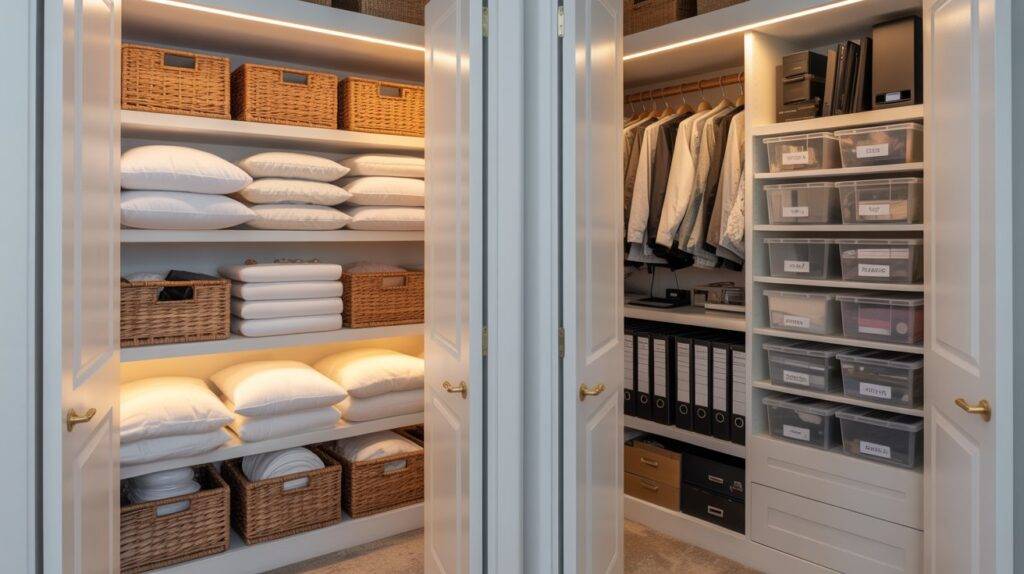
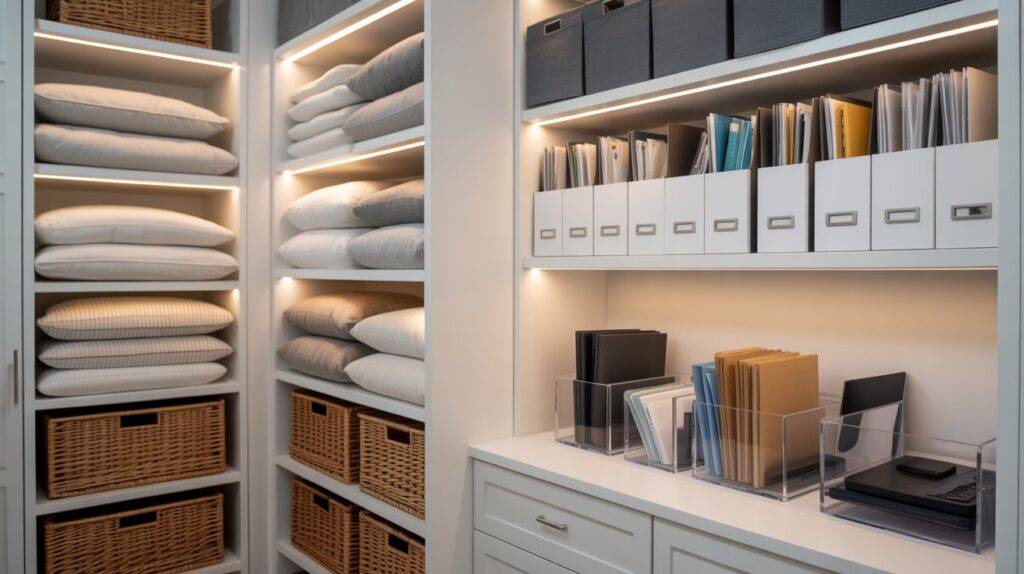
One of the smartest flex ideas I’ve used is a shared storage closet. Half the closet holds guest essentials like extra bedding and towels. The other half stores office supplies, files, or tech gear. This way, the room can switch roles without scrambling to move things around.
The key is clear organization. Use labeled bins and shelves so everything has a place. When guests arrive, work items stay neatly tucked away. When the room shifts back to daily use, everything is already organized and easy to access. This setup reduces stress and keeps the room functional year-round.
Suggested Supply: Check price on Amazon.com Closet storage organizer system
16. Rolling Room Divider With Storage

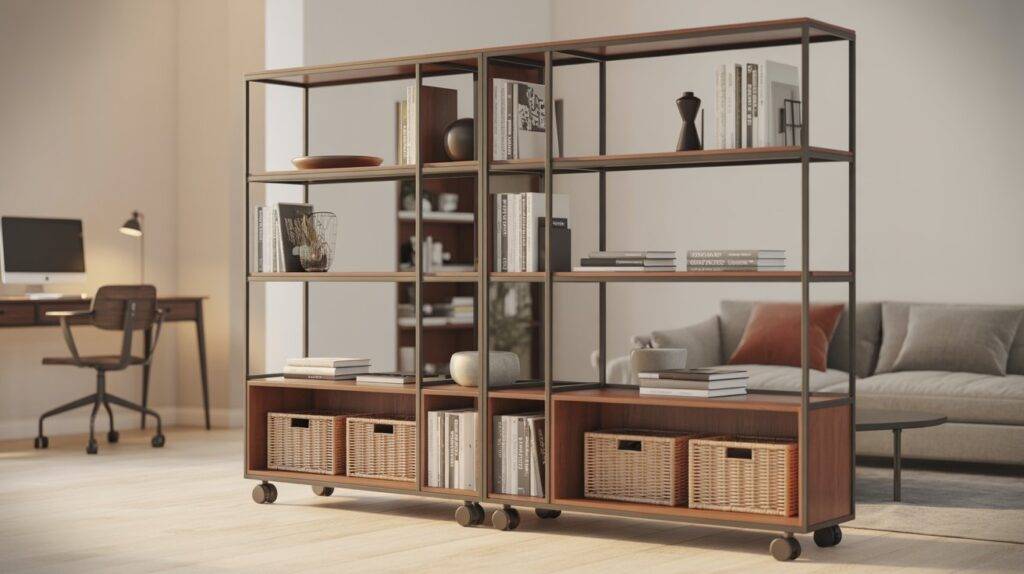
A rolling room divider is one of the most flexible tools I’ve used in open rooms. Unlike fixed walls, this lets you separate spaces only when you need to. I’ve used dividers with shelves built in, which means you’re not just splitting the room you’re also gaining storage for books, baskets, or decor. During the day, the divider can separate a work area from the rest of the room. In the evening, it can roll aside to open everything up again.
This works especially well in flex rooms that serve as both office and living space. The key is choosing a divider that feels light, not bulky. Open shelving designs keep light flowing and prevent the room from feeling boxed in.
Suggested Supply: Check price on Amazon.com Rolling room divider with shelves
17. Bedside Desk Setup for Small Rooms
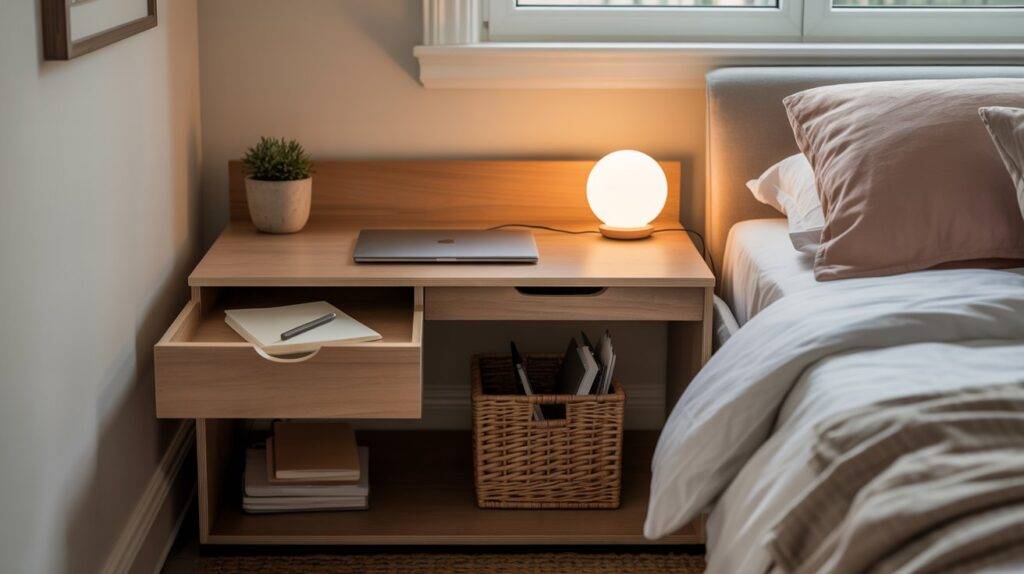
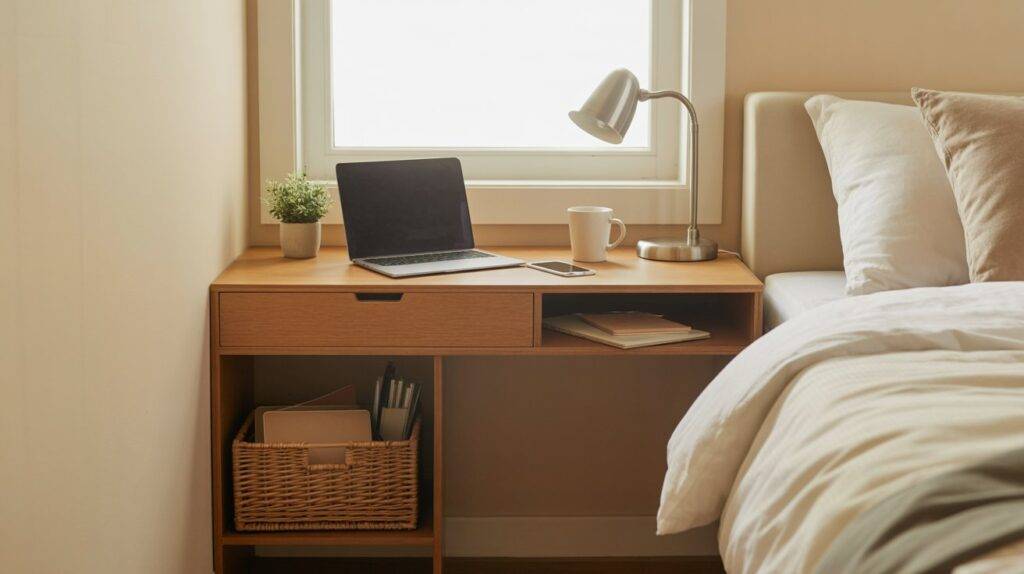
In tighter spaces, I’ve used bedside desks instead of traditional office setups. A narrow desk placed next to the bed acts as both a nightstand and a workstation. During the day, it holds your laptop and work items. At night, it clears off for a lamp and phone.
This idea works best when you keep the desk surface minimal. A drawer or small basket underneath helps store work items so the room can shift back into rest mode easily. It’s a realistic solution for bedrooms that need to double as offices without feeling like work takes over your sleep space.
Suggested Supply: Check price on Amazon.com Narrow bedside writing desk
18. Fold-Away Craft Wall
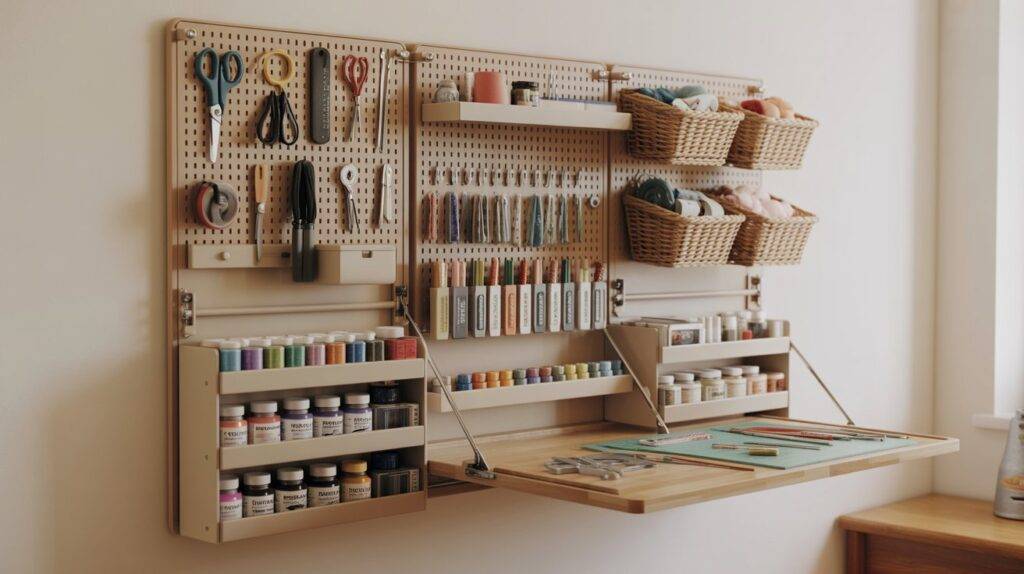
A fold-away craft wall is a great solution if you love hands-on projects but don’t want supplies everywhere. I’ve set this up using pegboards, wall-mounted rails, and fold-down work surfaces. When open, it becomes a full creative station. When closed, it looks like a simple wall feature.
This setup works well for sewing, painting, or DIY projects. Hooks, baskets, and shelves keep tools visible but organized. The best part is how fast the room resets. You can work, clean up, and switch the room back to another purpose without stress.
Suggested Supply: Check price on Amazon.com Wall-mounted pegboard organizer
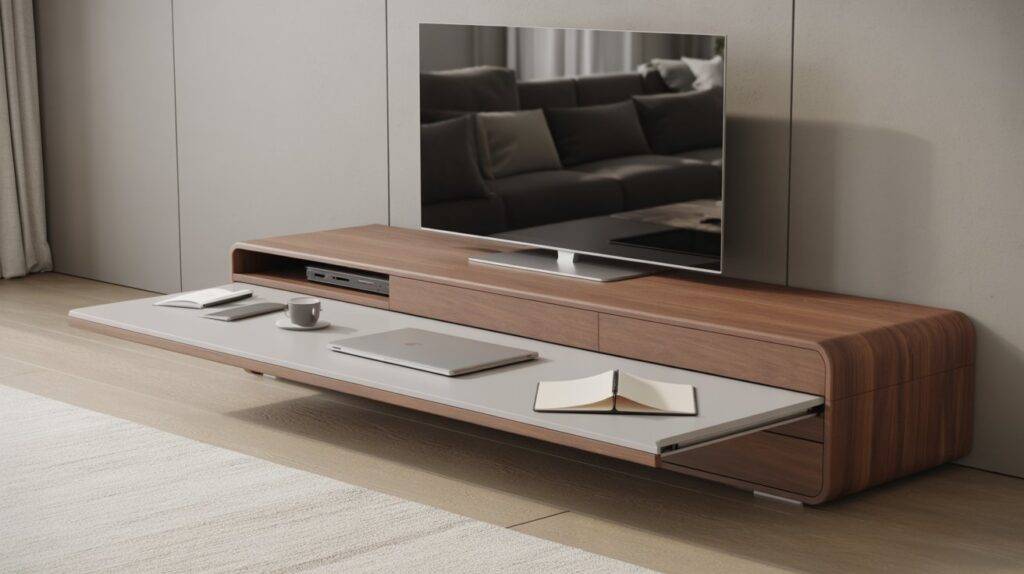
19. TV Console That Converts Into a Desk
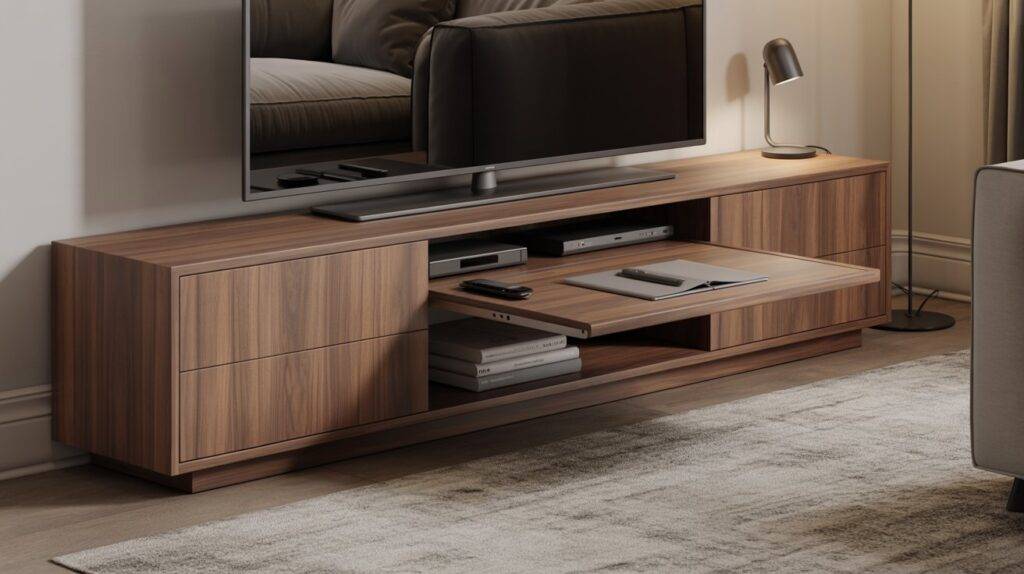
I’ve used TV consoles with hidden pull-out desks in flex rooms where the space needed to stay visually calm. At first glance, it looks like a standard media unit. But pull out the hidden surface, and it becomes a functional workstation.
This works well for people who don’t want their room to look like an office all the time. When work ends, the desk slides back in, and the room returns to a living or entertainment space. It’s a simple way to keep boundaries between work and rest without dedicating a separate room.
Suggested Supply: Check price on Amazon.com TV stand with pull-out desk
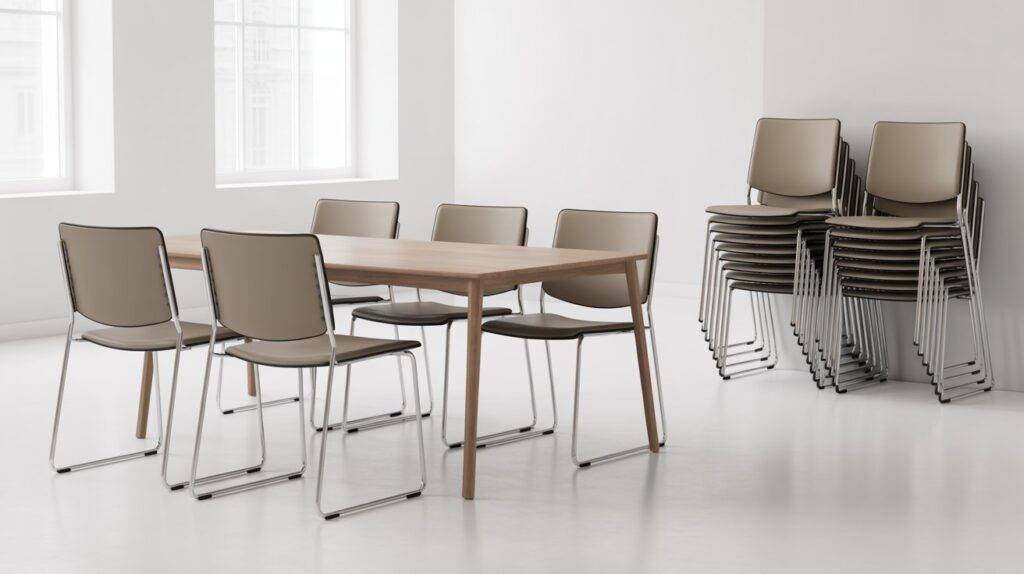
20. Stackable Seating for Guests and Events
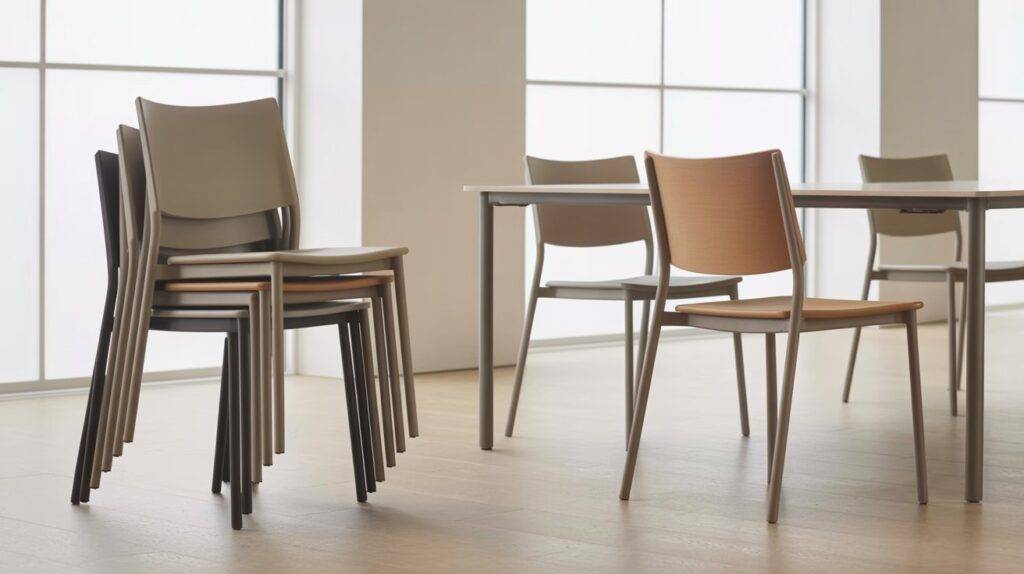
Stackable chairs or stools are one of the easiest flex space upgrades. I’ve used them in rooms that occasionally host guests, workshops, or family gatherings. When not needed, they stack neatly in a closet or corner. When people come over, you’re ready without borrowing chairs from other rooms.
The key is choosing seating that’s comfortable enough to use daily but light enough to store easily. Neutral finishes help them blend into any setup. This is one of those simple additions that quietly makes a flex space more capable without changing its look.
Suggested Supply: Check price on Amazon.com Stackable chairs set
21. Dual-Purpose Rug Zoning
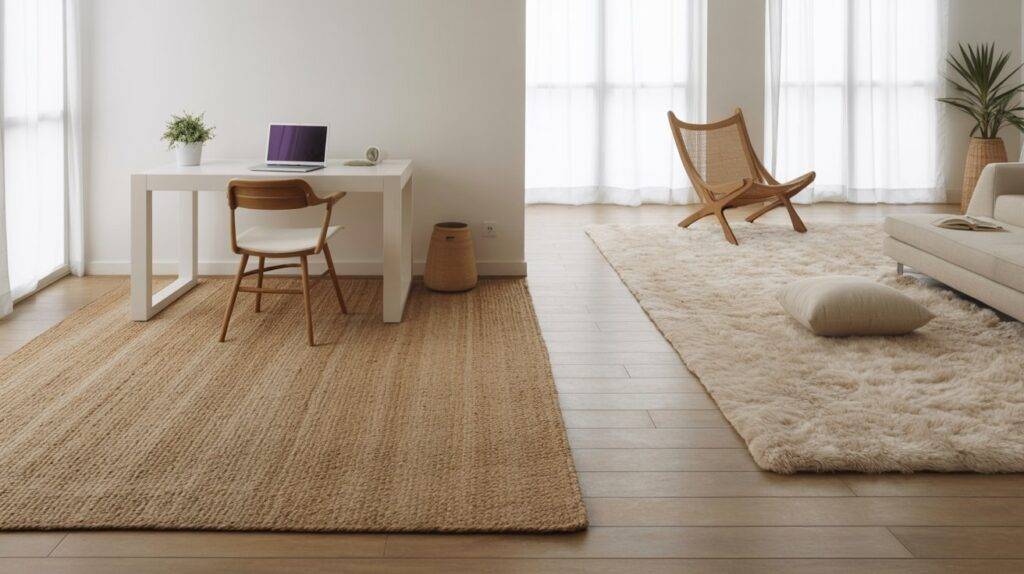
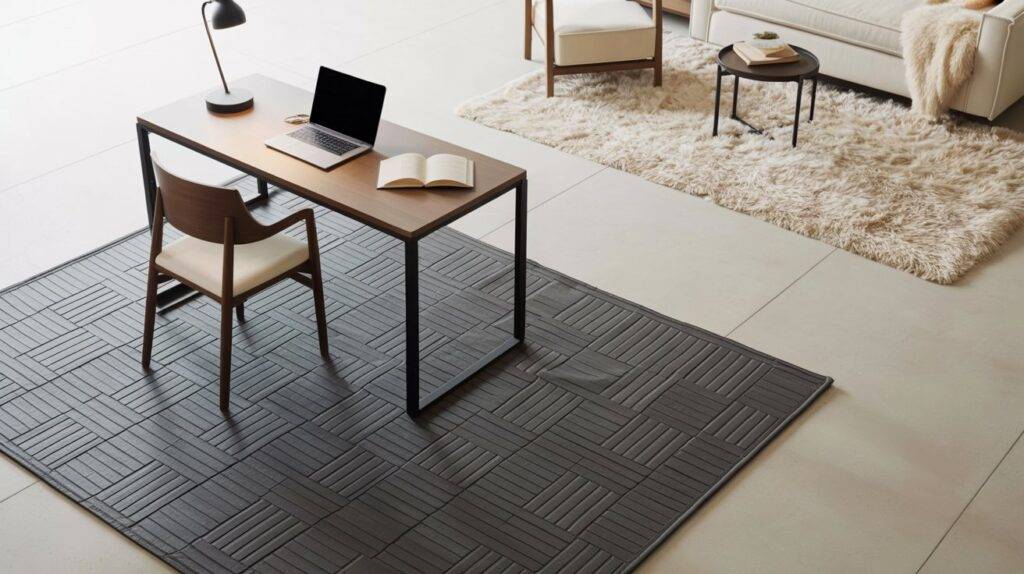
One simple trick I use a lot in flex spaces is rug zoning. Instead of building walls or adding furniture, rugs help define how areas are used. For example, a flat woven rug under a desk signals a work zone, while a softer rug nearby creates a lounge or rest area. Even in one room, the brain understands the separation.
This works especially well in open layouts where everything can start to feel blended together. Choose rugs with different textures rather than loud patterns, so the space still feels calm. The benefit is flexibility if the room’s purpose changes, the rugs can move with it. It’s one of the easiest ways to guide function without committing to a fixed layout.
Suggested Supply: Check price on Amazon.com Low-pile area rug
22. Foldable Guest Mattress Storage
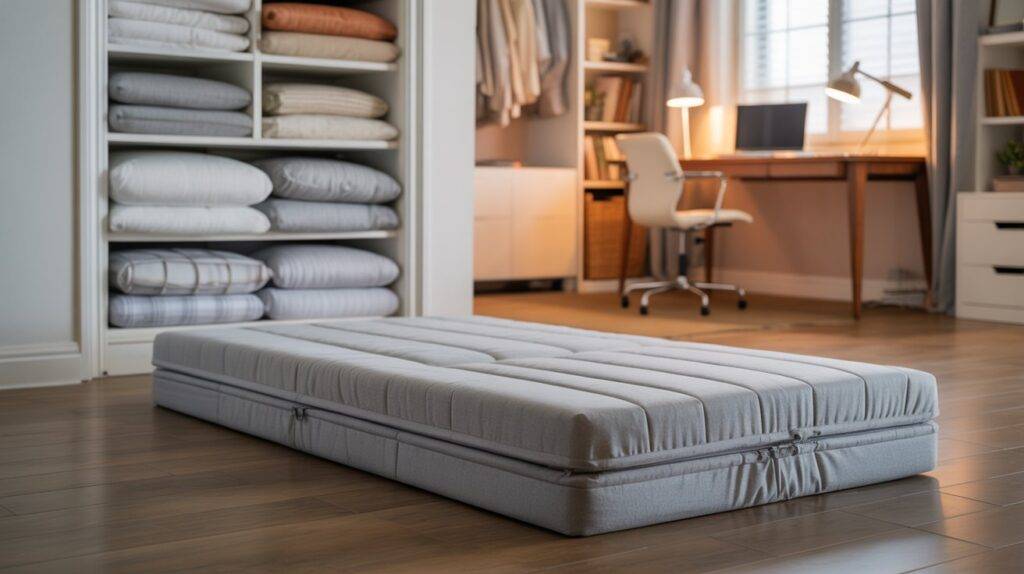
Instead of keeping a full bed in a flex room, I’ve had great success with foldable mattresses or roll-up floor beds. These store easily in a closet or under a sofa and come out only when needed. When guests arrive, the room transforms quickly without major rearranging.
This is especially helpful if your flex space is usually an office, playroom, or studio. During normal days, the room stays open and functional. When guests stay over, comfort isn’t sacrificed. Look for mattresses that fold into sections and include washable covers. It keeps things practical and low-stress.
Suggested Supply: Check price on Amazon.com Tri-fold memory foam mattress
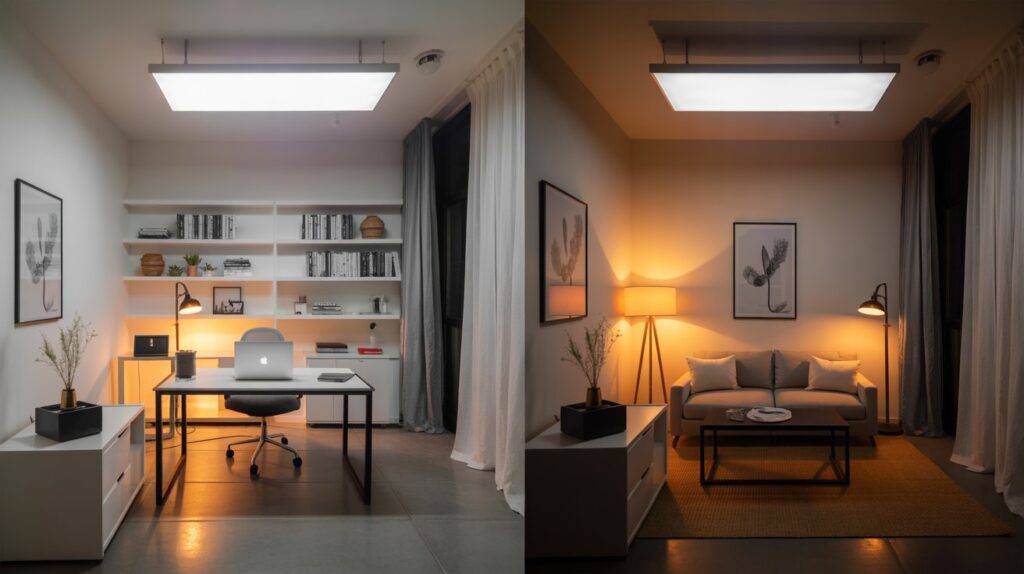
23. Light-Based Function Control
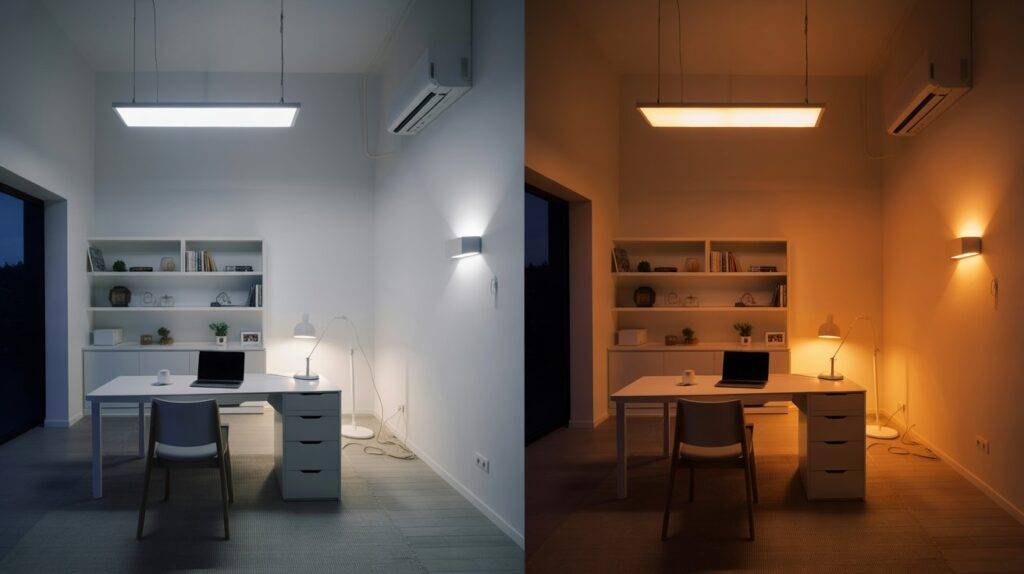
Lighting can completely change how a flex room feels and functions. I often layer lighting so the same space works for multiple purposes. A bright overhead light supports work or cleaning. A floor lamp or wall sconces create a softer atmosphere for relaxing or hosting guests.
In one room I worked on, switching lighting alone made it feel like a different space. Daytime lighting meant focus. Evening lighting meant rest. Smart bulbs or dimmers make this even easier, letting you adjust brightness without moving furniture. If you’re not ready for major changes, start with lighting it’s one of the most powerful flex tools.
Suggested Supply: Check price on Amazon.com Dimmable floor lamp
24. One-Wall “Everything Zone”
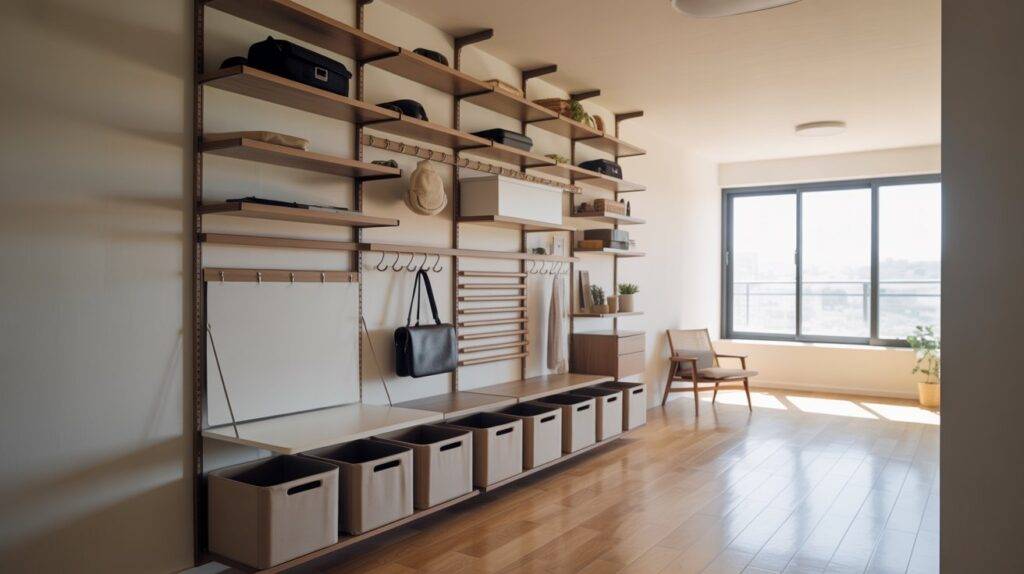
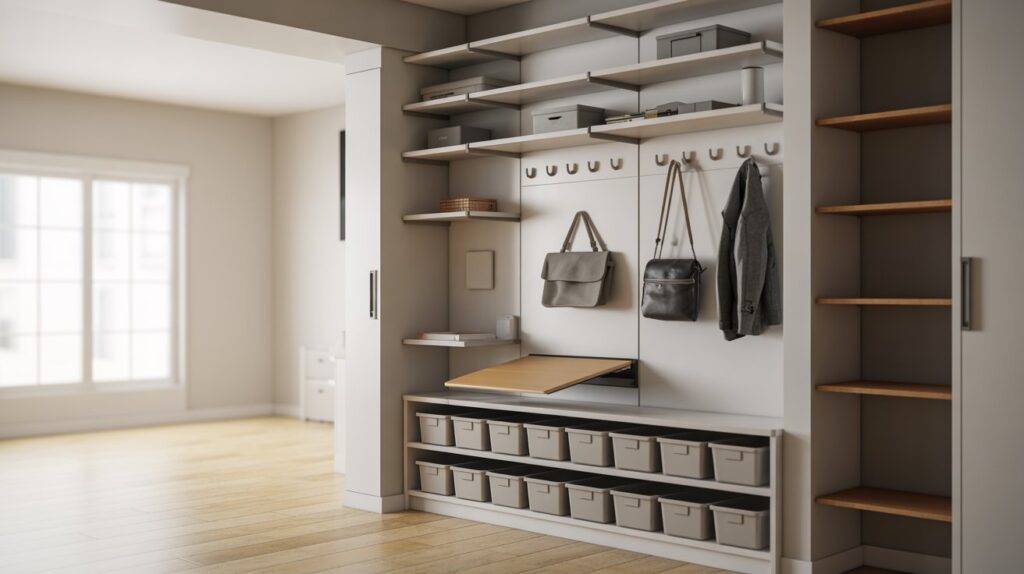
The last idea is something I rely on often: dedicating one wall to handle as much function as possible. This might include shelves, hooks, a fold-down desk, and storage bins all in one vertical system. The rest of the room stays open and adaptable.
This setup works because it concentrates function instead of spreading it everywhere. When everything lives on one wall, the room feels calmer and easier to reset. I’ve used this in small apartments, guest rooms, and even basements. It’s a strong way to make a flex space feel intentional instead of improvised.
Suggested Supply: Check price on Amazon.com Wall storage rail system
Final Thoughts
If there’s one thing I’ve learned, it’s that a good flex space isn’t about squeezing more furniture into a room. It’s about making the room respond to real life. Workdays change. Guests visit. Hobbies grow. Energy shifts. A flexible room supports all of that without stress.
Across these 24 real flex space ideas, the goal stays the same: keep things simple, adaptable, and realistic. Folding furniture, smart storage, light control, and zoning allow one room to serve many needs without feeling crowded or confusing.
If you’re read this and feeling overwhelmed, start small. Pick one idea that fits your space and try it. You don’t need a full redesign to see results. Sometimes a desk that folds away or a rug that defines a zone is enough to change how a room works and how you feel using it.
That’s the real power of a flex space: it grows with you.
Related Post: