
I wrote this because a lot of people ask the same question: What can I actually make at home and sell without overthinking it? Not everyone wants a full business. Sometimes you just want something that brings in extra money on the side.
Over the years, I’ve seen how small, handmade items can add up. Things that don’t take much space, don’t need expensive tools, and don’t require expert skills. The key is making items people already use. When something solves a small problem or fits into daily life, it sells more easily.
This list isn’t about trends that disappear in a month. It’s about practical things you can make at home this year and sell locally or online. You don’t need to do all 25. Even one or two can help you earn extra income if you stay consistent.
1. Handmade Cleaning Products
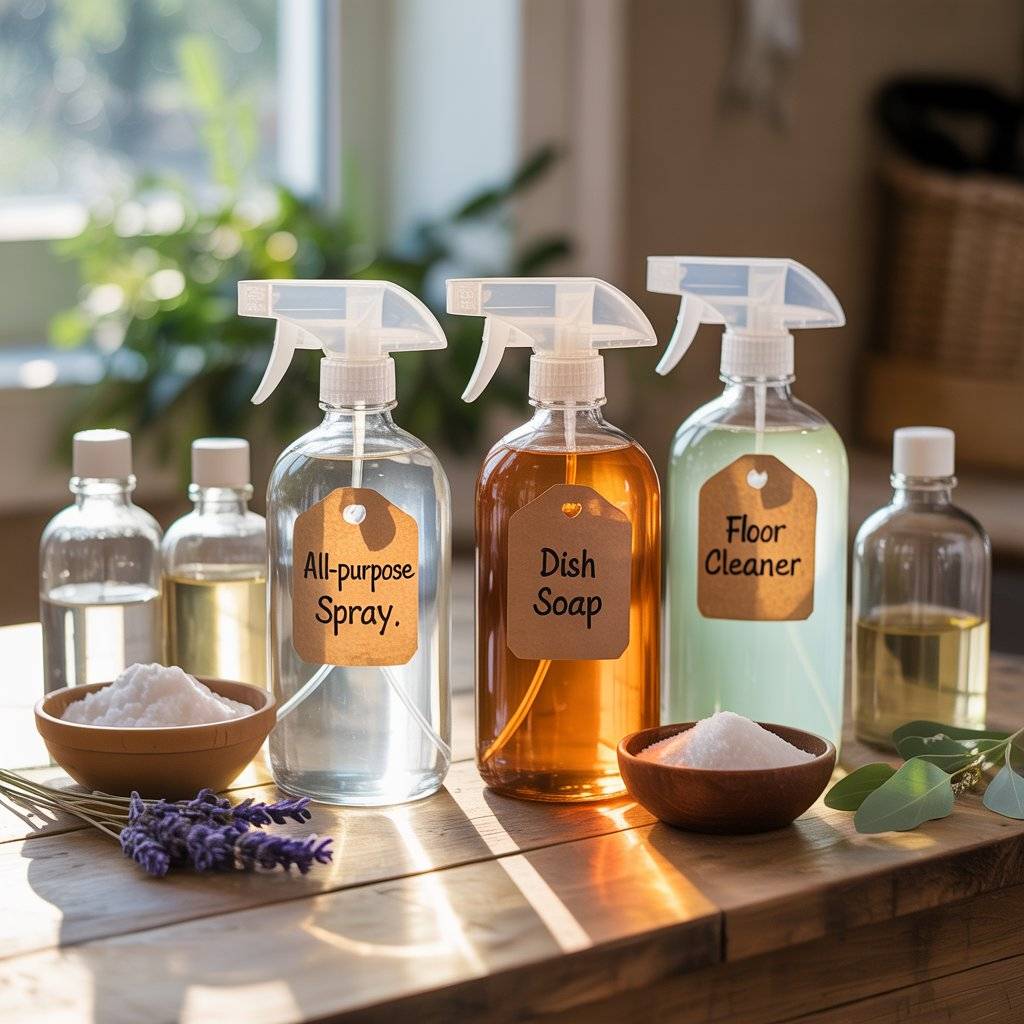
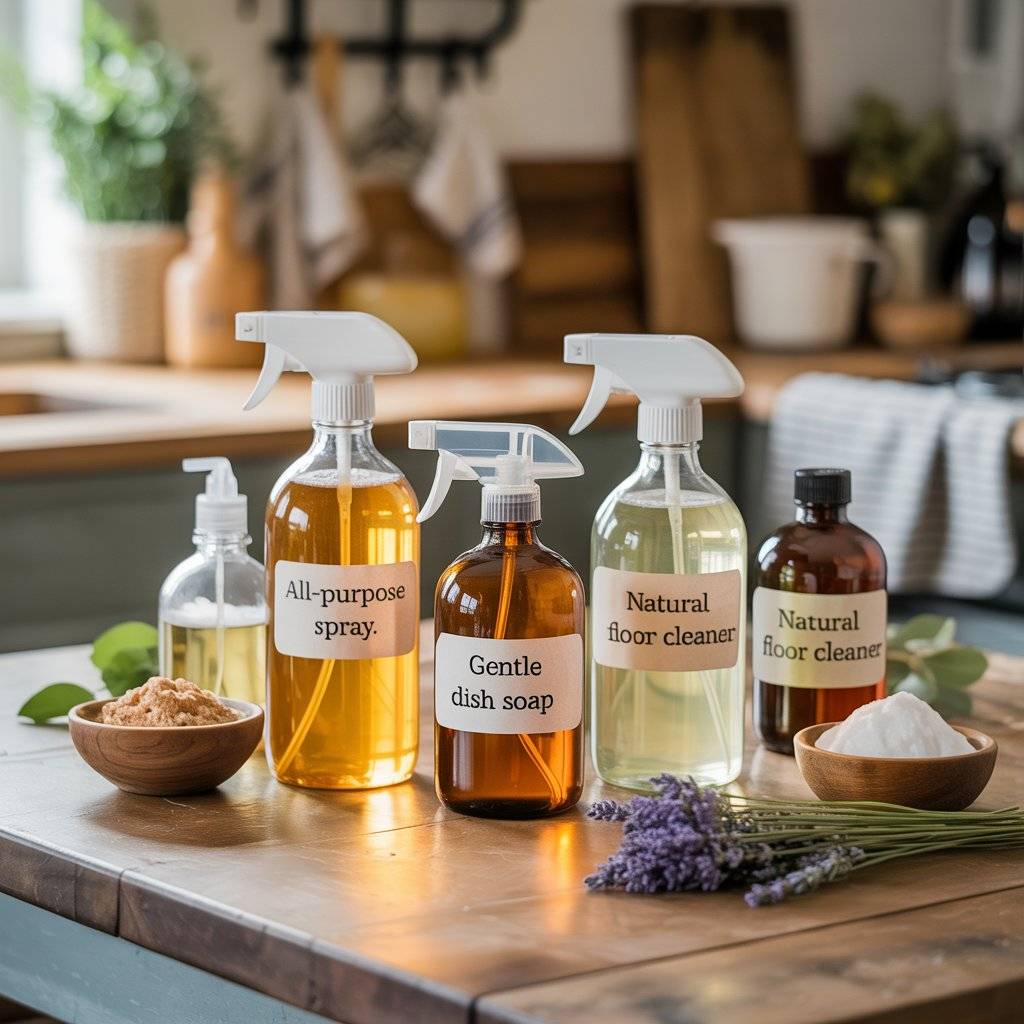
One thing that surprised me was how well homemade cleaning products sell. I started with simple recipes all-purpose spray, dish soap, and floor cleaner made with basic ingredients like vinegar, baking soda, and essential oils.
People like knowing what they’re using in their homes, especially if they have kids or pets. I packaged mine in reusable bottles and labeled them clearly. What helped most was explaining what each product was good for and how to use it.
These items don’t take long to make, and once you get a routine, you can produce them in batches. Selling locally worked best for me, especially to people who wanted refills instead of buying new bottles each time.
2. Fabric Produce Bags

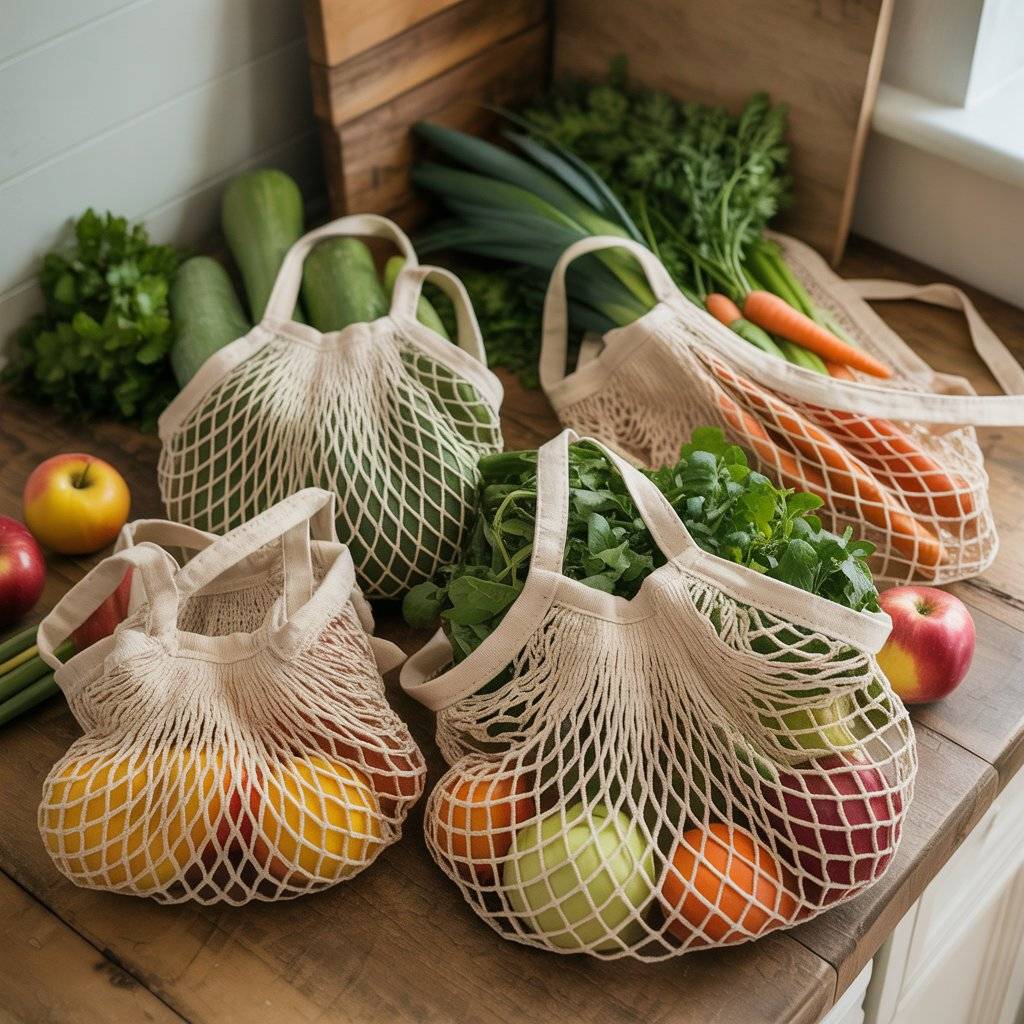
I started making reusable produce bags after noticing how many plastic bags pile up after grocery shopping. Using lightweight cotton or mesh fabric, I sewed simple drawstring bags in different sizes.
They’re easy to wash and strong enough to carry fruits and vegetables. People liked them because they were practical and reusable. I sold them in sets of three or five, which made sense for shoppers.
They don’t require much fabric, and you can make several in one sitting. These bags sell well to people trying to reduce waste, and they’re easy to explain and demonstrate at markets or online.
3. Wooden Home Organizers
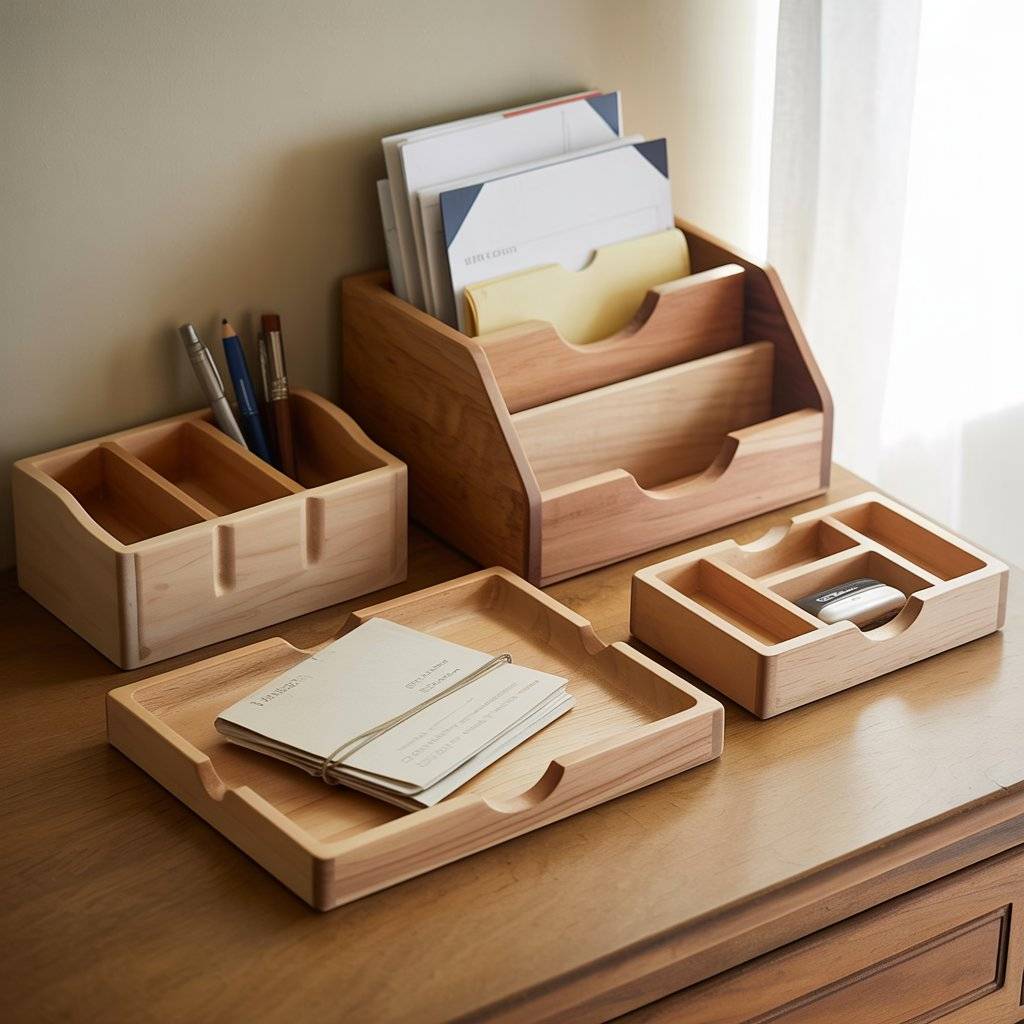
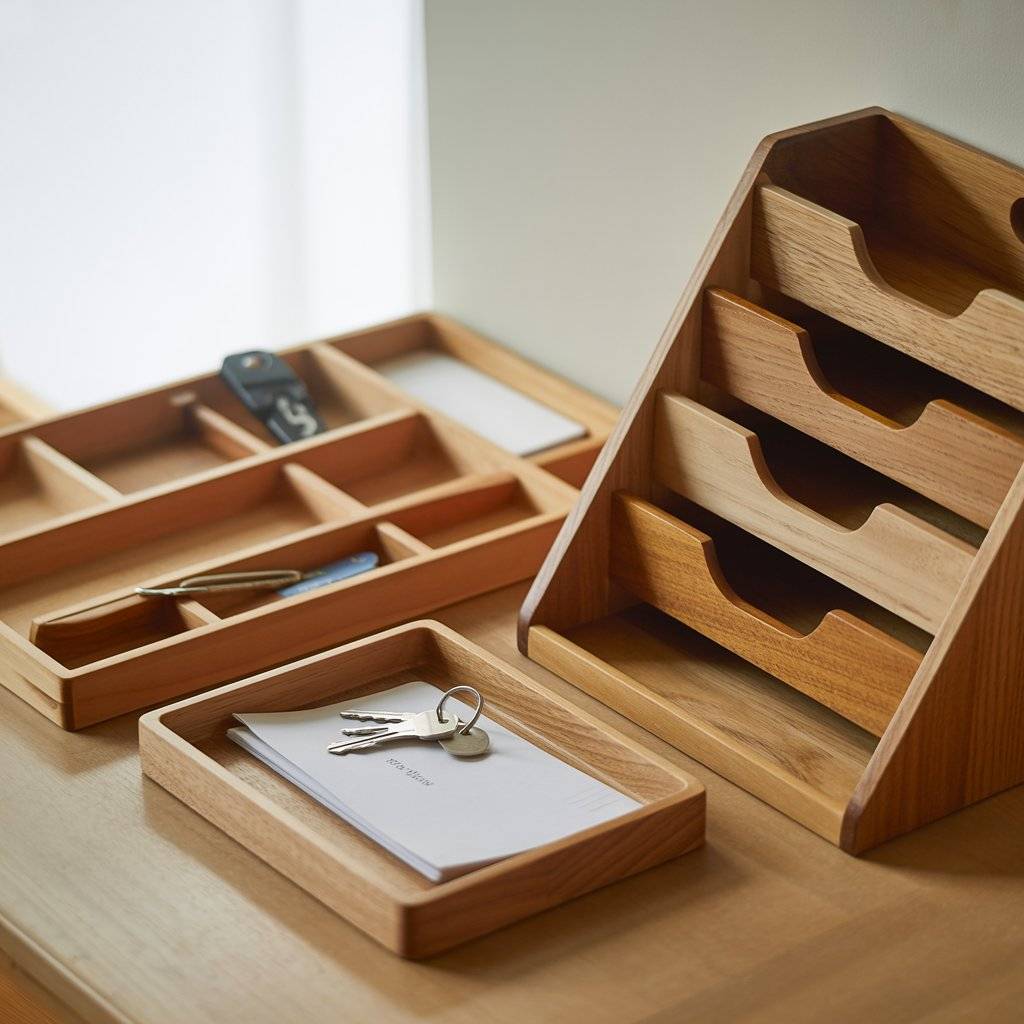
Small wooden organizers were another thing I saw steady interest in. I made simple desk trays, mail holders, and drawer dividers using basic wood and hand tools. Nothing fancy clean lines and smooth edges.
People bought them for offices, kitchens, and entryways. What helped was showing how they could be used: keys by the door, mail sorted, or workspace kept tidy.
These pieces don’t take much wood, especially if you use offcuts. They take more time than fabric items, but buyers see the value because they’re sturdy and useful.
4. Handmade Pet Toys
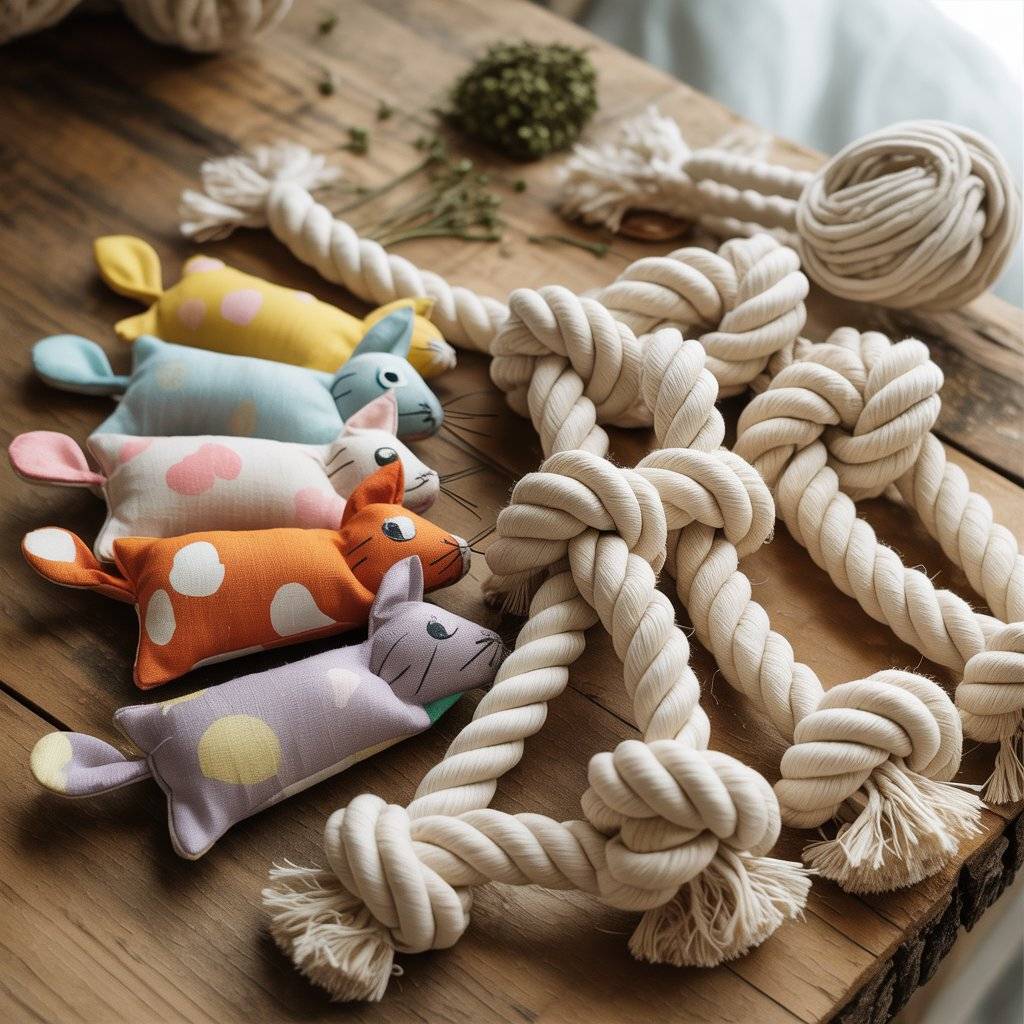
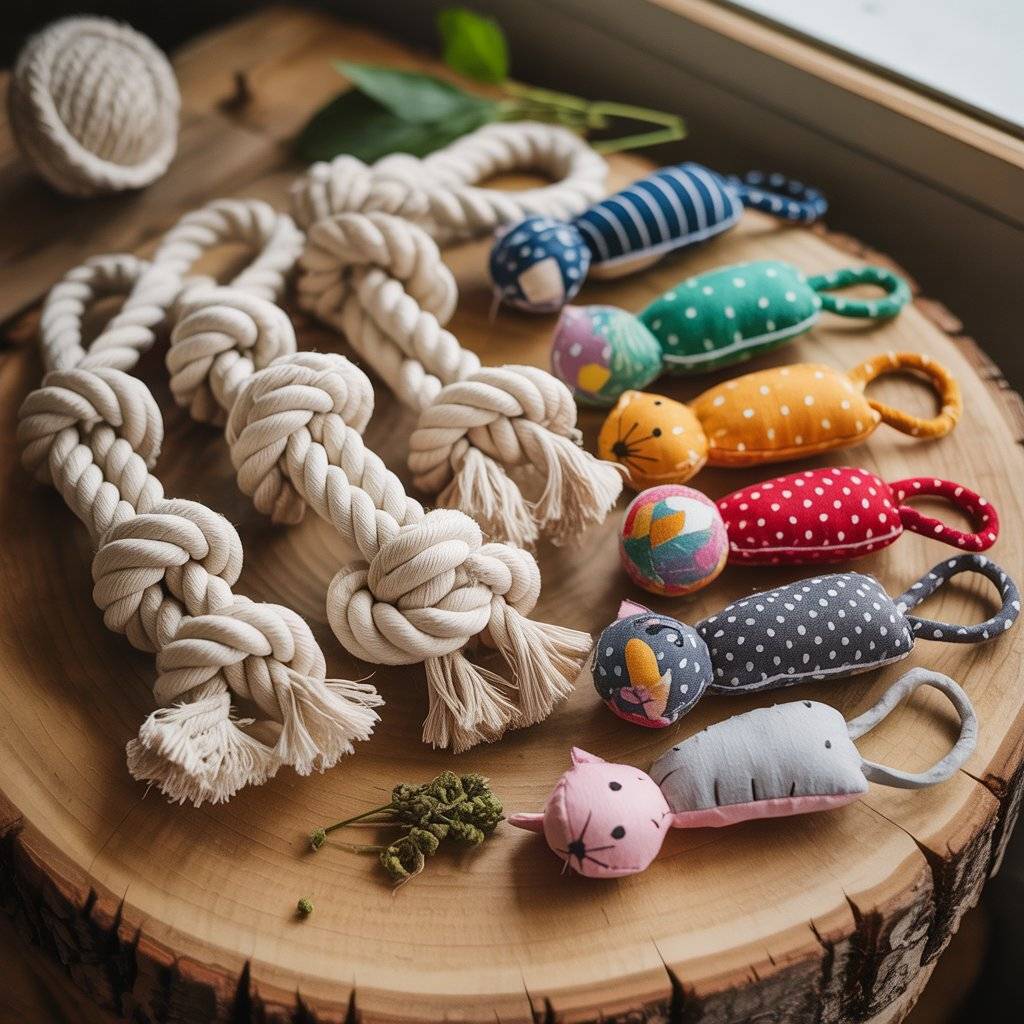
Pet owners are always looking for safe toys, especially for dogs and cats. I made rope toys for dogs using natural cotton rope and simple knots. For cats, I tried fabric toys filled with dried catnip.
What mattered most was keeping everything safe no small parts and strong stitching. People liked that the toys were handmade and not mass-produced. I noticed customers often bought more than one at a time.
These toys don’t take long to make, and once you settle on a few designs, you can produce them quickly. They’re also easy to price fairly because materials are affordable.
5. Reusable Kitchen Towels
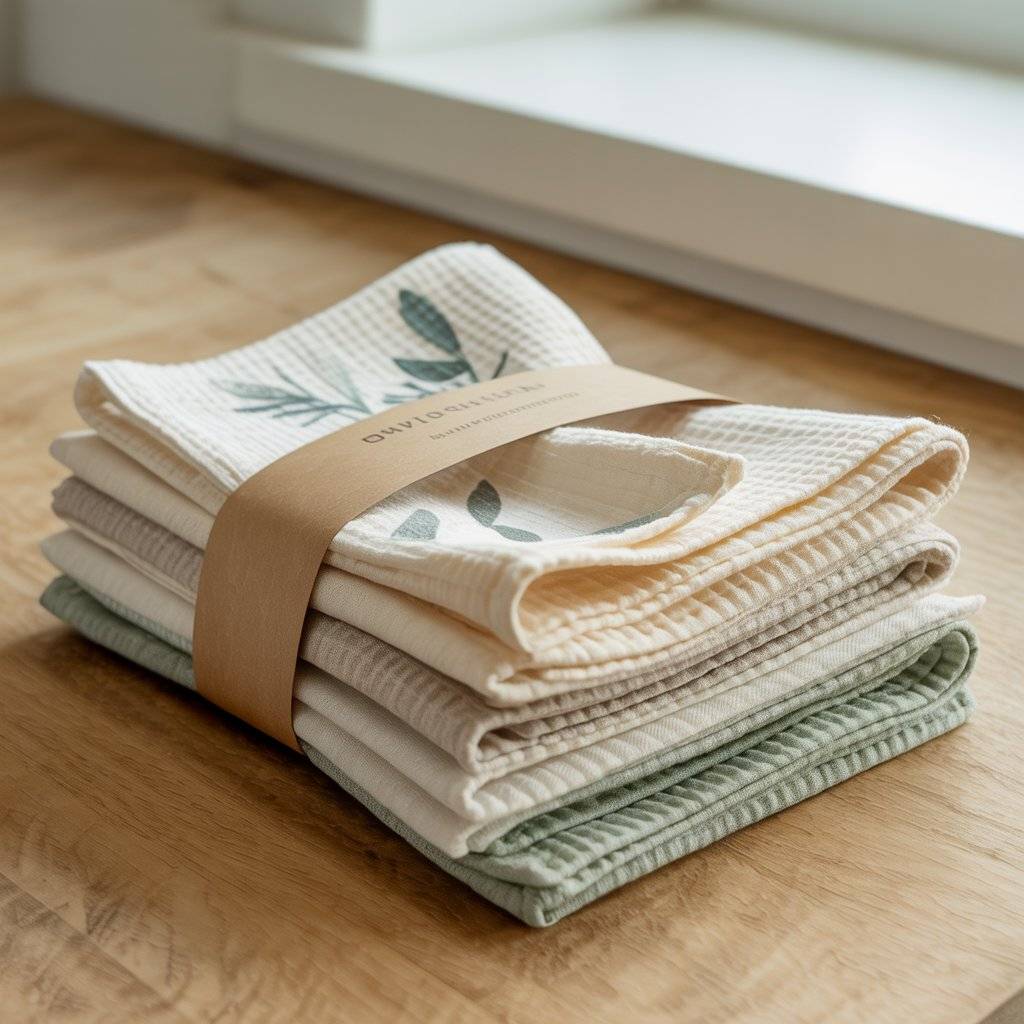
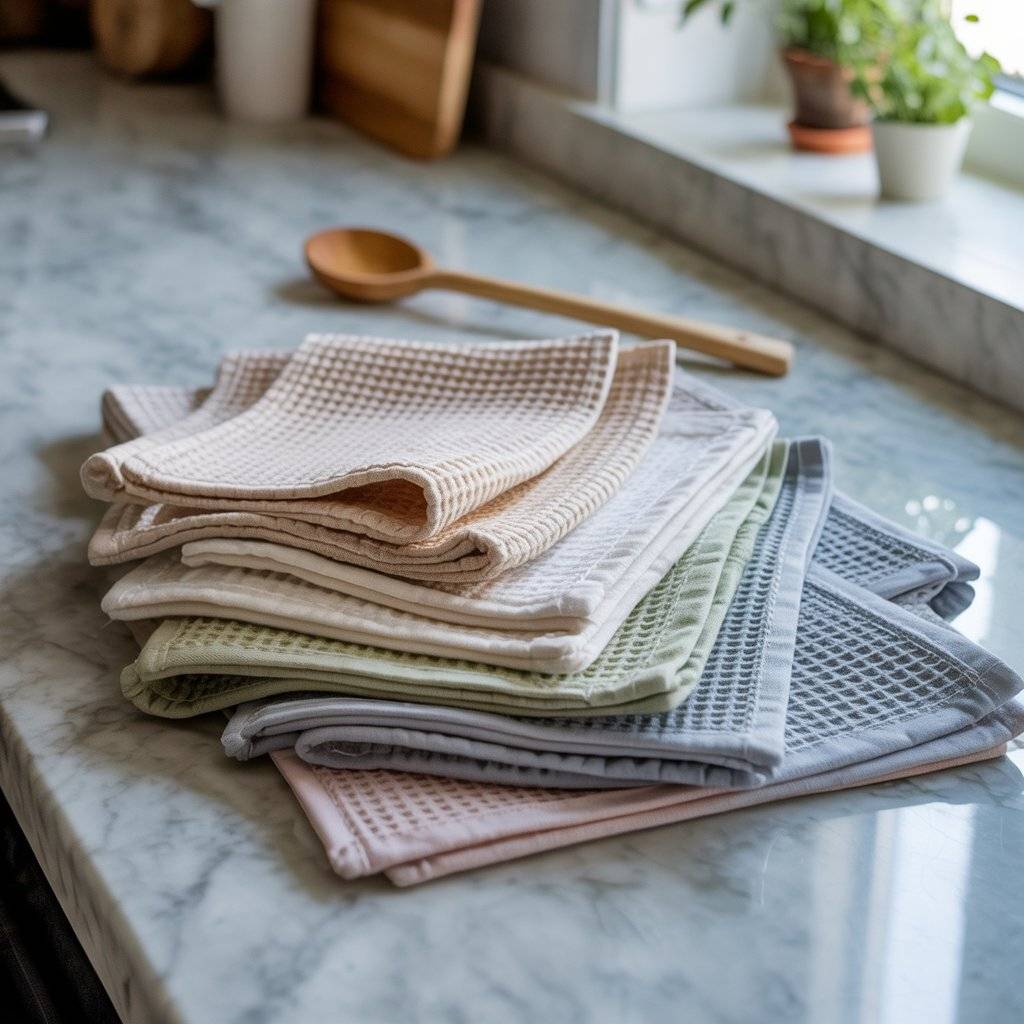
Reusable kitchen towels were one of the easiest things I made and sold. I used absorbent cotton and waffle fabric to sew simple towels for cleaning spills and drying dishes. People liked them as replacements for paper towels.
I sold them in small bundles, which worked better than single pieces. Neutral colors sold fastest, but a few patterned ones added variety.
These towels are practical, easy to explain, and something people already understand how to use. They’re also a good option if you’re just starting out, since the tools and skills needed are basic.
6. Simple Candles in Glass Jars
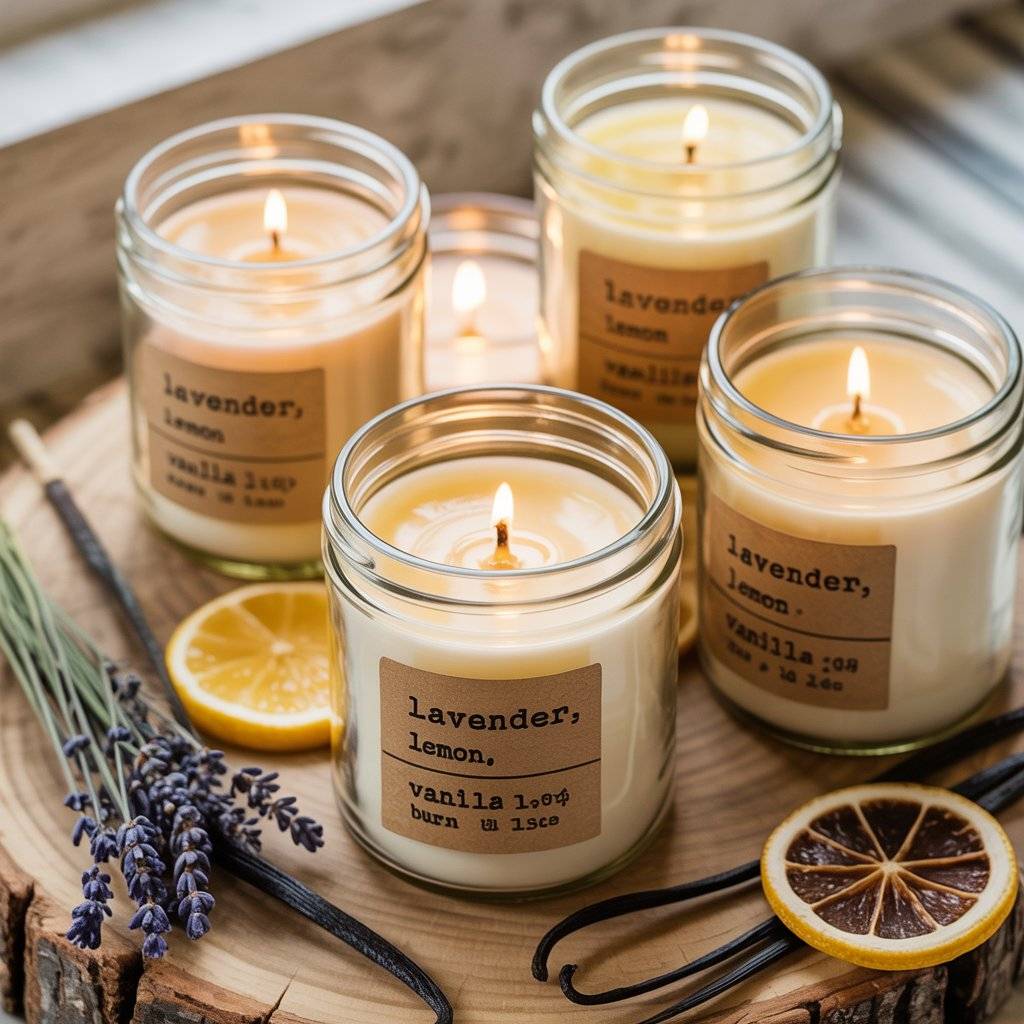
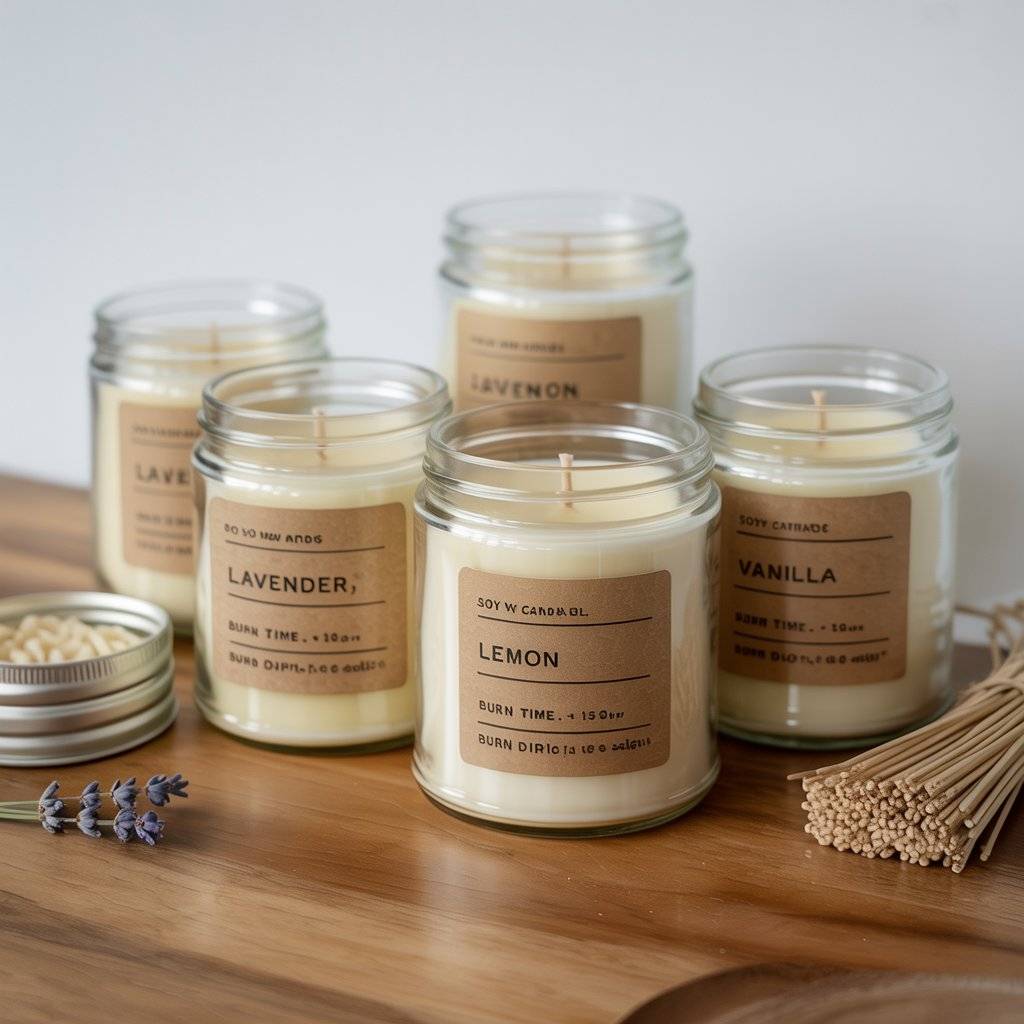
I didn’t start with fancy candles. I kept it simple soy wax, cotton wicks, and plain glass jars. The focus was on clean scents like lavender, lemon, and vanilla.
People don’t always want strong smells; many just want something light for the kitchen or bedroom. What helped was testing each batch so the candle burned evenly. I labeled them clearly with the scent and burn time.
These candles sold well as small gifts and everyday items. Making them at home is manageable if you work in batches, and the supplies are easy to restock once you know what sells.
7. Handwritten Quote Prints
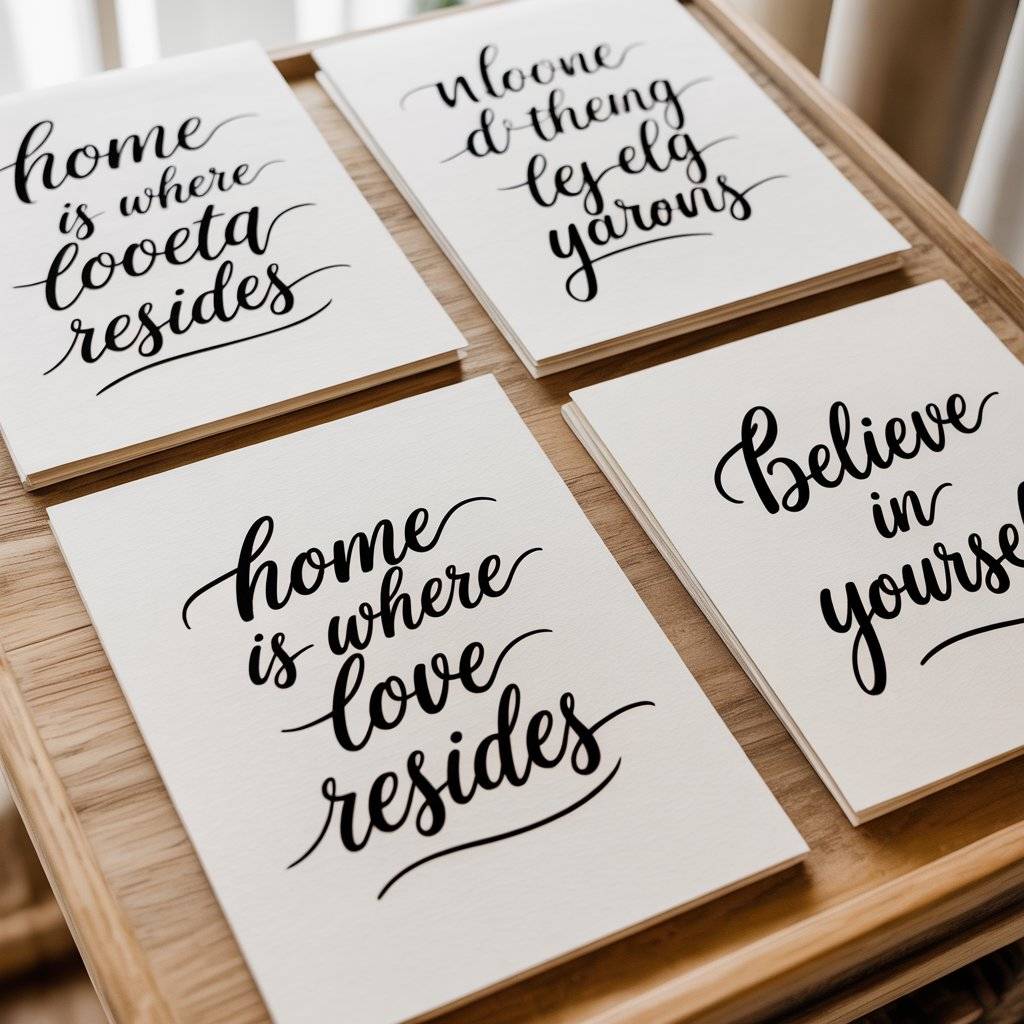
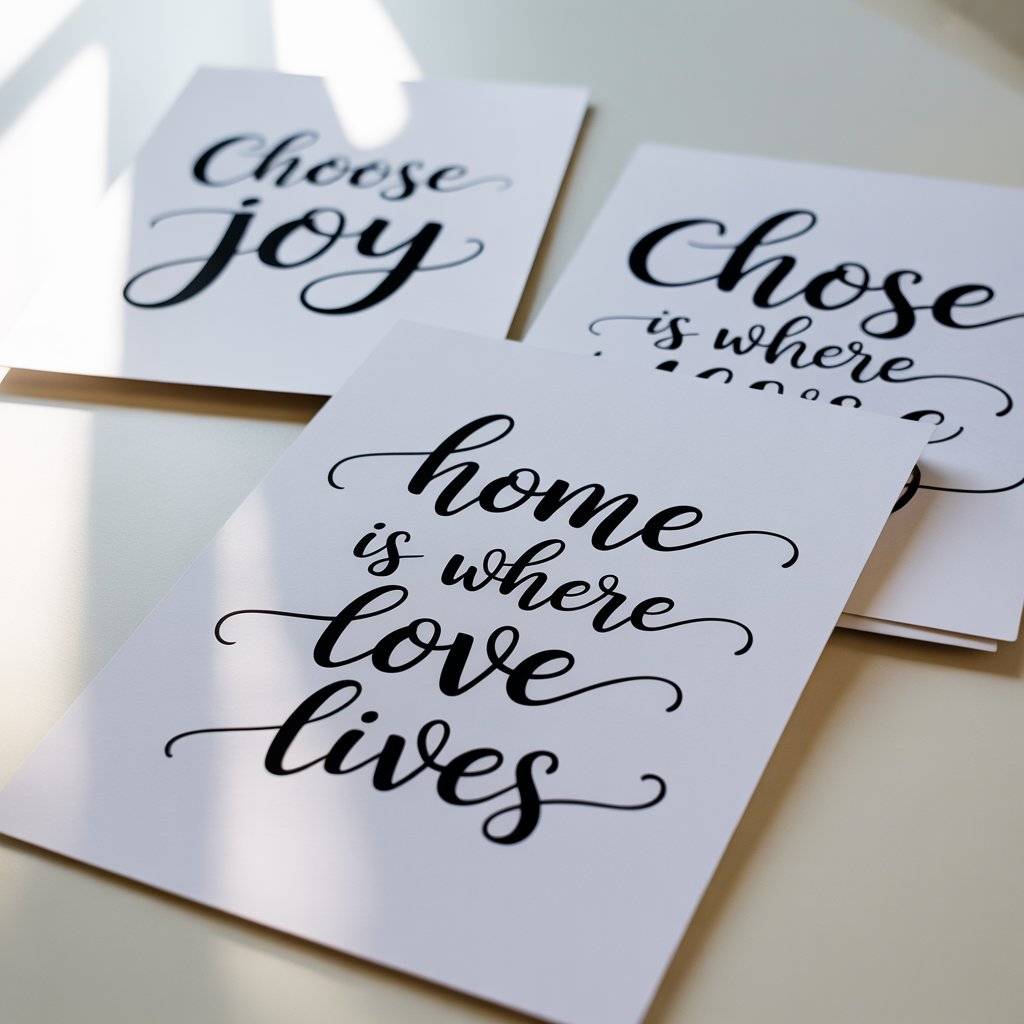
This was easier than I expected. I wrote short quotes by hand, scanned them, and printed them on good-quality paper. Some people liked simple encouragement, others preferred home-related phrases.
I didn’t overdesign them just clean lettering and white space. I sold them unframed so buyers could choose how to display them.
These prints worked well because they felt personal but didn’t take much time once the quotes were written. If you enjoy writing or lettering, this is something you can do at home with very little cost.]
8. Natural Soap Bars

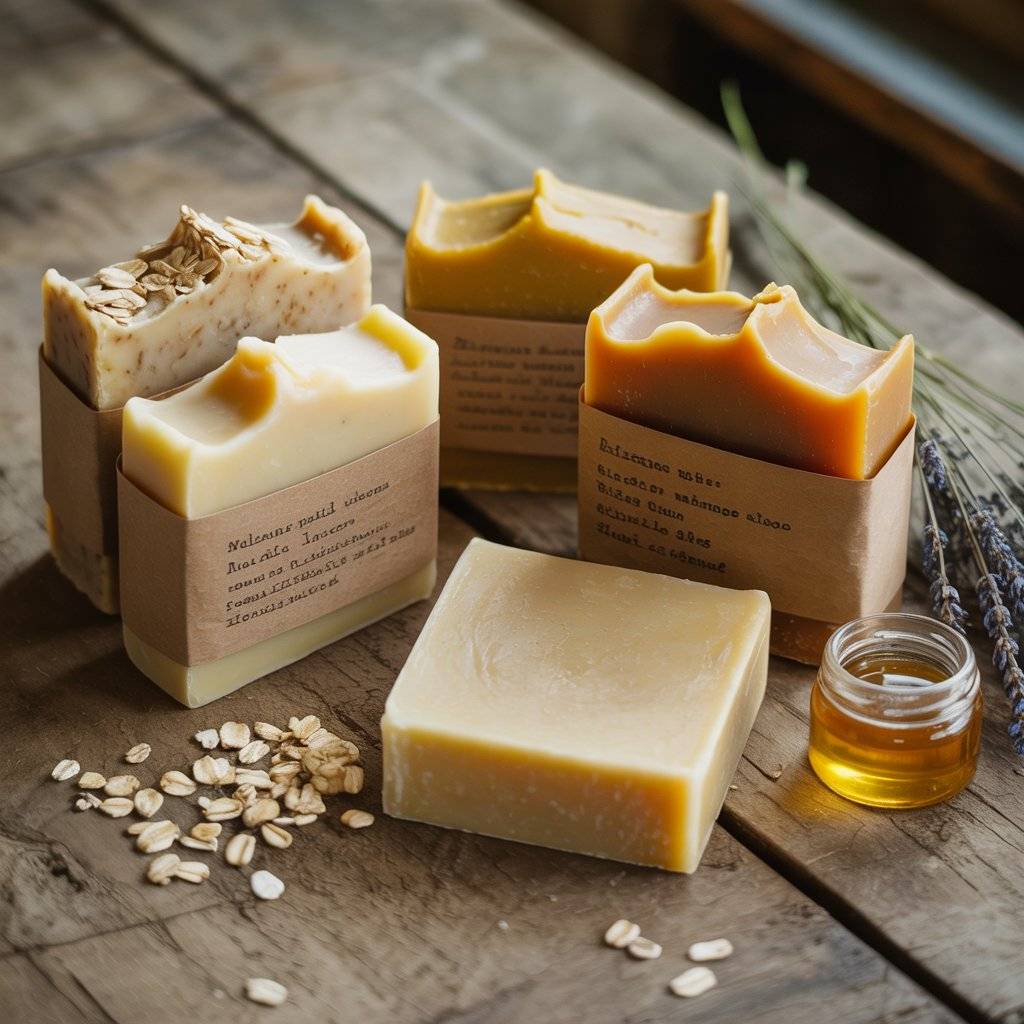
Making soap takes patience, but once you learn the basics, it’s repeatable. I focused on gentle soaps with simple ingredients and mild scents. Oatmeal, honey, and unscented bars were popular with people who had sensitive skin.
I wrapped each bar in plain paper and listed the ingredients clearly. People appreciate honesty when it comes to what goes on their skin. Soap needs time to cure, so planning ahead matters. But once ready, it stores well and sells steadily, especially to repeat customers.
9. Phone Stands from Wood or Clay
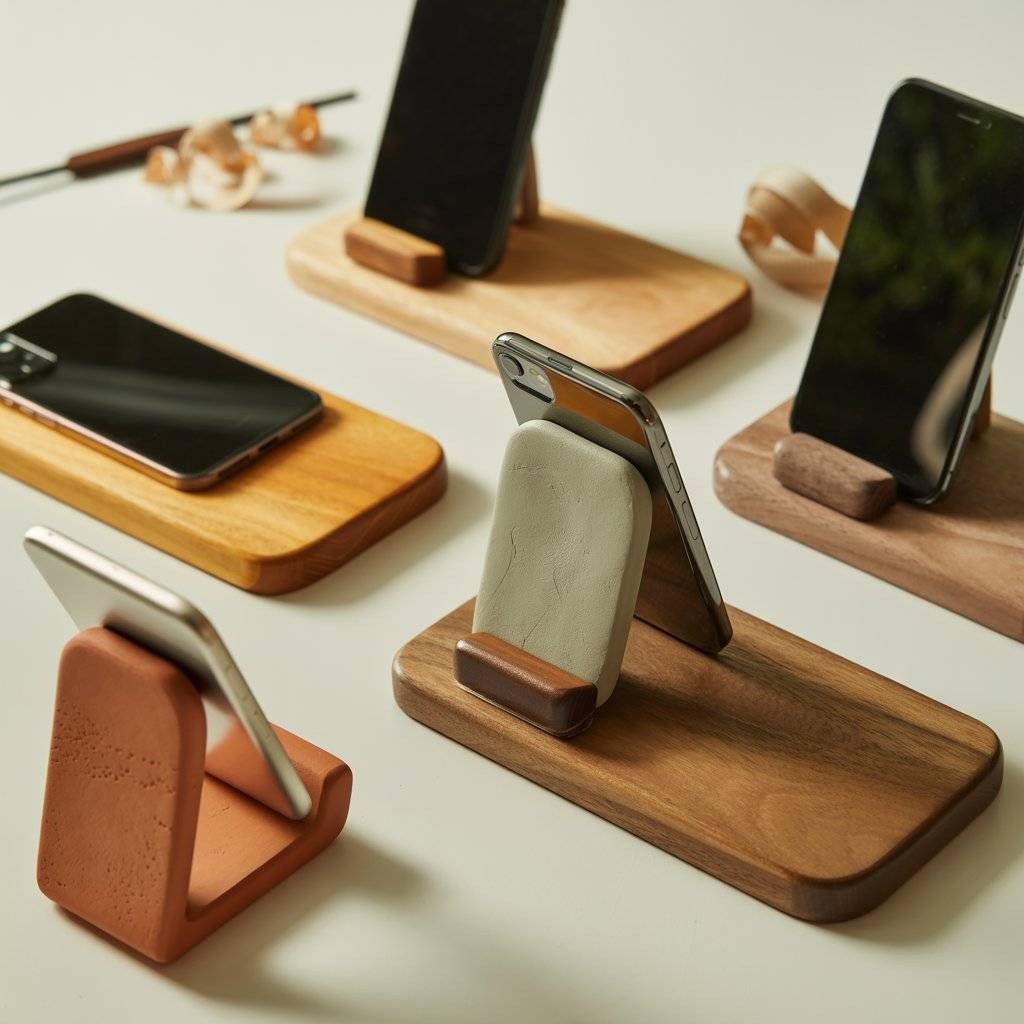
Phone stands surprised me. I made small wooden stands and a few from air-dry clay. They were useful for desks, kitchens, and bedside tables. I kept the design basic so phones fit easily. People liked that they could prop their phone while cooking or watching videos.
These stands don’t take much material, and you can make several in a short time. What helped sales was showing the phone in the stand so people could immediately see the use.

10. Simple Aprons for Home Use
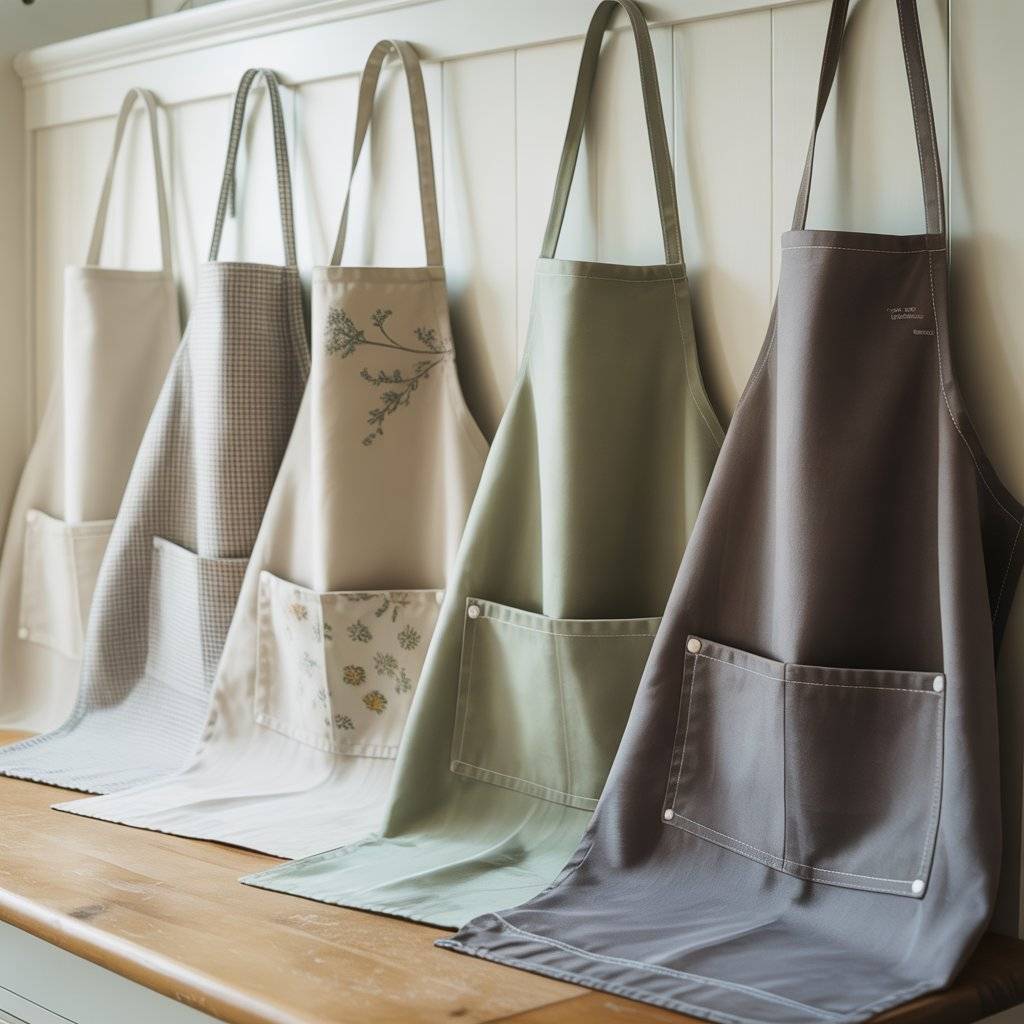
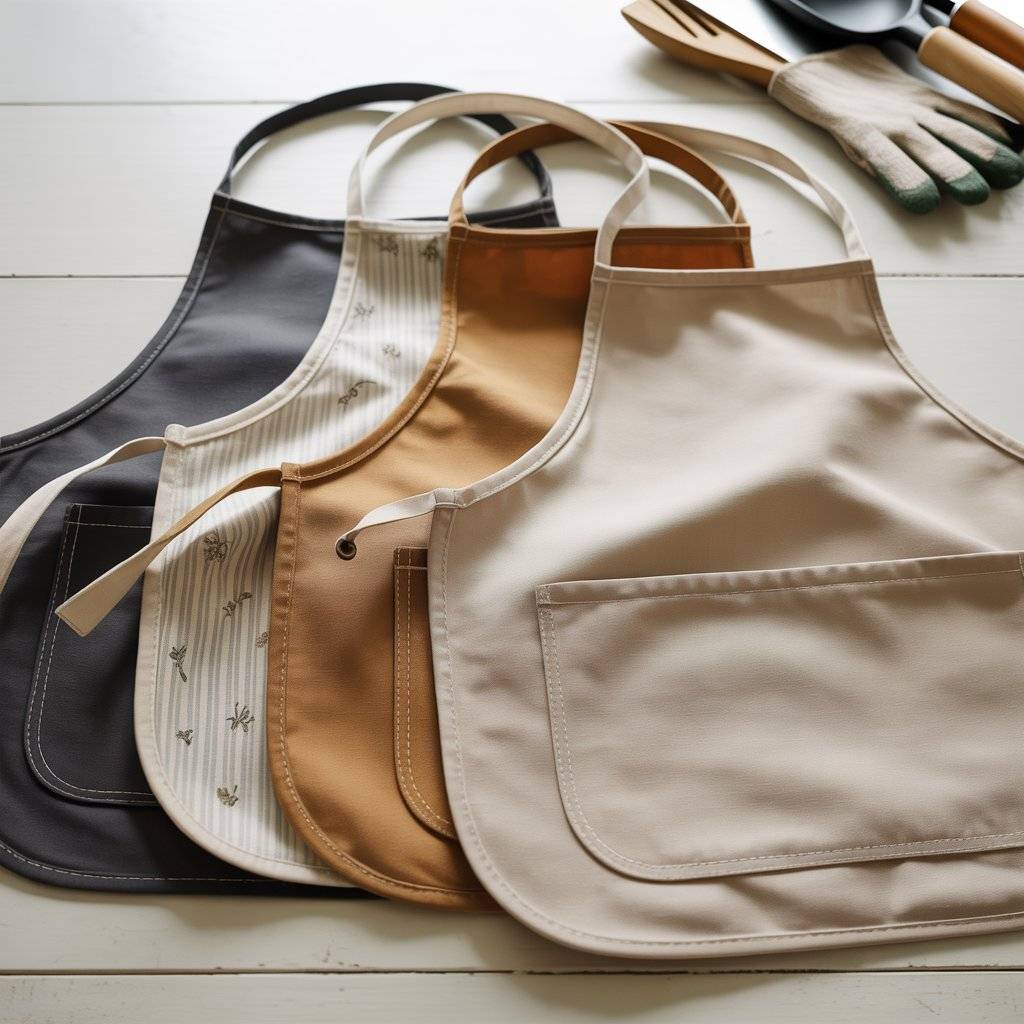
Aprons don’t need to be fancy to sell. I made comfortable, adjustable aprons with pockets. Some were for cooking, others for gardening or crafting. Neutral colors sold best, but a few patterned ones added interest.
I focused on strong stitching and durable fabric. People liked aprons that felt practical, not decorative. These take a bit more sewing time, but the value is clear to buyers. Once you settle on a pattern, making them becomes easier.
11. Reusable Food Wraps
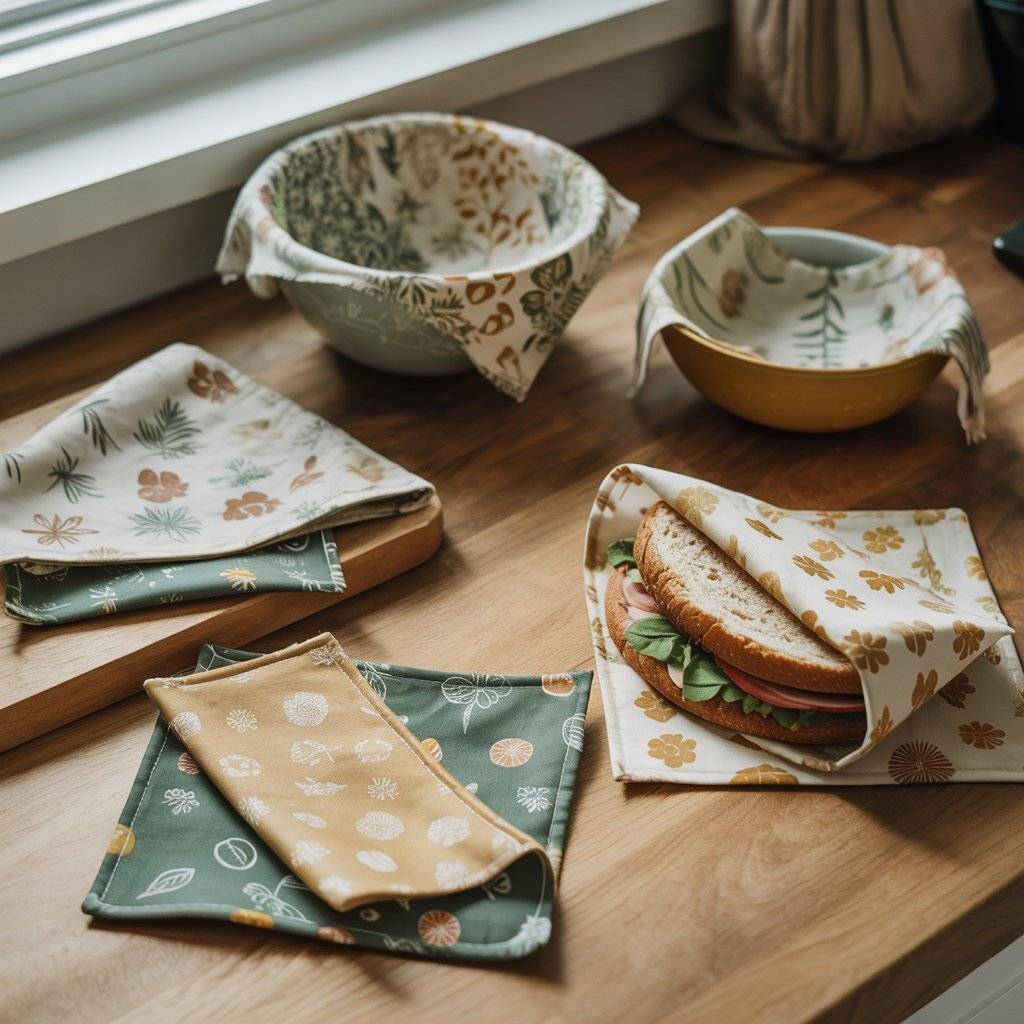
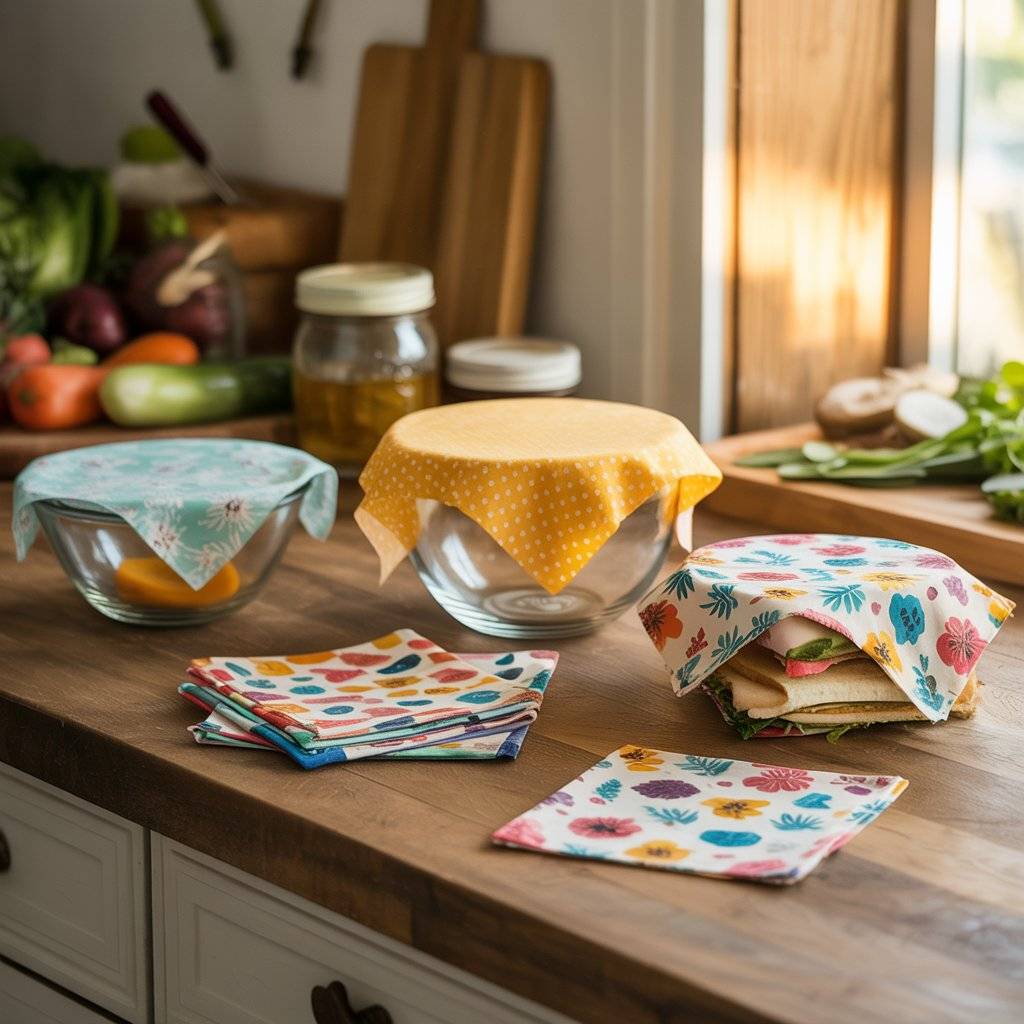
I started making reusable food wraps when I noticed how much plastic wrap I was throwing away. These wraps are made from cotton fabric coated with beeswax and a bit of oil.
They work well for covering bowls or wrapping sandwiches. I tested them in my own kitchen first, which helped me explain how to use them and how to clean them. People liked that they could wash and reuse them many times.
I sold them in sets of different sizes, which made more sense than selling one at a time. They’re lightweight, easy to store, and don’t take much time once you get the process right.
12. Handmade Coasters
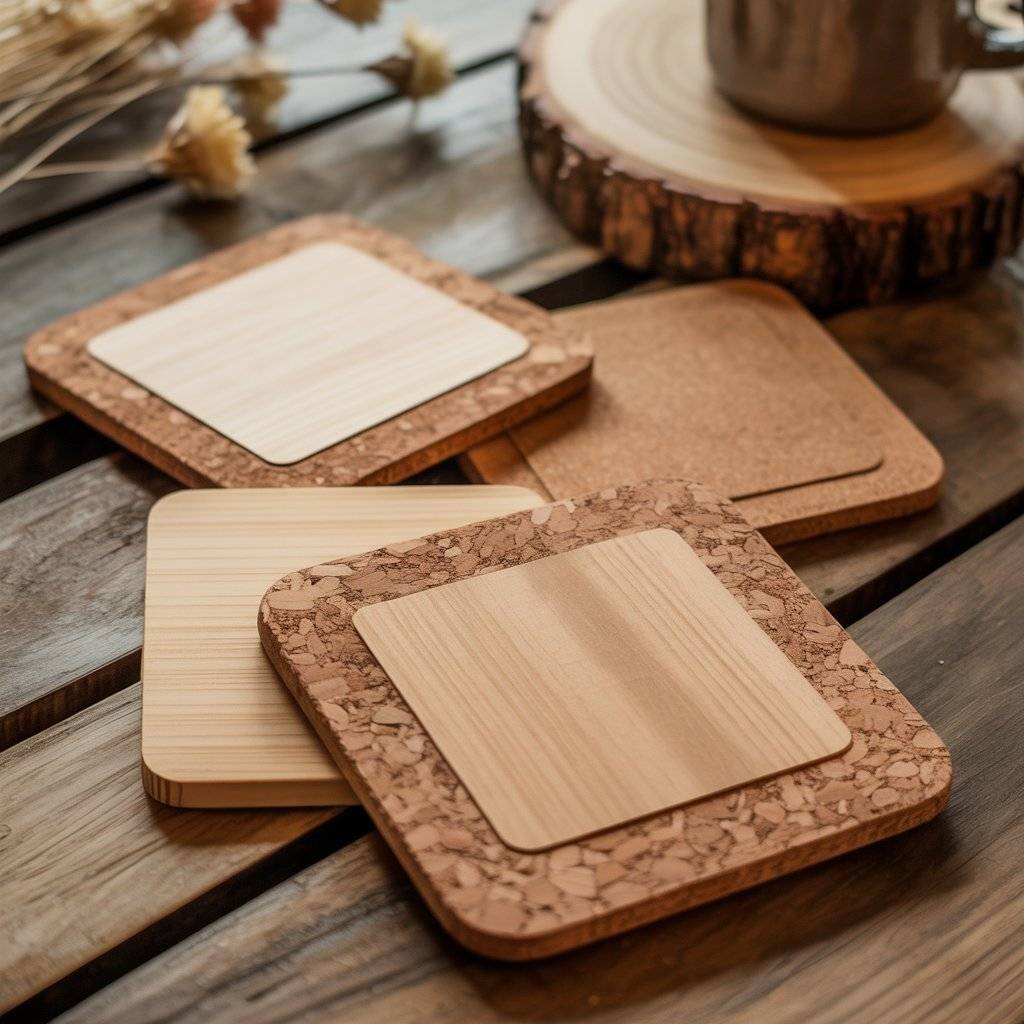
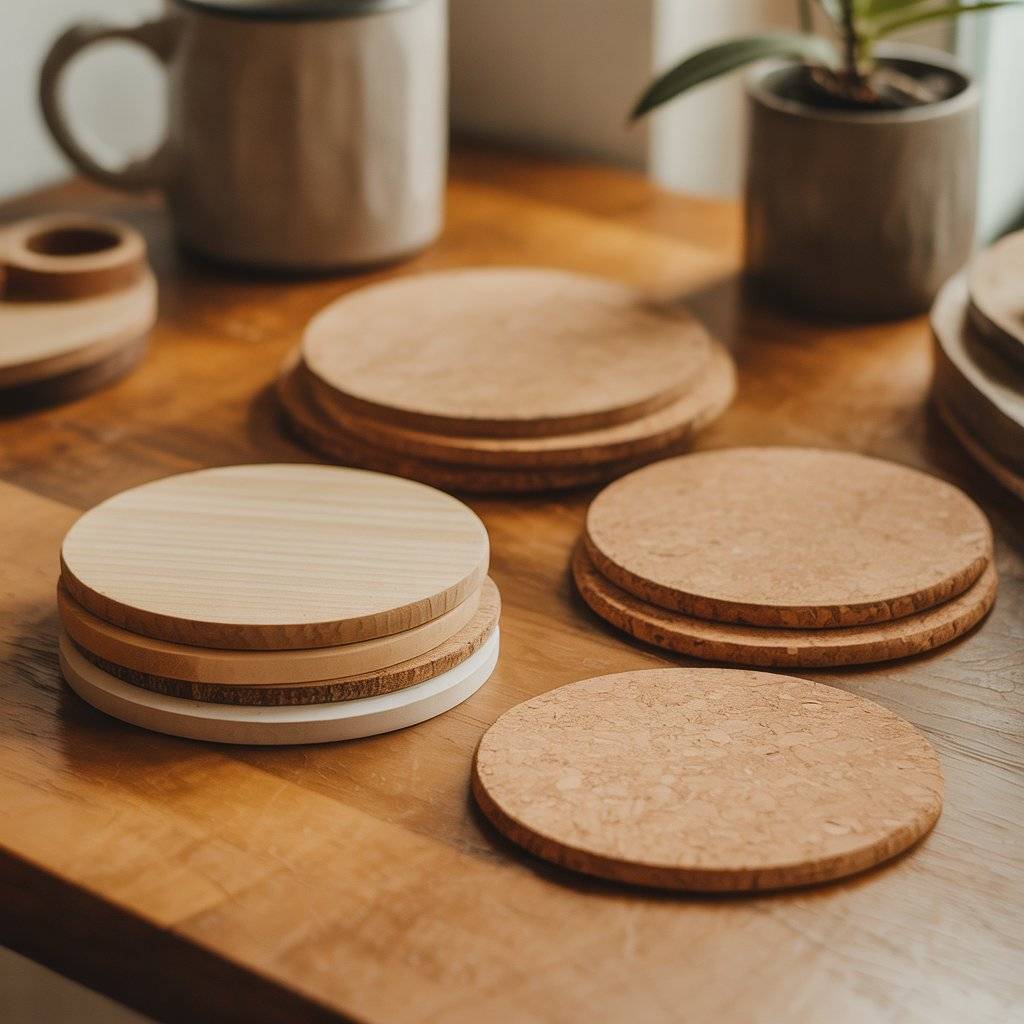
Coasters are small, but people use them every day. I made mine from cork and wood, keeping the design simple so they fit different home styles. Some sets had smooth edges, others had a more natural look. What mattered most was making sure they didn’t scratch tables.
I sold them in sets of four or six. They’re quick to make, don’t use much material, and are easy to price. Coasters also work well as gifts, which helped sales during holidays and special occasions.
13. Cloth Napkins
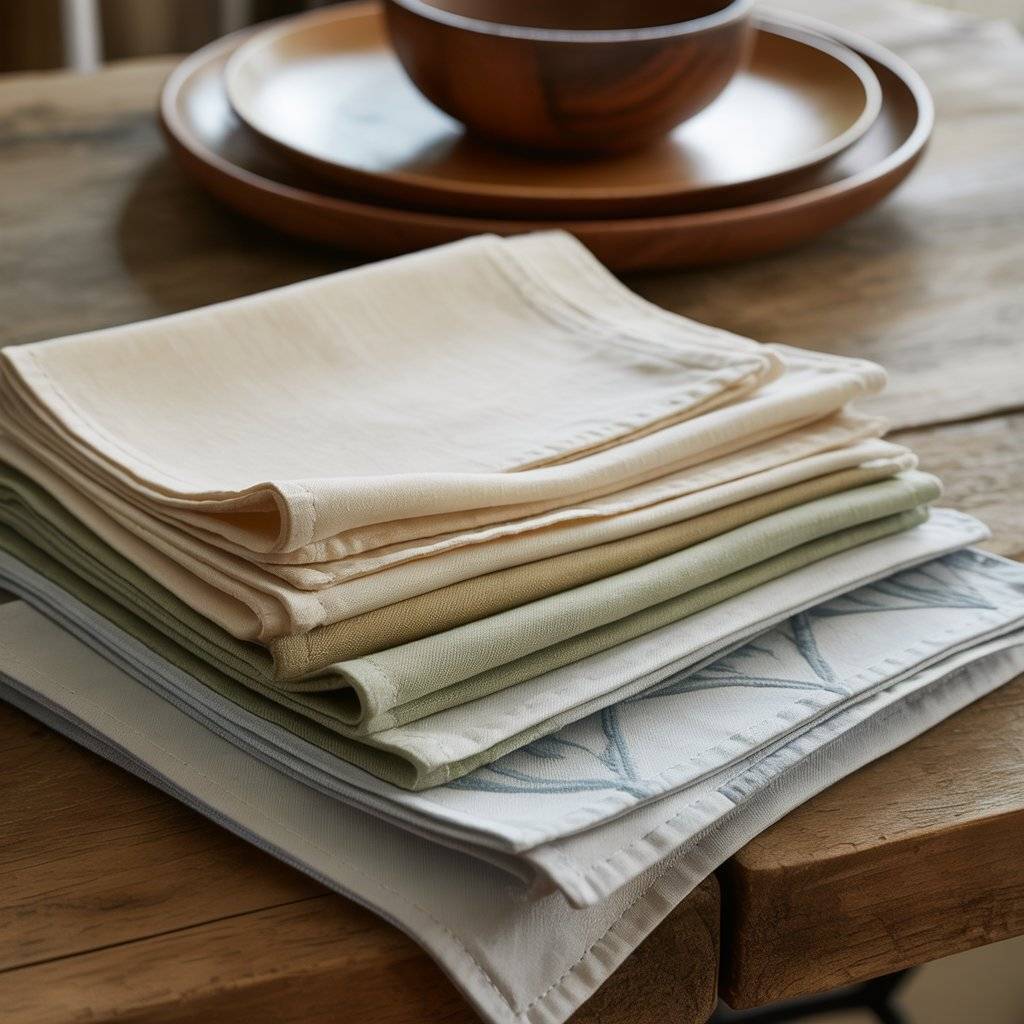
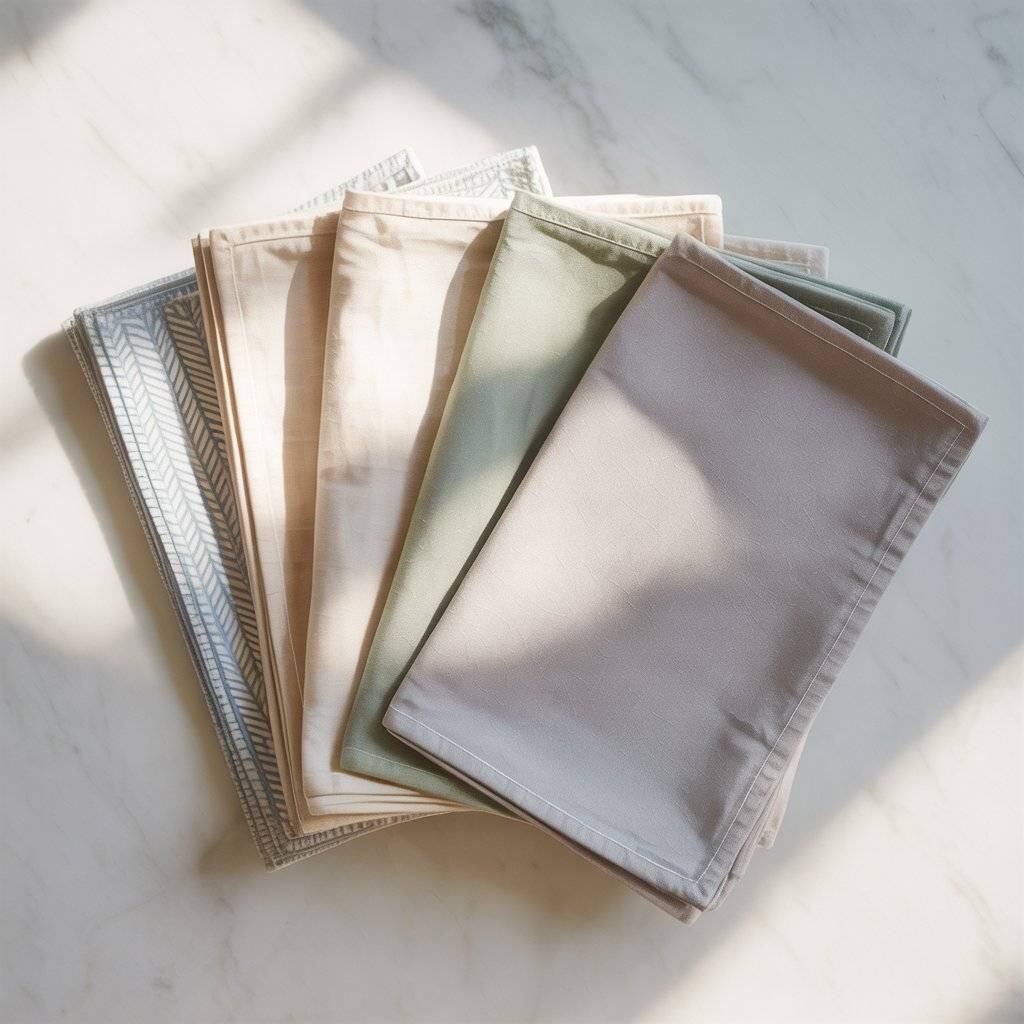
Cloth napkins are something people often want but don’t always make themselves. I used durable cotton fabric and kept the sizes standard. Neutral colors were the easiest to sell, but I also offered a few patterned sets. I sold them in sets of four or six, which felt practical for families.
These napkins wash well and last a long time, which people appreciate. Once you get into a rhythm, you can make several sets in one afternoon. They’re simple, useful, and easy to explain to buyers.
14. Simple Jewelry Organizers
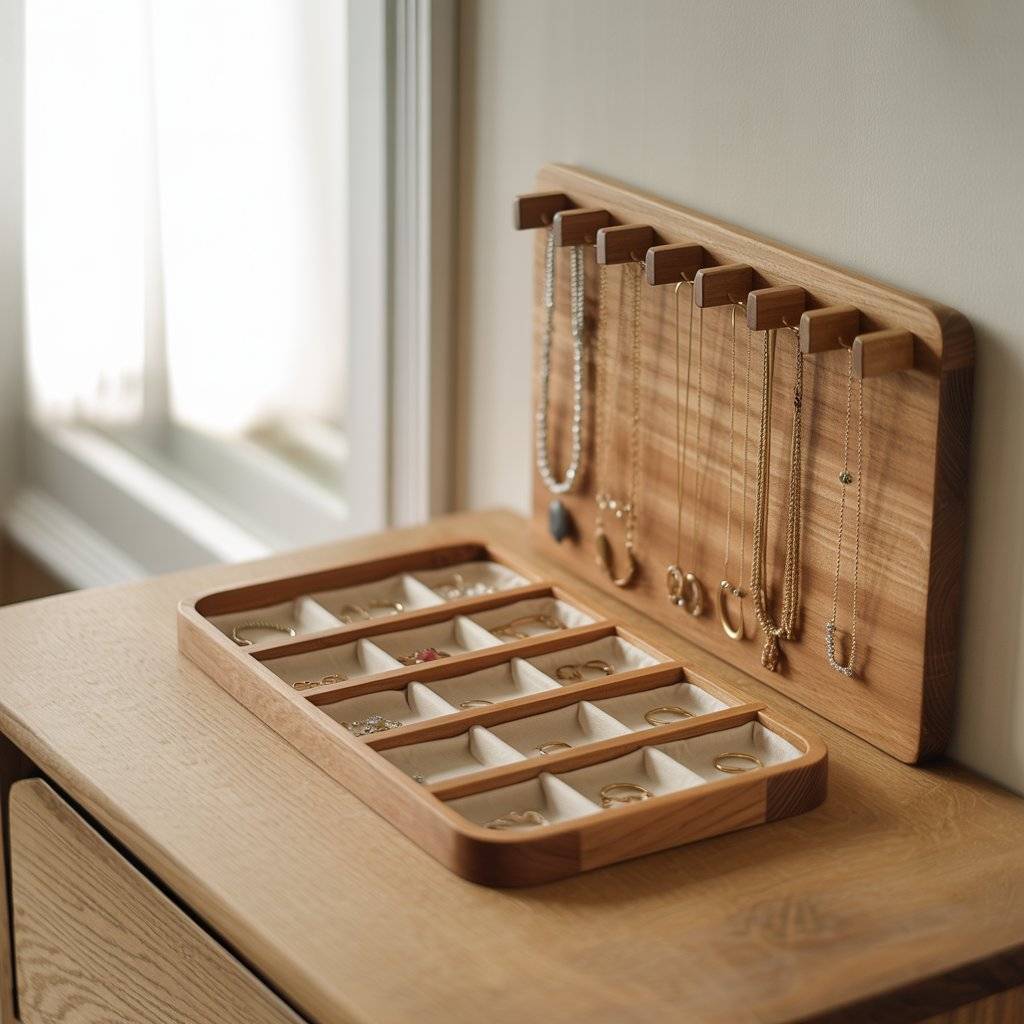
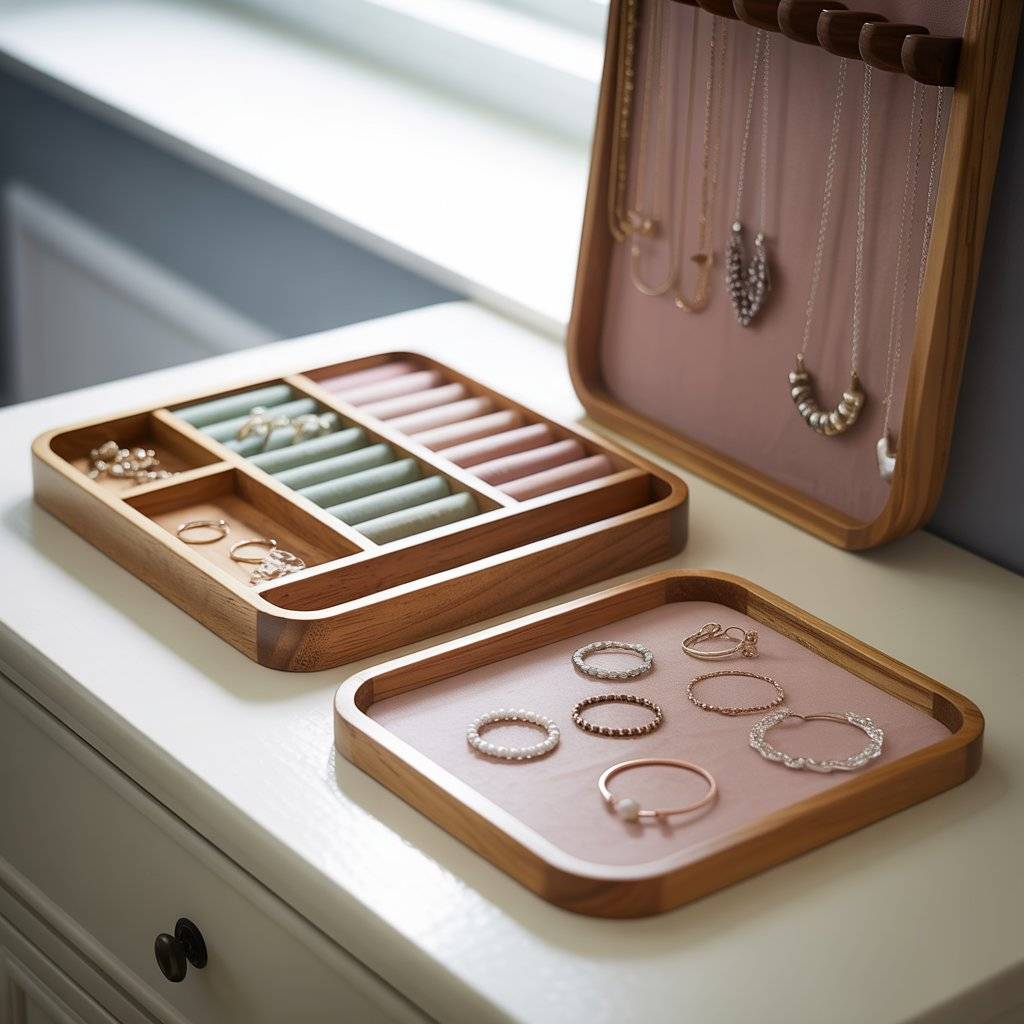
I made small jewelry trays and hanging organizers using wood and fabric. Nothing complicated just places to keep rings, necklaces, and earrings from getting tangled. People liked having something small they could keep on a dresser or wall.
I made sure edges were smooth and hooks were secure. These organizers sold well because they solved a common problem. They don’t take much material, and you can adjust designs based on what people ask for.
15. Homemade Spice Blends
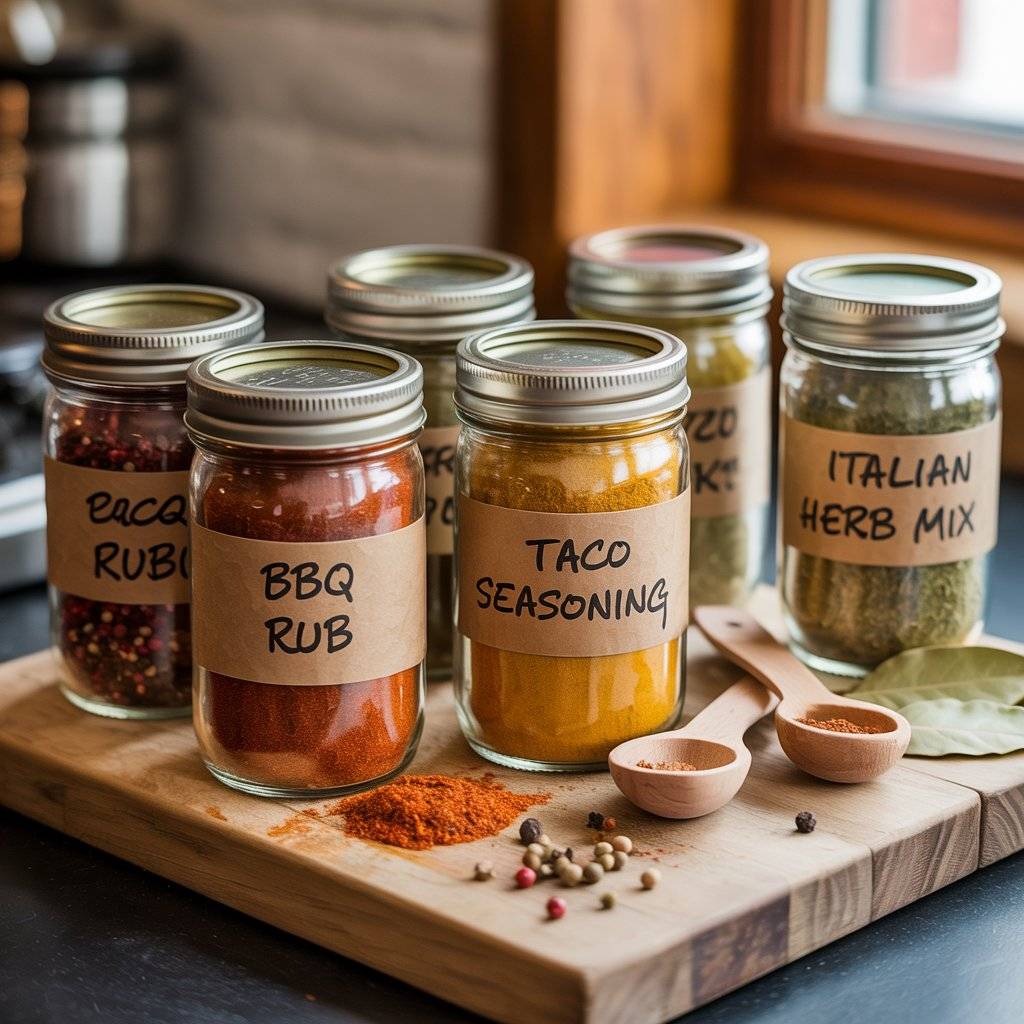
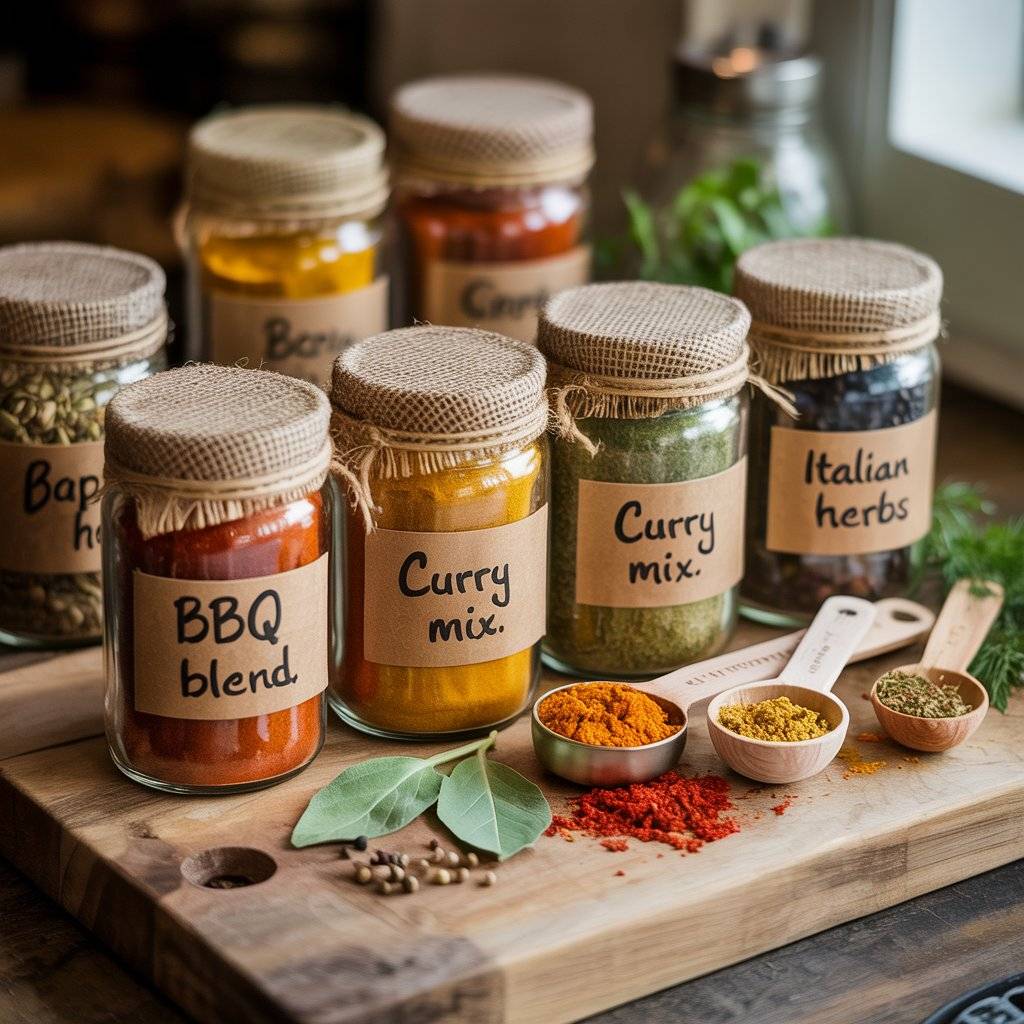
Spice blends were another simple idea that worked. I mixed common spices into blends for cooking, grilling, and everyday meals. I labeled each jar with what it’s best used for and included simple ingredient lists.
People liked trying something new without buying a full jar of each spice. I sold them in small jars so they were affordable and easy to store. What helped was sharing how I used them in my own cooking, which made the idea feel more real.
16. Door Draft Stoppers
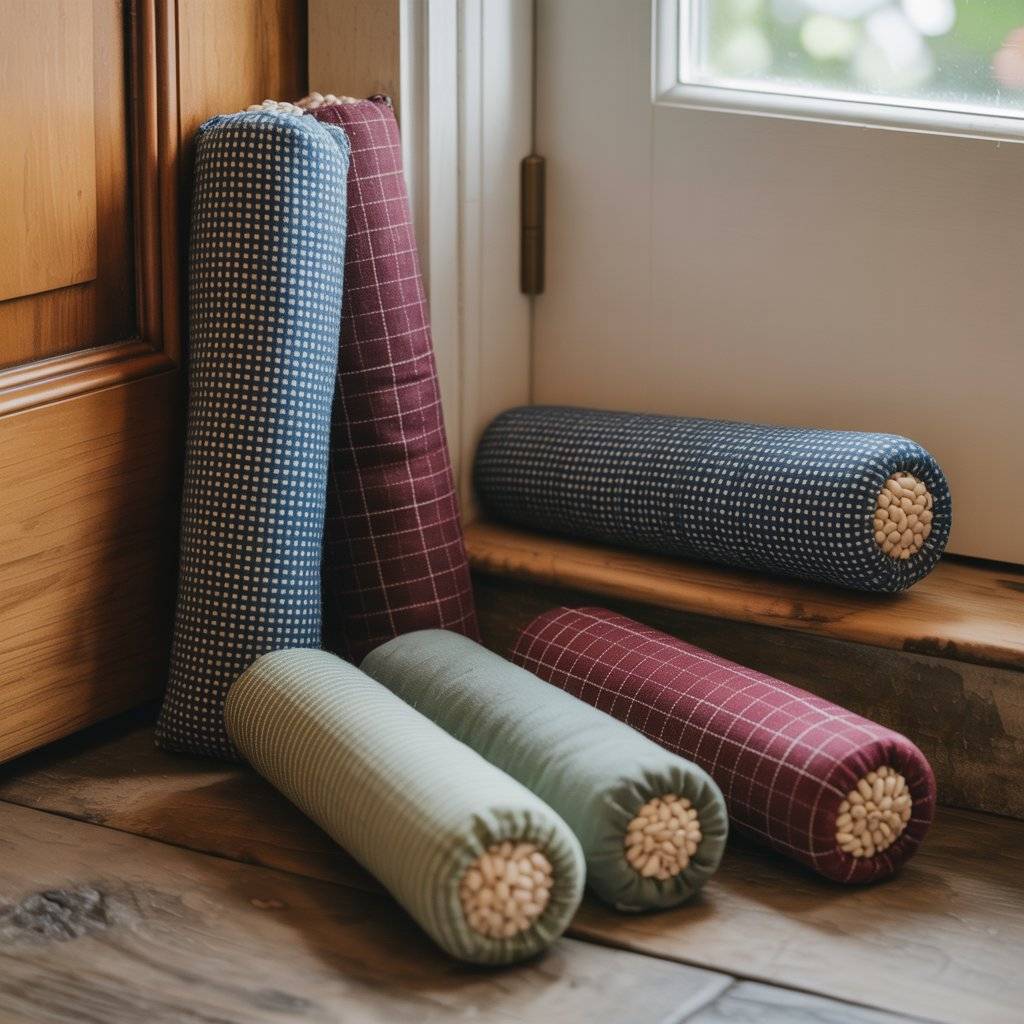
I made door draft stoppers after realizing how much cold air came in during cooler months. These are fabric tubes filled with rice or dried beans. They sit at the bottom of doors and help block drafts. I kept the fabric strong and washable, and I made them long enough to fit standard doors.
People liked them because they were simple and actually worked. I sold them more during colder seasons, but some buyers used them year-round for noise and dust. They’re easy to make, don’t require special tools, and use materials that are easy to find.

17. Handmade Bookmarks
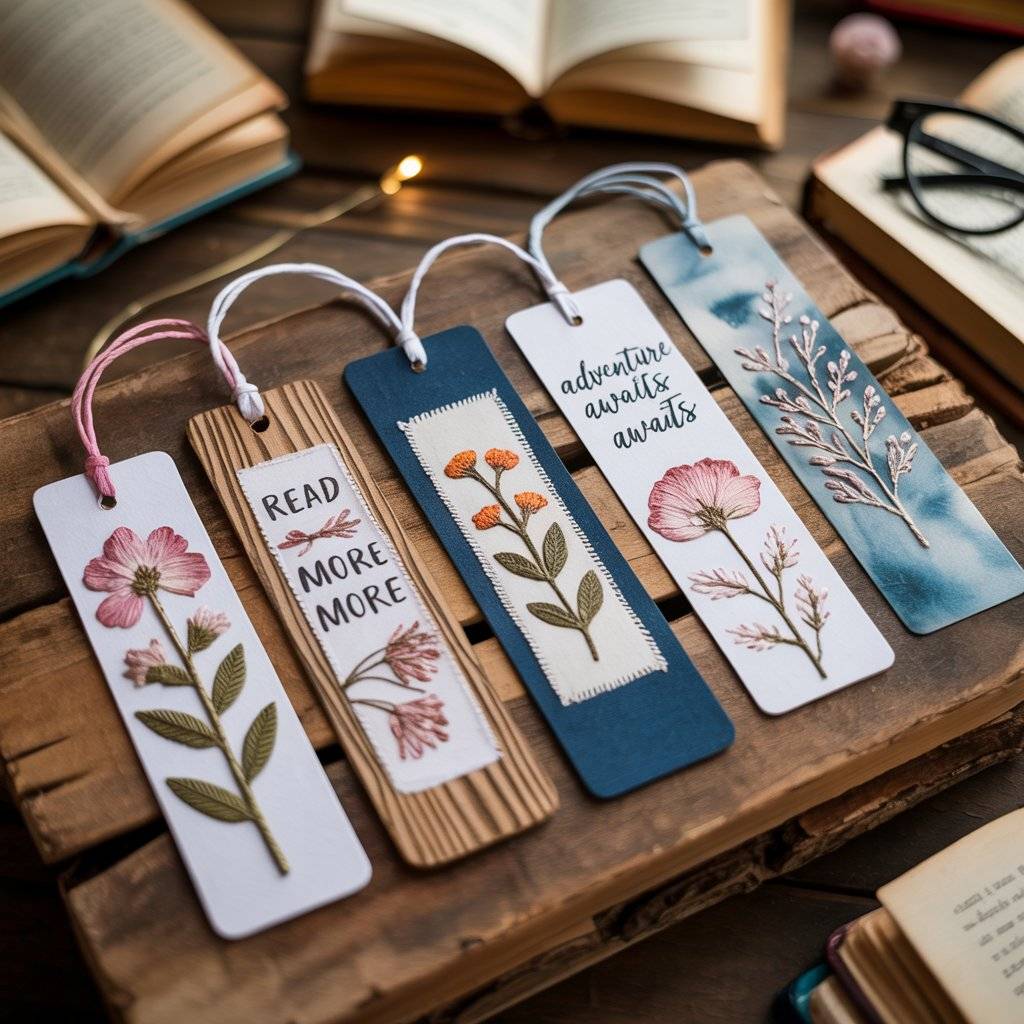
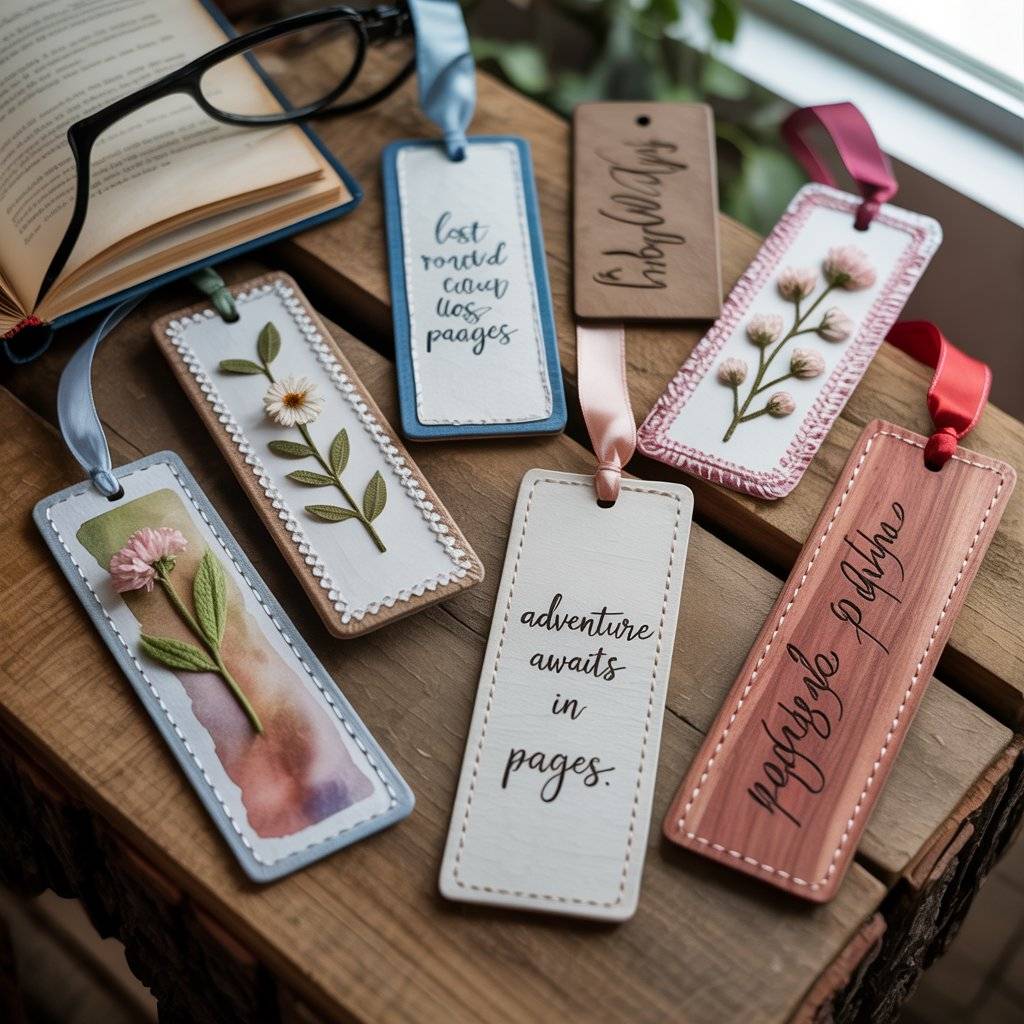
Bookmarks sound small, but they sell well when done right. I made mine from thick paper, fabric, and sometimes wood. Some were plain, others had simple quotes or stitched details. Readers liked bookmarks that didn’t bend easily. I sold them individually and in small sets.
These are quick to make and don’t cost much in materials. They’re also easy to carry and ship. Bookmarks worked well for gifts and were often added to larger purchases.
18. Basic Plant Pots and Covers
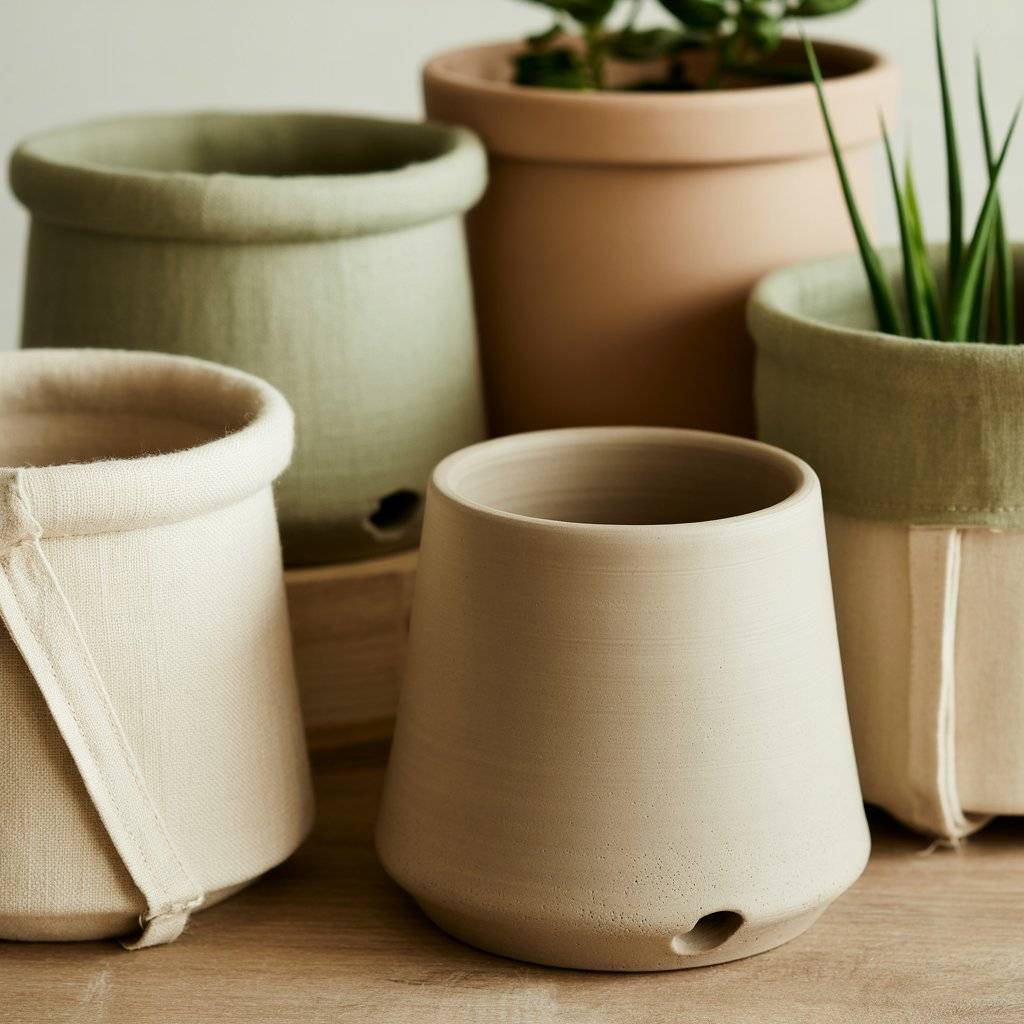
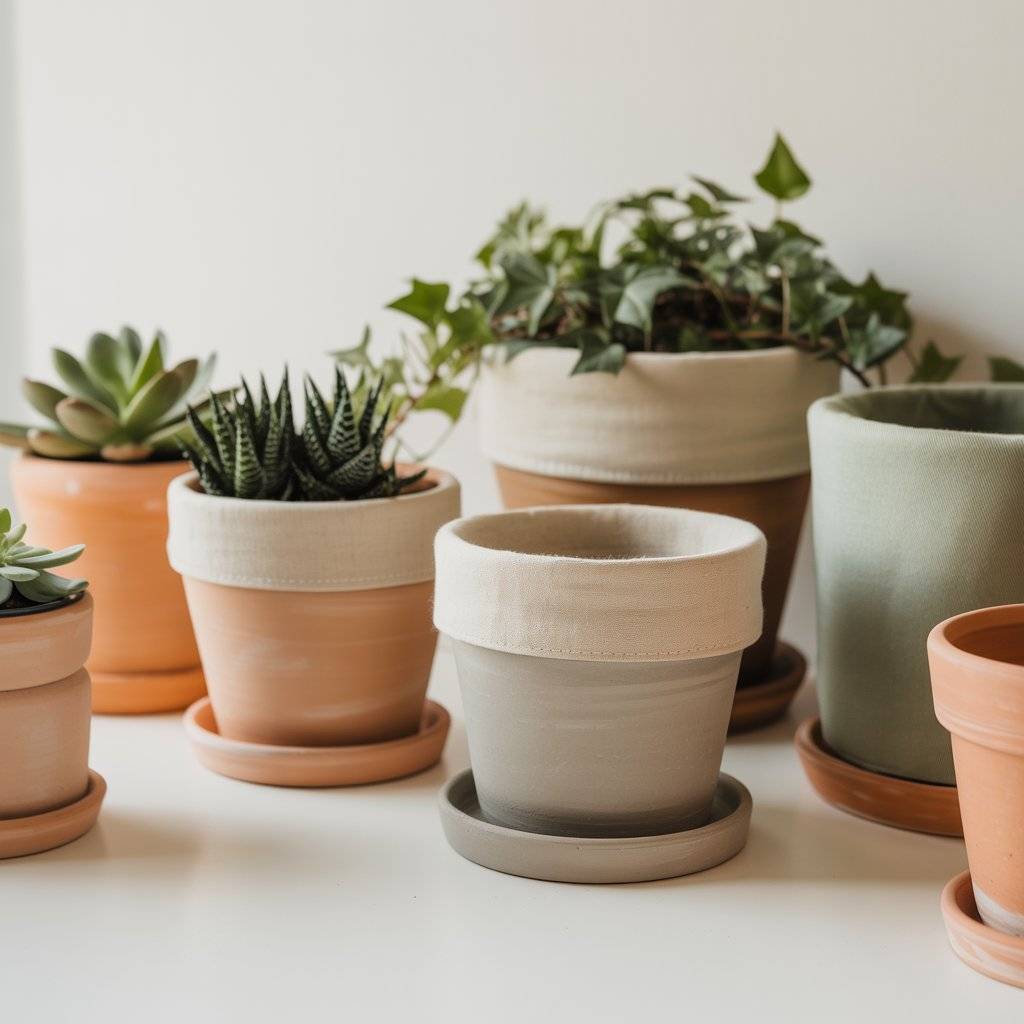
I made simple plant pots using clay and fabric covers for existing pots. Nothing fancy just clean shapes and neutral colors. People like things that fit into their homes without standing out too much. I made sure drainage holes were included where needed. Plant lovers appreciated the handmade feel.
These take a bit more time, but they sell well because people enjoy adding small touches to their living spaces. They also photograph well, which helped with online sales.
19. Key Holders for Entryways
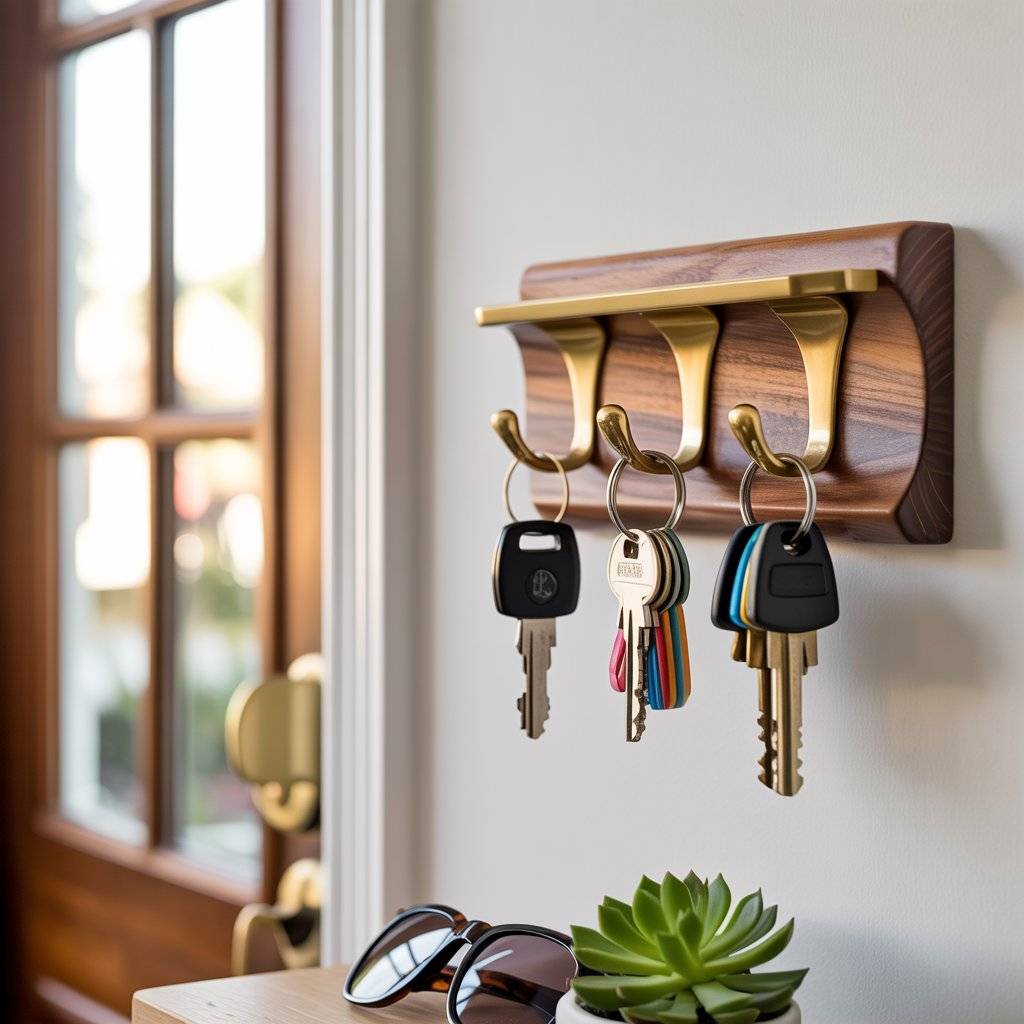
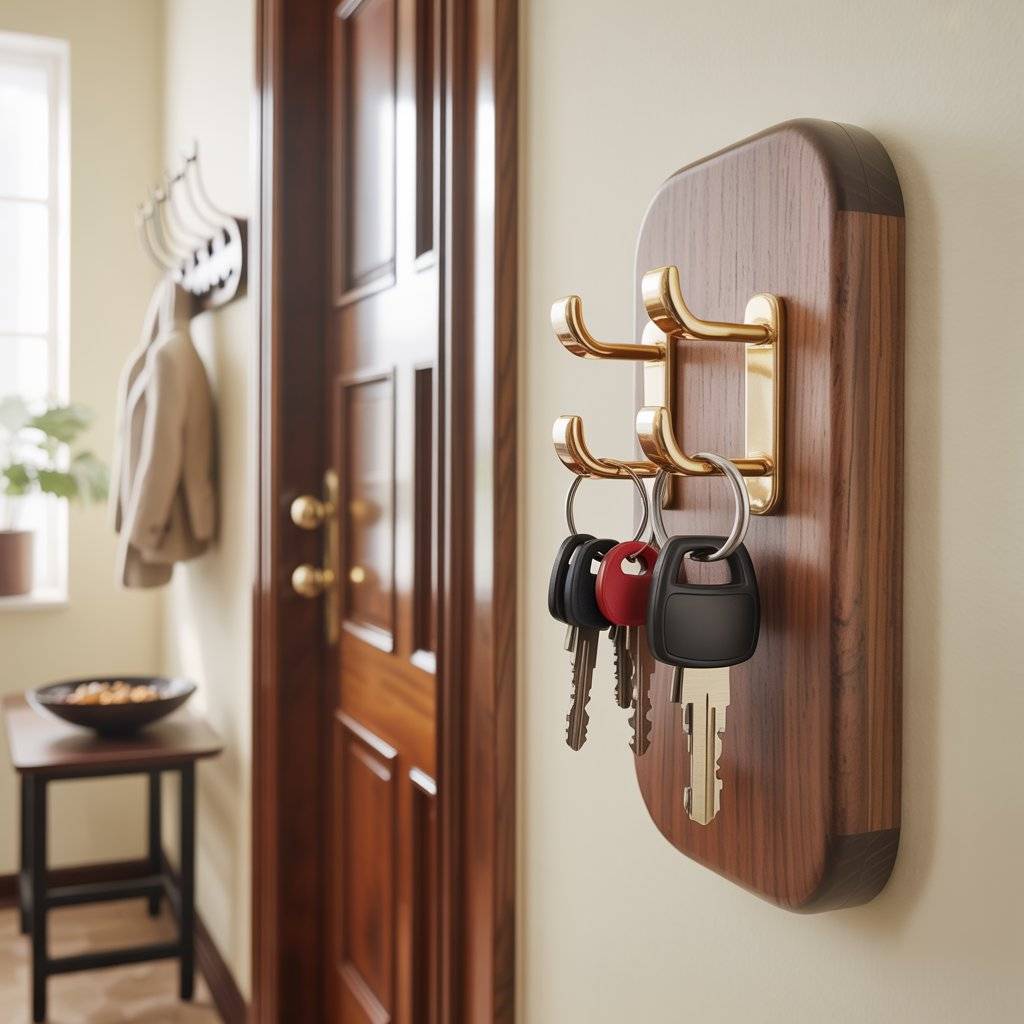
Key holders were one of those things people didn’t know they needed until they saw them. I made wall-mounted holders using wood and hooks. Simple designs worked best. I focused on making them strong so keys didn’t fall off.
People liked having a clear spot for keys near the door. These are practical items that don’t take much material, and they solve a daily problem. Once people understand the use, they’re easy to sell.
20. Simple Pet Feeding Mats
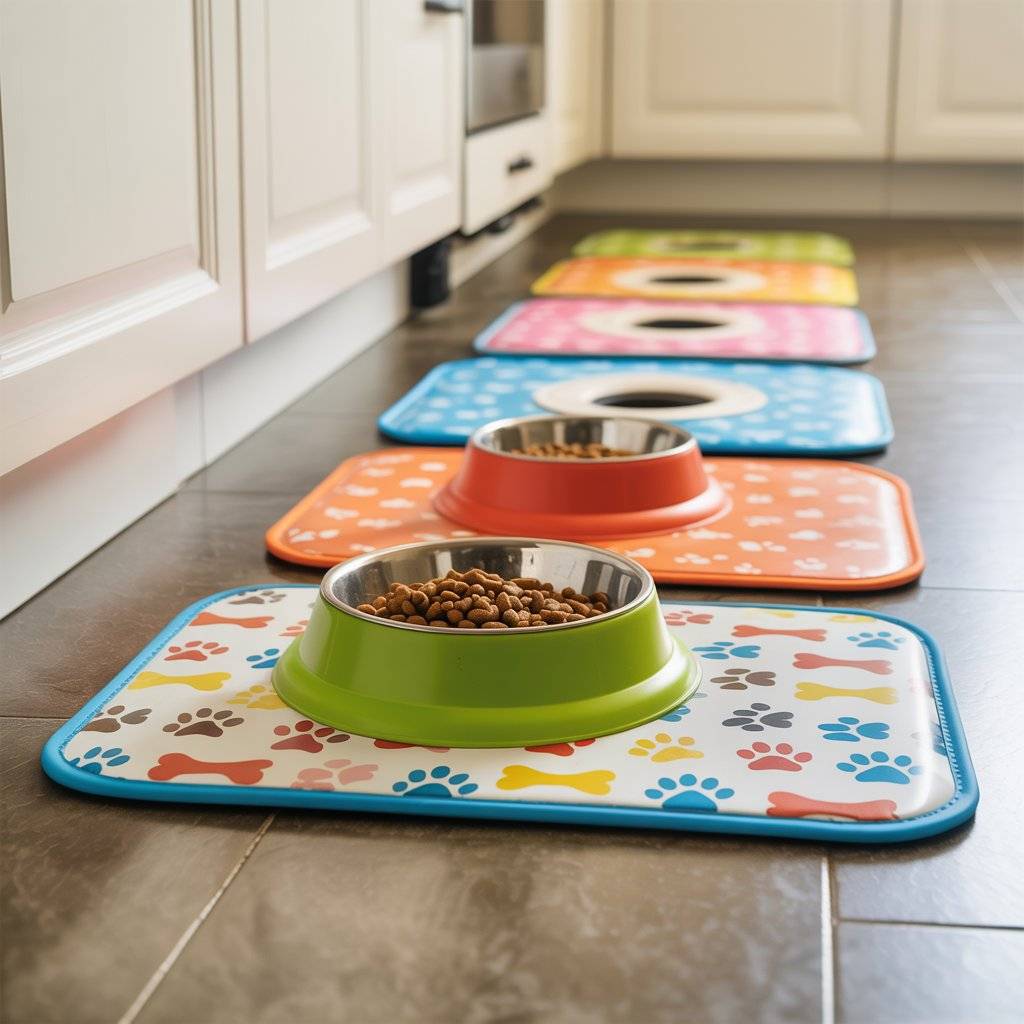
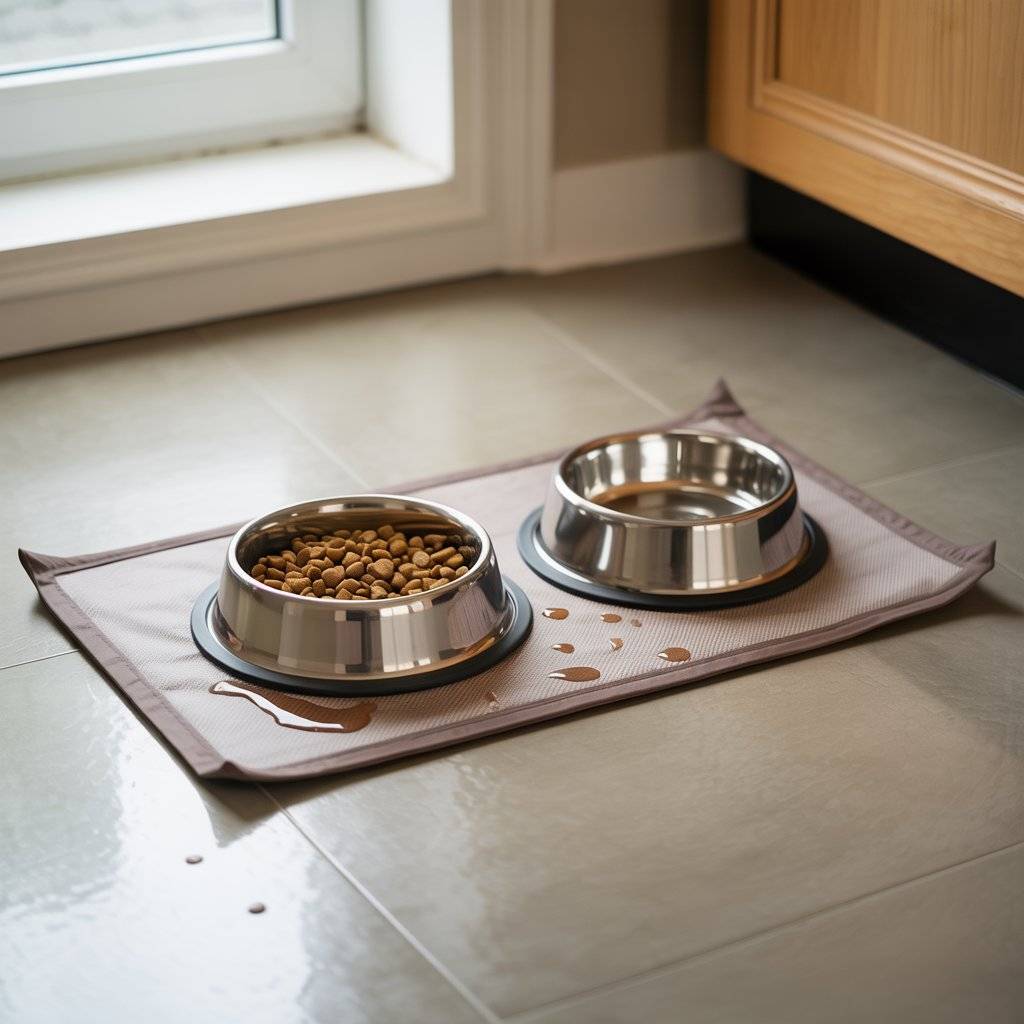
Pet feeding mats help keep floors clean, especially with messy eaters. I made mine from washable fabric with a waterproof backing. I kept sizes practical for food and water bowls.
Pet owners liked that they could toss them in the wash. These mats are straightforward to make and don’t take much time. They sell well because they solve a small but common issue.
21. Handmade Laundry Bags
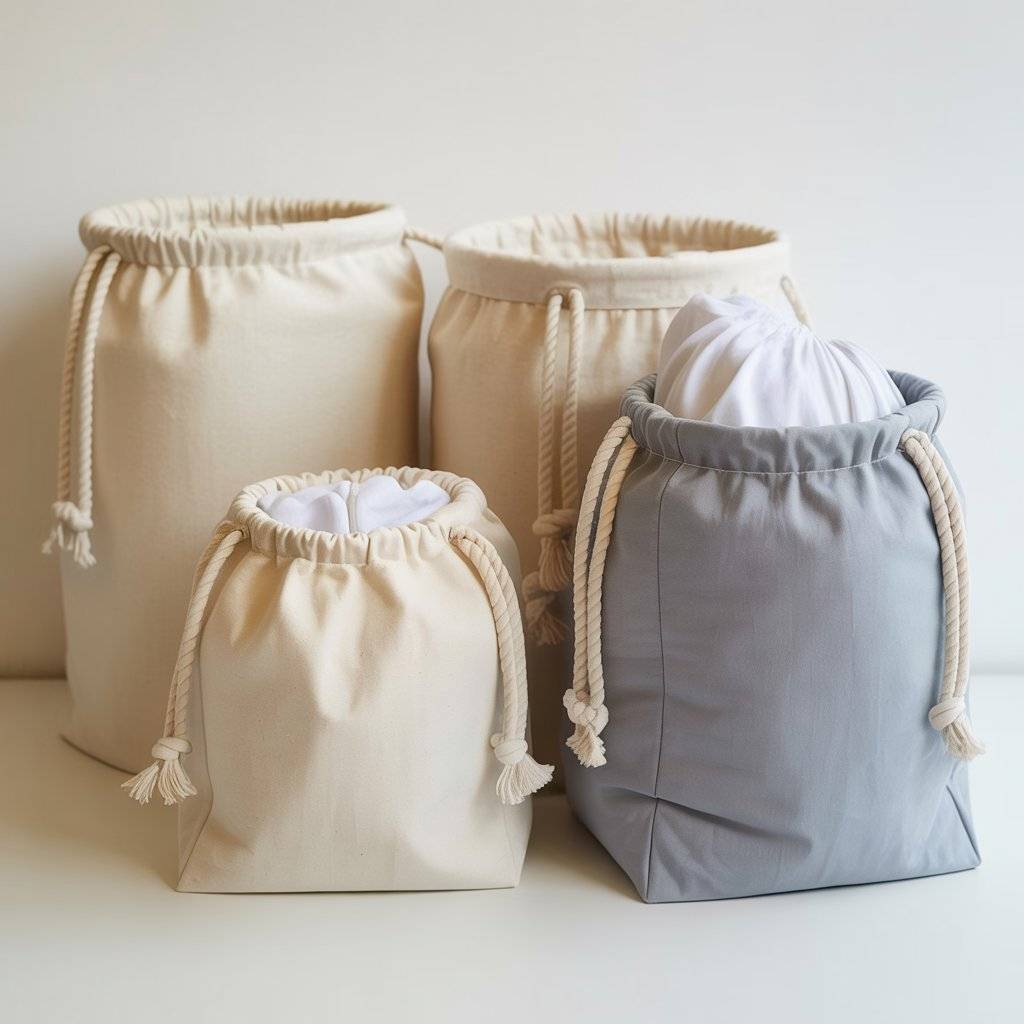
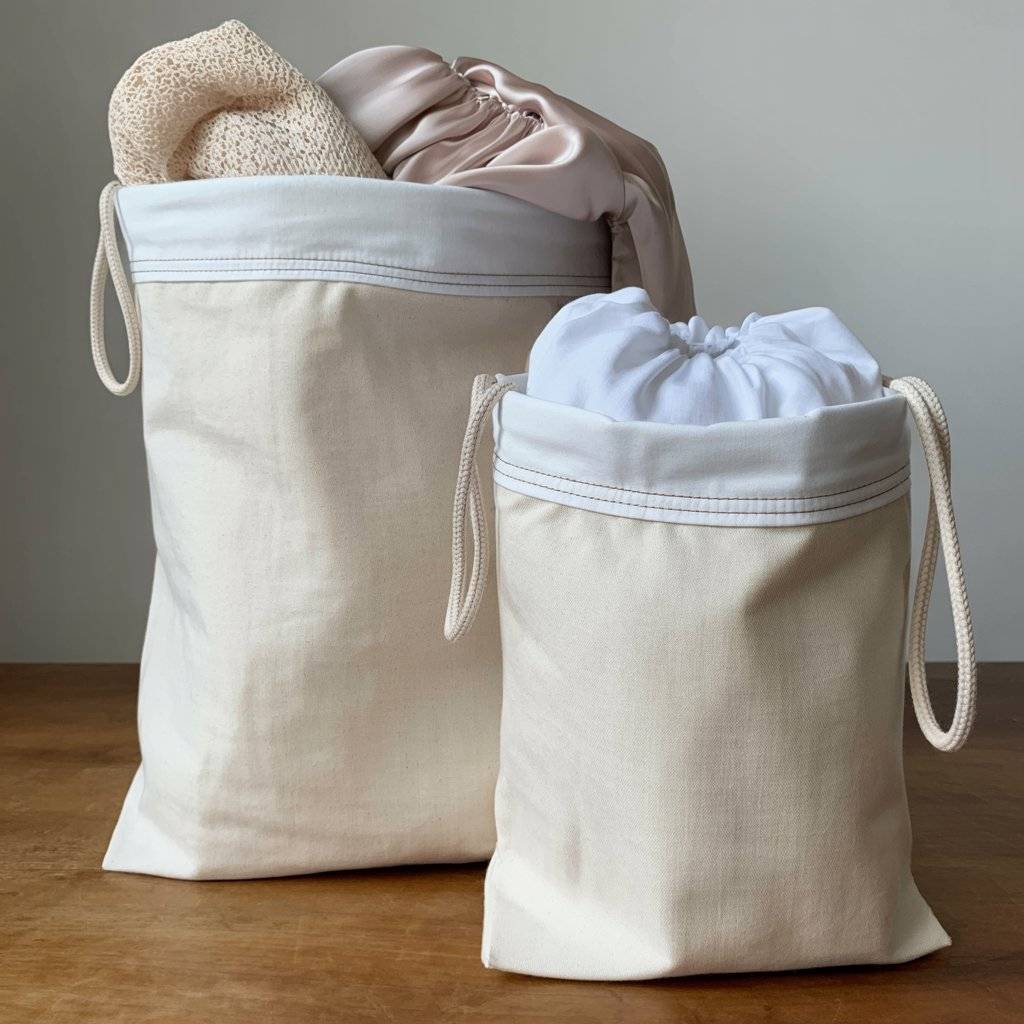
Laundry bags are simple but useful. I made mine from breathable cotton fabric with drawstrings. People used them for delicate clothes, travel, and even gym wear. I kept the stitching strong because these bags get pulled and washed often.
Selling them in two sizes worked well. They’re easy to explain and don’t take much time to make. Once you settle on a size and pattern, you can produce several in one go.
22. Simple Wall Hooks
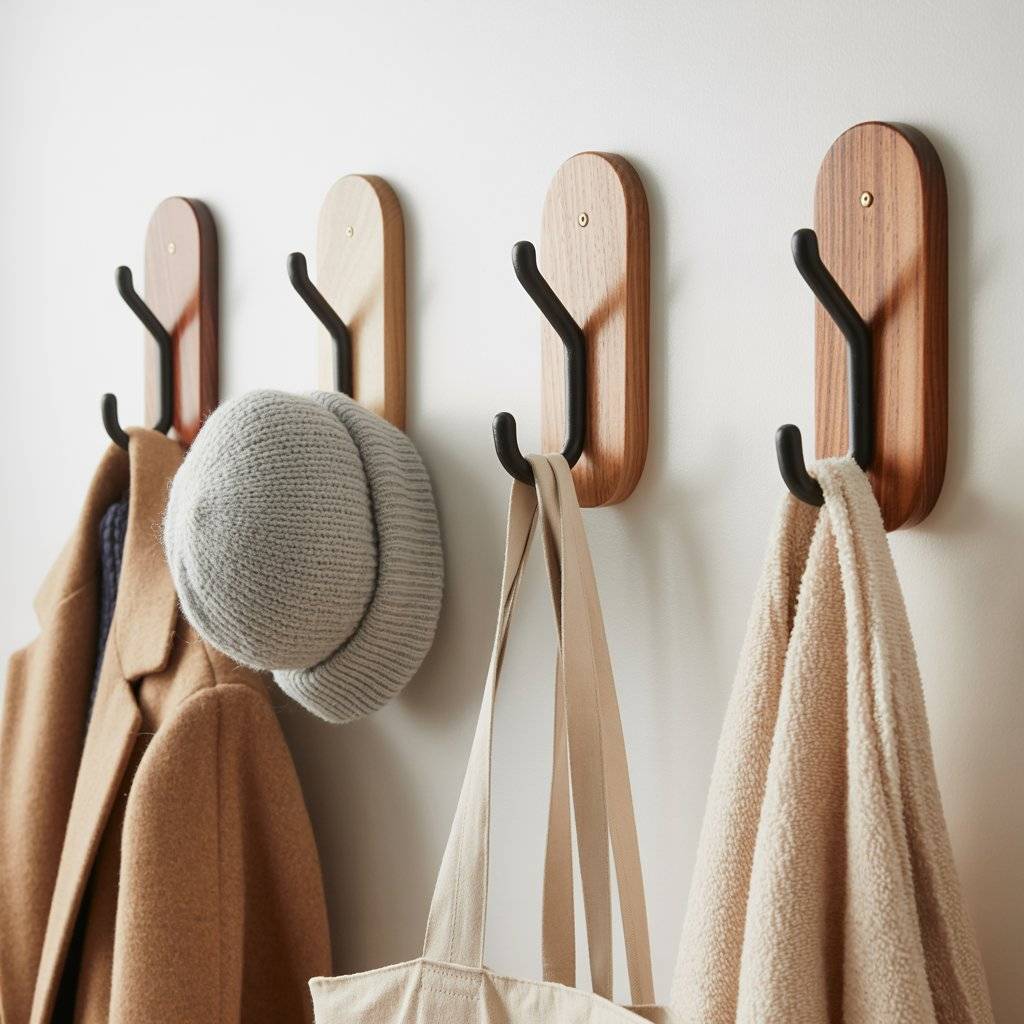
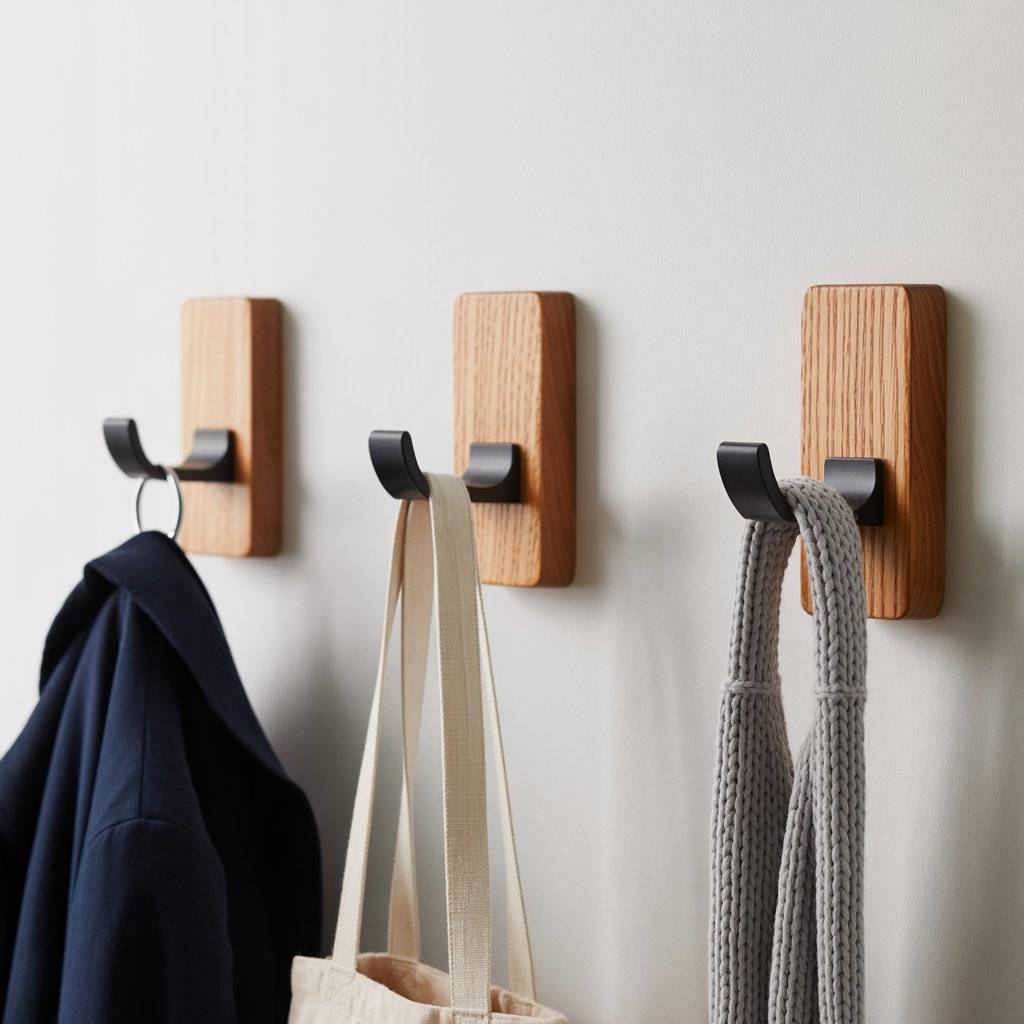
Wall hooks help keep spaces organized. I made mine from wood and metal hooks, keeping the design clean. People used them for coats, hats, bags, and towels.
What mattered was making sure they were sturdy and easy to mount. These hooks are practical and don’t take much material. They sell well because they solve everyday clutter without being decorative or complicated.
23. Reusable Gift Wraps
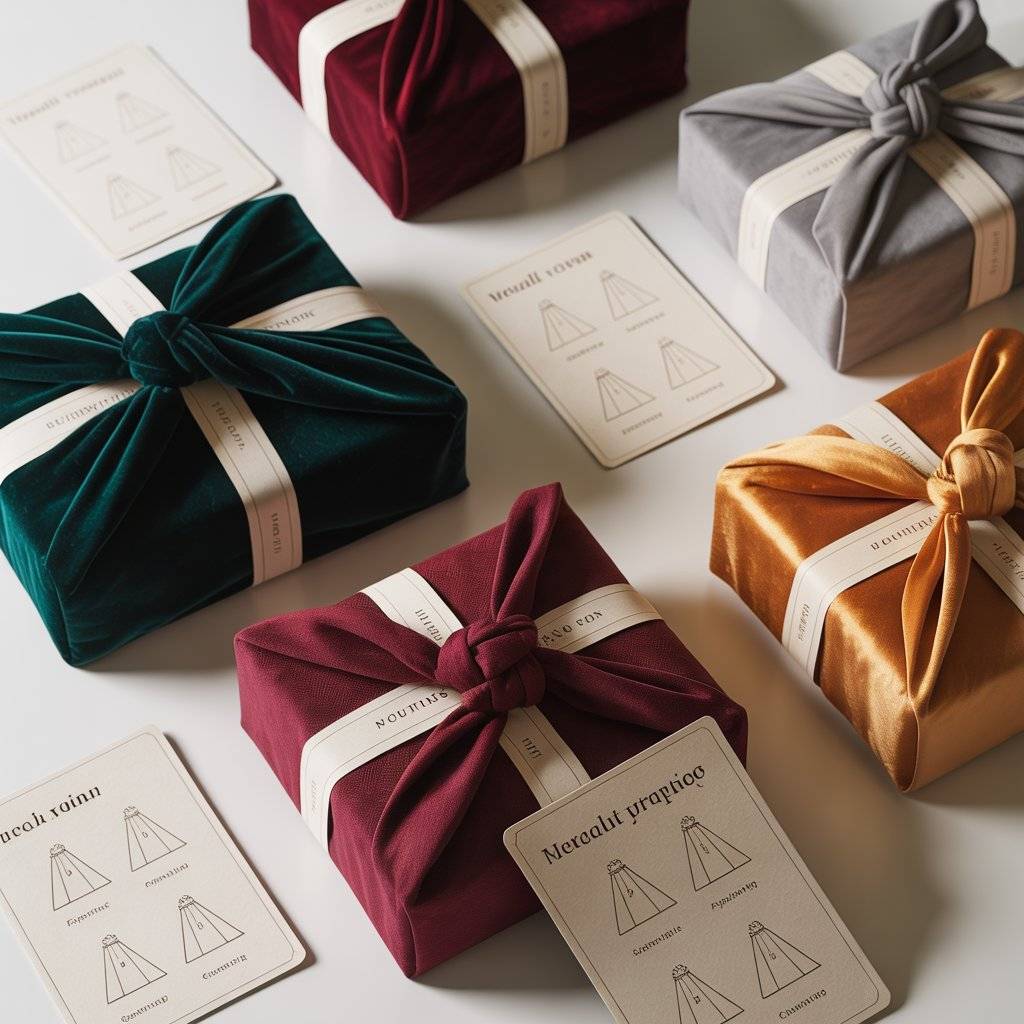
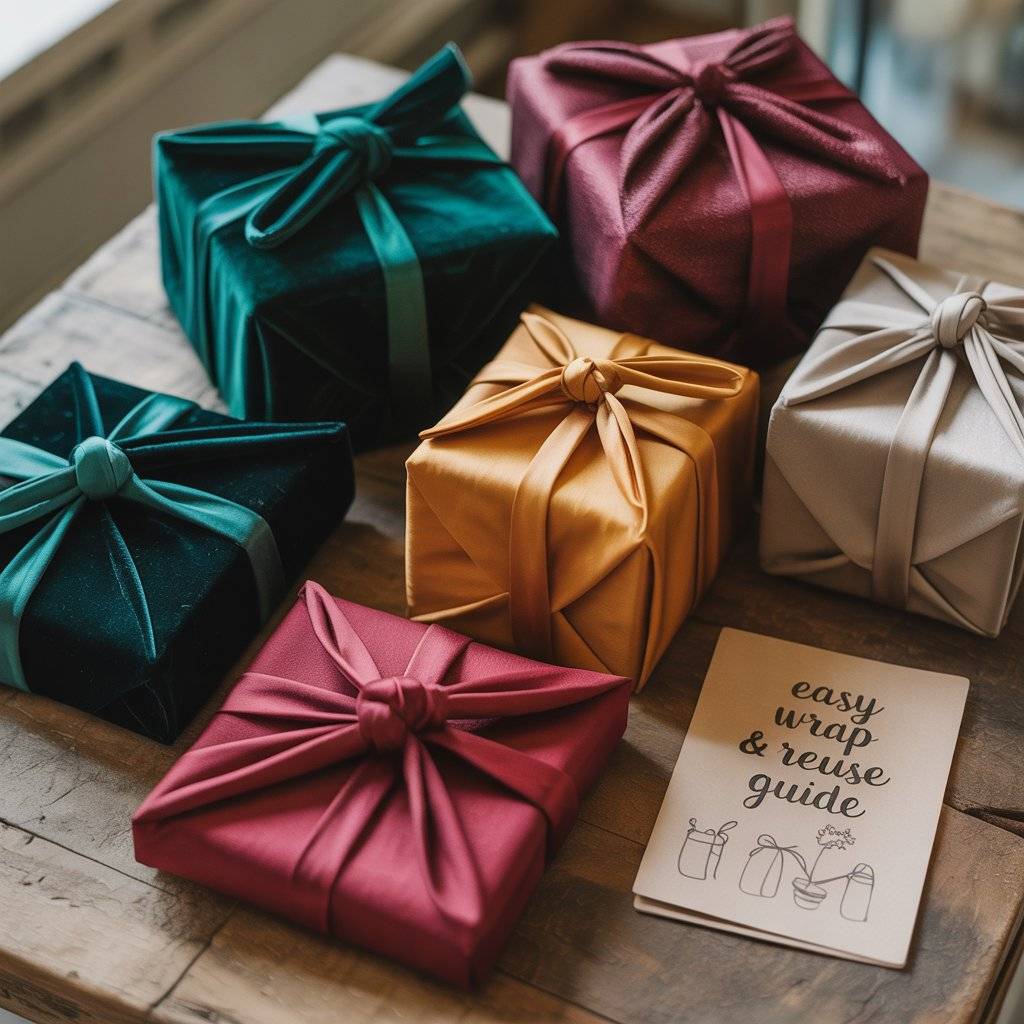
Reusable gift wraps were popular around holidays. I used fabric instead of paper and folded them in a way that looked neat.
People liked the idea of using them again. I included simple instructions so buyers knew how to wrap gifts. These don’t take much fabric and are quick to make. Selling them as sets worked better than singles.
24. Desk Organizers
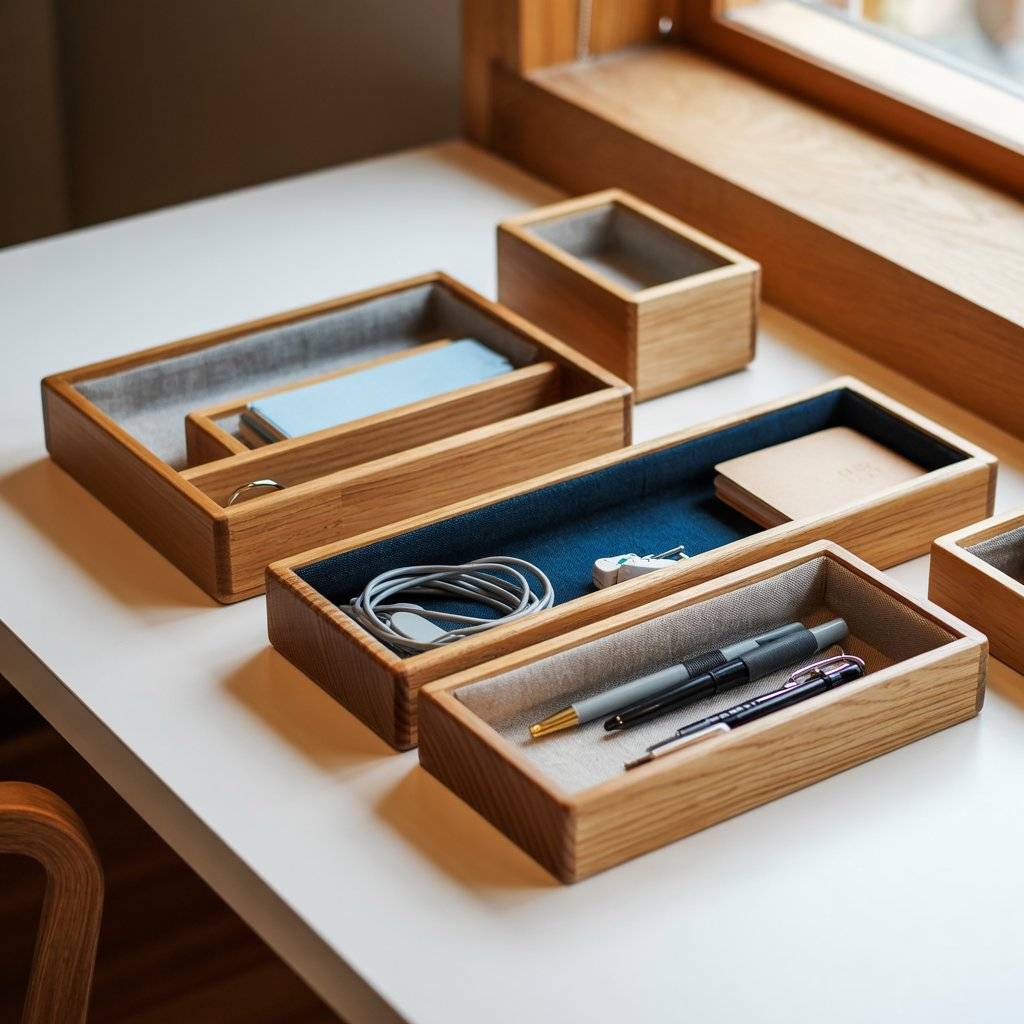
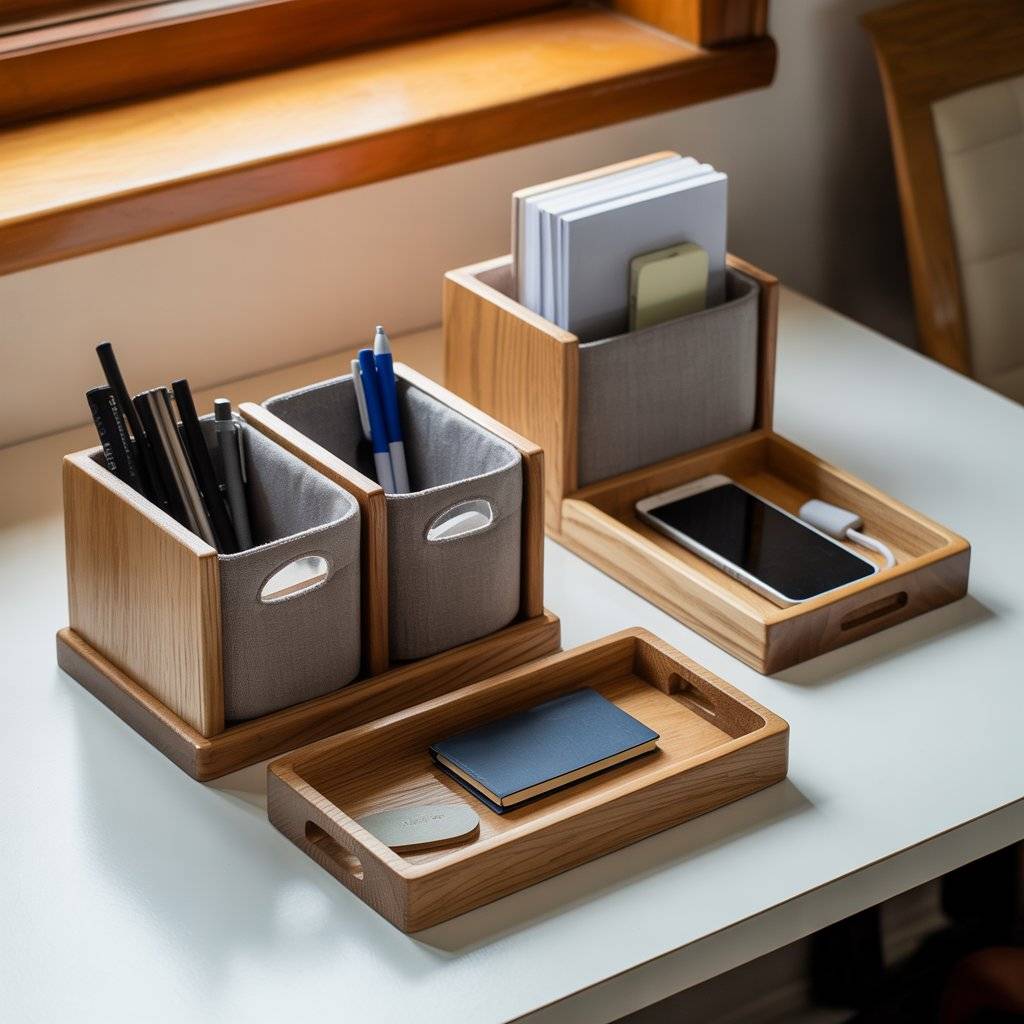
Desk organizers help people keep small items in one place. I made simple trays and dividers from wood and fabric. Nothing fancy just useful.
People used them for pens, papers, and chargers. These sold well because many people work from home now. They’re practical, easy to customize, and don’t require complex tools.
25. Simple Storage Baskets
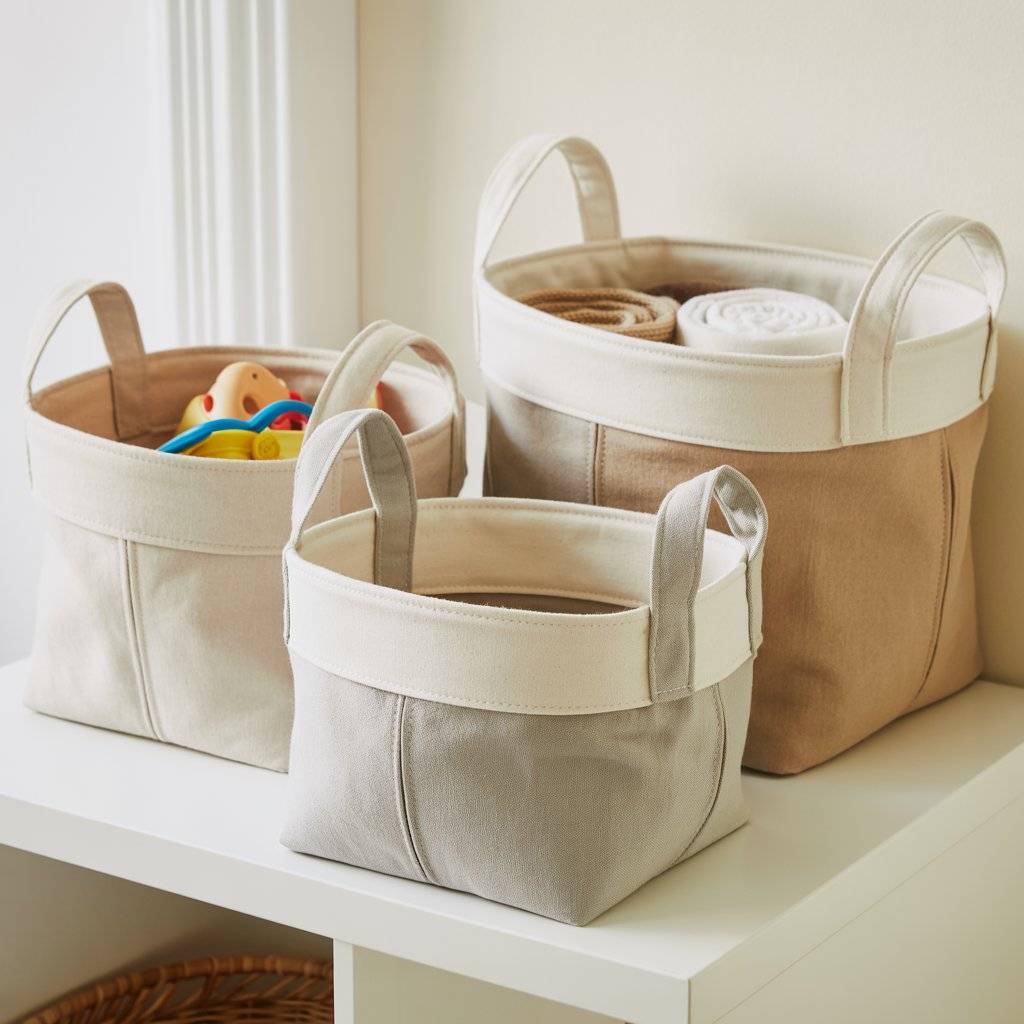
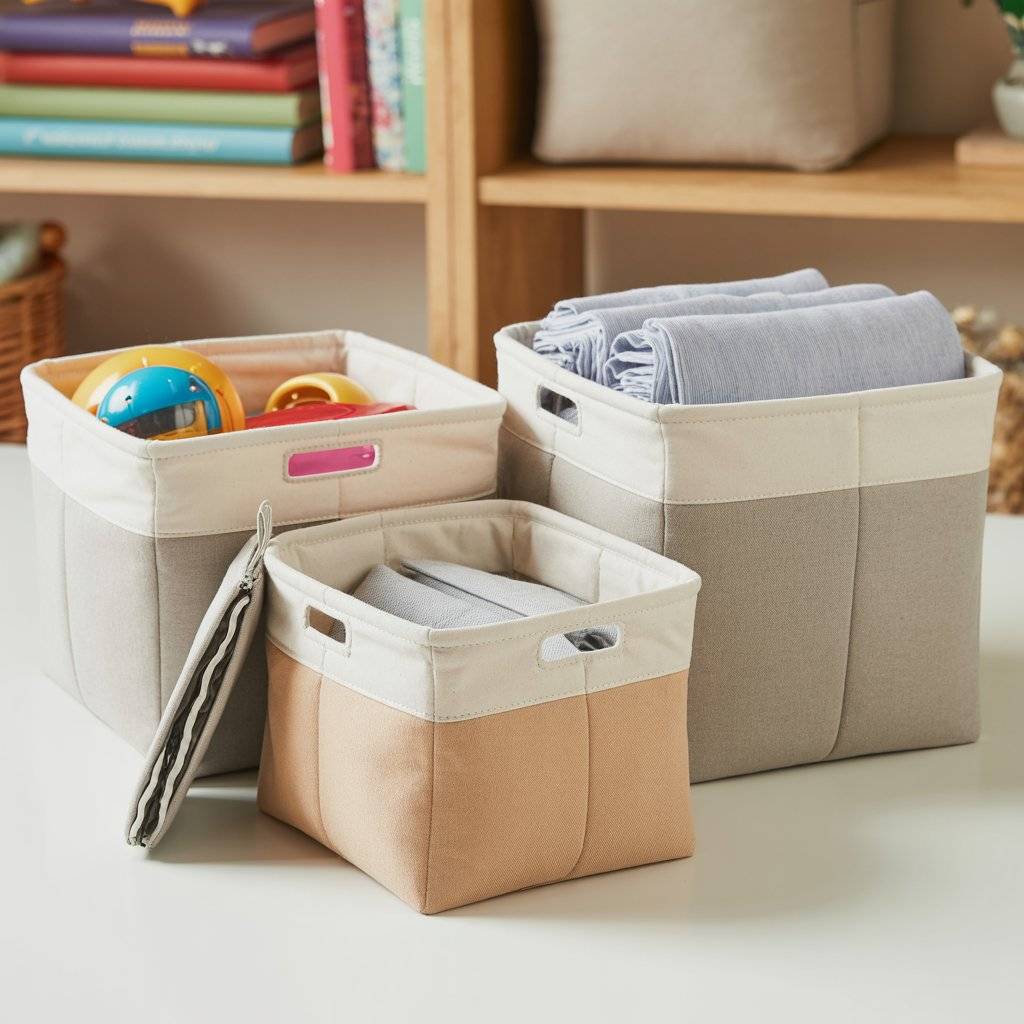
Storage baskets are always needed. I made fabric baskets that could be folded when not in use. People used them for toys, laundry, and shelves. Neutral colors sold best.
These baskets take a bit more time, but they’re worth it because people see the value. Once you make a few, the process becomes faster.
Why I Wrote This
I wrote this because making extra income at home shouldn’t feel confusing or out of reach. I’ve seen too many lists that sound good but don’t explain what people can actually do. This one is different. Every idea here is practical, simple, and possible to start with what you already have.
I wanted to share things that fit into real life after work, on weekends, or in small pockets of time. Not everyone wants a full business. Sometimes you just want something steady that helps with bills or savings.
If even one idea on this list helps you get started, then it’s done its job.
Final Thoughts
I wrote this article because making and selling from home doesn’t need to be complicated. You don’t need expensive tools or a big plan. You just need one idea that fits your time, space, and skills. Start small. Try one thing. See how people respond.
Every item on this list is something real people already use. That’s what matters. When something fits into daily life, it sells.
If you’re thinking about extra income this year, pick one idea and start. You don’t need to rush. Just begin.
Related Post: