

Old jeans are one of those things that are easy to keep but hard to throw away. Maybe they are too worn to wear, but the denim is still strong and useful. Instead of putting those jeans in the trash, you can turn them into practical pieces for your home.
From updating an old chair to making simple storage pockets, denim works surprisingly well for DIY projects. You can use whole jean legs, back pockets, waistbands, seams, and small scraps depending on the project.
The best part is that you do not need to make everything complicated. A few basic sewing skills, an old chair, scissors, strong thread, and some patients can be enough to get started. Here are 15 useful DIY denim ideas that you can actually make at home.

1. Recycled Denim Patchwork Chair Seat

A patchwork denim chair seat is a simple way to give an old chair a completely different look. Start by cutting usable pieces from several pairs of jeans.
Mix light blue, medium blue, and dark denim to create a natural patchwork effect. Before sewing, lay the pieces over the chair seat and move them around until you like the arrangement. Keep some original seams if they are not too bulky.
Once the pieces are joined, use the old seat cover as a pattern for cutting the finished panel. Pull the denim evenly around the underside and staple it securely. This method is practical for dining chairs, stools, and small occasional chairs. (Vicky Myers Creations)

2. Denim Chair With Original Jean Pockets

Do not throw away the pockets when taking old jeans apart. They can become one of the most useful parts of a denim chair. Remove the pockets carefully and attach them to the front, side, or back of a chair cover.
A pocket on the back of a reading chair can hold a small notebook, glasses, remote control, or other lightweight items. For a craft room, several pockets can hold scissors, measuring tape, or fabric markers. Use strong stitching around the pocket edges because they will be handled regularly.
You can combine different denim shades around the pockets to create a relaxed handmade design. This idea gives your chair both decoration and useful storage. (Vicky Myers Creations)

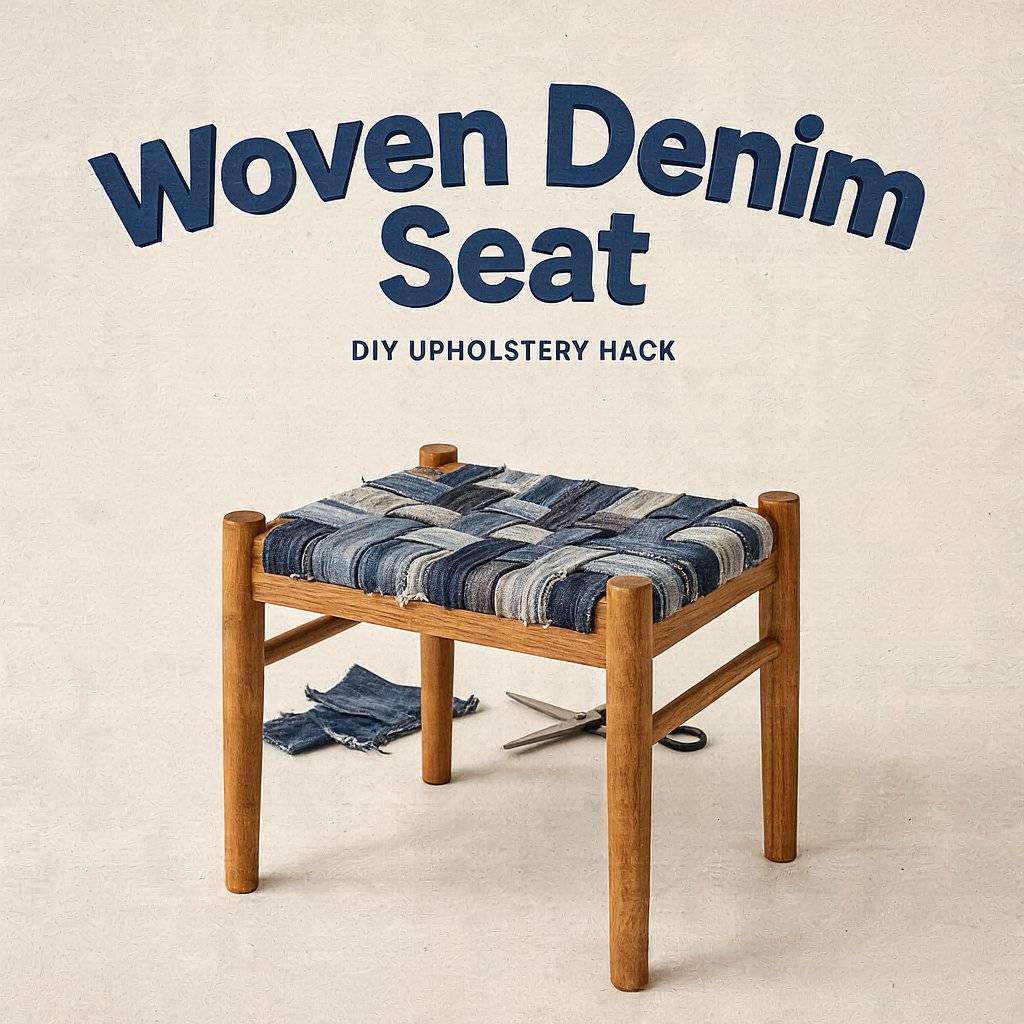
3. Woven Denim Seat for a Wooden Chair

If you have a wooden chair with a simple open seat frame, try making a woven denim seat. Cut long strips from the legs of old jeans and remove weak or damaged sections.
Arrange some strips from front to back and weave other strips across them. Keep the strips evenly spaced and check the tension as you work. Denim is useful for this project because it is a strong woven fabric, although very thick seams can make weaving difficult.
You can use two or three denim shades for a simple pattern. Secure the strip ends underneath the chair frame so they are hidden. This project is especially useful when you have several jeans but not enough matching denim for complete upholstery.
4. Removable Denim Chair Cushion Cover

A removable denim cushion cover is a good choice if you want something practical and easy to clean. Measure your existing cushion carefully before cutting any fabric.
Use old jeans in similar shades or create a patchwork panel from several pairs. For a more useful everyday cover, add a zipper along the back edge so you can remove the cover when it needs cleaning. This approach also means you can change the cushion later without replacing the whole chair.
When sewing denim, take your time around thick seams because several layers can become difficult to stitch. Removable denim covers are particularly useful for kitchen chairs, casual seating, and garden chairs where cushions may need regular attention. (Make it in denim)

5. Denim Armchair Pocket Organizer

Turn an old pair of jeans into a handy organizer that hangs over the arm of your favorite chair. The University of Arizona Cooperative Extension has demonstrated a similar idea using a jean leg and pockets to create storage for items such as books, phones, and remote controls.
(UA Cooperative Extension) You can make your own version by cutting away a suitable section of the jeans while keeping the pockets attached. Finish the edges with a simple stitch, then position the piece so it hangs securely over the arm.
This is especially useful beside a reading chair or sofa. Keep the organizer for lightweight items and check that it does not interfere with moving or using the chair.

6. Denim Chair Back With Decorative Seams
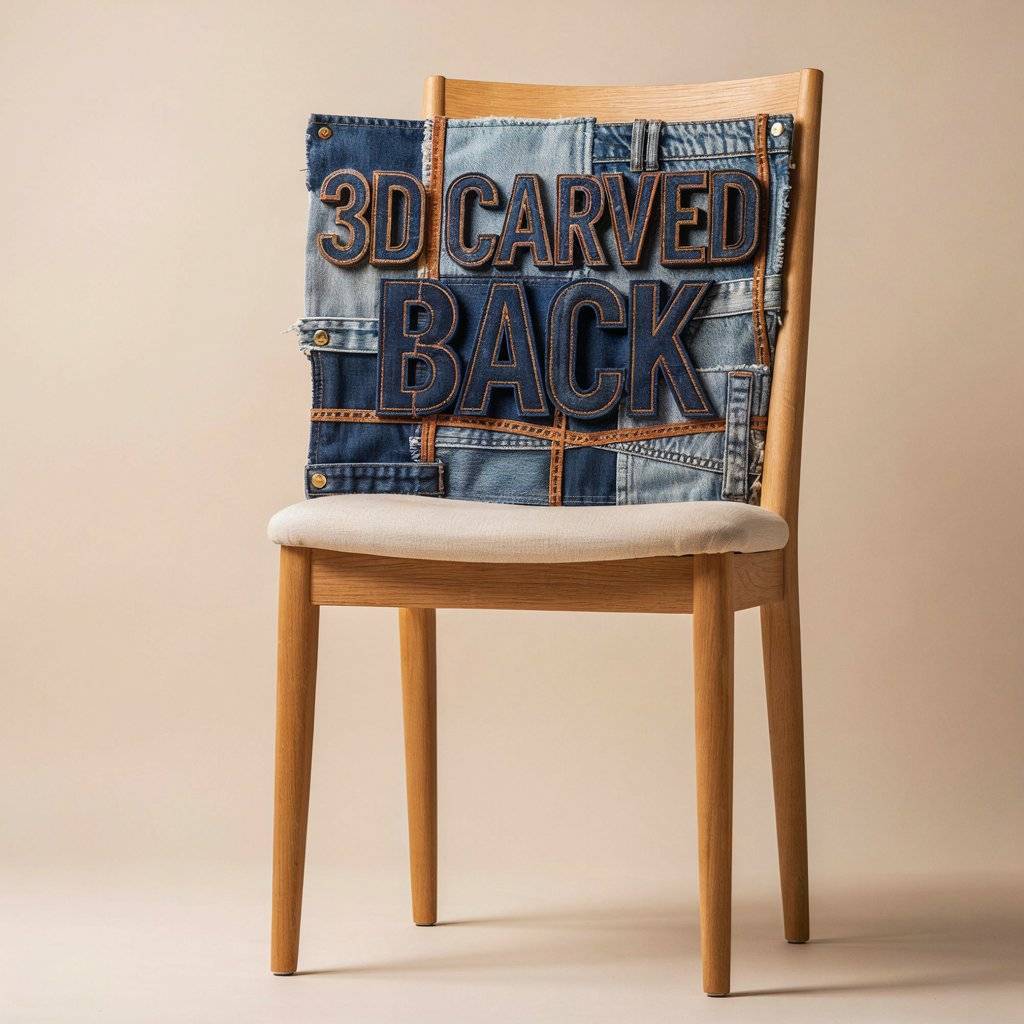
Old jeans contain more interesting details than just their main fabric. Their thick seams, hems, belt loops, and stitching can become part of the design. For a denim chair back, cut several useful sections and arrange them into a panel.
Keep selected seams visible rather than hiding them inside the project. You can place the seams vertically, horizontally, or in a simple crossed pattern. Once the panel is large enough, attach it to a padded chair back or use it as part of a removable cover.
Avoid placing bulky pocket sections where they will make the chair uncomfortable. This idea works particularly well on a plain wooden chair because the denim becomes the main visual feature.
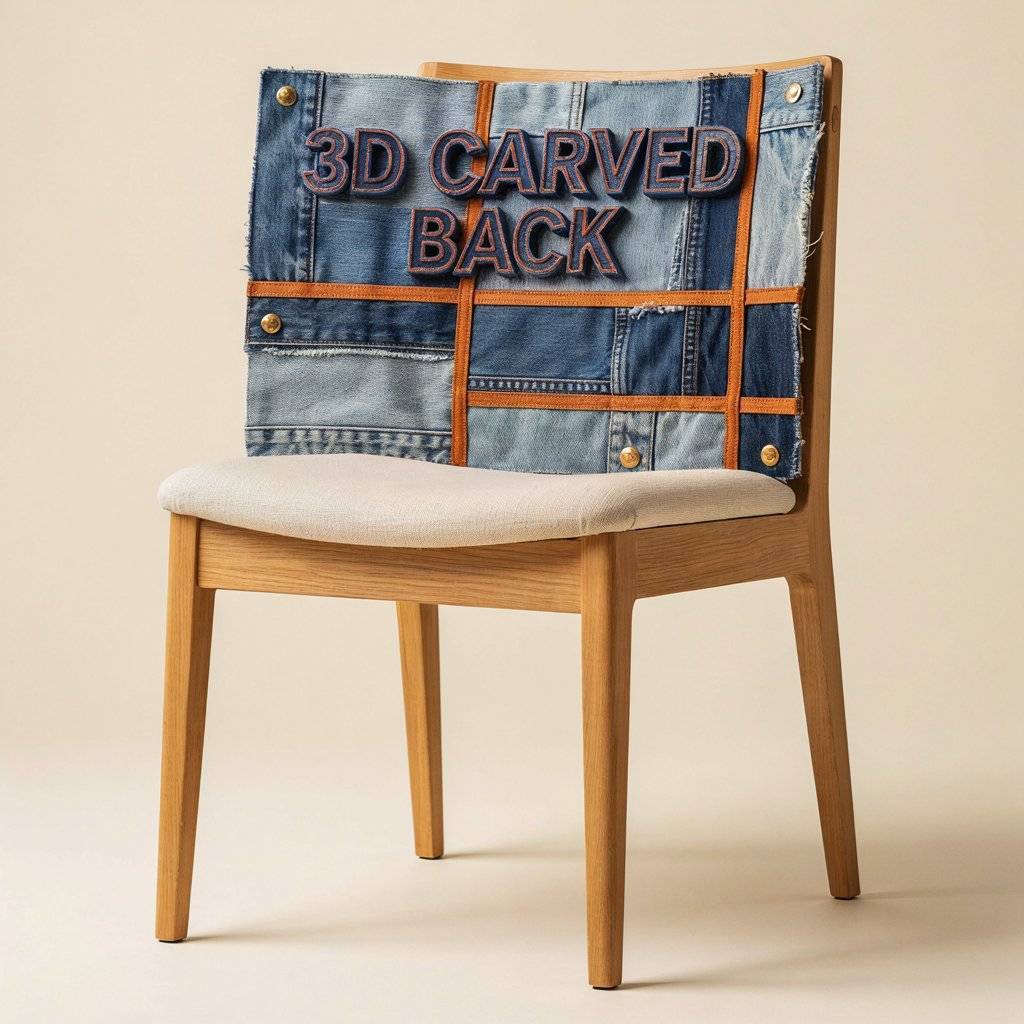
7. Mixed-Denim Dining Chair Makeover

You do not need to use identical jeans to make an attractive chair. In fact, combining different shades can make the finished piece more interesting. Collect denim in faded blue, medium blue, dark indigo, and even slightly grey tones.
Cut the fabric into manageable panels and arrange them before sewing. You can keep the pieces fairly large so the project does not become unnecessarily complicated. Use the original chair cushion as a template where possible.
When covering the seat, work from the center of each side and pull the fabric evenly before securing it underneath. This technique has been used in real denim chair projects and works well for giving an ordinary dining chair a relaxed, upcycled appearance. (Vicky Myers Creations)

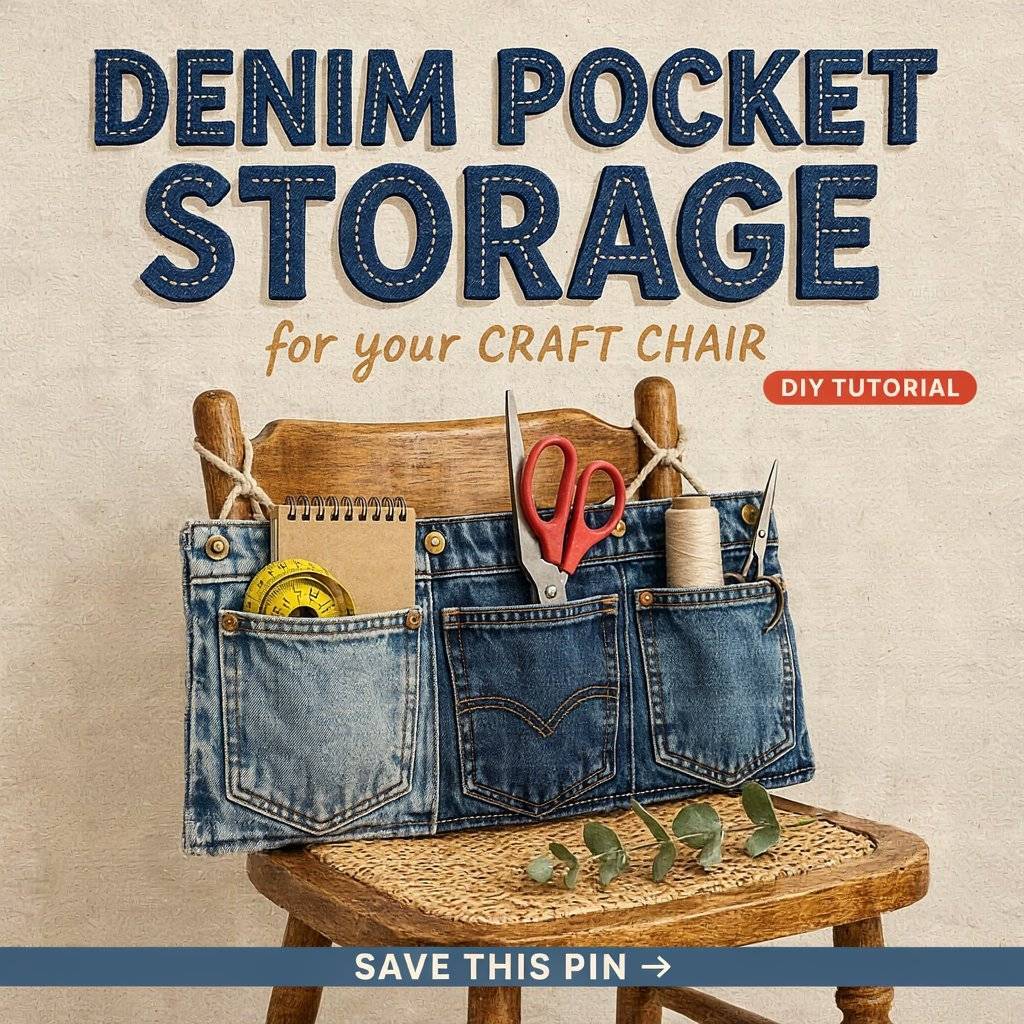
8. Denim Pocket Storage for a Craft Chair

If you spend time sewing, drawing, or crafting, a chair can provide a convenient place for small supplies. Make a pocket panel from several old jean pockets and a sturdy piece of denim or canvas.
Sew the pockets across the panel, leaving enough room between them for easy access. Attach the finished organizer to the back or side of a chair with strong ties or another secure method that does not damage the furniture.
Use the pockets for lightweight supplies such as fabric markers, measuring tape, notebooks, or scissors. Keep sharp tools safely positioned and make sure they cannot fall where someone might sit. This simple project turns unused denim into storage you can reach without leaving your chair. (Laura Kelly’s Inklings)
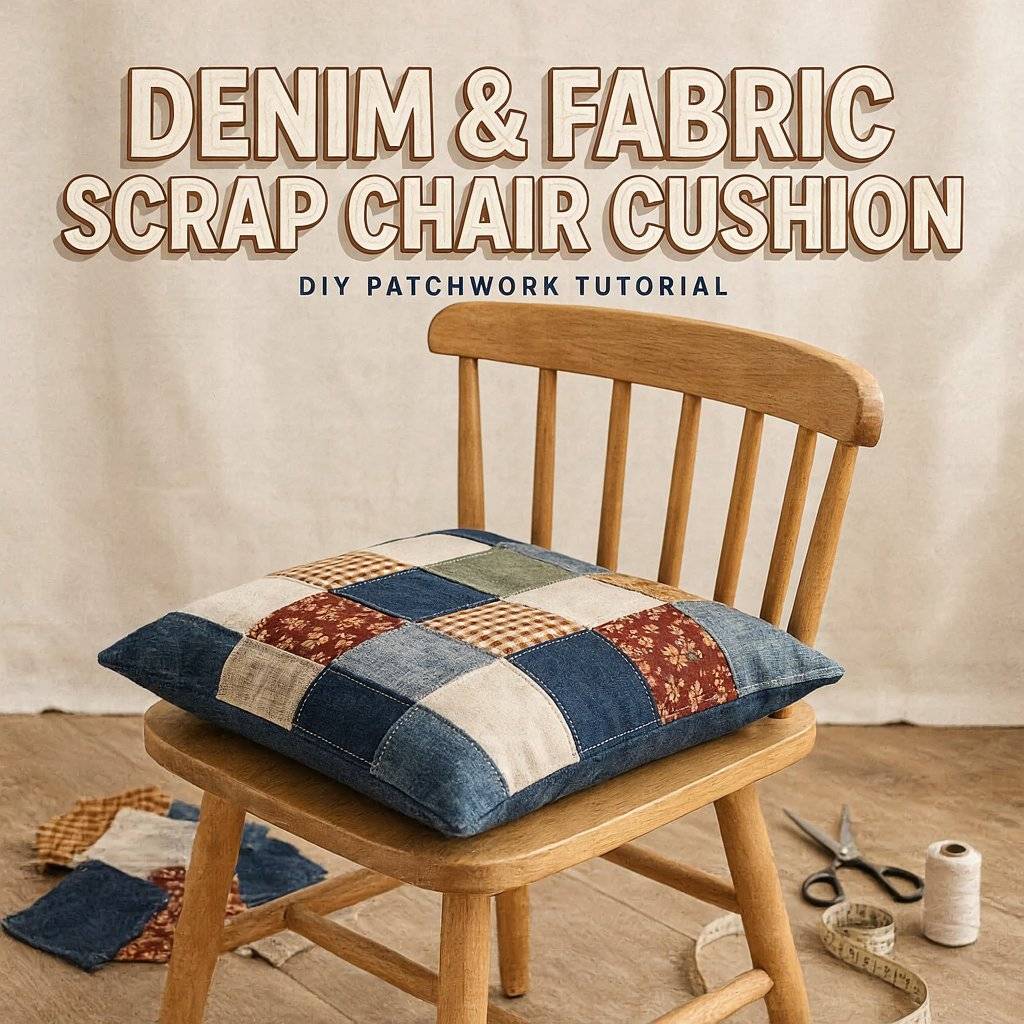
9. Denim and Fabric Scrap Chair Cushion
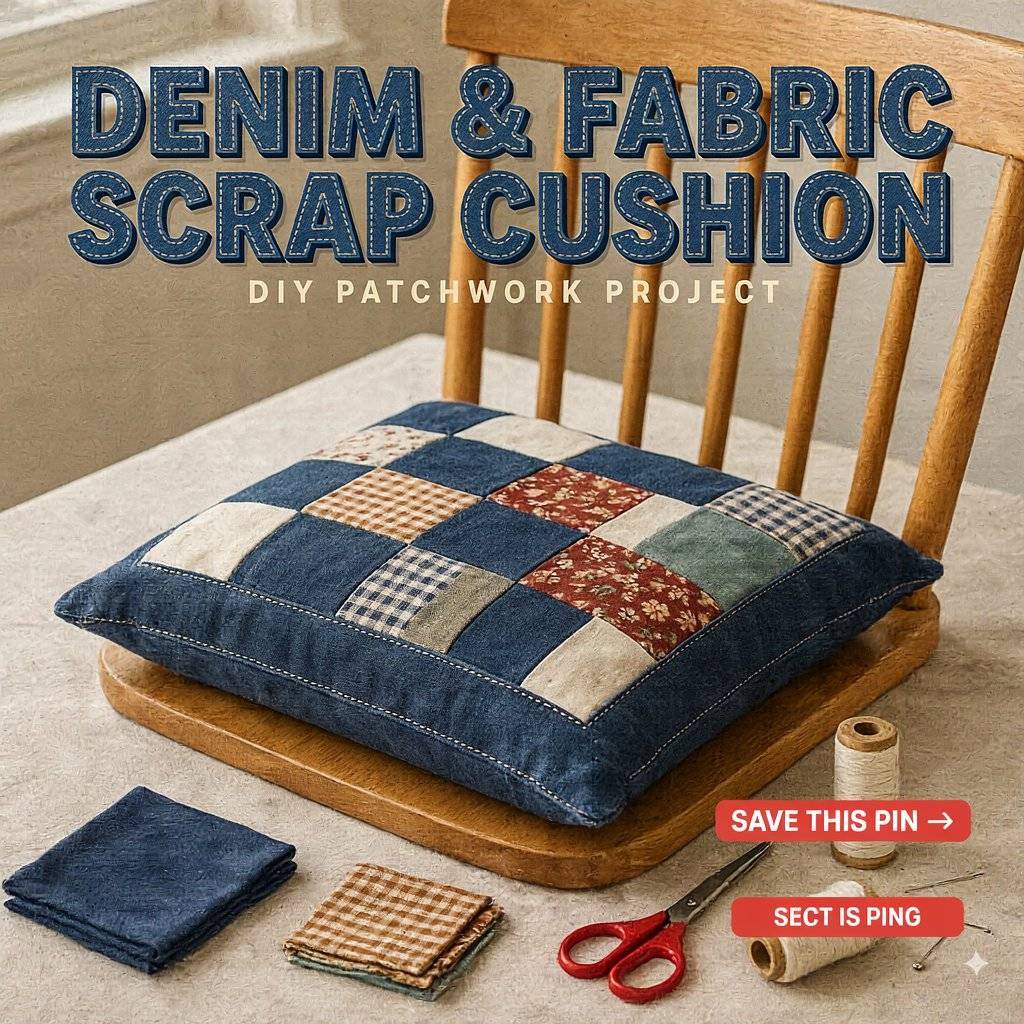
Use denim together with other leftover fabrics instead of relying on jeans alone. Start with a strong denim base and add smaller cotton, canvas, or patterned fabric pieces for contrast.
This is a useful project when you have many scraps that are too small for a complete chair cover. Cut the materials into squares or rectangles and arrange them before sewing. Place stronger denim pieces in areas that will receive more handling.
Once the top panel is complete, sew it into a cushion cover using the original cushion as your guide. An envelope opening or zipper makes the cover easier to remove. The finished cushion can bring color and texture to a plain wooden chair without requiring a large amount of denim.
10. Denim Storage Basket for a Chair Corner

Old jeans can also move away from the chair itself and become useful storage nearby. Cut strong sections of denim from the legs and sew them into a simple rectangular basket. Add a second layer if the denim is too soft to stand on its own.
You can use the basket beside a reading chair for magazines, small craft supplies, blankets, or notebooks. Keep the design simple, or add a jean pocket to the outside for small items. The original waistband can also become a handle if you have enough material.
Denim storage baskets are useful because they make use of pieces that might otherwise be discarded. Choose strong fabric and reinforce the corners so the basket holds its shape when moved.

11. Denim Chair Seat With Crossed Strips

You can create an interesting chair seat without sewing together dozens of small denim pieces. Cut several long strips from old jeans and arrange them across the seat in a simple crossed design.
Place some strips horizontally and others vertically, then stitch or secure them where they overlap. Use different shades if you want the pattern to stand out. This method is particularly helpful when you only have a few pairs of jeans available.
You do not need enough denim to cover the entire chair with one solid piece. Before securing everything, check that the strips are comfortable and that the ends can be attached safely underneath the seat. Keep the surface firm but not overly tight, especially if the chair has a padded cushion.

12. Denim Pocket Wall Organizer Beside a Chair

Sometimes the best chair storage is placed on the wall beside it. Save several jean pockets and attach them to a strong backing made from denim, canvas, or another sturdy fabric.
Arrange the pockets at different heights so each one is easy to reach. You can use the organizer beside a reading chair for notebooks, glasses, charging cables, bookmarks, or small craft items. Pillar Box Blue highlights the versatility of recycled jean pockets for organizers and other home projects.
(Pillar Box Blue) Add a hanging loop at the top and secure the organizer properly to the wall. This gives you useful storage while keeping small items from collecting on the chair or nearby table.

13. Denim Stool Cover From Old Jeans

A small stool is often easier to re-cover than a large chair, making it a good first upholstery project. Remove the seat if possible and use the existing cover as a rough cutting guide.
Arrange pieces of old denim across the top, keeping attractive seams or pockets where they will not make the surface uncomfortable. Pull the denim evenly around the underside and secure it with an upholstery stapler. No complicated pattern is necessary for a basic stool.
If you want a more decorative finish, combine two or three shades of denim. This project can work for a bedroom stool, dressing table seat, craft-room stool, or small footrest. It is also a practical way to use larger denim pieces that are too small for a full chair.

14. Denim Chair Cushion With a Jean Waistband Detail

The waistband from old jeans can become a decorative detail instead of going to waste. For example, you can use a denim waistband around the edge of a chair cushion or as a simple trim on the front of a cushion cover.
First, measure the cushion and prepare the main denim cover. Then position the waistband carefully along an edge before stitching it securely. You can leave the belt loops visible as part of the design or remove them for a cleaner finish.
Because waistbands can be thick, avoid putting several layers directly under a zipper or bulky corner. This small detail gives a handmade cushion some character while making use of a part of the jeans that is often discarded.

15. Memory Denim Chair Made From Family Jeans

A denim chair can become more than a furniture makeover when the jeans have personal meaning. Save usable sections from old family jeans and combine them into one patchwork chair.
You might keep a recognizable pocket, a favorite seam, a label, or another small detail from each pair. Arrange the pieces before sewing so important details remain visible.
One documented denim chair project used pieces of family jeans to preserve memories and even included names connected with the people who had worn them. (Between Naps on the Porch) You can create your own version without making it complicated.
Choose a sturdy chair, use strong denim for the areas receiving the most wear, and treat the finished piece as both useful furniture and a personal keepsake.

How to Prepare Old Jeans for a DIY Denim Project
Before cutting your jeans, inspect each pair carefully. Some areas may be worn thin even though other sections are still very strong.
Start by washing and drying the jeans. Remove buttons, zippers, metal pieces, and anything you will not use. Keep useful parts such as pockets, waistbands, hems, belt loops, and strong seams in separate piles.
For chair upholstery, choose the strongest denim for the seat and other areas that receive regular use. Smaller pieces can be saved for pockets, decorations, patches, and storage projects.
It is also worth making a paper template before cutting expensive or sentimental denim. This gives you a chance to check the measurements without wasting fabric.
What You Need for Most DIY Denim Chair Projects
You do not need a large collection of specialist tools for simple denim projects. Many can be completed with basic sewing and upholstery supplies.
Useful items include:
- Old jeans
- Fabric scissors
- Measuring tape
- Strong sewing thread
- Heavy-duty sewing needle
- Sewing machine, if available
- Pins or clips
- Fabric marker
- Upholstery stapler
- Staples
- Seam ripper
- Existing chair or cushion for a template
For thicker denim, sew slowly and avoid forcing the needle through several bulky seams at once. A walking foot can also make it easier for a sewing machine to handle multiple layers of fabric, as demonstrated in a denim chair upholstery project. (Vicky Myers Creations)
Tips for Making Denim Furniture That Lasts
Check the denim first. Do not use fabric that is already thin, badly torn, or stretched out for the main seating area.
Measure twice. Chair seats are not always perfectly square. Making a paper template can prevent expensive mistakes.
Keep bulky seams away from seating areas. Jean seams look attractive, but too many layers in one place can create an uncomfortable bump.
Reinforce important areas. Add extra stitching to pockets, corners, handles, and places that will receive regular pulling.
Consider removable covers. A zipper or another removable design makes cleaning much easier, especially for cushions used every day. (Make it in denim)
Do not overload storage pockets. Denim is strong, but the stitching and backing also need to support whatever you put inside.
Use the best denim where it matters. Save weaker scraps for decorative sections rather than throwing them away.
Frequently Asked Questions
Can I use any old jeans for a DIY denim chair?
Not every pair is suitable for upholstery. Look for denim that is still strong and free from major thinning or damage. Stretch jeans can work for some decorative projects, but sturdy woven denim is generally easier to use when you need a firm covering.
Do I need a sewing machine to make denim furniture?
No. Some small projects, such as simple pockets or decorations, can be sewn by hand. Larger upholstery projects are usually easier with a sewing machine or upholstery stapler. If you are working with thick denim, use an appropriate needle and take your time through bulky sections.
How many pairs of jeans do I need for a denim chair?
It depends on the size of the chair and whether you want a full covering or a patchwork design. A small seat may need only a few pairs, while a large chair can require considerably more. It is better to collect extra jeans so you can choose the strongest pieces and match the colors.
How do I make a denim chair easier to clean?
A removable cushion cover is one of the simplest options. Adding a zipper allows you to take the cover off when it needs cleaning.
For permanently upholstered chairs, follow the care instructions for the denim and avoid soaking the furniture if the padding underneath cannot dry properly. (Make it in denim)
Wrapping It Up
Old jeans have plenty of life left in them even after they are no longer comfortable to wear. The strong fabric, useful pockets, thick seams, waistbands, and different shades make denim a good material for practical home projects.
You can start small with a chair pocket organizer or cushion cover before moving on to a full denim chair makeover. If you have several pairs of jeans, patchwork upholstery gives you more freedom to combine colors and useful details.
The important thing is to choose a project that matches the denim you already have. With a little measuring, careful cutting, and strong stitching, those old jeans can become useful furniture, storage, and home décor instead of ending up in the trash.
Related Post: