
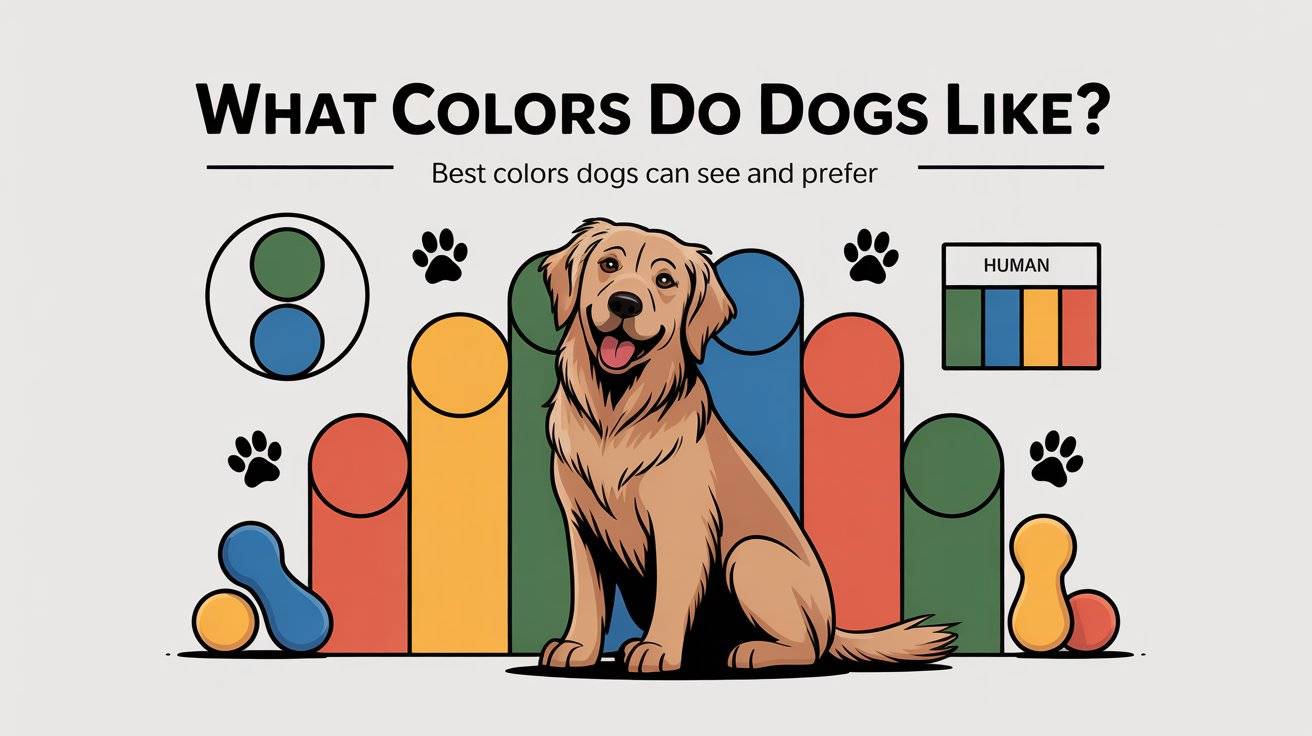
You throw a bright red ball. Your dog stares at the grass. What gives?
It’s not that your dog is ignoring you. That red ball probably looks like a boring brown lump against the yard. Dogs don’t see color the way we do. Once you understand their world, you can pick better toys, train smarter, and even help an older dog get around the house easier.
Let’s get into what colors dogs can actually see and which ones they seem to like best.
Why This Topic Matters
This isn’t just random science. Knowing what your dog sees helps you in real ways.
- You stop wasting money on toys your dog can’t find.
- You can train your dog using colors they actually notice.
- You make your home safer for senior dogs with fading eyesight.
- You understand why your dog runs past some toys and chases others.
Dogs rely on their eyes every single day. A small change in color can turn a frustrating fetch game into a fun one. It can also help an old dog avoid a fall on the stairs. This information is simple, but it makes a big difference.
Main Content: 10 Detailed Tips on Dog Colors
1. Dogs See Blue Better Than Any Other Color
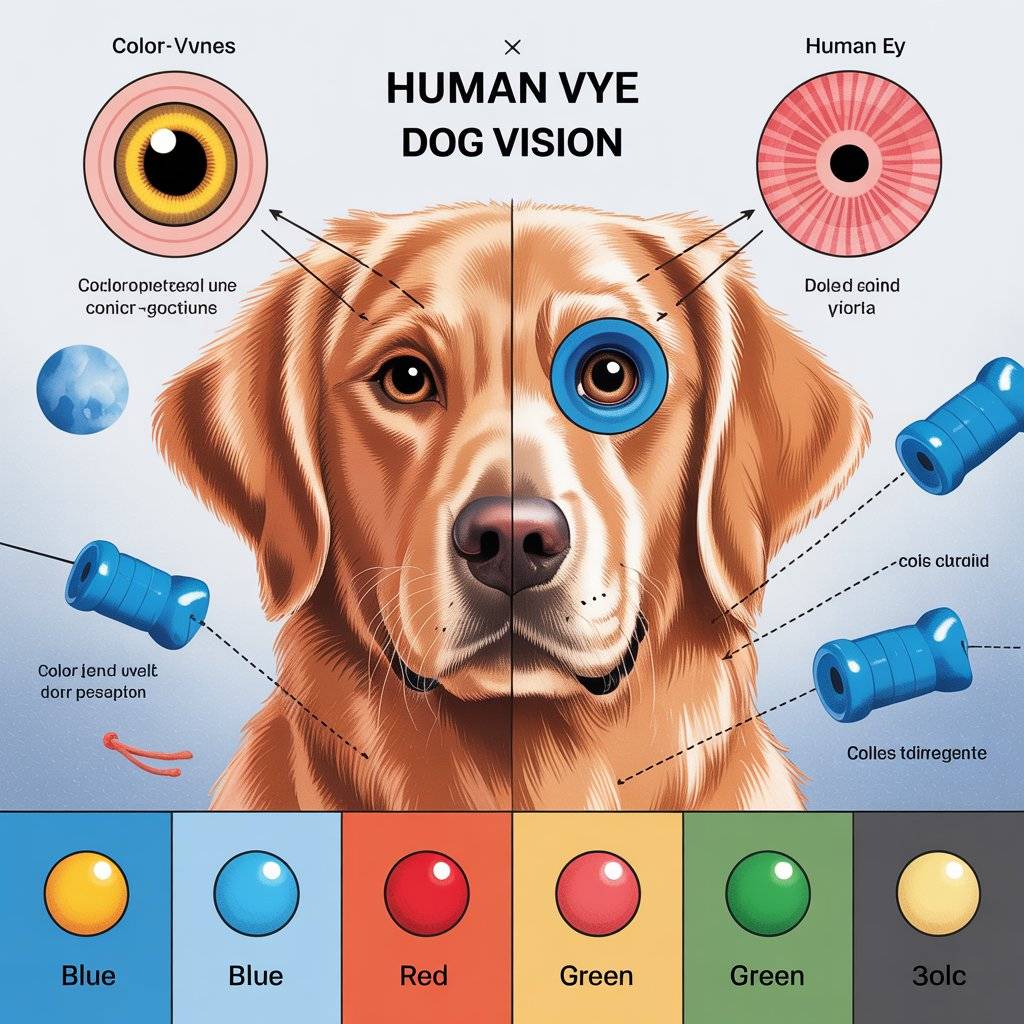
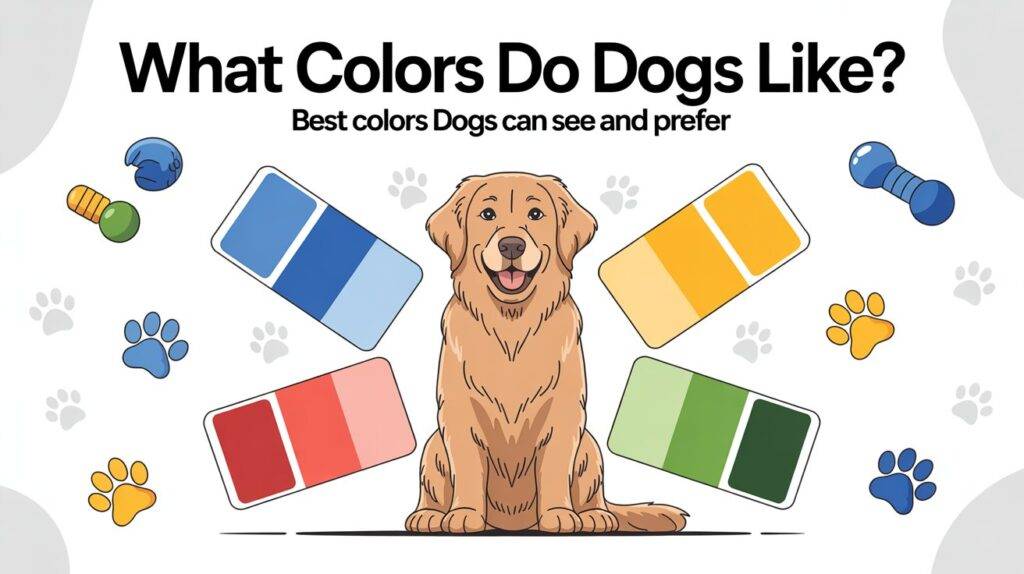
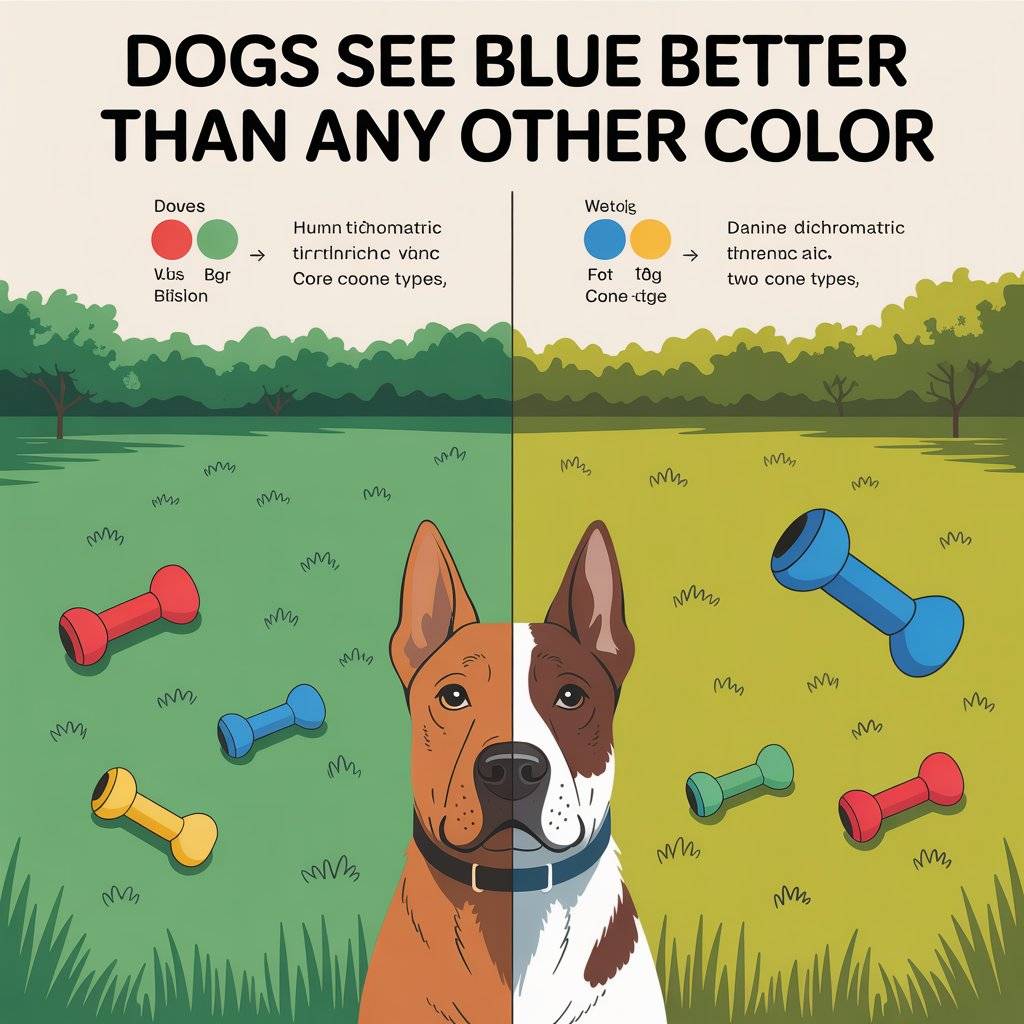
Out of all the colors, blue is the one your dog’s eyes pick up the clearest. Dogs have dichromatic vision. That means they have two types of color-detecting cones in their eyes. Humans have three. Blue is one of the two colors dogs can truly see well.
Scientists at the University of California tested dogs by showing them different colored panels. The dogs consistently chose blue panels over red or green ones. That tells us blue stands out to them like a neon sign would to us.
So when you’re shopping for toys, look for bright blue. A blue fetch toy on green grass won’t disappear. Your dog will actually see it flying through the air. This product can help you avoid the frustration of watching your dog run past a red toy they simply cannot see.
2. Yellow Is the Second Most Visible Color for Dogs
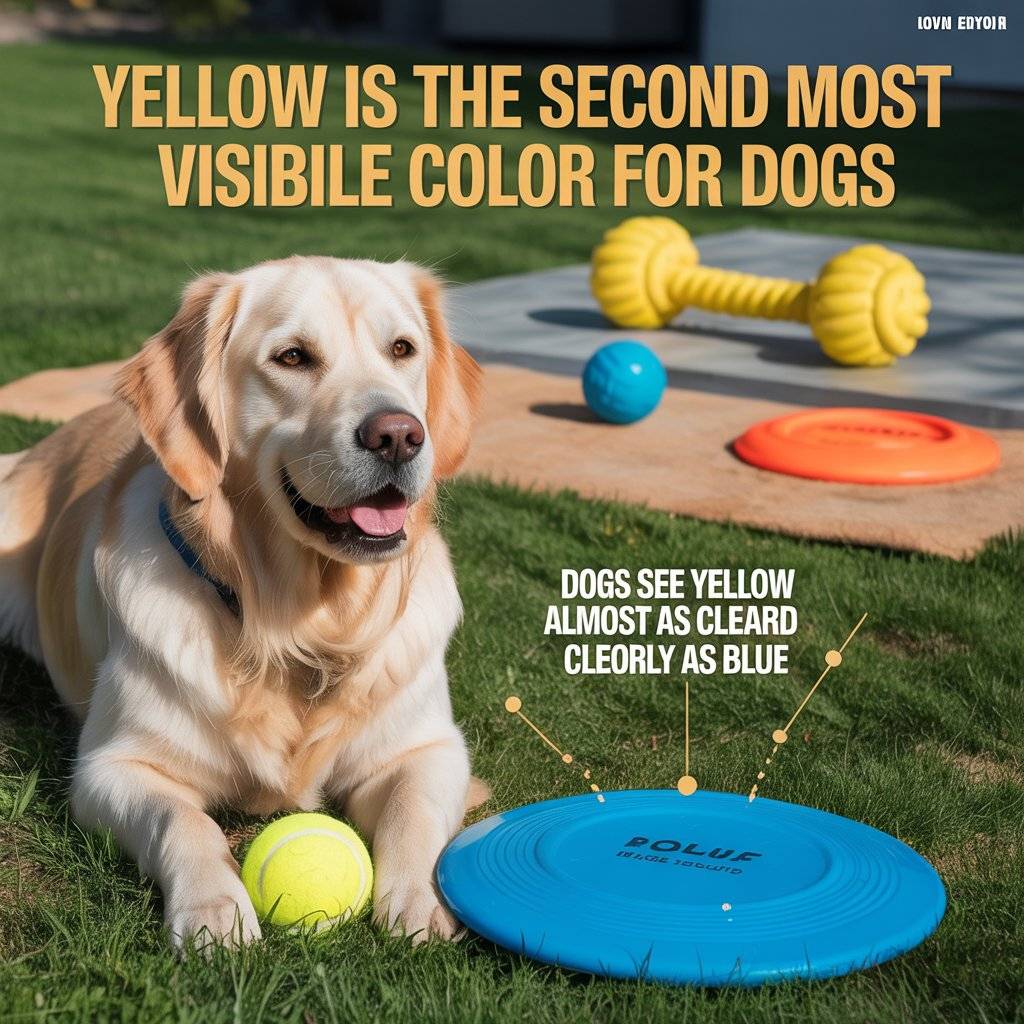
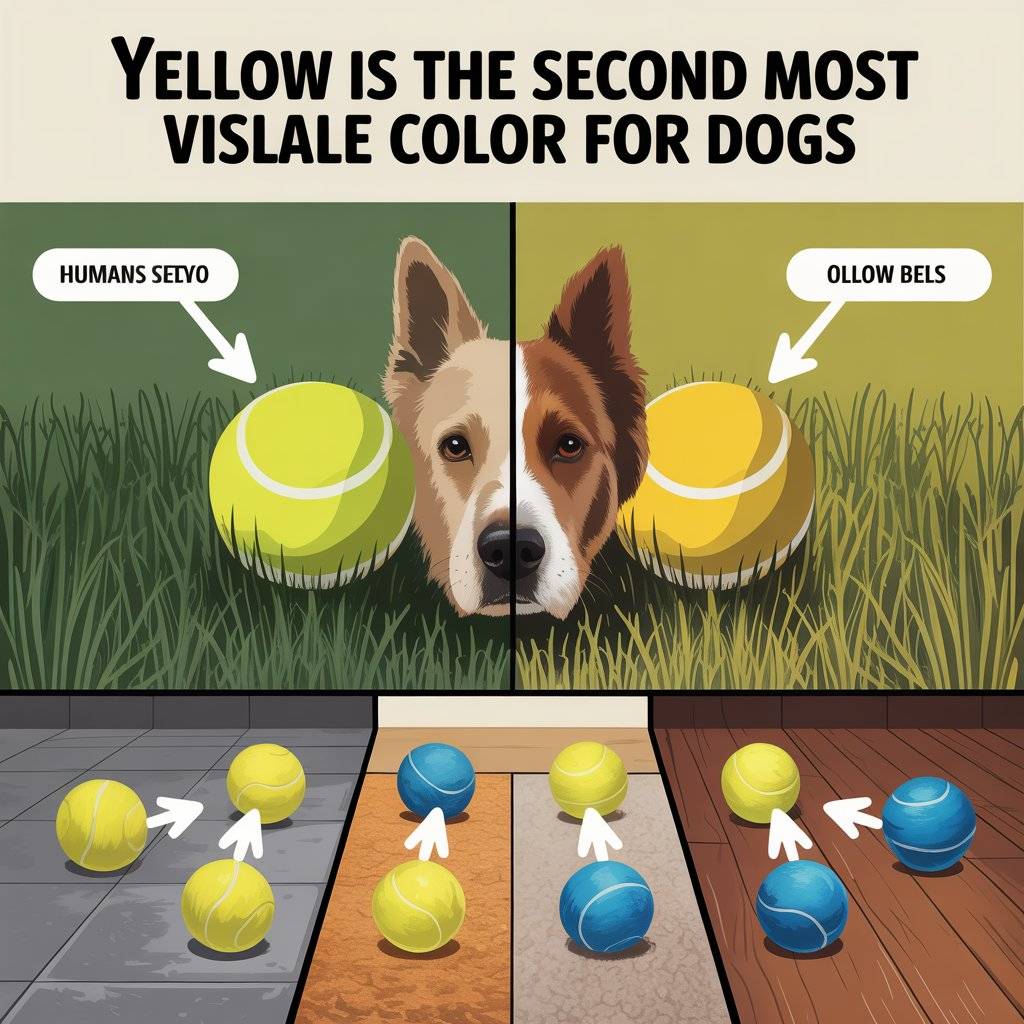
Yellow is the other big winner. Dogs see yellow almost as clearly as blue. A bright yellow ball, a yellow training mat, or even a yellow leash can catch your dog’s attention from across the yard.
But here’s a small catch. Dogs see green as a kind of yellowish-brown. That means a yellow toy on a green lawn might not pop as much as a blue toy would. The two colors can blend a little. However, against a gray sidewalk, a tan carpet, or a dark floor, yellow really shines.
Many dog toy companies now make “dog‑vision” toys in yellow and blue. They’re not a gimmick. They actually work better because they match your dog’s biology. Try swapping that old red frisbee for a bright yellow one. You’ll likely see your dog tracking it much better.
3. Red Looks Like Dark Brown or Gray to Your Dog
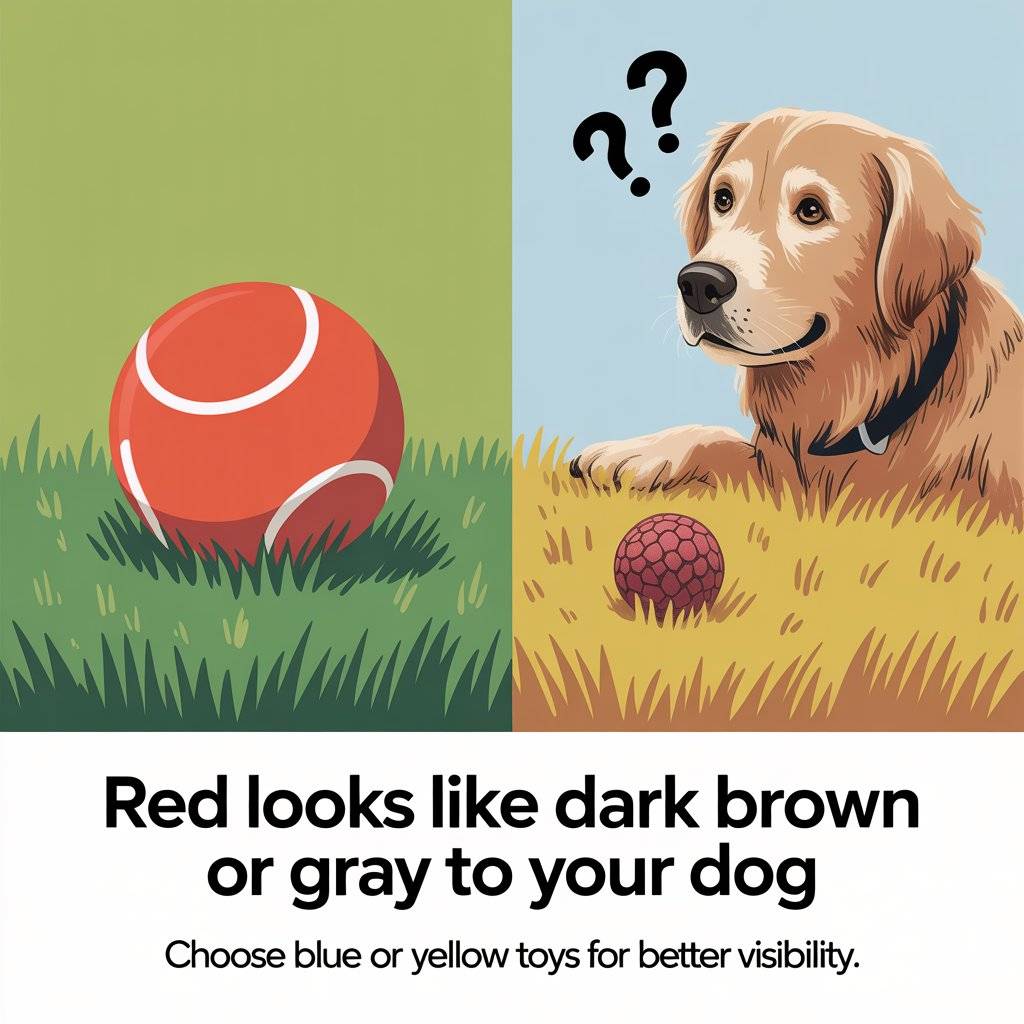
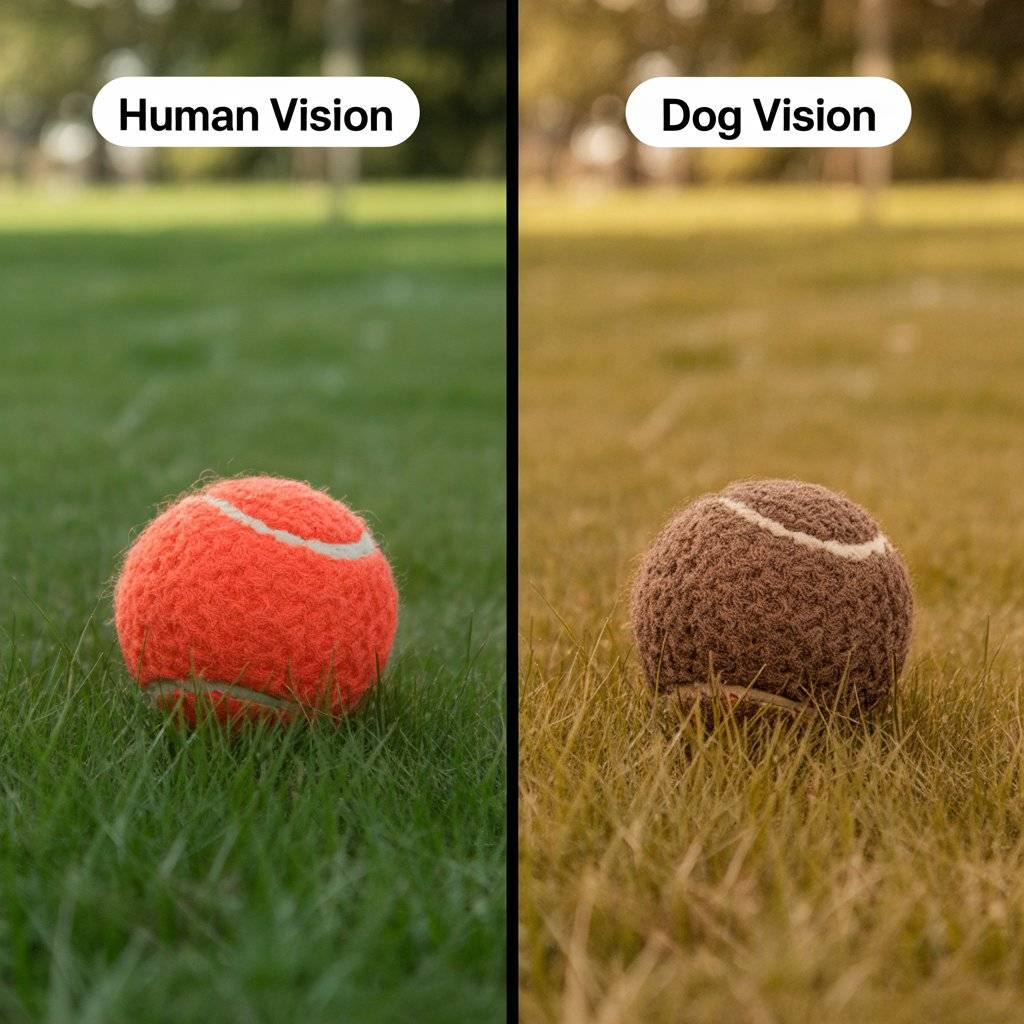
Here’s where most people get tripped up. That beautiful red ball you bought? Your dog doesn’t see red at all. To a dog, red objects look like a muddy brown or a dark gray. On green grass (which dogs see as yellowish‑brown), the red toy practically disappears.
This explains so many frustrating fetch games. You think you’re being helpful with a bright, colorful toy. Your dog thinks you’re pointing at nothing. Research from the Russian Academy of Sciences trained dogs to pick colored cards. When red was introduced, the dogs treated it the same as gray.
Don’t feel bad. Most pet stores still sell mostly red and orange toys because those colors grab human attention. But your dog doesn’t care about that. If you want your dog to actually see the toy, skip red. Go with blue or yellow instead.
4. Green Looks Like a Dull Yellowish‑Brown
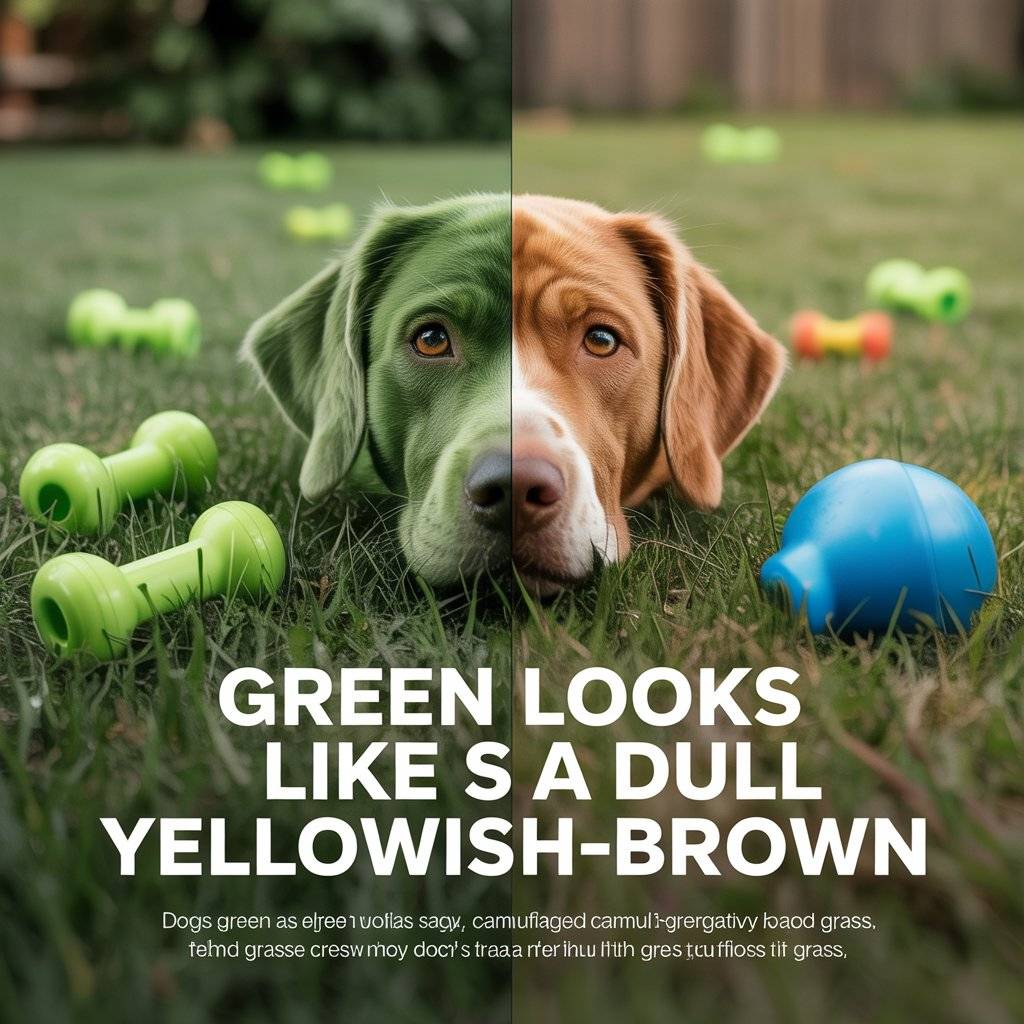
Green is another color dogs don’t see the way we do. To a human, a green lawn is vibrant and fresh. To your dog, that same lawn looks like a dull, muted yellowish‑brown. It’s not ugly to them it’s just not green.
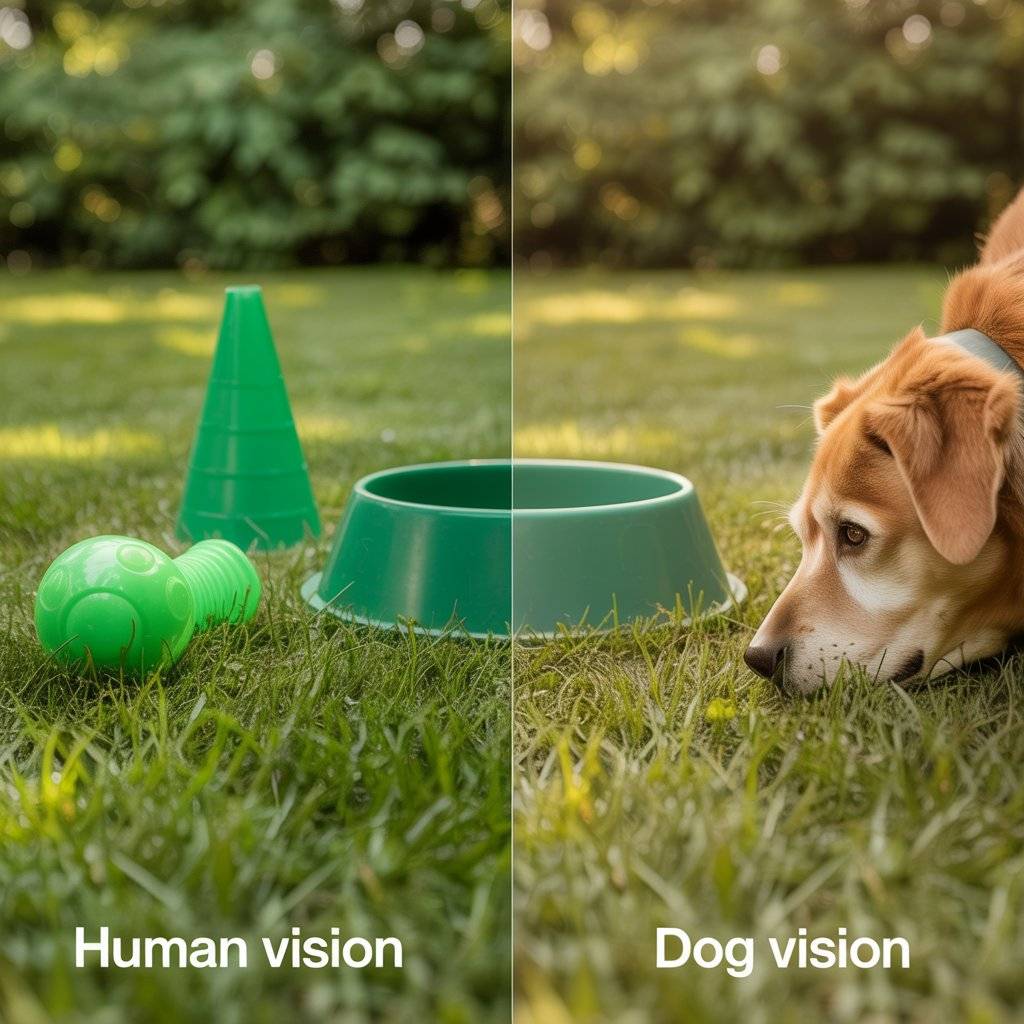
This is important because so many dog products come in green. Green fetch toys, green training cones, green beds. Your dog can still see those items, but they won’t stand out much from the background. A green toy on grass is basically camouflage.
That doesn’t mean you can never buy green things. It just means if you want your dog to notice something quickly, don’t rely on green. Use a contrasting color like blue or yellow. For example, a blue water bowl on a green lawn is very easy for your dog to spot. A green water bowl? Not so much.
5. Dogs Prefer Blue Toys in Real‑World Tests
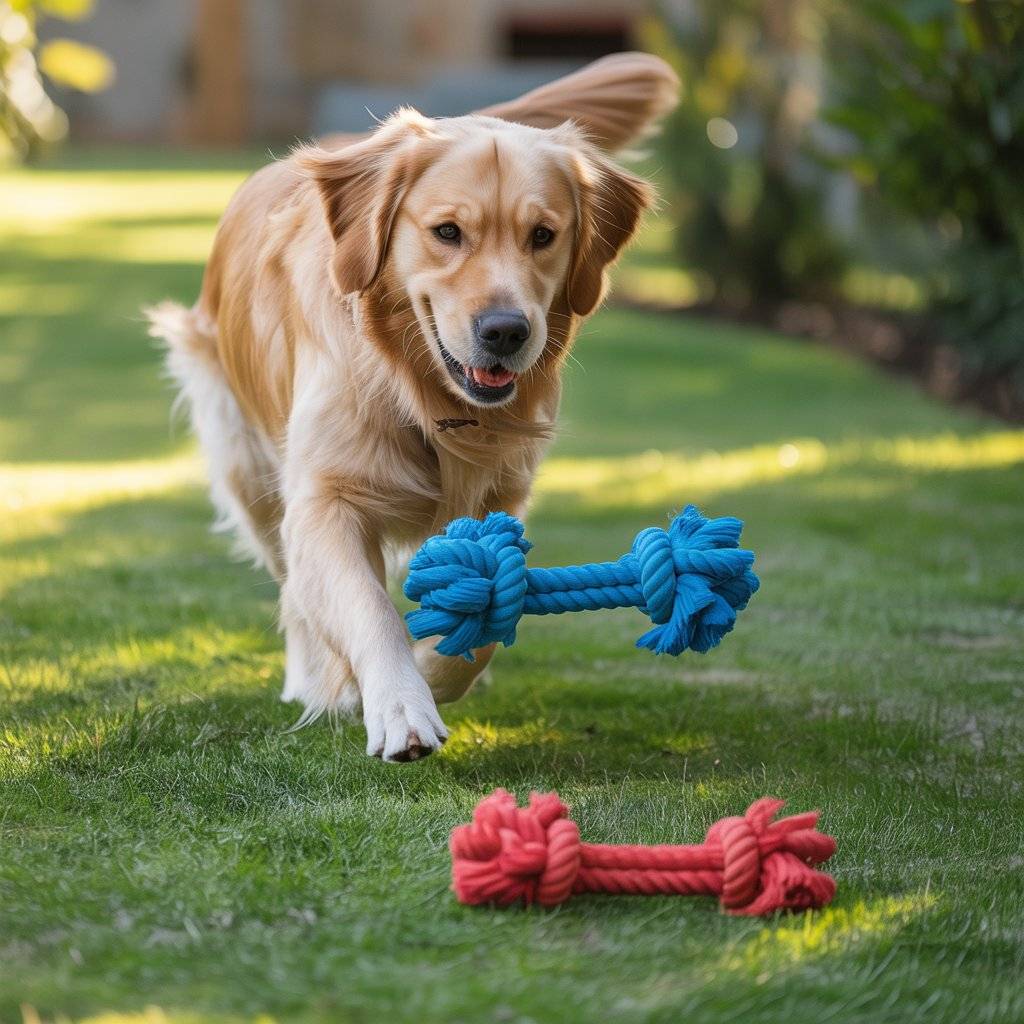
So we know dogs can see blue and yellow. But do they actually like those colors more? Researchers have tested this by giving dogs a choice between different colored toys. Over and over, dogs showed more interest in blue toys than red, green, or gray ones.
One study gave dogs three identical toys in different colors. The dogs played longer with the blue toy. They also retrieved it faster. Scientists think it’s not that dogs “love” blue emotionally. It’s more that blue is easier for their eyes to process. It’s less work to look at.
You can test this at home. Get two identical toys one blue, one red. Toss them both at the same time. Watch which one your dog goes for first. Most dogs will pick blue. This simple test can change how you shop for toys forever.
6. Orange Looks Like a Dull Gold or Brown to Dogs
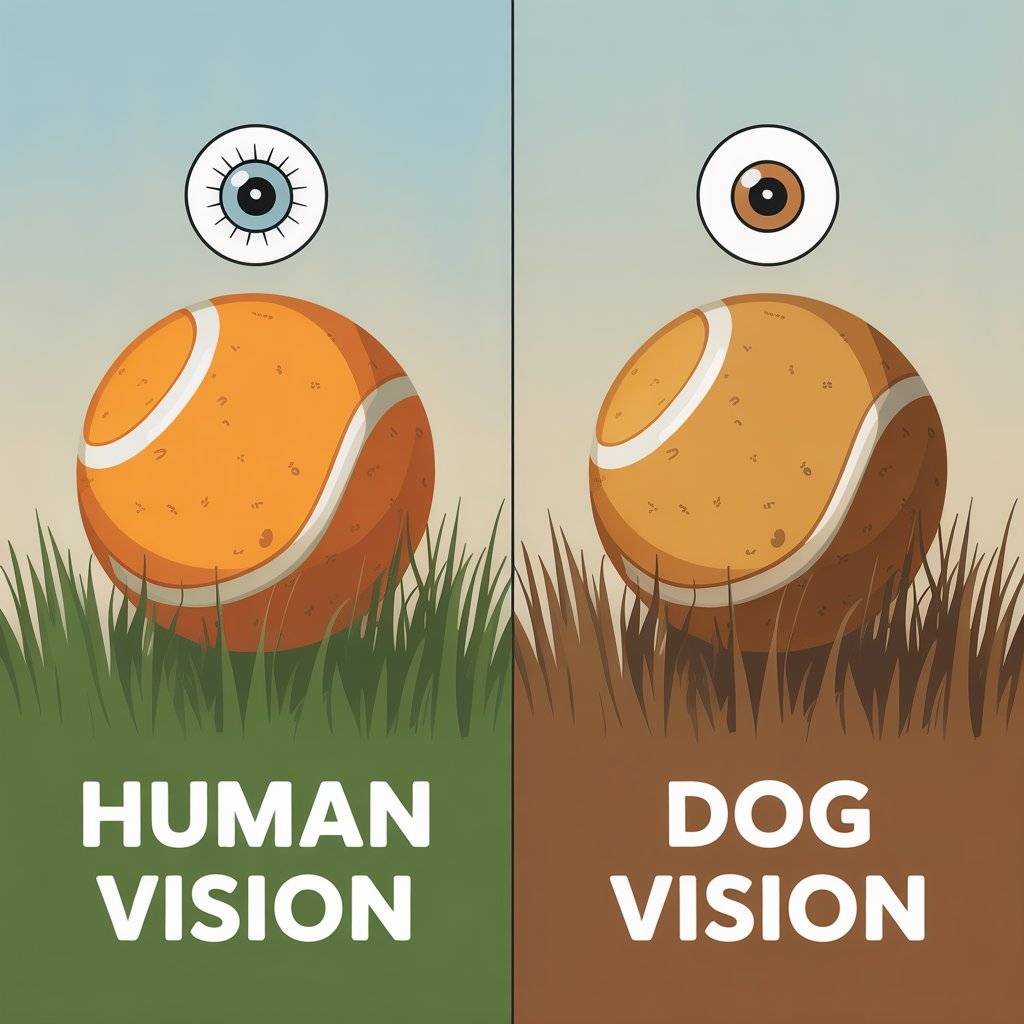
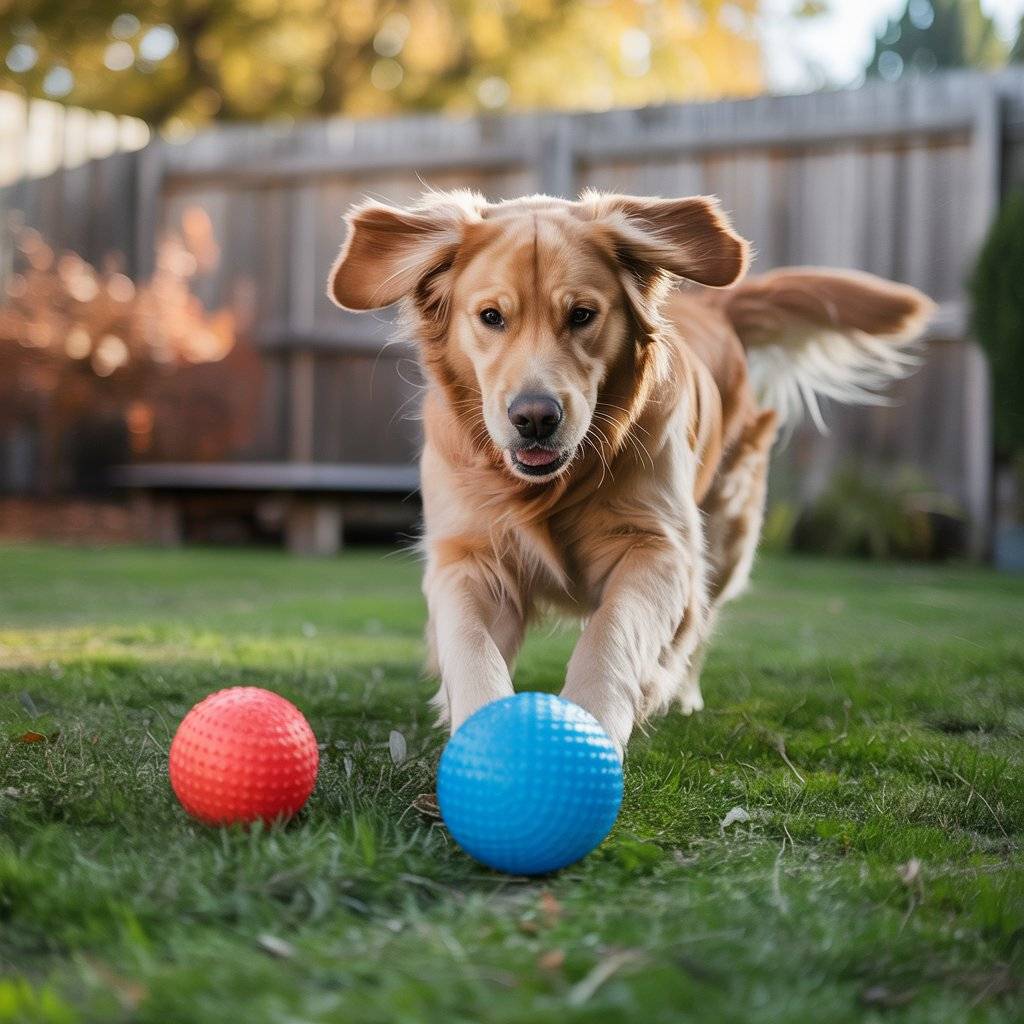
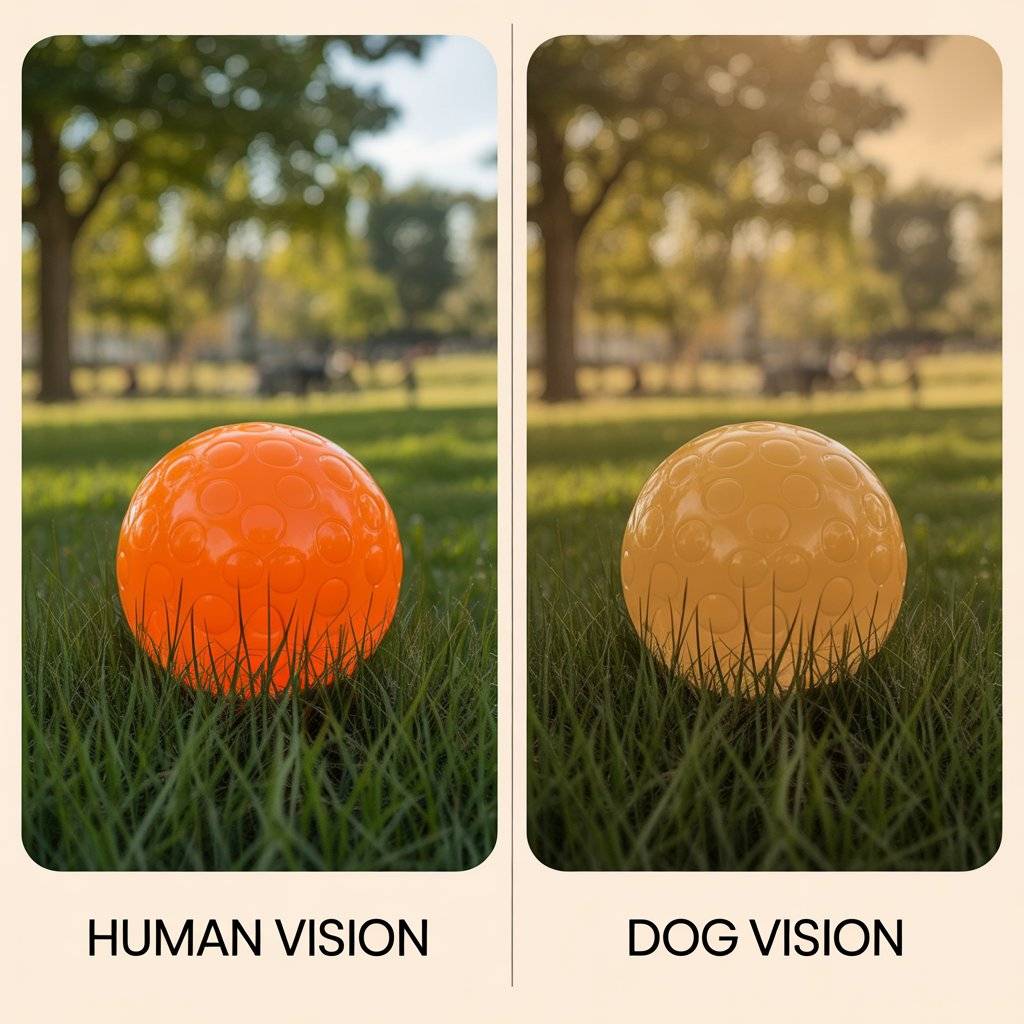
Orange is a tricky one. To you, it’s bright and cheerful. To your dog, orange usually looks like a dull gold color, or sometimes a brownish shade. It’s not as invisible as red, but it’s also not as clear as blue or yellow.
Why does this matter? A lot of dog toys and balls are orange. Think about those classic orange Chuckit balls. They’re very popular. Your dog can see them okay in good lighting, but they don’t pop. If you throw an orange ball into tall grass or shadows, it can get lost fast.
If you really like orange, that’s fine. Just know the limits. Use orange toys in open spaces with good light. Avoid them at dusk or in cluttered areas. Better yet, keep one blue toy and one orange toy in your bag. Use the blue one when you really want your dog to stay engaged.
7. Pink and Purple Are Basically Gray to Your Dog
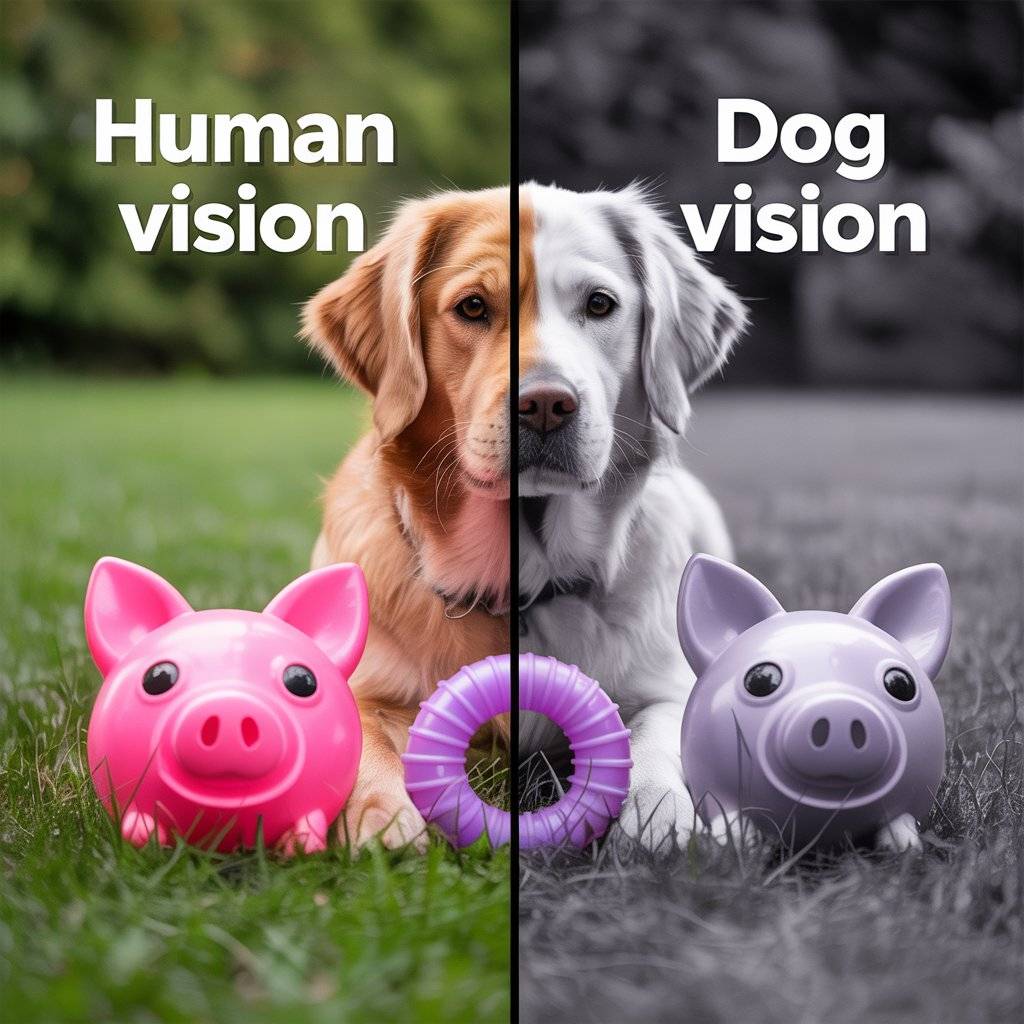
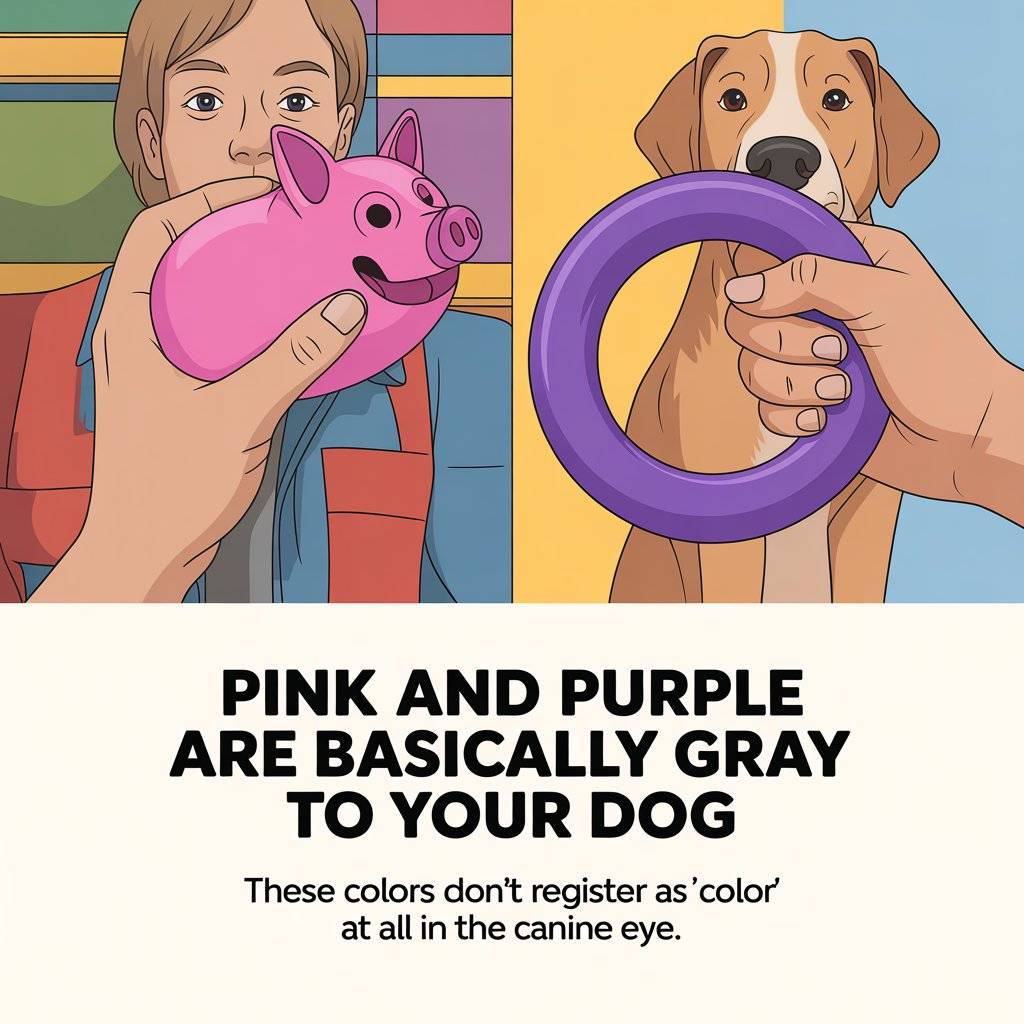
Pink and purple might look pretty to you, but your dog sees them as shades of gray. Not a light gray or a dark gray just plain gray. These colors don’t register as “color” at all in the canine eye.
That pink squeaky pig toy? Gray. That purple fetch ring? Gray. Your dog isn’t ignoring it because it’s not interesting. They’re ignoring it because it has the same visual pop as a rock.
This is a huge one for people who buy cute, Instagram‑worthy dog gear. The toy might look adorable in photos, but your dog doesn’t care. If you want your dog to actually play with it, look for blue or yellow instead. You can still buy pink things for yourself. Just don’t expect your dog to notice them more than any other gray object.
8. Use High‑Contrast Colors for Senior Dogs or Low Light
As dogs get older, their eyesight often gets worse. The same is true in dim lighting, like early morning or late evening. In those situations, color matters even more. But contrast how light or dark something is becomes just as important as the color itself.
A blue toy on green grass has decent contrast. But a bright yellow toy on a dark brown floor has amazing contrast. Dogs can see that difference even when their color vision fades.
For senior dogs, try putting a light blue mat at the bottom of dark stairs. Or put yellow tape on the edge of each step. This simple change can help an older dog avoid falls. It’s cheap, easy, and it works because you’re working with your dog’s biology. This product can help you make your home safer without major renovations.
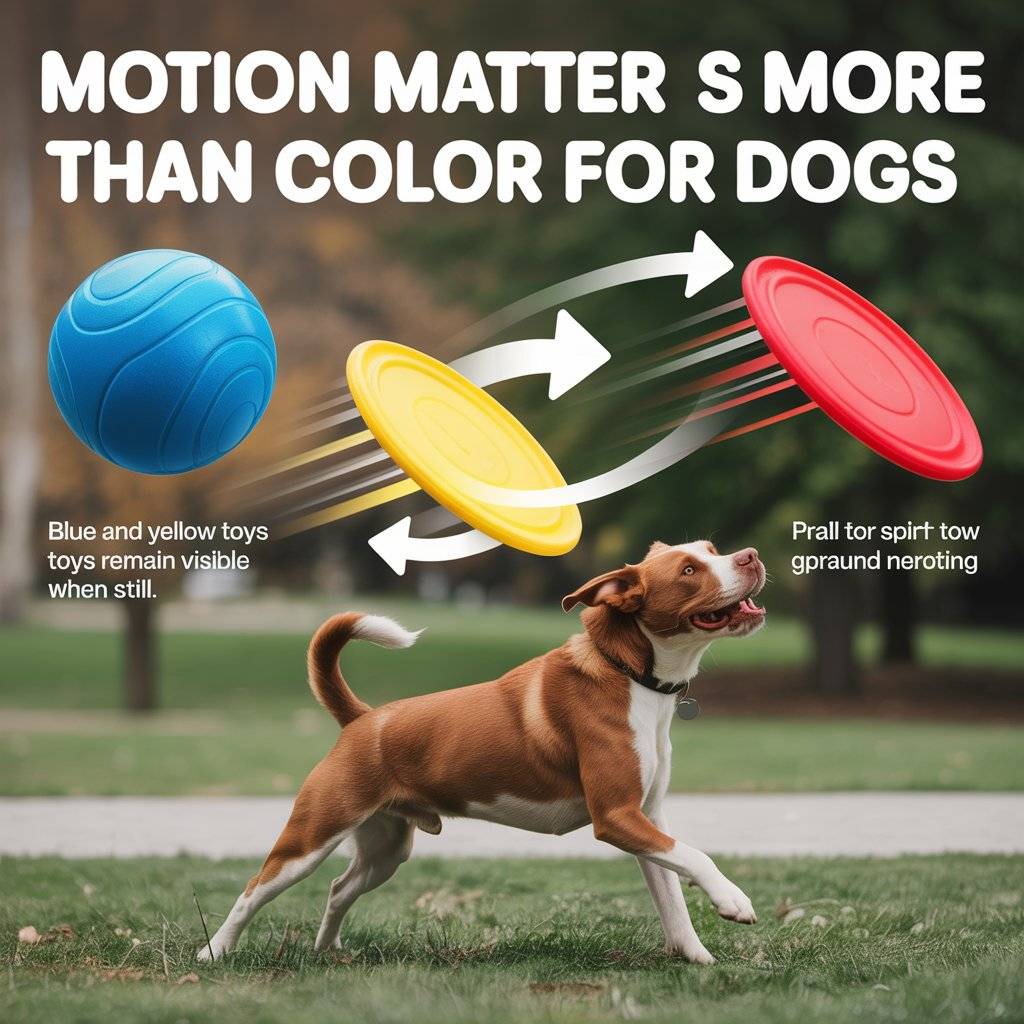
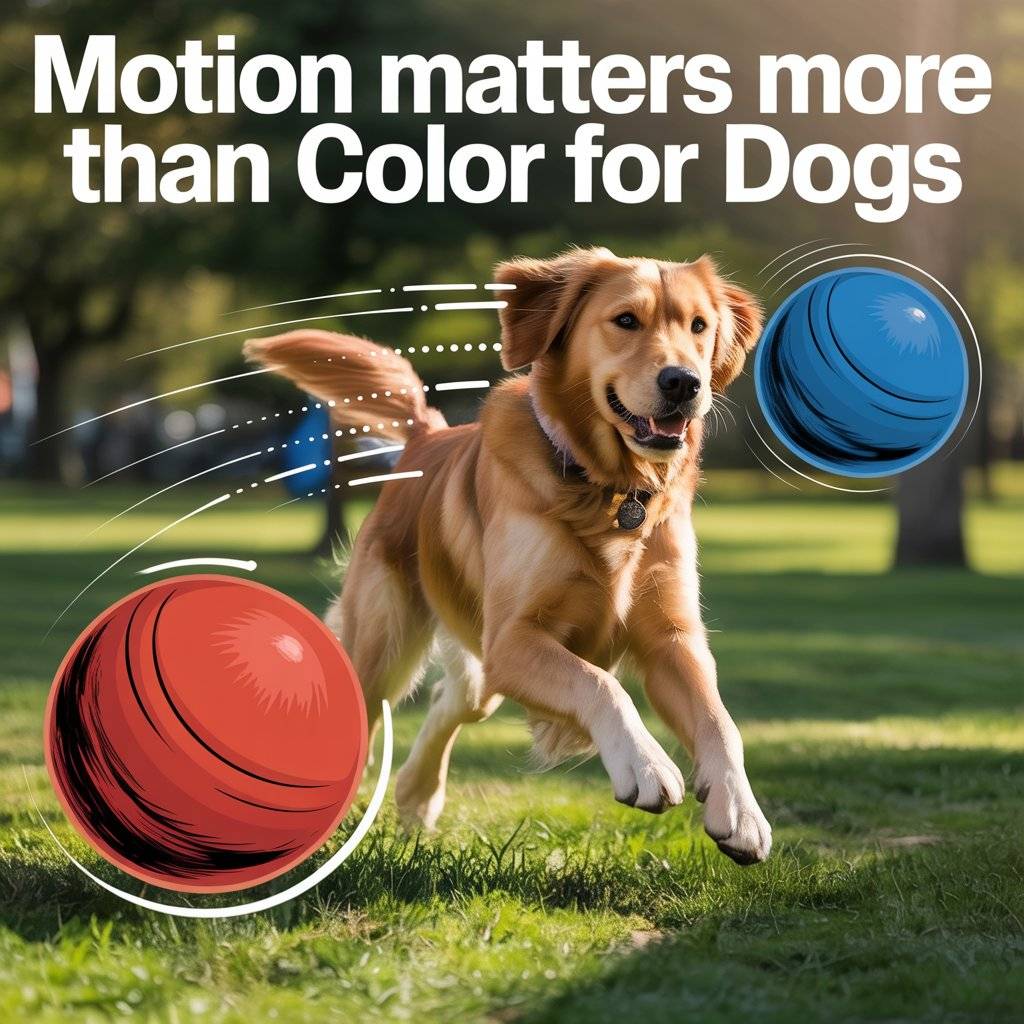
9. Motion Matters More Than Color for Dogs
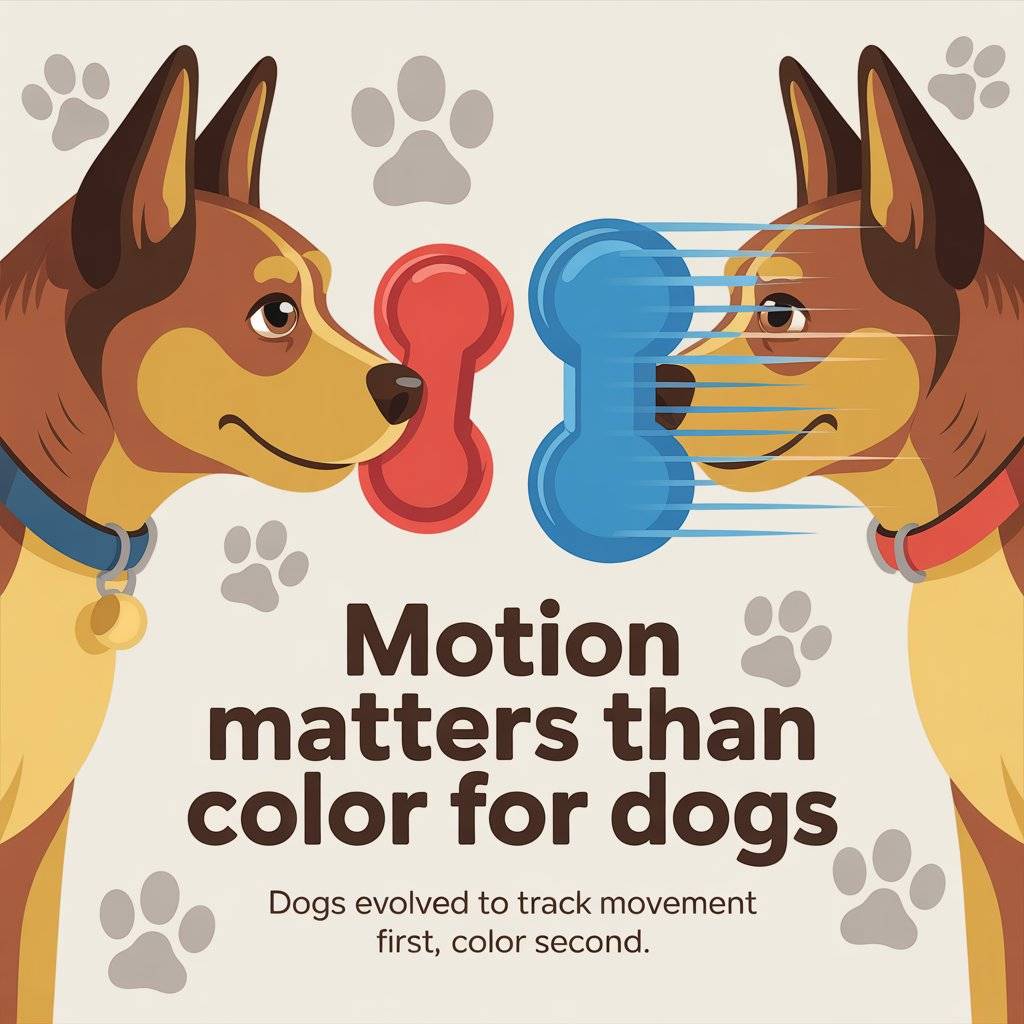
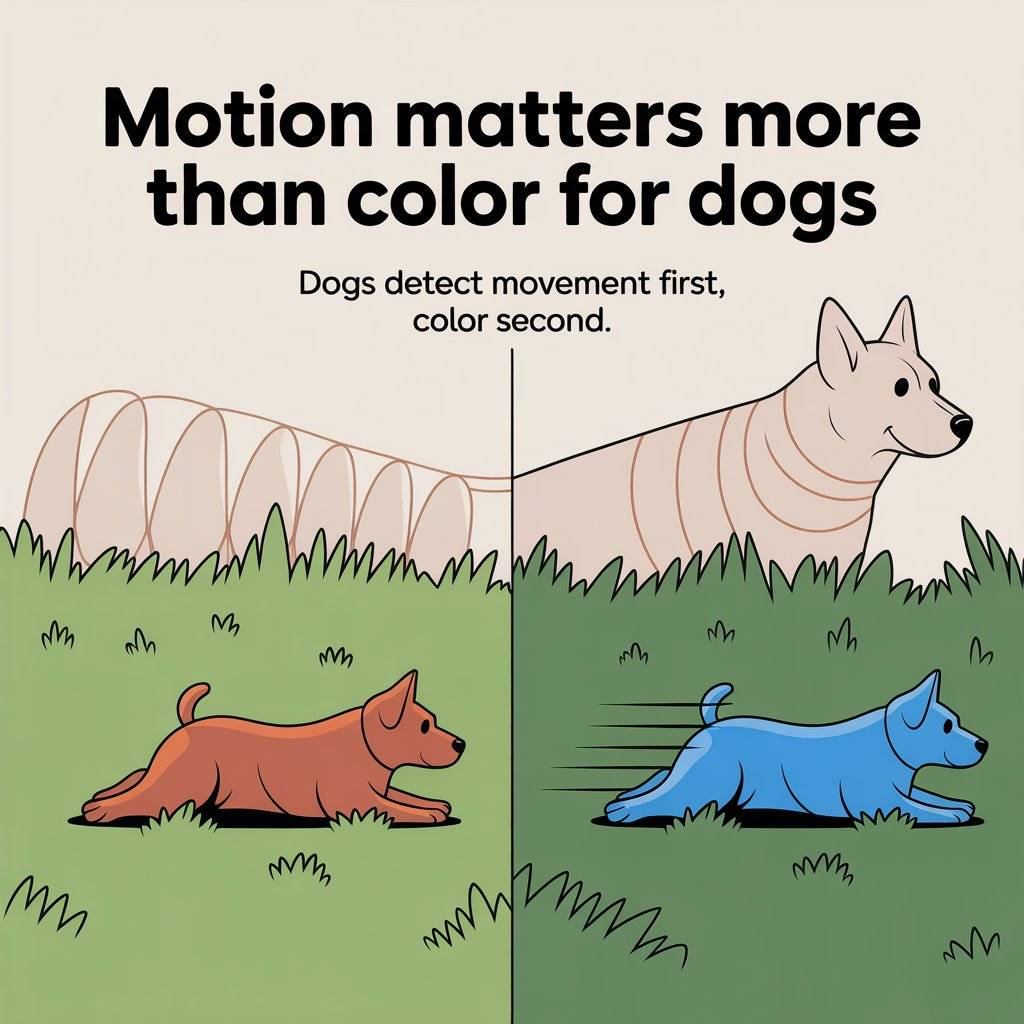
Here’s something a lot of people miss. Dogs evolved to track movement first and color second. Their ancestors were hunters who needed to spot a running rabbit or a fleeing deer. So even if a toy is the perfect blue color, if it’s sitting still, your dog might not care.
That’s why a moving red toy can still get your dog’s attention because motion overrides color. But once the toy stops moving, a red toy becomes a brown blur. A blue toy keeps some of its visibility even when still.
So when you’re playing fetch, keep the toy moving. Drag it across the ground. Wiggle it before you throw. That motion will grab your dog’s eye. Then the color helps them track it through the air. Combine motion with the right color (blue or yellow) and you’ll have a dog that’s locked in.
10. You Can Train Your Dog to Respond to Color Cues
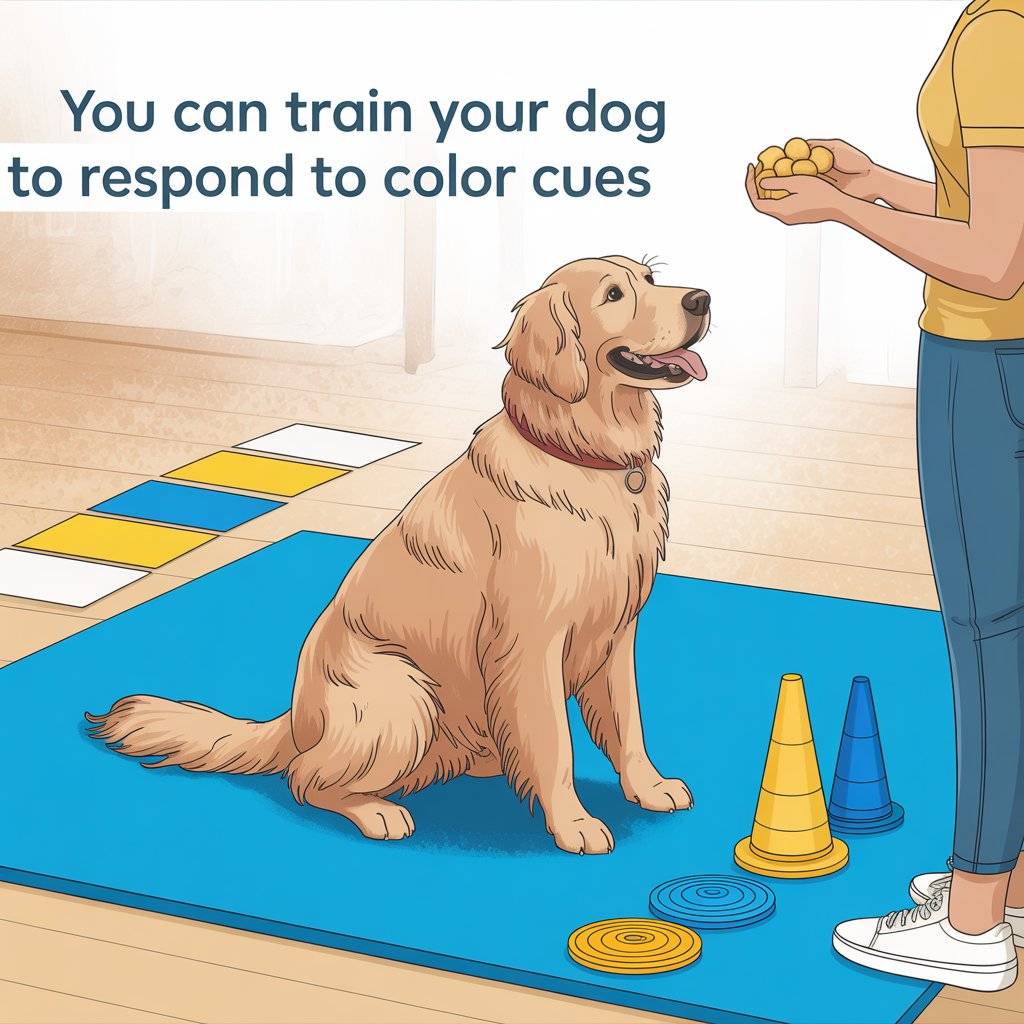
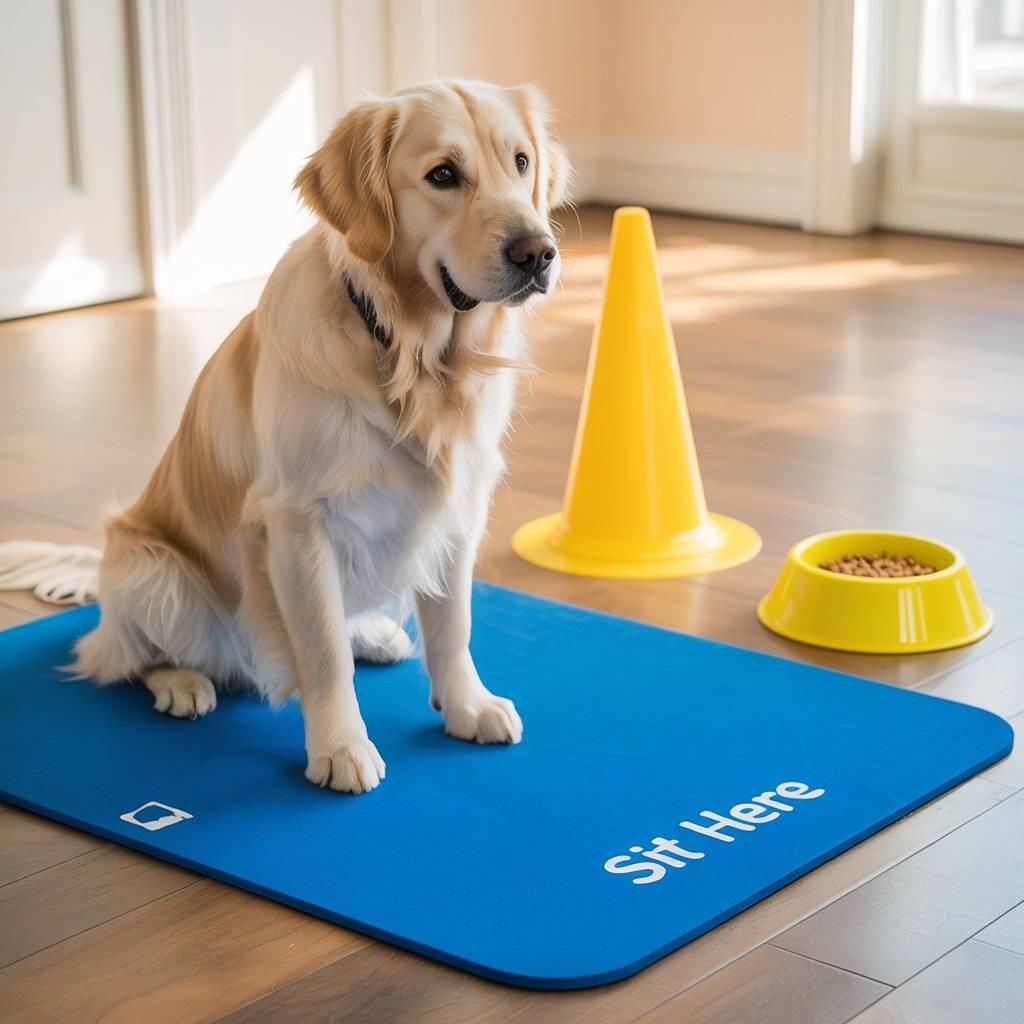
Even though dogs see fewer colors than we do, you can still use color as a training tool. Stick to blue and yellow for best results. Your dog can learn that a blue mat means “sit here” or a yellow cone means “go around.”
Start simple. Put a blue piece of paper on the floor. Reward your dog any time they touch it with their nose. After a few tries, your dog will start looking for blue things. You can then move that paper to different spots. Your dog will follow the color, not just the location.
This works really well for agility training or for teaching an old dog new tricks. You can also use colored bowls to help a dog with vision problems find their food. A bright yellow bowl on a dark floor is easy to spot. Just keep the background simple. Too many colors or patterns will confuse your dog.
Product Recommendations
1. KONG Classic Dog Toy (Blue)
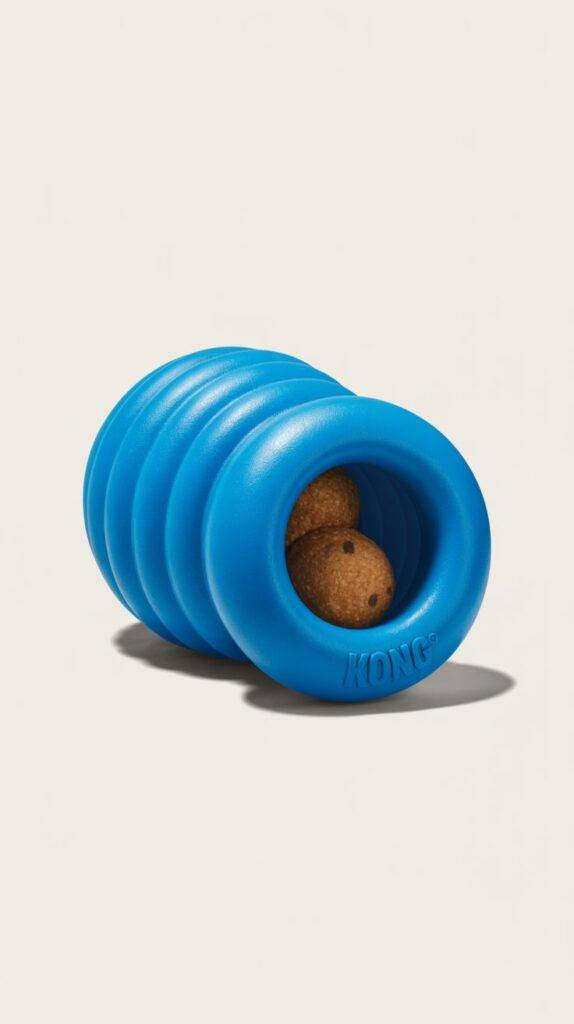
KONG is the gold standard when it comes to tough, vet‑recommended dog toys. The blue version is a no‑brainer because blue is the #1 color dogs see best. This natural‑rubber toy bounces unpredictably, which keeps your dog guessing and engaged.
You can also stuff it with peanut butter or kibble to turn playtime into a puzzle. It survives even the strongest chewers and is made in the USA. This product can help you replace the red or green toys your dog ignores with something they‘ll actually chase.
👉 Check price on Amazon.com: Durable fetch and treat-dispensing play

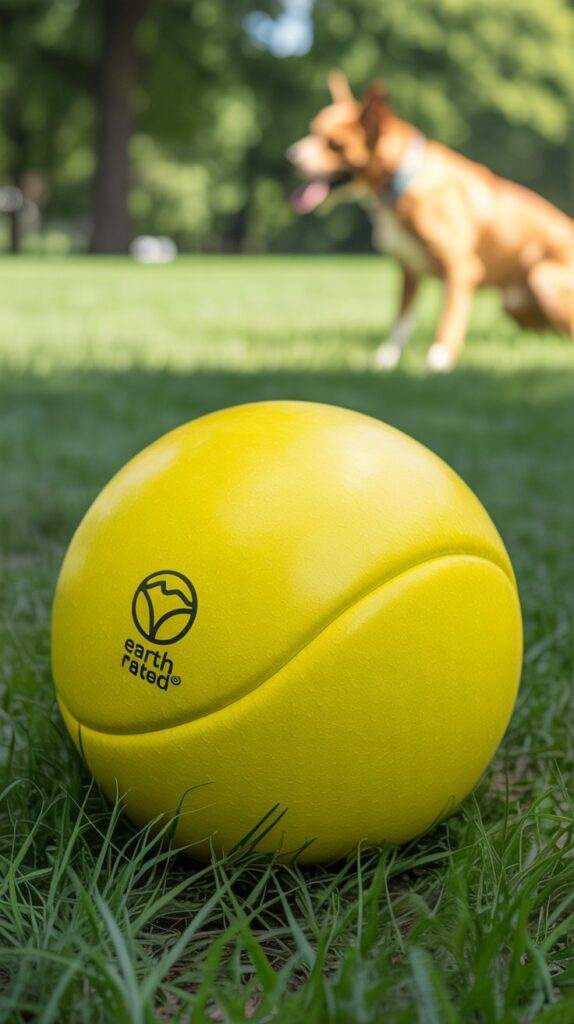
2. Earth Rated Dog Ball (Yellow)
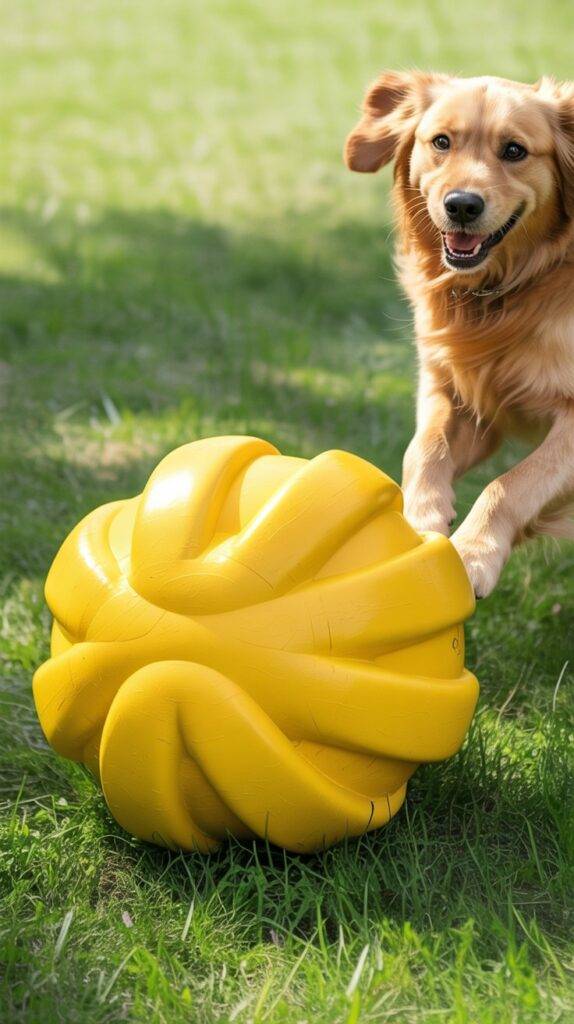
The Earth Rated Dog Ball is a bright, bouncy fetch toy made from natural rubber. Yellow is the second most visible color for dogs, so this ball stands out clearly on grass, sand, or carpet.
The unpredictable bounce adds a mental challenge, and it comes in multiple sizes for any breed. It’s also non‑toxic and gentle on your dog’s teeth. This product can help you solve the problem of lost tennis balls, because your dog will actually see this one coming.
👉 Check price on Amazon.com: High‑visibility fetch
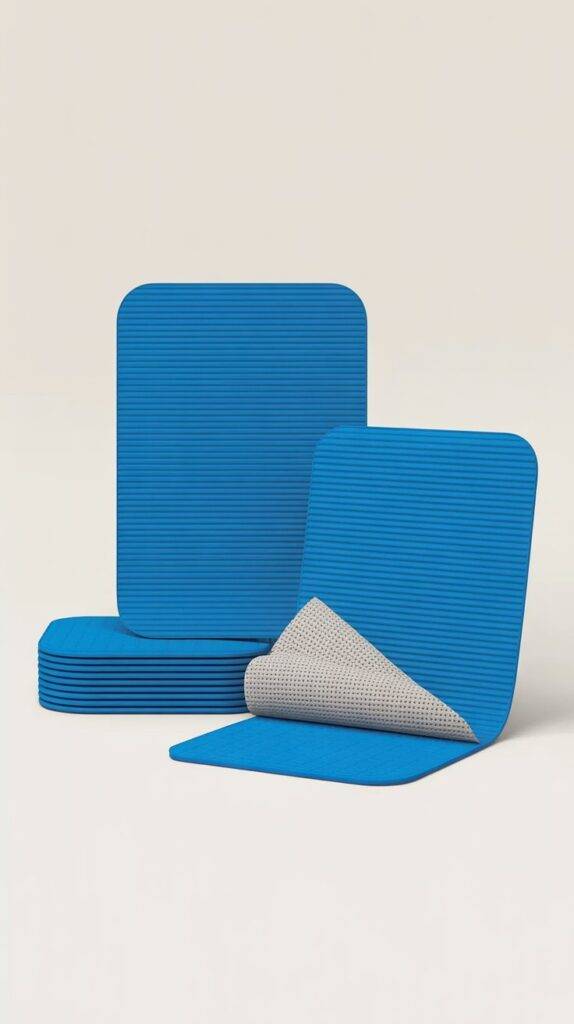
3. Amazon Basics Puppy Training Mats (Blue)
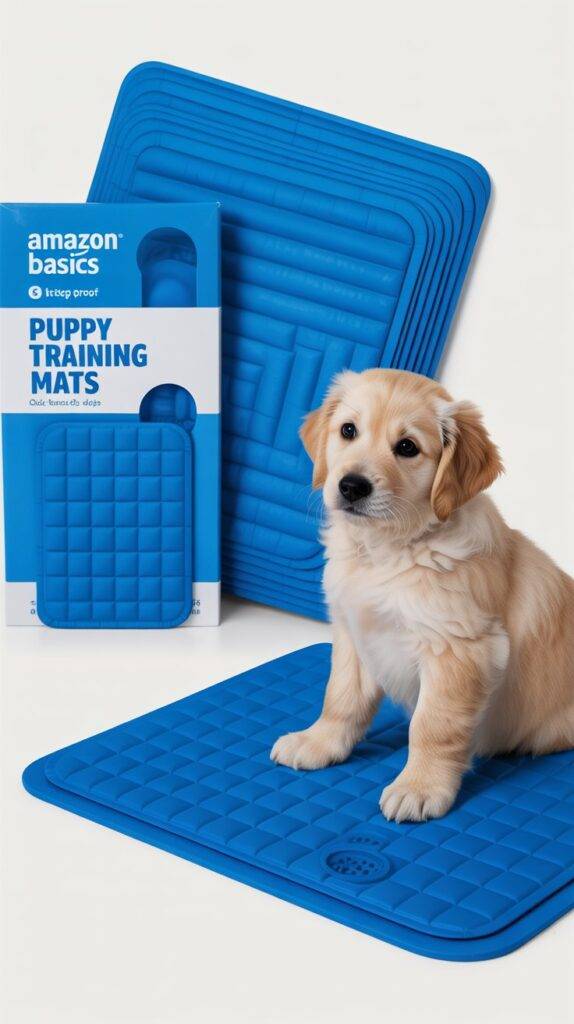
These blue training mats are a simple but powerful way to use color to help your dog. The bright blue color is highly visible to dogs, making it easier for them to find the designated potty spot.
The 5‑layer leak‑proof design turns liquid into gel on contact, and the quick‑dry surface includes a built‑in attractant to aid training. They work just as well for senior dogs who need an indoor alternative. This product can help you reduce accidents and make your home safer for an older dog with fading vision.
👉 Check price on Amazon.com: Potty training and senior dog safety
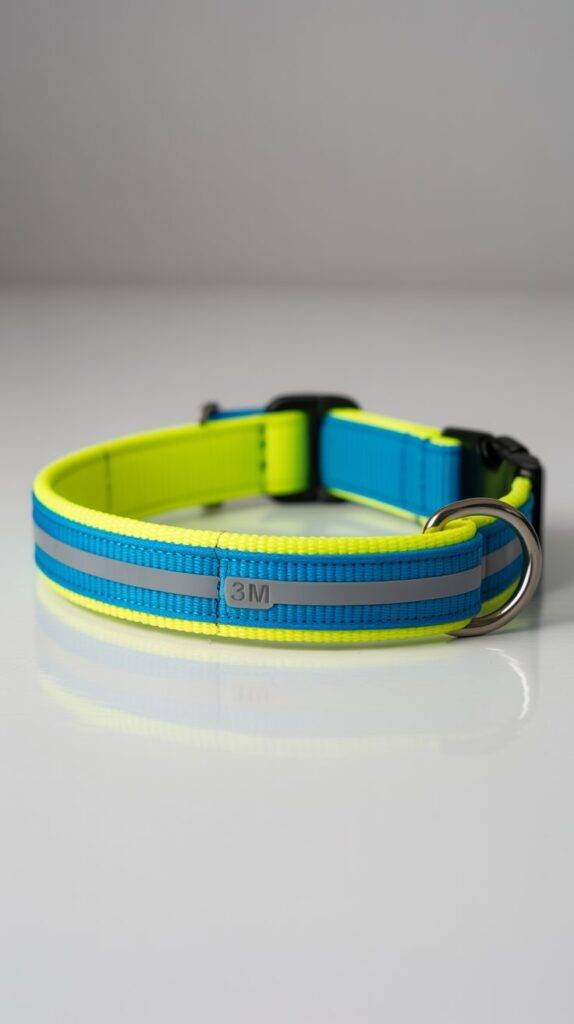
4. Blueberry Pet 3M Reflective Dog Collar (Blue & Yellow)
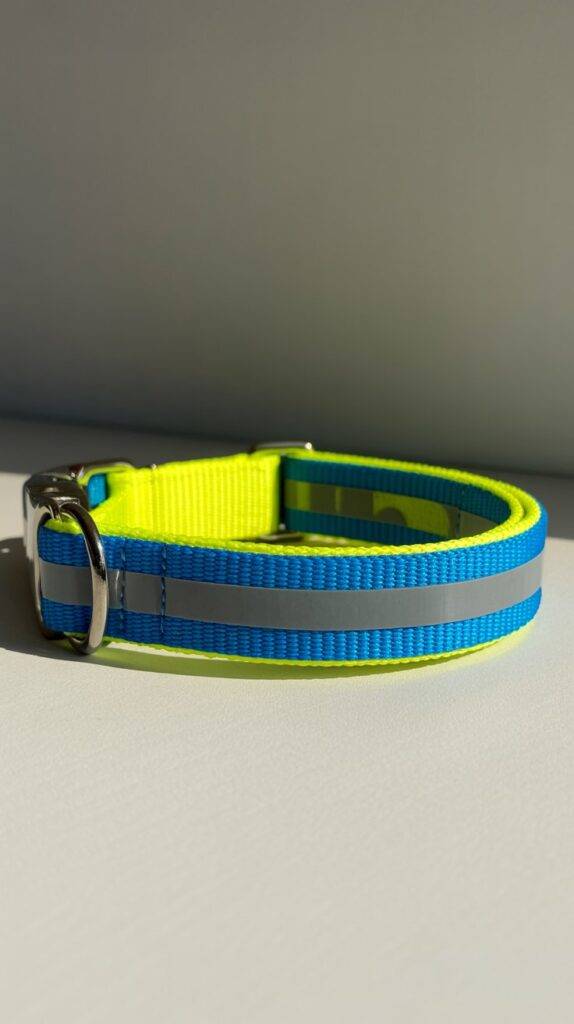
This collar from Blueberry Pet combines the two colors dogs see best blue and yellow with 3M reflective material for maximum visibility in low light. It’s adjustable, made of durable nylon, and comfortable for everyday wear.
Whether you‘re walking at dusk or letting your dog out in the yard after dark, this collar helps both you and your dog stay safe. The reflective stripes make your dog visible to cars, while the colors help your dog see the collar itself. This product can help you keep your dog safe without sacrificing style.
👉 Check price on Amazon.com: Nighttime walks and road safety
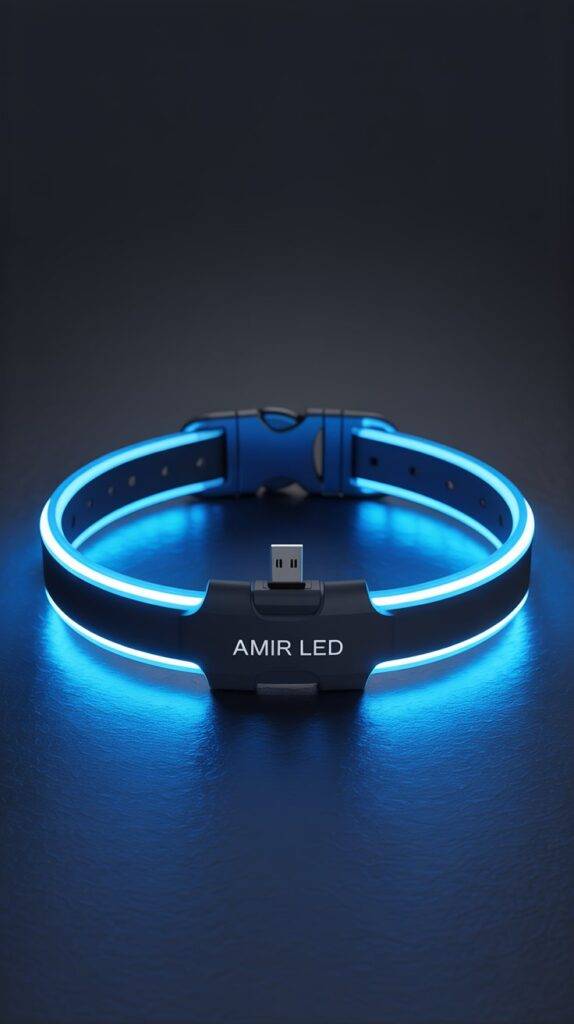
5. AMIR LED Dog Collar (Blue Light)
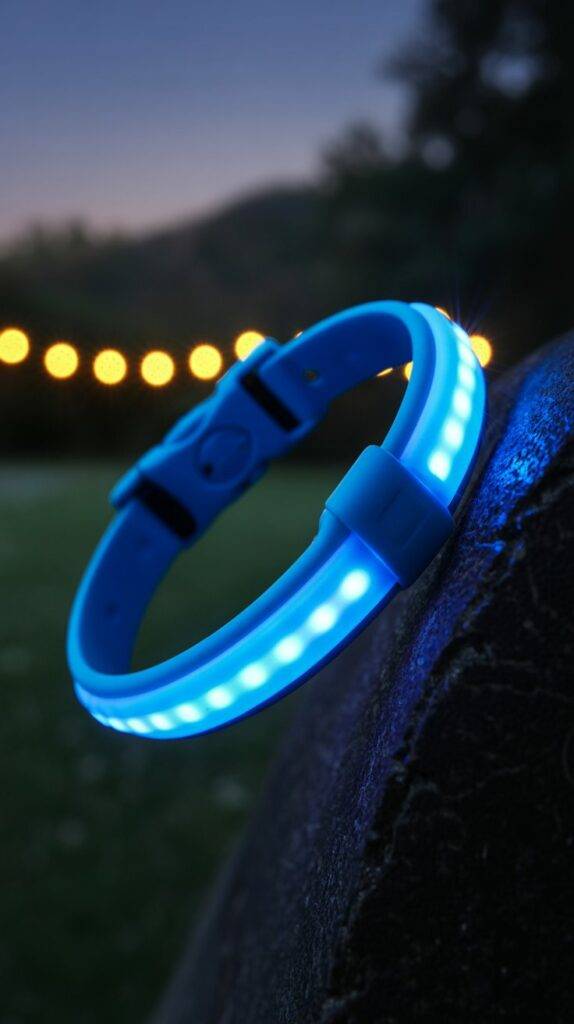
The AMIR LED Dog Collar takes visibility to the next level. It features a bright blue LED light that dogs can see clearly in complete darkness, plus six other color modes if you want to mix it up. The collar is USB rechargeable, waterproof, and adjustable for small, medium, or large dogs.
One full charge lasts 6–10 hours, and the 500‑meter visibility means cars and cyclists will spot your dog from far away. This product can help you turn evening walks into worry‑free adventures.
👉 Check price on Amazon.com Ultimate night safety and fun
Helpful Sections
Tips
- Swap red fetch toys for blue or yellow ones. Your dog will actually see them.
- Use high-contrast colors (blue on light carpet, yellow on dark floors) for senior dogs.
- In training, use blue or yellow targets for best results.
- On evening walks, reflective gear in blue or yellow works great. Dogs see those colors best even in low light.
- Test your dog’s preferences. Some dogs do have individual likes, so pay attention.
Mistakes to Avoid
- Buying red toys for outdoor play. They vanish against grass and dirt.
- Assuming your dog ignores toys because they’re bored. They might just not see them.
- Using green or red visual cues in training. Your dog might miss the signal entirely.
- Forgetting that lighting matters. In dim light, color differences get even harder to see.
- Thinking old dogs are being stubborn. Vision changes with age. Adjust colors first.
FAQs
Do dogs really see in black and white?
No. That’s an old myth. Dogs see blues, yellows, and grays. They just don’t see reds and greens.
What color do dogs see best?
Blue, followed closely by yellow. These two stand out most clearly.
What color attracts dogs the most?
Studies show blue toys tend to get the most engagement, probably because blue is highly visible against most backgrounds.
Can dogs see red?
Not really. Red looks like a dark brownish-gray to dogs.
Do dogs have a favorite color?
Research suggests they prefer blue and yellow over other colors, likely because those are the ones they can see most clearly.
Why does my dog ignore certain toys?
They might literally not see them. Try swapping for a blue or yellow version first.
Do puppies see colors differently?
No, their color vision is the same as adult dogs. Their overall vision is a bit blurrier when young, but the color range is the same.
Design or Styling Ideas
If you want to make your home more dog‑friendly from a vision standpoint, try these simple tweaks:
- Put a blue mat at the bottom of the stairs so your dog can see where the floor starts again.
- Use yellow tape on the edges of steps or door frames for senior dogs.
- In the yard, mark boundaries (like garden edges or pool areas) with blue flags or stakes.
- For play areas, choose blue or yellow toys and keep the space clear of clutter.
- At night, add small blue or yellow lights along pathways. Dogs see those colors best in low light.
These changes don’t cost much, but they can make a big difference for your dog’s confidence and safety.
Conclusion
Your dog doesn’t see red. They don’t see green. They see blues, yellows, and lots of grays. That’s just how their eyes work.
Now that you know this, you can make small changes that actually matter. Swap red toys for blue ones. Use yellow training mats. Add contrast around the house for your older dog. Pay attention to motion, not just color.
None of this is complicated. It’s just seeing the world from your dog’s point of view. And once you do, your backyard fetch games, training sessions, and everyday hangouts will make a lot more sense for both of you.
Related Post: