
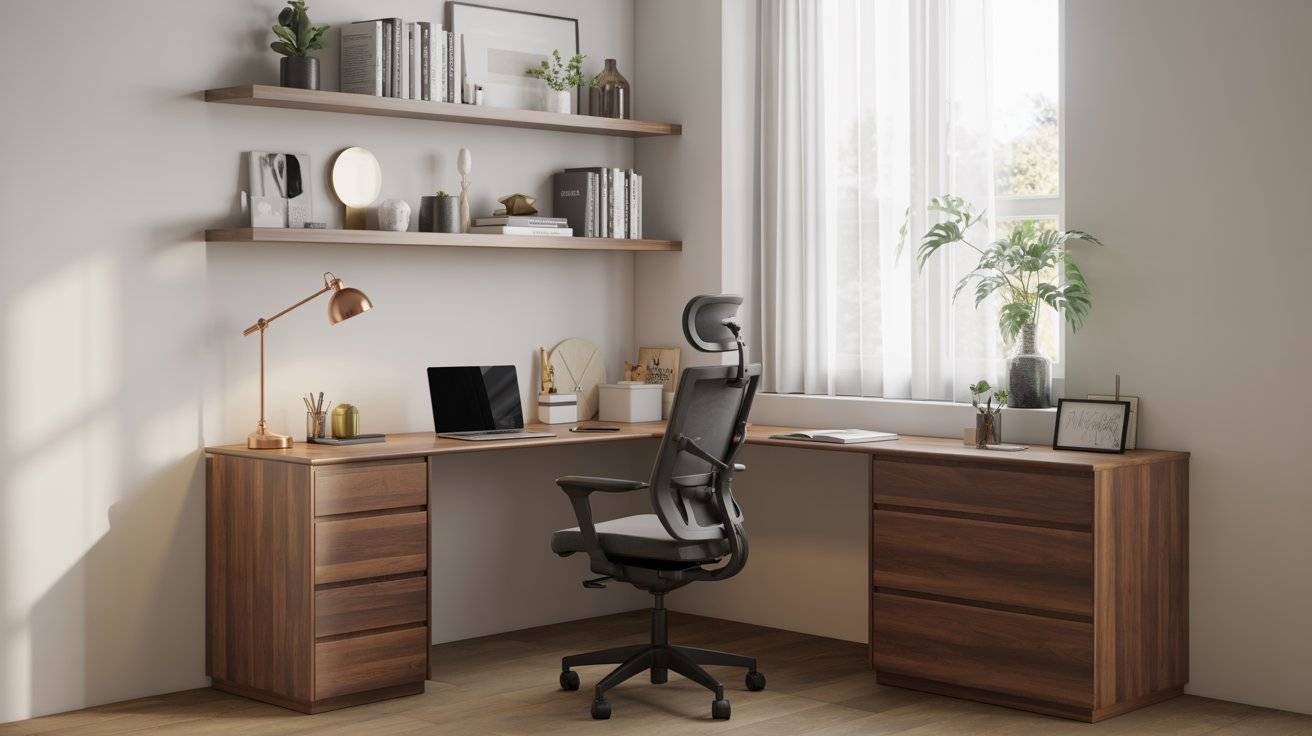
The thig is you don’t need a whole room to have a good workspace. A corner of your living room, bedroom, or even a hallway can turn into a home office that works for you.
The trick is using the space wisely. You want a spot where you can focus, but you don’t want it to take over your home. A corner office should feel like part of the room, not an afterthought.
I’ve gathered 15 home corner office design ideas that are practical and easy to set up. Some cost almost nothing. Others take a weekend project. But all of them help you work better without losing your sanity.
What This Article Covers
You’ll learn specific layout ideas for different corner types, what materials work best, common mistakes people make, and answers to frequent questions. Each idea is real-world tested, not just pretty pictures from social media.
15 Home Corner Office Design Ideas
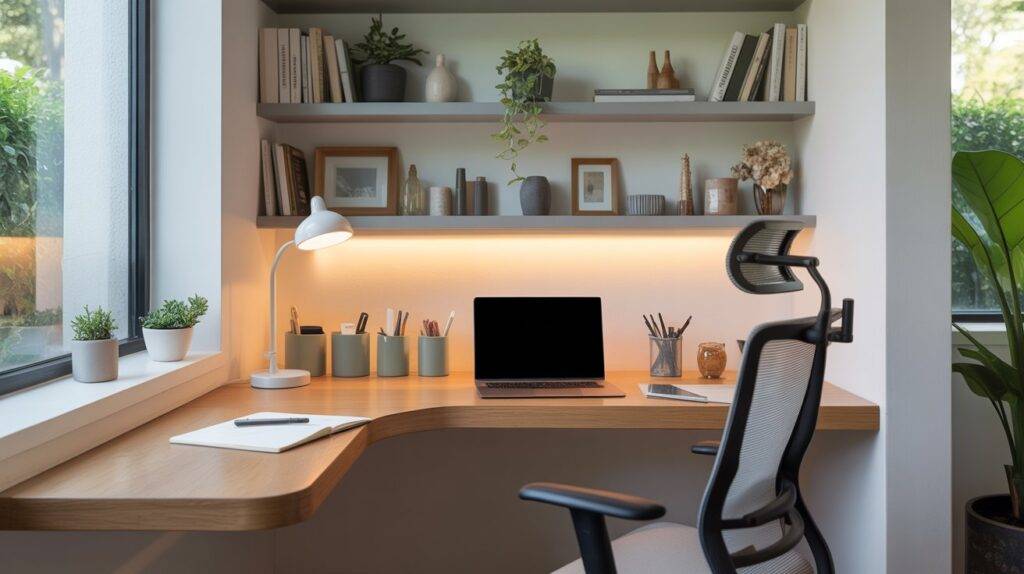
1. The Floating Desk Corner
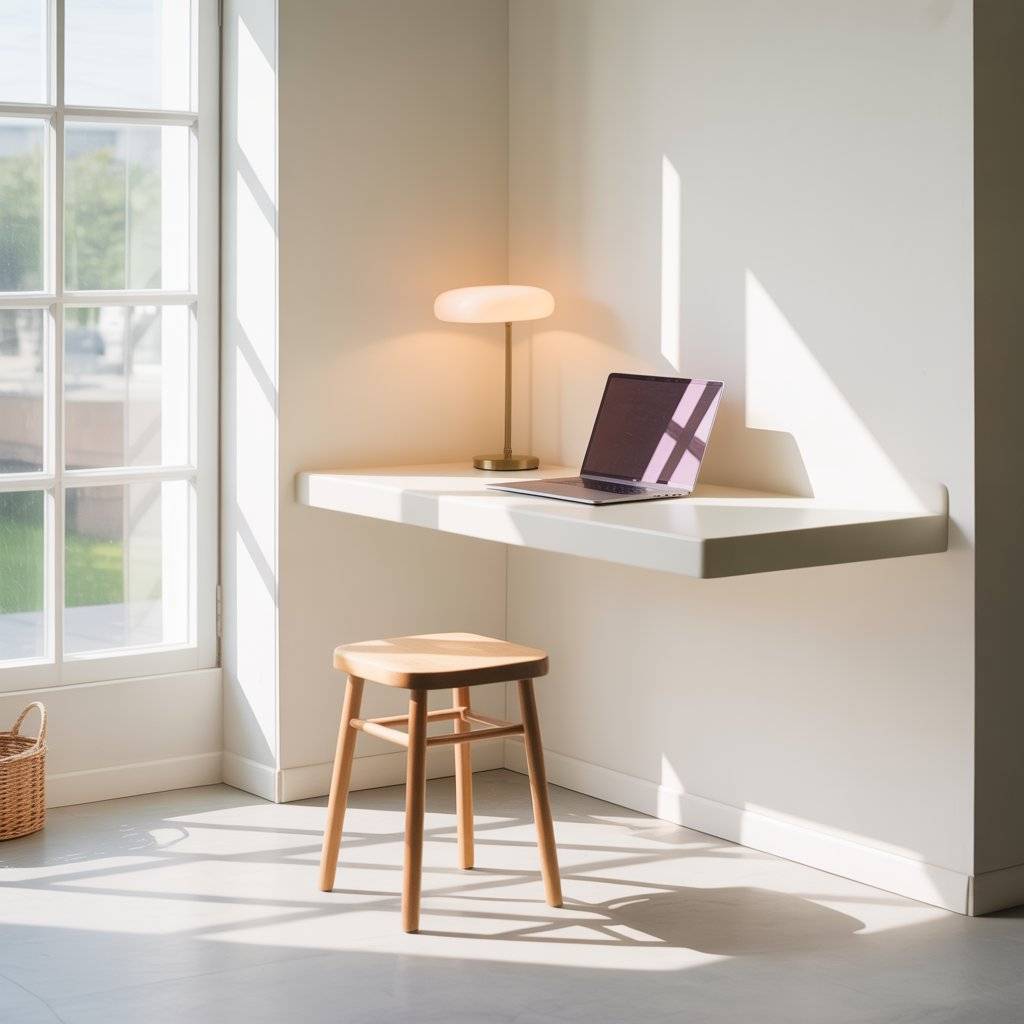
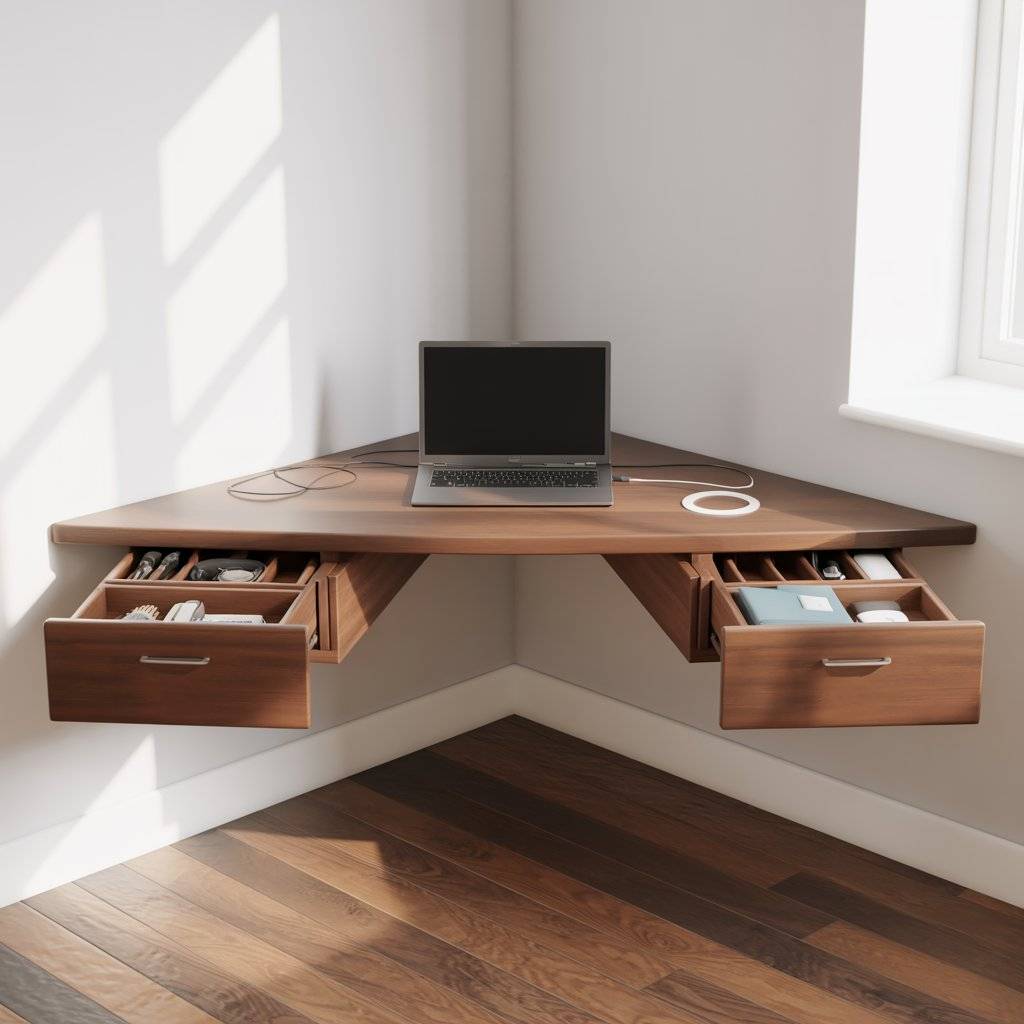
A floating desk is just a shelf mounted to the wall at desk height. It takes up zero floor space. You can put one in a tight corner next to a window or behind a door.
Use a 24-inch deep shelf so your knees fit underneath. Mount it about 28 to 30 inches from the floor. That’s standard desk height. You’ll need a stool or small chair that tucks under when you’re done. This works great in a breakfast nook or an unused hallway corner.
Keep only your laptop and a small lamp on the desk. Everything else goes in a nearby drawer or basket. The clean look helps you focus. And when you close your laptop, the room goes back to normal.
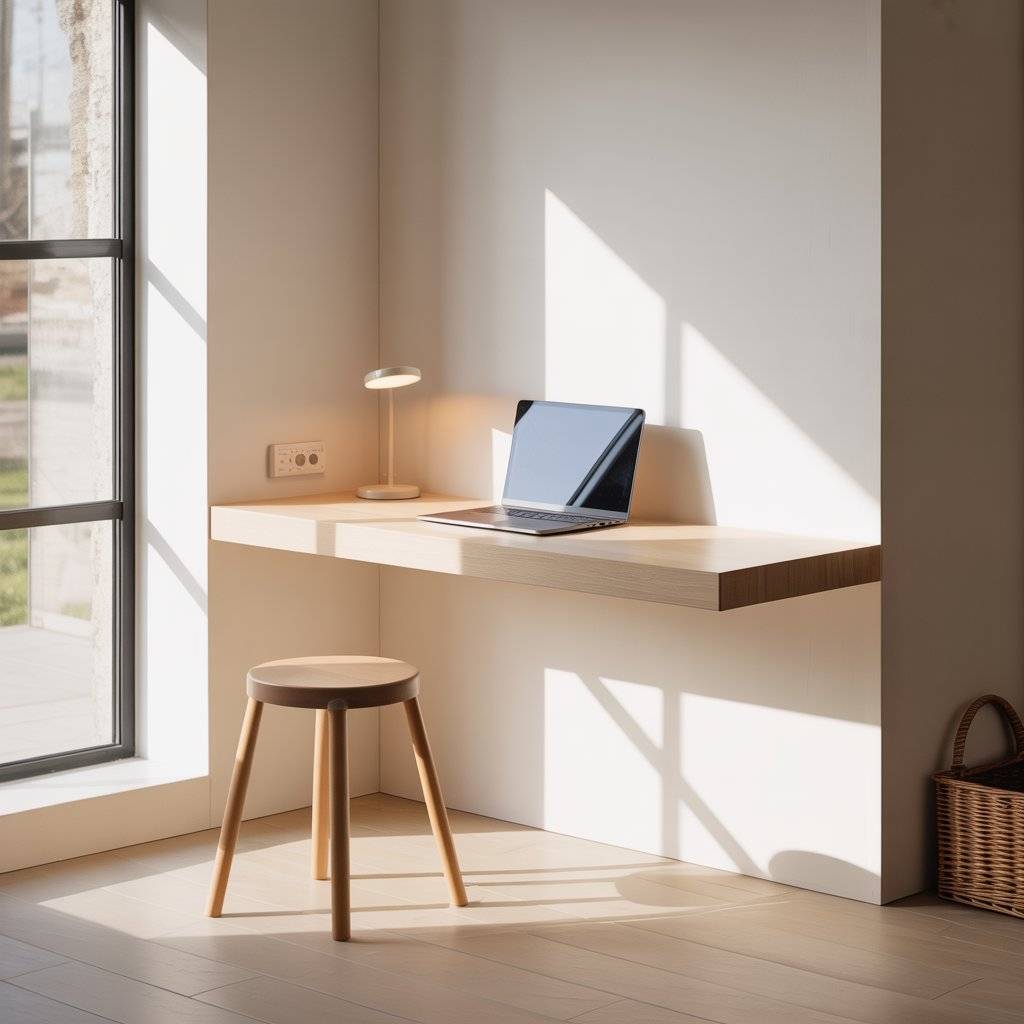
2. The Corner Desk (L-Shaped)
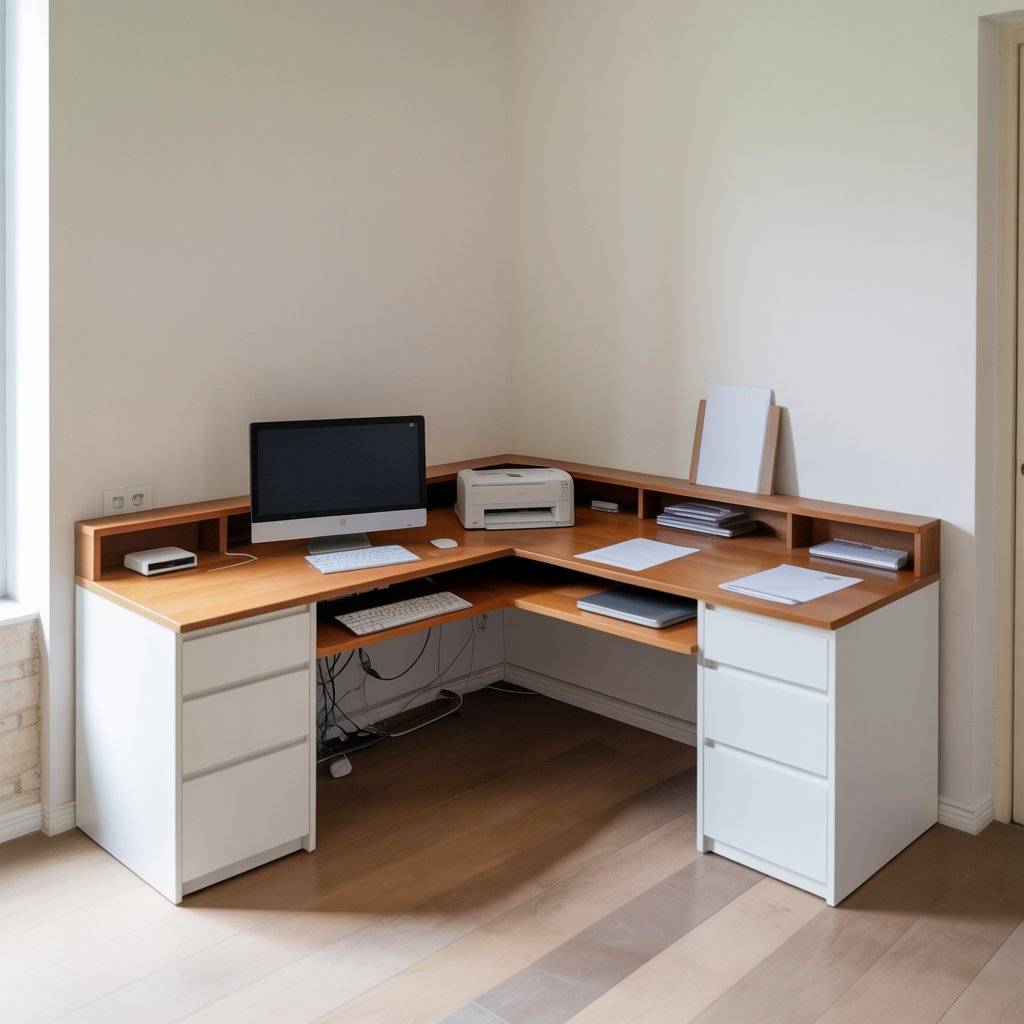
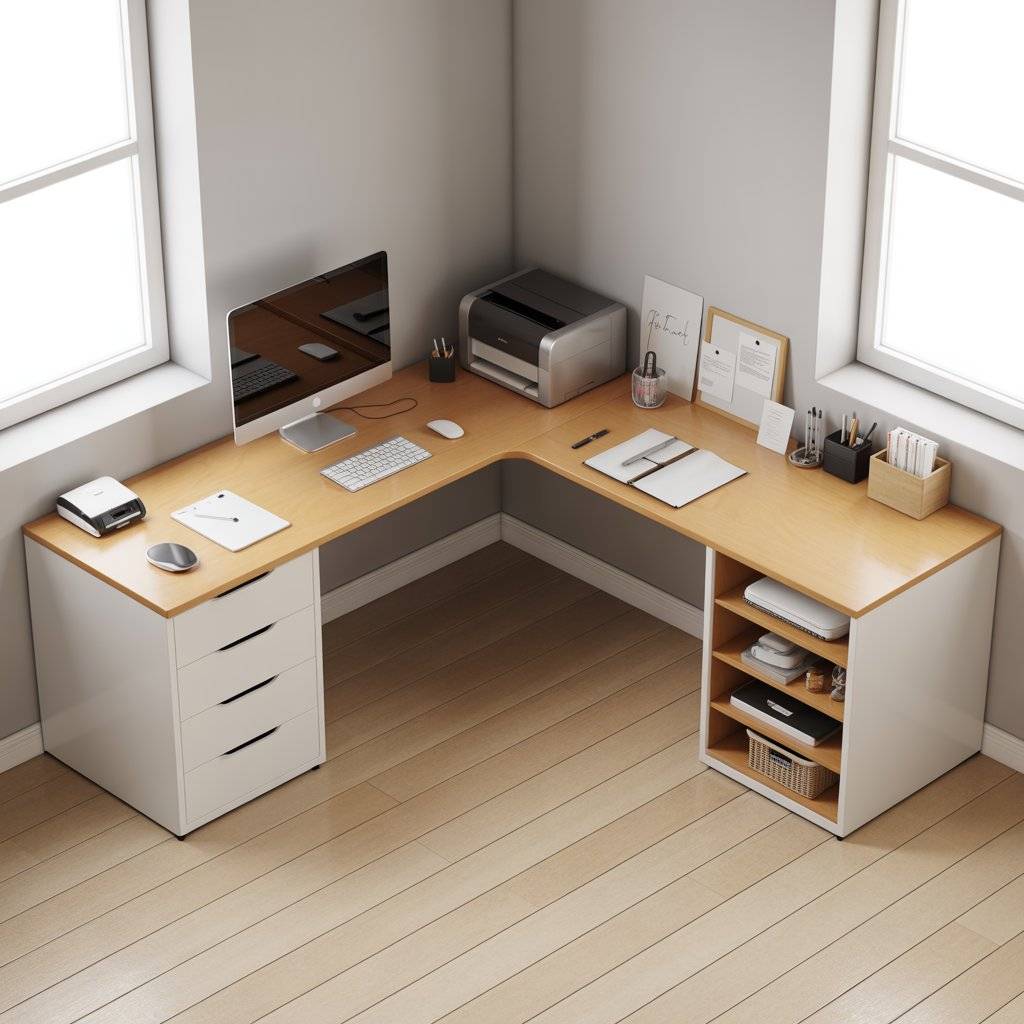
An L-shaped desk fits perfectly into a corner because it follows the walls. You can buy one ready-made or build your own using two tabletops and a leg. The left side holds your computer.
The right side holds papers or a printer. You get a lot of surface space without taking up the whole room. This works well in a living room corner or a spare bedroom. Make sure the desk is not wider than 48 inches on each side, or it will stick out too far.
Use a desk with built-in drawers to hide cables and supplies. L-shaped desks also give you two different work zones. One for typing, one for writing or reading.
3. The Closet Corner Office
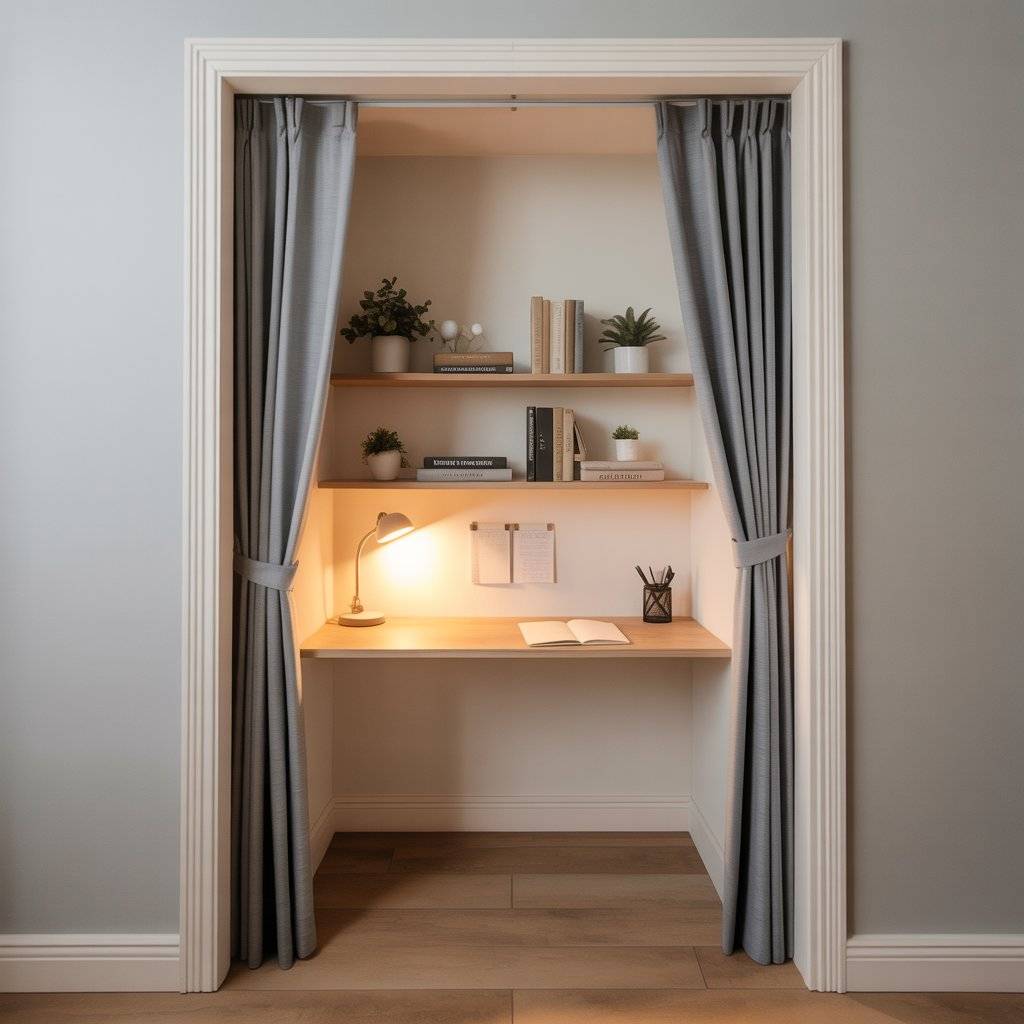
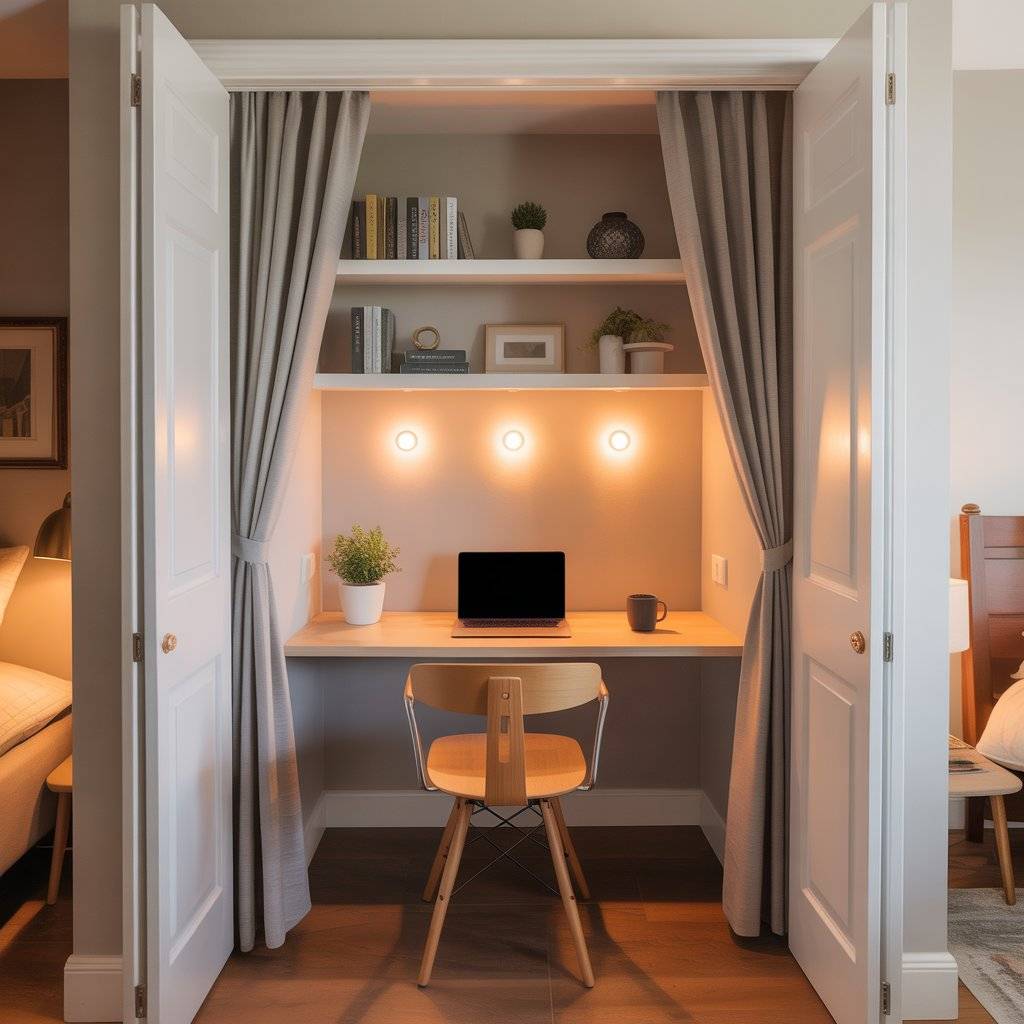
Got a shallow closet you never use? Turn it into a corner office. Remove the doors and the hanging rod. Paint the inside a light color so it feels bigger. Install a desk shelf across the back wall.
Add a few smaller shelves above for books. The walls of the closet hide clutter. You can close a curtain if you need to hide the mess during a video call. This idea works best in bedrooms or guest rooms. The closet only needs to be about 30 inches deep.
Leave the bottom open so your legs fit. Add a small lamp or stick-on puck lights if there is no overhead light. You’ll be surprised how cozy and productive a closet office feels.
4. The Window Corner
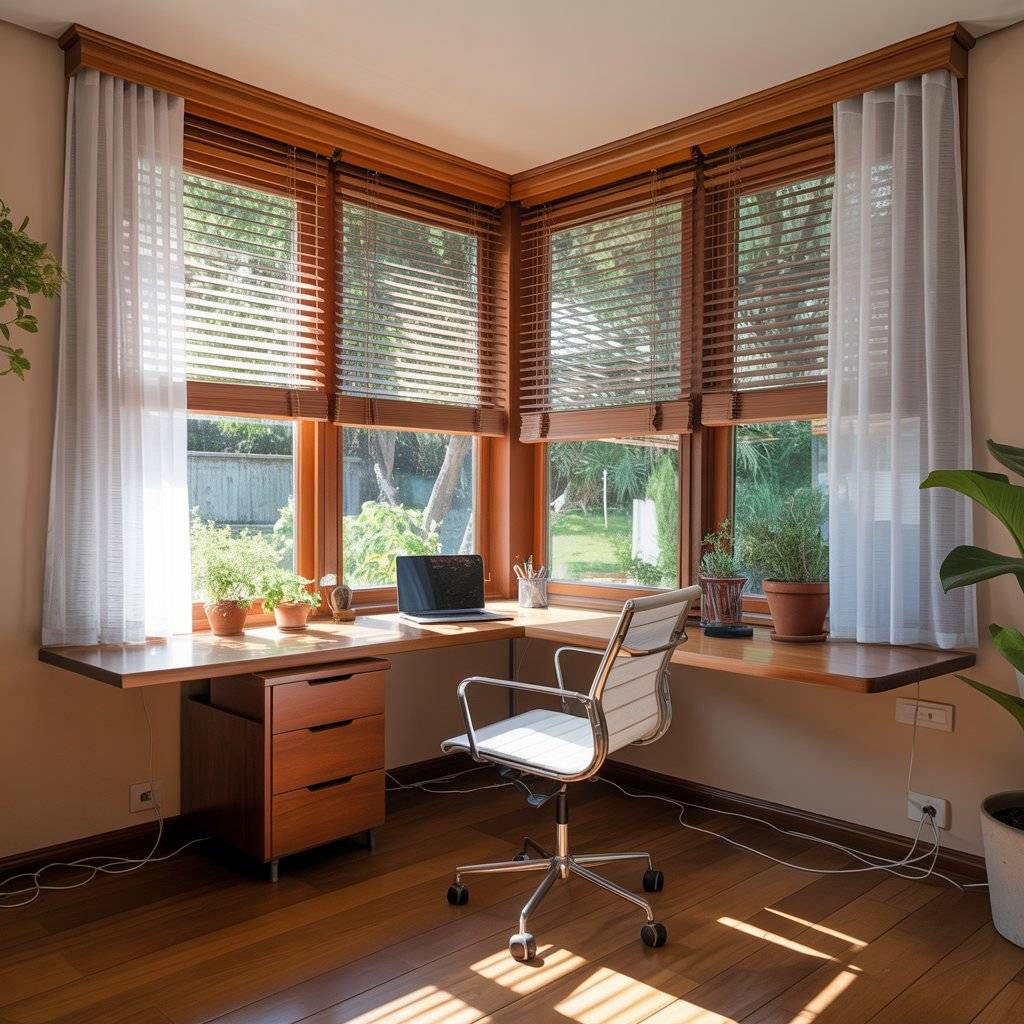
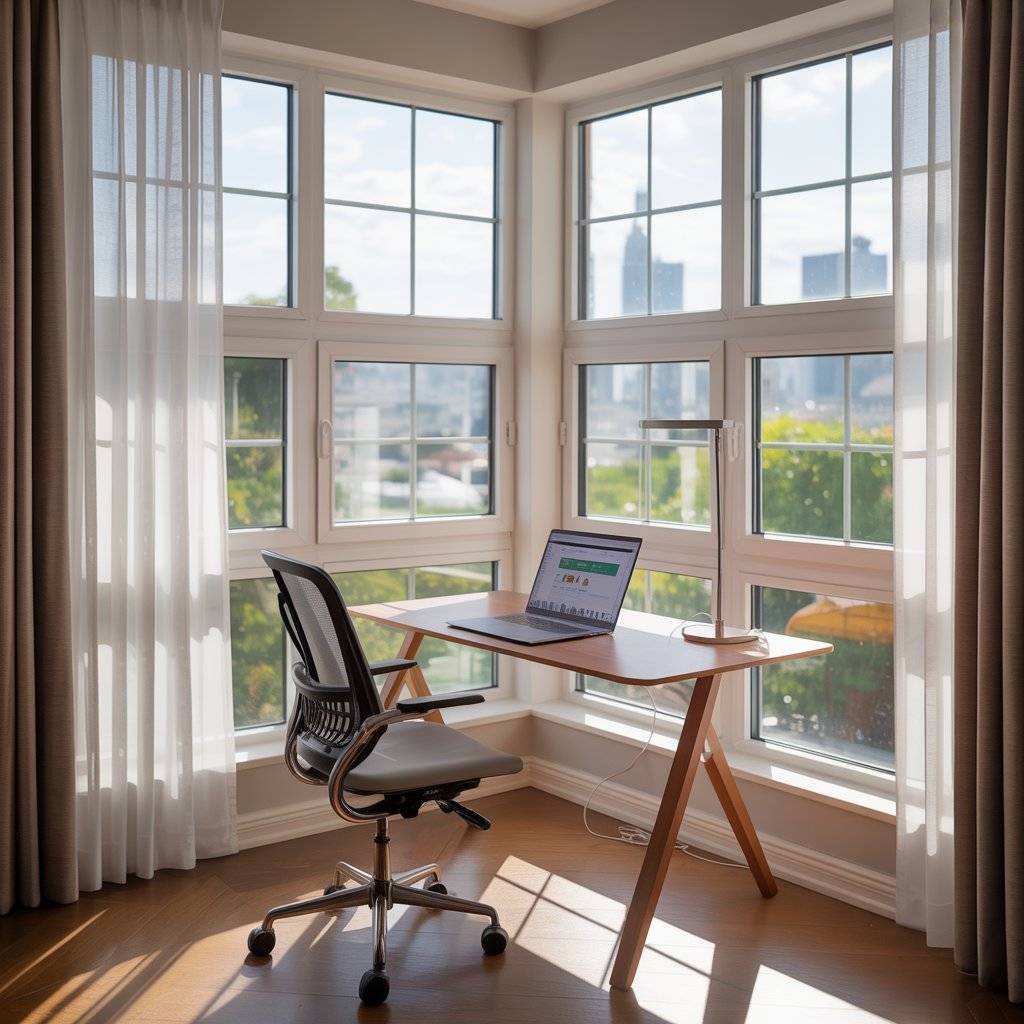
If your room has a corner with two windows, you have gold. Put your desk diagonally across the corner facing outward. Natural light keeps you awake and improves your mood.
You also get a view, which helps during long calls or hard tasks. Use a triangular corner desk or put a rectangular desk at a 45-degree angle. The tricky part is cable management. Run cords along the floor and cover them with a cord cover.
Watch out for glare on your screen. If the sun hits directly, use sheer curtains or adjustable blinds. This idea works in bedrooms, living rooms, and even kitchens with a breakfast nook. Just don’t put your back to the room. Face the windows or face the room.
5. The Hallway Landing Corner
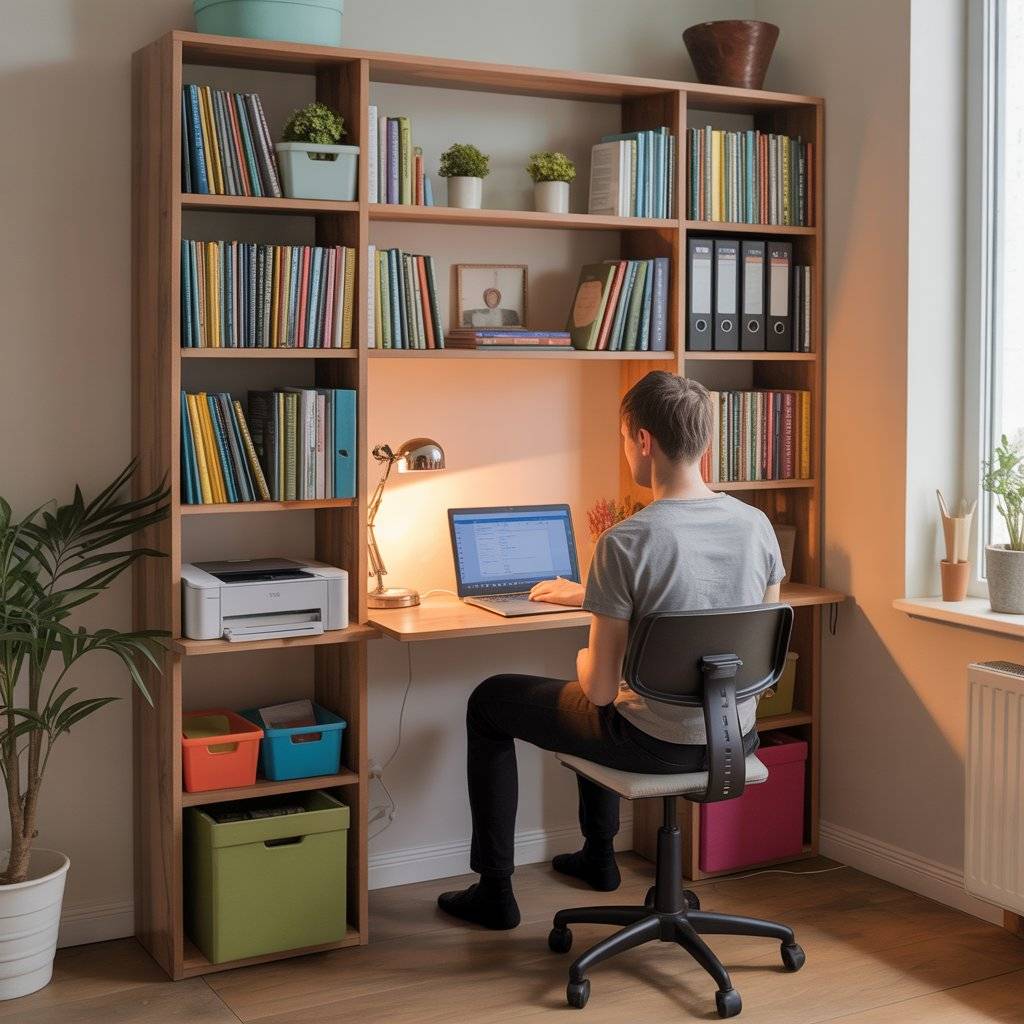
Many homes have a hallway that widens at the top of the stairs or near a bedroom. That empty space is a perfect corner office. Measure the width first.
You need at least 30 inches for a small desk and chair. Use a narrow desk no deeper than 20 inches. Mount a small shelf above for a lamp and a plant. Keep foot traffic in mind. If people walk behind your chair often, you might feel crowded. A wall-mounted fold-down desk works great here.
You pull it down when you work and fold it up when you’re done. The chair tucks into a nearby closet. This is one of the best home corner office design ideas for small apartments.
6. The Bookshelf Desk Combo
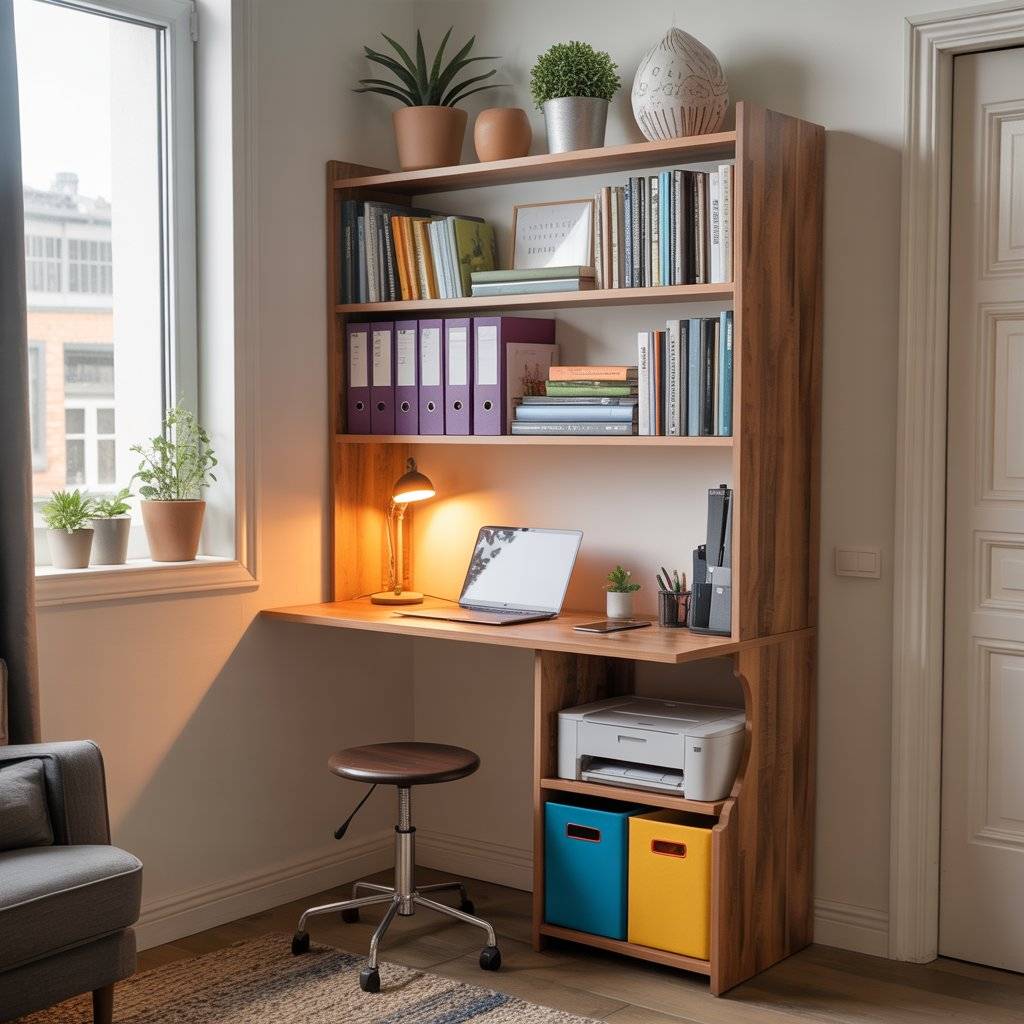
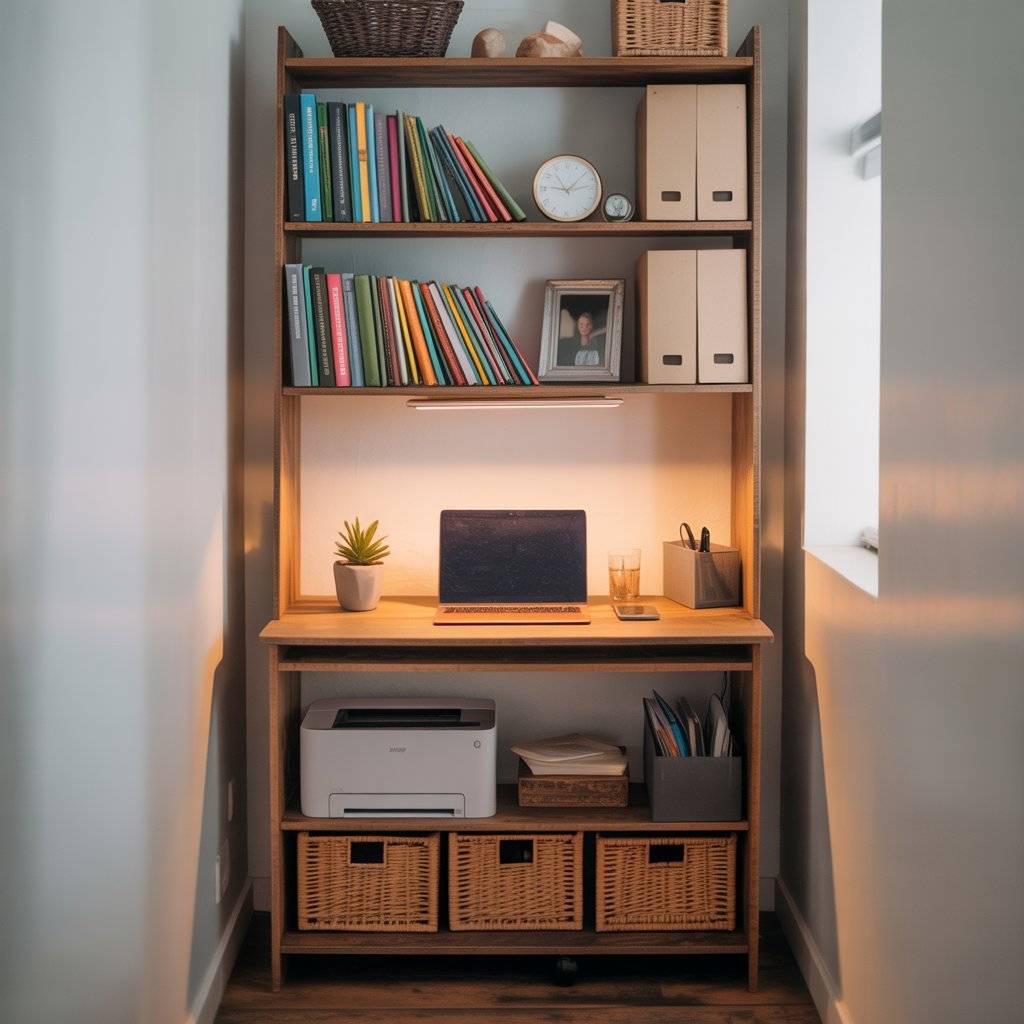
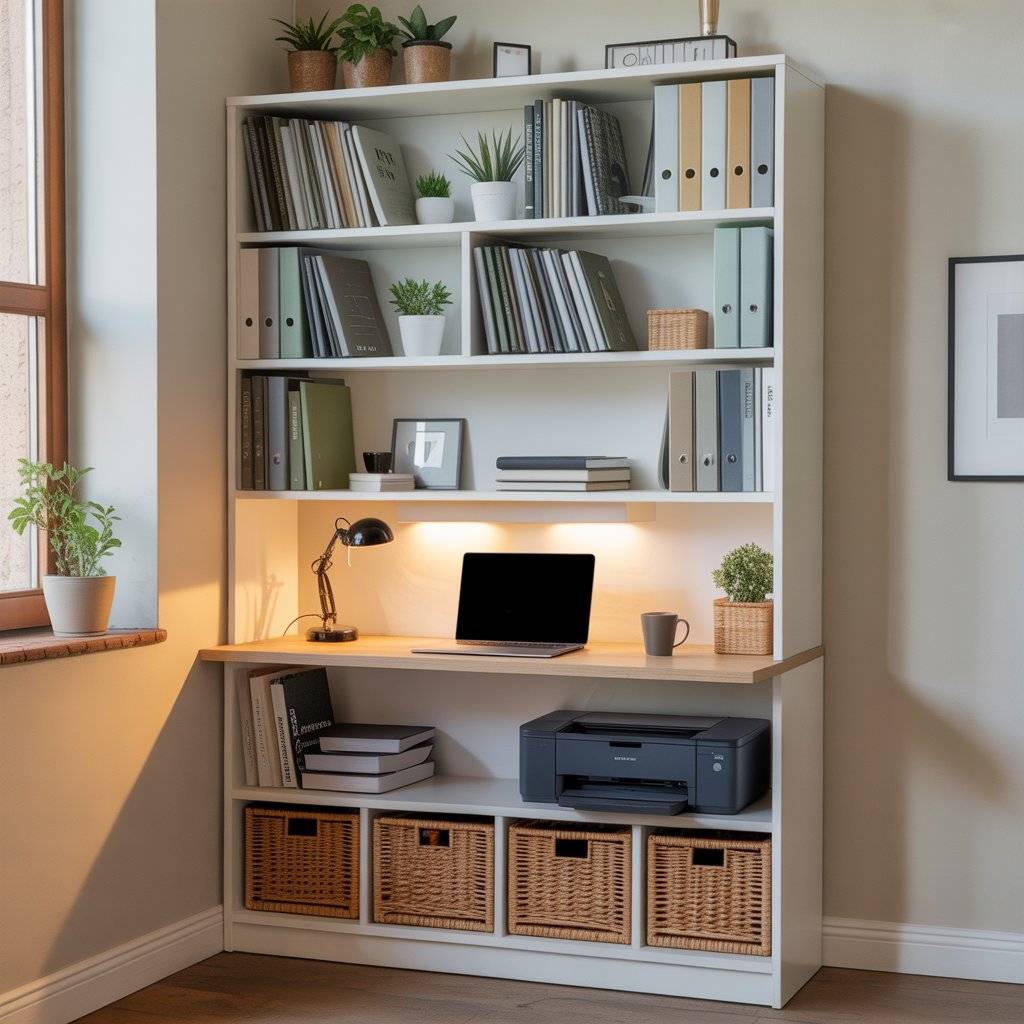
Turn a tall bookshelf into a desk by using the middle shelf as your work surface. Push the bookshelf into a corner. Use the bottom shelf for a printer or storage bins.
The middle shelf (at desk height) holds your laptop. The top shelves hold books, files, and decorations. You don’t need a separate desk at all. This saves floor space and looks intentional. Make sure the bookshelf is at least 24 inches deep so your legs fit under the shelf.
If it’s shallower, you can sit sideways and use a lap desk. Add a small stool that slides underneath when not in use. This idea works great in rented apartments because you don’t drill into walls.
7. The Pegboard Corner
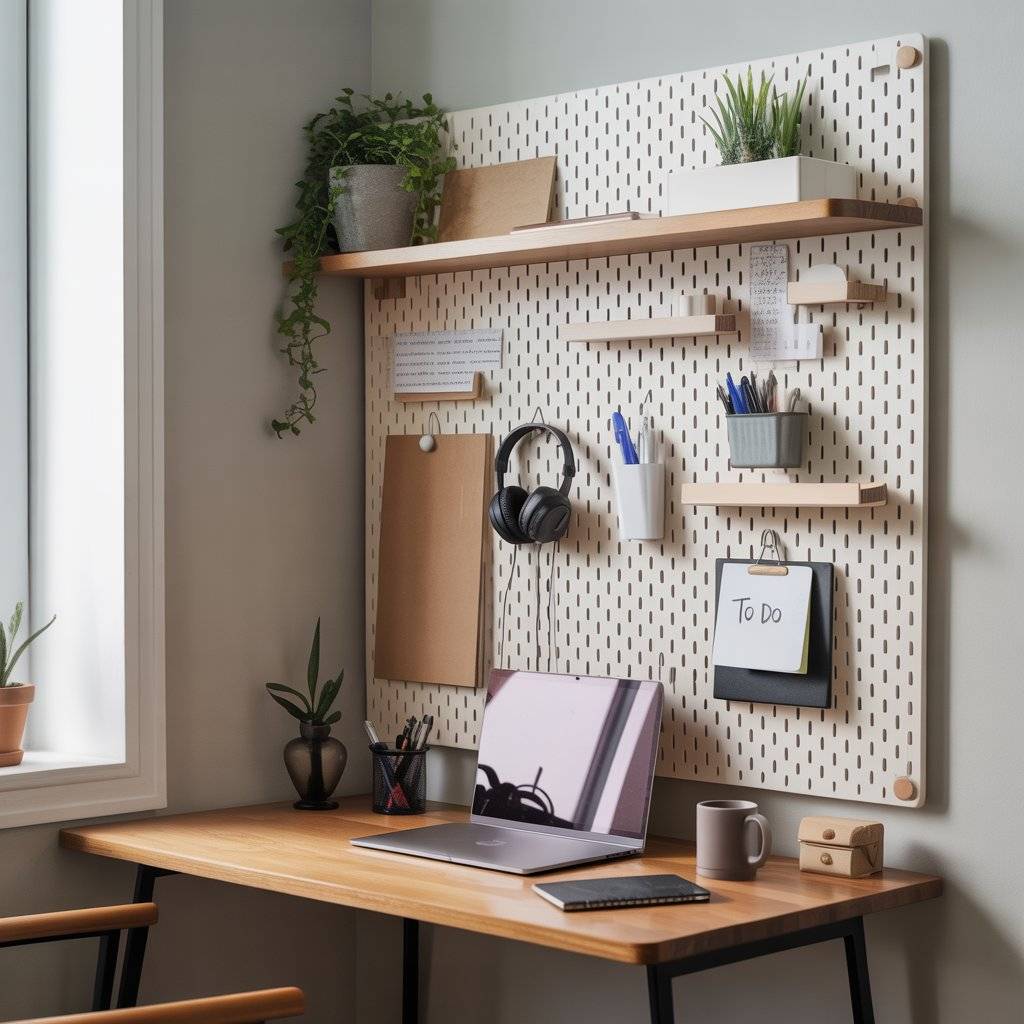
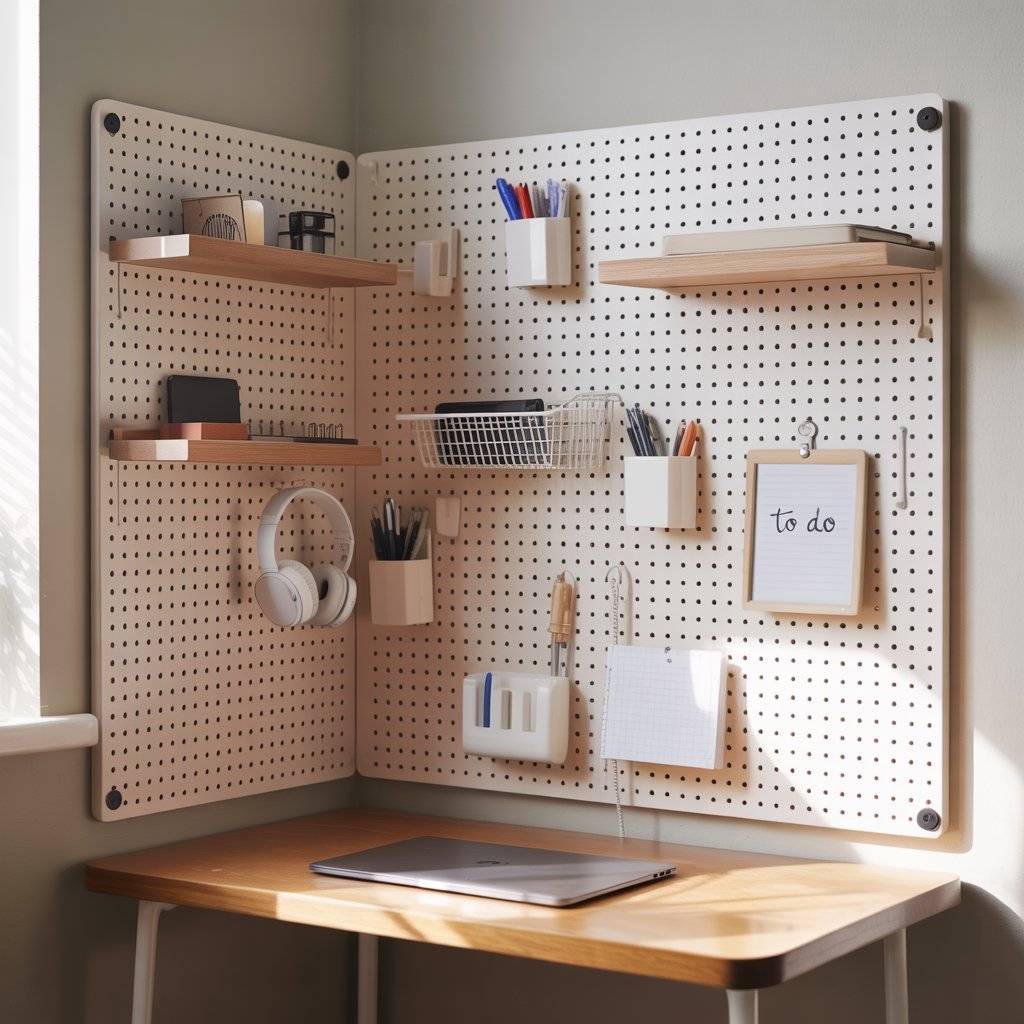
A pegboard turns any corner into a customizable workspace. Mount a large pegboard on one wall of the corner. Add shelves, hooks, and small bins. Then put a small desk underneath.
The pegboard holds your pens, notebooks, headphones, and even a small whiteboard. Everything is within arm’s reach but off your desk. This keeps your work surface clear. You can rearrange the hooks anytime as your needs change.
Paint the pegboard the same color as your wall so it blends in. Or paint it a bright color to make it a feature. This works well in a kitchen corner or a home office nook. It’s also cheap. A pegboard costs around $20.
8. The Bar Cart Office
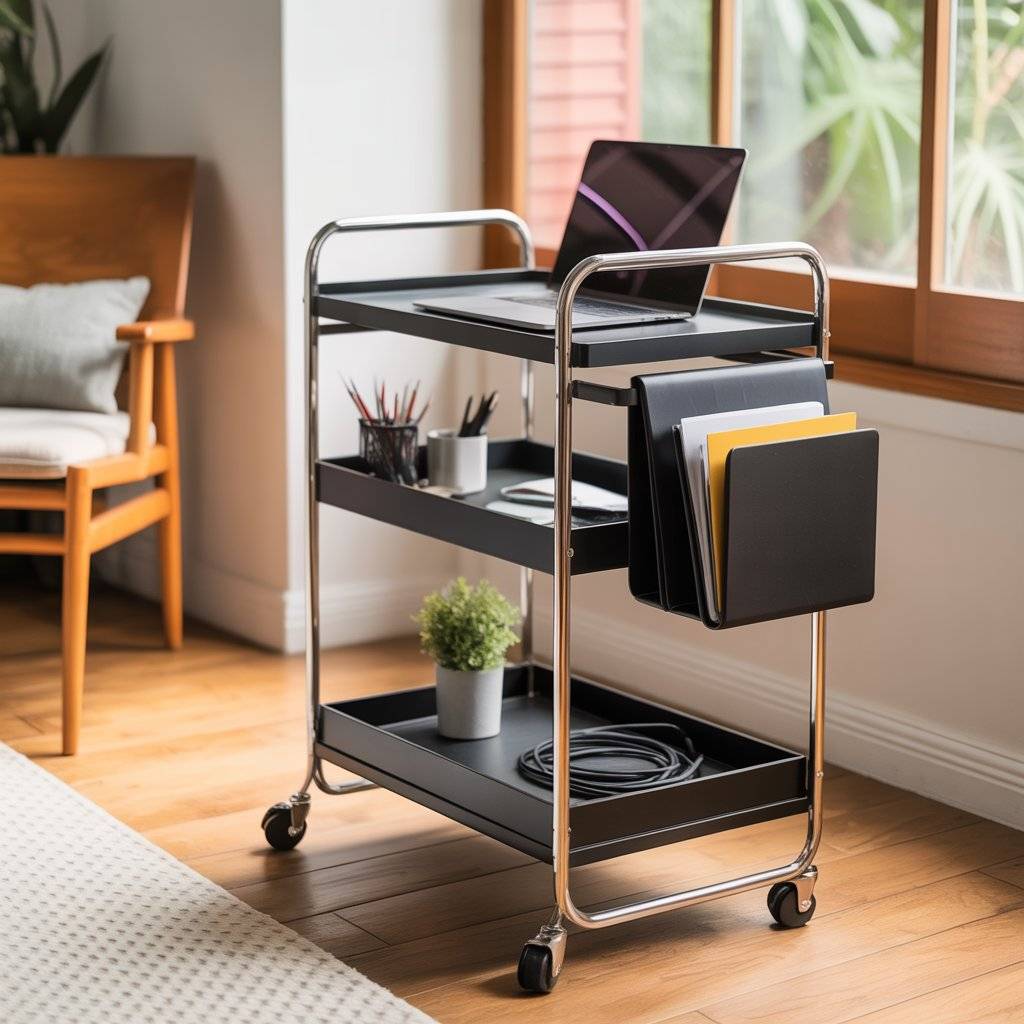
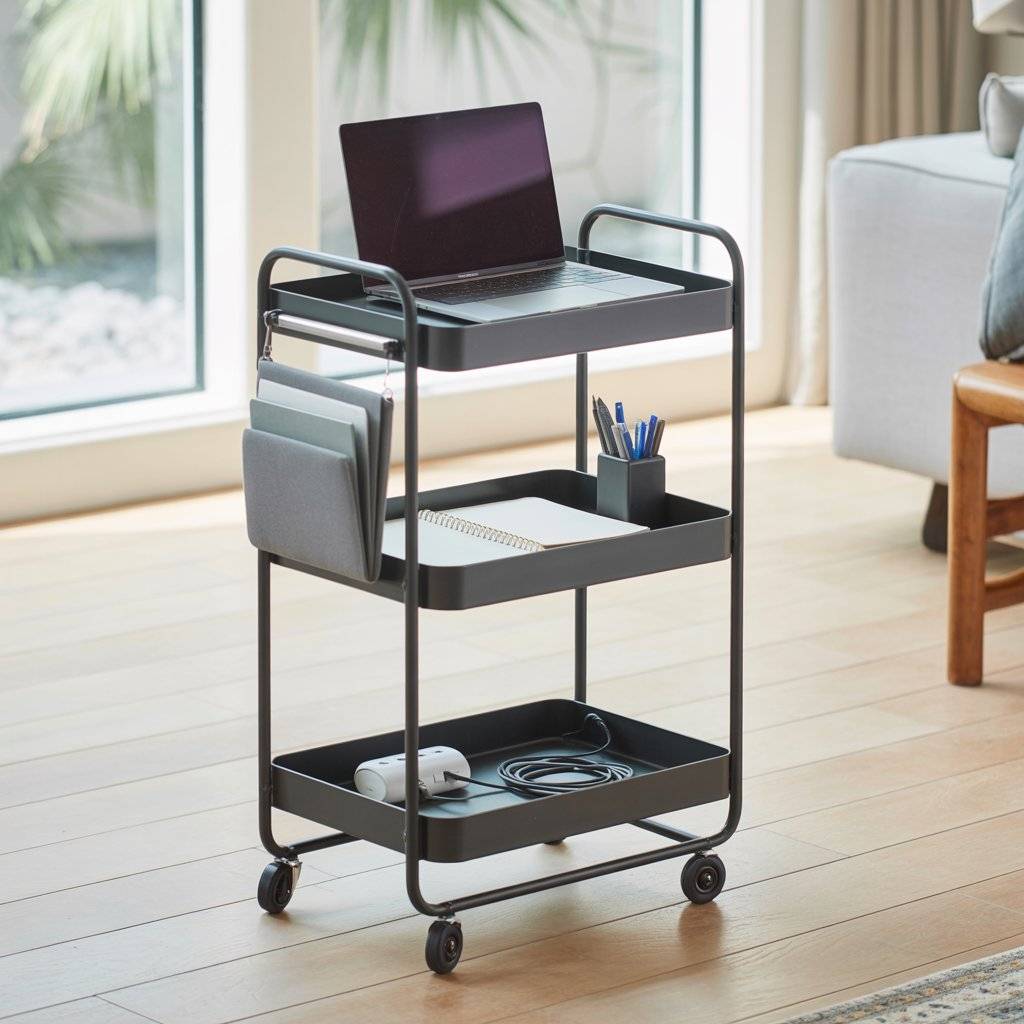
Use a rolling bar cart as a mobile corner office. Push it into a corner when you’re working. Roll it out when you need more room. The top shelf holds your laptop. The middle shelf holds supplies.
The bottom shelf holds a power strip and cords. You can even add a small hanging file folder on the side. This idea is perfect if you work in different spots around your home. One day you’re in the living room corner. The next day you’re by the kitchen window.
Bar carts are narrow, usually 18 inches deep. That fits into tight corners easily. Just make sure the cart is sturdy. Metal carts work better than wobbly wood ones. Add a small cushion to your chair for longer work days.
9. The Corner Shelf Ladder
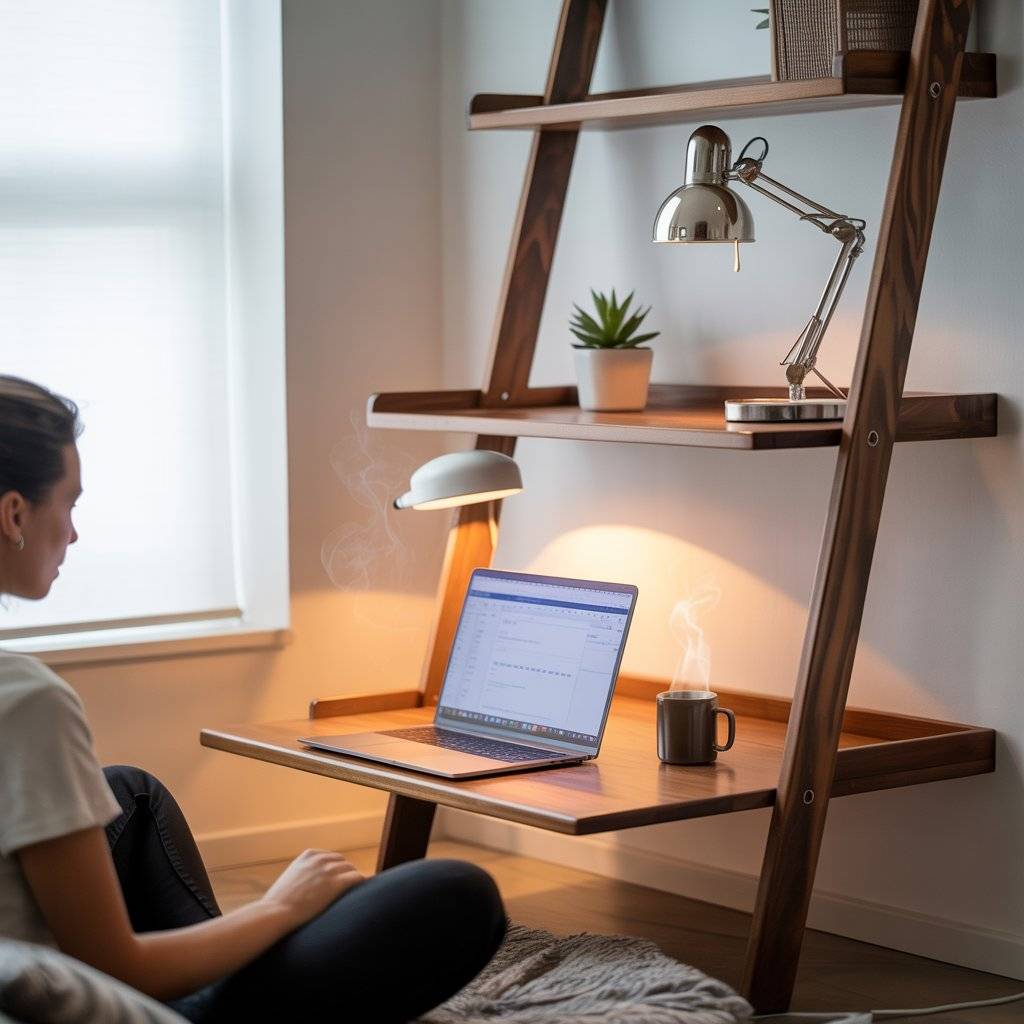
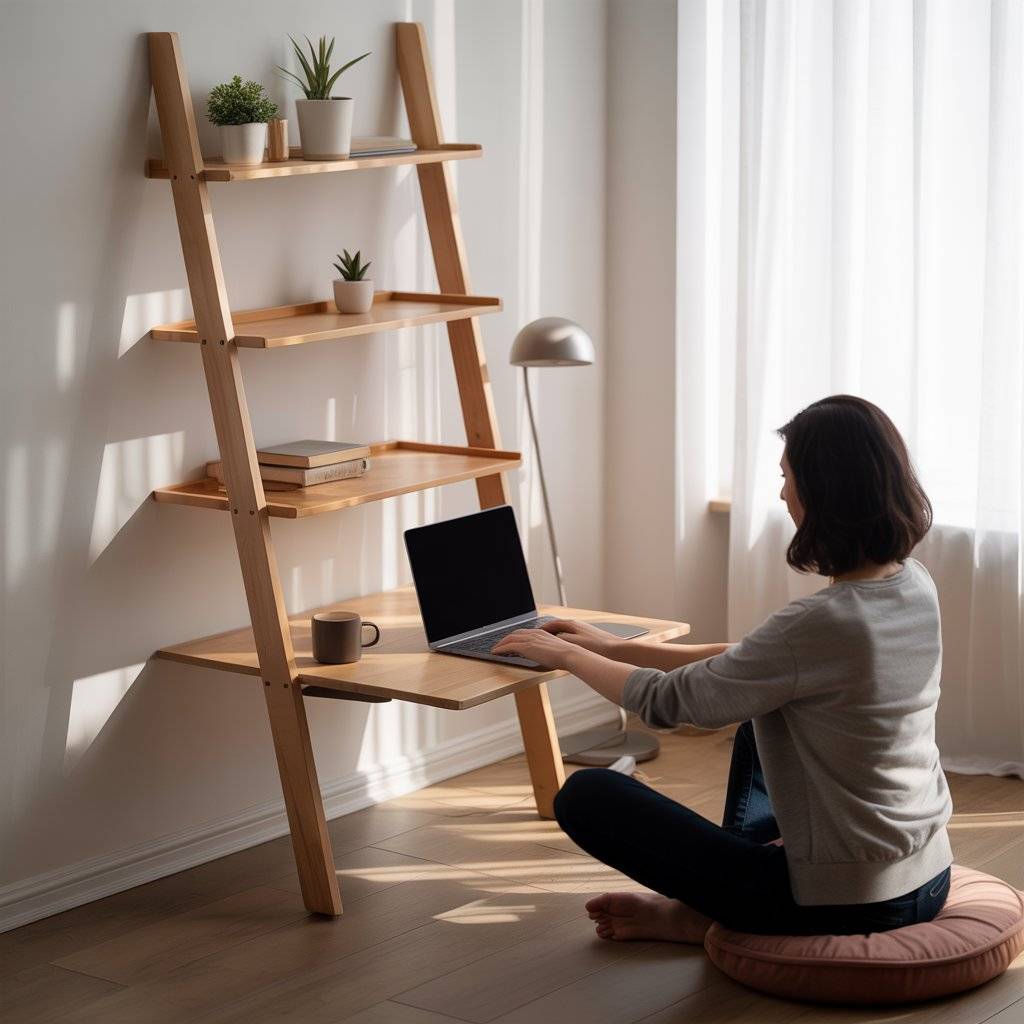
A leaning ladder shelf fits into a corner without damaging walls. It has several tiers. Use the bottom tier as your desk. Place a piece of wood or a large cutting board across it to make a flat surface. The higher tiers hold plants, a lamp, and your coffee cup.
You don’t need a separate chair if you sit on a floor cushion or a small stool. This works best for people who work on a laptop for short periods. It’s not great for long typing sessions because there’s no leg room.
But for answering emails or reading documents, it’s fine. Ladder shelves are cheap and look modern. You can find them for under $50 at discount stores.
10. The Under-Stairs Corner
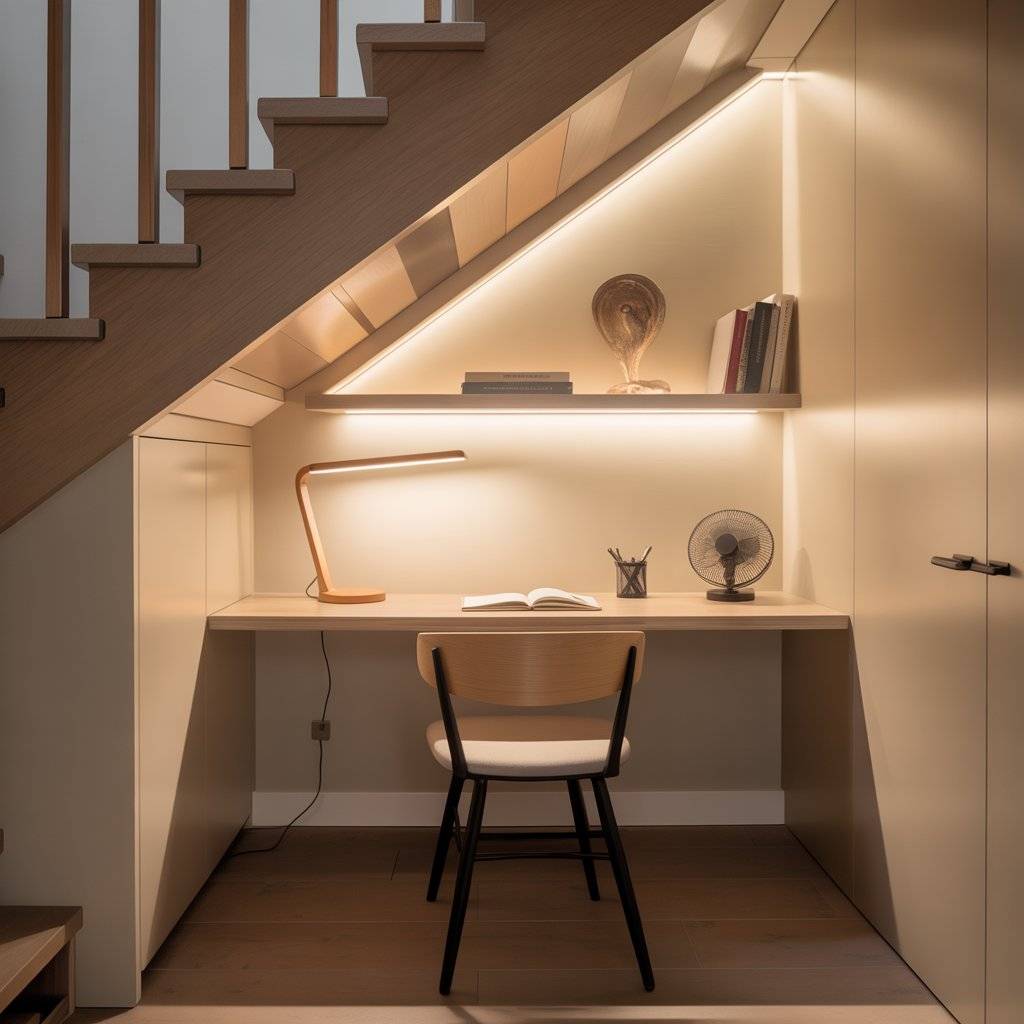
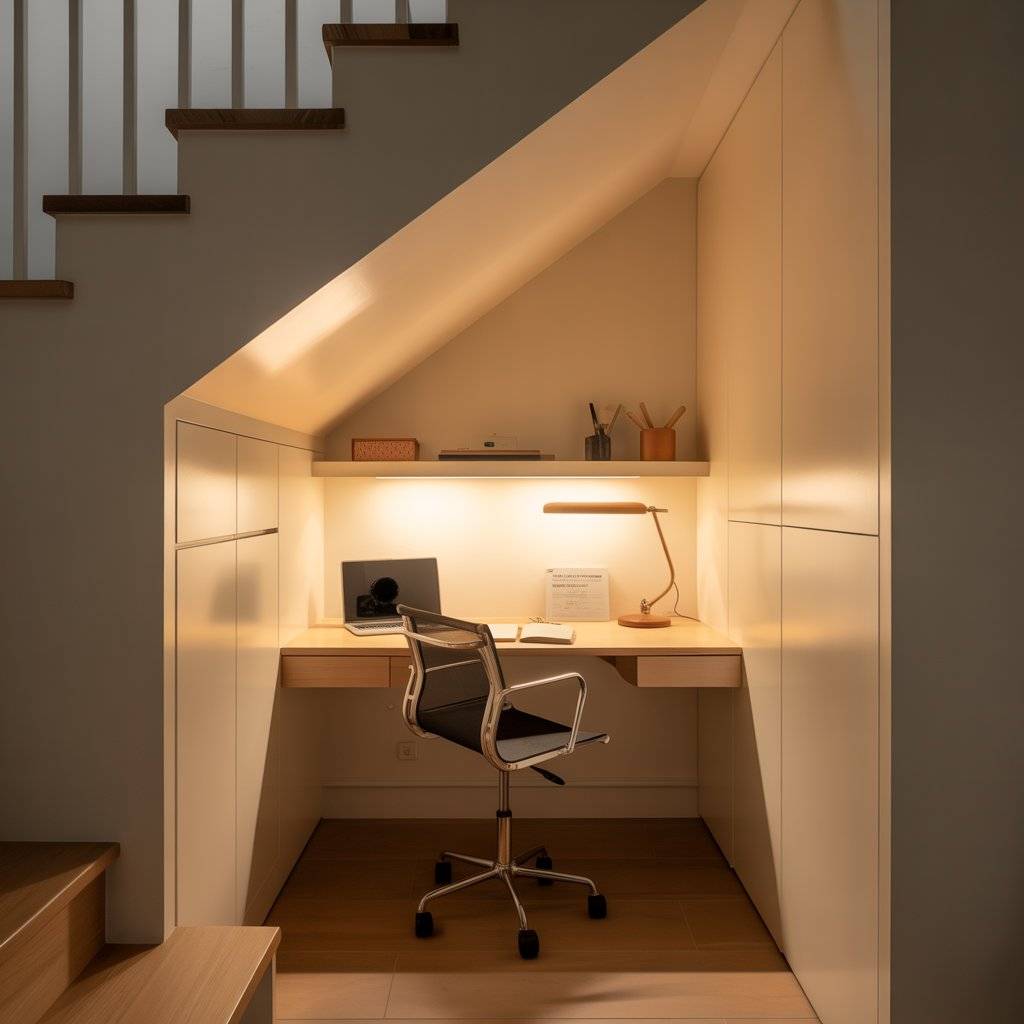
The space under your stairs is a corner that most people ignore. But it’s perfect for a small office. Measure the height. You need at least 36 inches to sit up straight.
Add a narrow desk along the longest wall. Use a stool instead of a chair to save space. Install a small shelf above for a light. Paint the back wall a light color so it feels bigger. If there’s no outlet nearby, use a battery-powered lamp or run an extension cord along the baseboard.
This corner is naturally quiet and separate from the rest of the house. That helps you focus. Just make sure there’s airflow. Leave the door open or add a small fan.
11. The Murphy Desk Corner
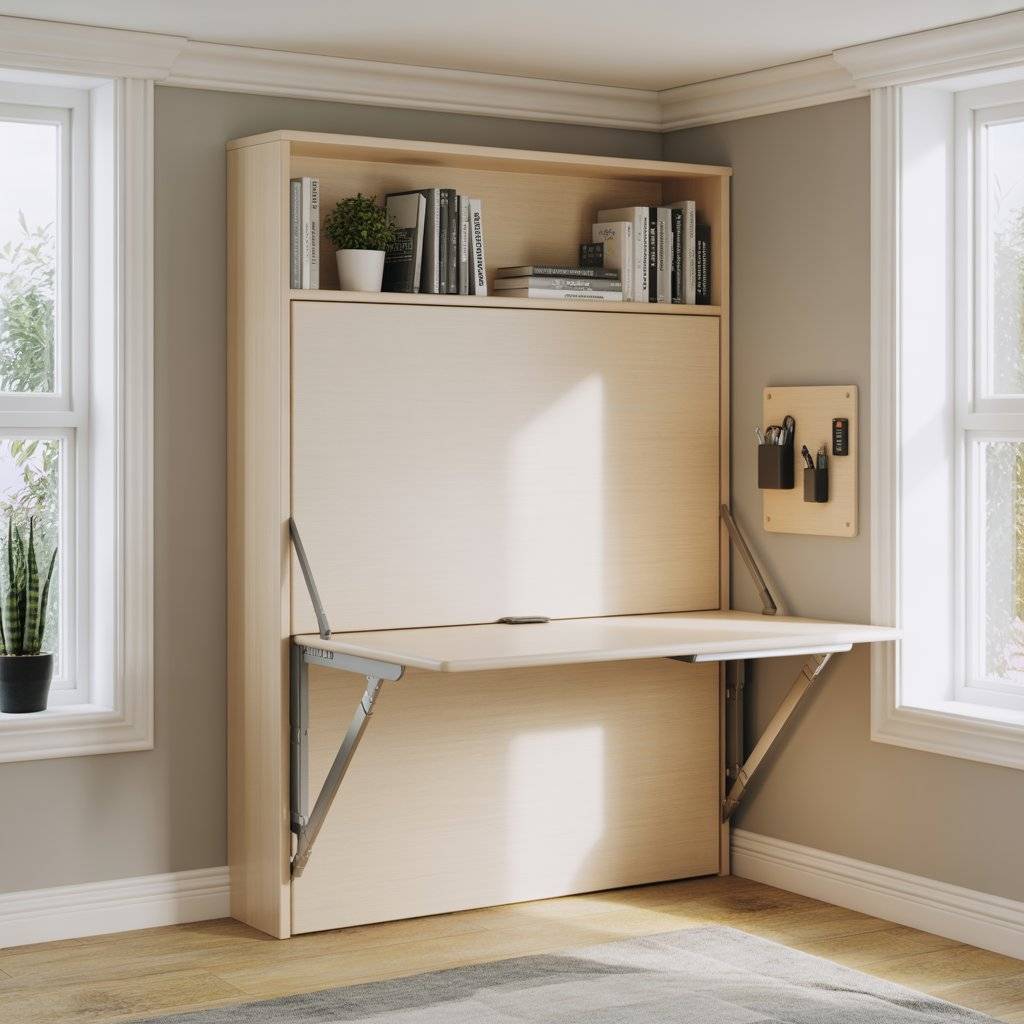
A Murphy desk folds down from the wall. It’s also called a fold-down desk. When you’re done working, you fold it up and it looks like a cabinet. This is the ultimate space saver for a corner office.
You can install one in a corner that’s only 12 inches deep when folded. Open it up and you have a full 24-inch deep desk. Some Murphy desks come with built-in shelving above. Others are just the desk.
Mount a small pegboard or magnetic strip next to it for supplies. This works great in a dining room corner or a bedroom. You can even build one yourself with piano hinges and a piece of plywood. There are free plans online.
12. The Corner Desk with Drawers
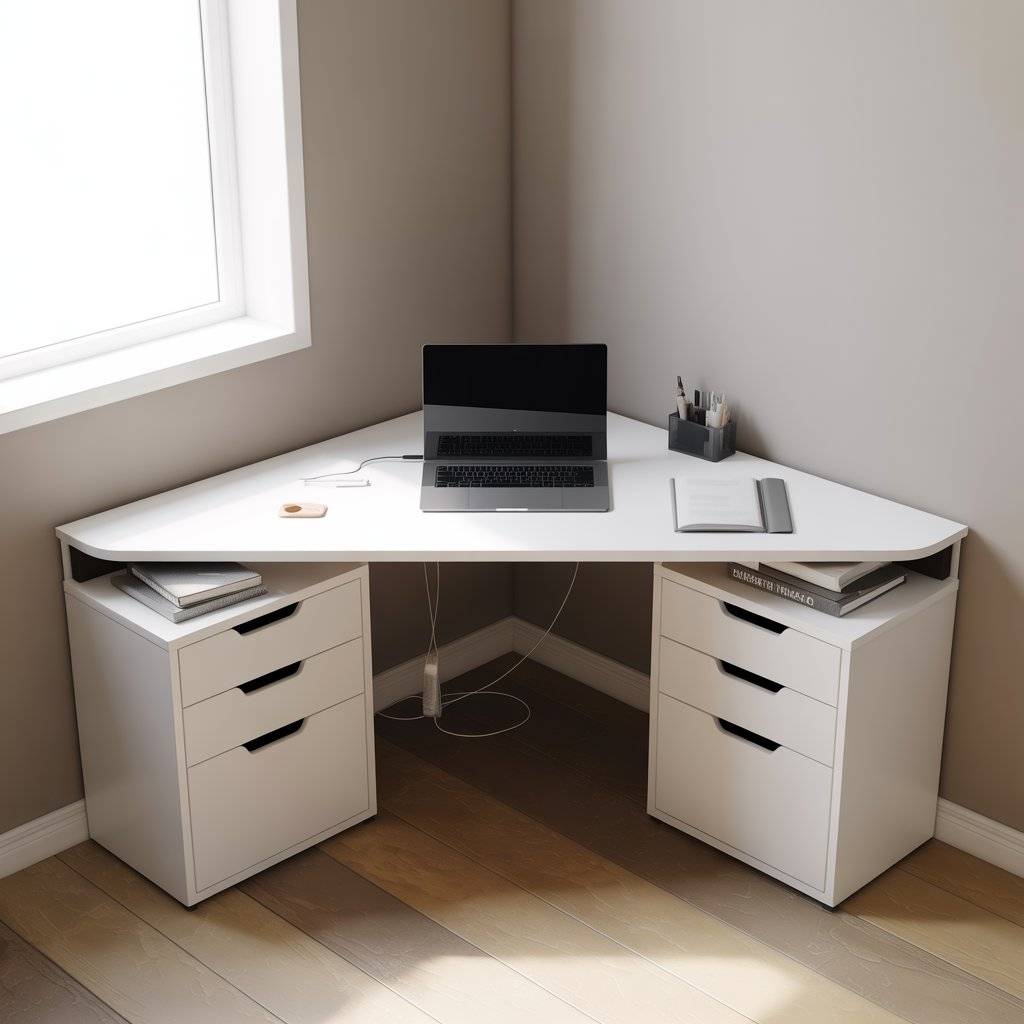
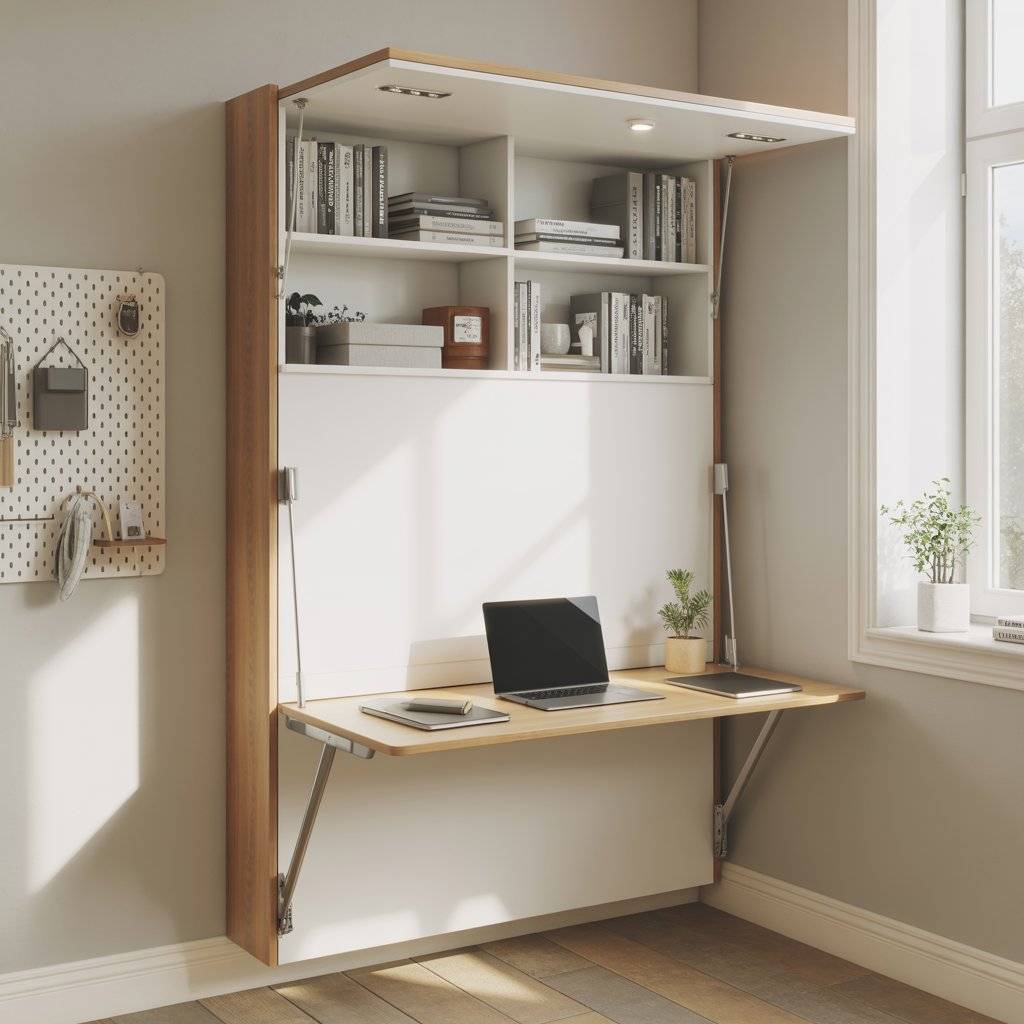
Not all corner desks are L-shaped. Some are wedge-shaped or triangular. These fit tightly into a corner and take up very little floor space. The front is straight, and the back goes into the corner. Many have built-in drawers on both sides.
You get storage without needing extra furniture. This is one of the cleanest home corner office design ideas because everything is self-contained. Your computer sits on top. Your supplies hide in the drawers. Cables run through a hole in the back.
Wedge desks are easy to find used or new. They come in wood, white, or black. Measure your corner before buying. Some wedge desks are 36 inches across. Others are 48 inches.
13. The DIY Crate Desk
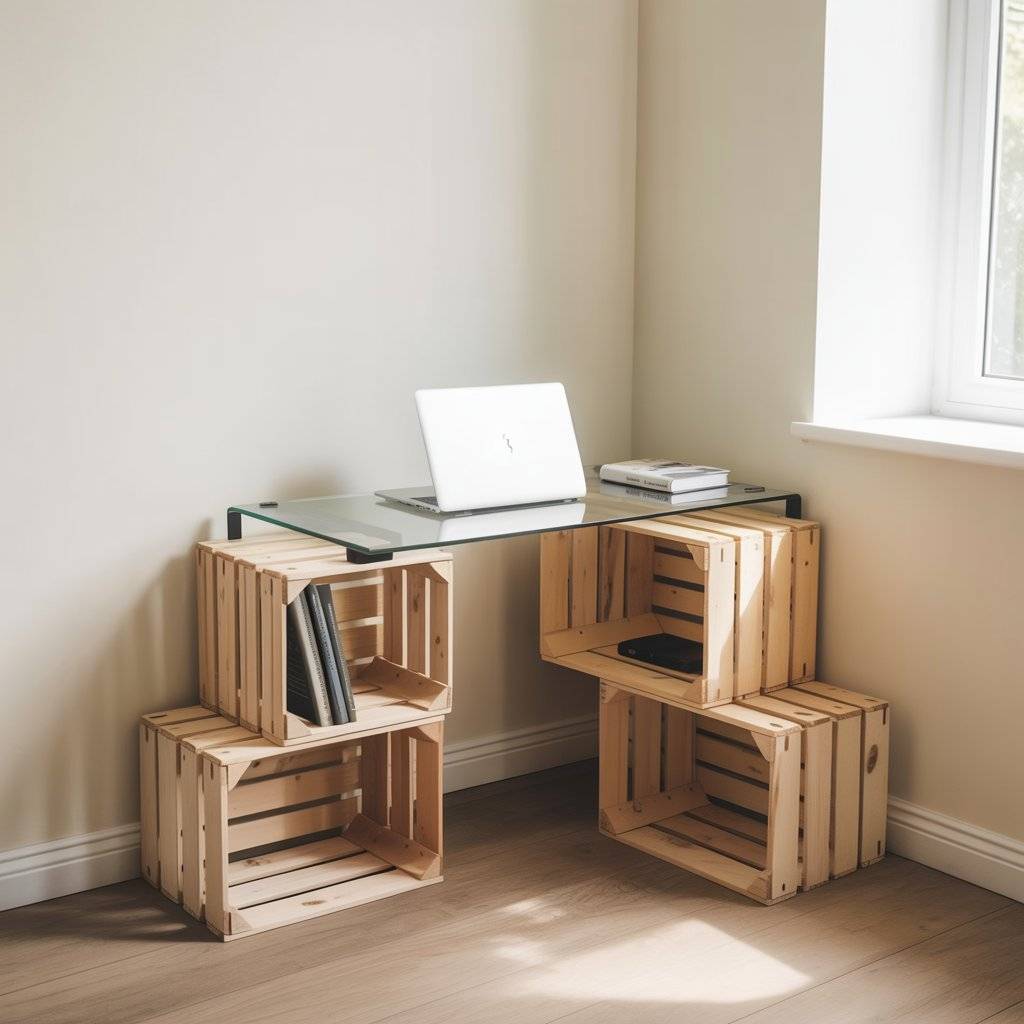
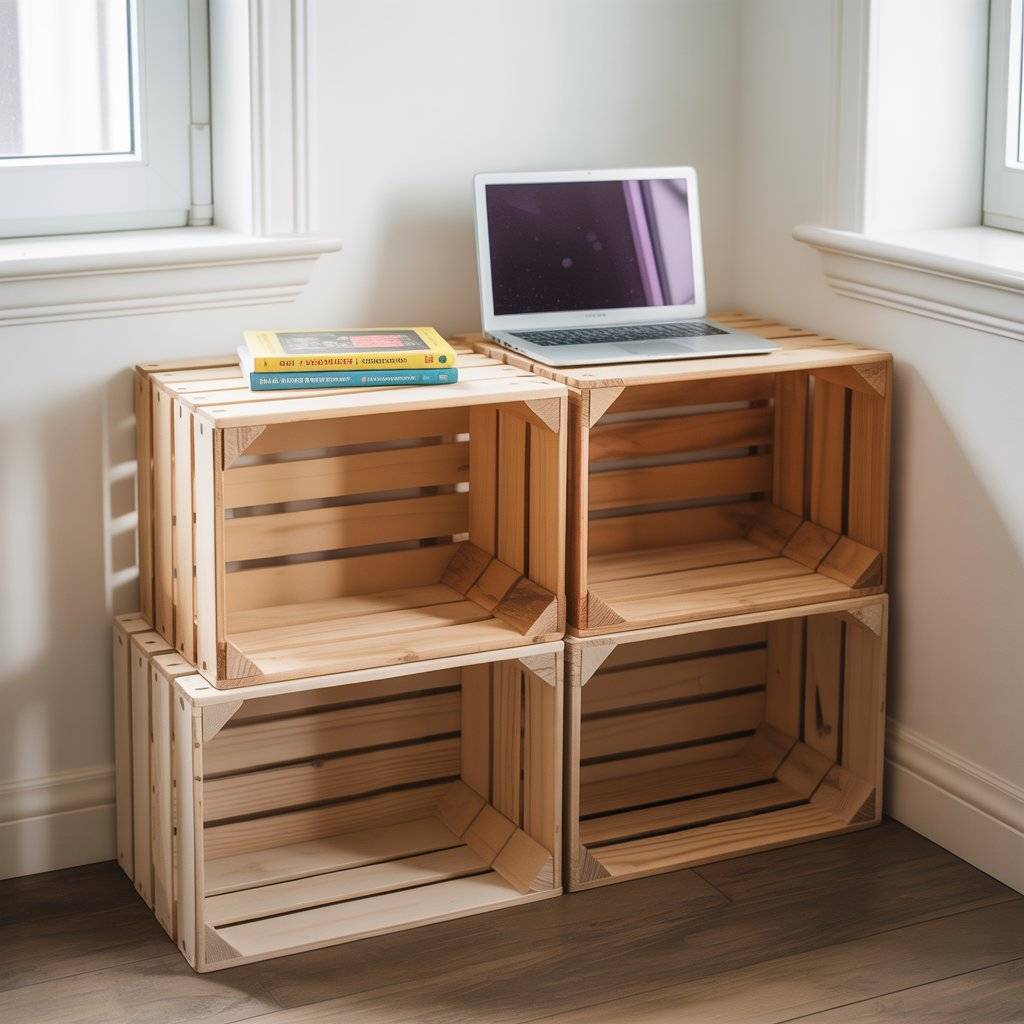
Grab three wood crates from a craft store. Stand two on their sides, one on top. This makes a desk in minutes. Push it into a corner. The two crates on the bottom become shelves for your legs.
The top crate is your desk surface. You can leave it as is or add a piece of glass or wood on top for a smoother surface. Paint the crates to match your room. This costs about $30. It’s perfect for a student or someone on a tight budget.
The crates are lightweight, so you can move the desk easily. But they’re also strong enough to hold a laptop and a few books. When you’re done working, you can break it down and store the crates flat. Not bad for a corner office.
14. The Mirror Office
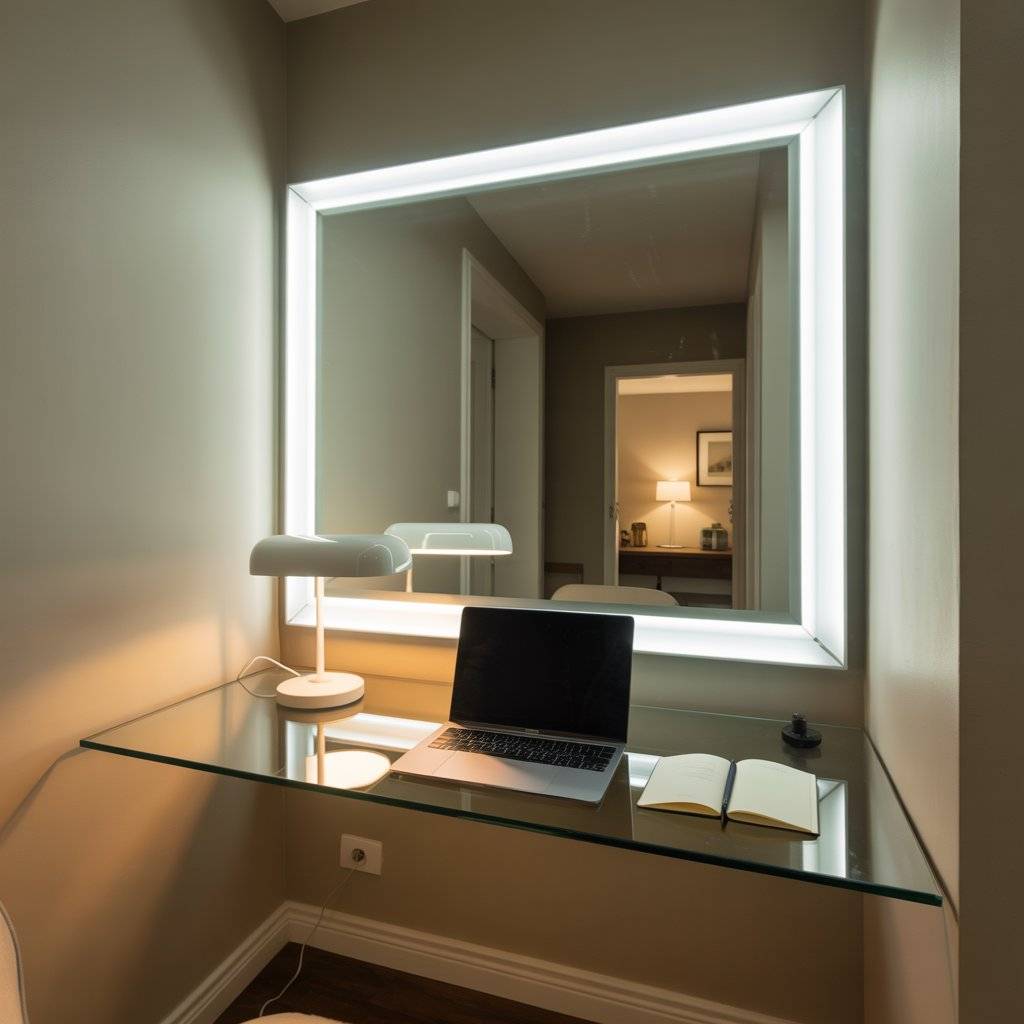
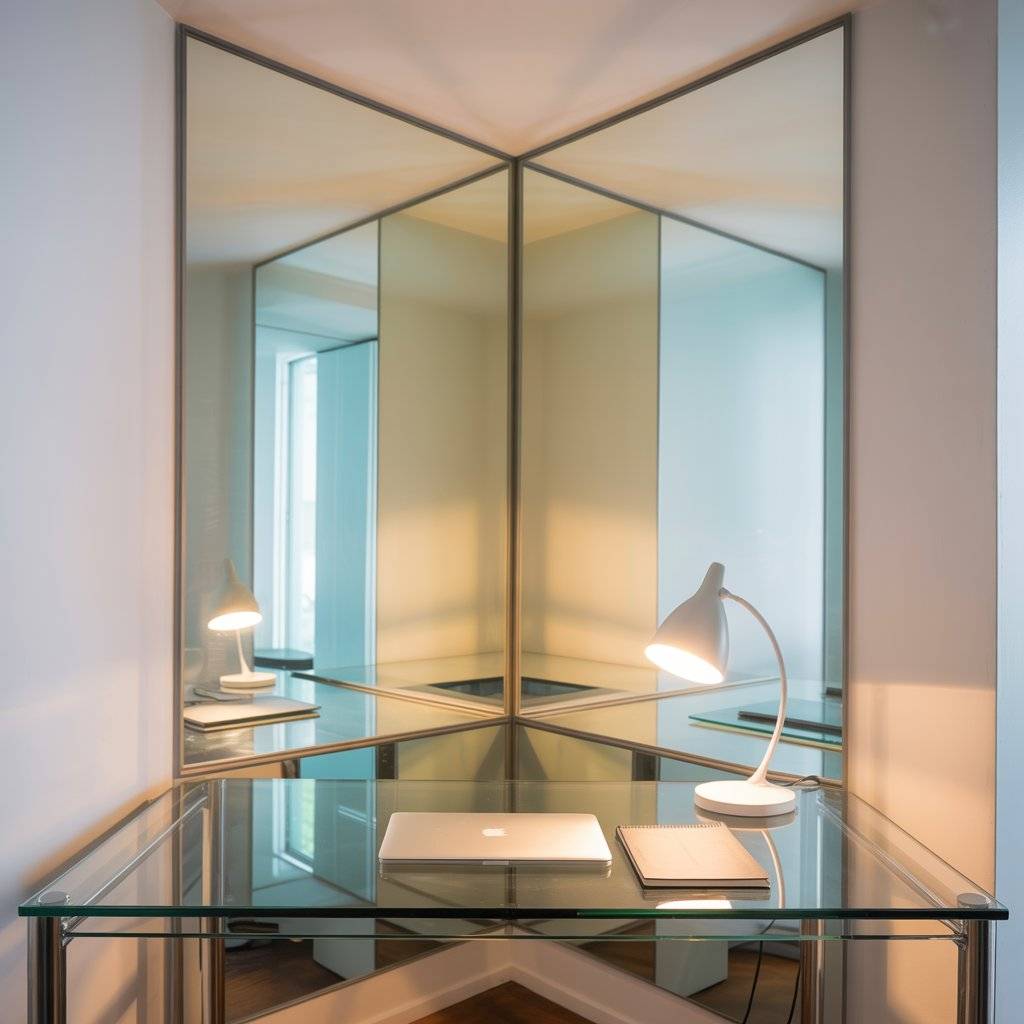
Mount a large mirror on one wall of your corner. It makes the space look twice as big. Then put a small glass desk in front of the mirror. The glass desk keeps the light flowing.
The mirror reflects the room and tricks your brain into thinking there’s more space. This works best in a dark corner that doesn’t get much natural light. The mirror bounces whatever light there is around the room.
Add a small white lamp on the desk. Keep the desk mostly empty. Just your laptop and a notebook. This idea feels more open and less cramped than a solid wood desk. It’s one of my favorite home corner office design ideas for tiny apartments.
15. The Living Wall Corner
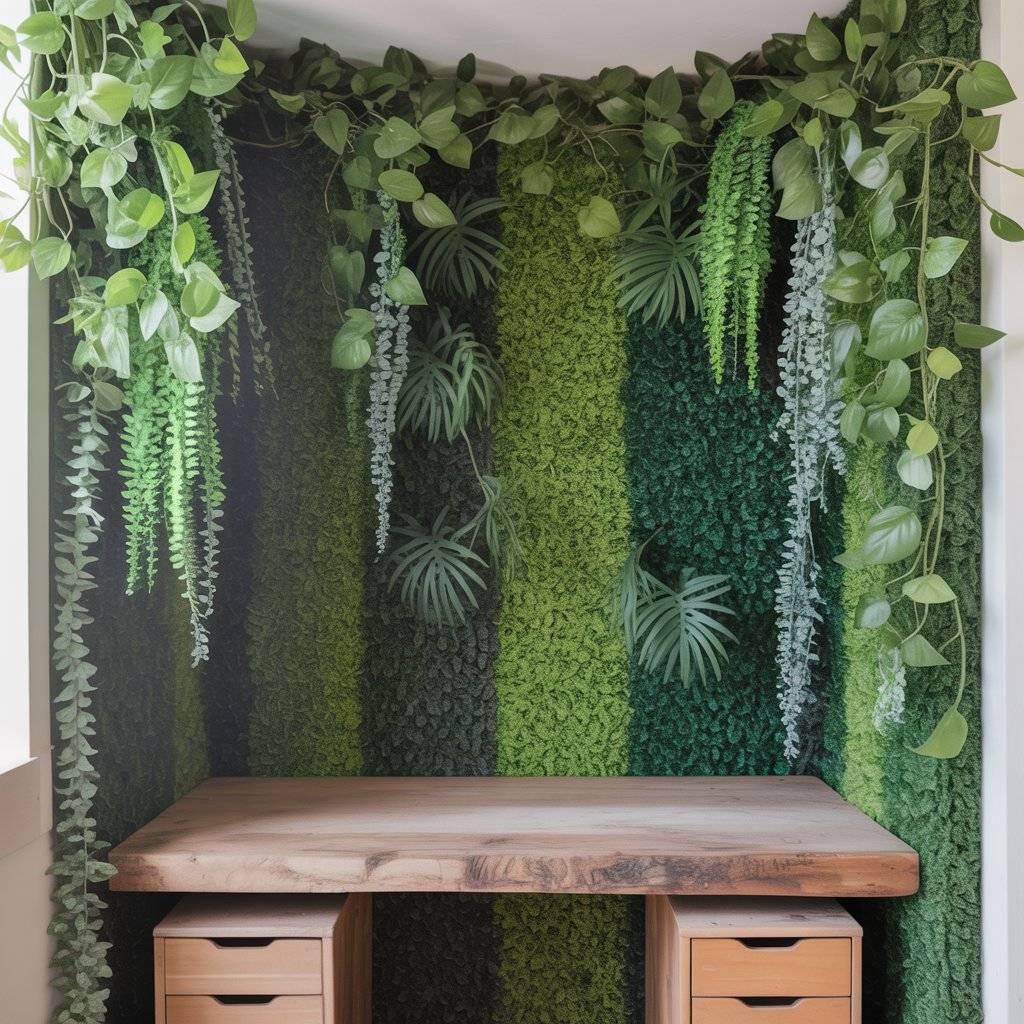
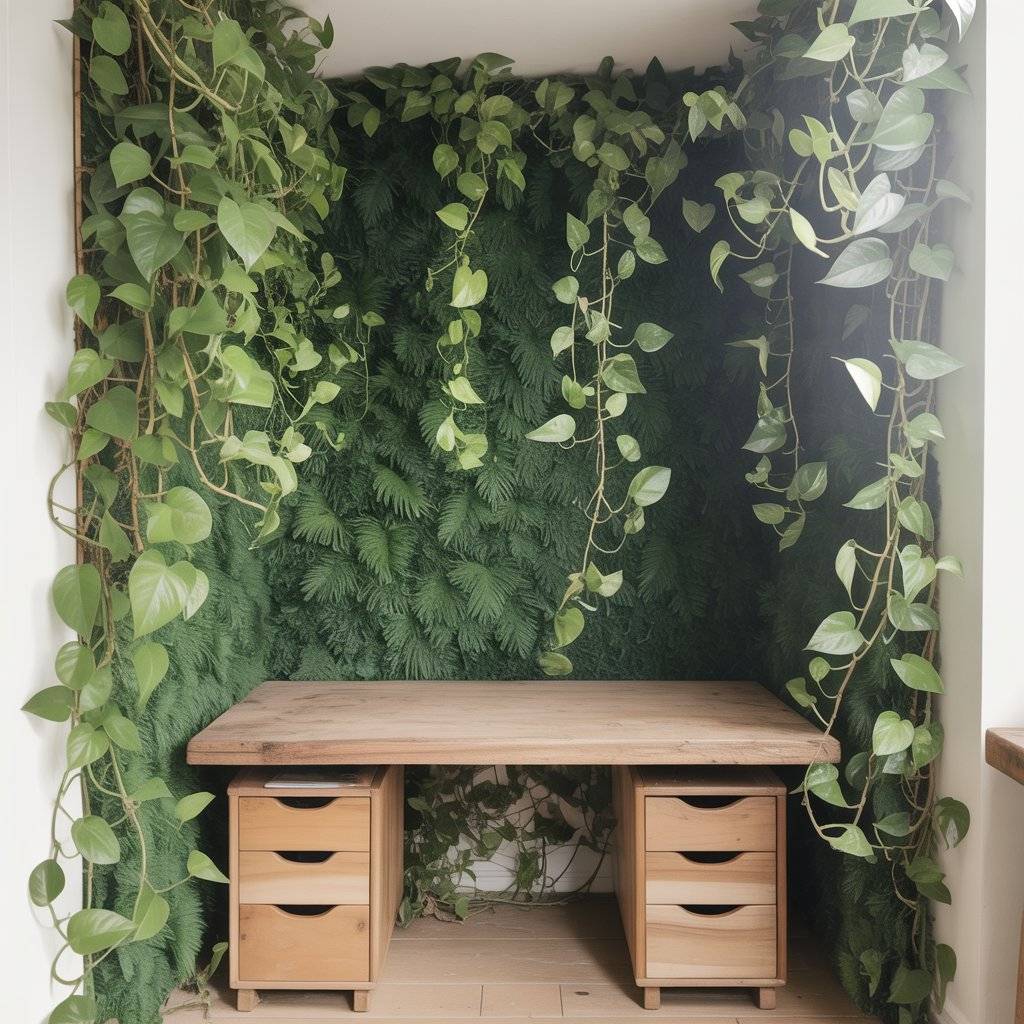
Cover the corner walls with fake green panels or real easy-care plants like pothos. Then put a simple wood desk in front of it. The green wall makes you feel calmer and more creative.
It also hides any imperfections in the wall. Fake green panels cost about $20 each and look surprisingly real. Real pothos plants are cheap and grow fast in low light. Just water them once a week.
This corner office feels like a little escape from the rest of the house. You’ll actually want to sit there. Keep the desk itself simple. A raw wood plank on two small drawer units works great. The plants do all the decorating for you.
General Tips for Any Corner Office
- Measure first. Know your corner’s width and depth before buying anything.
- Use wall space. Shelves and pegboards keep your desk clear.
- Light matters. Add a small desk lamp or stick-on lights if the corner is dark.
- Hide cables. Use cord clips or a fabric sleeve to keep wires off the floor.
- Choose a comfortable chair. Even a small stool needs a cushion for long days.
Mistakes to Avoid
#1: Ignoring leg room.
A desk that’s too shallow or too low will hurt your knees and back. Make sure there’s at least 24 inches of clear space under the desk.
#2: Blocking a doorway or walkway.
Don’t put your corner office where people have to squeeze past you. You’ll feel annoyed all day.
#3: Forgetting an outlet.
Don’t set up a desk far from a power outlet unless you have a long, safe extension cord. Battery power runs out fast.
#4: Using the wrong chair.
A dining chair is fine for 30 minutes. For hours of work, get a chair with back support.
#5: Overcrowding the corner.
One desk, one chair, one small shelf. That’s plenty. More stuff makes the corner feel like a storage closet.
Frequently Asked Questions
Q1: How small can a corner office be?
A: You need at least 30 inches wide and 24 inches deep for a basic desk and chair. Anything smaller feels cramped. A wall-mounted fold-down desk can work in as little as 12 inches of depth when folded.
Q2: What’s the best desk shape for a corner?
A: L-shaped desks and wedge-shaped desks fit corners best. Floating shelves work well for very tight corners. Avoid round or oval desks they waste space.
Q3: Do I need a special chair for a corner office?
A: No, but you need a chair that fits. Measure the width of your corner. Many office chairs are 26 inches wide. That may be too big. Try a smaller task chair or a stool with a back.
Q4: How do I hide cables in a corner office?
A: Use adhesive cable clips to run cords along the wall. Bundle cords with a fabric sleeve. Drill a small hole in the back of your desk to pass cords through. Keep a power strip mounted under the desk.
Q5: Can I put a corner office in a rental apartment?
A: Yes. Use furniture that doesn’t need wall mounting, like a bar cart, a bookshelf desk, or a rolling desk. Avoid drilling holes. Command hooks work for lightweight cable management.
Design and Styling Ideas
- Paint the corner a different color. A darker accent wall makes the desk disappear. A lighter color makes the space feel bigger.
- Add a small rug. A 3×5 foot rug defines the office zone in an open room.
- Use matching storage. Baskets and bins in the same color keep the corner looking neat.
- Hang one piece of art. A small print or a calendar on the wall makes the space feel intentional, not thrown together.
- Put a plant on the desk. Even a small succulent makes the corner feel alive.
Conclusion
You don’t need a big budget or a spare bedroom to have a home office. A corner you already ignore can become your favorite spot to work.
Pick one idea from this list. Start small. A floating shelf, a bar cart, or even a few crates can turn into a useful workspace.
Measure your corner. Get the right chair. Add good light. And keep the clutter off your desk.
Your back, your focus, and your free time will thank you. Now go claim that corner.
Related Post: