
Let’s be honest most of us want to do the right thing with our trash, but it’s not always clear what “the right thing” actually looks like. You stand over the bin with a greasy pizza box or a dead battery and think, “Can this go in recycling? Is this trash? Do I need to drive somewhere?” It’s confusing, and the rules seem to change depending on where you live.
Here’s the thing: you don’t need a perfect system to make a real difference. You just need a few habits that work for your home and your life. That’s what this guide is about. Sixteen practical tips you can start using today from setting up your kitchen bins to handling the tricky stuff like electronics and hazardous waste.
Let’s get into it.
1. Set Up a Simple Waste Station
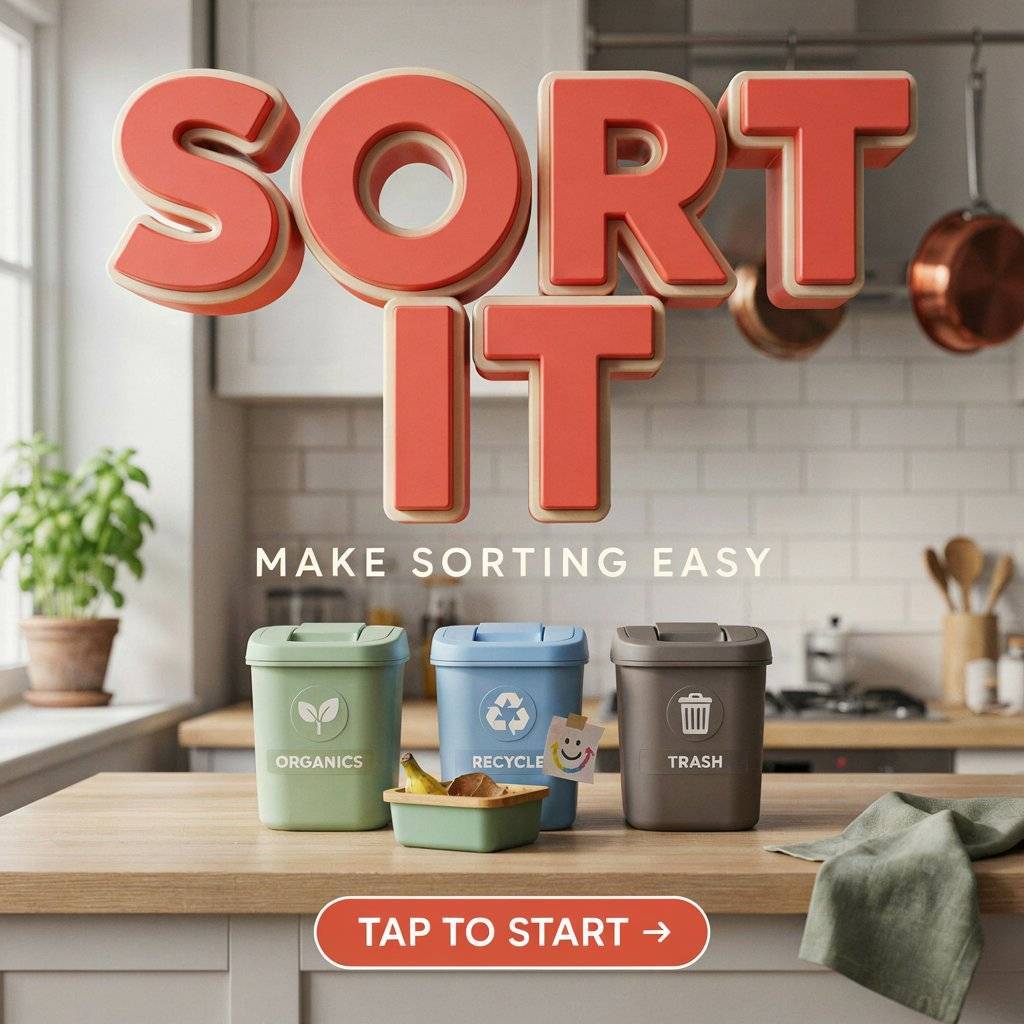
The single biggest thing you can do is make sorting easy where you actually create waste your kitchen. Set up a dedicated station with clearly labeled bins for recycling, organic waste, and general trash. A small caddy for food scraps right on the counter works wonders and keeps you from tossing peels in the regular bin out of laziness.
The European Commission’s waste prevention project recommends placing the right bins in the right spots with fun reminders for everyone in the house even stickers for kids or skeptical in-laws. When the system is visible and convenient, you’ll actually use it.
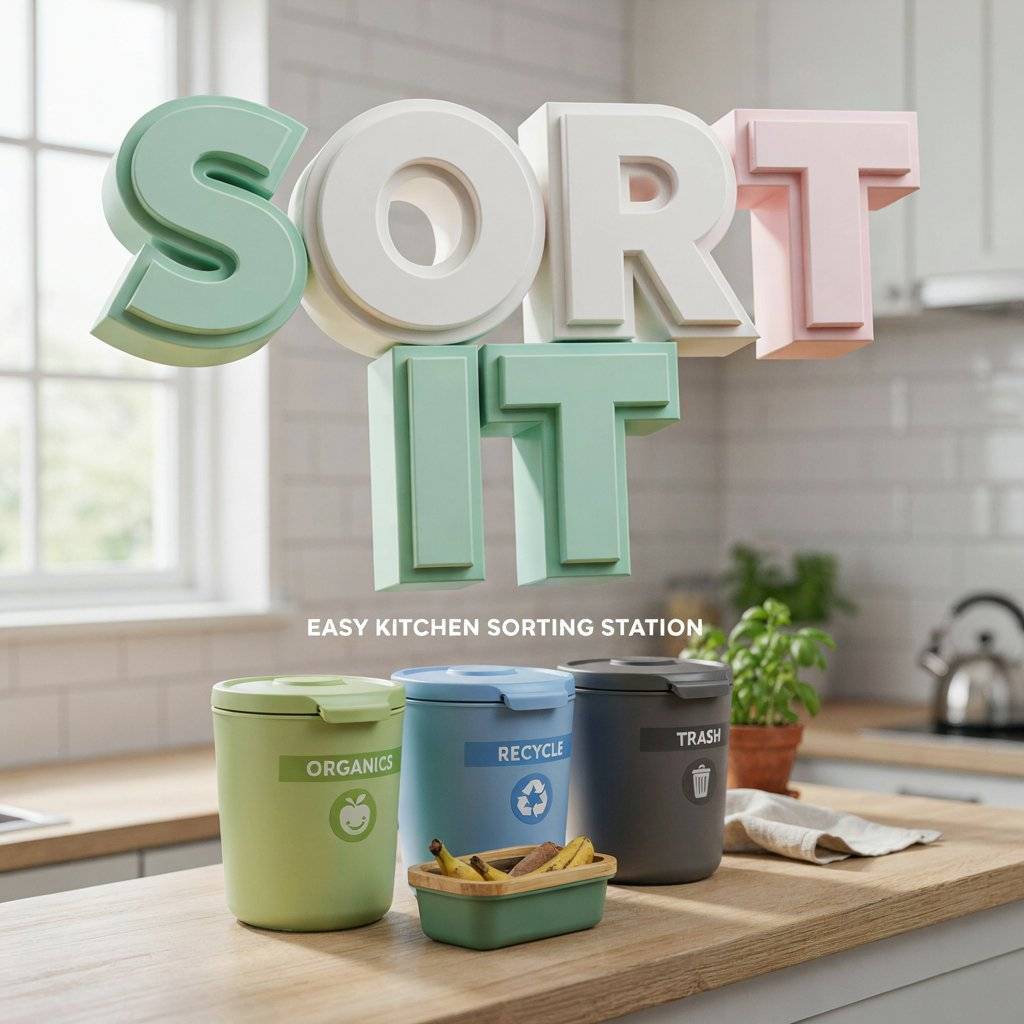
2. Know Your Local Recycling Rules
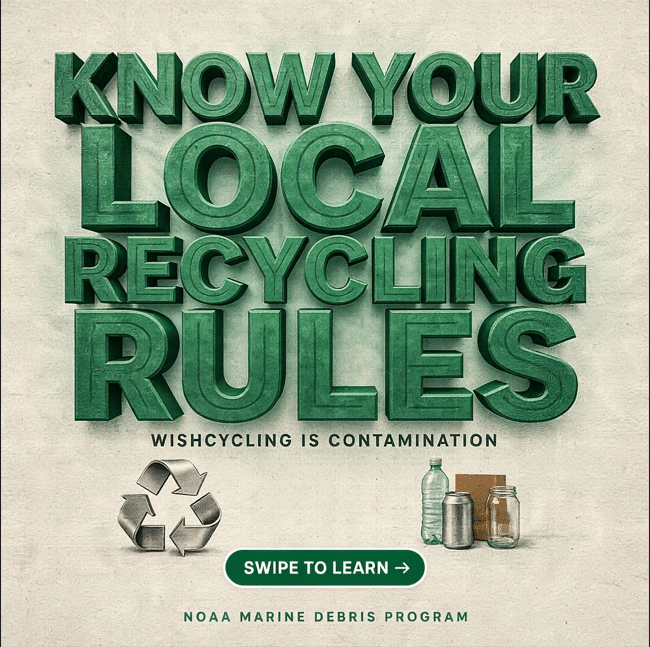
Recycling rules are not universal. What gets accepted curbside in Portland might get rejected in Phoenix. Take fifteen minutes to check your municipality’s website or download their recycling app.
The NOAA Marine Debris Program stresses that learning your community’s specific recycling rules is one of the most effective things you can do and it also warns against “wishcycling,” which is tossing something in the recycling bin hoping it gets recycled when it actually doesn’t belong there. Contamination is the enemy.
When in doubt, throw it out that’s not defeat, it’s smart.
3. Rinse Before You Recycle
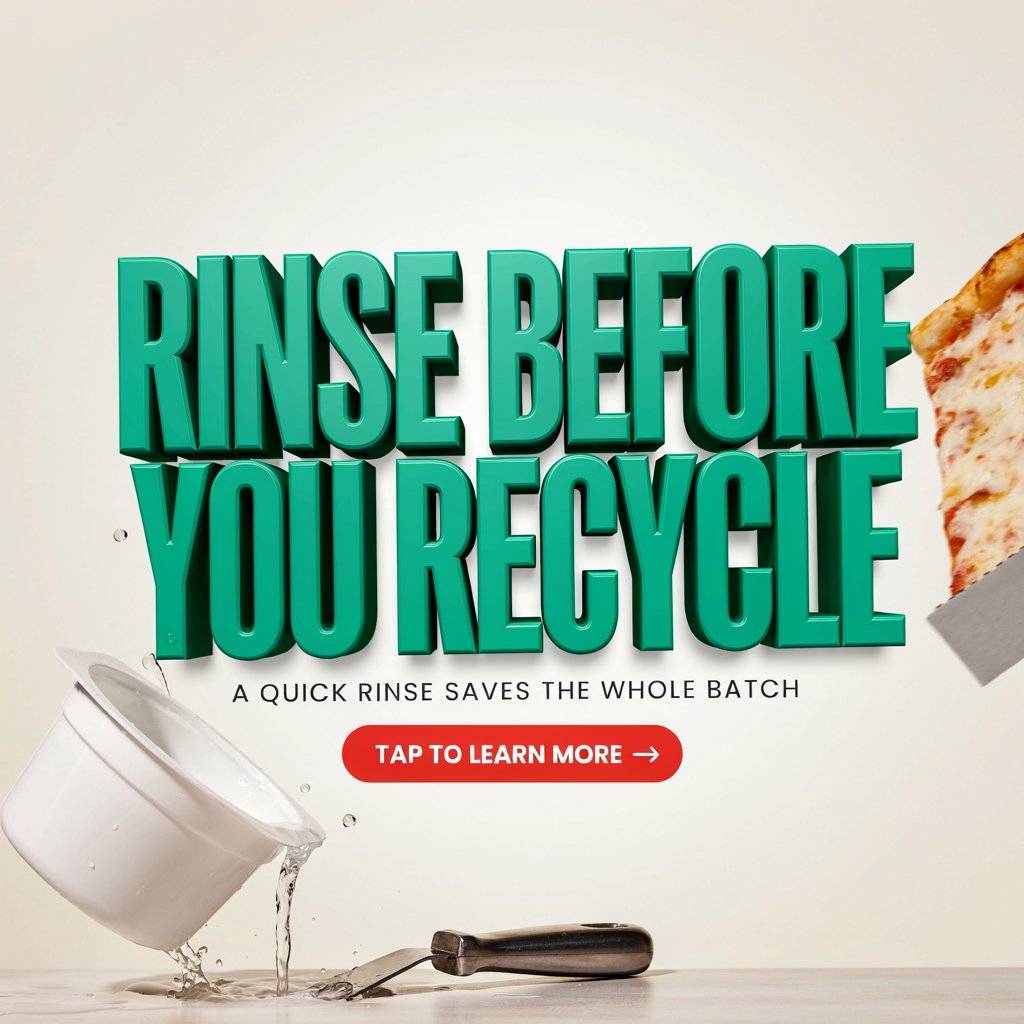
This one’s quick but important. Food residue contaminates entire batches of recycling. A greasy pizza box or an unwashed yogurt tub can ruin an entire load, sending everything to the landfill instead of being turned into something new.
Give containers a quick rinse you don’t need to scrub them spotless, just free of food. Let them dry, then toss them in the bin. It takes seconds, and it makes your recycling actually count. Keep a small scraper near your sink to make the job easier.
4. Keep Recycling Loose, Never Bagged
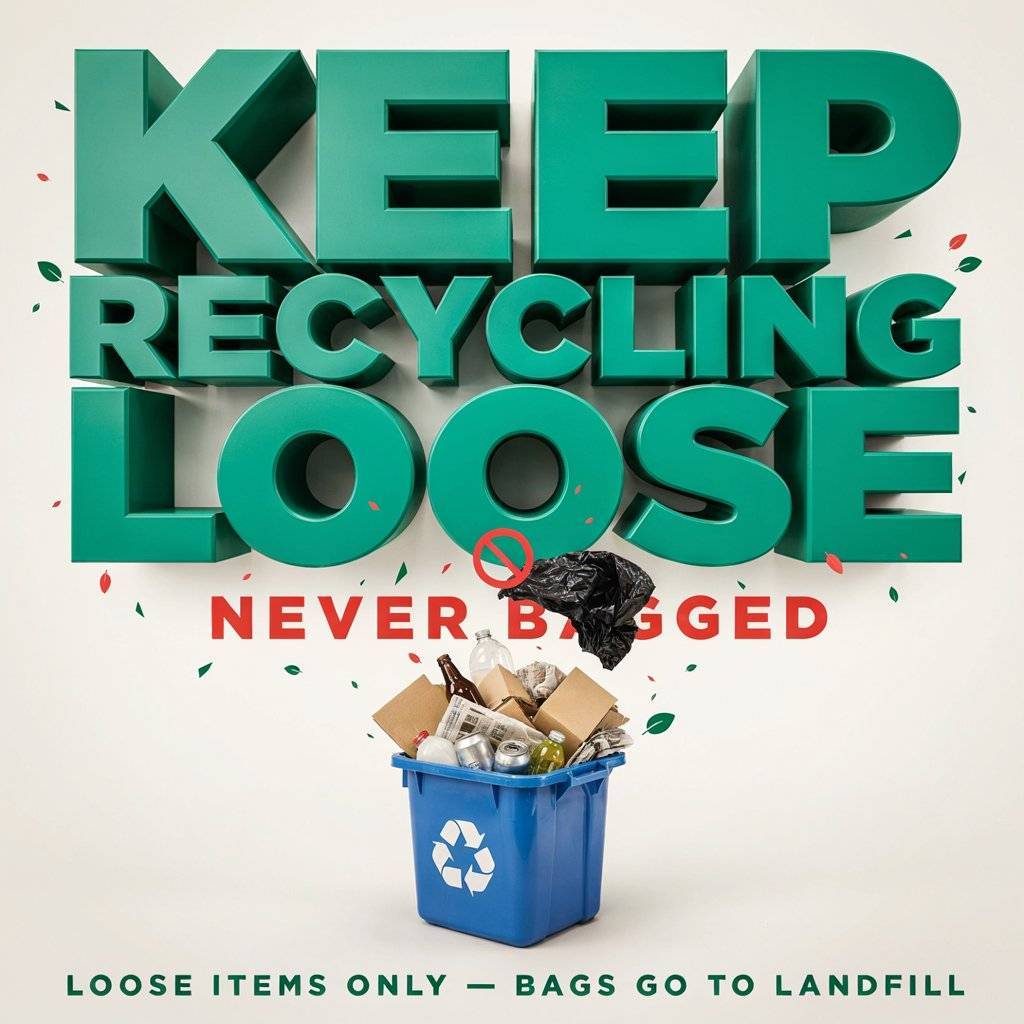
Don’t put your recyclables in plastic bags and tie them shut. Loose items only that’s the rule at most facilities. When recyclables are bagged, workers can’t sort them and the whole bag often gets sent to the landfill. Just toss clean items directly into the bin.
If you use a small bin liner inside your home, empty it into the larger recycling bin and reuse or compost the liner. It sounds like a small detail, but it makes a huge difference in whether your recyclables actually get recycled.
5. Start Composting Food Scraps
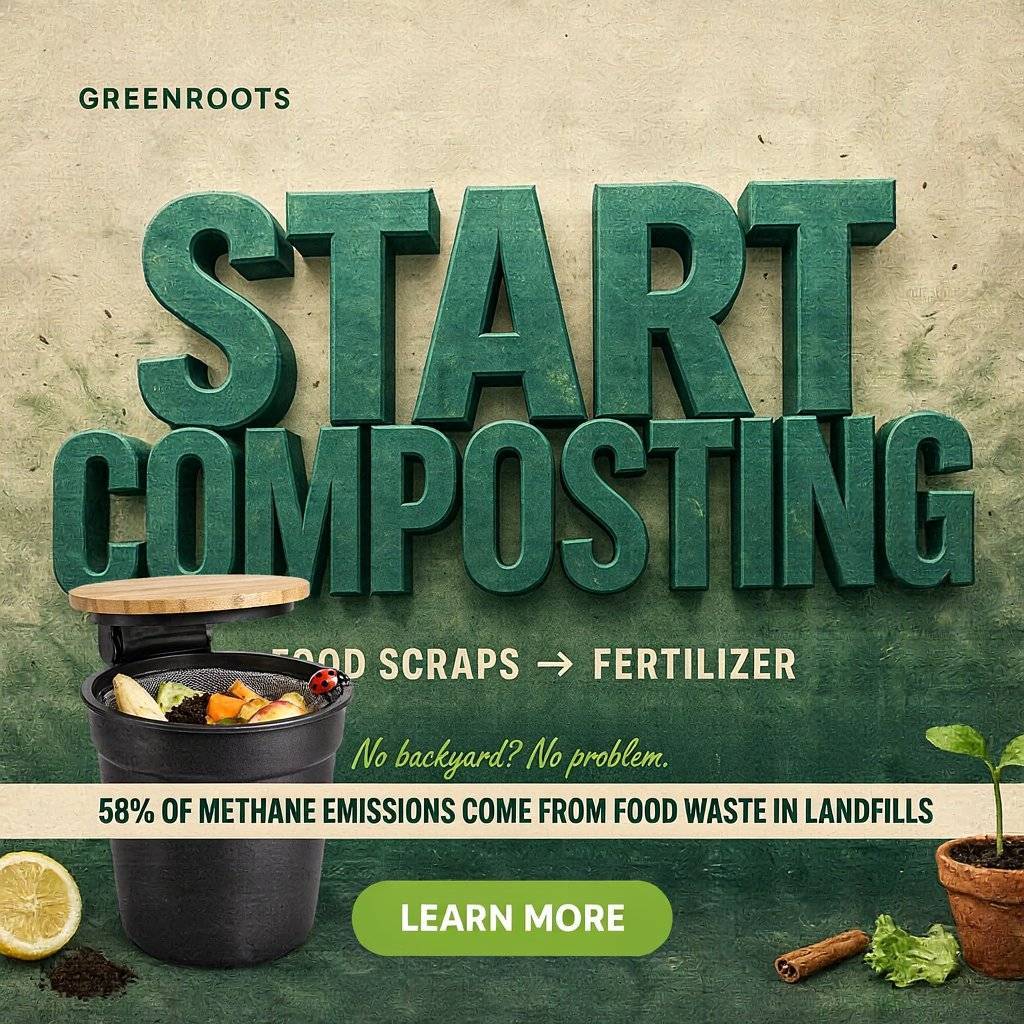
Composting is one of the most impactful things you can do at home. When food waste decomposes in a landfill without oxygen, it produces methane a greenhouse gas far more potent than carbon dioxide.
In fact, food waste from landfills released an estimated 58 percent of methane emissions into the atmosphere according to a 2023 EPA report.
You don’t need a big backyard. A countertop compost bin with a mesh liner works great for apartments, and many cities now offer curbside organic waste pickup. If you garden, you’ll also get free fertilizer for your plants.
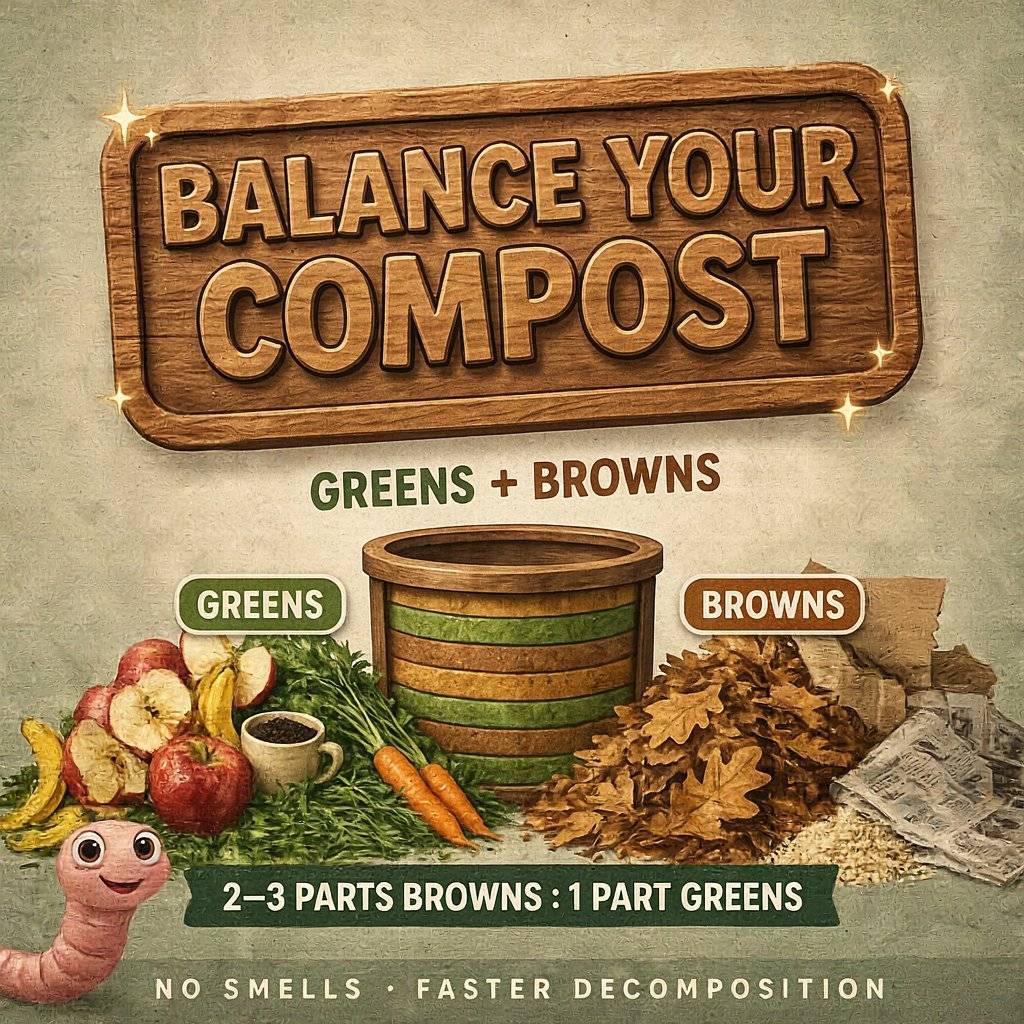
6. Balance Your Compost Greens and Browns
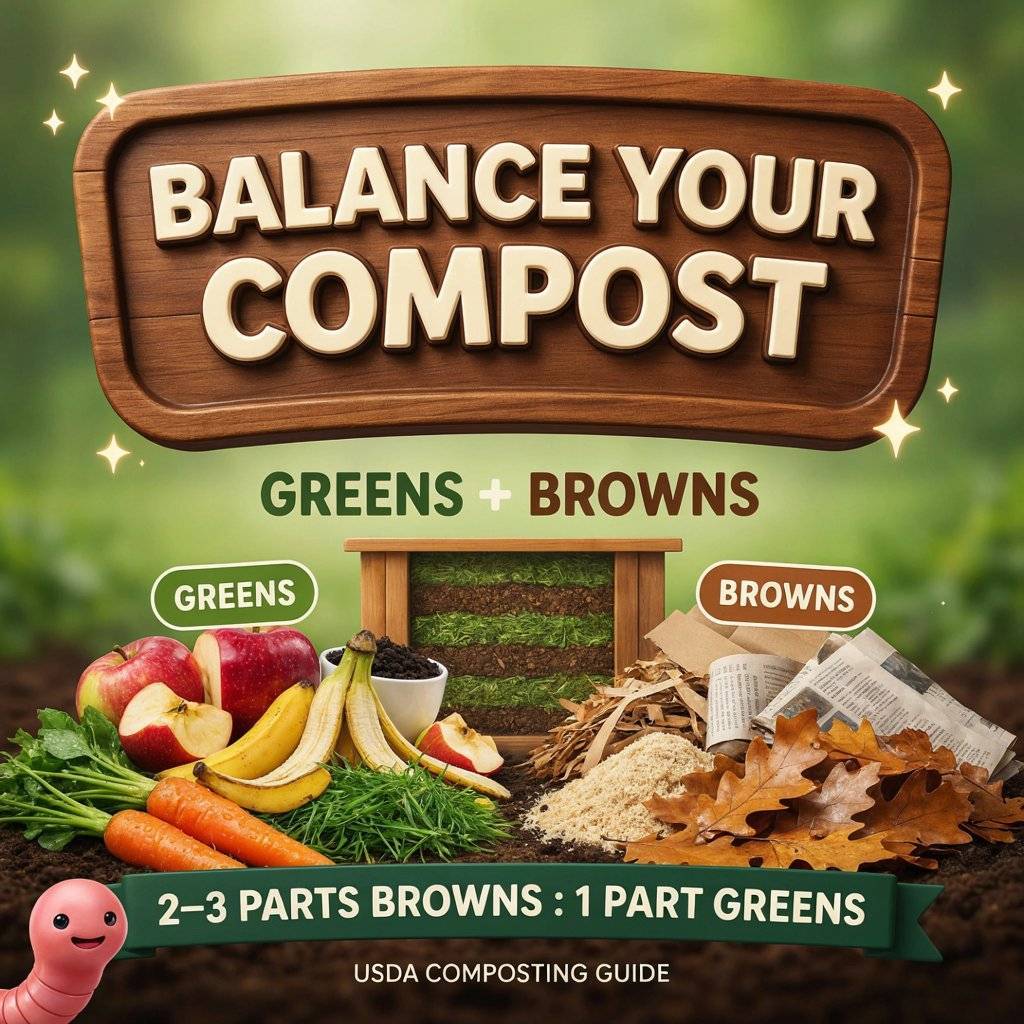
If you’re composting at home, the key to avoiding smells and speeding up decomposition is balancing nitrogen-rich “greens” with carbon-rich “browns.” Greens are fruit scraps, vegetable peels, coffee grounds, and grass clippings. Browns are dry leaves, shredded cardboard, newspaper, and sawdust.
Aim for about two to three parts browns to one part greens. The USDA’s composting guide recommends starting with a coarse base layer for airflow, then alternating green and brown layers. Keep food scraps covered with browns to prevent odors and pests.
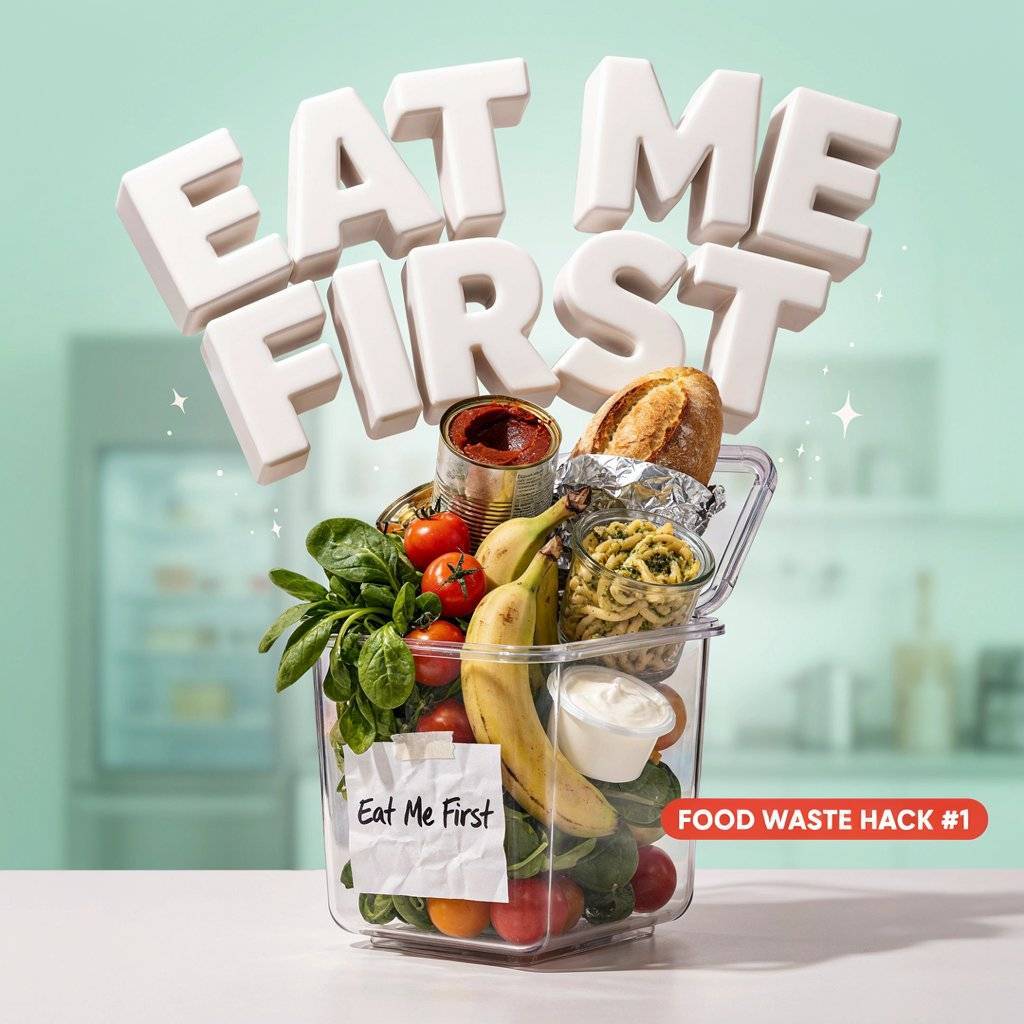
7. Use the “Eat Me First” Box
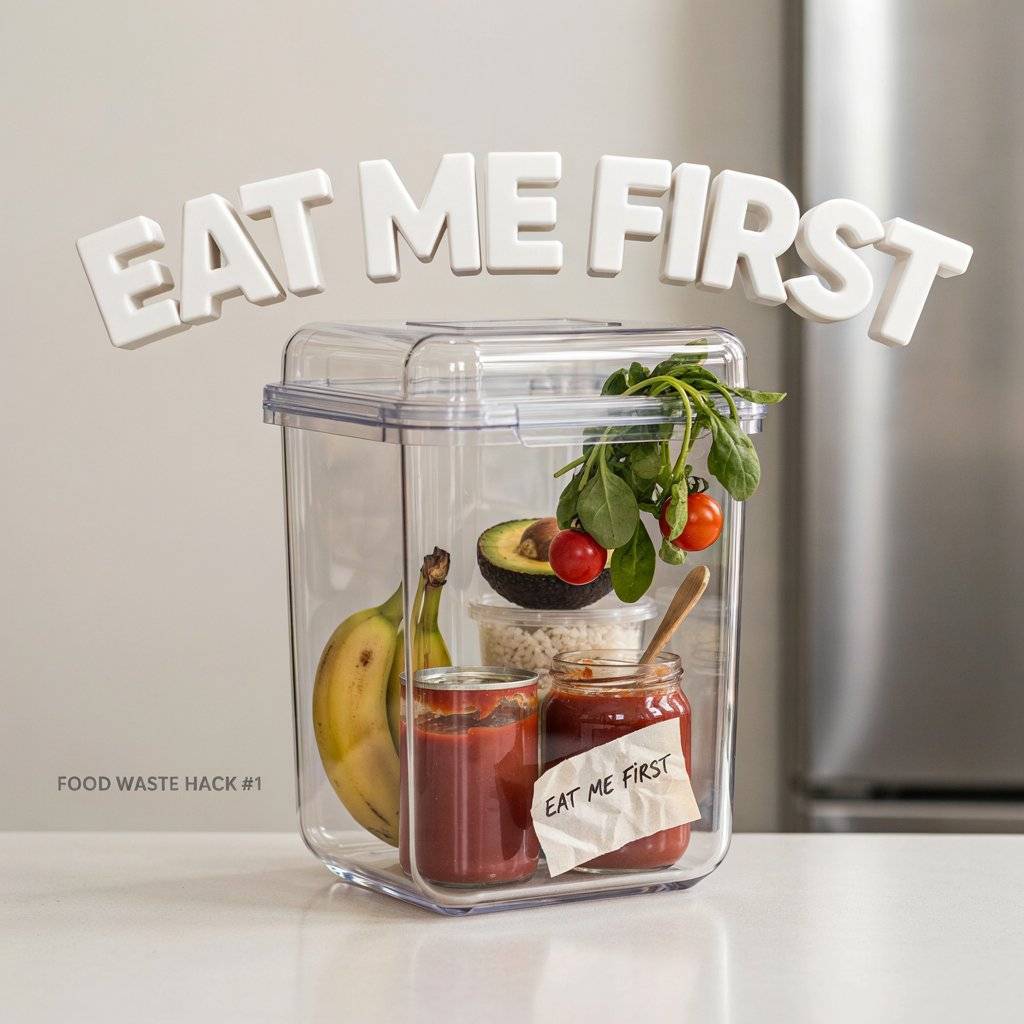
This is one of the simplest food waste hacks out there. Designate a clear container in your fridge a box, a bin, whatever works and put anything that needs to be eaten soon inside it. Leftovers, aging produce, that half-can of tomato paste.
Check it before every meal. The idea is simple: if you can see it, you’ll actually eat it. New Zealand waste reduction experts recommend starting by looking at what you throw away most and tackling that first. This little box is a game-changer for cutting food waste.
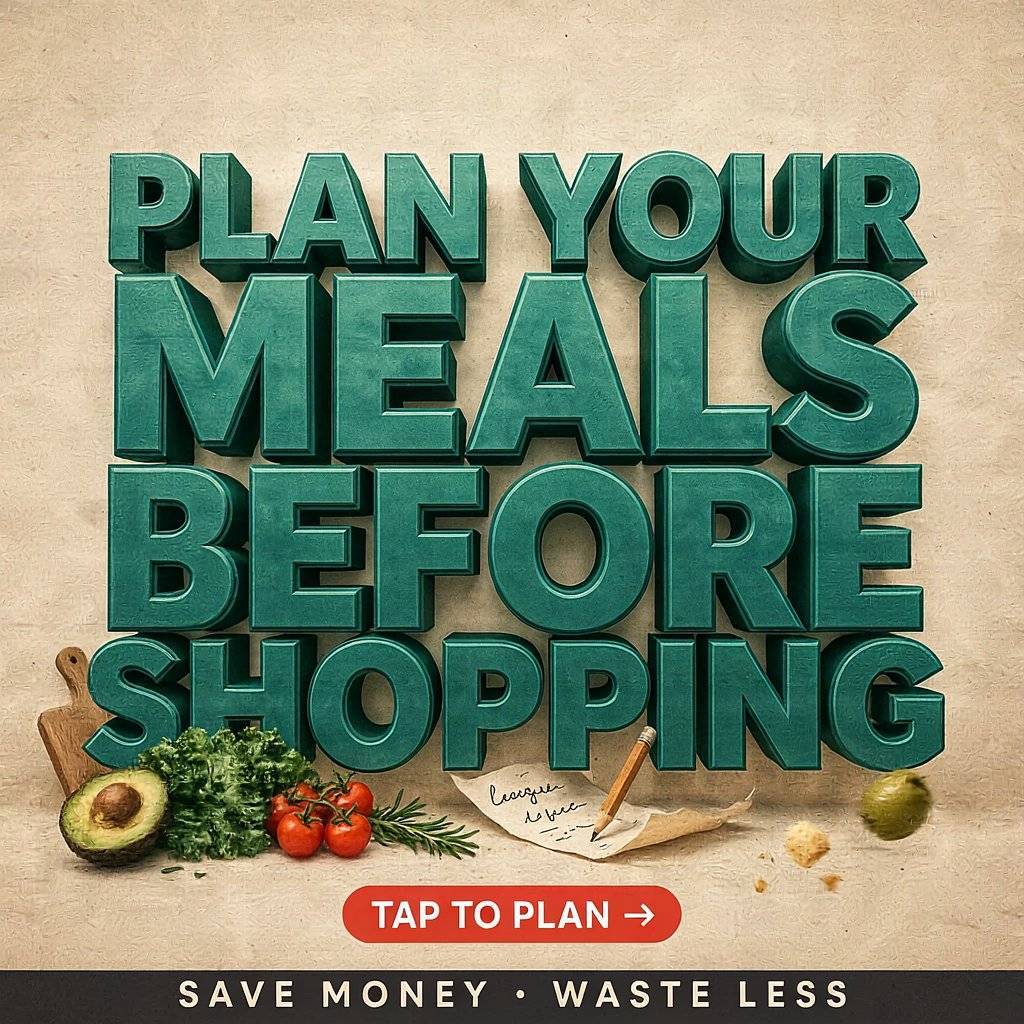
8. Plan Your Meals Before Shopping
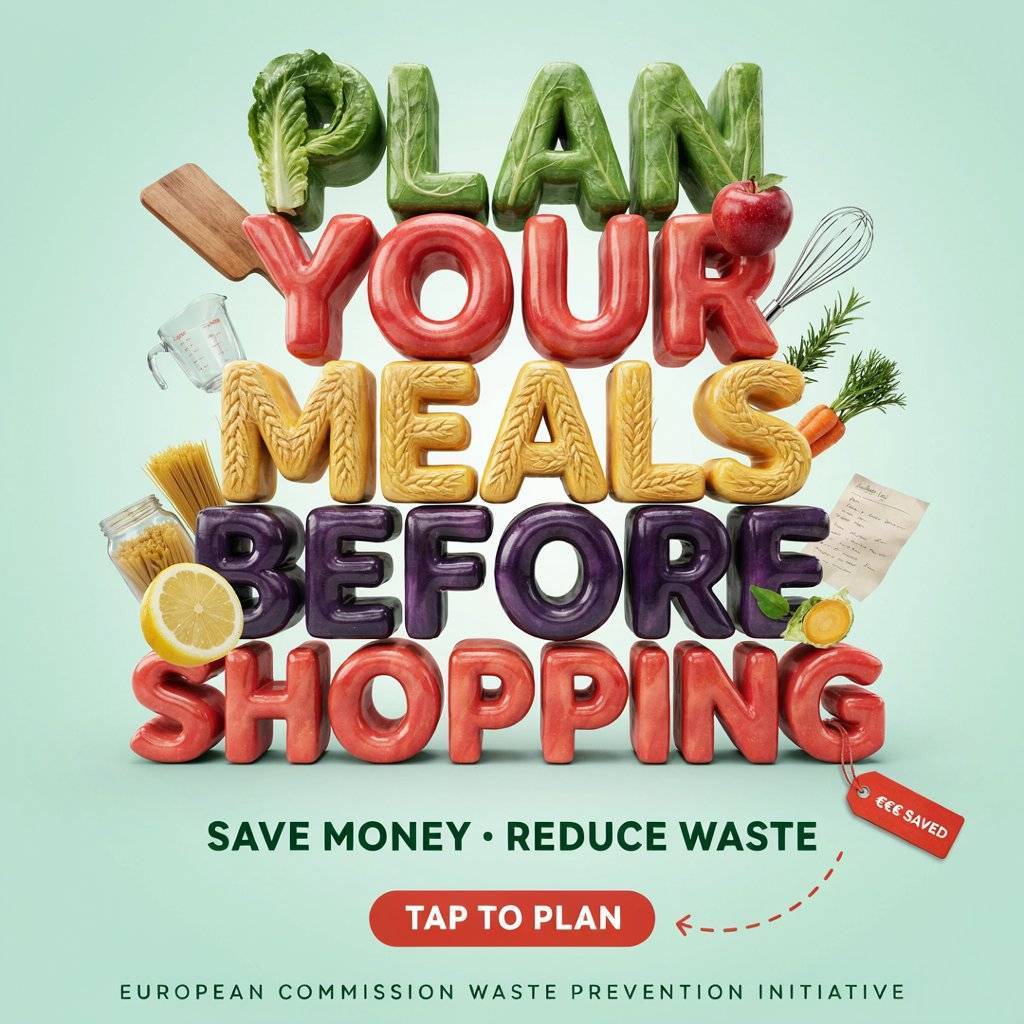
Stores are designed to make you buy more than you need. A simple meal plan flips that script. Before you hit the grocery store, decide what you’re cooking for the week, check what you already have, and write a list. This isn’t about being rigid it’s about being intentional.
The European Commission’s waste prevention project notes that planning meals in advance to avoid wasting food is one of the most effective habits you can build, and if your fridge is full of leftovers, search online for recipes that use what you’ve got. Less waste, less money spent. Good deal.
9. Compost in an Apartment (Yes, You Can)
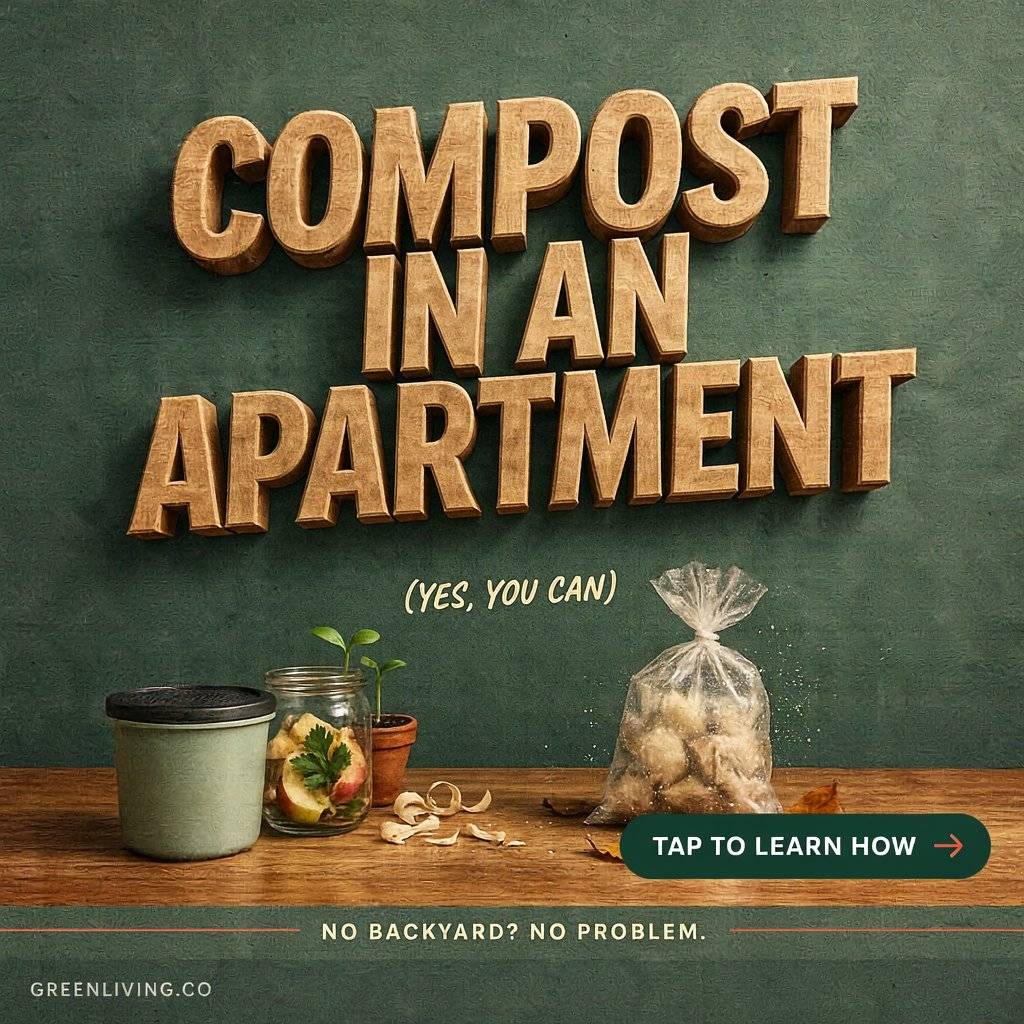
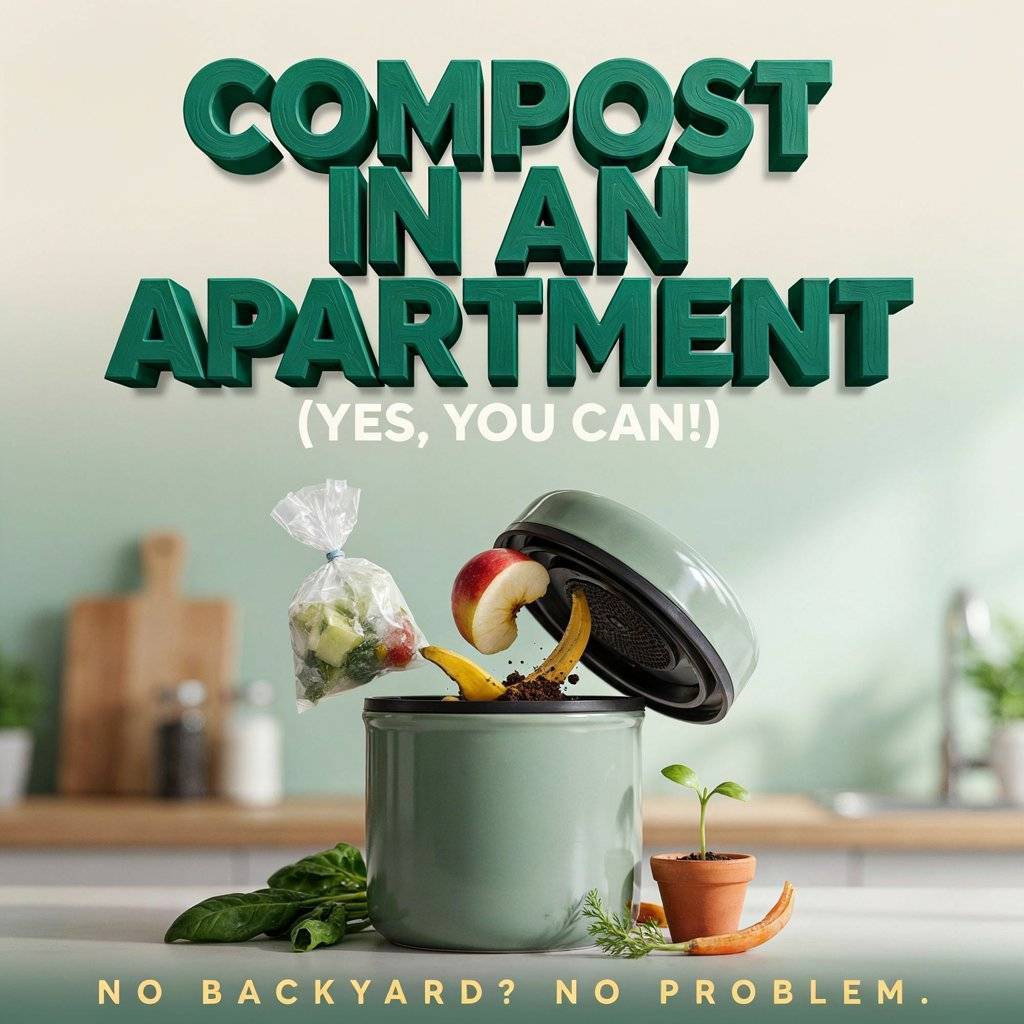
No backyard? No problem. Countertop compost bins with carbon filters keep odors in check. You can also freeze food scraps in a bag or container and drop them off weekly at a farmers market or community garden that accepts compost.
Some cities offer curbside organics collection, so check your local program. A National Geographic guide points out that collecting organic matter is the first step apple cores, moldy bread, even hair from your shower brush can go in. Just avoid meat and dairy in most home systems, as they attract pests and break down slowly.
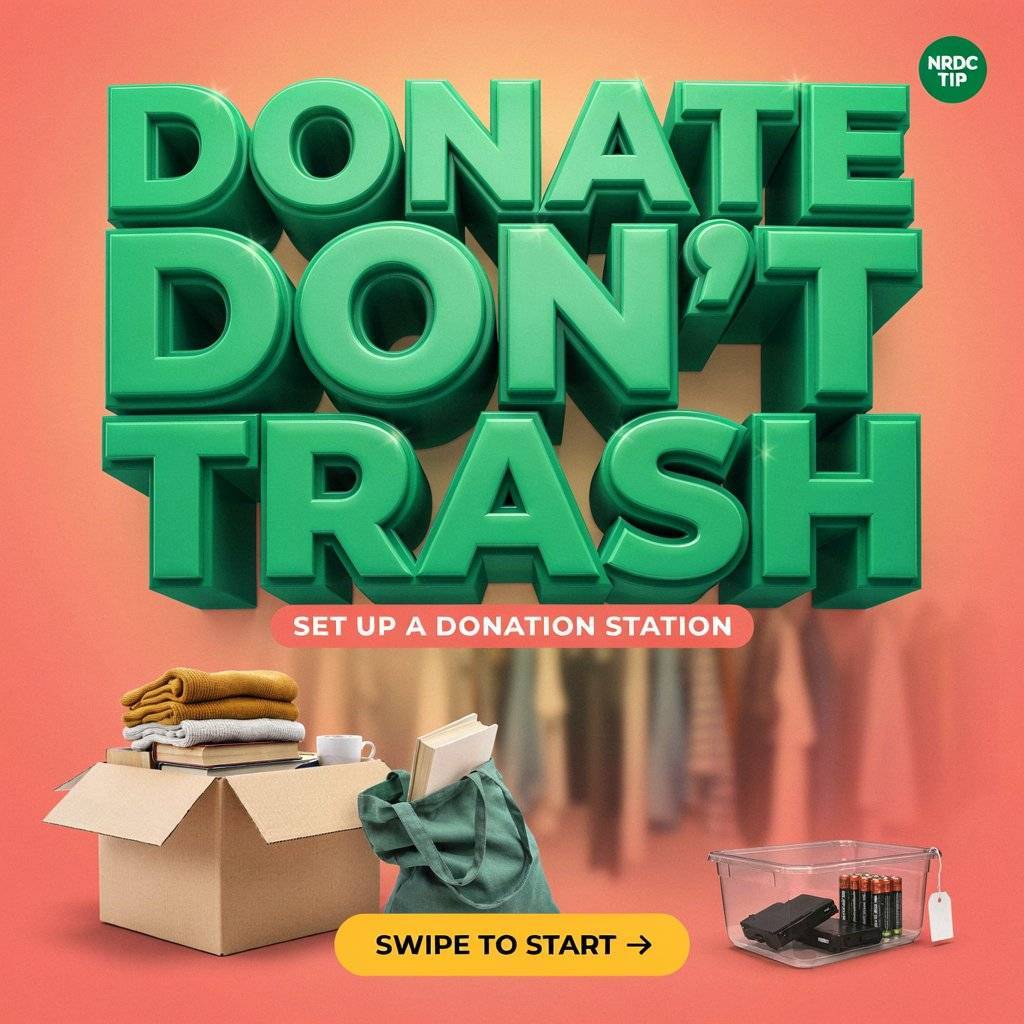
10. Set Up a Donation Station
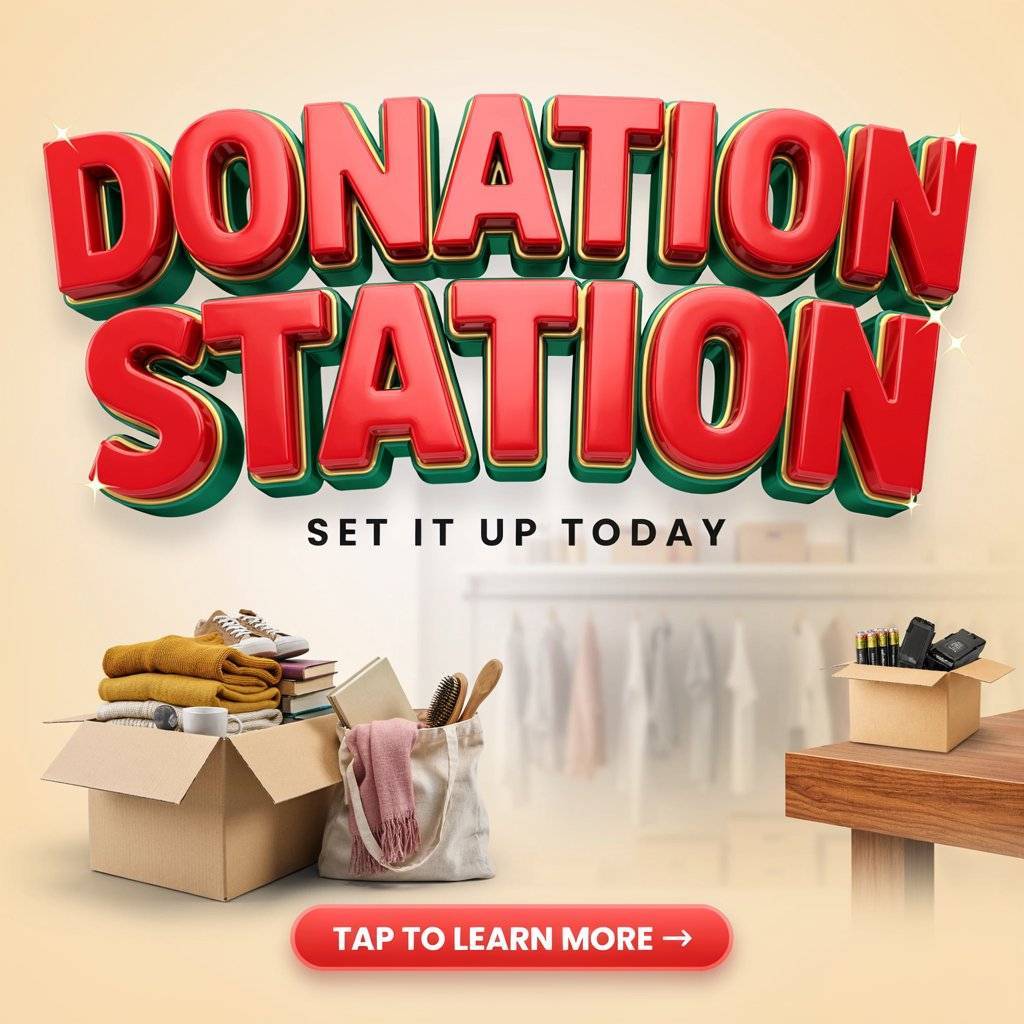
Before you throw something away, ask if someone else could use it. Keep a box or bag in a closet for clothing, books, and small household items you no longer need. When it fills up, drop it off at a thrift store, homeless shelter, or animal shelter.
The NRDC suggests designating a spot in your closet for clothing donations and keeping a box for items like batteries and printer cartridges near your desk. This habit keeps usable items out of landfills and helps people in your community at the same time. Win-win.
11. Handle Batteries With Care
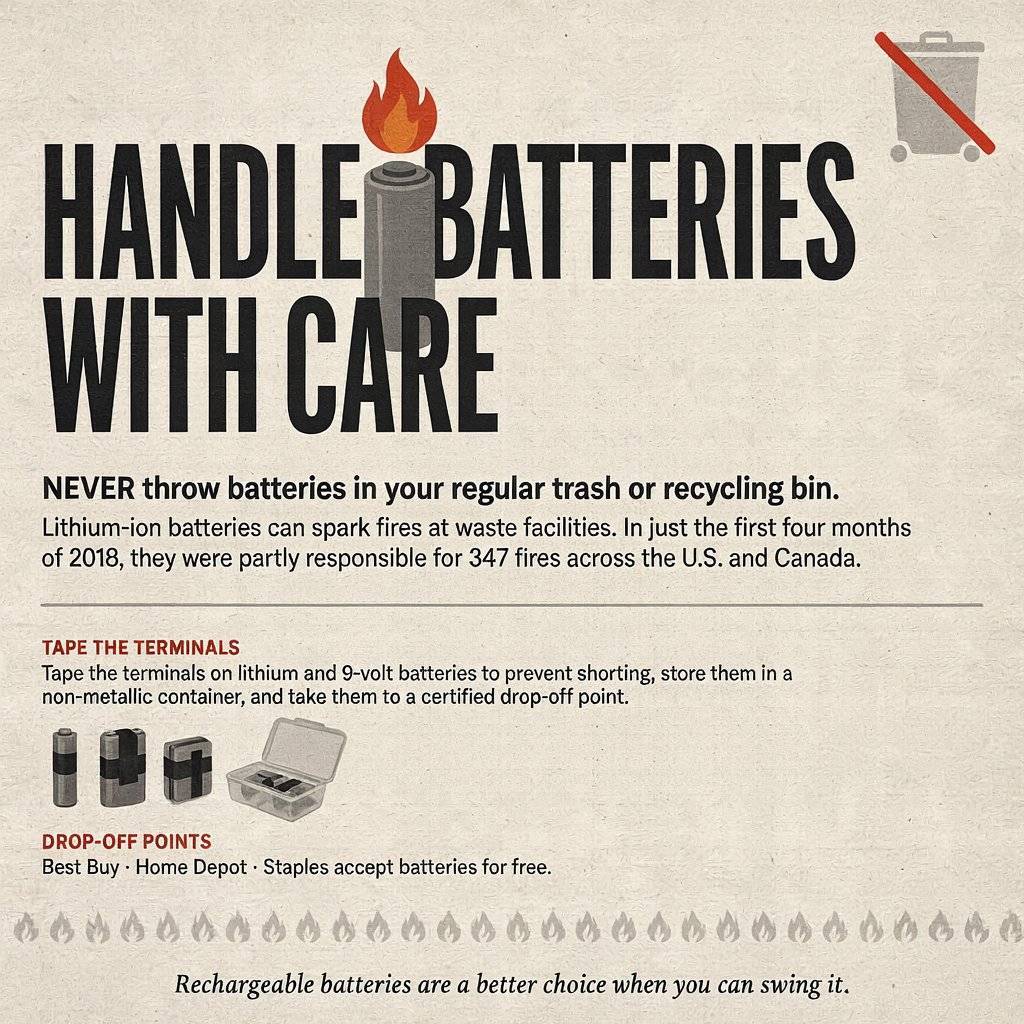
Batteries should never go in your regular trash or recycling bin. Lithium-ion batteries in particular can spark fires at waste facilities in just the first four months of 2018, they were partly responsible for 347 fires across the U.S. and Canada.
Tape the terminals on lithium and 9-volt batteries to prevent shorting, store them in a non-metallic container, and take them to a certified drop-off point. Many retailers like Best Buy, Home Depot, and Staples accept batteries for free. Rechargeable batteries are a better choice when you can swing it.
12. Recycle Electronics Properly
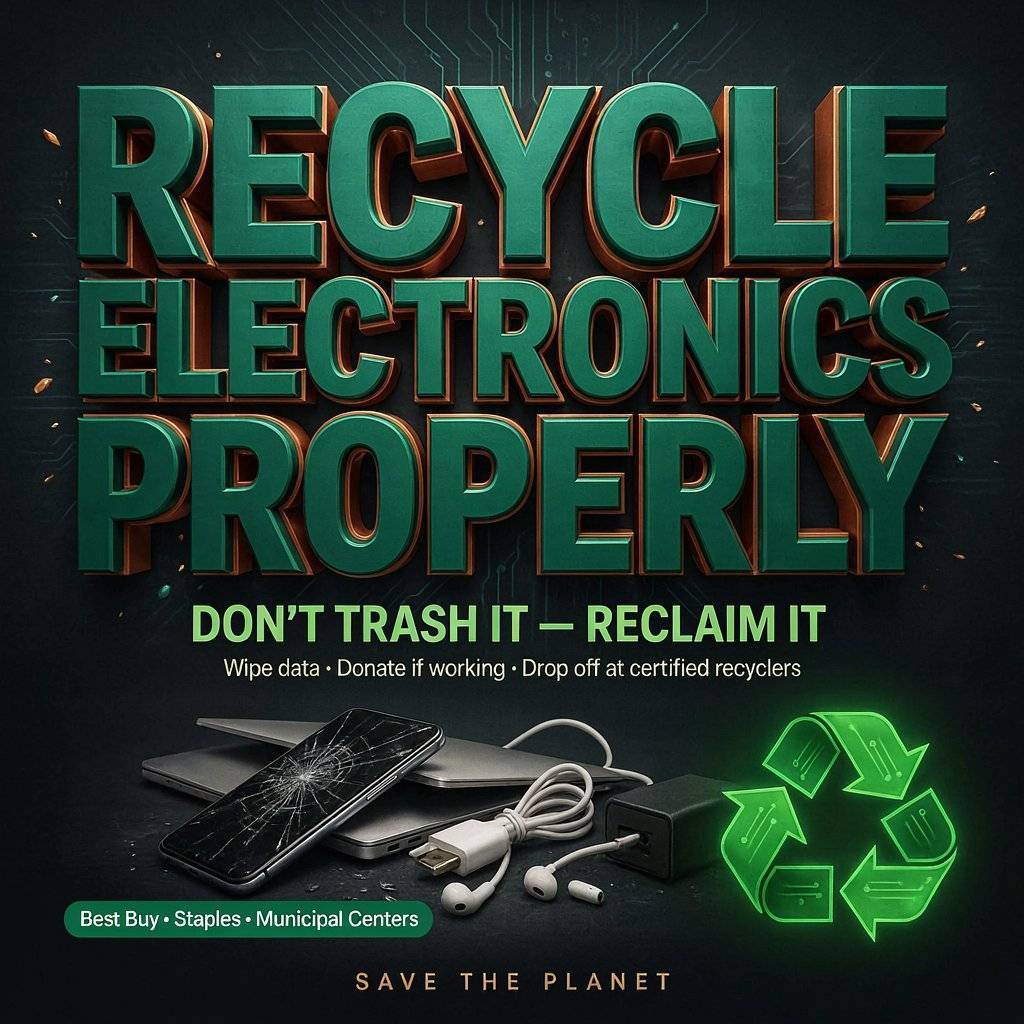
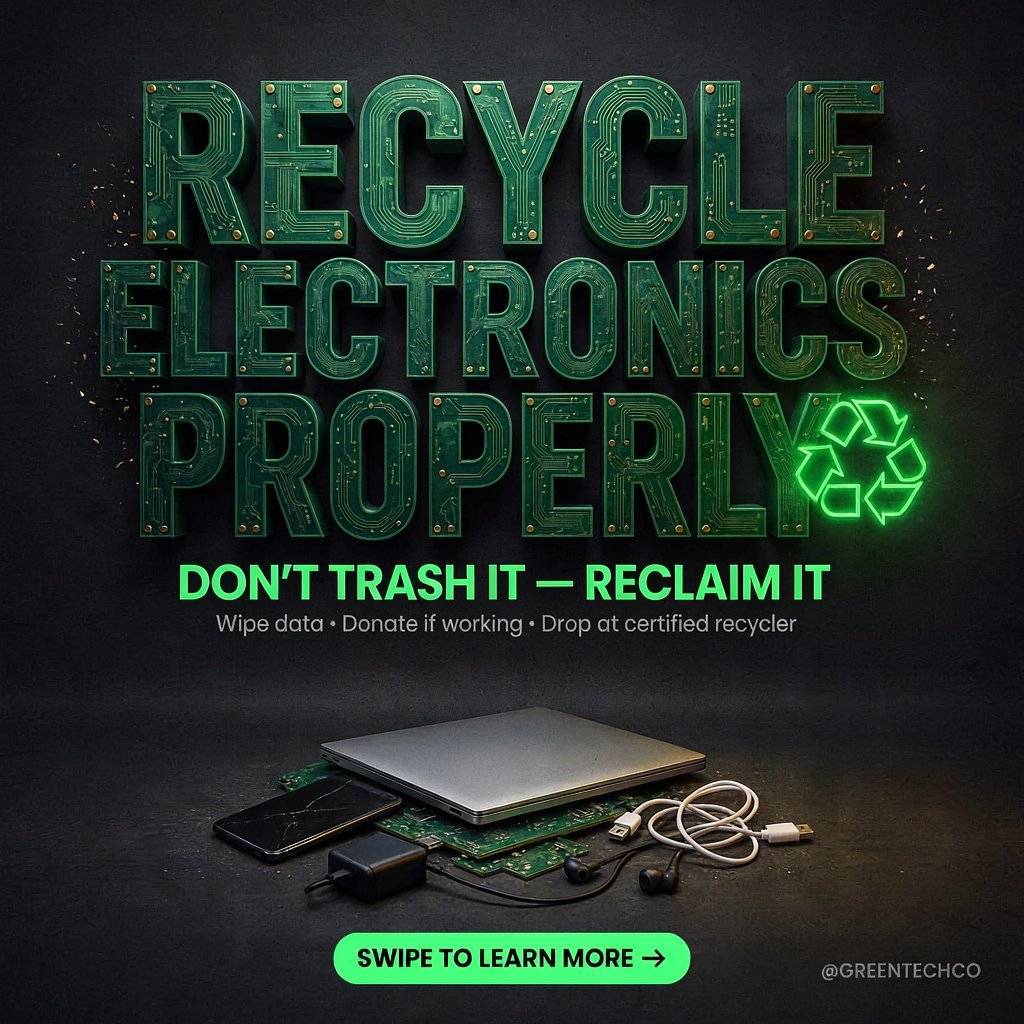
Old phones, laptops, and chargers are packed with valuable materials and some pretty nasty ones too. E-waste doesn’t belong in your curbside bin. Take it to a certified e-waste recycler or a retailer with a take-back program. Best Buy, Staples, and many municipal recycling centers accept electronics.
Before you drop them off, wipe your personal data and, if the device still works, consider donating it instead. Some manufacturers offer trade-in programs that give you credit for old devices. It keeps hazardous materials out of landfills and recovers metals like copper and gold that can be reused.
13. Handle Household Hazardous Waste Safely
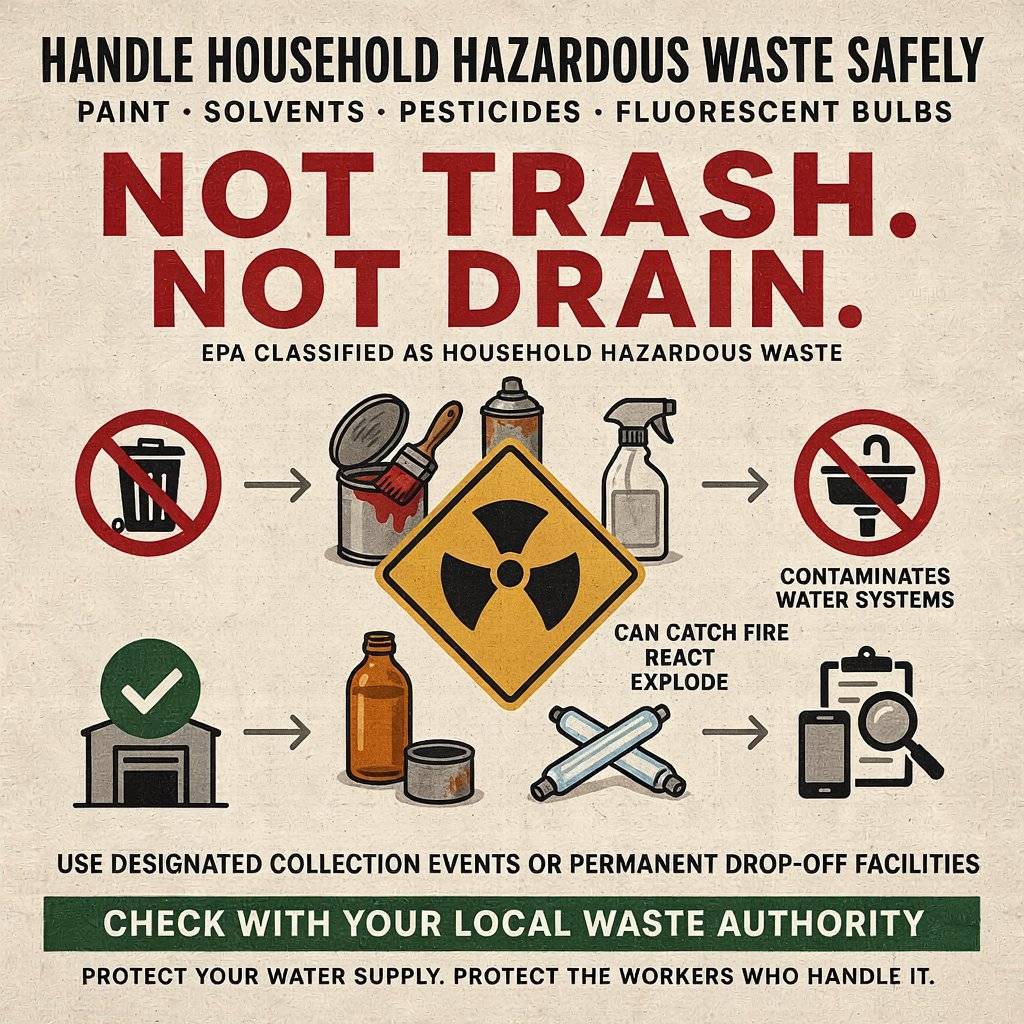
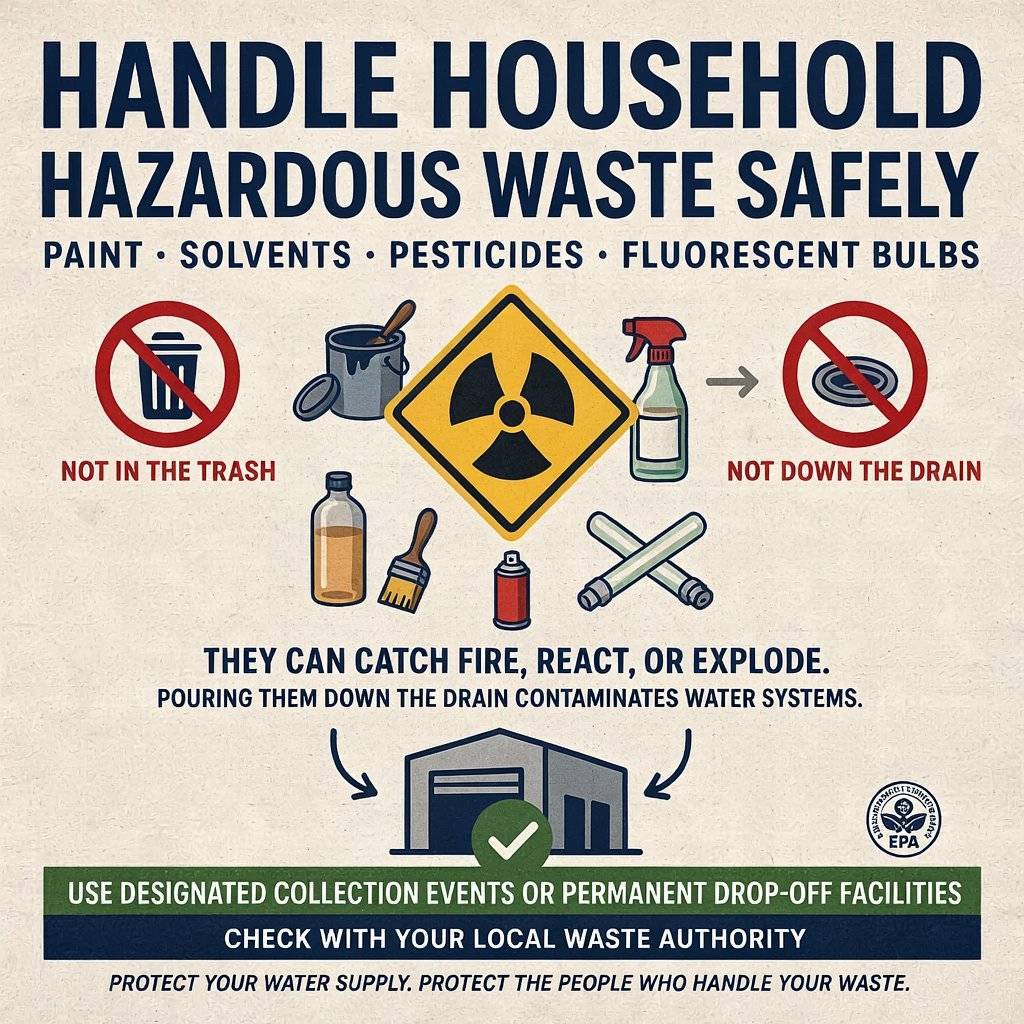
Paint, solvents, pesticides, and fluorescent bulbs don’t belong in the trash or down the drain. The EPA classifies these products as household hazardous waste because they can catch fire, react, or explode under certain conditions and pouring them down the drain contaminates water systems.
Most communities have designated collection events or permanent drop-off facilities for these items. Check with your local waste authority. It’s a bit of a hassle, but it’s one of the most important things you can do to protect your local water supply and the people who handle your waste.
14. Buy in Bulk to Reduce Packaging
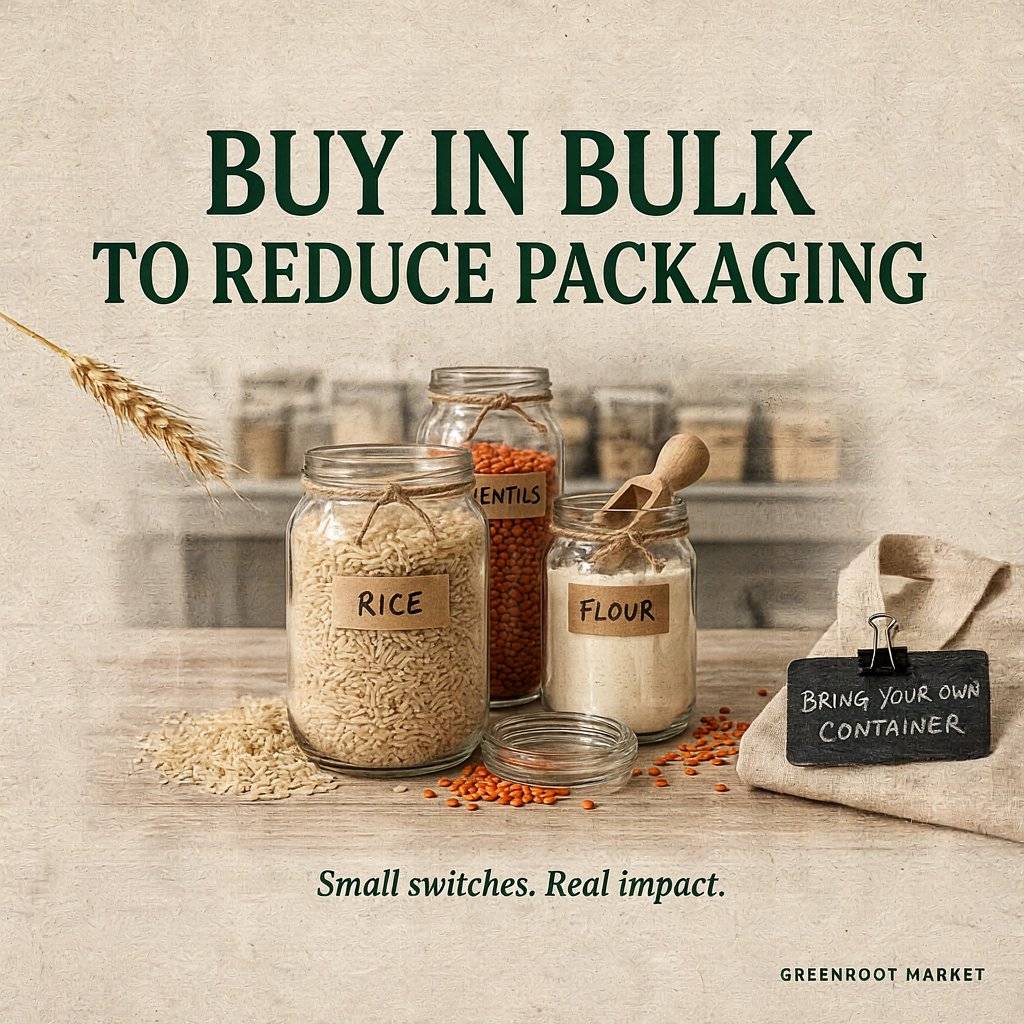
Every product you buy comes wrapped in something, and that packaging adds up fast. Buying dry staples like rice, lentils, and flour in larger formats reduces the amount of plastic and cardboard you bring home. Bring your own containers to bulk stores if they allow it.
For snacks and pantry items, compare the packaging-to-product ratio a big bag of chips has far less packaging per serving than individual bags. The NOAA’s waste reduction guide recommends minimizing packaging by combining online orders or shopping in person with reusable bags. Small switches, real impact.

15. Make Your Own Cleaners
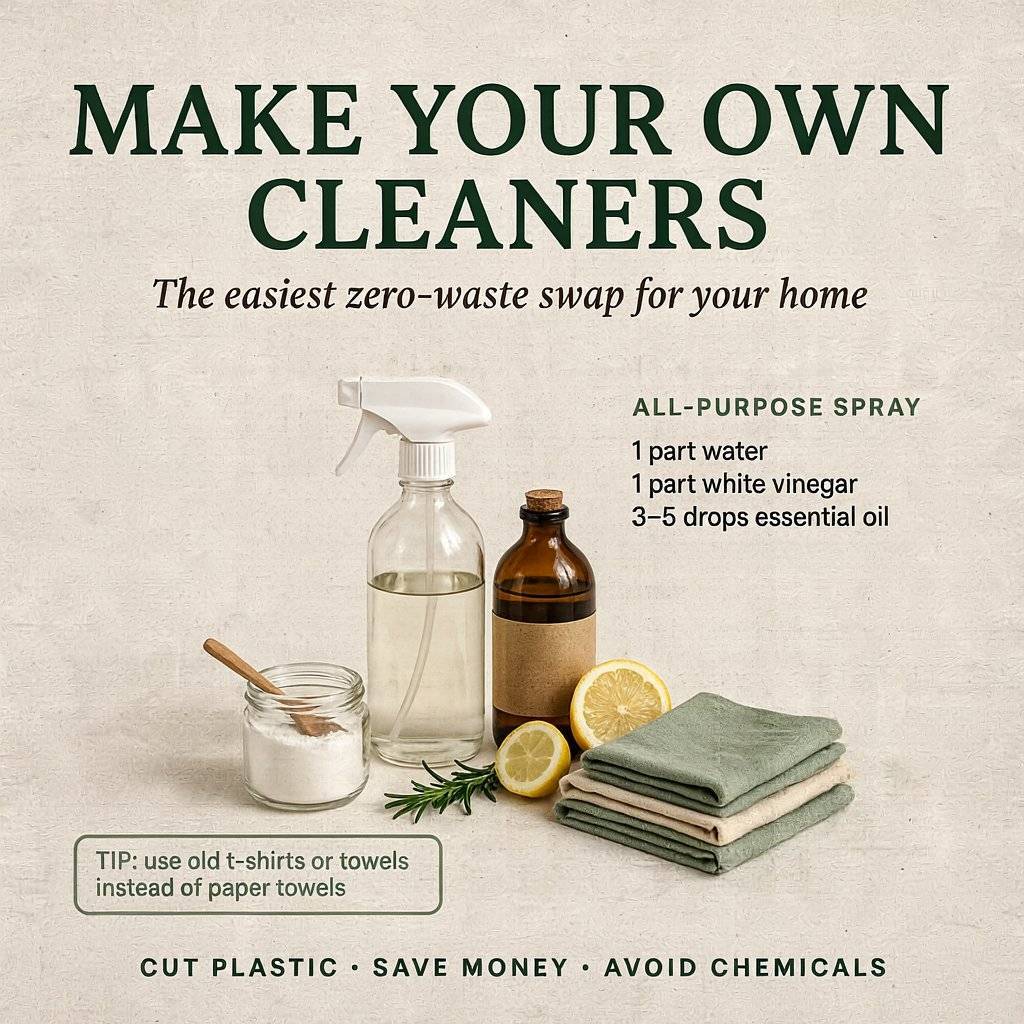
Most store-bought cleaning products come in plastic bottles that can’t be easily recycled and they’re often full of chemicals you don’t need. Basic ingredients like baking soda, vinegar, and castile soap handle almost every cleaning job in your home.
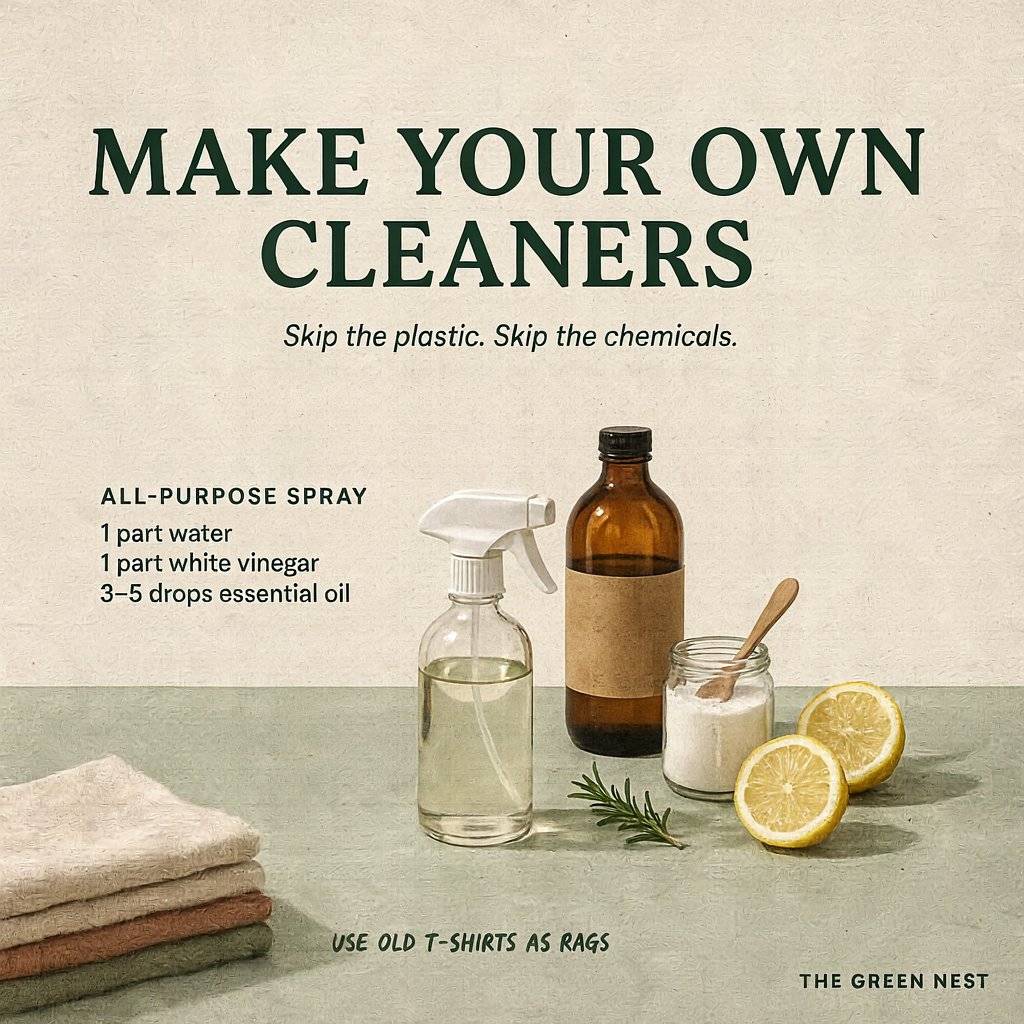
A simple all-purpose spray is just equal parts water and white vinegar with a few drops of essential oil if you want a scent. Use old t-shirts or towels as rags instead of paper towels. You’ll cut down on plastic waste, save money, and avoid bringing unnecessary chemicals into your home. It’s one of the easiest swaps you can make.
16. Do a Waste Audit
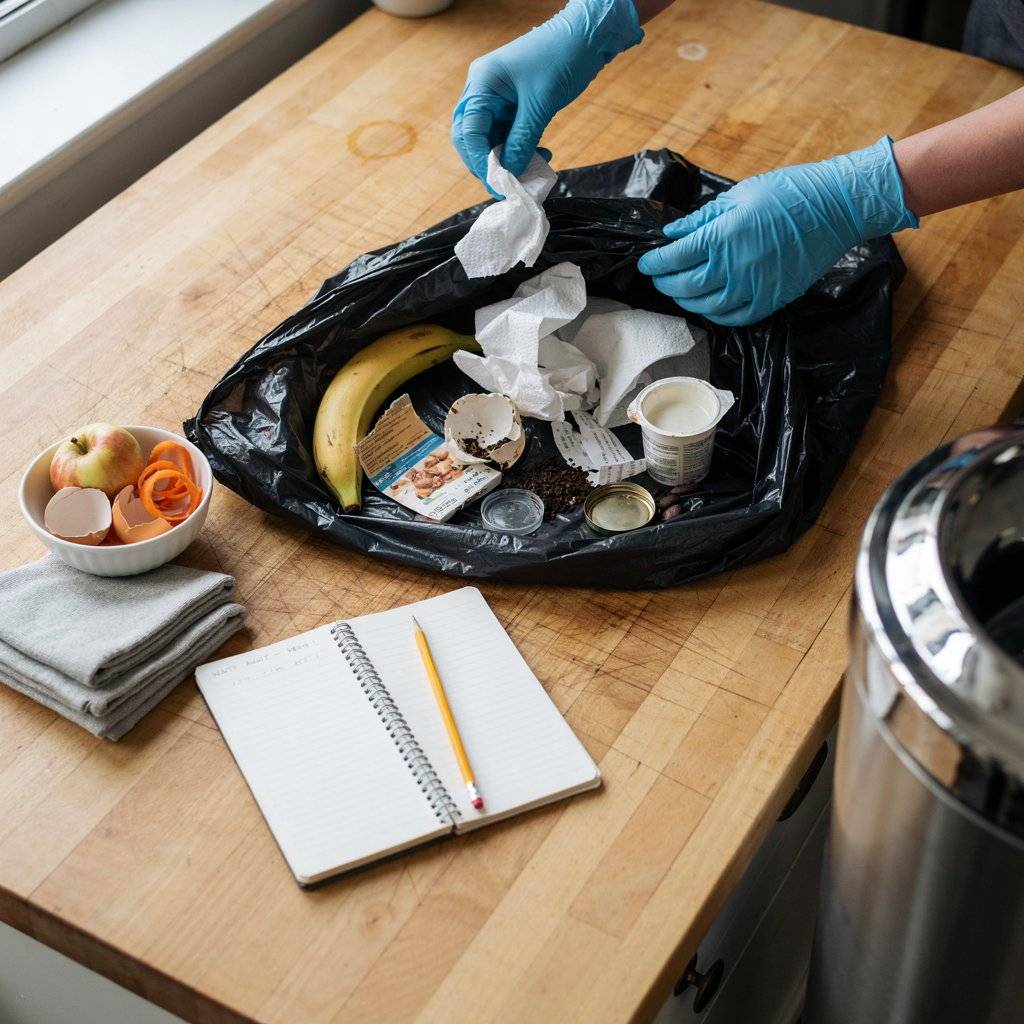
If you really want to understand your waste habits, do an audit. Put on reusable gloves and look at what you’re actually throwing away. Is it mostly food scraps? Packaging? Things you could have donated? Most people find that a handful of items make up the bulk of their trash.
Once you know what your waste looks like, you can target it. Start with one change like swapping paper towels for cloth or setting up a compost bin and build from there. Small increments are key. Progress beats perfection every time.
FAQs
What if I’m not sure whether something is recyclable?
When in doubt, throw it out. Tossing something non-recyclable into your recycling bin contaminates the whole load and can send everything to the landfill. Check your local program’s website or app, or call your waste hauler. It’s better to landfill one item than to ruin a batch of good recyclables.
Can I recycle plastic bags curbside?
Generally, no. Plastic bags tangle sorting equipment at recycling facilities. Most curbside programs don’t accept them. However, many grocery stores have drop-off bins for plastic bag recycling. Collect them in a bag under your sink and drop them off on your next shopping trip.
Do I need to remove labels and caps from containers?
You don’t need to remove labels they burn off during processing. Caps can usually stay on, but check your local rules. Some programs ask you to keep caps on so they don’t get lost and end up as litter. When in doubt, leave caps on and keep it simple.
Is composting worth it if I don’t garden?
Absolutely. Even if you don’t use the finished compost yourself, you’re keeping food waste out of landfills where it produces methane. If you don’t have a use for it, offer it to a neighbor with a garden or a community garden program. Many cities also have compost drop-off sites.
How do I dispose of old medications?
Don’t flush them down the toilet or pour them down the drain that contaminates water systems. Many pharmacies have take-back programs for unused medications. You can also check with your local police department or waste authority for drug disposal events. Some communities provide mail-back envelopes for safe disposal.
Wrapping It Up
Look, nobody’s expecting you to go zero-waste overnight. The point isn’t perfection it’s progress. Pick one or two tips from this list that feel doable for your home. Maybe it’s setting up a simple bin system this weekend. Maybe it’s starting a compost caddy. Maybe it’s just rinsing your containers before they go in the recycling bin.
The habits that stick are the ones that fit into your existing routine. Once you’ve got one down, add another. Before you know it, sorting your waste and thinking about disposal becomes second nature not a chore, just part of how you run your home.
Your trash doesn’t have to be a problem. With a little intention, it can be part of the solution.
Related Post: