
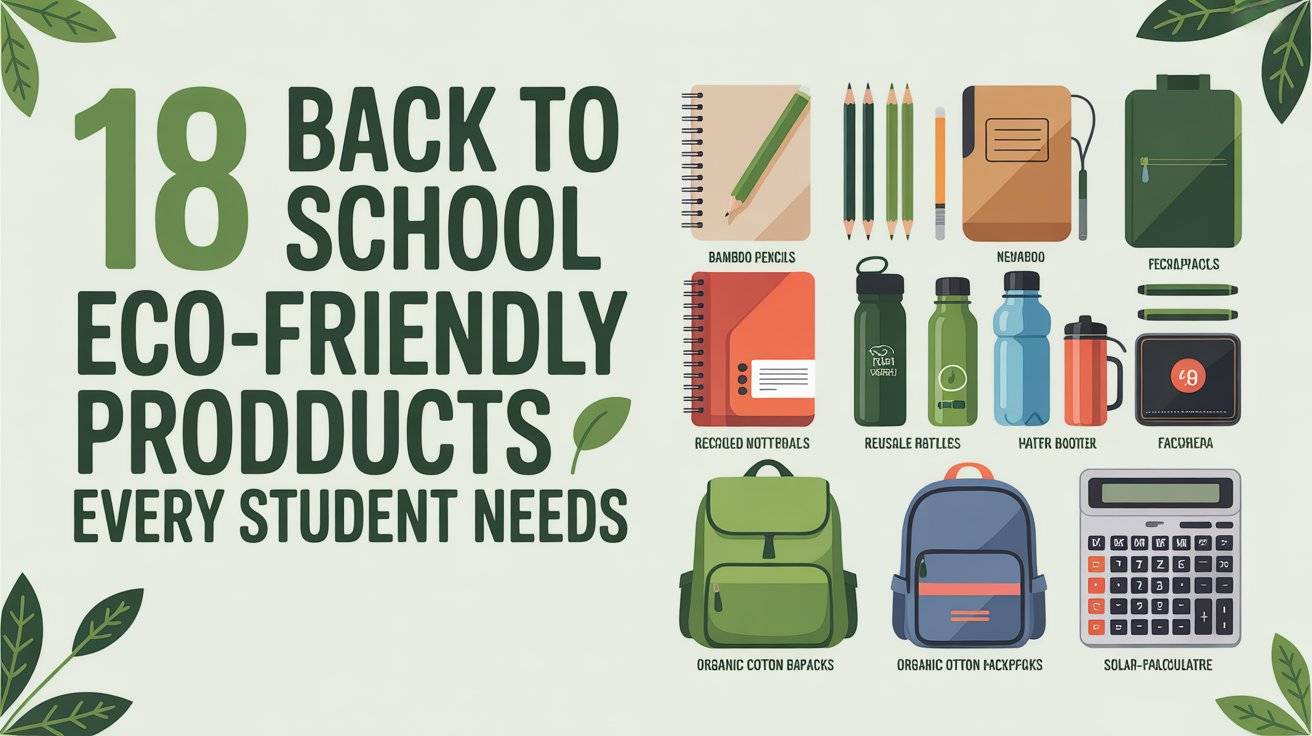
Back-to-school shopping used to mean buying whatever was cheapest and easiest to find. Over time, I realized that many of those items didn’t last long and ended up in the trash before the school year was even halfway through. That’s when I started paying attention to eco-friendly school products not because it sounded trendy, but because it actually made sense.
Eco-friendly school supplies are usually more durable, reusable, and better for daily use. They help cut down on waste while also saving money in the long run. For students, this matters. You want items that can survive backpacks, lockers, and long school days without breaking or running out too fast.
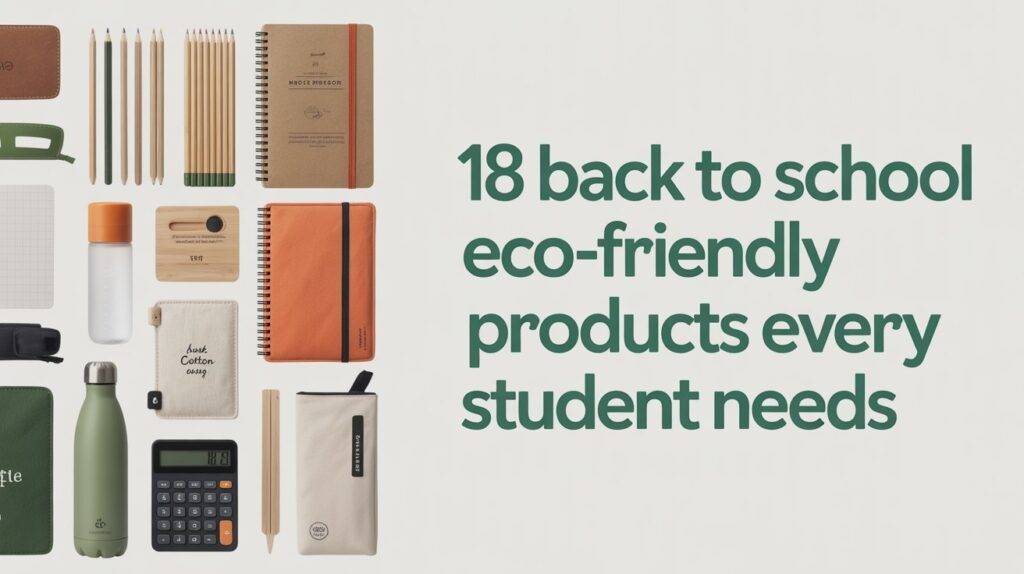
This list focuses on real eco-friendly back-to-school products students actually use, not things that sit unused in a drawer. These are practical swaps that fit into everyday school life and are easy to maintain.
1. Reusable Stainless Steel Water Bottle
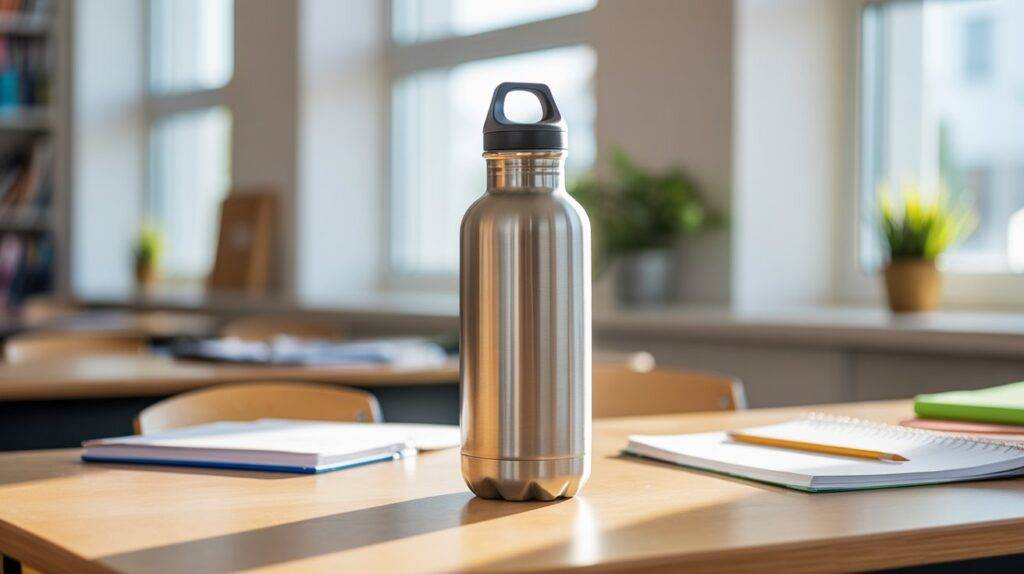
A reusable water bottle is one of the simplest eco-friendly school items to start with. Stainless steel bottles last for years, don’t crack like plastic, and keep water cool throughout the day.
I noticed students who carried one refilled it multiple times instead of buying bottled drinks. That alone reduces plastic waste fast. Most stainless steel bottles are easy to clean and don’t hold smells, which makes them practical for daily use.
Some even fit standard backpack pockets, so they’re easy to carry between classes. It’s a small habit change, but it adds up over an entire school year.
Reusable Stainless Steel Water Bottle Check Price on Amazon

2. Recycled Paper Notebooks
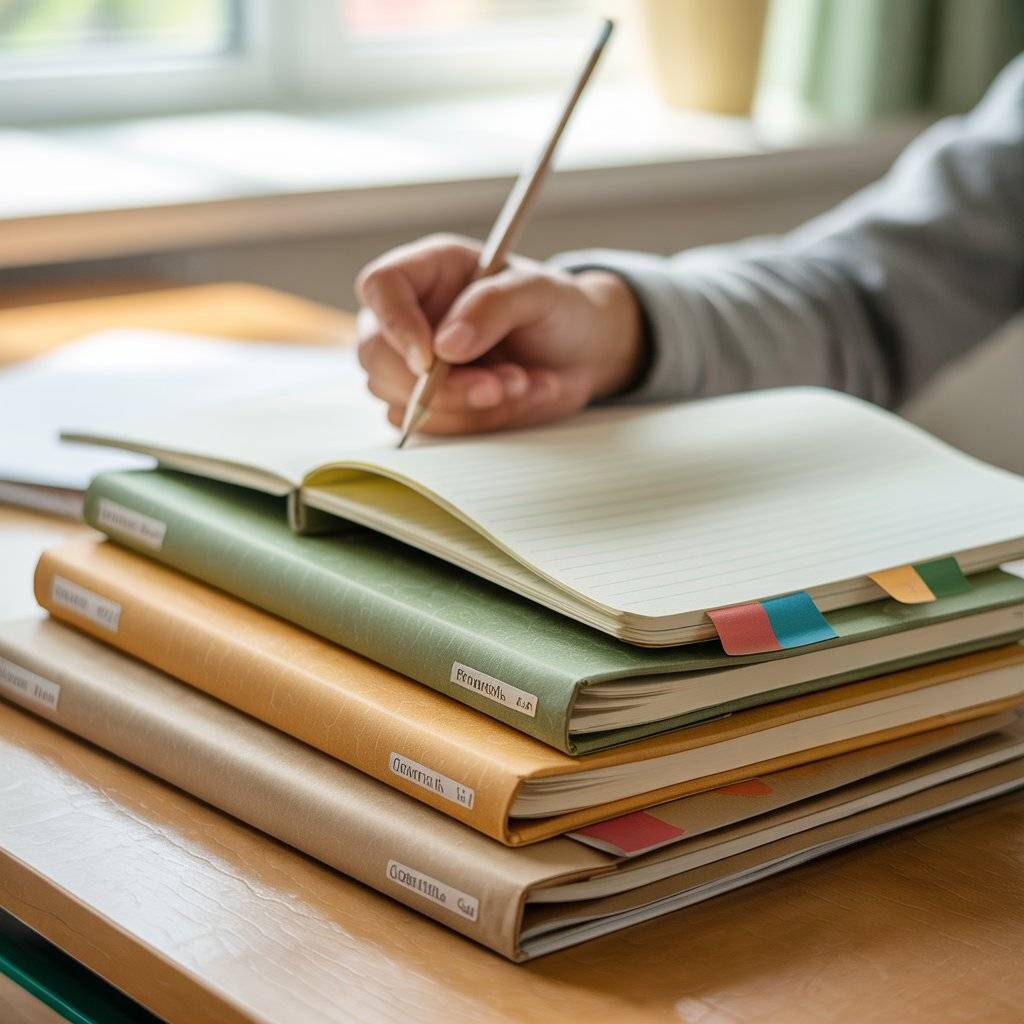
Recycled paper notebooks work just like regular ones but use less new material. The paper quality has improved a lot, so writing feels smooth and clean. I’ve seen students use the same notebook all year because the binding holds up well.
These notebooks are especially useful for subjects that don’t require tearing pages out often. Choosing recycled paper helps reduce demand for new paper while still giving students a familiar school supply. They’re easy to label, organize, and replace when needed without guilt about waste.
Recycled Paper Notebooks Check Price on Amazon

3. Refillable Pens and Mechanical Pencils
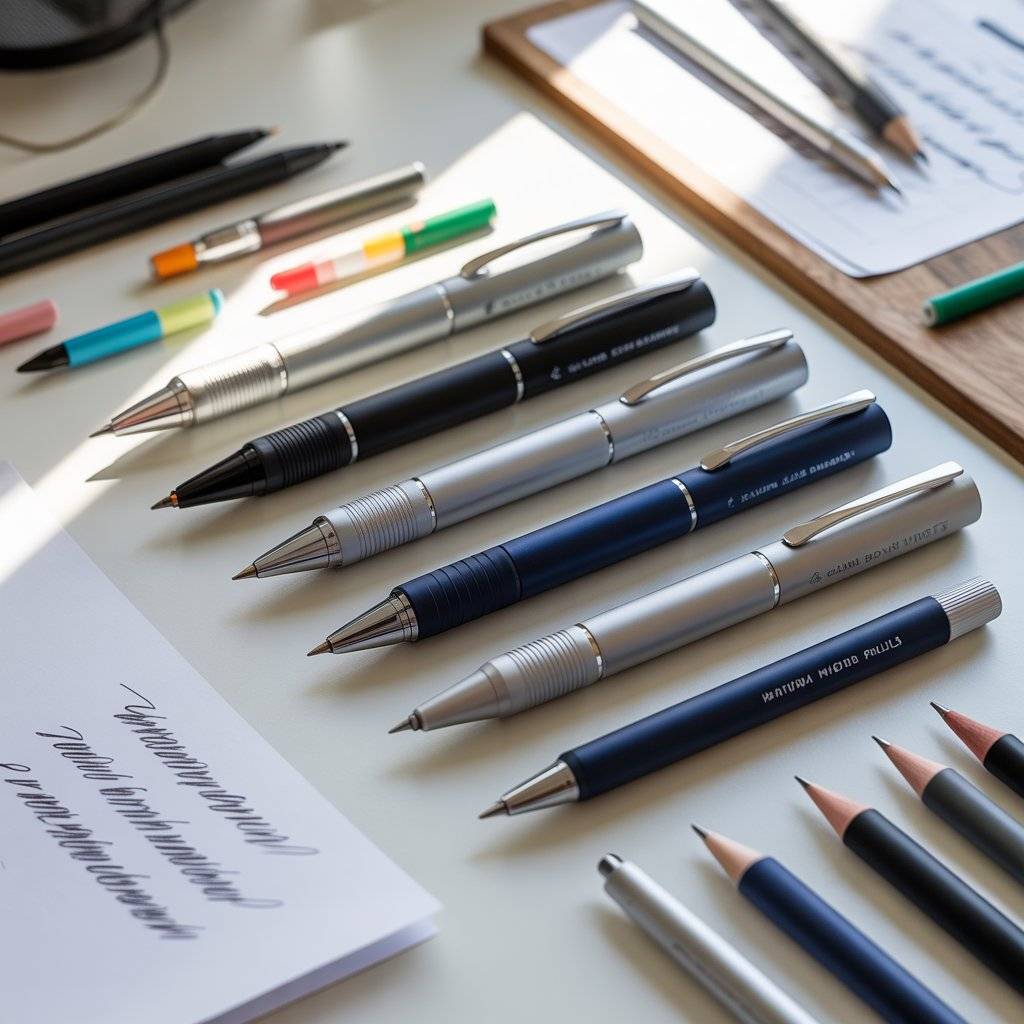
Disposable pens run out quickly and get thrown away. Refillable pens and mechanical pencils solve that problem. Once you have the pen or pencil body, you only replace the ink or lead. I found this especially useful for students who write a lot.
The writing stays consistent, and you don’t need to keep buying new pens every month. Many refillable options are sturdy enough to last multiple school years. This small switch reduces plastic waste and keeps pencil cases from filling up with broken pens.
Refillable Pens and Mechanical Pencils Check Price on Amazon

4. Bamboo or Wooden Pencils
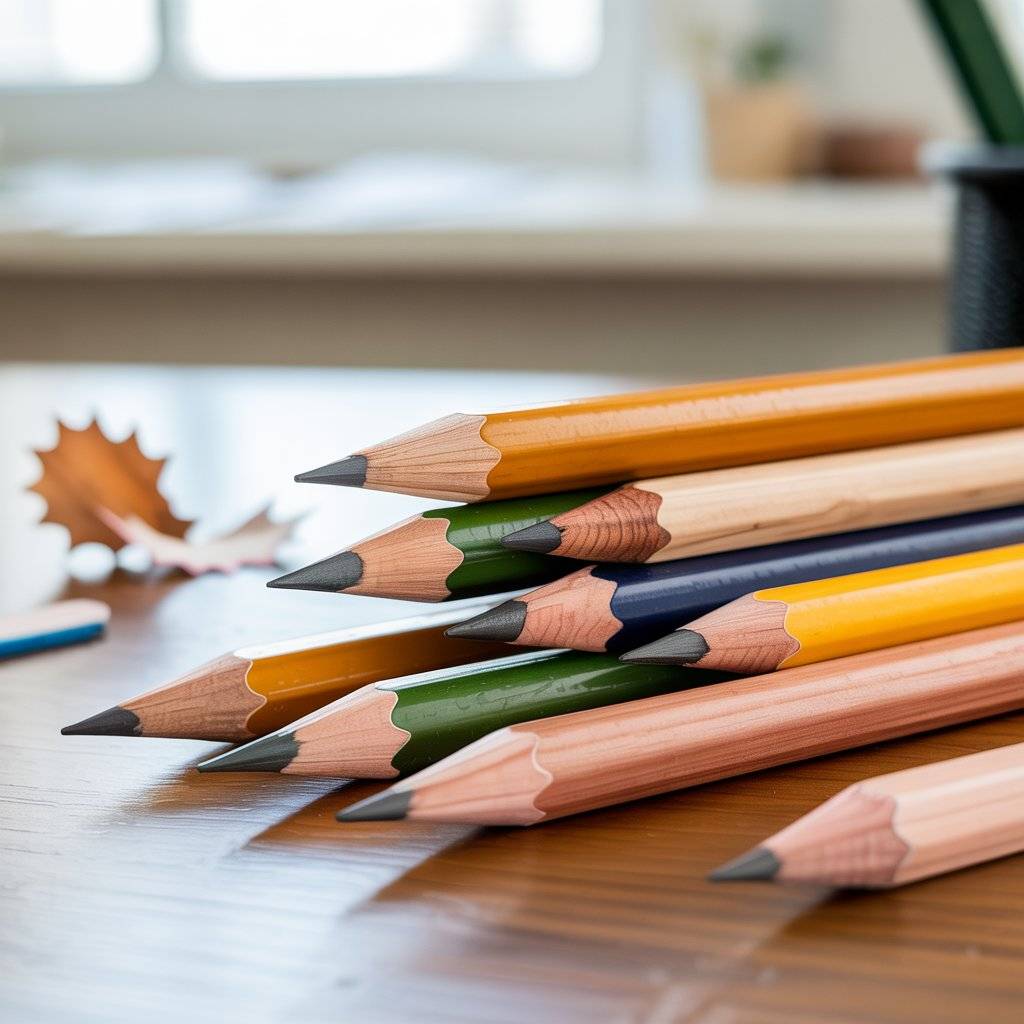
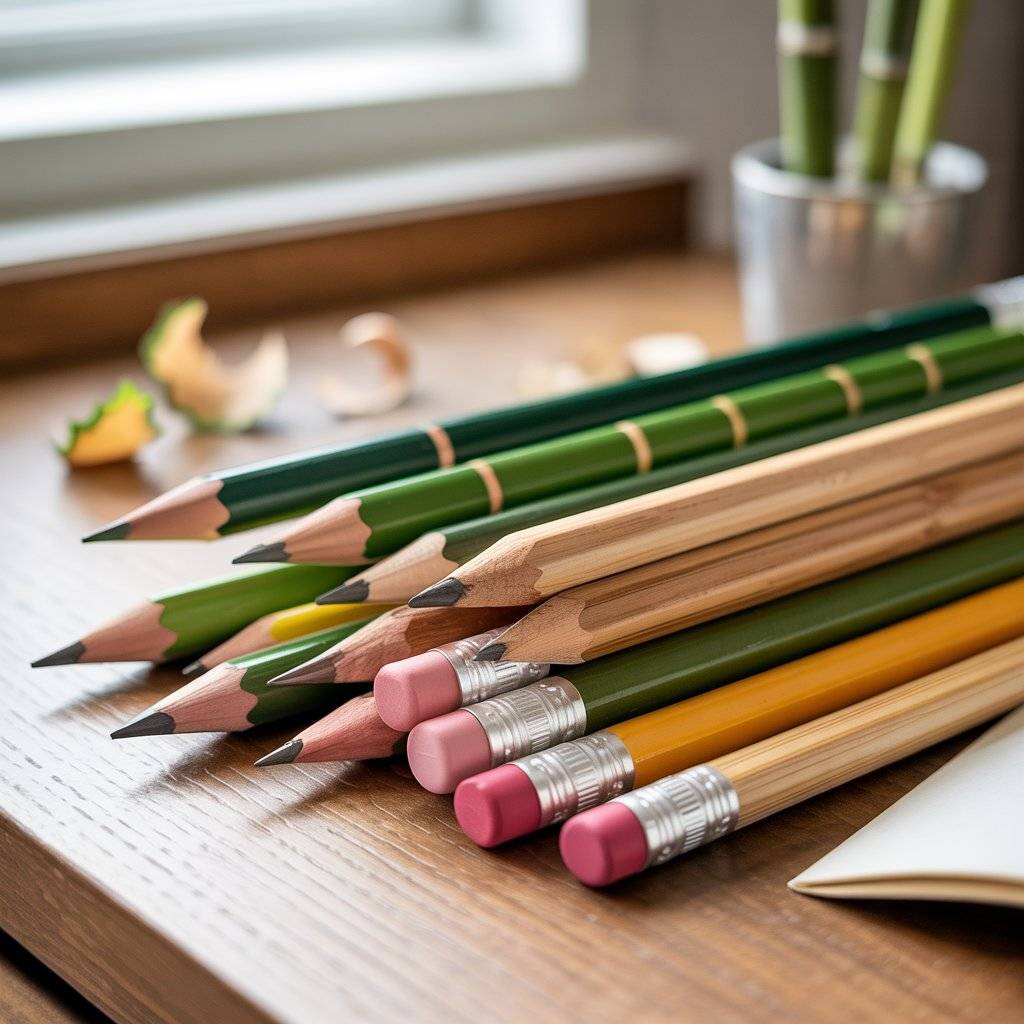
Bamboo and wooden pencils are biodegradable and still work just as well as standard pencils. They sharpen cleanly and feel solid in the hand. I’ve noticed teachers often prefer these for exams or assignments because they don’t smudge like some low-quality pencils.
Bamboo grows fast, making it a more sustainable material. These pencils are easy to replace and compost when they’re too short to use anymore.
Bamboo or Wooden Pencils Check Price on Amazon
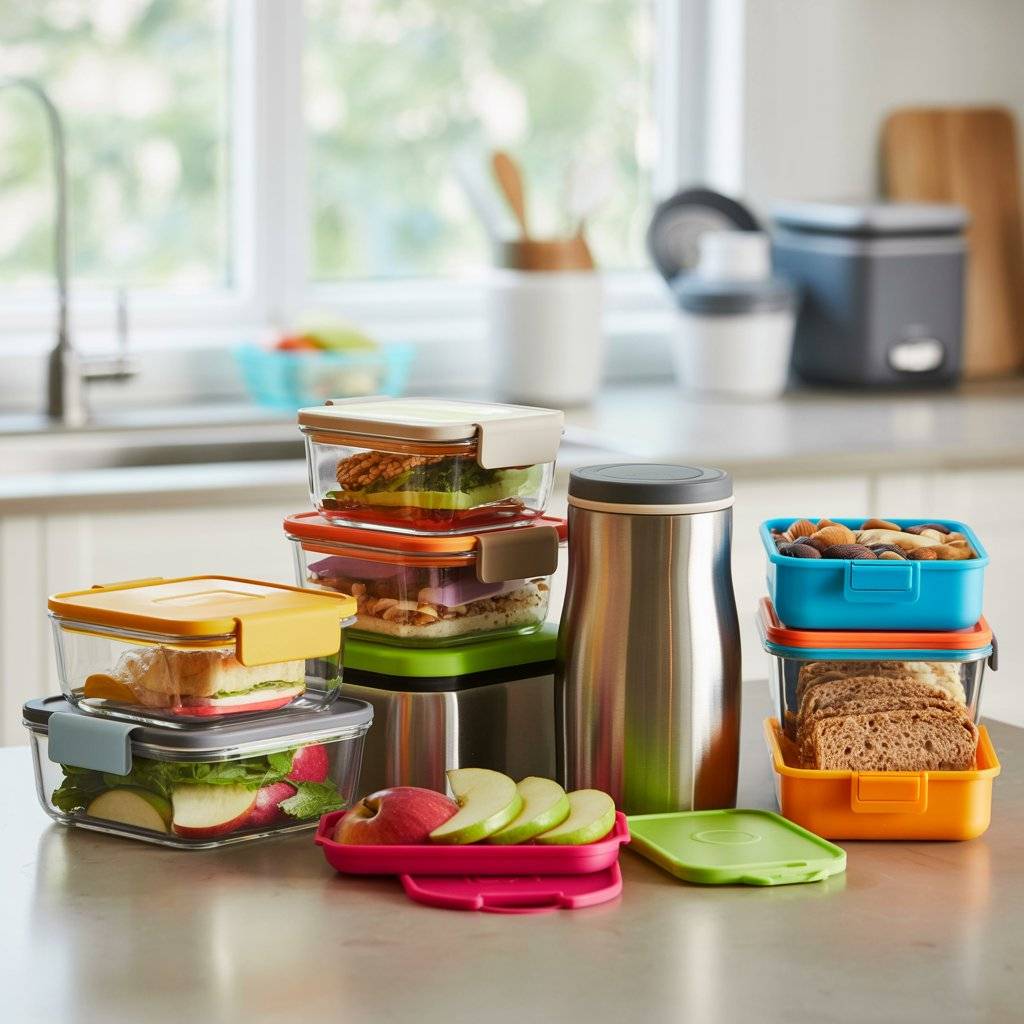
5. Reusable Lunch Containers
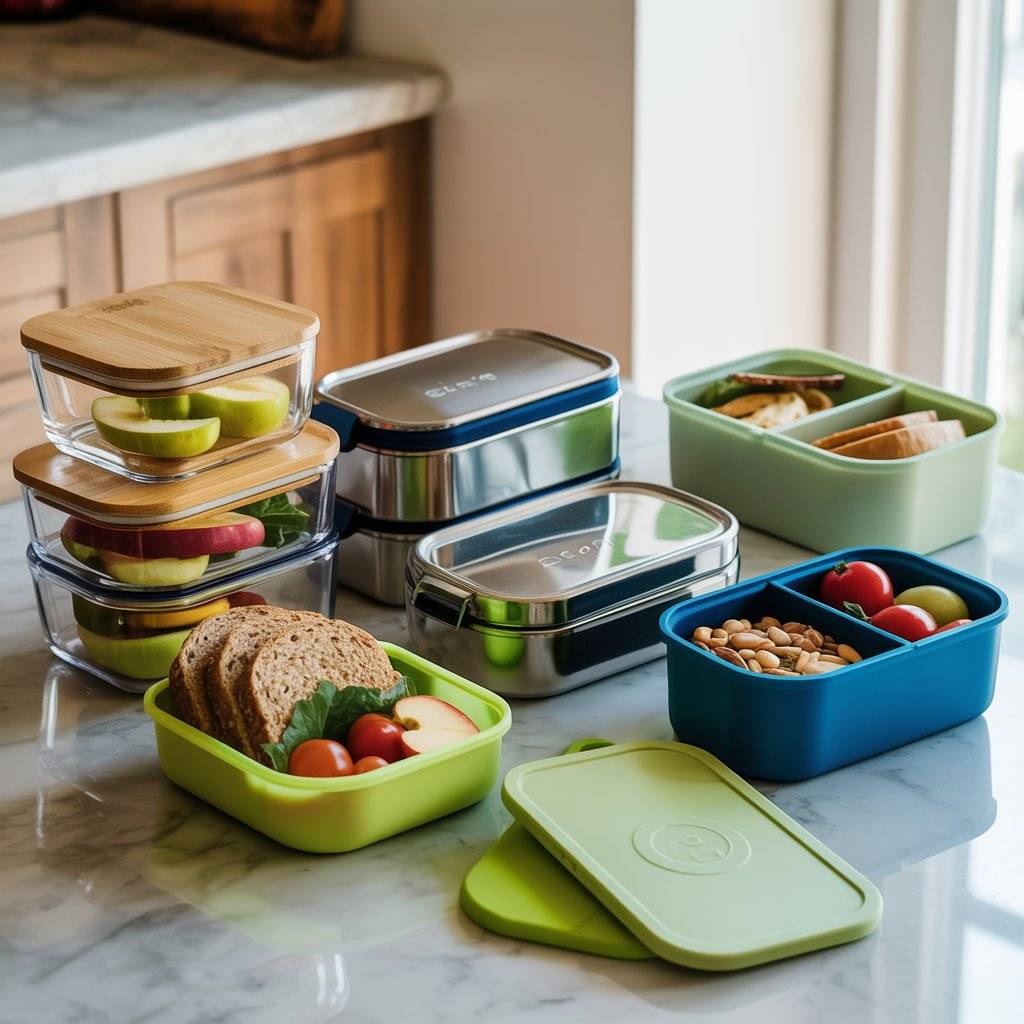
Reusable lunch containers replace single-use plastic bags and wraps. They keep food fresh and prevent spills inside backpacks. I’ve seen students use the same containers every day without issues.
Most are dishwasher-safe and stack easily at home. Over time, this reduces waste and saves money on disposable packaging. They’re especially helpful for packed lunches with fruits, sandwiches, or snacks.
Reusable Lunch Containers Check Price on Amazon
6. Cloth Snack Bags
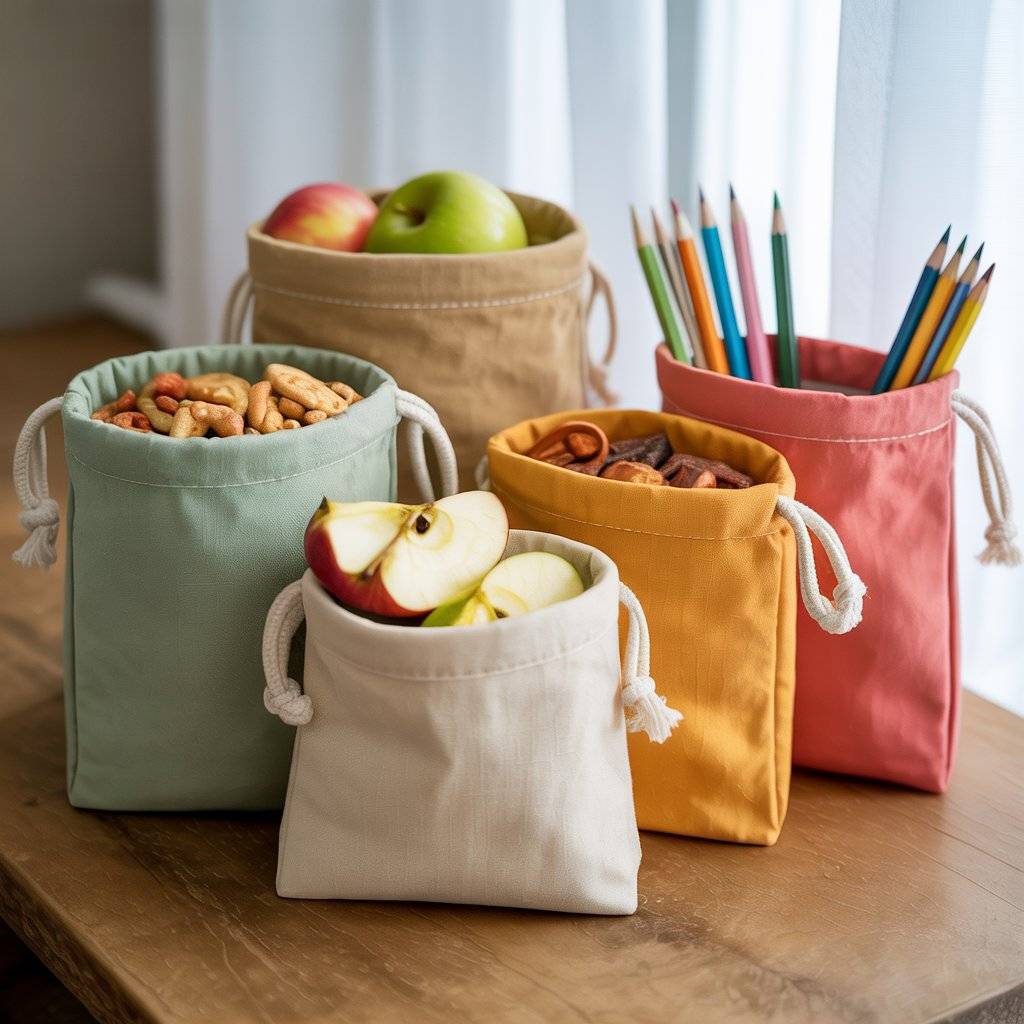
Cloth snack bags are a simple upgrade from plastic bags. They’re washable, lightweight, and easy to reuse. I like how they fit neatly into backpacks without adding bulk.
Students can use them for snacks, pencils, or even small art supplies. Once dirty, they just go into the wash and come out ready again. It’s a small change that quickly becomes a habit.
Cloth Snack Bags Check Price on Amazon
7. Eco-Friendly Backpack
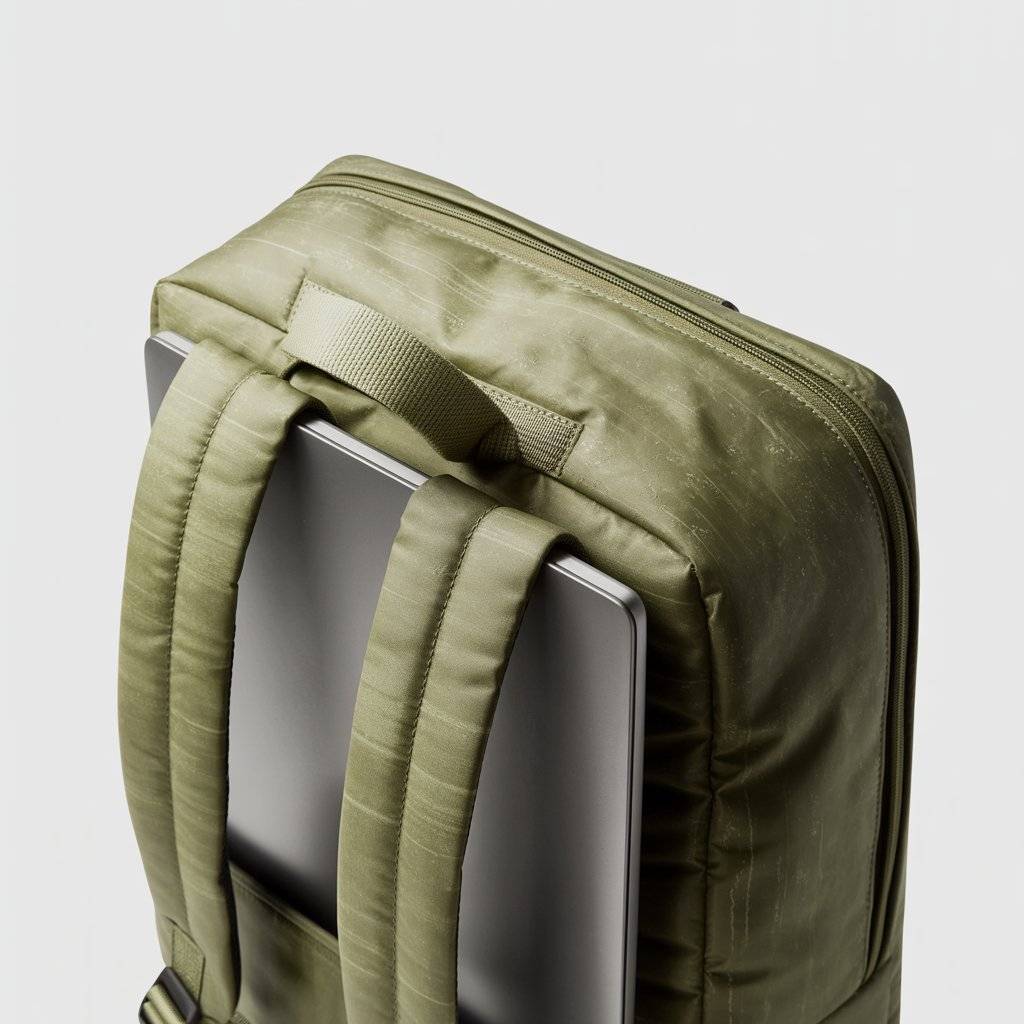
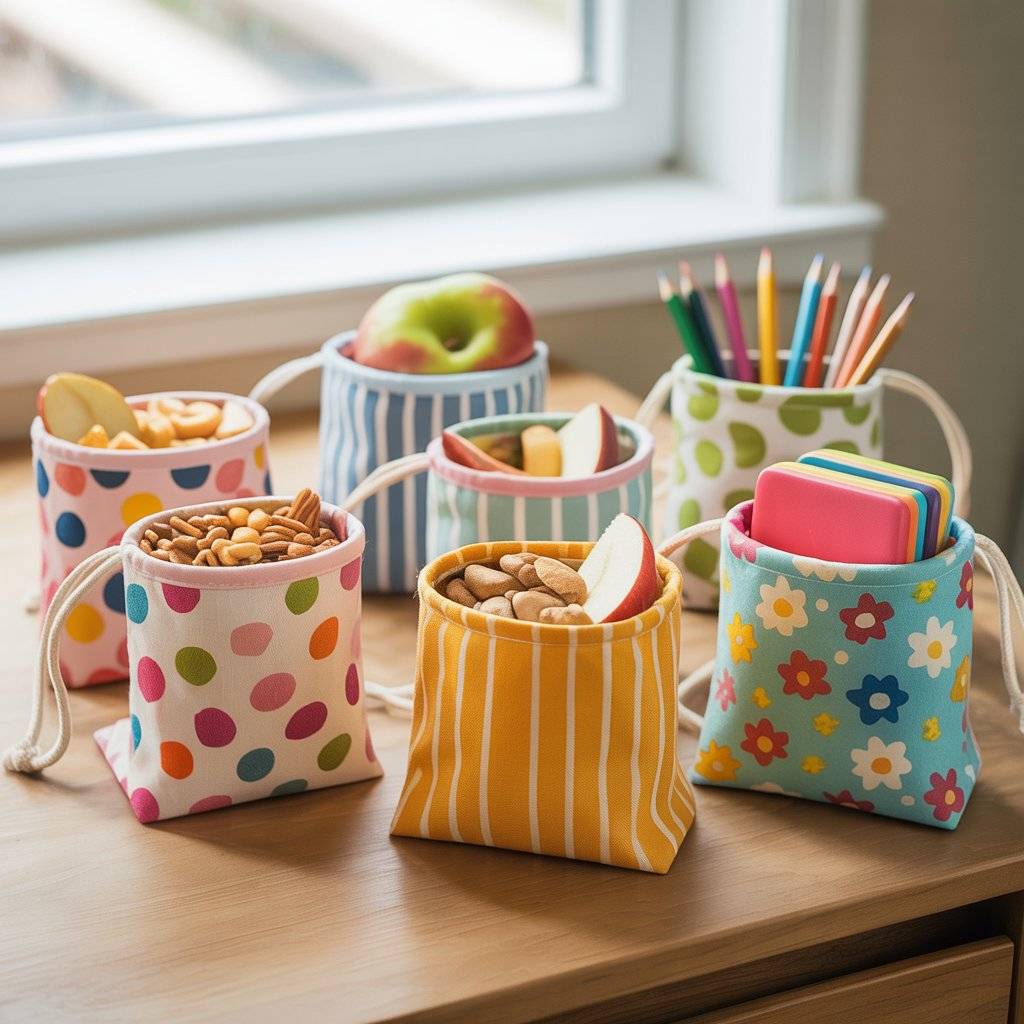
An eco-friendly backpack made from recycled fabric can last several school years. The stitching is often stronger than fast-fashion bags, which tear quickly. I’ve noticed students with sturdy backpacks carry fewer replacements over time.
Many designs still have padded straps and laptop sleeves, so comfort isn’t sacrificed. A durable backpack reduces waste and avoids the need to buy a new one every year.
Eco-Friendly Backpack Check Price on Amazon

8. Natural Fabric Pencil Case
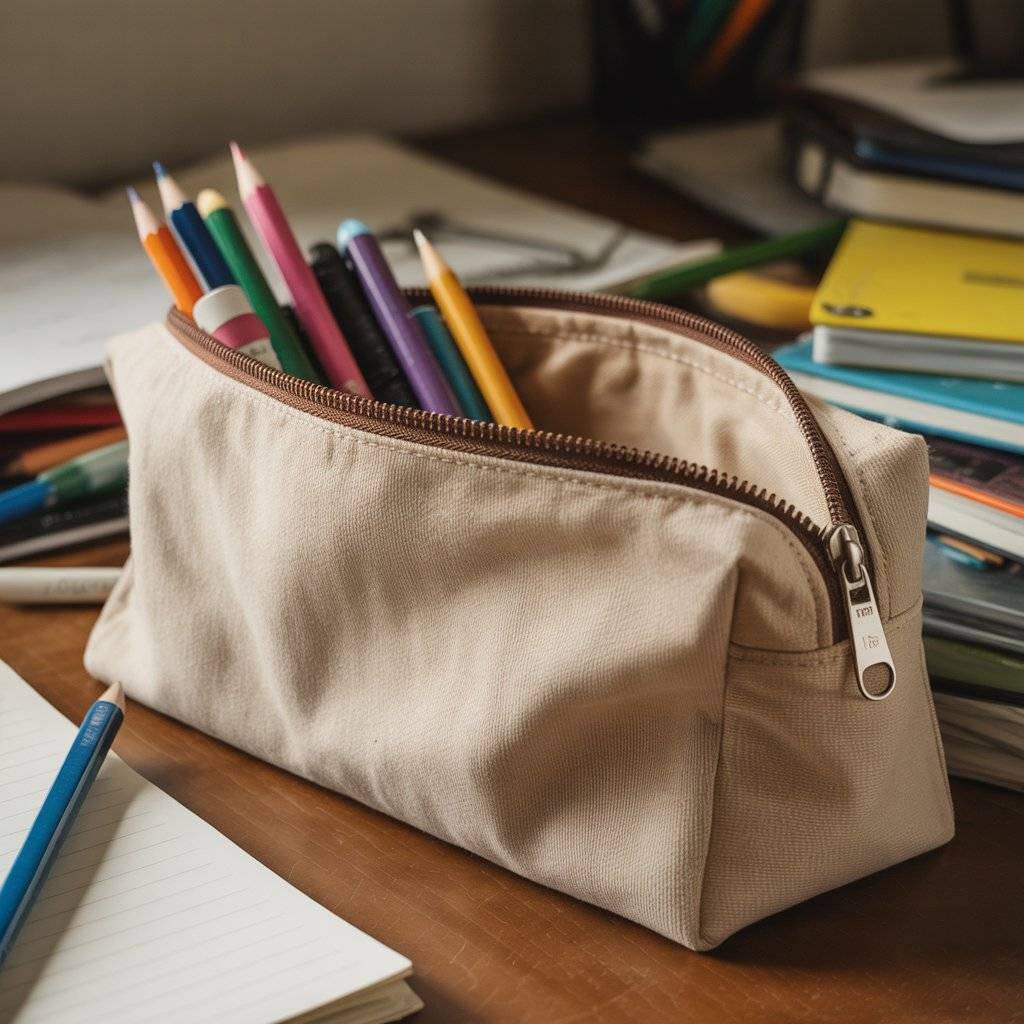
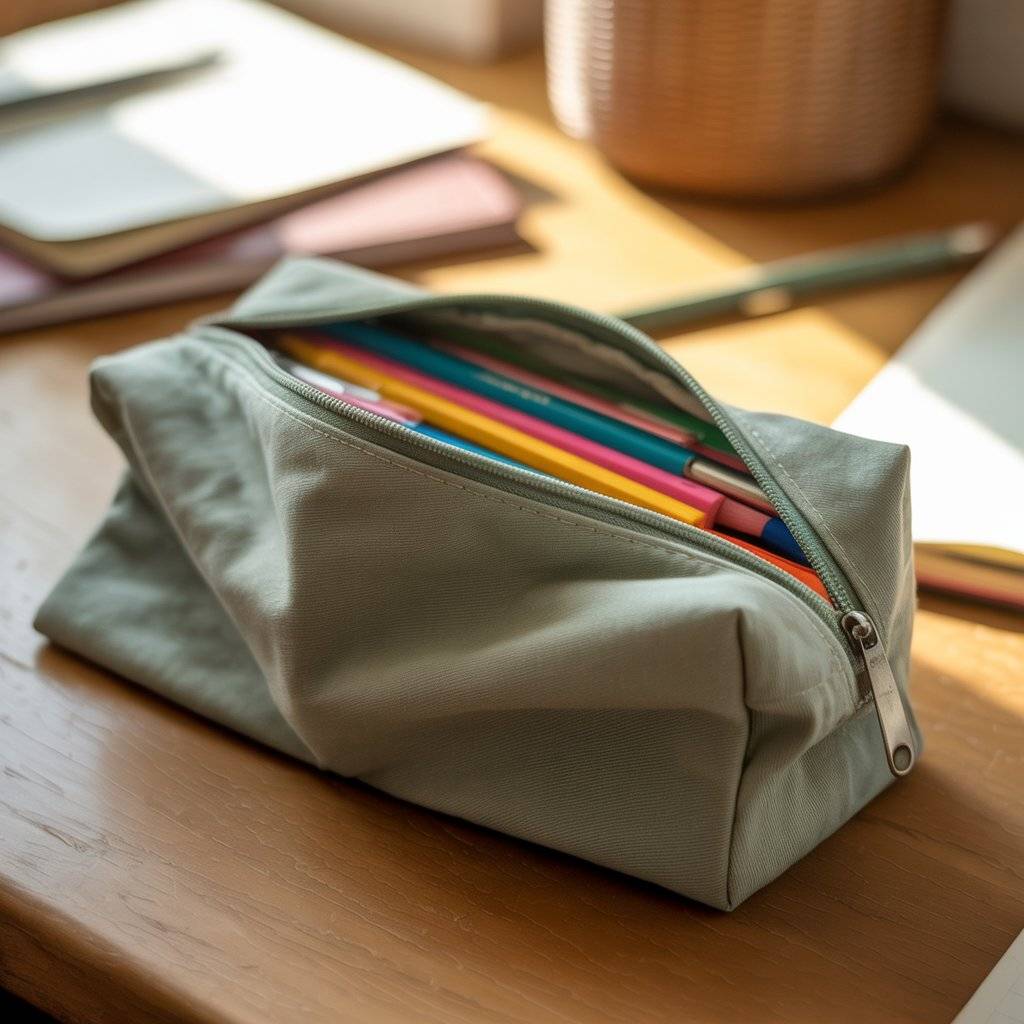
Pencil cases made from cotton or recycled fabric hold up well and don’t crack like plastic ones. They’re flexible, easy to clean, and often zip smoothly even after months of use.
I’ve seen these last through rough handling in backpacks. They also hold more than rigid cases and adapt to what students actually carry.
Natural Fabric Pencil Case Check Price on Amazon
9. Recycled Plastic Rulers
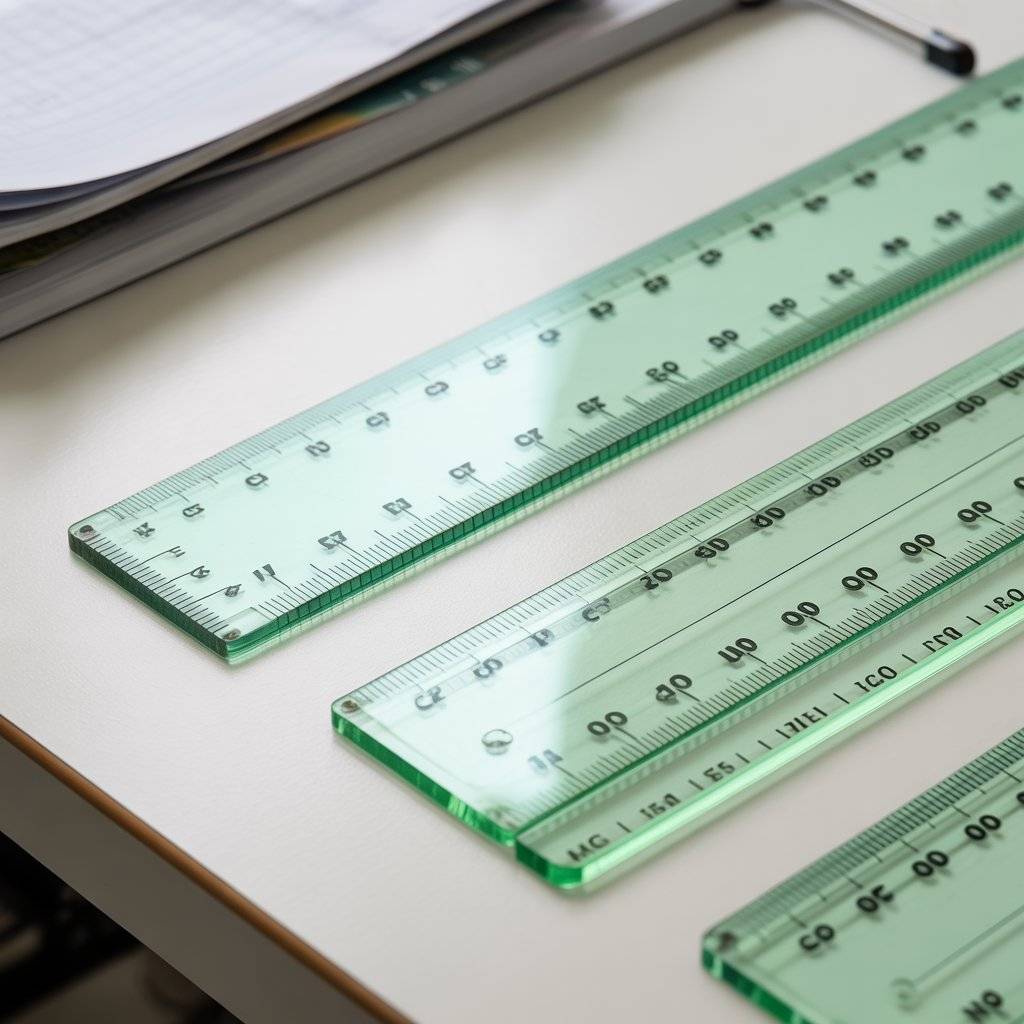
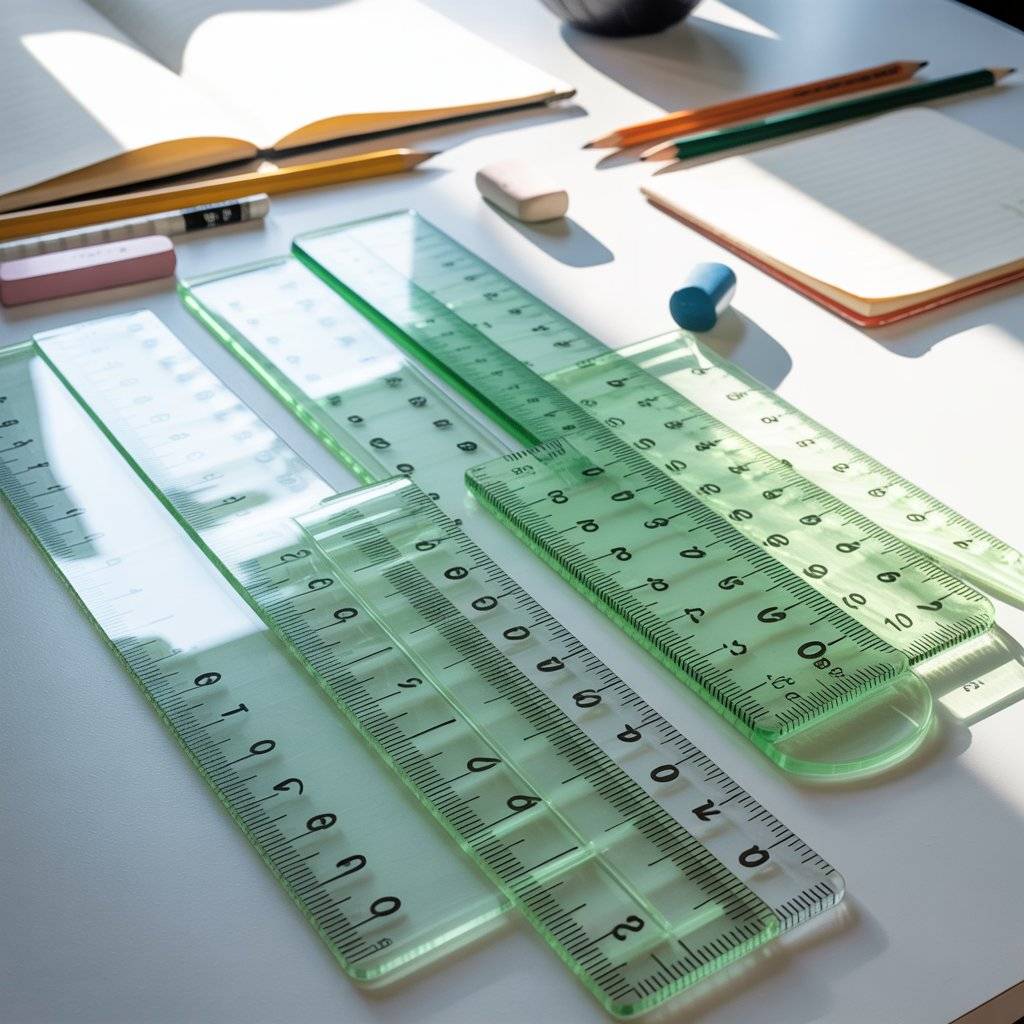
Recycled plastic rulers are sturdy and clear enough for accurate measuring. They don’t snap easily, which helps them last longer.
I’ve seen these used across multiple school years without replacement. They work well for math, art, and general classroom use.
Recycled Plastic Rulers Check Price on Amazon
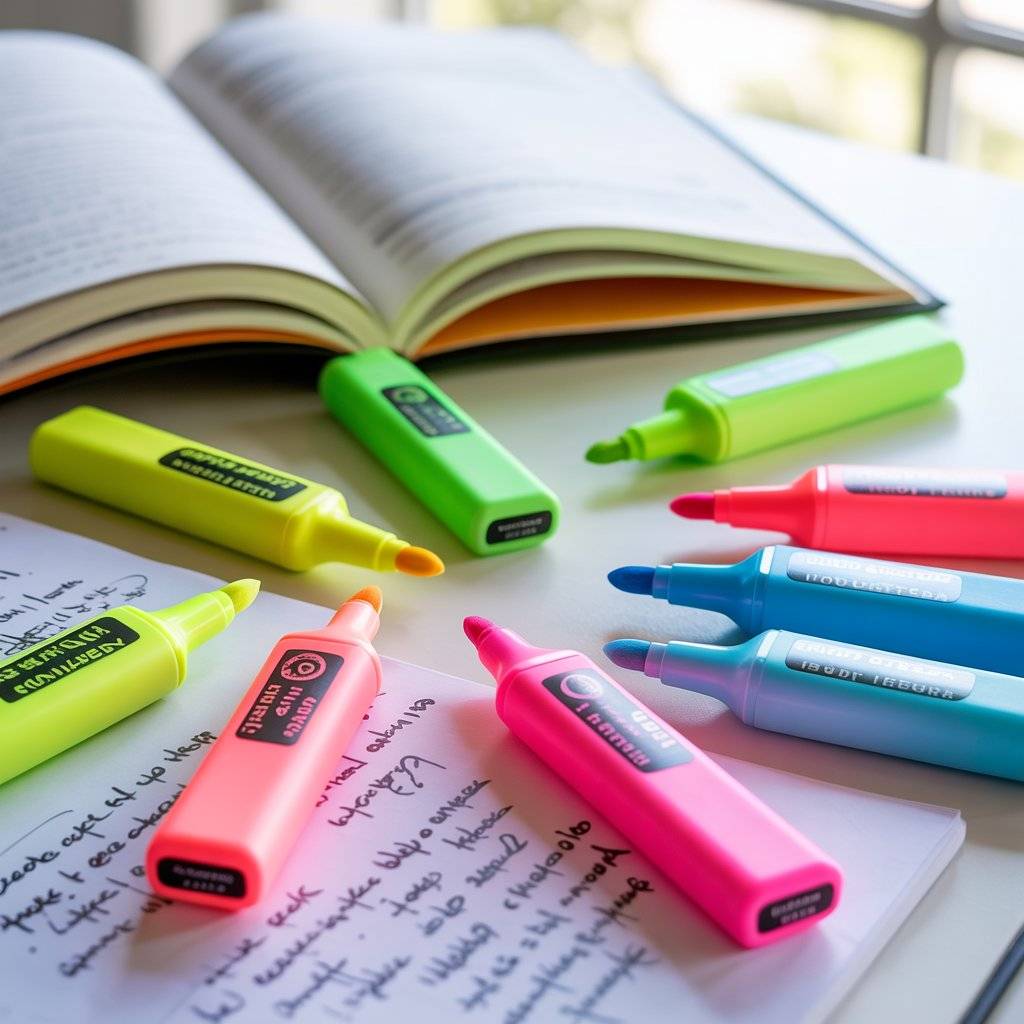
10. Non-Toxic Highlighters

Non-toxic highlighters are safer for daily use and reduce chemical exposure. They still provide bright color for studying and note-taking.
I’ve noticed they dry out slower than cheaper versions. This makes them more reliable for long-term use throughout the school year.
Non-Toxic Highlighters Check Price on Amazon
11. Recycled Paper Folders
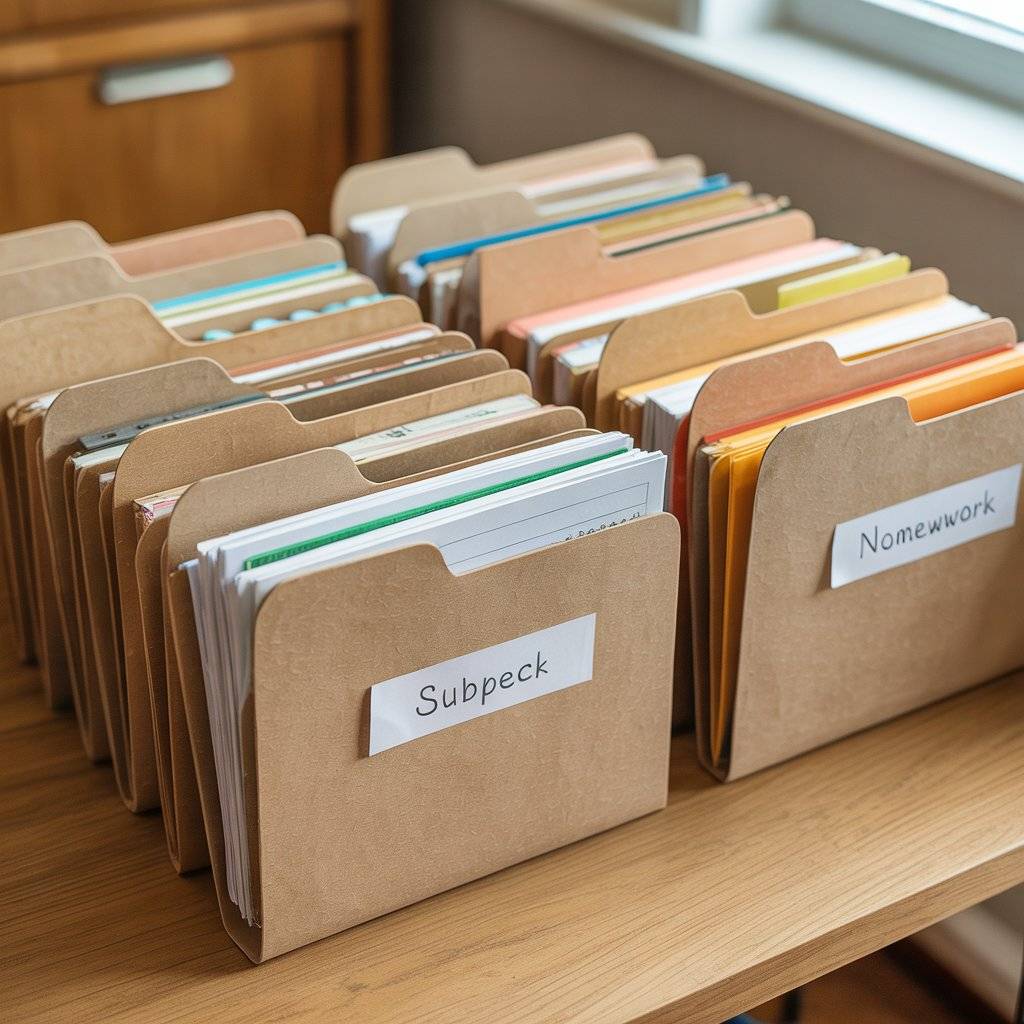
Folders made from recycled paper help organize assignments while using fewer resources. They hold up well if not overloaded.
I’ve seen students keep one folder per subject, which makes tracking homework easier. These folders are easy to replace and recycle again later.
Recycled Paper Folders Check Price on Amazon

12. Wooden or Bamboo Desk Organizer
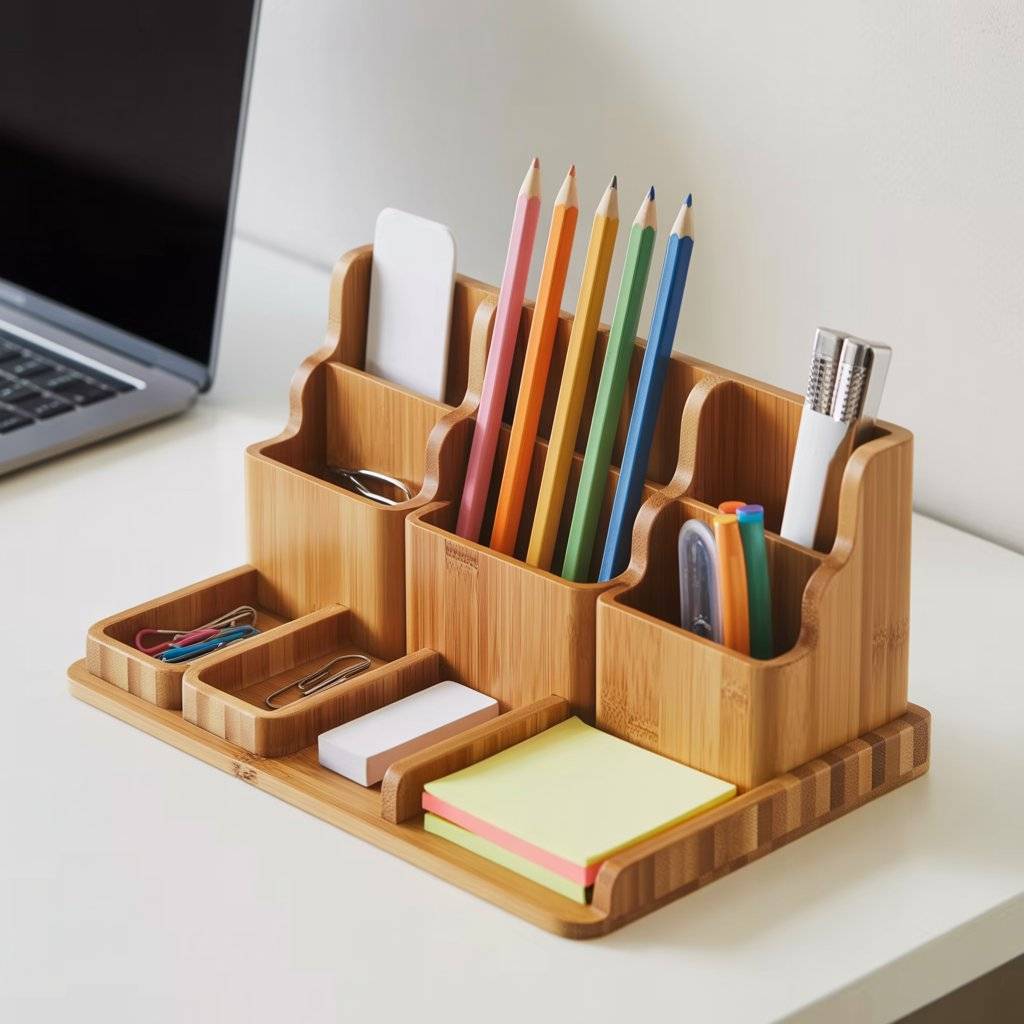
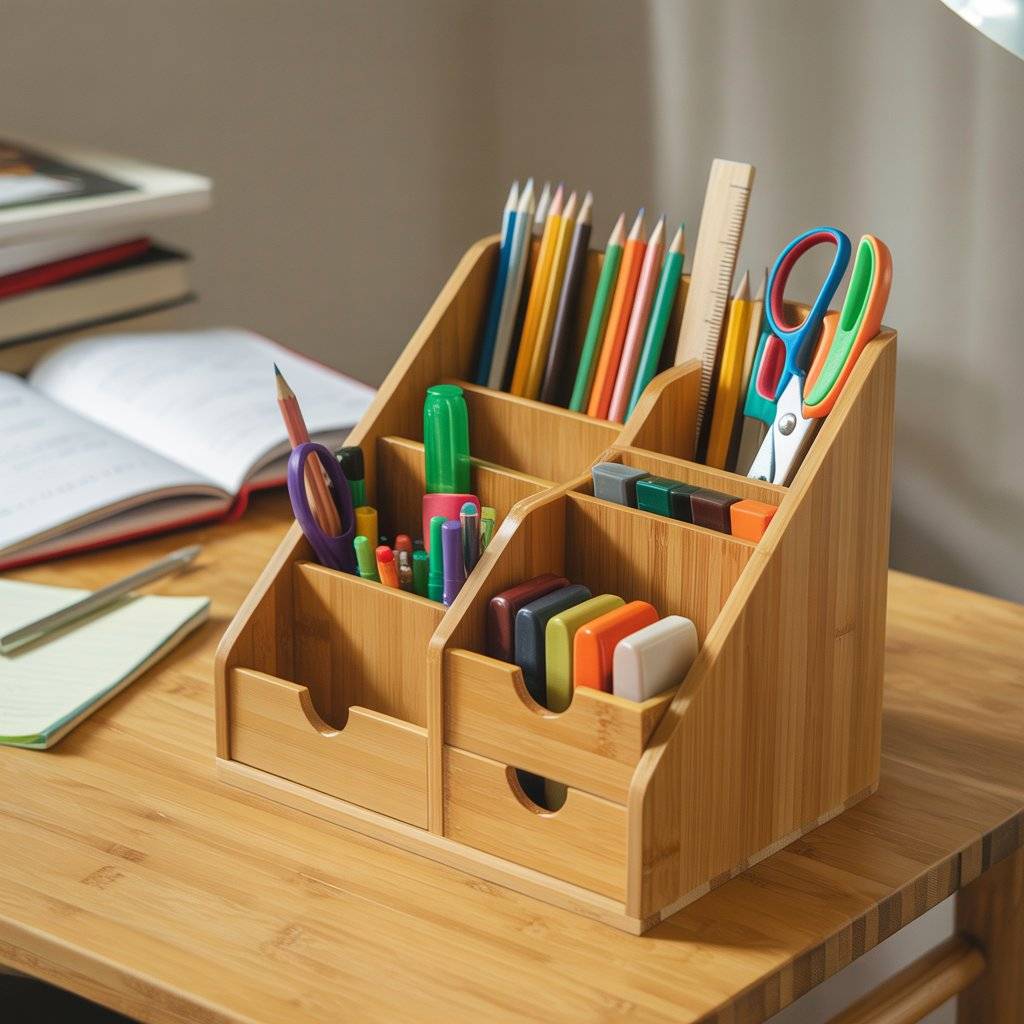
A desk organizer made from wood or bamboo helps keep pens, pencils, and other supplies in one place. It stops your desk from getting messy. I’ve seen students stay more focused when they can find things quickly. These organizers are strong and last a long time.
They don’t break easily like plastic ones. You can use them for notebooks, scissors, and markers too. Some have small drawers for paper clips or sticky notes. They fit on a small desk or shelf.
Using natural materials is better for the environment. You don’t need to buy a new one every year. They look nice and simple. Having a desk organizer makes school work easier.
Wooden or Bamboo Desk Organizer Check Price on Amazon
13. Reusable Book Covers
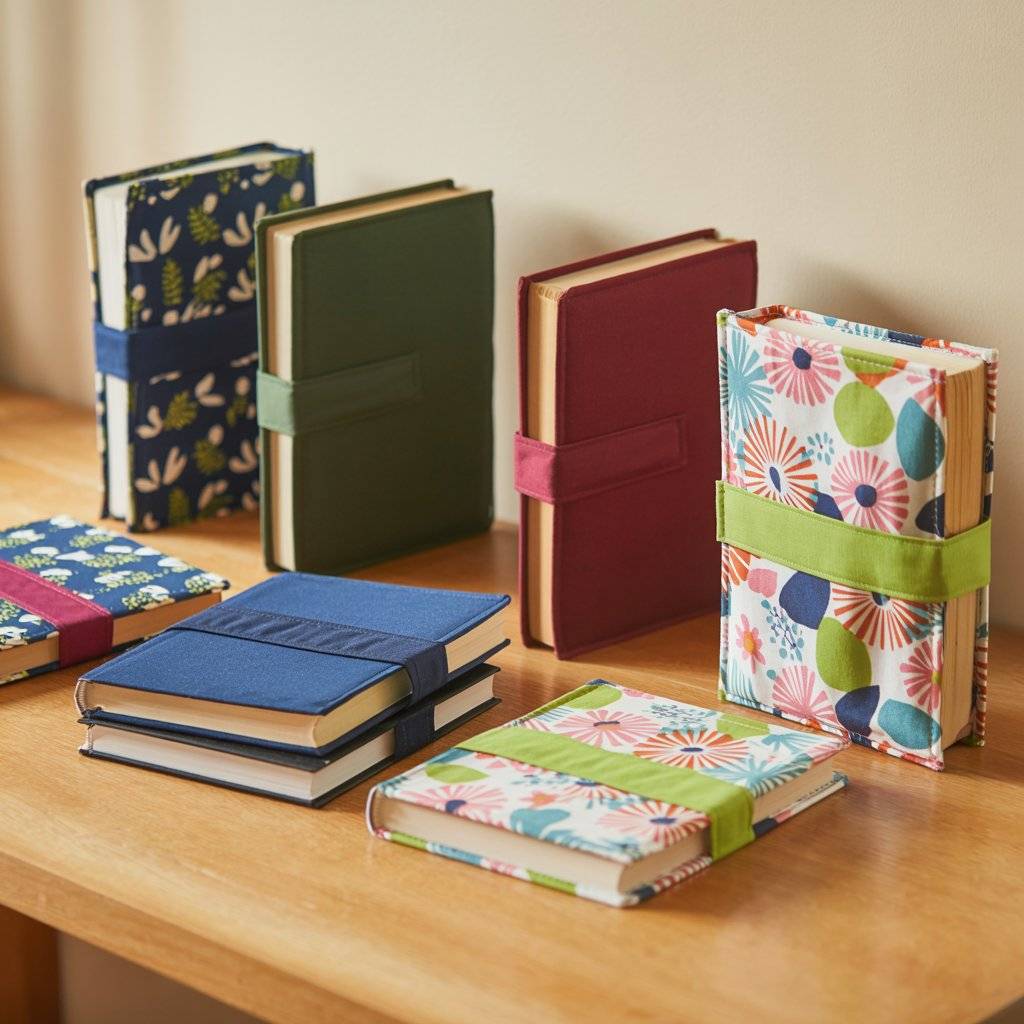
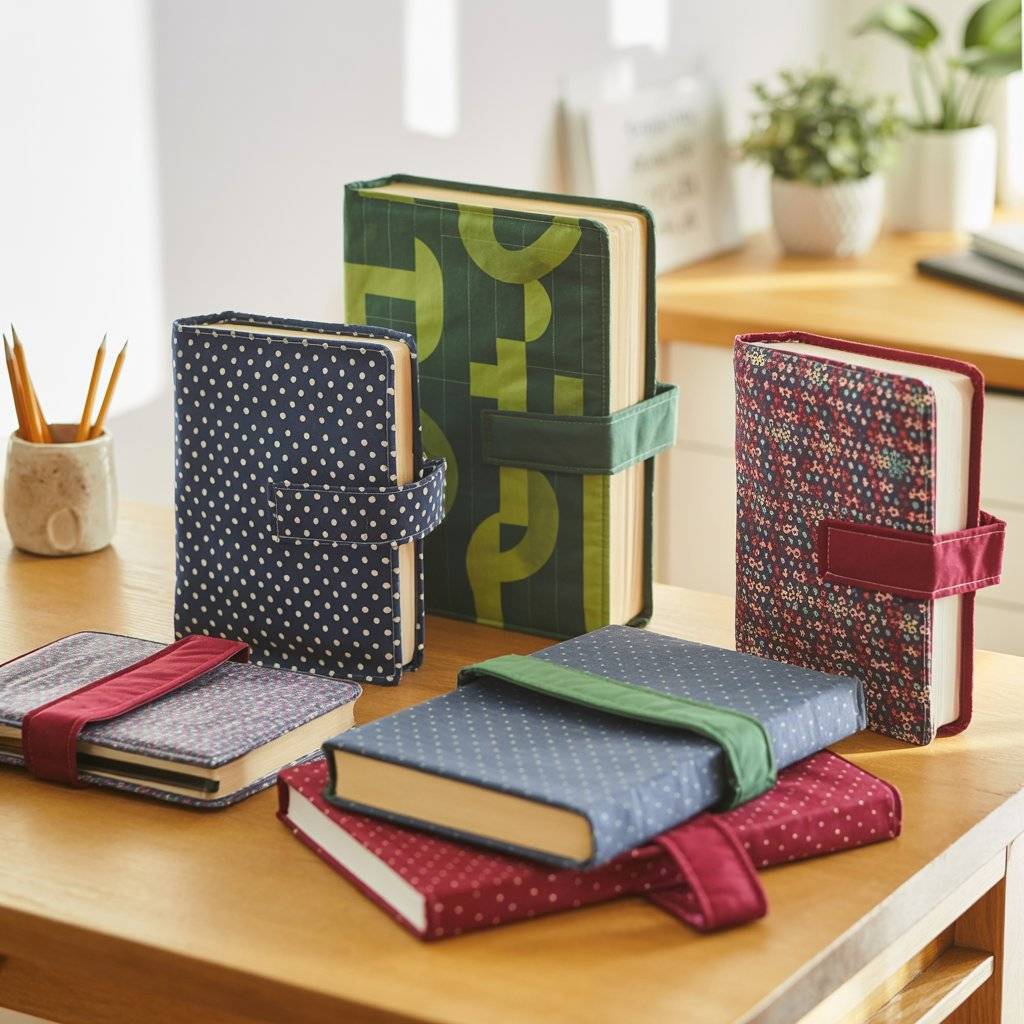
Reusable fabric book covers help protect textbooks. They don’t use plastic wraps. You can wash them when they get dirty. They fit different book sizes.
I’ve used them for years. They last a long time. You can reuse them every school year. They keep books clean. They stop the corners from bending. They save money over time. They also reduce plastic waste. It’s an easy change anyone can do.
Reusable Book Covers Check Price on Amazon
14. Solar-Powered Calculator
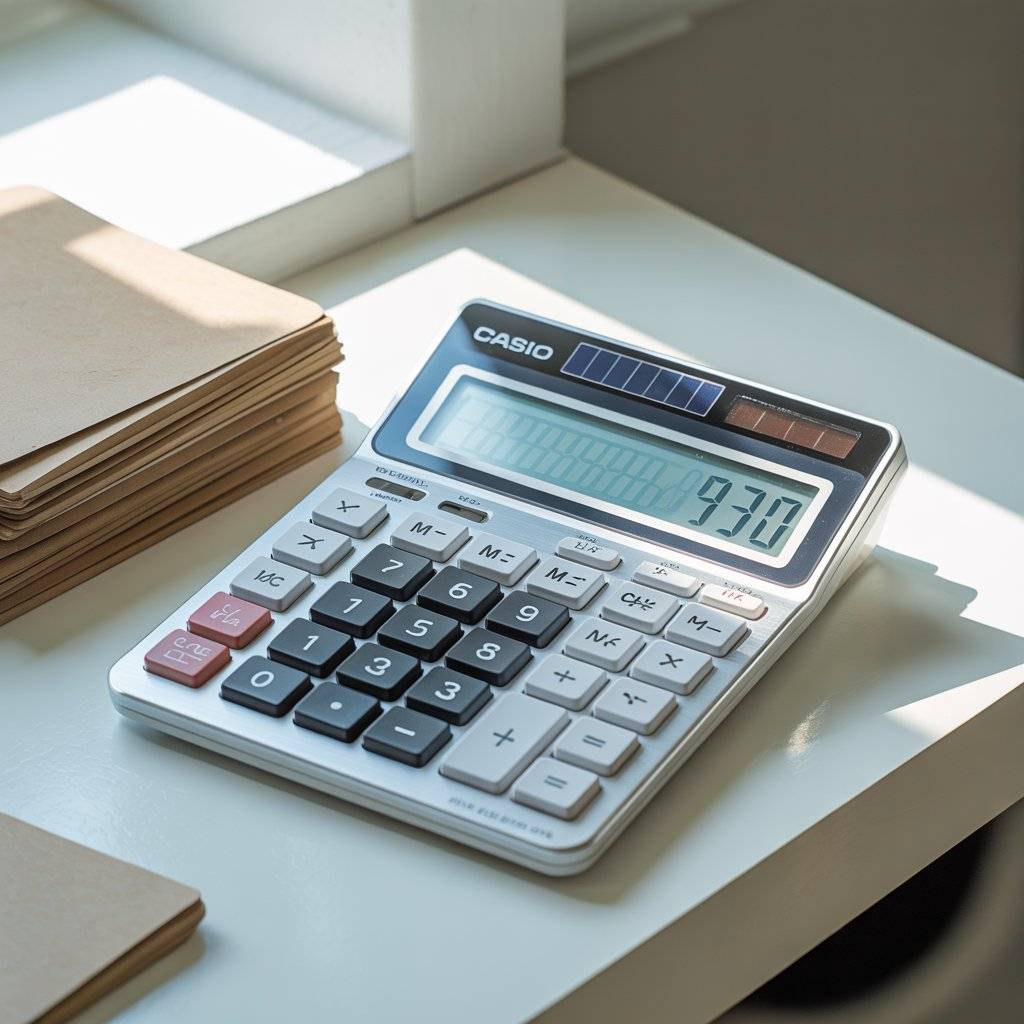
I started using a solar-powered calculator a few years ago, and it’s been really practical. You don’t have to worry about replacing batteries, which saves time and reduces waste.
It works well under normal classroom lighting, and I’ve had mine last through several school years without any issues. For students, it’s one of those small switches that just makes sense reliable, long-lasting, and easy to carry every day.
Solar-Powered Calculator Check Price on Amazon

15. Recycled Index Cards

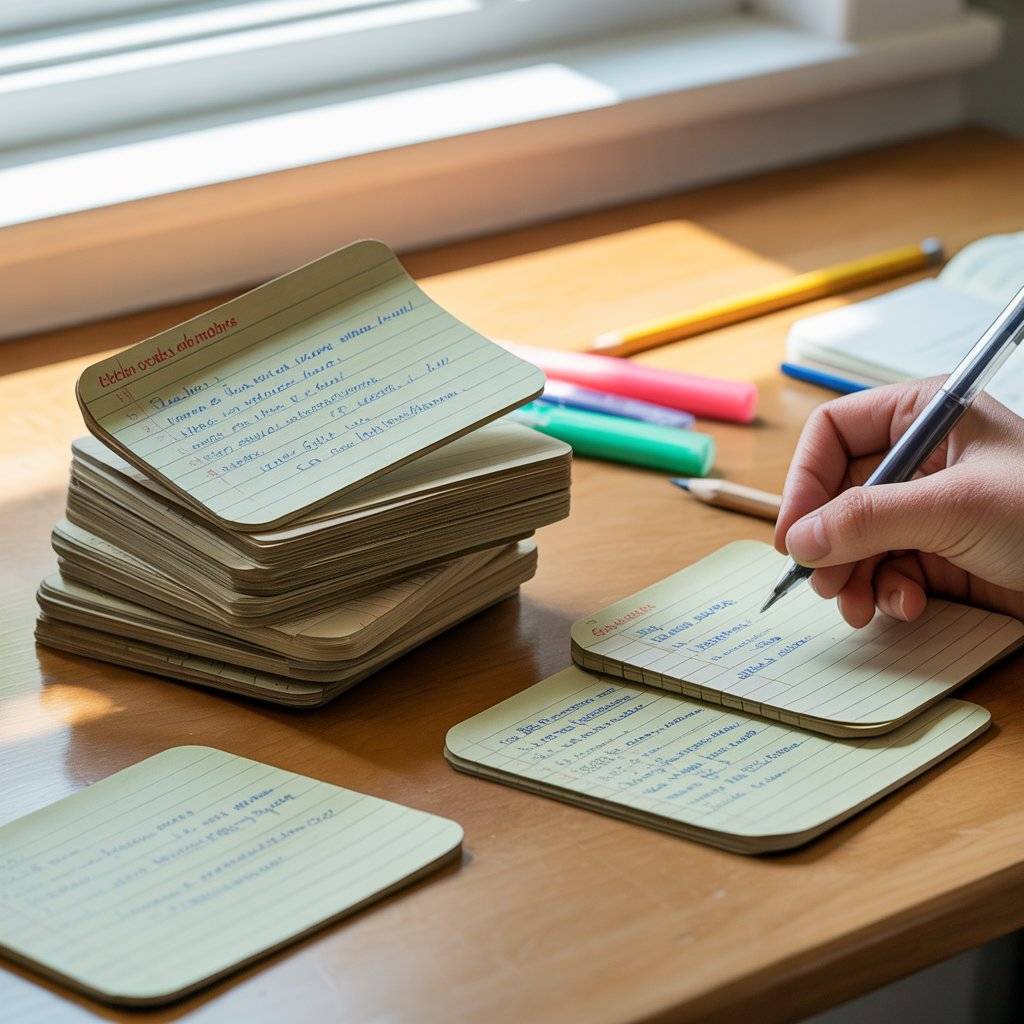
I’ve found recycled index cards really handy for studying or making flashcards. The paper writes smoothly, and they’re sturdy enough to flip and reuse.
I’ve seen students use the same set for multiple subjects by simply turning them over or keeping them for later notes. It’s a simple switch that cuts down on waste and still works perfectly for everyday school tasks.
Recycled Index Cards Check Price on Amazon
16. Eco-Friendly Glue Sticks
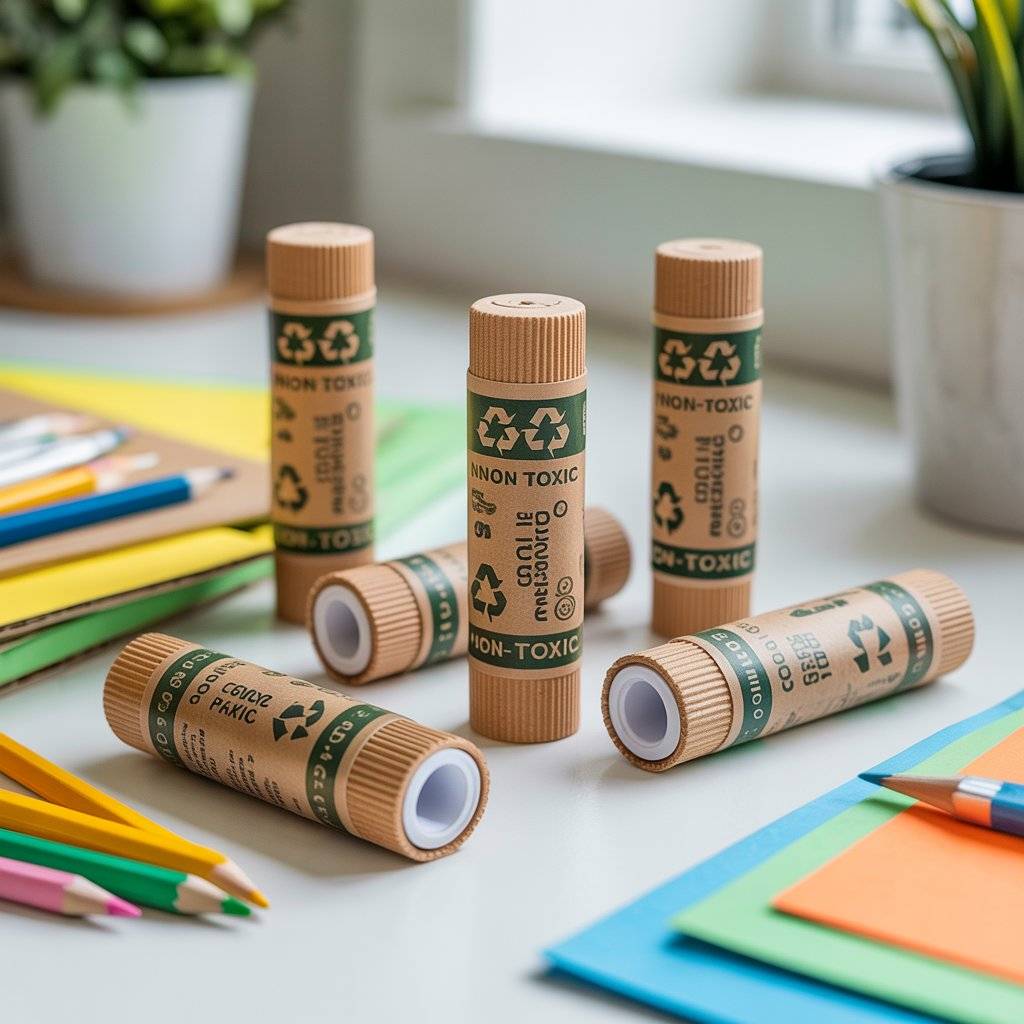
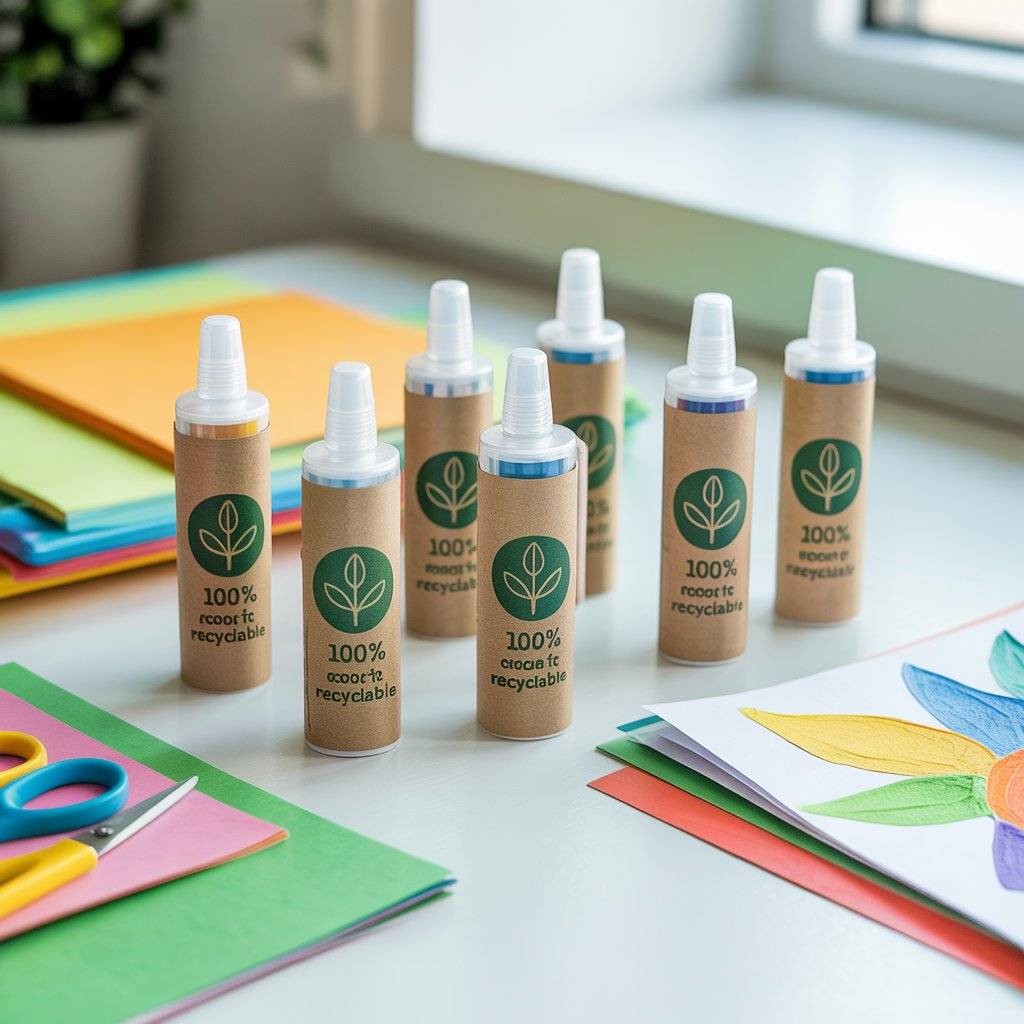
I switched to eco-friendly glue sticks a while back, and they’ve been really handy for school projects. They use non-toxic formulas and come in recyclable packaging, which feels better than the usual disposable glue.
They dry cleanly, don’t get messy, and I’ve noticed they last longer than regular liquid glue. For students, it’s a simple change that keeps supplies organized and reduces waste without any extra effort.
Eco-Friendly Glue Sticks Check Price on Amazon
17. Cloth Backpack Tags
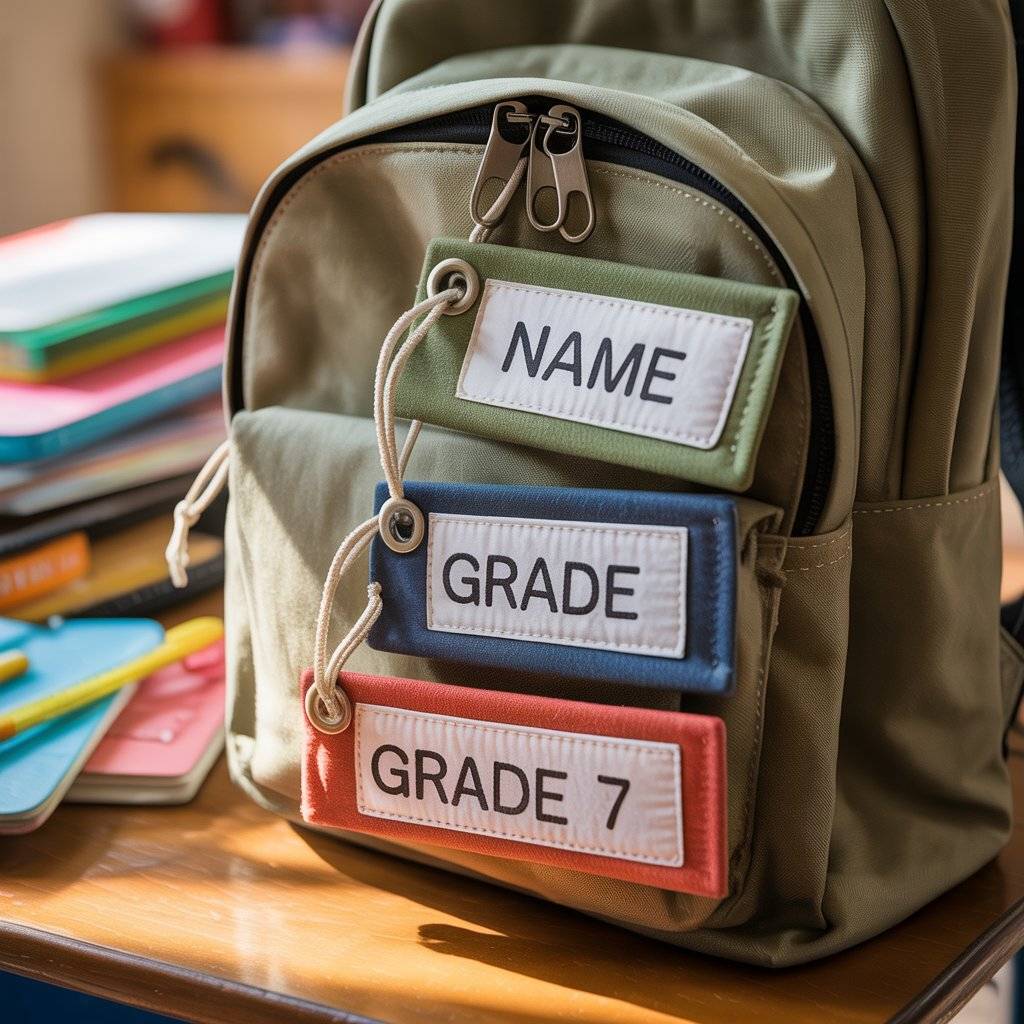
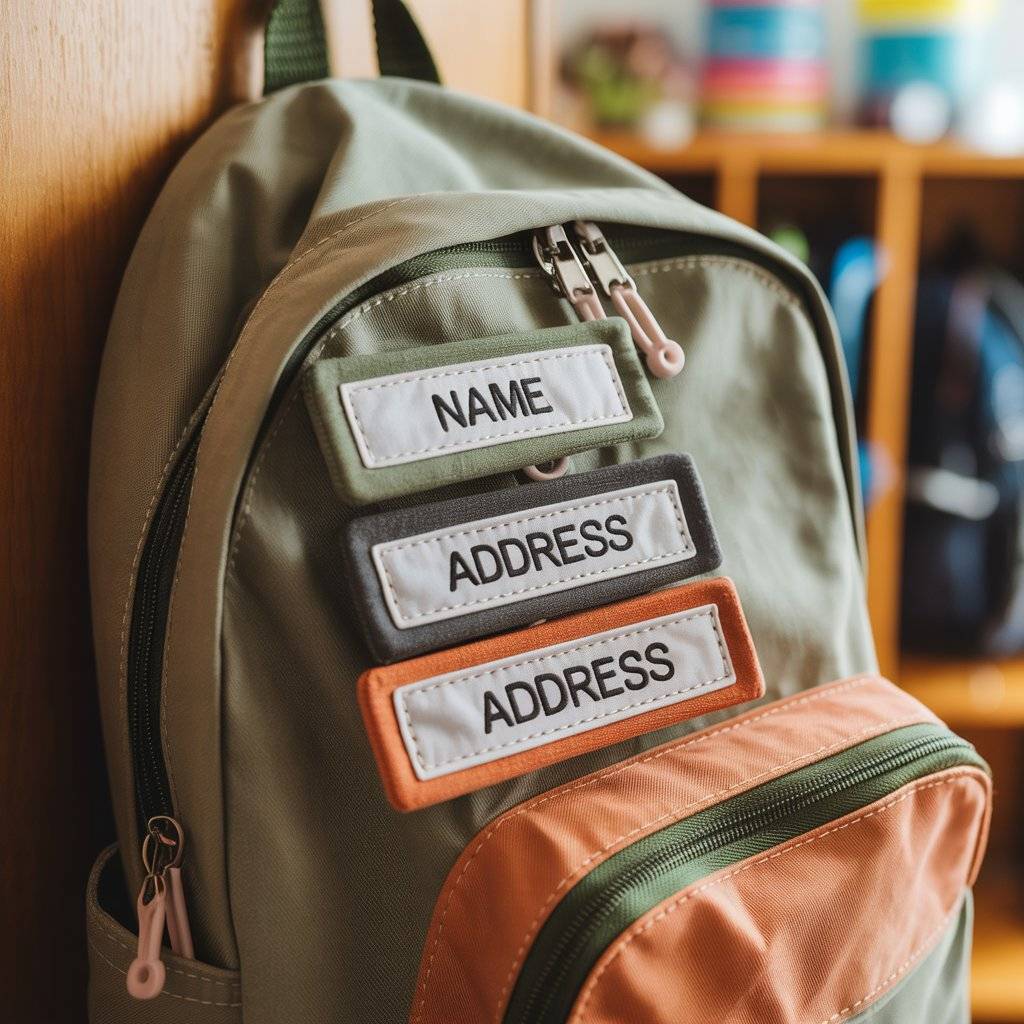
I switched to cloth backpack tags a while back, and they’ve been surprisingly useful. Unlike plastic tags that crack or break, these stay flexible and hold up to everyday use.
I’ve had mine last a whole school year without any damage, and they still look good. They’re a small change, but it keeps your backpack labeled and organized without creating unnecessary waste.
Cloth Backpack Tags Check Price on Amazon
18. Reusable Erasers
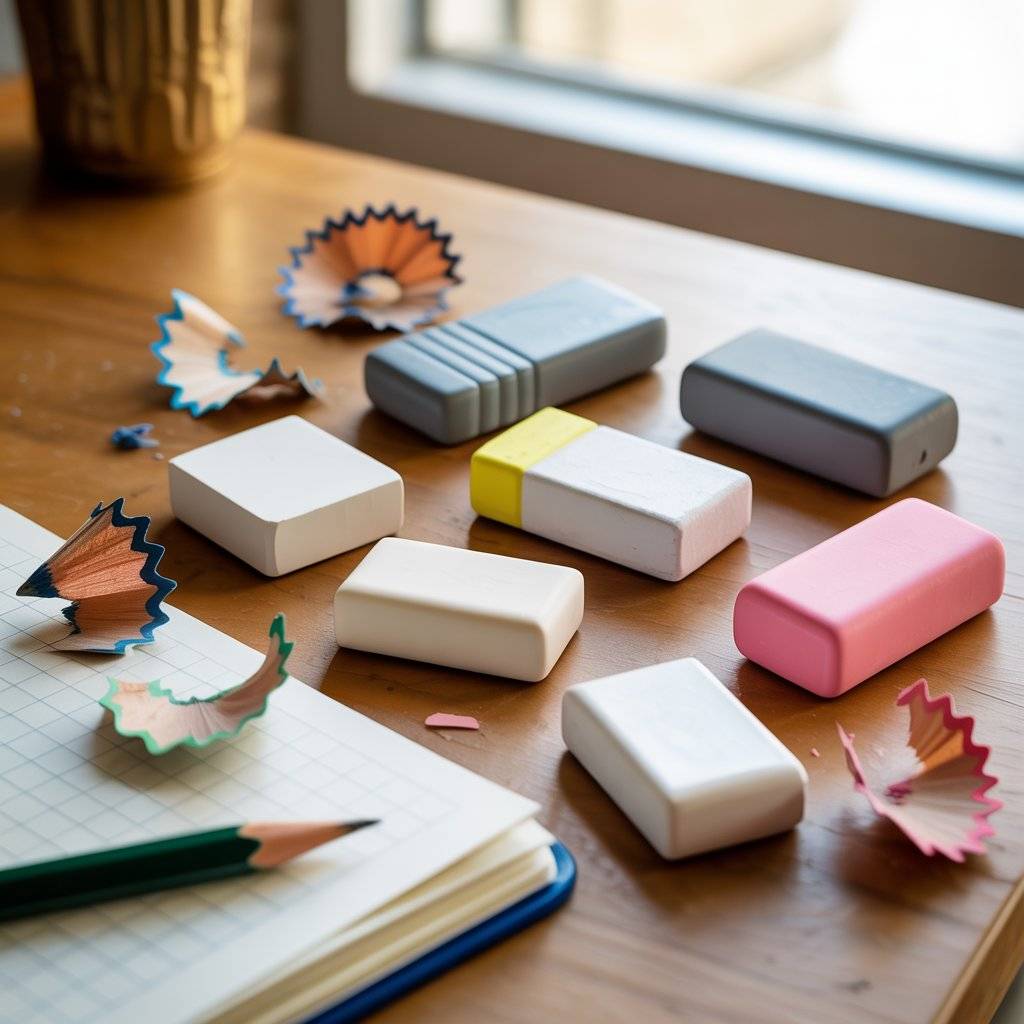
I switched to reusable erasers a while back, and they’ve been surprisingly reliable. They last longer than the cheap ones, erase cleanly, and don’t tear the paper.
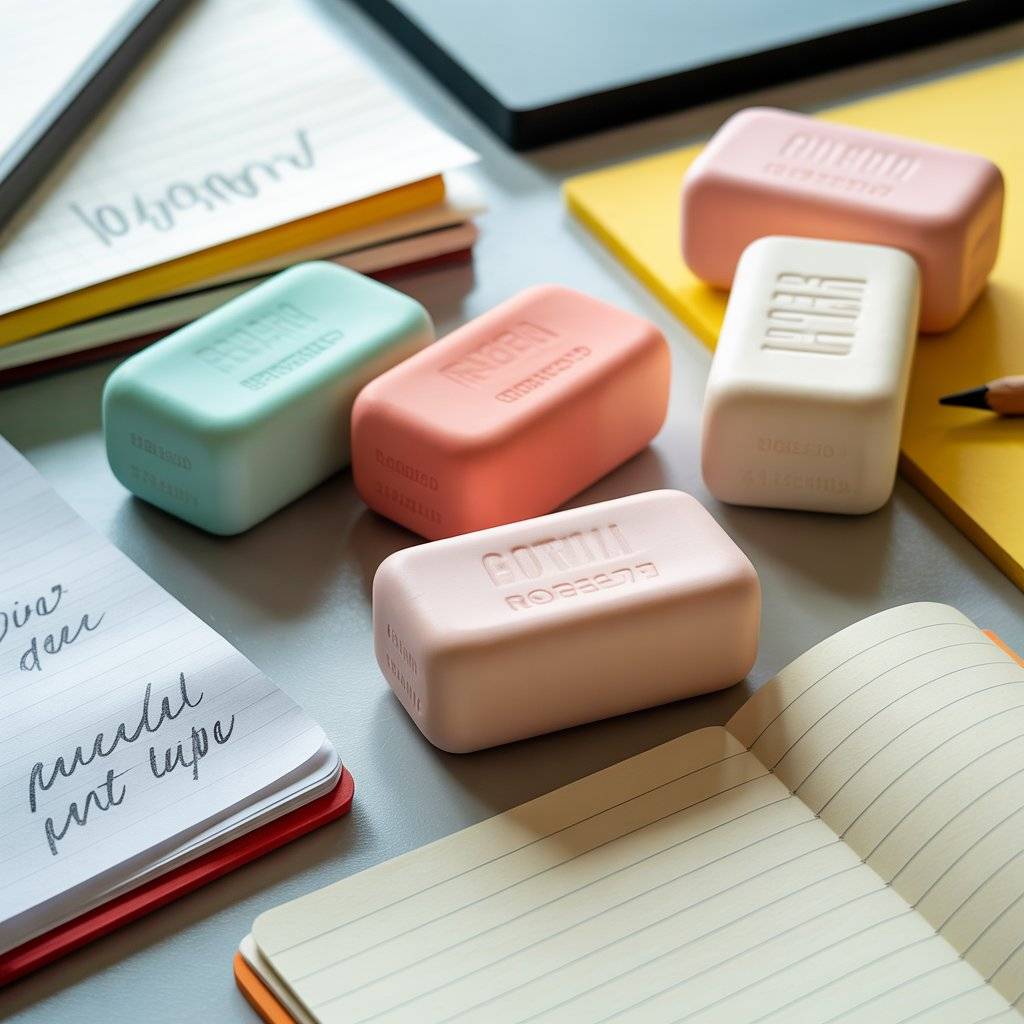
I’ve noticed students don’t have to replace them as often, which saves money and cuts down on waste. For everyday schoolwork, they just work and they make correcting mistakes a lot less frustrating.
Reusable Erasers check price on amazon
Wrapping it Up
Honestly, back-to-school stuff doesn’t have to be complicated. A few simple swaps like a reusable water bottle, a refillable pen, or a lunch container that lasts can actually make your school days easier and help the planet at the same time. You don’t need everything on the list right away. Just grab what makes sense and go from there.
The point isn’t to be perfect. It’s about using stuff that lasts, keeps you organized, and doesn’t end up in the trash in a month. I’ve tried little changes myself, like a cloth snack bag or a recycled notebook, and over time it really adds up. Less waste, less clutter, and you don’t have to keep buying the same things over and over.
So before you pack your backpack, think about what you’ll actually use and enjoy. A water bottle you’ll refill, a pencil case that lasts all year, even a solar calculator that doesn’t die halfway through the term it all counts.
And if nothing else, at least your backpack will actually feel useful instead of stuffed with things you forgot about two weeks in. That’s a win, right?
Related Post: