
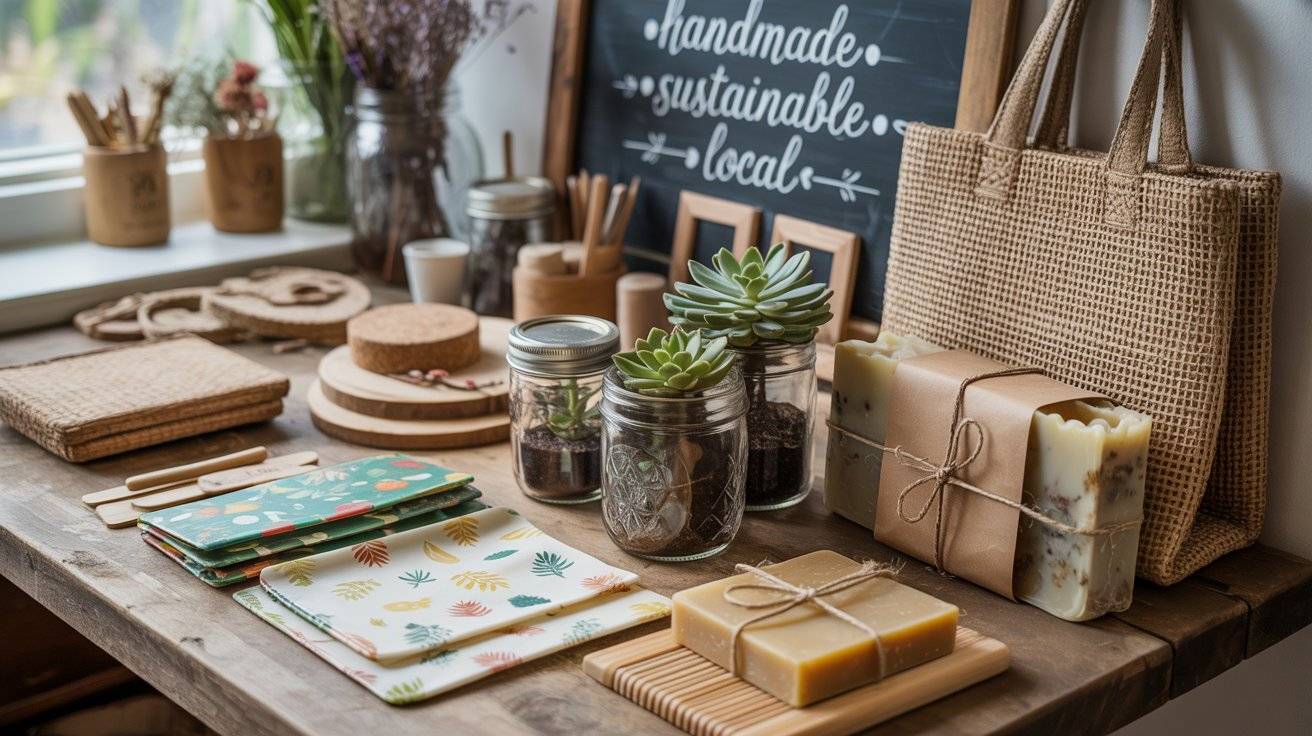
Everyone wants to make a little extra income, but more of us are also thinking about the planet. That’s where eco-friendly crafts come in products you can make at home using sustainable materials, recycled items, or natural resources, then sell to customers who care about the environment just as much as you do.
These kinds of crafts aren’t just pretty; they have real purpose. They reduce waste, give new life to old things, and show people there are alternatives to cheap plastics or throwaway products. From reusable food wraps and natural skincare to upcycled home décor and plant-based accessories, this list covers projects that real people can start while learning new skills, keeping costs low, and creating products people will want to buy.
Some of these eco craft ideas are based on popular trends in sustainable DIY markets, where consumers increasingly seek items made with organic or recycled materials. Many rely on simple supplies like fabric scraps, recycled glass, natural waxes, or plant fibers that are affordable and kind to the earth. Crafts to Make and Sell Fast for Profit at Home
Below, each craft includes what it is, how you can make it, and tips on selling it so you can turn creativity into extra income while staying grounded in sustainability.
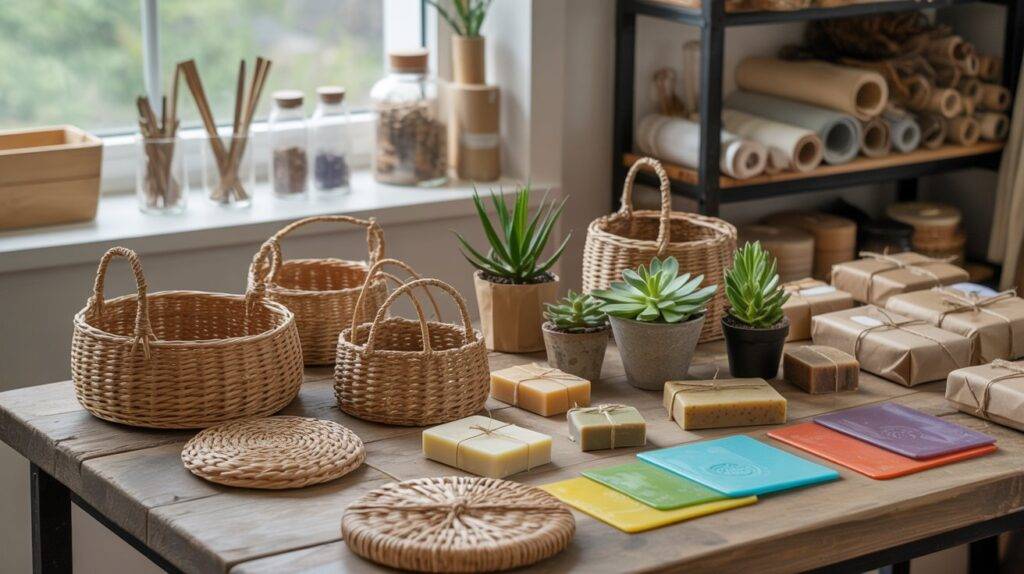
1. Beeswax Food Wraps
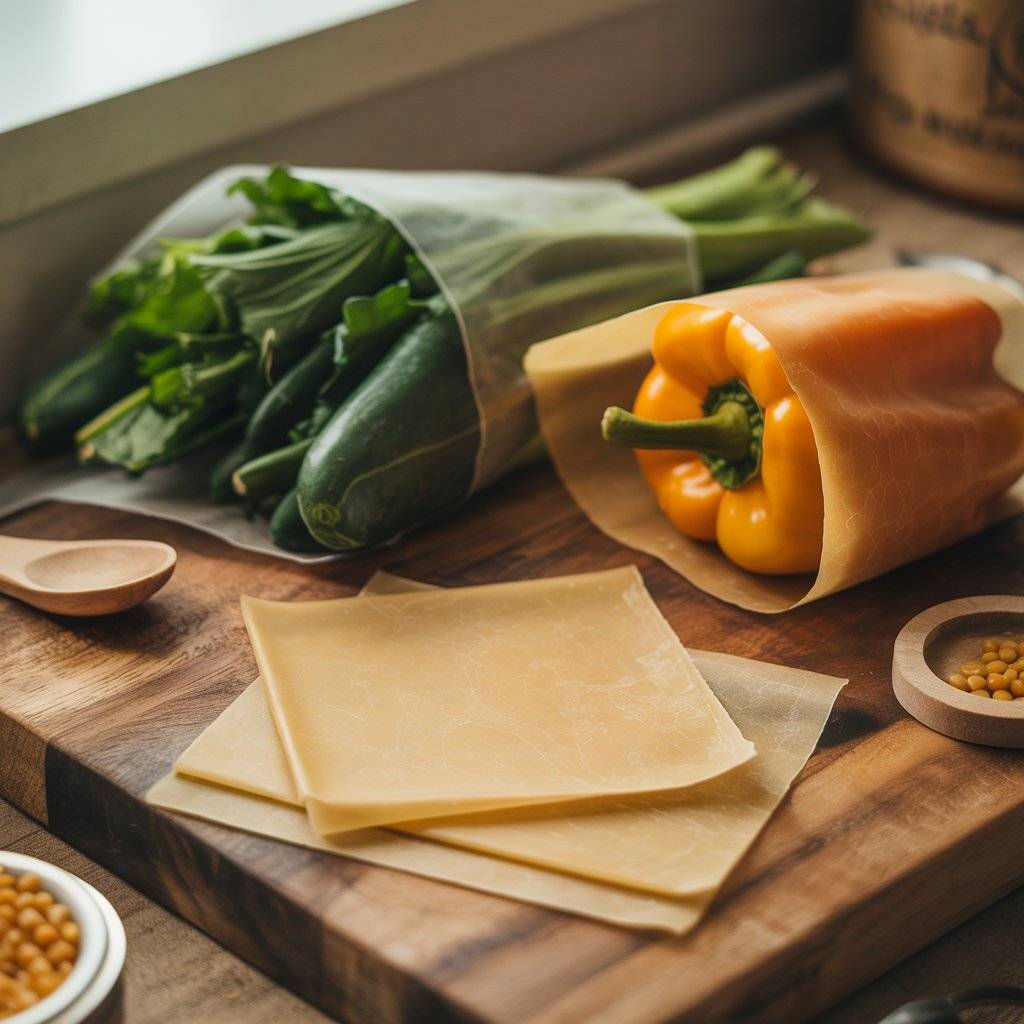
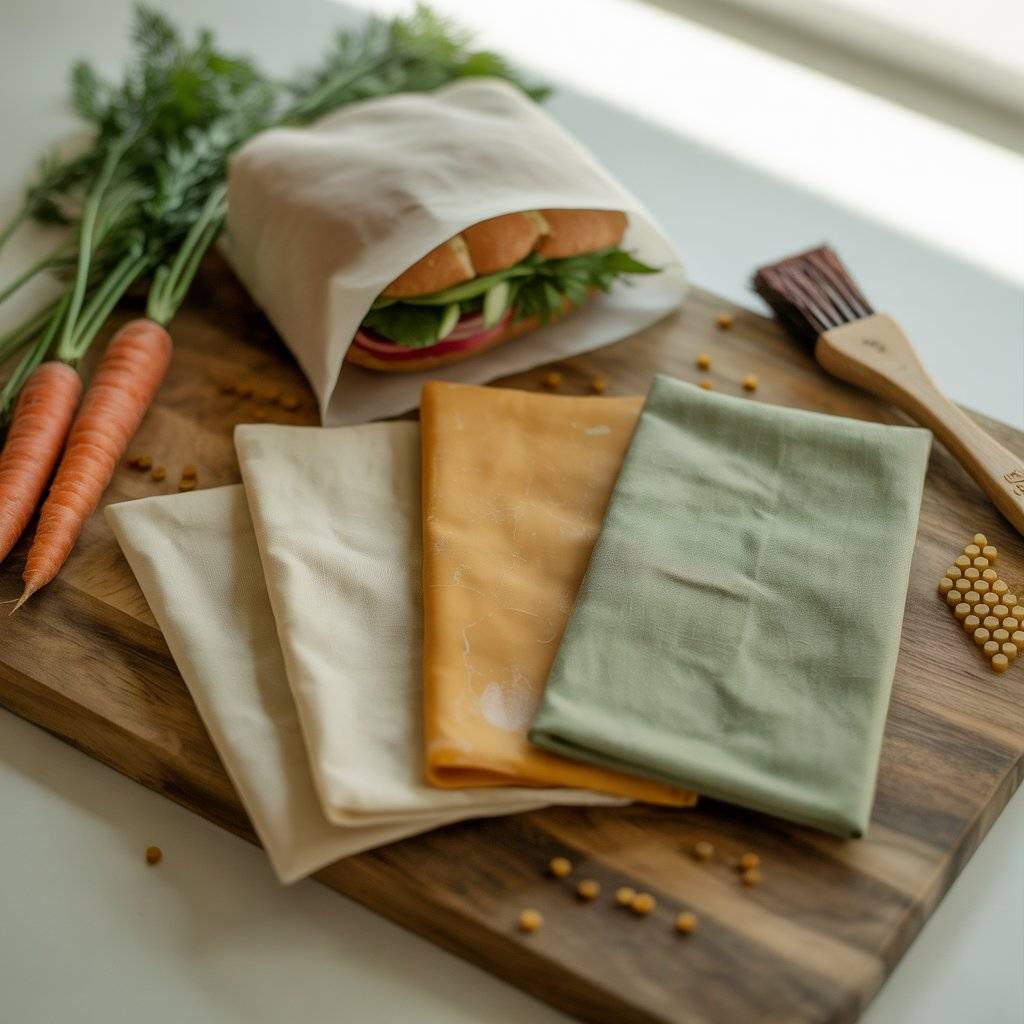
Beeswax wraps are one of the most in-demand eco-friendly products you can make at home. They’re a reusable alternative to plastic wrap for covering leftovers, wrapping sandwiches, or storing produce. To make them, you’ll need cotton fabric squares, beeswax pellets (or soy wax if you prefer plant-based), and optional jojoba oil or tree resin for flexibility.
Melt the wax in a double boiler, brush it evenly over the fabric, then let it cool flat. Once hardened, the wraps cling with the warmth of your hands and can be washed and reused many times, which makes them appealing to people who want to cut down on single-use plastic.
Selling tips: package them in sets of 3–5 with a small care card explaining how to use and clean them. This product does well at local markets or online to eco-conscious buyers.
2. Reusable Produce Bags
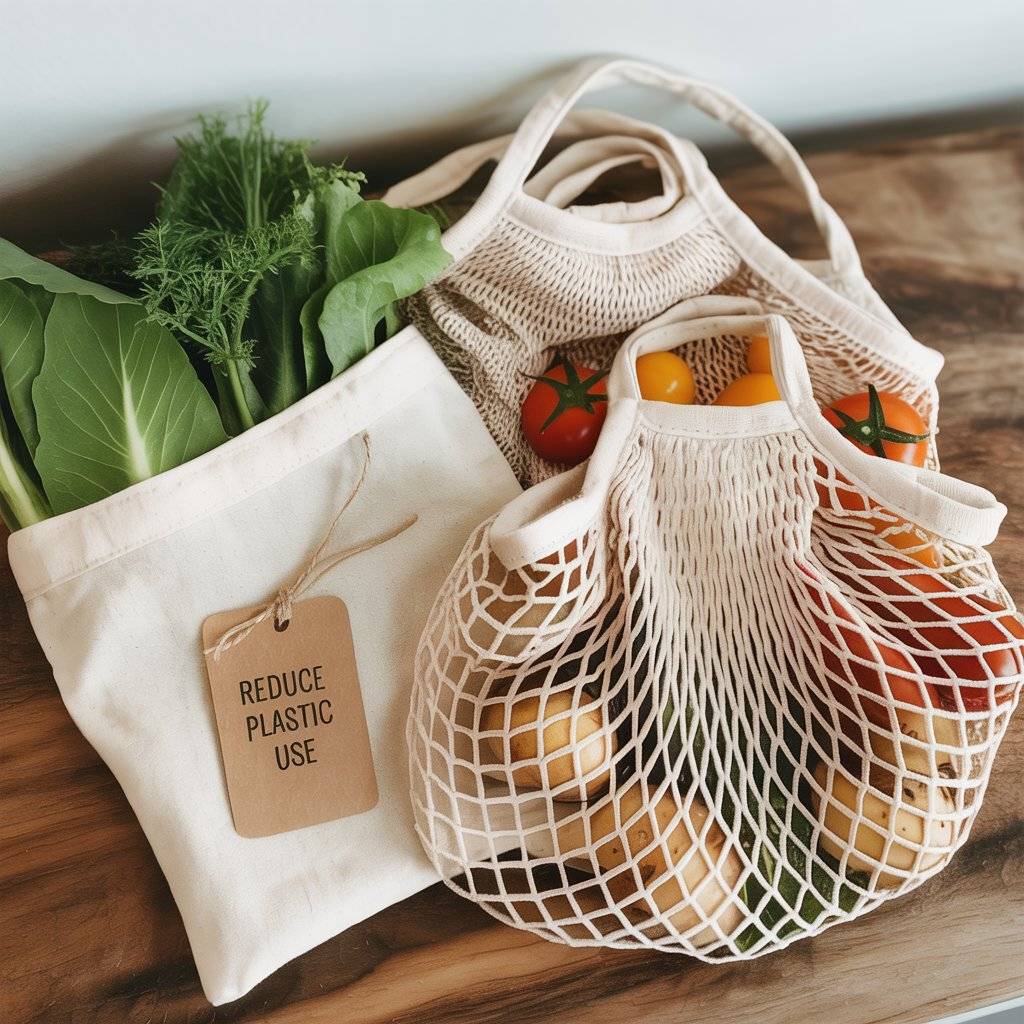
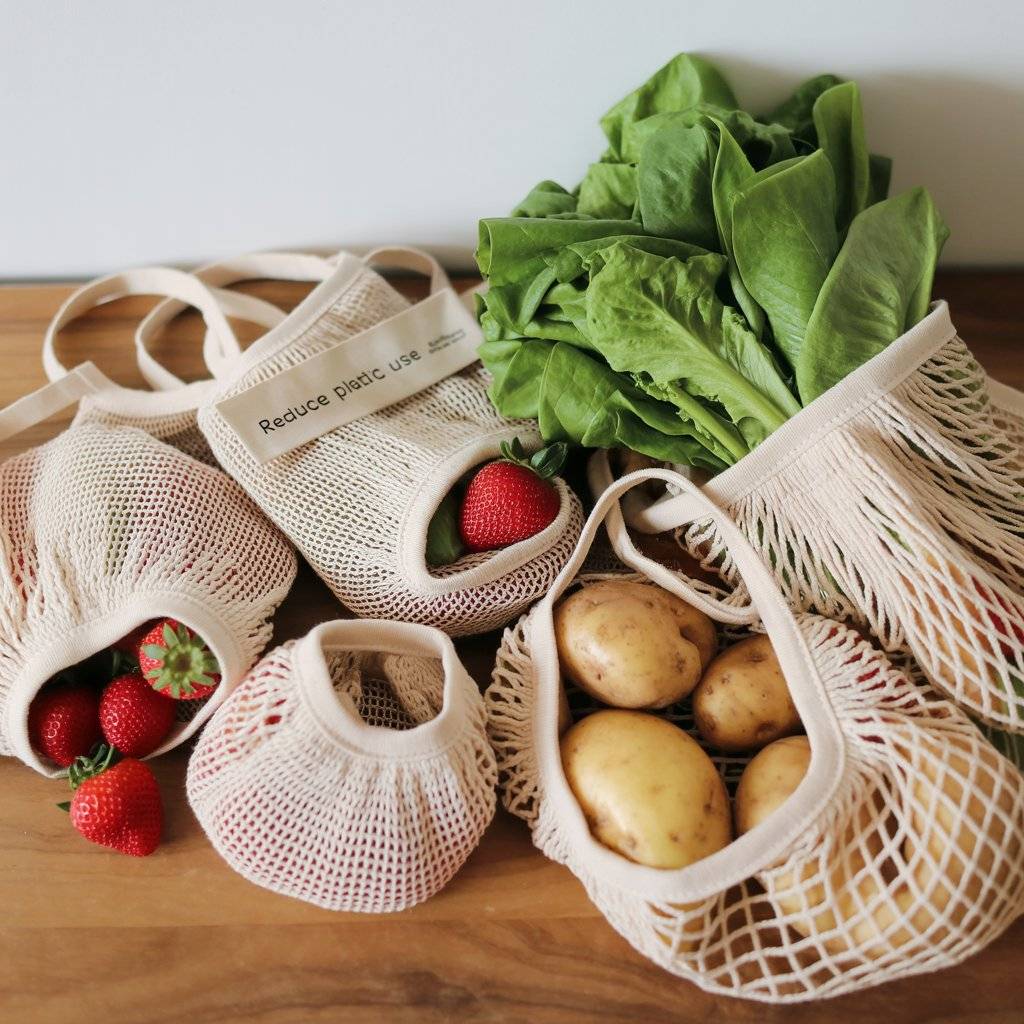
Produce bags are simple to sew and highly practical. Most grocery stores still use plastic bags, but shoppers are increasingly choosing reusable cotton or mesh bags. To make them, use lightweight cotton or mesh fabric, cut into rectangles, sew the side seams, and add a drawstring at the top.
They’re easy to produce in multiples and, because they’re lightweight, inexpensive to ship. You can even offer custom sizes small for berries, medium for greens, and large for potatoes or onions.
Selling tips: bundle them in sets of 5 with a small tag about reducing plastic use. These bags appeal especially to farmers’ market shoppers and zero-waste communities.
Crafts to Make and Sell Fast for Profit at Home
3. Upcycled Jar Lanterns
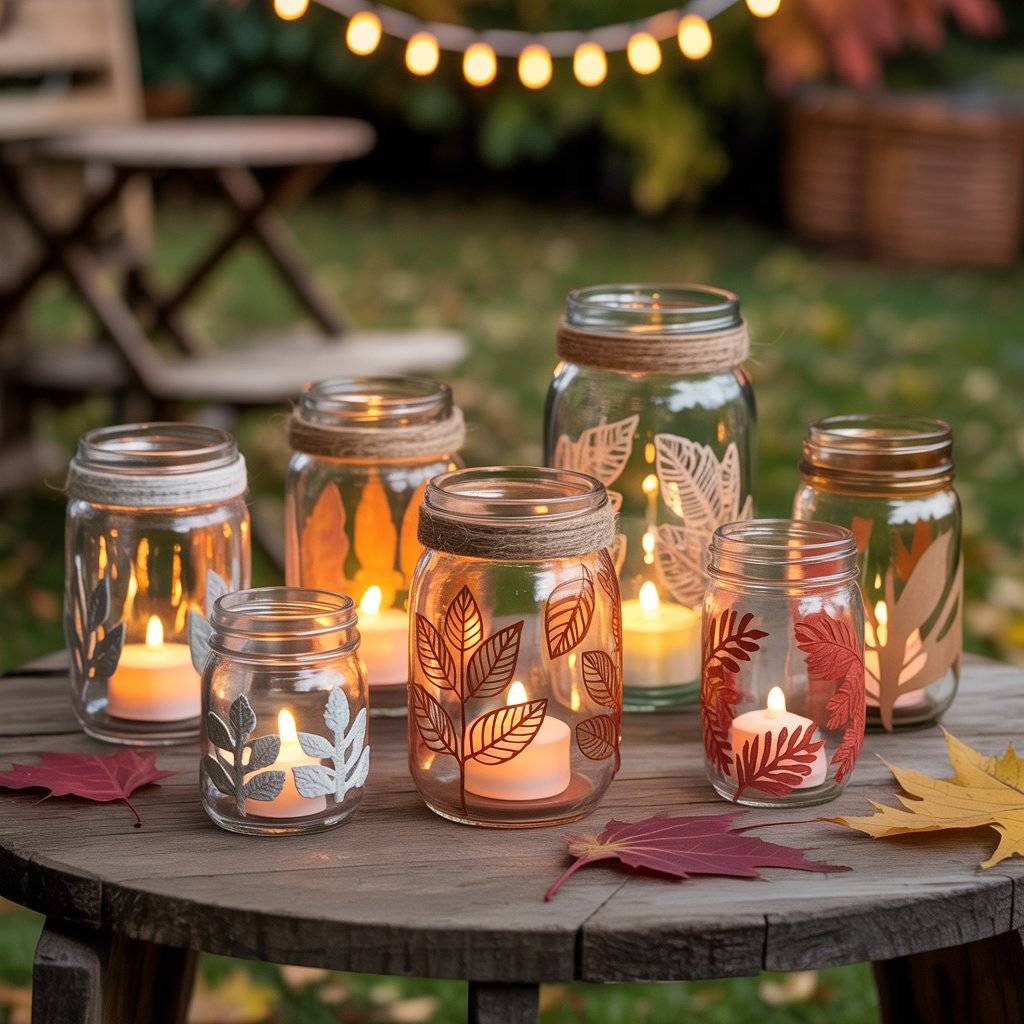
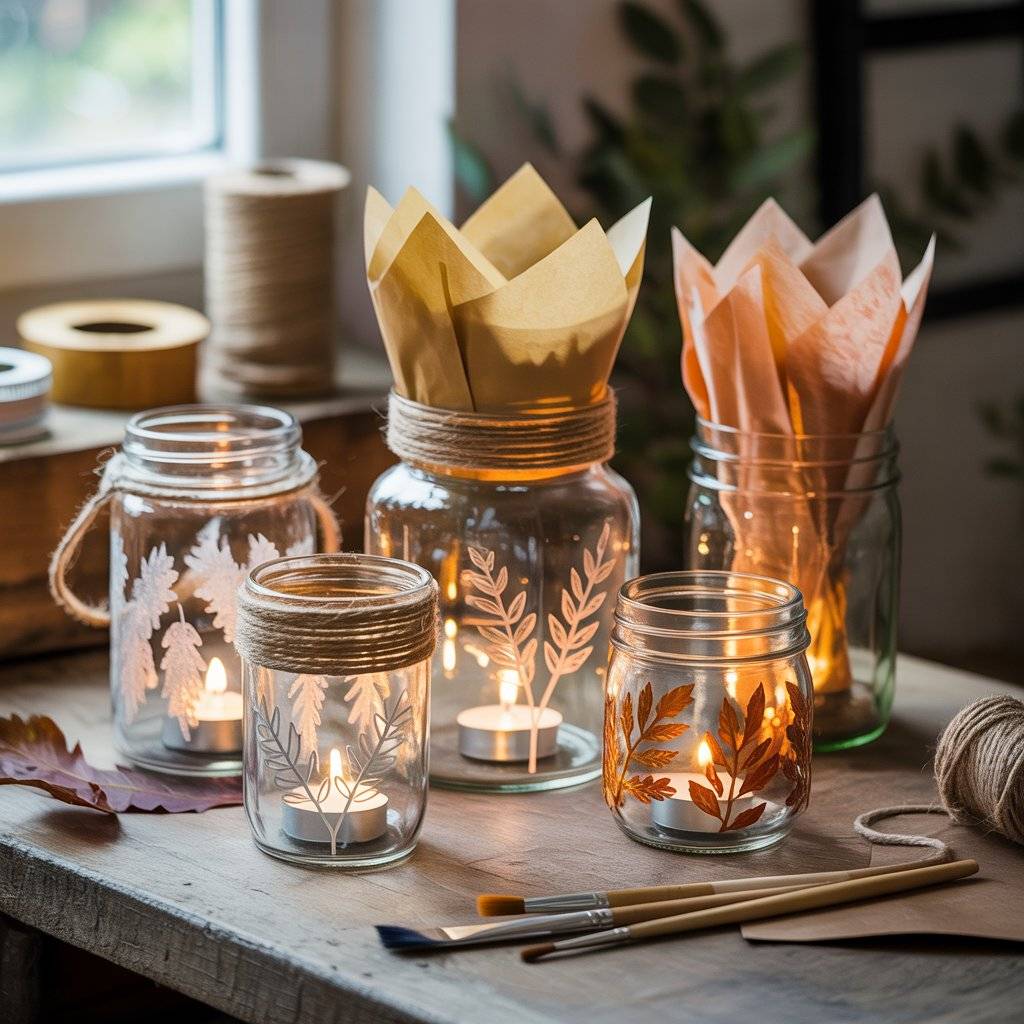
Empty glass jars can be transformed into charming lanterns that make cozy lighting for homes and outdoor spaces. Clean old jars thoroughly, then decorate the outside with paints, twine, or recycled paper. Place a small LED tea light or candle inside for a soft glow.
These lanterns are simple to craft but have great visual appeal; many customers buy them for patios, weddings, or as gifts. You can also offer seasonal themes (e.g., autumn leaves or holiday patterns) to increase sales. Selling tips: sell sets or offer personalization with initials or short messages. They work well at craft fairs or in home décor shops.
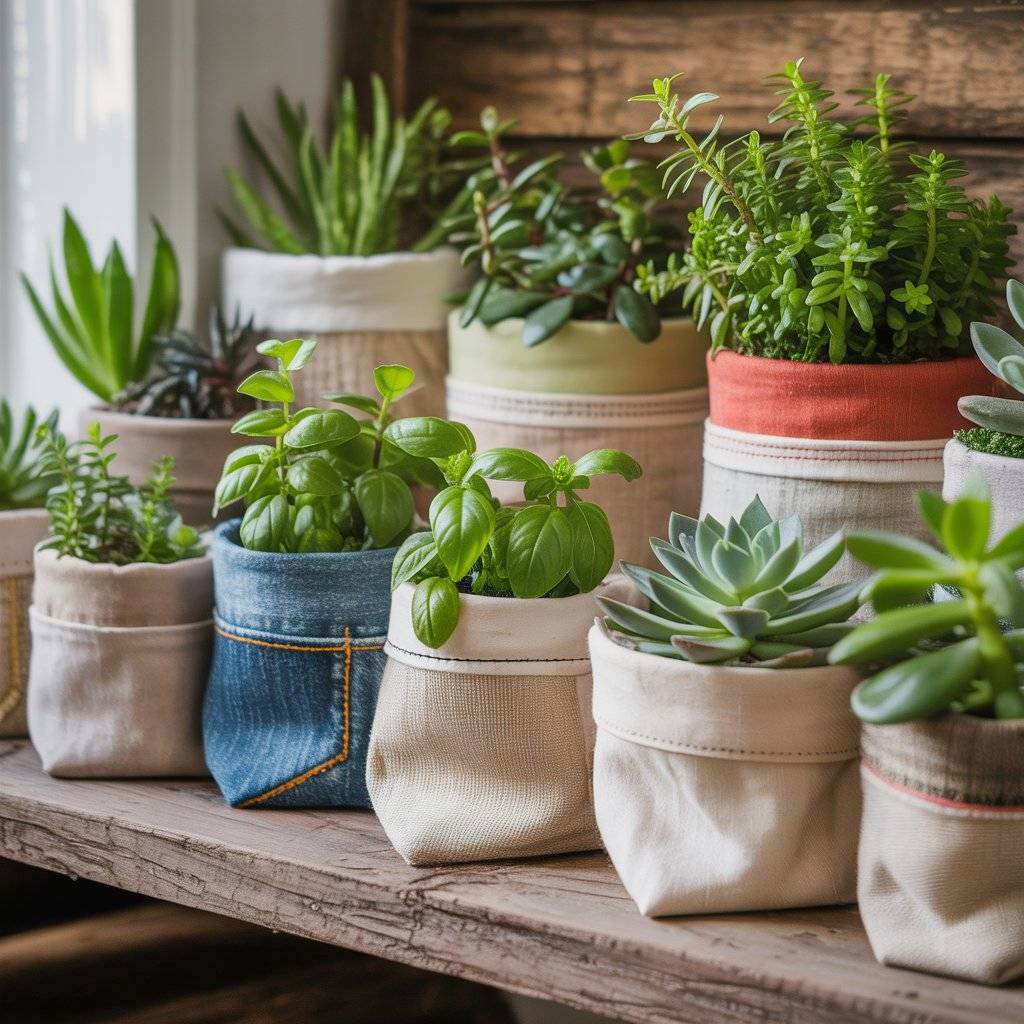
4. Eco-Friendly Upcycled Fabric Planters
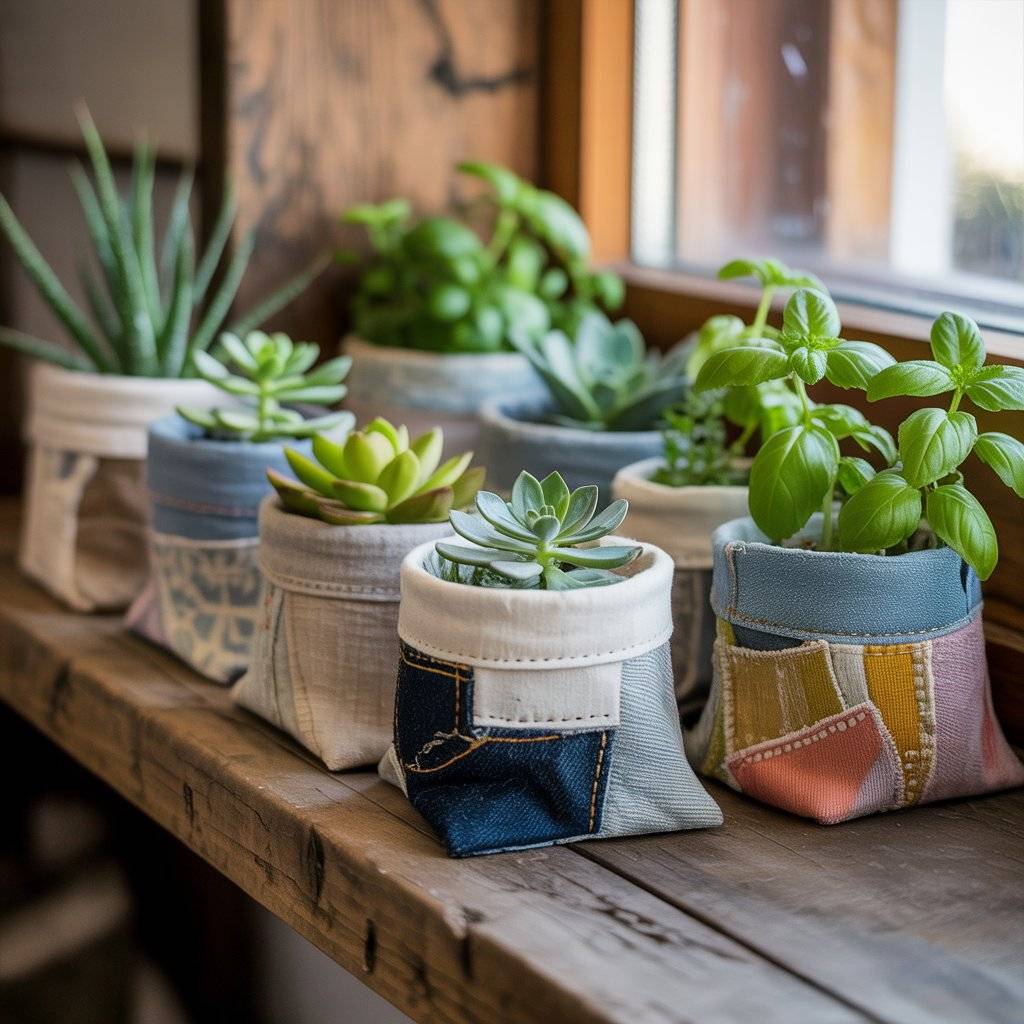
Instead of tossing old fabric scraps or worn-out clothes, you can turn them into small plant planters. These fabric planters are great for herbs, succulents, or small indoor plants, and they give a cozy, handmade vibe to any space.
To make them, cut fabric into squares or rectangles, fold and stitch the edges to create a pouch shape, and optionally add a thin cardboard base for structure. Natural fibers like cotton or linen work best. People like them because they’re lightweight, washable, and eco-friendly compared to plastic pots.
Crafts to Make and Sell Fast for Profit at Home
5. Jute-Weaved Accessories
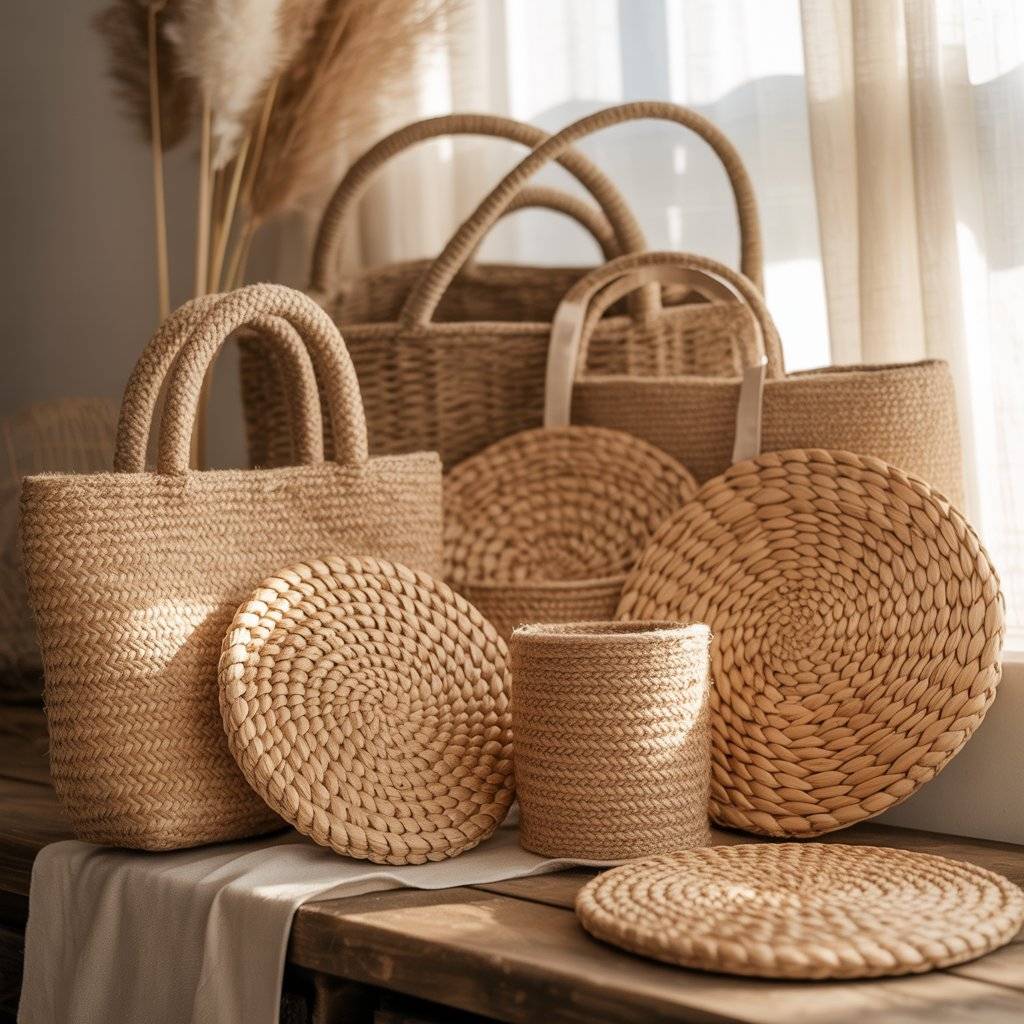
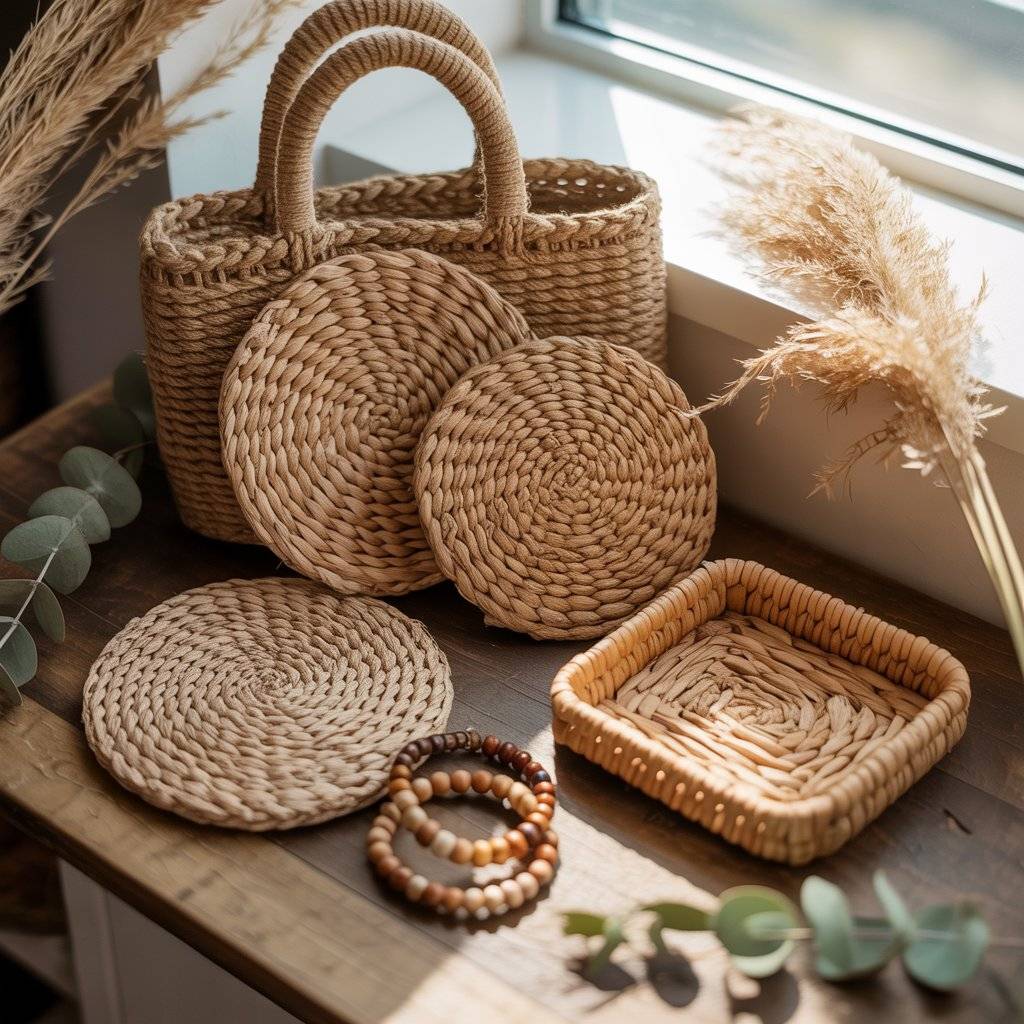
Jute is a natural plant fiber that’s sustainable, inexpensive, and versatile for crafts like bags, coasters, or wall art. Its earthy texture appeals to fans of boho and rustic décor. Basic weaving techniques can turn jute into small trays, bracelets, or decorative elements.
Products like these often bring in buyers who like natural materials and sustainable design. Selling tips: photograph items in natural light and list them with keywords like “eco décor” or “sustainable gifts” to reach the right audience.
6. Recycled Paper Notebooks
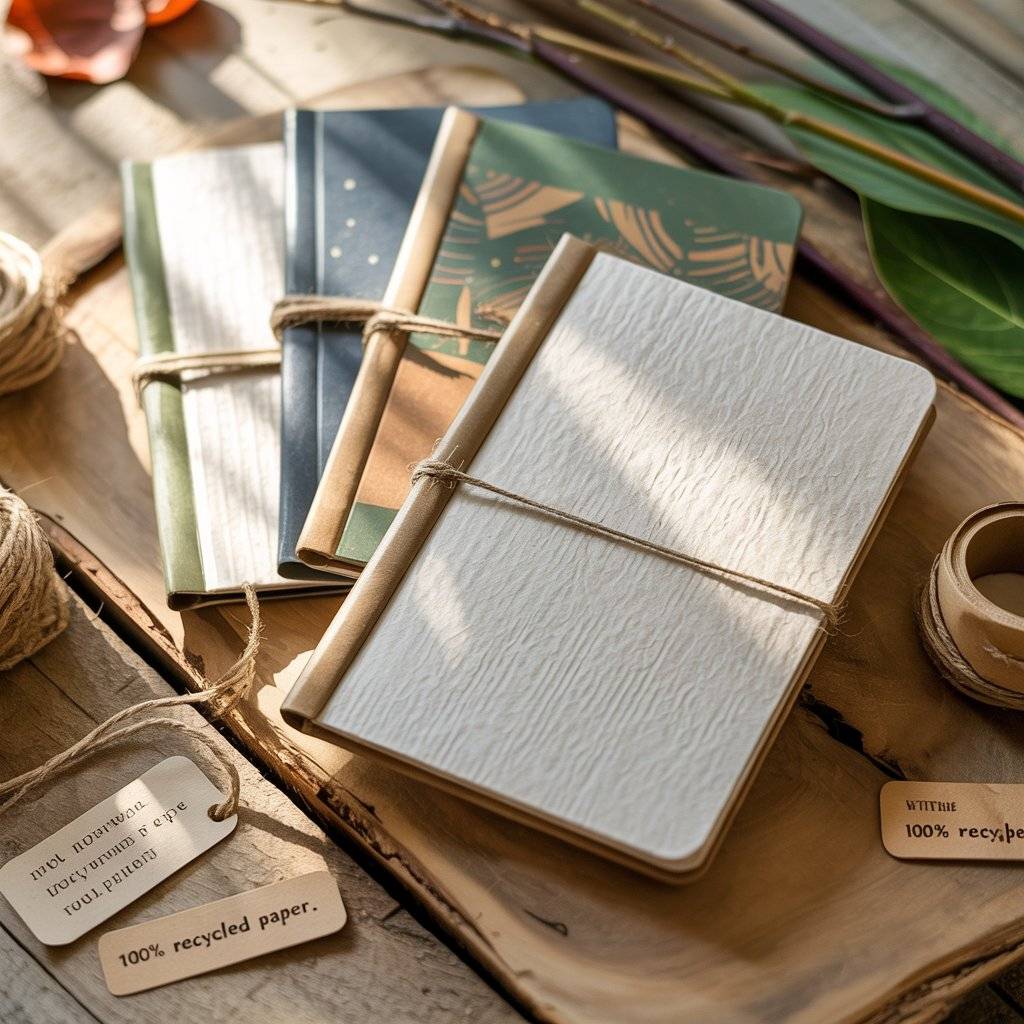
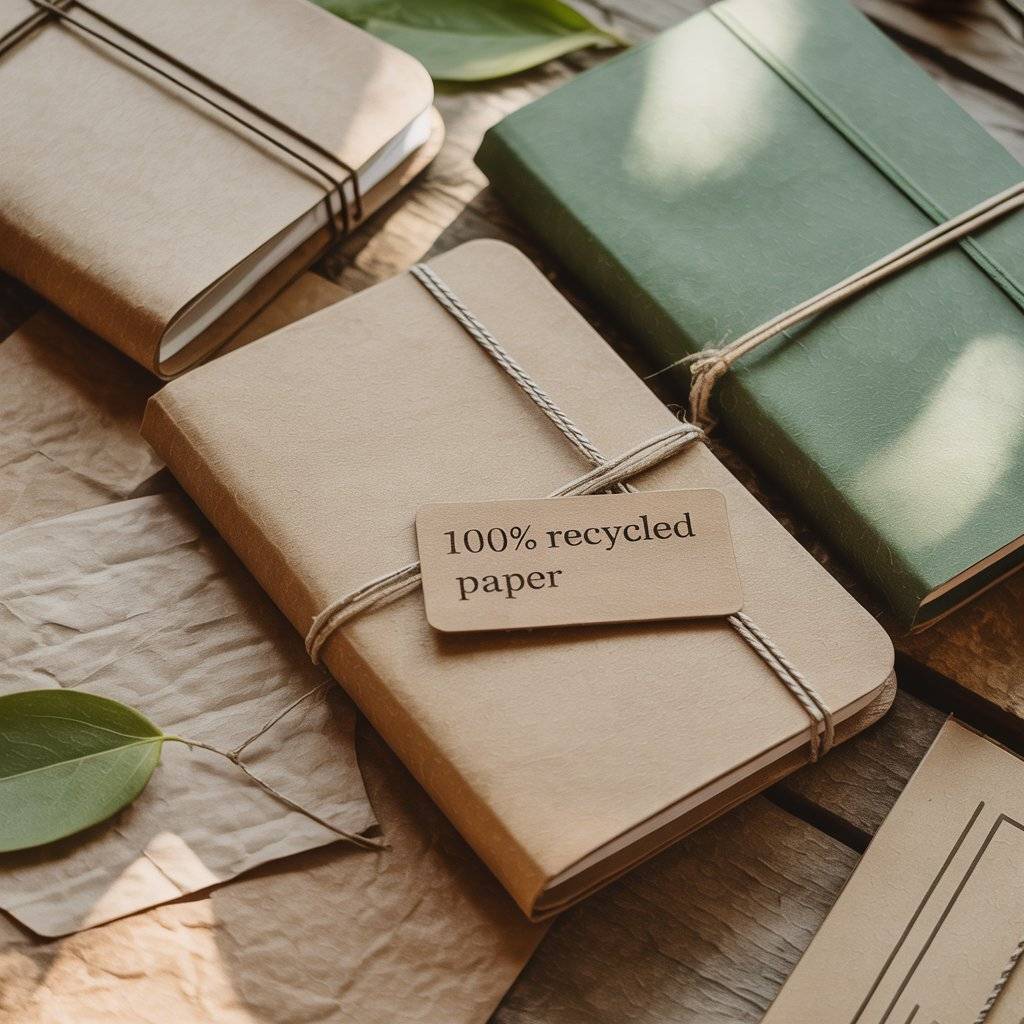
Old paper, scrap materials, or pages from unused notebooks can be repurposed into recycled paper journals or notebooks. Cut your paper to size, bind it using a simple stitch or clip system, and add a recycled card cover.
These notebooks are useful, eco-friendly, and attractive to eco-conscious students, writers, or planners. Selling tips: add a tagline like “100% Recycled Paper” and offer custom cover designs for birthdays or events.
7. Pallet Wood Planters
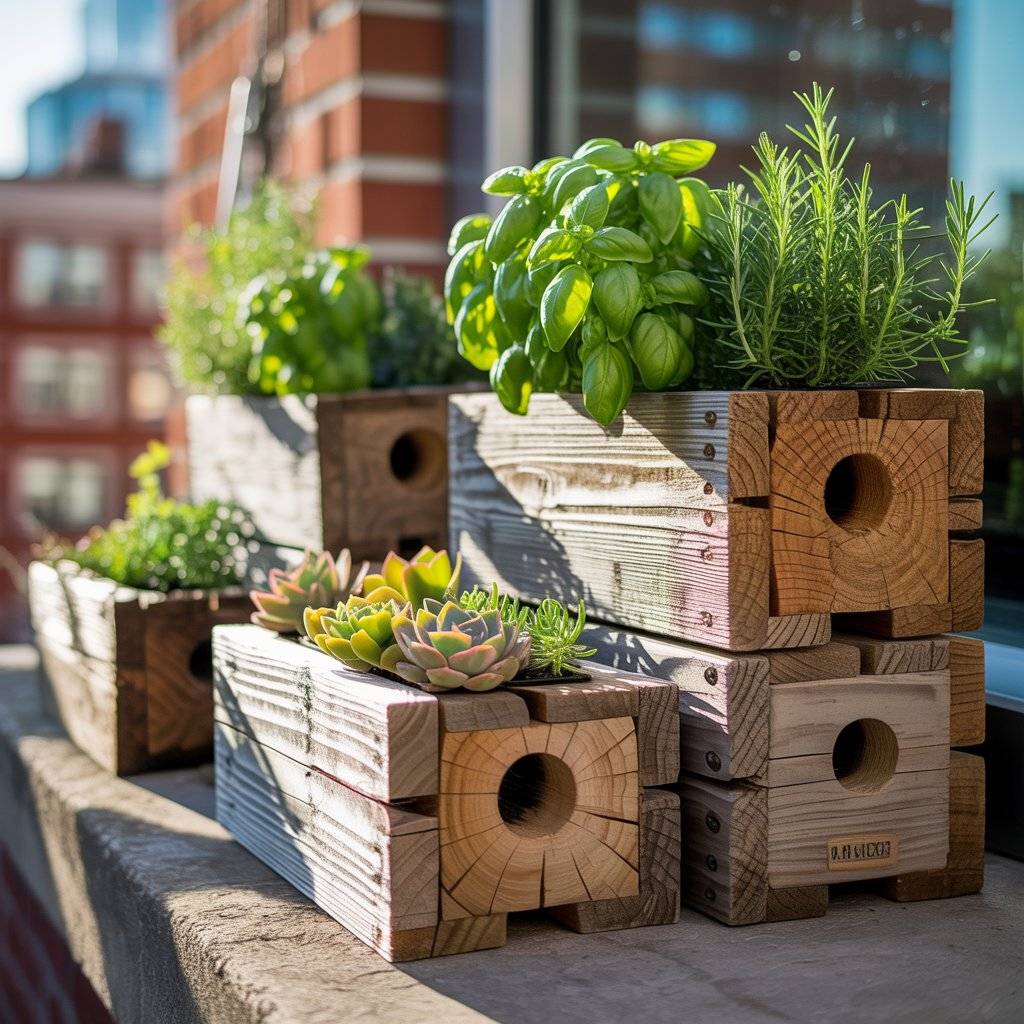
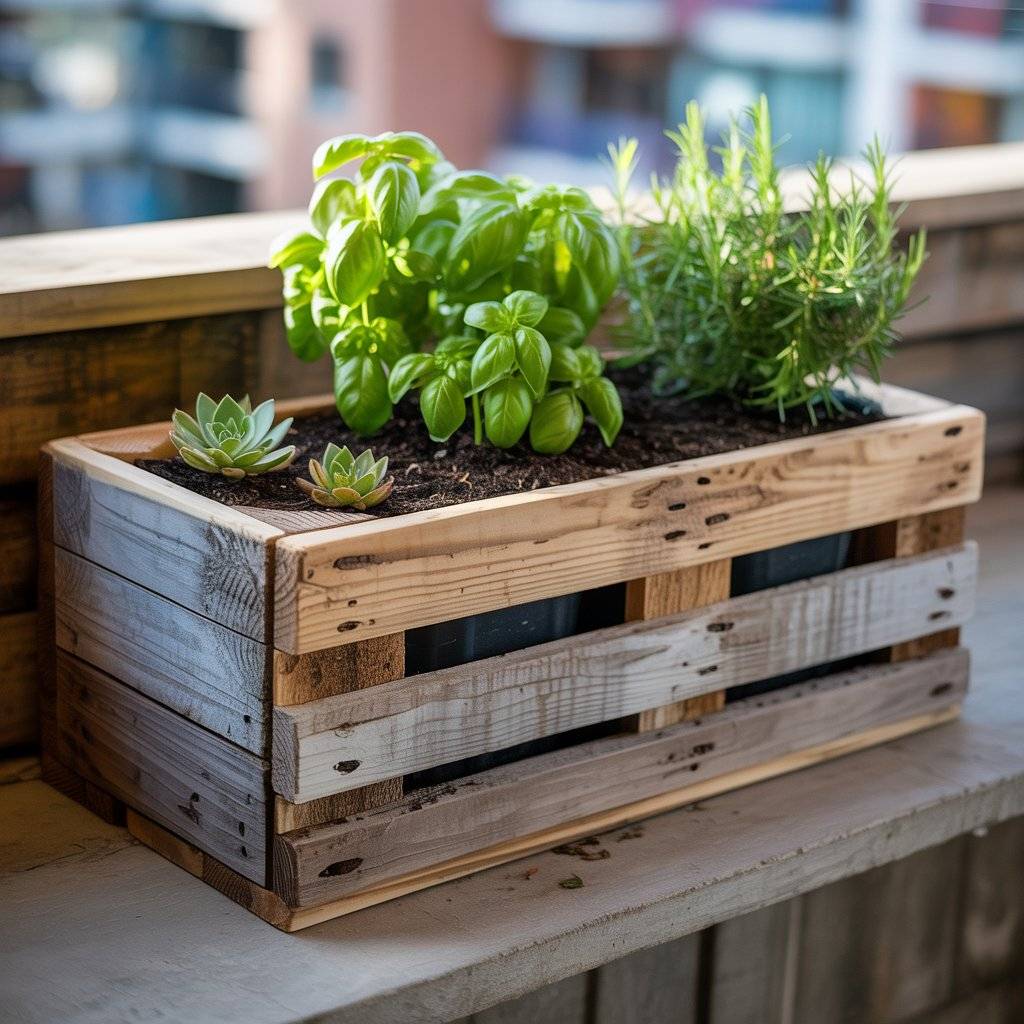
Reclaimed pallet wood is often free or inexpensive and can be made into rustic planters. After cleaning and sanding the wood, cut it to size and assemble small boxes with basic tools. Add drainage holes and fill with soil and herbs or succulents.
These have appeal as sustainable garden products, especially in urban areas where balcony gardening is popular. Selling tips: include a small plant in the first sale to show buyers exactly how it looks in use. Pallet projects are popular with garden shops or eco markets.
8. T-Shirt Tote Bags
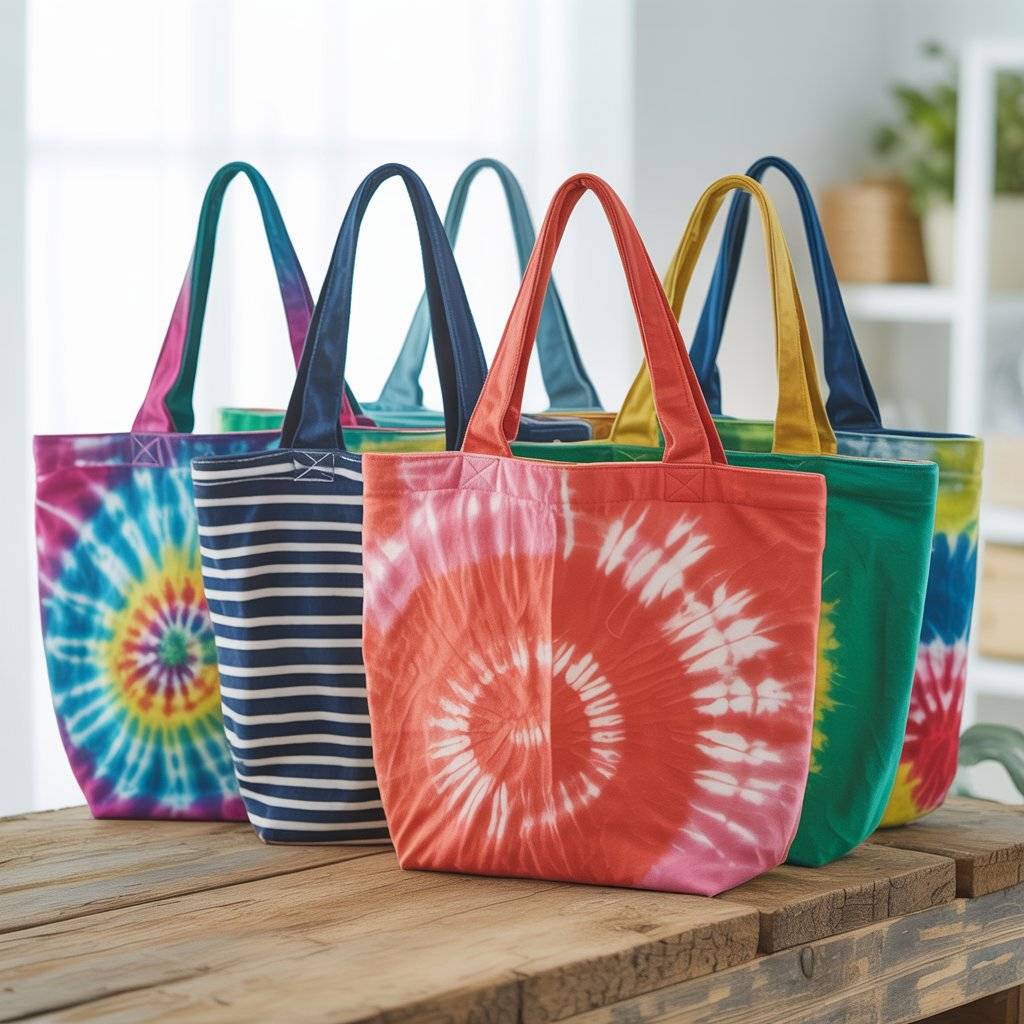
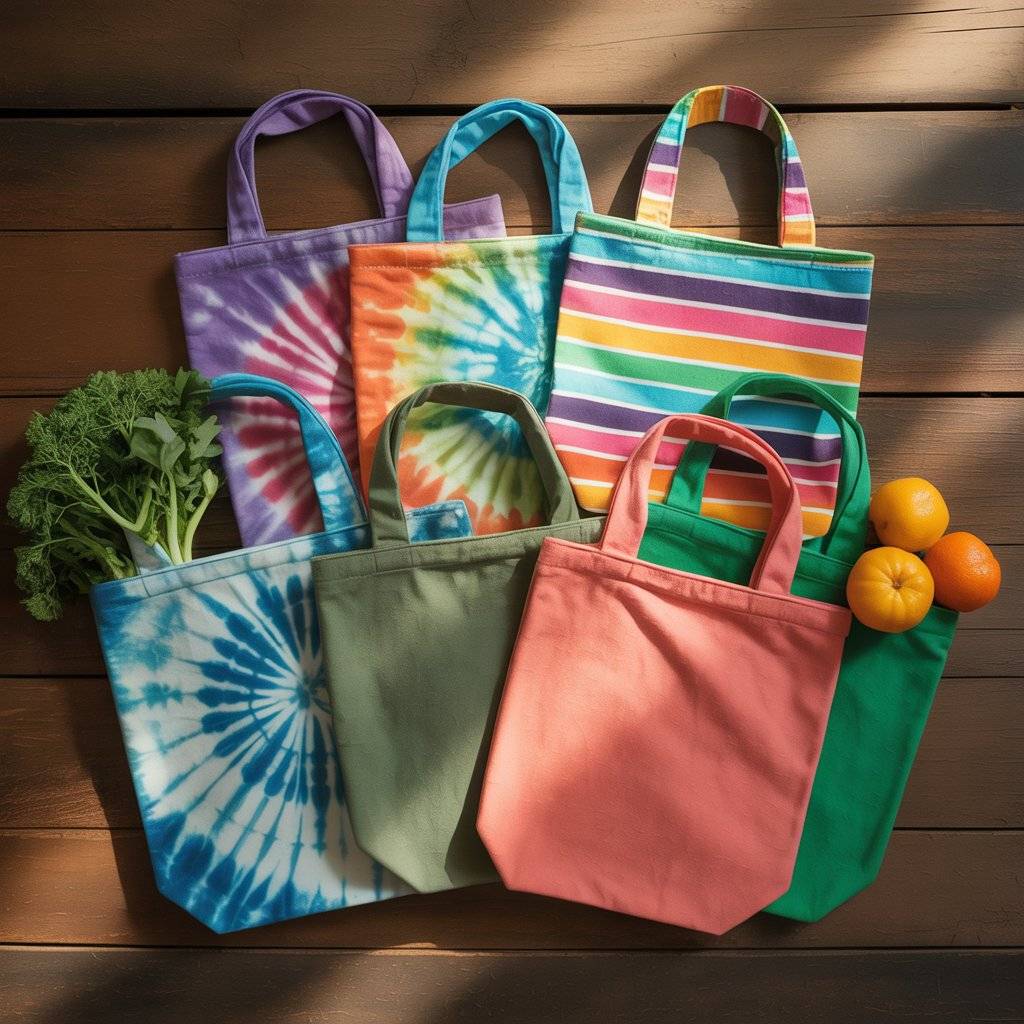
Old t-shirts are perfect for making eco-friendly tote bags without sewing. Cut off sleeves and neckline, then tie or stitch the bottom to create a sturdy carrying bag. These bags reduce textile waste and provide a no-plastic alternative at grocery stores.
Selling tips: offer fun color mixes or tie-dye patterns, and sell sets of two. Customers who want sustainable shopping choices will appreciate these affordable bags.
9. Bottle Cap Magnets
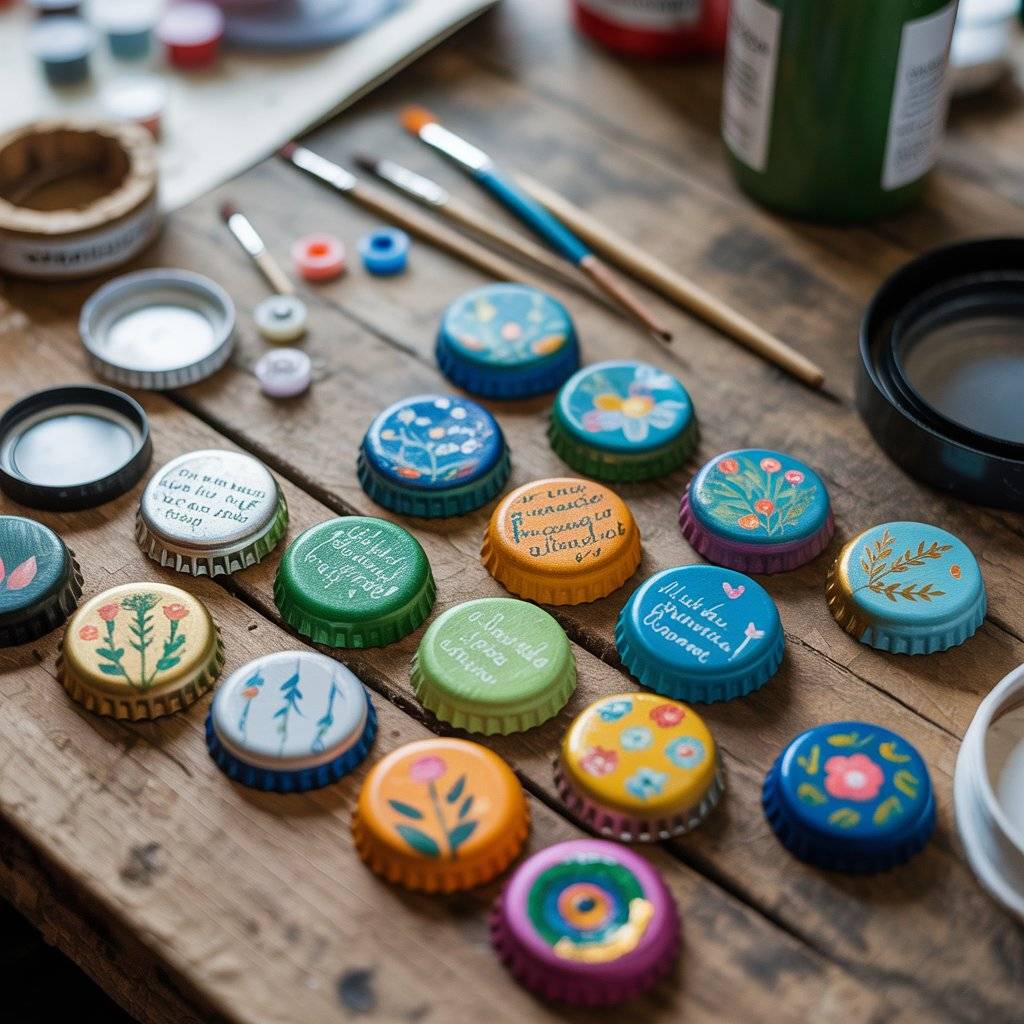
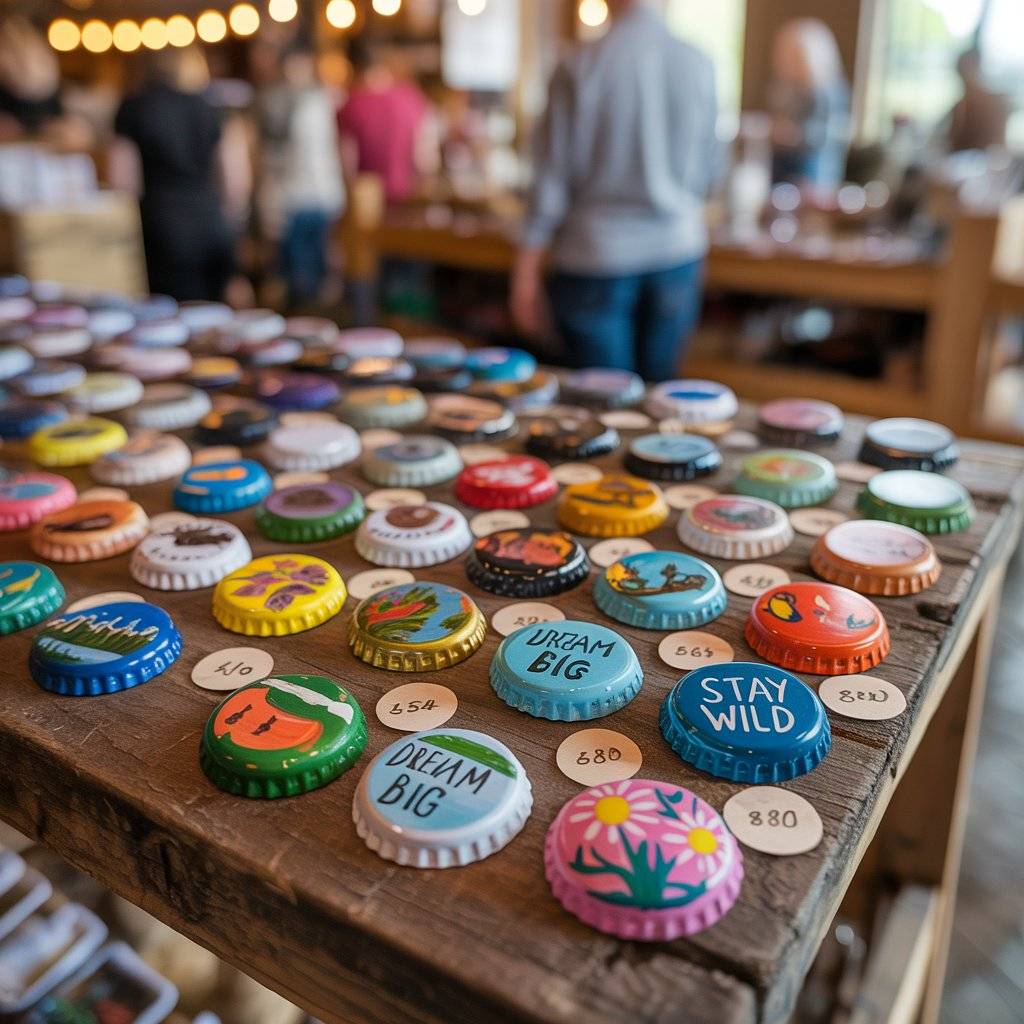
Small recycled objects like bottle caps can be turned into magnets with a bit of creativity. Clean the caps, decorate them with paint or small designs, add small magnets on the back, and you’ve got a quirky eco product.
These are inexpensive to make but can bring visitors to your table at craft markets, especially if your designs tell a story or reflect local culture. Selling tips: group them in themed sets nature, quotes, or bright patterns to encourage multiple sales.
10. Natural Lip Balm
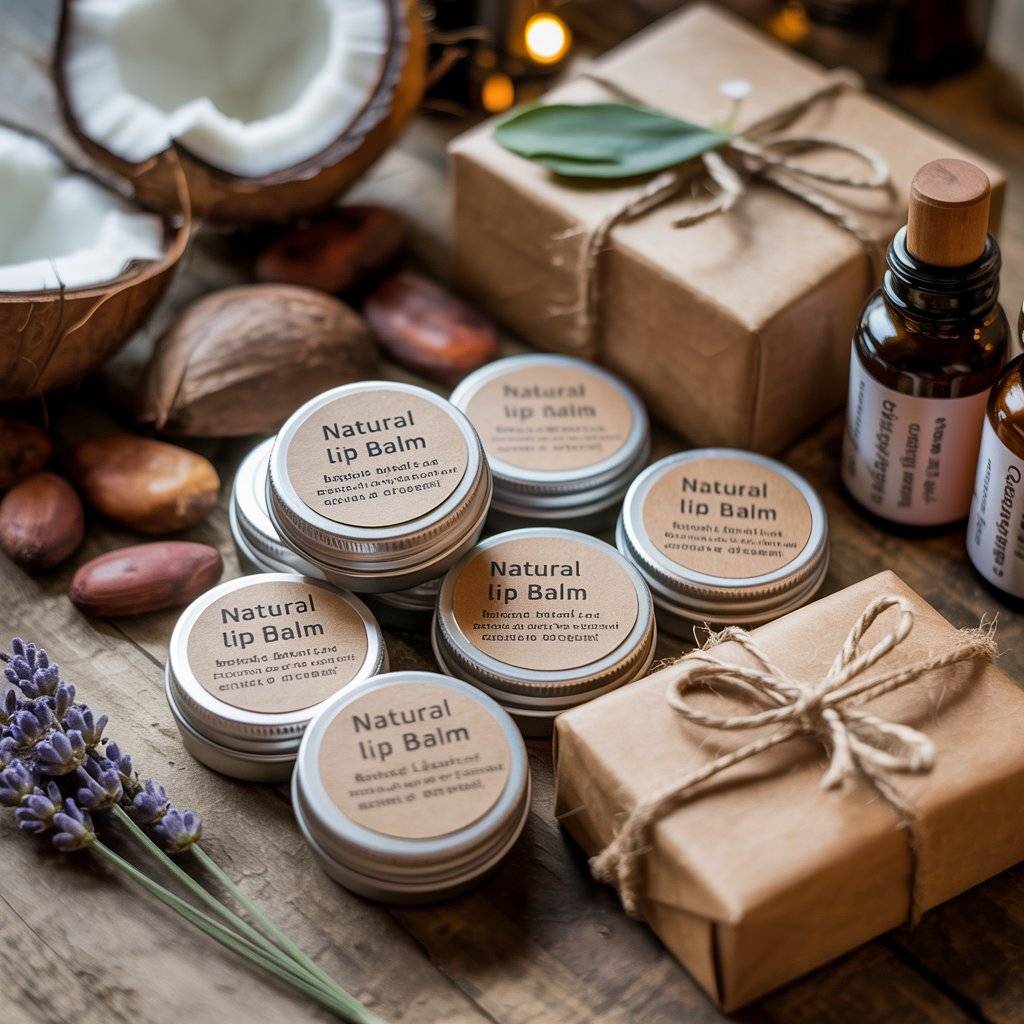
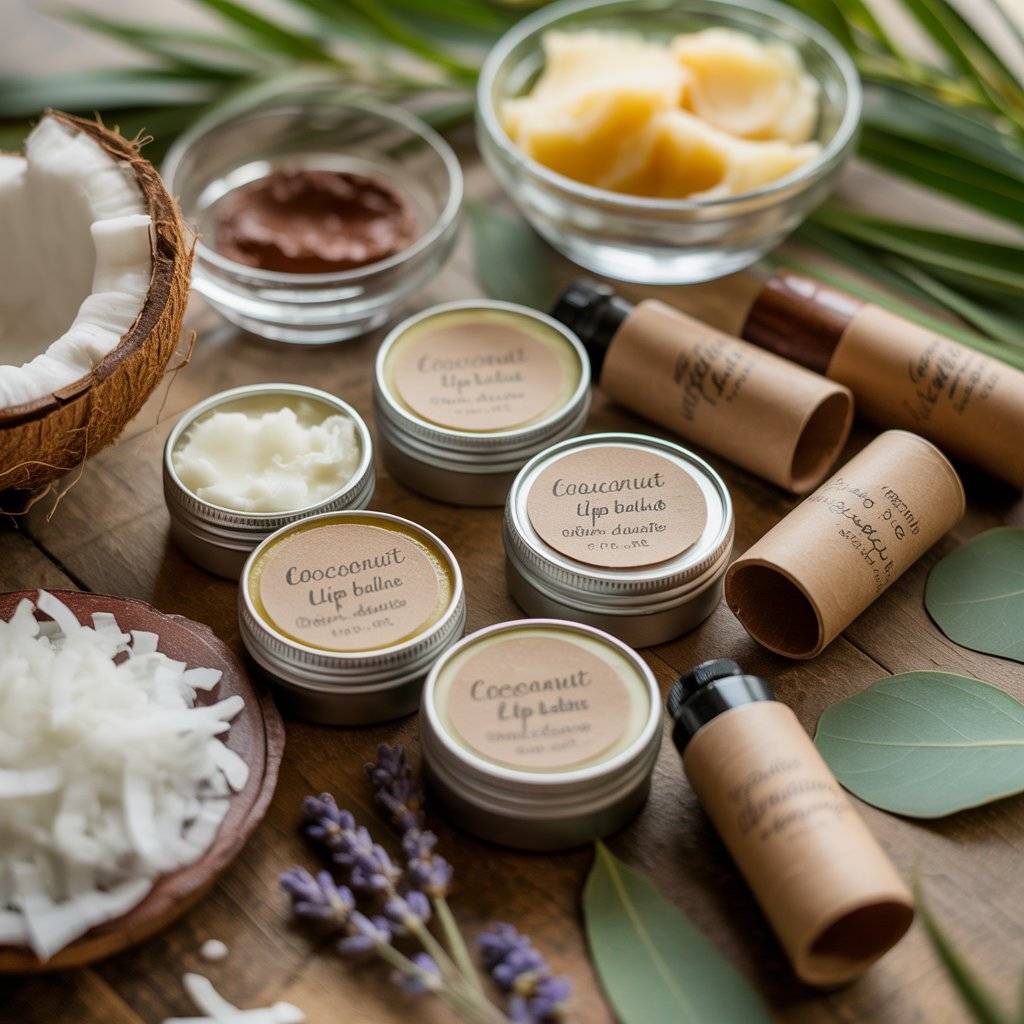
Using organic oils like coconut, shea, or cocoa butter, you can make natural lip balm that’s free from petroleum and plastic tubes. Melt the base ingredients together, add a few drops of essential oil for scent, and pour into small reusable tins or biodegradable tubes.
These appeal to buyers focused on natural beauty and zero-waste products. Selling tips: package them in small gift boxes and sell as “eco skincare essentials.” Organic markets and craft fairs are good places to sell.
11. Coconut Shell Bowls
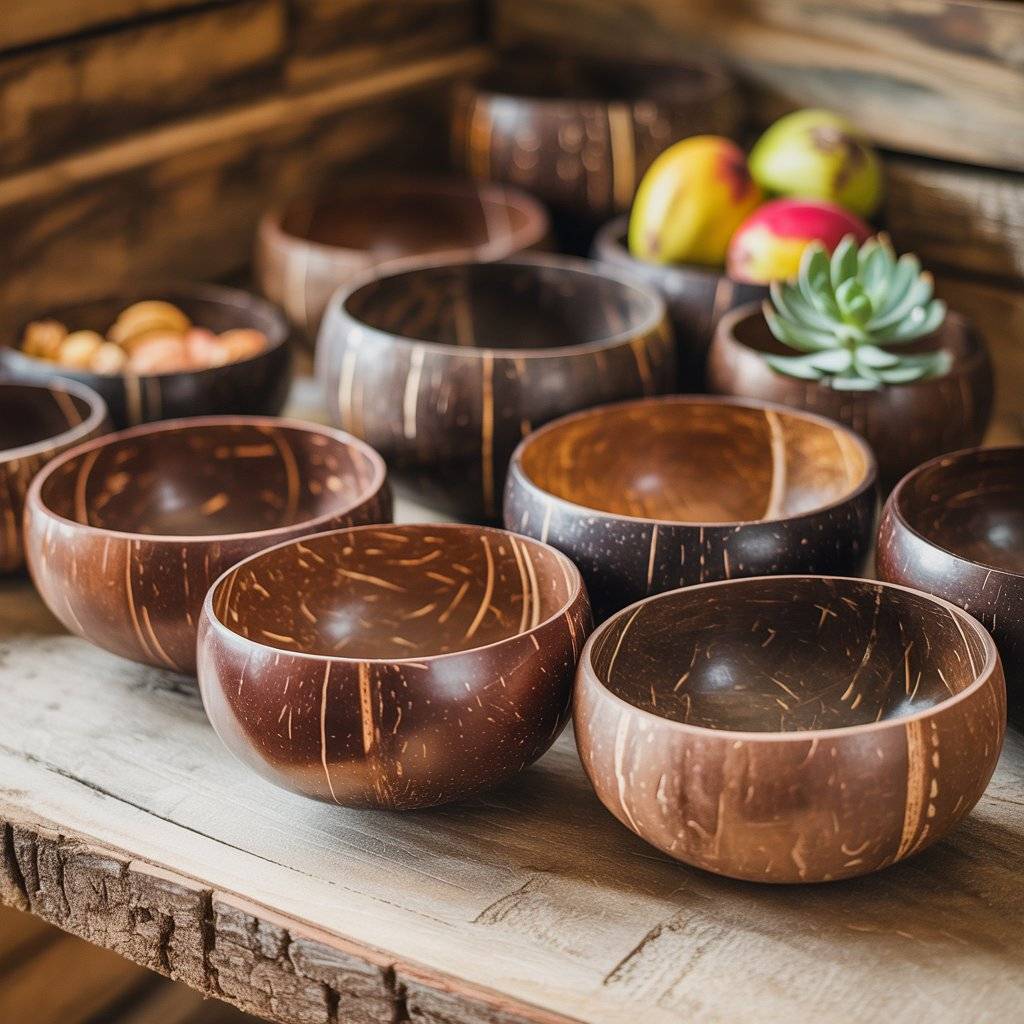
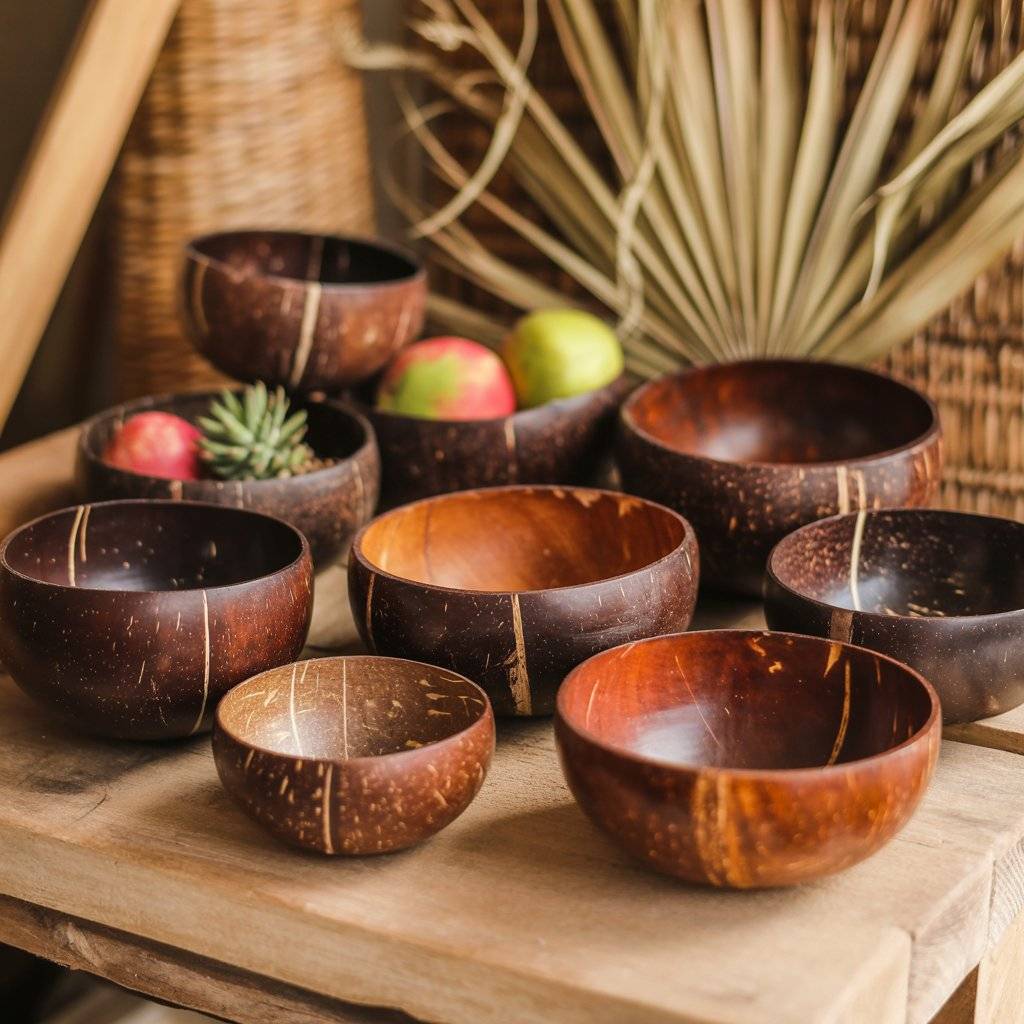
Coconut shell bowls are a great example of turning waste into something useful and beautiful. After coconuts are used for food, the shells are often thrown away, but they can be cleaned, sanded, and polished into durable bowls.
To make them, you start by thoroughly cleaning the shells and removing any remaining fibers. Once dry, sand the inside and outside until smooth, then polish with natural oil like coconut or beeswax. These bowls are perfect for snacks, jewelry storage, or decorative use. People like them because they’re natural, reusable, and each one looks different.
To sell them, focus on their handmade and zero-waste nature. They do well at eco markets and online shops that sell sustainable home goods. If making isn’t an option, you can also source unfinished shells from local markets and finish them yourself at home.
12. Natural Fiber Scrub Brushes
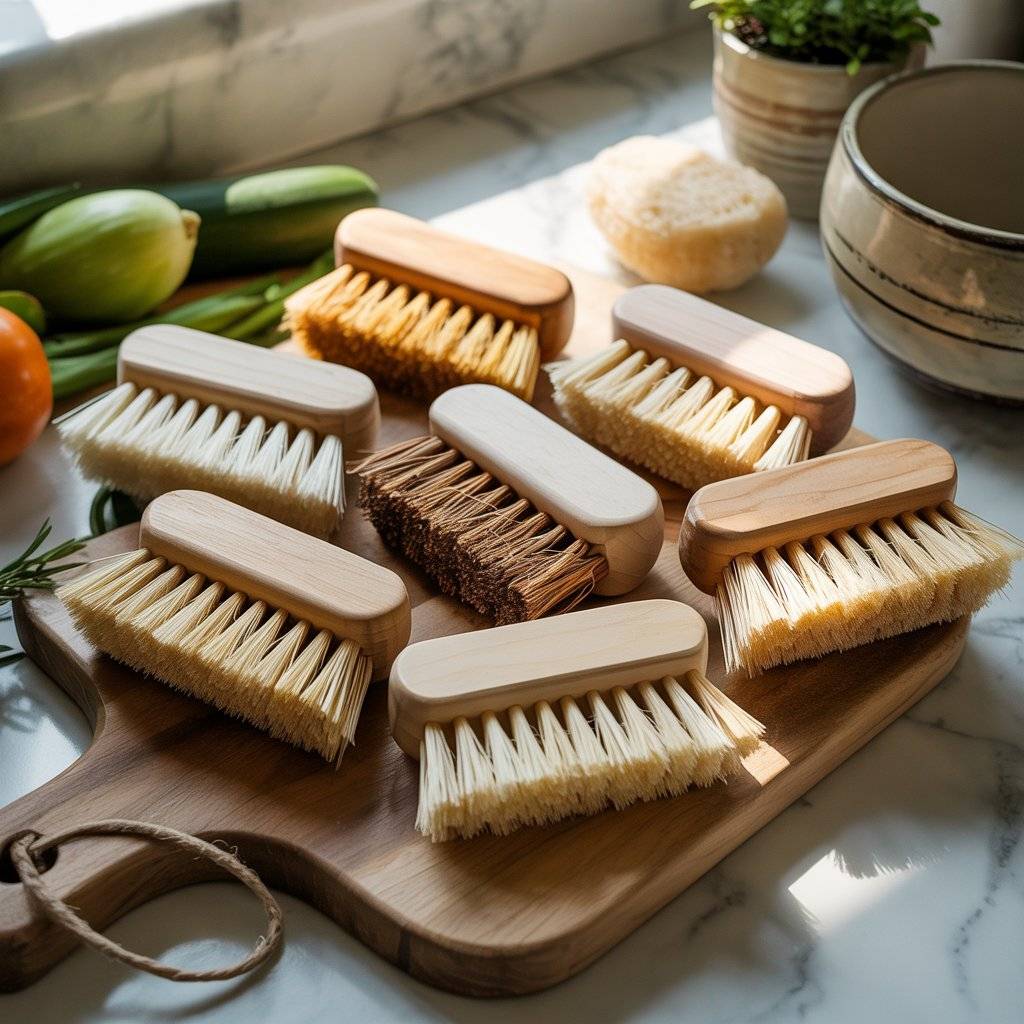
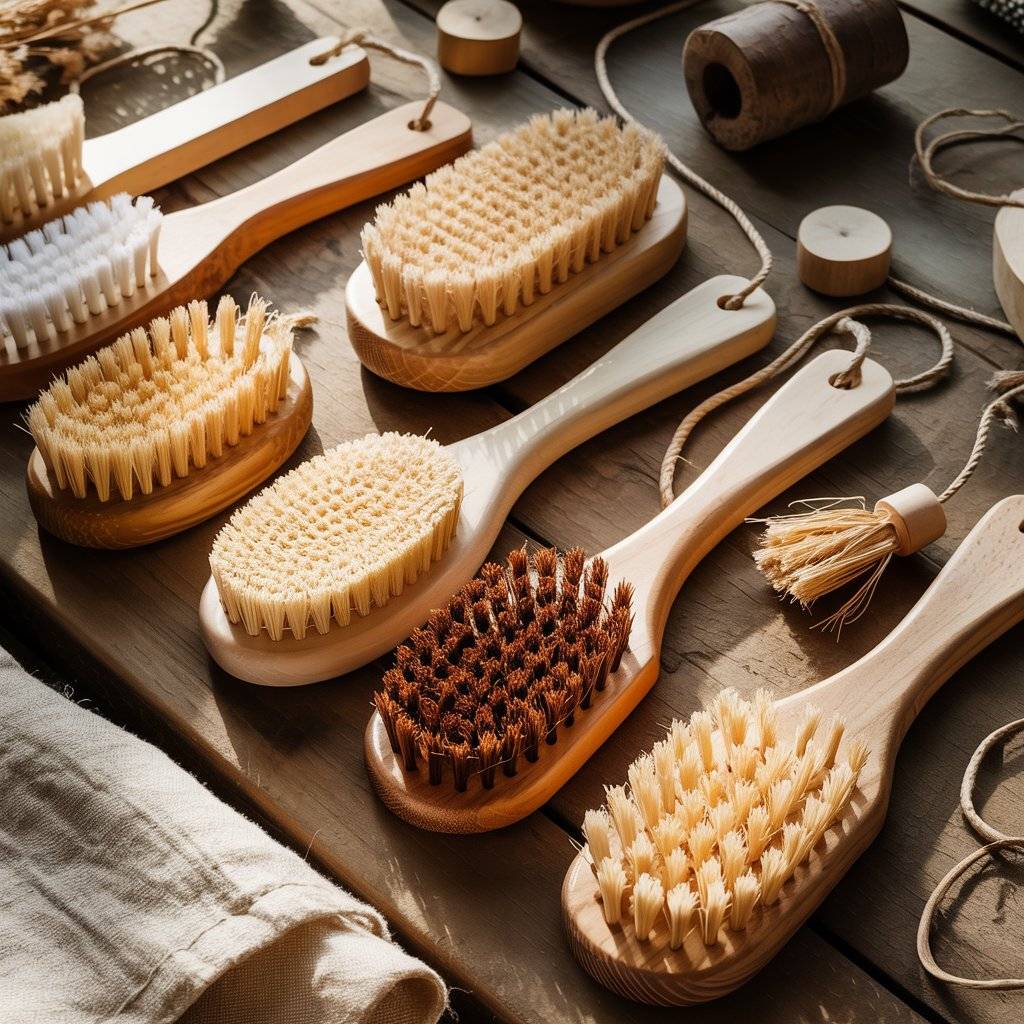
Natural scrub brushes made from plant fibers are a strong alternative to plastic cleaning tools. You can make them using wooden handles and fibers like sisal, coconut husk, or loofah. These brushes work well for dishes, vegetables, or general household cleaning.
To create them, attach trimmed fibers tightly into pre-drilled wooden bases using strong natural twine or adhesive. What makes these appealing is their durability and compostable materials. Buyers often look for plastic-free cleaning products, and scrub brushes are something every household needs.
Sell them as part of a “green cleaning kit” or individually with simple care instructions. They’re especially popular with zero-waste shoppers and people switching to eco-friendly lifestyles.
13. Refillable Scent Sachets
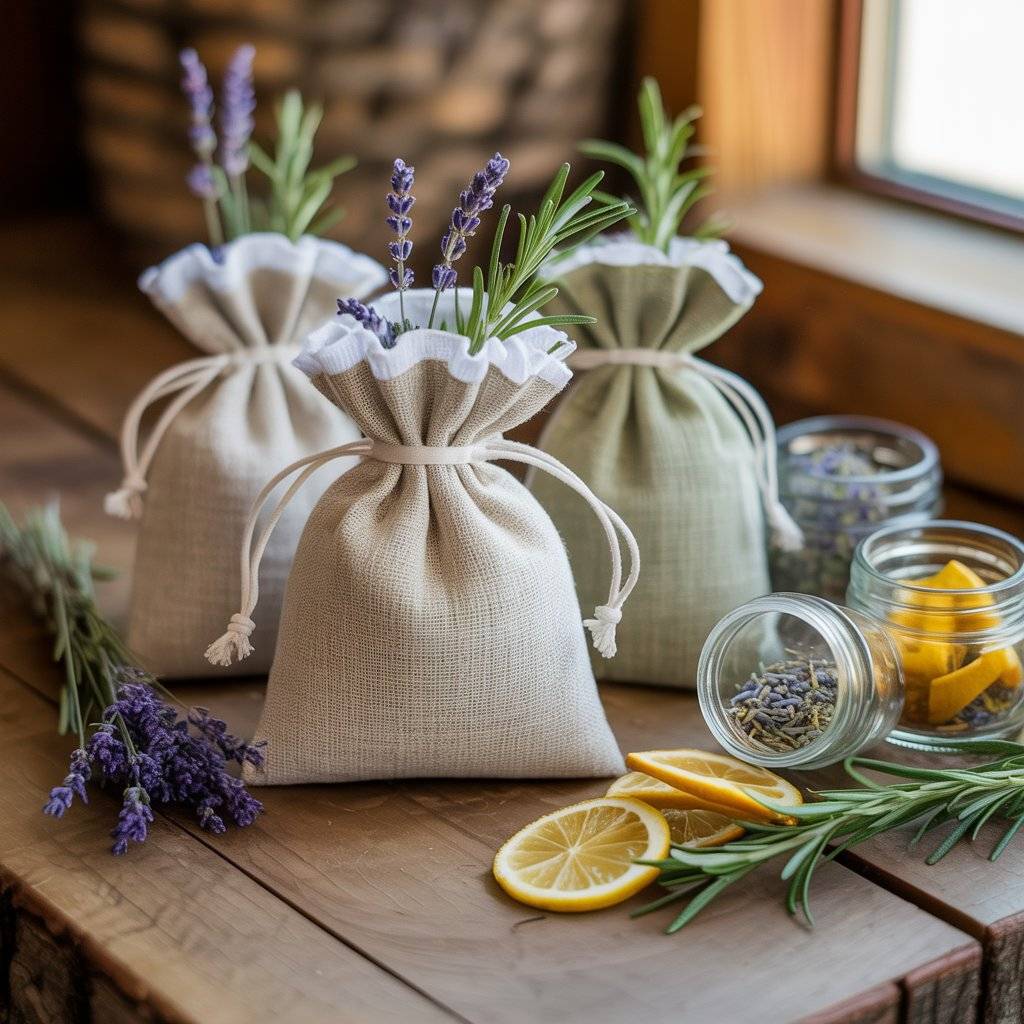
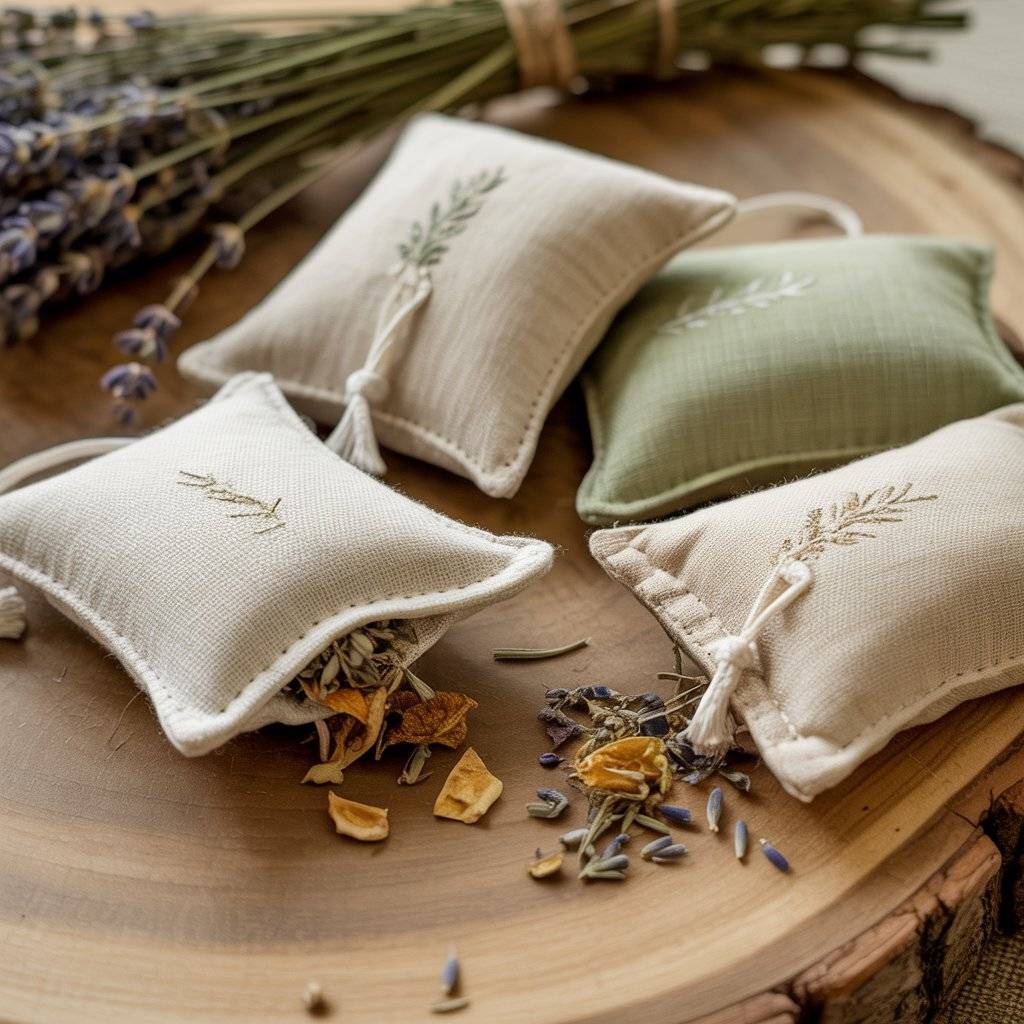
Refillable scent sachets are small fabric pouches filled with dried herbs, flowers, or natural scents like lavender, rosemary, or lemon peel. They’re used in closets, drawers, cars, or shoes to keep things smelling fresh without chemicals.
To make them, sew small cotton or linen bags and fill them with dried plant materials. The key feature is making them refillable, so buyers can reuse the pouch again and again. People like products that last longer and reduce waste.
When selling, explain how customers can refill them at home. You can offer refill packs separately, which creates repeat sales. These sachets are affordable, lightweight, and easy to ship.
14. Reclaimed Fabric Floor Mats
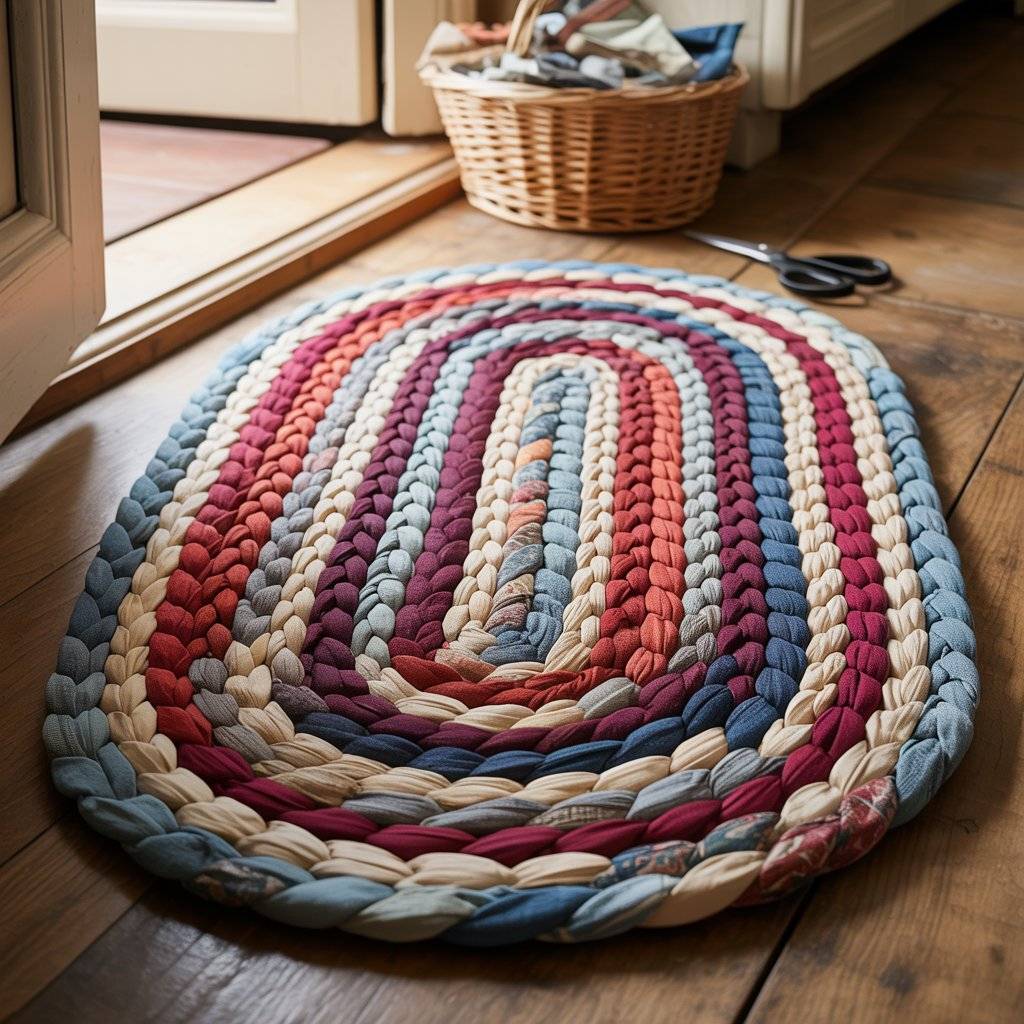
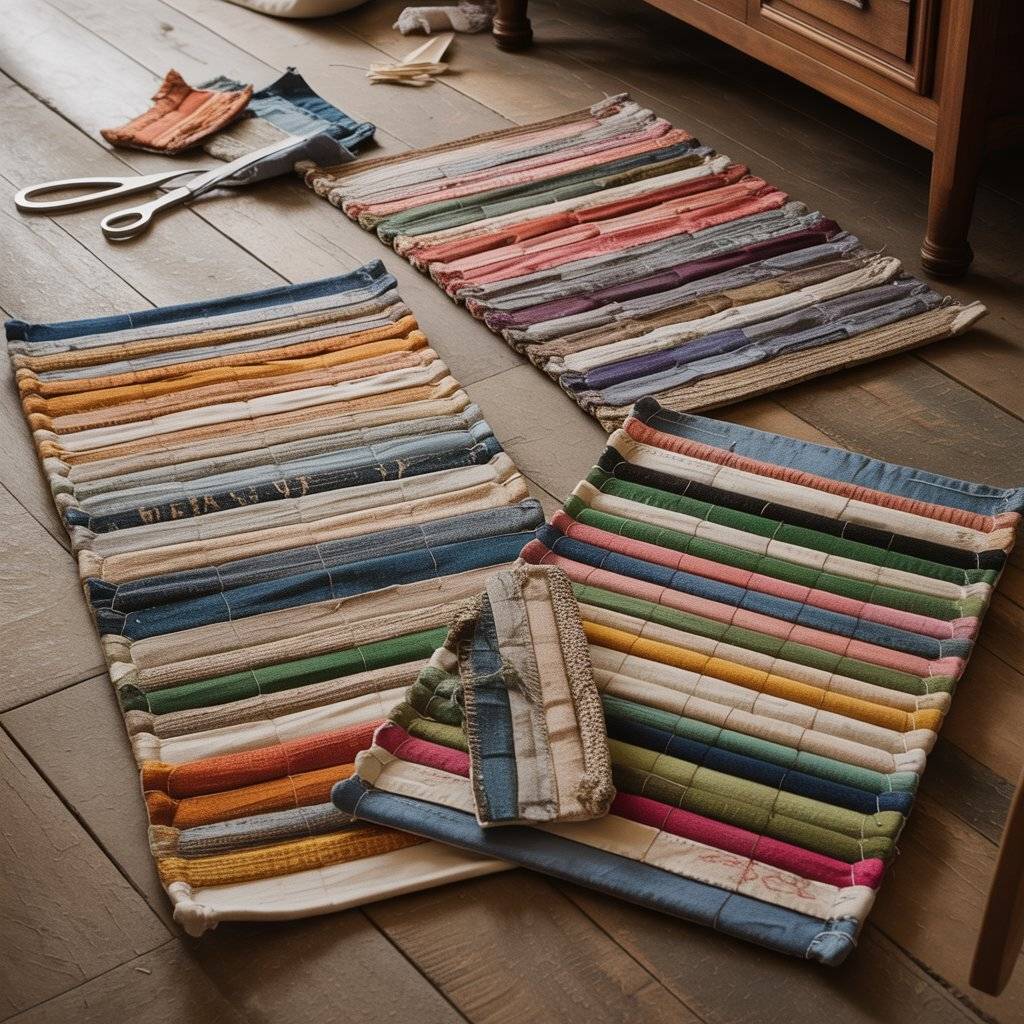
Old towels, clothing, or fabric scraps can be woven or braided into sturdy floor mats. This project keeps textiles out of landfills while creating something useful for kitchens, bathrooms, or entryways.
To make one, cut fabric into long strips, braid or weave them tightly, then stitch or secure the ends. These mats are washable, durable, and full of character because no two look the same. Buyers appreciate the story behind them, especially when they’re made from reclaimed materials.
When selling, show how thick and strong the mat is, and explain how it can be cleaned. These sell well locally because people like to feel the quality in person.
15. Wooden Herb Markers
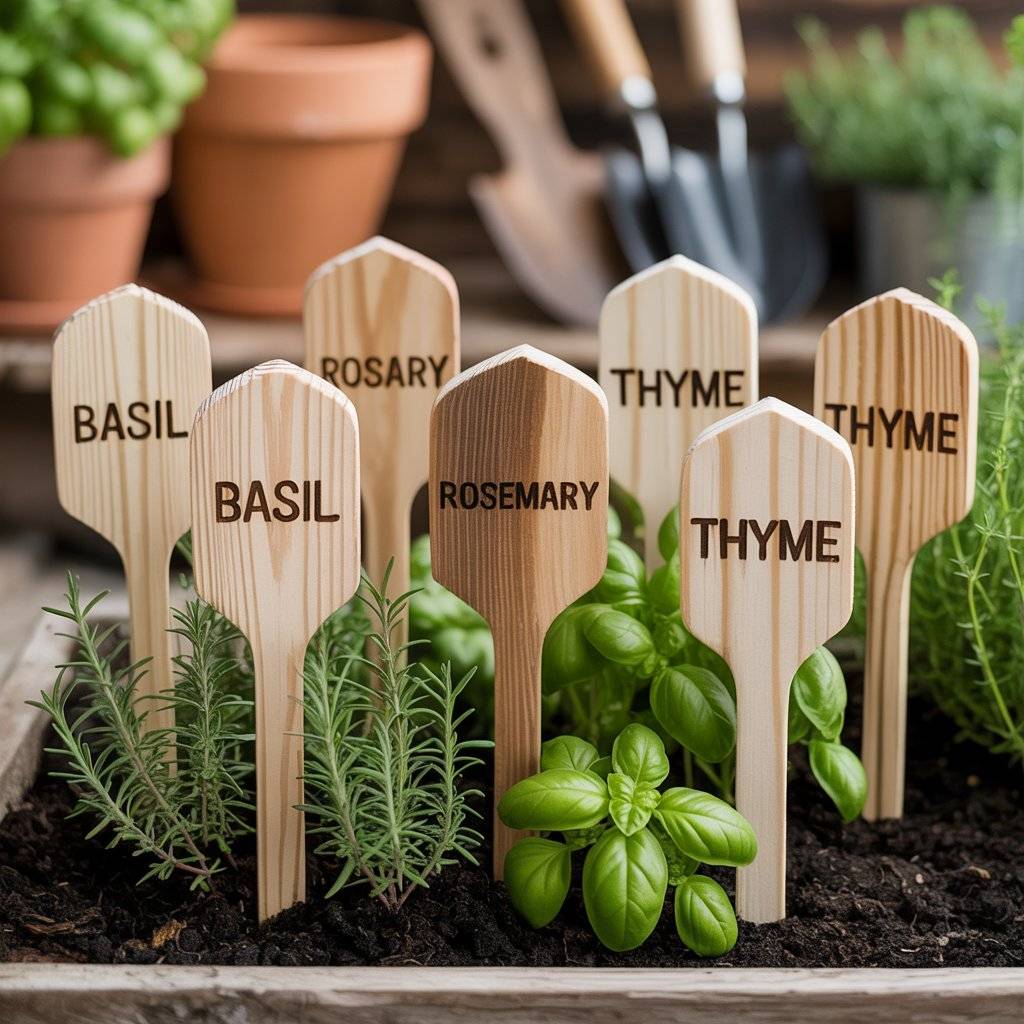
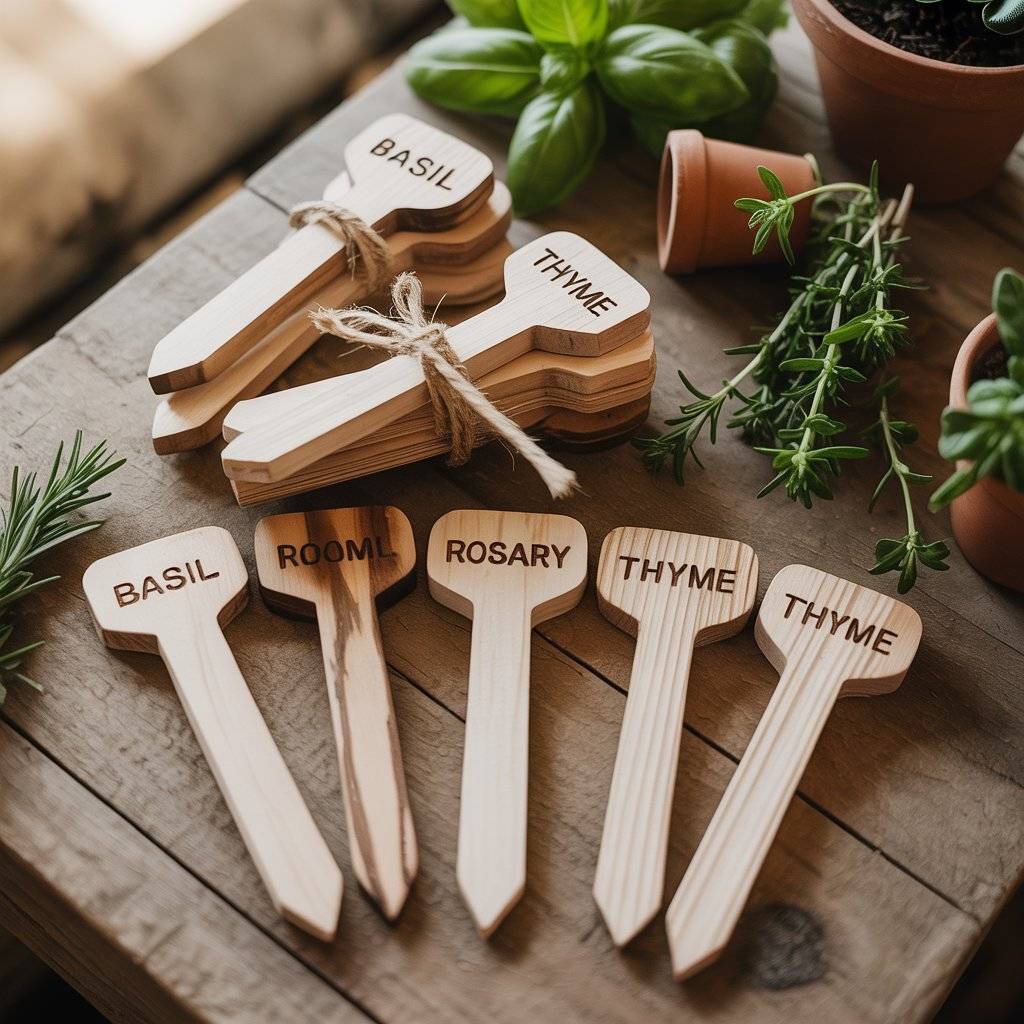
Wooden herb markers are simple, useful, and perfect for gardeners. They replace plastic plant labels and last much longer. To make them, cut thin pieces of scrap wood into stake shapes, sand them smooth, and write herb names using wood burning tools or weather-resistant paint.
These markers are great for home gardens, balcony pots, or gift sets for plant lovers. They’re quick to make and don’t require much material.
To sell them, bundle them in sets like “kitchen herbs” or “starter garden pack.” Buyers often purchase them alongside planters or seeds. This is a low-cost craft with steady demand.
16. Eco-Friendly Pet Toys
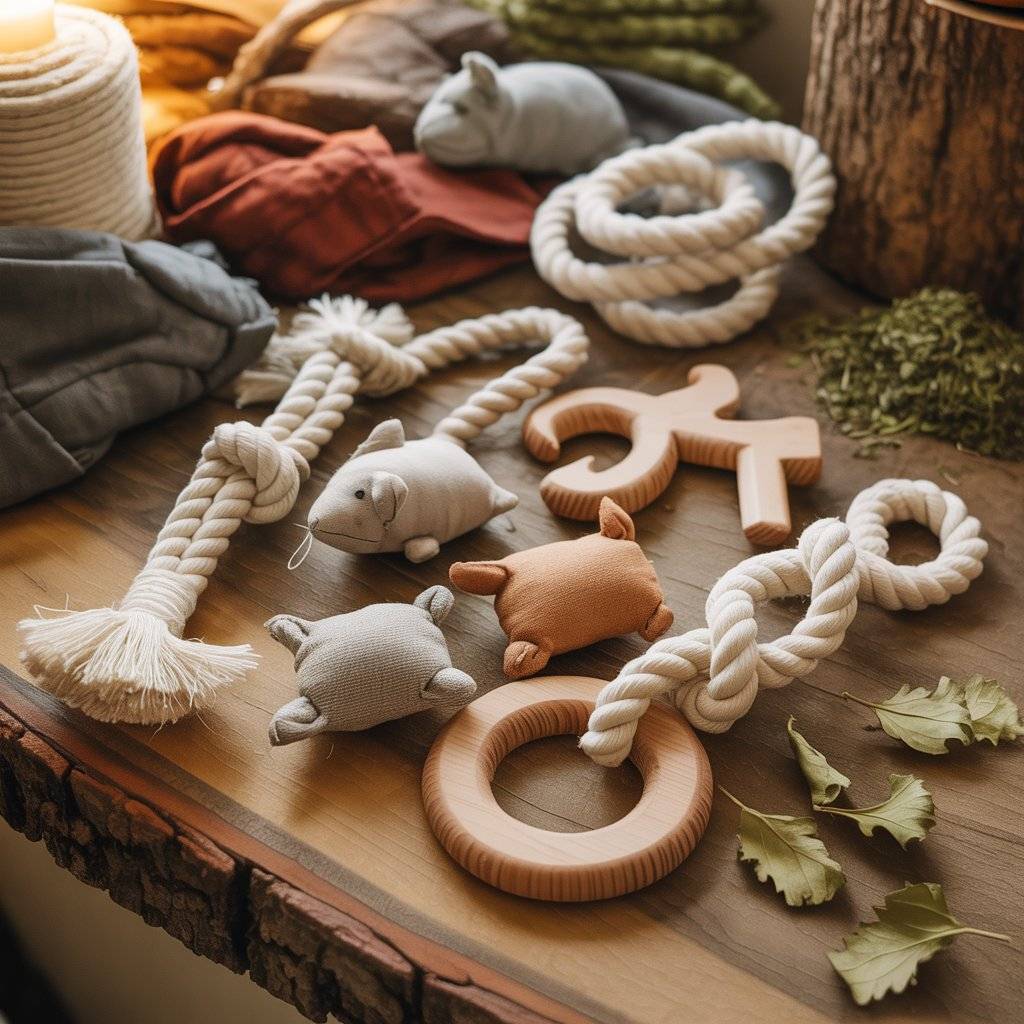
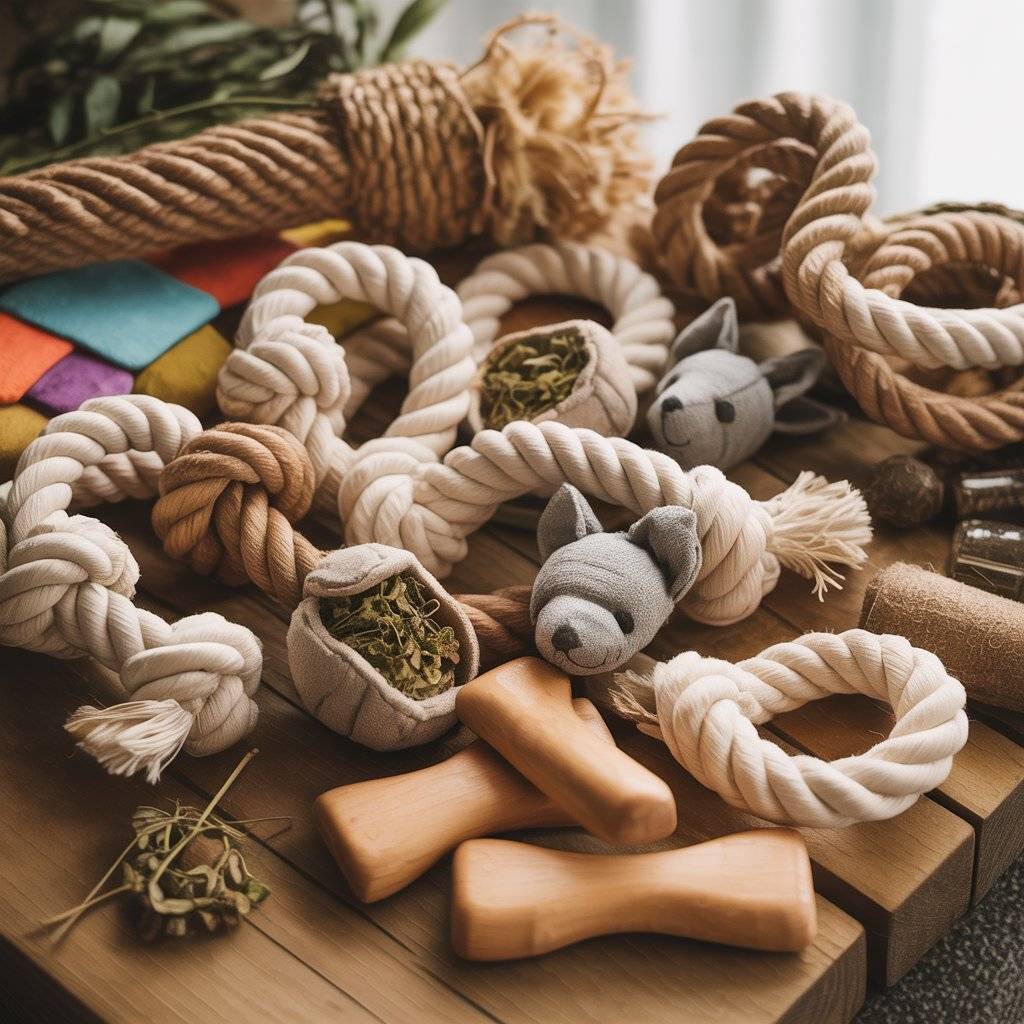
Pet owners are becoming more careful about what their animals play with. Eco-friendly pet toys made from natural rope, untreated wood, or recycled fabric are safer and more sustainable. You can make simple tug toys using cotton rope or braided fabric scraps.
For cats, small fabric toys filled with dried catnip work well. These toys avoid plastic and harsh chemicals, which many pet owners appreciate. When selling, clearly explain what materials are used and how the toys are made.
These products do well online and at local markets, especially when marketed as handmade and pet-safe. Simple designs are often best because they’re durable and easy to replace.
17. Reusable Fabric Gift Wraps
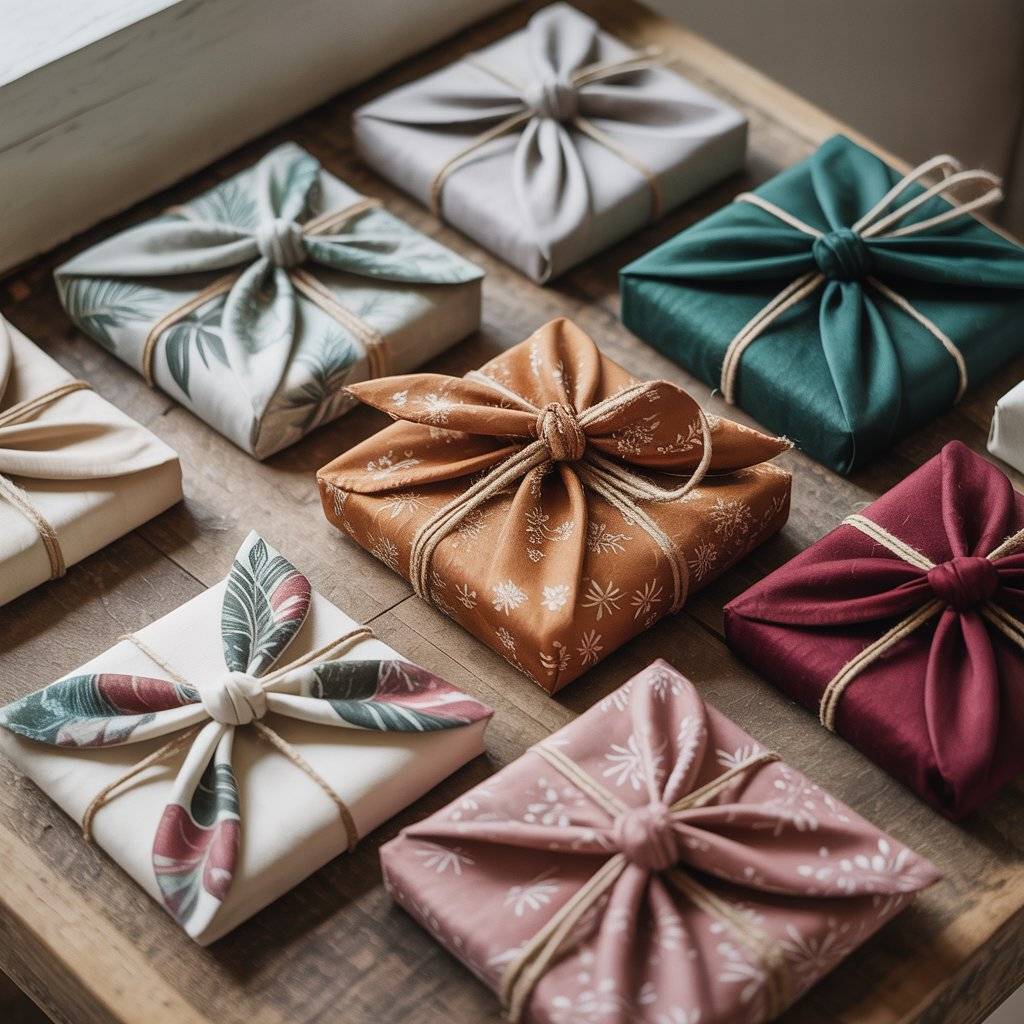
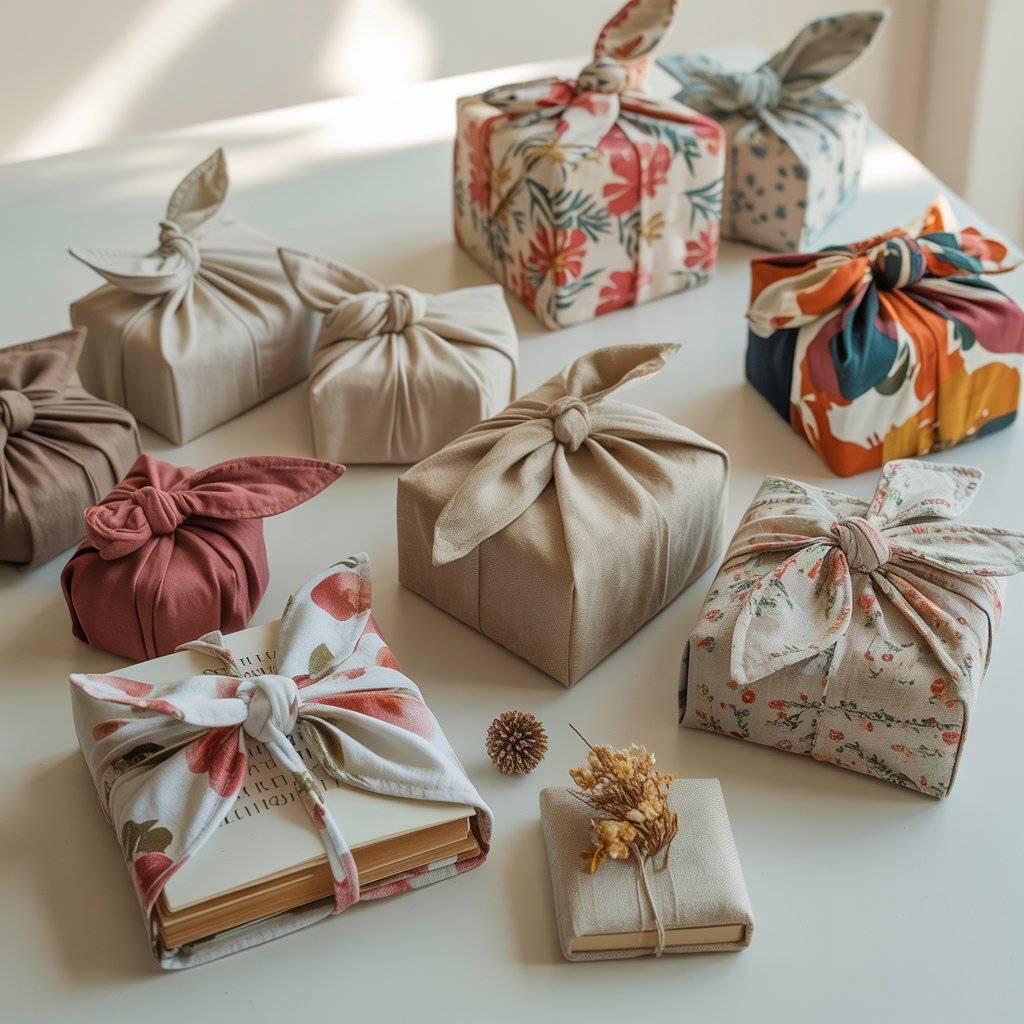
Reusable fabric gift wraps are a smart alternative to single-use wrapping paper. Instead of paper that gets torn and thrown away, these wraps can be used again and again. To make them, cut cotton or linen fabric into square or rectangular pieces and finish the edges with sewing or fabric glue.
Some people add simple ties or stitched borders to make them last longer. These wraps work well for birthdays, holidays, or special occasions. Buyers like them because they reduce waste and still look thoughtful and stylish.
To sell them, offer different sizes and patterns, and explain how they can be reused for years. They also work well as gift sets, especially during holiday seasons.
18. Loofah Soap Holders
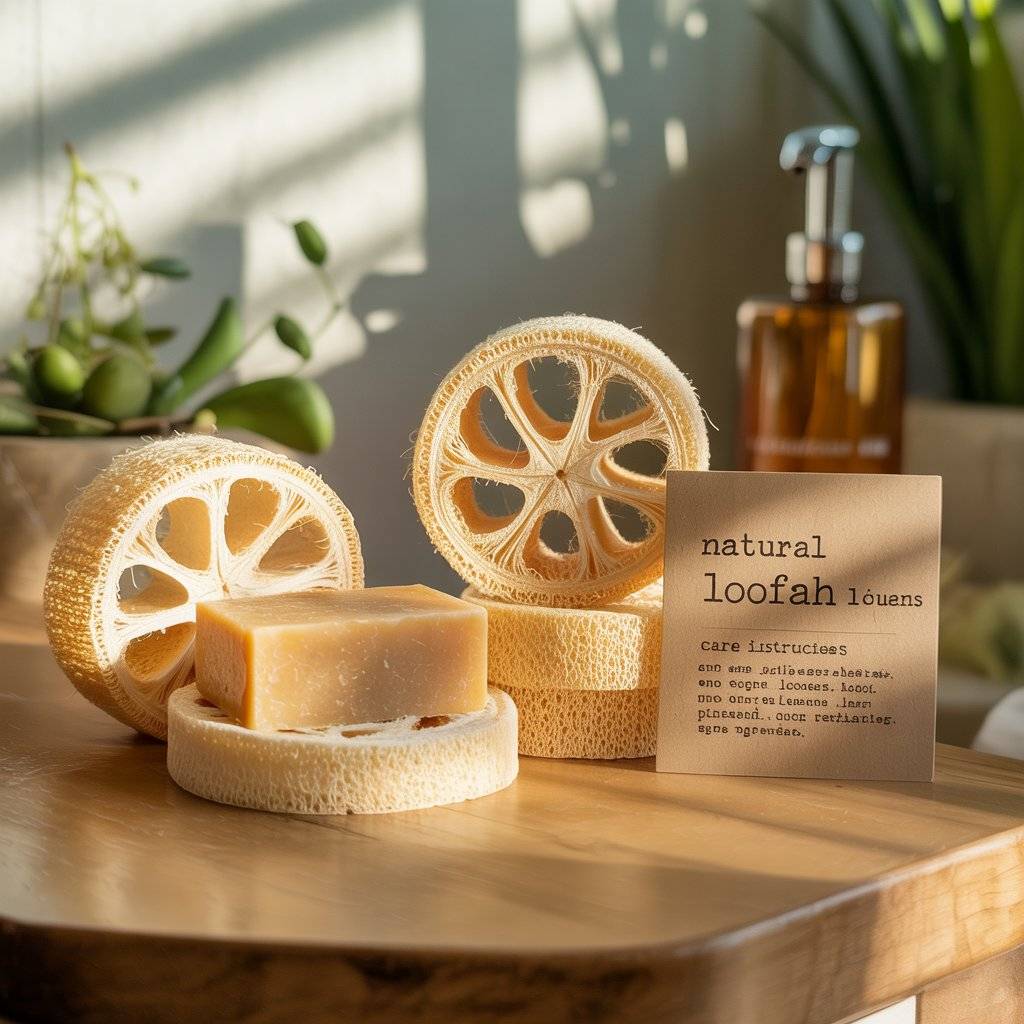
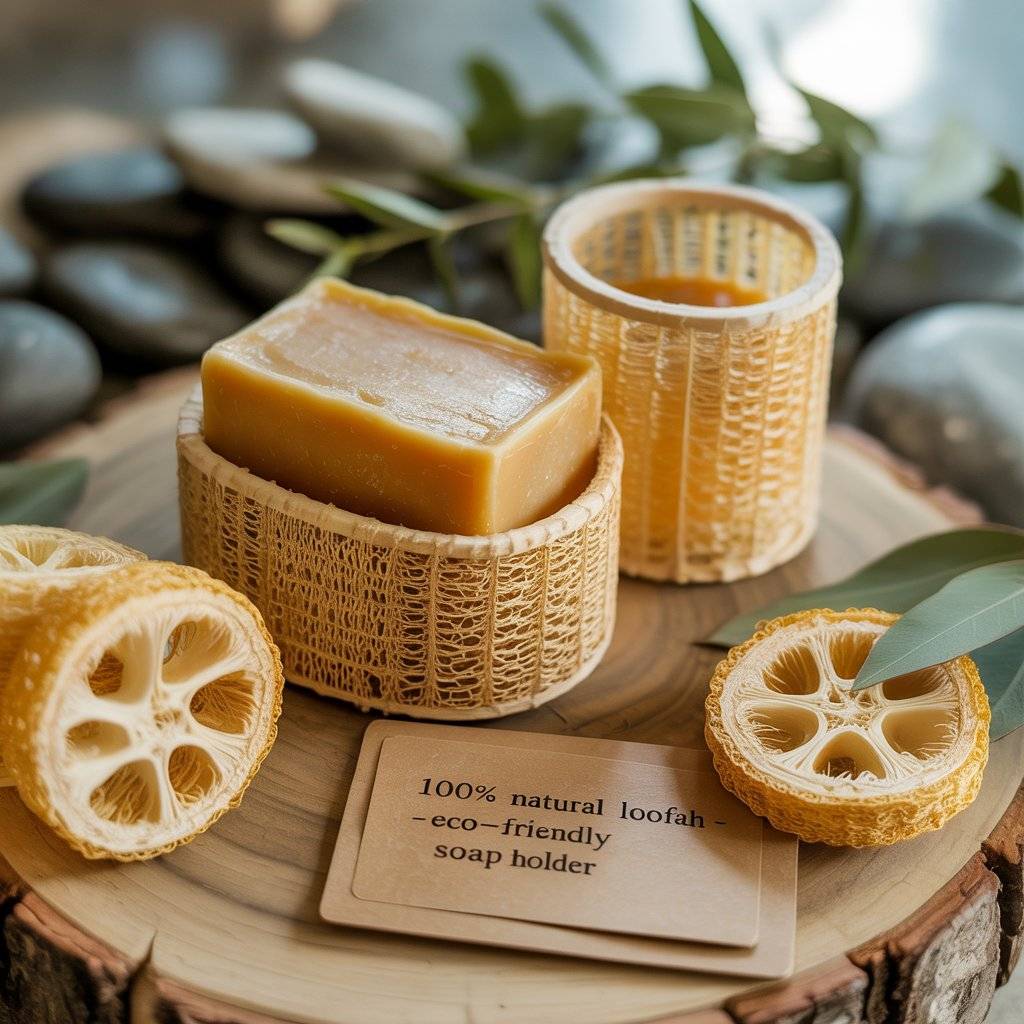
Loofah soap holders are made from dried loofah plants and help soap bars last longer by allowing water to drain. To make them, slice the loofah into thick rounds or rectangular pieces and rinse thoroughly. Once dried, they’re ready to use as soap trays or light scrub pads.
These are completely natural and compostable, which makes them attractive to eco-friendly households. Buyers like that they replace plastic soap dishes and reduce soap waste.
When selling, include a small note explaining how loofah grows naturally and how to care for it. These sell well alongside handmade soaps or as part of bathroom starter kits.
19. Upcycled Tin Can Desk Organizers
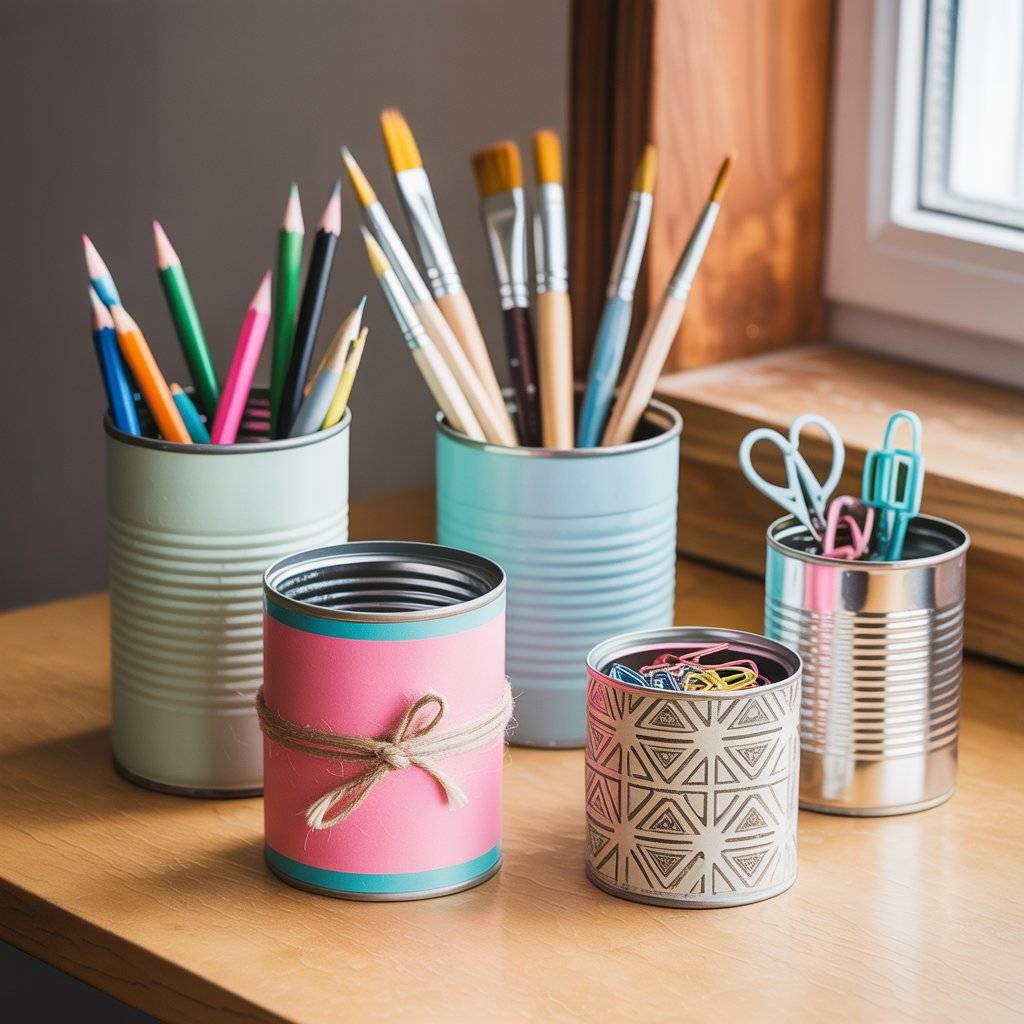
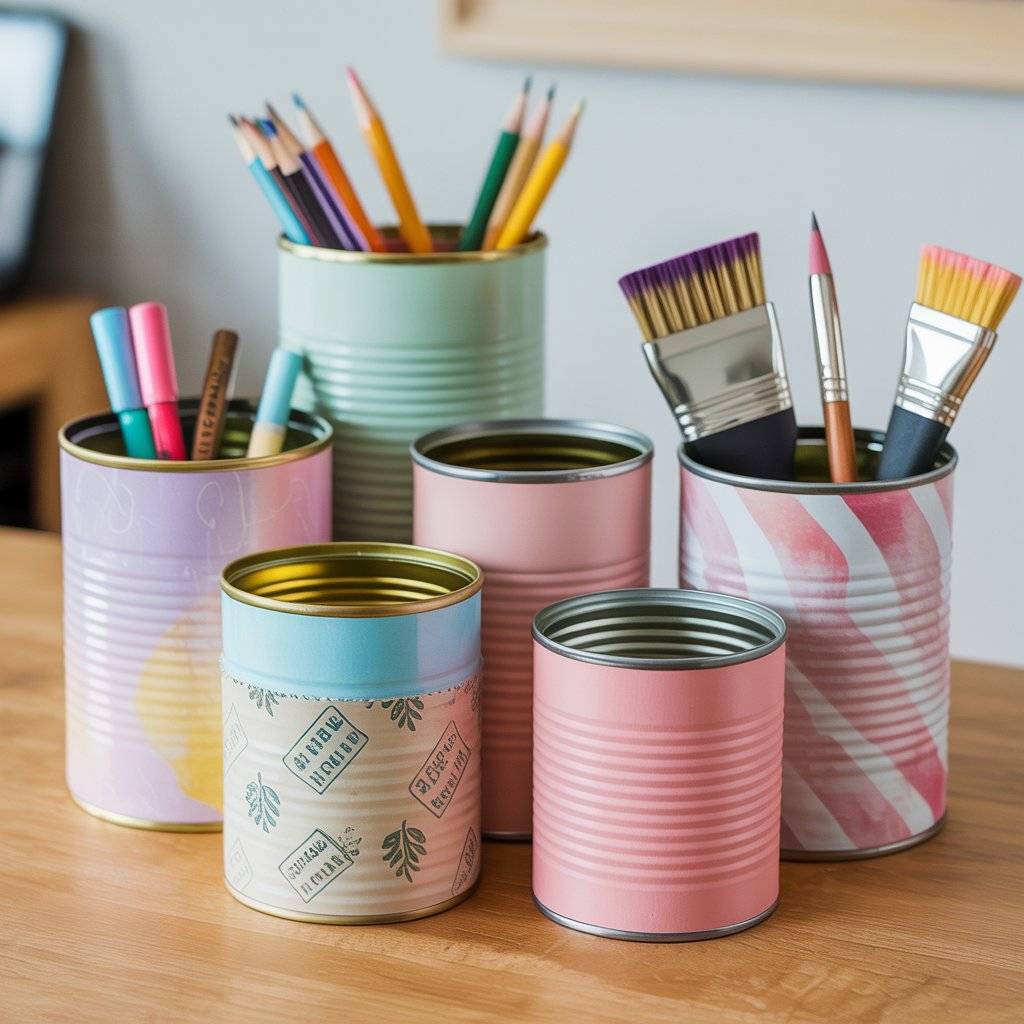
Tin cans from food packaging can be turned into useful desk organizers with very little effort. Clean the cans well, smooth any sharp edges, then decorate them using paint, fabric scraps, or recycled paper.
These organizers are great for pens, brushes, or craft tools. People like them because they’re simple, sturdy, and made from materials that would otherwise be thrown away.
To sell them, group different sizes together as a matching desk set. They do especially well with students, home offices, or teachers. Showing before-and-after photos can really help buyers appreciate the transformation.
20. Natural Reed Diffusers

Natural reed diffusers offer scent without electricity or aerosol sprays. To make them, use glass bottles, natural reeds or bamboo sticks, and a blend of essential oils with a carrier oil. The reeds absorb the oil and slowly release fragrance into the air.
These are popular with people who want a low-maintenance, eco-friendly home scent option. Packaging matters here simple glass containers and clear labeling go a long way. To sell, offer different scent blends like citrus, herbal, or calming florals. Buyers often purchase these as gifts, especially when paired with refill options.

21. Reclaimed Wood Picture Frames
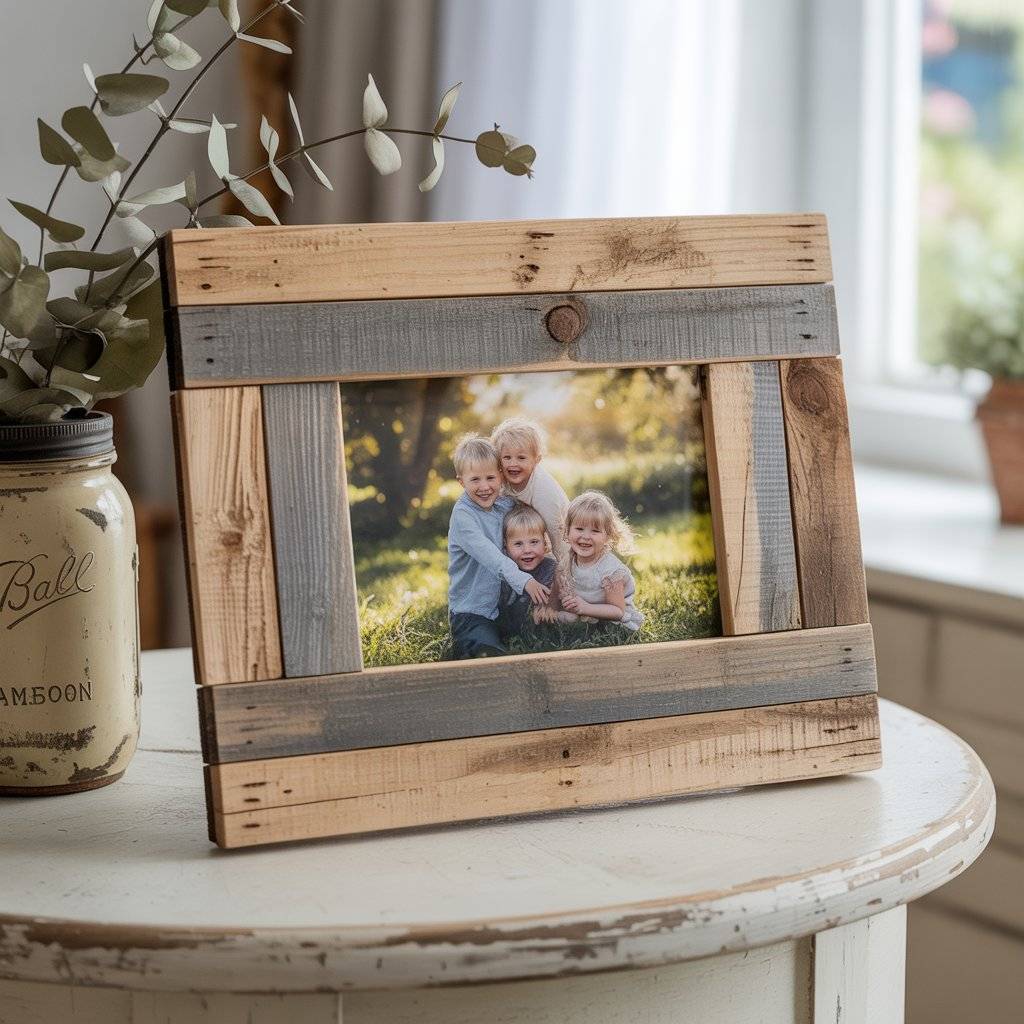
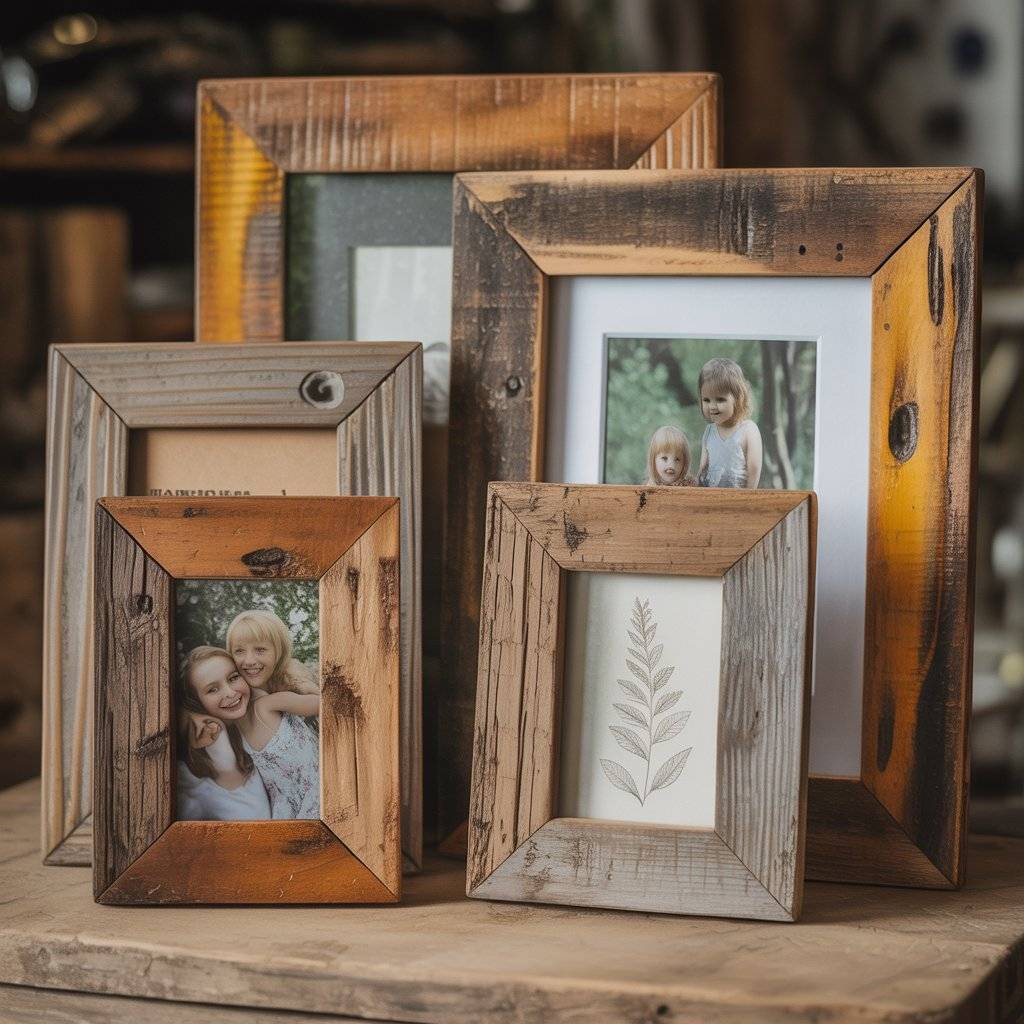
Old wood from pallets, broken furniture, or scrap boards can be turned into rustic picture frames. After sanding the wood smooth, cut pieces to size and assemble them into simple frames. These frames don’t need to be perfect; small imperfections add character. People like them for family photos, artwork, or signs.
To sell them, show examples with photos inside so buyers can imagine them in their own homes. These frames appeal to customers who enjoy farmhouse or natural décor. Selling them in different sizes increases your chances of repeat sales.
22. Eco-Friendly Bulb Holders
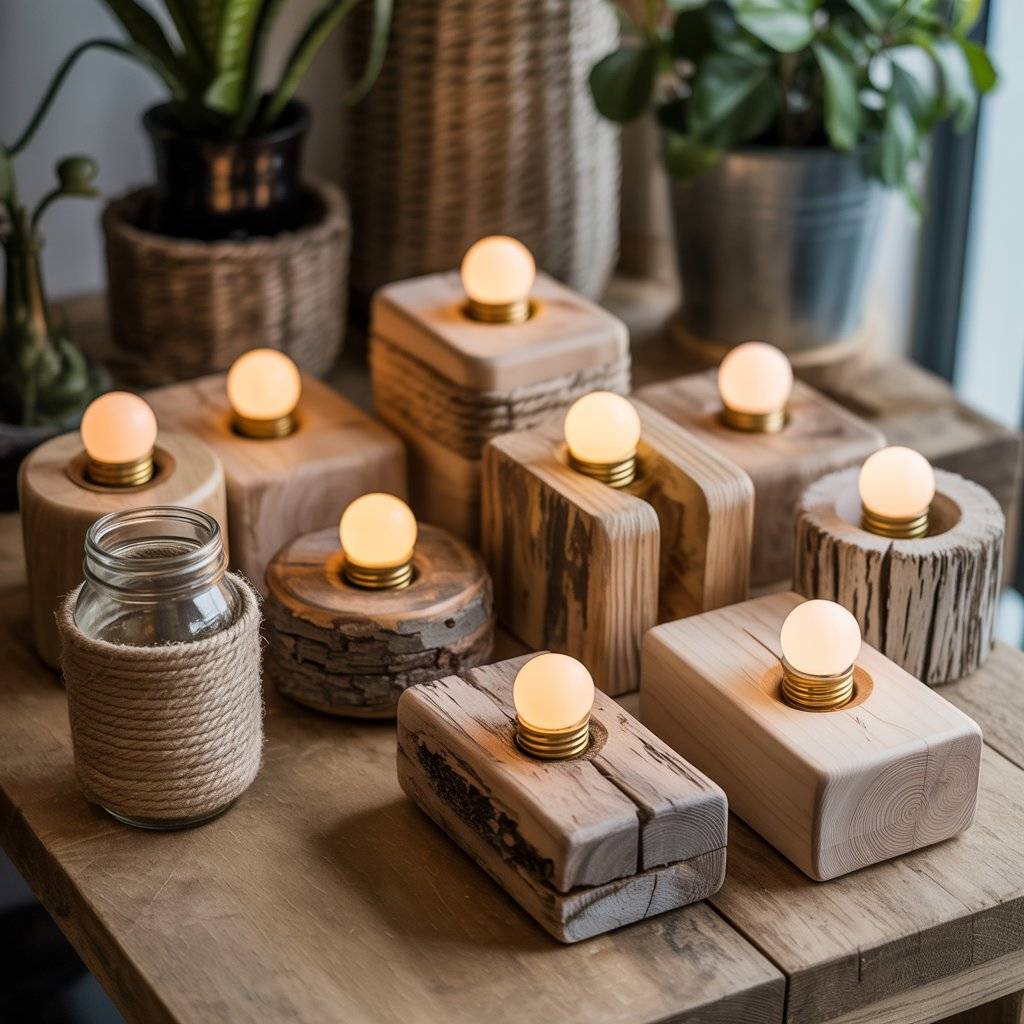
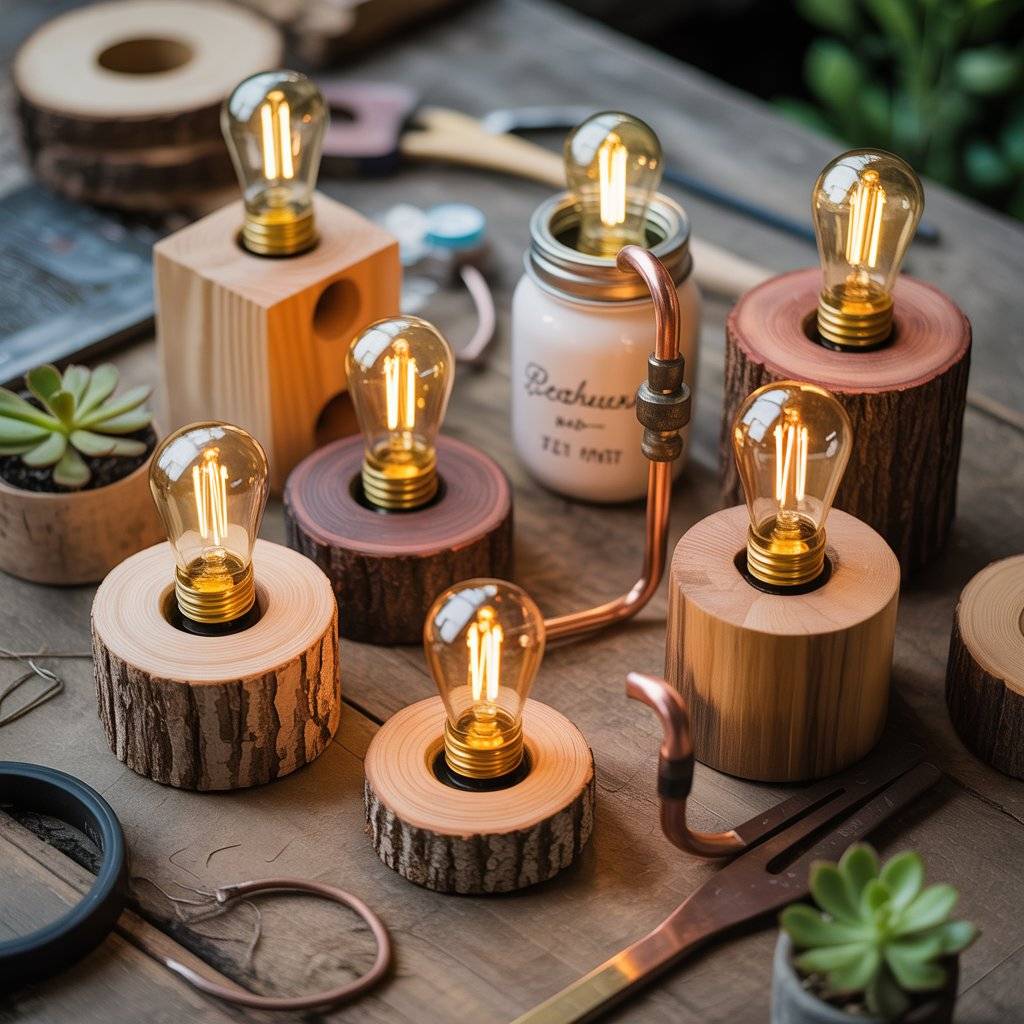
Eco-friendly bulb holders are simple to make and perfect for anyone who wants sustainable lighting options at home. You can use recycled wood, upcycled jars, or repurposed metal pieces to create holders for small LED bulbs. Add natural finishes like beeswax, linseed oil, or non-toxic paint for a safe and attractive look.
These holders are lightweight, affordable, and easy to ship, making them ideal for online sales. Buyers often purchase more than one to create a set or to match different rooms. To sell them, bundle themed sets like “rustic kitchen lights” or “minimal bedside lamps.” They pair well with small LED bulbs, string lights, or jars and are perfect for craft fairs, home décor shops, or online marketplaces focused on sustainable living.
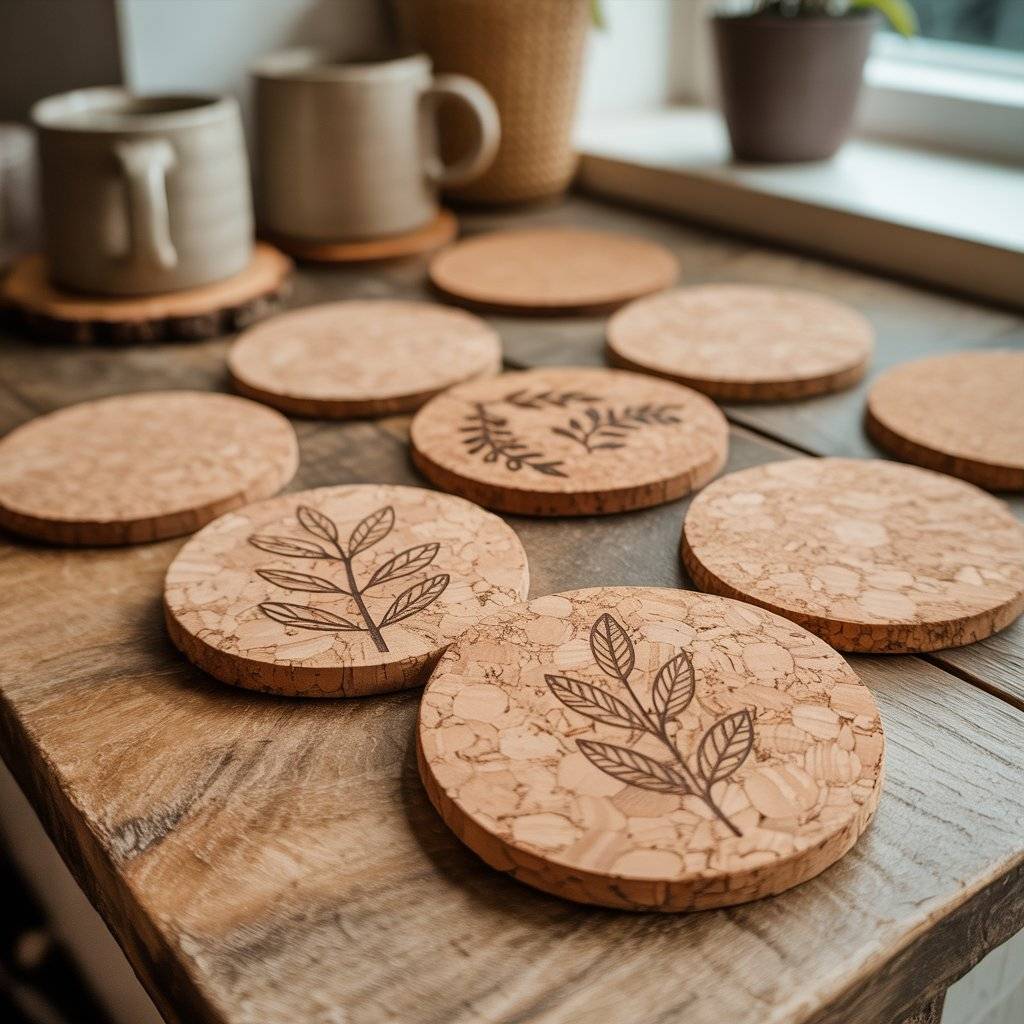
23. Natural Cork Coasters
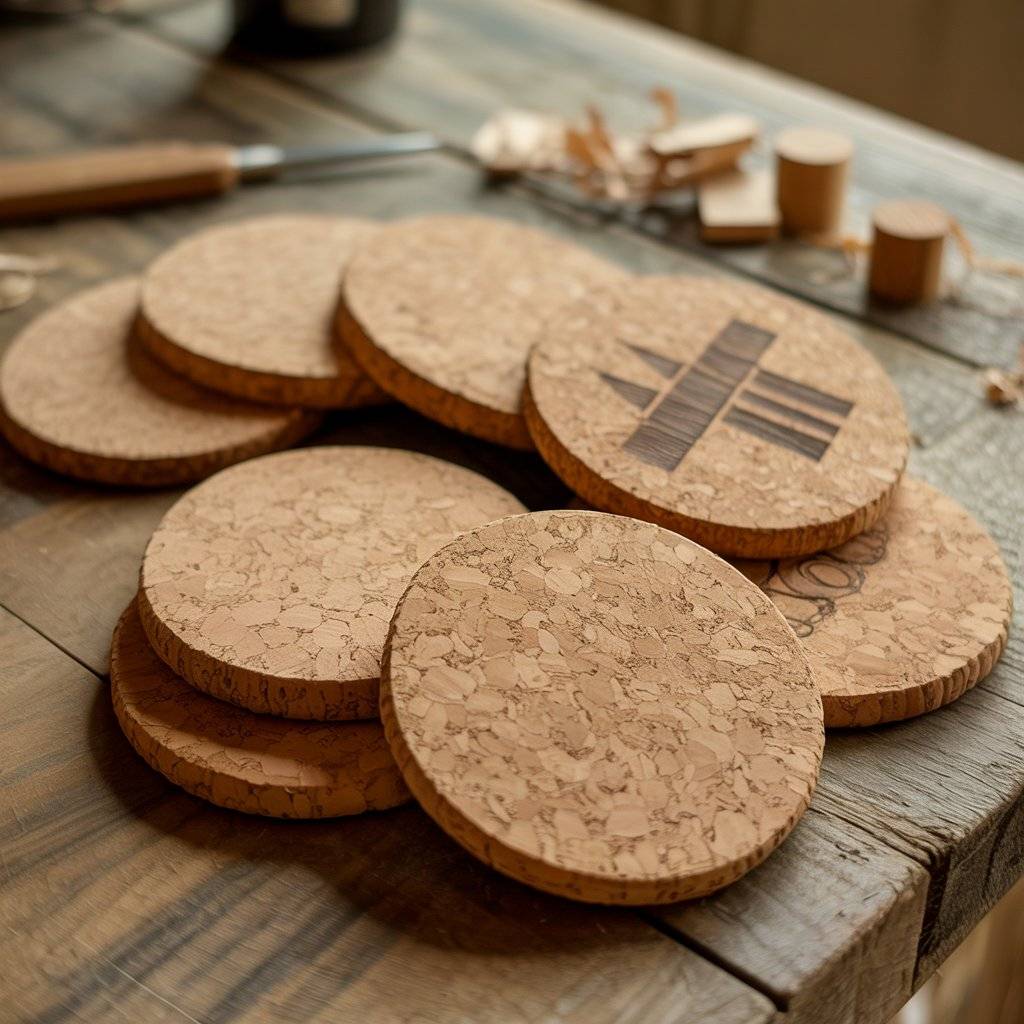
Cork coasters are a simple but effective eco-friendly product. Cork comes from tree bark that regrows, making it a renewable material. To make these, you can buy cork sheets or repurpose old cork boards.
Cut them into circles or squares, then sand the edges smooth. Some people leave them plain, while others add light wood-burned designs or natural sealants to protect against moisture. These coasters are useful in every home and protect surfaces from heat and spills.
When selling, bundle them in sets of four or six and explain why cork is a sustainable choice. They sell well as housewarming gifts and pair nicely with mugs or trays.
24. Fabric Bowl Covers
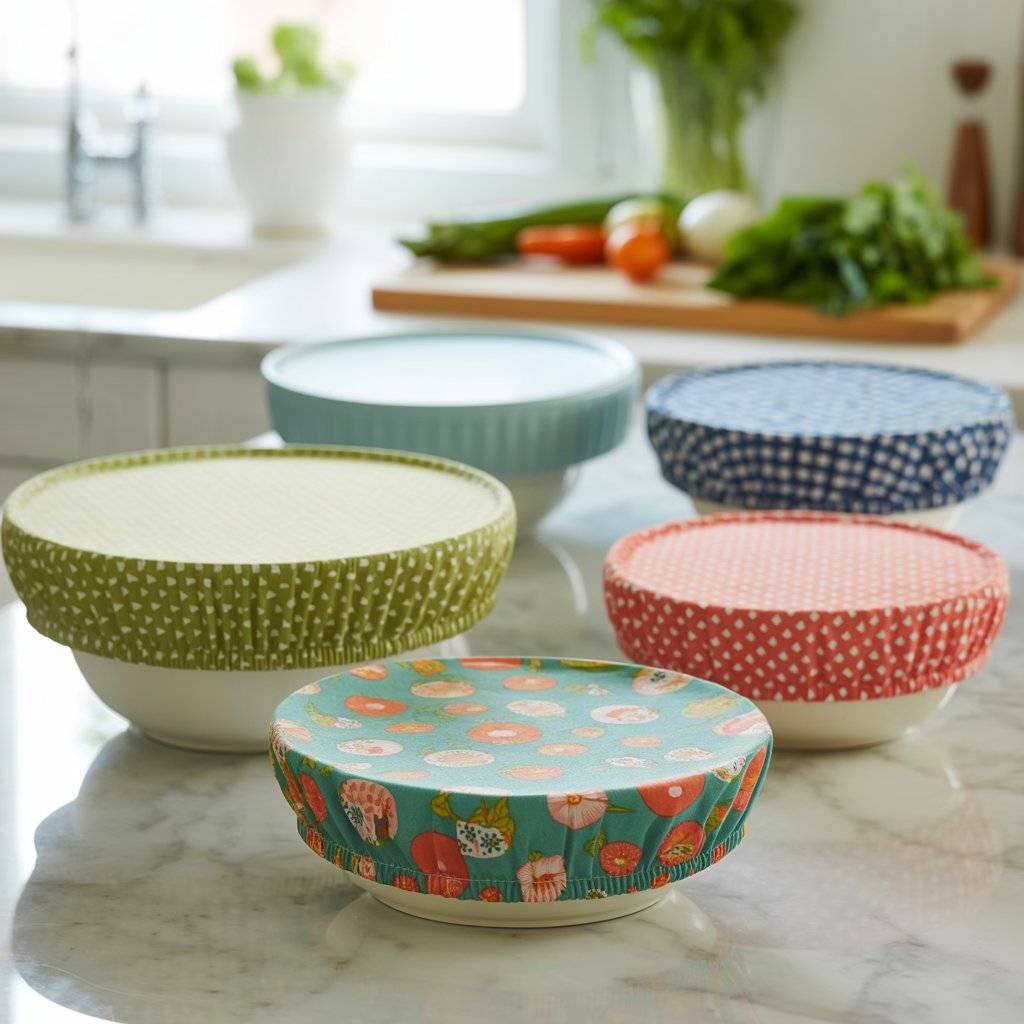
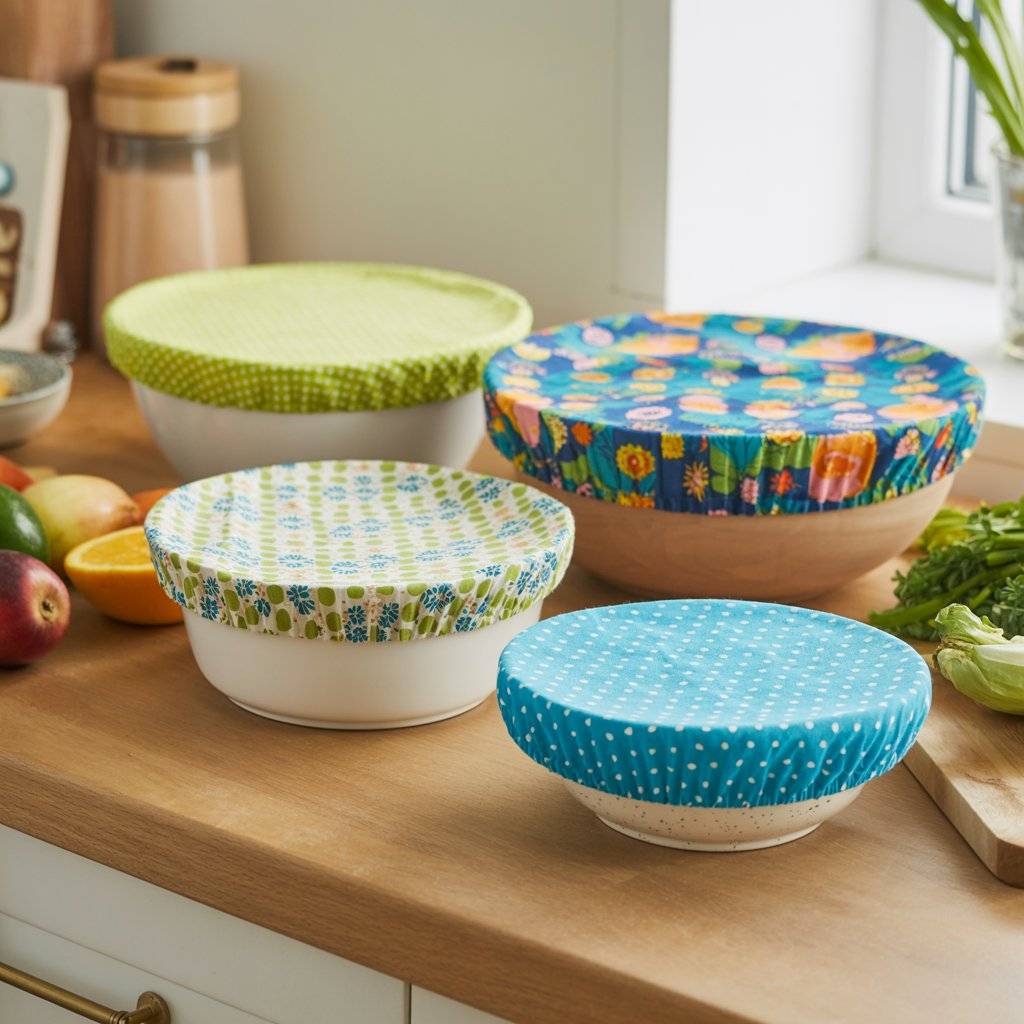
Fabric bowl covers replace plastic wrap and foil in the kitchen. They are made from cotton fabric with elastic sewn around the edge so they stretch over bowls and plates. To make them, cut fabric into circles slightly larger than your bowls, fold the edge, insert elastic, and stitch closed.
These covers are washable and reusable, which makes them appealing to eco-conscious families. Buyers like them because they are practical and easy to use. When selling, offer different sizes and patterns, and explain how they help reduce kitchen waste. They do especially well at local markets and online eco shops.
25. Seed Paper Cards

Seed paper cards are greeting cards that can be planted after use. The paper breaks down in soil and grows herbs or flowers. You can make seed paper by blending recycled paper with water, mixing in seeds, then spreading it thin to dry. Once dry, cut into card sizes and add simple messages.
These cards are popular for birthdays, thank-you notes, and special events. Buyers like the idea that the card doesn’t end up in the trash. When selling, clearly label what seeds are included and how to plant them. These work well for eco-friendly stationery and gift bundles.

26. Wool Felt Trivets
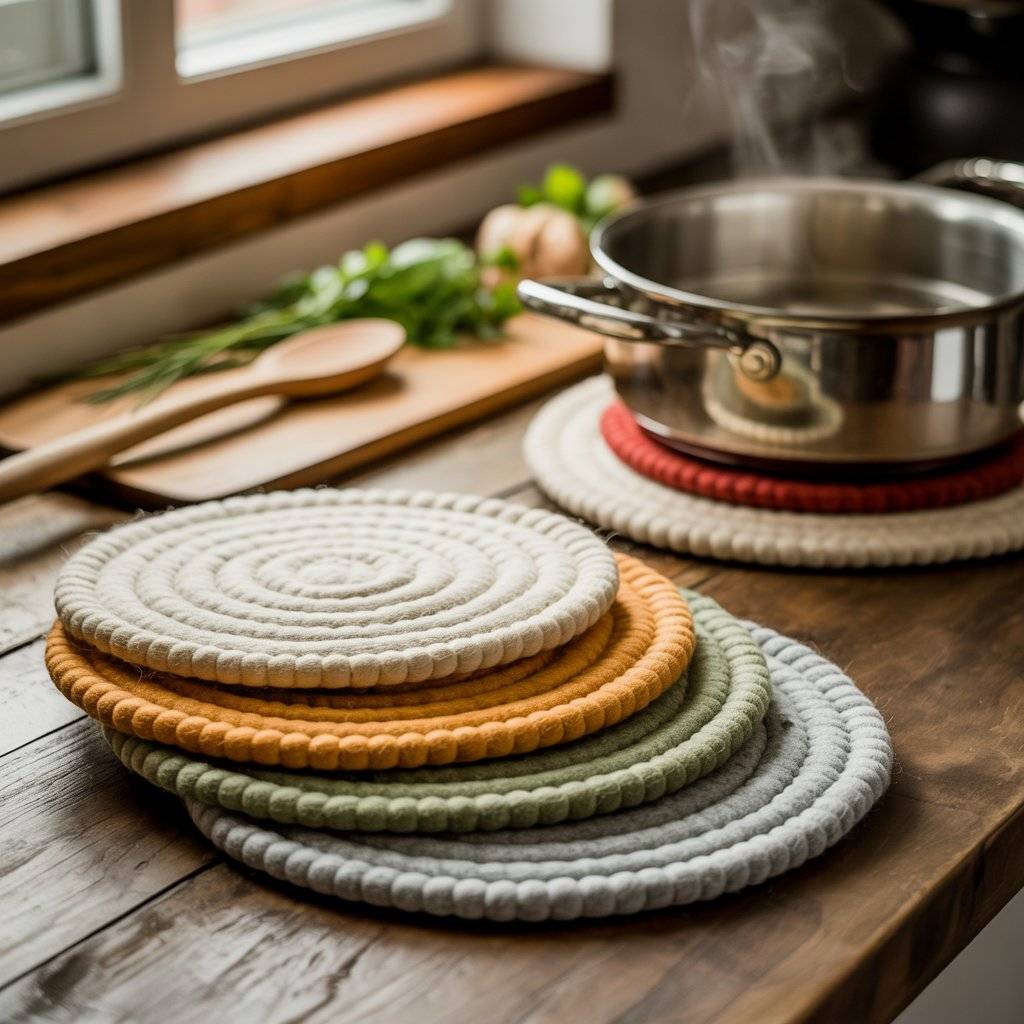
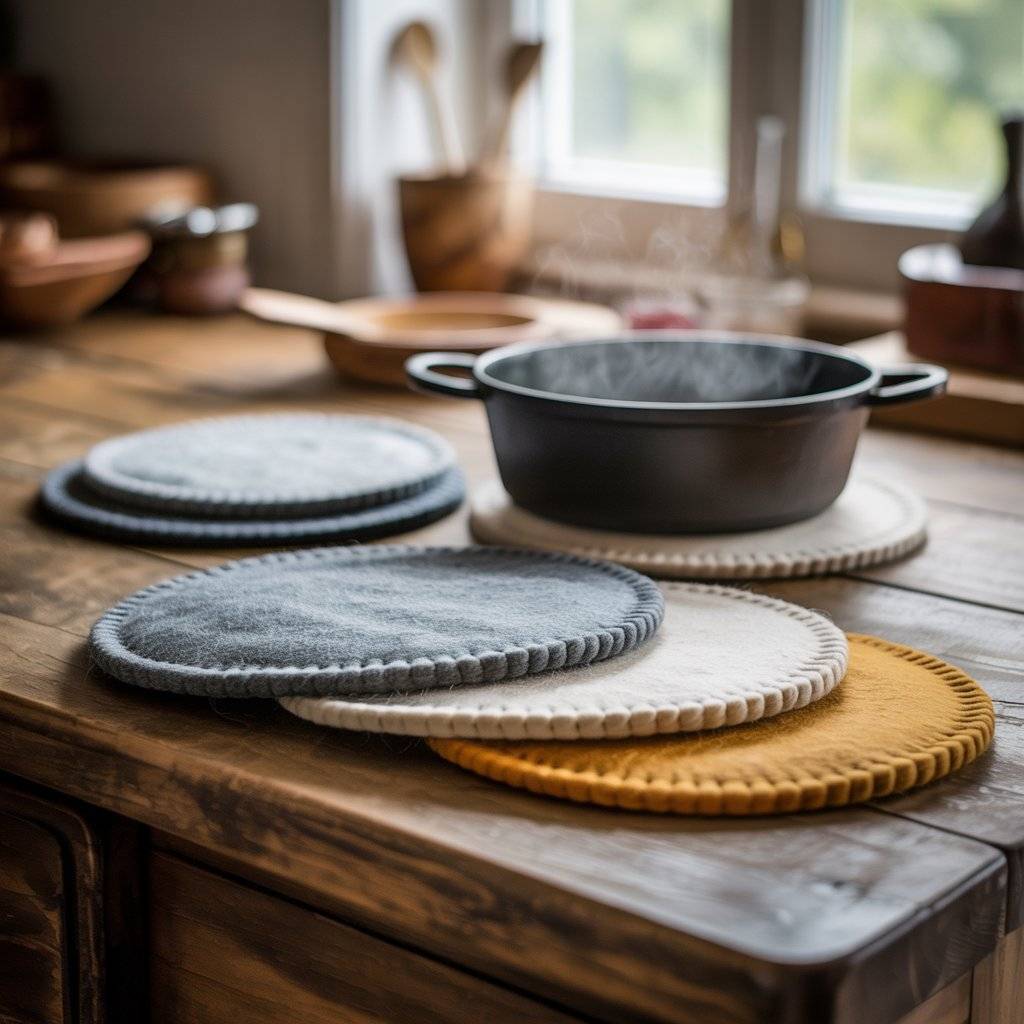
Wool felt trivets are heat-resistant pads used under hot pots or dishes. They are made from compressed wool, which is naturally durable and biodegradable. To make them, layer wool felt balls or thick felt sheets and stitch them tightly together.
These trivets protect tables while adding a handmade touch to kitchens. People appreciate that wool is long-lasting and doesn’t rely on synthetic materials. To sell them, focus on simple color palettes and show how they’re used in real kitchens. They sell best in home décor and kitchen categories, especially around holiday seasons.
27. Compostable Potting Cups
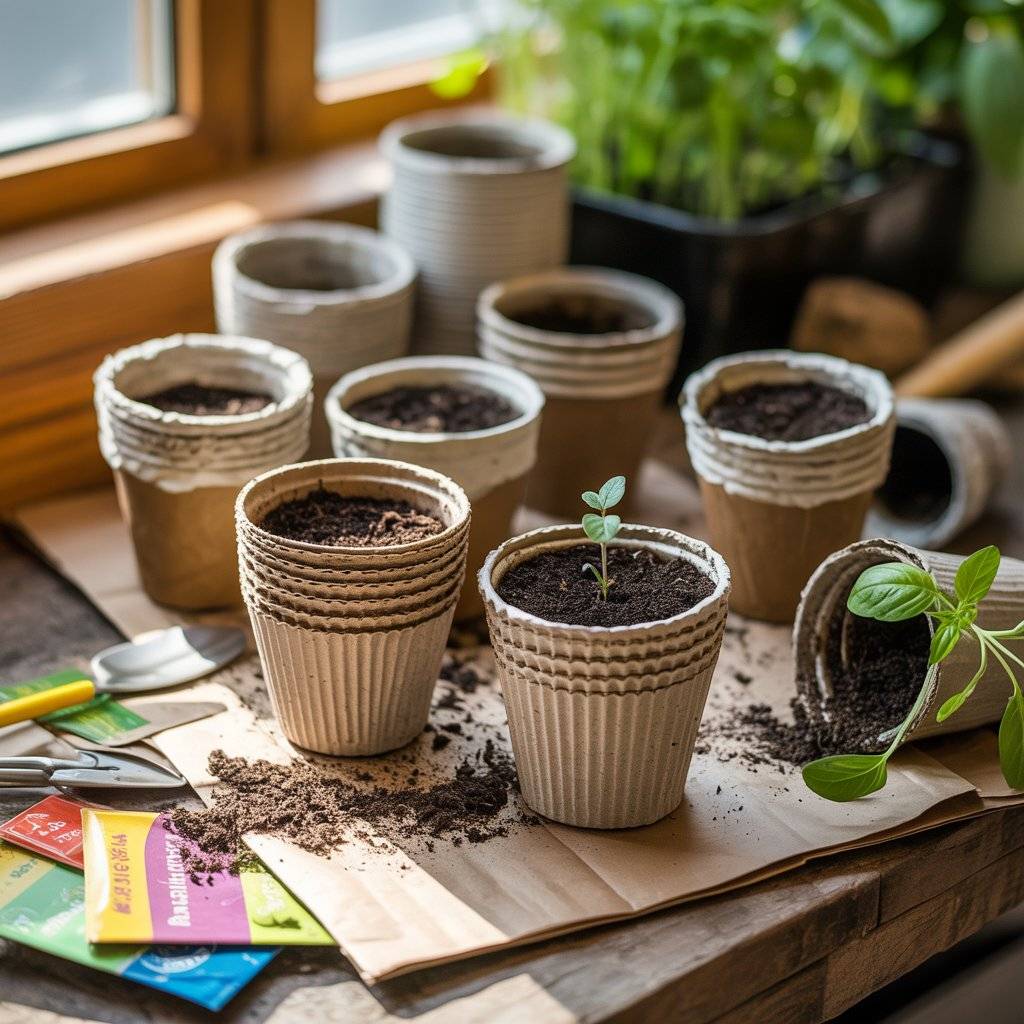
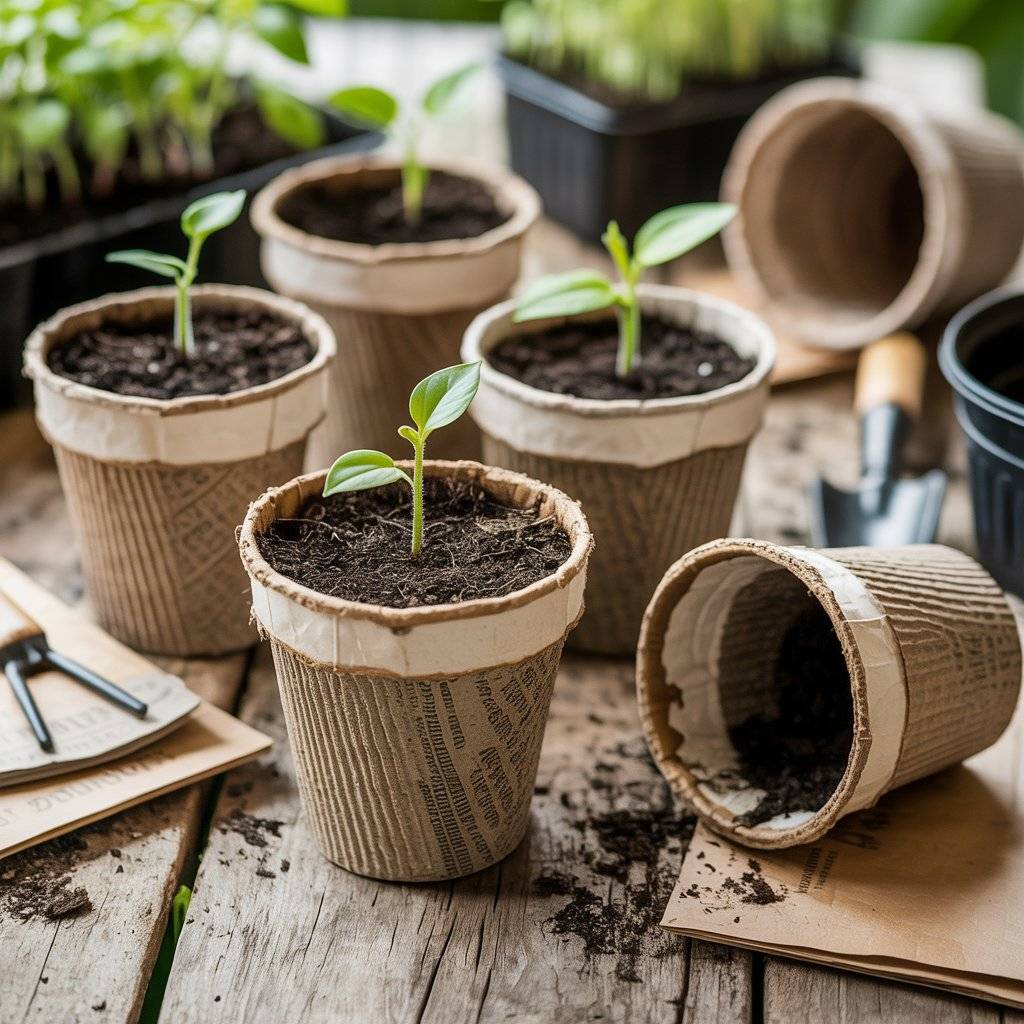
Compostable potting cups are small plant containers made from materials like newspaper, cardboard, or natural fiber pulp. They’re used for starting seeds and can be planted directly into the soil. To make them, fold or mold damp paper into cup shapes and let them dry.
Gardeners like these because they reduce plastic use and help seedlings grow without root disturbance. When selling, bundle them with seed packets or planting instructions. These are especially popular in spring and appeal to beginner gardeners. It’s a simple craft, but very practical and seasonal.
Final Thoughts
I didn’t write this to tell anyone to quit their job or chase some big idea. I wrote it because I’ve tried a few of these things myself, and I know how small efforts can slowly add up. These eco-friendly crafts aren’t fancy. They’re useful. People buy them because they solve simple problems at home and don’t create more waste. That’s it.
If you read through the list, you’ll notice none of them need expensive tools or special skills. Most can be made at the kitchen table, after work, or on weekends. You don’t have to try all of them. One is enough to start. Make a few, see how long it takes, notice what people ask about, then adjust. That’s how it usually works in real life.
If you’re still reading, that probably means something here felt doable. Hold onto that. Pick the easiest idea and try it once, even if it’s not perfect. Worst case, you learn something. Best case, you make extra income from something you actually enjoy doing. And if nothing else, you’ll know you gave it a real try which is more than most people ever do.
Related Post: