
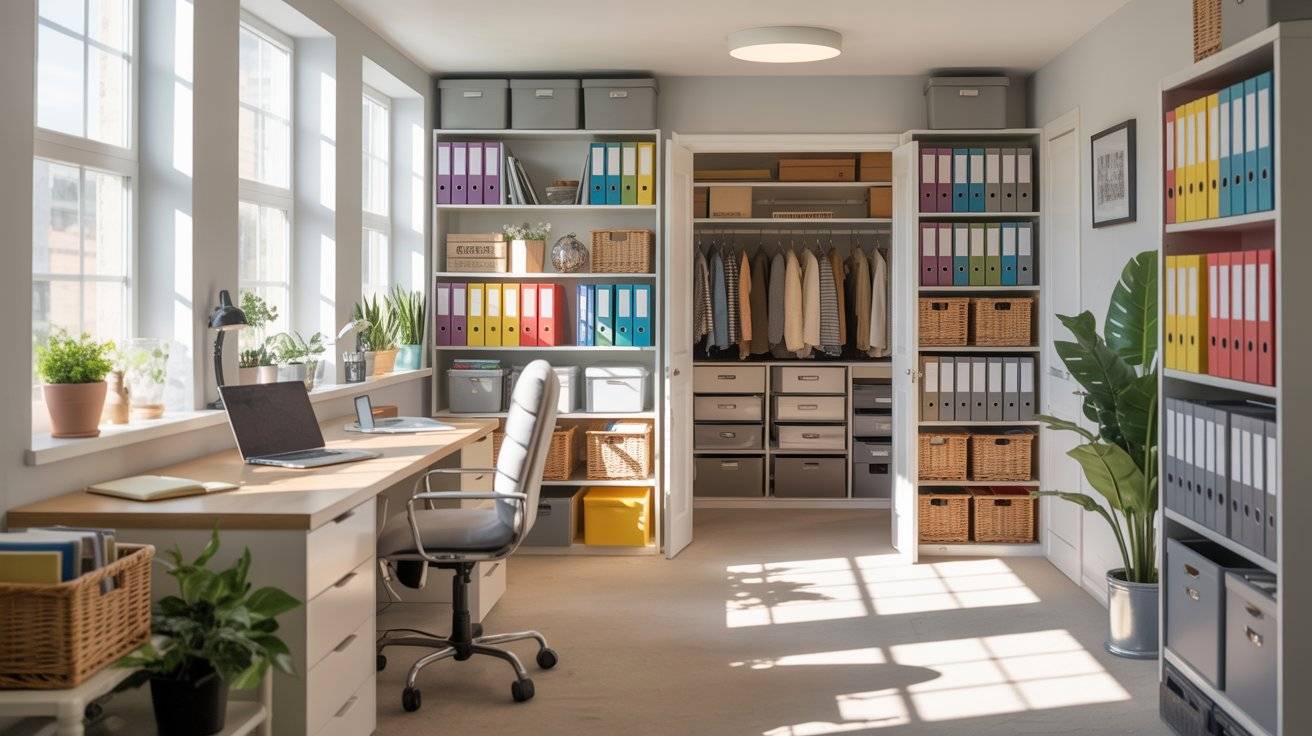
At the start of a new year, I always feel the urge to clear things out and reset my space. Not in a dramatic way, but in a realistic one. When your home feels cluttered, it affects everything your focus, your mood, even how you start your day.
I’ve learned that organization doesn’t have to mean expensive systems or a full house makeover. It’s about fixing small problem areas that slow you down every day.
Over the years, I’ve tried different home organization projects, some that worked and some that didn’t. What stuck were the simple ones the projects that fit into real life. The kind you can finish in an afternoon and still see results weeks later.
These 18 home organization projects are the ones I come back to at the beginning of each year. They focus on function, not perfection. If you want your home looks calmer, easier to manage, and more intentional, this is a good place to start.
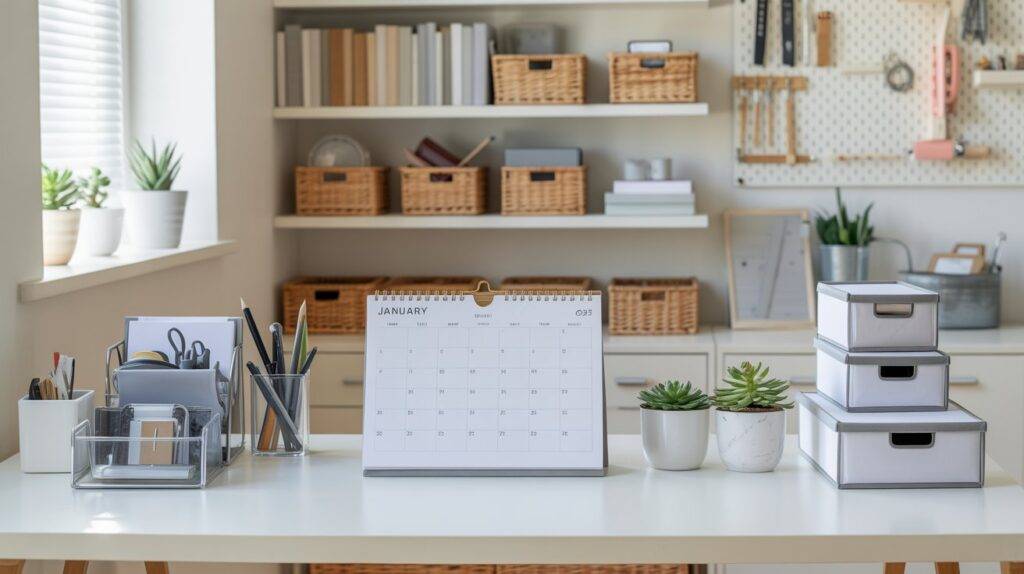
1. Resetting the Entryway Drop Zone
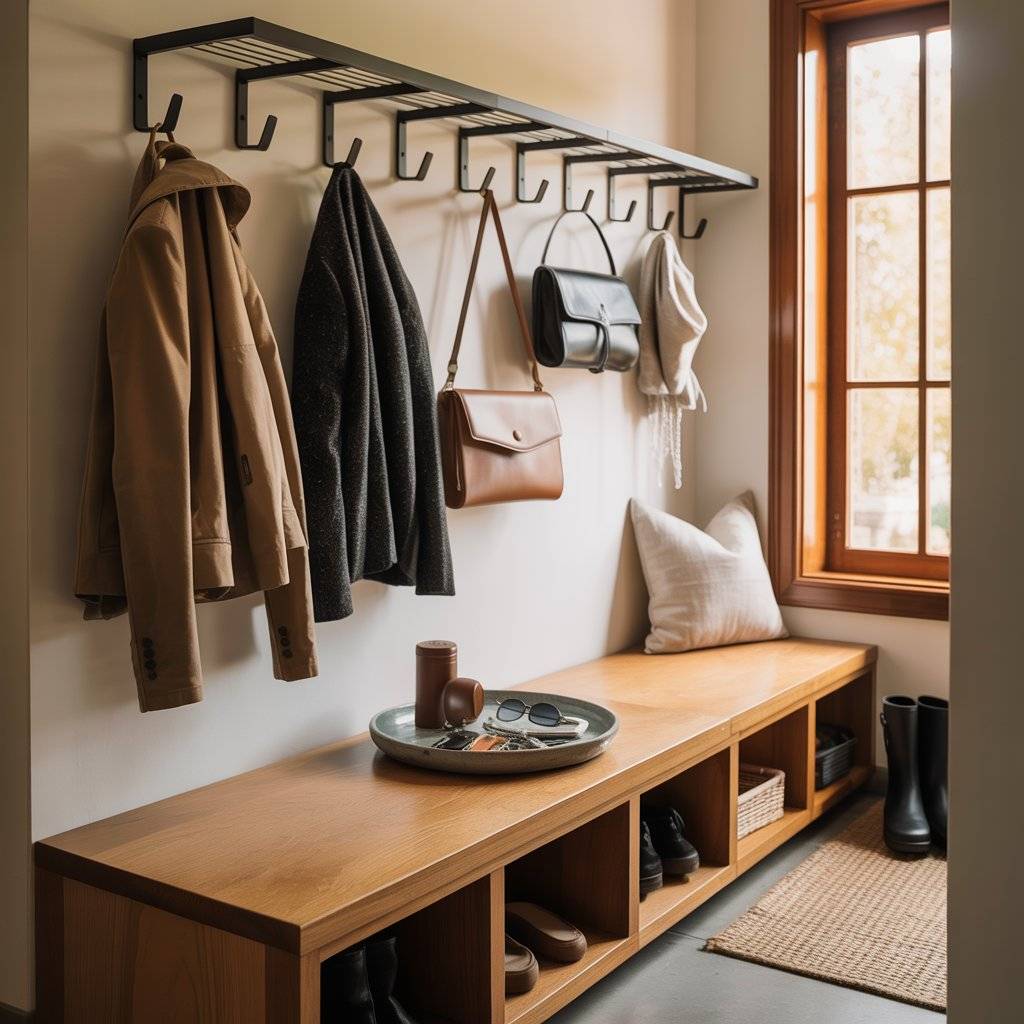
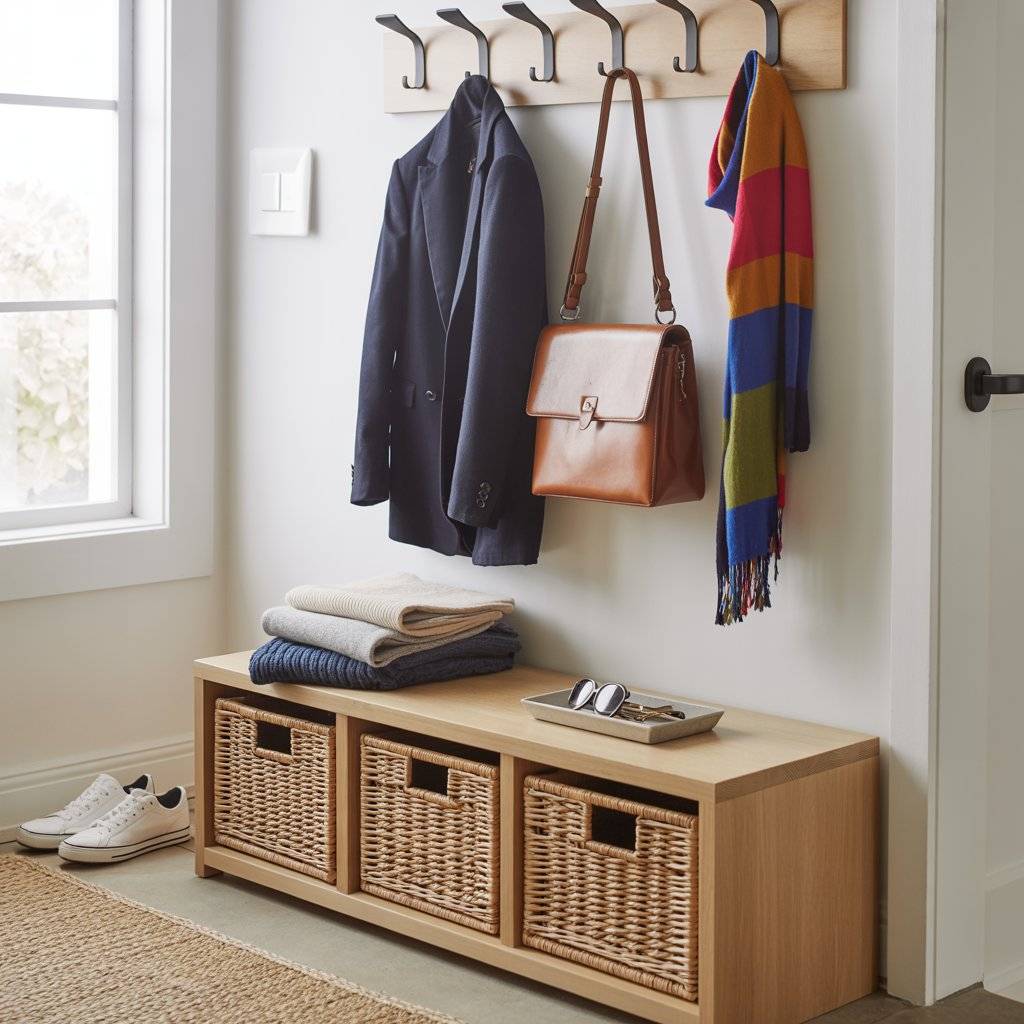
The entryway is usually where clutter starts. Shoes pile up, keys disappear, and bags end up on the floor. I fixed this by creating a simple drop zone. A small bench with storage underneath, wall hooks for coats and bags, and a tray for keys made a big difference.
Everything has a place now, which means less mess spreads into the rest of the house. This project doesn’t require much space just a clear plan. Once it’s set up, it saves time every single day.
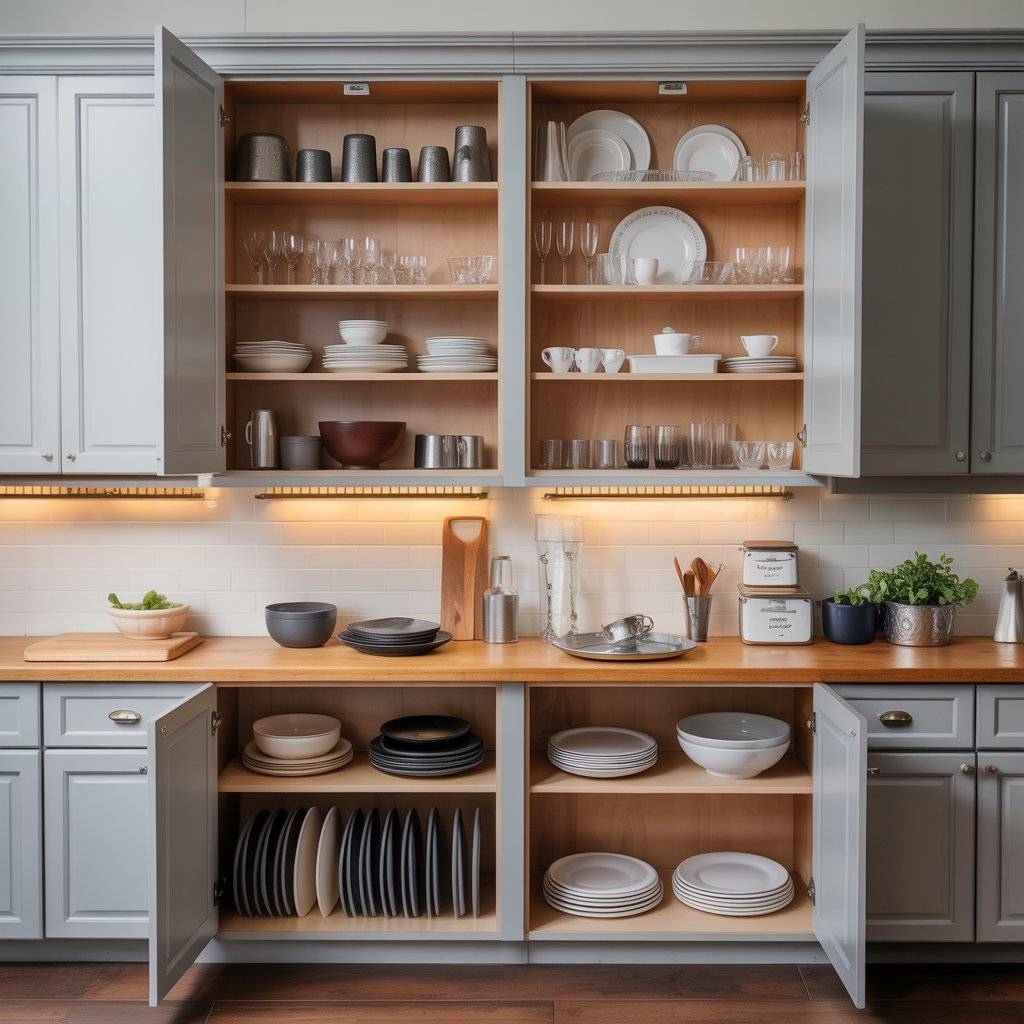
2. Organizing Kitchen Cabinets by Use
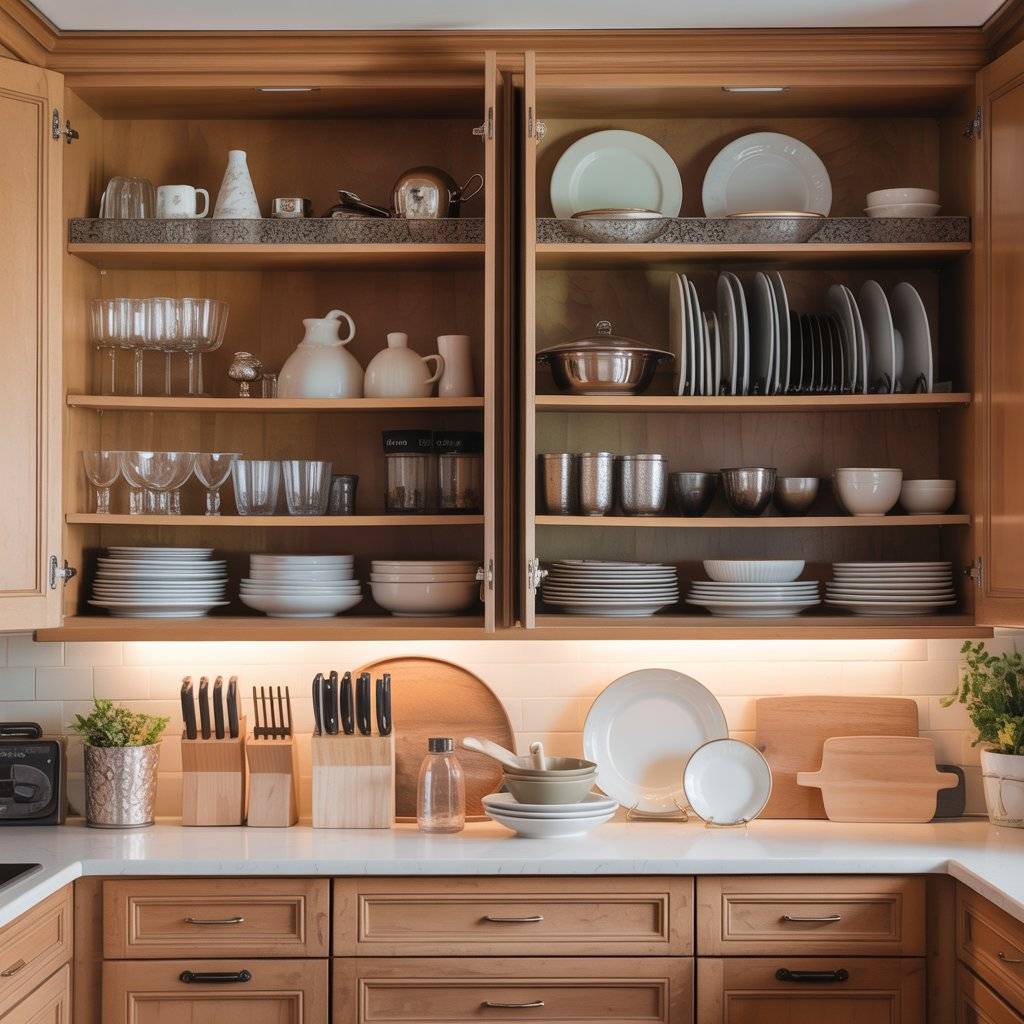
Instead of organizing cabinets by size or style, I grouped items by how often I use them. Daily dishes went within easy reach, while special-occasion items moved higher up.
This made cooking faster and reduced frustration. I also used shelf risers to avoid stacking. It’s a simple change, but it makes the kitchen feel more functional and less chaotic.
3. Creating a Dedicated Pantry System
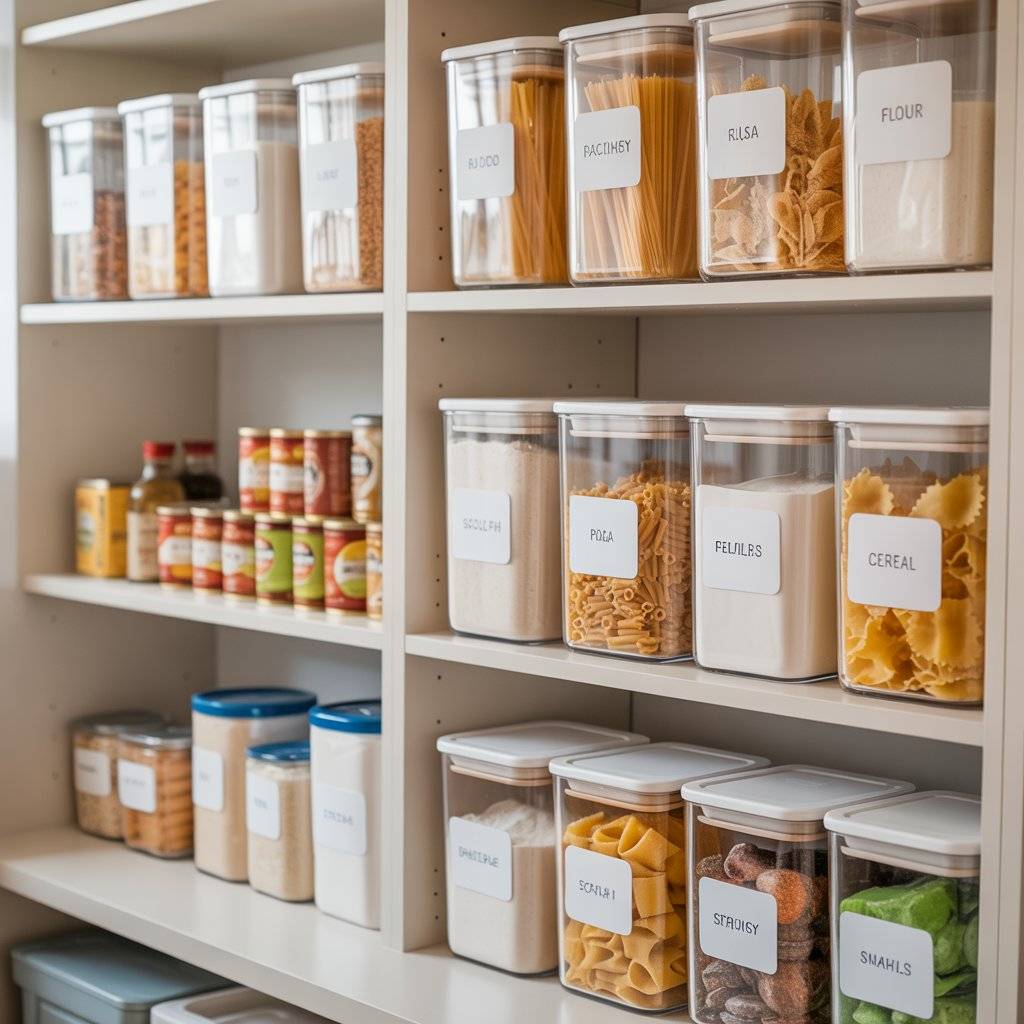
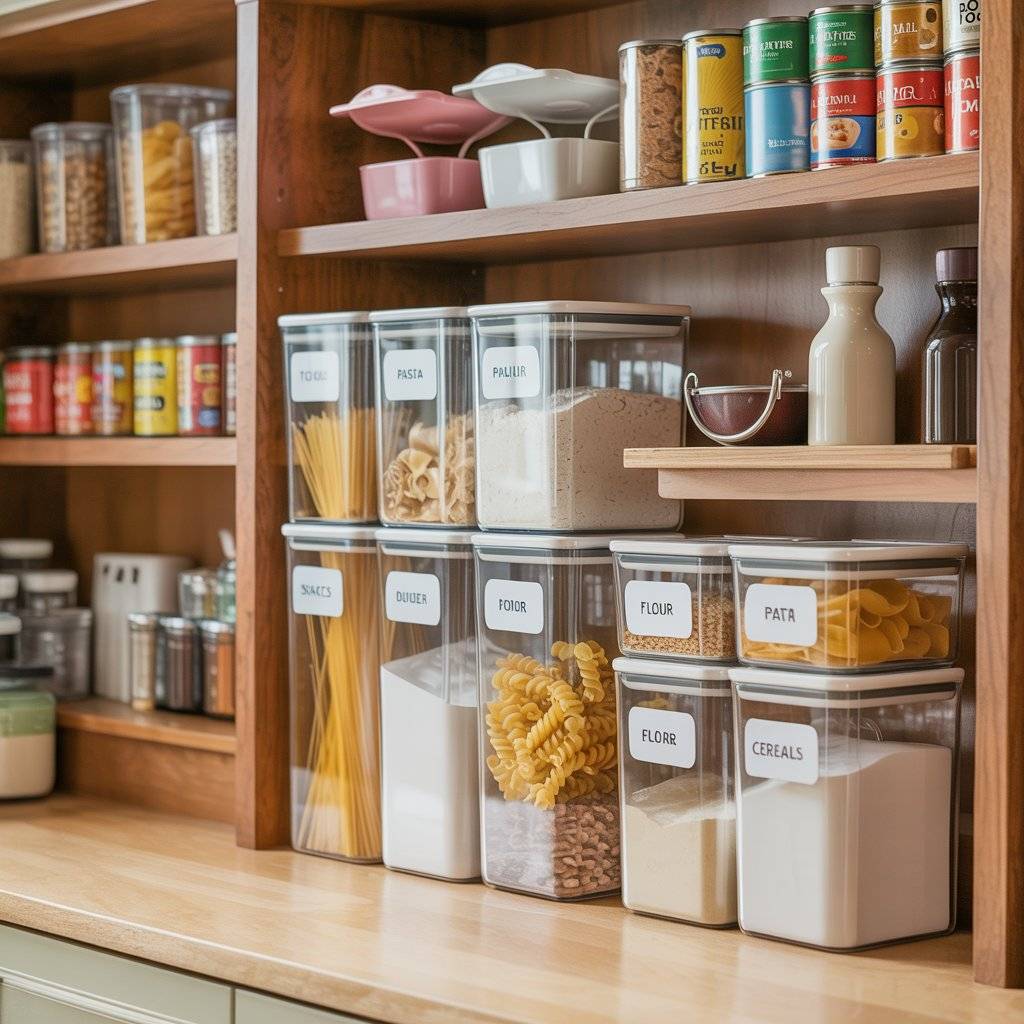
Even without a walk-in pantry, organizing food storage helps a lot. I used clear containers for dry goods and labeled everything.
This made it easier to see what I already had and reduced overbuying. Grouping snacks, baking supplies, and canned items also helped. The goal wasn’t to make it perfect just easy to maintain.
4. Decluttering One Drawer at a Time
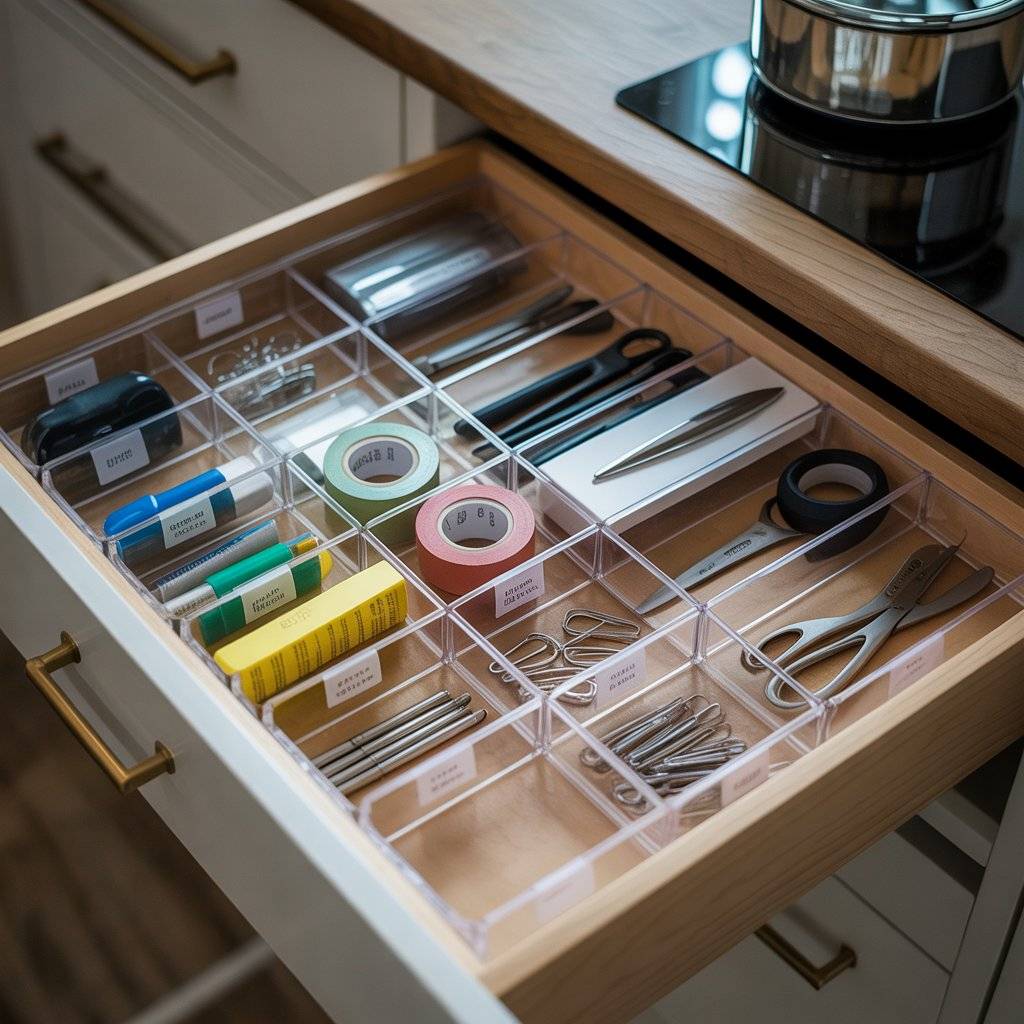
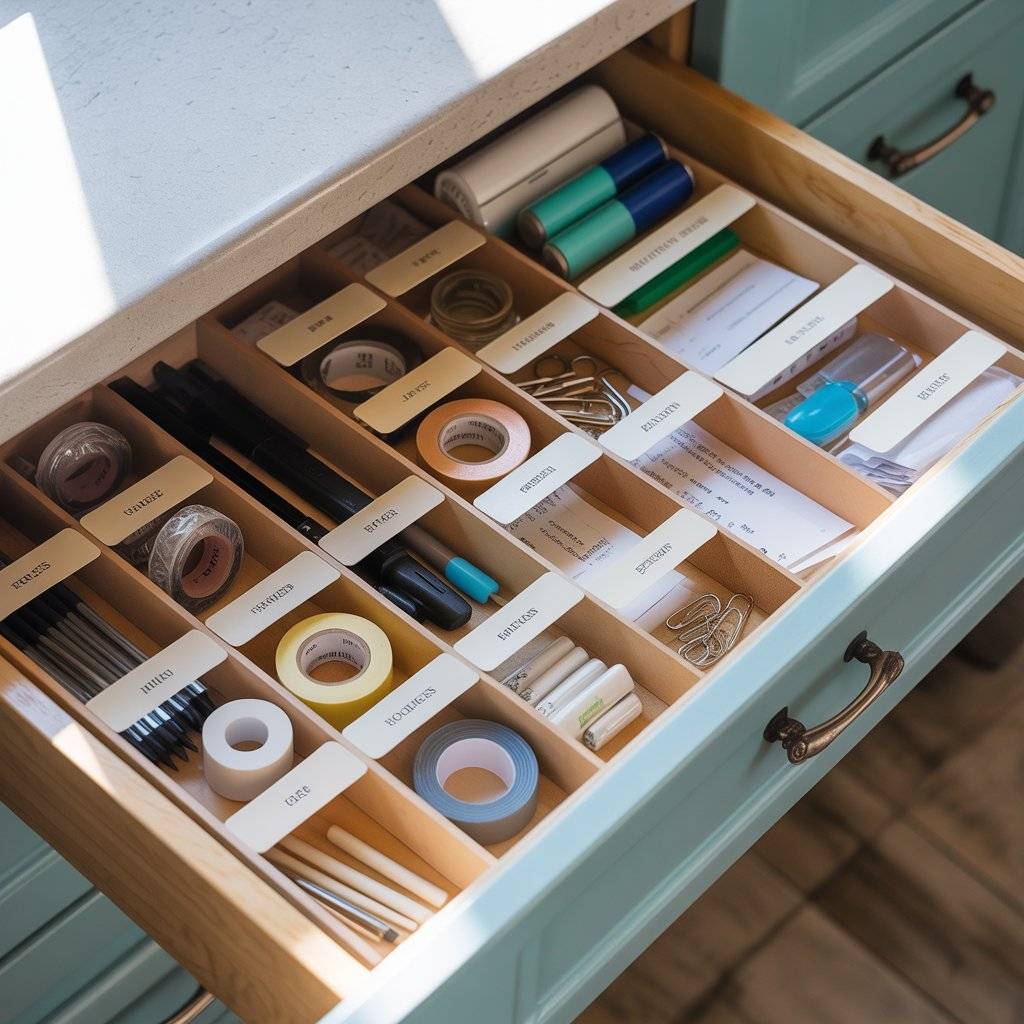
I started small by picking one drawer I used daily, usually the junk drawer in the kitchen or desk. I emptied everything out so I could see exactly what was inside and separated items into three piles: keep, toss, or relocate. Anything I hadn’t used in the last six months went straight into the toss pile.
I added simple dividers to create sections for different items like pens, tape, or receipts. After putting everything back, I labeled sections so it was easy to maintain. Focusing on just one drawer at a time made the process less overwhelming and gave me a visible result quickly, which motivated me to move on to other drawers.
5. Setting Up a Paper Control Center
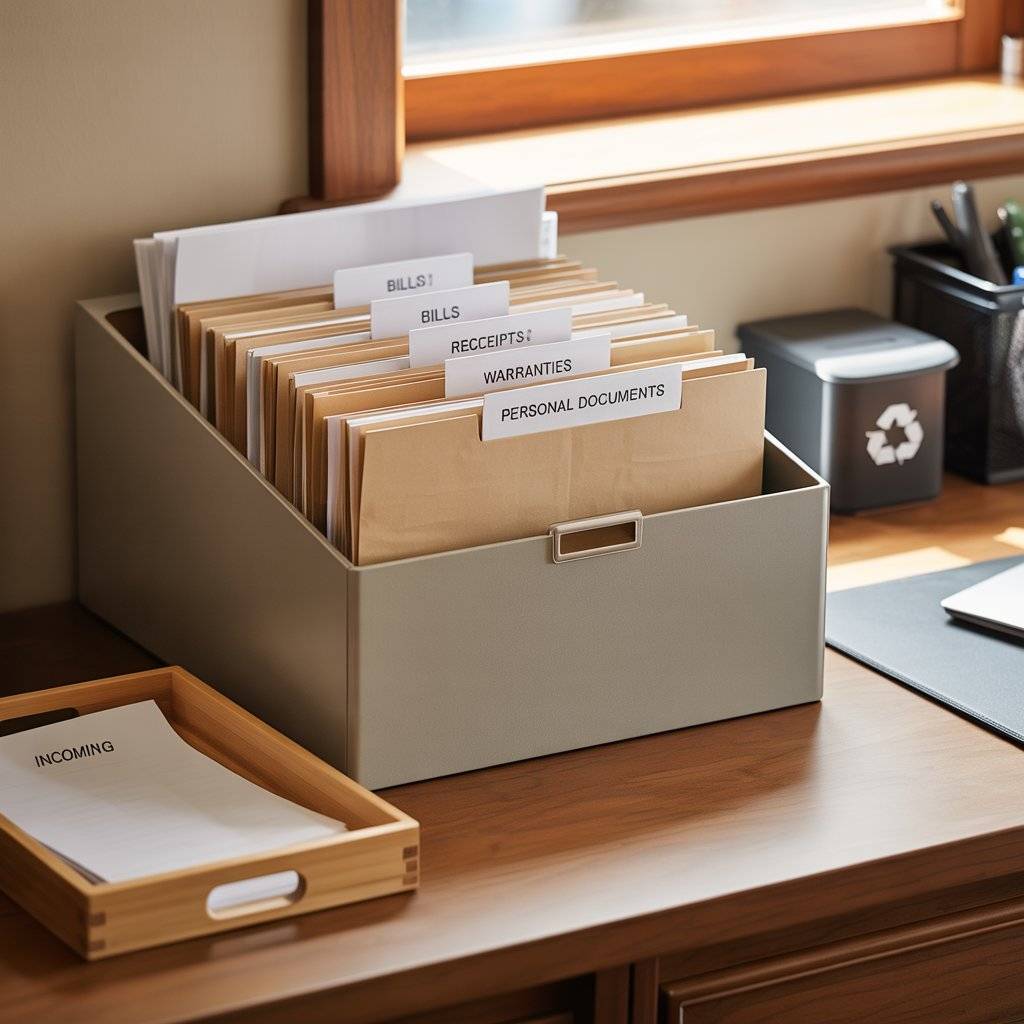
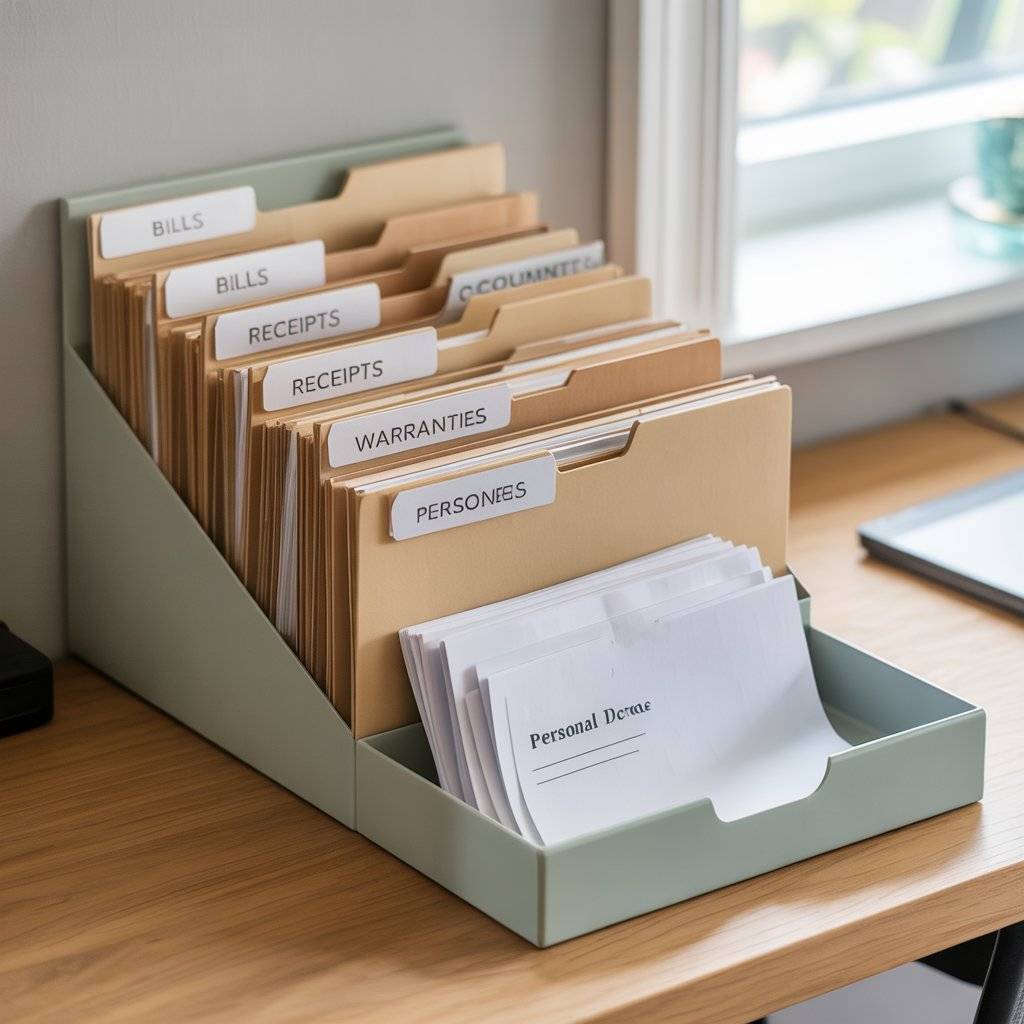
Paper clutter can pile up faster than you notice, and it’s easy to lose important documents in the mess. I set up a small paper control center using a simple filing box and a few labeled folders for bills, receipts, warranties, and personal documents.
Each folder had a clear purpose, so I always knew where to put something new. I also created a small “incoming” spot for papers that needed attention that day, like bills to pay or forms to sign. Anything that wasn’t necessary to keep went straight into recycling, which prevented the pile from growing again.
Within a week, I noticed it was much easier to find what I needed, and I spent less time sifting through random papers on my desk. Having this system in place made managing monthly bills and important documents less stressful and more organized.
6. Organizing the Fridge for Visibility
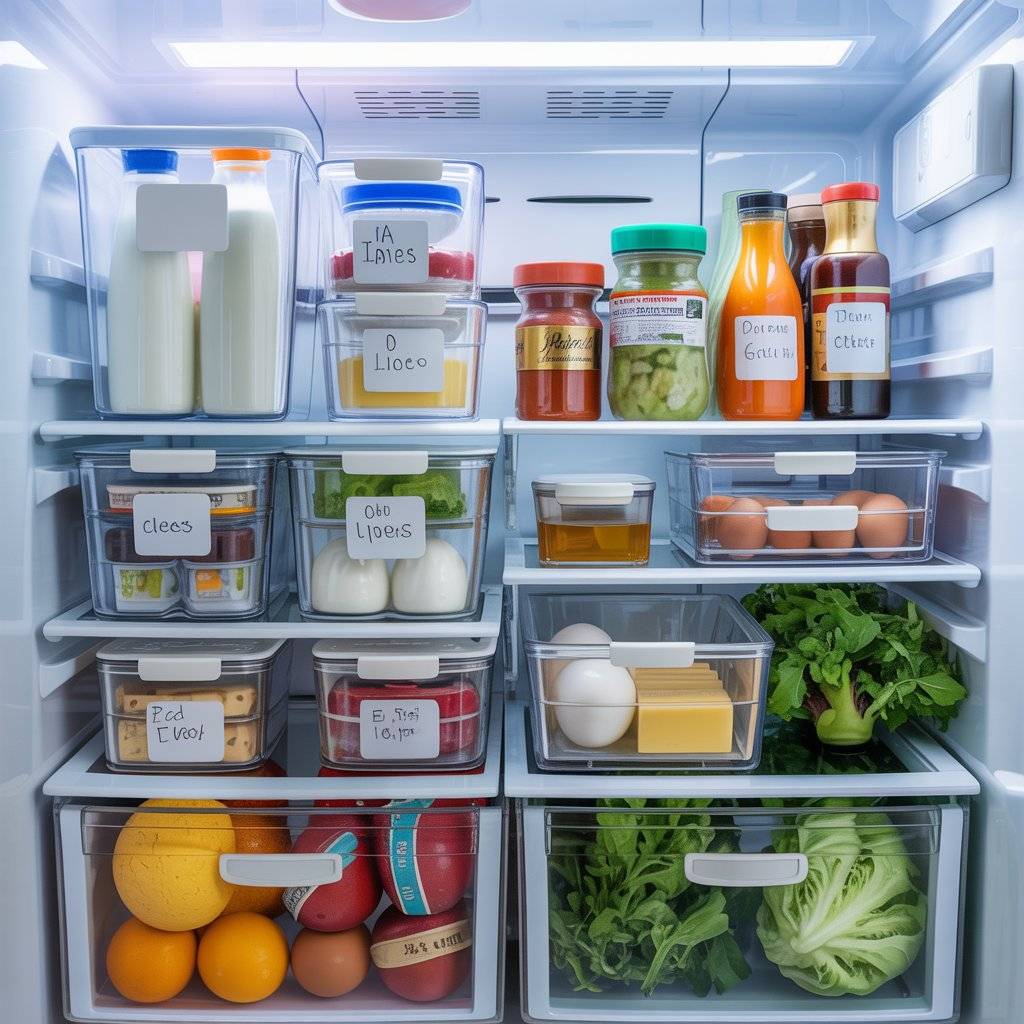
I started by taking everything out of the fridge and wiping down all the shelves and drawers. Then I grouped similar items together, like dairy products, condiments, and beverages, using clear bins so I could see everything at a glance.
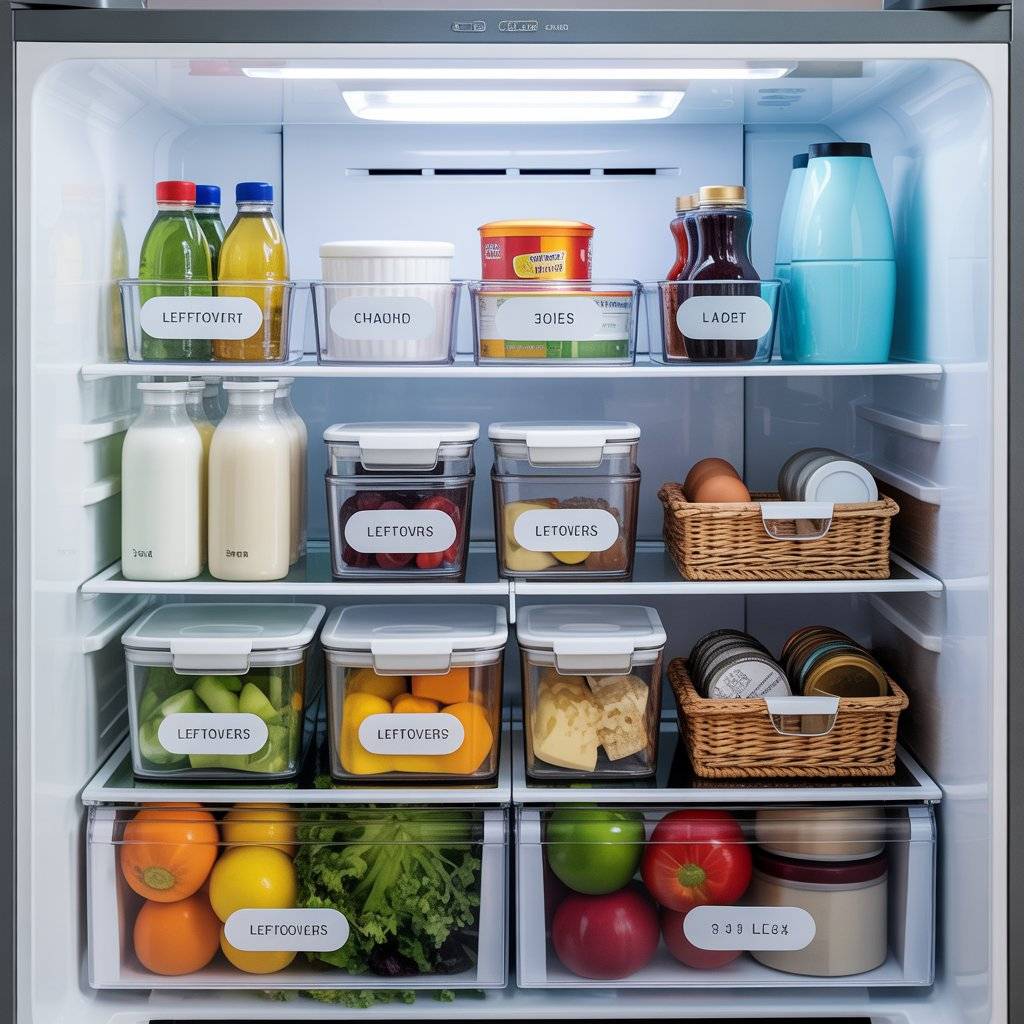
Leftovers were placed on a designated shelf in shallow containers, labeled with the date they were cooked. I also moved the most-used items to eye level for easier access during meal prep. Smaller items like eggs and cheese went into separate baskets so they wouldn’t get lost in the back. Finally,
I made it a habit to check the fridge weekly, removing expired items and rotating older foods to the front, which cut down food waste and saved time when cooking.
7. Creating a Cleaning Supply Caddy
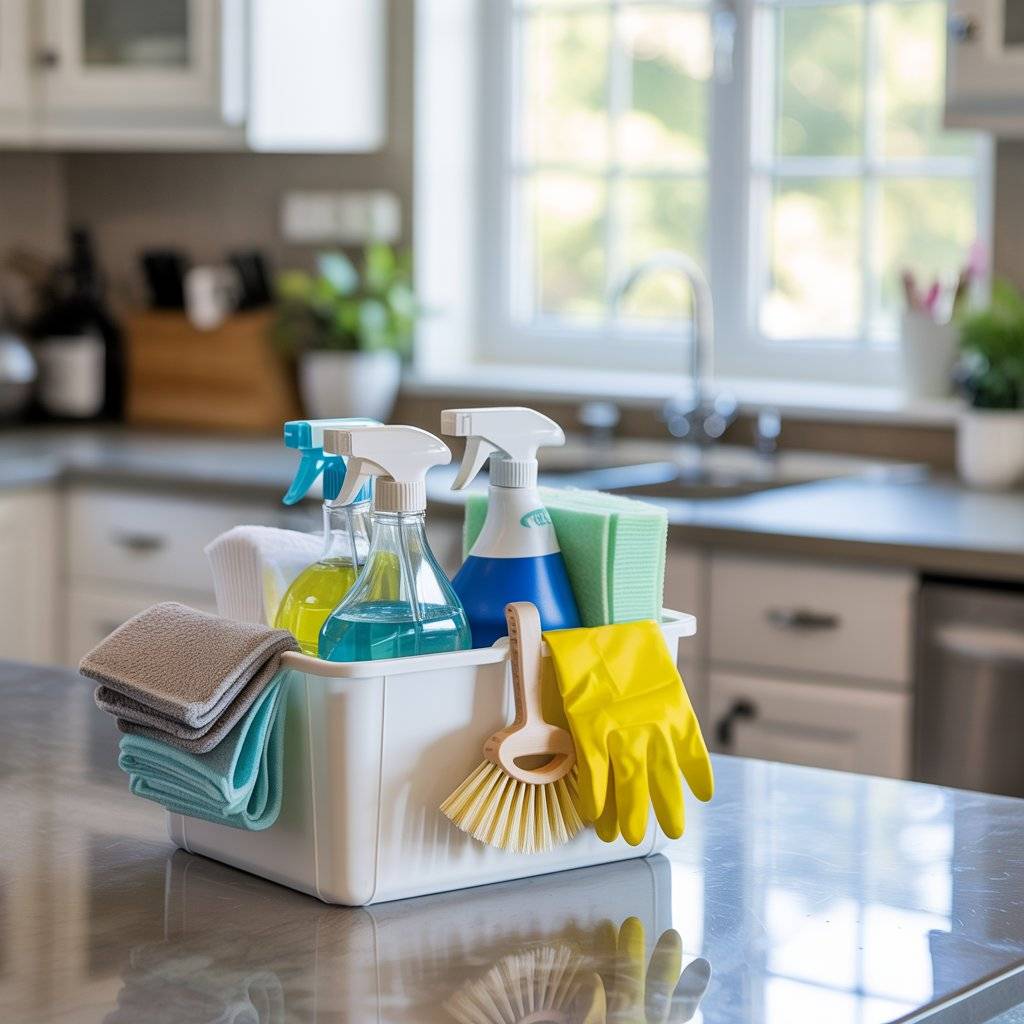
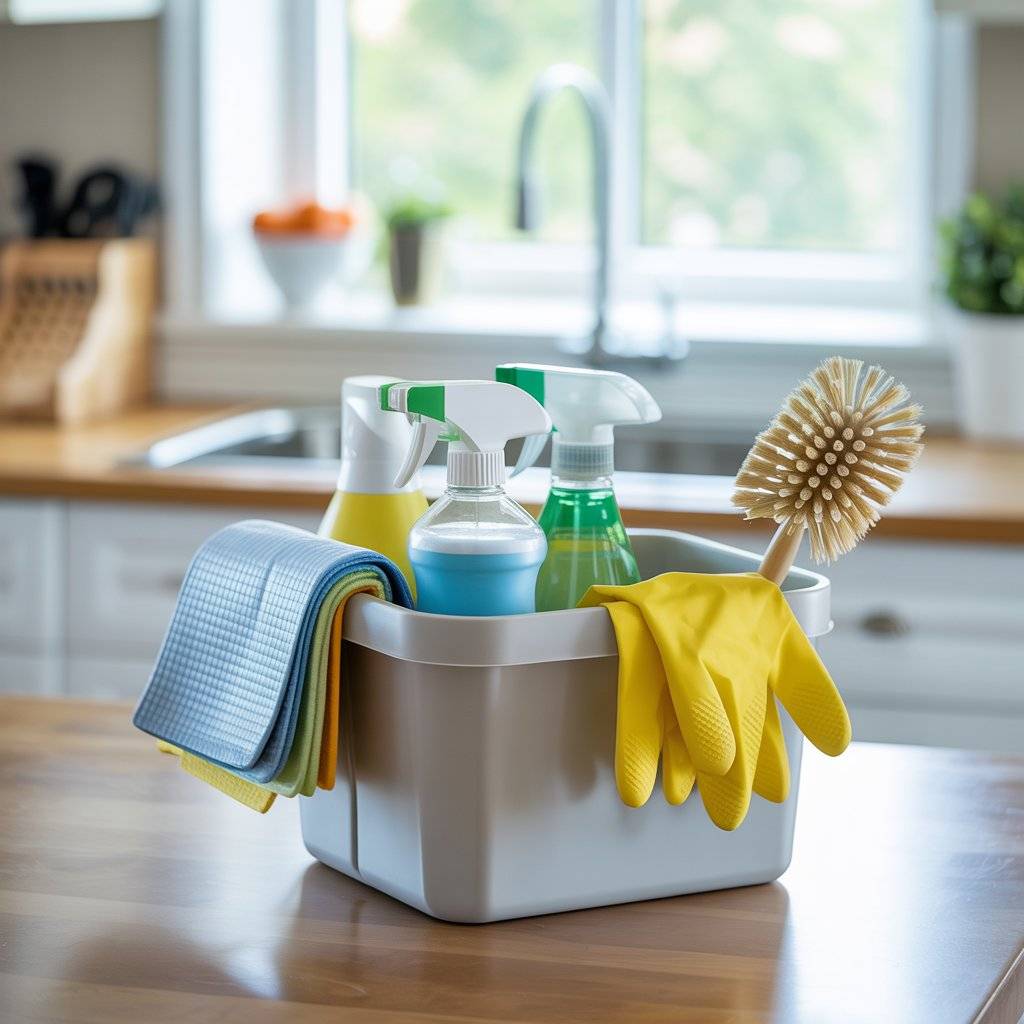
Instead of storing cleaning supplies in different rooms, I put together one portable cleaning caddy that I can carry around the house. I included only the products I actually use, like an all-purpose cleaner, glass spray, microfiber cloths, gloves, and a scrub brush.
This saved me time because I no longer stop mid-cleaning to search for supplies. It also helped me see what I already had, so I stopped buying duplicates. For small homes or apartments, this works especially well because everything stays contained in one place. When I’m done cleaning, the caddy goes back under the sink, and the house stays clutter-free.
8. Bedroom Closet Reset
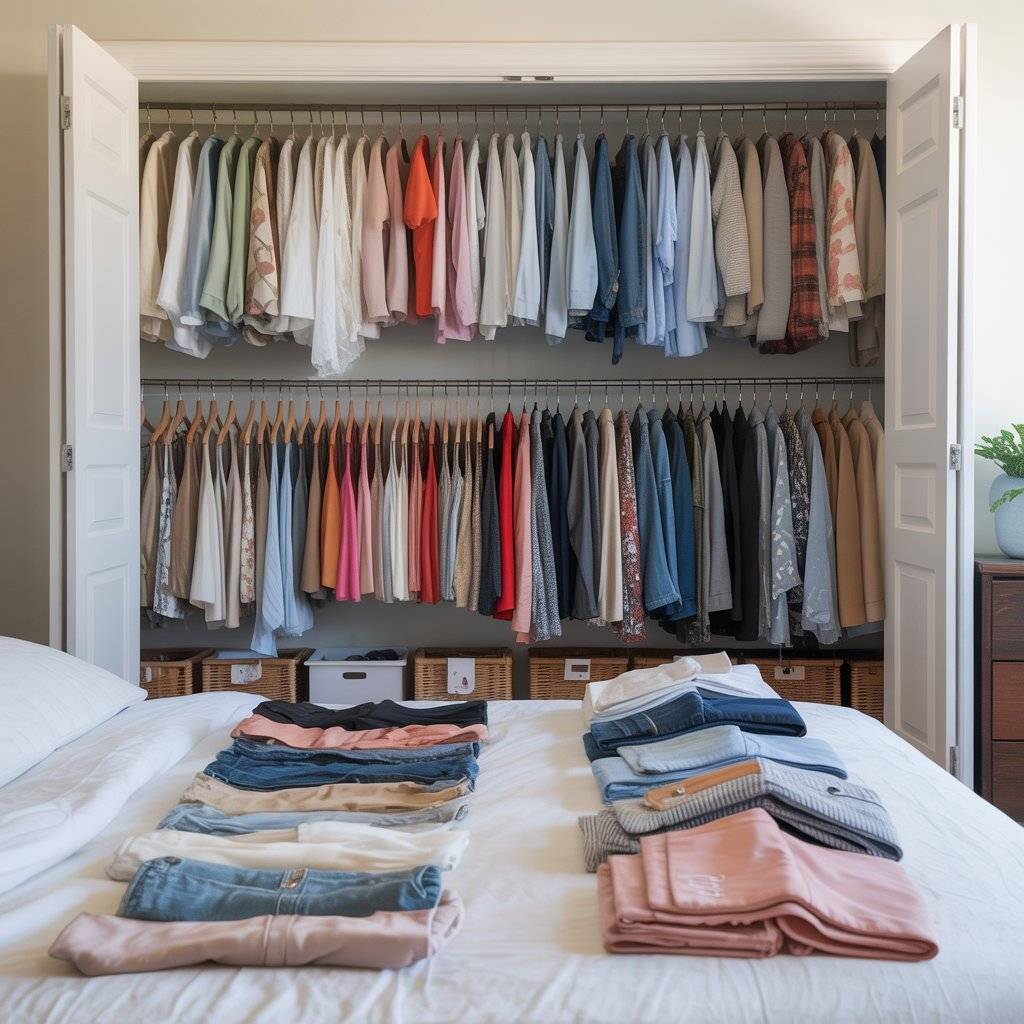
I pulled everything out of my closet and laid it all on the bed so I could see exactly what I had. Then, I sorted items into categories: tops, bottoms, dresses, jackets, and shoes. Once grouped, I went through each piece and asked myself if I actually wore it in the last year.
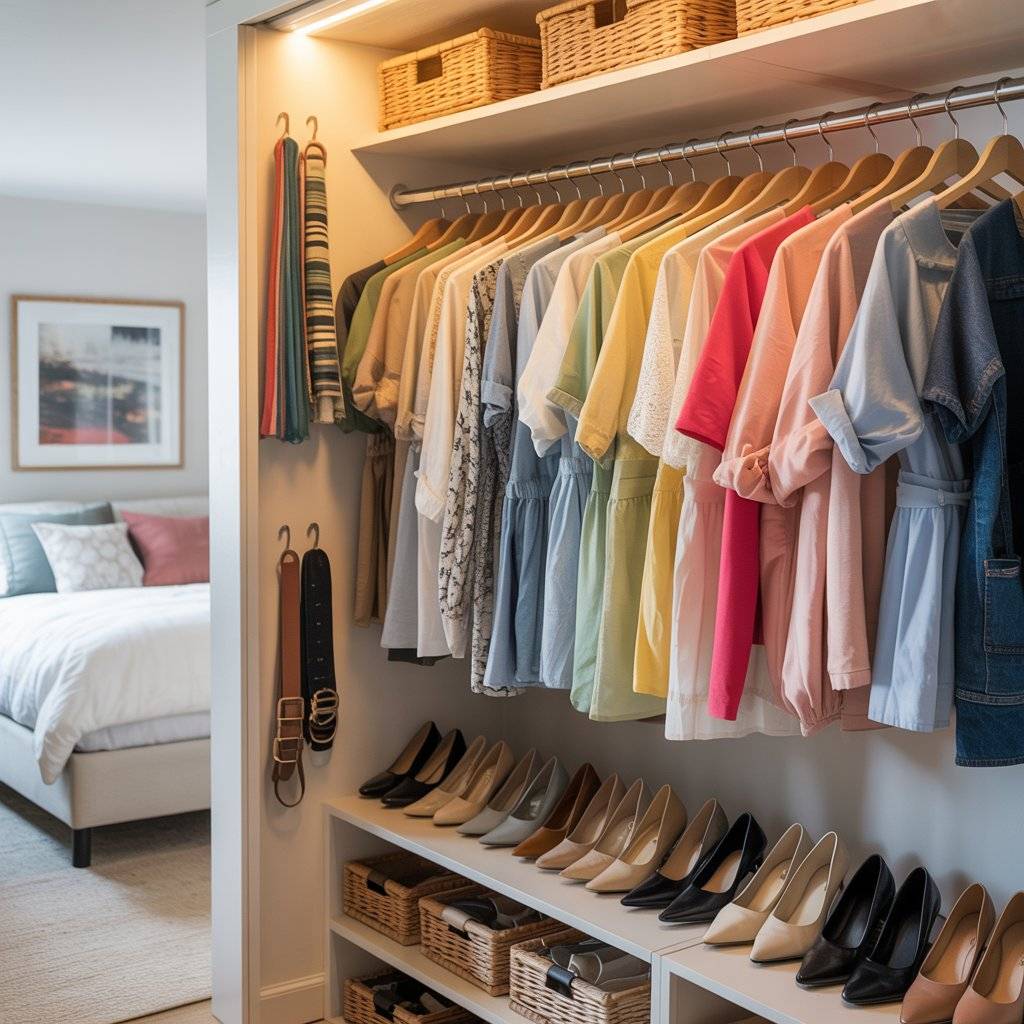
Items I hadn’t used went into a donate pile or were set aside for seasonal storage. I also separated off-season clothing into bins under the bed to free up space. After that, I rehung everything I kept by type, and then by color it made finding outfits so much easier.
Finally, I added a few hooks for accessories like scarves and belts, which cleared the dresser top completely. By the end, my closet wasn’t just tidier; it felt calmer and made getting dressed in the morning faster and less stressful.
9. Under-Bed Storage Project
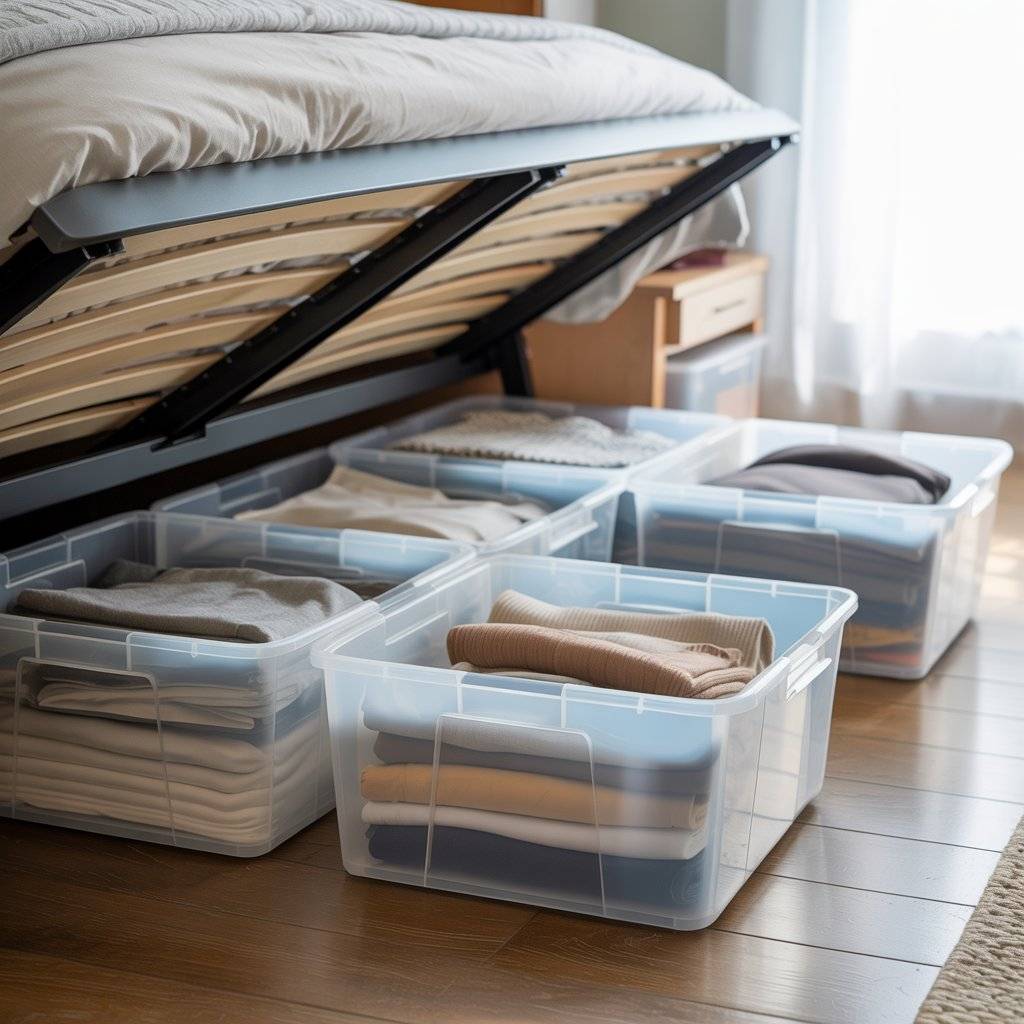
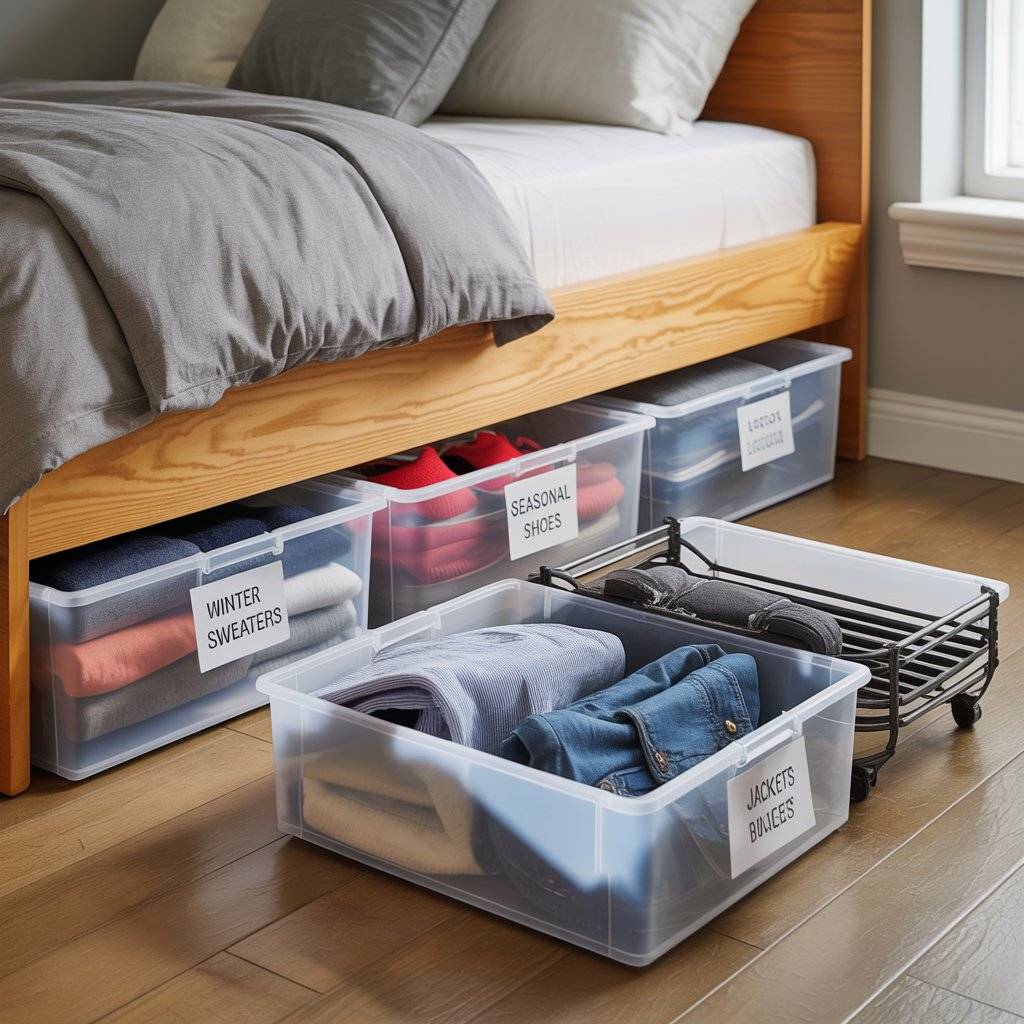
Under-bed space is one of the most overlooked storage areas in a home, but it can be a game-changer if used wisely. I cleared the area and invested in flat storage bins that fit perfectly under my bed frame.
I used some bins for shoes I rarely wear and others for seasonal clothing like sweaters and jackets. Each bin was labeled clearly so I could find items quickly without pulling everything out. To make it even more functional, I added a lightweight rolling tray inside one bin for easy access.
This small project immediately freed up closet space and made my bedroom feel less cluttered. Now, I can keep things out of sight but still have them within reach whenever I need them.
10. Bathroom Cabinet Organization
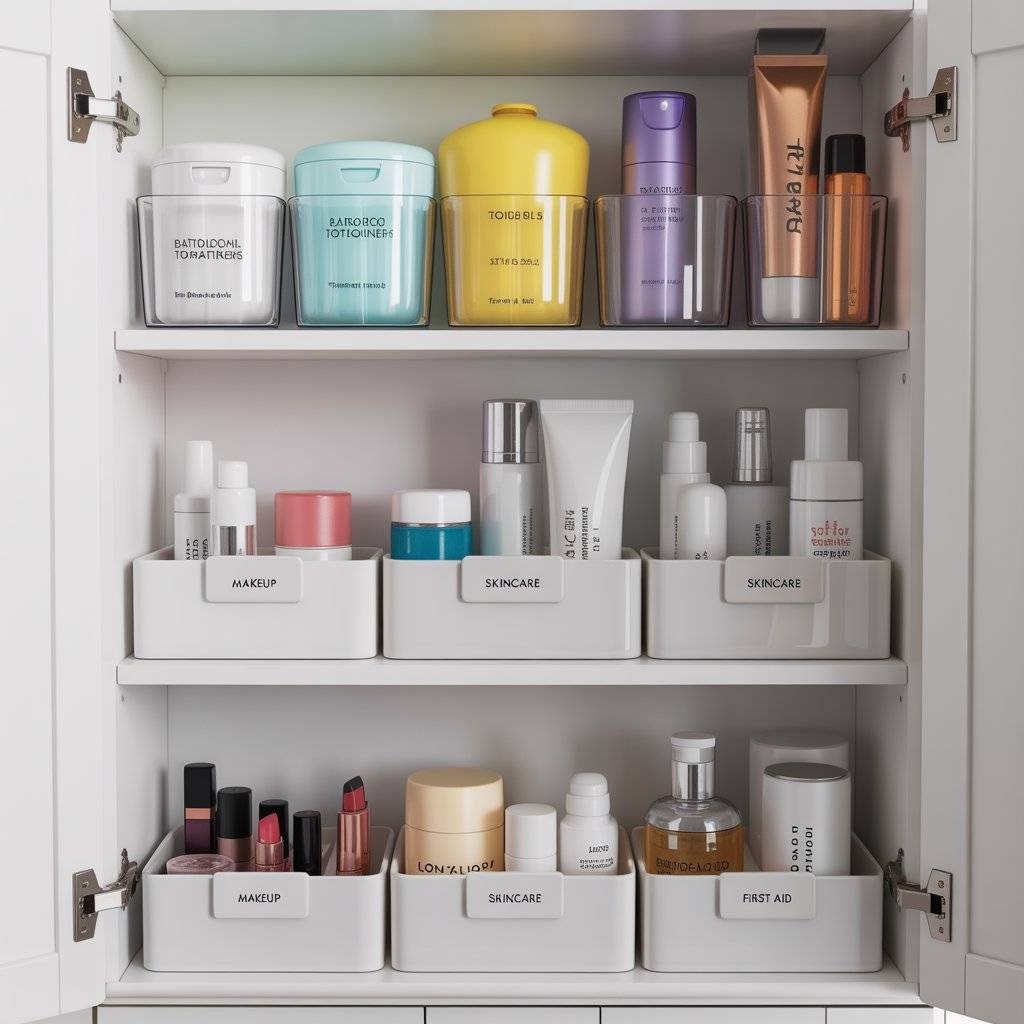
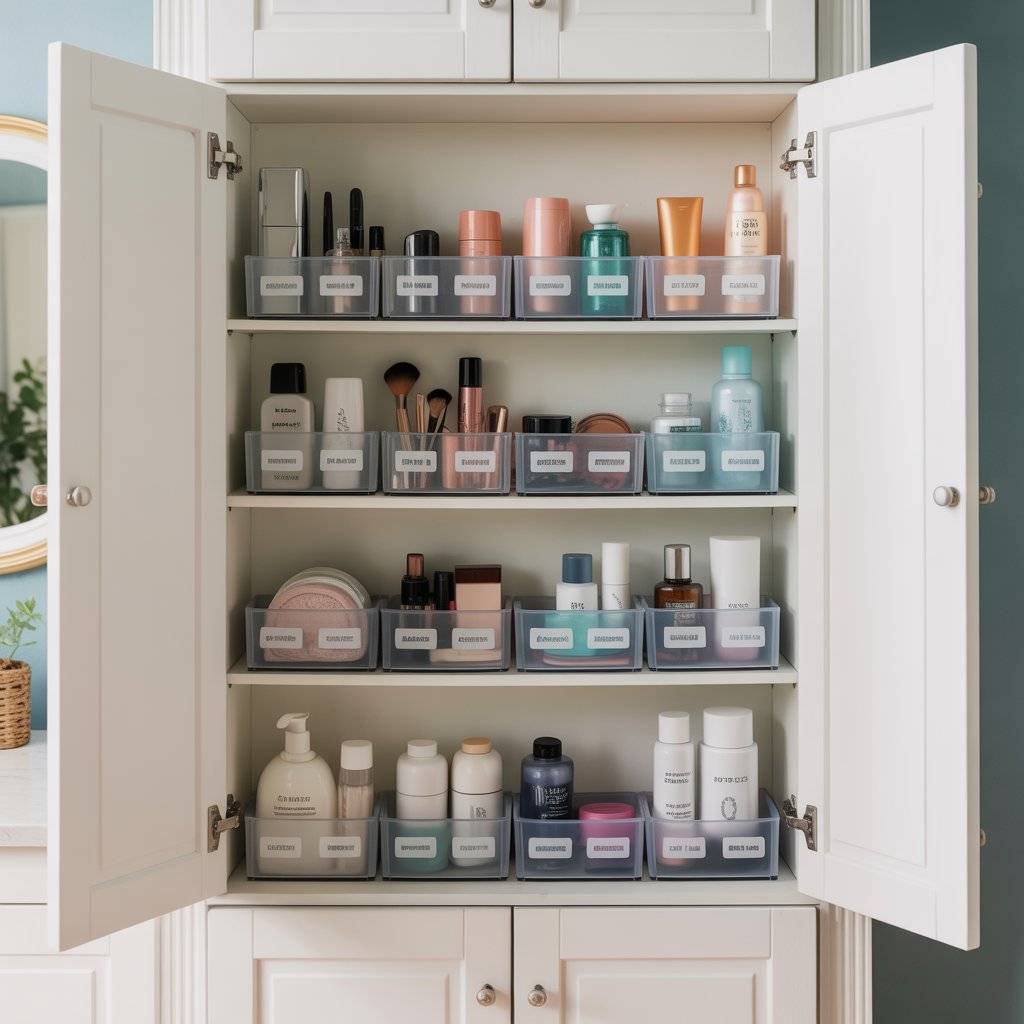
Bathrooms are one of the easiest places for clutter to build up, mostly because we keep half-used products and random toiletries lying around. I started by completely emptying my cabinets and checking every item for expiration dates.
Products I use daily were grouped together on one shelf for easy access, while backups went on a higher shelf and rarely used items were tucked in small bins. I also added a few labeled containers to separate things like makeup, skincare, and first aid items. Wiping down the shelves before putting anything back made the space feel fresh and clean.
Over time, keeping the bins organized has made it much easier to find what I need without digging through a pile. It’s a small project, but it transformed the cabinet from chaotic to functional and actually made getting ready in the morning faster and less stressful.
11. Laundry Room Workflow Setup
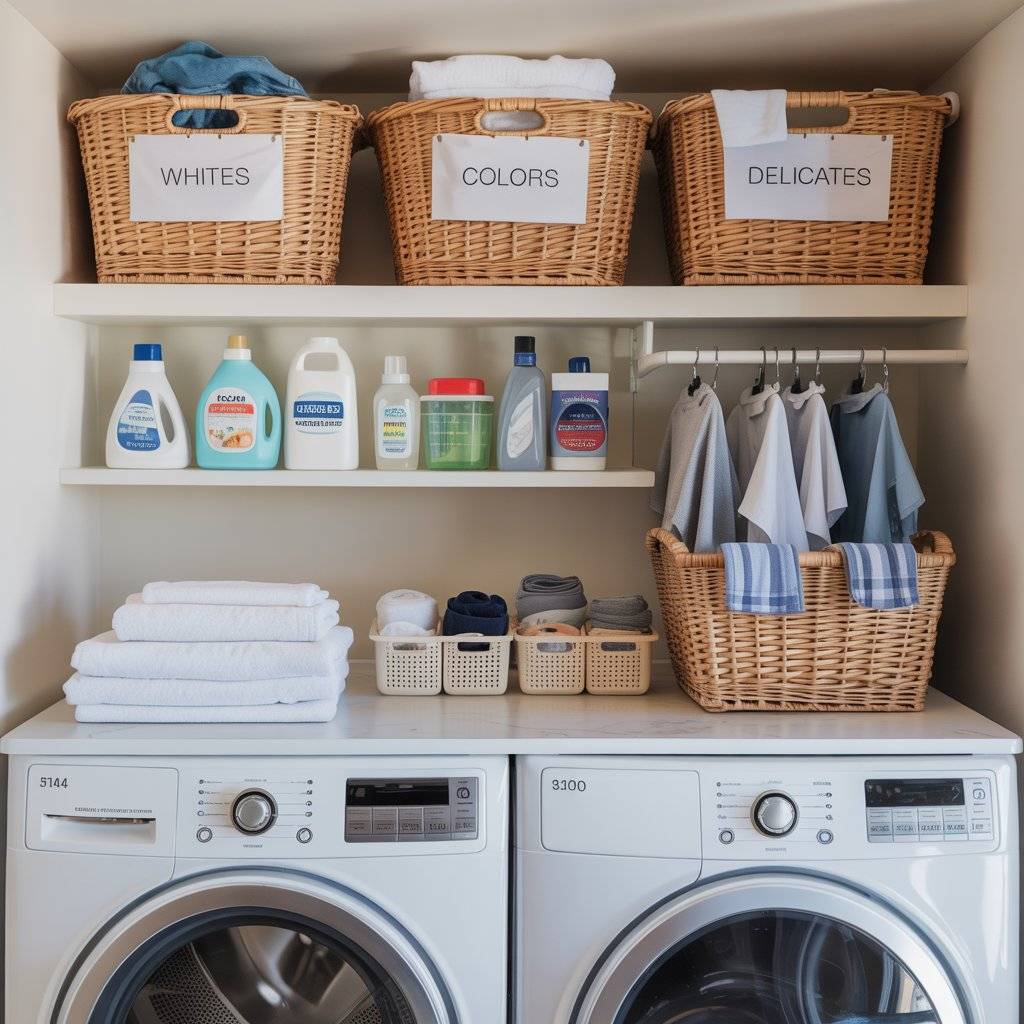
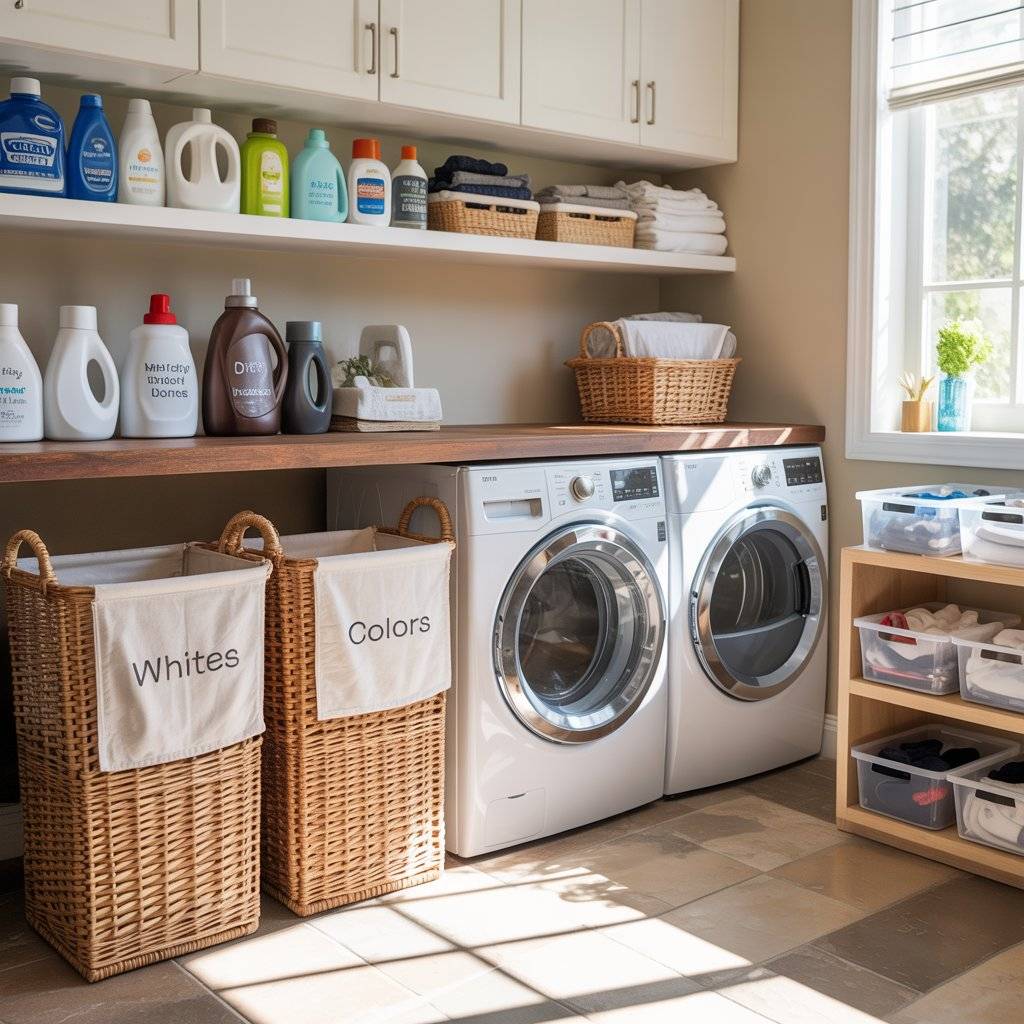
I organized the laundry area to follow the way I actually do laundry: sorting, washing, drying, and folding. I labeled separate baskets for whites, colors, and delicates so sorting became automatic instead of messy.
Laundry detergents, stain removers, and dryer sheets were placed within easy reach, which saved me from digging through cabinets mid-cycle. I also designated a folding space right next to the dryer so clothes could go straight from machine to shelf.
Small bins helped keep socks and small items together, preventing the frustration of missing pairs. By creating this workflow, laundry went from feeling overwhelming to a simple, repeatable process that only takes a few minutes each time.
12. Creating a Home Command Board
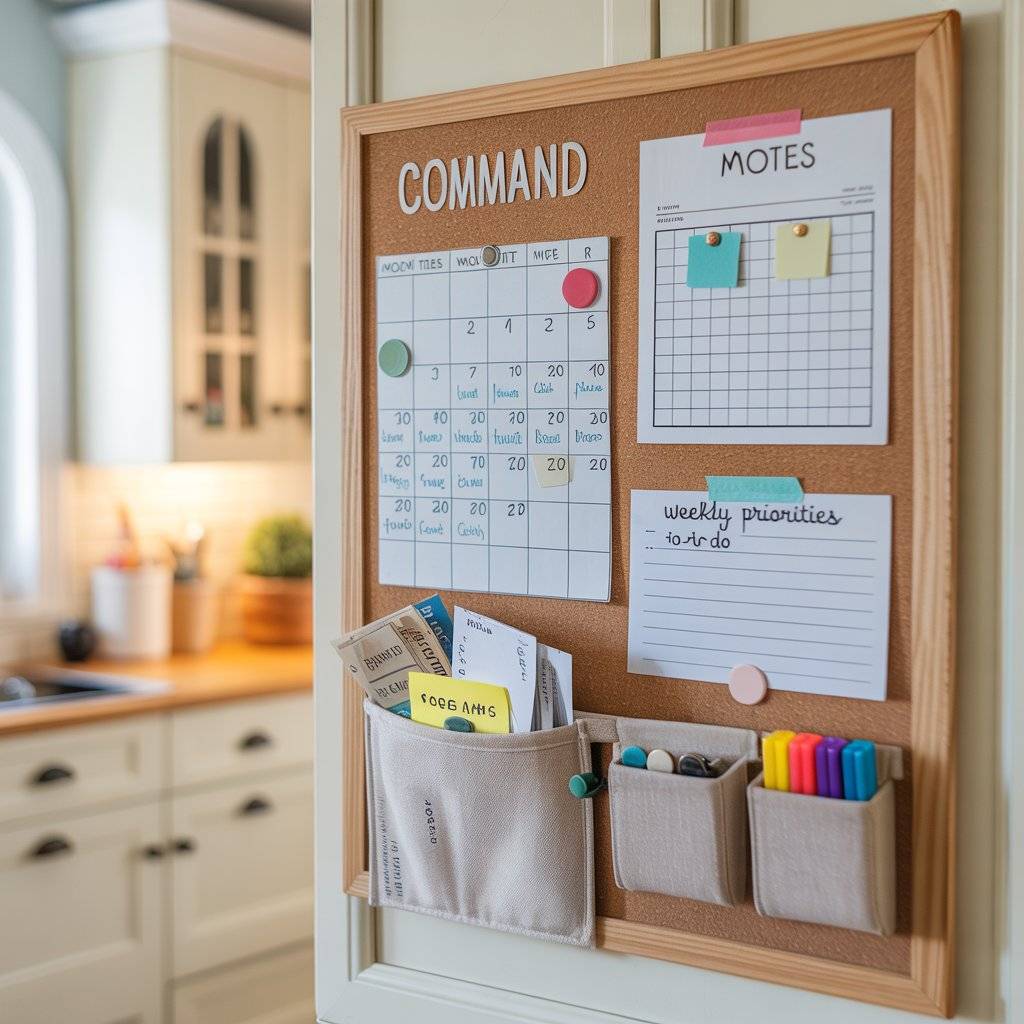
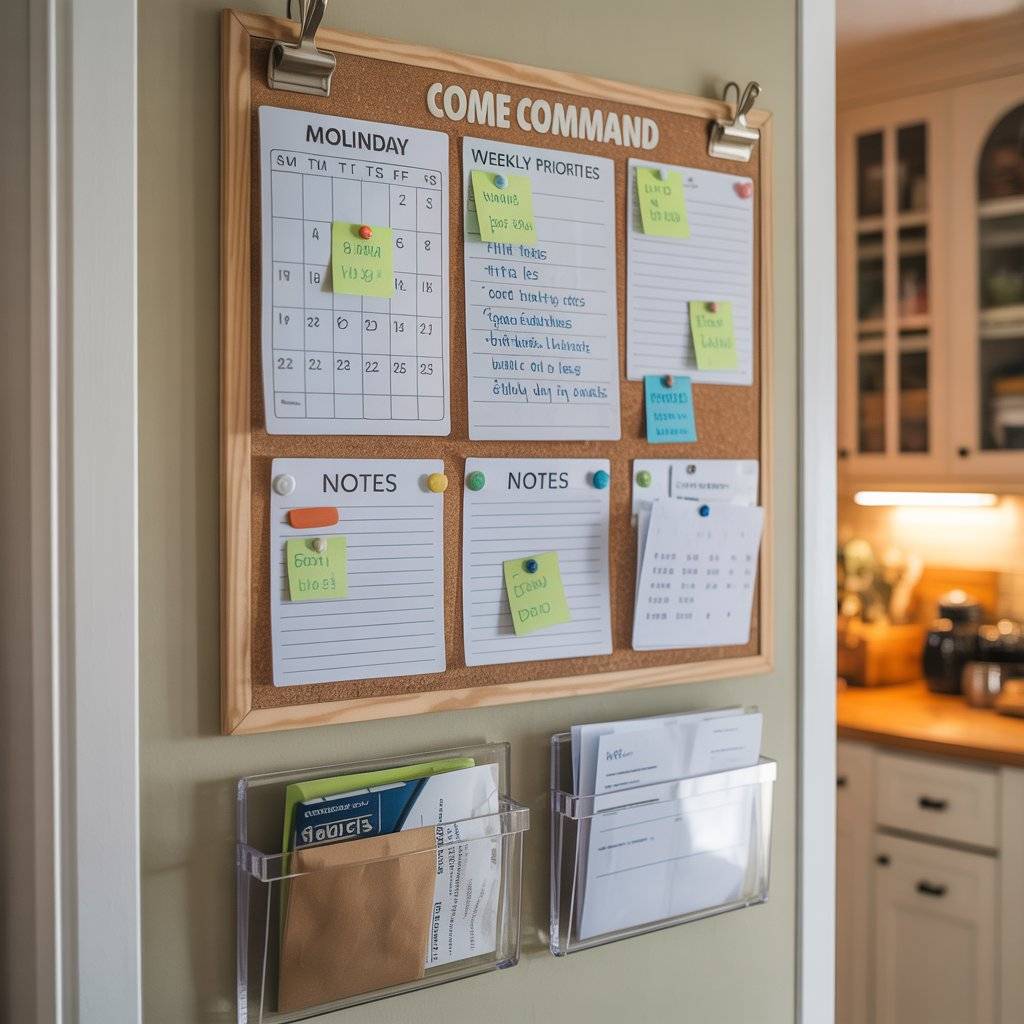
At one point, I realized our family was missing appointments, forgetting grocery lists, and losing track of deadlines. To fix this, I set up a home command board in a central spot right by the kitchen. I divided it into sections: a calendar for events, a notes area for reminders, and a small section for weekly priorities.
I also added a pocket for receipts or incoming mail so nothing got lost. The key was keeping it simple and visible; everyone in the house could see it and add their own notes. Over the next few weeks, I noticed fewer last-minute panics, and mornings felt smoother because we all knew what was happening that day.
It didn’t take much time or money to set up, but it made a huge difference in keeping the household running efficiently. This is one of those projects that feels small but has a big impact you can customize it however you need, and it really works.
13. Digital Declutter Project
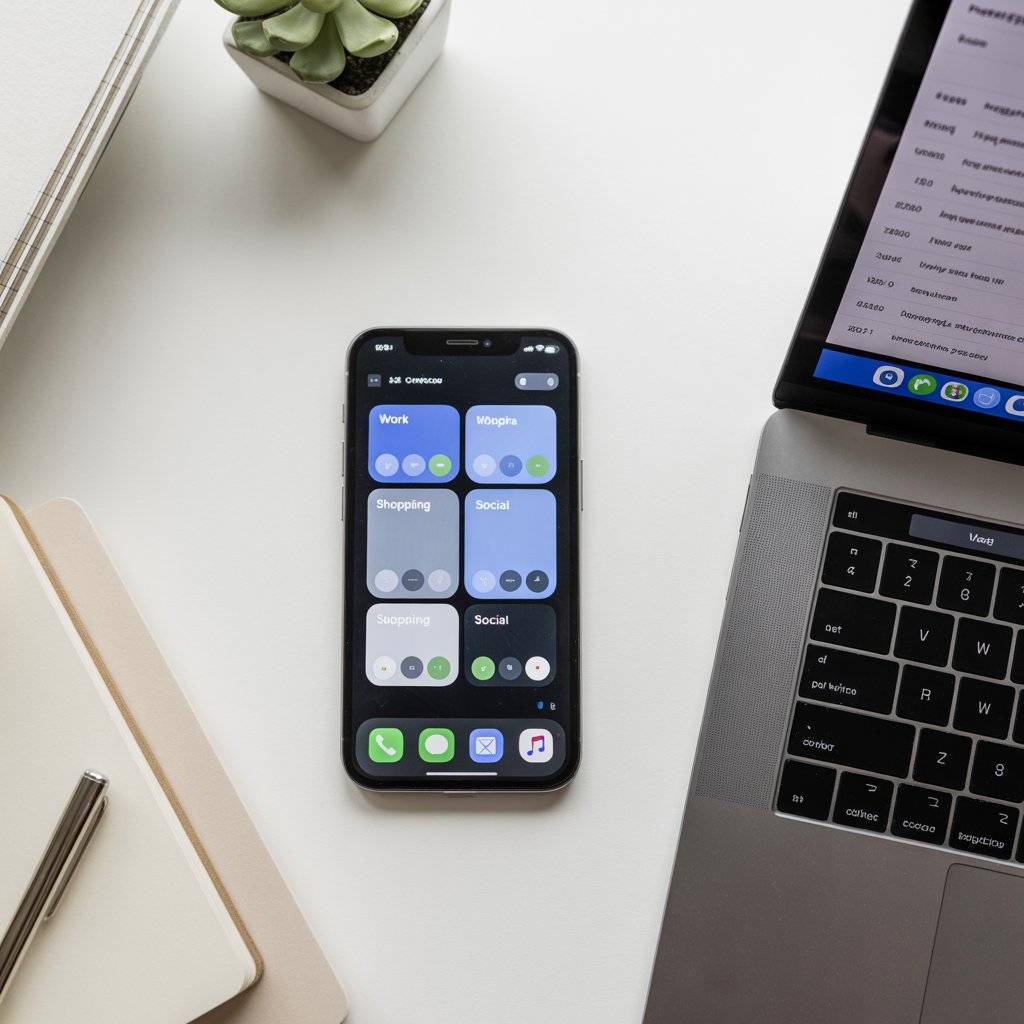
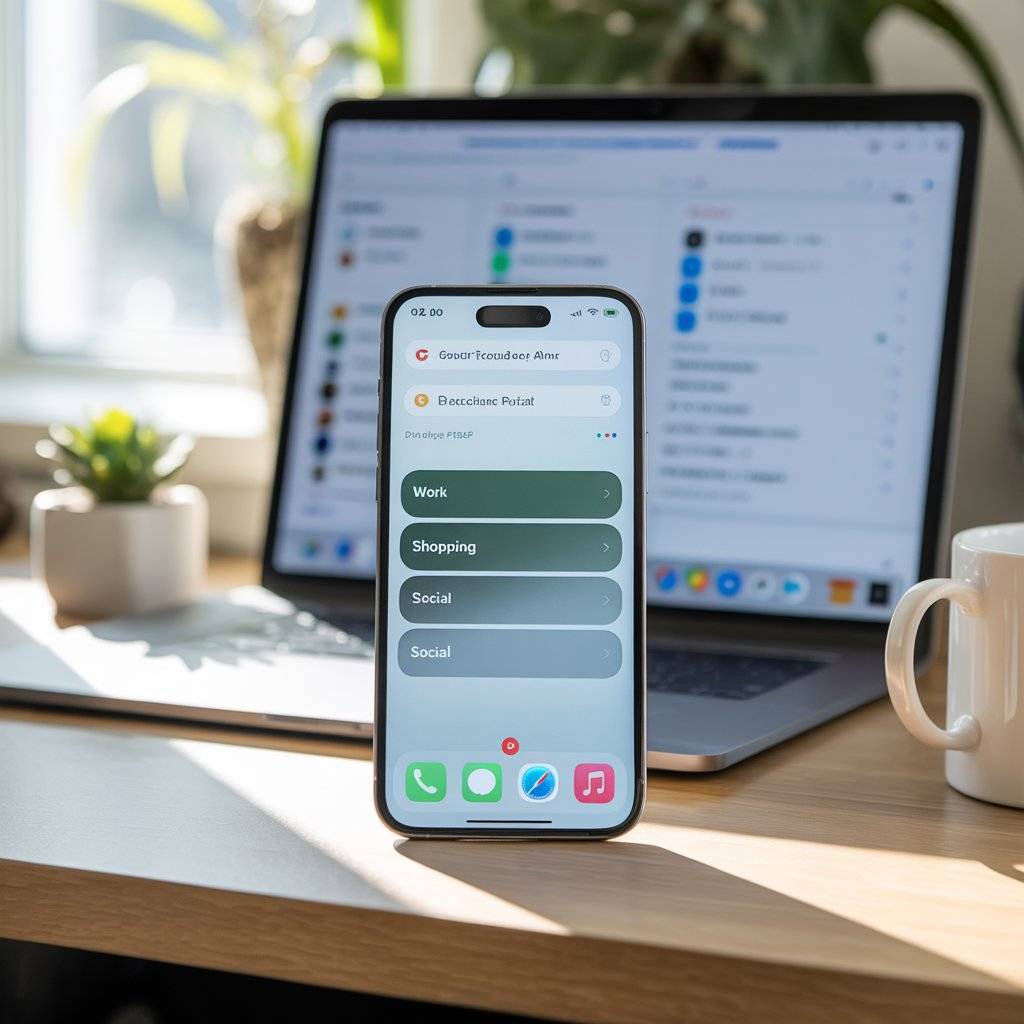
Organization isn’t just about physical spaces your digital life counts too. I started by going through my phone and deleting apps I hadn’t used in months. Then, I organized the remaining apps into folders by purpose, like “Work,” “Shopping,” and “Social.” I also cleaned up my email inbox, unsubscribing from newsletters I never read and creating folders for important messages.
Notifications were turned off for non-essential apps, which stopped constant distractions. Finally, I did the same on my computer, organizing files into clearly labeled folders and deleting duplicates. This simple digital reset made it easier to focus and saved me time every day.
14. Kids’ Toy Rotation System
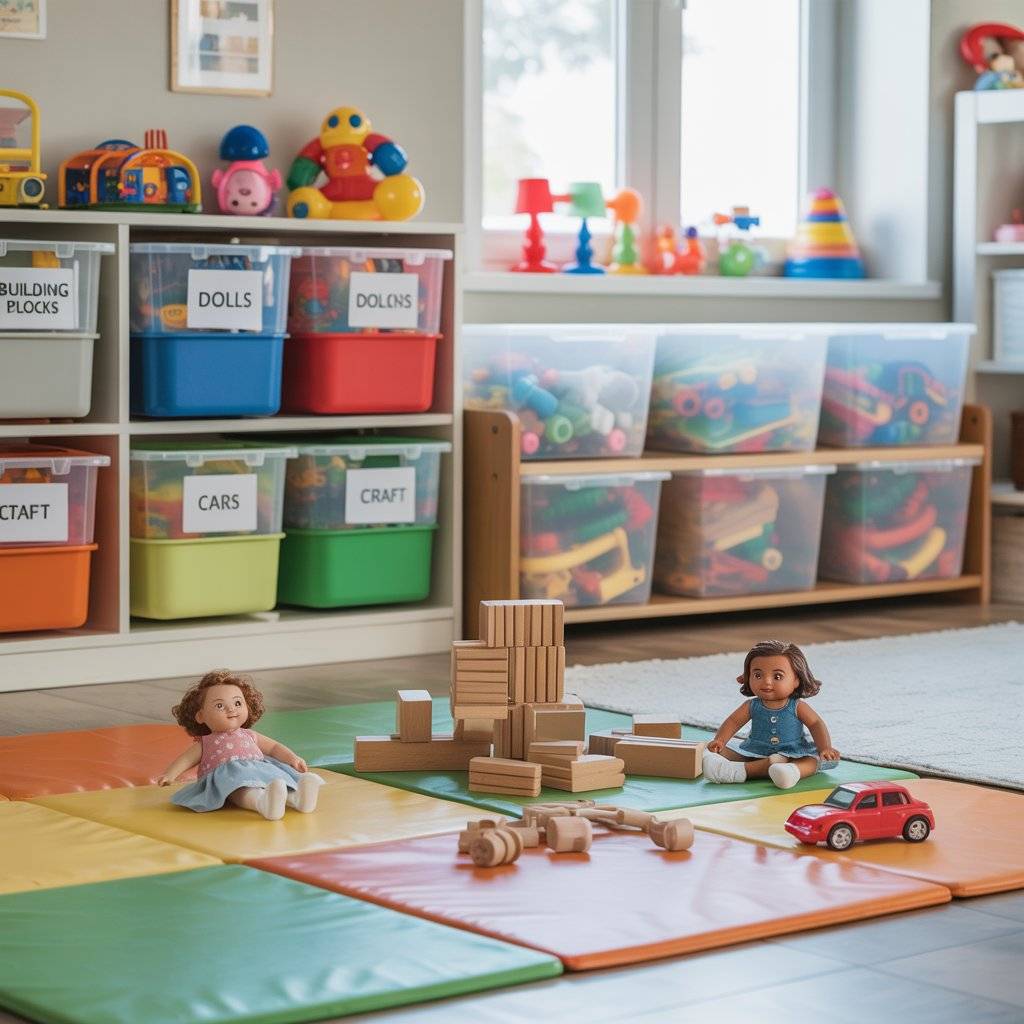
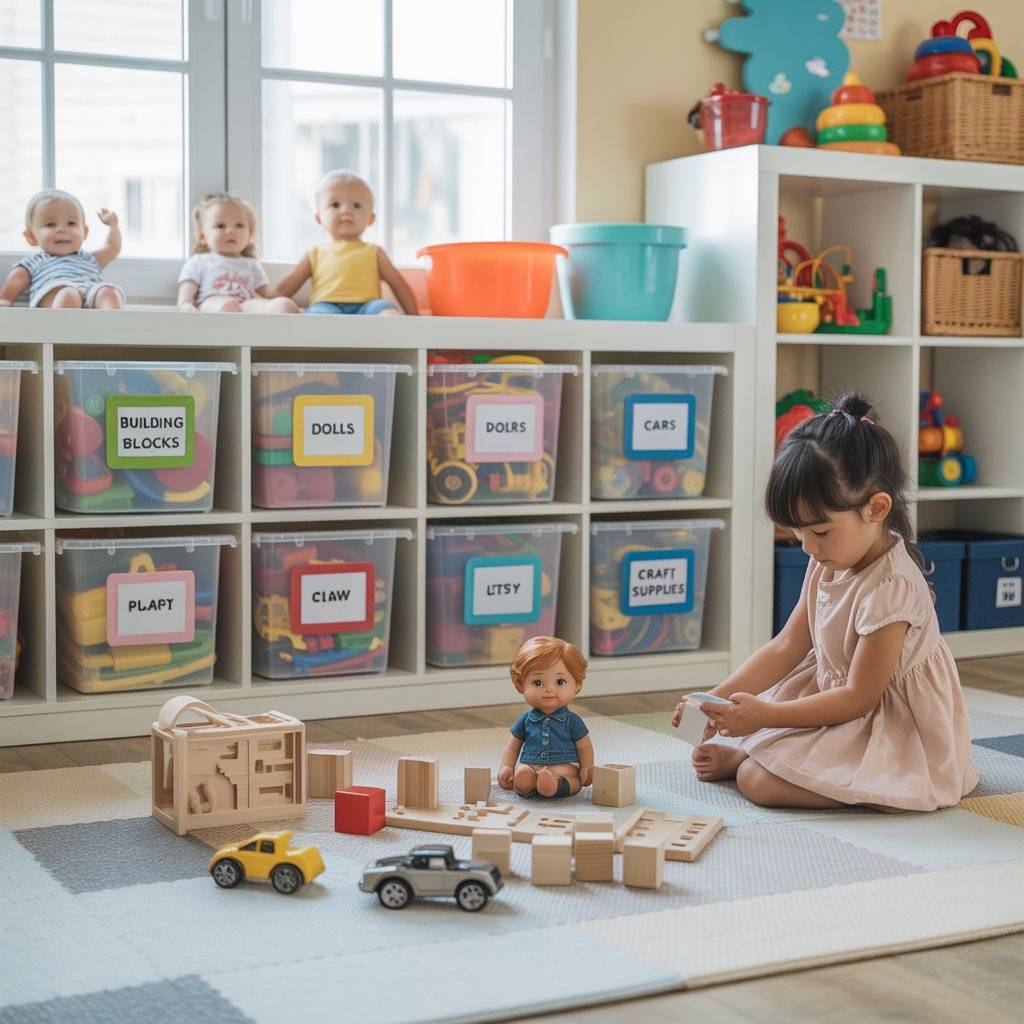
If your kids have a lot of toys, it’s easy for clutter to take over their play area. I started a toy rotation system, which made a big difference. First, I sorted all the toys into categories building blocks, dolls, cars, and craft supplies.
Then I chose a portion to leave out for daily play, and the rest went into storage bins labeled by type. Every two weeks, I swapped the toys in storage with the ones out, so the kids always had “new” toys to play with without buying more.
This rotation not only reduced clutter but also encouraged them to focus on one set of toys at a time, which meant less mess and fewer arguments. I also involved the kids in deciding which toys to rotate, which made them more invested in keeping the area tidy.
15. Linen Closet Reset
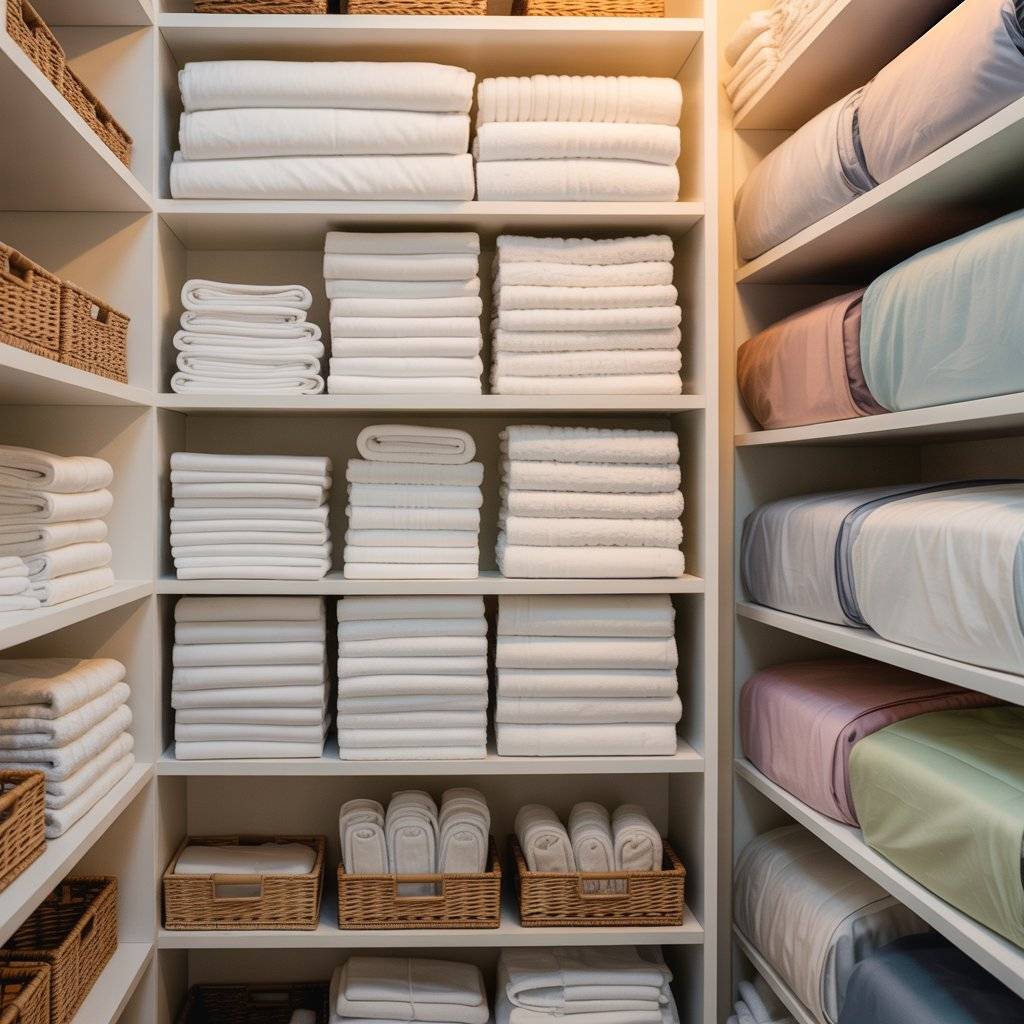
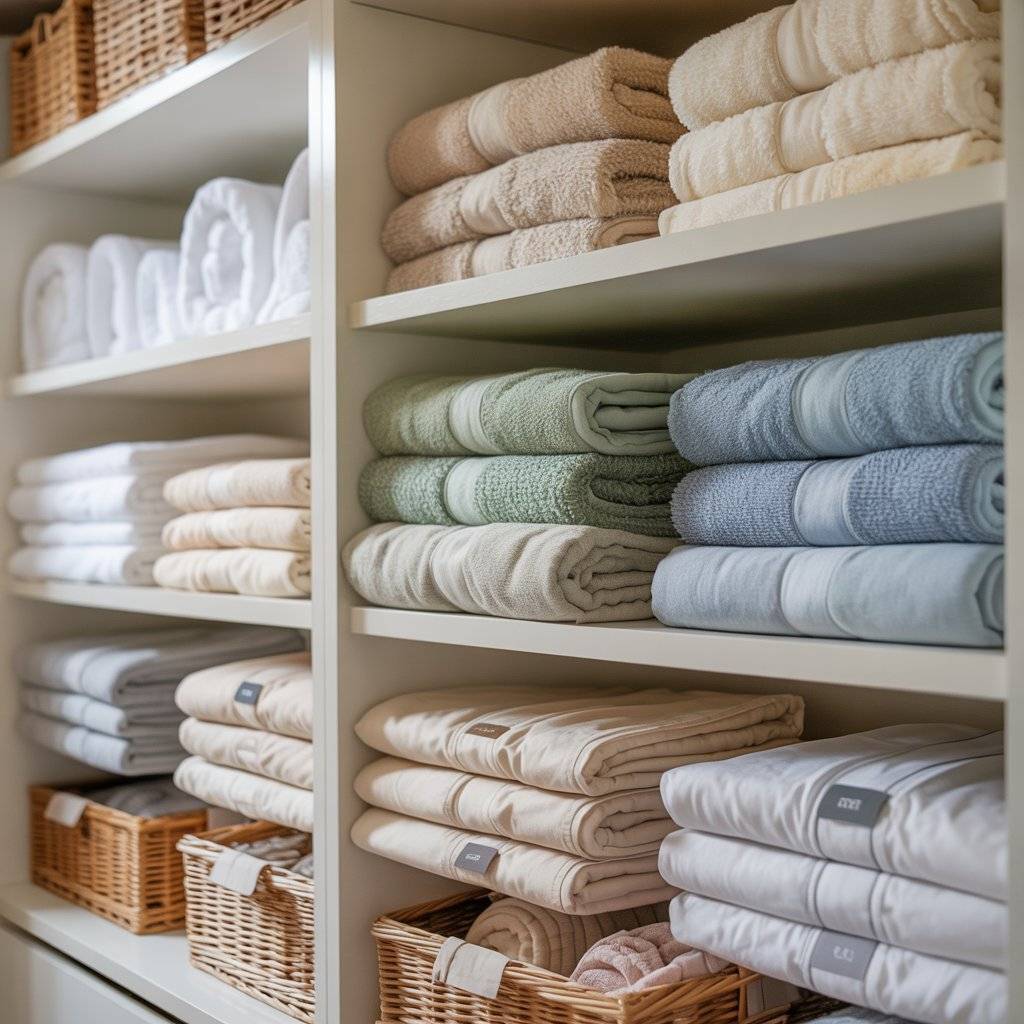
I decided to tackle my linen closet at the start of the year because it always felt cluttered and hard to manage. The first thing I did was pull everything out and sort it into categories: towels, bed sheets, blankets, and pillowcases.
I folded each towel and sheet the same way, stacking them by size so I could easily see what I had. Any extras that didn’t fit neatly on the shelf or that I knew I wouldn’t use were put into a donation box. I also grouped items by frequency of use everyday towels and sheets were placed front and center, while guest towels and spare bedding went on the top shelves.
Adding a few small bins for washcloths and smaller items made everything feel organized and contained. Now, when I need a towel or change the bed, I can grab what I need without digging or pulling everything out. It’s a small project, but it makes a big difference in maintaining a calm and functional closet.
16. Garage or Storage Area Clean Up
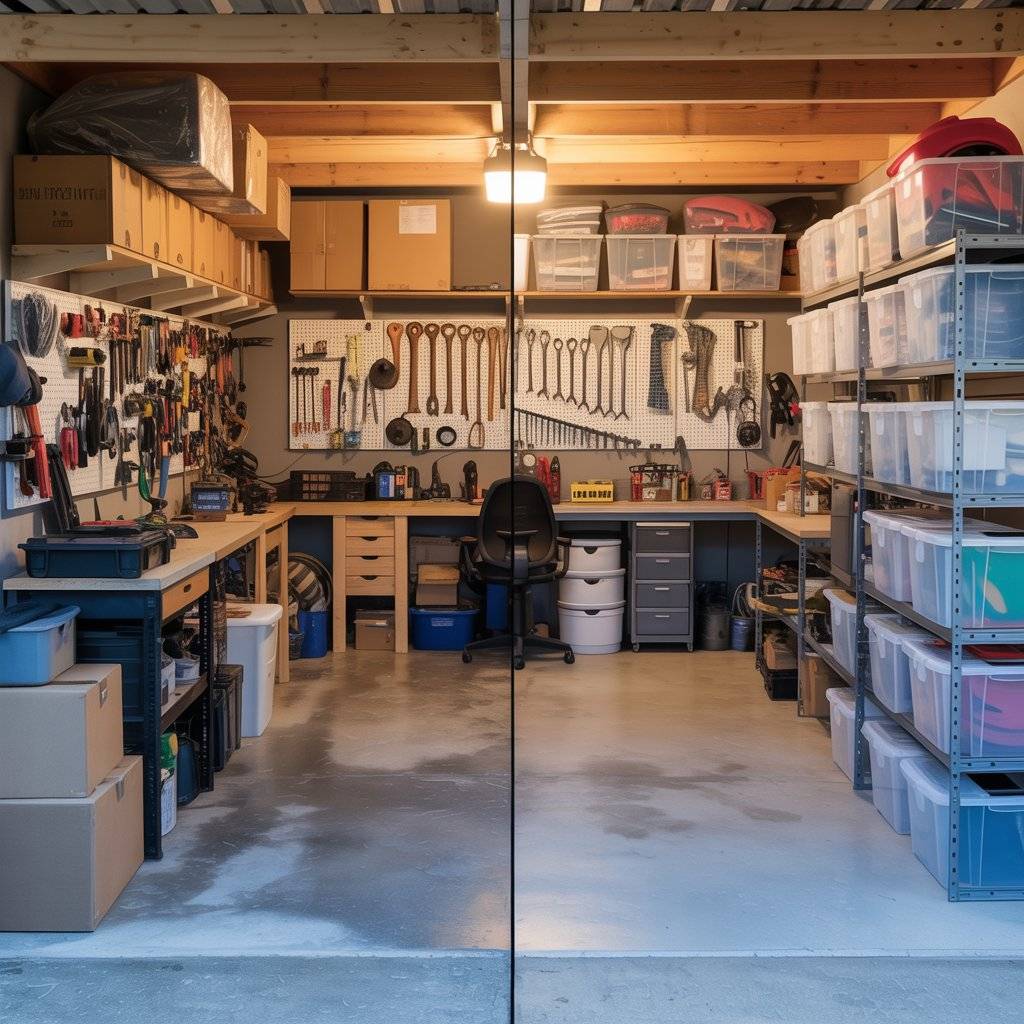
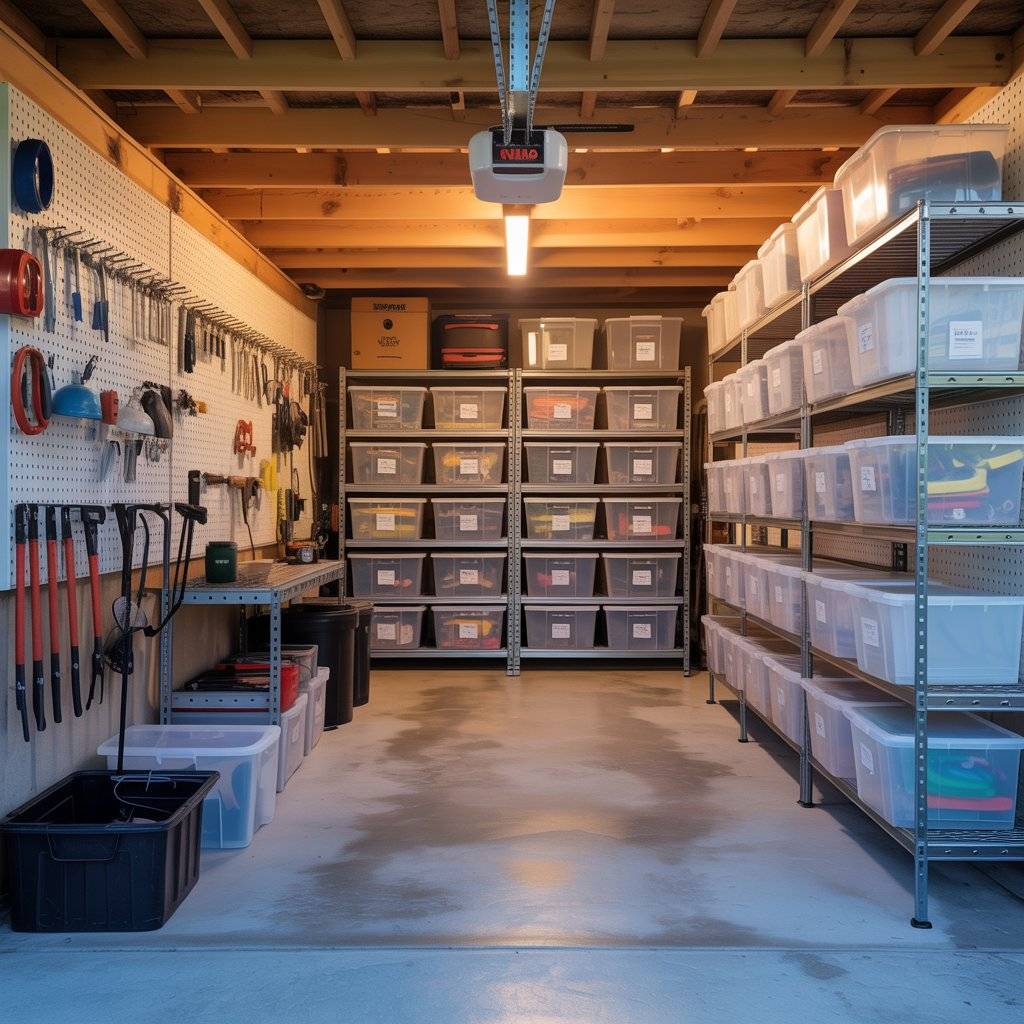
I focused on the garage one small section at a time, instead of trying to tackle the whole space in a single day. I started by pulling everything out of one corner and sorting items into three piles: keep, donate, or toss. Once the area was cleared, I hung frequently used tools on the wall with hooks and pegboards, which made them easy to see and grab when I needed them.
Smaller items, like screws, nails, and gardening supplies, went into clear labeled bins, so I could find them without digging. Seasonal or rarely used items were stored in labeled plastic containers stacked neatly along the back wall. I also made a small walking path, so I wouldn’t have to move things around every time I needed access.
By organizing one section at a time, I felt less overwhelmed, and it was easy to maintain. Now, the garage isn’t just storage it’s functional, and I actually use the space for projects instead of avoiding it.
17. Creating a Nightly Reset Routine
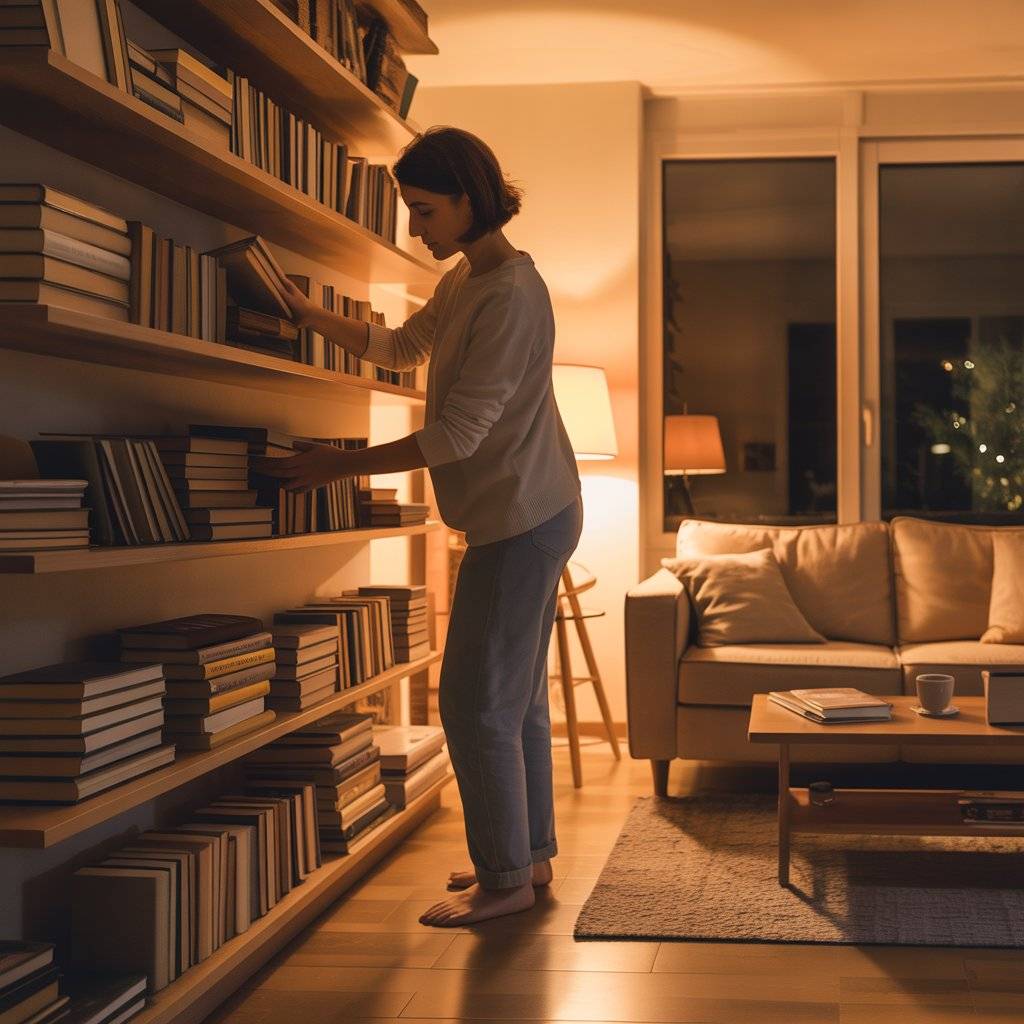
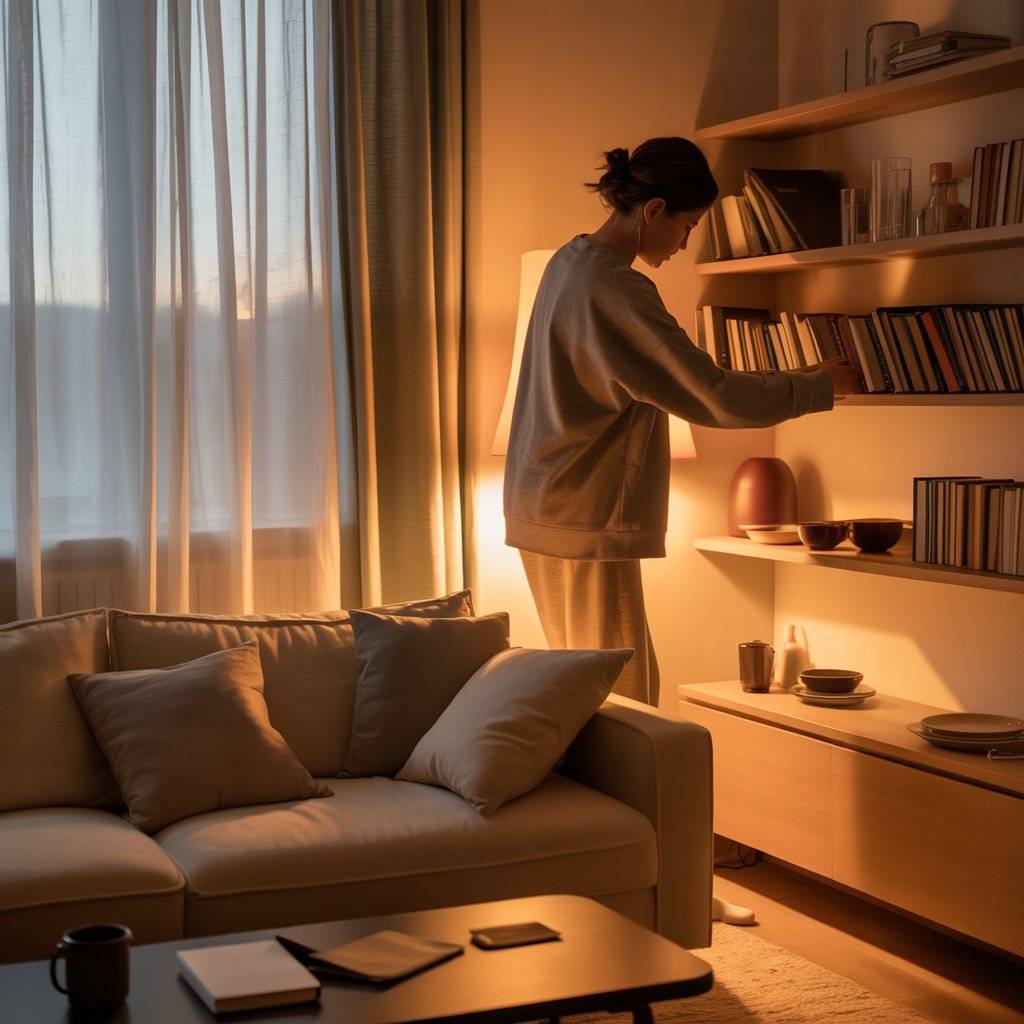
I started spending about ten minutes each night putting things back where they belong, and it changed how my home feels. I make it simple books back on shelves, dishes in the sink or dishwasher, and stray items returned to their drawers. Even little things, like throwing clothes in the hamper instead of leaving them on the floor, add up.
Doing this consistently keeps clutter from piling up overnight and makes mornings feel calmer. I also use this time to quickly wipe surfaces or straighten cushions, so the living areas look tidy without a big effort. It’s not about perfection; it’s about creating a habit that makes daily life smoother and less stressful.
18. Donation Box System

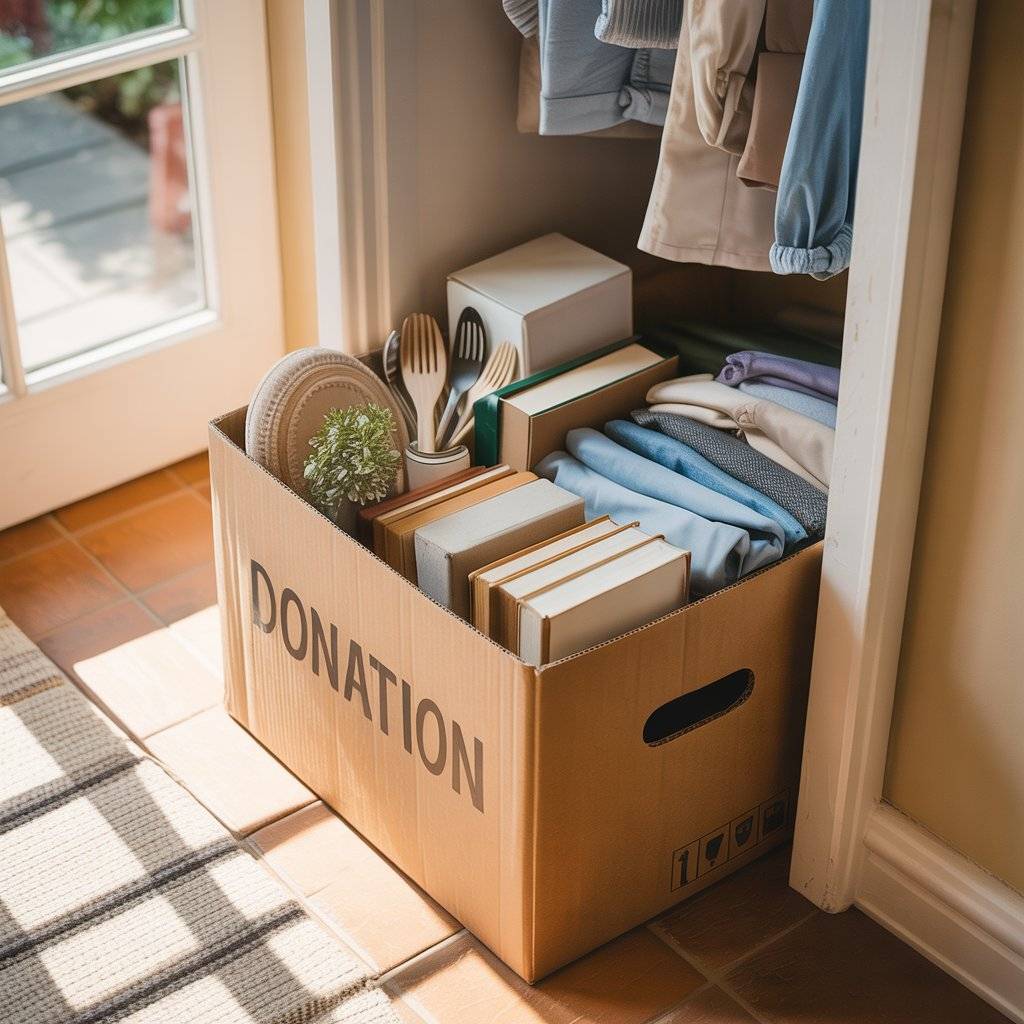
I keep one box in a closet or near the door specifically for things I no longer use. When I come across clothes that don’t fit, kitchen tools I never reach for, or décor that no longer feels right, it goes straight into that box.
This keeps clutter from sitting around while I “decide later.” Once the box is full, I donate it right away instead of letting it linger. The key is not over thinking what goes in if I haven’t used it in a long time, it’s probably safe to let go.
This system works because it’s ongoing, not a one-time cleanout. It helps keep the house from slowly filling back up with things I don’t need.
Final Thoughts
Starting the New Year with a few focused home organization projects that can completely change how your space looks and functions. You don’t need to tackle all 18 projects at once pick one area that feats overwhelming and focus on that first. Small, consistent steps, like clearing a drawer or setting up a command center, can save time and reduce stress every day.
Over time, these little wins build momentum, making it easier to maintain other areas of your home. Organization is really about creating systems that work for your lifestyle, not about making everything look perfect. Once you experience the calm and efficiency that comes from a well-organized space, you’ll notice the difference in every part of your daily routine.
Related Post: