
You’ve seen the mason jars and the tin can planters. You know about bottle vases and fabric scraps. But eco-friendly DIY has evolved It’s not just about keeping things out of landfills anymore it’s about creating a home that feels current, intentional, and genuinely personal.
Modern sustainable decor is about smart design choices. It’s about using materials in unexpected ways, embracing new trends like biophilic design and upcycled technology, and making things that actually look like they belong in a 2026 home.
The best part, you still don’t need to spend a lot of money. Many of these projects use things you already have or can find for cheap. But instead of looking rustic or crafty, they look clean, fresh, and thoughtfully designed.
Let’s explore some modern approaches to eco-friendly decor that will genuinely update your space.
Why Eco-Friendly Decor Matters Now More Than Ever
The home furnishing industry generates millions of tons of waste every year. Choosing to make things that you especially from materials that would otherwise be thrown away makes a real difference.
It’s also about creating spaces that feel good to be in. Using natural materials, reducing synthetic chemicals, and bringing nature indoors all contribute to a healthier home environment.
Plus, there’s the satisfaction factor. When you make something with your own hands, it means more. You notice it more. You value it more. And that alone makes your home feel more like yours.
14 Modern Eco-Friendly DIY Decor Ideas
1. Cyanotype Art Prints
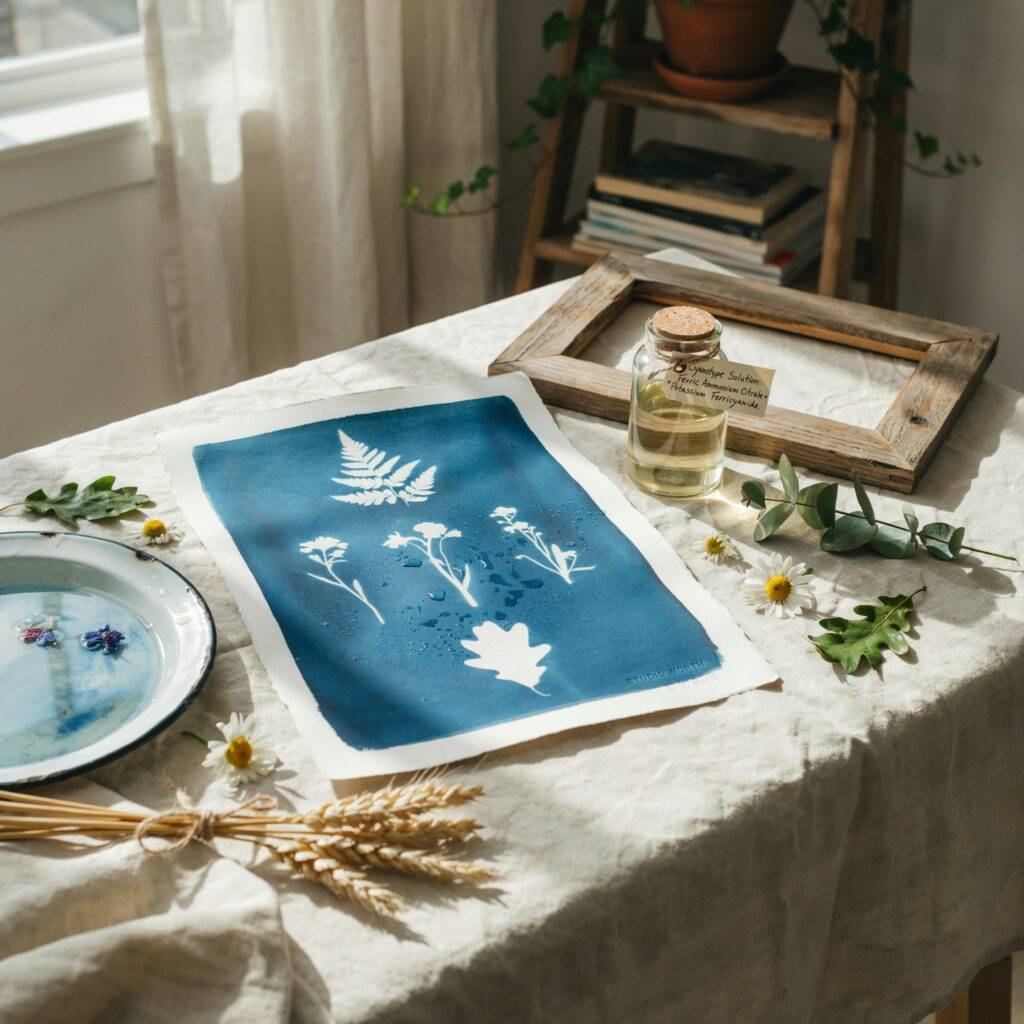
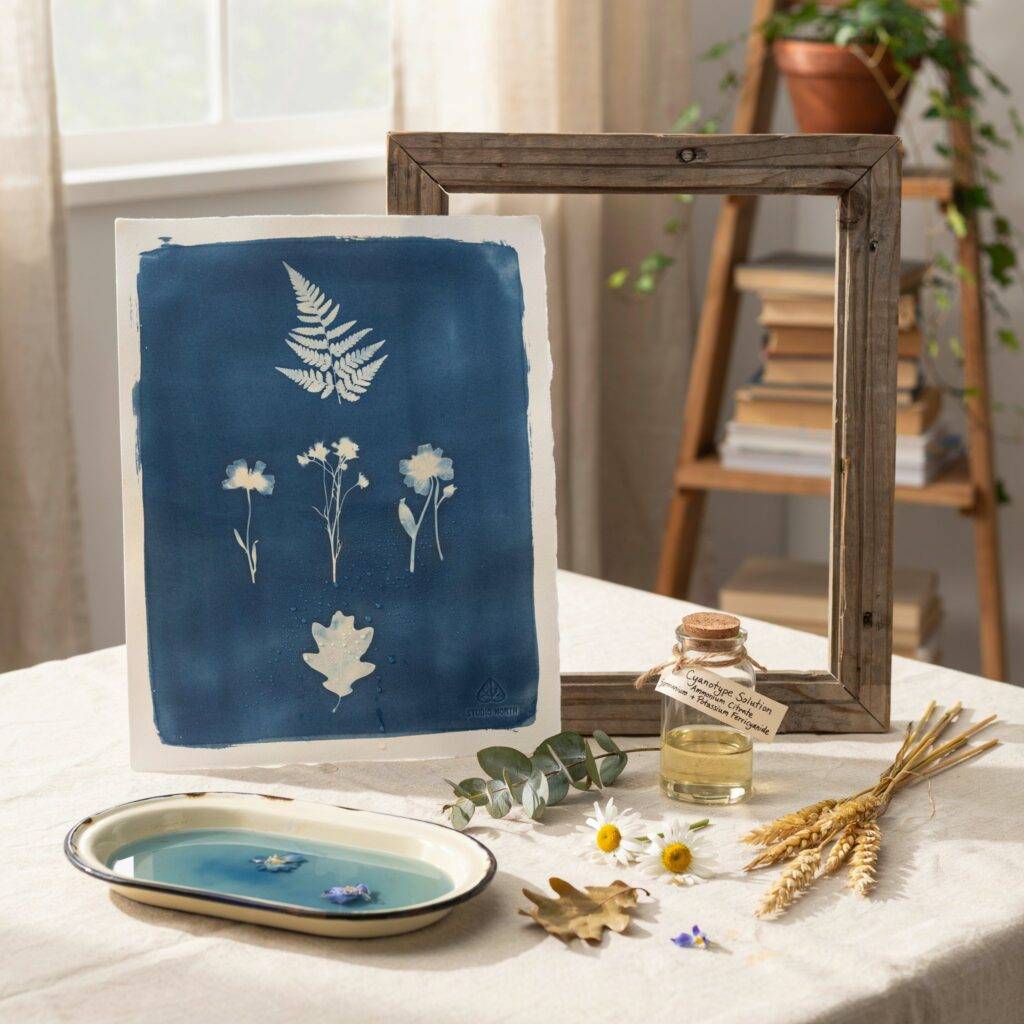
Cyanotype is a photographic printing process that produces beautiful cyan-blue prints. It’s surprisingly simple: you coat paper with a light-sensitive solution, place objects like leaves or flowers on top, expose it to sunlight, and rinse. The result is a stunning blue-and-white image that looks like it belongs in a gallery.
You can buy cyanotype kits online or make your own solution. Frame your prints in reclaimed wood frames for a modern, eco-friendly wall art display. Each print is unique, and the process uses no harmful chemicals just water and sunlight. It’s a conversation starter that also happens to be completely sustainable.
2. Upcycled Denim Shelving
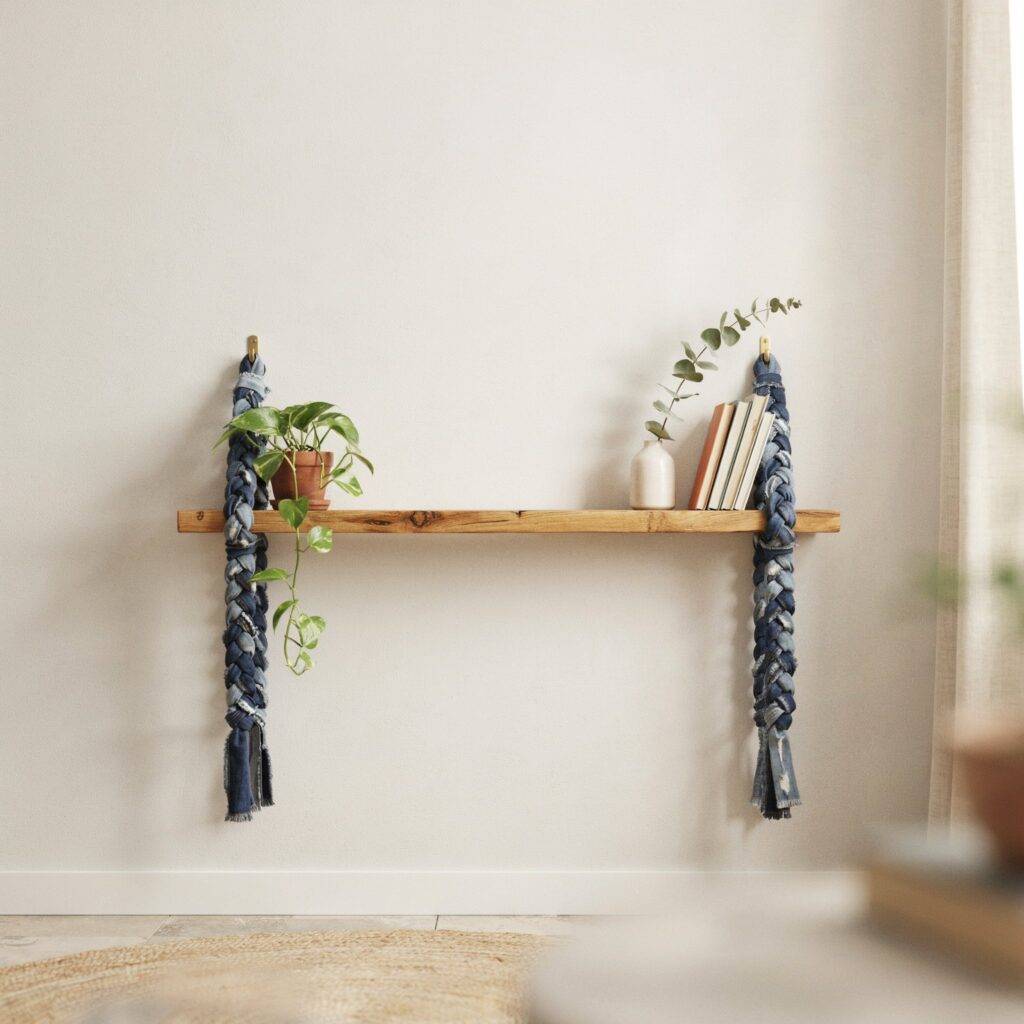
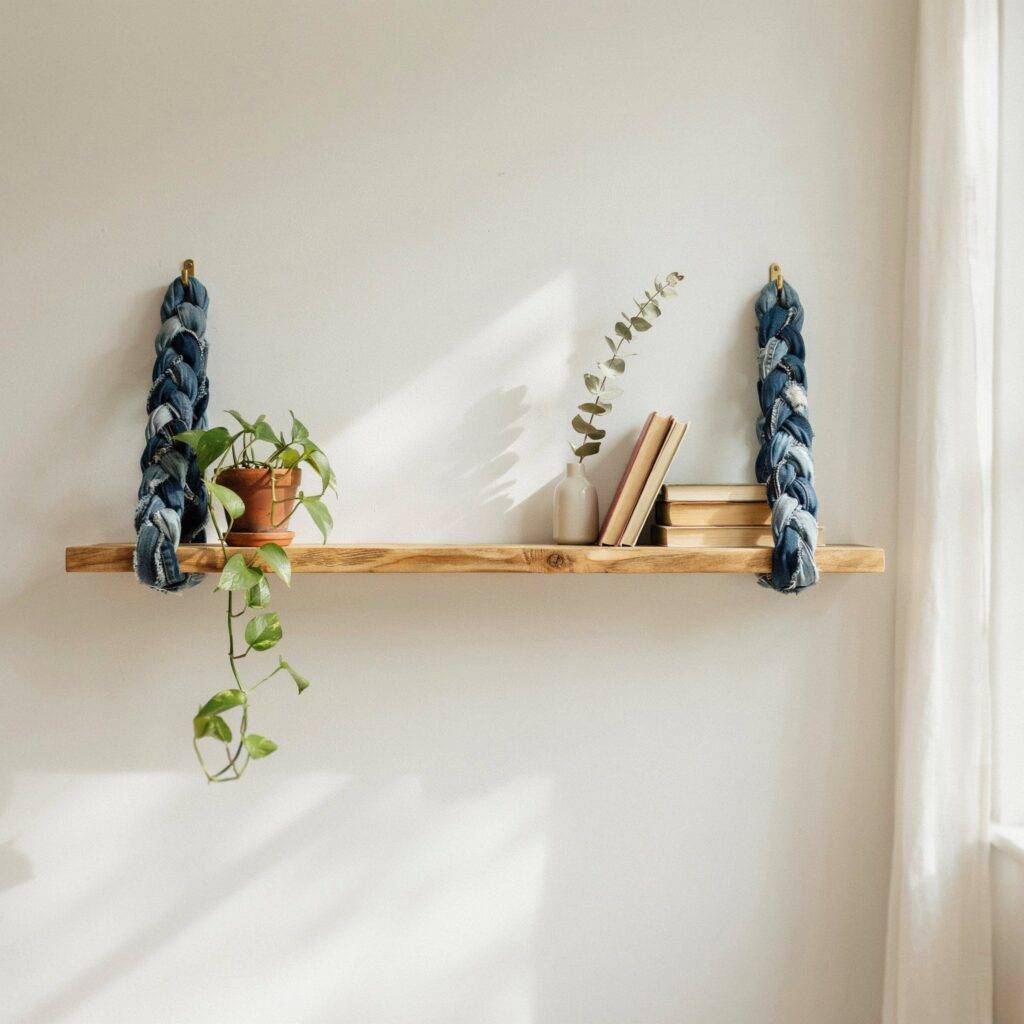
Your old jeans can become a functional shelf. Cut thick denim into strips, braid them tightly, and use them as hanging straps for a wooden plank shelf. The denim adds texture and a soft, industrial feel that’s very on-trend.
The shelf itself can be made from reclaimed wood or even an old cutting board. Sand it down, oil it, and attach your denim straps. Hang it on the wall and use it for plants, books, or small decor items. It’s sturdy, eye-catching, and keeps textiles out of landfills.
3. Modular Floating Planters
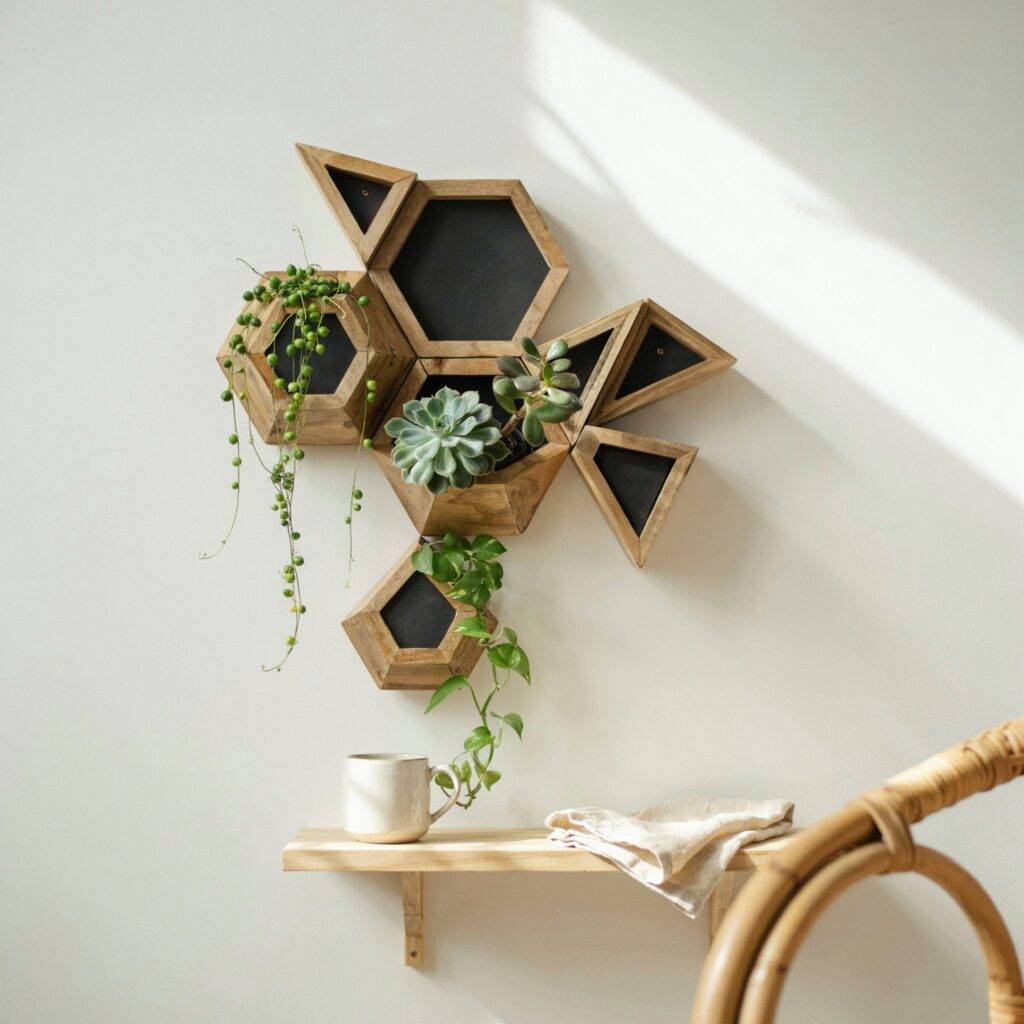
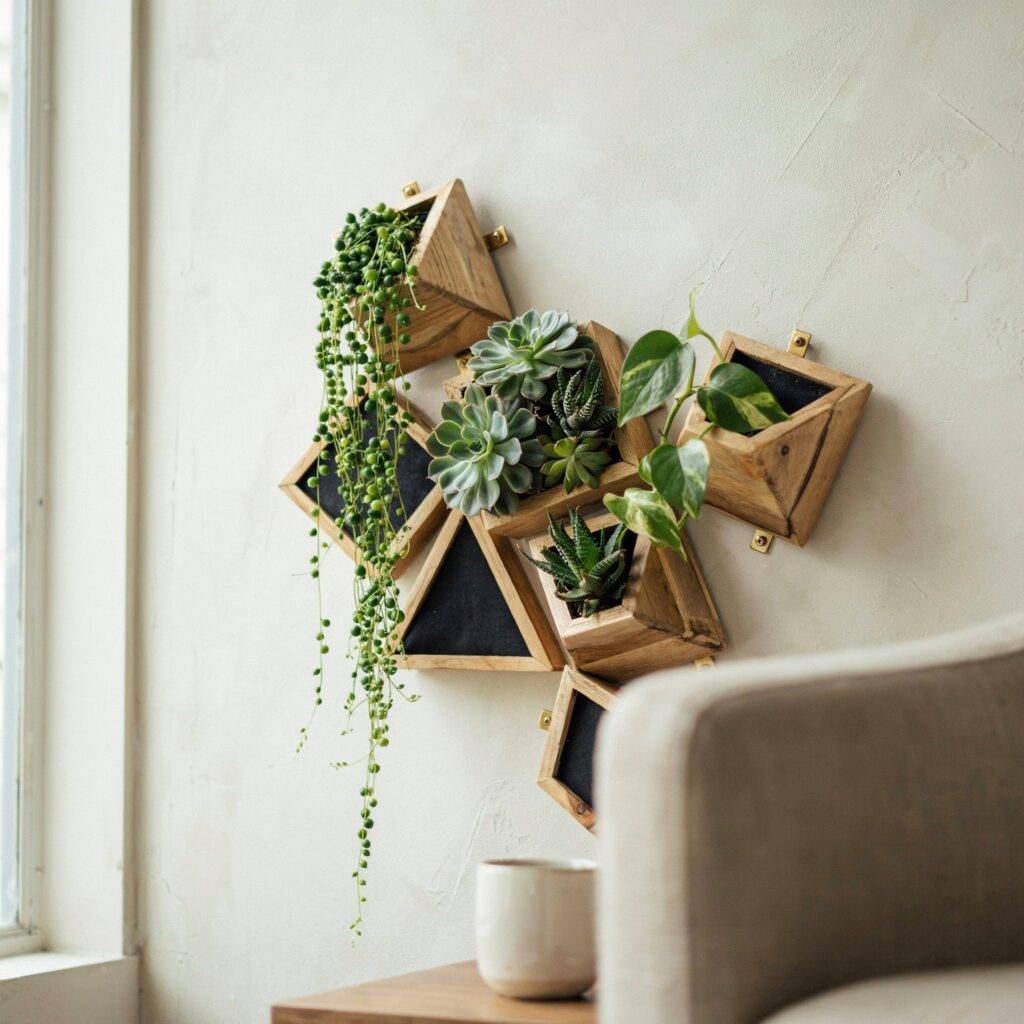
Instead of a single planter, create a modular system of small geometric planters that can be arranged and rearranged on your wall. Use reclaimed wood or eco-friendly MDF, cut into triangles or hexagons, and line them with waterproof material.
Fill them with small succulents or trailing plants. The modular design lets you change the layout whenever you want a fresh look without buying anything new. It’s a modern take on the living wall trend that works even in small spaces.
4. Foldable Fabric Room Divider
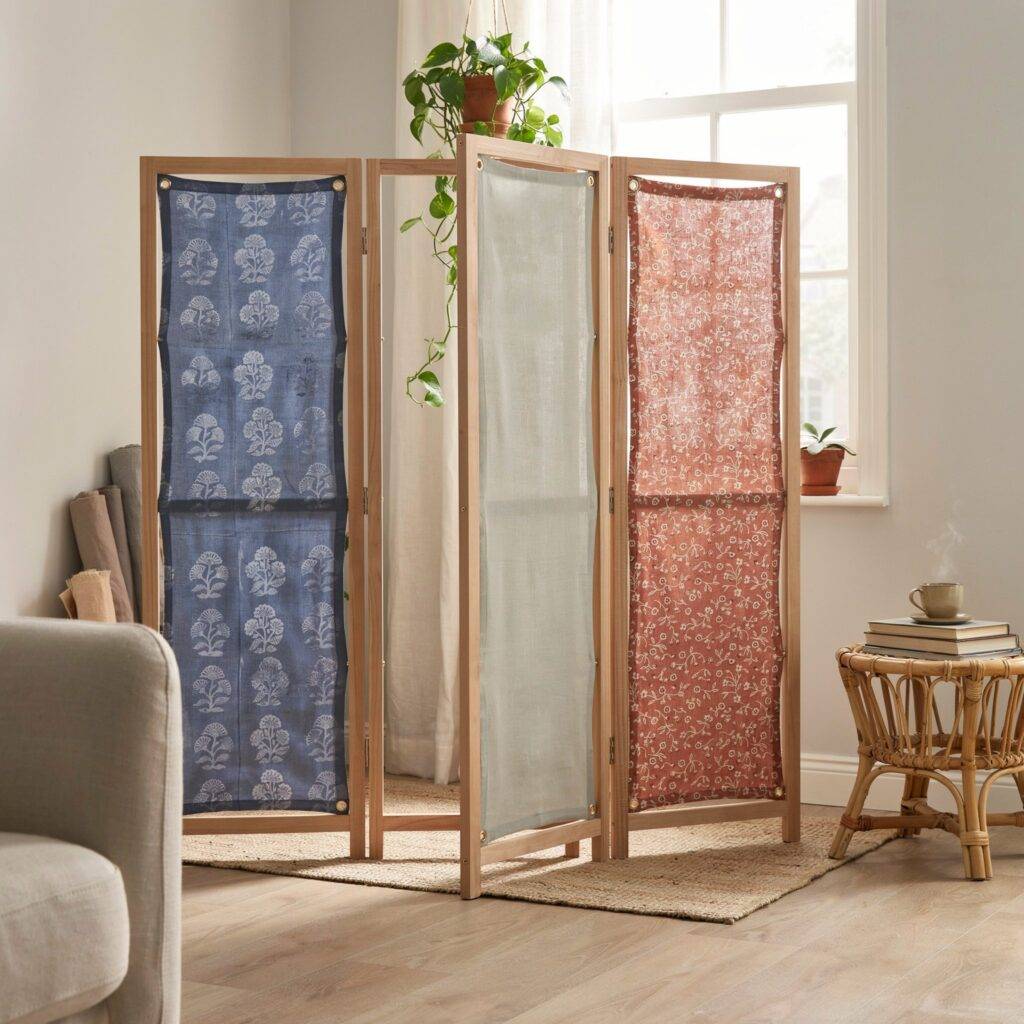
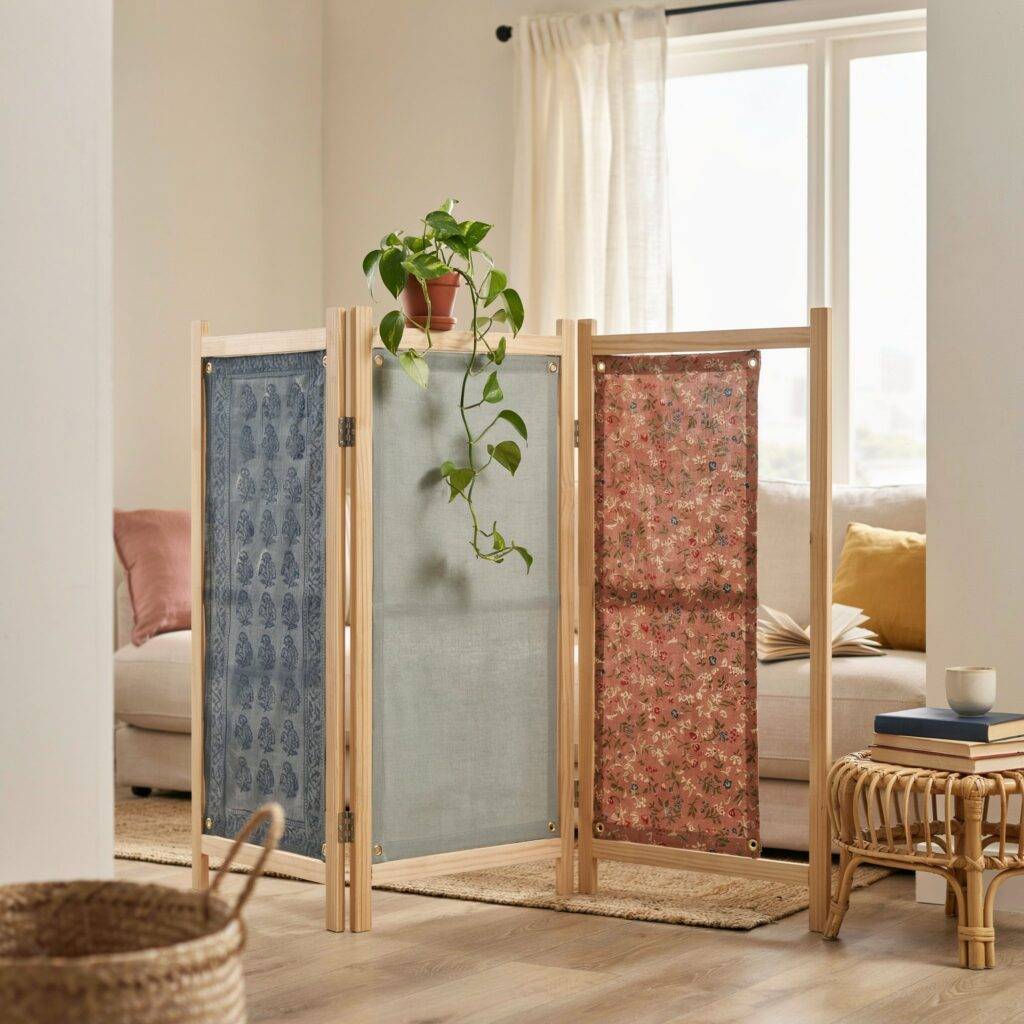
A foldable fabric room divider is perfect for small apartments or open-plan spaces. Use old curtains, bedsheets, or fabric scraps stretched over a lightweight wooden frame. The panels can fold and store away when not in use.
Choose fabrics with bold patterns or calming solids to match your decor. It’s a no-permanent-changes solution that adds privacy and style while reusing textiles.
5. Cork Board Memo Wall
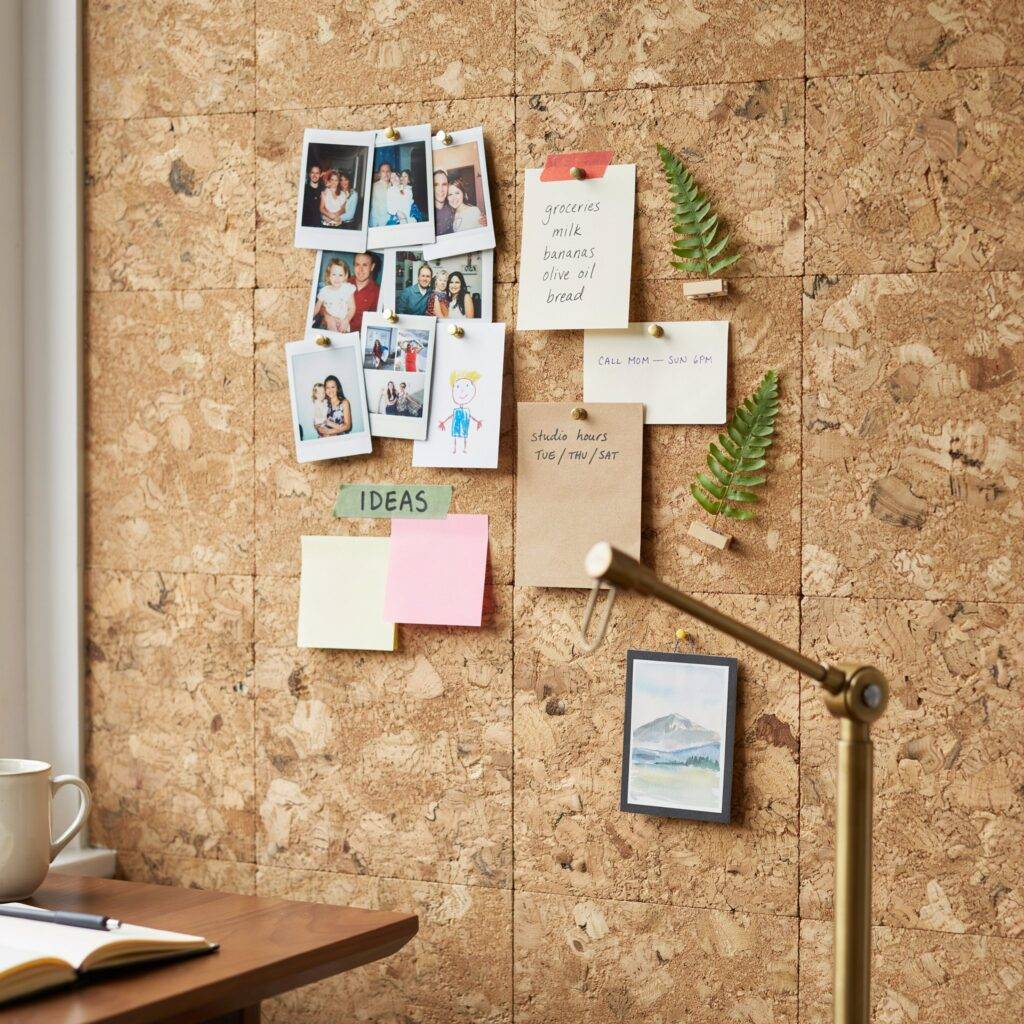
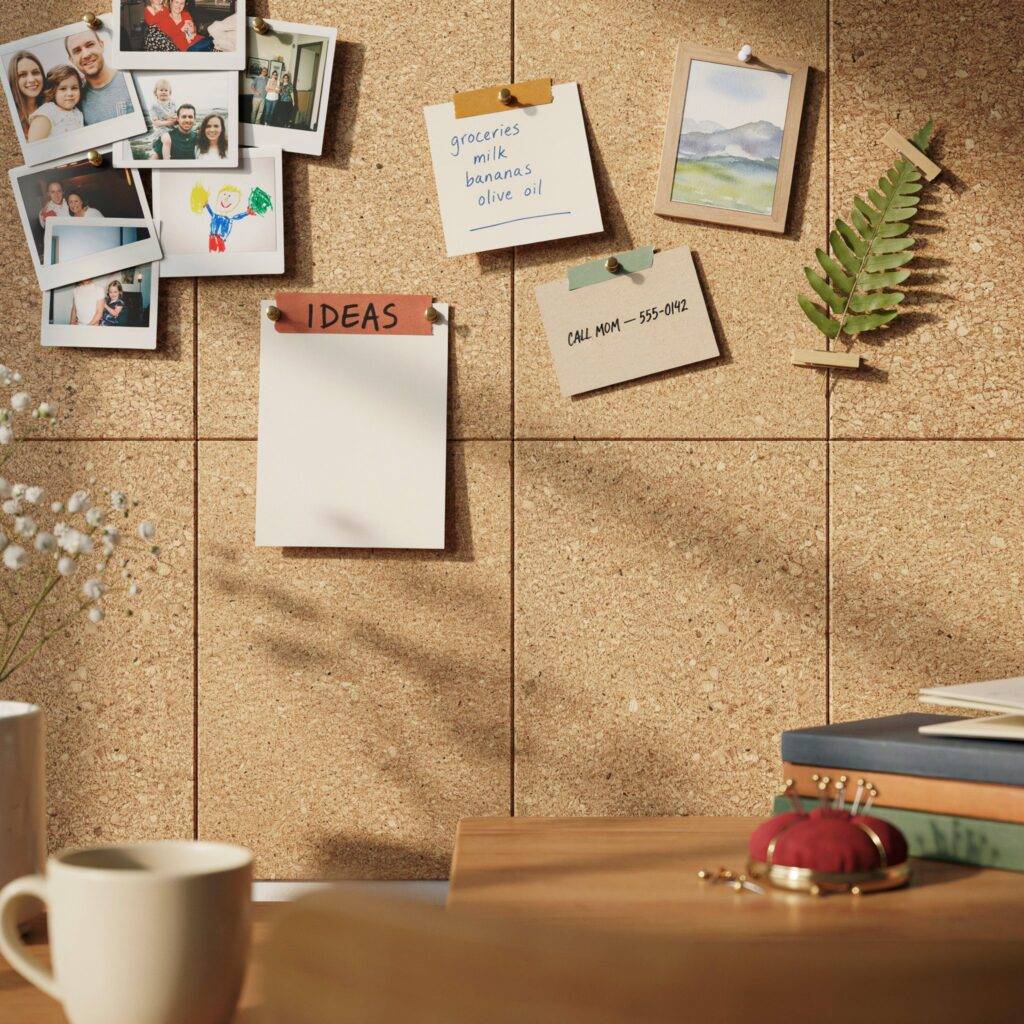
Cork is renewable, sustainable, and biodegradable. Cover an entire wall or a large section with cork tiles to create a massive memo board. You can pin photos, notes, art, and inspiration and change it whenever you like.
It’s functional decor that also adds texture and warmth. Plus, cork is naturally sound-absorbing, which is a bonus in busy households.
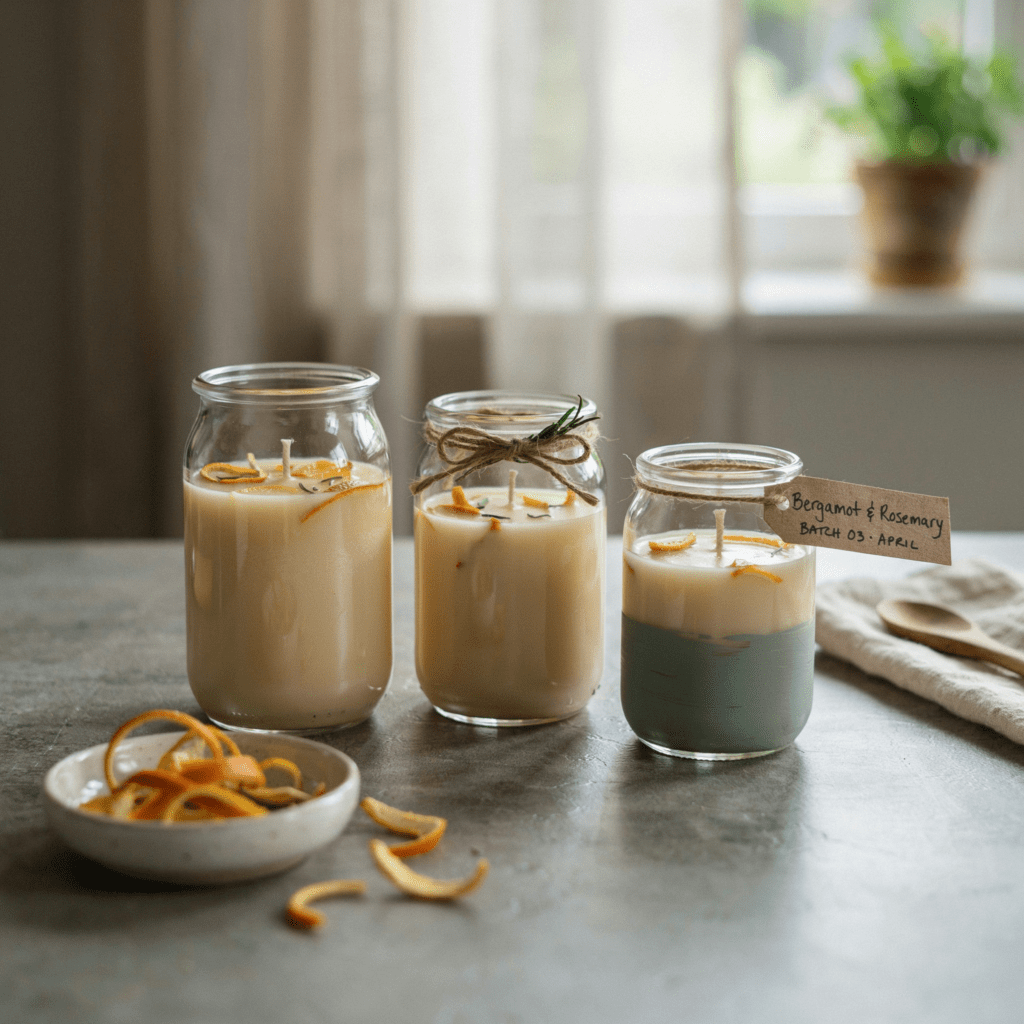
6. Beeswax and Soy Candle Jars with Citrus Peels
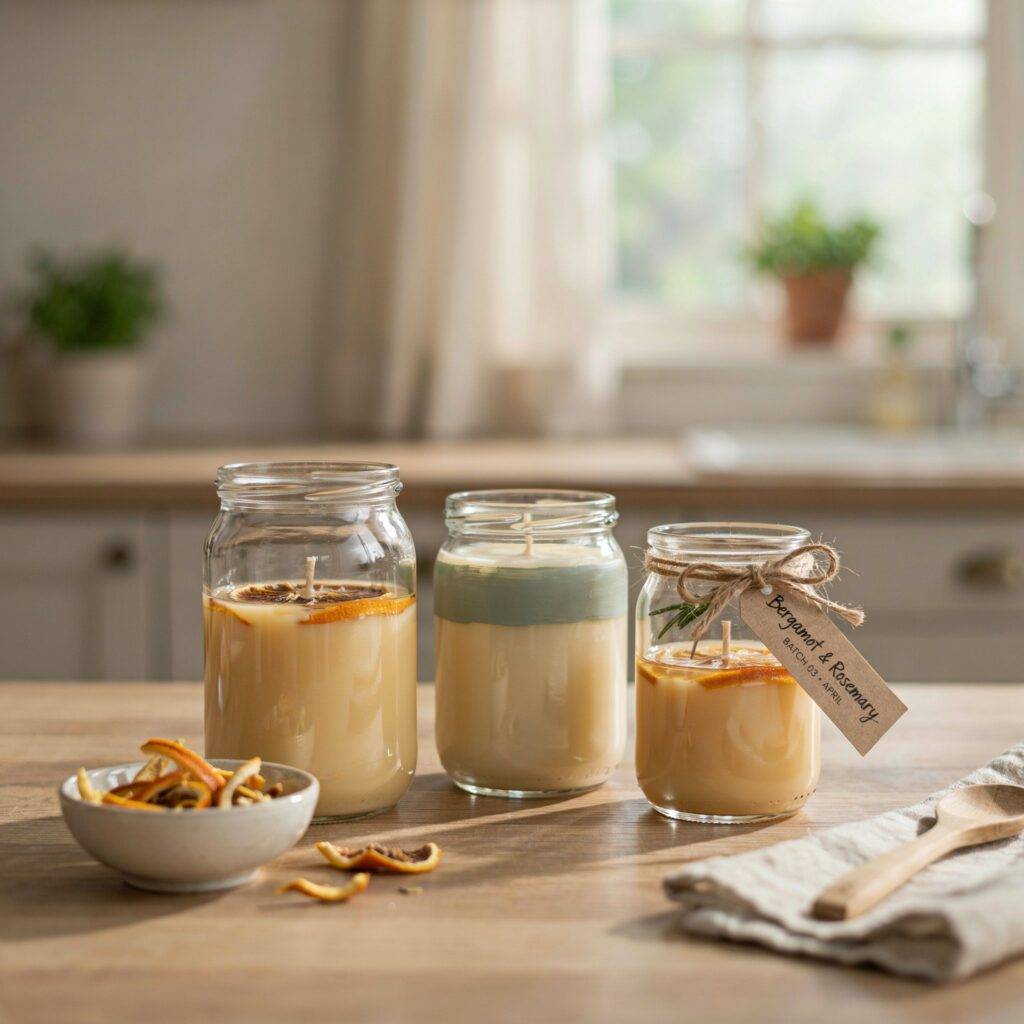
Instead of buying candles in plastic containers, make your own using beeswax or soy wax. Melt the wax, add essential oils for scent, and pour it into old glass jars. For a modern twist, add dried citrus peels or herbs before the wax sets.
The result is a beautiful, natural candle that smells amazing and uses zero new packaging. You can also decorate the jars with twine or paint for a personalized touch.
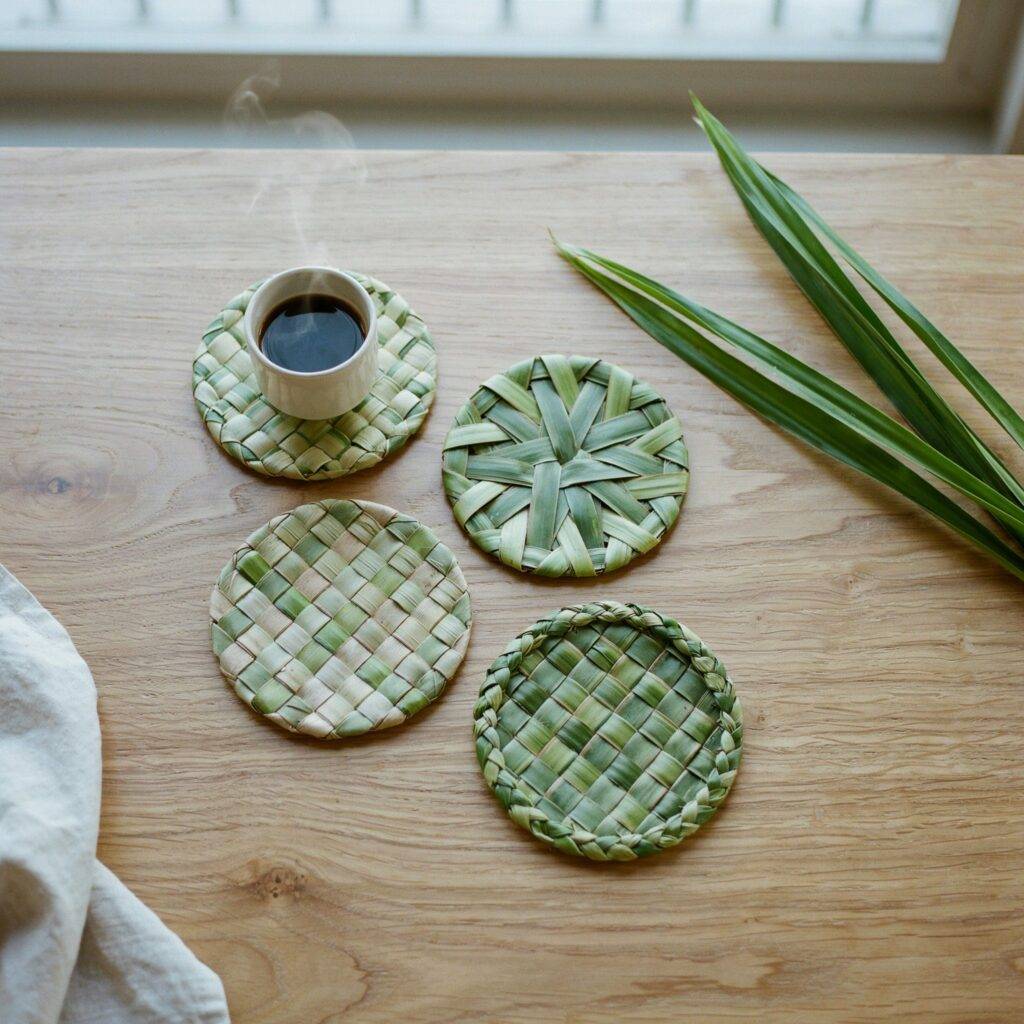
7. Woven Pandan Coasters
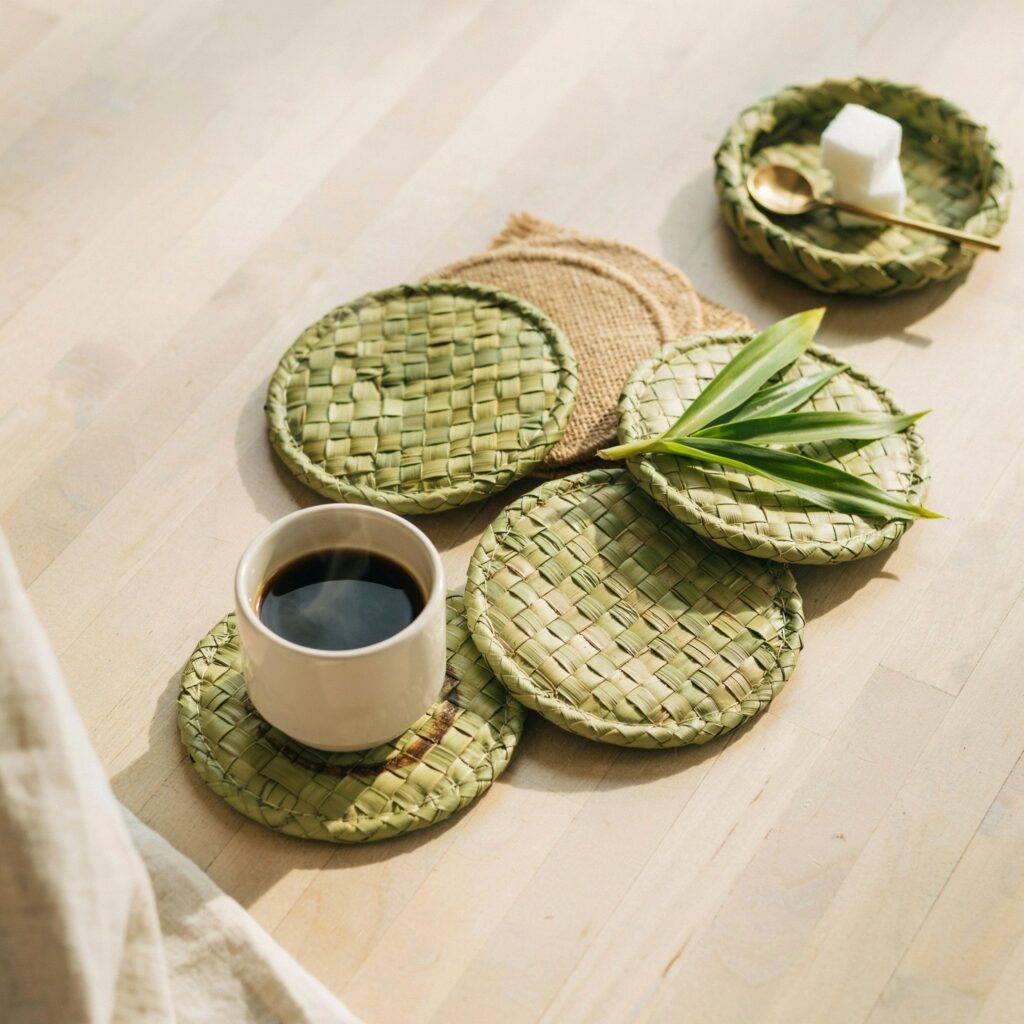
Pandan leaves are traditionally used in Southeast Asian weaving. You can weave them into coasters, placemats, or small trays. The natural green color and geometric patterns are modern and fresh.
If pandan isn’t available, you can use other natural fibers like jute or hemp. These coasters are biodegradable, functional, and add a touch of handmade artistry to your table.
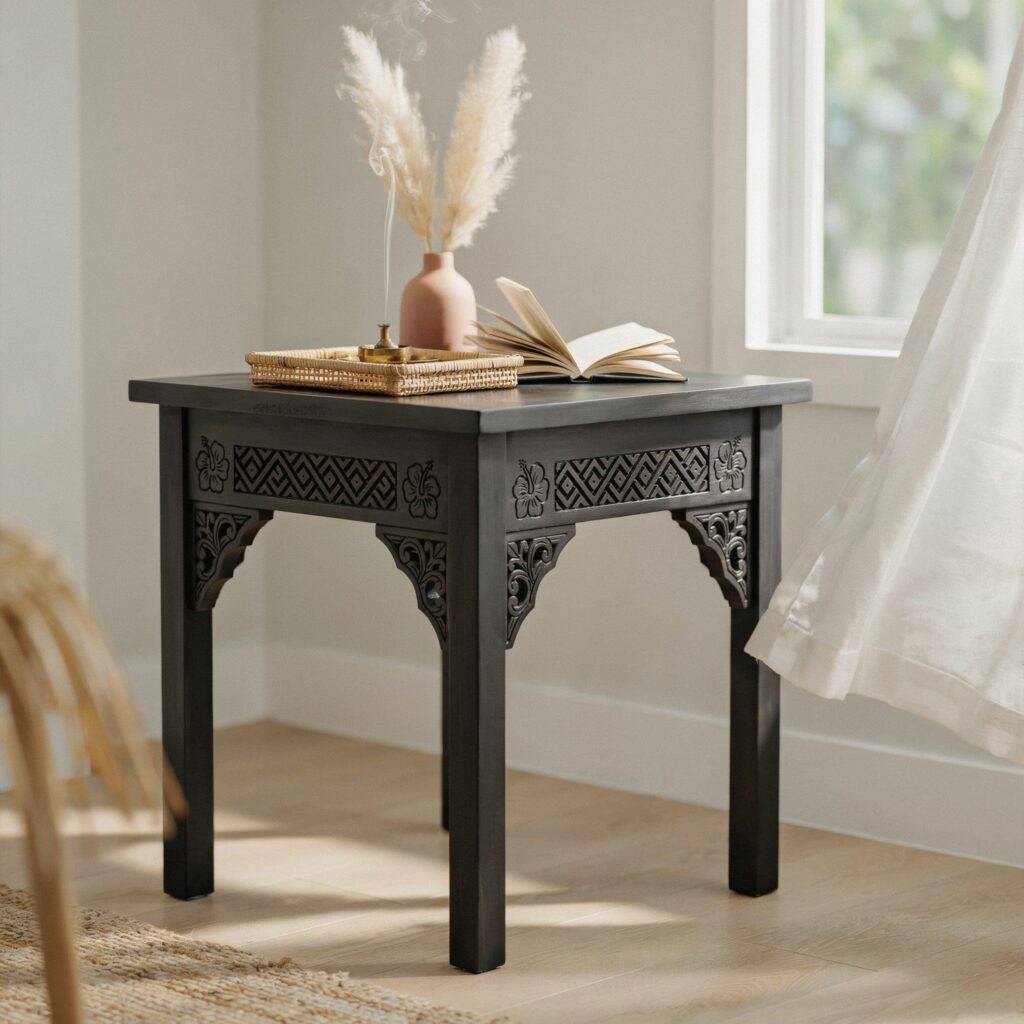
8. Upcycled Furniture with Malay Woodcarving Details
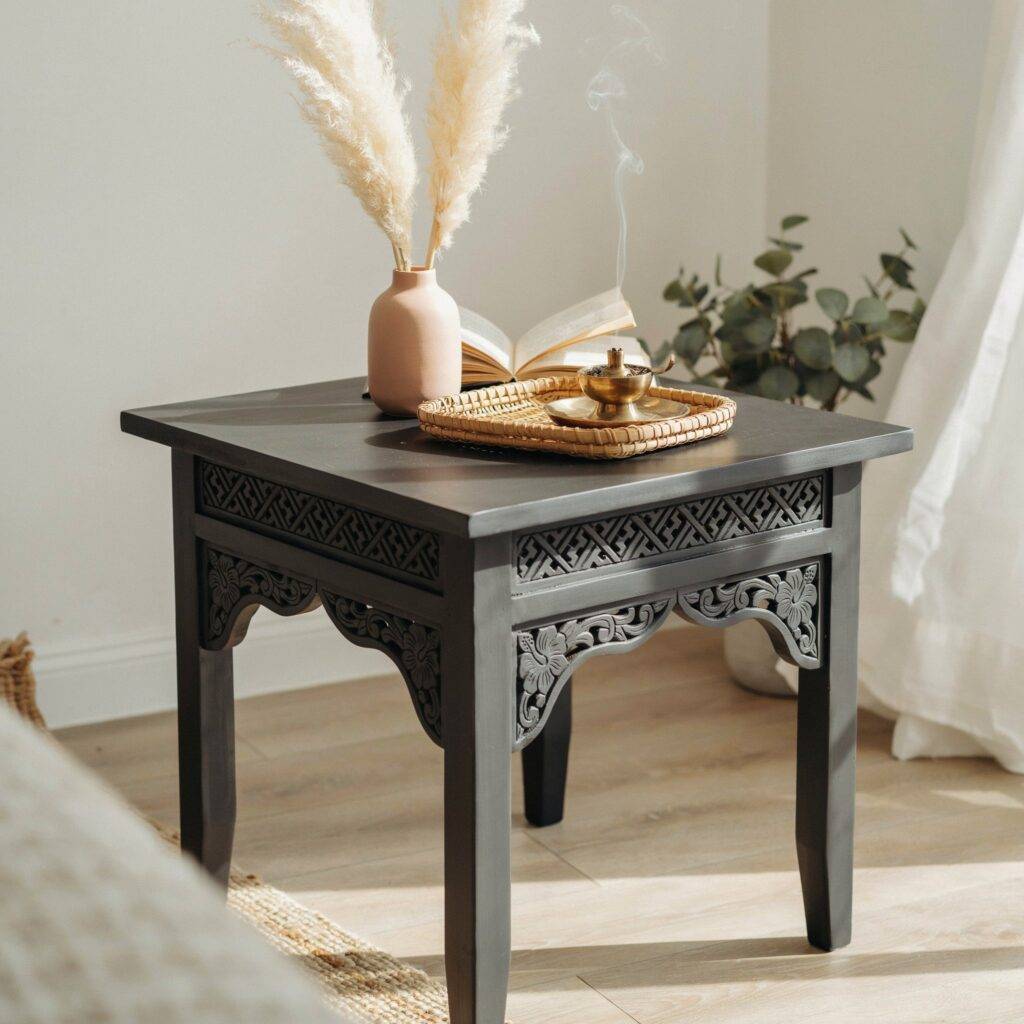
Give old furniture a new life by adding hand-carved details inspired by traditional Malay woodcarving. You don’t need to be a master carver simple geometric patterns or floral motifs can be carved into the wood with basic tools.
Paint the piece in a modern color like matte black or soft white to balance the traditional detail with contemporary style. It’s a unique way to honor craftsmanship while keeping furniture out of landfills.
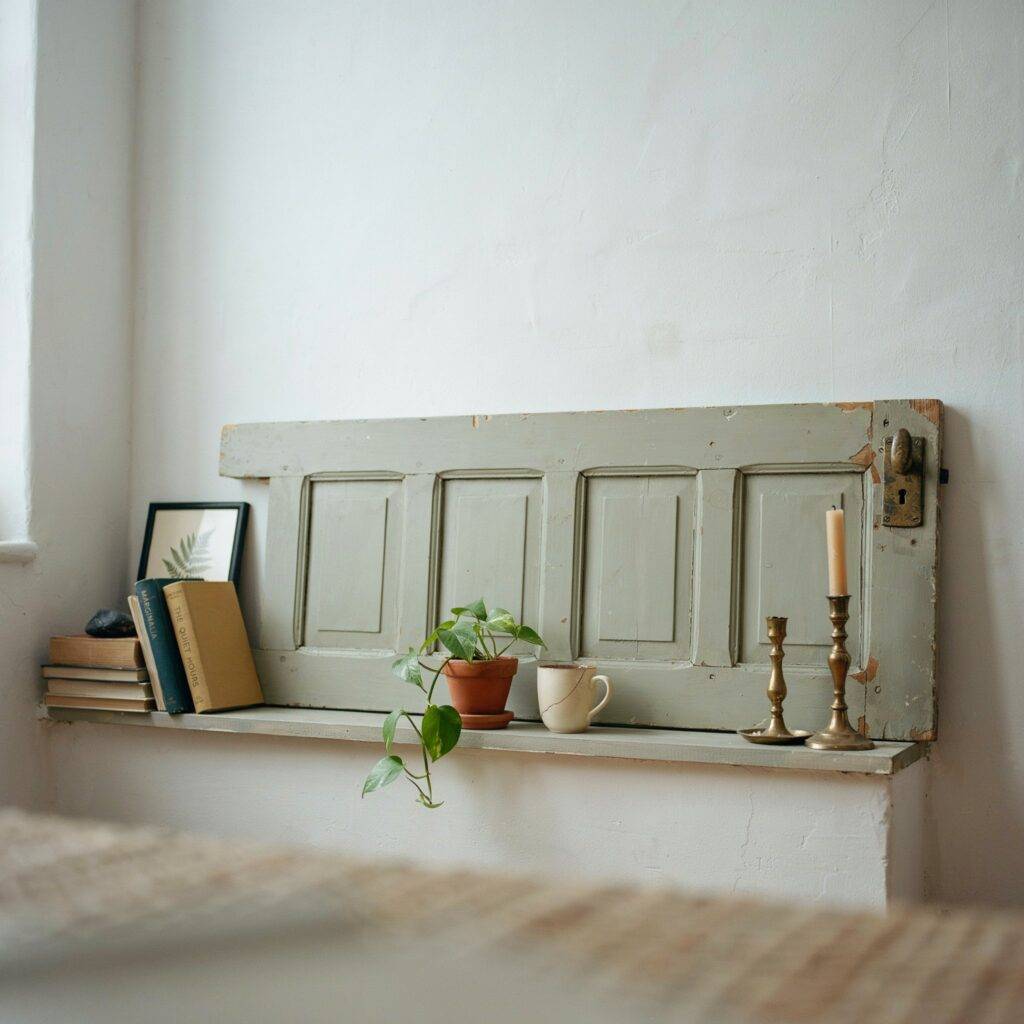
9. Old Door Statement Shelves
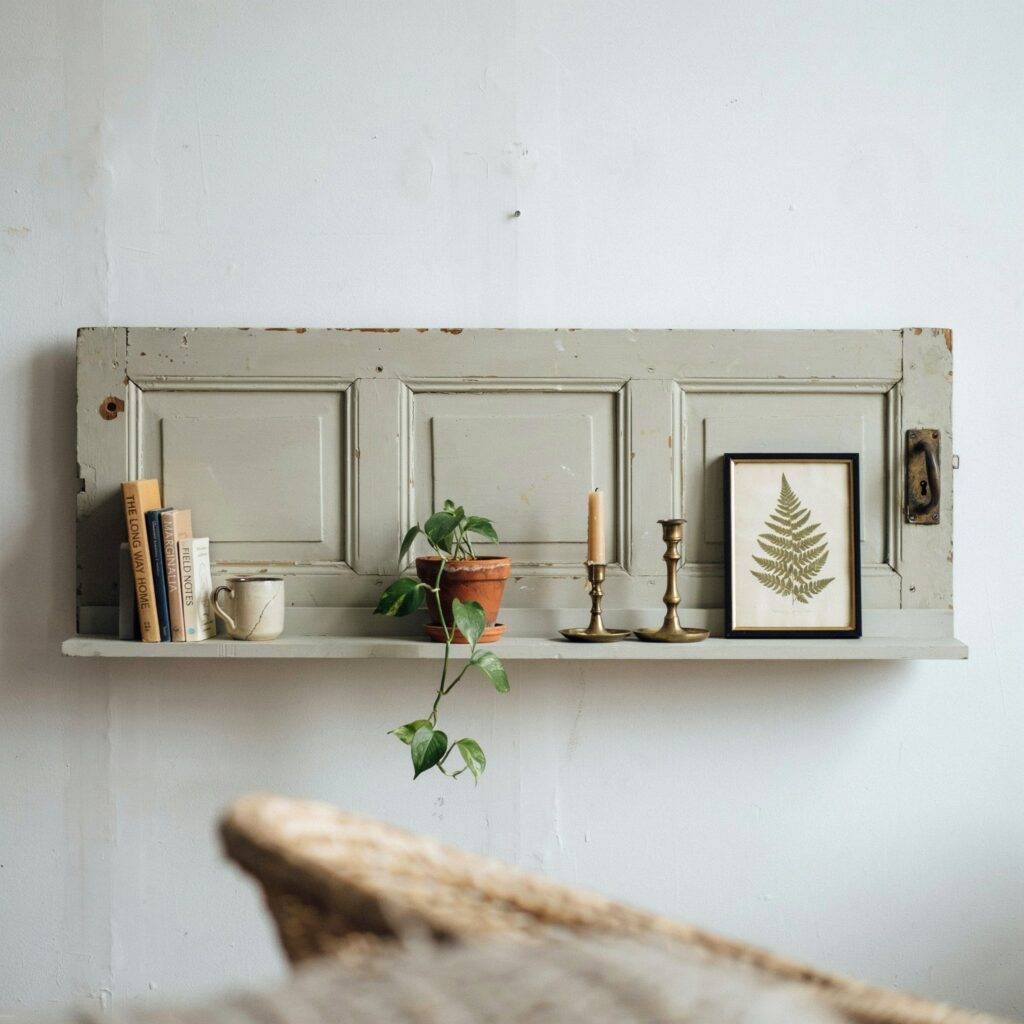
Turn an old door into a statement shelf. Remove the hinges and hardware, sand it down, and mount it horizontally on the wall. The door’s original details panels, handles, or paint become the focal point.
Use it to display books, plants, or art. It’s a bold piece that tells a story and requires almost no new materials.
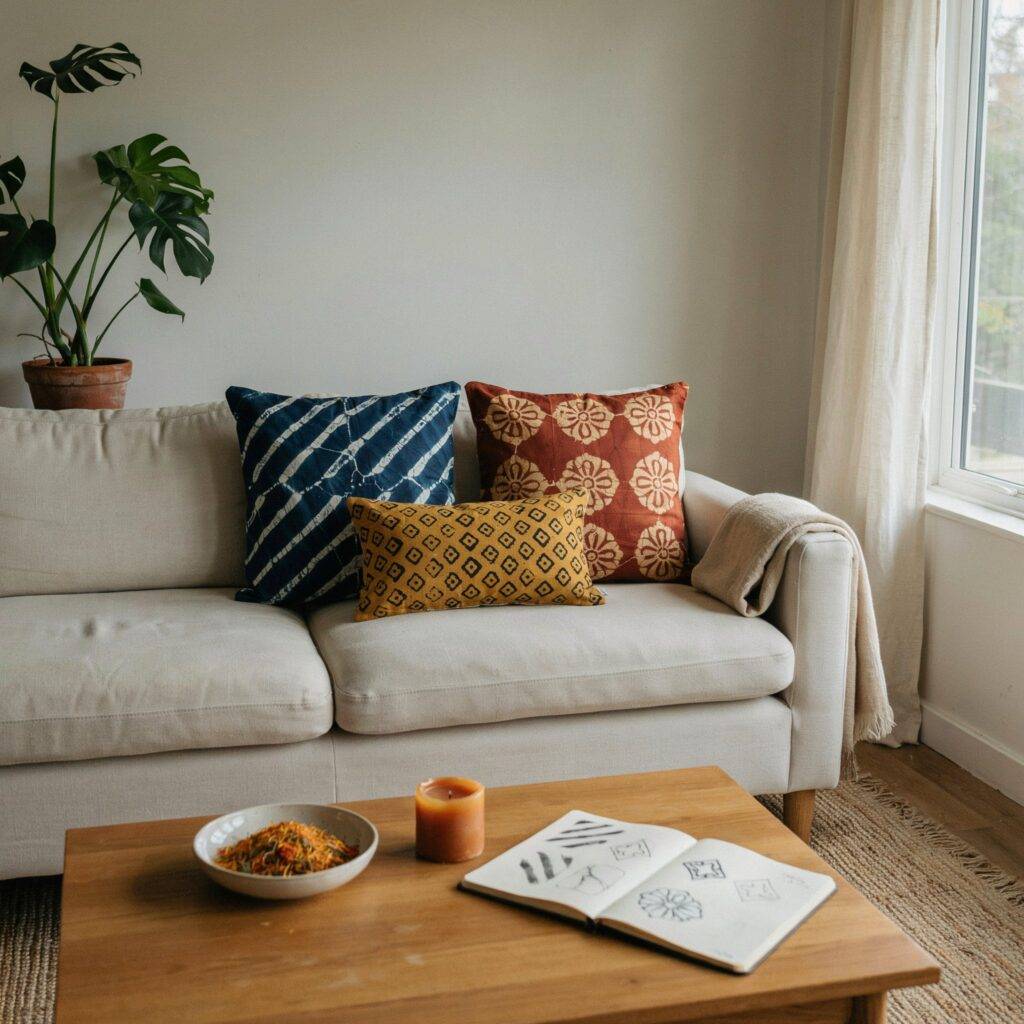
10. Batik Cushion Covers
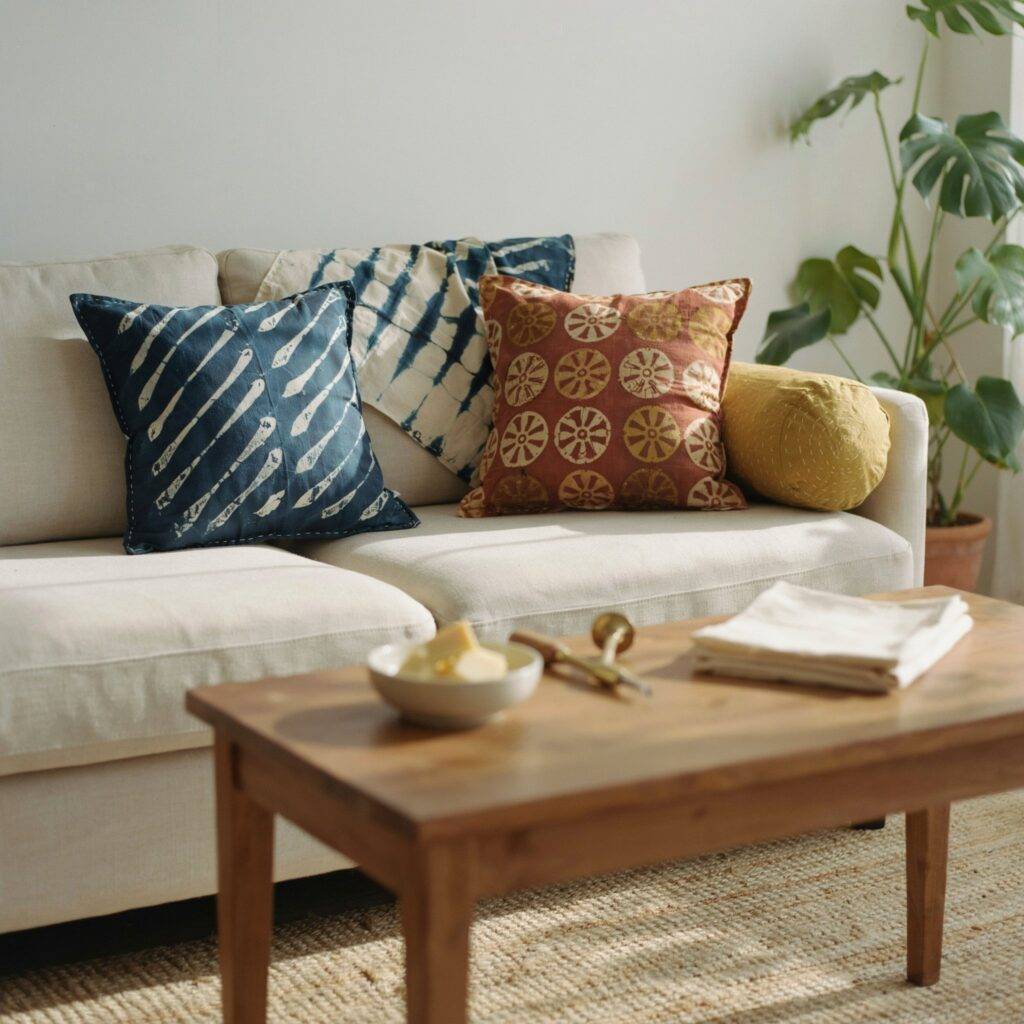
Batik is a traditional fabric art that uses wax-resist dyeing. You can create your own batik designs on old fabric or plain cotton using beeswax and natural dyes. The patterns are intricate and unique.
Sew the fabric into cushion covers for an instant update. It’s a sustainable way to add color and pattern to your living room while supporting traditional craft techniques.
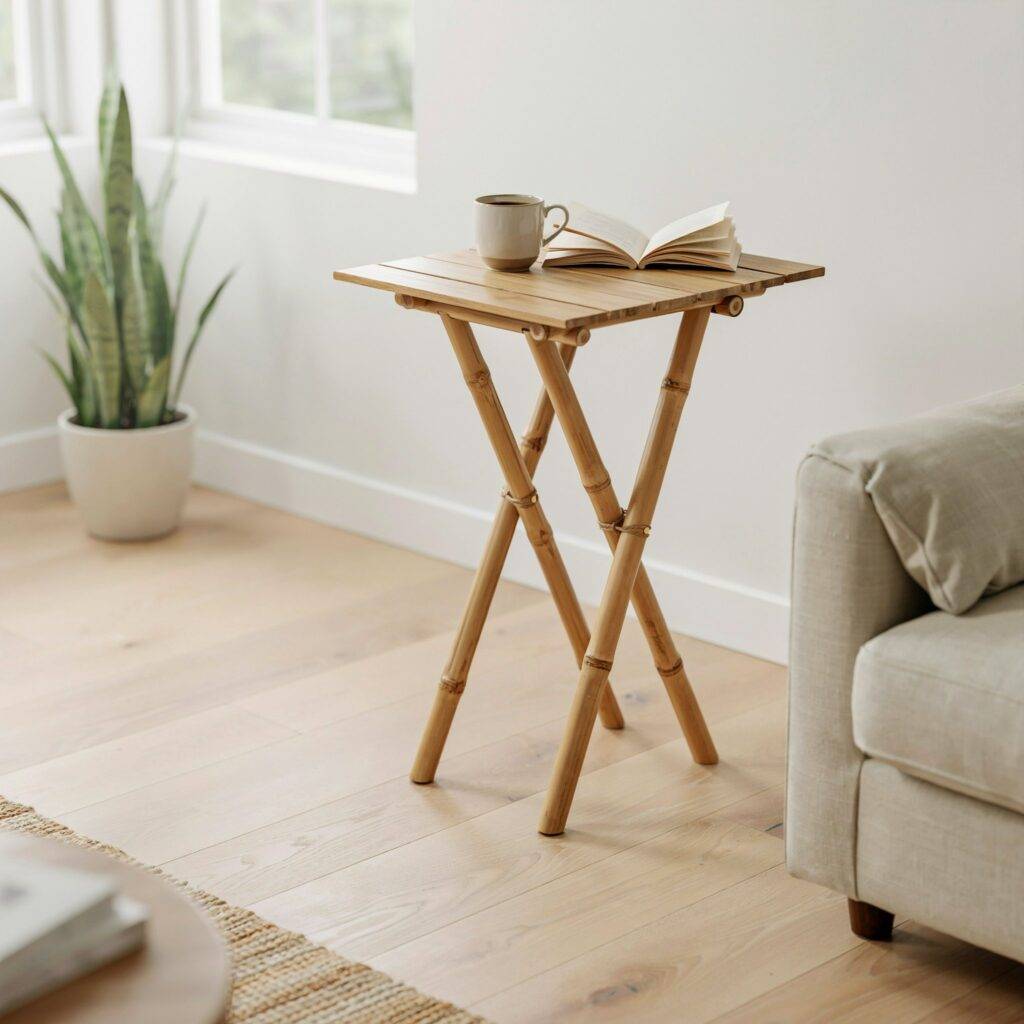
11. Foldable Bamboo Side Table
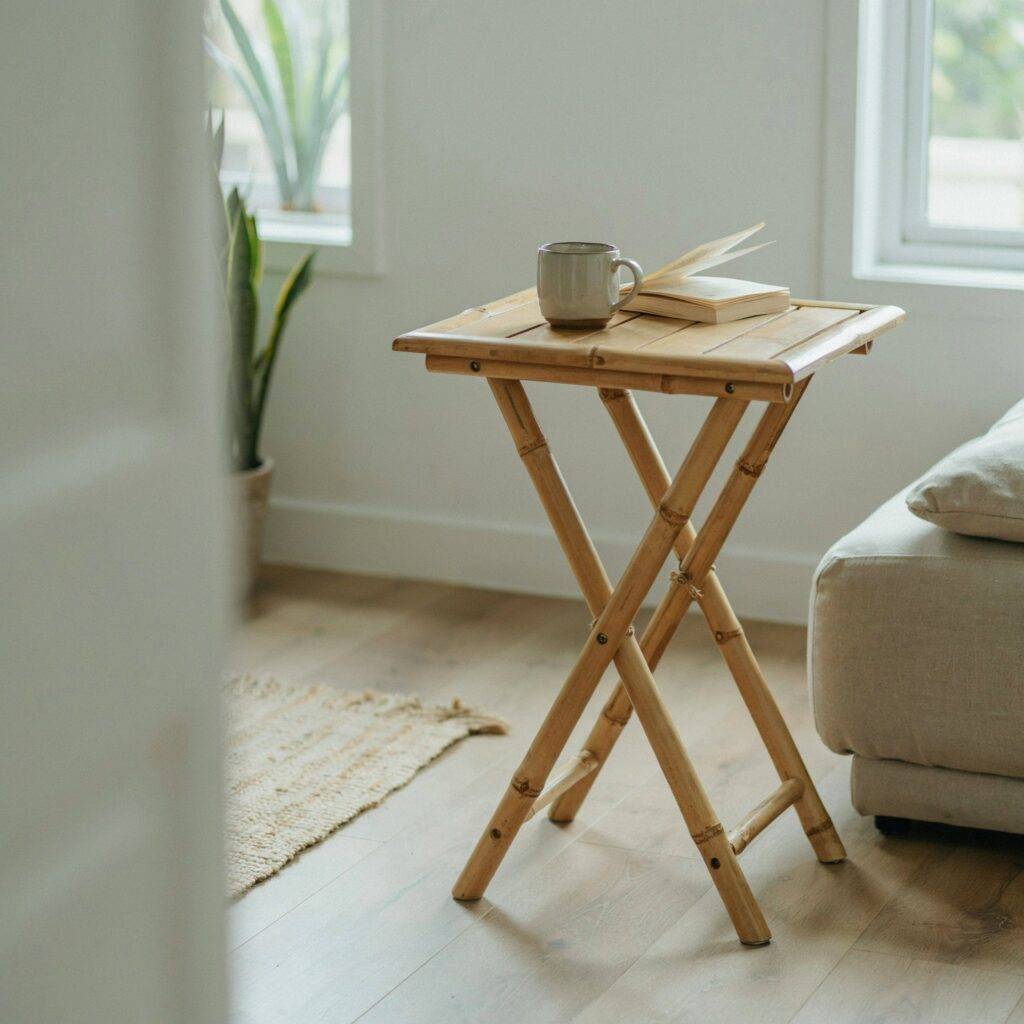
Bamboo is one of the most sustainable materials available it grows fast and requires little water. Build a simple foldable side table using bamboo poles and basic joinery.
The table can be stored flat when not in use, making it perfect for small spaces. Its natural color and clean lines fit modern minimalism perfectly.
12. Upcycled Noodle Box Storage Bins
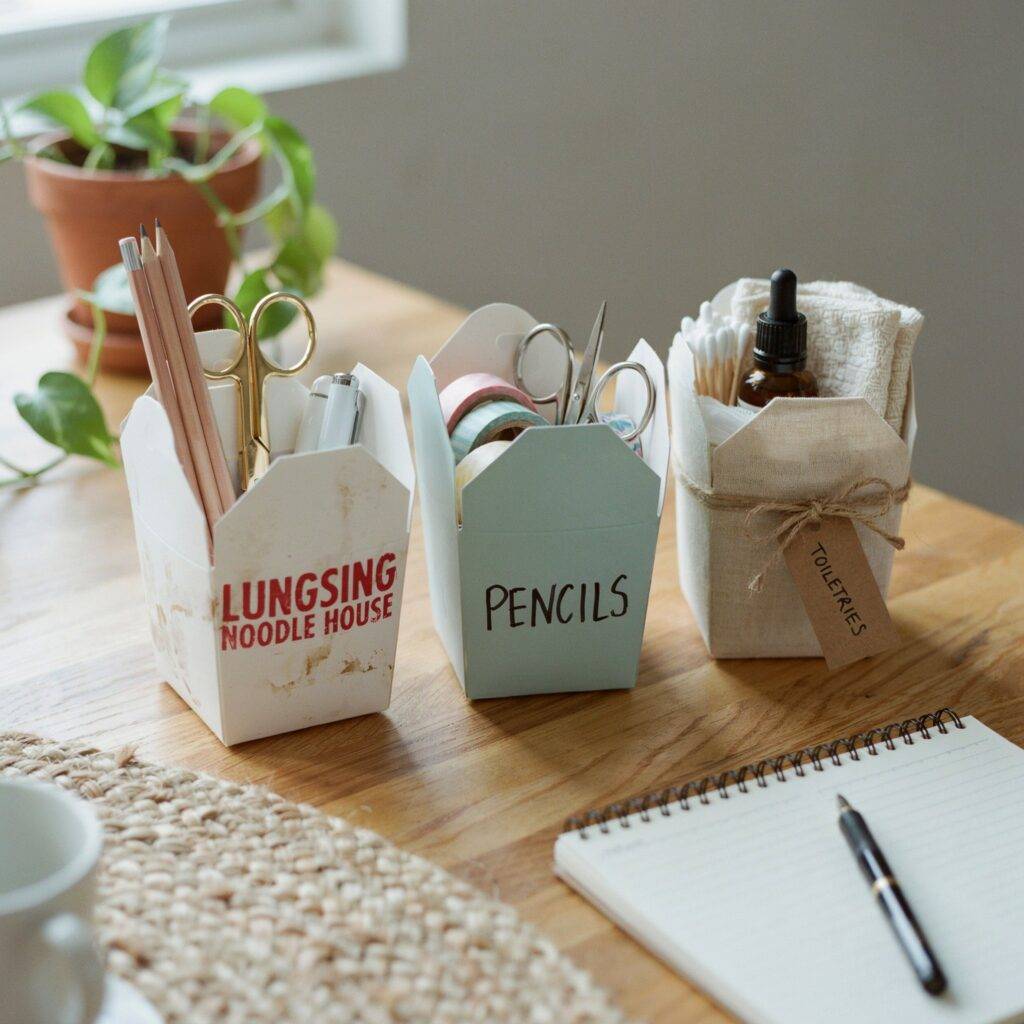
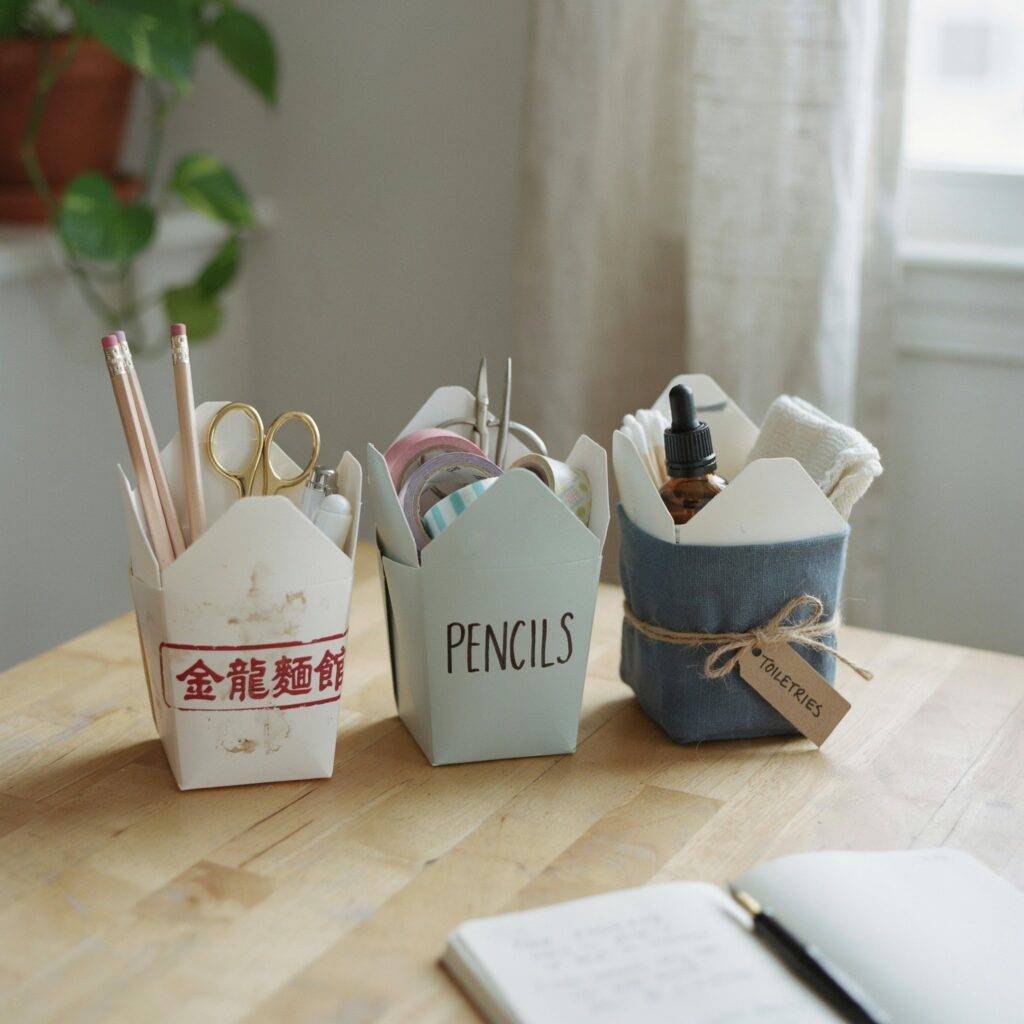
Those takeout noodle boxes? Wash them, let them dry, and use them as storage bins. You can paint them, cover them in fabric, or leave them as-is for a raw, industrial look.
They’re perfect for organizing small items like office supplies, craft materials, or bathroom toiletries. It’s a zero-waste solution that turns trash into functional decor.
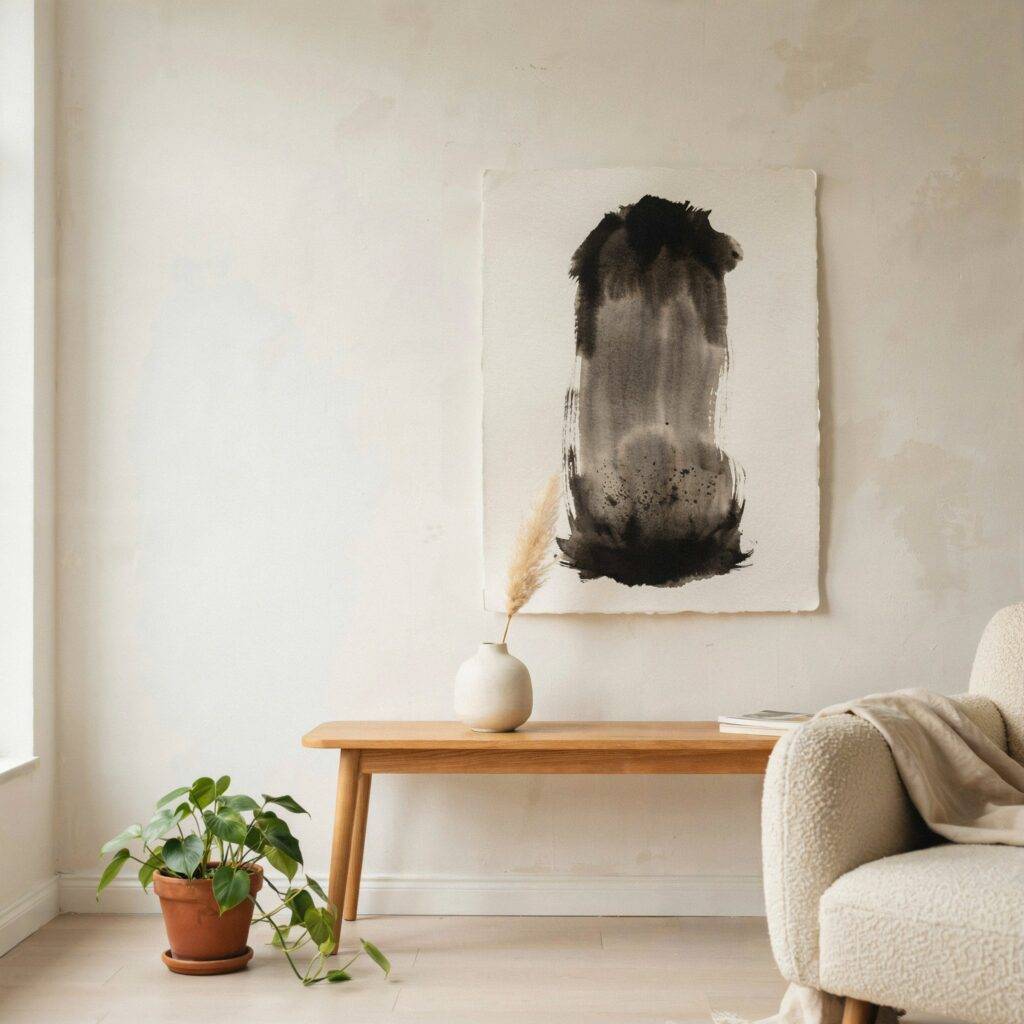
13. Rice Paper and Ink Wash Wall Art
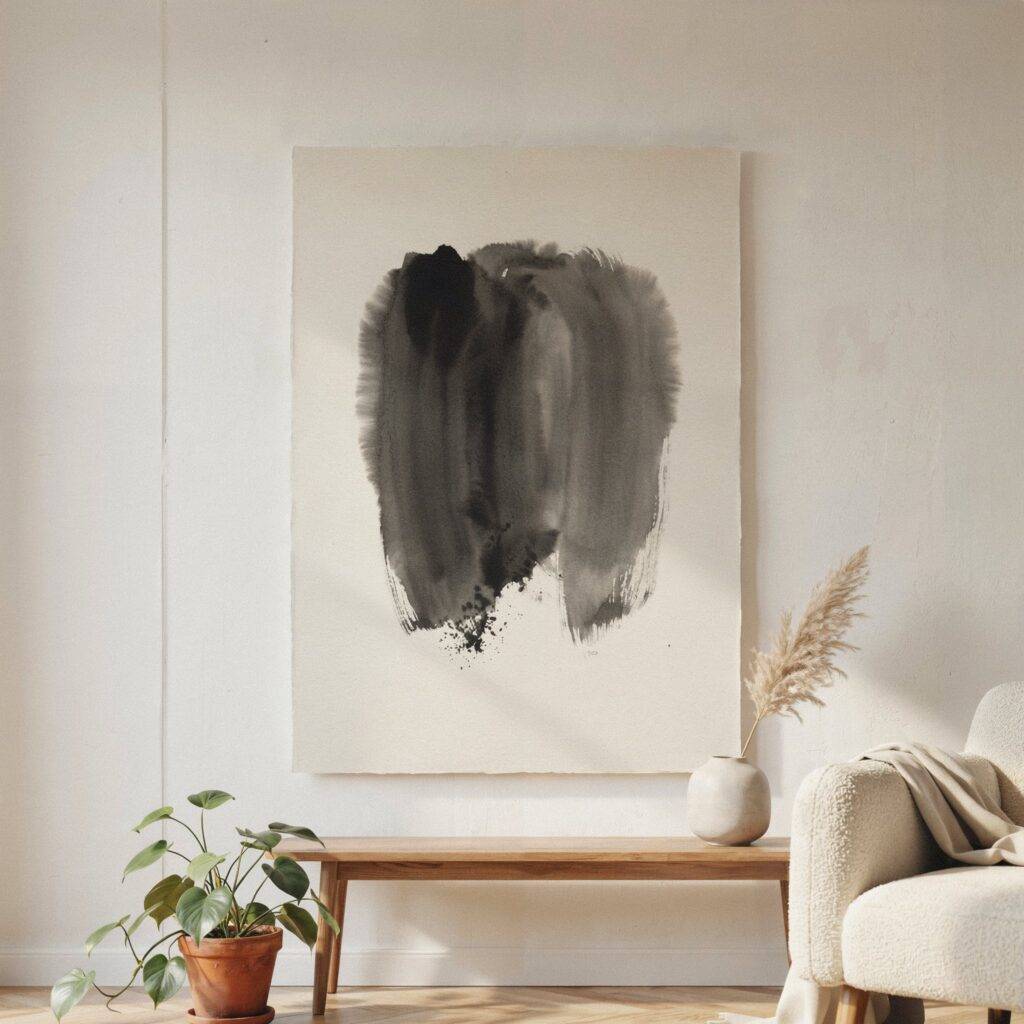
Rice paper is biodegradable and has a beautiful texture. Use it with ink wash techniques to create minimalist wall art. The soft, organic look fits perfectly with modern interiors.
You can frame it in reclaimed wood frames or mount it directly on the wall using removable adhesive. It’s an affordable, elegant way to add art without buying mass-produced prints.
14. Lotus-Shaped LED Lamp
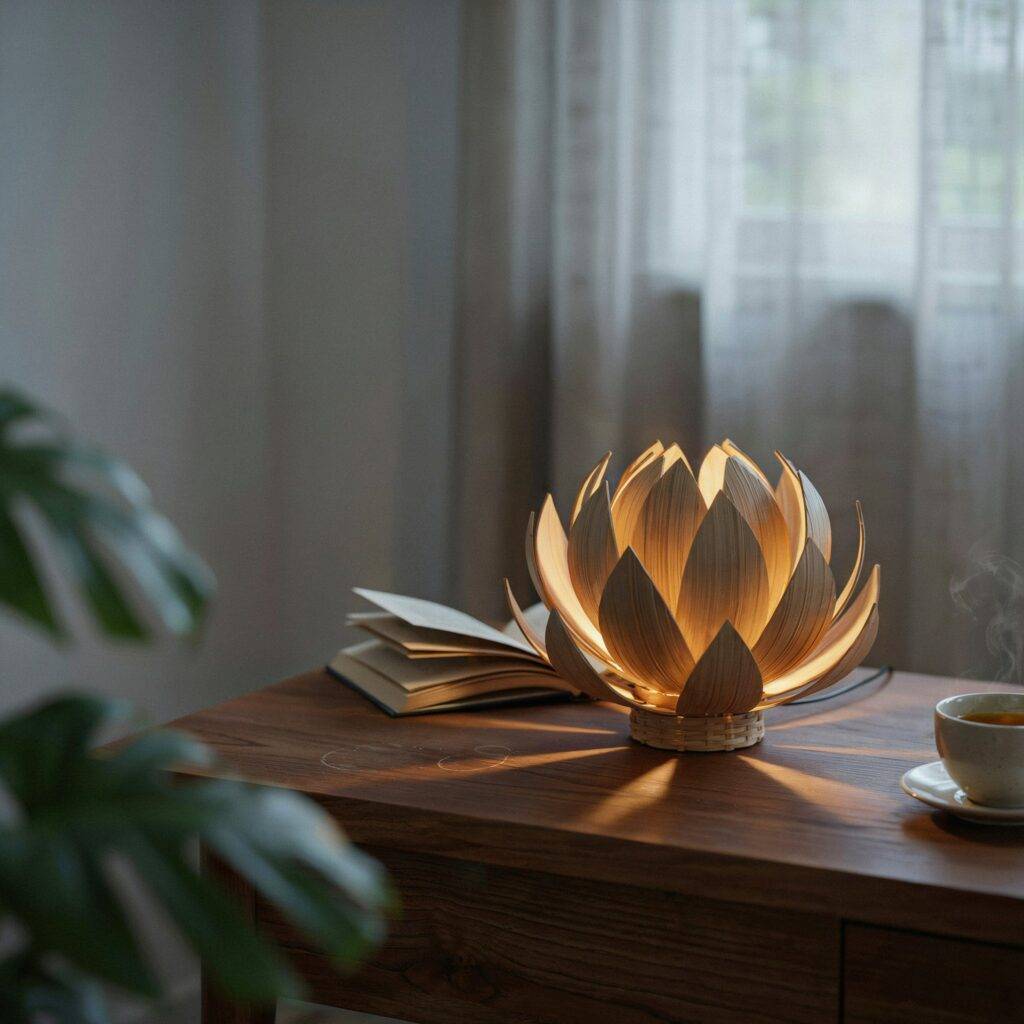
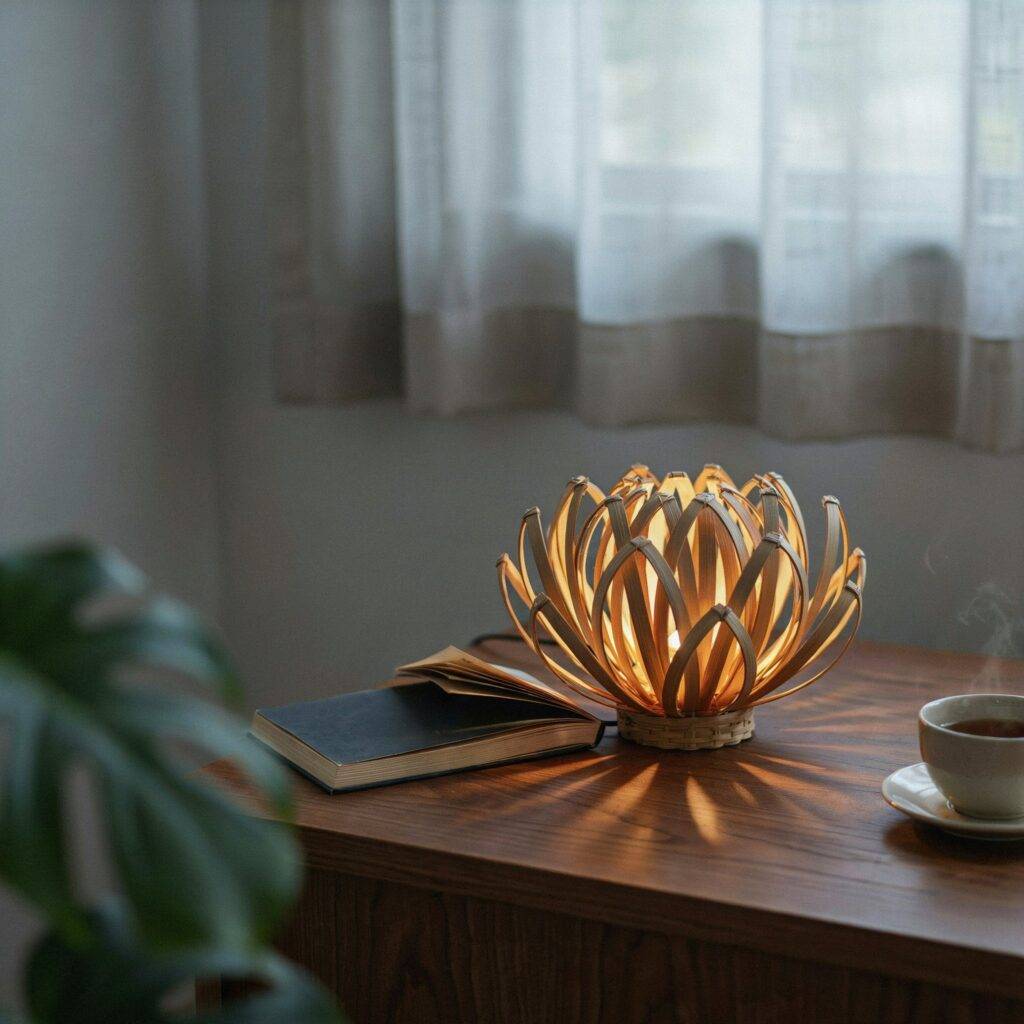
Create a lotus-shaped lamp using recycled paper or thin bamboo strips. Shape the material into petals and attach them around a base. Use a small LED light inside for a soft, warm glow.
The lamp is lightweight, energy-efficient, and completely unique. It adds a sculptural element to any room while using minimal resources.
Pros and Cons of Modern Eco-Friendly DIY Decor
Pros:
- Fresh and current. These ideas look like they belong in a 2025 home, not a craft fair.
- Sustainable. You’re reducing waste and using renewable materials.
- Customizable. Every project can be tailored to your space and style.
- Skill-building. You learn new techniques that you can apply to future projects.
- Budget-friendly. Most materials are free or very cheap.
Cons:
- Time investment. Some projects take more time than buying something new.
- Learning curve. Not every attempt will be perfect on the first try.
- Material availability. Some materials might be harder to find depending on where you live.
- Durability. Handmade items may not last as long as professionally made pieces.
Tips for Success
- Plan before you start. Sketch your idea and gather all materials first.
- Choose quality materials. Even when upcycling, use sturdy items that will last.
- Embrace imperfection. Handmade items have character don’t aim for factory-perfect.
- Mix old and new. Pair your DIY pieces with store-bought items for a balanced look.
- Keep it simple. Modern design is often about clean lines and minimal fuss.
Mistakes to Avoid
- Rushing the process. Take your time, especially with gluing, painting, or carving.
- Skipping preparation. Clean, sand, and prime surfaces properly before starting.
- Ignoring safety. Use gloves, masks, and proper ventilation when needed.
- Overcomplicating. Start with simpler projects before tackling complex ones.
- Forgetting about function. Decor should be beautiful, but it should also work for your space.
FAQs
Q: Do I need special skills for these projects?
A: Not really. Most of these ideas are beginner-friendly with basic tools and techniques.
Q: Where can I find materials?
A: Check your own home first old clothes, furniture, and packaging are everywhere. Thrift stores and garage sales are also great sources.
Q: How do I make my DIY decor look modern?
A: Stick to clean lines, neutral or earthy colors, and avoid overly fussy details. Less is often more.
Q: Can I do these projects in a rental?
A: Yes. Many of these ideas are renter-friendly they don’t require permanent changes.
Q: Are these projects expensive?
A: Most cost very little since they use repurposed materials. You might need to buy basic supplies like glue or paint, but overall costs are low.
Design and Styling Ideas
- Group similar items. Cluster several planters or lamps together for more impact.
- Mix textures. Combine wood, fabric, metal, and natural fibers.
- Use a consistent color palette. Earth tones like beige, green, and terracotta create a calming atmosphere.
- Add greenery. Plants complement almost any DIY project and improve air quality.
- Create focal points. Let one bold piece like a door shelf or a lotus lamp be the star of the room.
Final Thoughts
Modern eco-friendly decor isn’t about sacrificing style for sustainability. It’s about being intentional with what you bring into your home and finding creative ways to make it beautiful.
These 14 ideas go beyond the basics. They embrace current trends, use materials in new ways, and help you create a space that feels fresh, personal, and kind to the planet.
Start with one project that excites you. Gather your materials, set aside some time, and see what you can make. You might be surprised at how good it feels and how good it looks.
Your home should reflect who you are and what you value. With these projects, it can do both.
Related Post: