
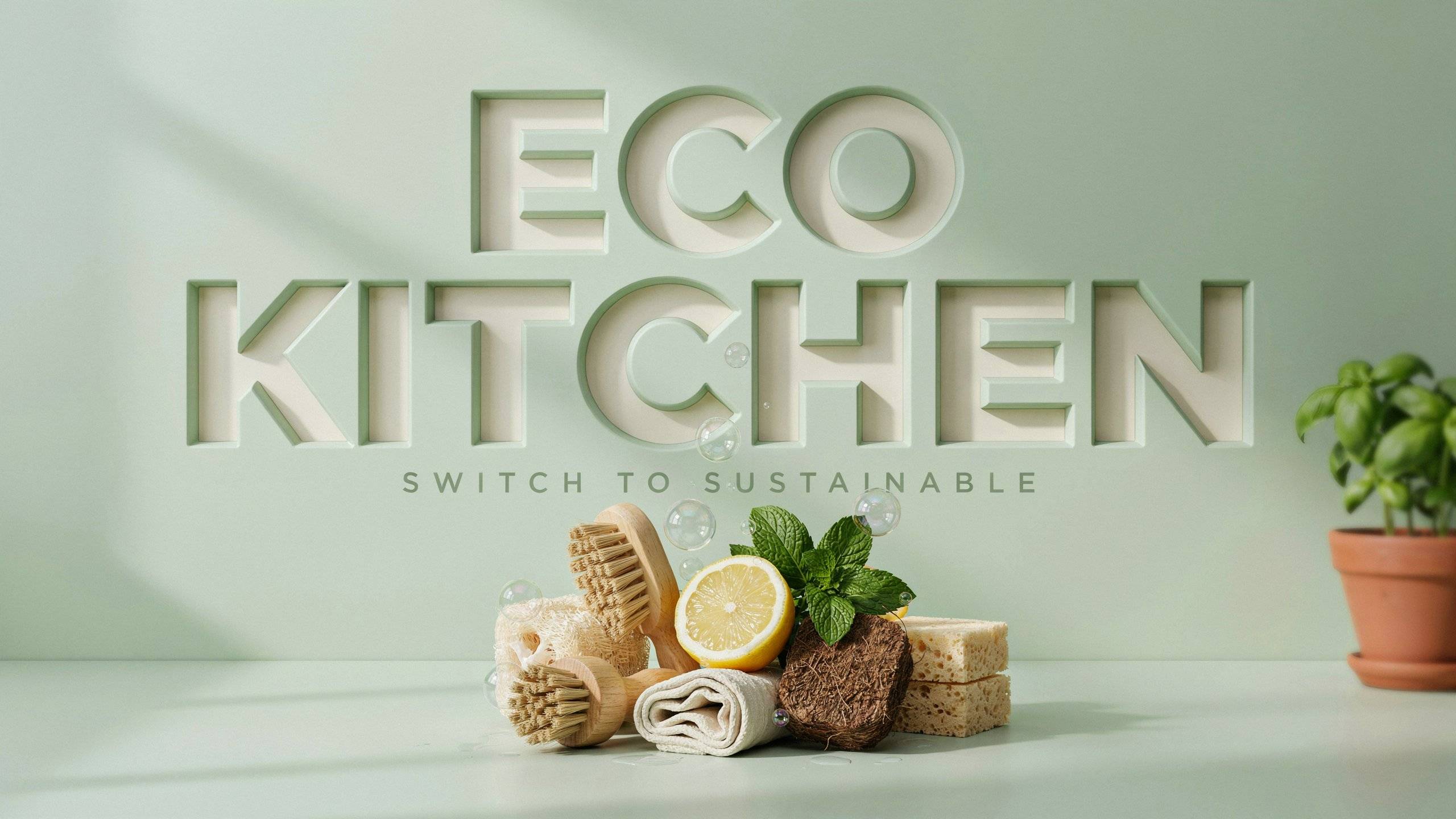
The yellow sponge by your sink has a dirty secret. It’s made from petroleum-based plastic, it sheds tiny plastic fibers every time you wash a dish, and it sits in a landfill basically forever after you toss it.
The good news is you don’t need it. There are plenty of eco-friendly kitchen sponge alternatives that clean just as well sometimes better and they won’t outlive your grandkids in a landfill.
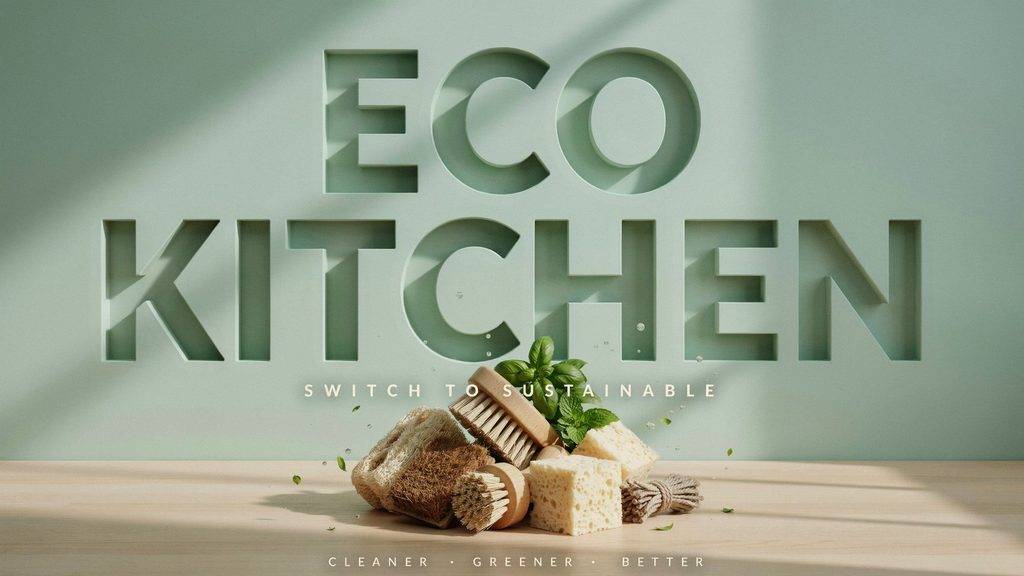
Here’s what actually works.
Why Your Plastic Sponge Has to Go
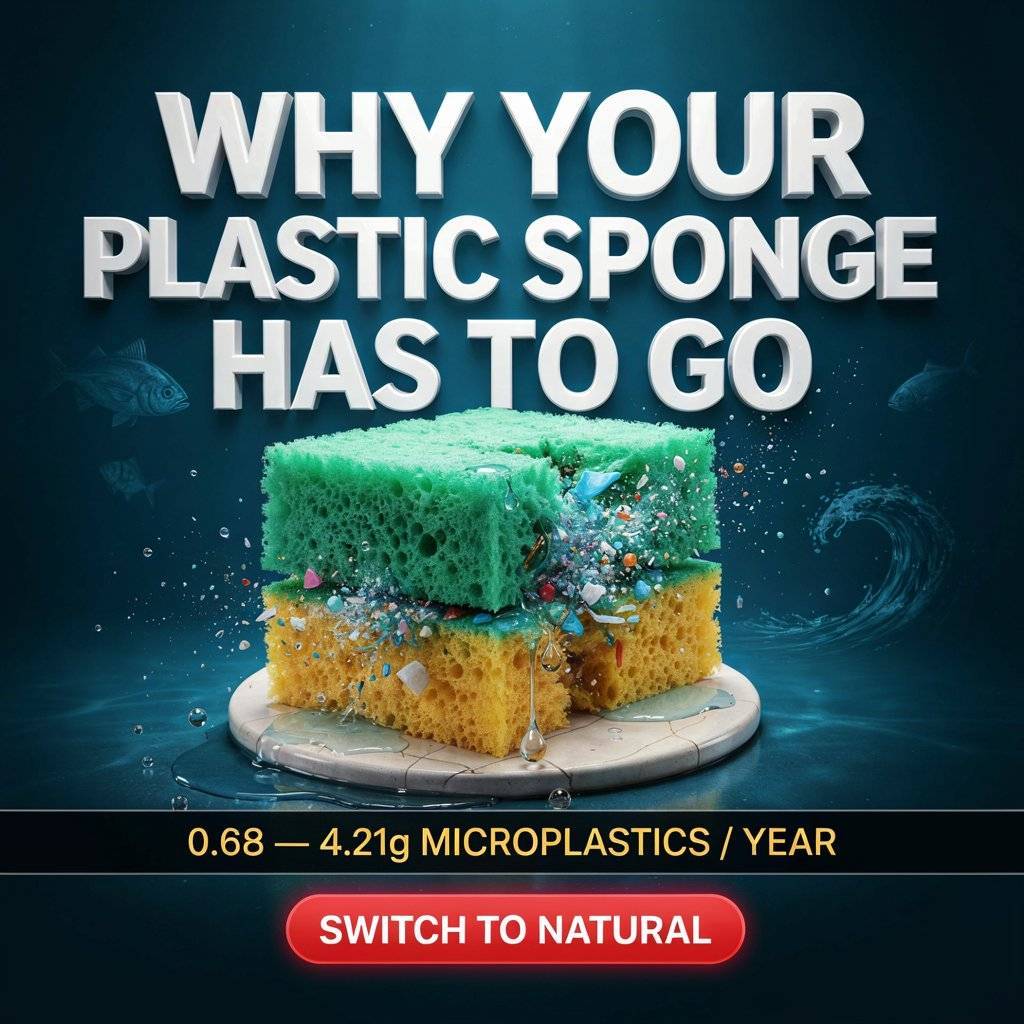
That familiar green-and-yellow scrubber is typically made from polyurethane foam, a type of plastic. Every time you use it, it releases microplastics into your dishwater. Those tiny particles slip through water treatment plants and end up in rivers and oceans.
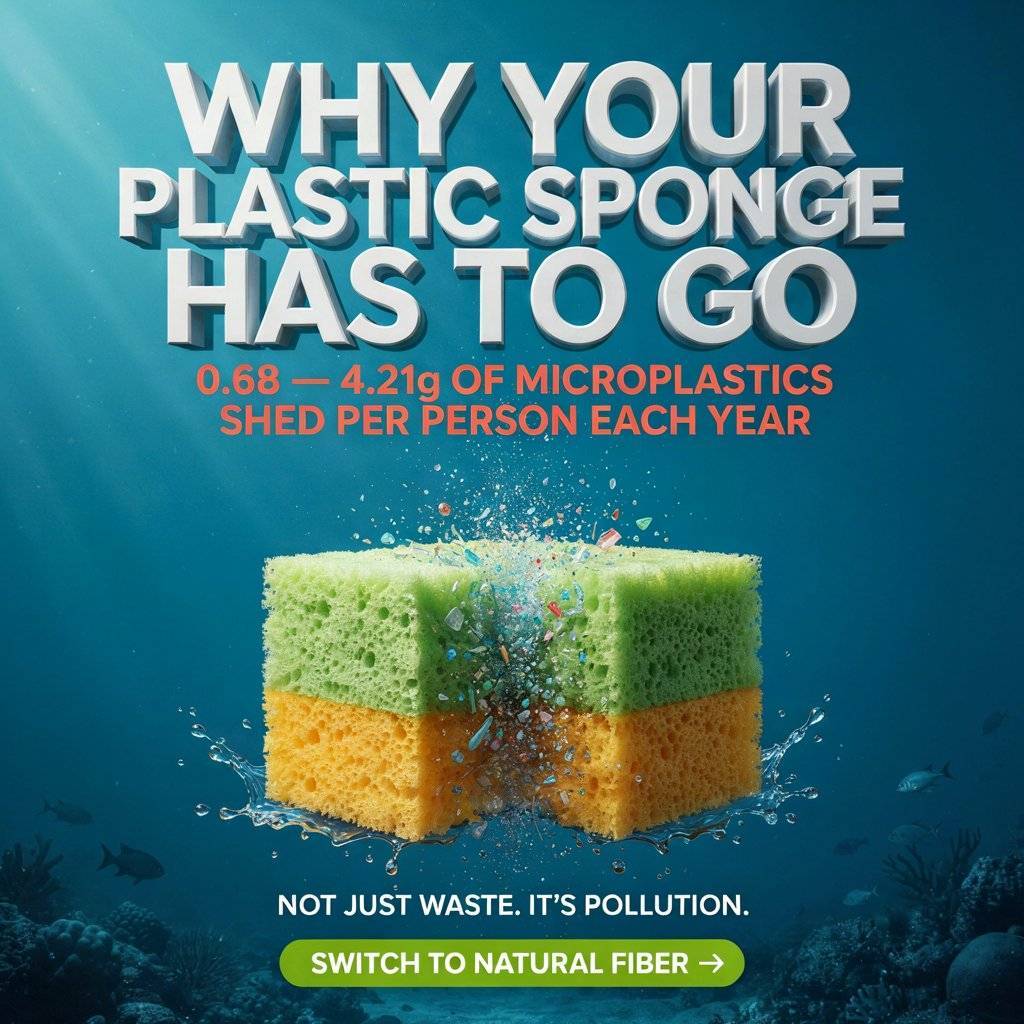
Research shows a single kitchen sponge can shed anywhere from 0.68 to 4.21 grams of microplastics per person each year, depending on the type. It’s not just a waste problem it’s a pollution problem. And since sponges are nearly impossible to recycle, replacing them regularly means endless plastic heading straight to the trash.
1. Natural Loofah Sponges
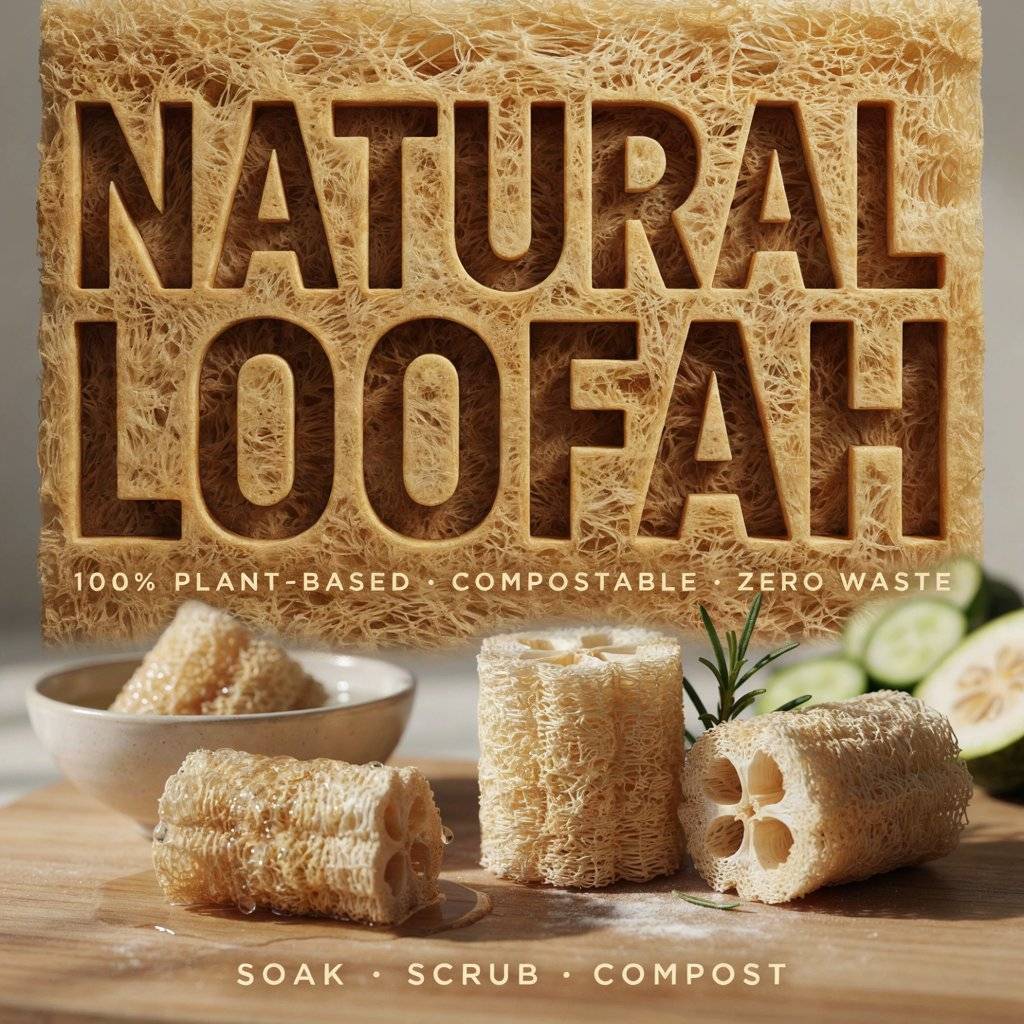
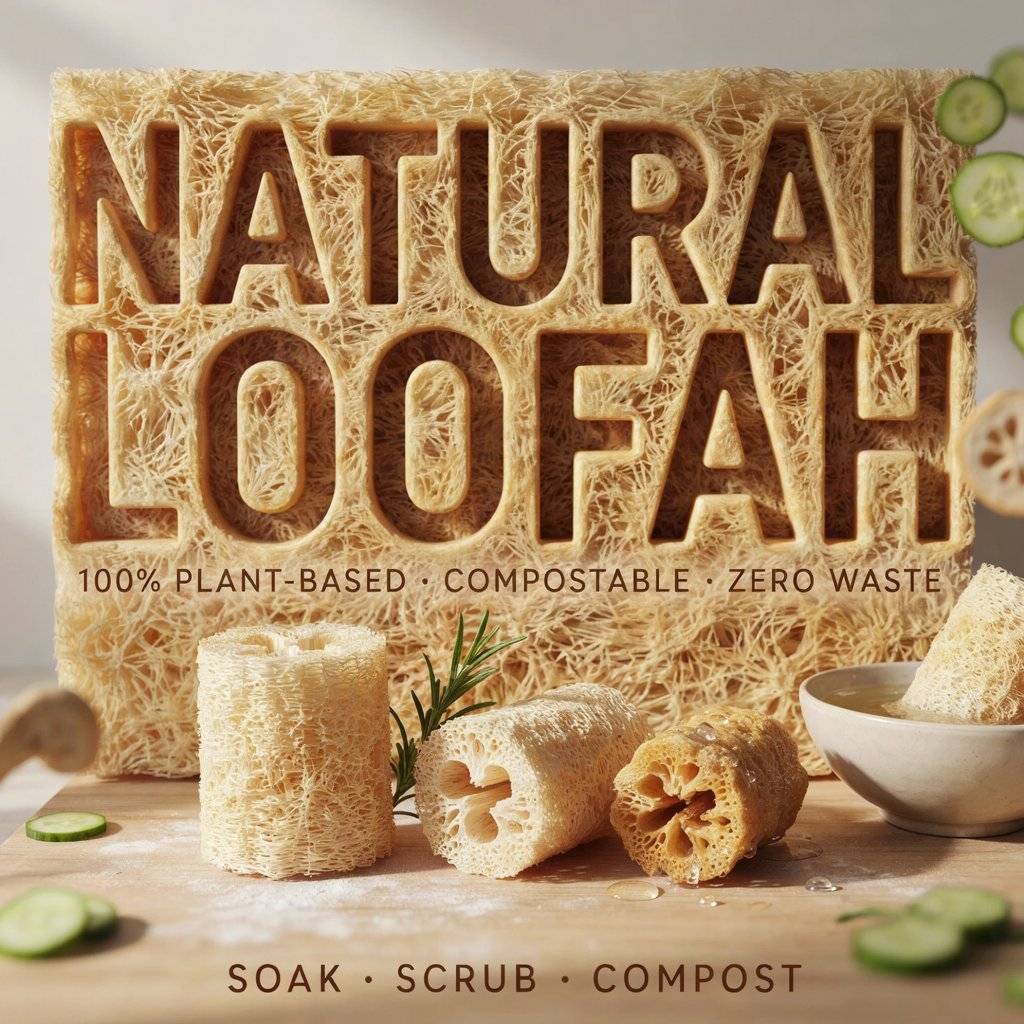
A loofah is not a sea creature. It’s the dried fibrous skeleton of a gourd a cousin of the cucumber and it makes a fantastic kitchen scrubber. When dry, it’s stiff and rough, perfect for baked-on food. Soak it in warm water and it softens up for gentler jobs.
Loofahs rinse clean, air-dry quickly, and don’t turn into a bacteria hotel the way plastic sponges do. When yours finally wears out, snip it up and toss it in the compost. It breaks down in about 30 days. No plastic, no waste, no guilt.
2. Cellulose Sponges
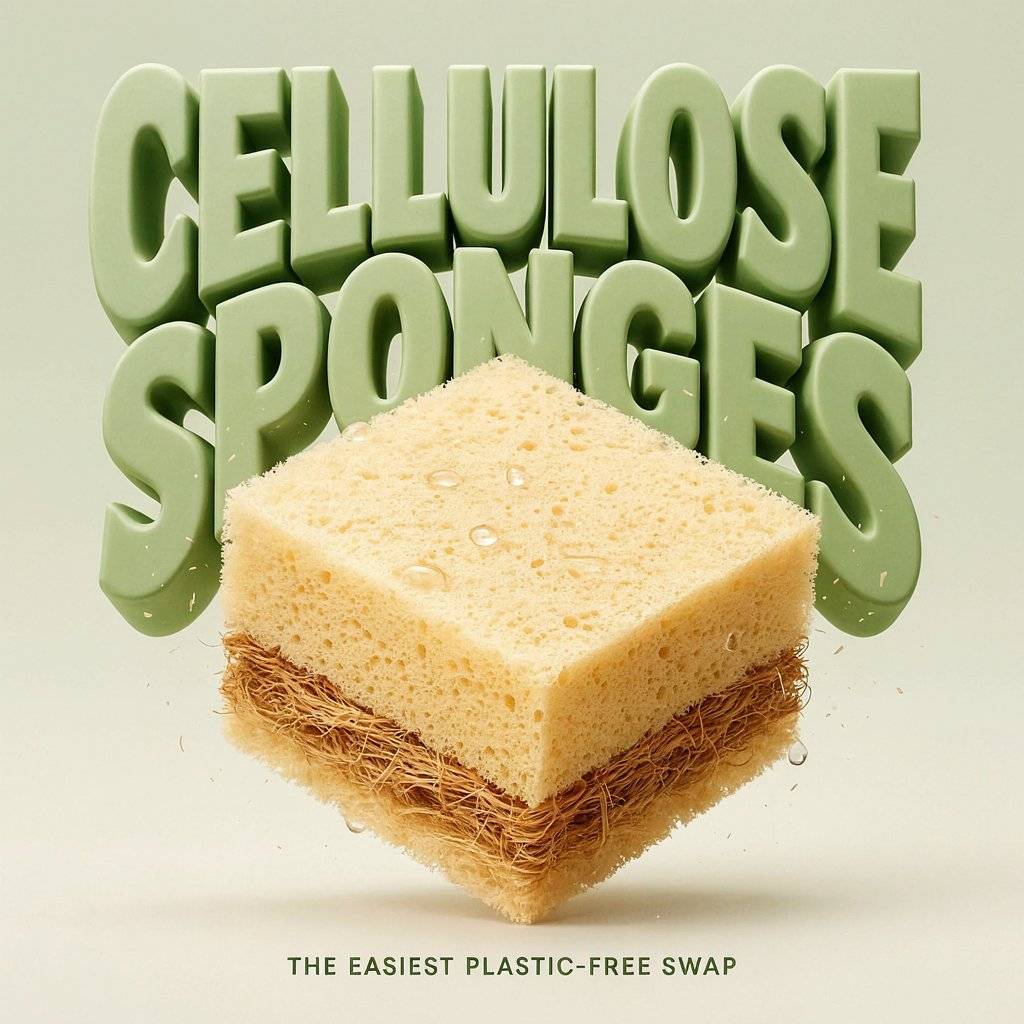
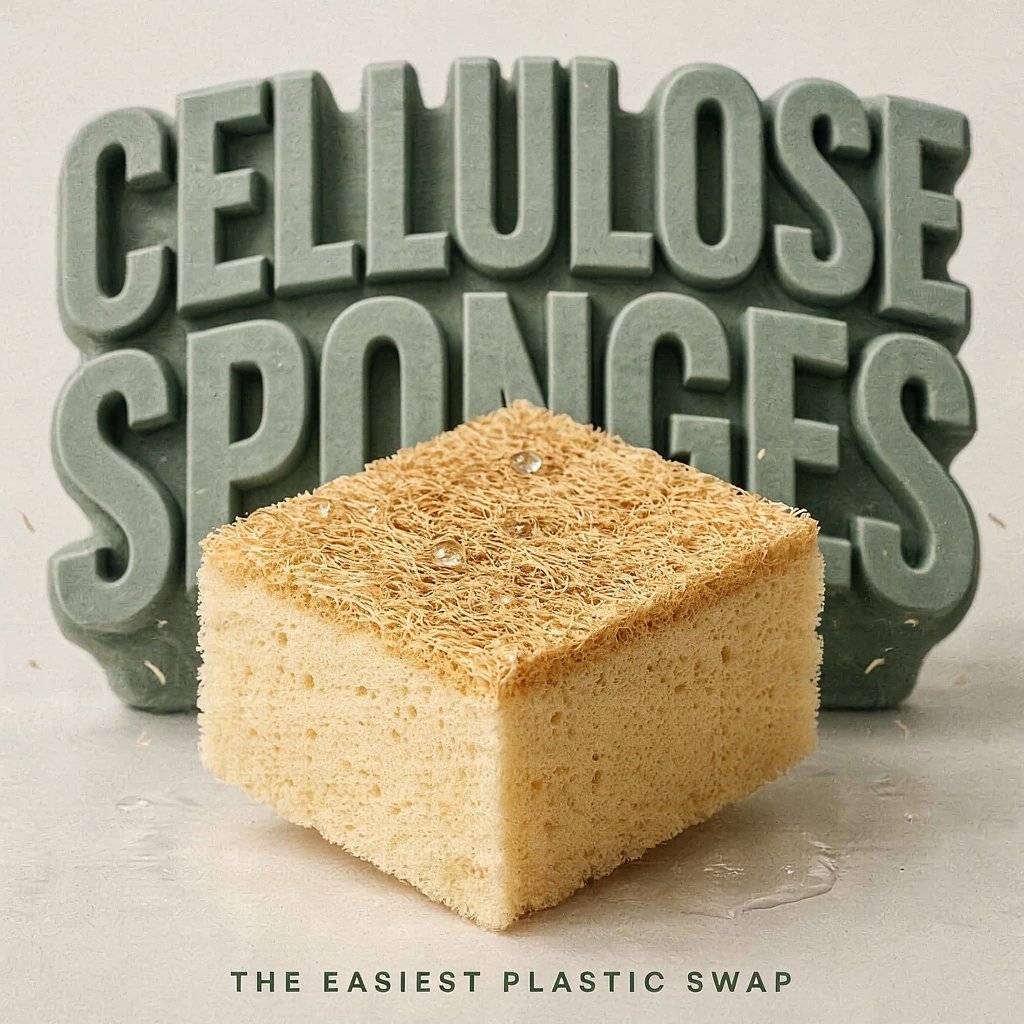
If you like the soft, squishy feel of a traditional sponge, cellulose is your closest match. These are made from wood pulp, so they behave almost exactly like the sponge you’re used to just without the petroleum.
Many come with a natural scrubbing layer on one side, often loofah or coconut fiber, so you get the soft-and-scrubby combo in one tool. They’re compostable at the end of their life and work just as well as plastic versions. If you want the easiest possible swap, start here.
3. Swedish Dishcloths
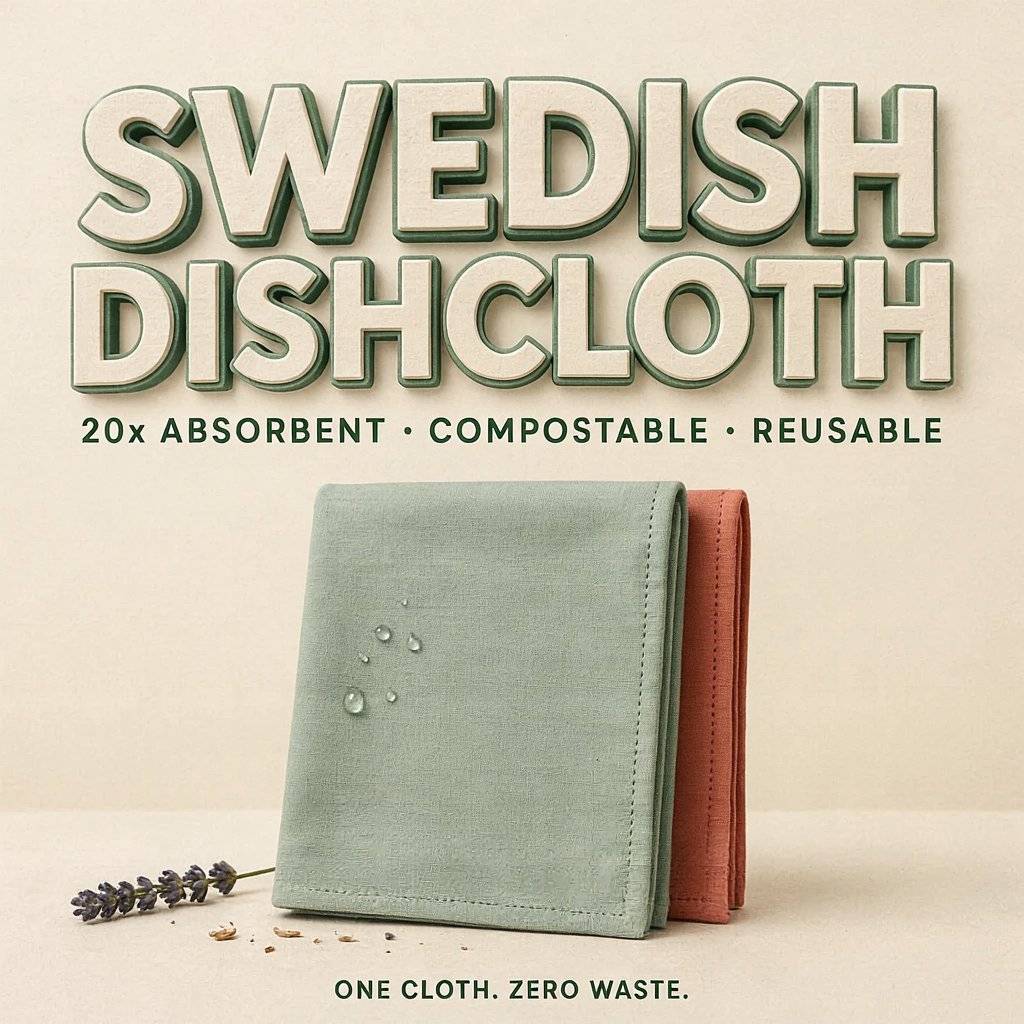
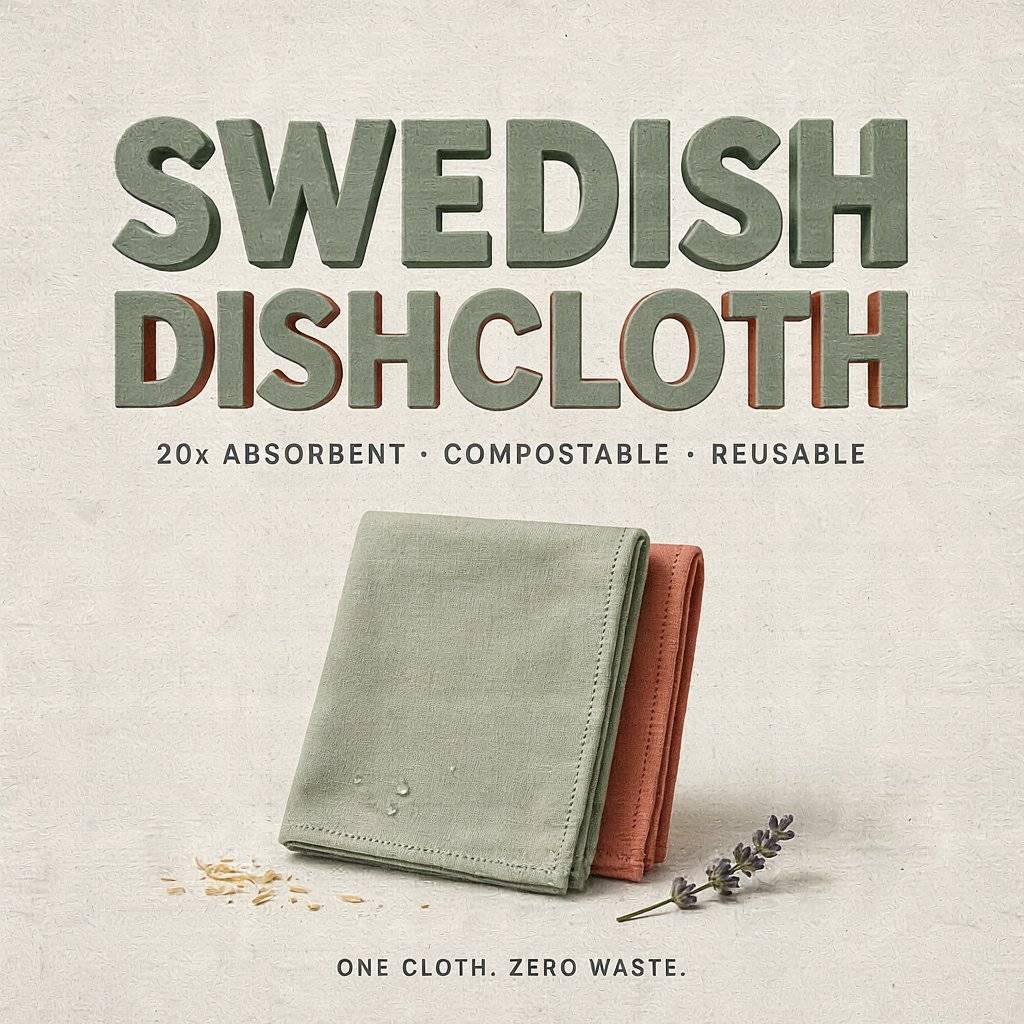
These flat, stiff cloths are made from a blend of cellulose and cotton. Dry, they feel almost like cardboard. Wet, they turn soft and absorbent, soaking up to 20 times their weight in liquid.
That’s more than most sponges. The real win is how fast they dry which means bacteria never get a foothold, so you don’t get that sour sponge smell.
You can wash them in the dishwasher or washing machine and reuse each one for months. When it’s done, it goes in the compost. One cloth replaces multiple rolls of paper towels and a whole lot of sponges.
4. Coconut Fiber Scrubbers
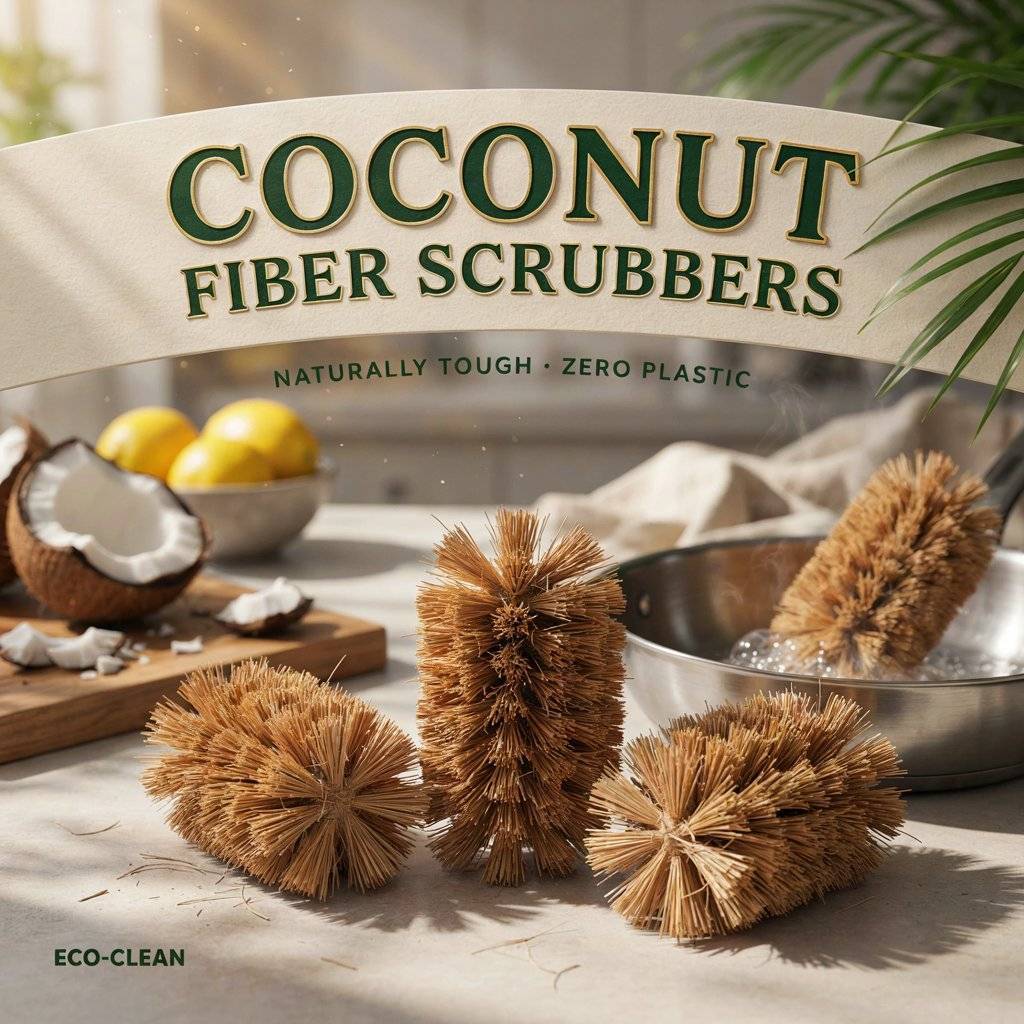
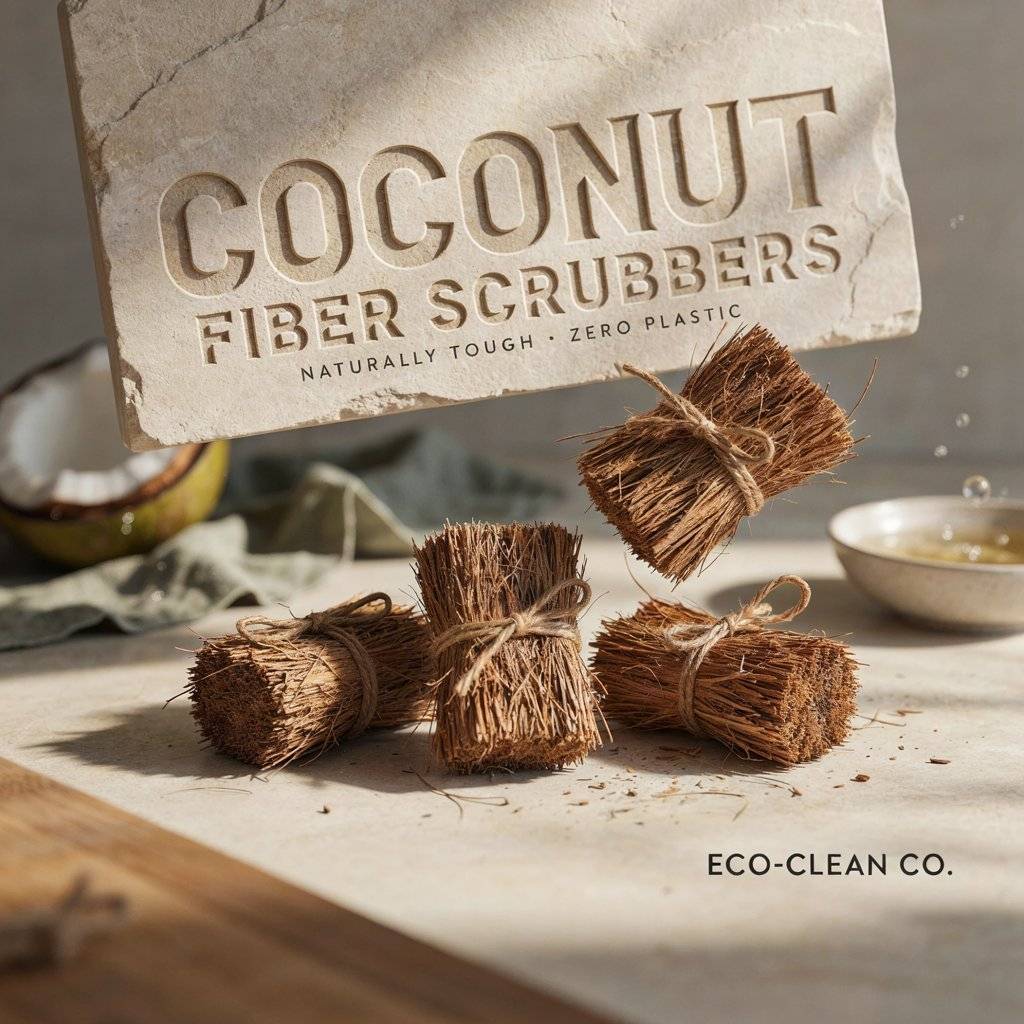
Coconut husk scrubbers are the heavy hitters of the eco-friendly sponge world. They’re tough enough to tackle grease and burnt-on residue, but they won’t scratch your pans the way steel wool can. Coconut fibers are naturally resistant to bacteria and mold, so they stay fresher longer than you’d expect.
They’re biodegradable and usually come packaged without plastic. If you cook a lot of one-pot meals and regularly face stubborn, stuck-on messes, a coconut scrubber is the tool you want within reach.
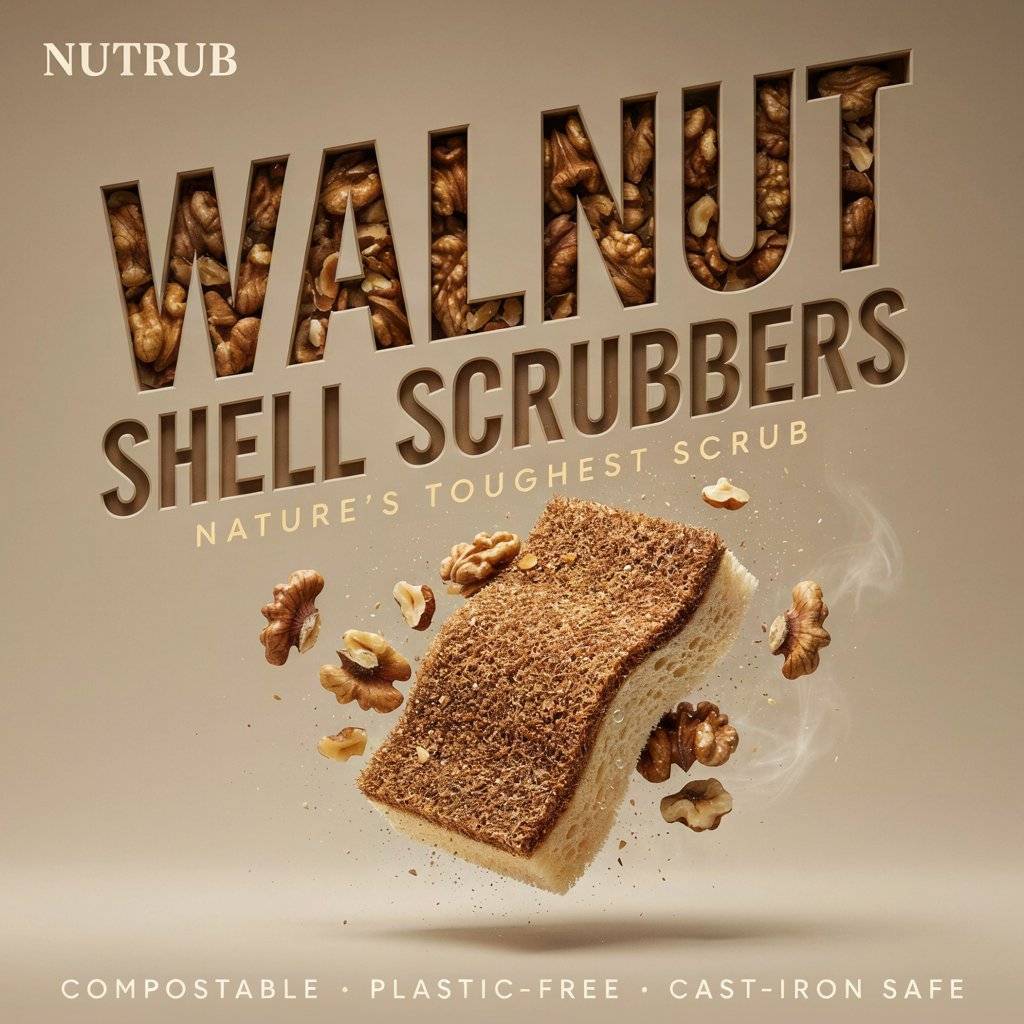
5. Walnut Shell Scrubbers
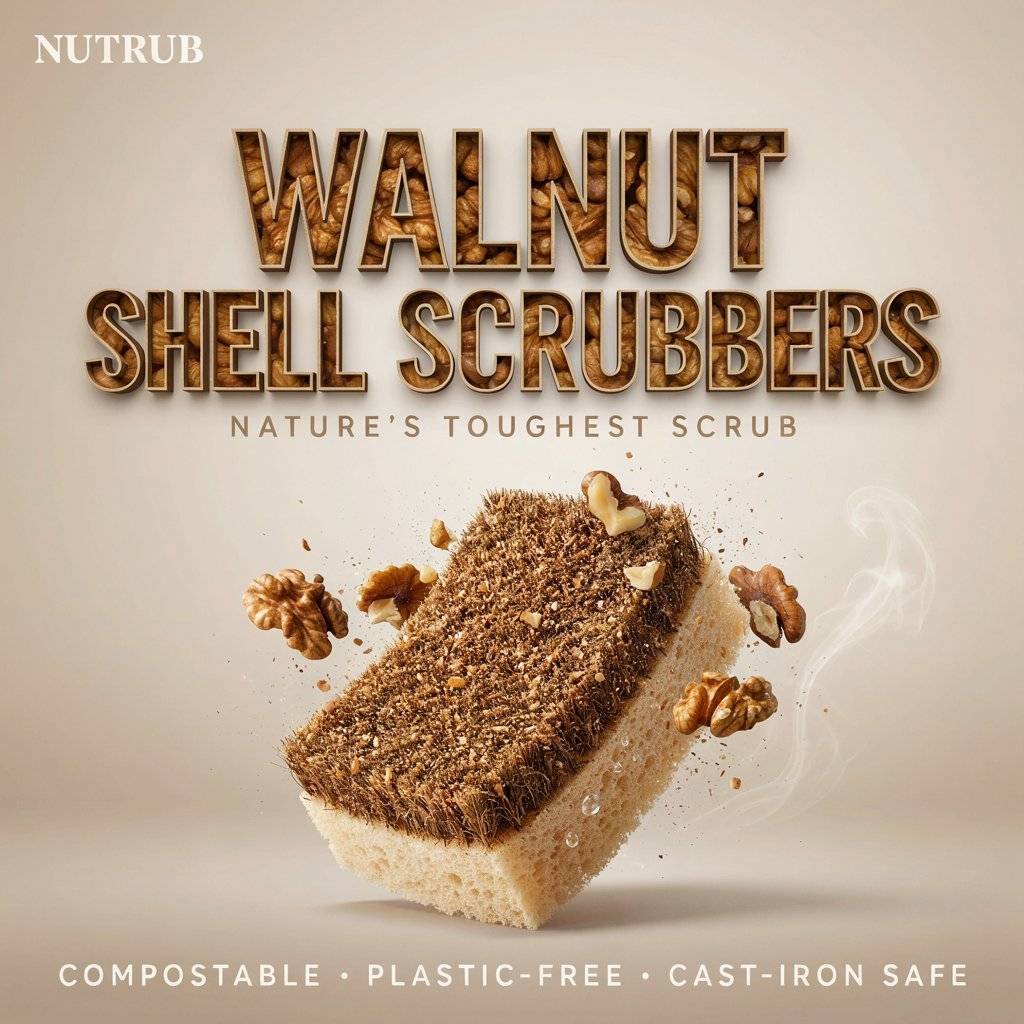
Ground walnut shells give these scrubbers serious abrasive power. The scrubbing side lifts stuck-on food from cast iron and stainless steel without the harshness of plastic bristles. The sponge side is typically cellulose, so you get absorbency and grit in one tool.
Unlike traditional scouring pads, walnut scrubbers don’t rust and won’t scratch delicate surfaces as aggressively. They’re compostable when worn out. One heads-up: some walnut scrubbers contain plastic binders, so check the label if you’re aiming for a completely plastic-free option.
6. Wooden Dish Brushes
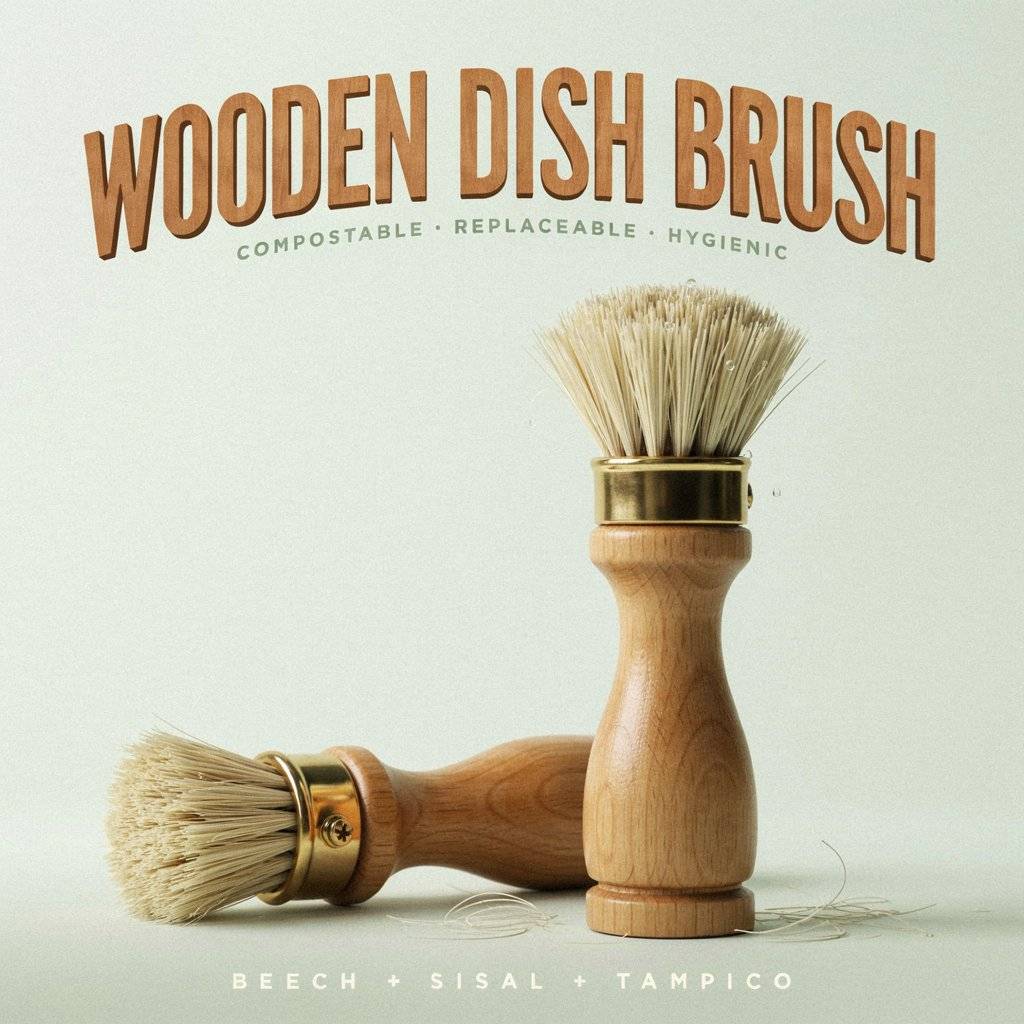
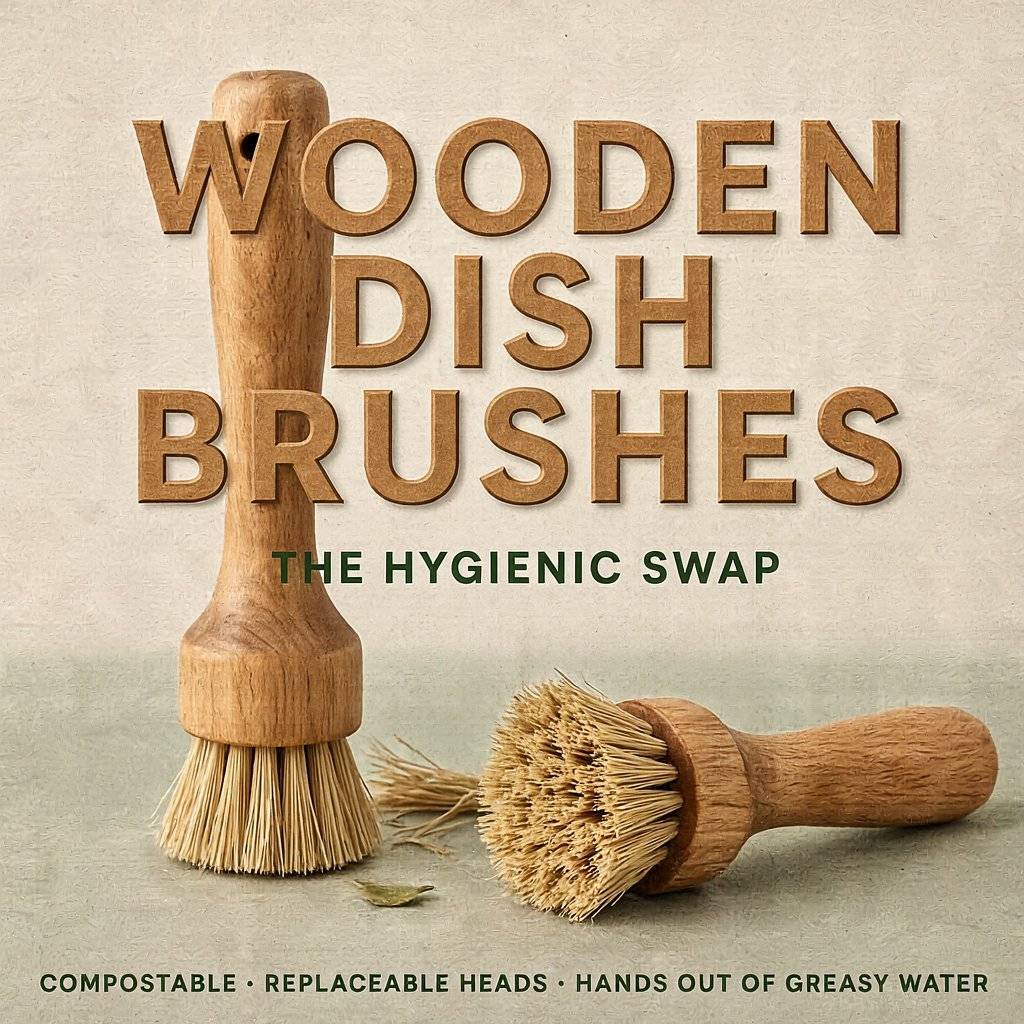
A wooden brush with plant-fiber bristles is one of the most hygienic swaps you can make. Because the head stays elevated and dries quickly, it harbors far less bacteria than a damp sponge sitting in a puddle.
Look for brushes with replaceable heads that way the handle lasts for years and you only swap the bristles when they wear down. Materials like beech wood, sisal, and tampico are common and fully compostable. Wooden brushes keep your hands out of greasy water, which is a bonus most people don’t think about until they try one.
7. DIY T-Shirt Rags
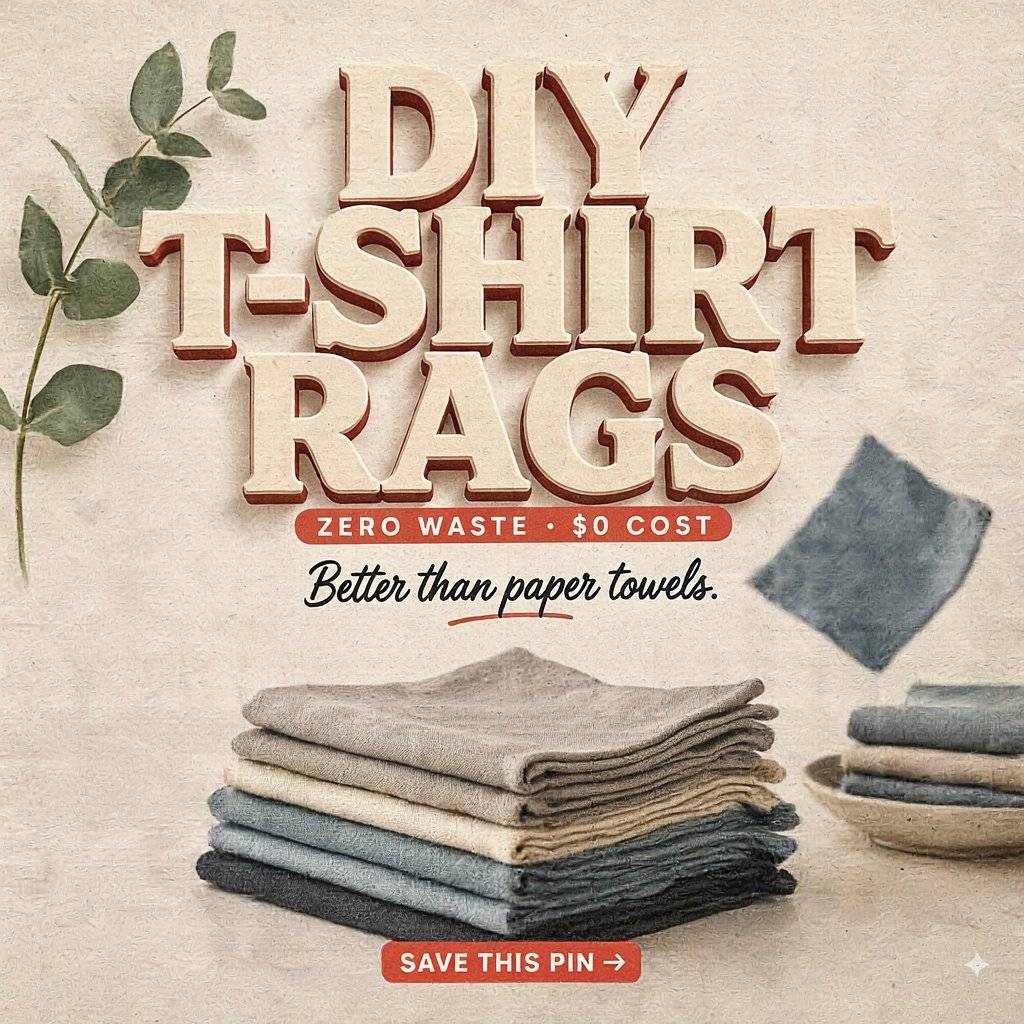
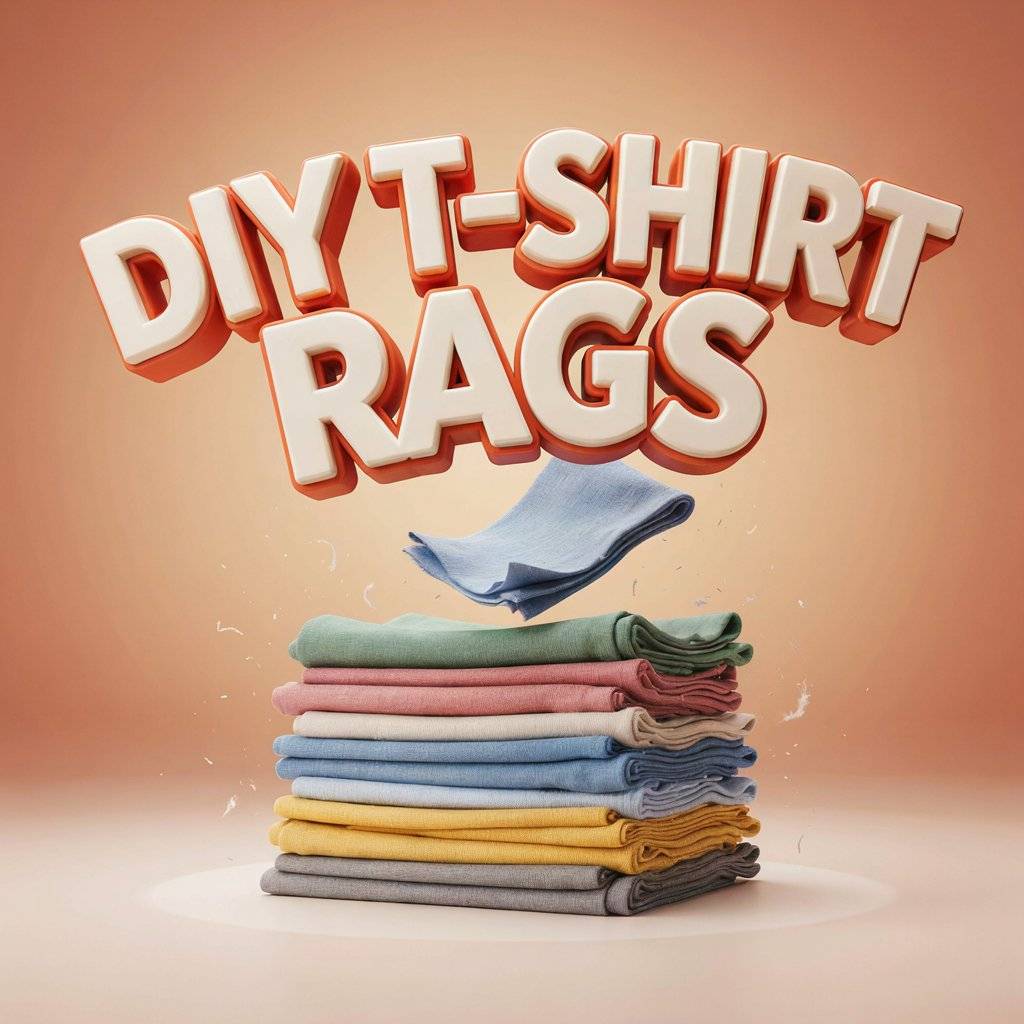
Got an old cotton tee that’s too worn for donation? Cut it into squares. That’s it. T-shirt rags are perfect for wiping counters, cleaning up spills, and dusting. They’re soft, absorbent, and you can wash and reuse them for years. No plastic, no packaging, no cost.
This is the zero-waste option that costs literally nothing and works better than paper towels for most everyday kitchen jobs. Keep a small stack under the sink and toss them in the laundry when they’re dirty.
8. Bamboo Pot Scrubbers
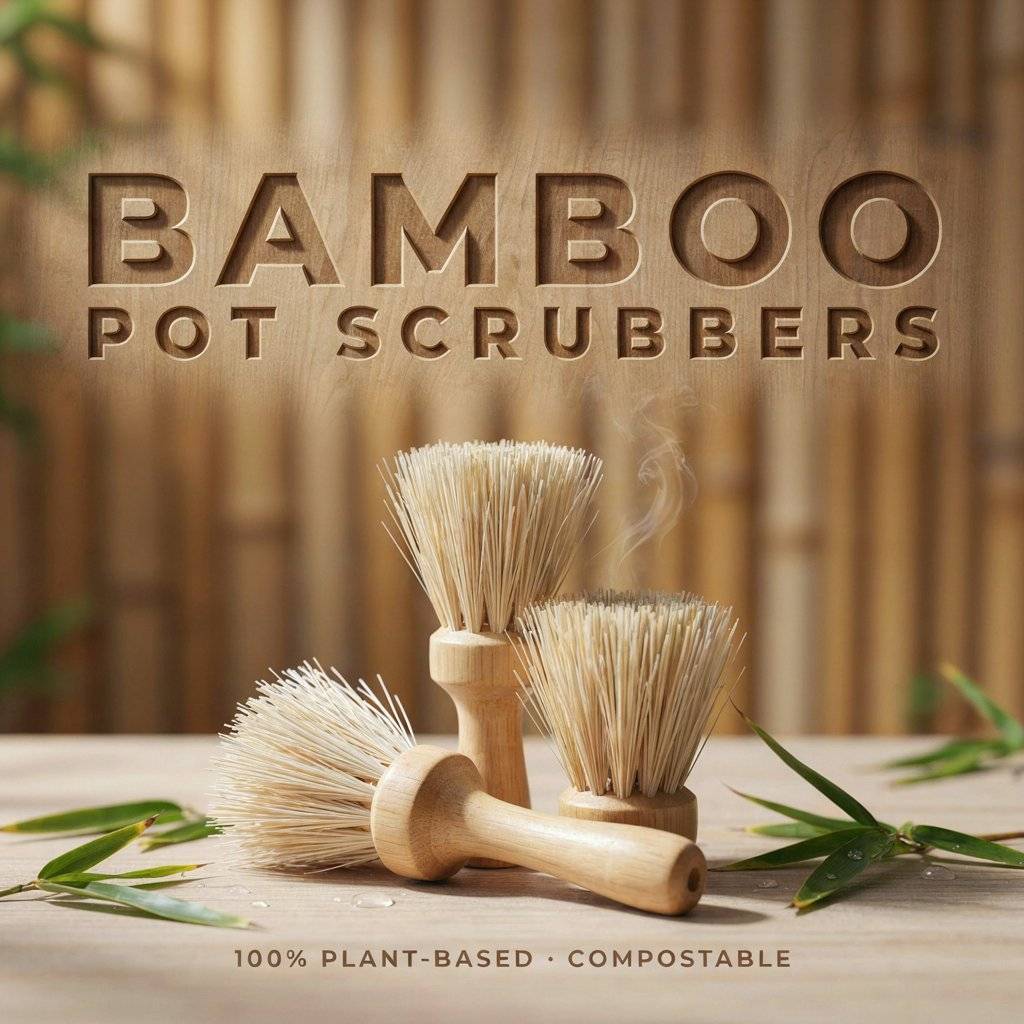
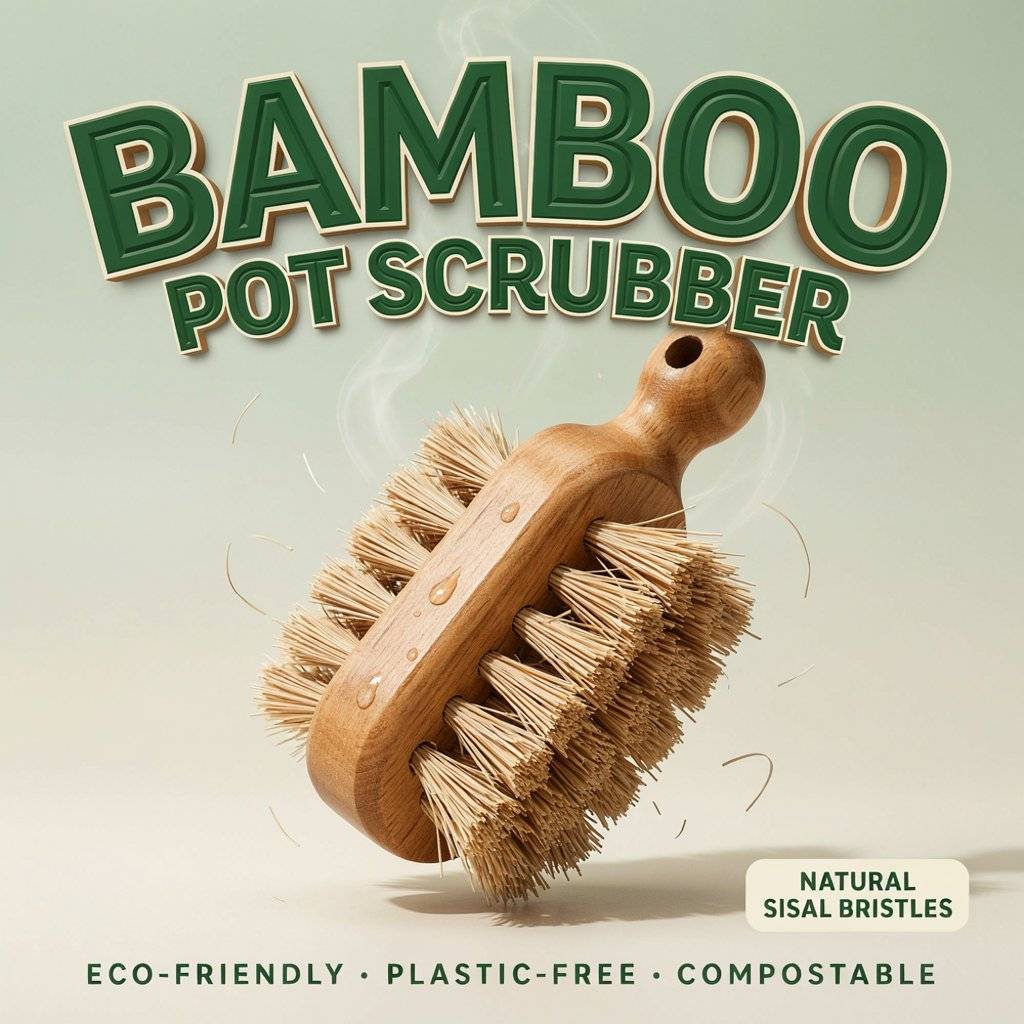
Bamboo scrubbers look a bit like a small brush with stiff bristles, and they’re built for serious scrubbing. The handle is usually bamboo, and the bristles are plant-based fibers like sisal or palm. Together, they cut through grease and stuck-on food without scratching nonstick or ceramic cookware.
Because bamboo grows incredibly fast and needs no pesticides, it’s one of the most renewable materials you can buy. Rinse it after use, stand it upright to dry, and it’ll serve you well for months. When the bristles finally wear down, the whole thing goes in the compost.
9. Copper Scouring Pads
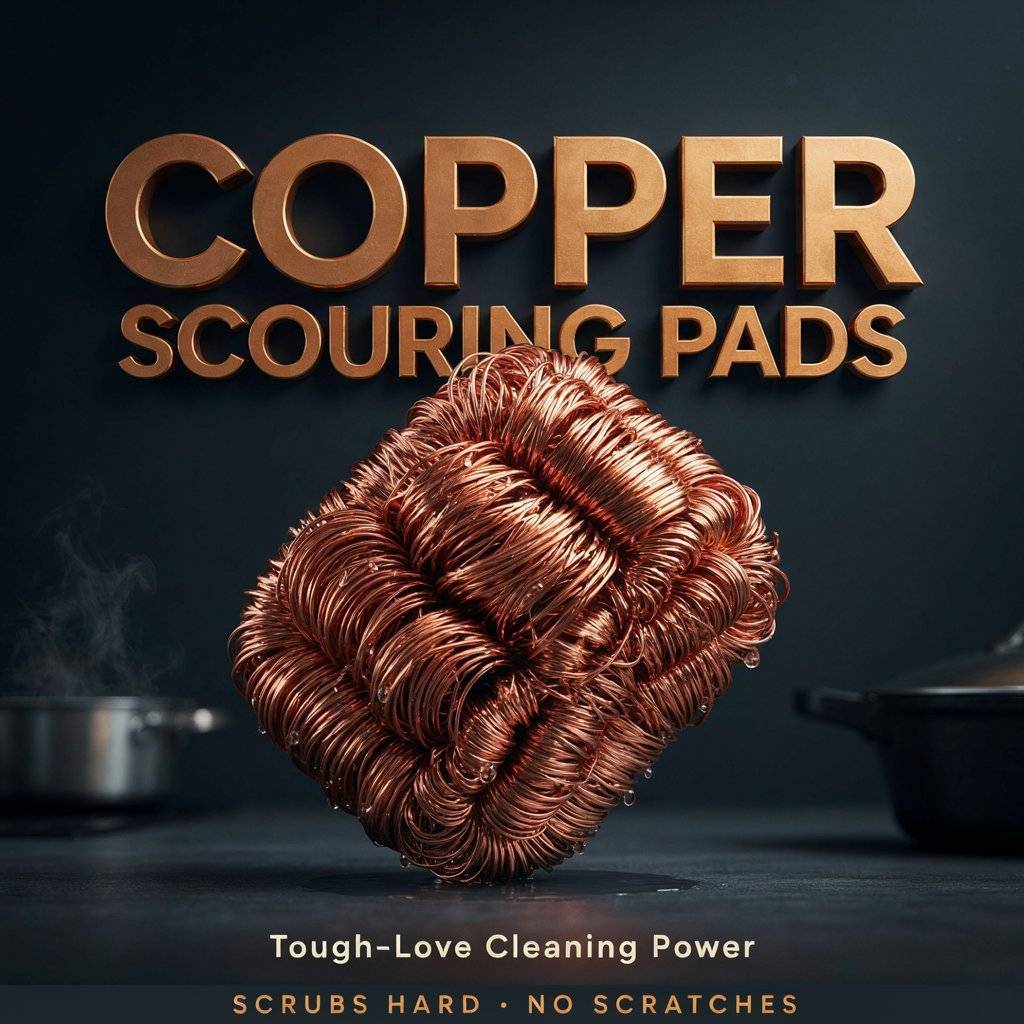
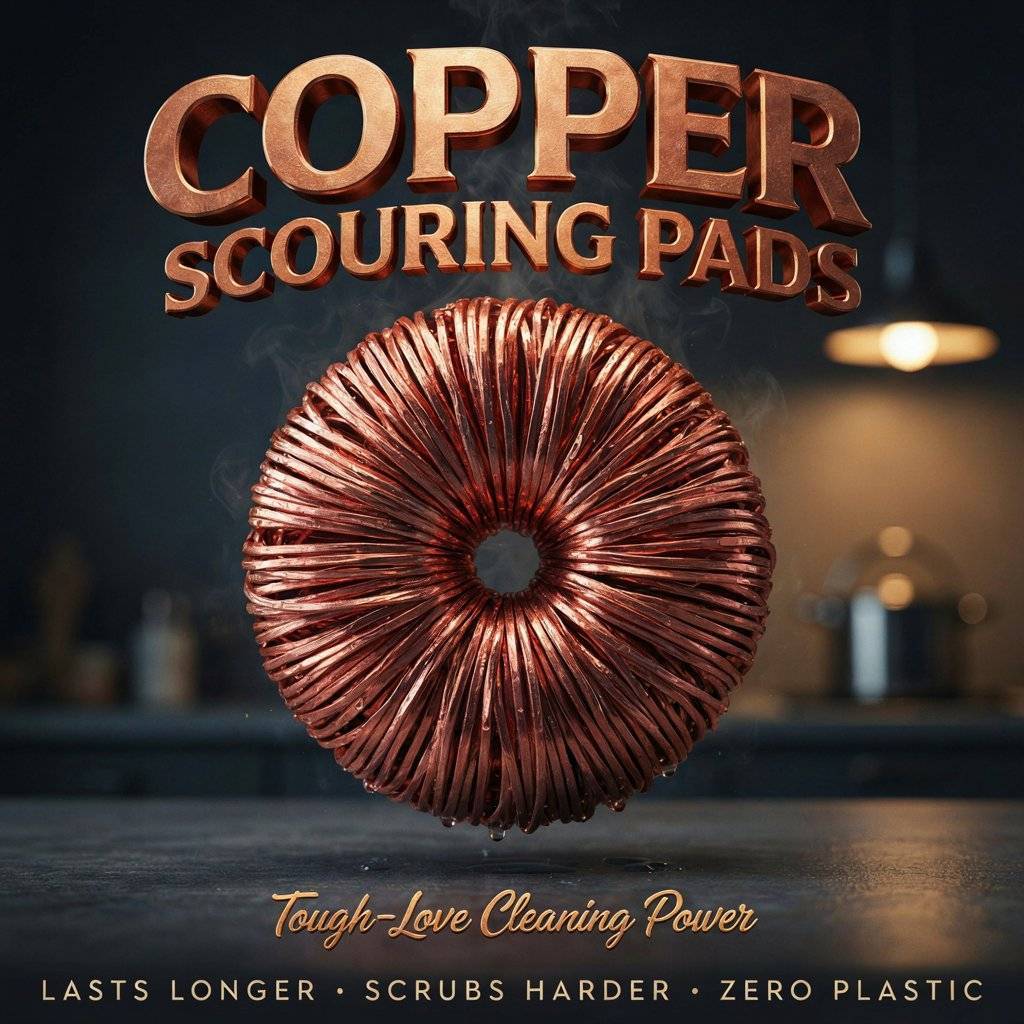
Copper scouring pads are the tough-love option for burnt pots and stubborn grease. Unlike steel wool, copper is softer than most cookware surfaces, so it scrubs hard without leaving deep scratches on stainless steel or cast iron. Copper also naturally resists bacteria, which keeps it fresher between uses.
The catch is that copper isn’t compostable or biodegradable, so it’s not a perfect zero-waste pick. Still, a single copper pad lasts far longer than a pack of plastic scouring pads, which makes it a lower-waste choice overall if you need heavy-duty cleaning power.
10. Hemp Scrubbing Cloths
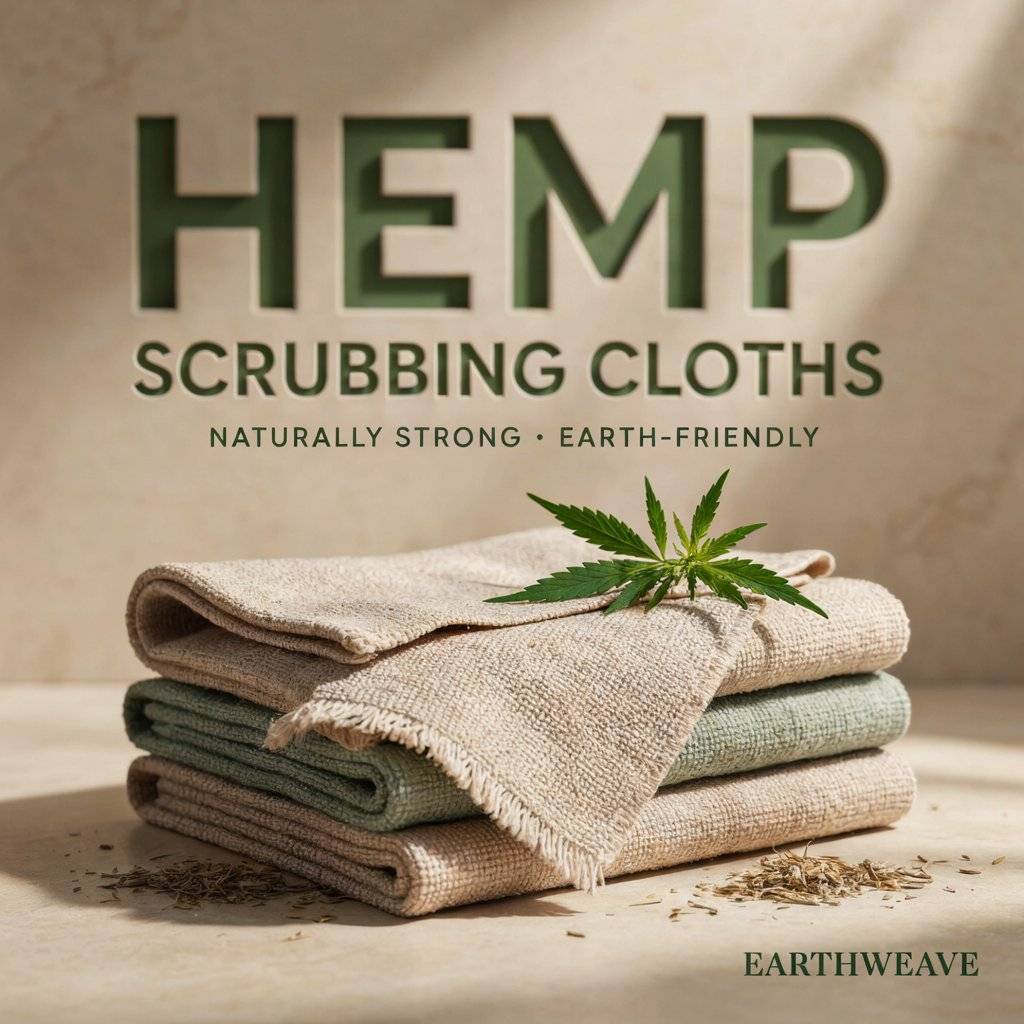
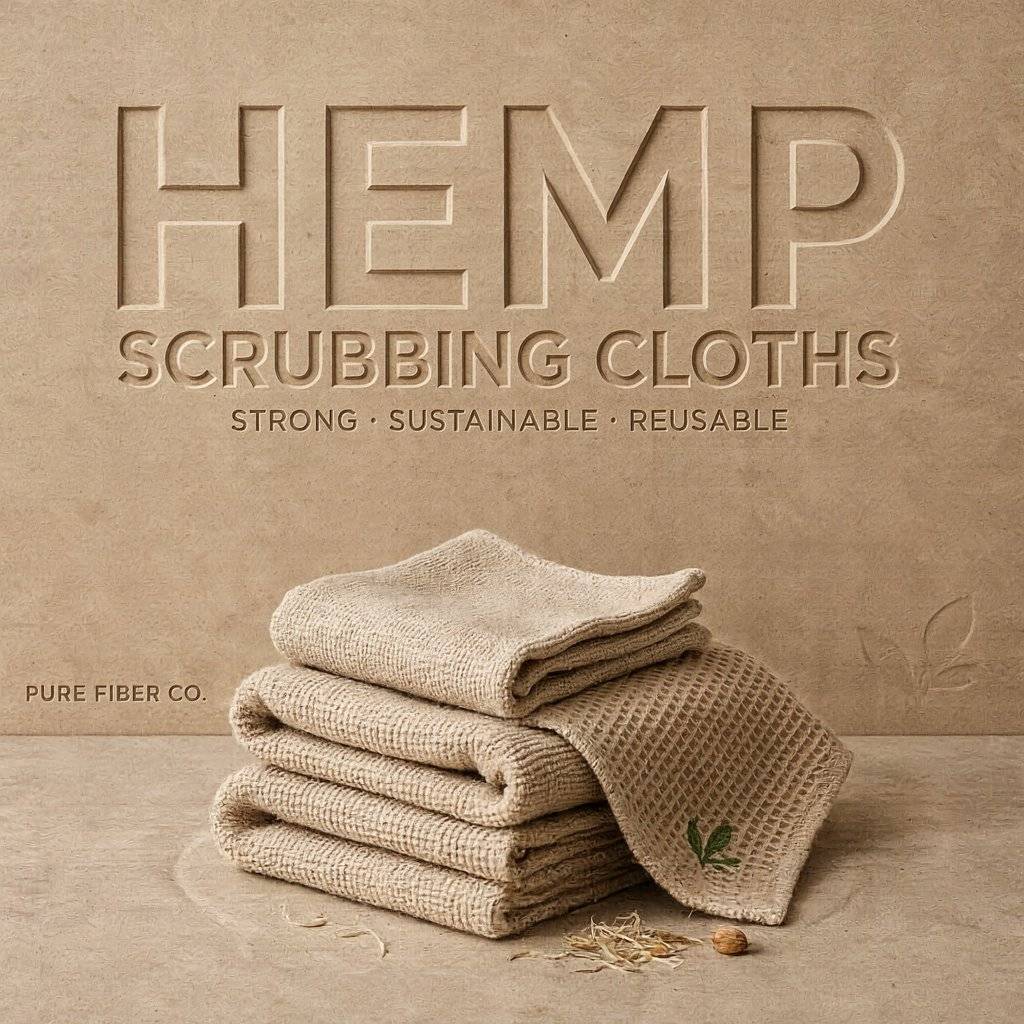
Hemp is one of the strongest natural fibers on the planet, and it makes a durable scrubbing cloth that holds up to repeated washing. These cloths are usually woven from hemp and cotton, giving you a textured surface that lifts food off plates and counters without falling apart.
Hemp plants need very little water and no pesticides to grow, so the material has a small environmental footprint from the start. Hemp cloths soften over time but stay tough. Wash them with your regular laundry, reuse them for months, then compost them when they’re done.
11. Unpaper Towels
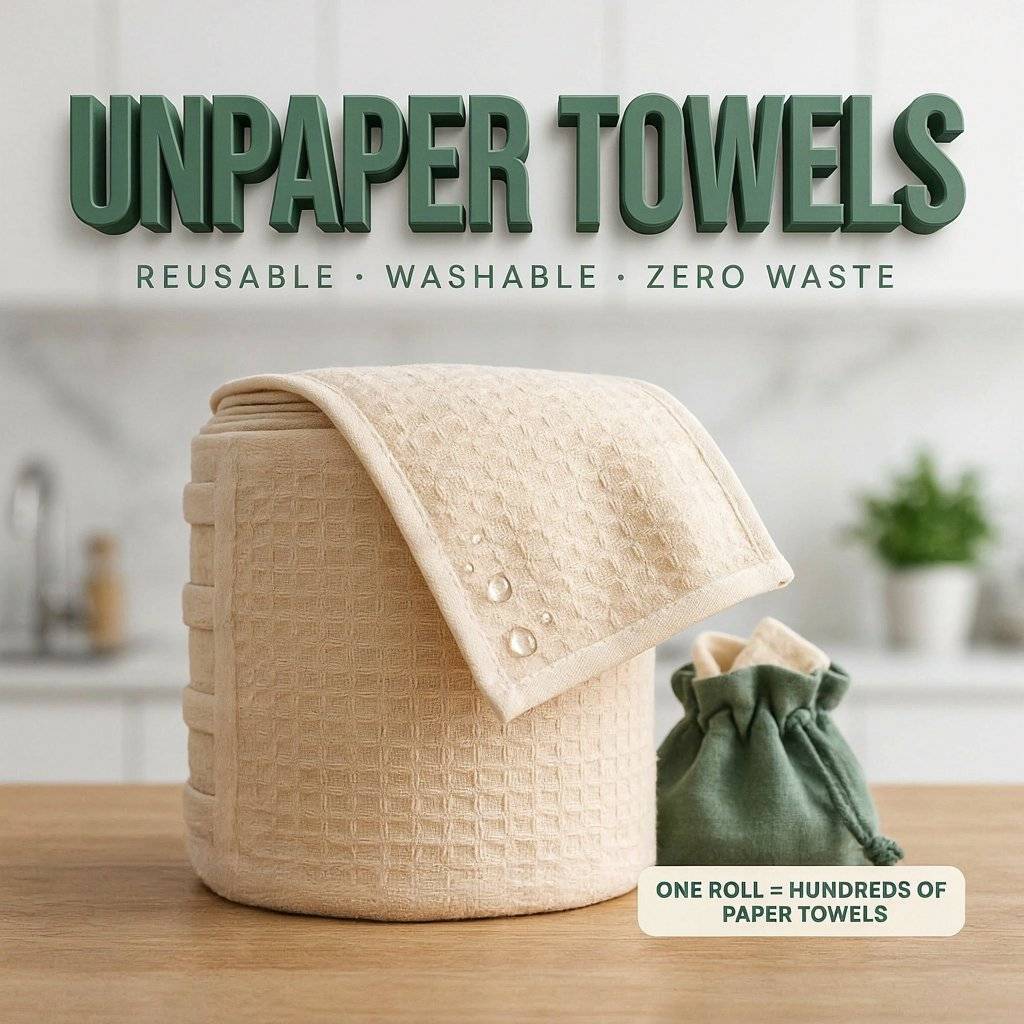
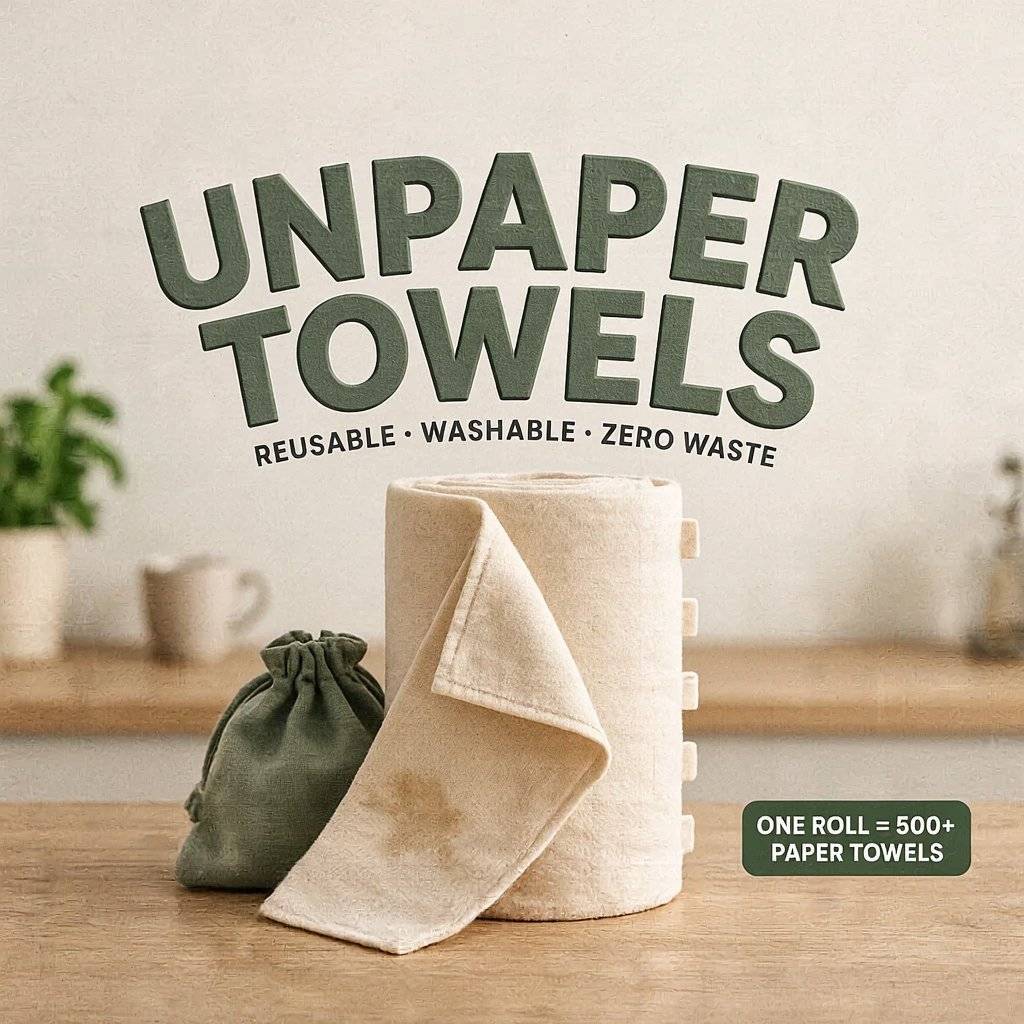
Unpaper towels are reusable cloth squares that snap together on a roll, so they work just like paper towels but without the waste. Most are made from cotton or a cotton-flannel blend, and they soak up spills better than paper ever could. One roll replaces hundreds of paper towels over its lifetime.
You just wash them and snap them back on the roll. Many sets come with a small wet bag for dirty ones, which makes the whole system simple to keep up with. It’s a small upfront cost that pays off fast.
12. Knitted or Crocheted Scrubbies
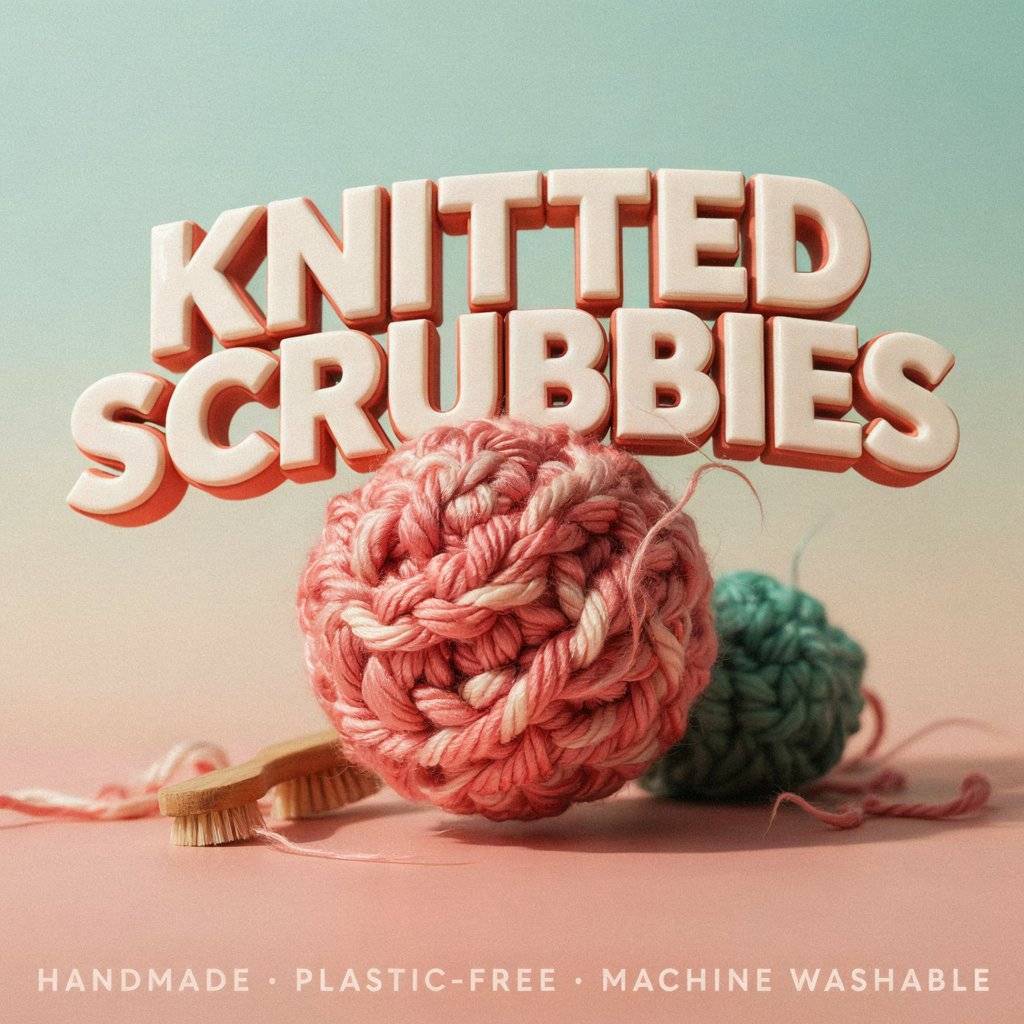
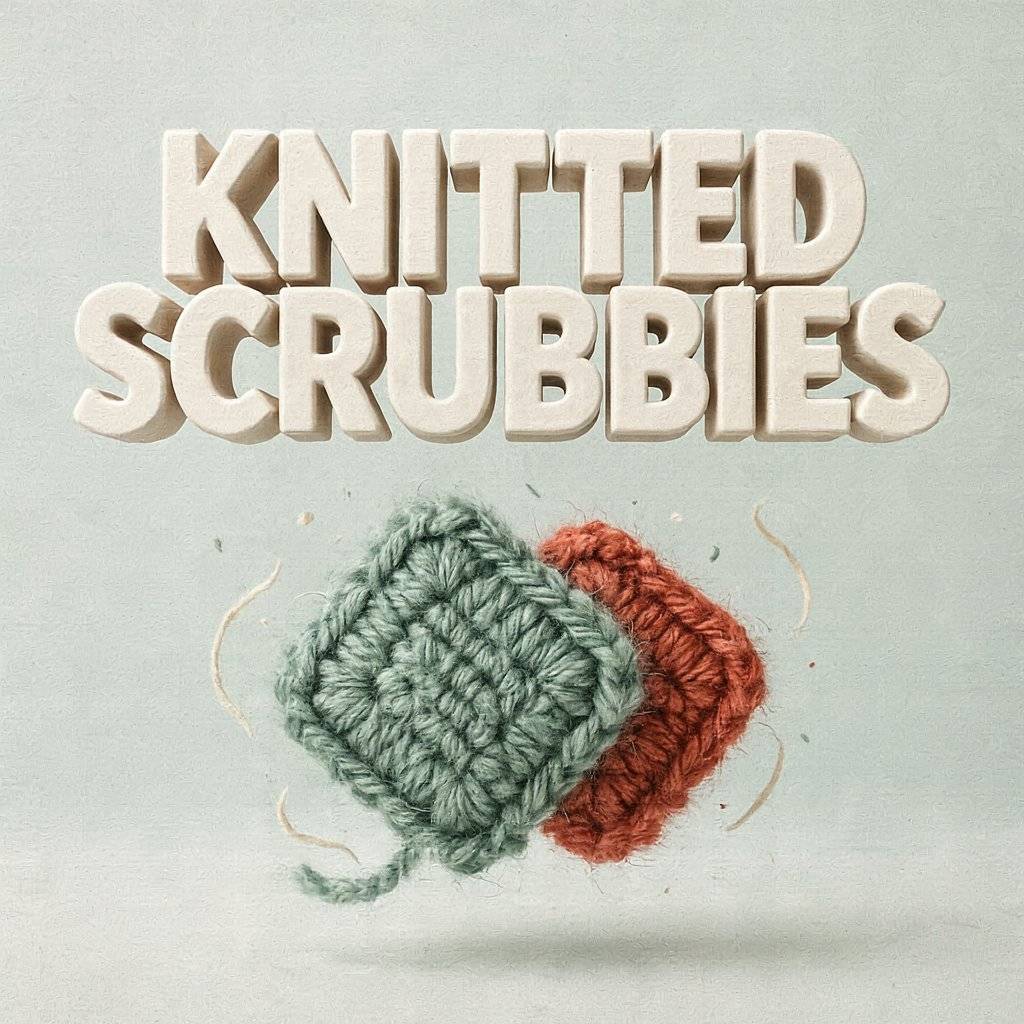
If you’re crafty, you can make your own scrubbers from cotton yarn in an afternoon. Knitted or crocheted scrubbies are soft enough for dishes but textured enough to scrub, especially if you add a rougher stitch or mix in a scratchy yarn.
You control the size, shape, and thickness. They’re machine washable and last for years. Even if you don’t knit, handmade scrubbies are easy to find from small sellers online. Use up leftover yarn, skip the plastic, and end up with something you actually enjoy using.
13. Sea Sponges
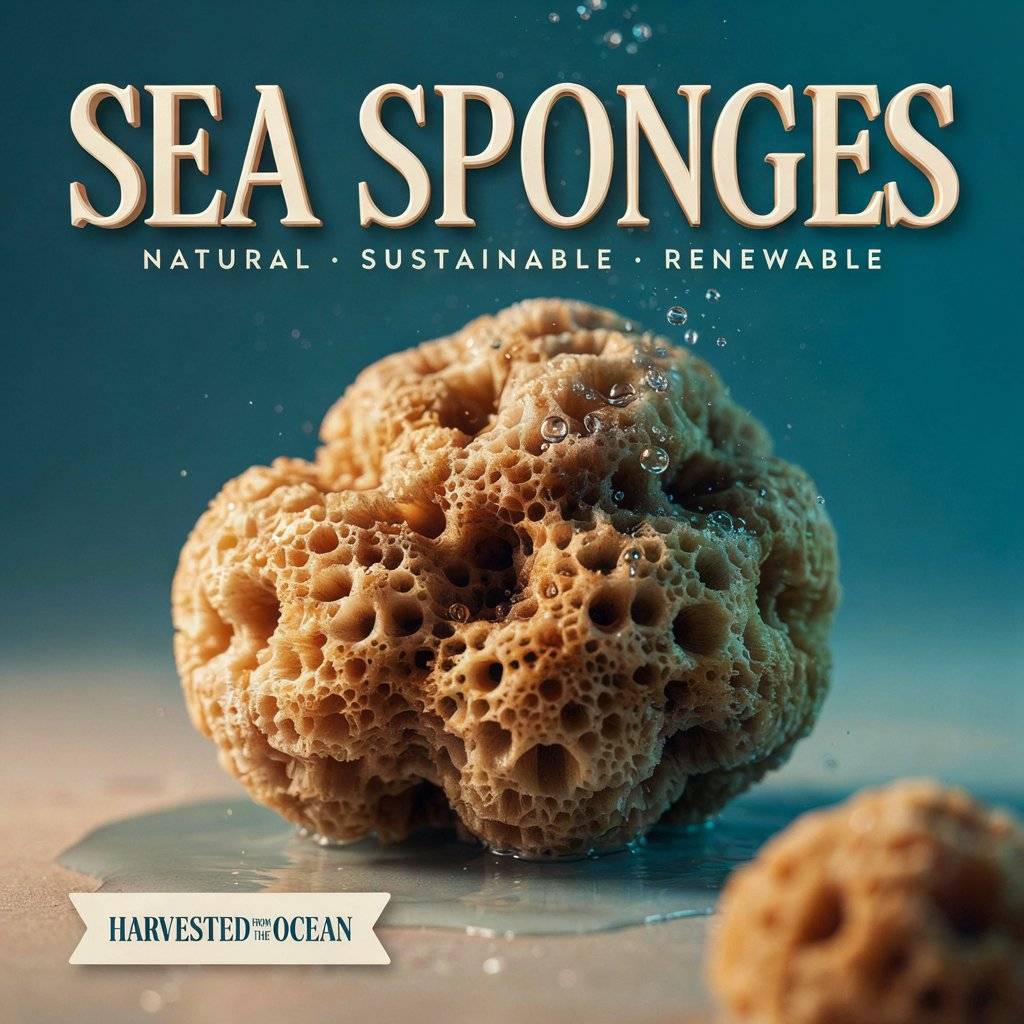
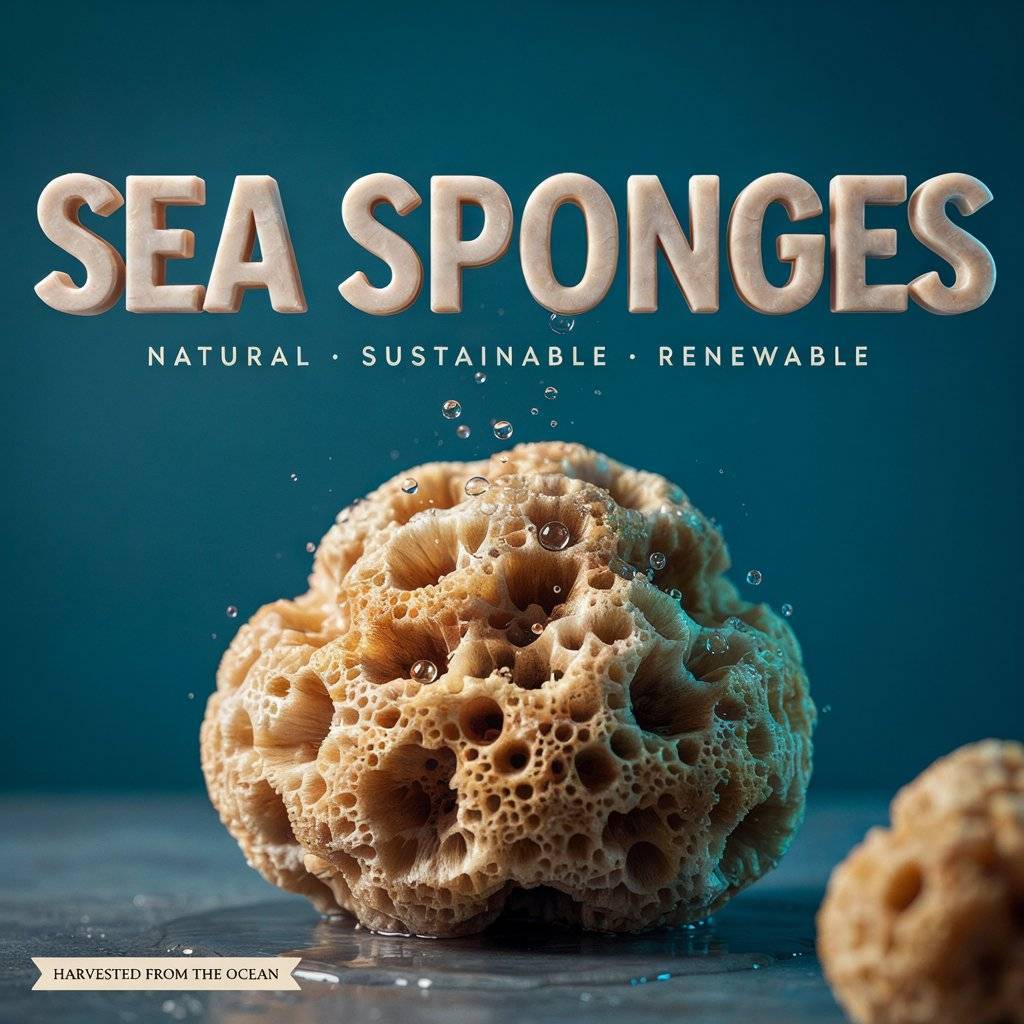
Natural sea sponges are exactly what they sound like harvested from the ocean, not made in a factory. They’re soft, highly absorbent, and gentle on dishes, counters, and delicate surfaces. Because they’re a renewable resource, they regrow after harvesting when done responsibly.
Look for suppliers that harvest sustainably and avoid bleached or dyed versions. Sea sponges do need a little care: rinse them well, let them dry fully, and they’ll last for months. When they wear out, they break down naturally. They cost more upfront, but they’re a genuine natural option.
FAQs
Which eco-friendly sponge is best for nonstick pans?
Cellulose sponges, Swedish dishcloths, and soft cotton scrubbies are safest for nonstick surfaces. Avoid coconut fiber and copper pads, which can scratch the coating.
How do I keep natural sponges from getting smelly?
Rinse them thoroughly after every use, squeeze out excess water, and let them dry where air can reach them. A quick soak in vinegar or a spin in the dishwasher also helps.
Are these alternatives safe for cast iron?
Coconut fiber scrubbers, copper pads, and bamboo brushes all work well on cast iron without damaging the seasoning. Just avoid soaking cast iron in water afterward.
Can I compost all of these?
Loofahs, cellulose sponges, Swedish dishcloths, coconut scrubbers, bamboo brushes, hemp cloths, and sea sponges are compostable. Copper pads and silicone items are not.
Conclusion
You don’t have to pick just one. Most people end up with a small kit: a wooden brush for pots, a Swedish dishcloth for wiping, and a loofah or coconut scrubber for the tough stuff. That setup covers every job in the kitchen, costs about the same as a year of plastic sponges, and sends nothing to the landfill. Start with one swap this week and see how it feels. Once you get used to a cleaner, greener sink area, going back to plastic won’t even cross your mind.
Related Post: