
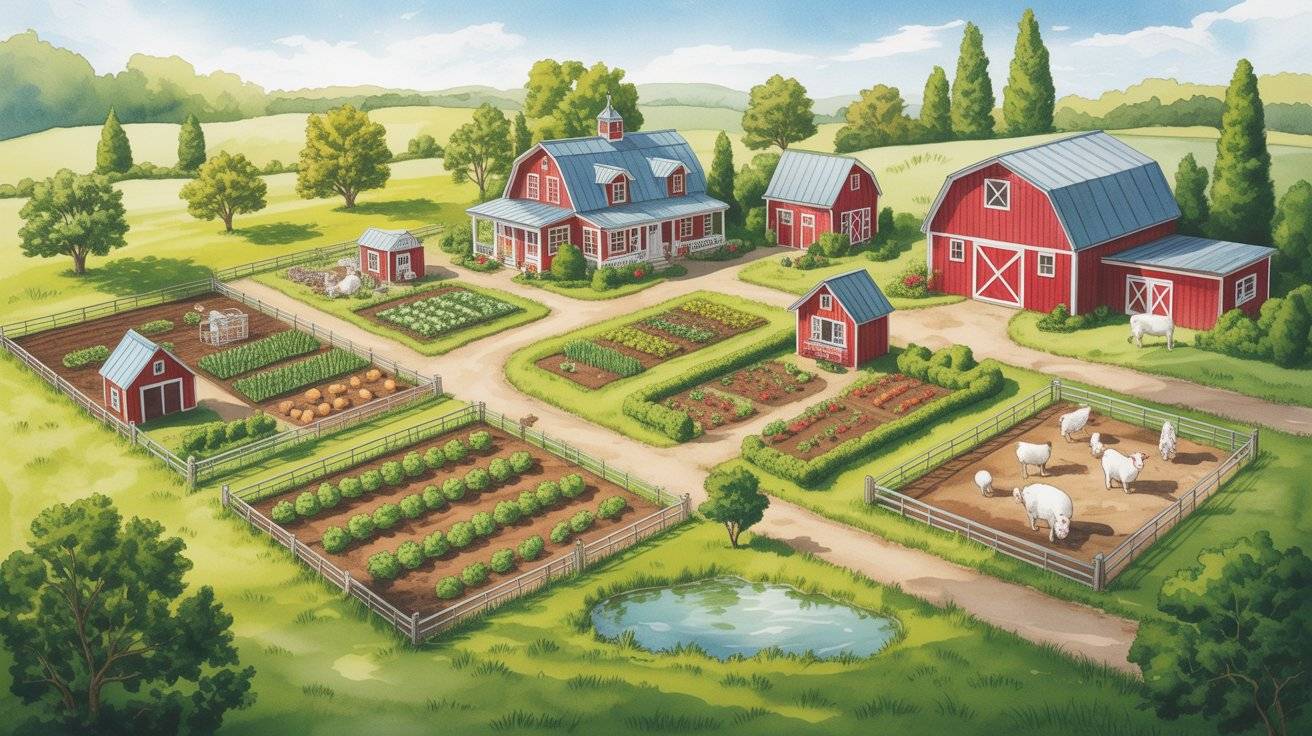
Starting a hobby farm at the beginning of a new year feels like a reset. You’re not just planning land and buildings you’re setting up daily routines that the whole family will live with. I learned early on that a good farm layout matters just as much as the animals or crops you choose. When spaces are planned well, chores are easier, kids stay safer, and the farm feels calm instead of stressful.
A family-friendly hobby farm layout doesn’t need a lot of land or money. It needs clear paths, simple systems, and areas that make sense for both adults and children. The goal is not perfection. It’s creating a place where animals are easy to care for, tools are easy to reach, and everyone knows where they’re allowed to be.
Below are layout ideas that focus on safety, comfort, and daily use things that actually work when families are involved.
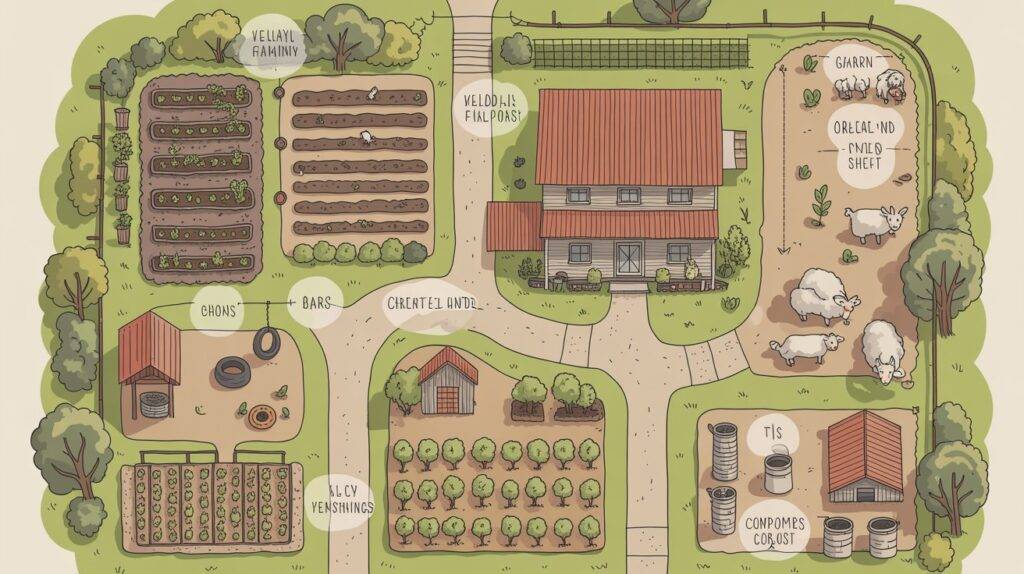
1. Keep Animal Areas Close but Clearly Separated
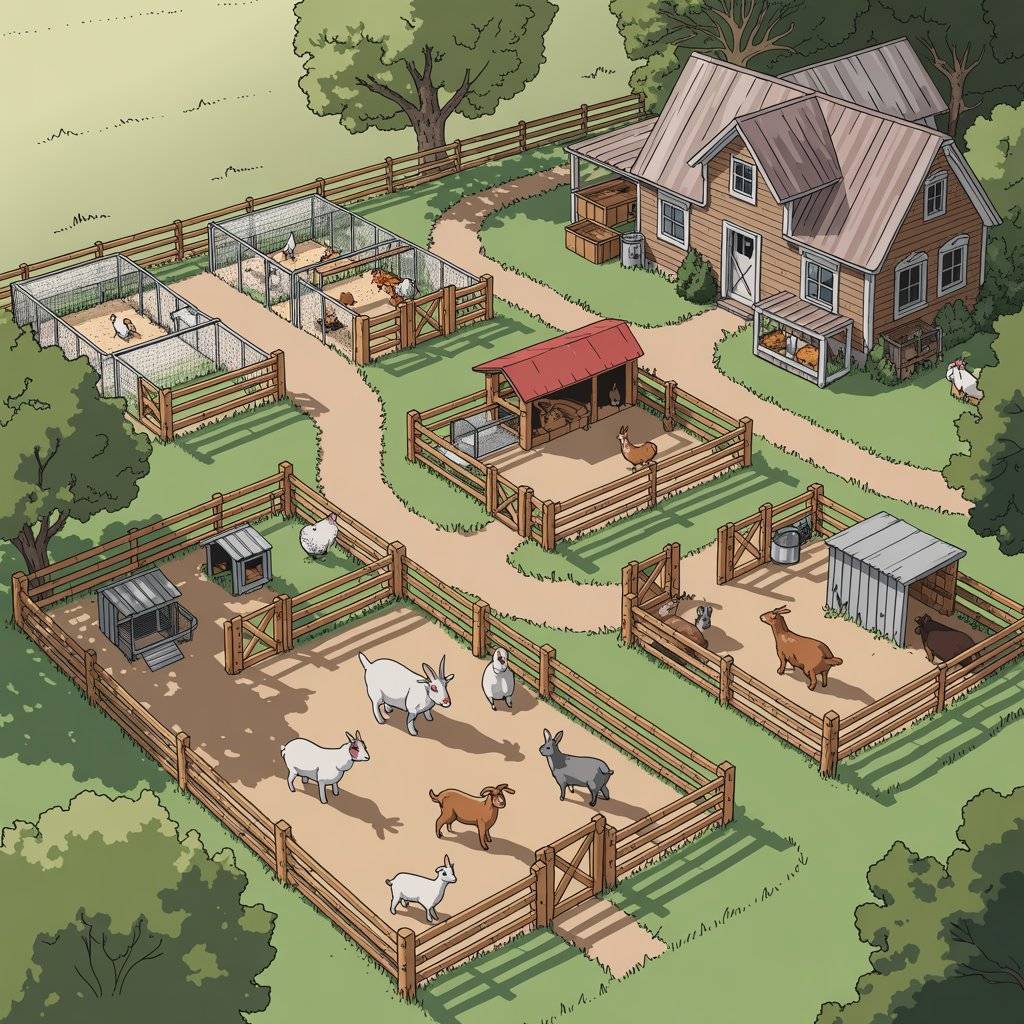
One of the best layout decisions I made was keeping animal areas close to the house but not mixed together. Chickens, goats, or rabbits don’t need to be far away, but they do need clear boundaries. I placed pens and coops where they were easy to reach during morning and evening chores. This made daily care manageable, especially when kids wanted to help.
Clear fencing and gates made a big difference. Children knew exactly where animals belonged and where they should not go alone. I also kept animal feed and tools stored nearby but locked.
This layout reduced walking time and helped animals feel settled because their routines stayed consistent. When everything has a clear place, chores stop feeling overwhelming, and kids learn responsibility in a safe way.
2. Design Safe Walking Paths for Daily Chores
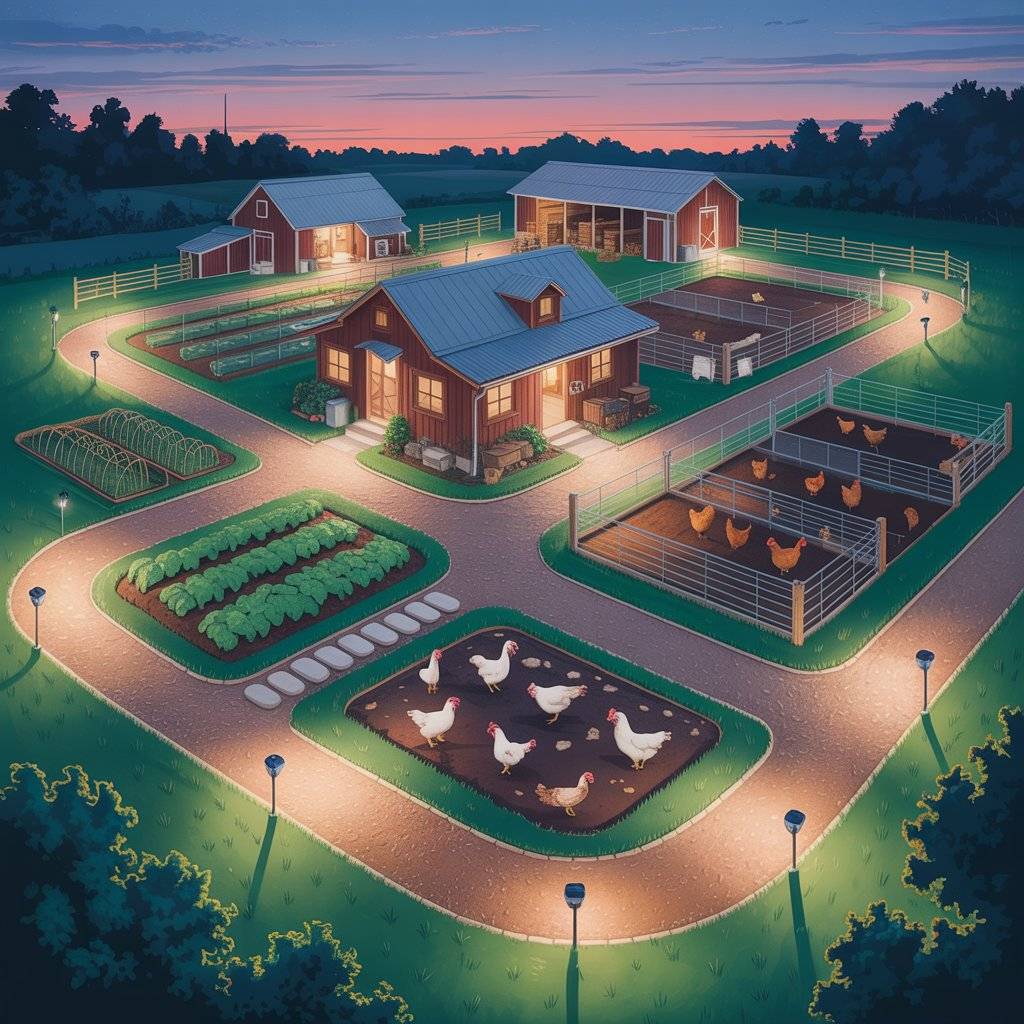
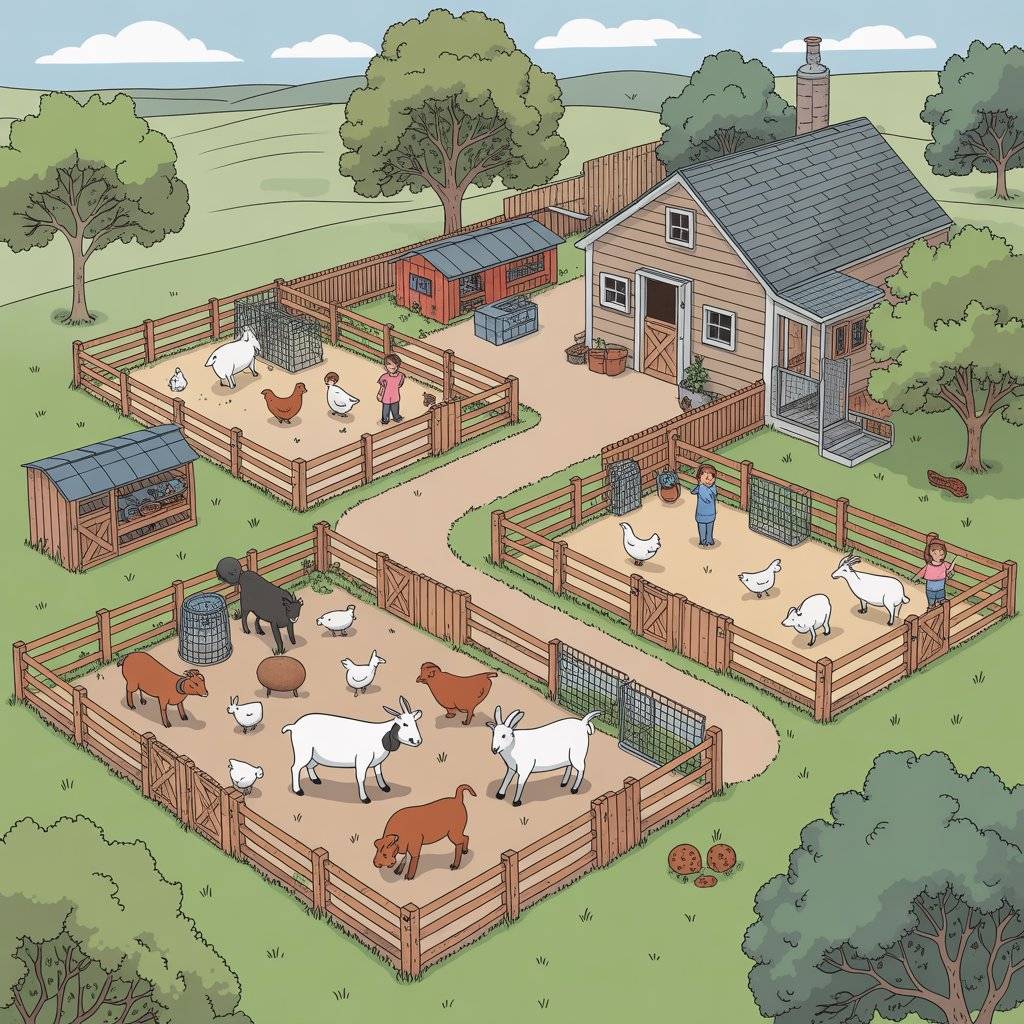
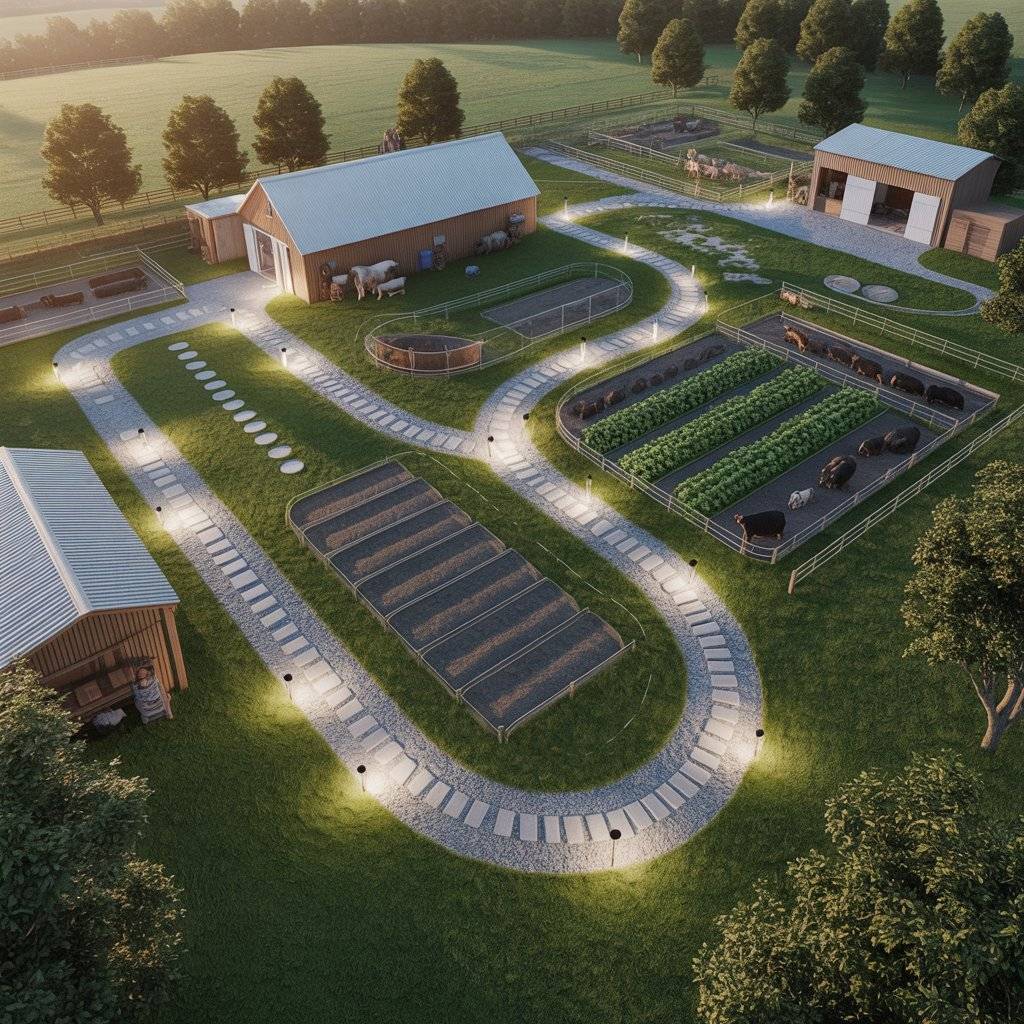
Paths might sound like a small detail, but they shape how the farm works day to day. I learned to create clear walking paths between the house, garden, animal areas, and storage spaces. Gravel, stepping stones, or packed dirt paths help keep mud under control and prevent slipping.
For families, paths matter even more. Kids tend to follow clear routes instead of cutting through unsafe areas. I avoided running paths through animal pens or equipment zones. Instead, paths curved gently around them.
At night, simple solar lights helped everyone see where they were walking. This layout choice reduced accidents and made chores feel calmer, especially during busy mornings or evenings.
3. Place the Garden Where Kids Can See and Help
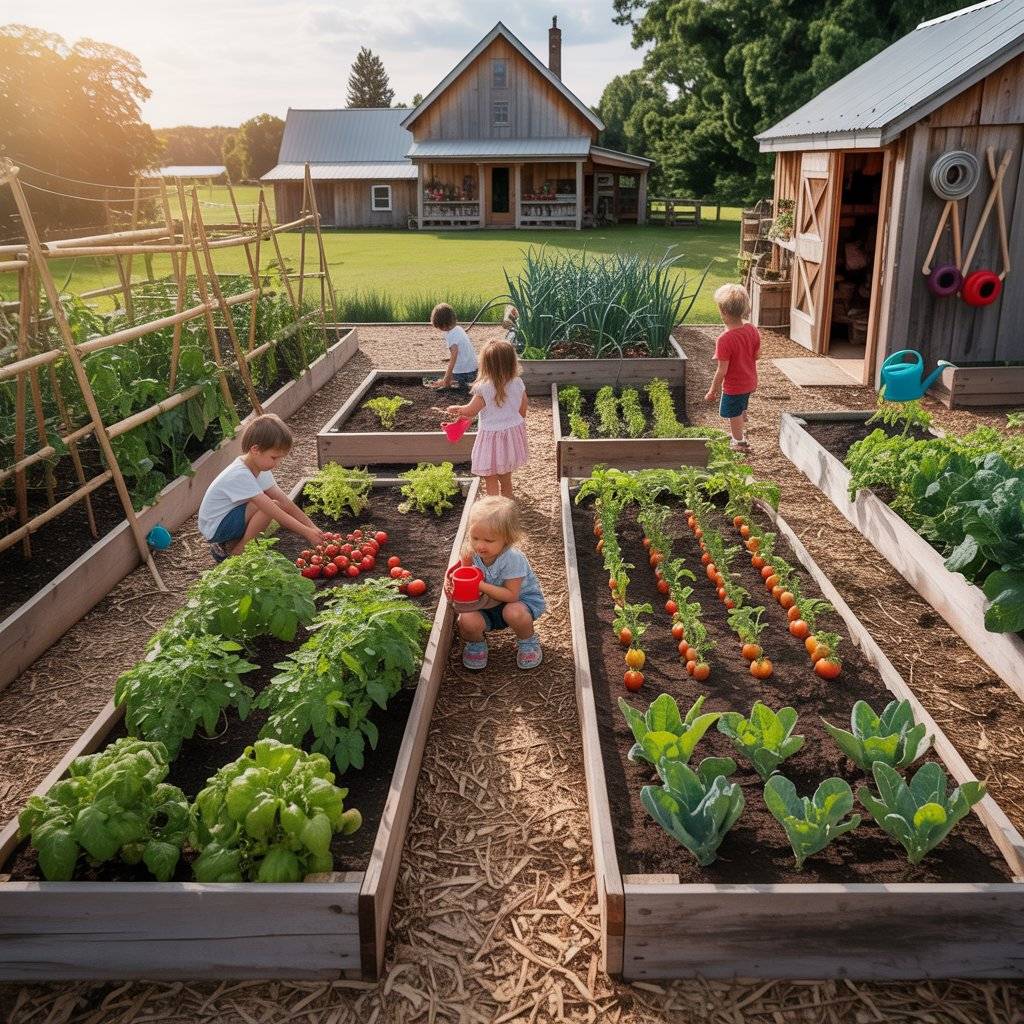
A family-friendly hobby farm should invite children to participate, and the garden is the best place to start. I placed the garden in a visible area not hidden behind barns or trees. Kids could see plants growing and were more likely to help with watering or harvesting.
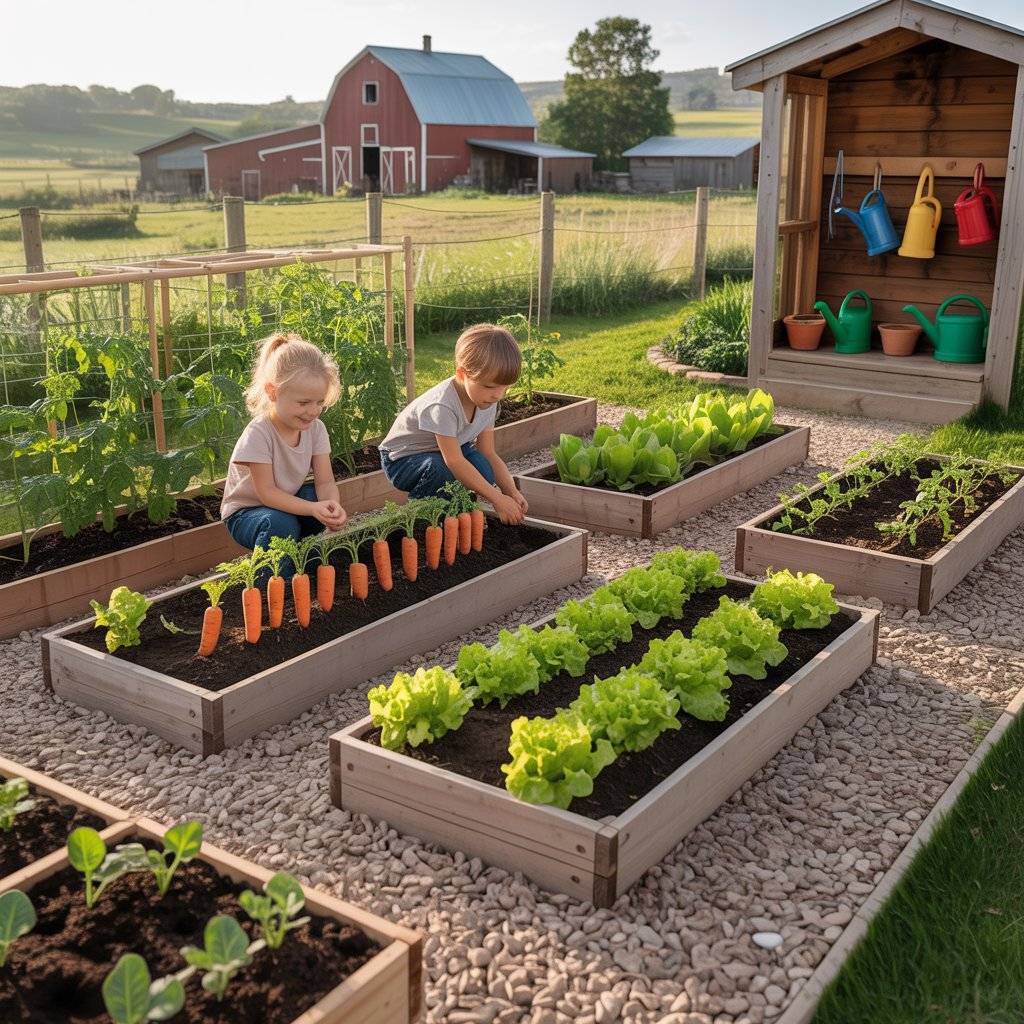
Raised beds worked well because they defined space clearly and kept walking areas tidy. I left wide paths so kids could move safely without stepping on plants.
Tool storage stayed close, with small hand tools just for them. This setup made gardening feel like part of daily life, not a separate task. When kids see food grow, they connect to the farm in a meaningful way.
4. Keep Storage Central and Easy to Reach
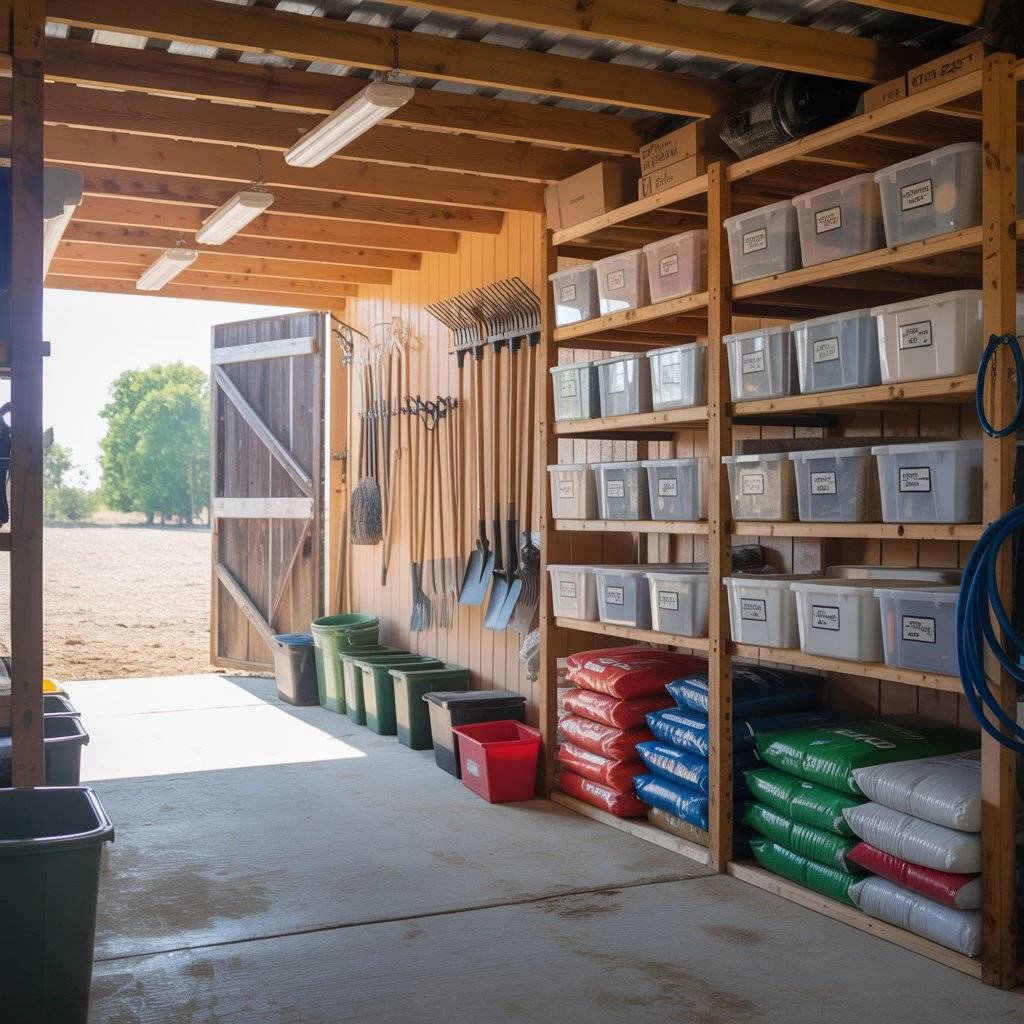
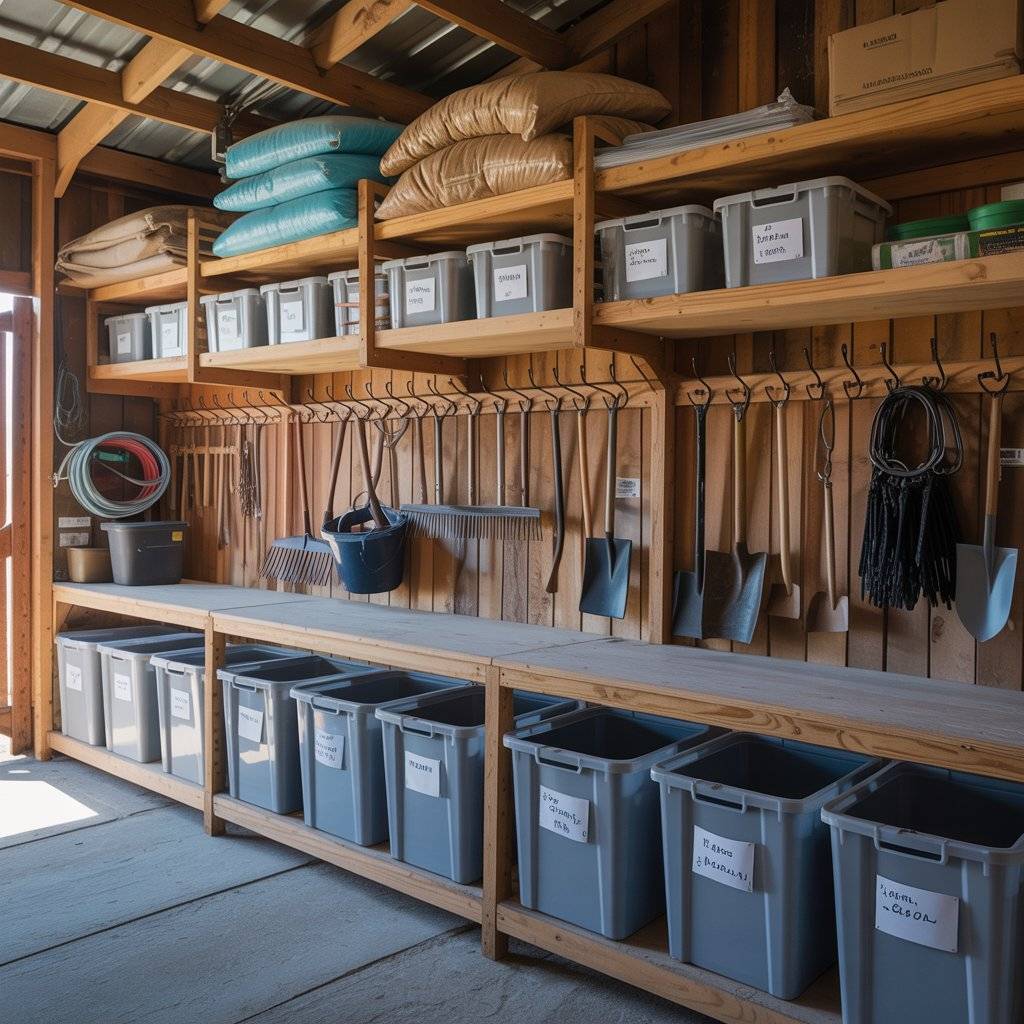
One mistake I see often is spreading storage all over the farm. I found it worked better to keep feed, tools, and supplies in one central area. This reduced walking back and forth and made it easier to keep things organized.
Shelving, labeled bins, and hooks made tools easy to find. Kids learned quickly where items belonged, which helped them take part without confusion. I also kept heavier tools higher and lighter items lower.
A central storage space saves time and keeps the farm running smoothly. When everything has a place, the whole family feels less stressed during busy seasons.
5. Create a Family Rest and Learning Zone
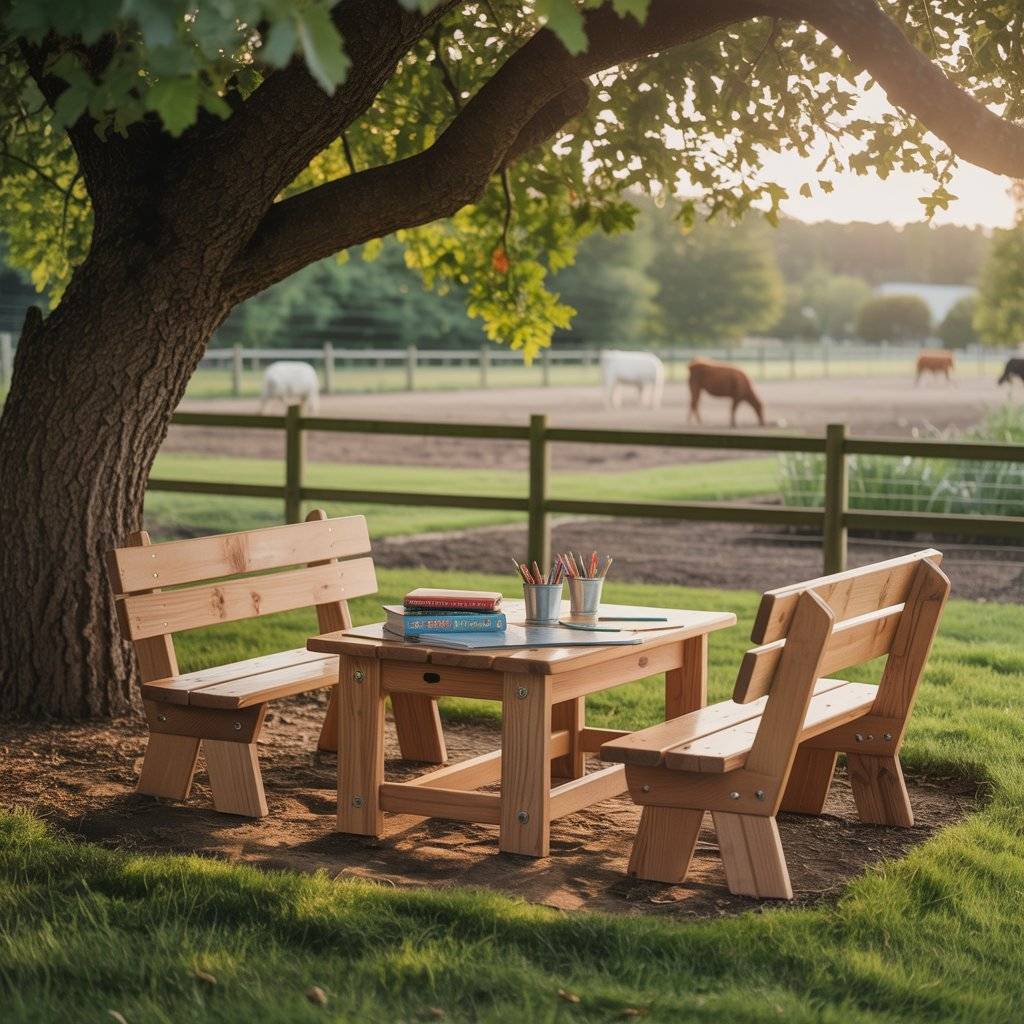
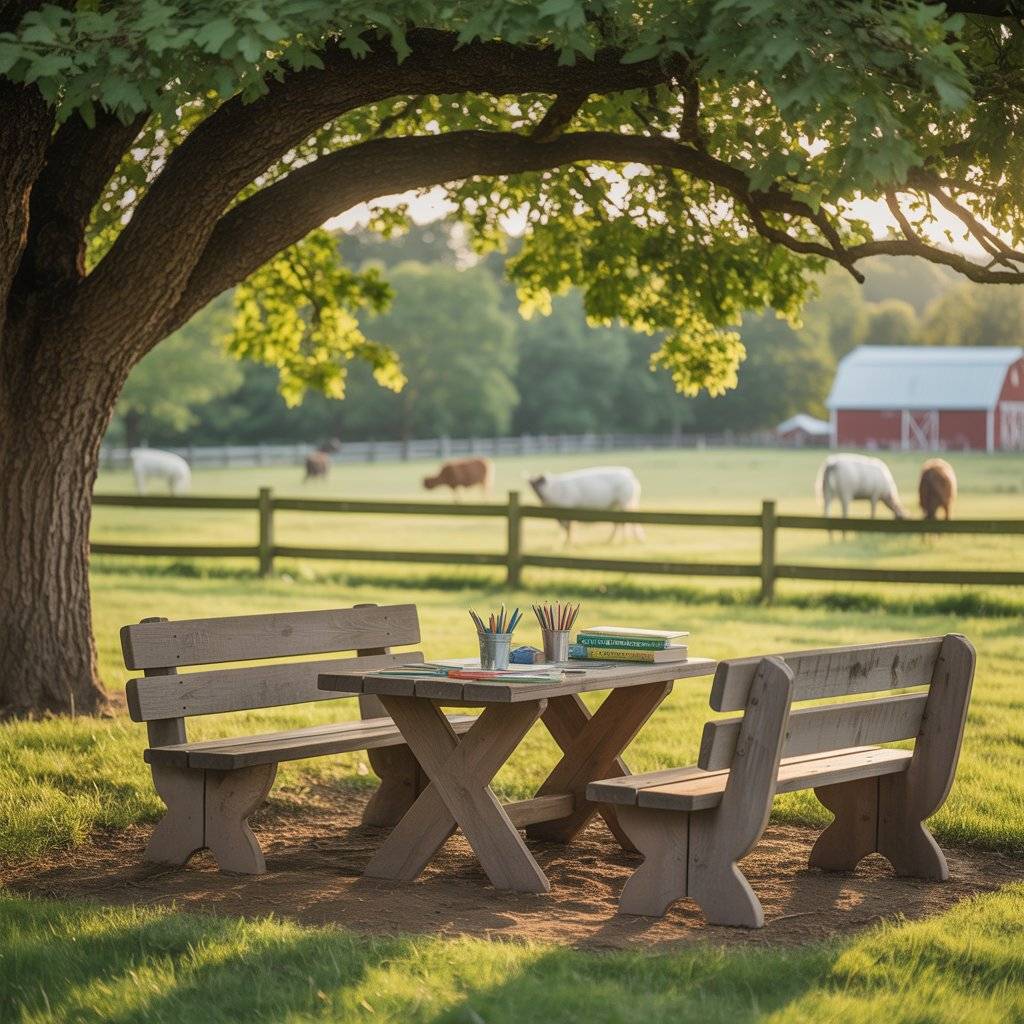
Not every farm space needs to be about work. I set aside a small area with a bench, shade, and a table. This became our rest and learning zone. Kids used it for drawing animals, reading, or watching chores without getting in the way.
This space helped balance work and rest. It reminded us that a hobby farm is also about enjoying the land. Sometimes we used the area to plan planting or talk about animal care.
It became a natural gathering spot. A simple rest area adds comfort and makes the farm feel welcoming, especially for children and visitors.
6. Plan for Growth Without Overcrowding
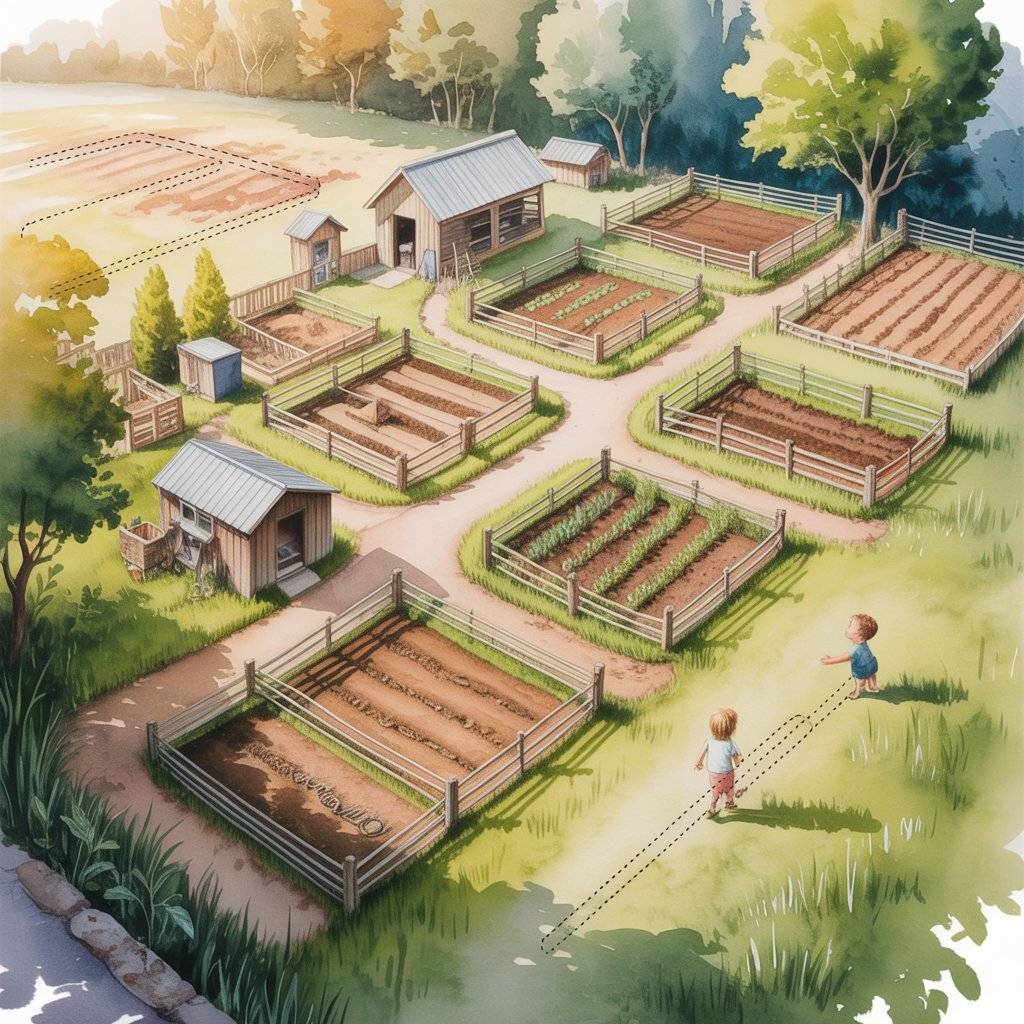
When starting fresh in the new year, it’s tempting to plan for everything at once. I learned to leave open space. Animals multiply, gardens expand, and routines change. A flexible layout makes these changes easier.
I left unused areas clearly marked and avoided building too close together. This gave room for future pens, compost areas, or small sheds. Kids also used open spaces for safe play.
Planning for growth keeps the farm from feeling cramped and gives you room to adjust without stress. A calm layout supports long-term success.
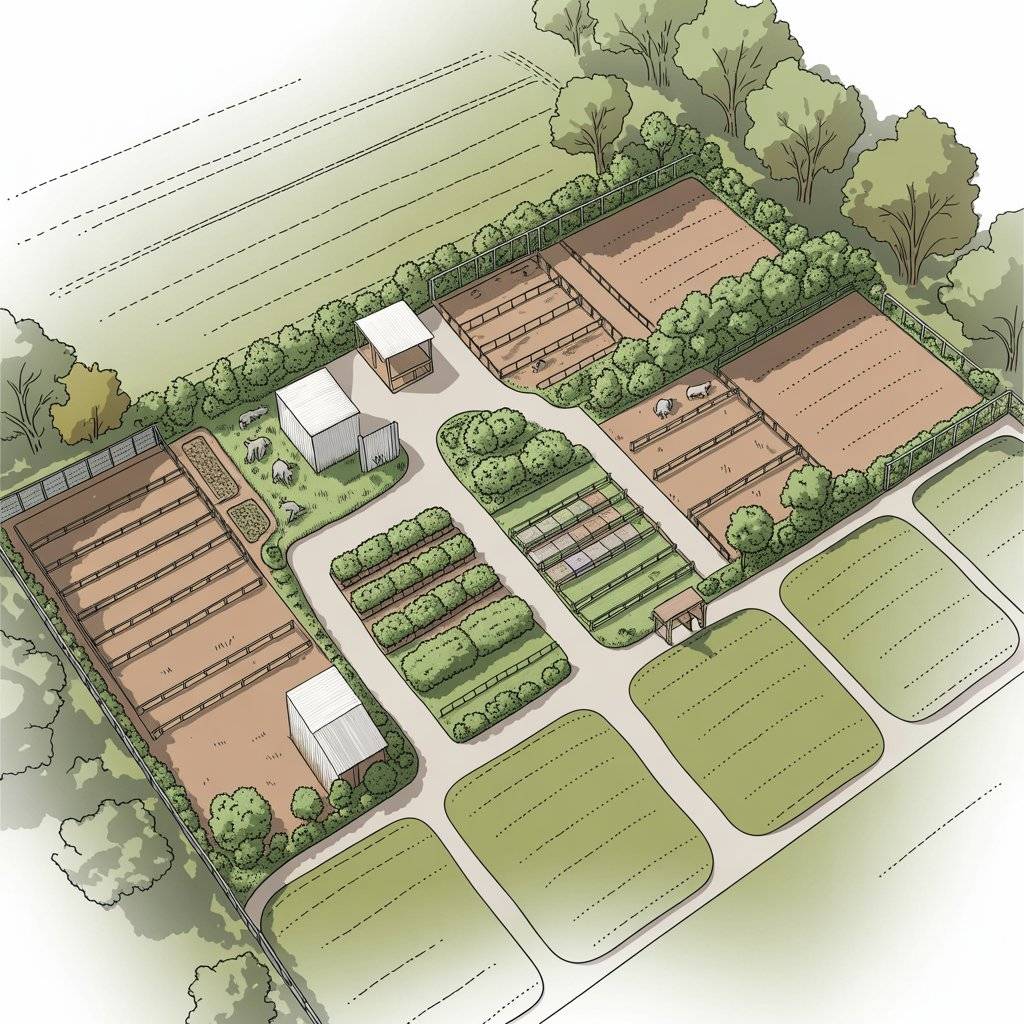
7. Separate Quiet Zones from Busy Work Areas
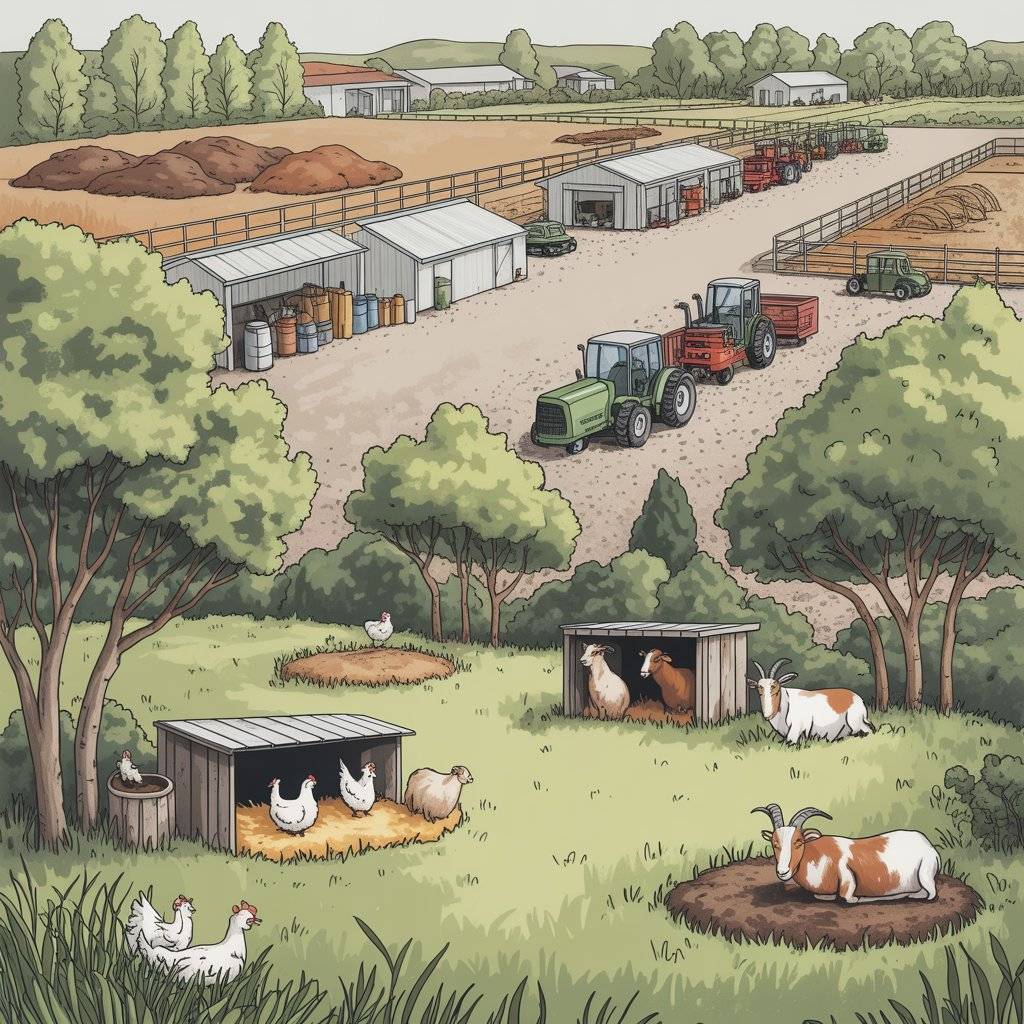
One thing I didn’t think about at first was noise and movement. Over time, I realized the farm worked better when quiet areas and busy areas were not mixed. Animals like nesting hens or goats resting do better when they are away from loud equipment, delivery zones, or high foot traffic.
I placed quieter animal shelters slightly off the main path, while keeping tool sheds, compost piles, and loading areas closer to the entrance.
This helped kids understand where calm behavior mattered and where active work was okay. It also made animals less stressed and easier to manage. A simple separation like this improves daily flow without adding extra work.
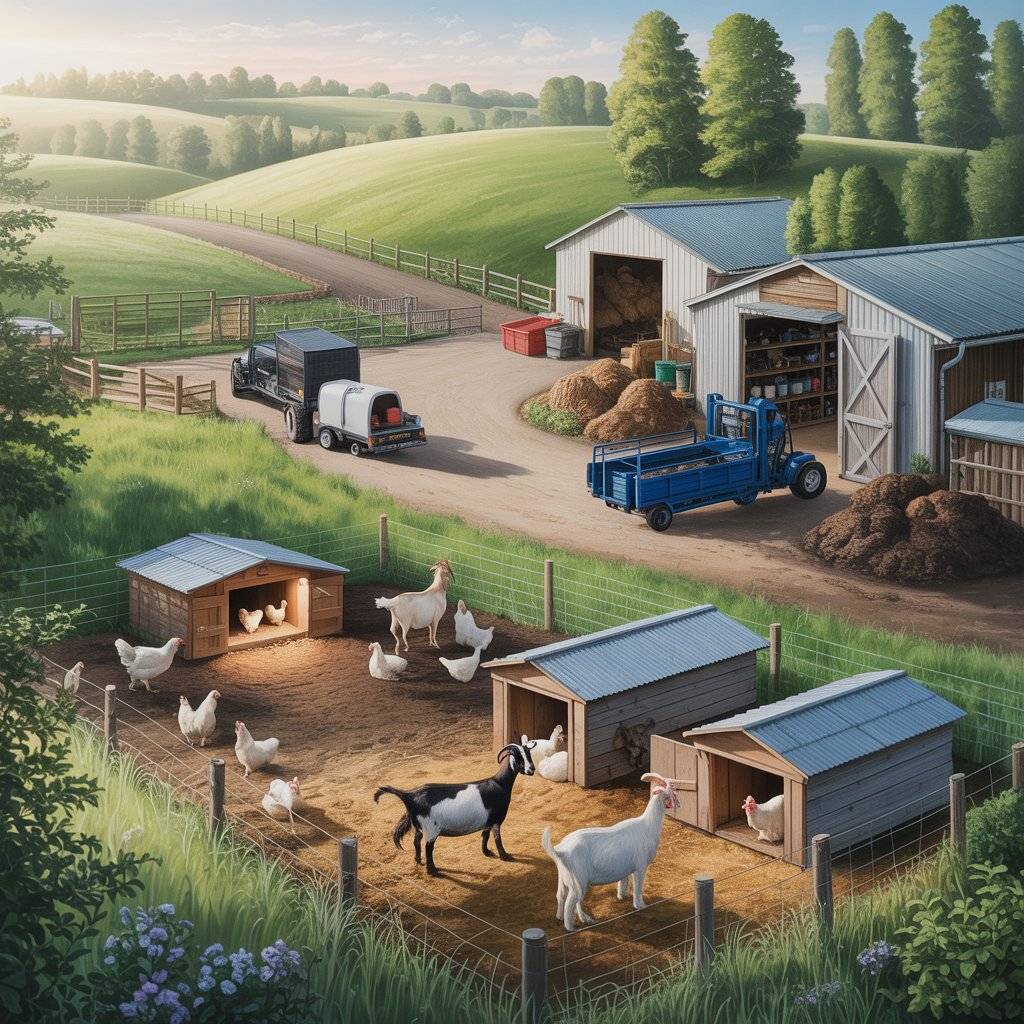
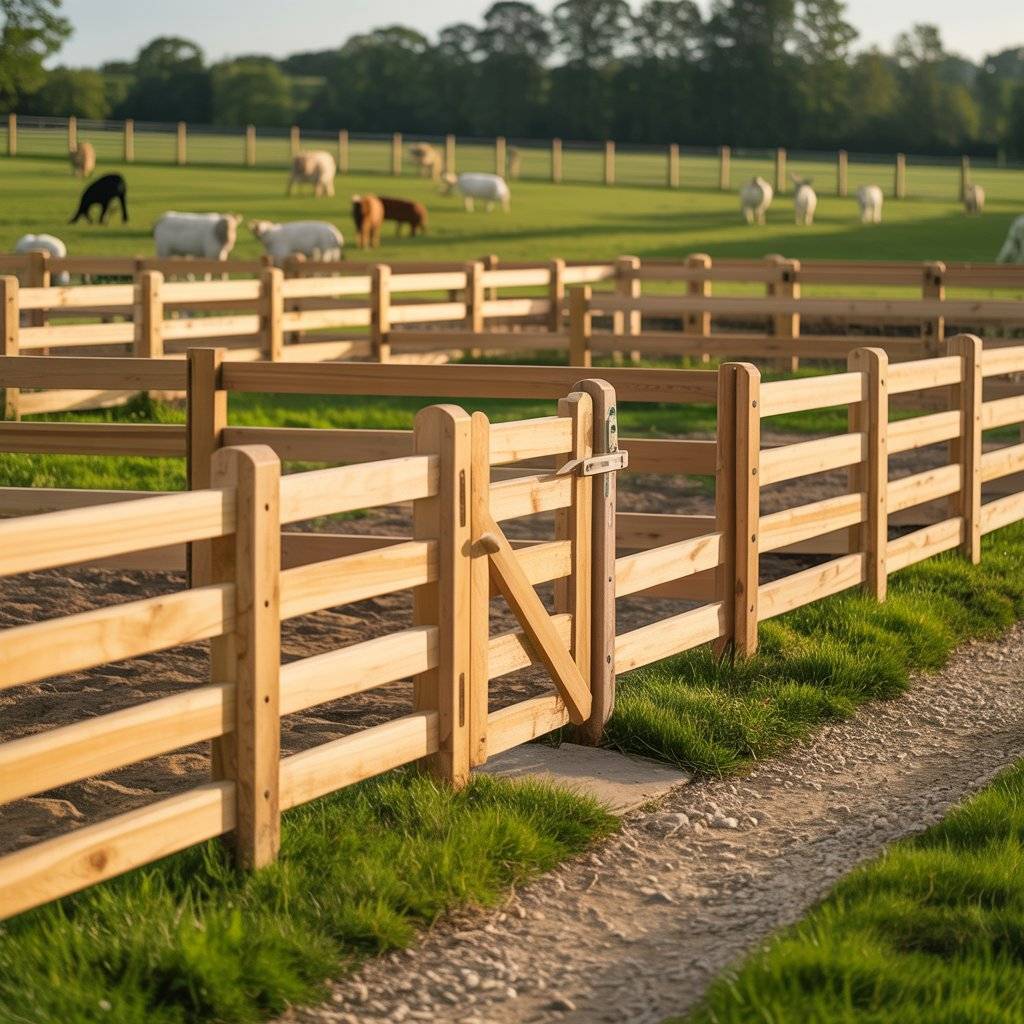
8. Build Kid-Safe Fencing That Still Feels Open
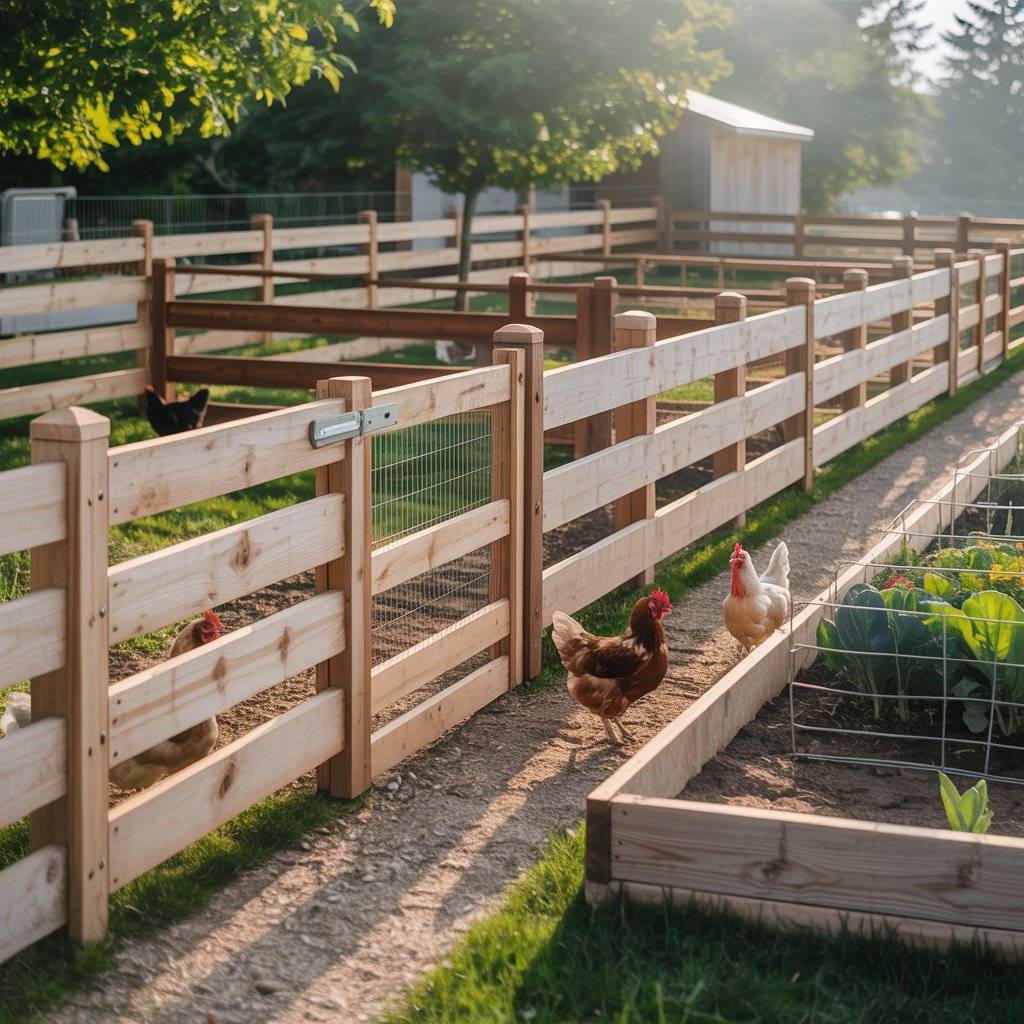
Fencing doesn’t have to make a farm feel closed off. I learned that low, clear fencing works better than tall, heavy barriers for family farms. Kids can see through it, understand boundaries, and still feel connected to the animals and garden areas.
I used gates with simple latches that adults could open easily but stayed secure. Paths stayed outside fenced areas so kids didn’t wander into animal pens without permission.
This layout created freedom without risk. When children know where they’re allowed to go, they move with confidence instead of confusion.
9. Place Water Access Where It Saves Time
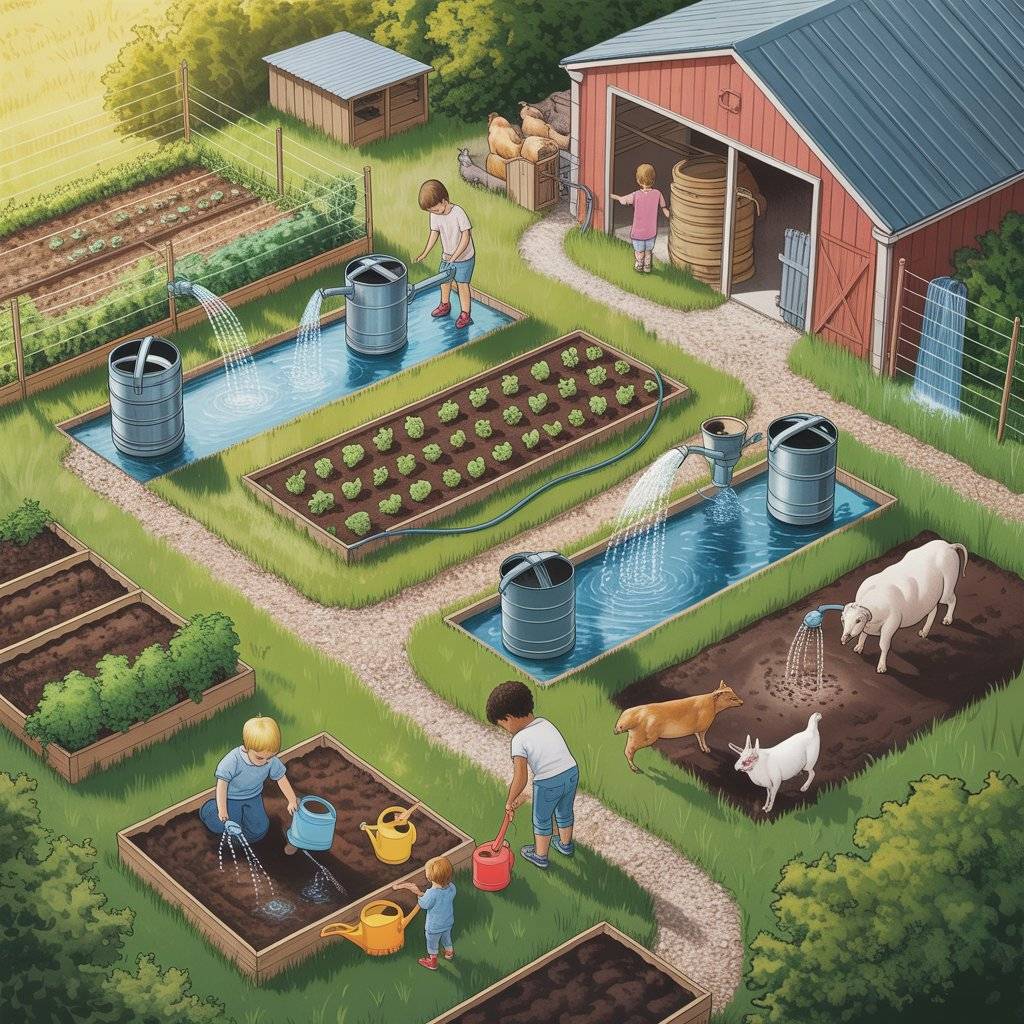
Water access shapes how easy a farm feels. I placed water sources close to gardens and animal areas to reduce carrying buckets long distances. Simple hose connections or rain barrels helped with daily chores.
For families, this mattered a lot. Kids could help water plants without lifting heavy containers. Animals stayed hydrated with less effort. I also made sure paths near water stayed firm to avoid slipping.
Thoughtful water placement saves time every day and keeps routines manageable, especially during busy seasons.
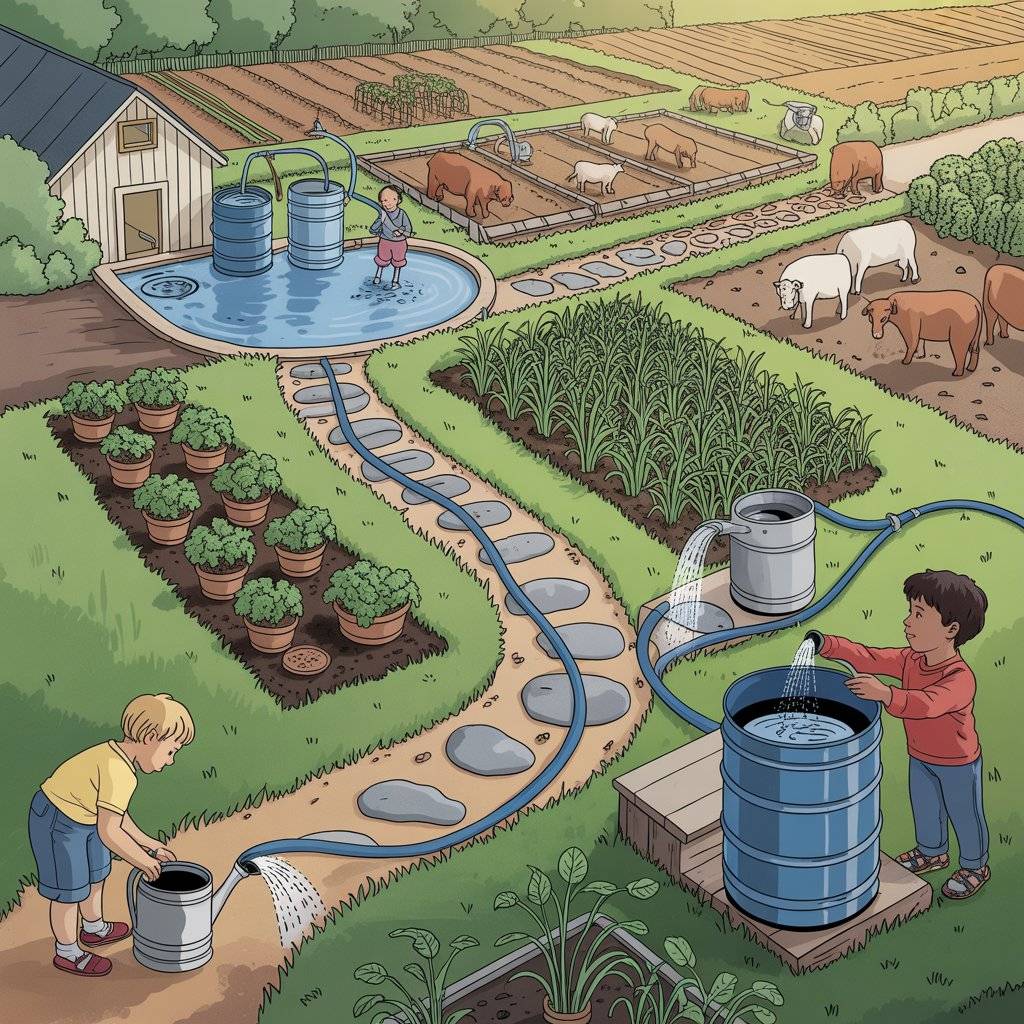
10. Leave Space for Teaching and Small Wins
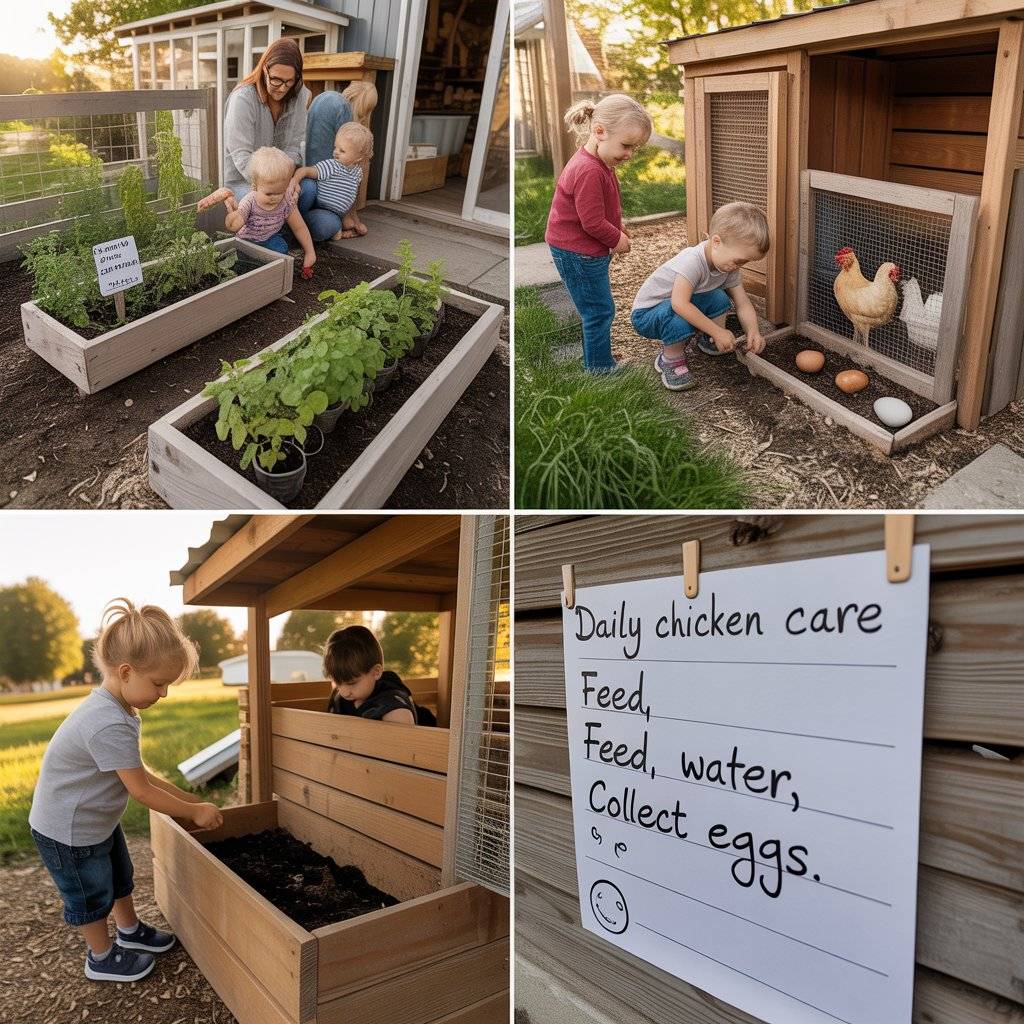
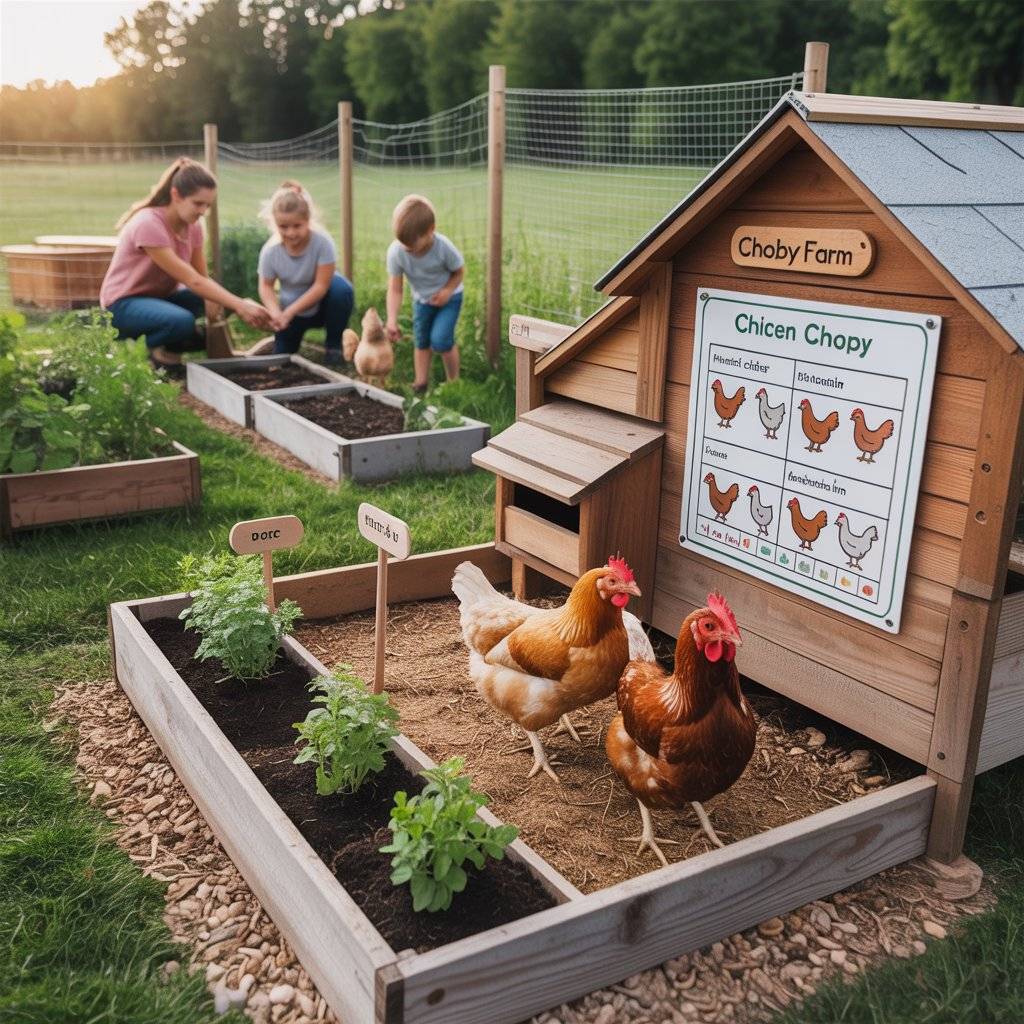
A hobby farm is a learning space. I made room for small projects like a starter herb bed, a compost corner, or a simple chicken care chart posted near the coop. These small areas gave kids ownership and helped them learn without pressure.
This layout choice made the farm feel personal. Instead of rushing through chores, we slowed down and noticed progress. Small wins matter on a family farm. When the layout supports learning, everyone stays engaged and proud of what they’re building together.
11. Keep Young Animals and New Additions Easy to Monitor
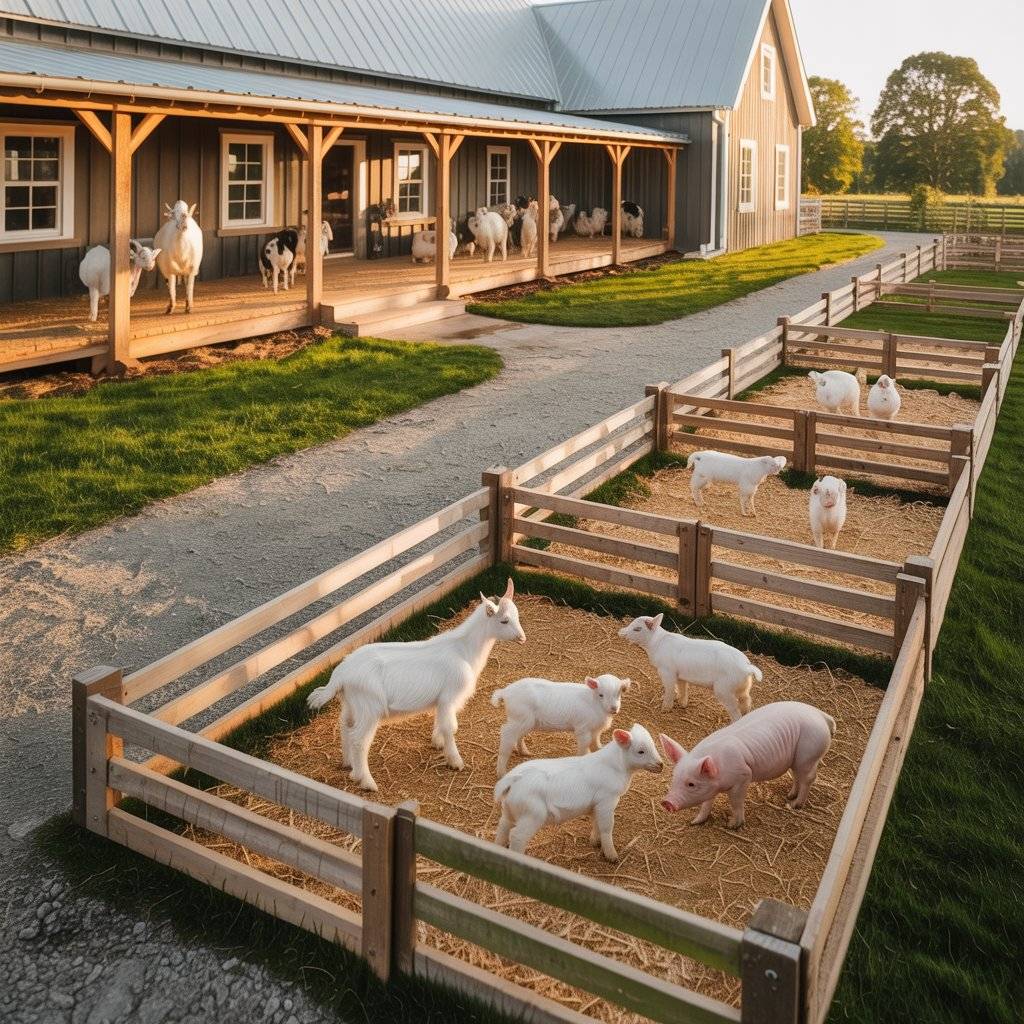
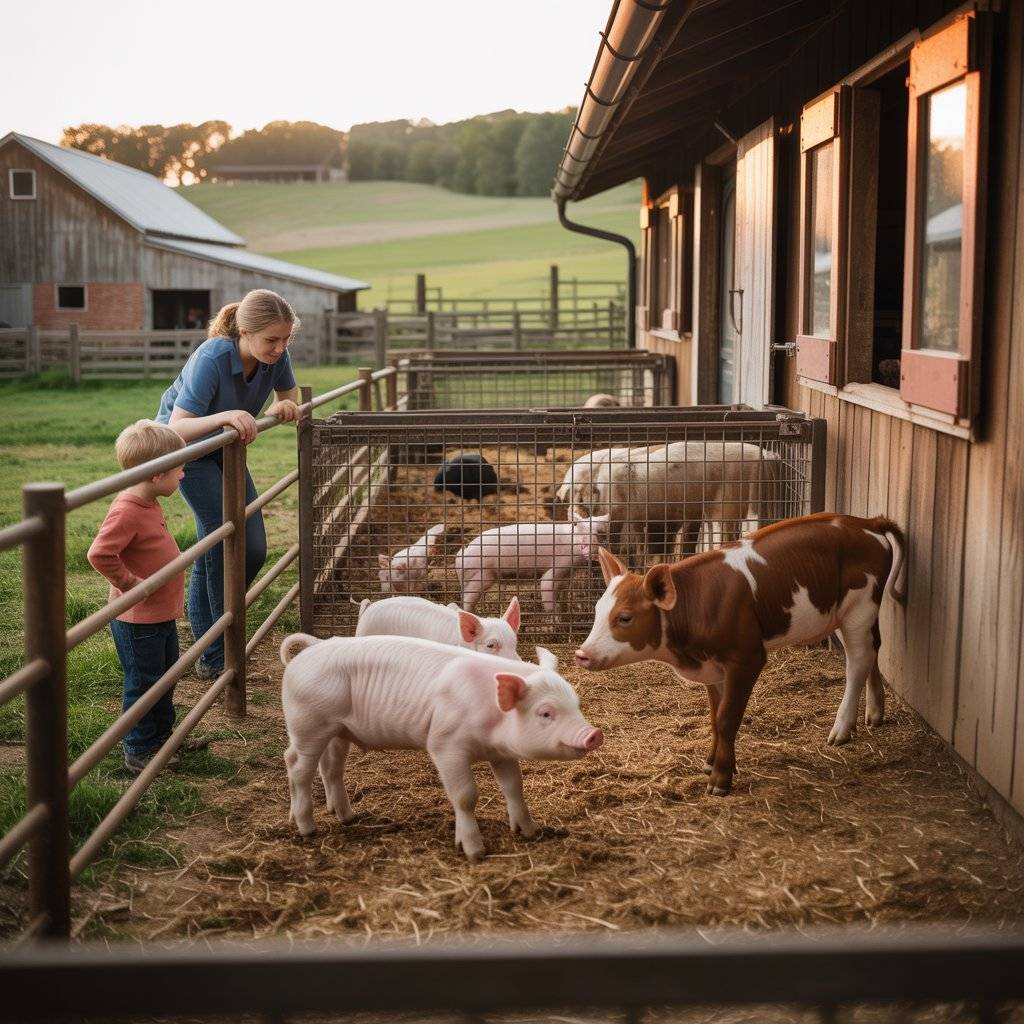
Any time we brought in young animals or added something new to the farm, layout mattered more than usual. I learned to place these areas where they were easy to see and reach, especially during the first few weeks. Pens near the house made checks quick and less stressful.
For families, this setup worked well. Kids could observe without handling animals too much. It also helped teach patience and care.
Being able to monitor health, feeding, and behavior without walking far saved time and prevented small issues from turning into big ones. A family farm works better when new additions fit smoothly into daily routines.
12. Design Workspaces That Match Your Energy Levels
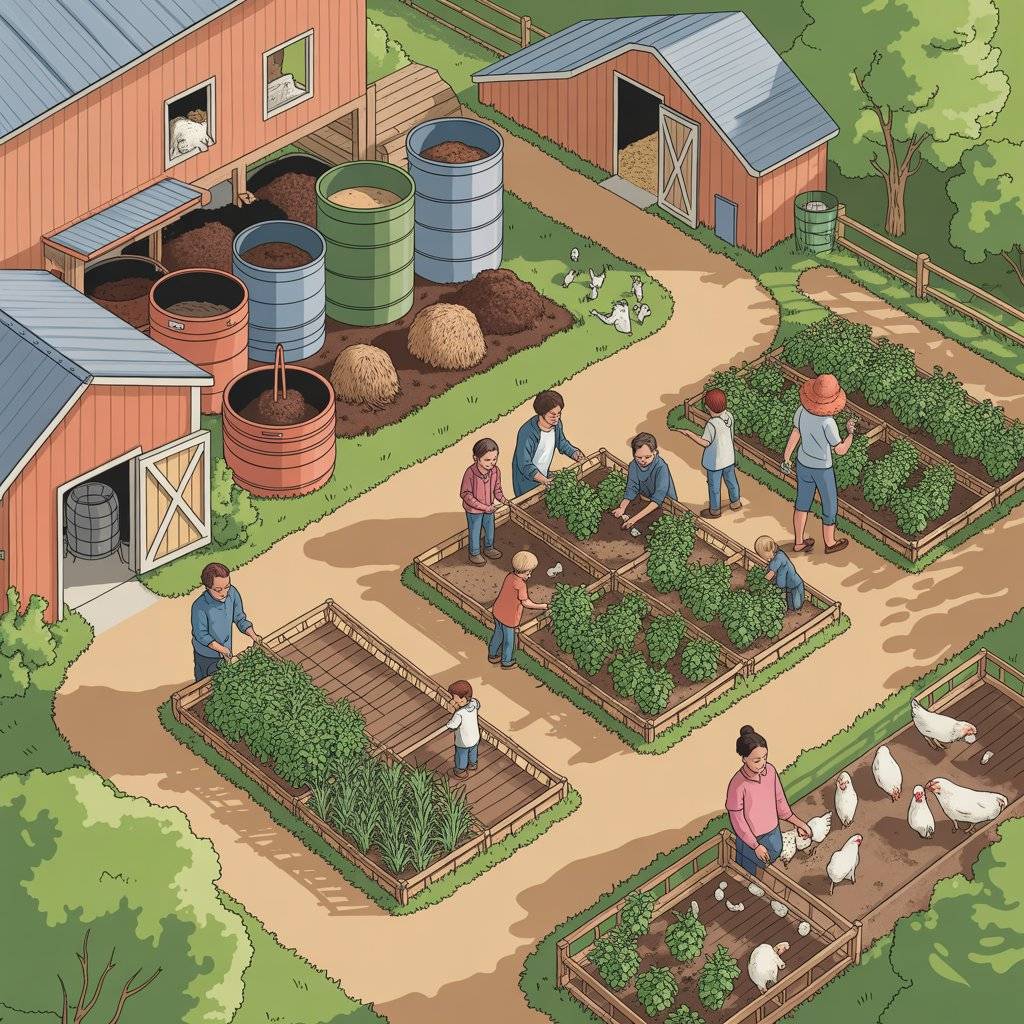
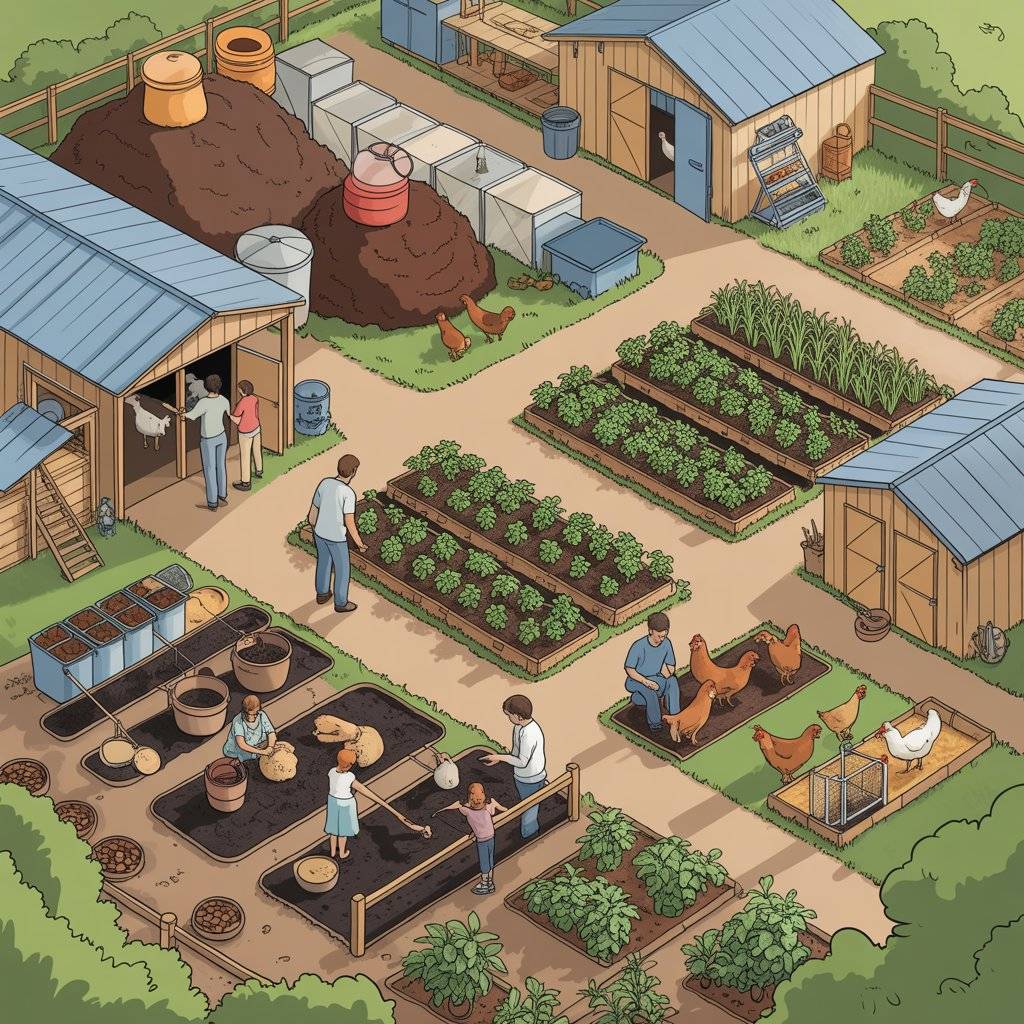
Not all farm tasks require the same effort. I started grouping heavier work closer together so I could plan my energy better. Compost, feed mixing, and storage stayed near each other. Lighter tasks, like harvesting herbs or checking eggs, were spaced out.
This layout helped both adults and kids. When chores matched energy levels, nobody felt rushed or worn out. It also made it easier to assign age-appropriate tasks. Thoughtful workspace placement keeps the farm feeling steady instead of chaotic, especially on busy days.
13. Use Natural Shade and Wind Protection
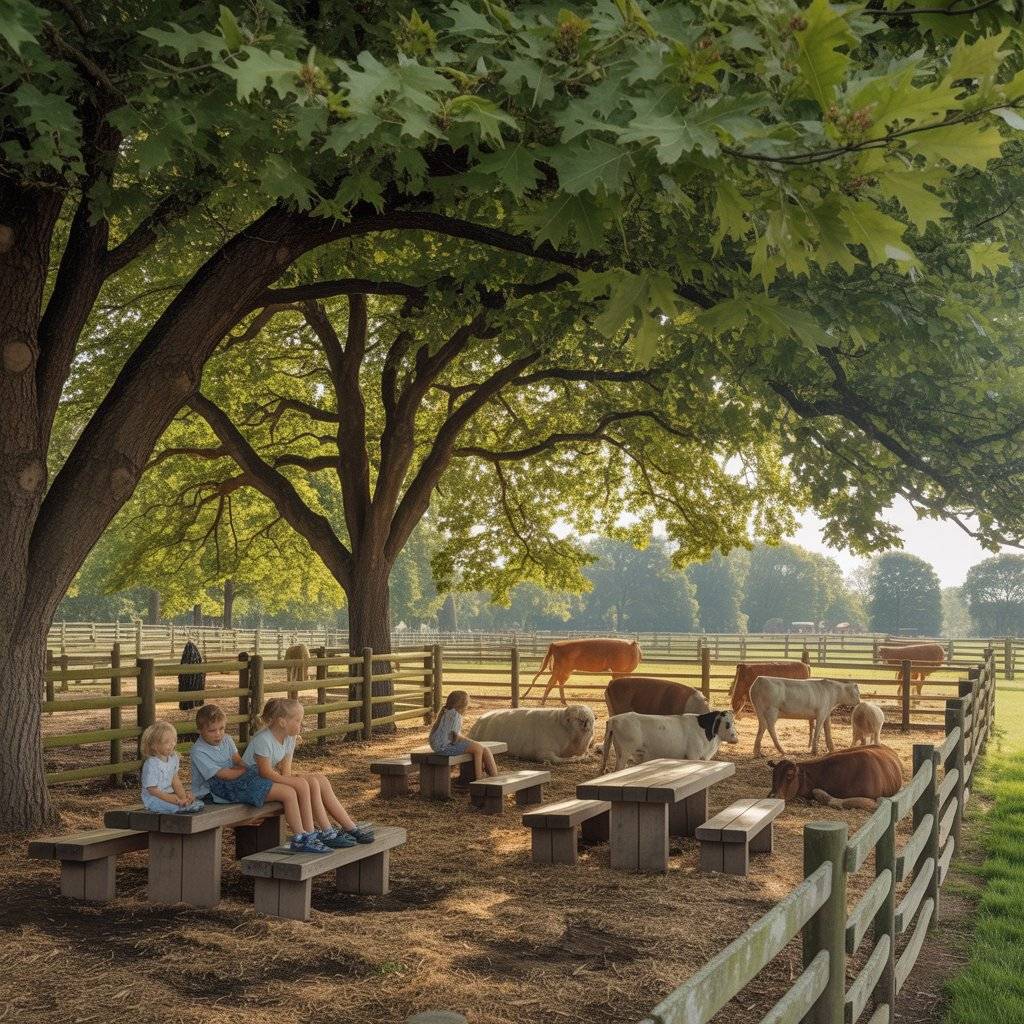
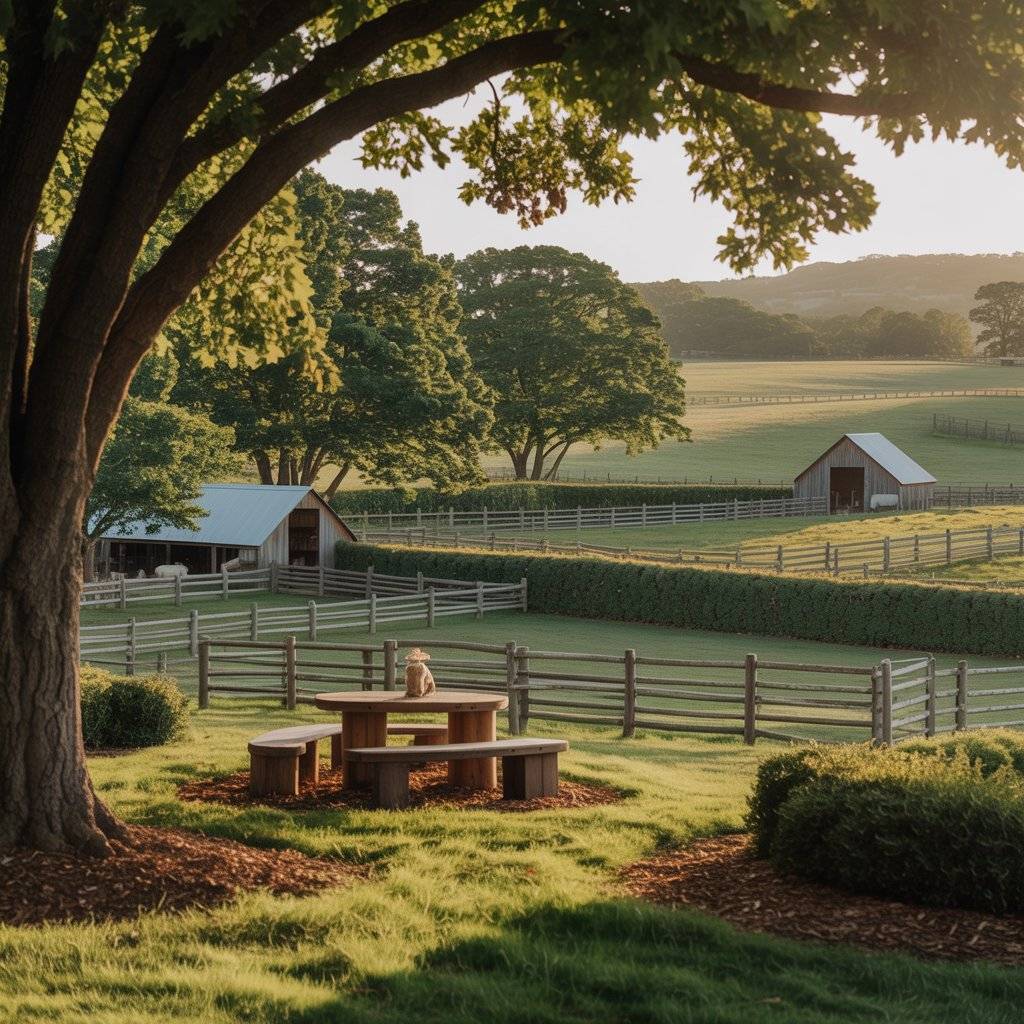
Instead of building extra structures, I worked with what the land already offered. Trees, hedges, and fences became natural shade and wind protection for animals and people. Seating areas under trees stayed cooler, and animal shelters faced away from strong winds.
This layout choice improved comfort without extra cost. Kids could rest in shaded spots, and animals stayed calmer during hot or windy days. Using natural features makes the farm feel balanced and reduces maintenance over time.
14. Make Cleanup and Waste Areas Easy to Reach

Waste management isn’t exciting, but it shapes how clean the farm feels. I placed compost and manure areas close to animal zones but away from play and rest areas. Paths made wheelbarrow use easy and safe.
This layout encouraged regular cleanup instead of letting things pile up. Kids learned that cleanup was part of farm life, not a separate chore. When waste areas are easy to reach, the whole farm stays healthier and more pleasant to work in.

15. End the Layout with a Simple Daily Flow
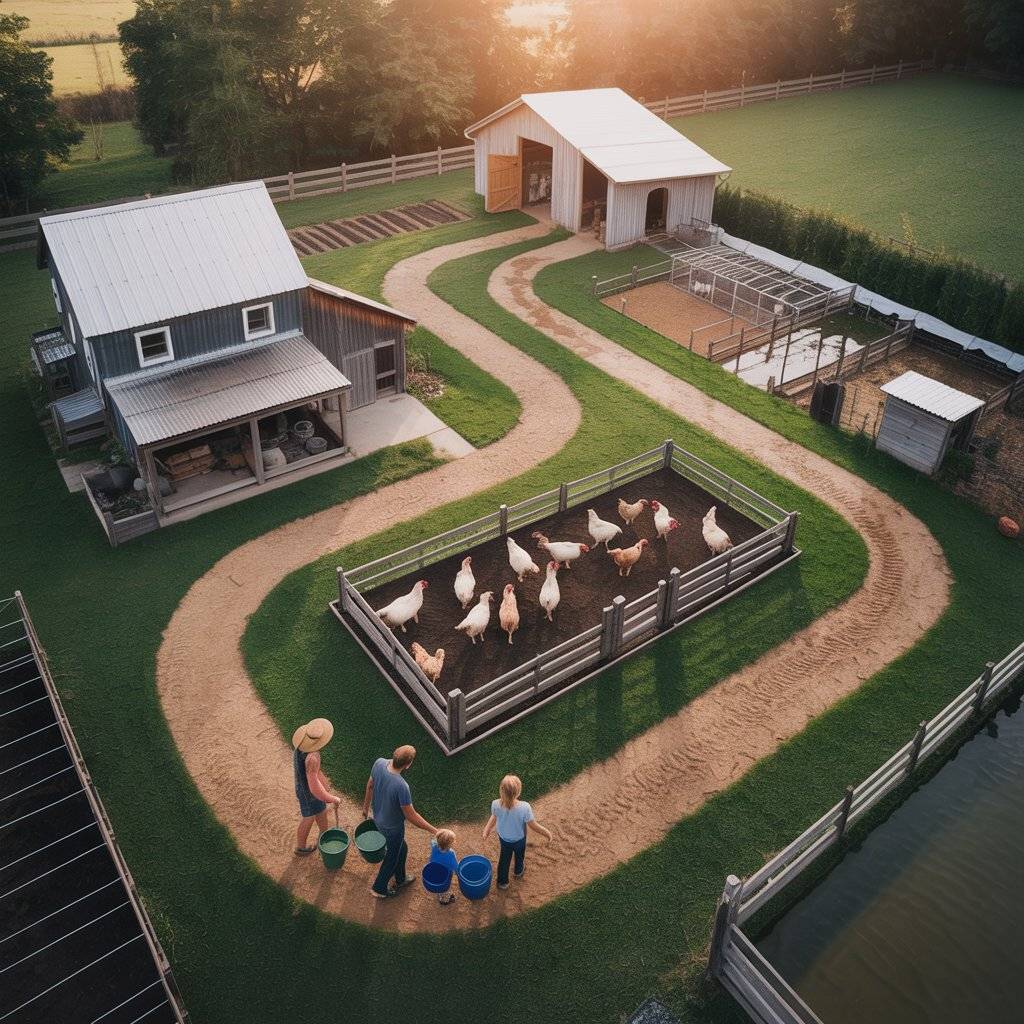
The best lesson I learned was to walk the farm as part of daily life. I traced my steps from morning to evening and adjusted spaces to reduce backtracking. Feed, water, checks, and cleanup followed a clear loop.
This simple flow made everything easier. Kids followed the routine naturally, and chores took less time. A good layout doesn’t just look nice it supports how the day actually unfolds. When the farm flows well, it becomes part of family life instead of a constant task.
Wrapping It All Up
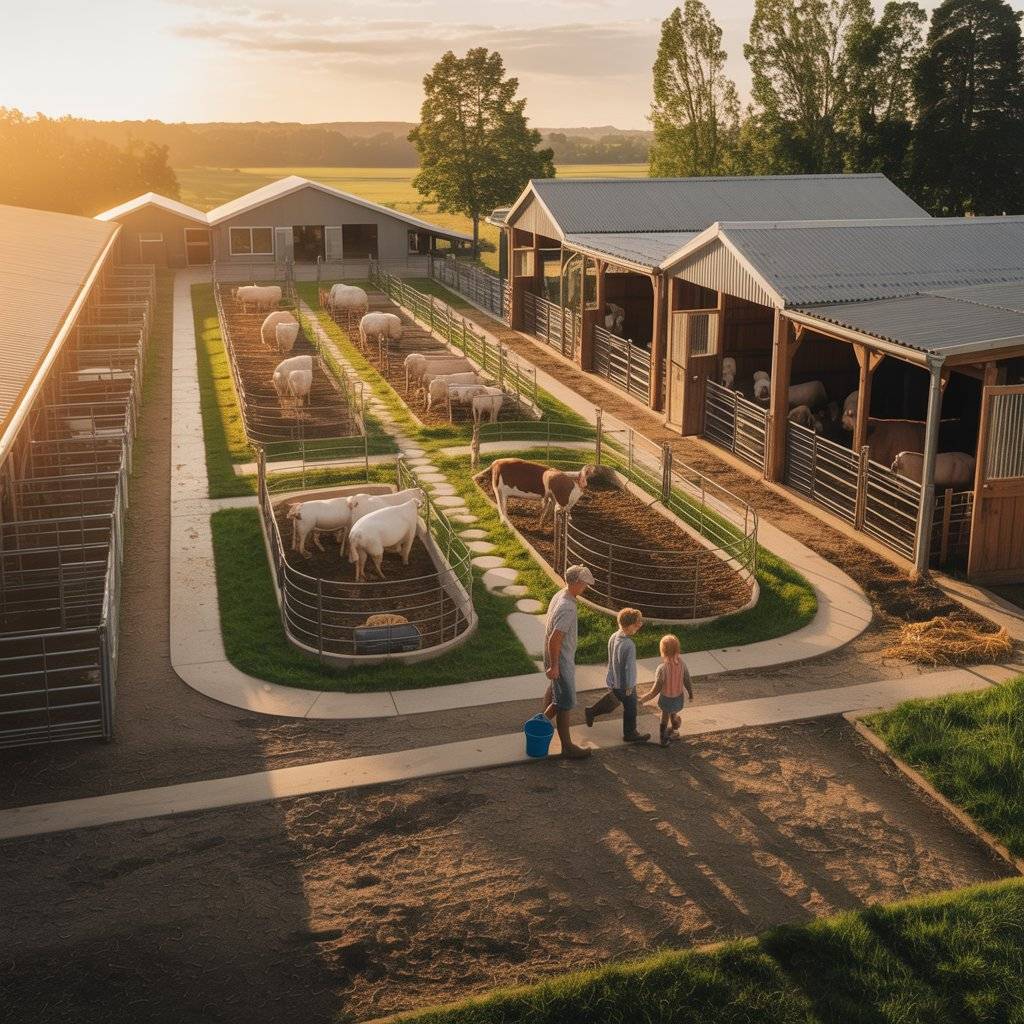
When I look back at how this hobby farm came together, the biggest lesson is simple: the layout matters more than the size of the land or how many animals you start with. Clear paths, safe spaces for kids, calm areas for animals, and a setup that follows your daily routine can save time and energy every single day. From keeping animal zones close but separate, to planning storage, water access, and quiet rest spots, each choice adds up to a farm that feels manageable instead of overwhelming.
If you’re starting fresh this year, don’t rush to build everything at once. Walk your land. Picture your mornings and evenings. Think about where kids will stand, where animals will settle, and where you’ll be tired at the end of the day. Small changes done with intention can make a big difference over time.
I wrote this because I’ve learned that a family-friendly hobby farm isn’t about doing more it’s about doing things in a way that fits real life. If this helped you see your space differently or gave you one idea you can actually use, then it’s done its job. Start small, adjust as you go, and don’t forget to enjoy the quiet moments in between the chores. That’s usually where the best parts of farm life show up.
Related Post: