
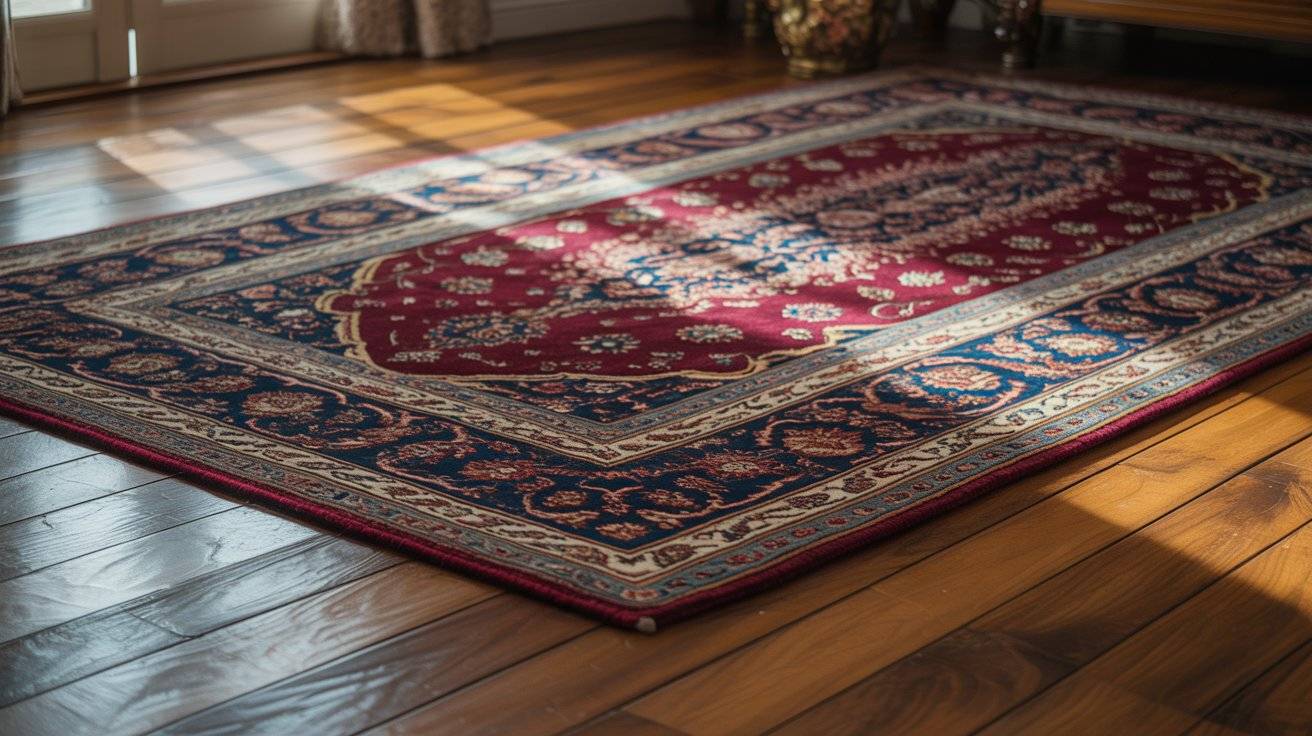
Hard floors look great. But let’s be honest they can feel cold, sound echoey, and get slippery fast. A good rug fixes all of that. It adds warmth, cuts down noise, and keeps everyone from sliding around.
But here’s the thing: Remember not every rug works well on hard floors. Mybe one it be scratch your finish, trap moisture, or bunch up and become a tripping hazard. That’s why choosing the right rug is good.
This guide covers what actually works. You’ll learn which materials protect your floors, which ones to avoid, and how to keep everything in place. Also I’ll show you specific products that deliver real value.
Best Rug Types for Hard Floors
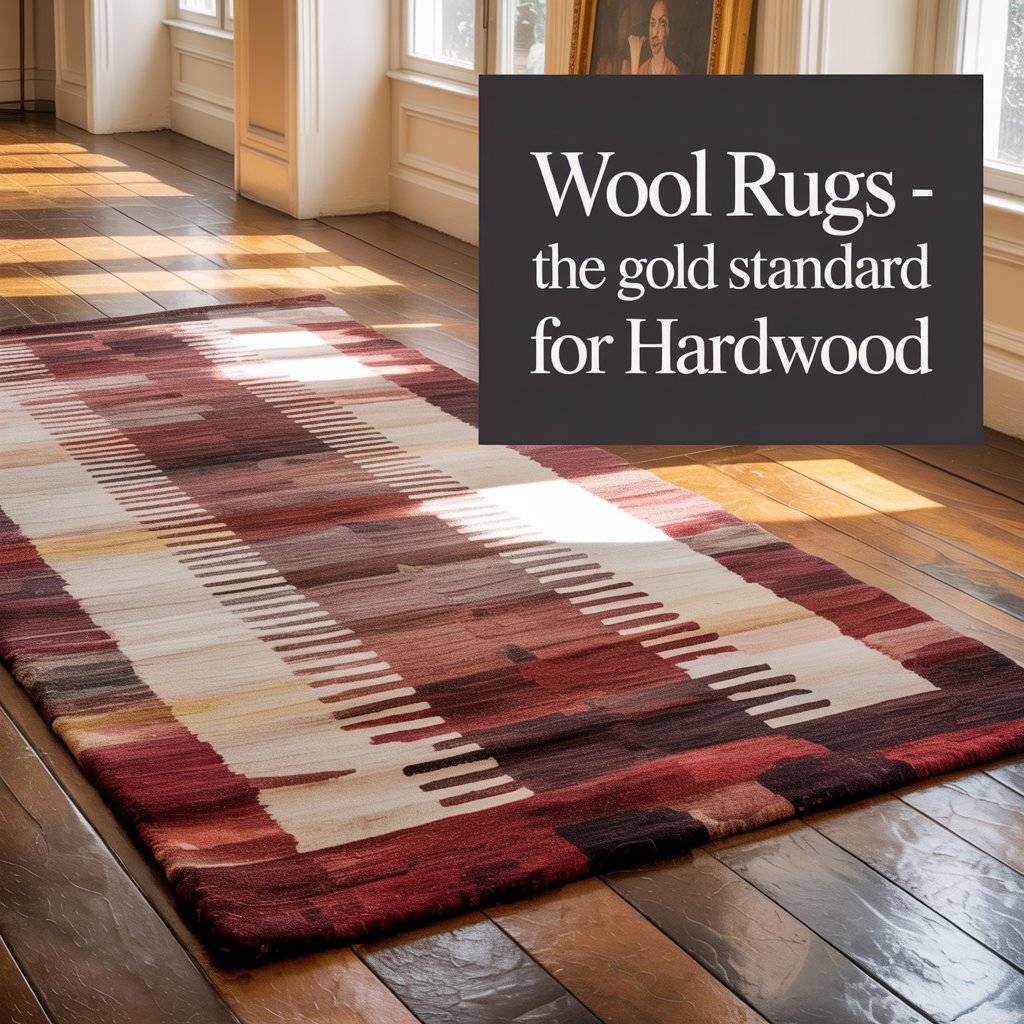
Wool Rugs – The Gold Standard for Hardwood
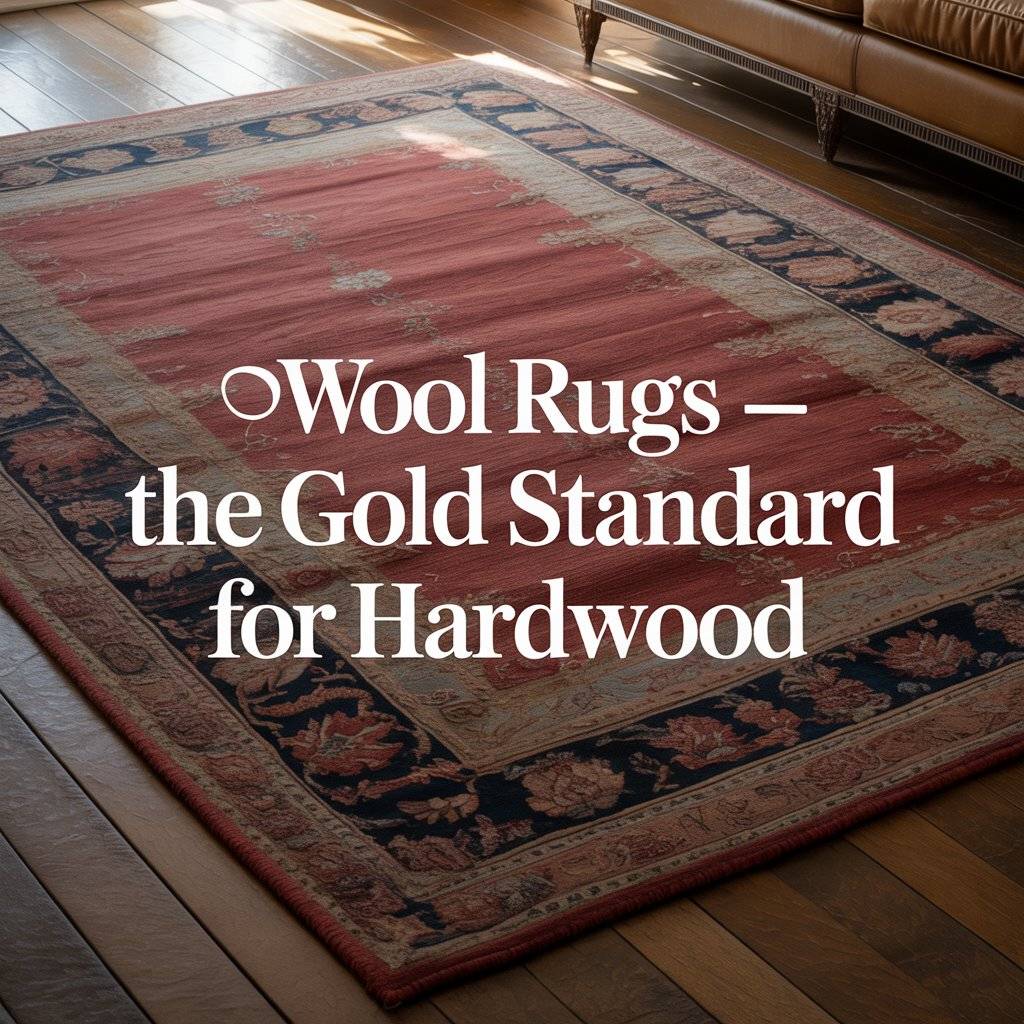
Wool is widely considered the best natural choice for hardwood floors. It’s naturally soft, resilient, and breathable, which means it won’t trap moisture underneath. Each wool fiber has a natural coil that helps the rug bounce back from foot traffic and furniture weight.
Industry studies show wool resists crushing up to 80% better than common synthetic alternatives. Wool also offers thermal insulation, keeping your feet warmer in winter. This product can help you add long-lasting luxury to your living room or bedroom without damaging your floors. Pair it with a felt and natural rubber rug pad for the best results.
Cotton Rugs – Lightweight and Breathable
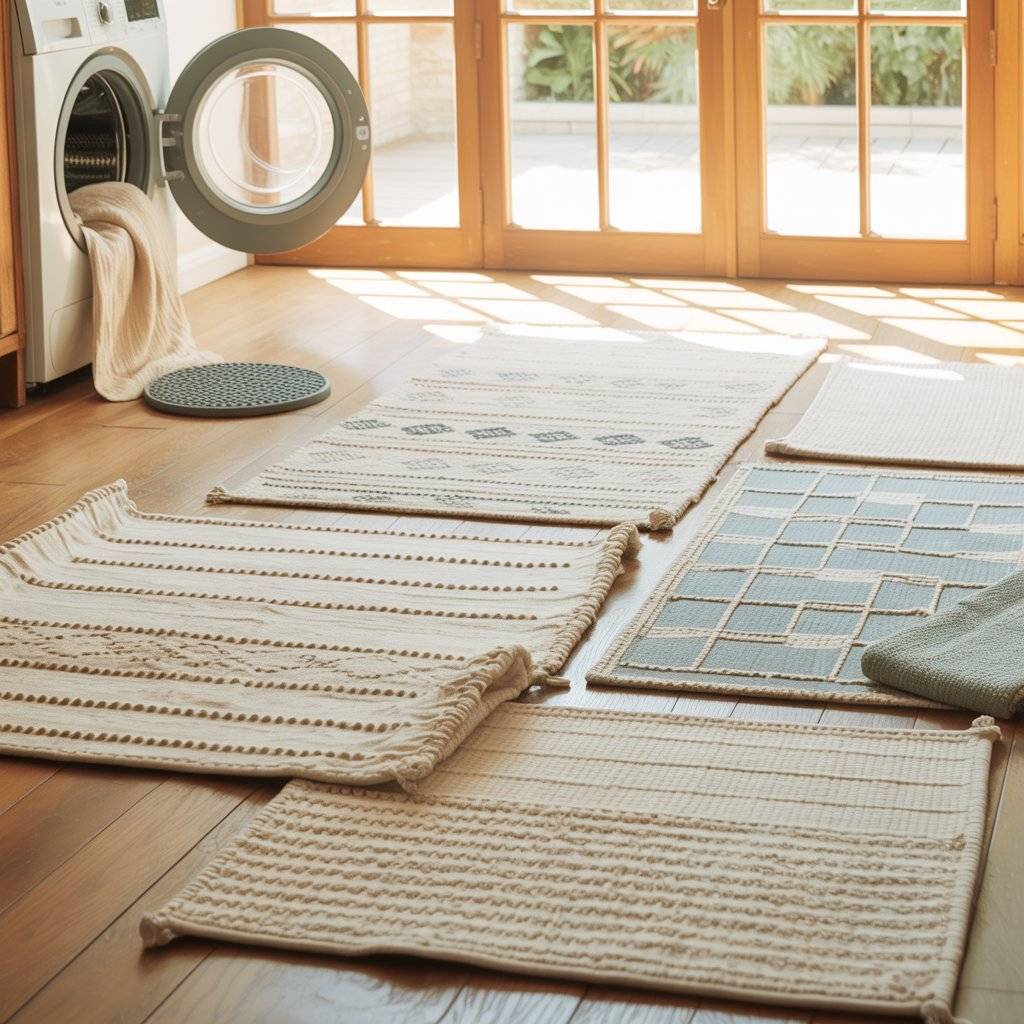
Cotton rugs are a fantastic, often more affordable alternative to wool. They’re lightweight, breathable, and many are machine washable perfect for kitchens, nurseries, or seasonal decor changes. Because cotton is soft and gentle, it won’t scratch your floor’s finish.
The downside? Cotton can wear down more quickly in high-traffic areas compared to wool. That’s okay if you rotate them or use them in low-traffic spots. This product can help you add a soft, easy-to-clean layer to any room without breaking the bank. Just remember to use a non-slip rug pad underneath to keep it from shifting around.
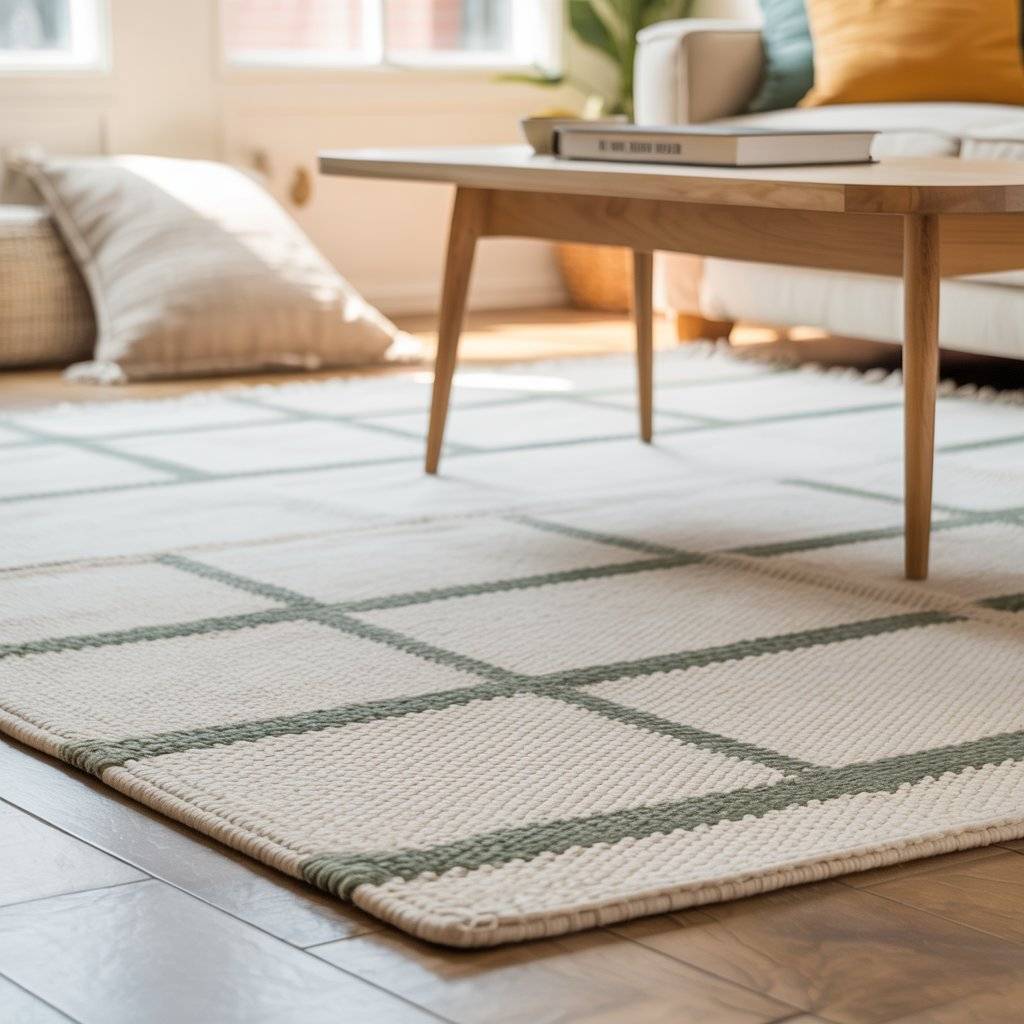
Low-Pile or Flatweave Rugs – Minimal Friction, Easy Maintenance
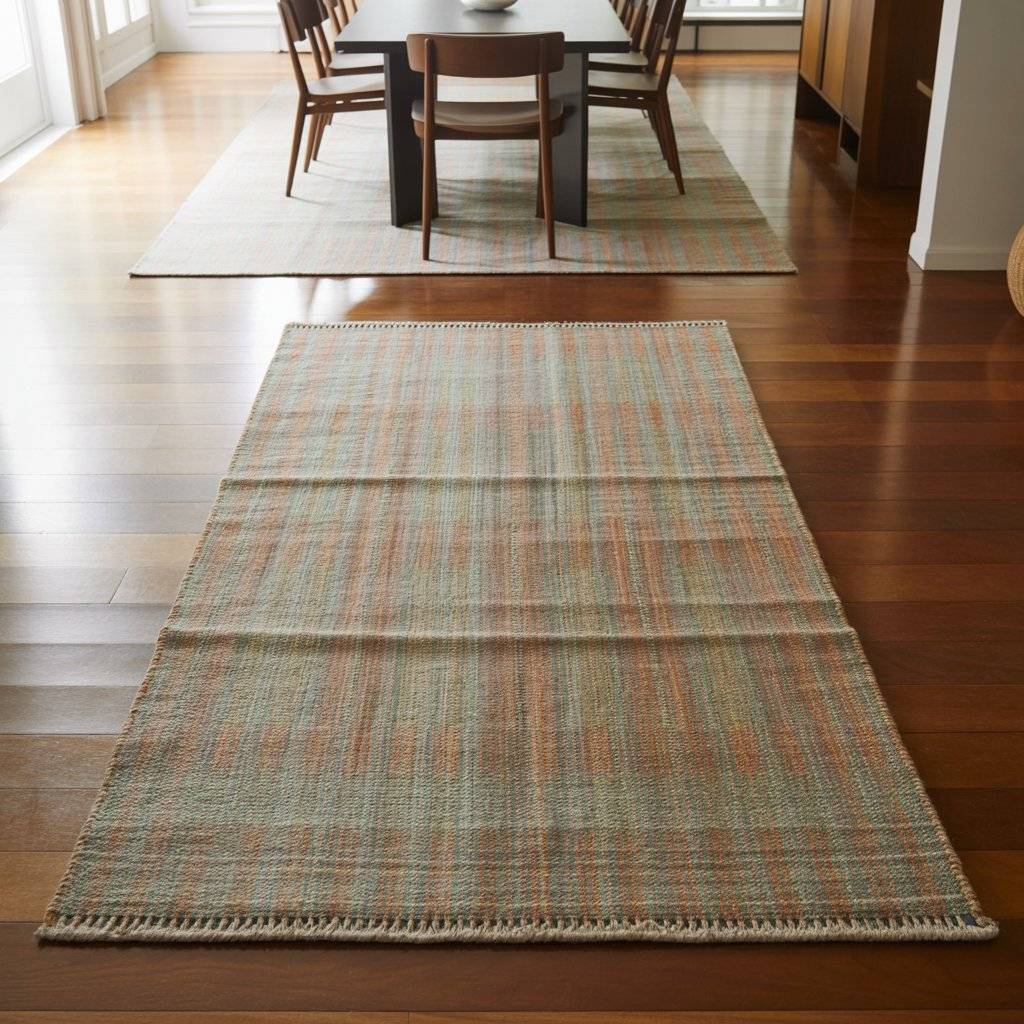
Low-pile and flatweave rugs are excellent choices for hard floors, especially in high-traffic areas. They don’t trap dust or dirt, making them easier to vacuum and a great option for allergy-sensitive households. Popular low-pile materials include wool flatweaves, cotton dhurries, and kilims.
Because they sit close to the floor, they’re less likely to curl at the edges or cause tripping hazards. This product can help you maintain a clean, safe space while adding texture and pattern. The low profile also means they work well under furniture and in entryways where you need durability without bulk.
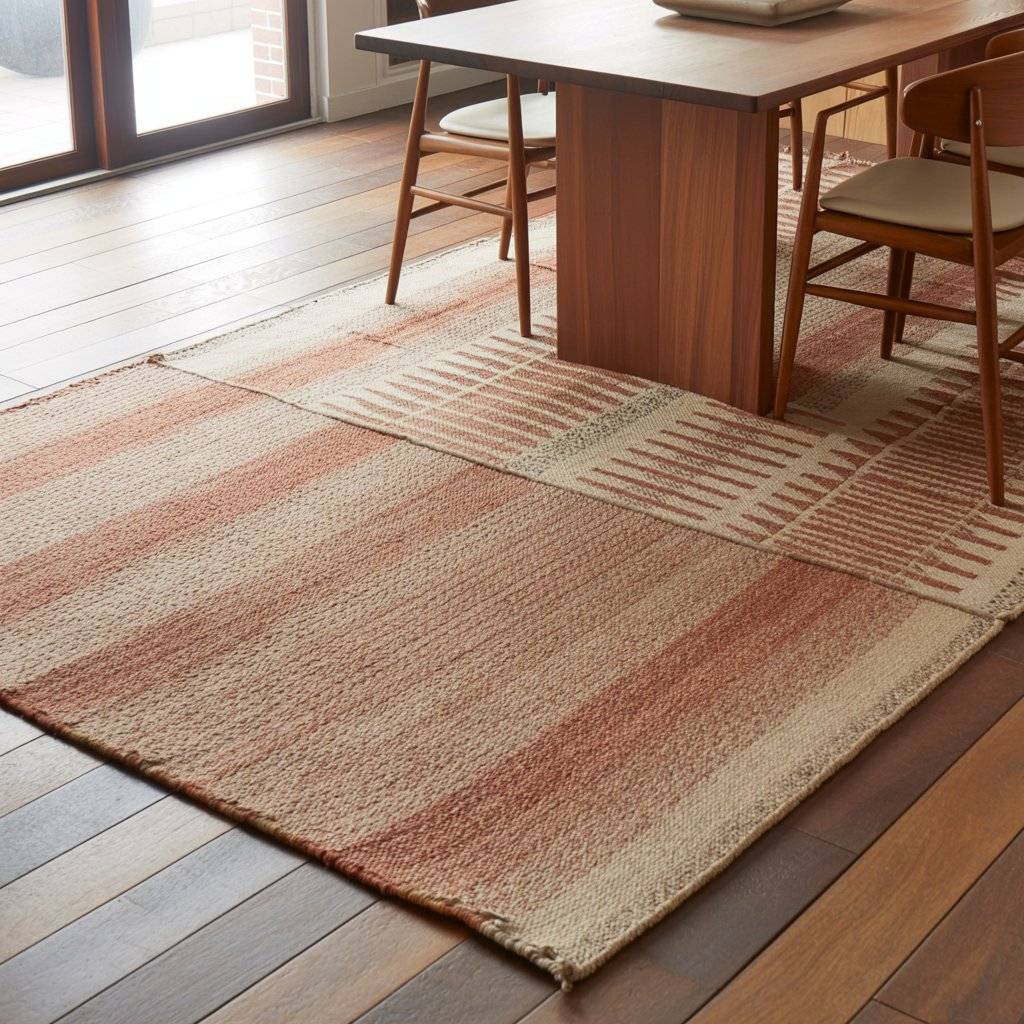
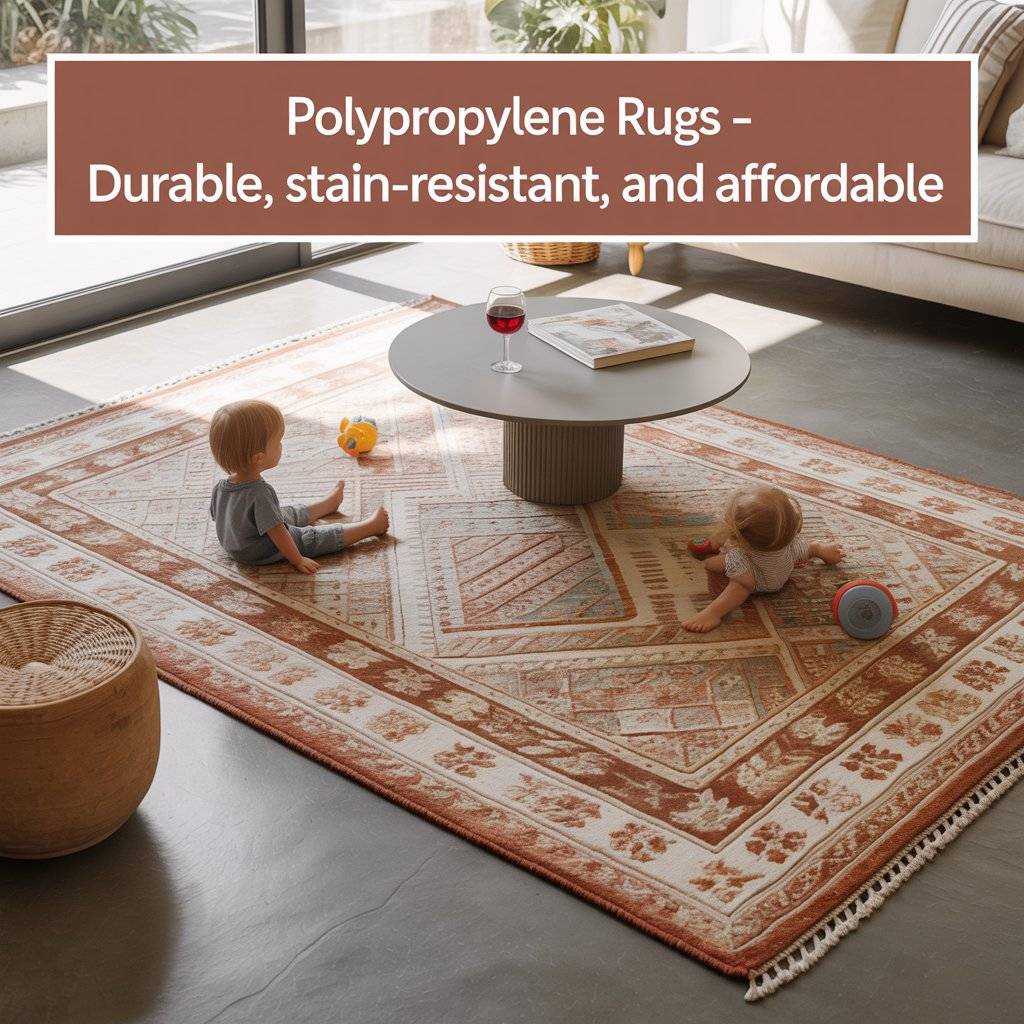
Polypropylene Rugs – Durable, Stain-Resistant, and Affordable
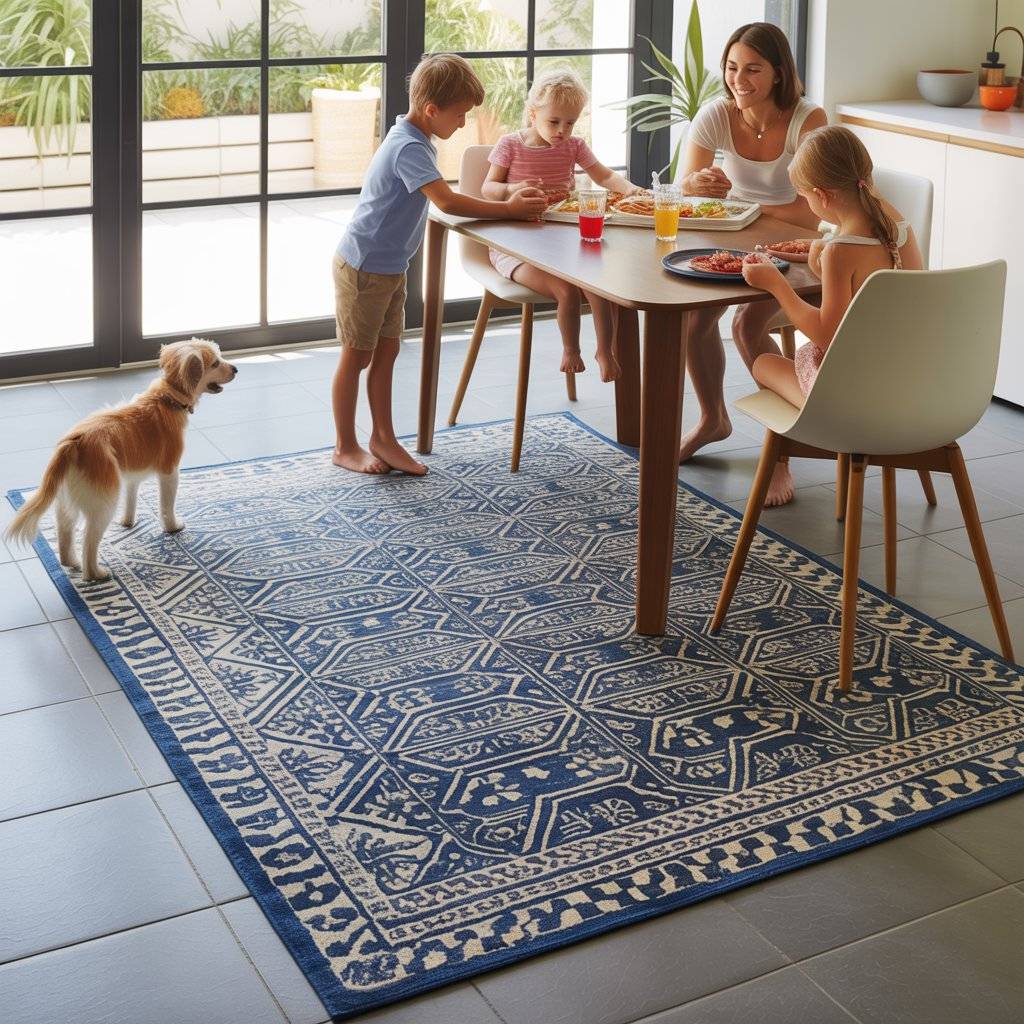
Polypropylene (also called olefin) is a synthetic fiber that’s tough, fade-resistant, and highly stain-resistant. It’s ideal for high-traffic areas like hallways, dining rooms, and homes with kids or pets. Polypropylene doesn’t absorb moisture, so spills sit on top and can be wiped away easily.
This product can help you enjoy a beautiful rug without worrying about every little accident. On tile or concrete floors, polypropylene adds warmth and grip without slipping. The one thing to watch: polypropylene can crush over time in very heavy traffic, but for the price, it’s hard to beat.
Polyester Rugs – Plush and Cozy for Low-Traffic Zones
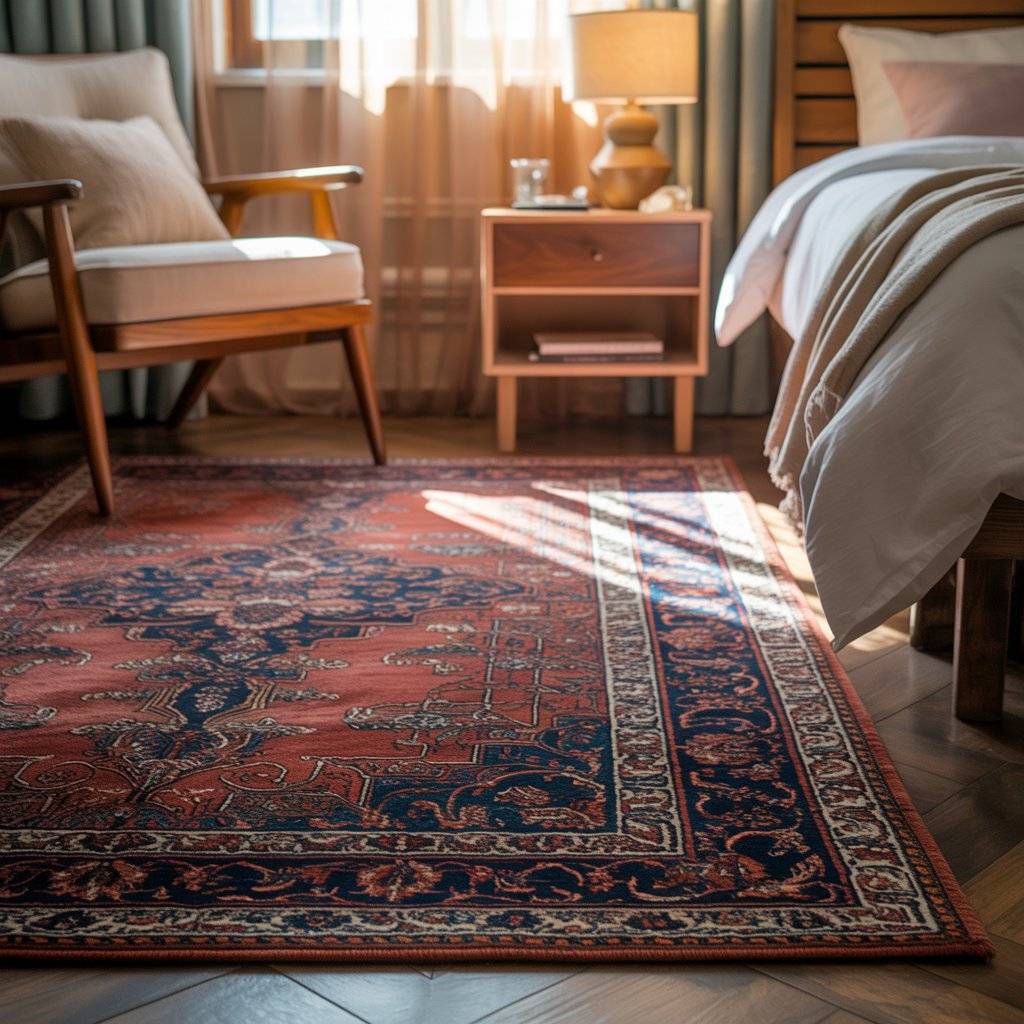
Polyester rugs are known for their soft, plush feel underfoot. They’re often more affordable than wool and come in a wide range of colors and patterns. Polyester is also resistant to fading and stains, making it a practical choice for bedrooms or living rooms where comfort is key.
However, polyester isn’t as durable as polypropylene or wool in super high-traffic areas it can mat down over time. This product can help you create a cozy, inviting space in rooms that don’t see constant foot traffic. On hard floors, pair it with a felt pad to add cushioning and prevent slipping.
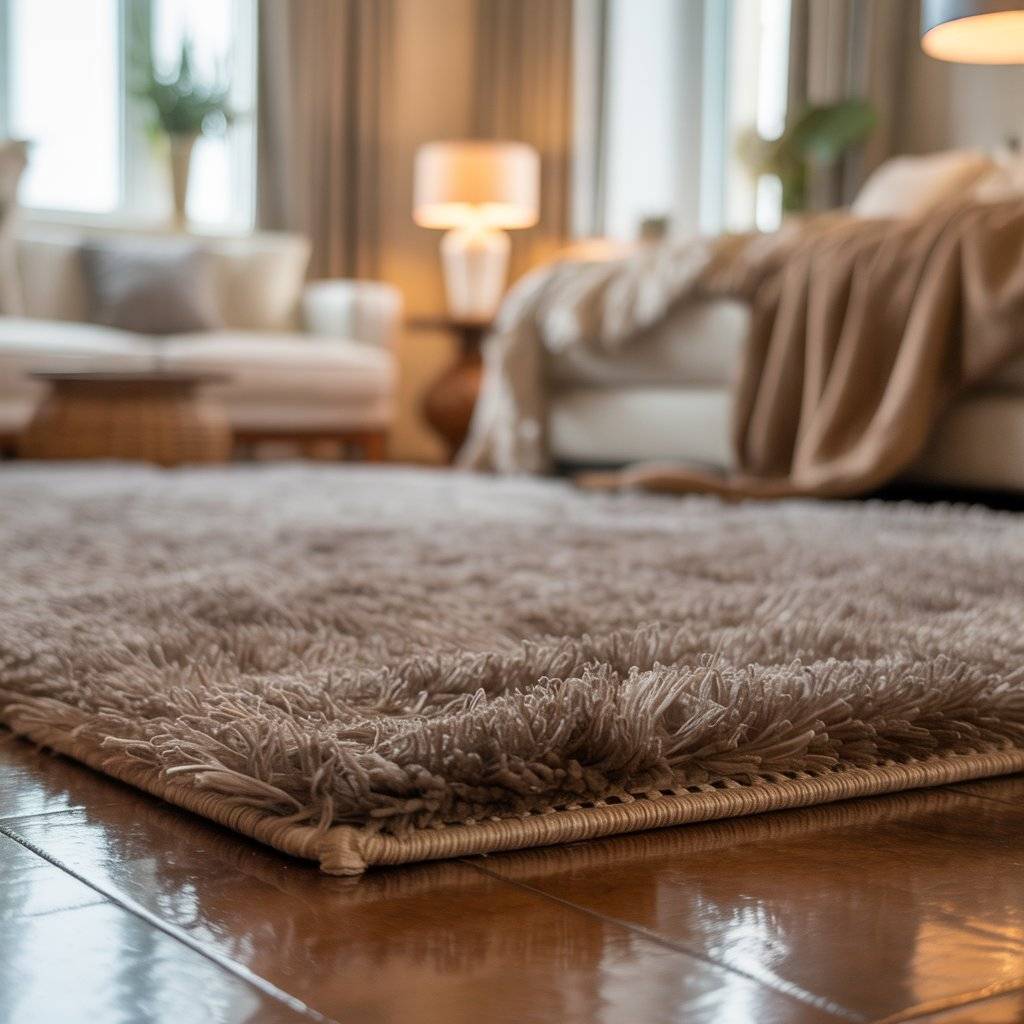
Viscose Rugs – Luxurious Sheen for Low-Traffic Rooms
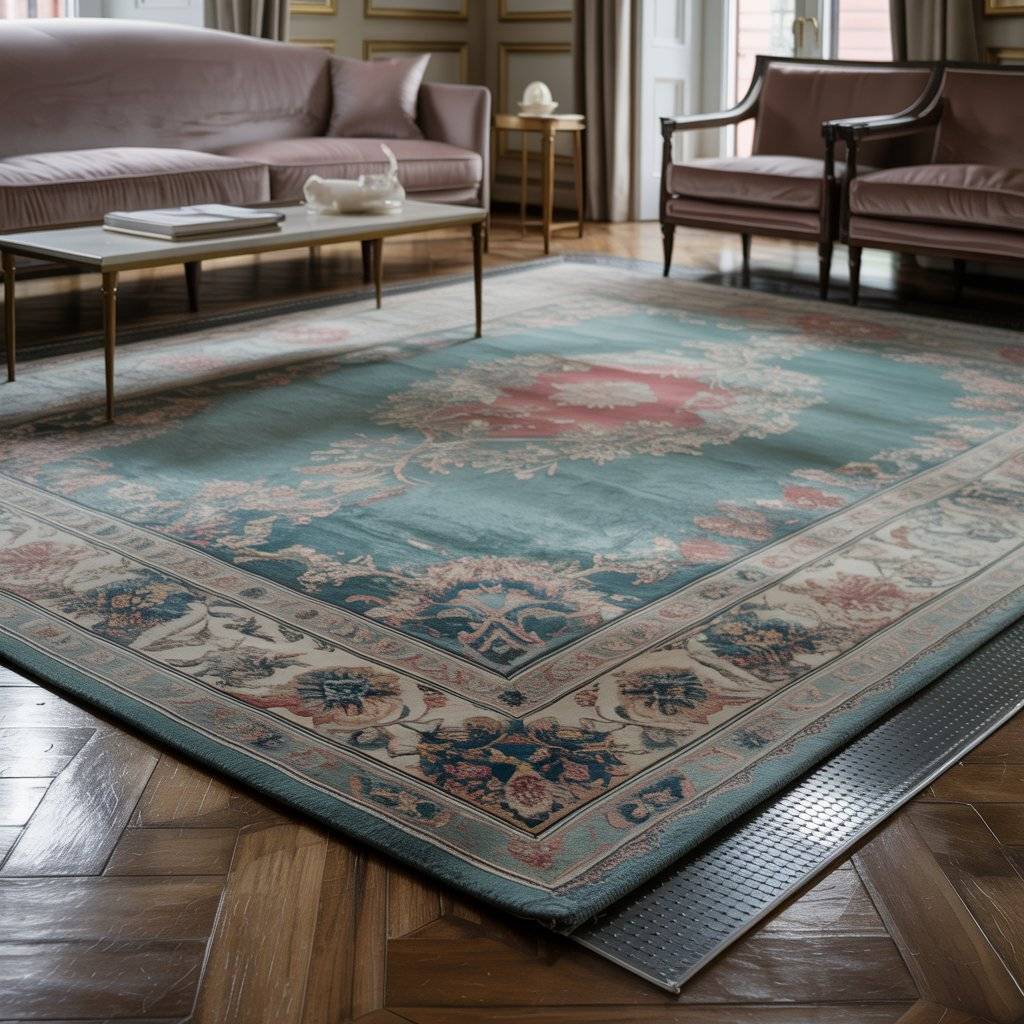
Viscose rugs bring a beautiful, silky sheen that mimics the look of silk at a fraction of the cost. They drape softly and add a touch of elegance to living rooms and bedrooms. But viscose has some downsides: it’s not very durable, absorbs moisture easily, and can stain if not treated carefully.
Avoid using viscose in dining rooms, kitchens, or bathrooms where spills are likely. This product can help you add a luxurious accent to low-traffic, adult-focused spaces. On hardwood or tile, always use a rug pad underneath to protect both the rug and your floor from moisture damage.
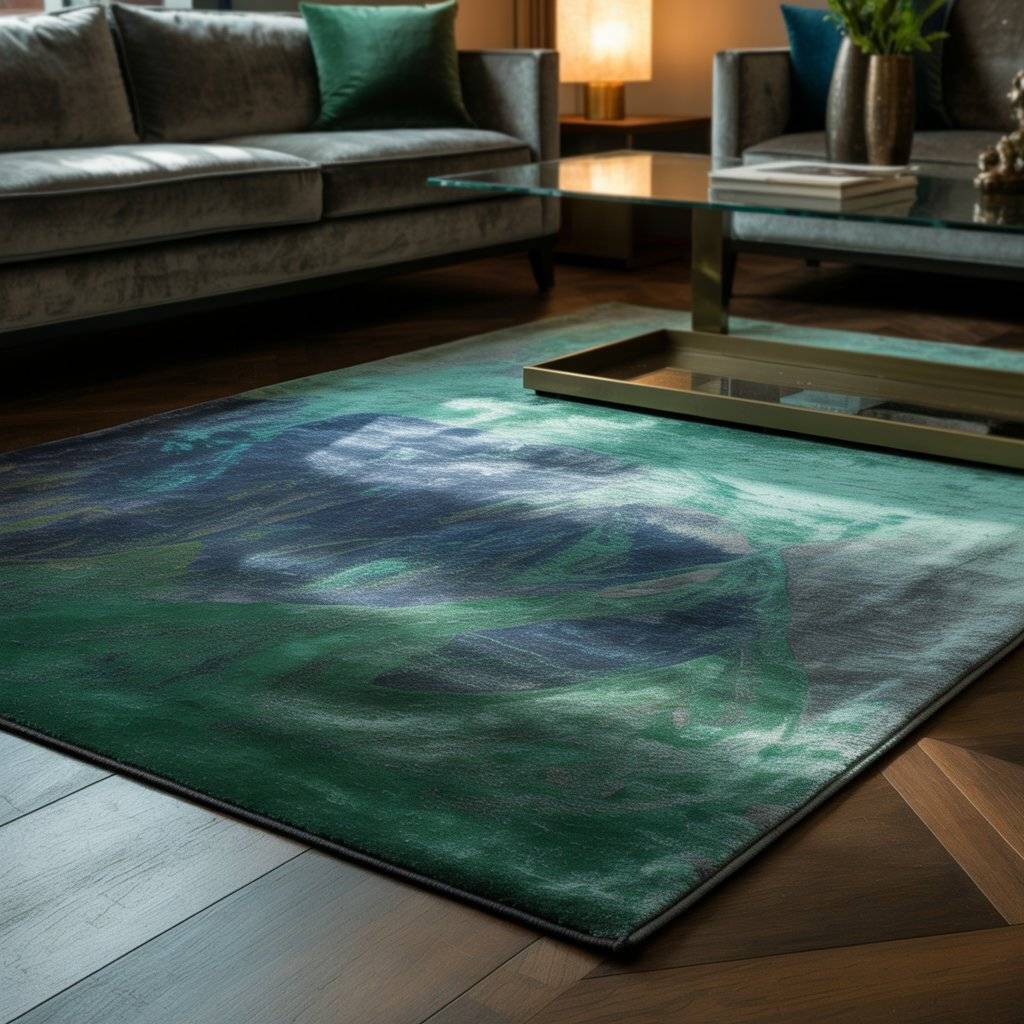
Jute and Sisal Rugs – Natural Texture with a Few Caveats
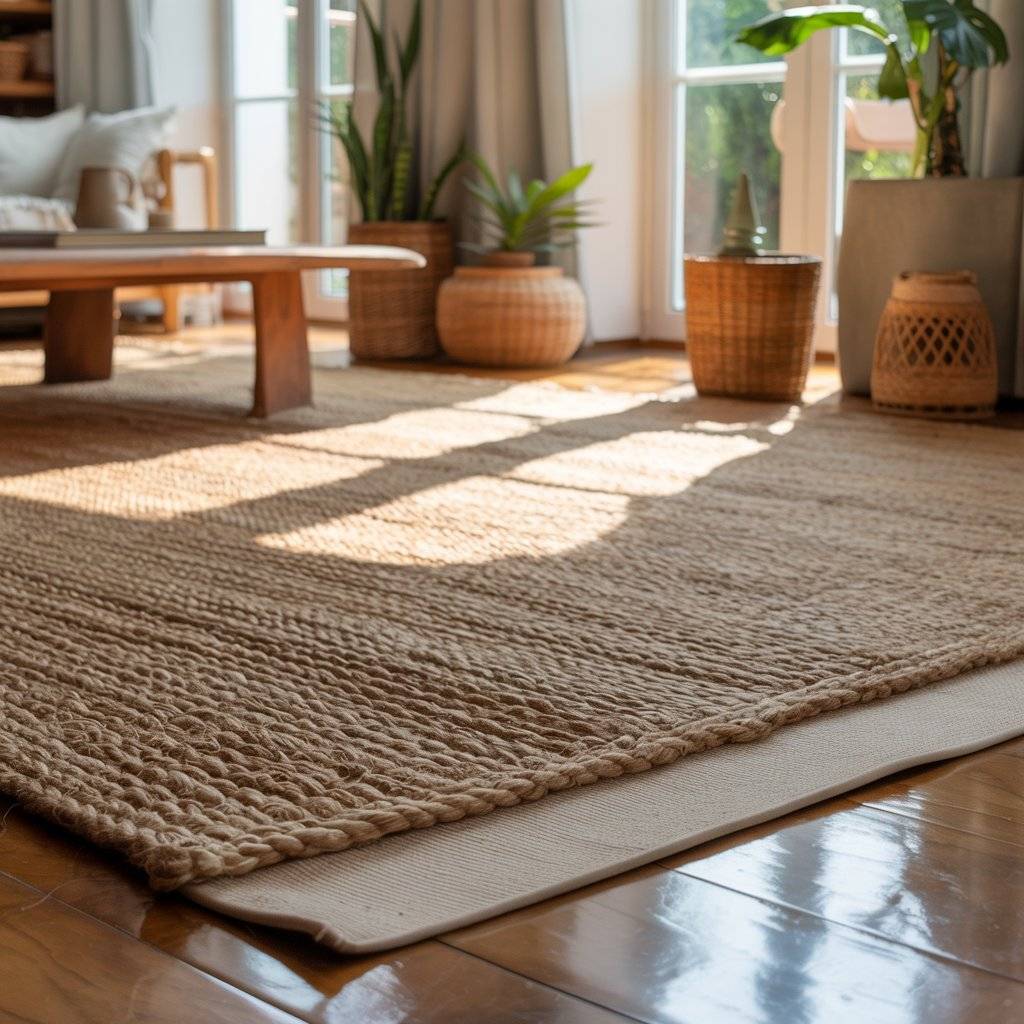
Jute and sisal rugs bring organic, earthy texture to a room. They’re durable, sustainable, and add a casual, natural look that works well with many decor styles. But here’s the catch: they absorb moisture easily, so they’re not ideal for basements, bathrooms, or damp climates.
On dry hardwood floors, they can work if you use a breathable rug pad. This product can help you achieve that relaxed, boho look, but be prepared for some shedding and avoid wet spills. Jute and sisal also feel rougher underfoot than wool or cotton, so they’re better suited for entryways or offices than cozy living rooms.
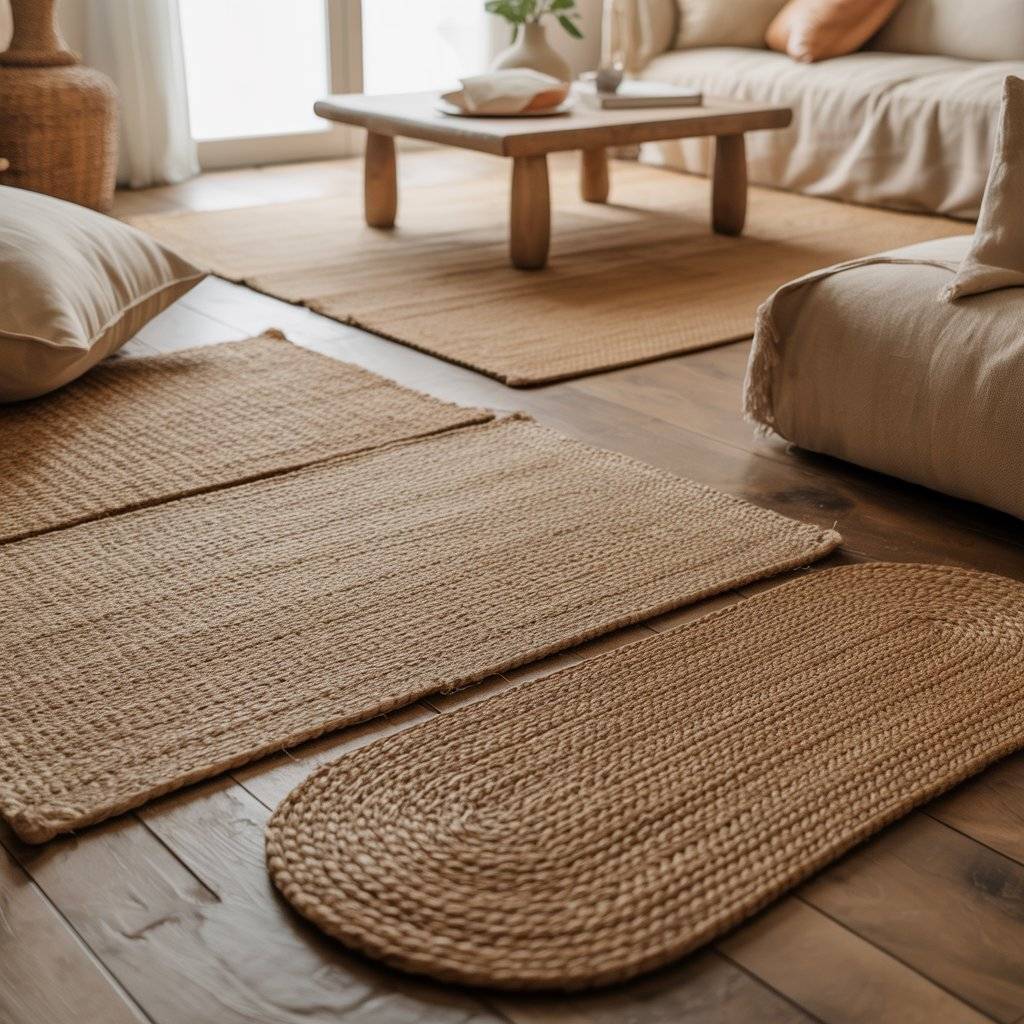
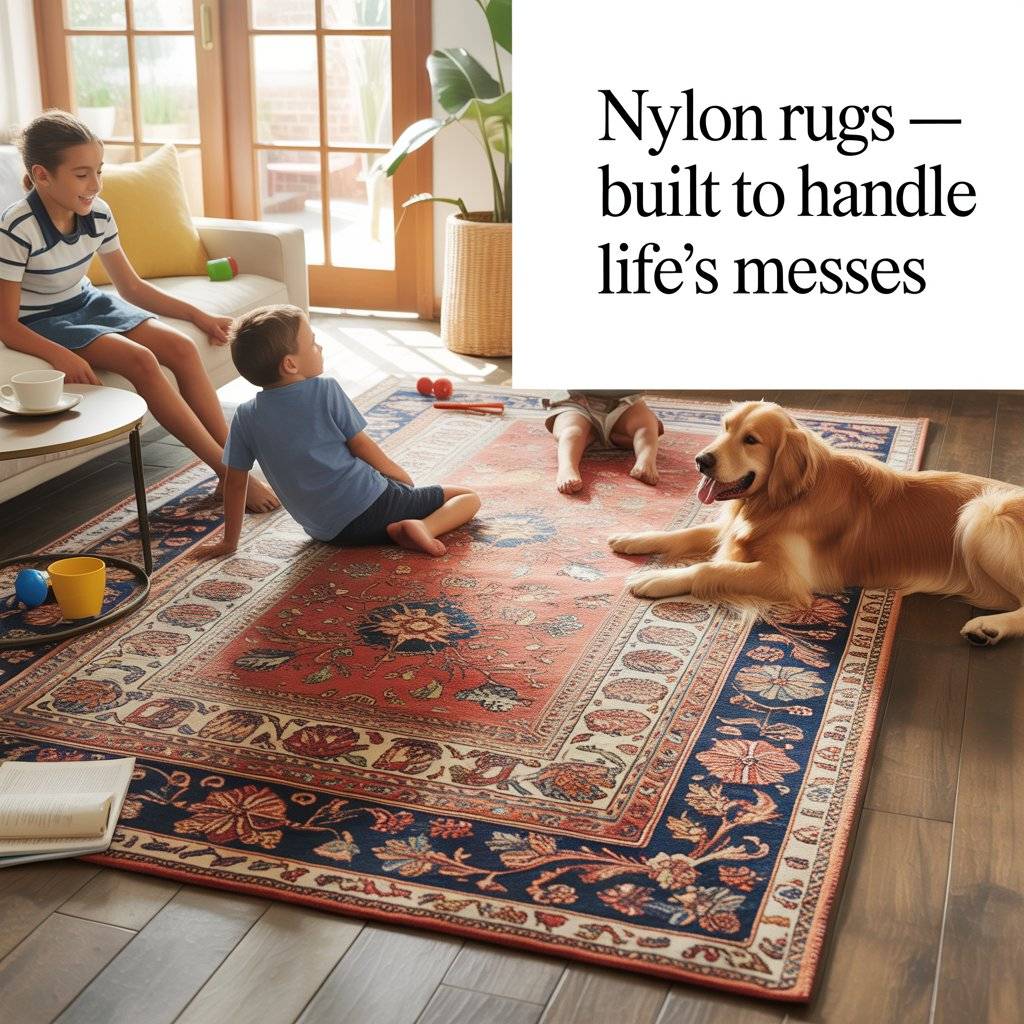
Nylon Rugs – Built to Handle Life’s Messes
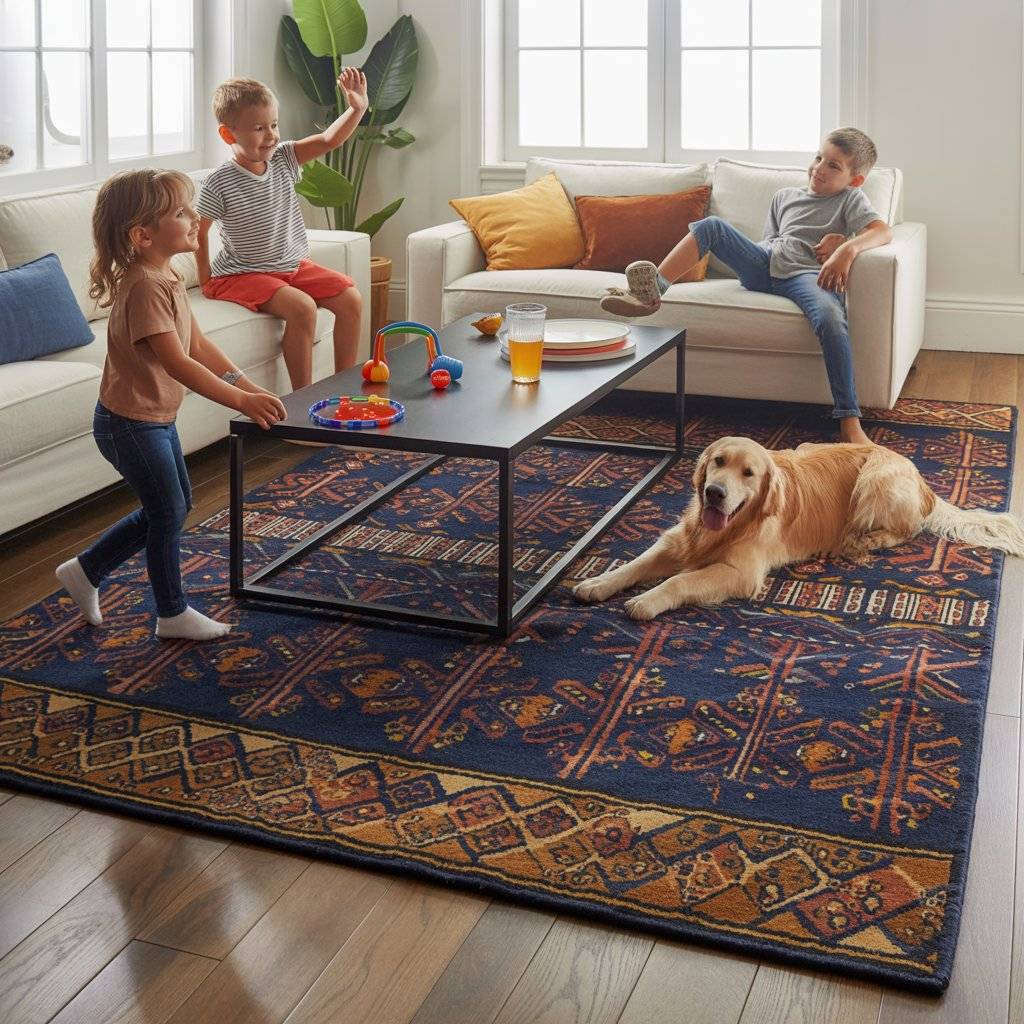
Nylon is one of the toughest synthetic fibers available. It’s incredibly durable, resilient, and resistant to crushing and matting.
Nylon rugs also hold dye well, so colors stay vibrant even after years of use. This product can help you handle high-traffic areas, active kids, and pets without sacrificing style. Nylon is also stain-resistant and easy to clean, making it a solid choice for dining rooms and hallways.
On hard floors, nylon’s grip can be improved with a quality rug pad. The only real downside? Nylon tends to be more expensive than polypropylene, but the durability often justifies the cost.
Indoor/Outdoor Rugs – The Ultimate Low-Maintenance Option
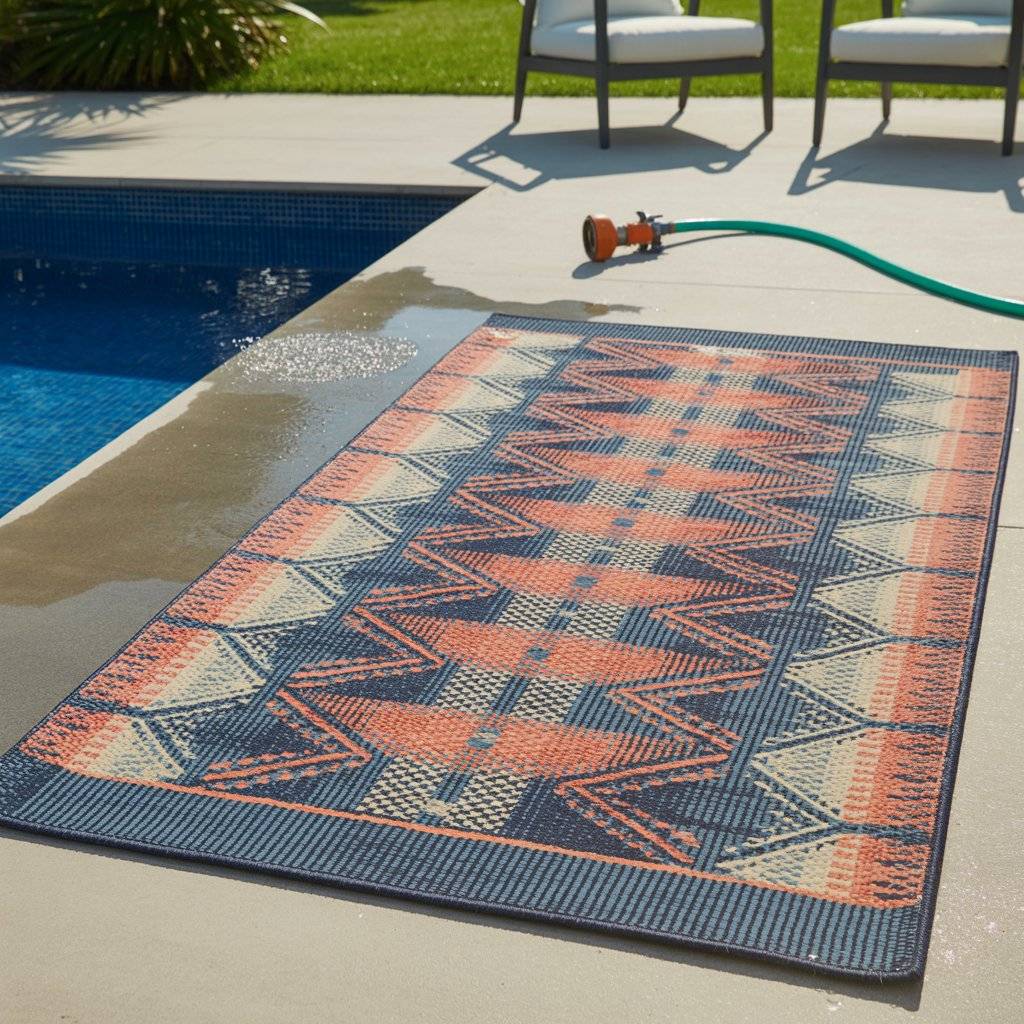
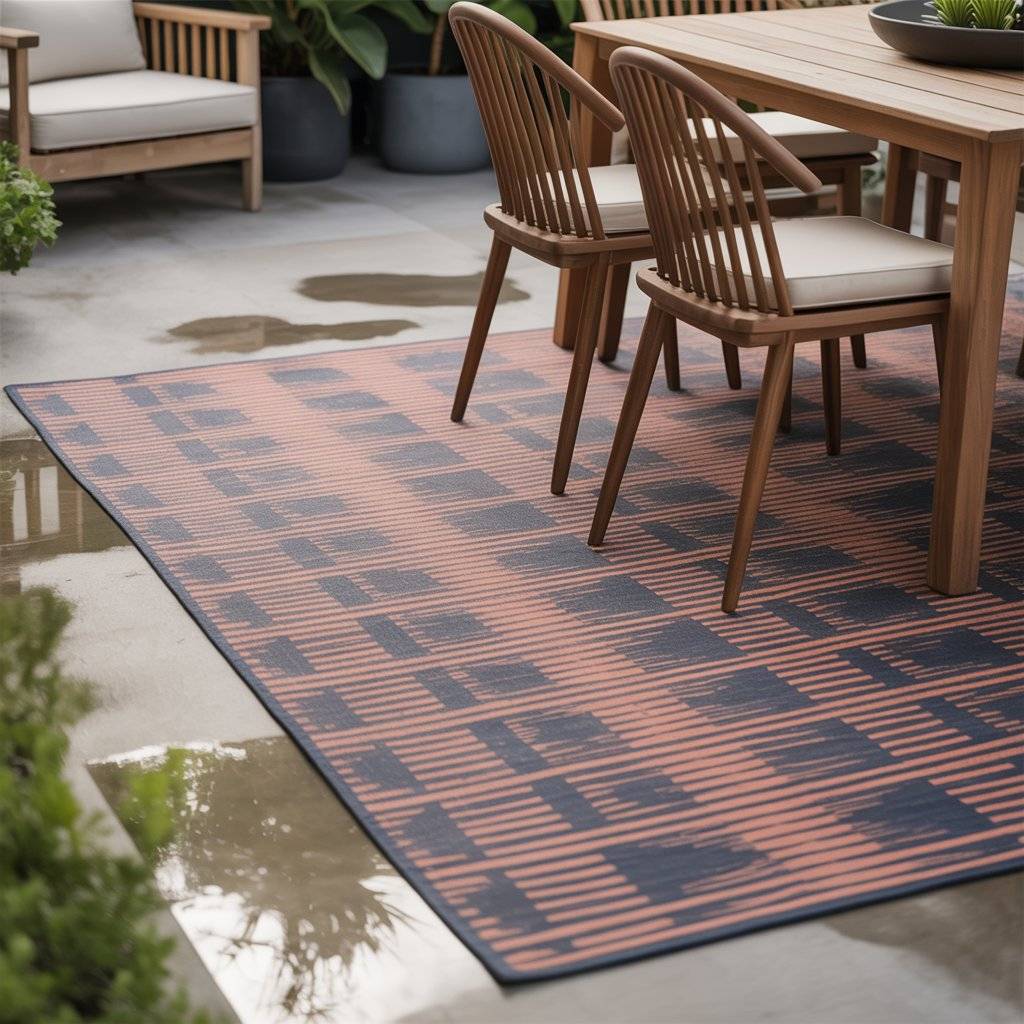
Indoor/outdoor rugs are made from synthetic fibers like polypropylene that resist moisture, mold, and mildew.
They’re designed to handle spills, rain, and heavy foot traffic without showing wear. This product can help you add color and comfort to patios, basements, mudrooms, or any space that sees a lot of action. On concrete or tile floors, indoor/outdoor rugs lie flat and resist slipping.
They’re also incredibly easy to clean just hose them off or wipe down with a damp cloth. The trade-off is texture; they’re not as soft as wool or cotton. But for practicality and durability, they’re hard to beat.
Shag Rugs – Plush Comfort with a Safety Note
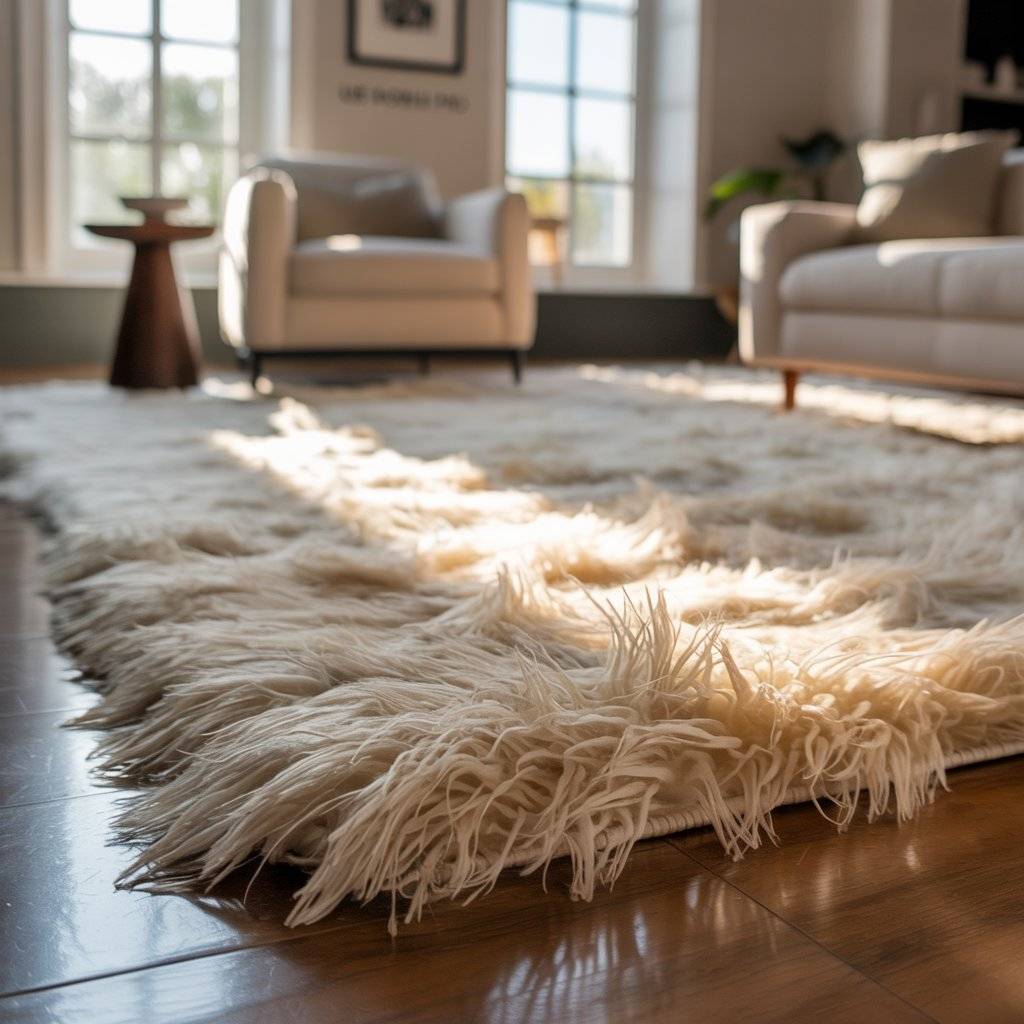
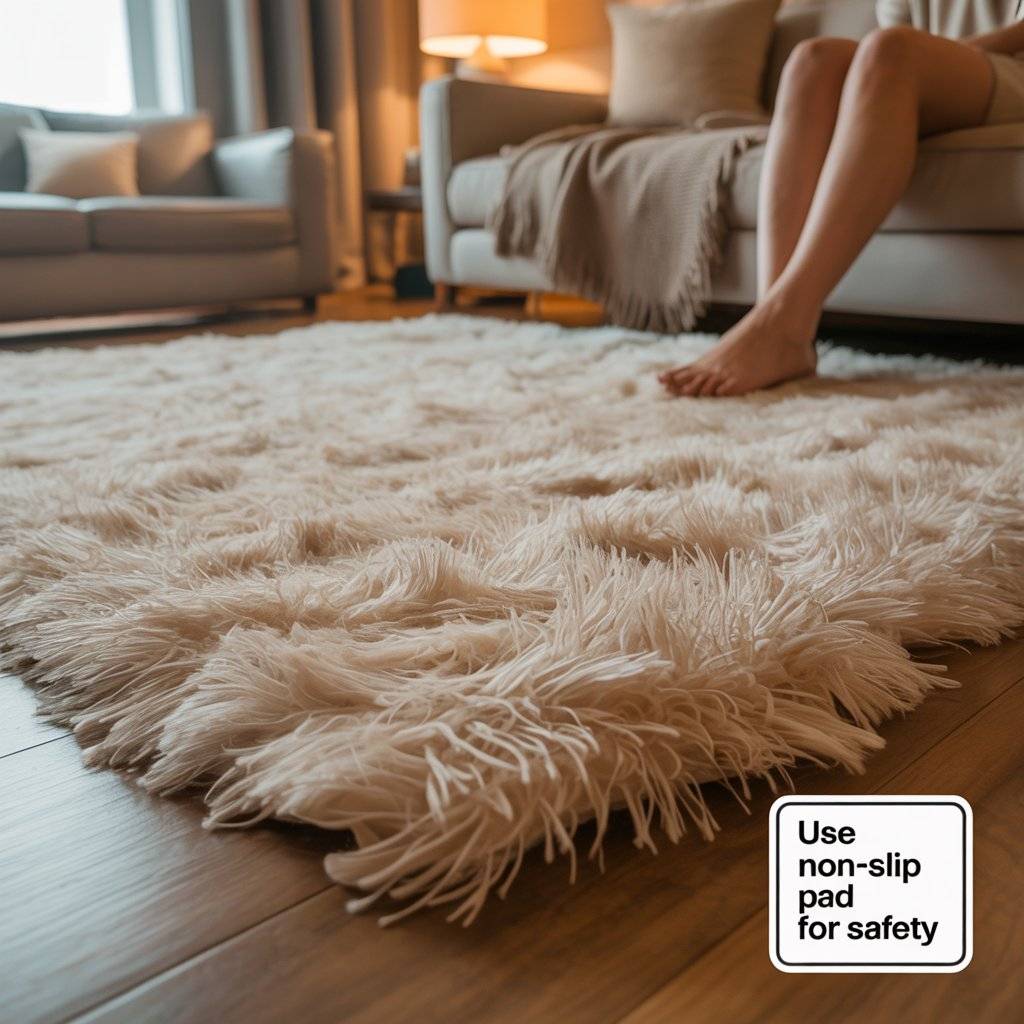
Shag rugs are all about comfort. With their long, fluffy pile, they feel amazing underfoot and add a cozy, relaxed vibe to any room. On hard floors, shag rugs also help absorb sound, reducing echo in large spaces.
But there’s a safety consideration: thick shag rugs can be a tripping hazard if not placed carefully, especially in high-traffic areas.
This product can help you create a warm, inviting bedroom or living room, but avoid using them in hallways or near stairs. Always use a non-slip rug pad underneath, and choose a shag with a lower pile height if safety is a concern.
Washable Rugs – Perfect for Messy Homes
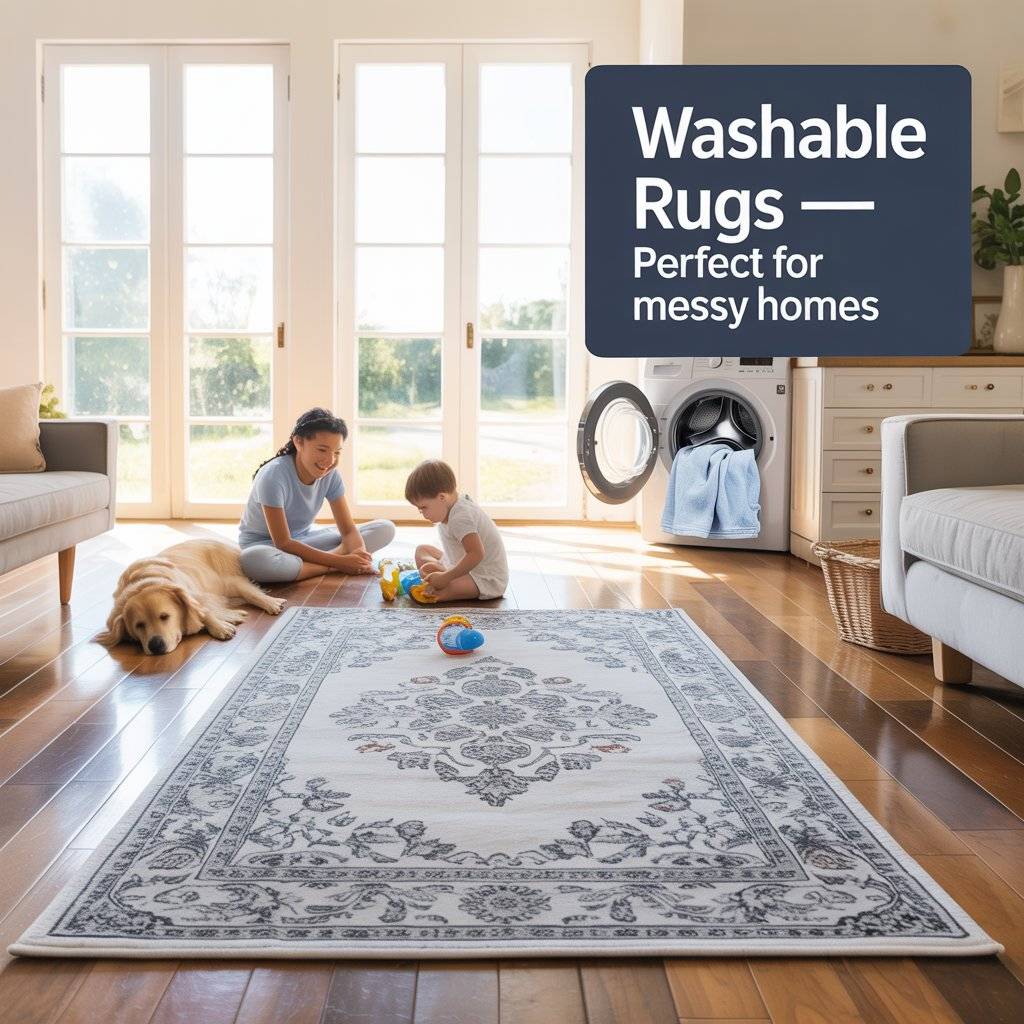
Washable rugs have exploded in popularity for good reason. They look great, feel soft, and can be tossed in your washing machine when accidents happen. Good Housekeeping tested dozens of washable rugs and found that the best ones maintain their quality even after multiple washes.
This product can help you keep your floors looking fresh without stressing over spills, pet accidents, or muddy footprints. Most washable rugs use synthetic fibers with non-slip backing, making them safe for hard floors. The only downside is that some can feel thin compared to traditional rugs, but newer models have improved cushioning.
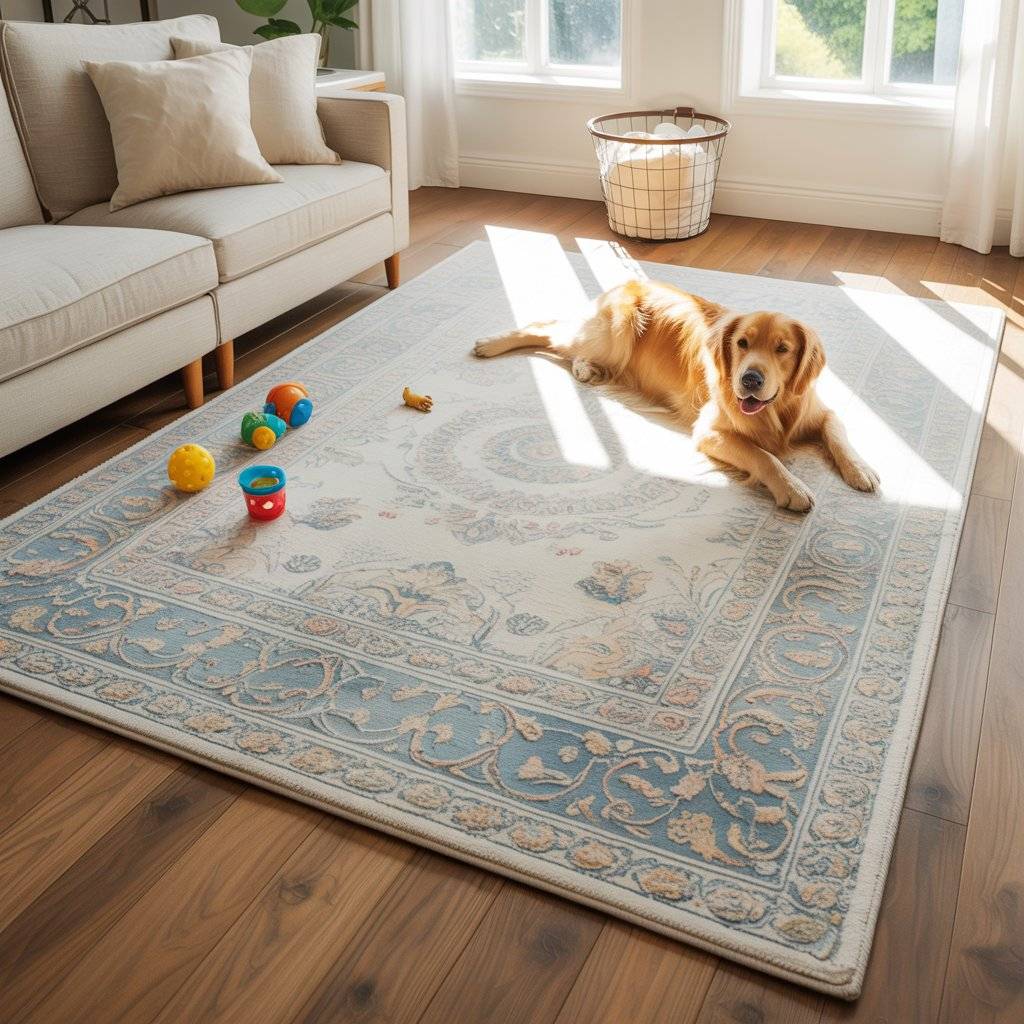
Rugs with Natural Rubber Backing – Built-In Grip
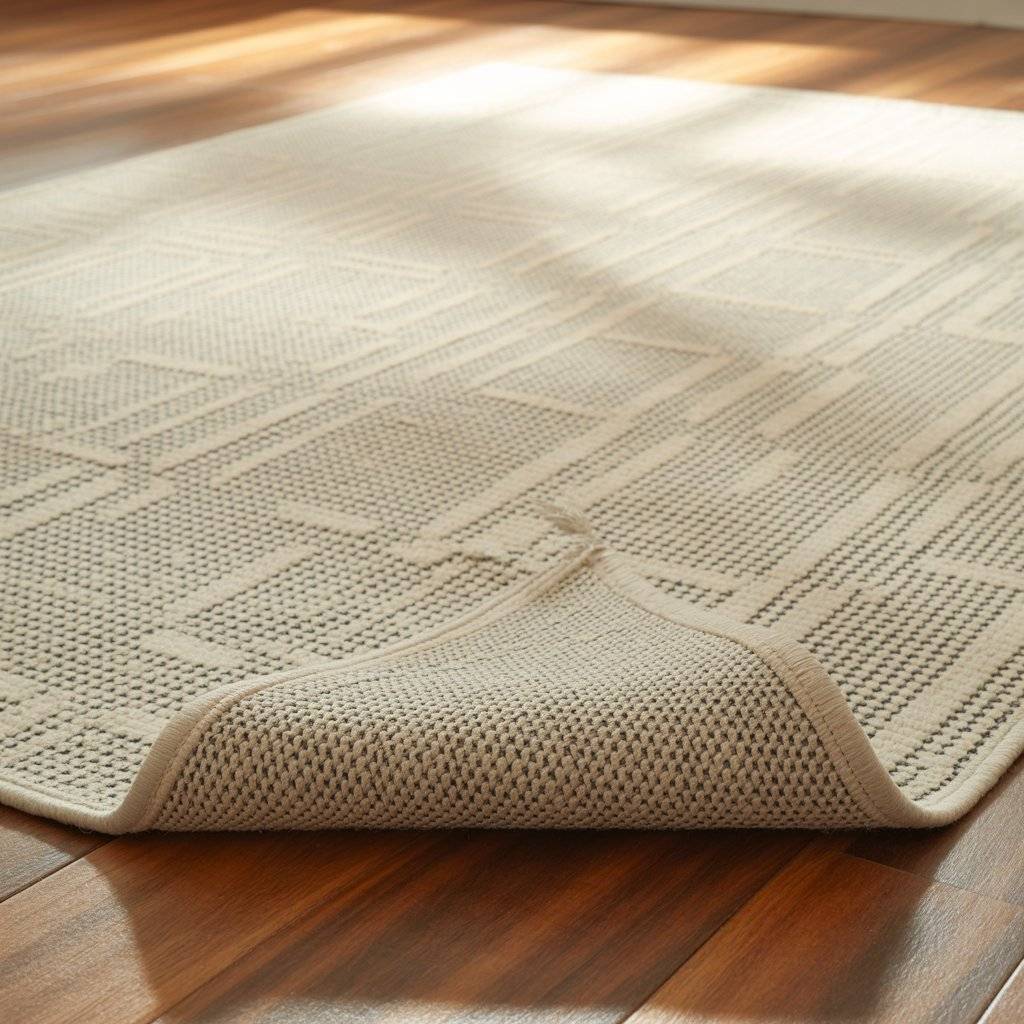
Some rugs come with a natural rubber backing that provides excellent grip directly on hard floors. Natural rubber is safe for most floor finishes and won’t trap moisture like some synthetic backings. This product can help you skip the separate rug pad if you’re looking for simplicity.
Brands like Magnolia Home offer cotton rugs with natural rubber backings that resist sliding even with pet traffic. The key is to avoid rubber backings that are mixed with PVC or other plastics, as those can damage floor finishes over time. Look for 100% natural rubber or TPR (thermoplastic rubber) for the safest grip.
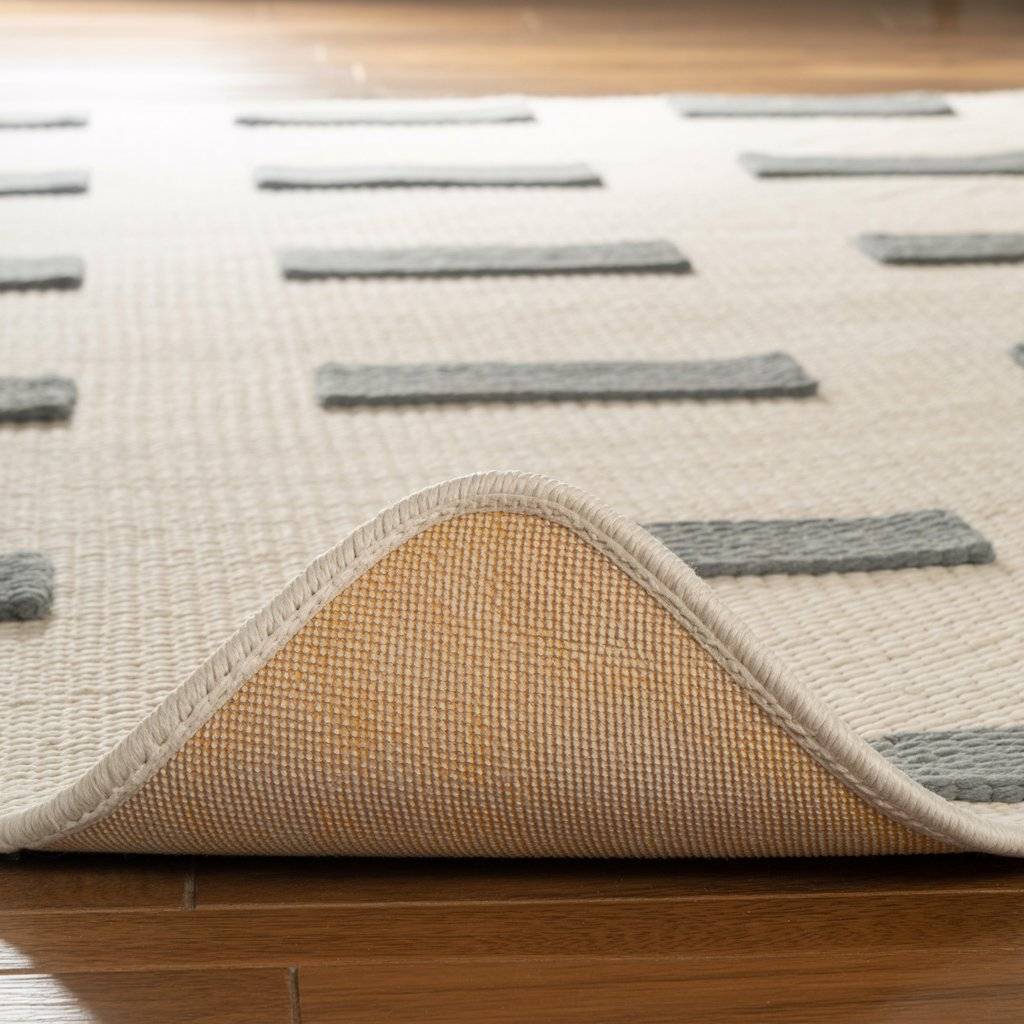
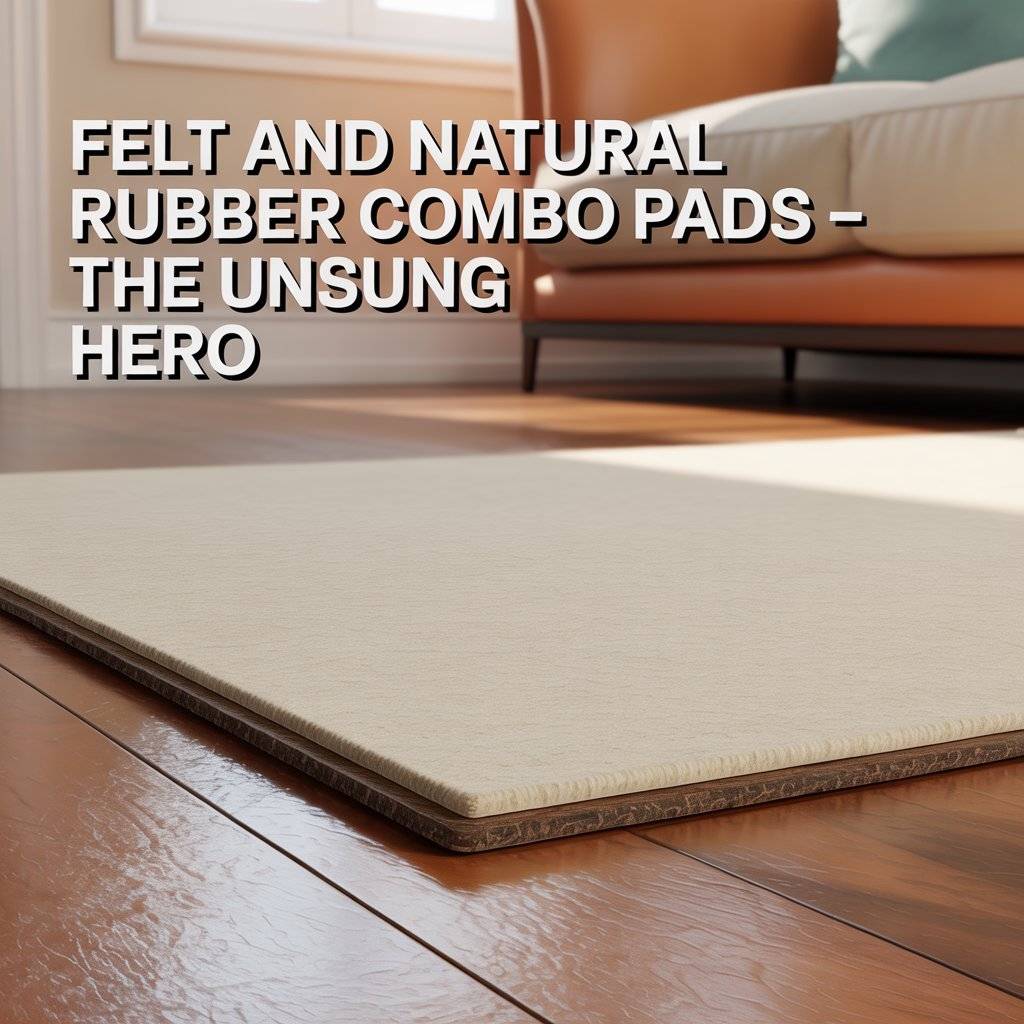
Felt and Natural Rubber Combo Pads – The Unsung Hero
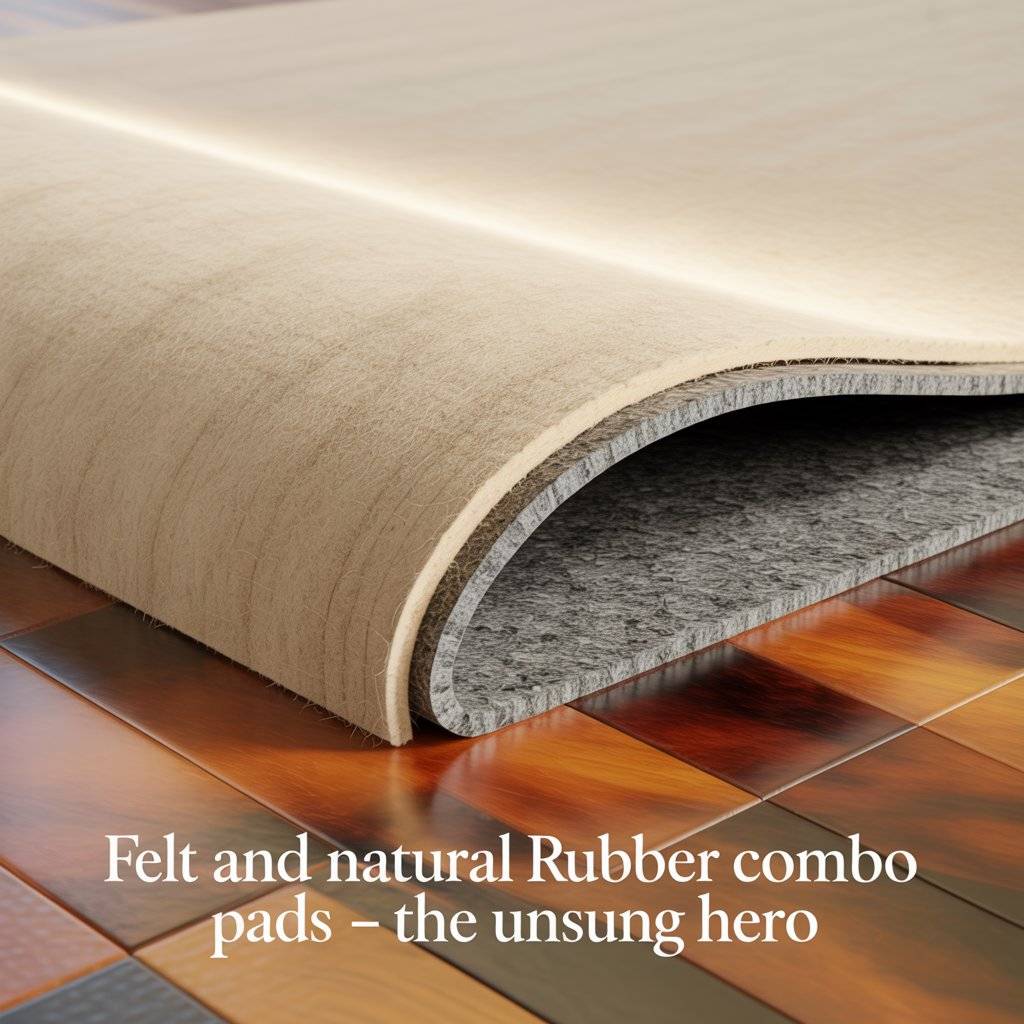
Even the best rug needs a quality pad underneath. The safest rug pad for hardwood floors uses a felt and natural rubber combination. The felt provides cushioning and stability, while the natural rubber grips the floor without slipping or damaging the finish.
A thickness between 1/4 and 3/8 inch balances comfort and stability. This product can help you extend the life of both your rug and your floor. Avoid PVC or adhesive-backed pads, which can trap moisture or react with floor finishes. A good pad also prevents edge curling and keeps your rug lying flat for years.
Rugs for Tile Floors – Focus on Grip and Warmth
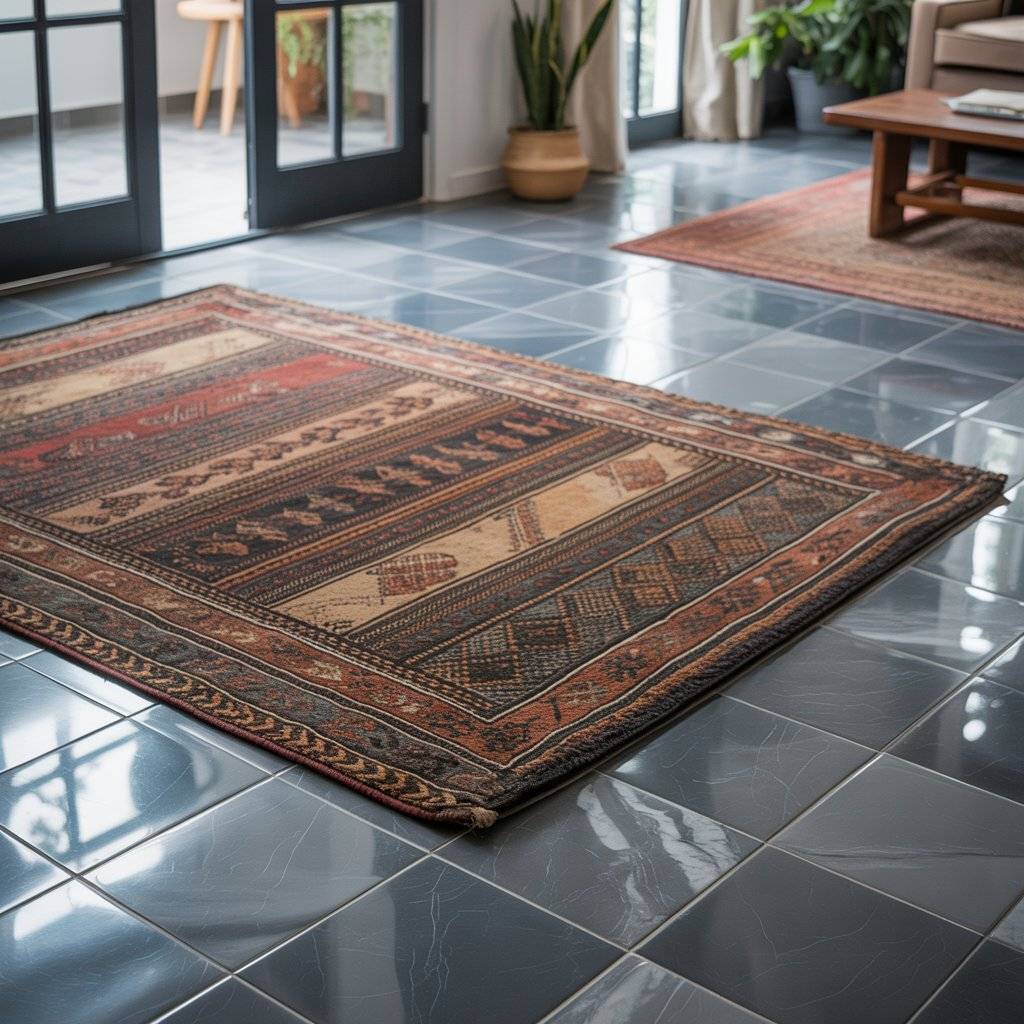
Tile floors are beautiful but can feel cold and slippery. The best rugs for tile floors are made from polypropylene, polyester, or viscose, as they add warmth, prevent slipping, and enhance comfort. Polypropylene is especially good because it’s water-resistant and durable, perfect for kitchens and bathrooms.
This product can help you add a soft, warm layer to tile without worrying about moisture damage. Avoid rubber-backed rugs on glossy tile, as they can leave marks. Instead, use a felt or natural rubber pad designed for hard surfaces.
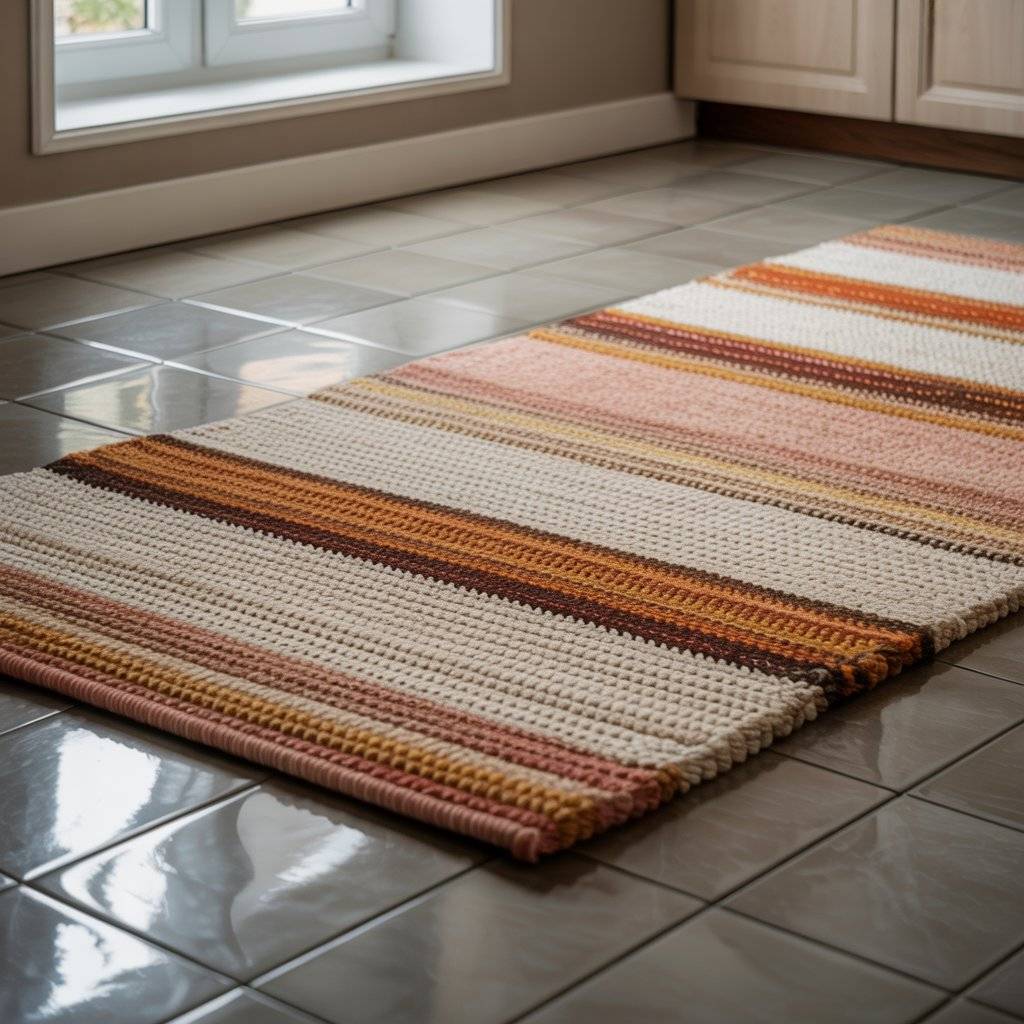
Rugs for Concrete Floors – Insulate and Soften
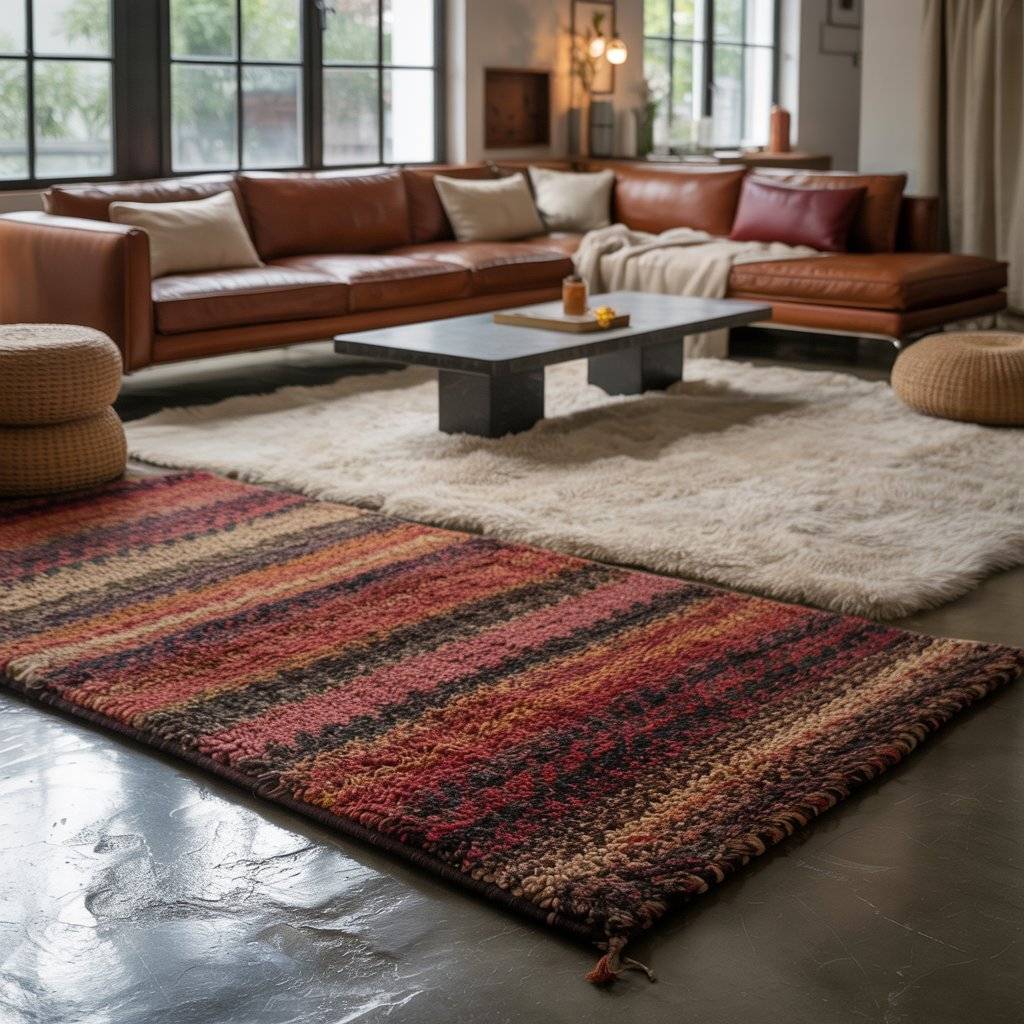
Concrete floors are durable but cold and hard. Look for rugs made from natural fibers like wool or cotton to soften concrete’s coldness. Synthetic options like polypropylene are also great they’re durable, stain-resistant, and perfect if you have kids or pets.
This product can help you transform a cold, industrial space into a warm, inviting room. Wool is a natural insulator that will keep the chill of the concrete from reaching your feet. Aim for larger rugs that anchor furniture and create a defined seating area. On concrete, a rug pad is still important for grip and cushioning.
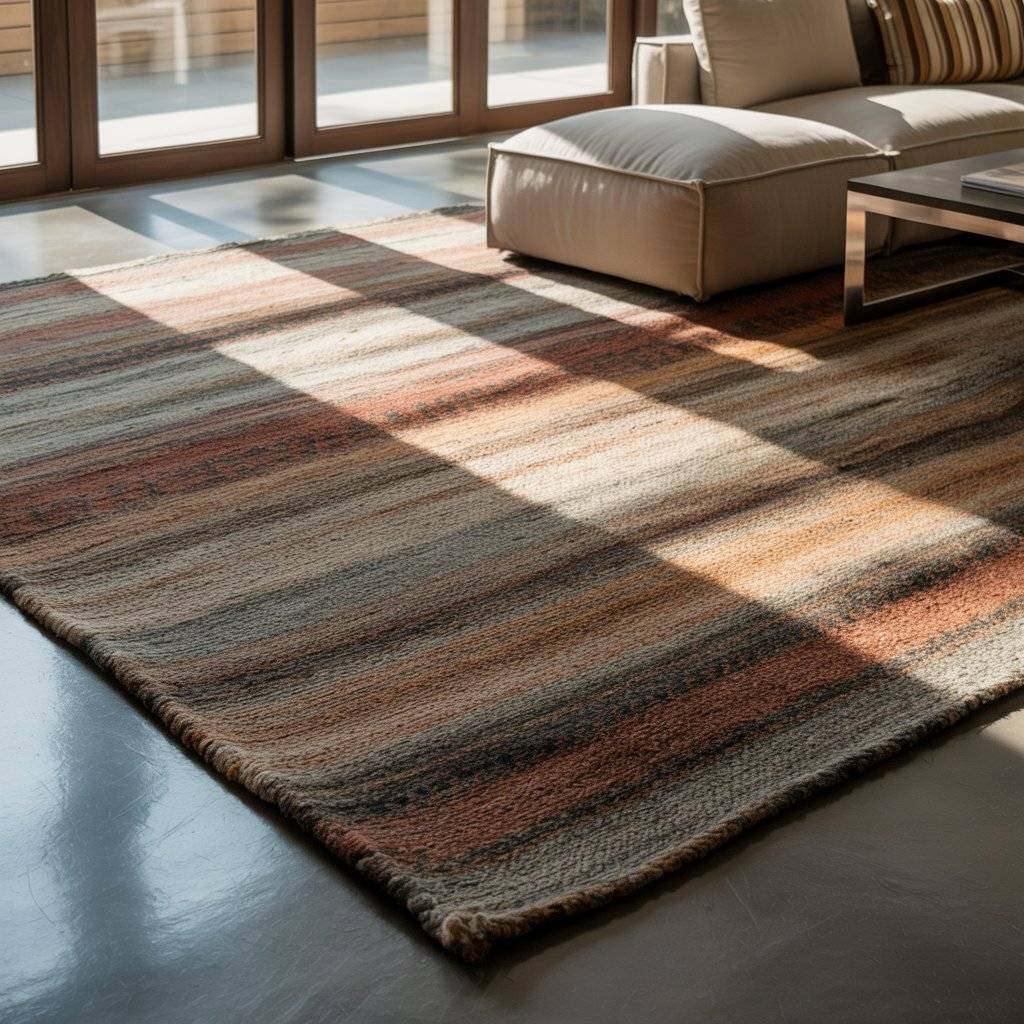
Rugs for Laminate Floors – Keep It Light and Breathable
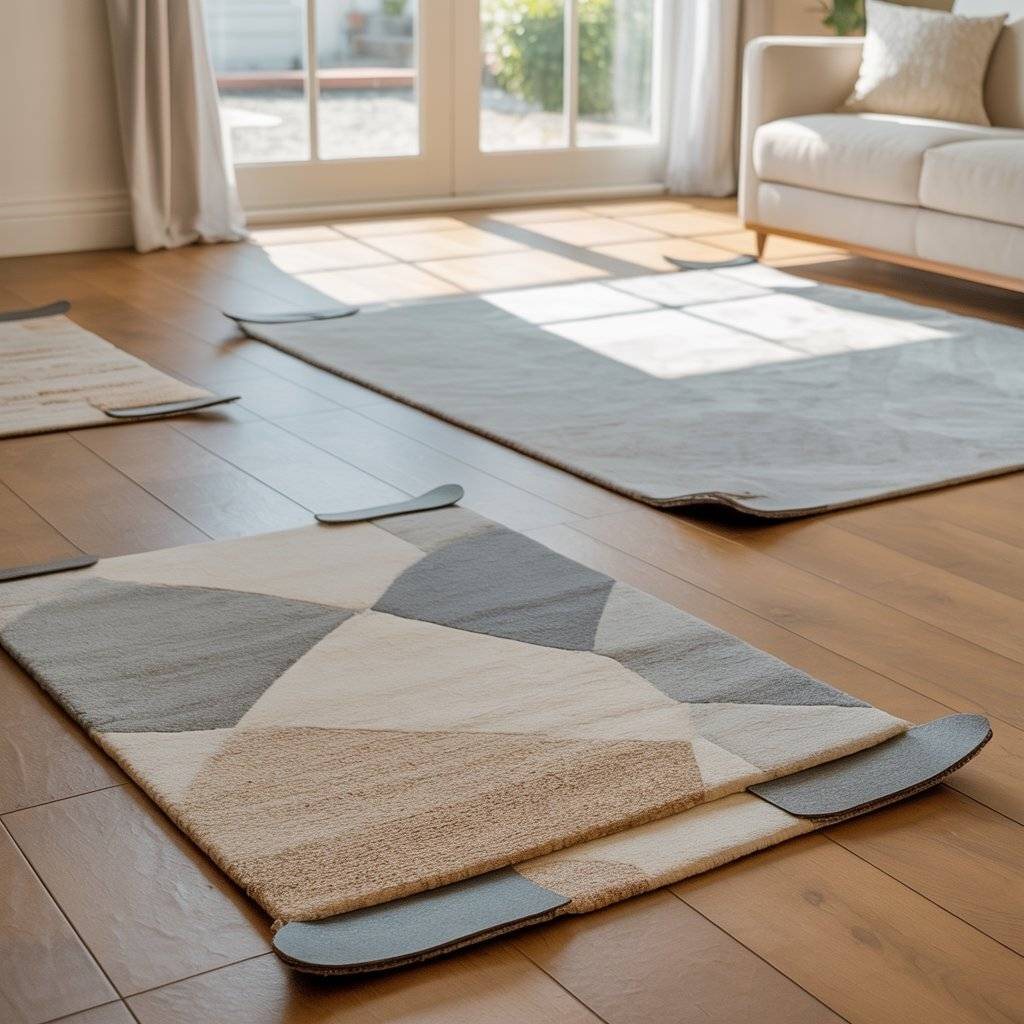
Laminate floors are sensitive to friction and moisture. The best rugs for laminate floors are made from polypropylene, polyester, or viscose with felt backing to prevent slipping or color transfer. Avoid rubber or latex-backed rugs, as they can trap moisture and damage the laminate over time.
This product can help you add style without risking your floor’s finish. Because laminate is prone to scratching, choose rugs with soft, non-abrasive backings and use a felt pad underneath. Low-pile rugs are also a good choice because they’re easy to clean and won’t trap dirt that could scratch the surface.
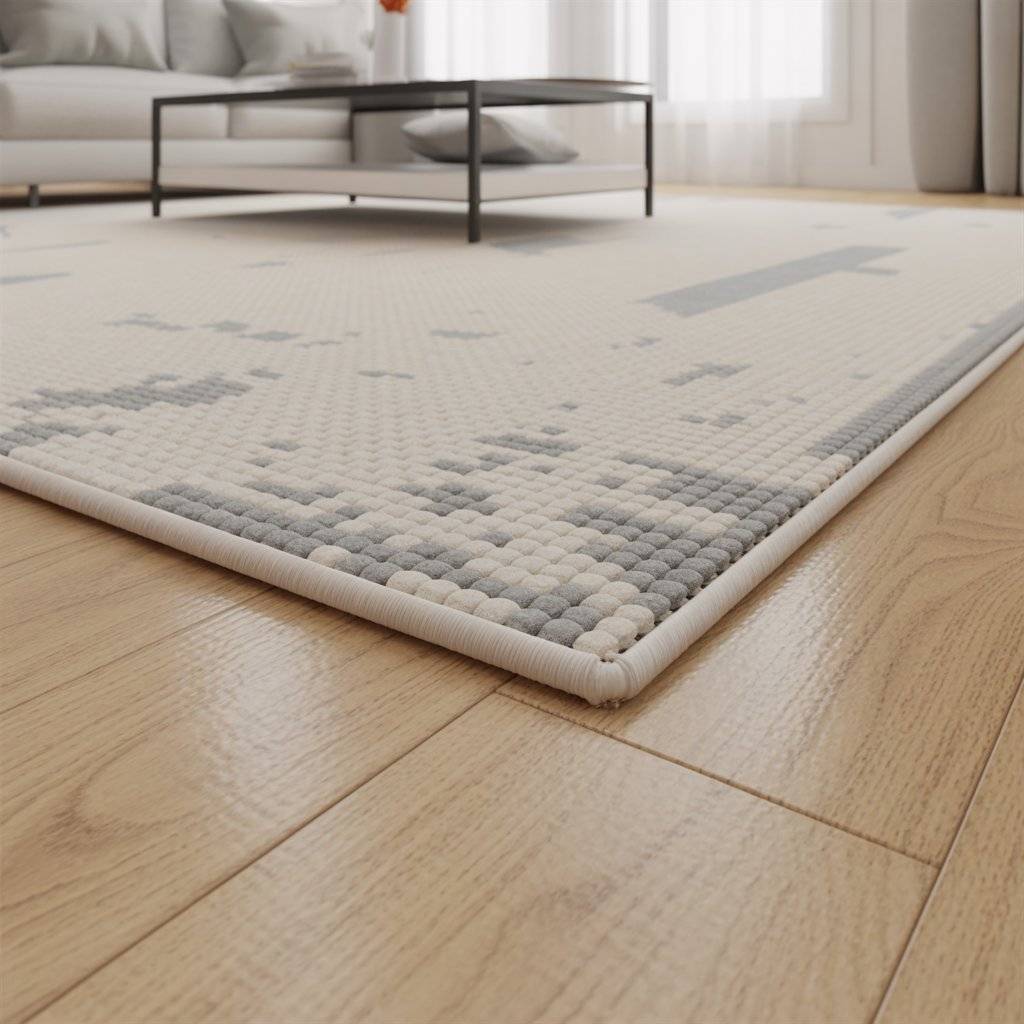
Rug Pads for Hardwood – What to Look For
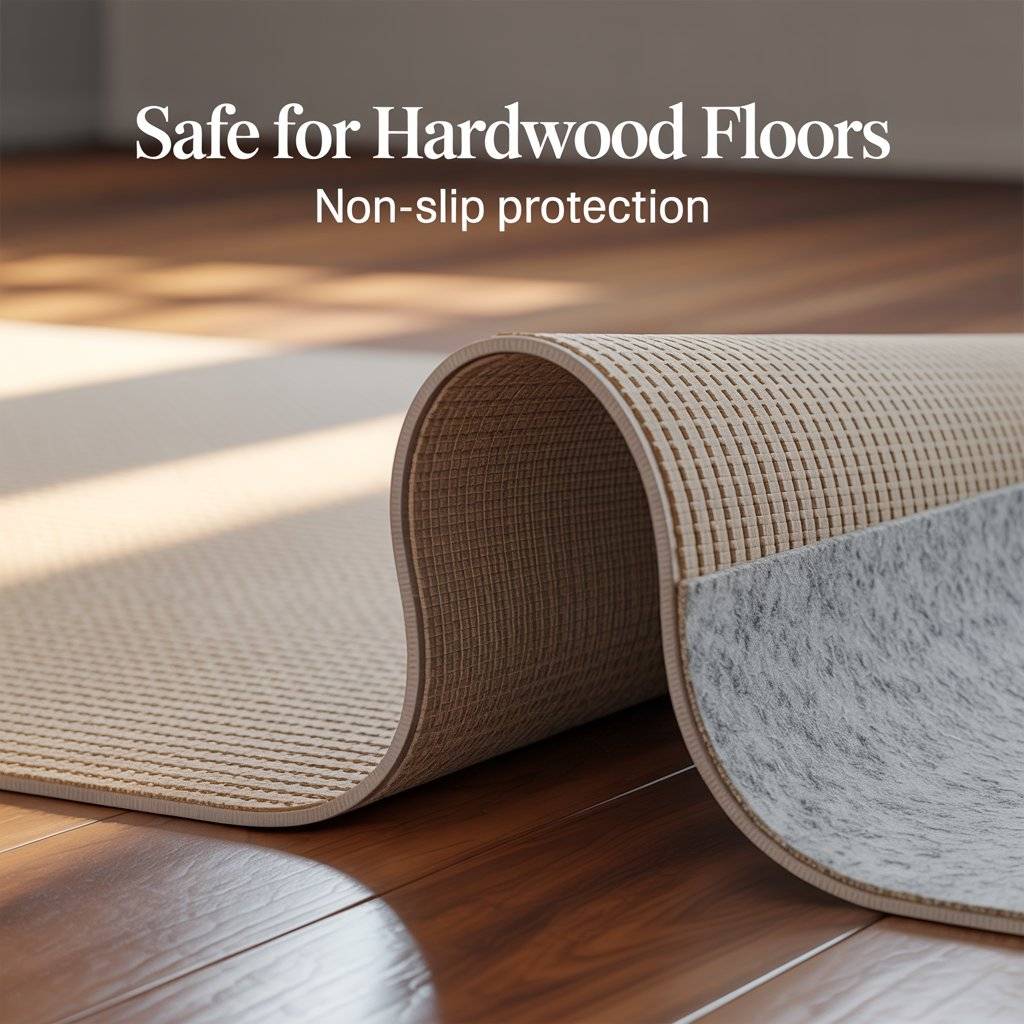
We touched on this earlier, but it’s worth repeating: a quality rug pad is non-negotiable on hardwood. The best rug pads combine natural rubber for grip and felt for cushioning. They should be breathable to prevent moisture buildup and free from PVC or adhesive backings that can damage floor finishes.
This product can help you prevent slipping, reduce noise, and extend the life of your rug. When shopping, look for pads specifically labeled “safe for hardwood floors.” A good pad will also protect against micro-scratches caused by trapped dust and dirt
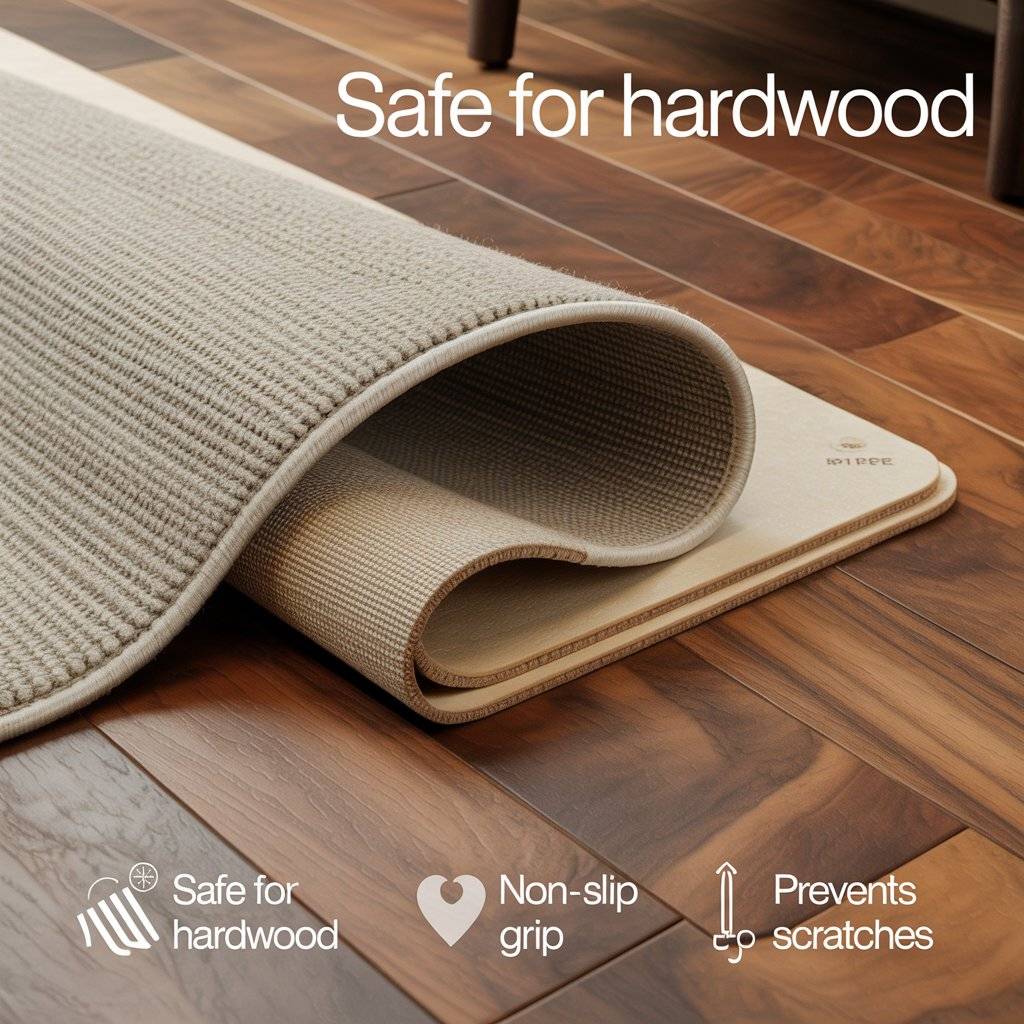
Ruggable All-in-One Washable Rug
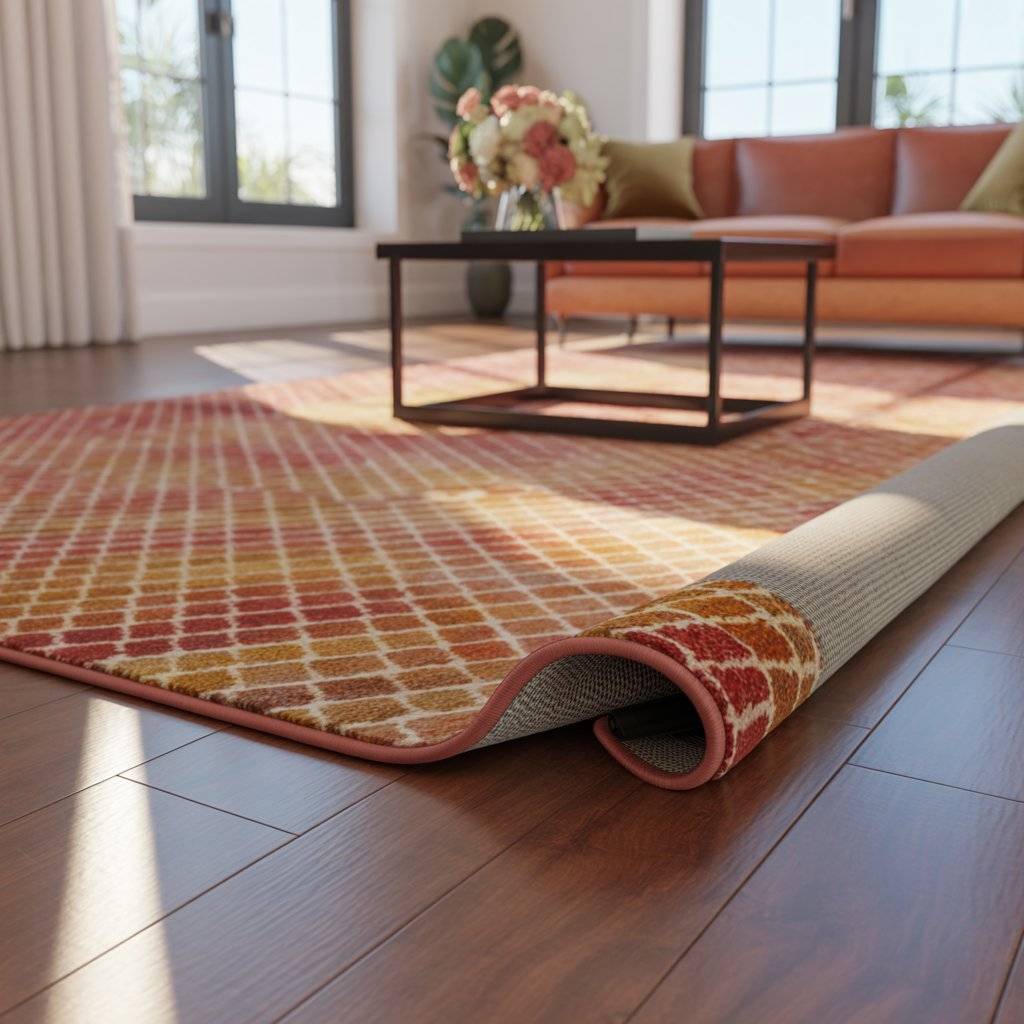
Ruggable built its name on machine-washable rugs that can withstand spills, pets, and daily traffic. Their new All-in-One collection combines a built-in nonslip backing with elevated comfort and style. This product can help you enjoy a beautiful, washable rug without needing a separate pad.
The two-part system (cover + pad) means you can toss the cover in the washing machine whenever it gets dirty. Ruggable rugs come in hundreds of patterns and sizes, from bold florals to subtle neutrals. They lie flat on hard floors and resist sliding, making them a favorite for busy households.
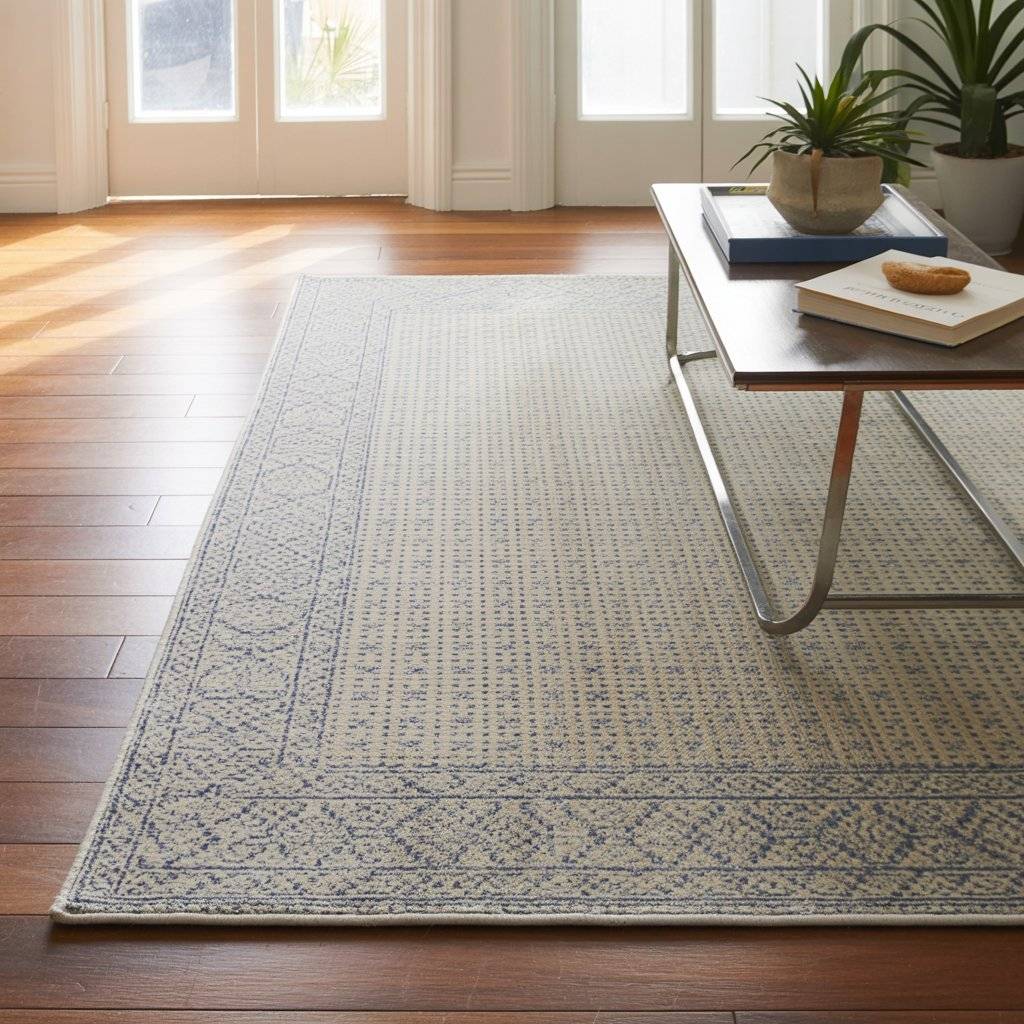
Safavieh Wool Area Rugs
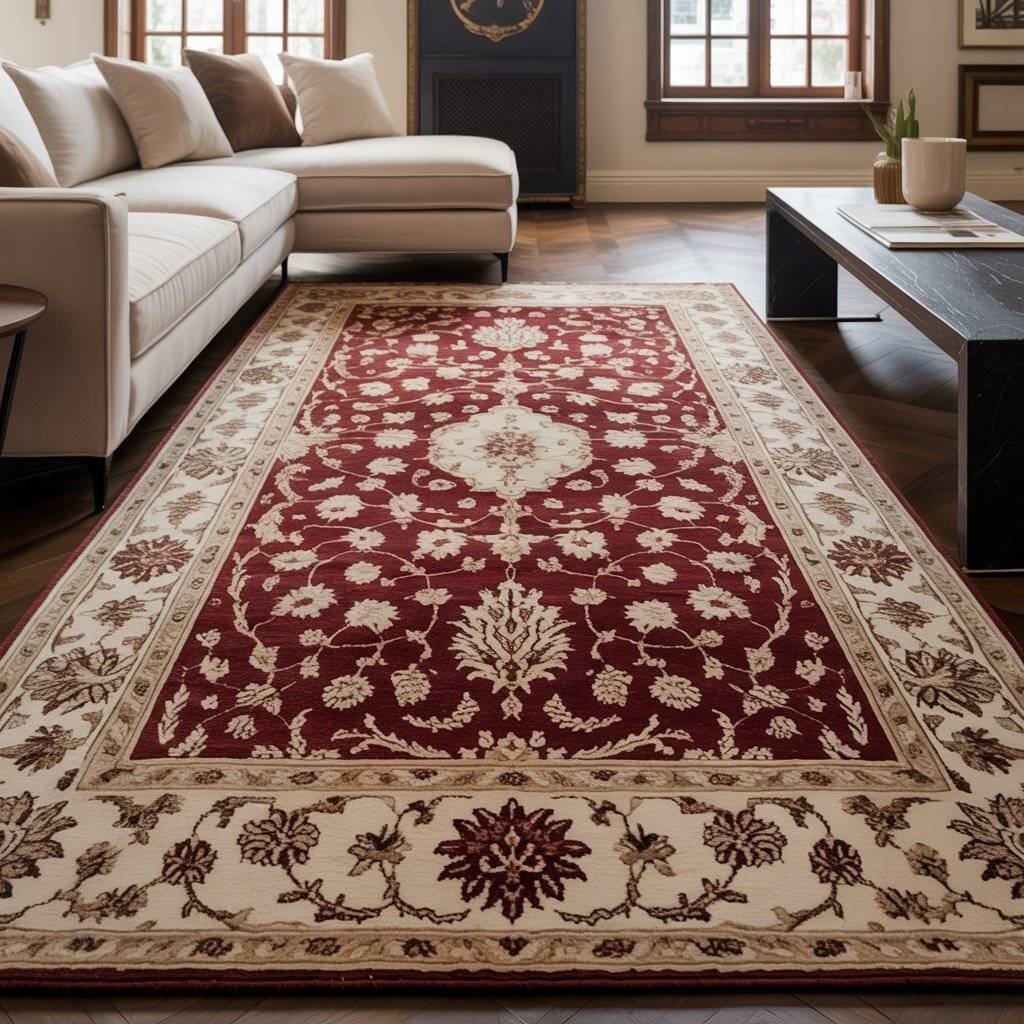
Safavieh is a well-known brand that offers high-quality wool rugs at reasonable prices. Their hand-tufted wool and wool-blend rugs are soft, durable, and available in a wide range of styles from traditional to modern.
This product can help you add timeless elegance to your living room or bedroom without overspending. Wool’s natural resilience means the rug will hold its shape even in high-traffic areas. Pair it with a felt and rubber rug pad for extra cushioning and slip resistance. Safavieh rugs are widely available on Amazon with thousands of positive reviews.
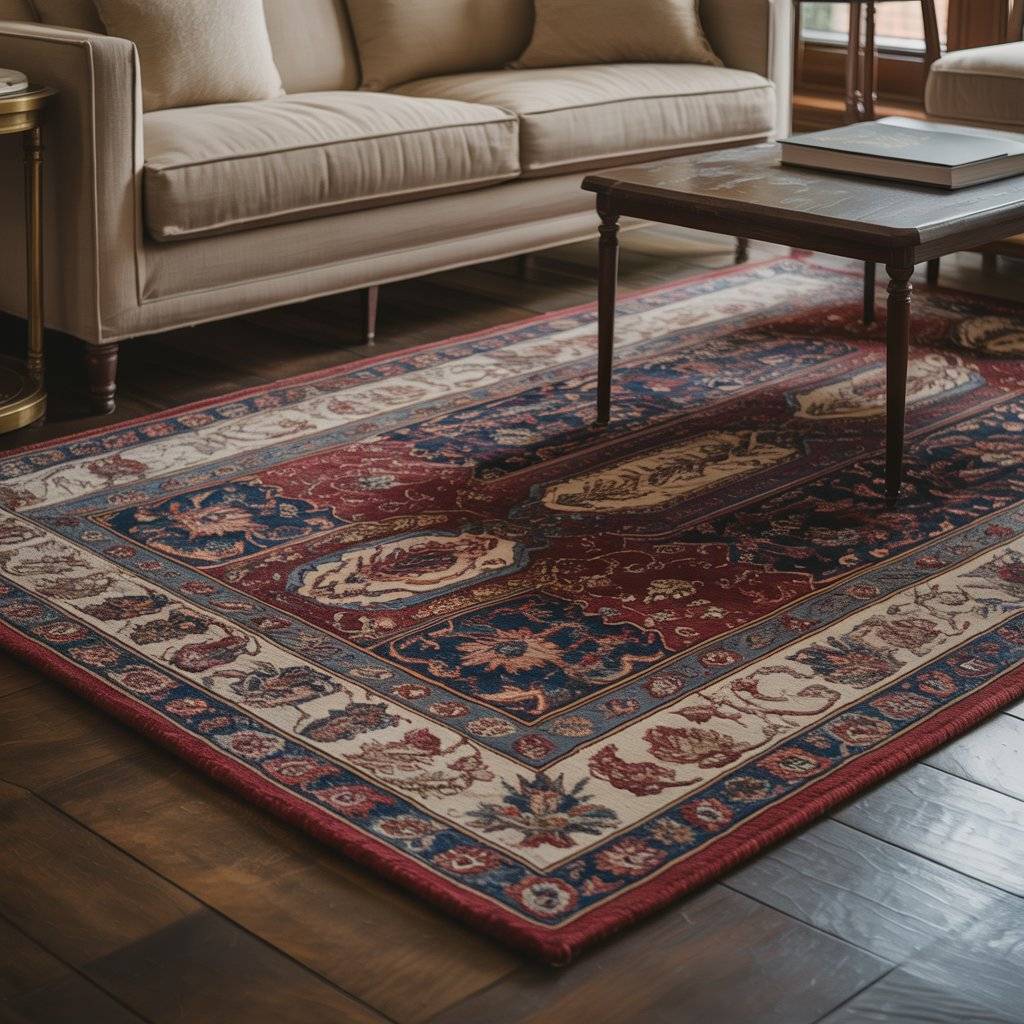
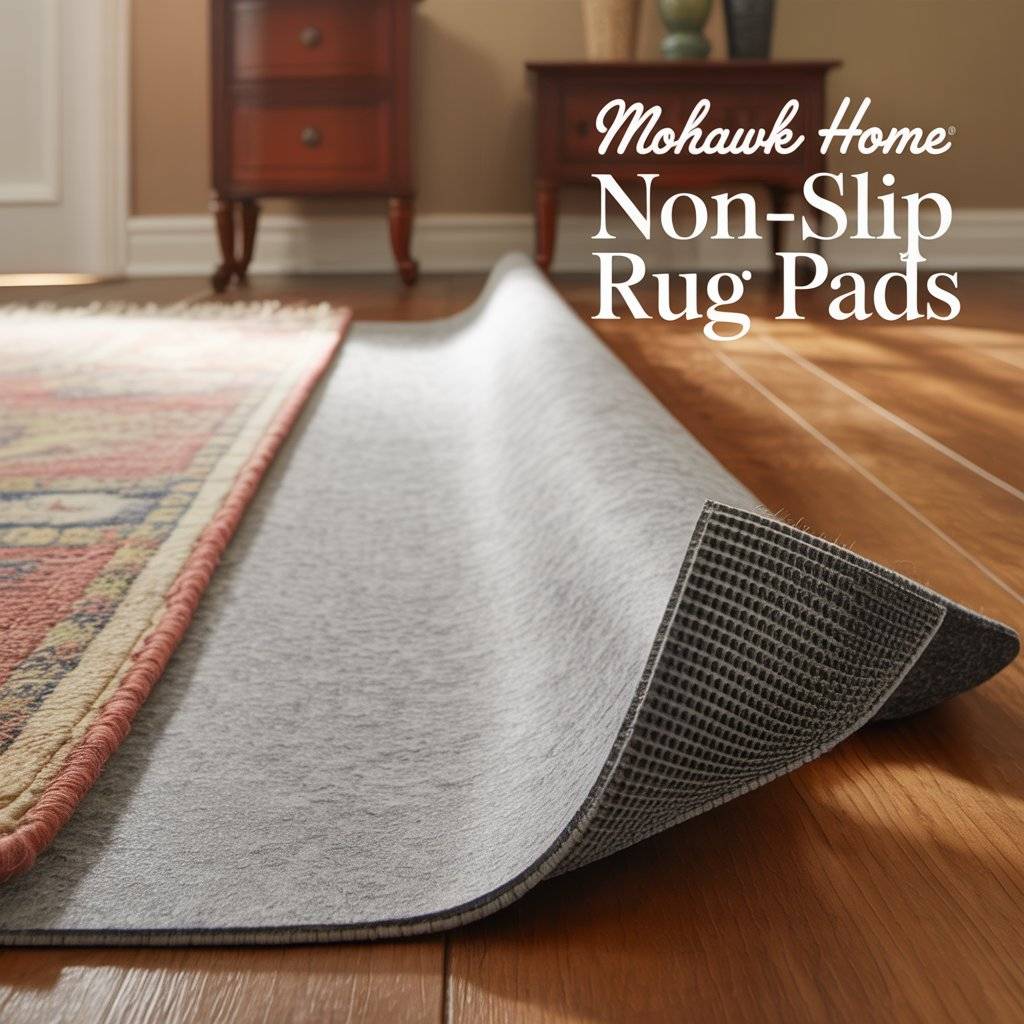
Mohawk Home Non-Slip Rug Pads
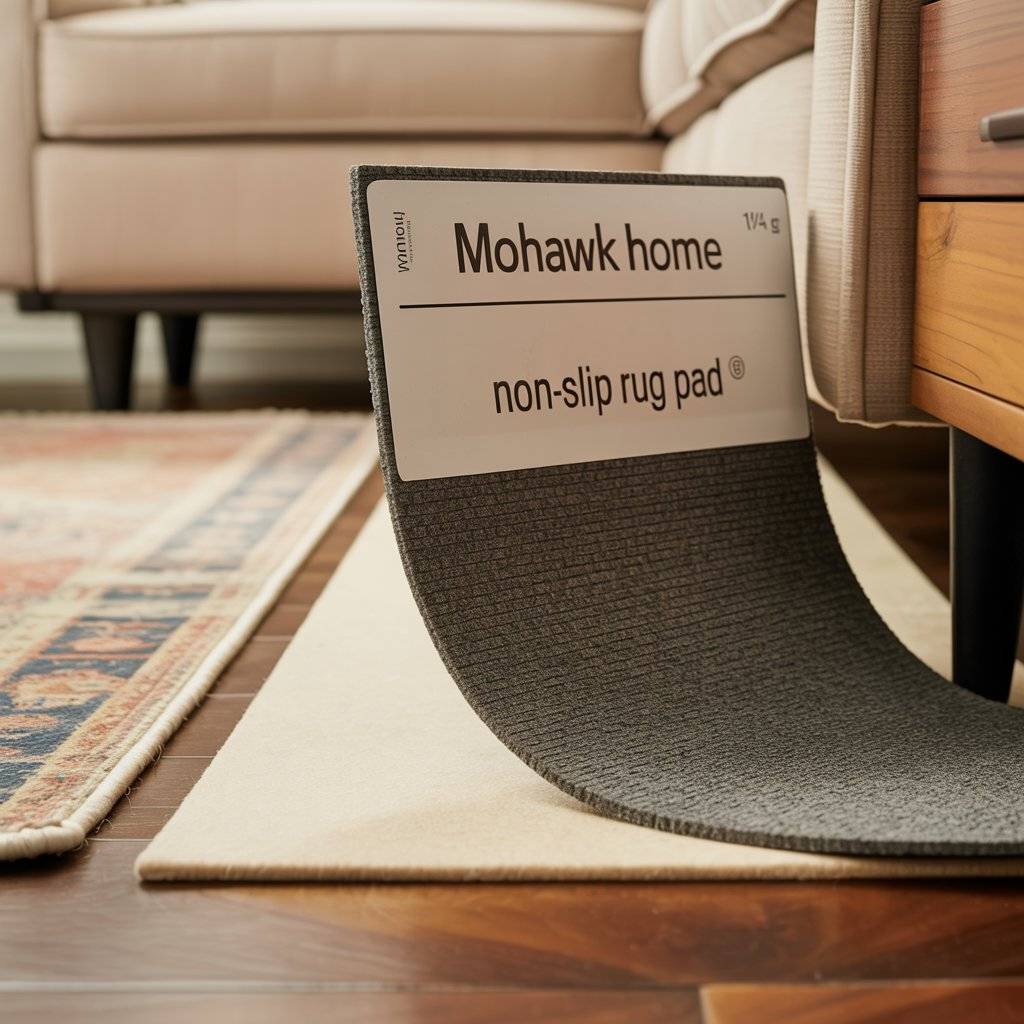
Mohawk Home makes some of the most reliable rug pads on the market. Their dual-surface felt and latex rubber pads are 1/4 inch thick and safe for hardwood, tile, and laminate floors. This product can help you keep any rug securely in place while adding cushioning underfoot.
The felt side faces up to protect your rug, while the rubber side grips the floor. Mohawk pads are made in the USA and come in a variety of sizes to fit any rug. They’re also breathable, reducing the risk of moisture damage to your floors.
Veken Non-Slip Rug Pad
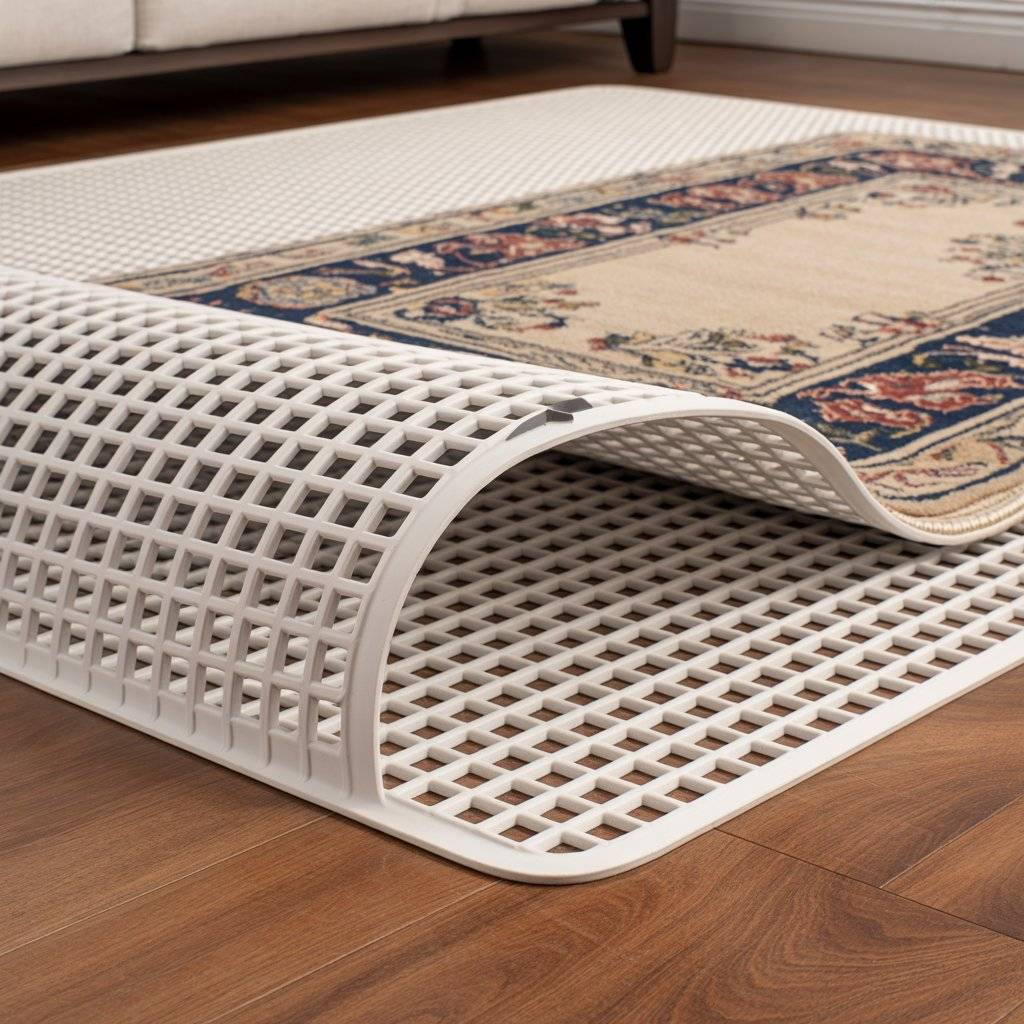
The Veken rug pad is a popular choice on Amazon for good reason. It combines a strong non-slip grip with durable cushioned support. Its open grid design enhances air circulation beneath rugs to prevent dust buildup and floor damage, like scratches or impressions.
This product can help you secure your rugs on hardwood or tile without worrying about slipping or bunching. The Veken pad is extra thick, providing twice the floor protection of many competitors. It’s also easy to trim to fit any rug size. With thousands of positive reviews, it’s a solid, budget-friendly option.
Ready to Buy? Our Top Picks from This Article
You don’t have to hunt for these products. We’ve pulled the most credible, well-reviewed options from the list above. Just click the link and check the price on Amazon.
1. Safavieh Wool Area Rug
Best for: Living rooms, bedrooms, timeless style
Check price on Amazon.com
2. Ruggable All-in-One Washable Rug
Best for: Busy households, pets, kids
Check price on Amazon.com
3. Mohawk Home Non-Slip Rug Pad
Best for: Under any rug on hard floors
Check price on Amazon.com
4. Veken Non-Slip Rug Pad
Best for: Budget-friendly grip and cushion
Check price on Amazon.com
5. Cotton Washable Rug (Multi-Brand)
Best for: Kitchens, nurseries, easy cleaning
Check price on Amazon.com
6. Indoor/Outdoor Polypropylene Rug
Best for: Patios, basements, high-moisture areas
Check price on Amazon.com
Tips for Choosing a Rug for Hard Floors
- Always use a rug pad.
Even the best rug can slip without one. A felt and natural rubber pad protects your floor and keeps the rug in place.
- Match the material to the room.
The wool for living rooms is cotton for kitchens, polypropylene for high-traffic areas, and jute for dry, low-traffic spaces.
- Check the backing.
Avoid rugs with PVC, vinyl, or hard plastic backings. These can trap moisture or react with floor finishes.
- Size matters.
A rug that’s too small can look awkward and may shift more easily. Aim for a rug that fits under your furniture to anchor the room.
- Test before you buy.
If possible, place the rug on your floor type to see how it behaves. Some rugs slide more than others depending on the finish.
Mistakes to Avoid
- Skipping a rug pad.
This is the number one mistake. Without a pad, rugs slip, bunch up, and can scratch your floor.
- Using rubber-backed rugs on hardwood.
Rubber can react with polyurethane finishes, causing discoloration. Stick with felt or natural rubber.
- Ignoring moisture. J
ute and sisal absorb moisture and can stain or warp. Keep them out of basements, bathrooms, and kitchens.
- Buying a rug that’s too small.
A small rug floating in the middle of a room looks unfinished and can be a tripping hazard.
- Forgetting to clean underneath. Dirt and dust trapped under a rug can scratch hard floors over time. Vacuum under your rug regularly.
AFQs
What is the best rug material for hardwood floors?
Wool is widely considered the gold standard. It’s durable, breathable, naturally stain-resistant, and gentle on floor finishes. Cotton and polypropylene are also good, more affordable options.
Do I really need a rug pad on hardwood floors?
Yes. A rug pad is not optional on hardwood. It prevents slipping, protects against scratches, allows airflow to prevent moisture damage, and extends the life of both your rug and your floor.
Can I use a washable rug on hardwood floors?
Absolutely. Many washable rugs are designed with non-slip backings that work well on hard floors. Just make sure the backing is made from natural rubber or TPR, not PVC. Brands like Ruggable are popular for this purpose.
Design or Styling Ideas
Layer rugs for depth.
- Place a smaller patterned rug over a larger natural-fiber rug like jute or sisal. This adds texture and visual interest.
Define zones in open spaces.
- Use a large rug under the dining table and a different rug under the living area to separate the spaces without walls.
Match rug color to floor tone.
- On dark hardwood, a lighter rug creates contrast. On light tile, a darker rug anchors the room. Neutral tones like beige, gray, and ivory work with almost anything.
Use runners in hallways.
- Long, narrow rugs protect high-traffic areas and add a welcoming touch.
Add a pop of color.
- If your floors are neutral, a bold rug can be the focal point of the room. Try geometric patterns or rich jewel tones.
Conclusion
To find the best rug for your hard floors it’s to be complicated. Stick with breathable, durable materials like wool, cotton, or polypropylene. Always use a quality rug pad felt and natural rubber is your safest bet. Avoid PVC backings, skip the rubber-on-wood mistake, and keep your floors clean underneath.
Take your time, measure your space, and choose something you genuinely like. The right rug will protect your floors, add comfort, and make your home feel more finished.
Now go find a rug that works for you.