
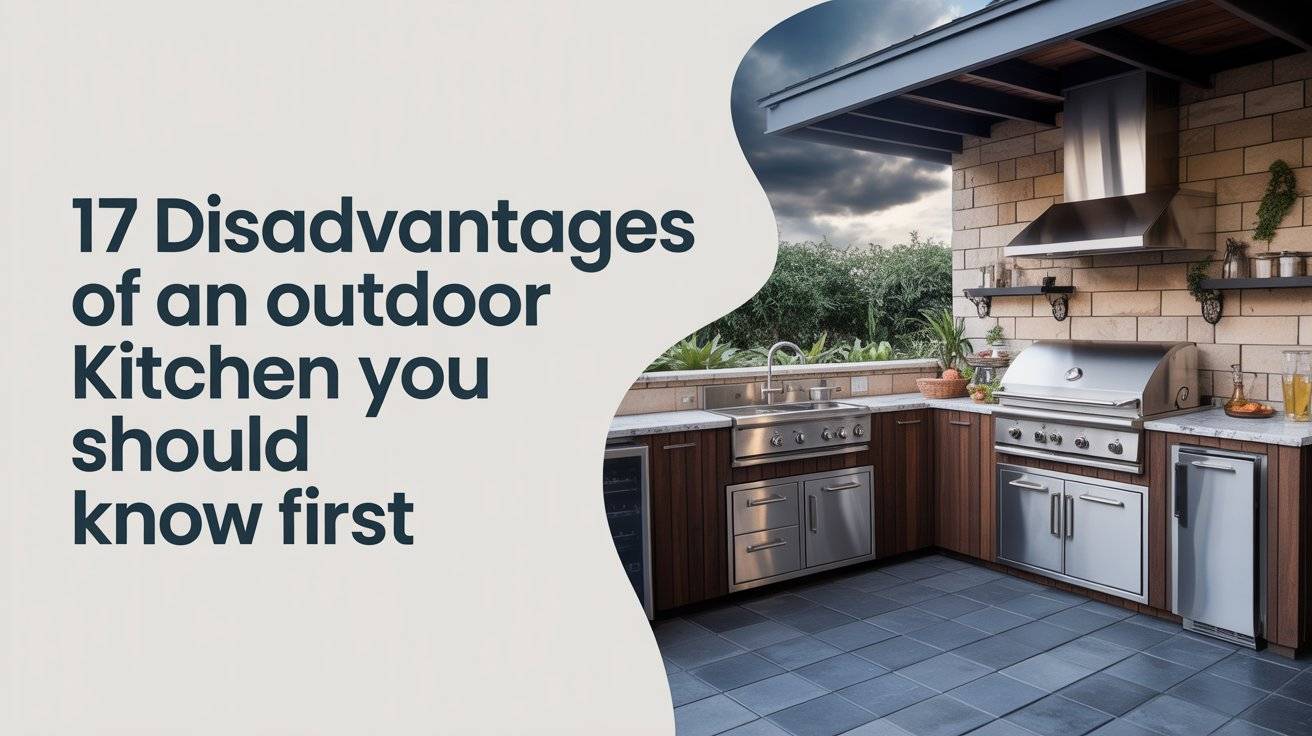
Outdoor kitchens look beautiful in photos, but before building one, it helps to understand the challenges that come with them. Many people focus on the benefits like entertaining guests or enjoying fresh air while cooking. But there are also disadvantages that are easy to overlook in the planning stage.
An outdoor kitchen is a big investment. It requires space, planning, and ongoing maintenance. Weather, safety, and cost are important factors that affect how useful your outdoor cooking space will really be. Some homeowners later realize they don’t use the space as much as they expected, especially during cold or rainy seasons.
In this guide, I will walk through 17 disadvantages of an outdoor kitchen in a simple and practical way. These are real issues people experience after installation. Knowing them early can help you make a better decision, avoid expensive mistakes, and design a space that truly works for your lifestyle.
1. High Installation Cost
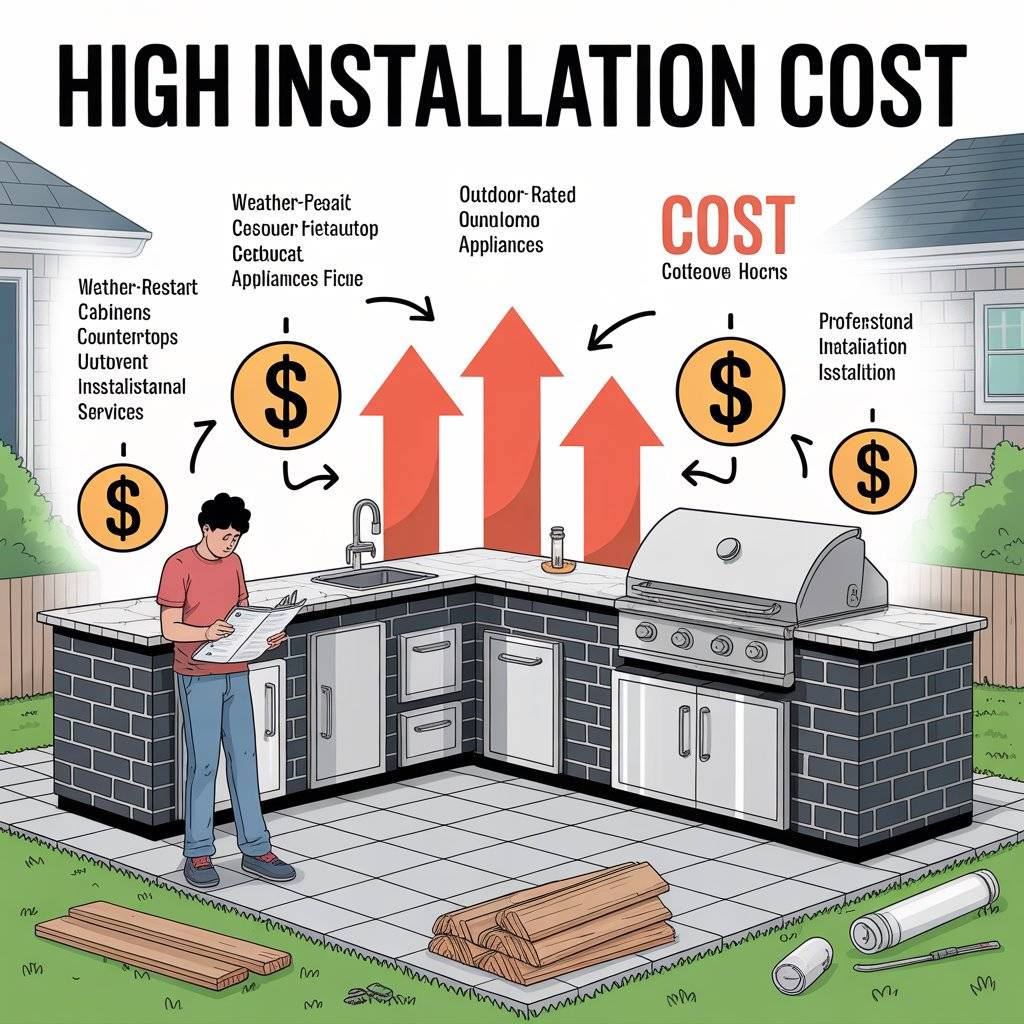
One of the first disadvantages of an outdoor kitchen is the cost. Many people think it will be simple, but the price can increase quickly. An outdoor kitchen usually needs strong materials that can handle sun, rain, and temperature changes.
This means materials often cost more than indoor options. For example, cabinets must resist moisture, countertops must handle heat, and appliances must be made for outdoor use.
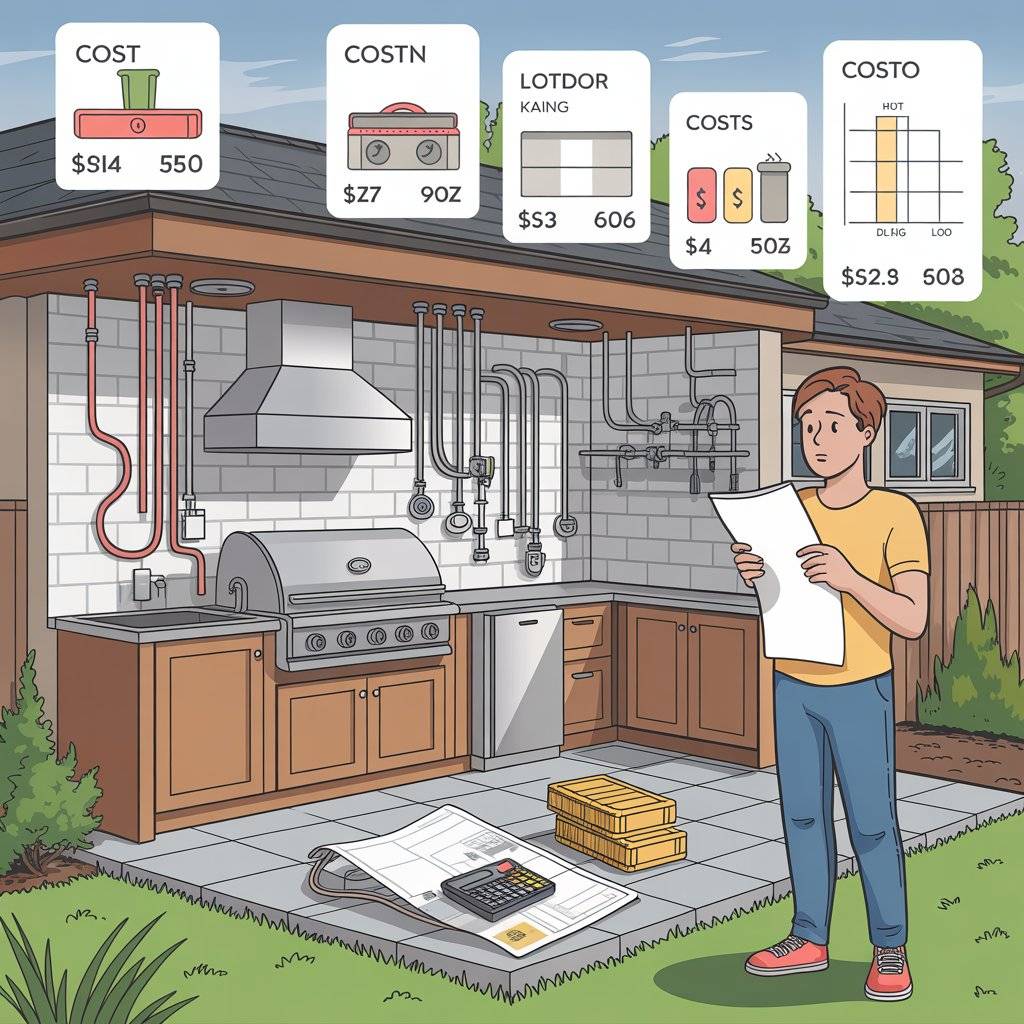
You may also need to pay for plumbing, electricity, or gas installation. Hiring professionals for these services increases the total cost. Even a small outdoor kitchen setup can become expensive when you add lighting, flooring, and seating space.
It helps to decide early what you really need and what you can skip. Some homeowners start with many features but later realize they only use a few. Planning carefully can help control spending and avoid regret later.
2. Weather Can Cause Damage
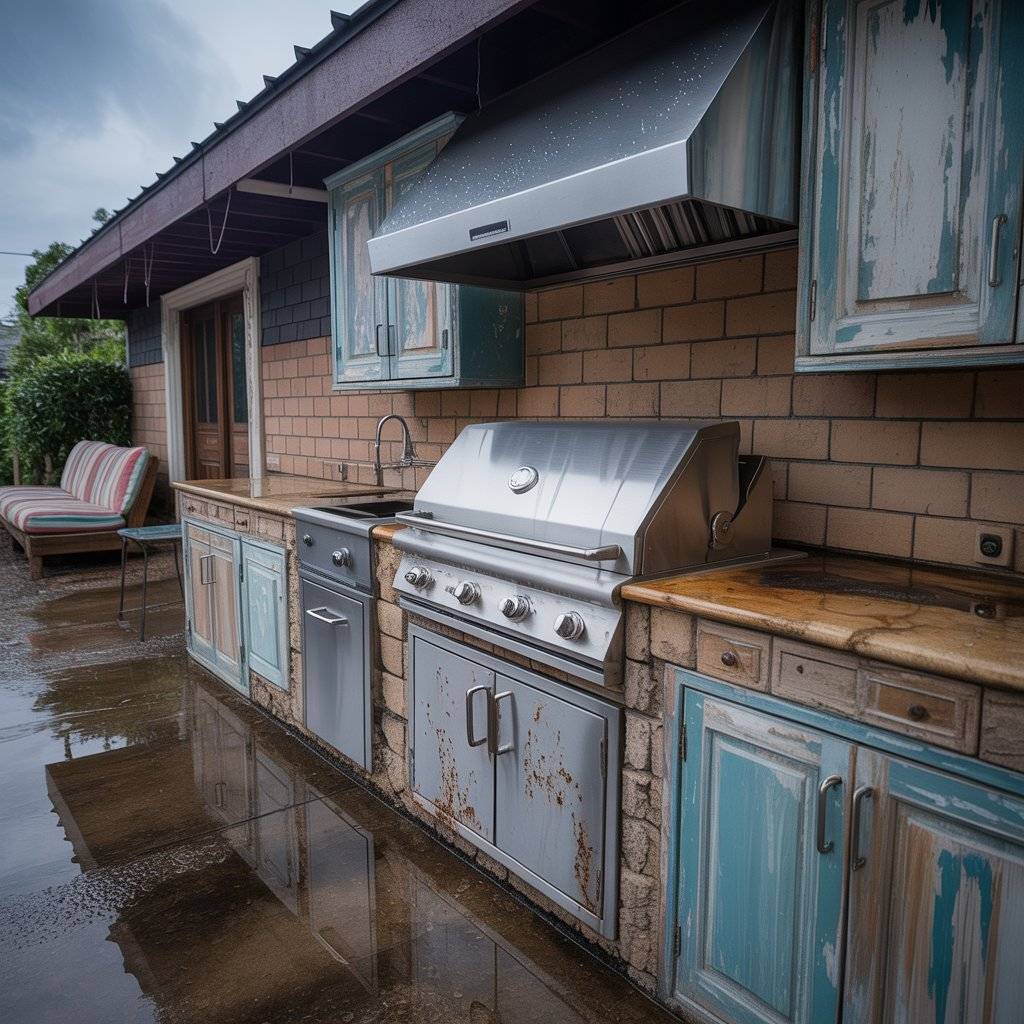
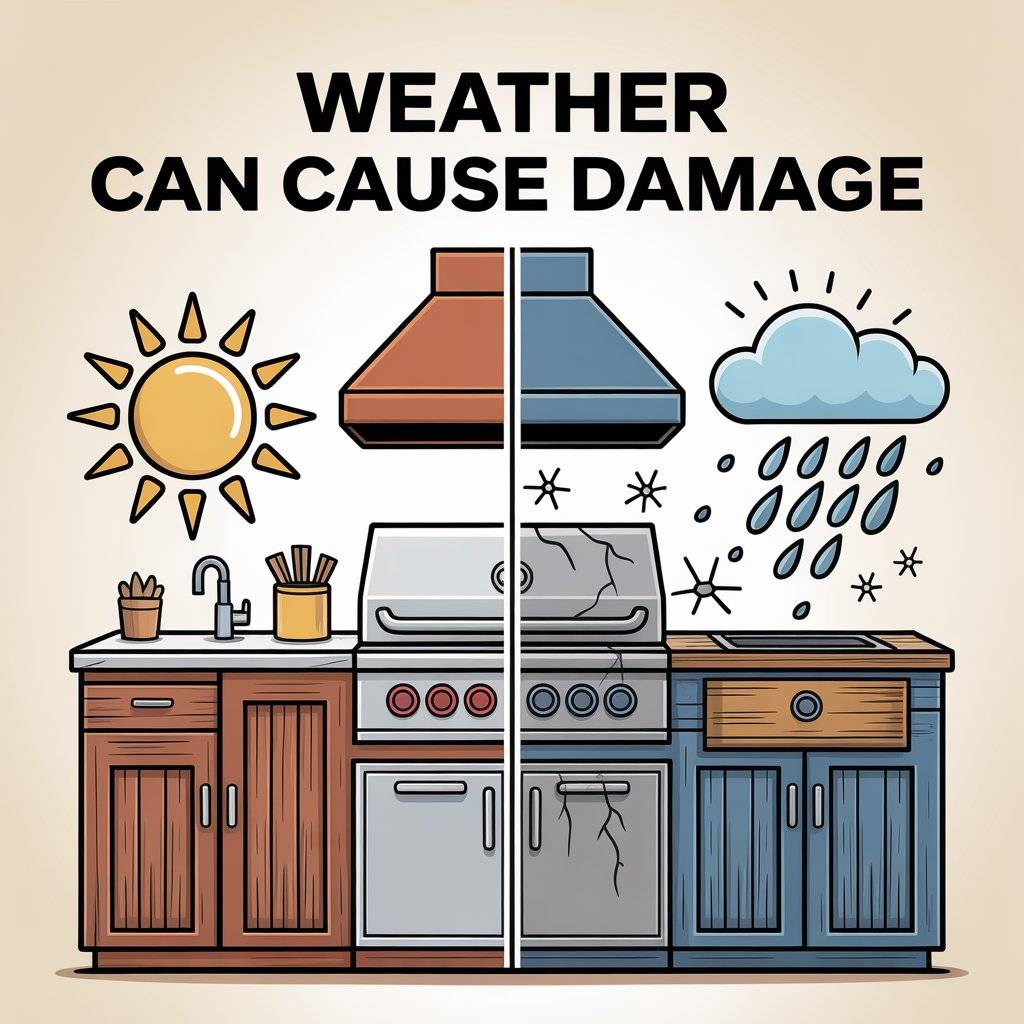
Outdoor kitchens stay outside all the time, which means they face sun, rain, wind, and dust. Over time, weather can slowly damage surfaces and equipment. Strong sunlight can fade colors, while rain can cause rust or stains. Wood materials may crack, and metal parts may wear out faster than expected.
Even when you choose durable materials, outdoor exposure still affects how long things last. Dust and dirt can build up quickly, especially during dry seasons. In rainy seasons, moisture can lead to mold or mildew.
Using covers helps protect appliances, but covers must also be cleaned and maintained. Some people do not expect how often weather can affect the look and condition of the kitchen. This can lead to extra repair costs in the future.
3. Requires Regular Maintenance
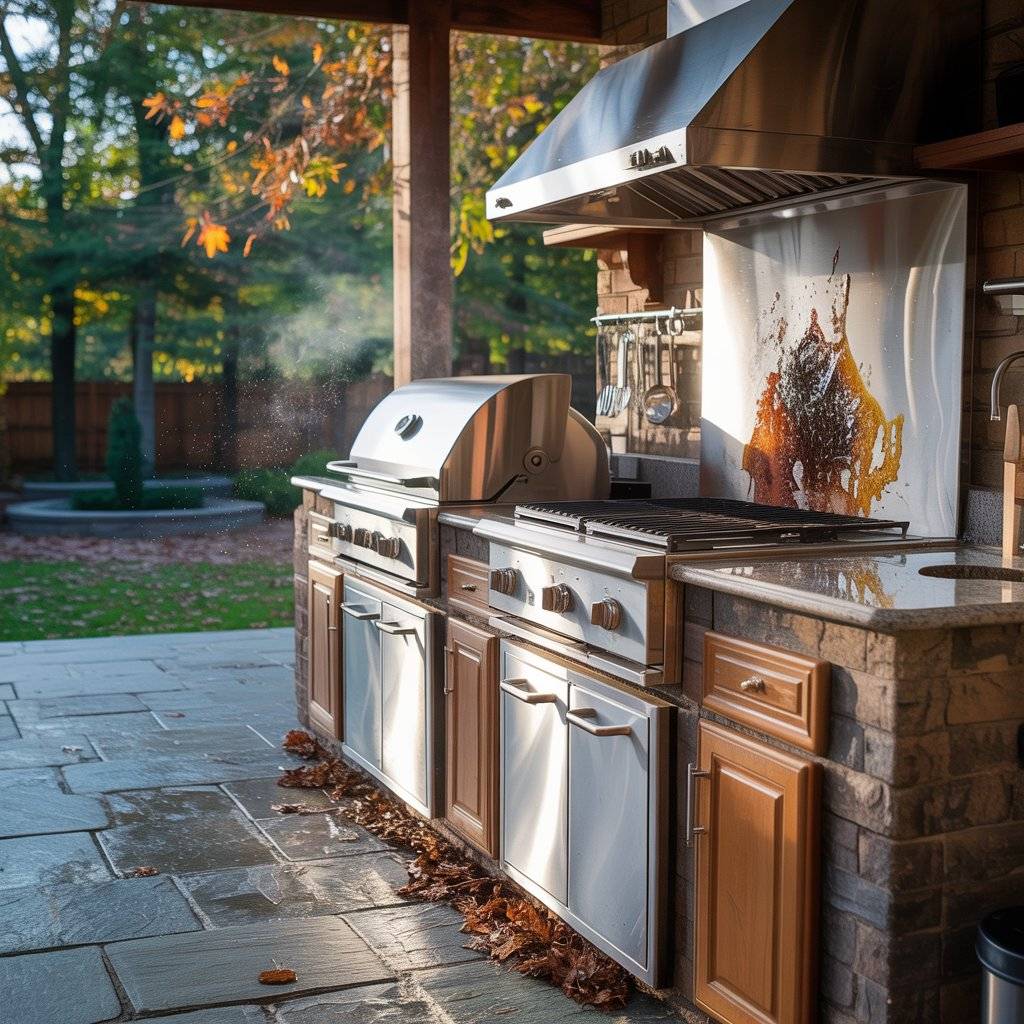
Outdoor kitchens need more cleaning compared to indoor kitchens. Because the space is open, dust, leaves, insects, and dirt can settle on surfaces daily. Cooking outside also creates grease and smoke that can stick to countertops and walls.
Without regular cleaning, surfaces can stain or develop unpleasant smells. Cabinets may also need checking to ensure they stay dry and clean. Metal appliances sometimes need polishing to prevent rust.
Maintenance does not mean difficult work, but it does require consistency. Some people enjoy taking care of their space, while others may find it tiring over time. Before building an outdoor kitchen, it helps to be honest about how much maintenance you are willing to handle.
4. Limited Use During Bad Weather
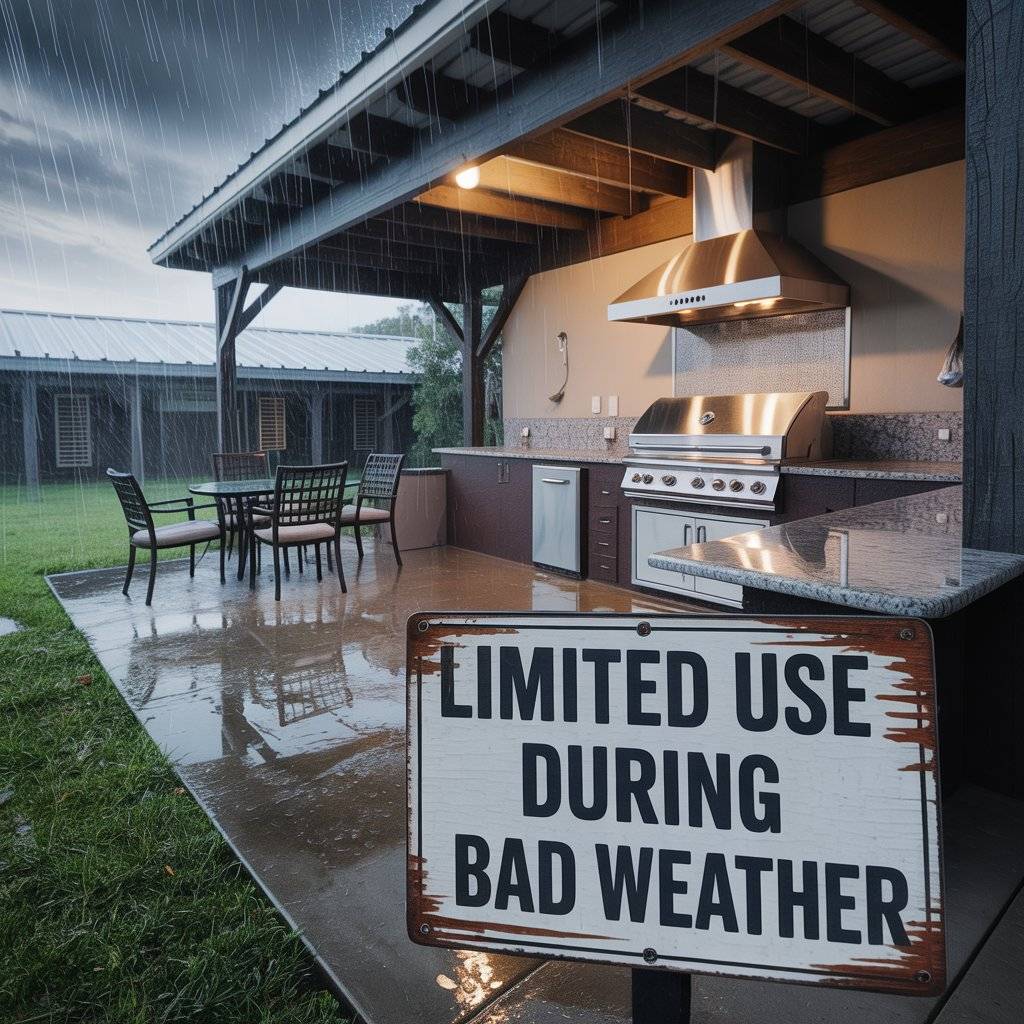
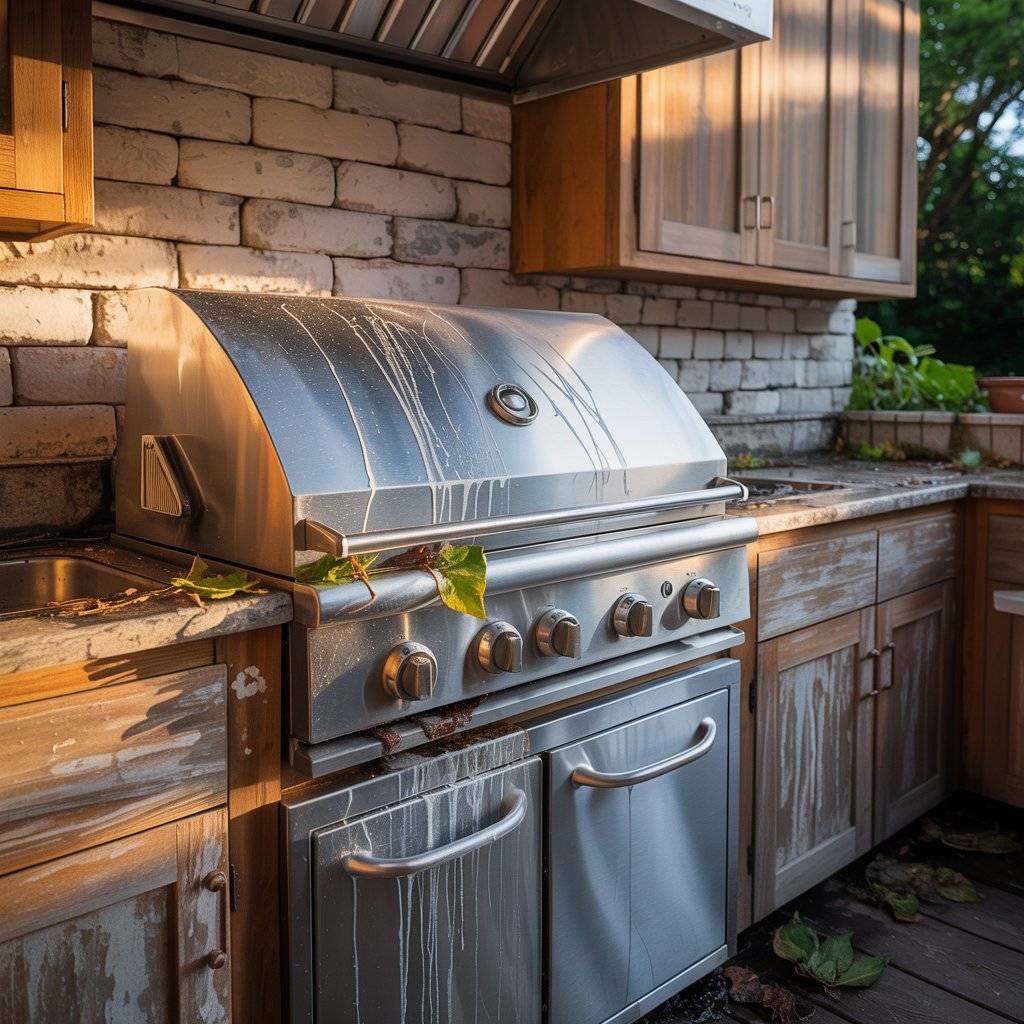
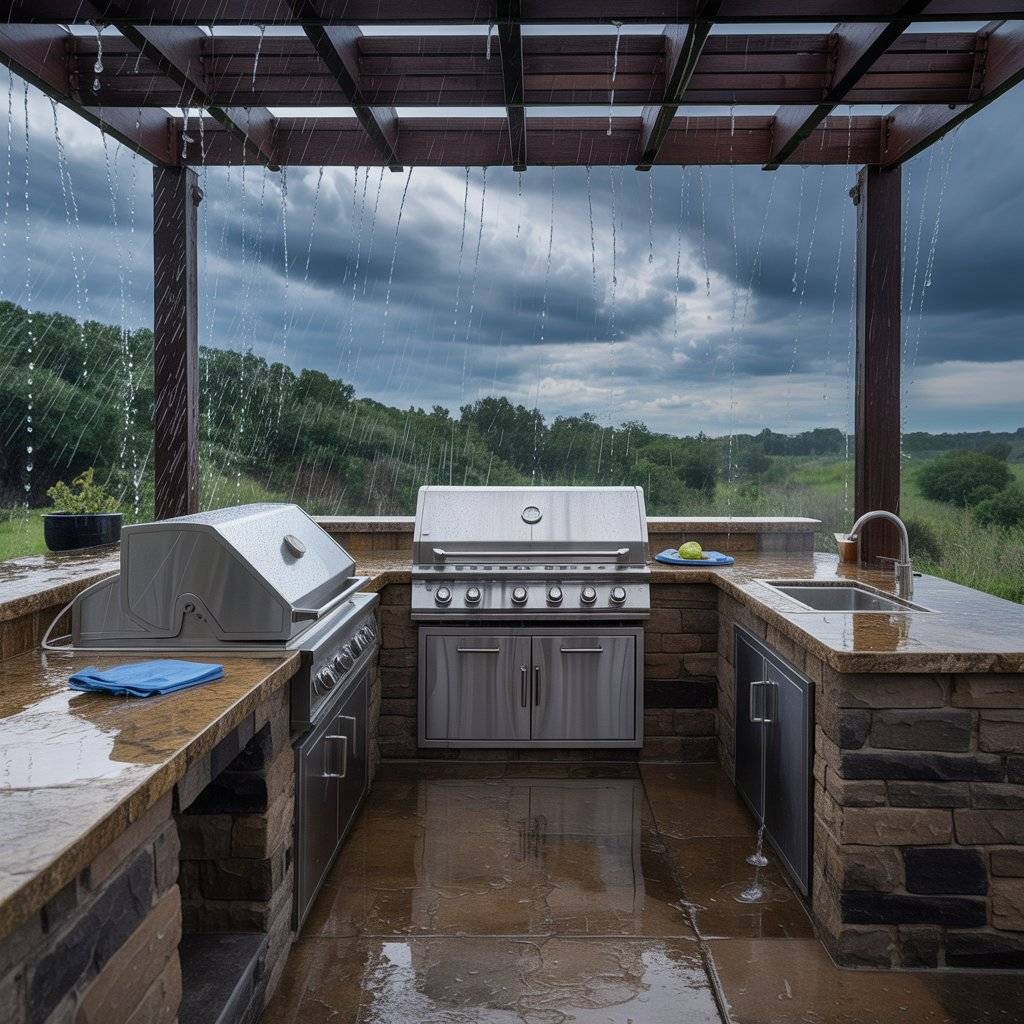
One thing many people don’t think about is how weather affects how often you will actually use the outdoor kitchen. Cooking outside sounds nice when the weather is warm and dry, but when it rains, becomes too windy, or gets very cold, the space may stay unused for long periods.
Even with a roof or pergola, strong wind or heavy rain can still make cooking uncomfortable. You may also need to move food and tools quickly when weather changes suddenly. Because of this, some homeowners find themselves using the outdoor kitchen only a few months each year.
Before building, it helps to think about the climate in your area. If the weather changes often, the outdoor kitchen may not be used as much as expected. Adding heaters or covers can help, but this also increases the total cost.
5. Pests and Insects Can Be a Problem
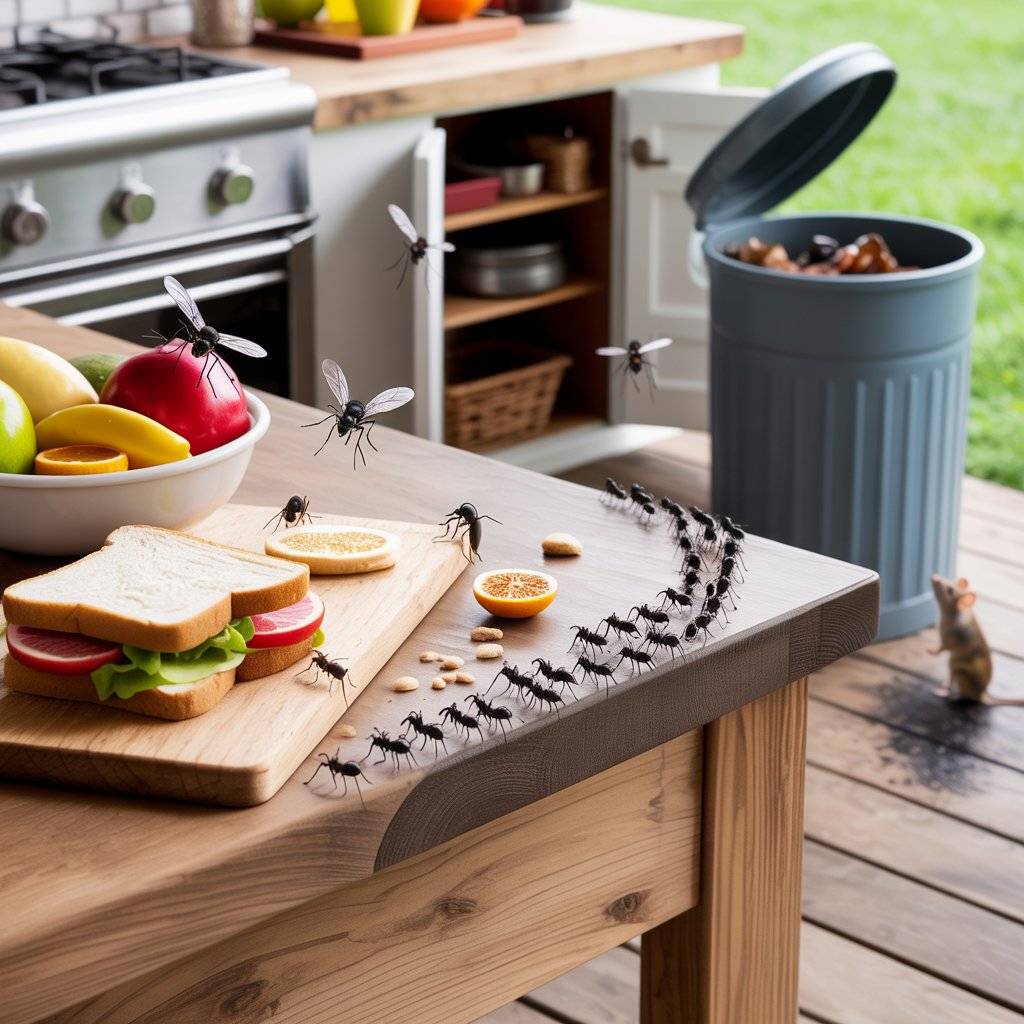
Food naturally attracts insects. Because outdoor kitchens are open spaces, flies, ants, mosquitoes, and even rodents may come close to the cooking area. Even when the kitchen is clean, the smell of food can attract unwanted pests.
Leaving food uncovered or not cleaning surfaces quickly can increase the problem. Cabinets may also need tight seals to prevent insects from entering. Trash must be removed regularly to avoid attracting animals.
Managing pests takes effort and consistency. Some people may find this frustrating, especially when trying to enjoy meals outside. Using covered containers and cleaning immediately after cooking can help reduce the problem.
6. Safety Risks Must Be Considered
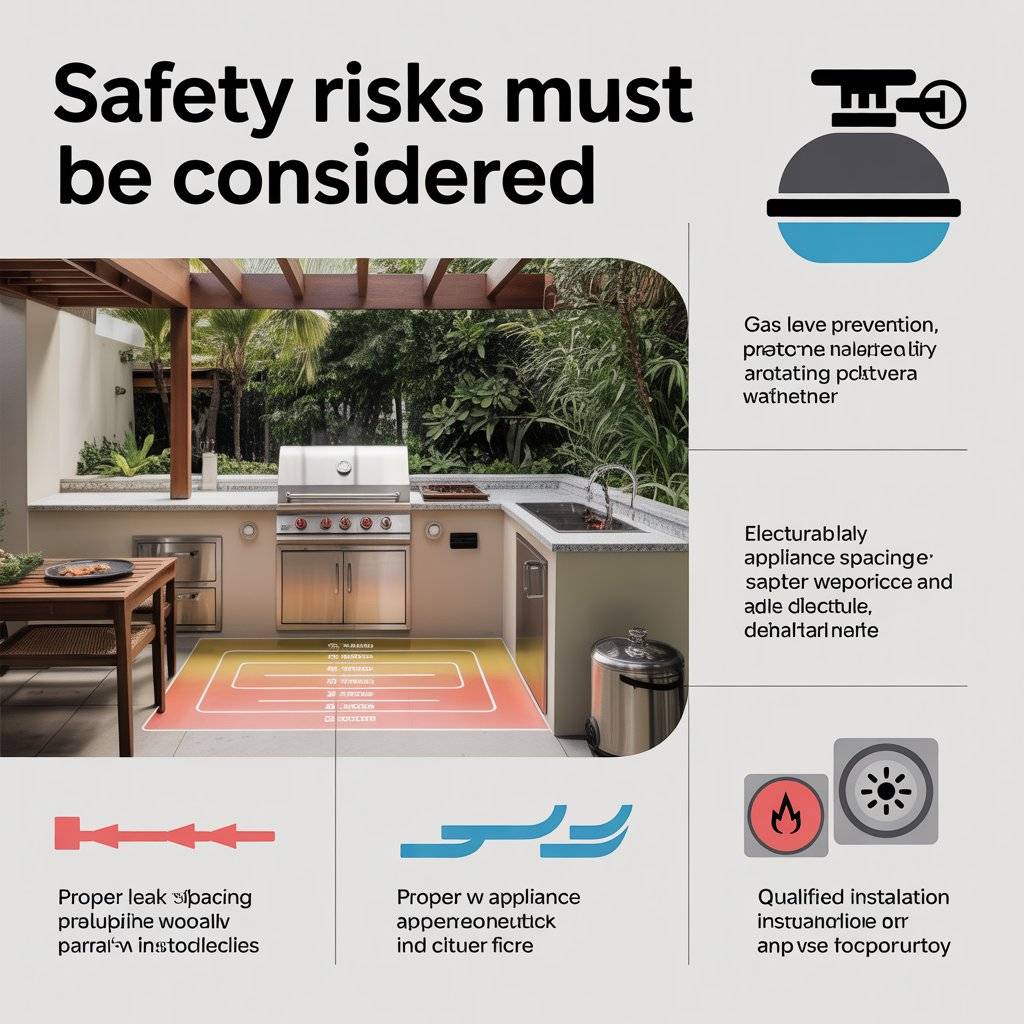
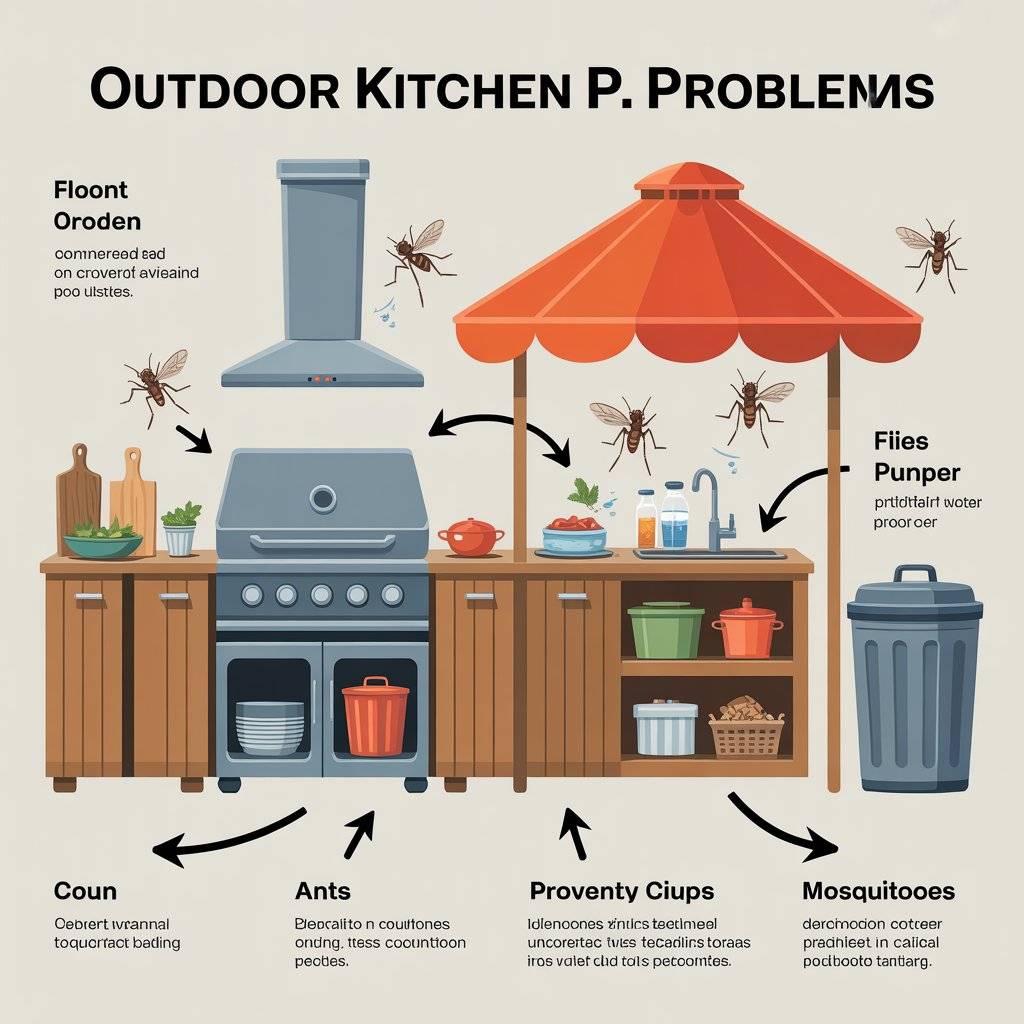
Safety is another important factor. Outdoor kitchens often use gas, fire, sharp tools, and electrical connections. If these are not installed properly, they can become dangerous. Gas leaks, unstable grills, or exposed wires may increase the risk of accidents.
Children and pets may also move close to hot surfaces without understanding the danger. It is important to plan enough space between cooking and seating areas.
Working with qualified installers can help reduce safety risks. Proper ventilation and careful placement of appliances can also improve safety. Taking time to plan a safe layout is very important before building.
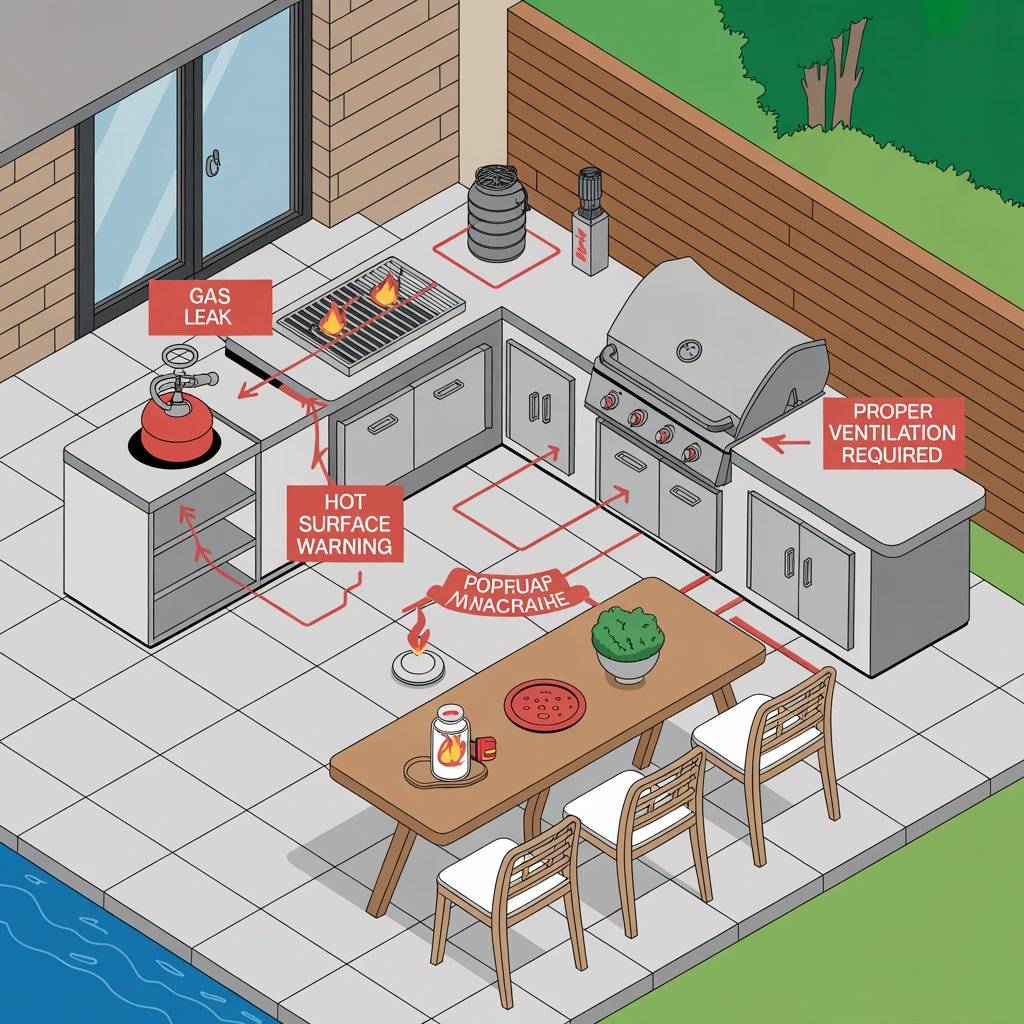
7. Requires Enough Outdoor Space
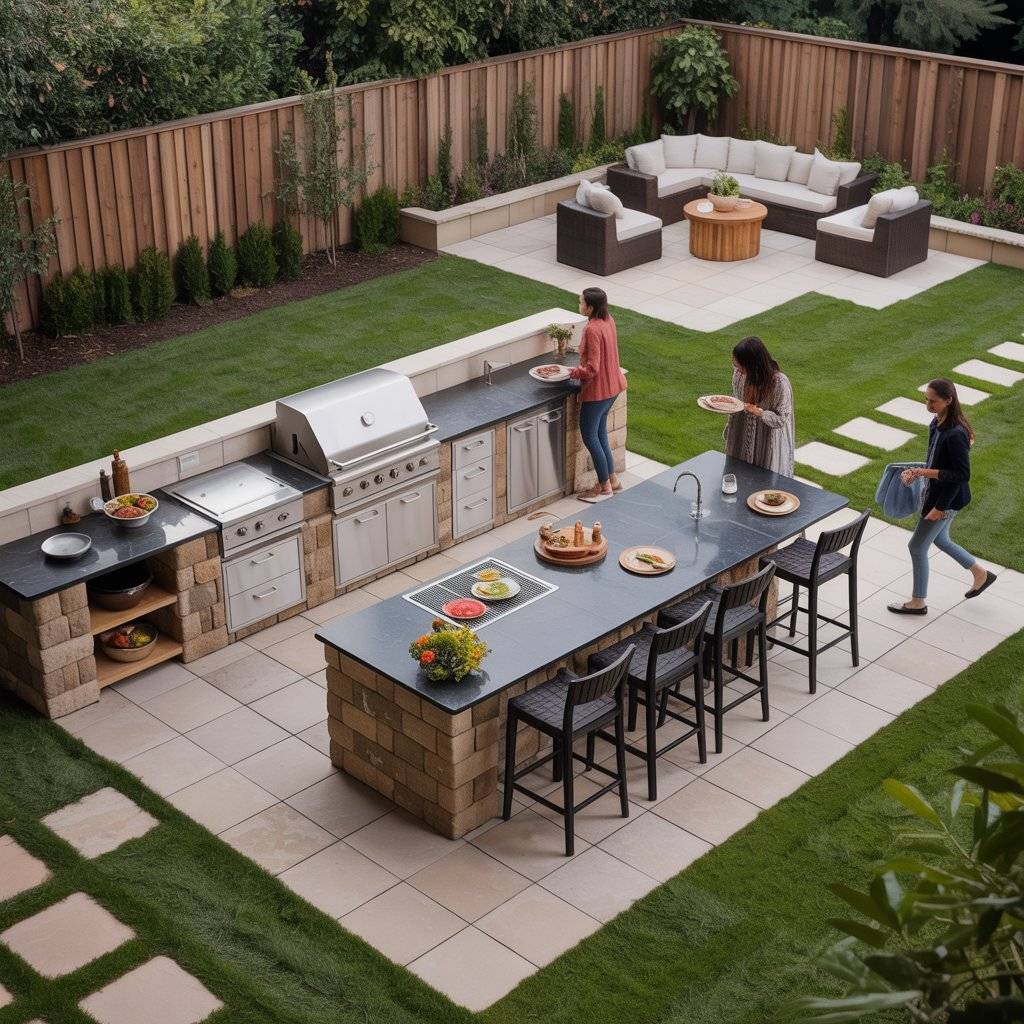
An outdoor kitchen needs more space than many people expect. It is not just about placing a grill outside. You also need room for preparation, movement, and sometimes seating. If the yard is small, the area can quickly feel crowded.
You also need space to move safely while carrying hot food or sharp tools. If the kitchen is placed too close to walls or fences, it may feel uncomfortable to use. Some homeowners later realize the outdoor kitchen takes up space they could have used for a garden, play area, or relaxing seating.
Before building, it helps to measure the available area carefully. A simple layout often works better than trying to fit too many features in a small space.
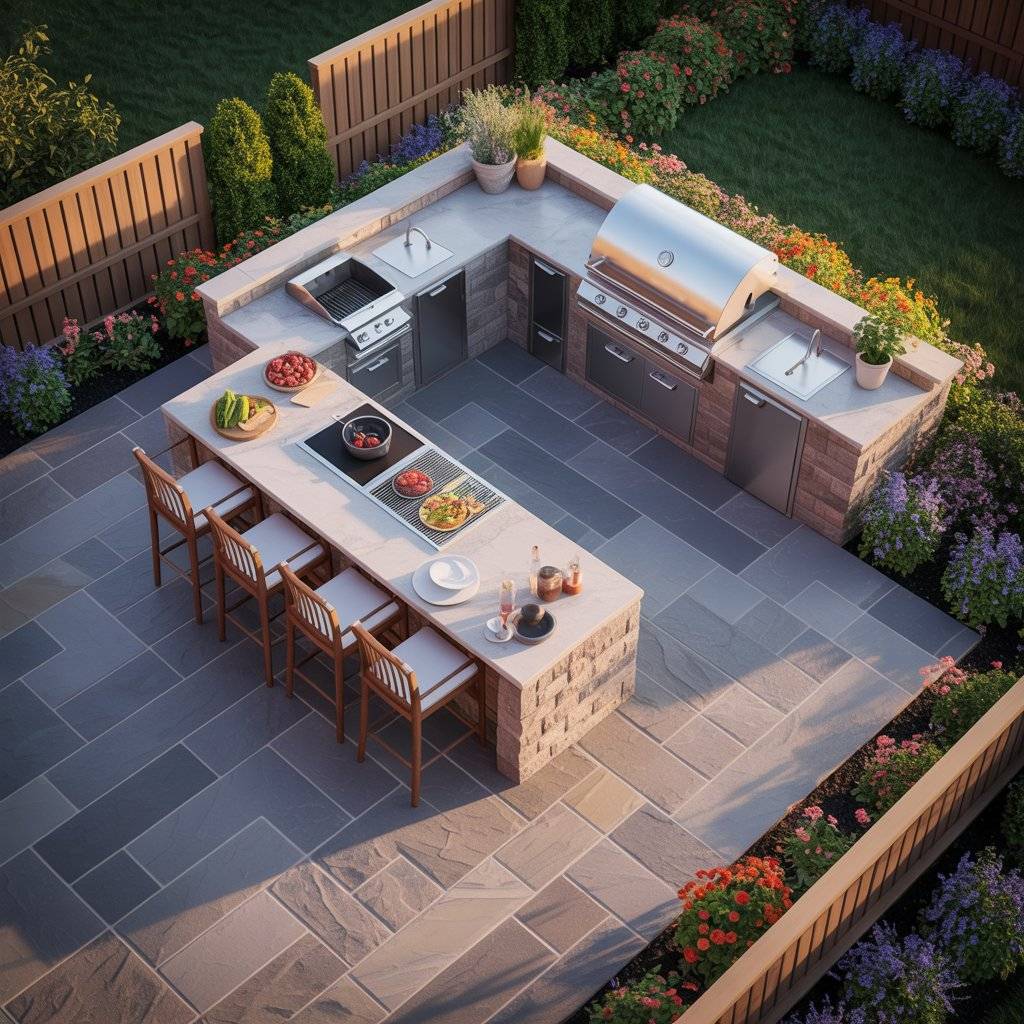
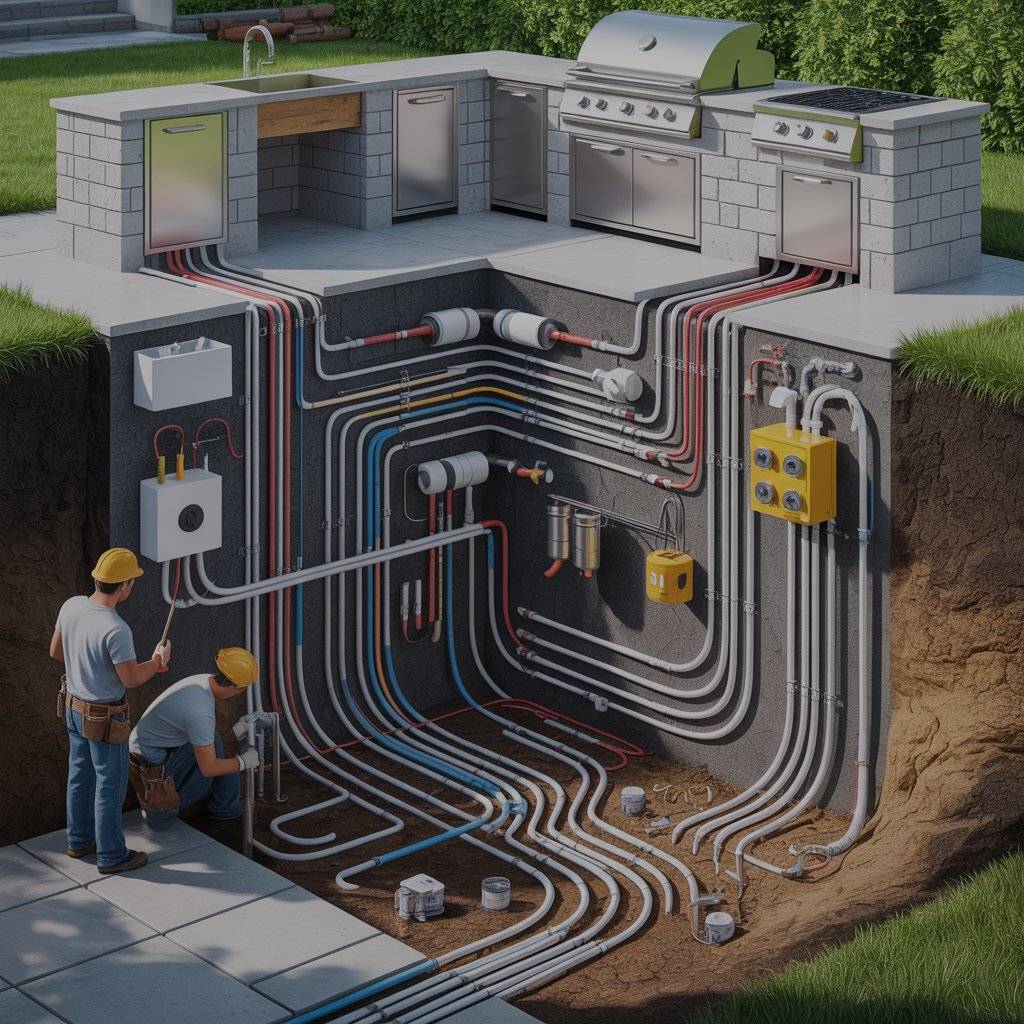
8. Utilities Can Be Difficult to Install
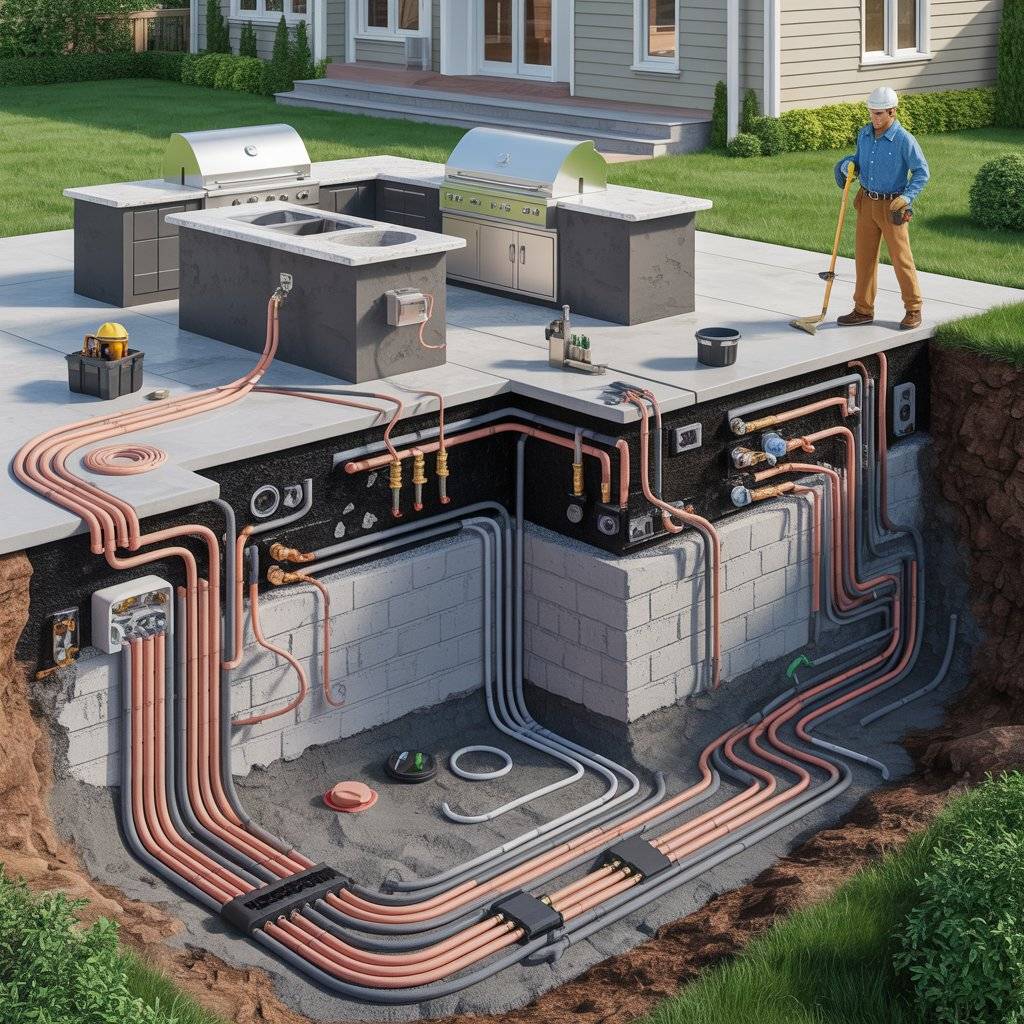
Many outdoor kitchens need water, electricity, or gas. Installing these utilities outside can be complicated. Pipes and wires may need to pass through walls or underground, which increases labor time and cost.
Outdoor electrical systems must also be protected from rain and moisture. Plumbing must be installed properly to avoid leaks or water pressure problems. Gas lines must meet safety requirements.
Because of these factors, professional installation is often needed. This adds to the total project cost and may also increase the time needed to complete the kitchen. Some homeowners decide to keep their design simple to avoid complex utility work.
9. Cleaning Takes More Time
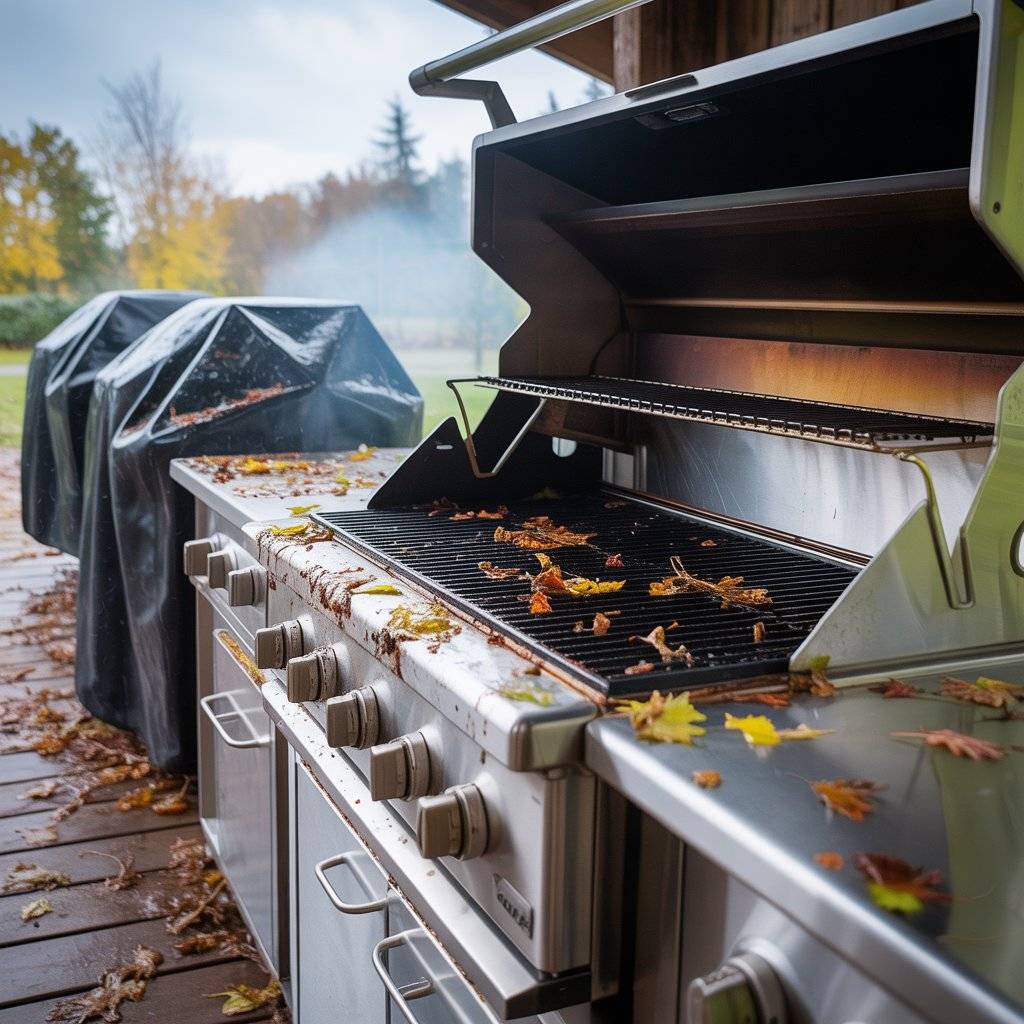
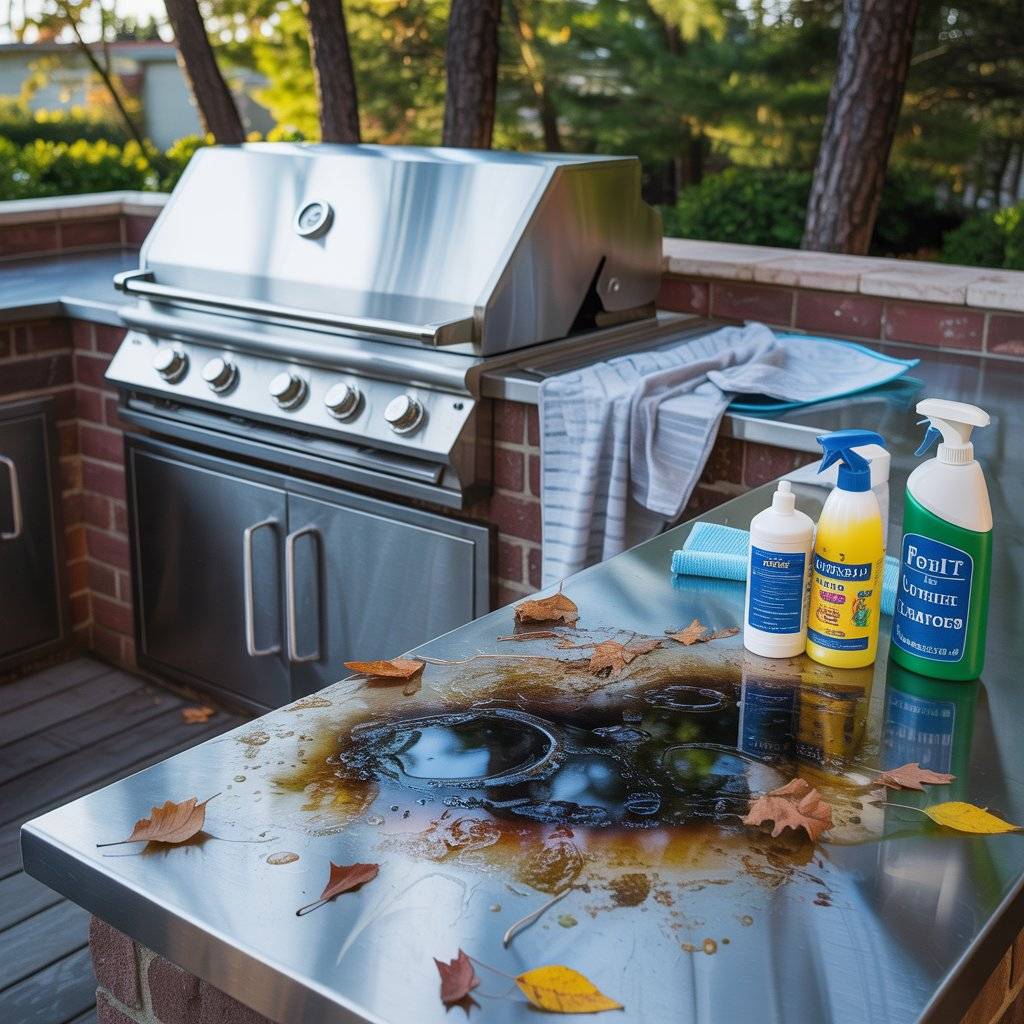
Outdoor kitchens usually get dirty faster than indoor kitchens. Wind can carry dust, leaves, and pollen onto surfaces. Even when not in use, the area can collect dirt quickly.
After cooking, grease and food particles must be cleaned to prevent stains and odors. If cleaning is delayed, the dirt can become harder to remove later. Outdoor surfaces may also need special cleaning products to keep them in good condition.
Using covers helps reduce dirt buildup, but covers also need cleaning. Some people do not expect how often the outdoor kitchen needs attention. Regular cleaning helps keep the space comfortable and safe to use.
10. Storage Can Be Limited
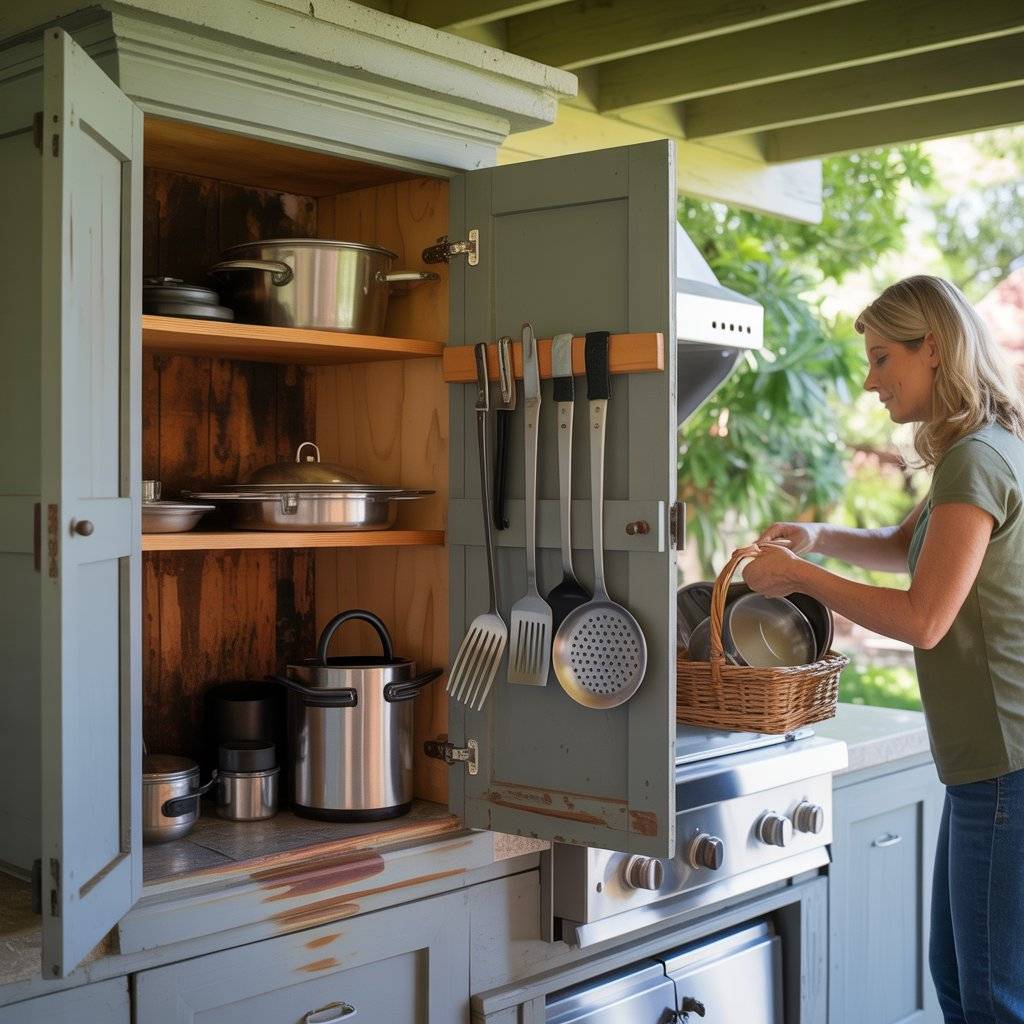
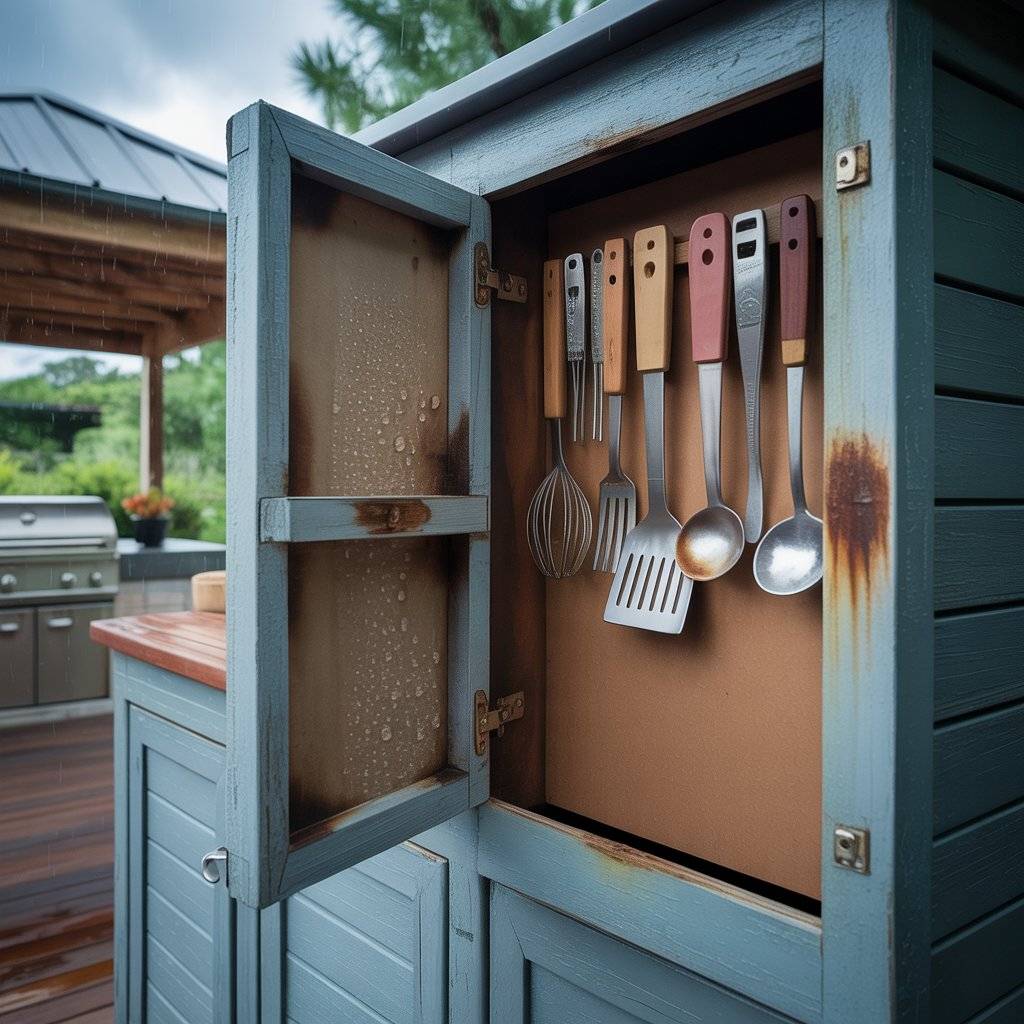
Storage in an outdoor kitchen is not always as reliable as indoor storage. Because the space is exposed to weather changes, humidity can affect items kept in cabinets. Utensils, cookware, and other tools may not stay in perfect condition if moisture enters the storage area.
Even when cabinets are designed for outdoor use, they may not seal as tightly as indoor cabinets. This means some items may still need to be stored inside the house. Carrying items back and forth can become inconvenient over time.
Planning storage carefully helps reduce frustration later. Some people choose to store only basic tools outside and keep valuable items indoors. This keeps important items protected and helps them last longer.
11. Higher Utility Costs
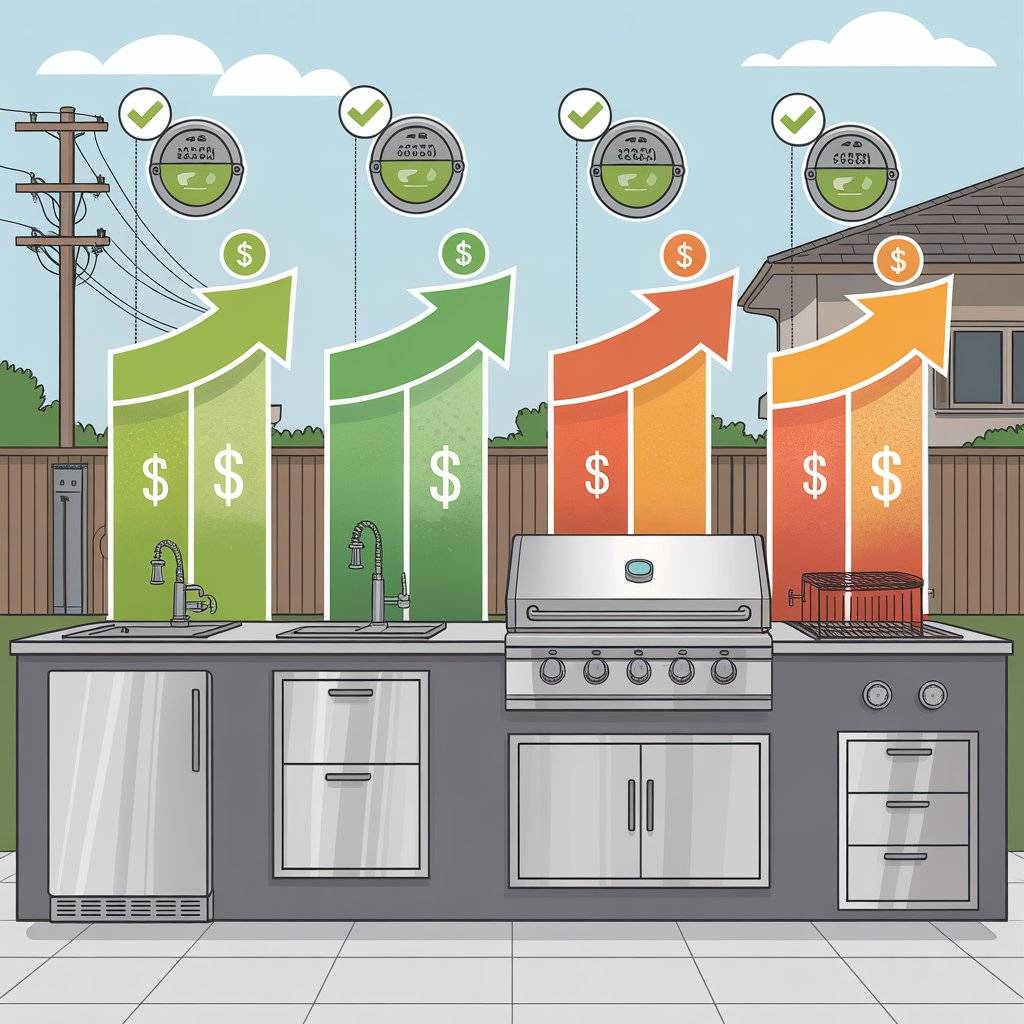
Outdoor kitchens often use electricity or gas for appliances, lighting, and cooking equipment. These utilities can increase monthly expenses. Even if the outdoor kitchen is not used every day, appliances like refrigerators or lights still consume energy.
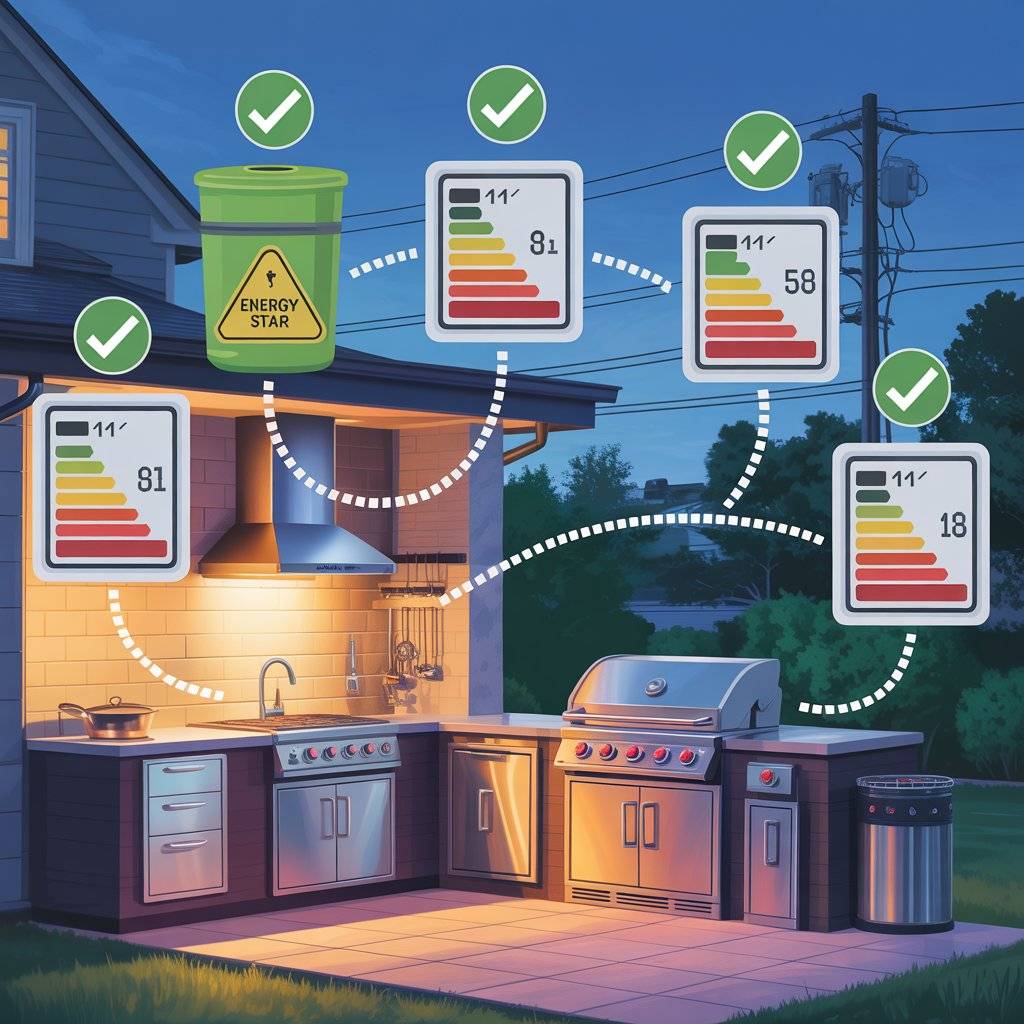
Energy-efficient appliances can help reduce costs, but they usually cost more to buy. Some homeowners also install extra lighting or heating equipment, which adds to energy use.
Understanding these ongoing costs helps avoid surprises later. It is helpful to think about how often the kitchen will be used and whether the extra utility cost makes sense for your situation.
12. Lighting Is Needed for Evening Use
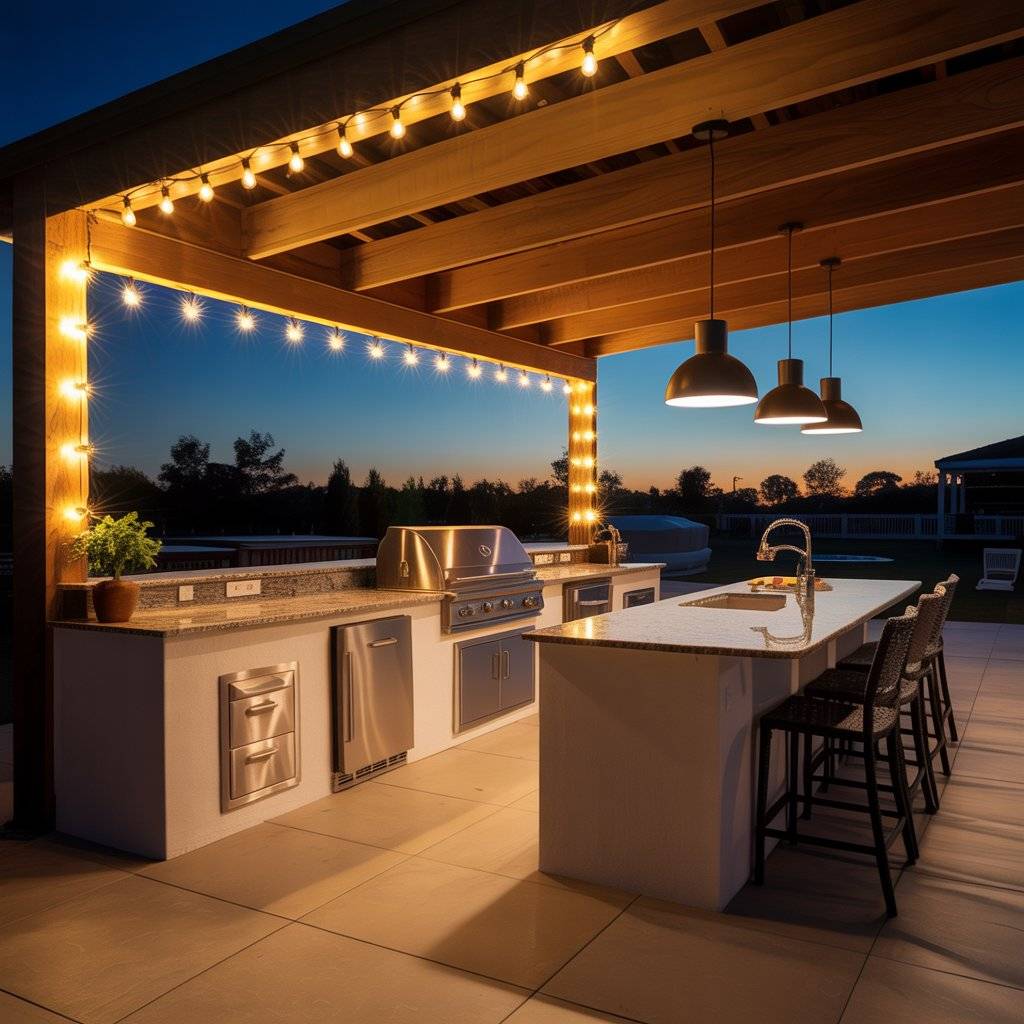
Without proper lighting, using an outdoor kitchen at night can be difficult. Cooking requires clear visibility for safety and comfort. Poor lighting can make food preparation harder and increase the risk of accidents.
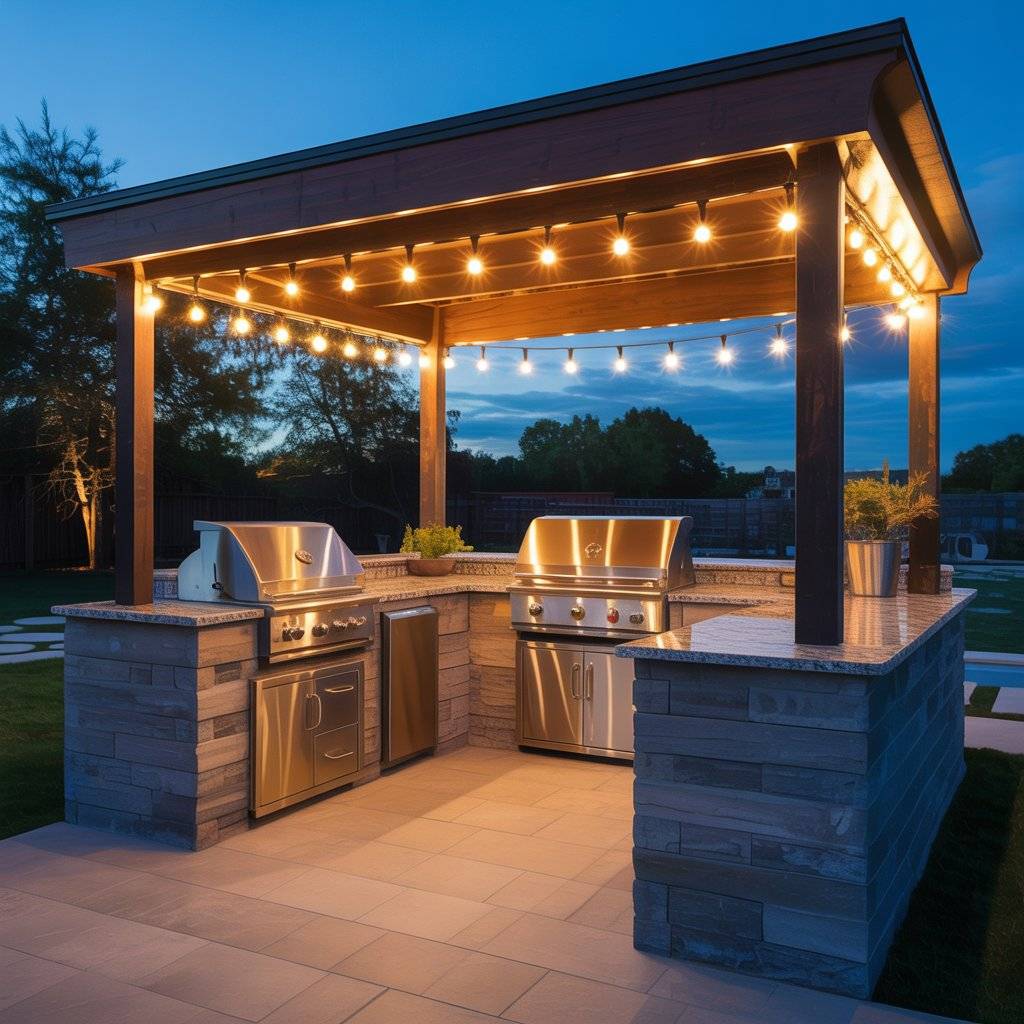
Outdoor lighting must be strong enough but also safe for weather conditions. Installing weather-resistant lights adds to the total project cost. Some homeowners also add decorative lighting to improve the atmosphere, which increases expenses further.
Planning lighting early helps avoid problems later. Good lighting makes the space more comfortable and easier to use after sunset.
13. Noise Can Affect Neighbors
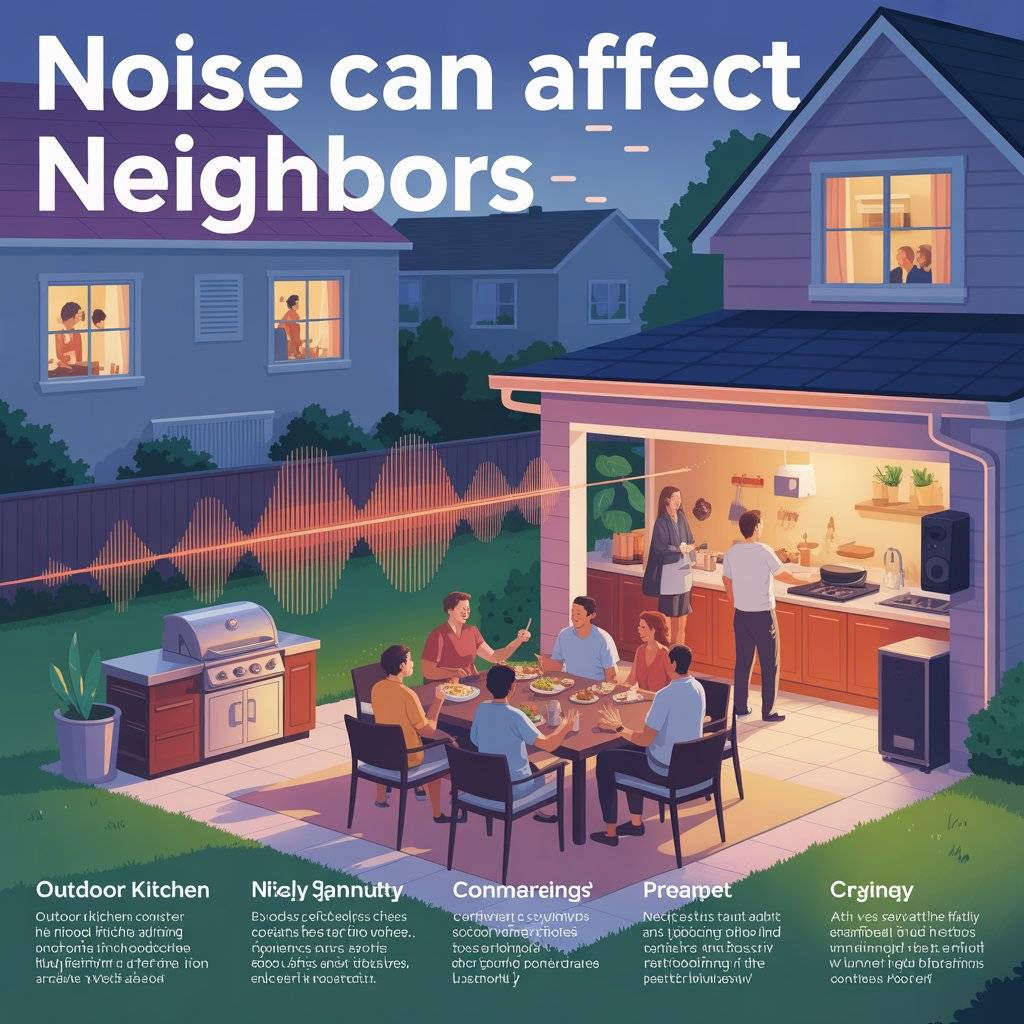
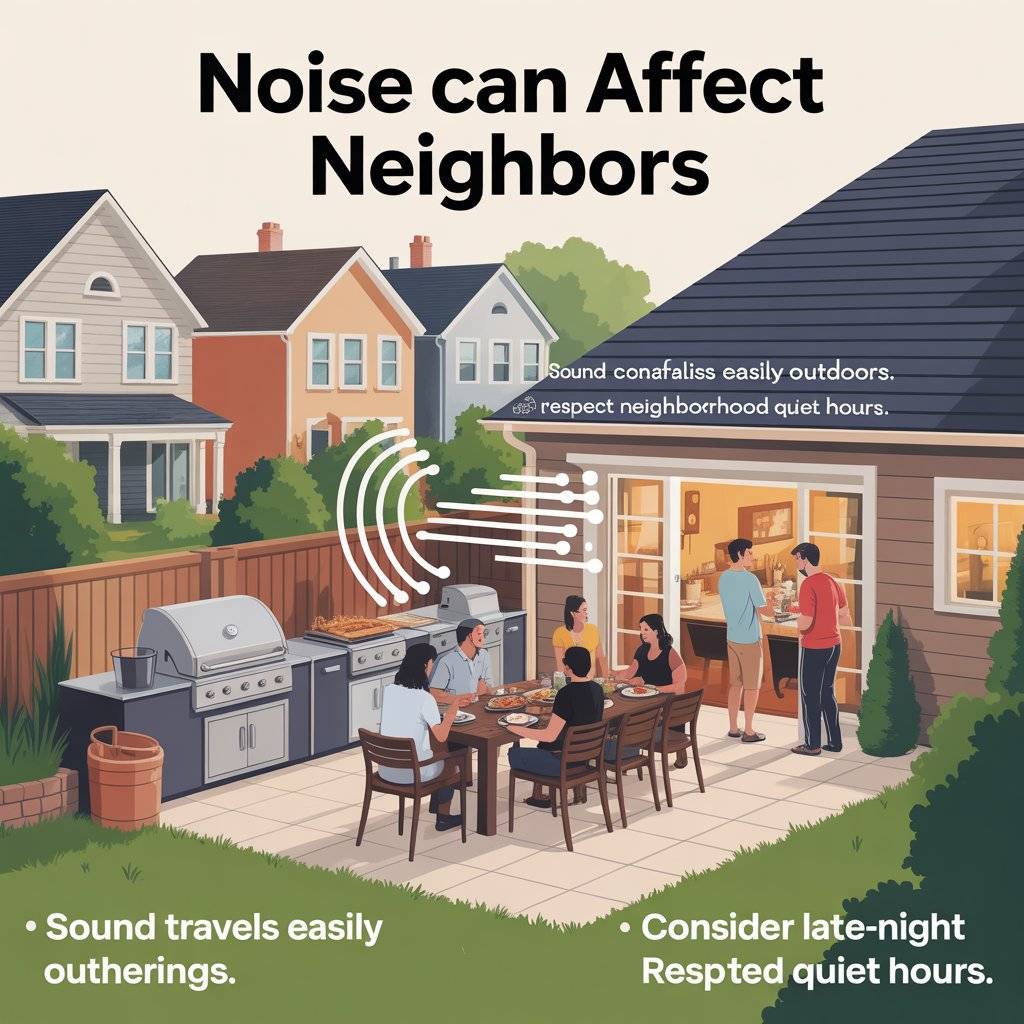
Outdoor kitchens are often used for gatherings with family or friends. While this can be enjoyable, noise can travel more easily outside than inside the house. Talking, music, and the sound of cooking equipment may disturb neighbors, especially in areas where homes are close together.
Even normal conversation can seem louder at night when the environment is quiet. Some neighborhoods have rules about noise levels, especially during late hours. If noise becomes a regular issue, it may create tension with neighbors.
Planning how and when the outdoor kitchen will be used can help avoid problems. Keeping music at a moderate level and being mindful of late-night gatherings can make a big difference. A well-planned space considers both comfort and respect for others nearby.
14. Permits May Be Required
In some areas, building an outdoor kitchen requires approval from local authorities. This is especially true when the project includes gas lines, electrical wiring, roofing, or permanent structures. Permit applications may take time and sometimes involve extra fees.
Skipping permits may cause problems later if inspections are required or if the property is sold. Some homeowners only learn about permit requirements after construction has already started, which can delay the project.
Checking local rules before building helps avoid unexpected issues. It also ensures the outdoor kitchen meets safety standards. Although the process may take time, it helps prevent legal or structural problems in the future.
15. It May Not Increase Home Value as Expected
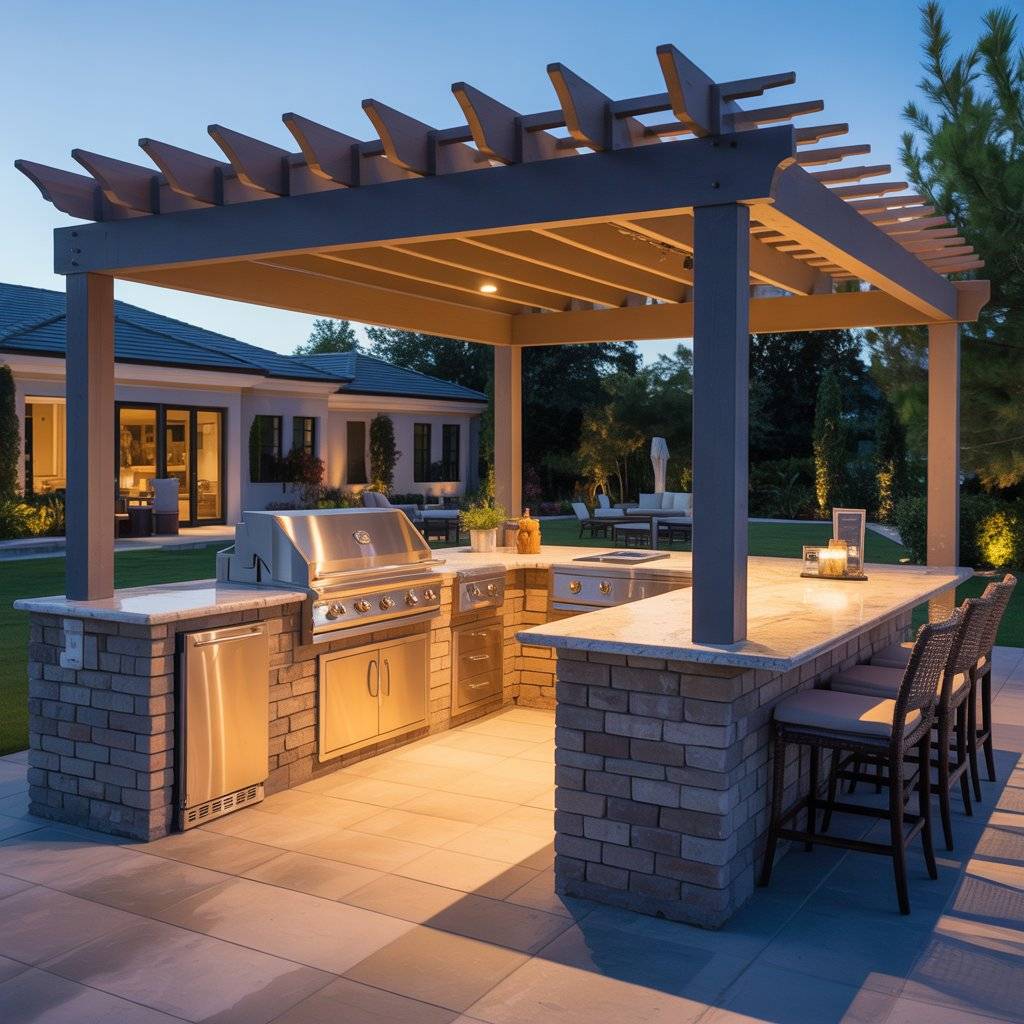
Some people believe an outdoor kitchen will automatically increase property value. While it can make a home more attractive, not all buyers see it as essential. Preferences vary, and some buyers may prefer a simple outdoor space instead.
Because of this, the money spent building the outdoor kitchen may not always return fully when selling the home. Trends in home design also change over time, which can affect how valuable the feature feels to future buyers.
Choosing a simple and functional design often appeals to more people. Overly customized designs may not match the taste of every buyer. It is helpful to think of the outdoor kitchen as a personal lifestyle choice rather than a guaranteed investment return.
16. Smoke and Heat Can Be Uncomfortable
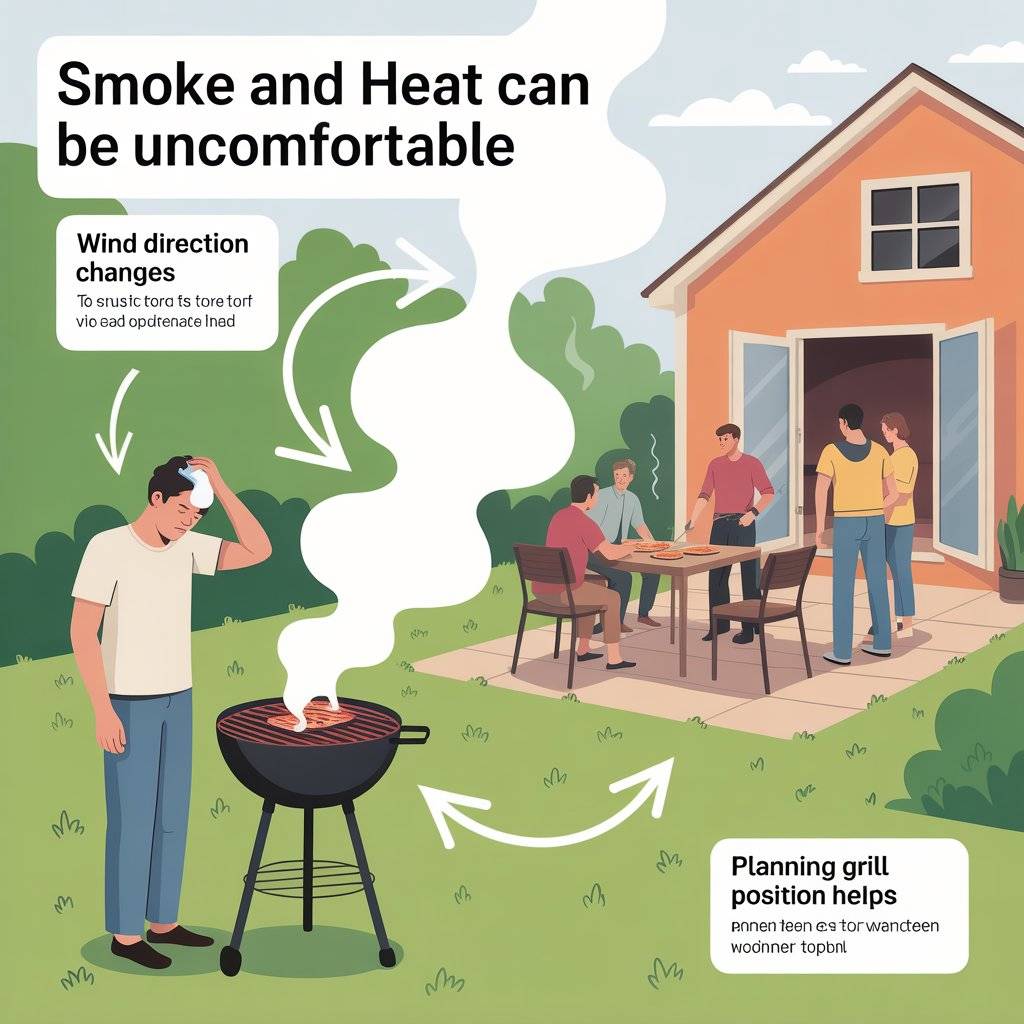
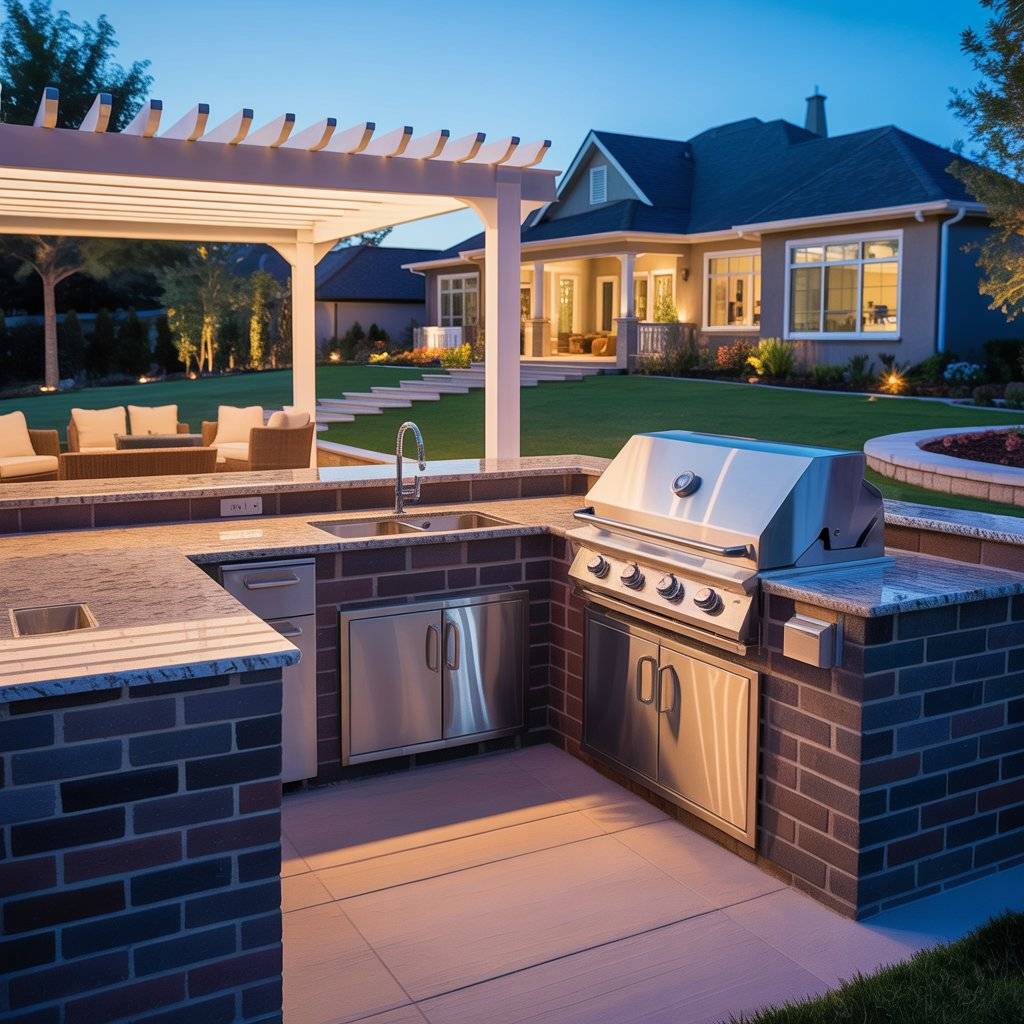
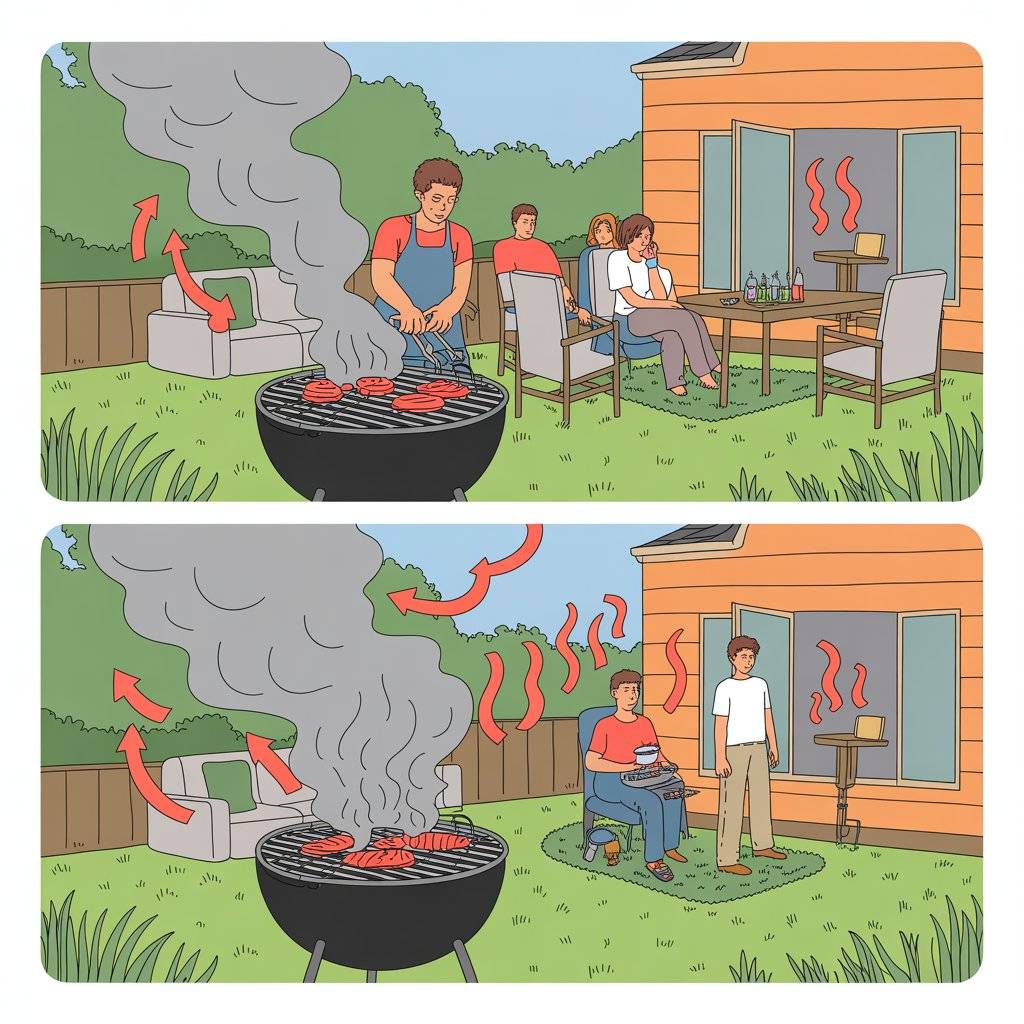
Cooking outside still produces smoke and heat, especially when grilling or using charcoal. Smoke may move toward the seating area or even enter the house through nearby doors or windows. Wind direction can change at any time, making it difficult to control where smoke goes.
Heat from the grill can also make the cooking area uncomfortable, especially during hot weather. Standing near high temperatures for long periods may not feel enjoyable for everyone. Guests may also prefer to stay away from the cooking area because of the heat.
Planning the position of the grill helps reduce this problem. Placing cooking equipment where smoke can move away from seating areas can improve comfort. Good airflow also makes cooking easier and more enjoyable.
17. Planning Takes Time and Care
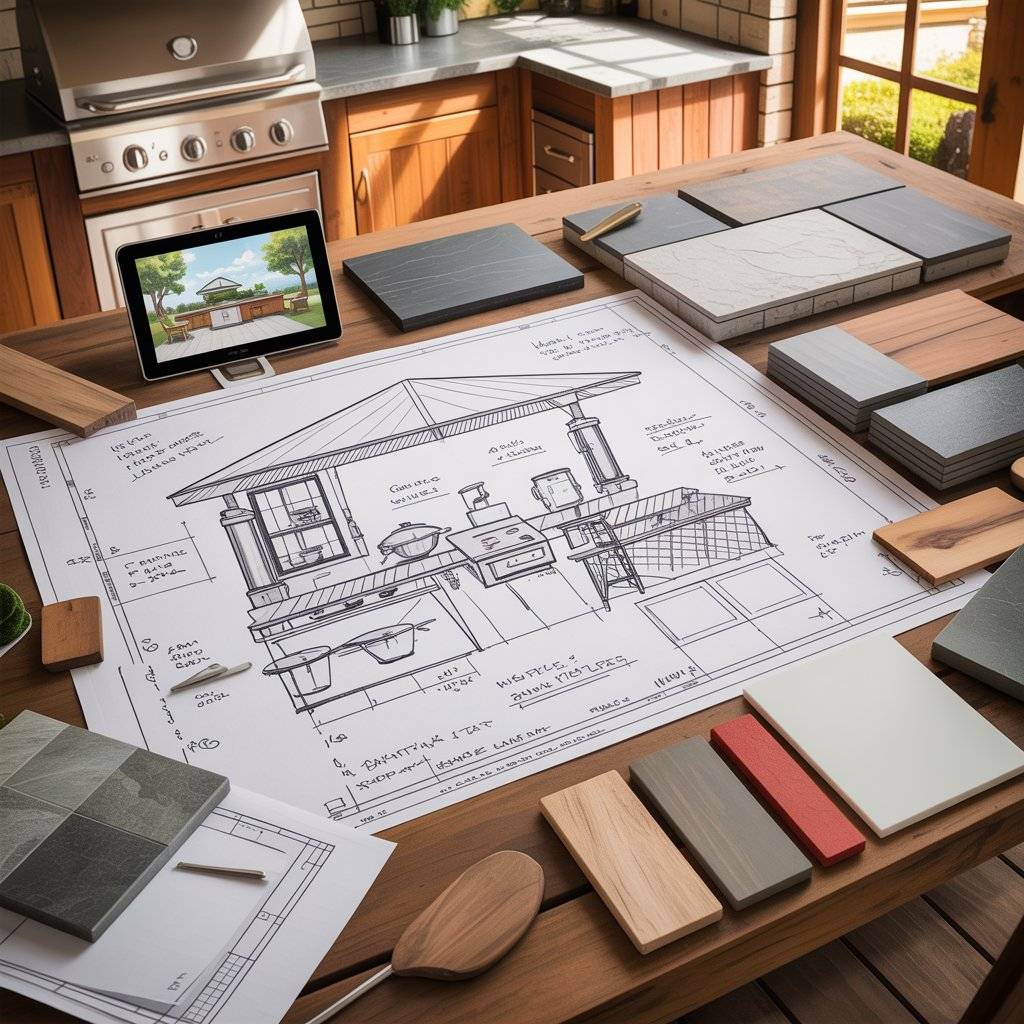
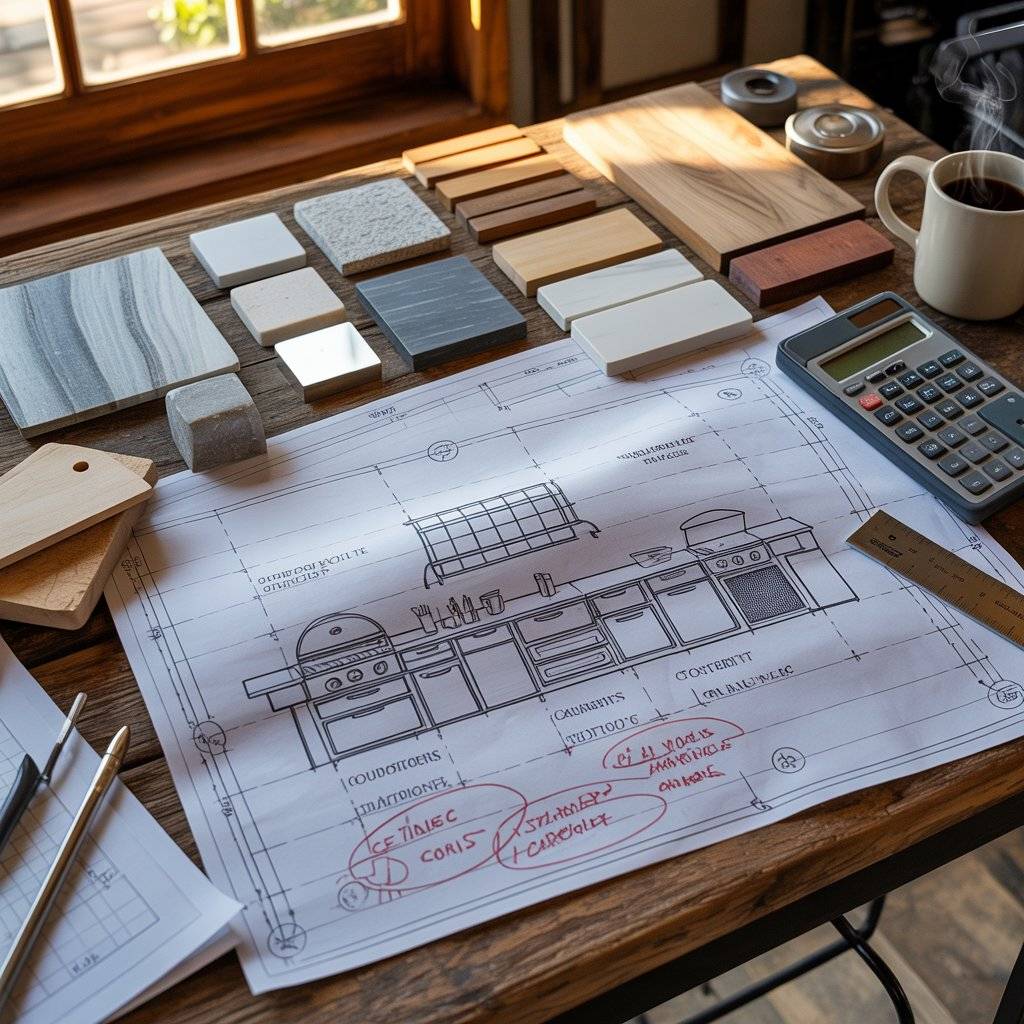
An outdoor kitchen requires careful planning before building begins. Decisions about layout, materials, appliances, and safety features take time. Rushing the planning process can lead to mistakes that are expensive to fix later.
For example, placing appliances too close together can make cooking uncomfortable. Choosing materials without considering weather conditions may lead to faster damage. Even small design decisions can affect how easy the space is to use.
Taking time to research and plan properly helps create a more practical outdoor kitchen. A simple and thoughtful design usually works better than a complicated one. Careful planning helps avoid regret later.
Tips
• Choose materials that can handle weather changes
• Start with a simple design before adding extra features
• Plan good lighting for evening cooking
• Keep cleaning supplies nearby for easy maintenance
• Use covers to protect appliances when not in use
• Make sure there is enough space to move safely
Mistakes to Avoid
• Ignoring weather conditions in your area
• Choosing materials that are not weather-resistant
• Adding too many features in a small space
• Forgetting about storage needs
• Skipping professional help for gas or electrical installation
• Not planning proper airflow for smoke
FAQs
Is an outdoor kitchen difficult to maintain?
It depends on the materials used and how often the space is cleaned. Regular maintenance helps keep everything in good condition.
Do outdoor kitchens last long?
Yes, when built with durable materials and maintained properly, they can last many years.
Can I build a simple outdoor kitchen?
Yes. Many people start with a grill and small countertop, then improve the space later if needed.
Styling Ideas
• Use simple colors that do not fade easily
• Choose materials that match the house exterior
• Add comfortable seating near the cooking area
• Include small plants for a natural look
• Keep the layout open so movement is easy
Conclusion
Outdoor kitchens can be useful, but they also come with challenges that should not be ignored. Understanding the disadvantages helps you prepare better and avoid problems later. Costs, maintenance, weather exposure, and safety are important factors that affect how practical the space will be.
By planning carefully and keeping the design simple, it becomes easier to create an outdoor kitchen that fits your needs. Knowing both the advantages and disadvantages helps you make a balanced decision and avoid unexpected surprises.
Related Post: