
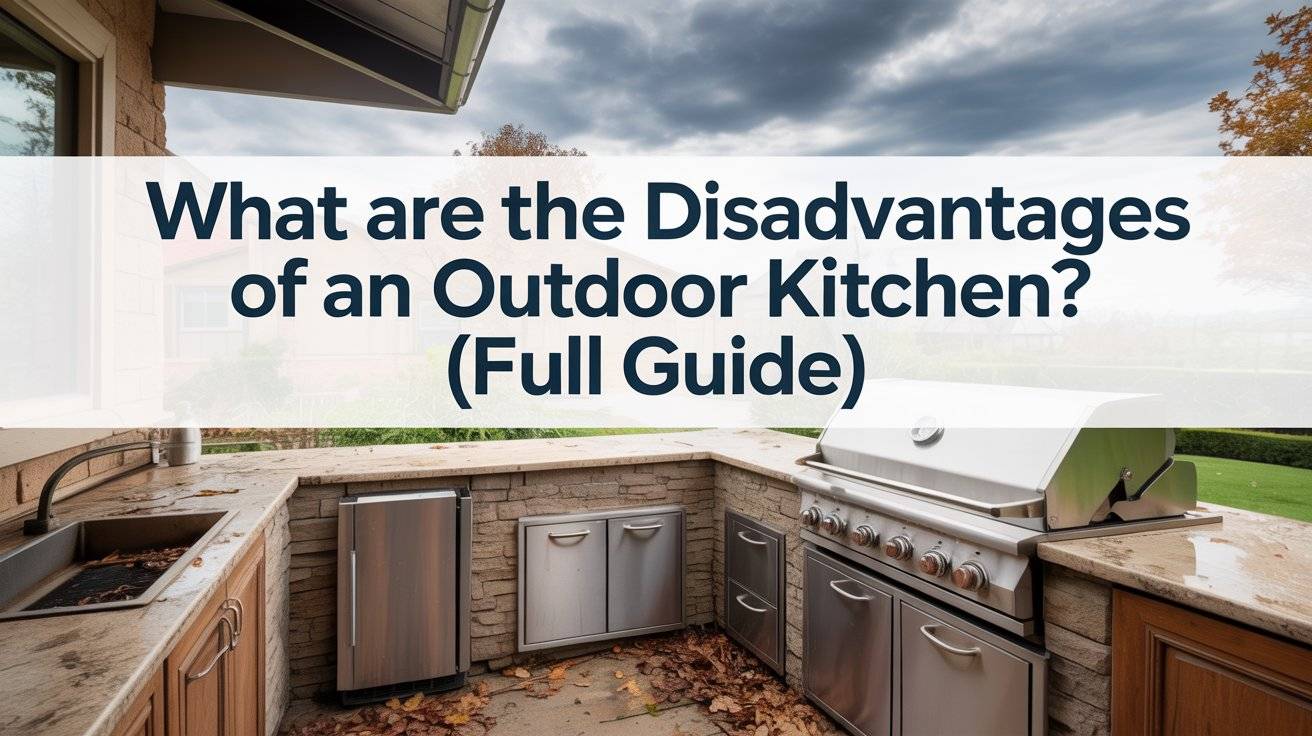
Outdoor kitchens look beautiful in photos, but they are not always as simple as they seem. Many people focus on the benefits and forget to think about the challenges that come with building and maintaining one. Before investing time and money, it helps to understand the disadvantages so you can plan properly and avoid surprises later.
An outdoor kitchen can add value to a home and make cooking more enjoyable, especially when hosting friends or family. However, there are practical things to think about such as weather exposure, cleaning, repairs, and the total cost. Some issues are small and manageable, while others can become expensive if ignored.
In this guide, I’ll explain the real disadvantages of an outdoor kitchen in a simple and honest way. These are common problems many homeowners face, along with ideas on what you can do to reduce the risk.
1. High Installation Cost
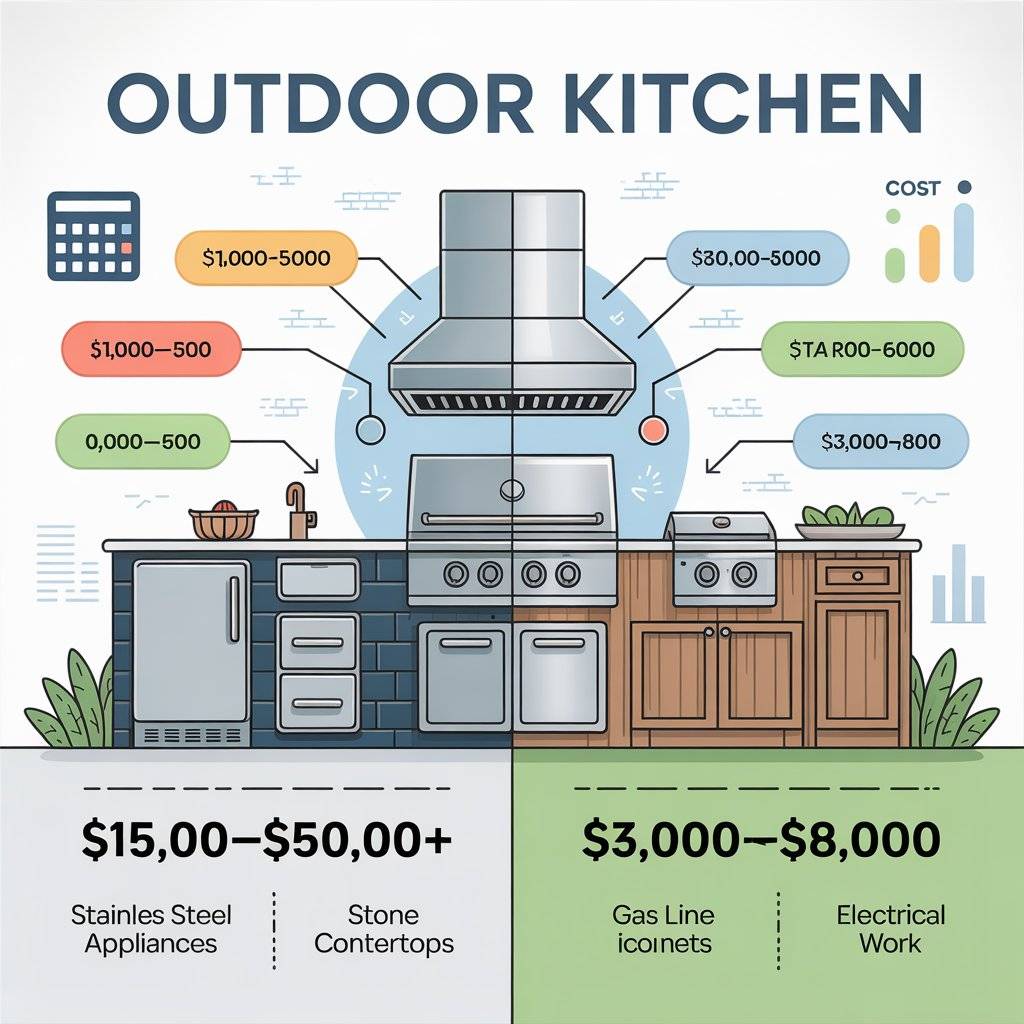
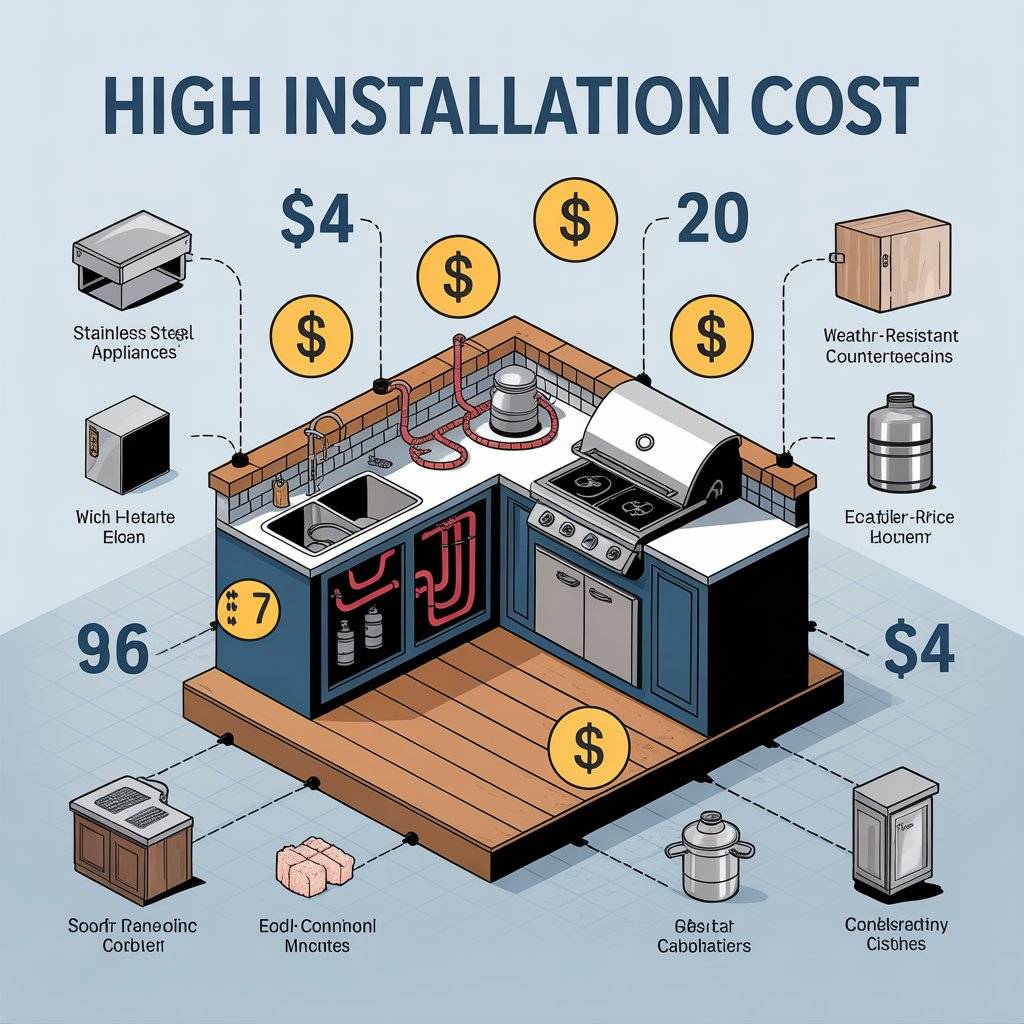
One of the biggest disadvantages of an outdoor kitchen is the cost. Building even a simple setup can be more expensive than expected. Materials that work outdoors must handle heat, rain, and changing weather. This usually means using stainless steel, stone, concrete, or treated wood, which costs more than indoor materials.
You may also need plumbing, gas lines, or electrical work, depending on the design. Hiring professionals increases the budget even more. Small details like countertops, cabinets, and proper flooring also add up quickly. Many people start with a simple idea and later realize the full cost is much higher than planned.
To reduce expenses, start small. A grill station with a small counter is often enough in the beginning. You can always expand later once you understand how often you use the space.
2. Weather Damage
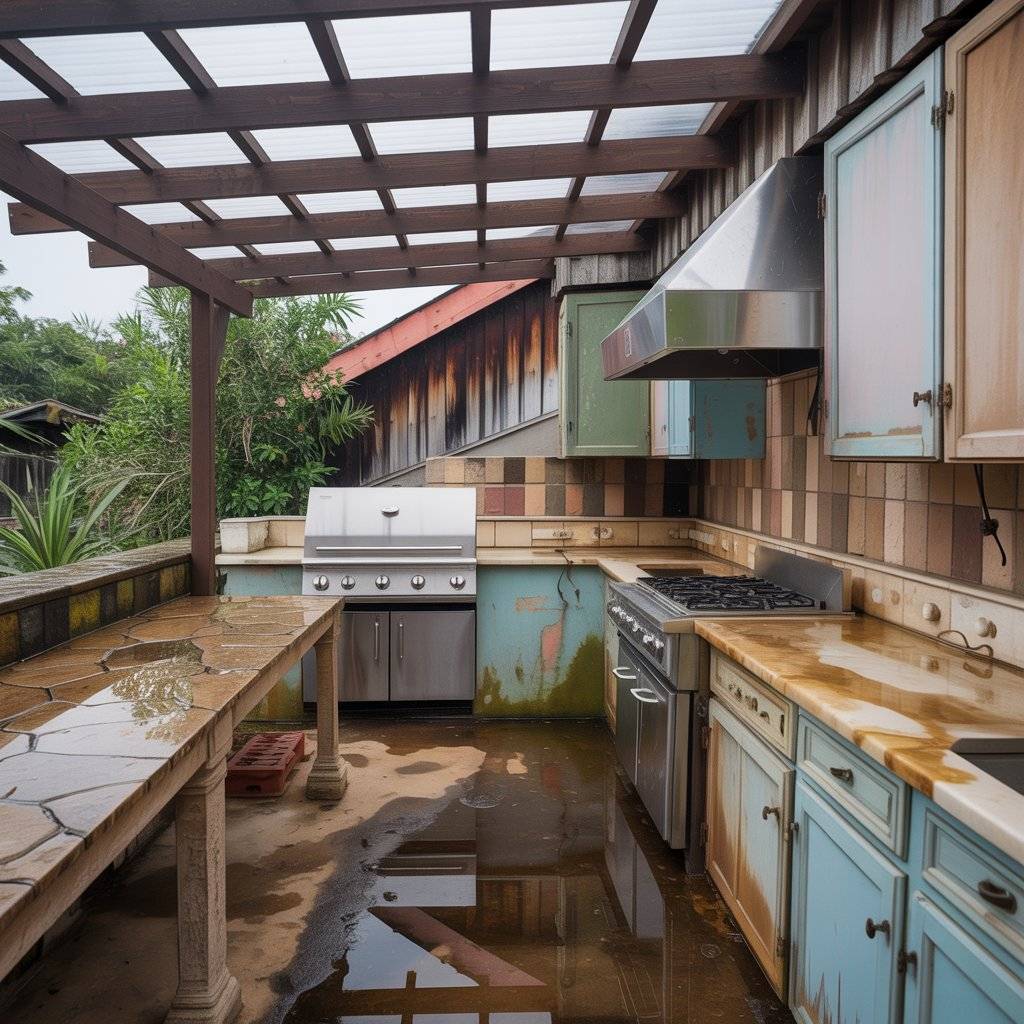
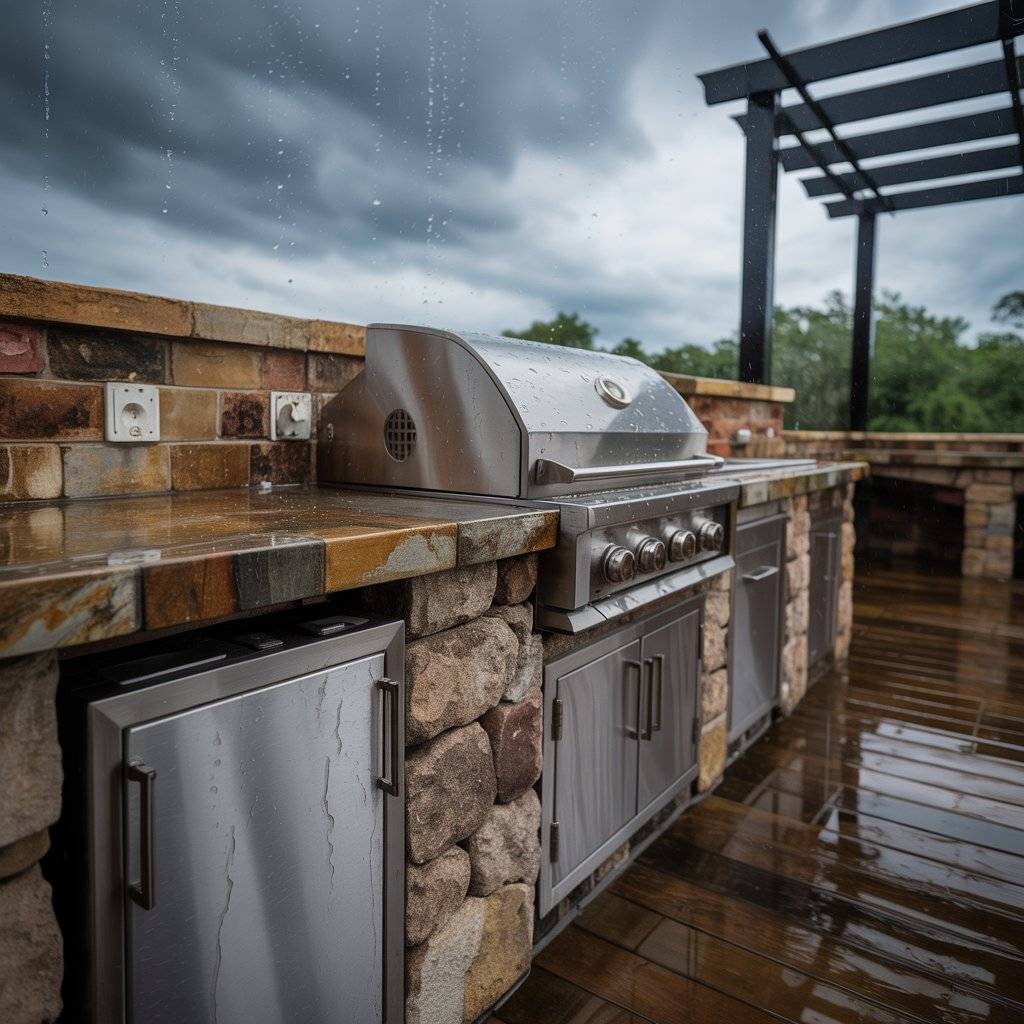
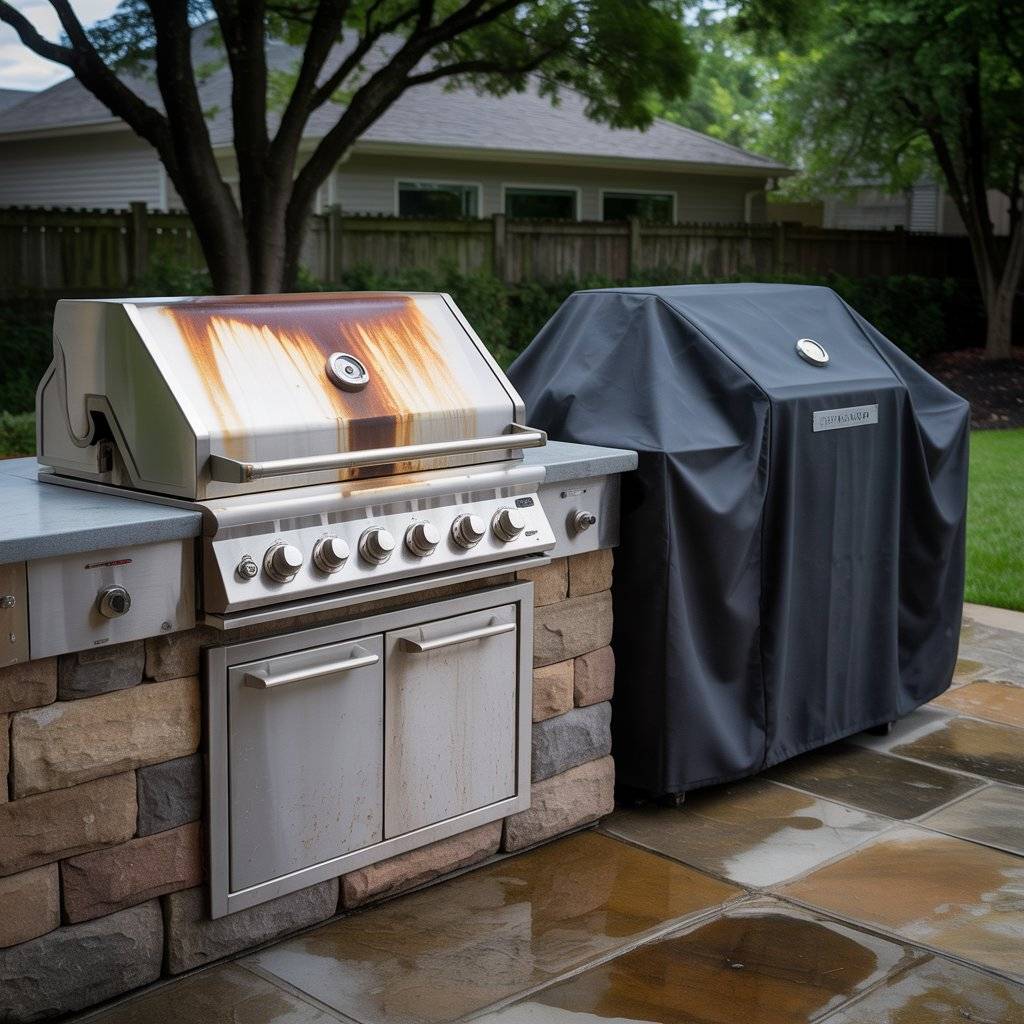
Outdoor kitchens are always exposed to weather conditions. Rain, sun, wind, and dust can slowly damage surfaces if they are not protected properly. Metal parts may rust, wood can crack, and countertops may fade over time. Even strong materials need maintenance when they stay outside all year.
If you live in an area with heavy rain or strong sun, the damage may happen faster. Covers help, but they are not always enough. Without proper protection, appliances may stop working sooner than expected.
A simple solution is adding a roof or pergola above the kitchen area. This reduces direct exposure to weather and helps keep the space usable throughout the year.
3. Regular Maintenance
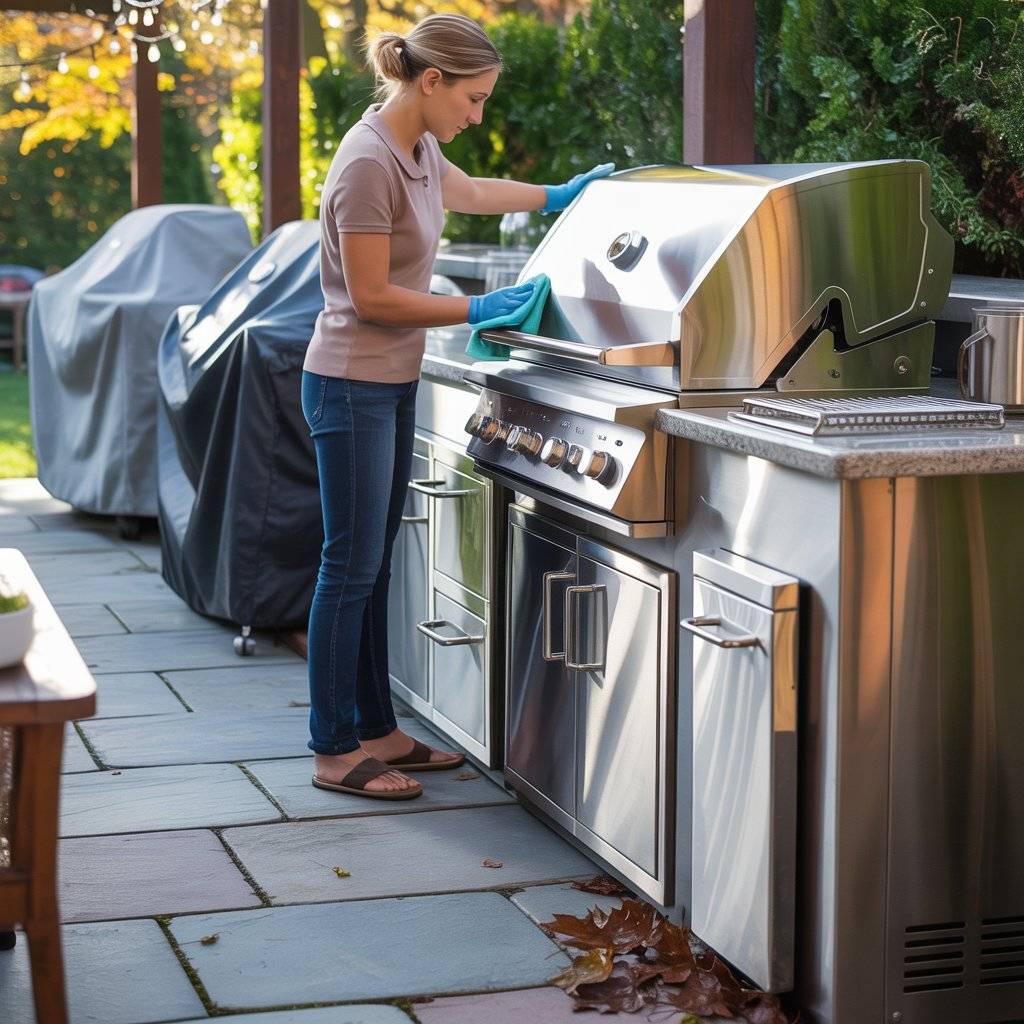
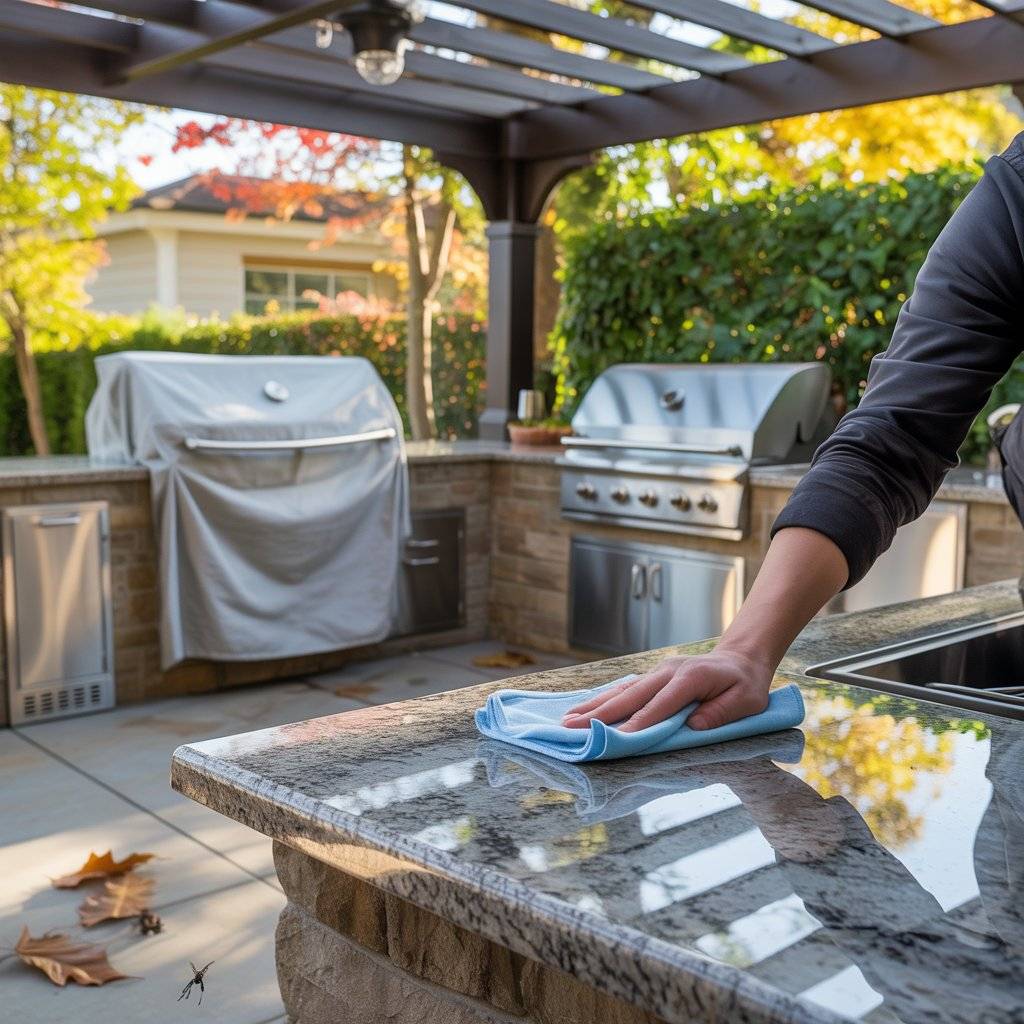
An outdoor kitchen needs more maintenance than an indoor kitchen. Dust, insects, leaves, and moisture can collect quickly. Surfaces must be cleaned often to prevent stains and damage. Grease buildup from cooking can also attract pests if not cleaned properly.
Appliances placed outside may need frequent inspection. Gas connections, burners, and cabinets should be checked regularly to ensure everything works safely. Over time, small repairs become necessary, especially when materials expand and shrink due to weather changes.
If you want the space to last, it helps to create a simple cleaning routine. Wiping surfaces after cooking and covering appliances can prevent many problems later.
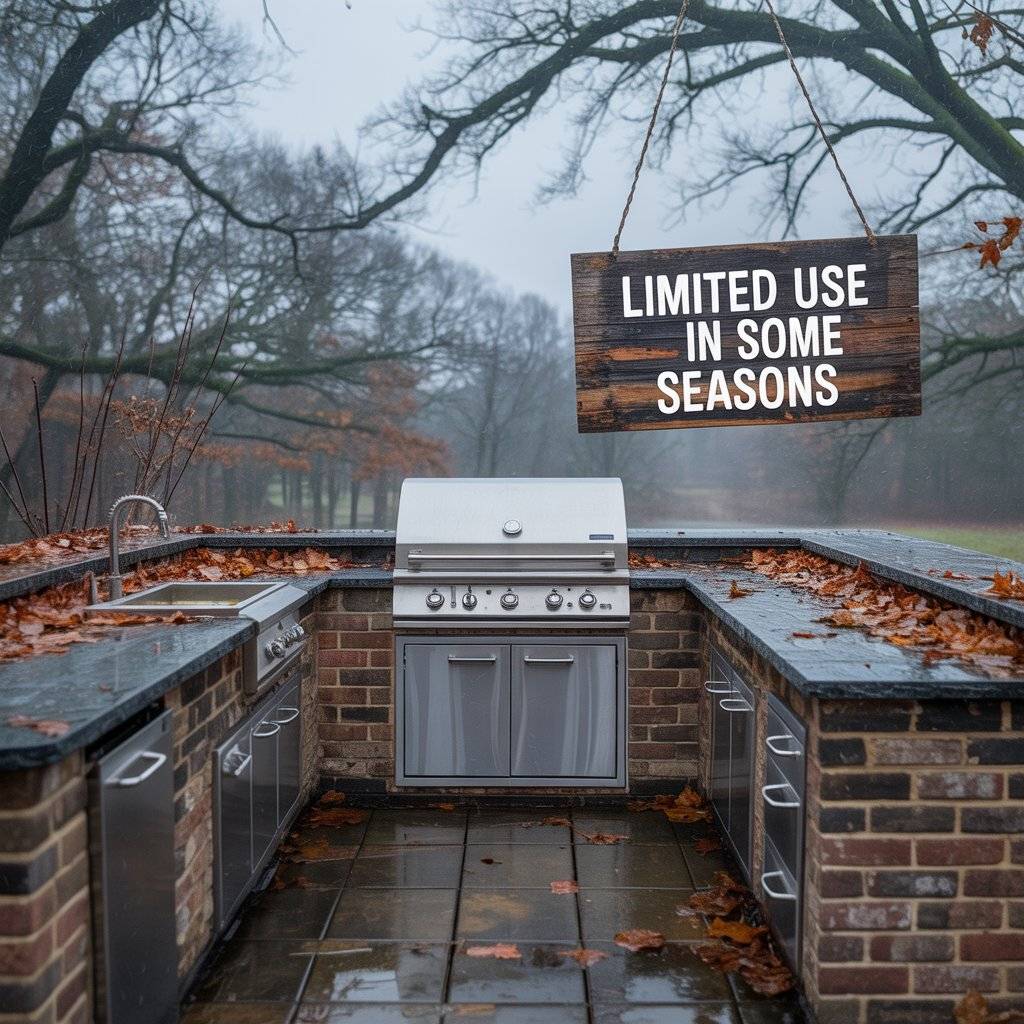
4. Limited Use in Some Seasons
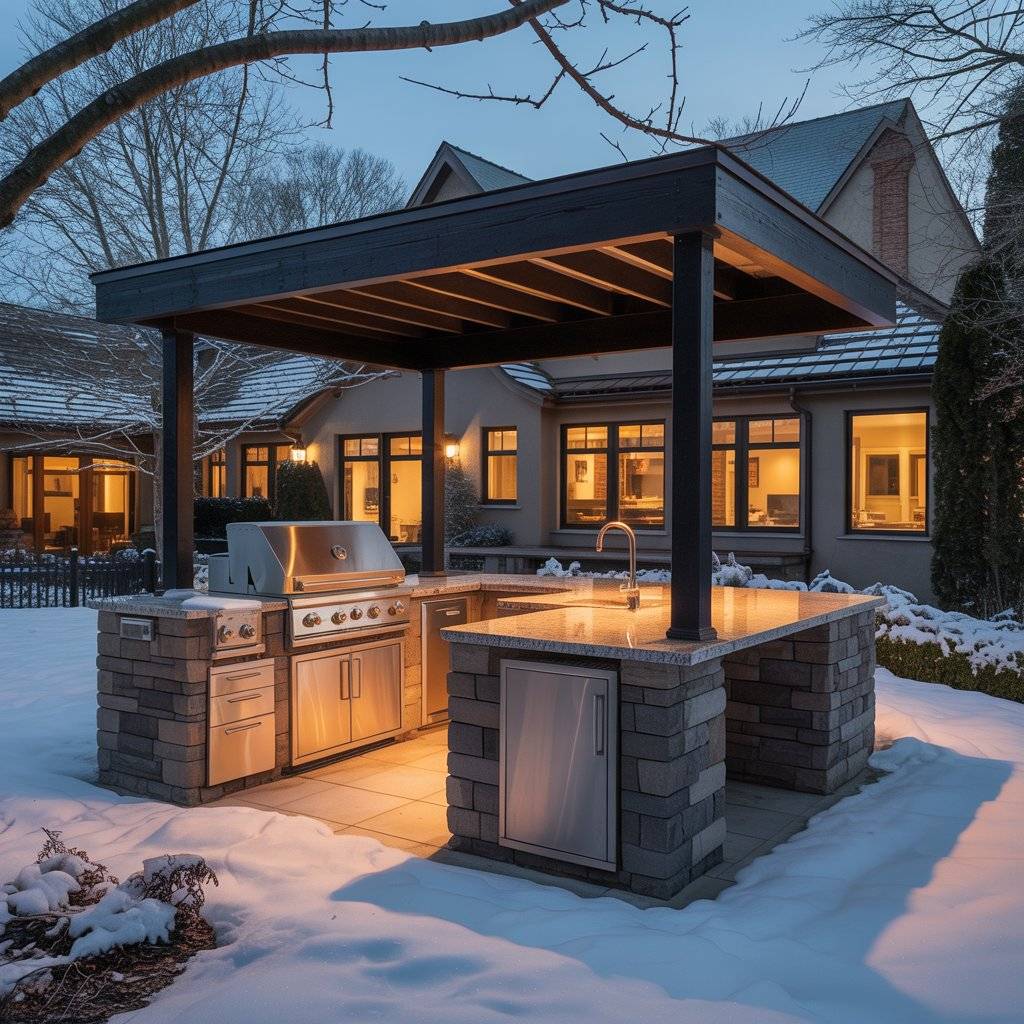
Many people imagine using an outdoor kitchen every day, but in reality, usage often depends on the weather. Cold seasons, rainy days, or strong winds can make outdoor cooking uncomfortable. In some months, the kitchen may stay unused for long periods.
This can make the investment feel less practical, especially if the space was expensive to build. Some homeowners realize they only use the outdoor kitchen during holidays or special gatherings.
Adding simple features like lighting, shade, or wind protection can make the space more comfortable and increase how often it is used.
5. Space Requirements
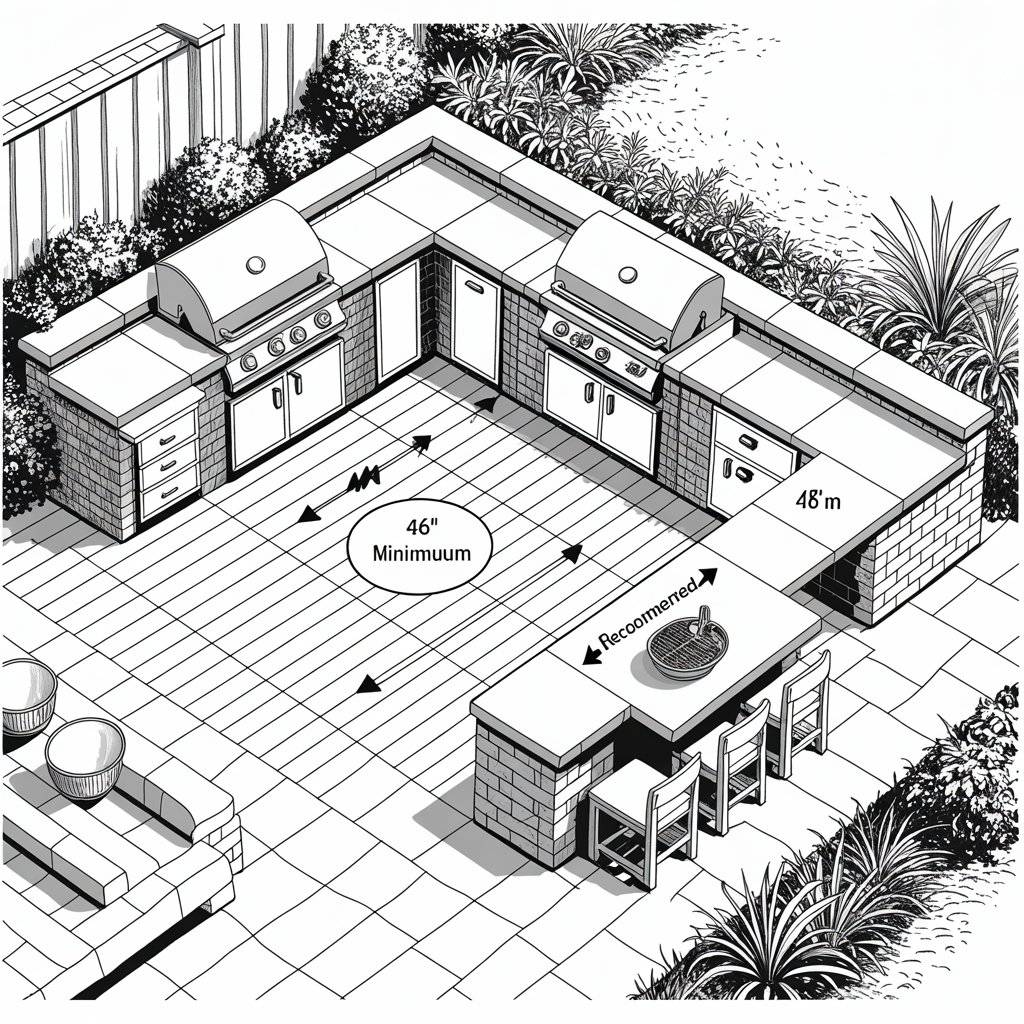
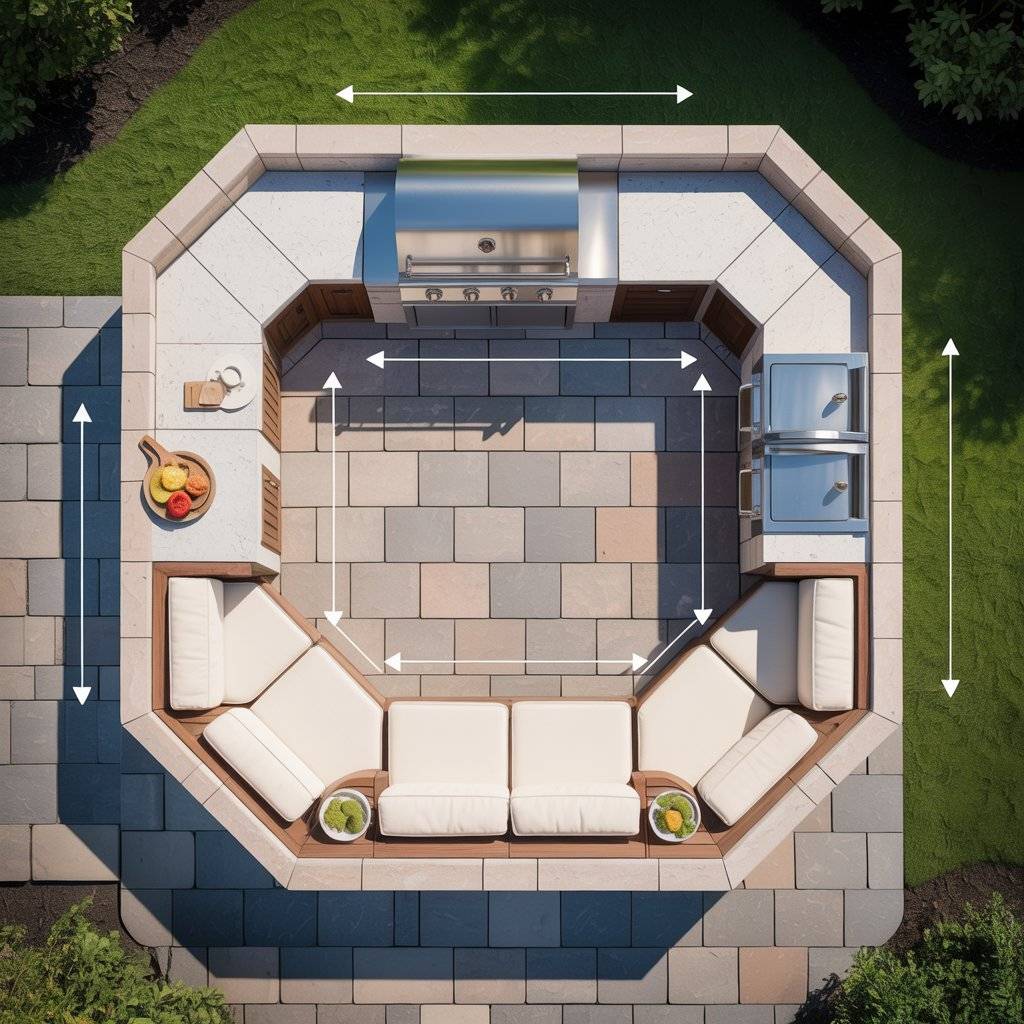
Outdoor kitchens require enough space to work comfortably. A grill alone may not take much room, but counters, storage, and seating quickly increase the size needed. In smaller yards, this can make the area feel crowded.
It is also important to leave space for movement. Cooking areas should not feel tight or unsafe. Planning the layout carefully helps avoid mistakes that are difficult to fix later.
Before building, measure the available area and think about how people will move around the space.
6. Utility Connections Can Be Complicated
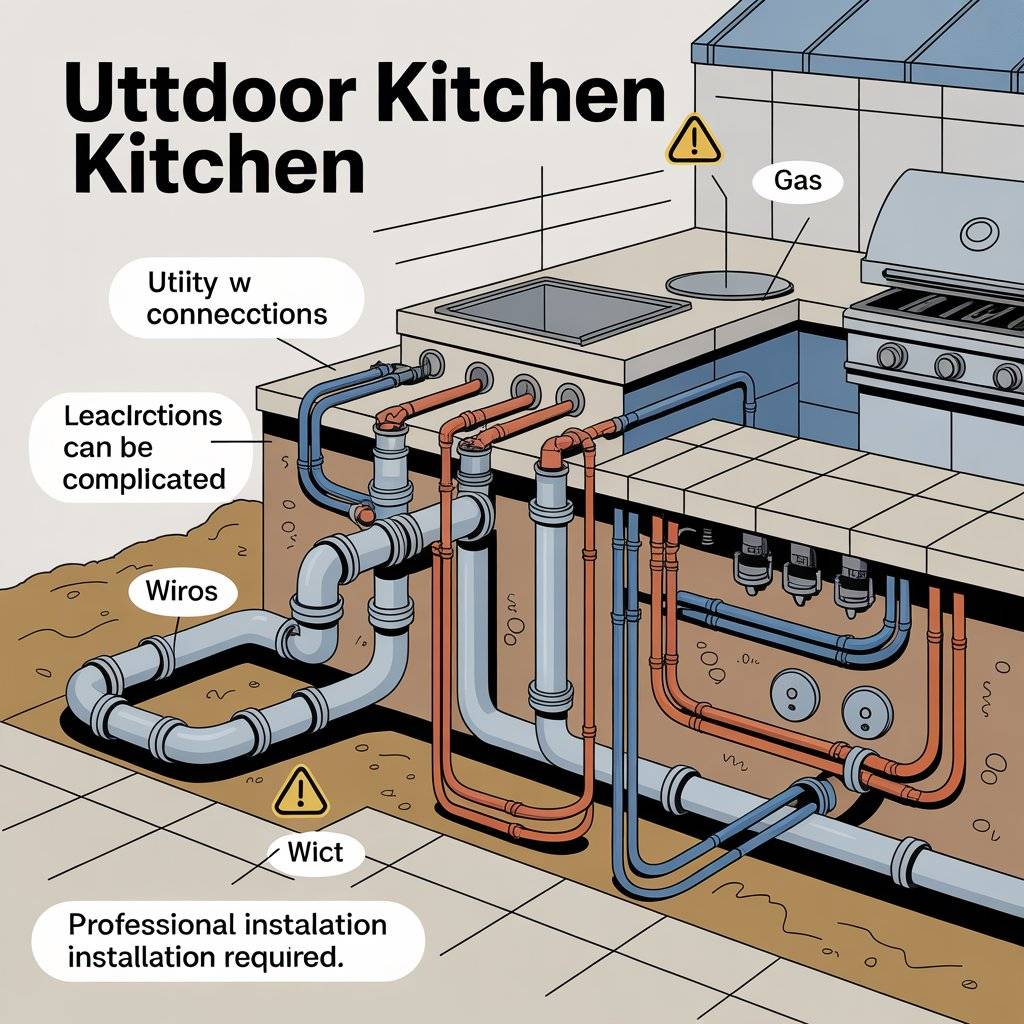
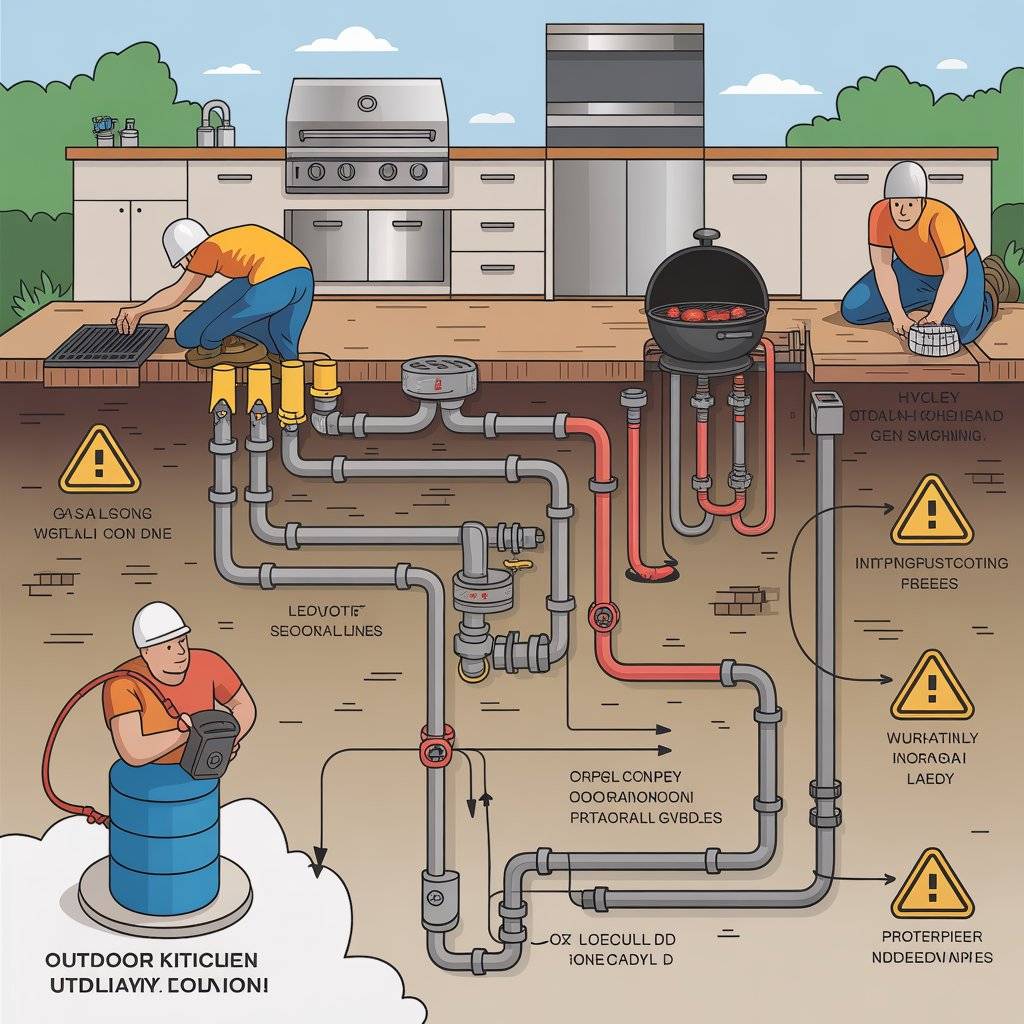
Running water, electricity, or gas outdoors can be more complicated than expected. Pipes and wires must be protected from weather and installed safely. This often requires professional help, which increases cost and planning time.
Improper installation can cause leaks or safety issues. Fixing these problems later may require removing parts of the kitchen structure.
Keeping the design simple can reduce the need for complex connections. For example, some people choose charcoal grills instead of gas lines.
7. Pest Problems
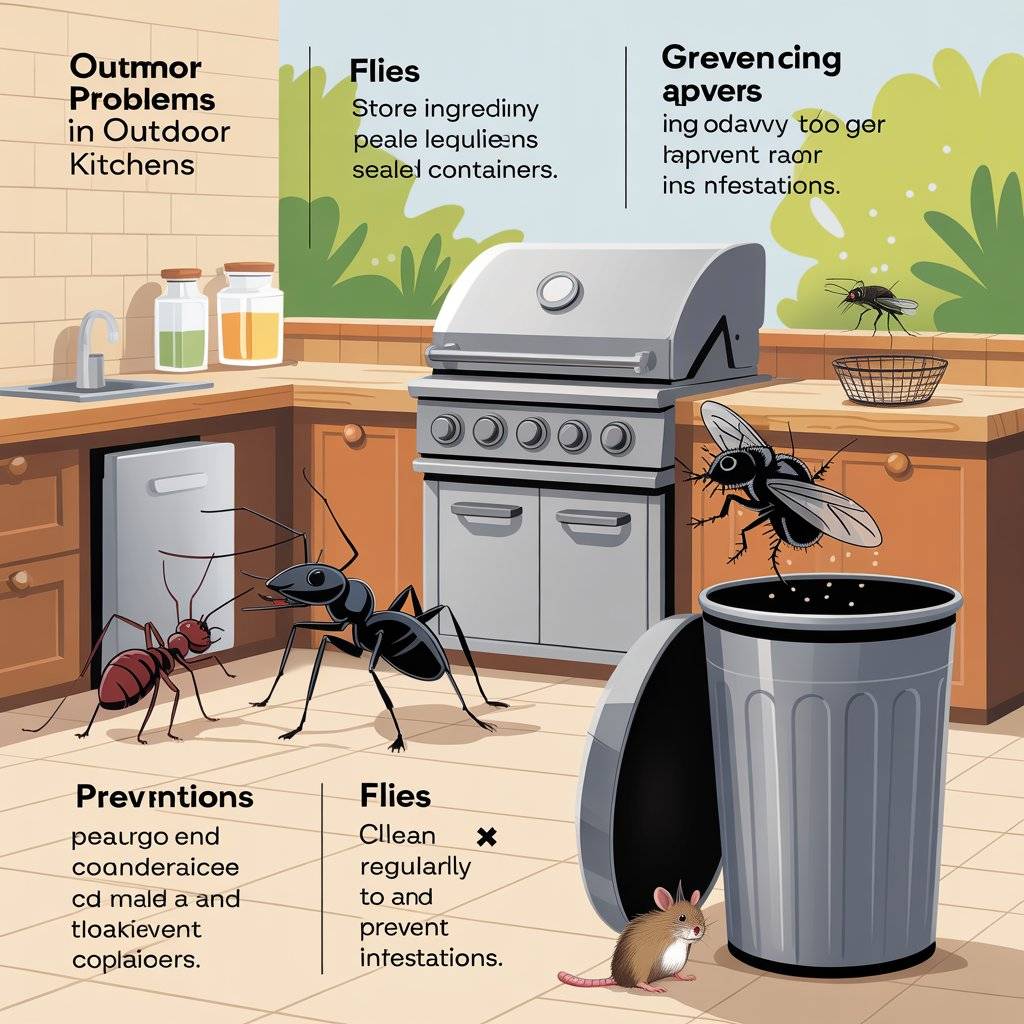
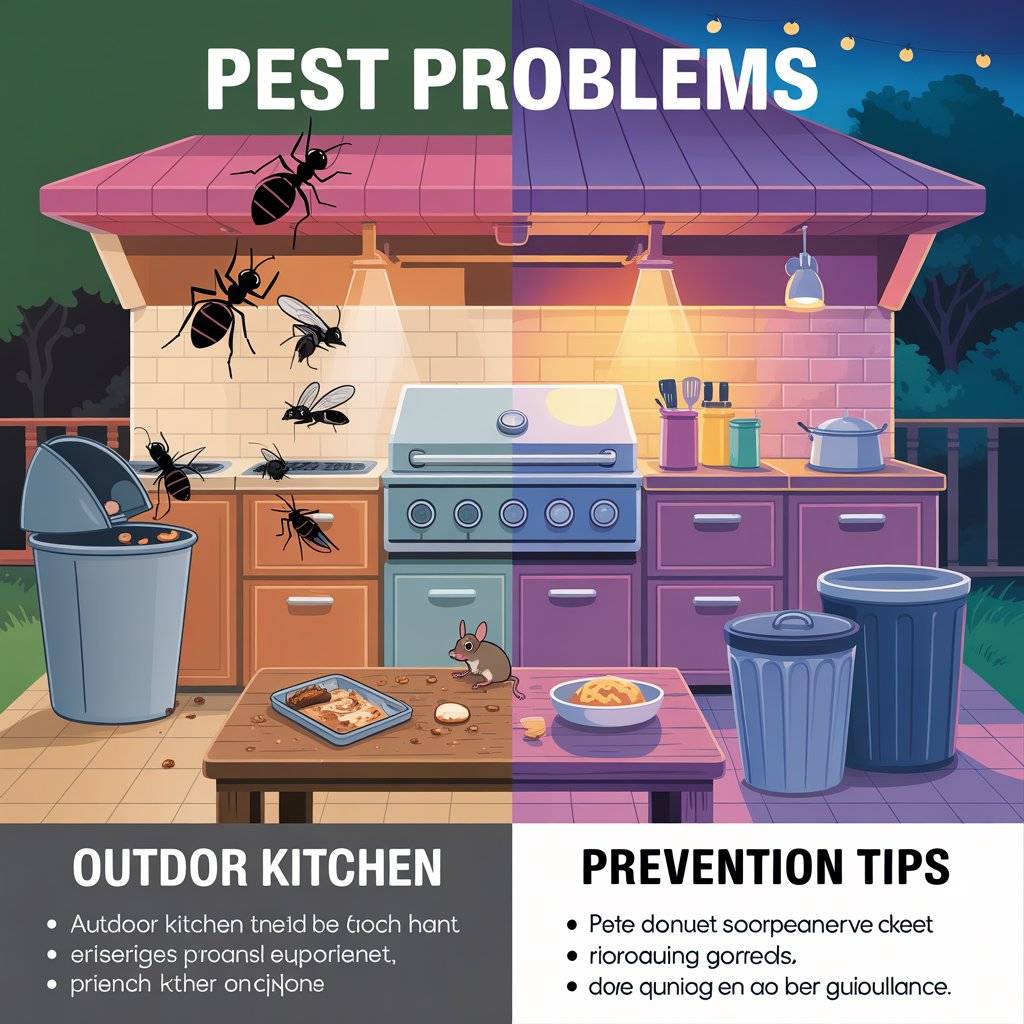
Outdoor kitchens can attract insects and small animals because of food smells. Ants, flies, and even rodents may appear if food residue is left behind. Trash bins placed nearby can also attract pests.
Keeping the area clean is the best prevention. Store ingredients in sealed containers and avoid leaving food outside overnight. Regular cleaning reduces the chance of pest problems becoming serious.
8. Appliance Wear and Tear
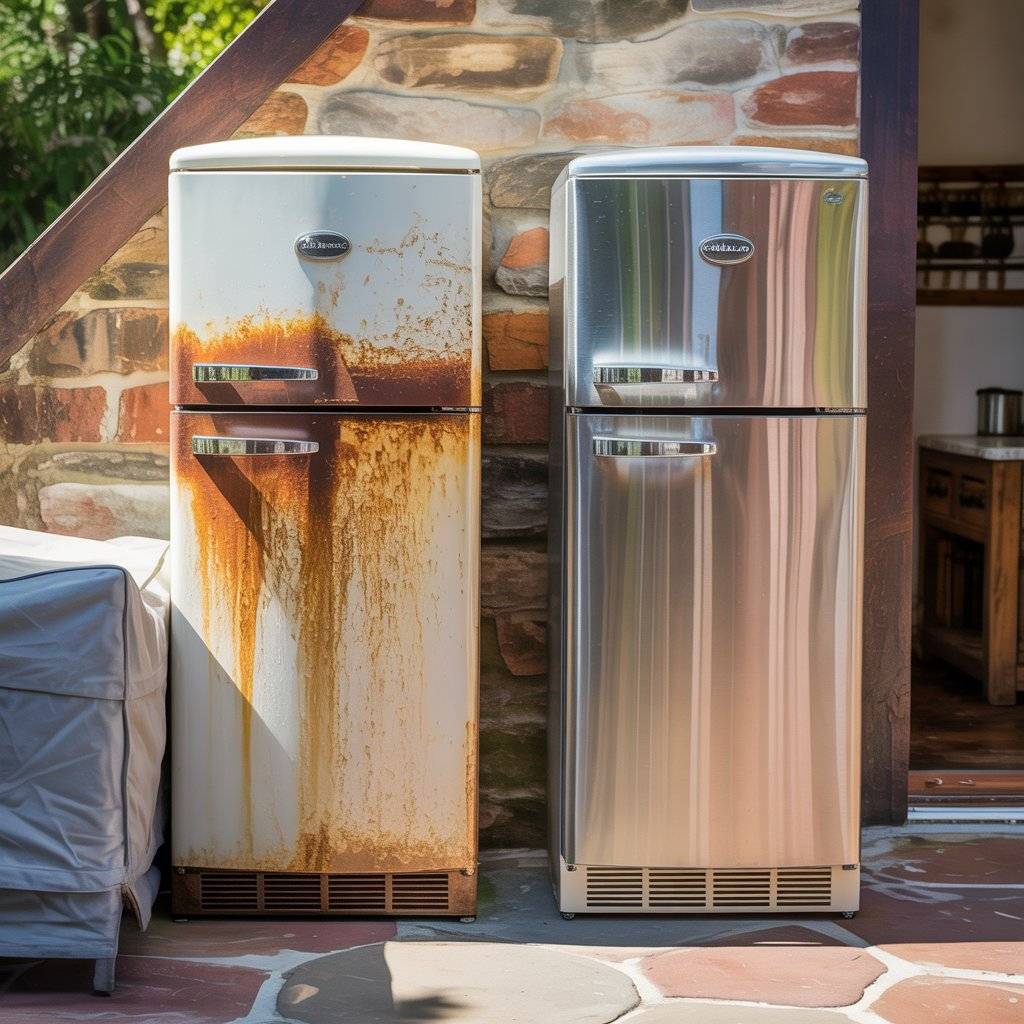
Appliances placed outdoors may not last as long as indoor ones. Heat, moisture, and dust can affect performance over time. Even weather-resistant appliances still experience wear when exposed daily.
Replacing outdoor appliances can be expensive, especially if they are built into counters or cabinets. Choosing high-quality equipment helps, but it still requires maintenance.
Covers and proper storage can help extend appliance life and reduce repair costs.
9. Cleaning Takes More Effort
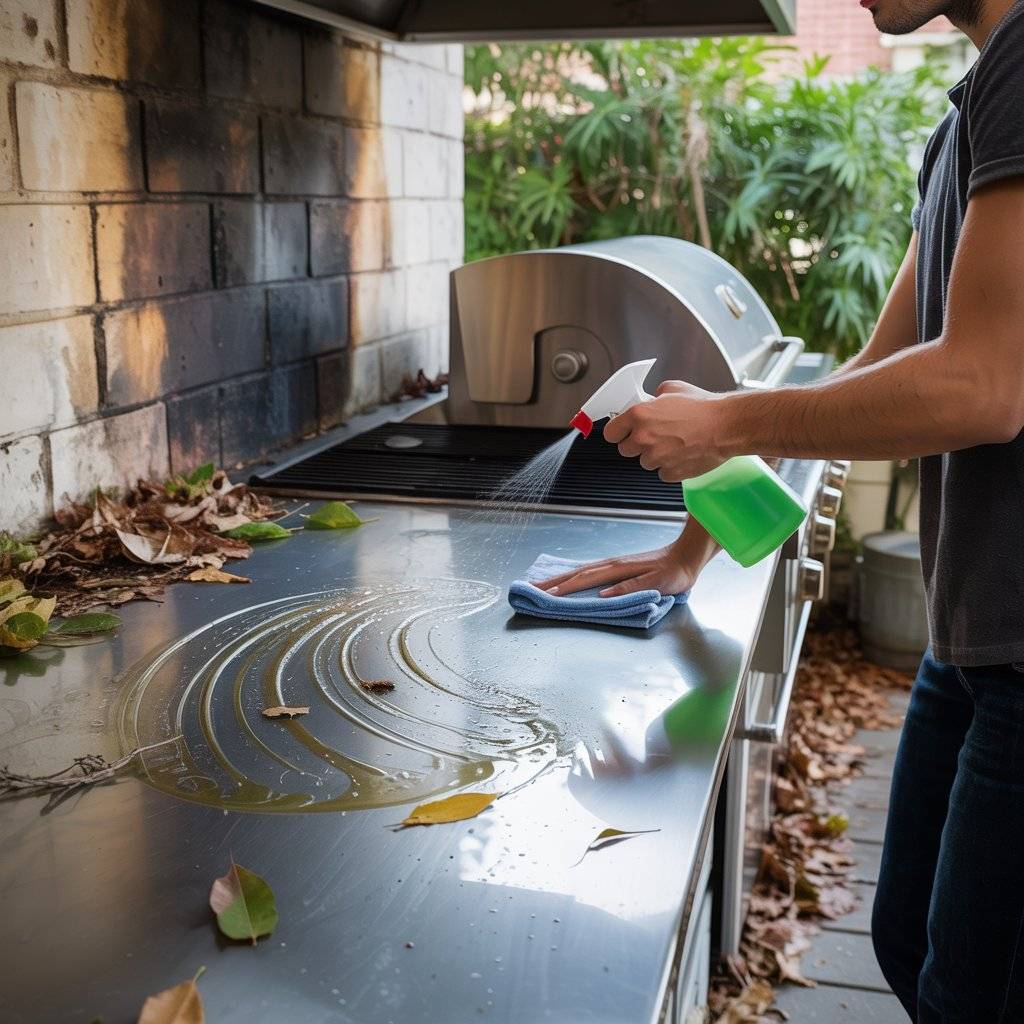
Cleaning an outdoor kitchen is not the same as cleaning indoors. Outside, dirt comes from many places wind, rain splash, dry leaves, and even smoke from cooking. Surfaces can get dusty quickly, especially if the area is not covered. Grease from grilling can also stick to counters and walls, making cleaning harder over time.
Sometimes you may need to clean before cooking, not just after. This can feel inconvenient when you want to prepare food quickly. If the outdoor kitchen is near plants or trees, falling leaves and bird droppings may also require regular wiping.
Choosing smooth surfaces like sealed stone or stainless steel can make cleaning easier. These materials do not hold stains as easily and can be wiped quickly with simple tools.
10. Storage Can Be Limited
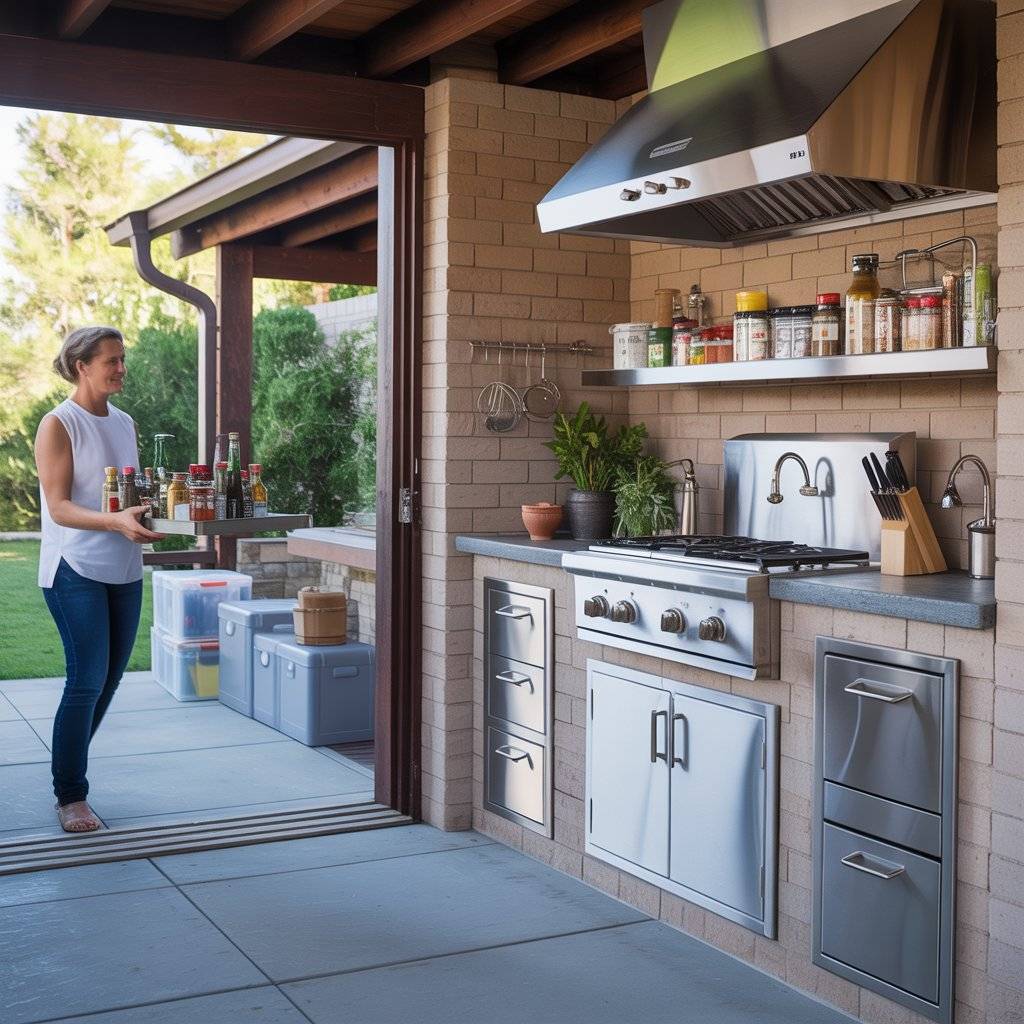
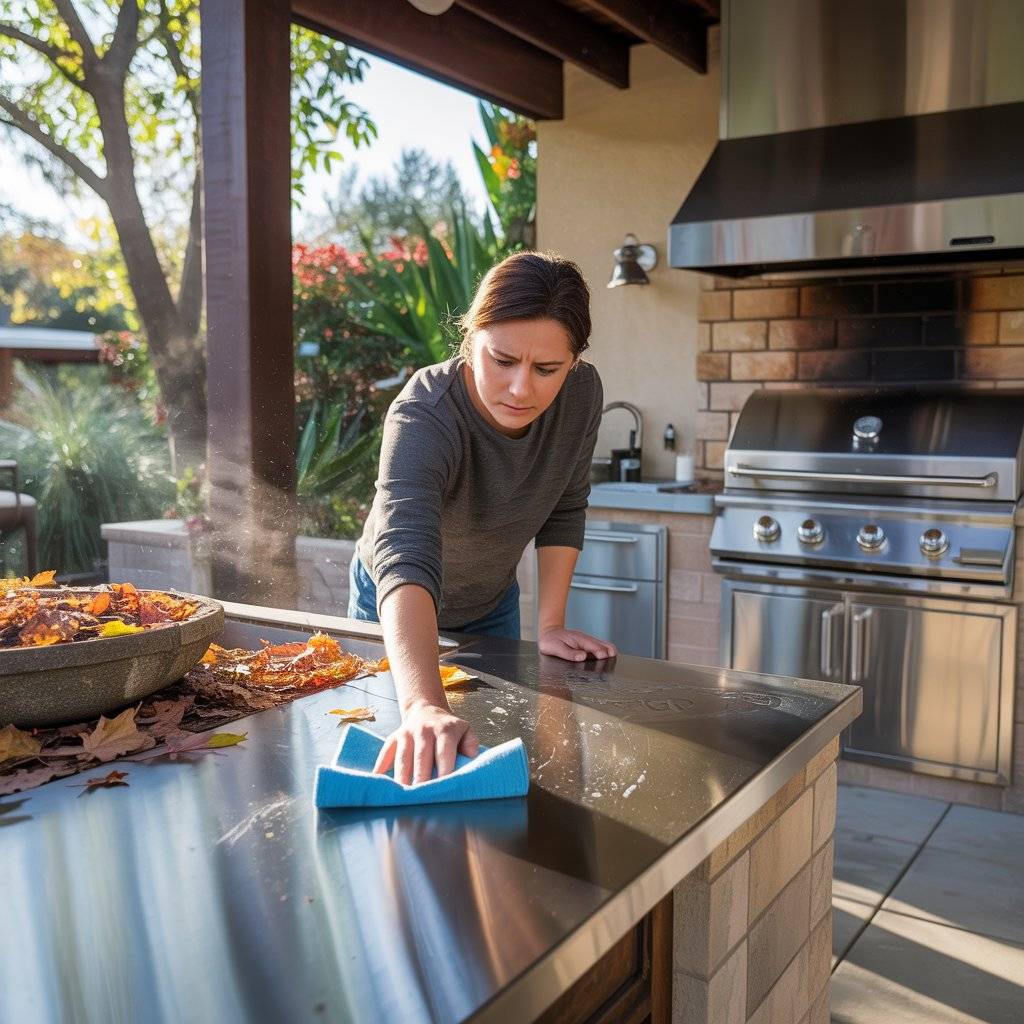
Storage space in an outdoor kitchen is often smaller than expected. Cabinets placed outside must be made from weather-resistant materials, and these options can be expensive. Because of this, many people install fewer cabinets, which reduces storage capacity.
Limited storage means you may still need to carry cooking tools from the indoor kitchen. Things like spices, utensils, and small appliances may not stay safe outdoors because of humidity or insects. This can make cooking less convenient, especially when preparing larger meals.
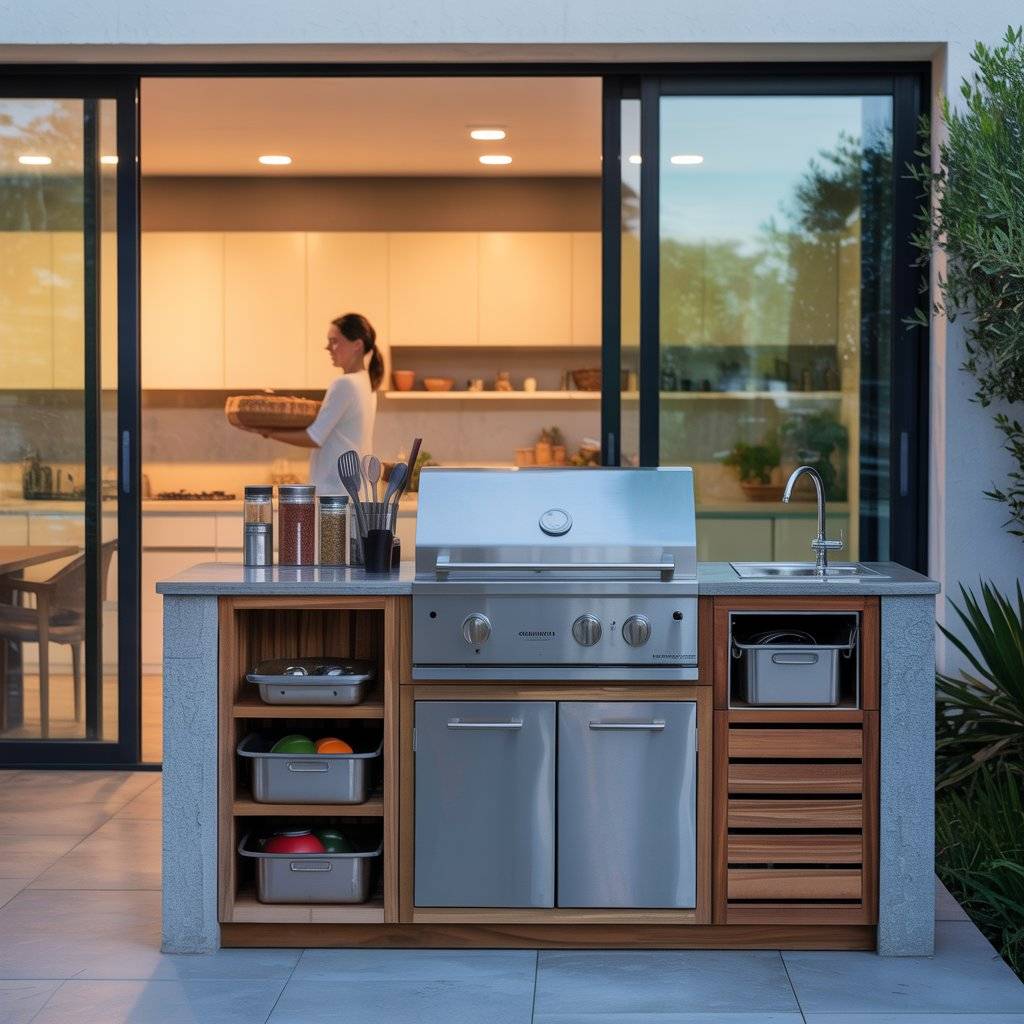
Adding sealed storage boxes or small weatherproof cabinets can help keep essential items outside without damage.
11. Outdoor Kitchens Can Increase Utility Bills
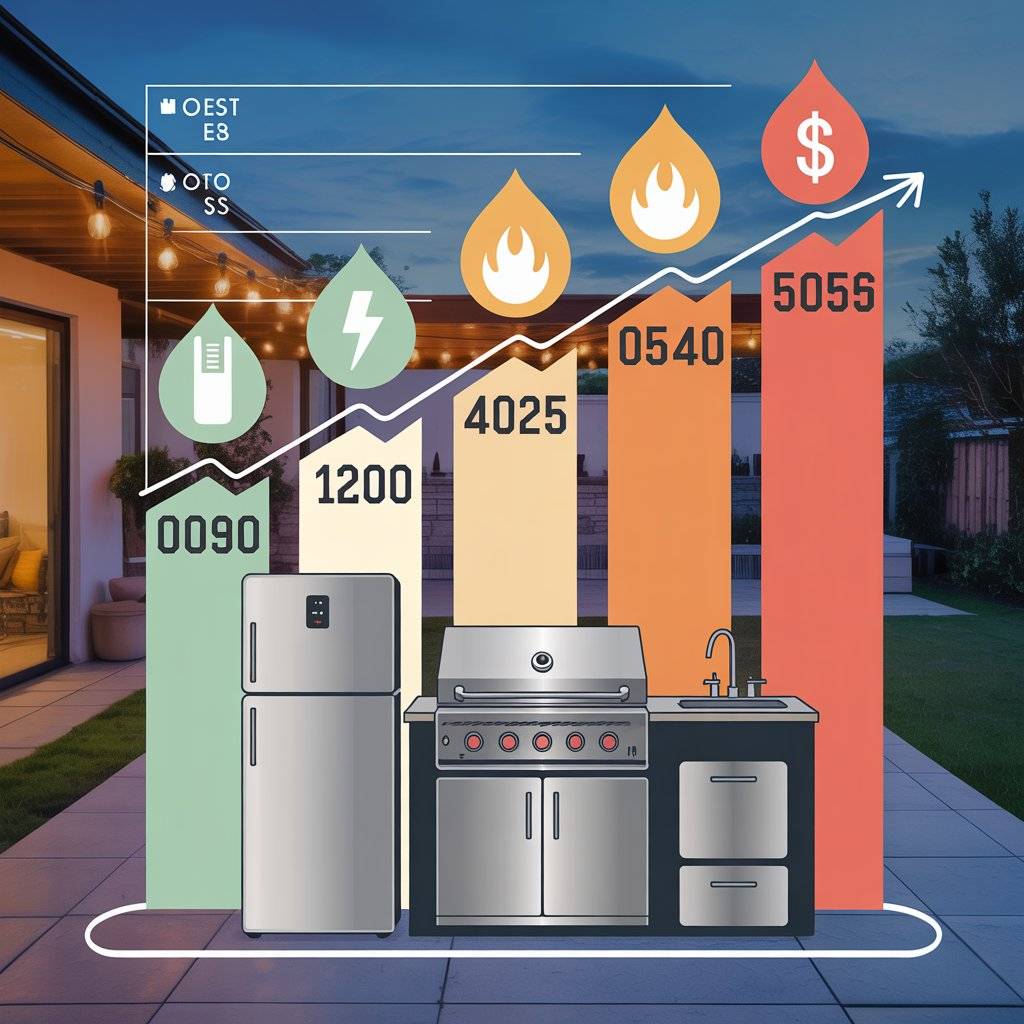
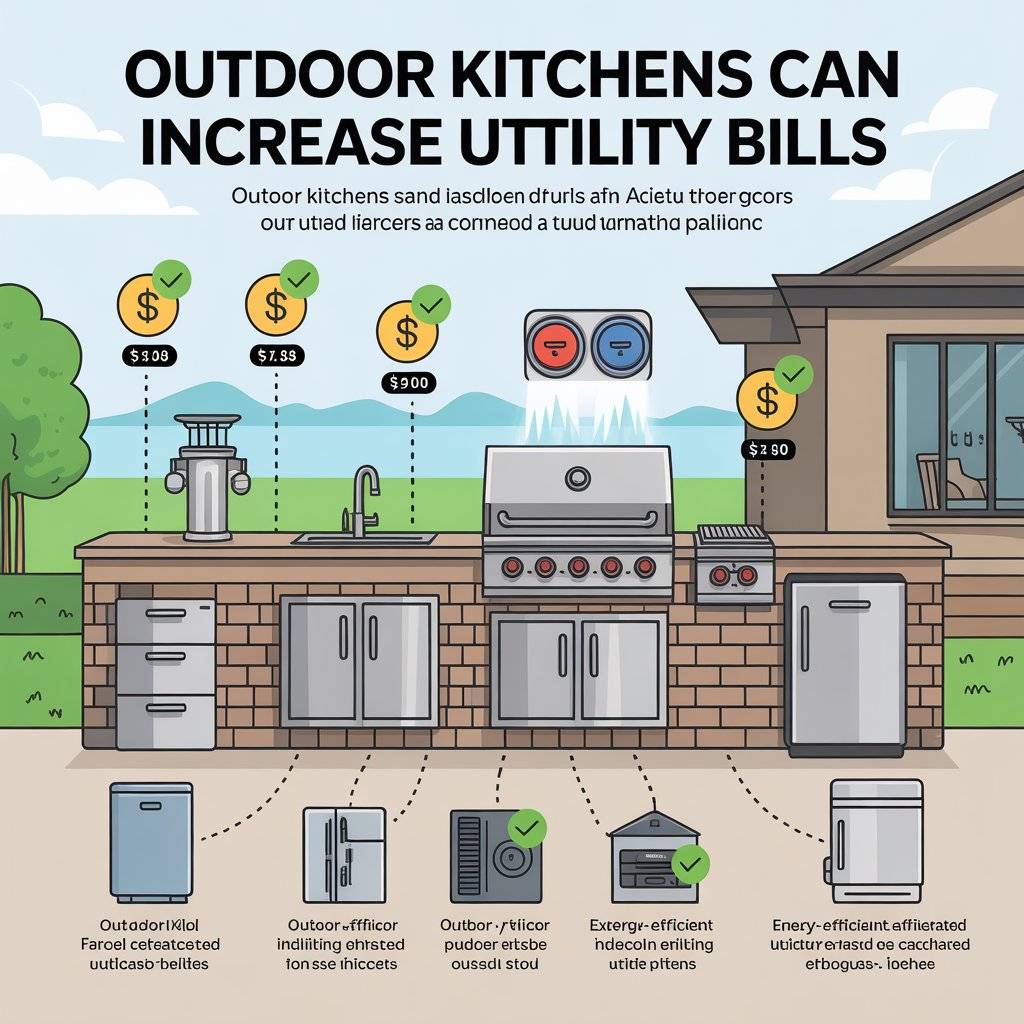
An outdoor kitchen can increase electricity, gas, or water usage. Extra lighting, refrigerators, or sinks all use energy. If you cook outside frequently, these small costs add up over time.
Some appliances may use more power than expected, especially outdoor refrigerators designed to handle heat. Running water outdoors also increases water usage, especially during cleaning.
Being mindful of how often you use appliances helps control costs. Choosing energy-efficient equipment can also reduce long-term expenses.
Also you can read: Sunlit Boho Kitchen Design with Natural Rattan Touches
12. Privacy Can Be Limited
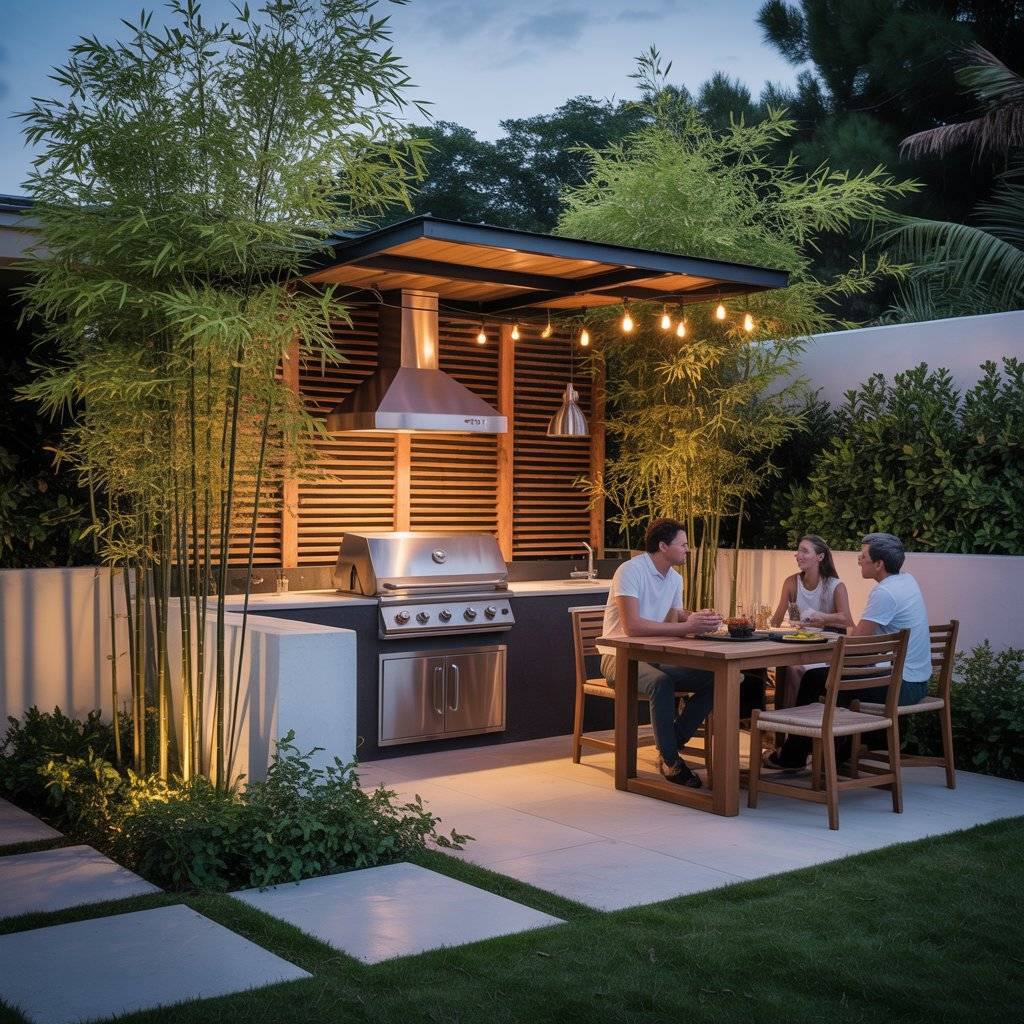
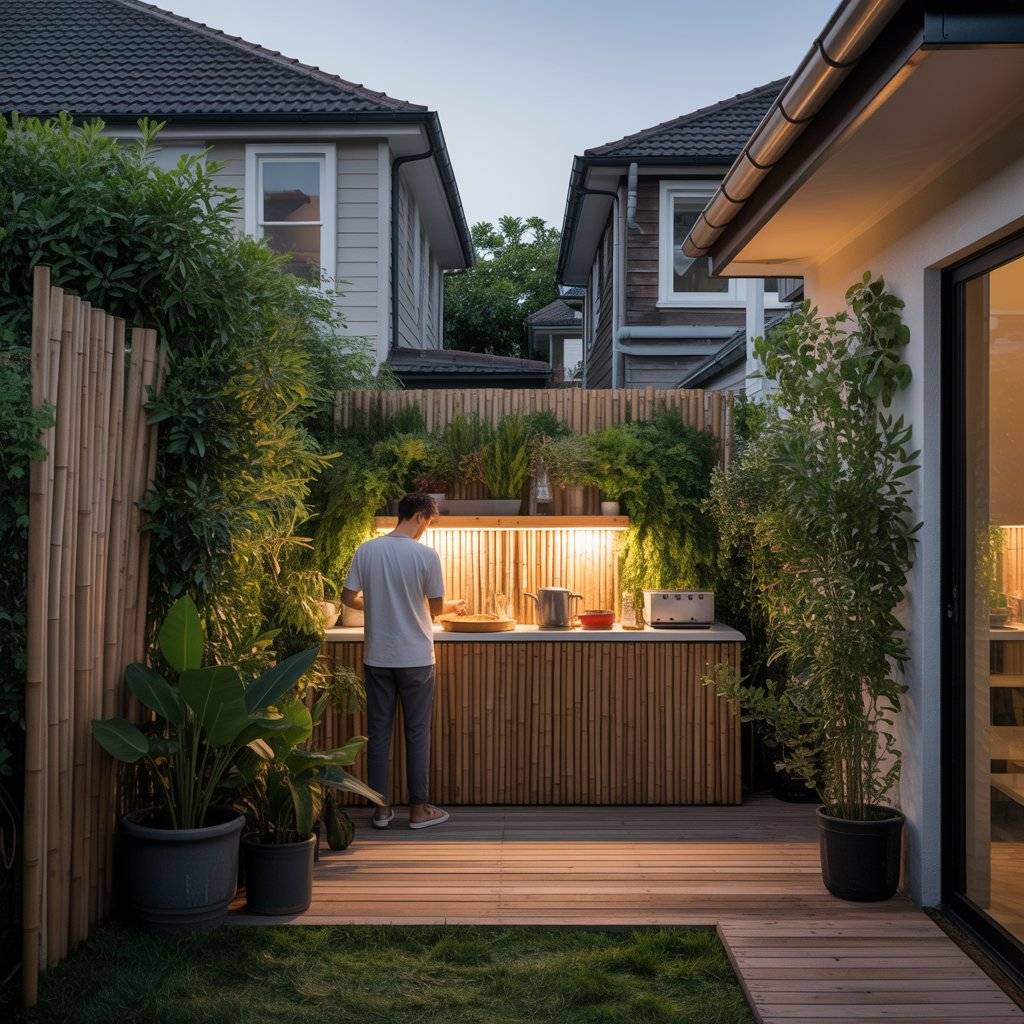
Cooking outside means you are more visible to neighbors or people passing by. Not everyone feels comfortable preparing meals in an open space where others can see. This can reduce the feeling of privacy, especially in areas where houses are close together.
Noise from cooking or gatherings may also travel further outdoors, which can sometimes cause discomfort for neighbors.
Adding simple privacy features such as plants, wooden screens, or fences can make the space feel more comfortable without major construction.
13. Safety Concerns
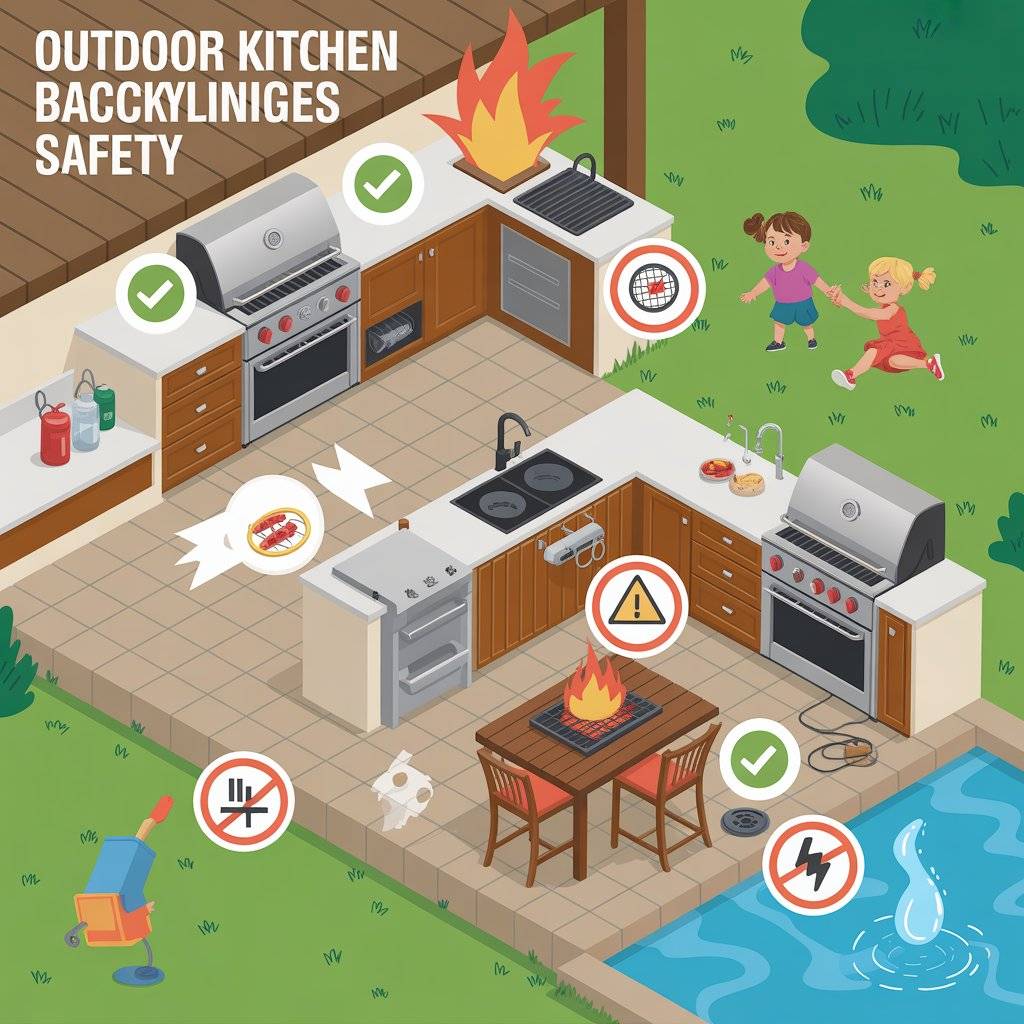
Outdoor kitchens involve open flames, hot surfaces, and sometimes electrical connections. Safety must be considered carefully, especially if children are present. Wind can affect flames, and uneven ground may increase the risk of accidents.
Water near electrical connections must also be managed carefully. Poor installation may lead to hazards that are difficult to notice immediately.
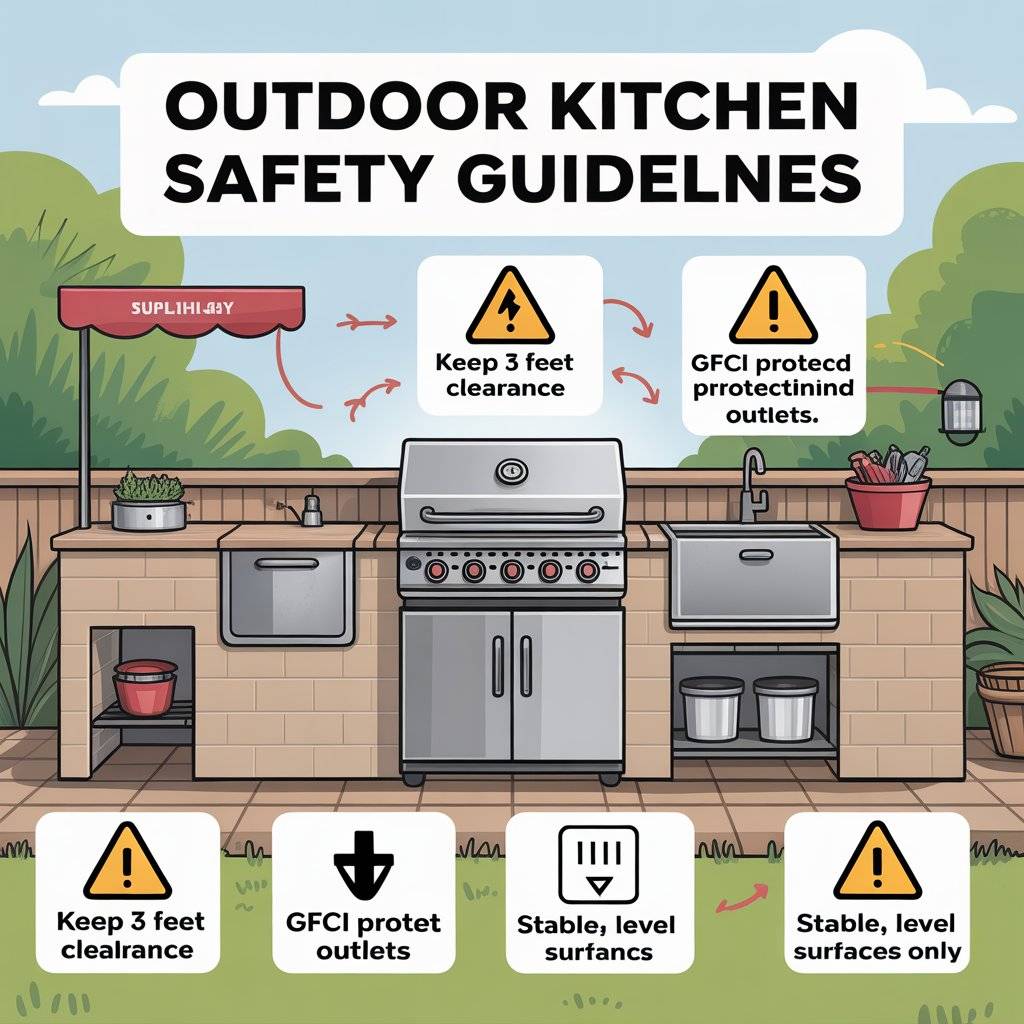
Planning safe distances between appliances, using stable surfaces, and ensuring proper installation can reduce many safety risks.
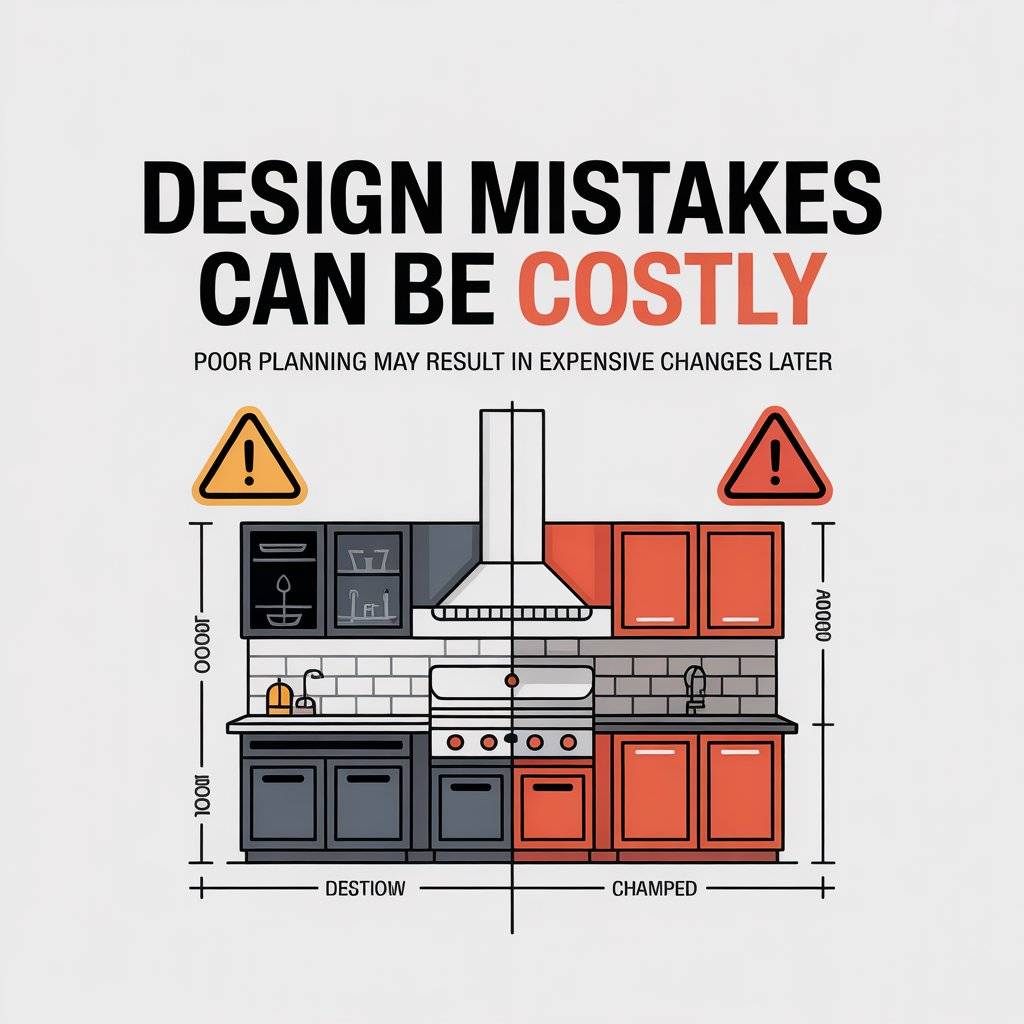
14. Design Mistakes Can Be Costly

Once an outdoor kitchen is built, changes are not always easy. Moving plumbing or gas lines later can require extra work and expense. Some people realize after building that they need more counter space or better layout flow.
Poor planning may result in a kitchen that looks good but is not comfortable to use. For example, placing the grill too far from preparation space can make cooking inconvenient.
Taking time to sketch the layout first helps prevent expensive changes later.
15. Outdoor Kitchens May Not Suit Every Lifestyle
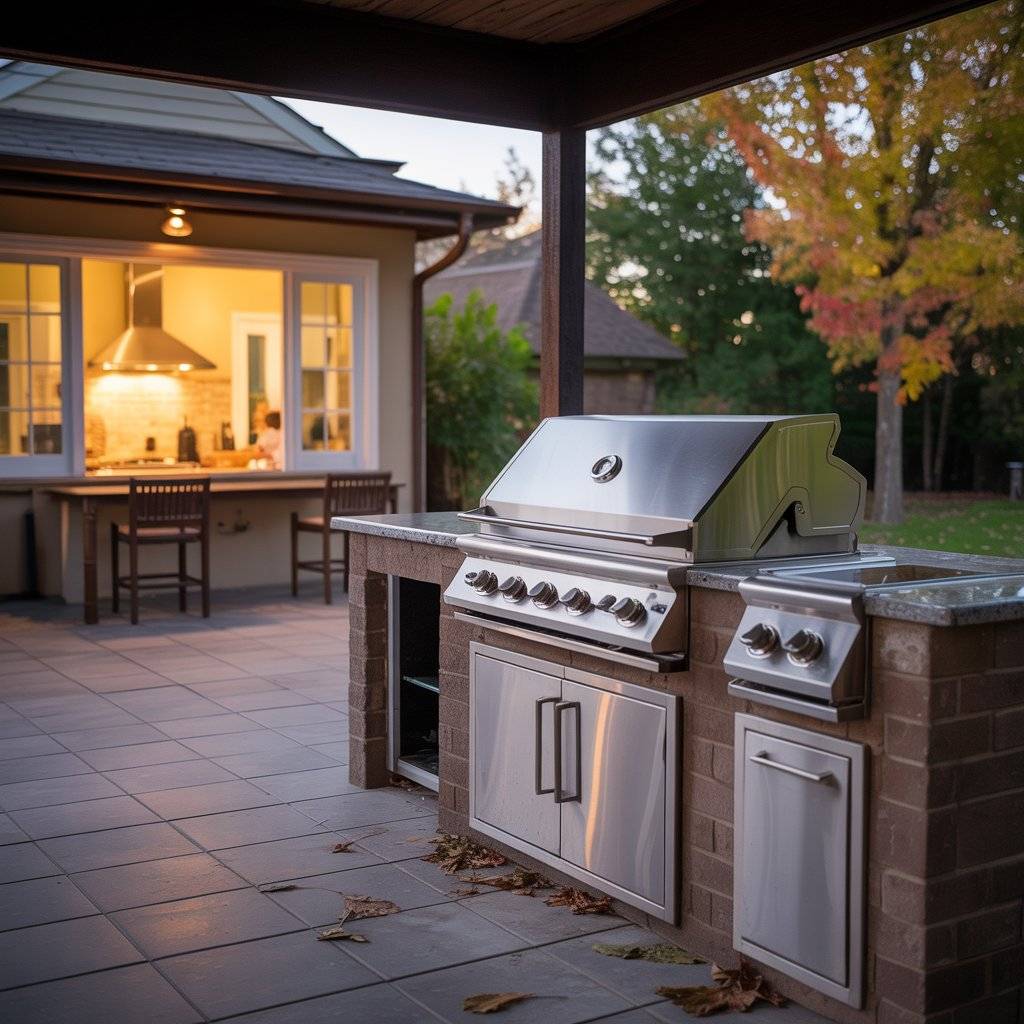
An outdoor kitchen sounds appealing, but it may not match everyone’s daily routine. Some people prefer quick indoor cooking, especially after long workdays. If you rarely cook outside, the kitchen may not be used enough to justify the cost.
Outdoor cooking often takes more preparation time because tools and ingredients must be organized differently. Weather conditions may also affect convenience.
Before building, think honestly about how often you will use the space. A smaller setup may be more practical if outdoor cooking is only occasional.
Tips
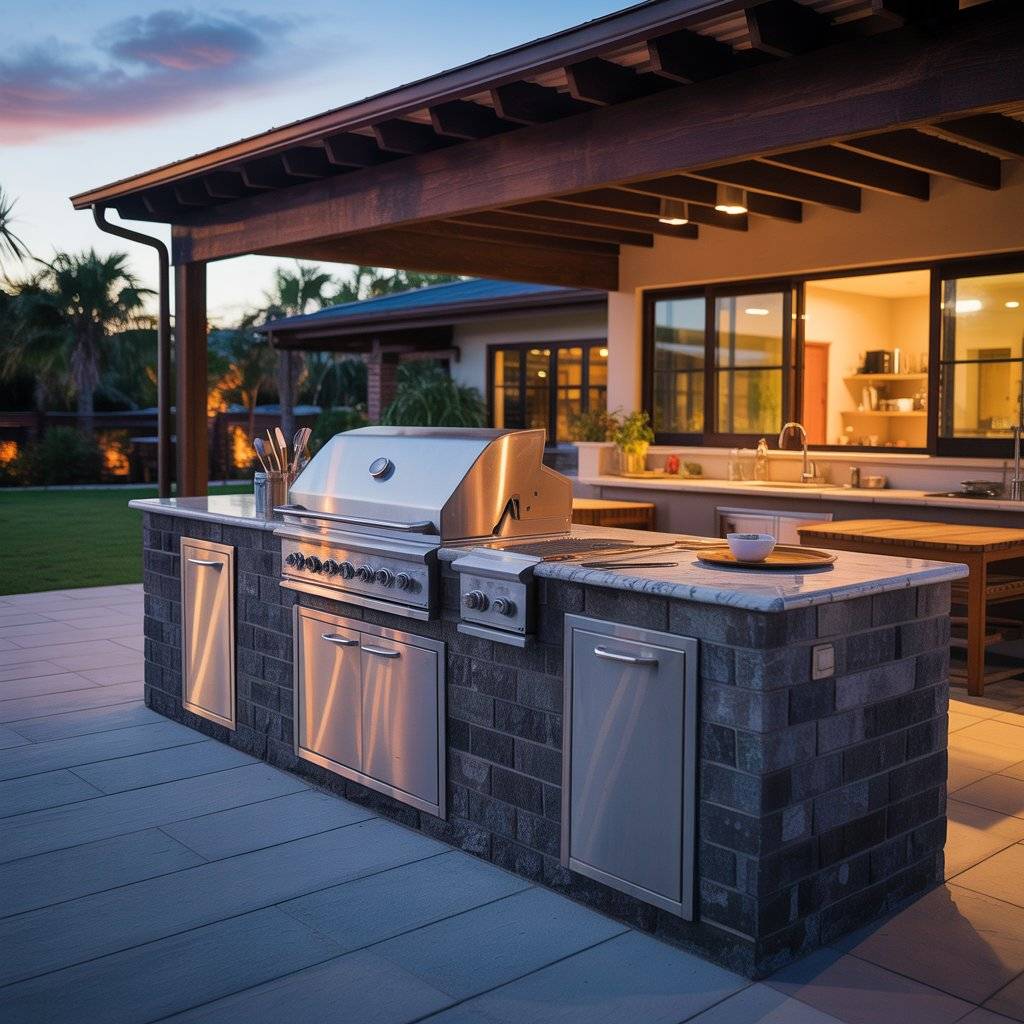
• Choose weather-resistant materials
• Start with a simple layout
• Add shade or roofing for protection
• Clean surfaces regularly
• Use covers for appliances
• Plan enough working space
Mistakes to Avoid
• Building too big too quickly
• Ignoring weather protection
• Choosing indoor materials for outdoor use
• Forgetting storage space
• Poor layout planning
FAQs
Is an outdoor kitchen expensive to maintain?
Maintenance costs depend on materials and how often the kitchen is used. Regular cleaning helps reduce repair costs.
Does an outdoor kitchen increase home value?
In many cases, it can increase value, especially if designed well and maintained properly.
Do outdoor kitchens need special appliances?
Yes, outdoor appliances are built to handle weather conditions better than indoor ones.
How can I protect an outdoor kitchen from rain?
Adding a roof, pergola, or protective cover helps reduce weather damage.
Styling Ideas
• Use natural stone for a simple look
• Add warm lighting for evening cooking
• Choose neutral colors that match the yard
• Include small plants for a fresh feel
Conclusion
Outdoor kitchens can be useful and enjoyable, but they also come with challenges. Cost, maintenance, weather exposure, and space planning are important factors to consider before building. Knowing the disadvantages helps you prepare better and avoid problems later.
A simple and practical design often works best. Start small, choose durable materials, and focus on what you will actually use. This makes the outdoor kitchen more functional and easier to maintain over time.
Related Post:
Primitive Kitchen Ideas: Rustic Country Charm for a Warm Timeless Space
Outdoor Kitchen Layout Ideas Create a Smooth Functional Cooking Space