
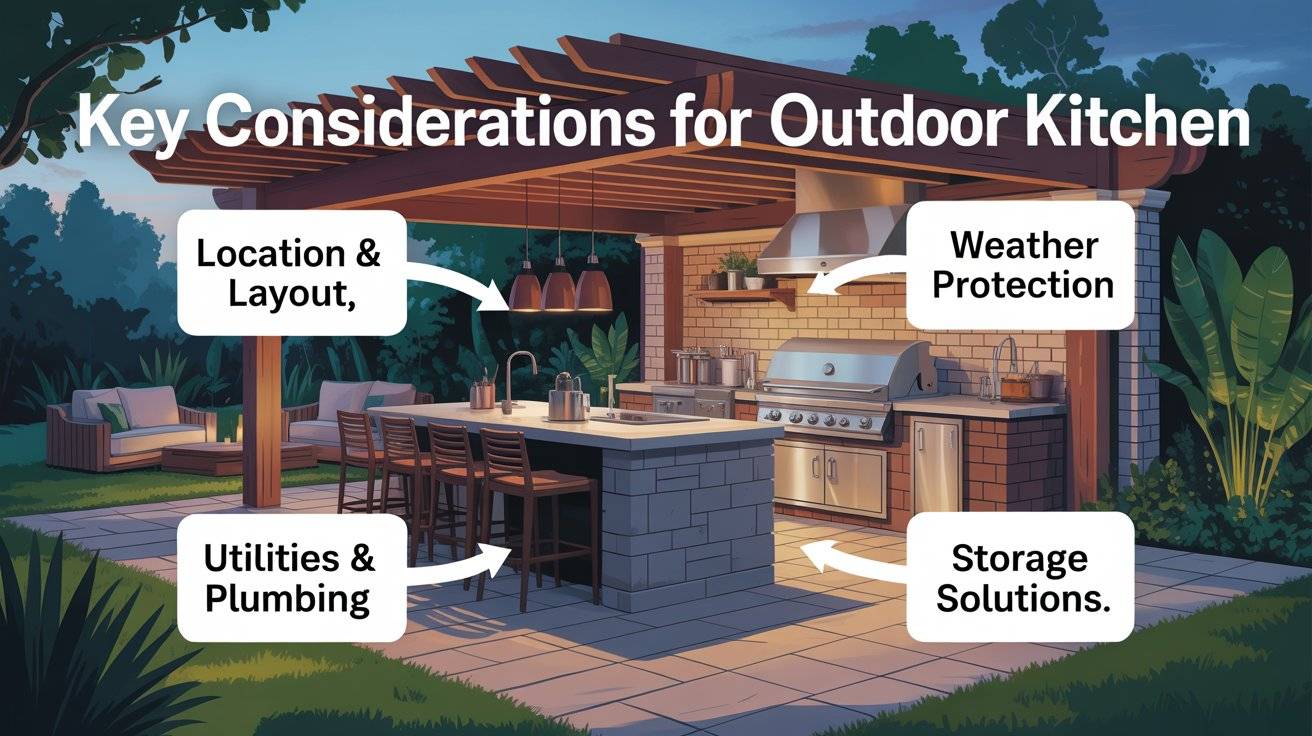
Building an outdoor kitchen sounds exciting, but it’s not something you want to rush. I’ve seen many people start with only the idea of a grill, then later realize they should have planned the layout, storage, and weather protection better. An outdoor kitchen should not only look good, it should also be easy to use and strong enough to last outside.
Before you build anything, take time to think about how you will cook, how much space you have, and what fits your budget. Some outdoor kitchens are simple with just a grill and counter, while others include sinks, storage, and seating areas. The right choice depends on how often you plan to cook outside and how much work you want to put into the project.
In this guide, I’ll walk you through what to consider when building an outdoor kitchen so you can avoid mistakes and create a space that works well for everyday use.
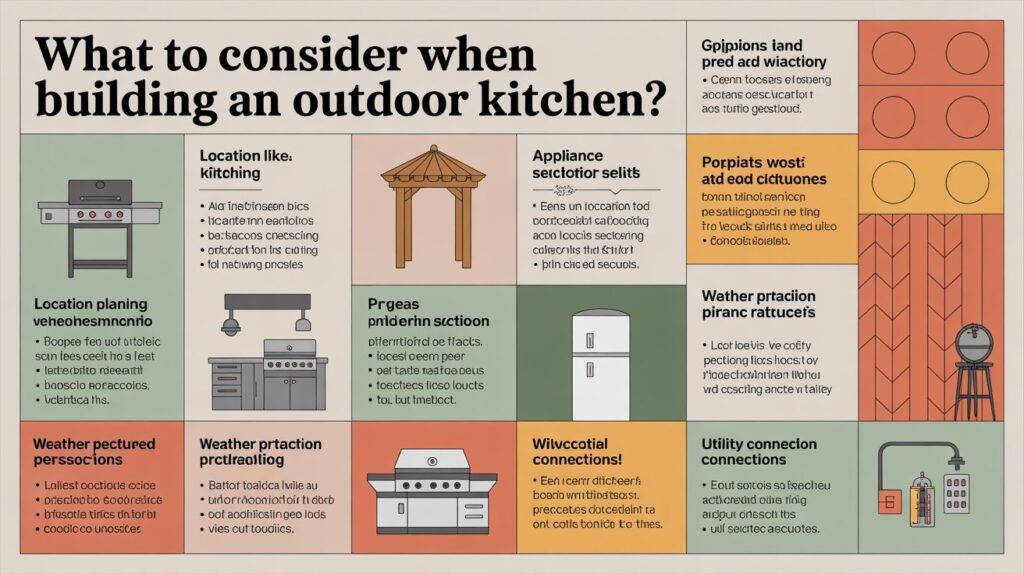
1. Choose the Right Location
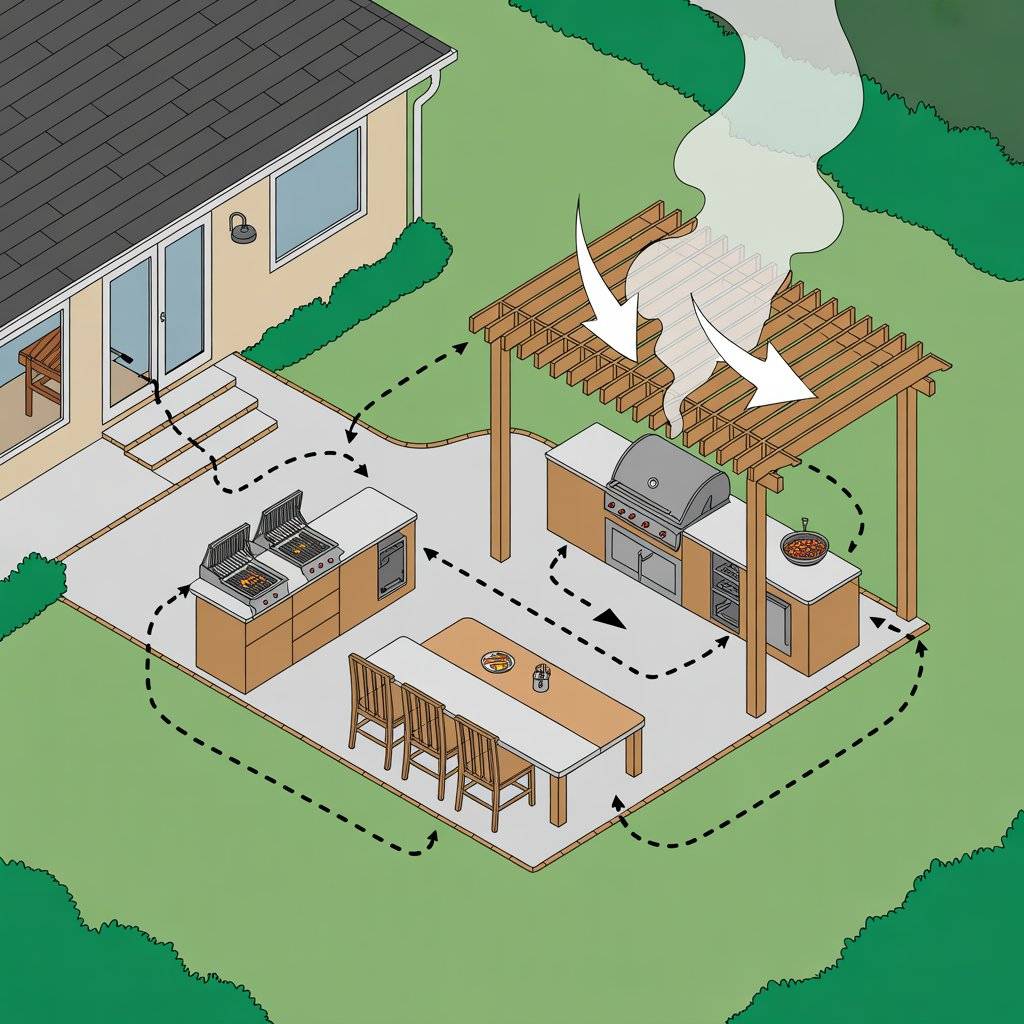
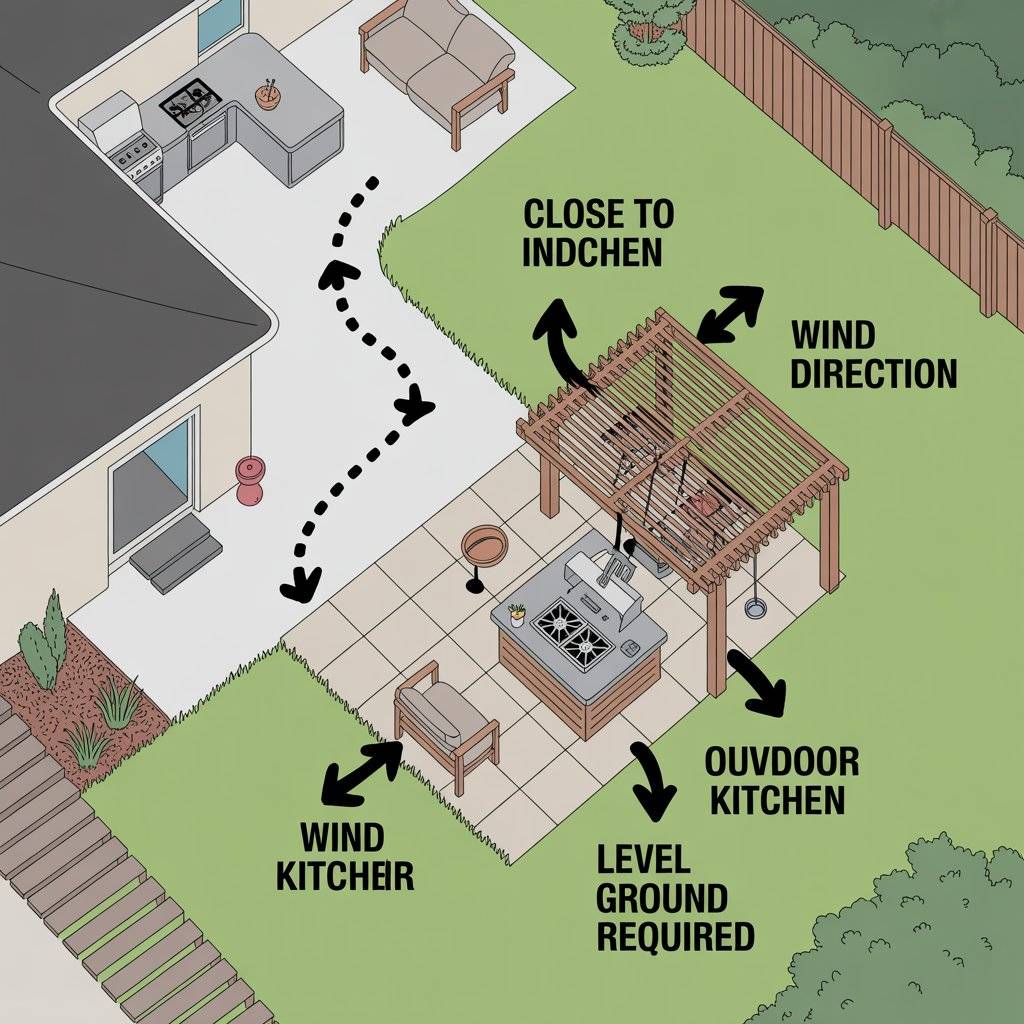
The first thing I always think about is location. Where you place your outdoor kitchen affects everything else. Try to keep it close to your indoor kitchen if possible.
This makes it easier to carry food, utensils, and ingredients back and forth. If the distance is too far, cooking outside can quickly become inconvenient.
You should also check the wind direction. Smoke from the grill should not blow directly into your house or seating area. Shade is another factor. Cooking under strong sun can be uncomfortable, so consider a covered area or pergola.
Make sure the ground is level and strong enough to support countertops and appliances. A good location makes the kitchen more enjoyable and easier to use every day.
2. Plan the Layout Carefully
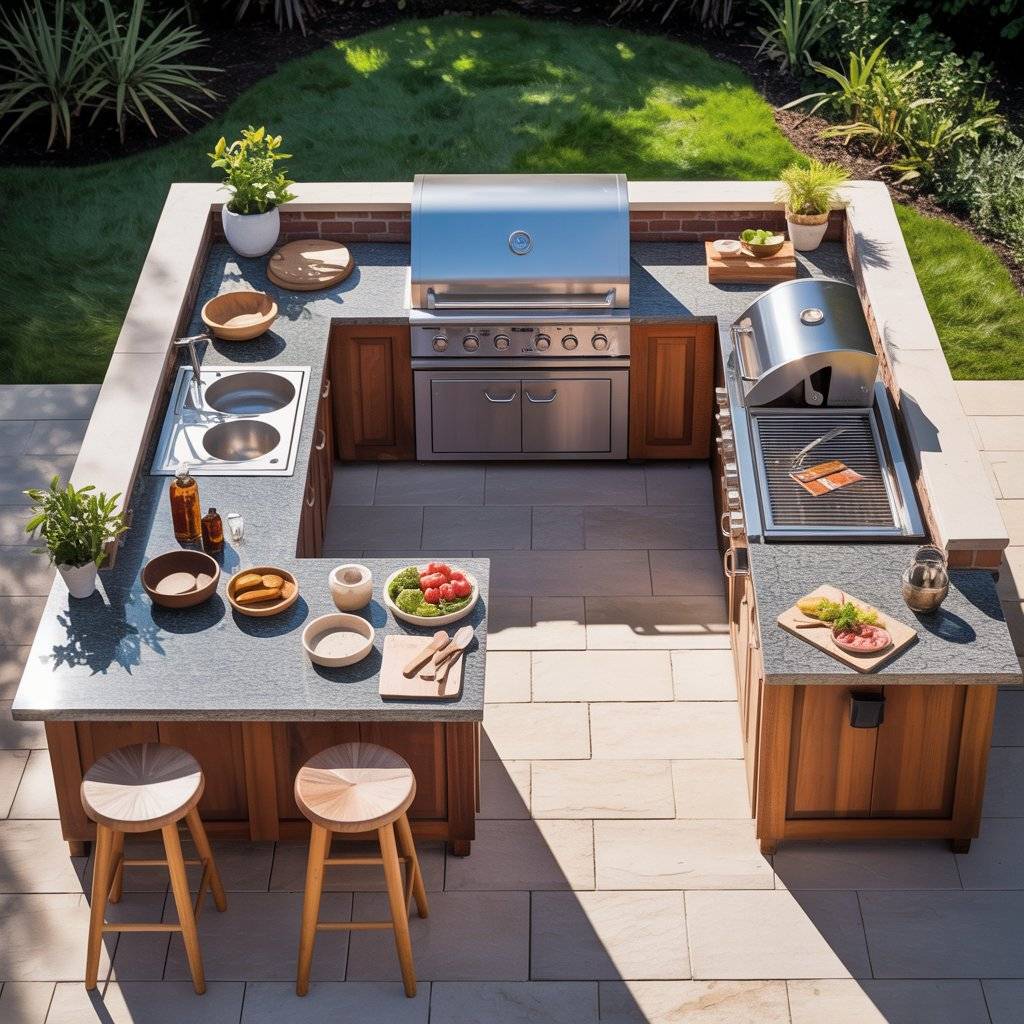
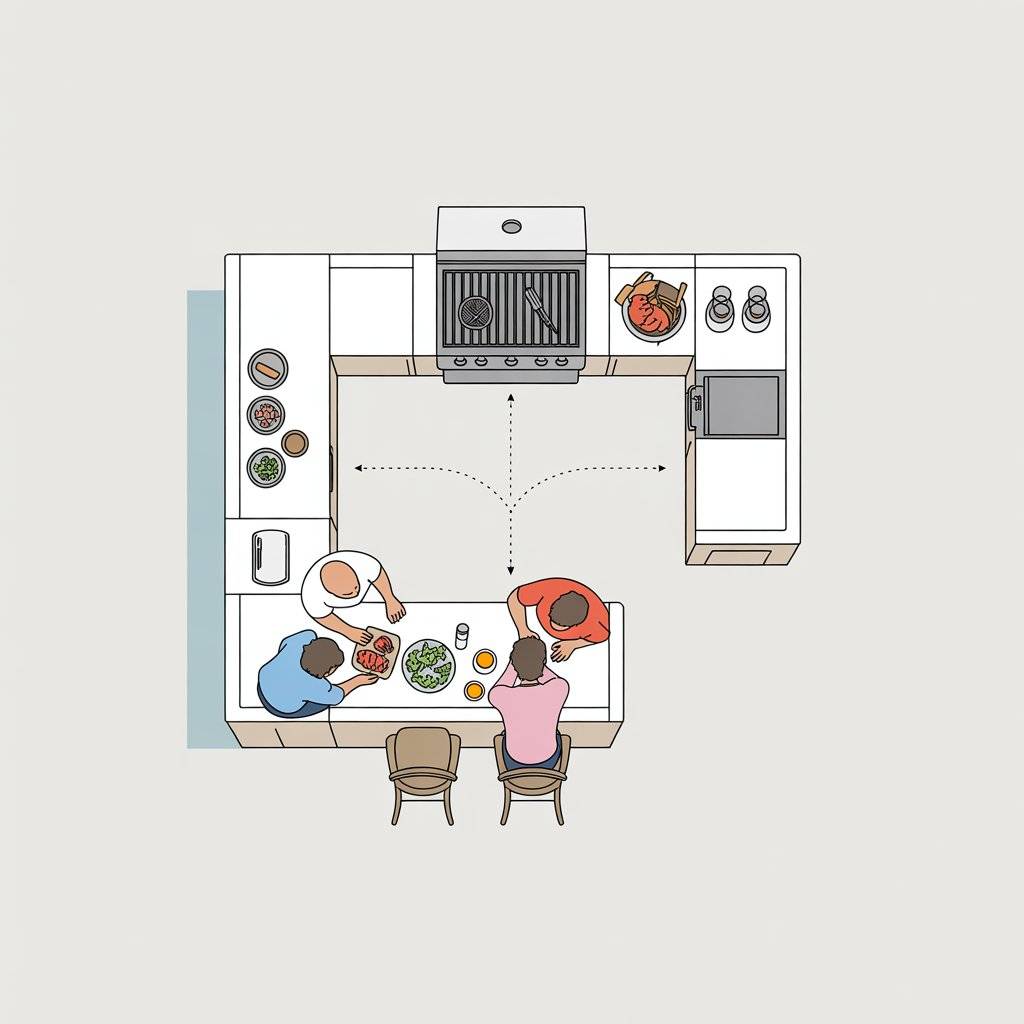
A good layout saves time and effort while cooking. Think about how you move when preparing meals. Usually, you need space for food preparation, cooking, and serving. Try to keep these areas close to each other so you don’t walk too much while cooking.
Many people place the grill in the center, with counter space on both sides. This makes it easy to prepare food and place hot items safely. If you have enough space, consider adding a small bar or seating area so family or guests can sit nearby while you cook.
The goal is to create a natural flow that feels comfortable. Even a small outdoor kitchen can feel organized when the layout is planned well.
3. Set a Realistic Budget
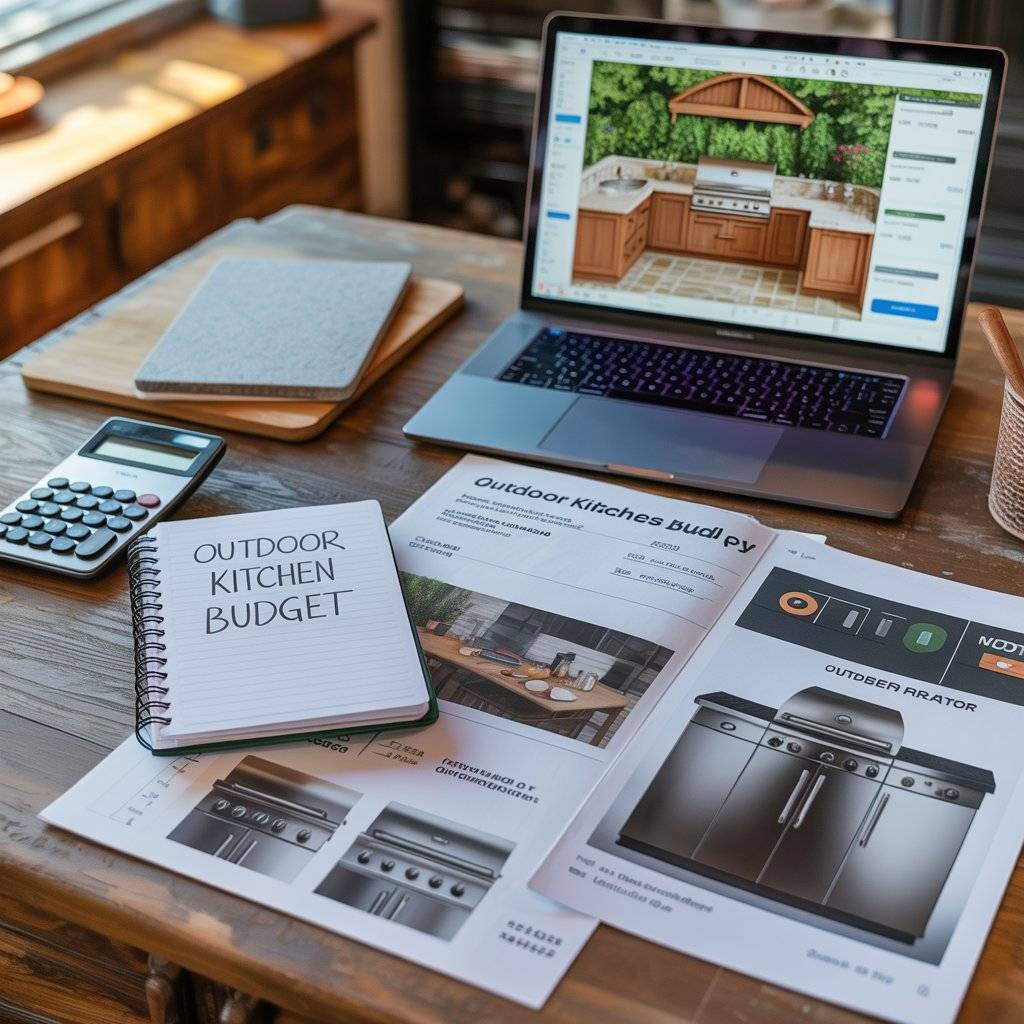
Outdoor kitchens can be simple or expensive depending on the materials and appliances you choose. Before buying anything, decide how much you are comfortable spending.
Start with the basic items you really need, such as a grill and counter space. Extra features like sinks, refrigerators, or pizza ovens can always be added later.
It also helps to include the cost of materials that last longer outdoors. Weather-resistant materials may cost more at first but often save money over time because they don’t need frequent repairs. Planning your budget early helps you avoid stopping the project halfway. A clear budget keeps everything realistic and manageable.
4. Select Weather-Resistant Materials
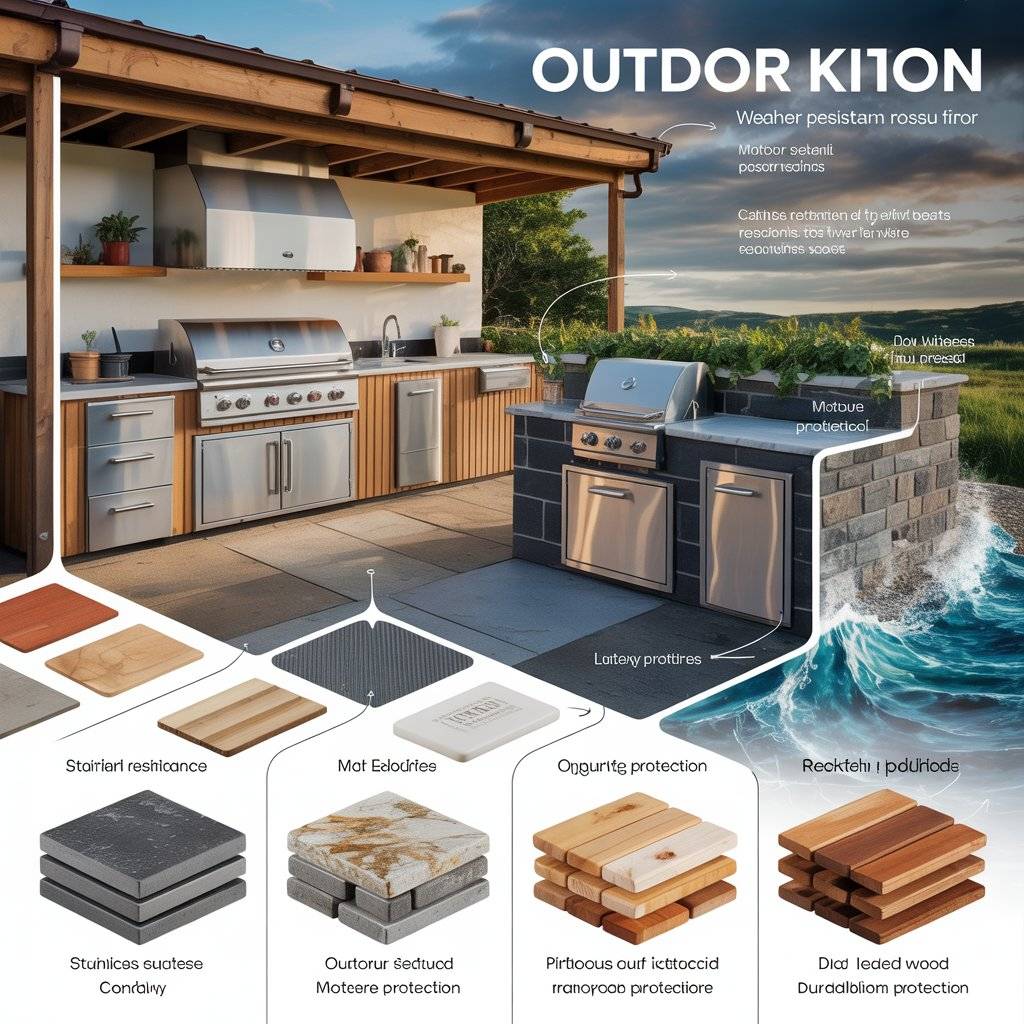
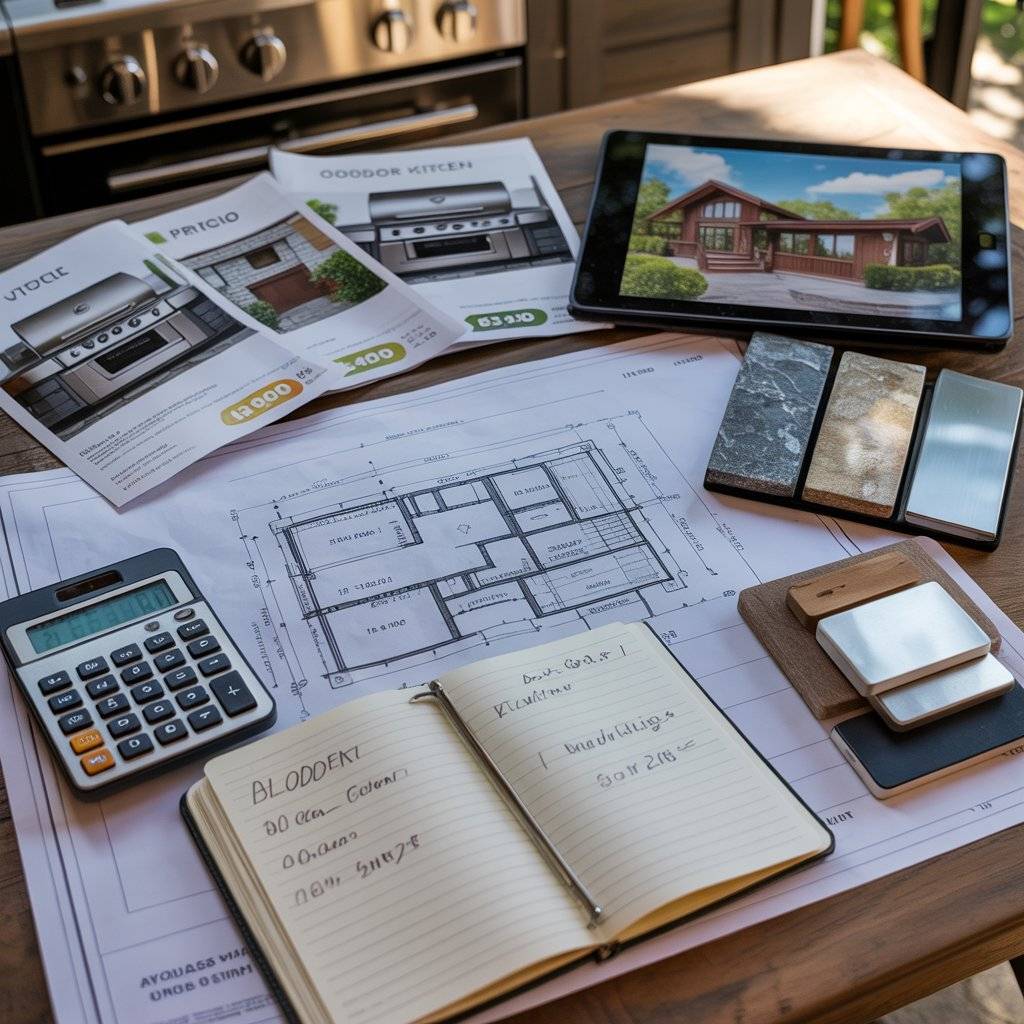
Outdoor kitchens are exposed to sun, rain, dust, and temperature changes. That’s why material choice matters a lot.
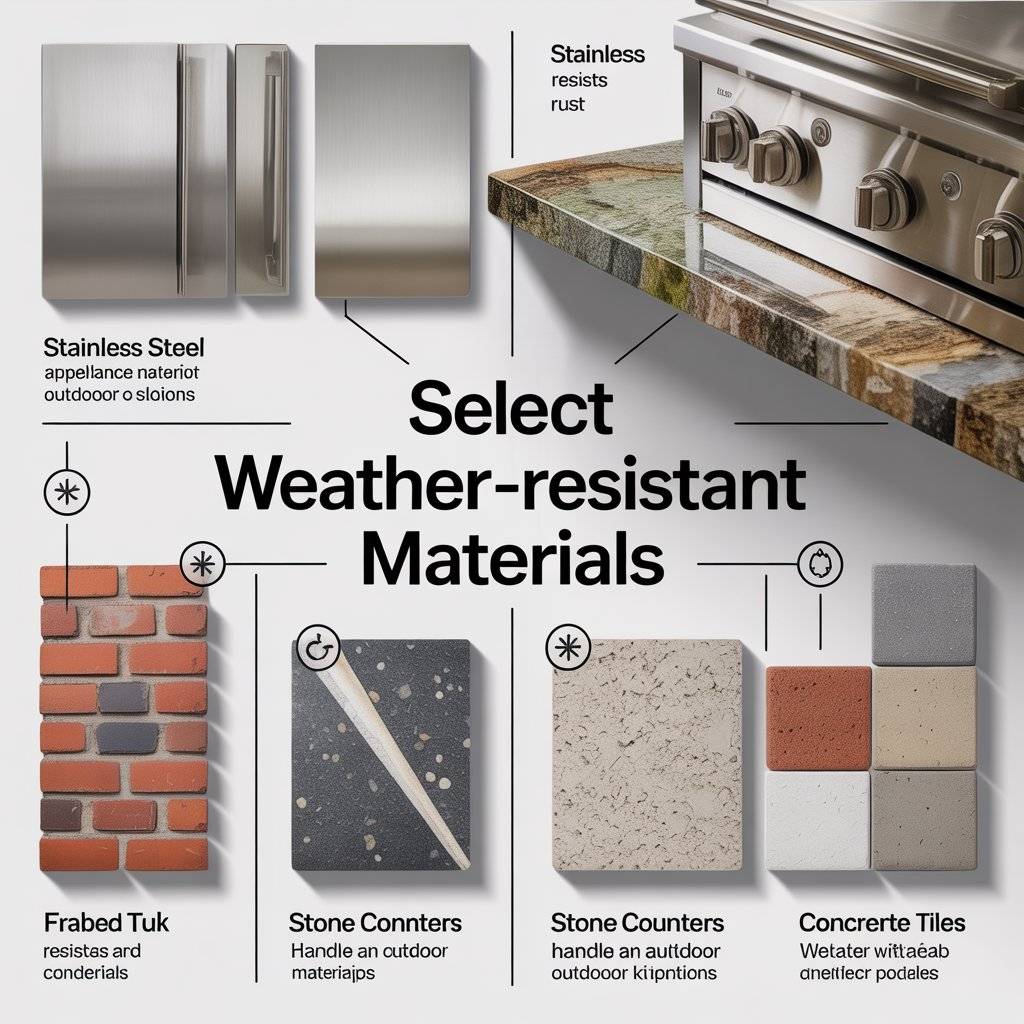
Stainless steel is a popular option for appliances because it resists rust and is easy to clean. Stone, brick, or concrete counters are strong and can handle outdoor conditions.
Avoid materials that can easily warp or crack when exposed to moisture. Wood can still be used, but it should be sealed properly to protect it from weather damage. Choosing durable materials means less maintenance later.
When materials are strong, your outdoor kitchen can stay in good condition for many years without needing frequent repairs.
5. Choose Appliances Based on How You Cook
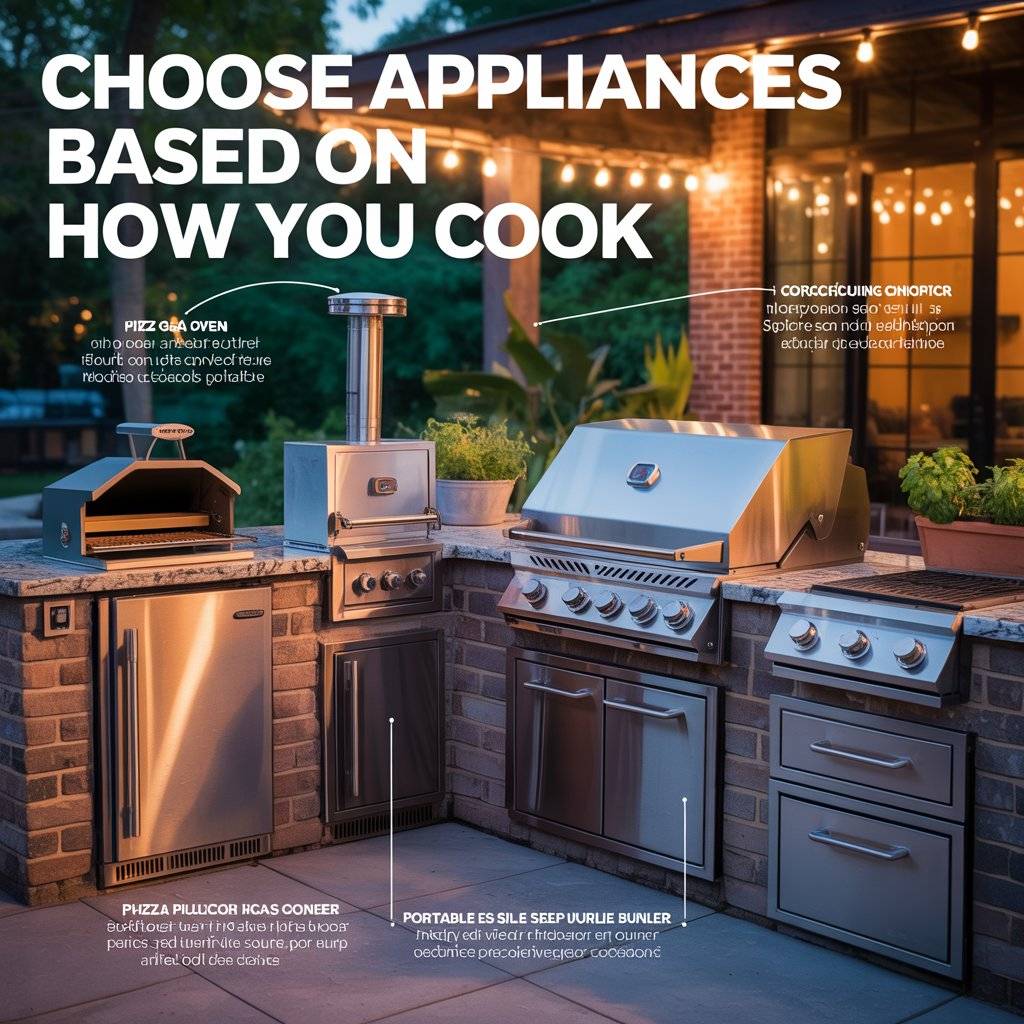
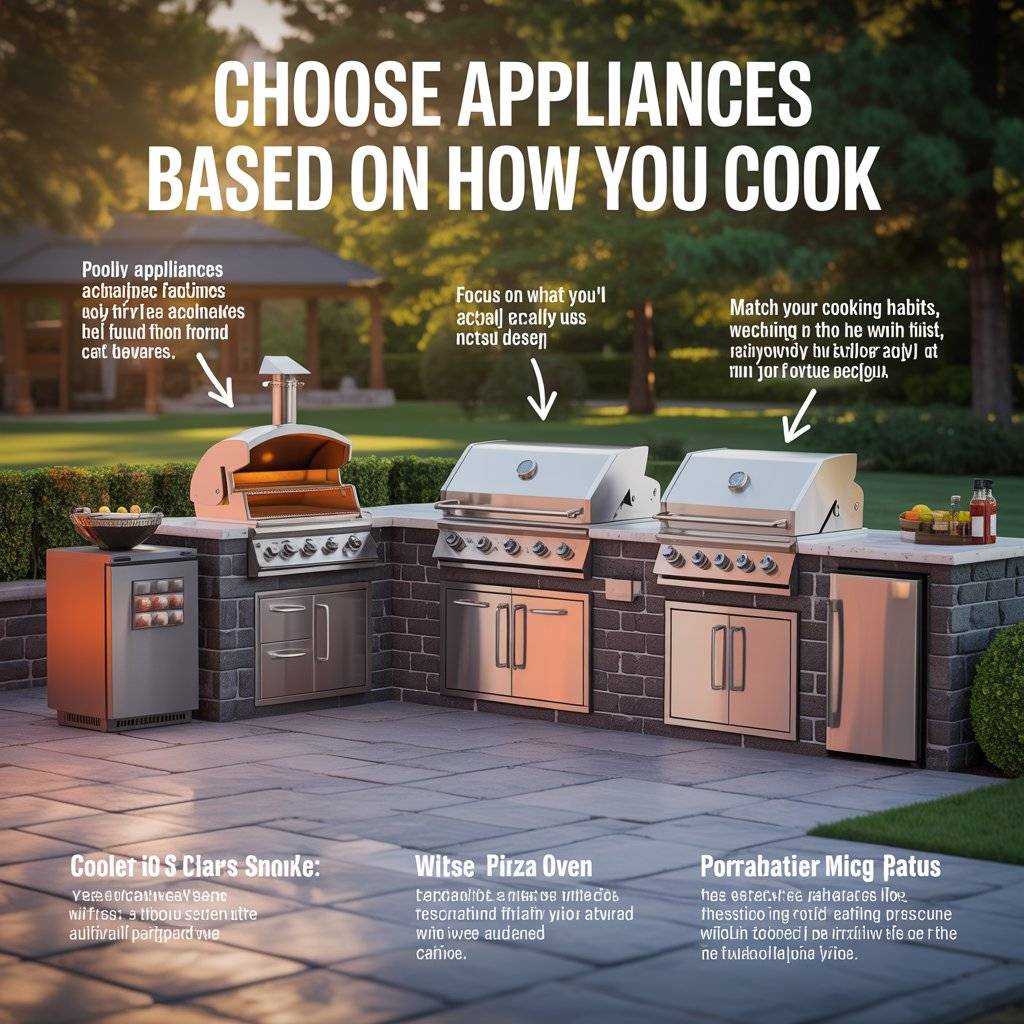
Before buying appliances, think about the type of cooking you enjoy most. Some people only need a grill, while others want more options like a smoker, pizza oven, or side burner. If you mostly cook simple meals, a good grill and enough counter space may be all you need.
Try not to buy appliances just because they look impressive. Focus on what you will actually use often. A refrigerator can be helpful for keeping drinks or ingredients outside, so you don’t need to go inside many times.
Built-in appliances look neat, but portable ones can also work if you want flexibility. Choose appliances that match your cooking habits, not just the design.
6. Plan Enough Storage Space
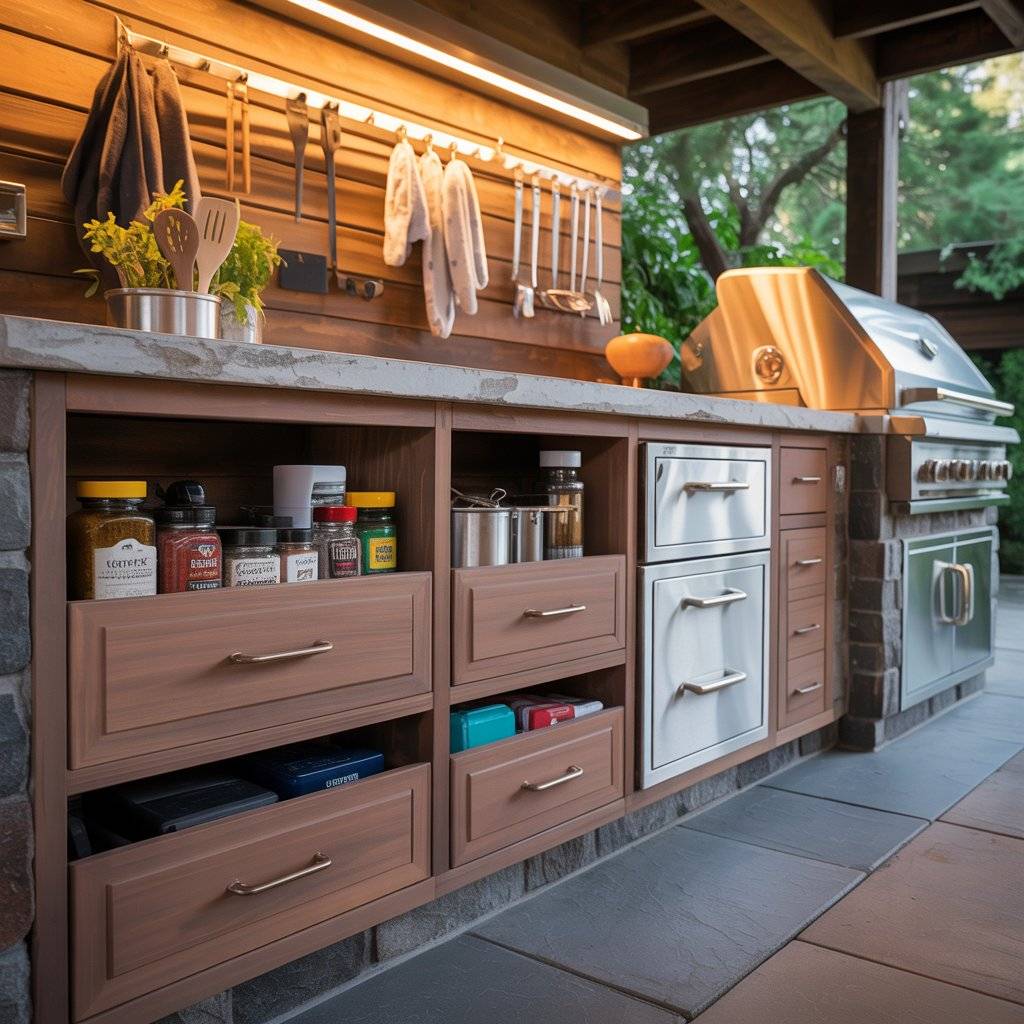
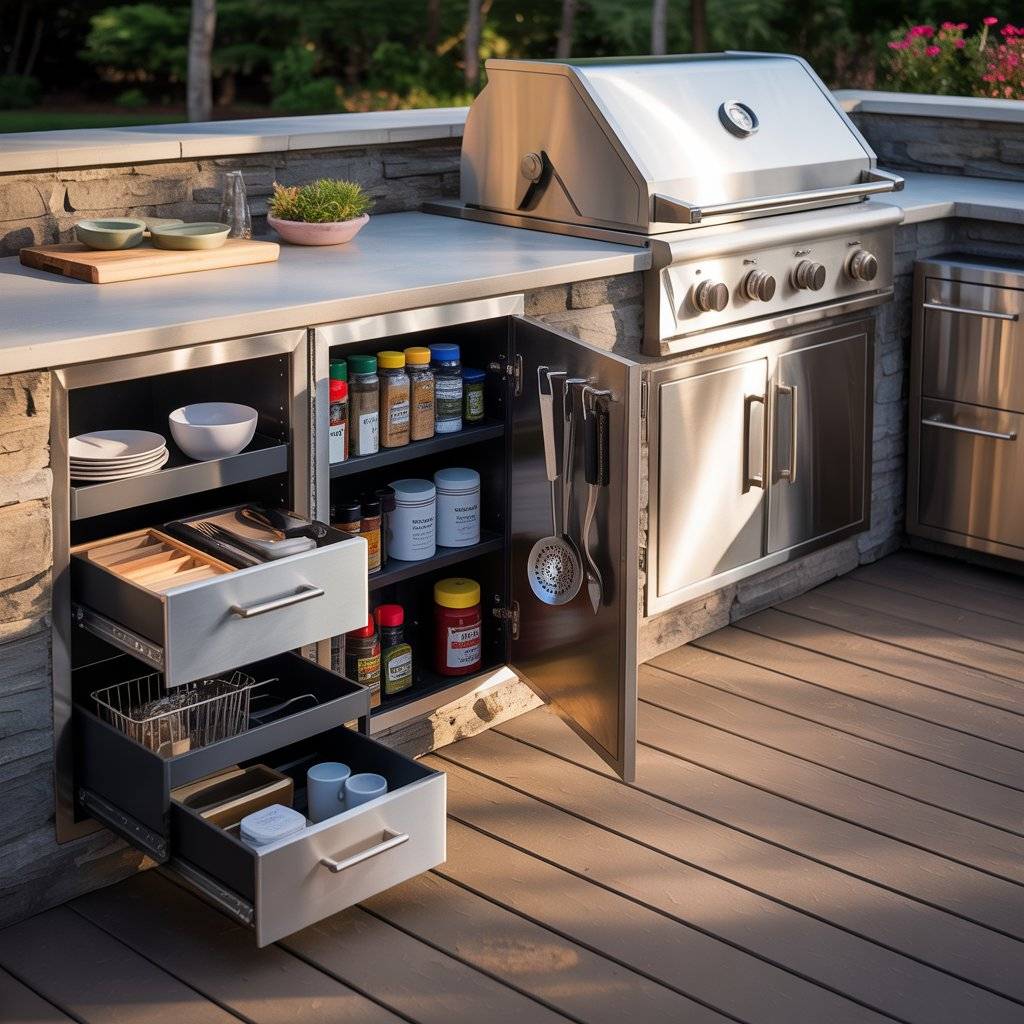
Storage is something many people forget at the beginning. When cooking outside, you still need space for tools, utensils, spices, and cleaning supplies. Without storage, you may find yourself carrying items in and out of the house every time you cook.
Simple cabinets or drawers can make a big difference. Weather-resistant storage keeps items dry and protected from dust. You can also include hooks for hanging tools or shelves for frequently used items.
Even small storage areas help keep the outdoor kitchen organized. When everything has a place, cooking becomes easier and faster.
7. Think About Lighting Early
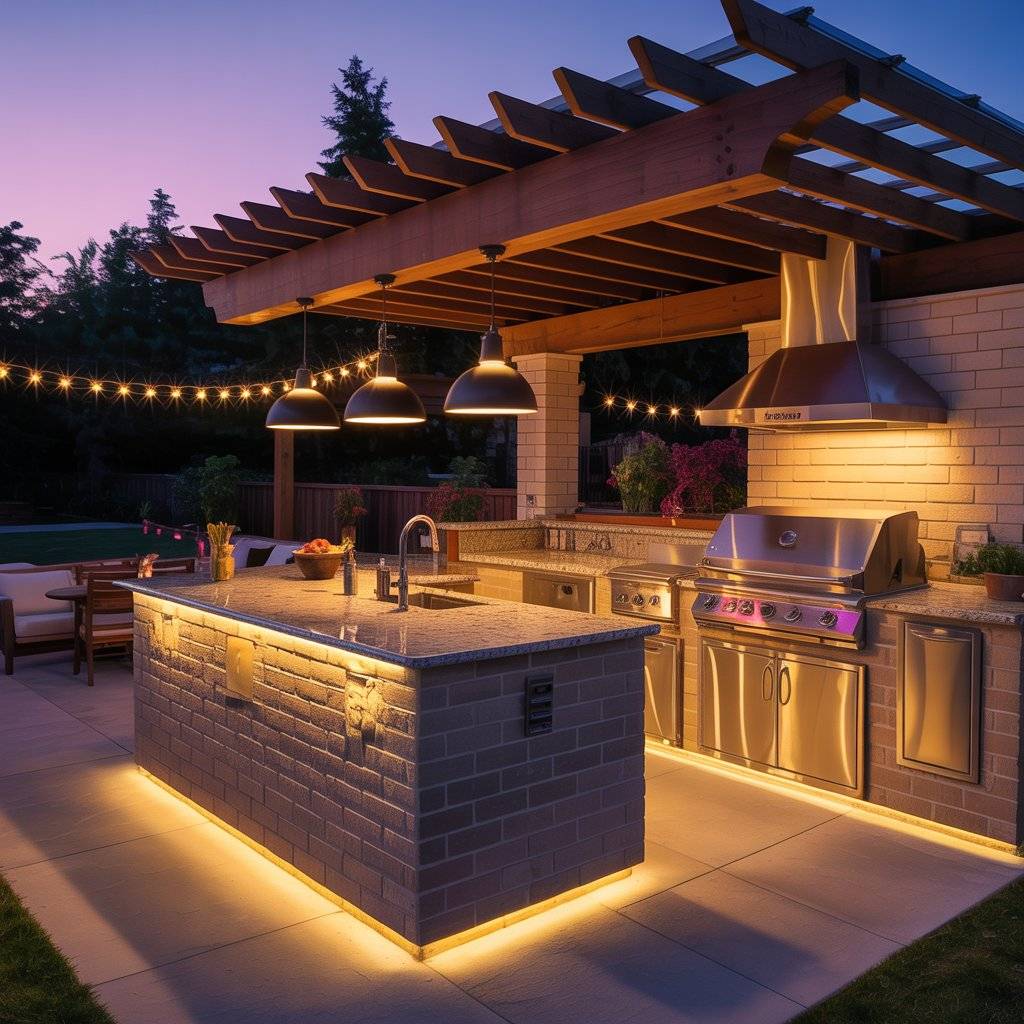
Good lighting makes the outdoor kitchen safer and easier to use, especially in the evening. Cooking in low light can make it difficult to see food clearly, which may lead to mistakes.
Basic overhead lighting helps you see the whole area, while task lighting near the grill or counter improves visibility when preparing meals.
Solar lights can be a simple option if electrical wiring is difficult. Some people also add soft lighting around seating areas to create a comfortable atmosphere.
Lighting does not need to be complicated, but it should be bright enough for cooking and safe movement. Planning lighting early avoids needing to make changes later.
8. Consider Plumbing Needs
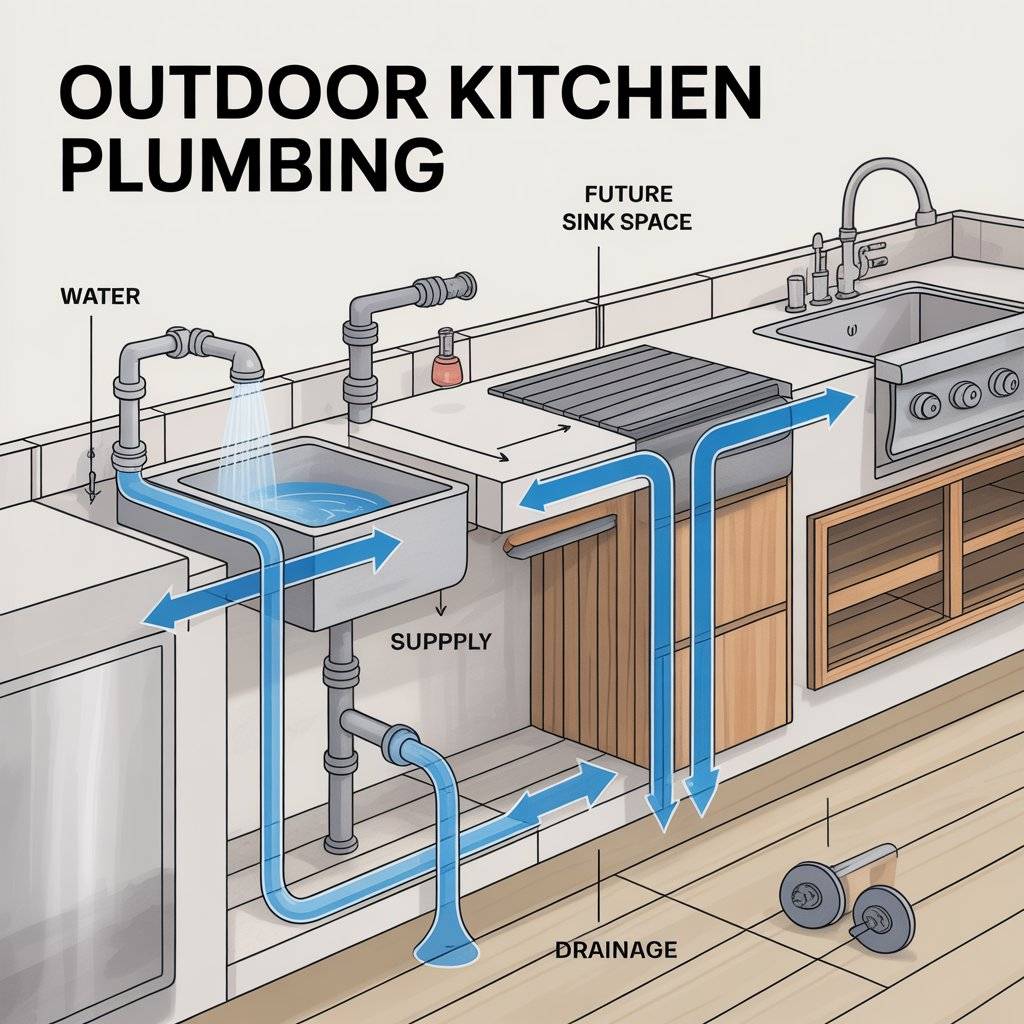
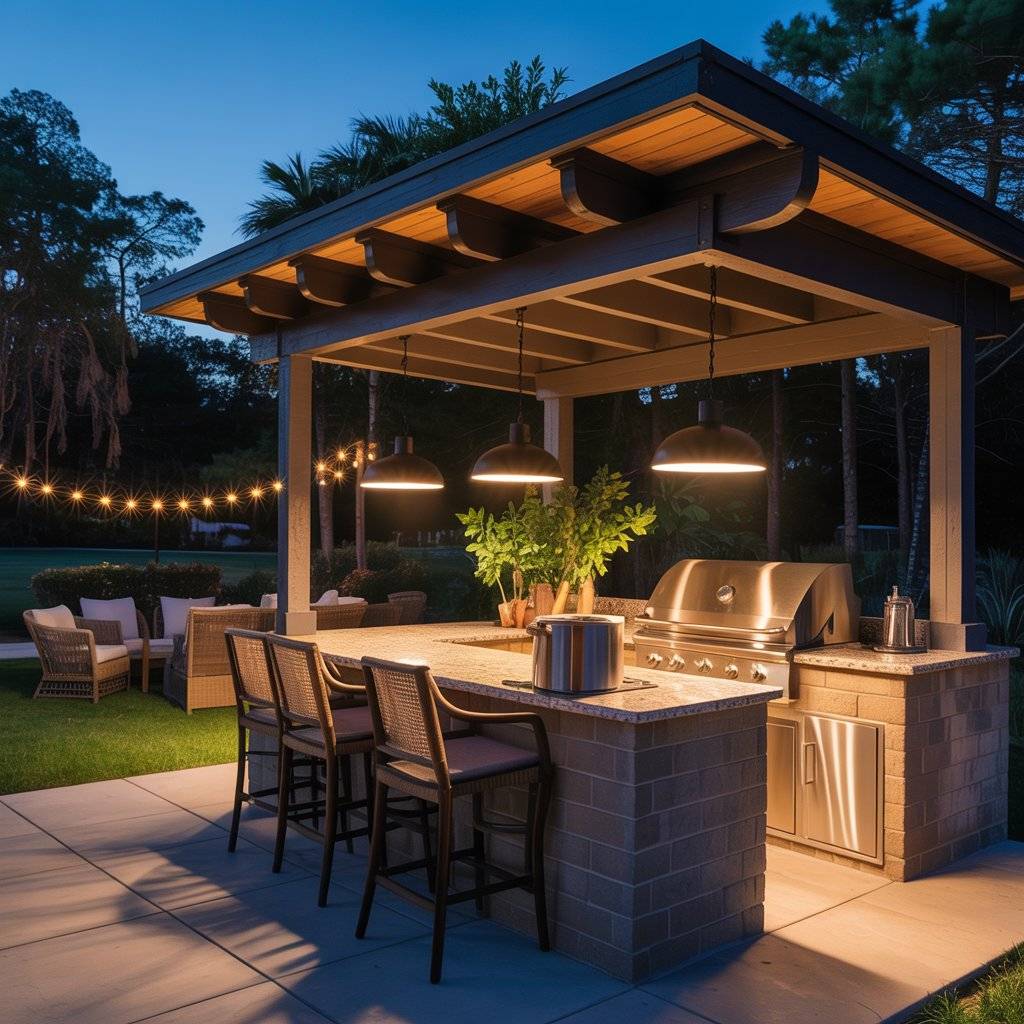
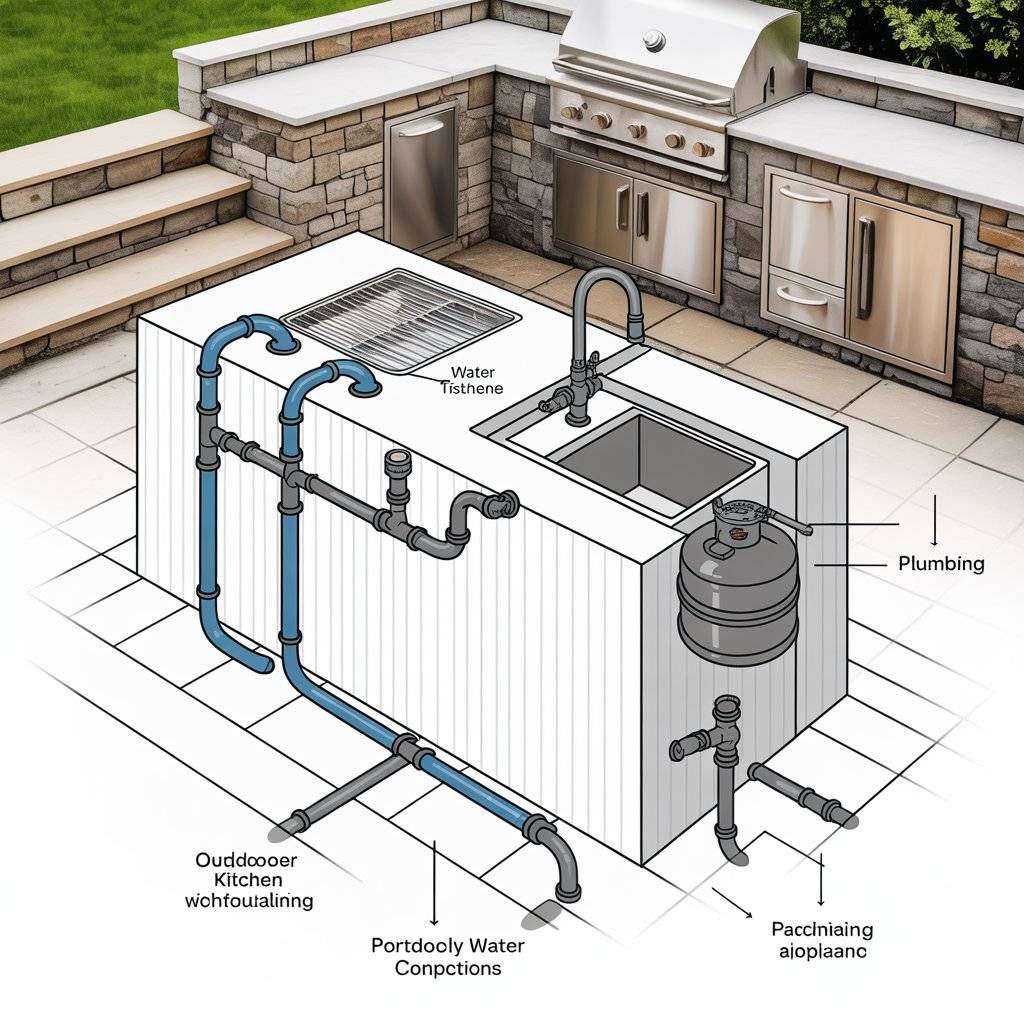
If you want a sink in your outdoor kitchen, plumbing is something to plan carefully. A sink helps with washing vegetables, cleaning hands, and rinsing utensils. Without it, you may need to go inside many times, which can slow down cooking.
You don’t always need complex plumbing. Some setups use simple water connections or even portable water systems. Just make sure the water can drain properly.
Planning plumbing early helps avoid breaking surfaces later to install pipes. If a sink is not possible right now, you can still leave space for it in the future.
9. Plan Electrical Connections Safely
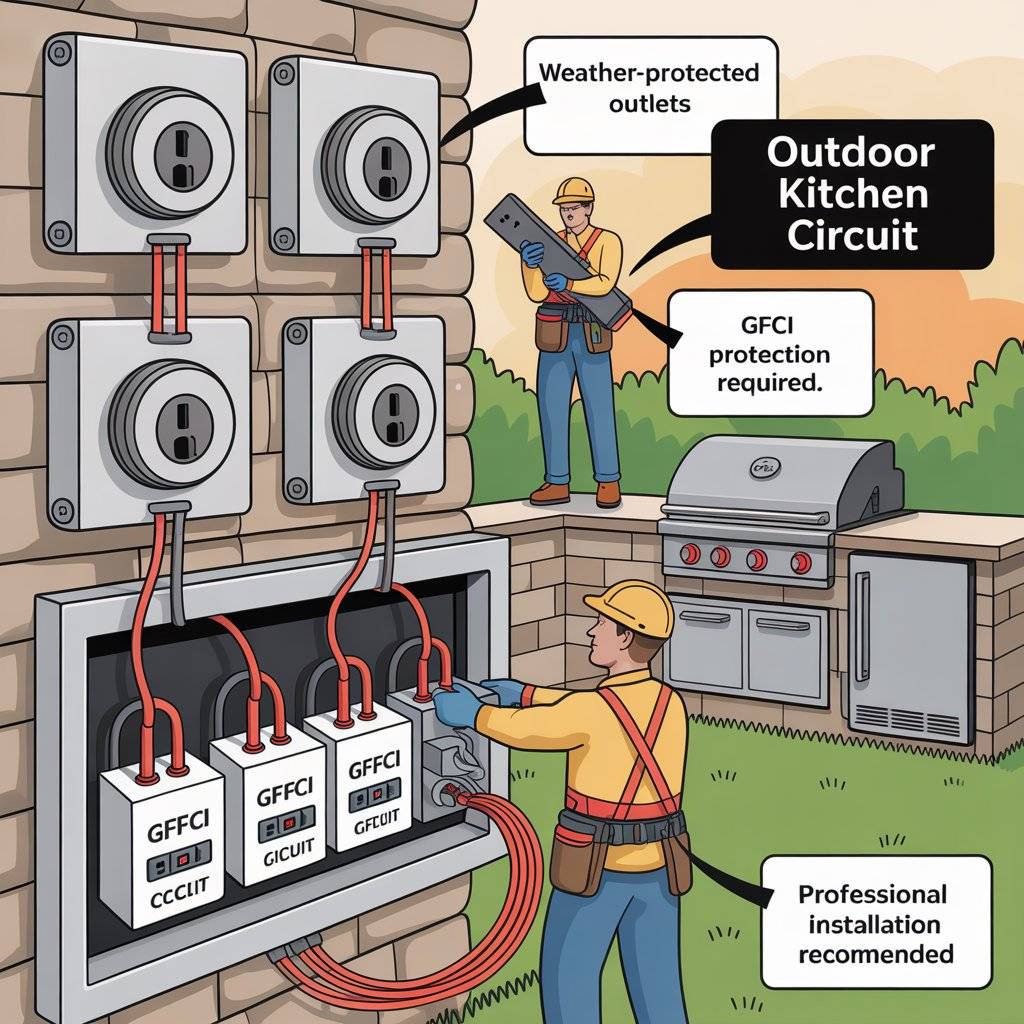
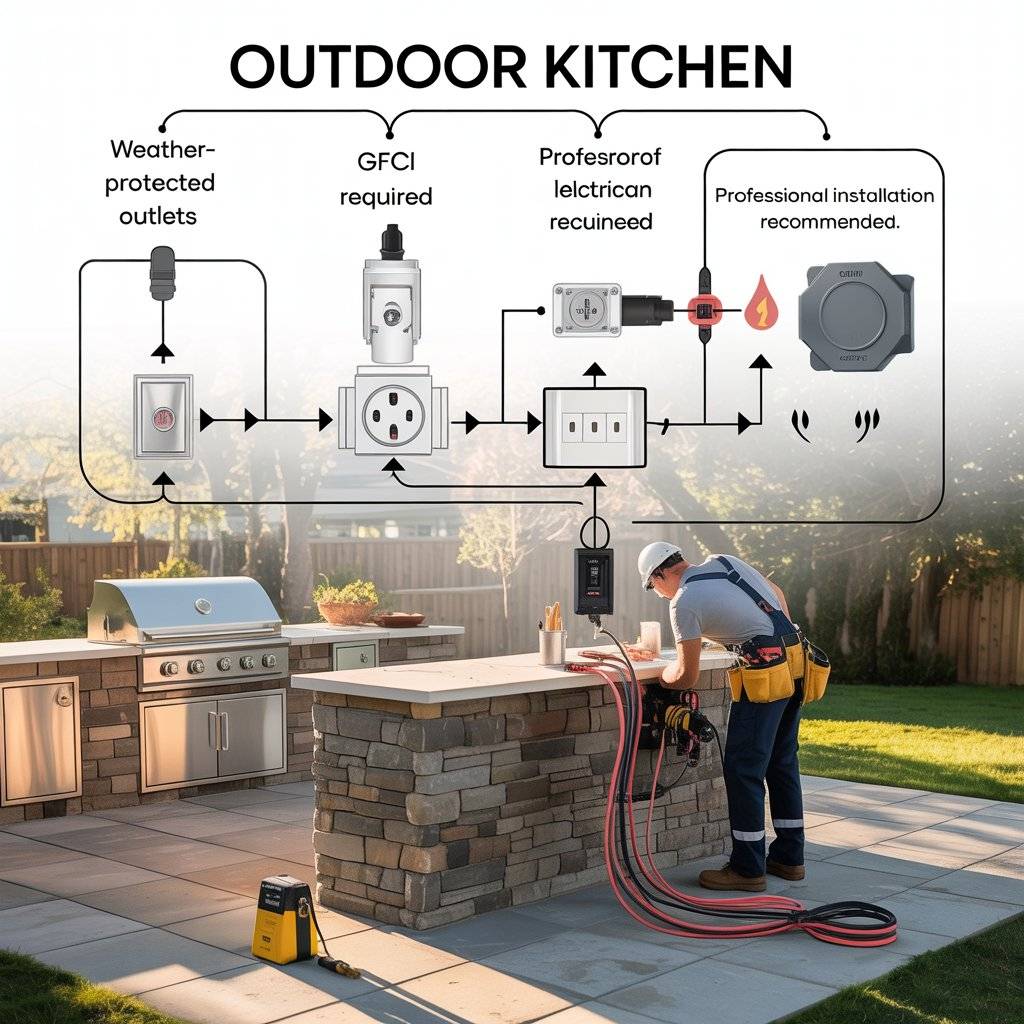
Electricity may be needed for lighting, refrigerators, or small appliances. Safety should always come first when working with electrical connections outdoors. Use weather-protected outlets and covers to prevent damage from rain or moisture.
It is often helpful to work with a professional for electrical installation. This helps prevent problems later and ensures everything meets safety standards.
Even if your outdoor kitchen is simple, having access to electricity makes the space more convenient. Planning electrical needs early helps avoid extension cords running across the cooking area.
10. Provide Proper Ventilation
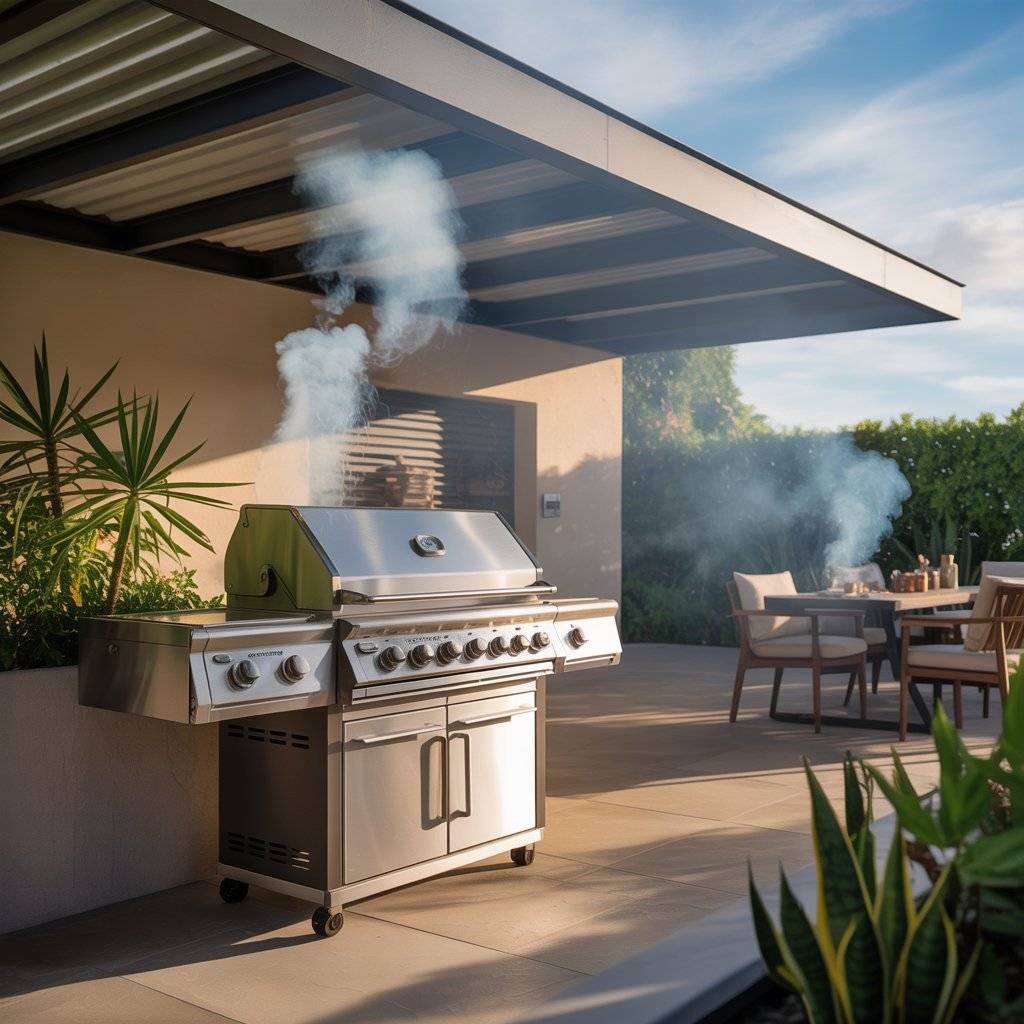
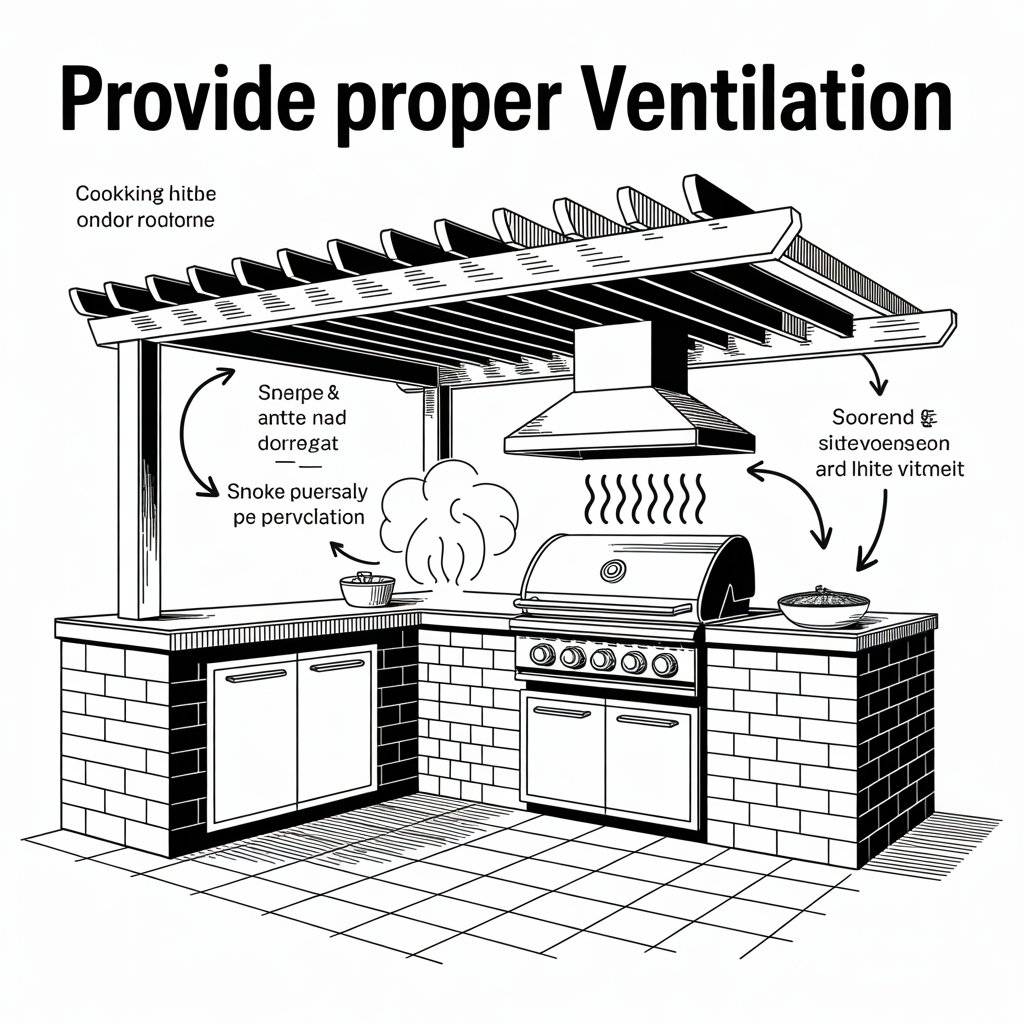
Ventilation helps control smoke and heat when cooking outside. Even in open areas, smoke can build up if the grill is placed too close to walls or covered spaces. Try to leave enough open space around the cooking area so air can flow freely.
If your outdoor kitchen has a roof or pergola, consider placing the grill where smoke can move away easily. Proper ventilation keeps the area comfortable and reduces strong smells.
It also helps keep surfaces cleaner because smoke does not collect in one place. Good airflow improves the overall cooking experience.
11. Include Comfortable Seating
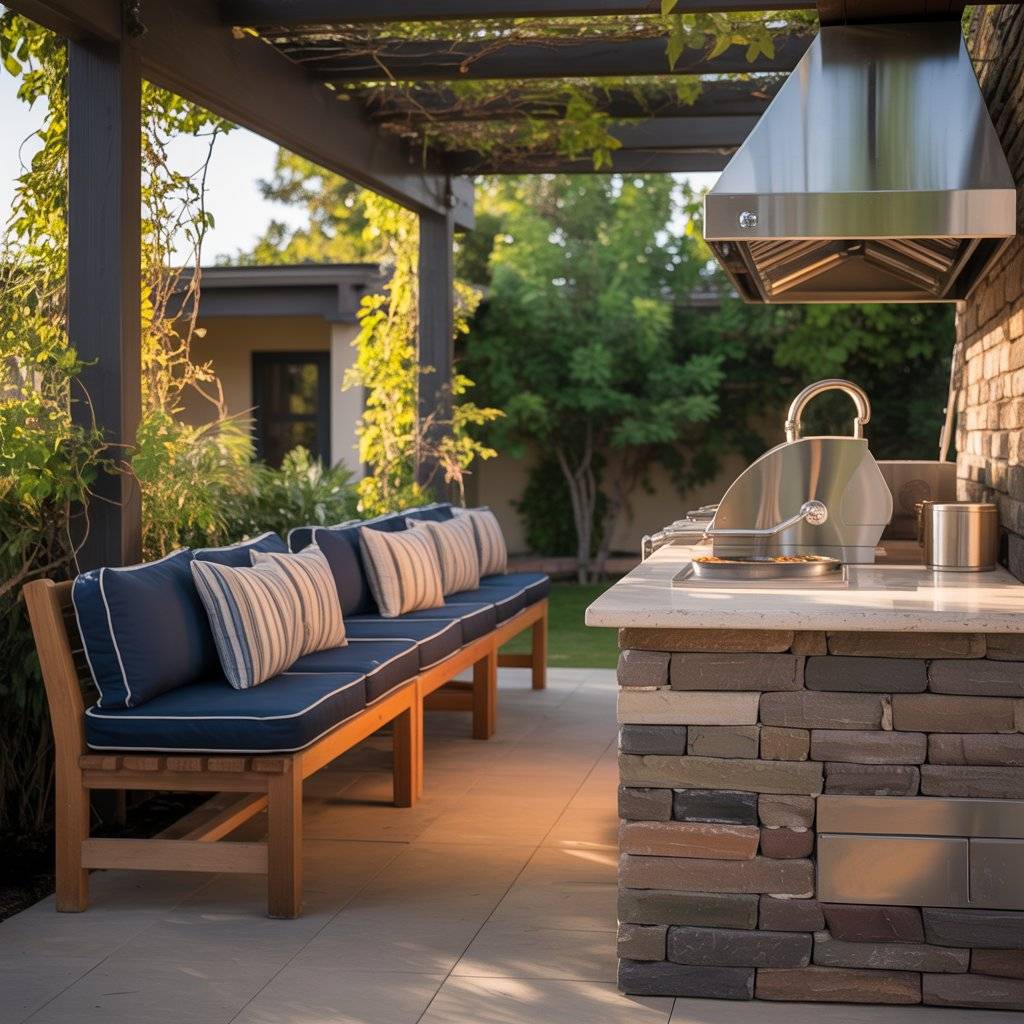
An outdoor kitchen often becomes a gathering place for family and friends. Comfortable seating allows others to relax while food is being prepared. Simple benches, chairs, or stools can work well depending on your space.
Try to place seating close enough to the cooking area but not too close to heat or smoke. Shade can make seating more comfortable, especially during hot days.
Cushions or weather-resistant materials can improve comfort without requiring too much maintenance. A small seating area can make the outdoor kitchen feel welcoming and complete.
12. Think About Maintenance
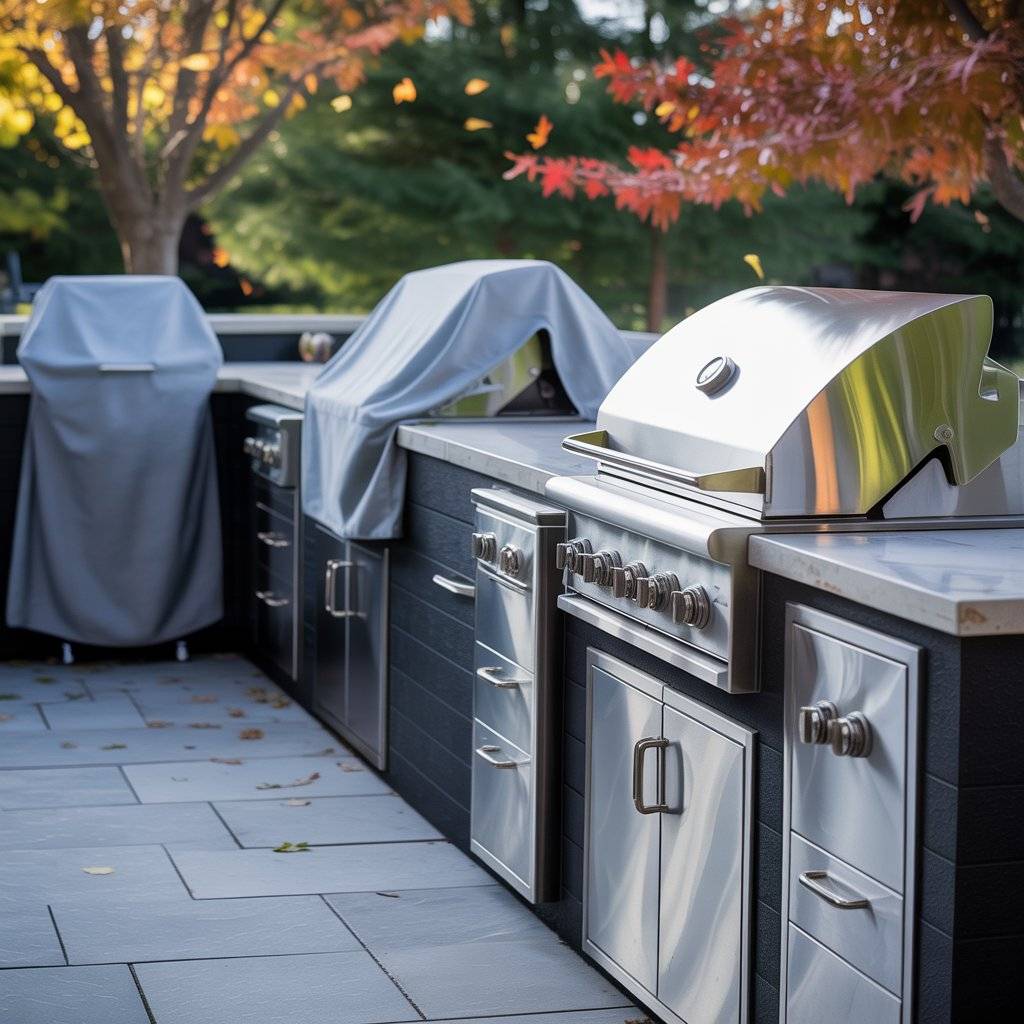
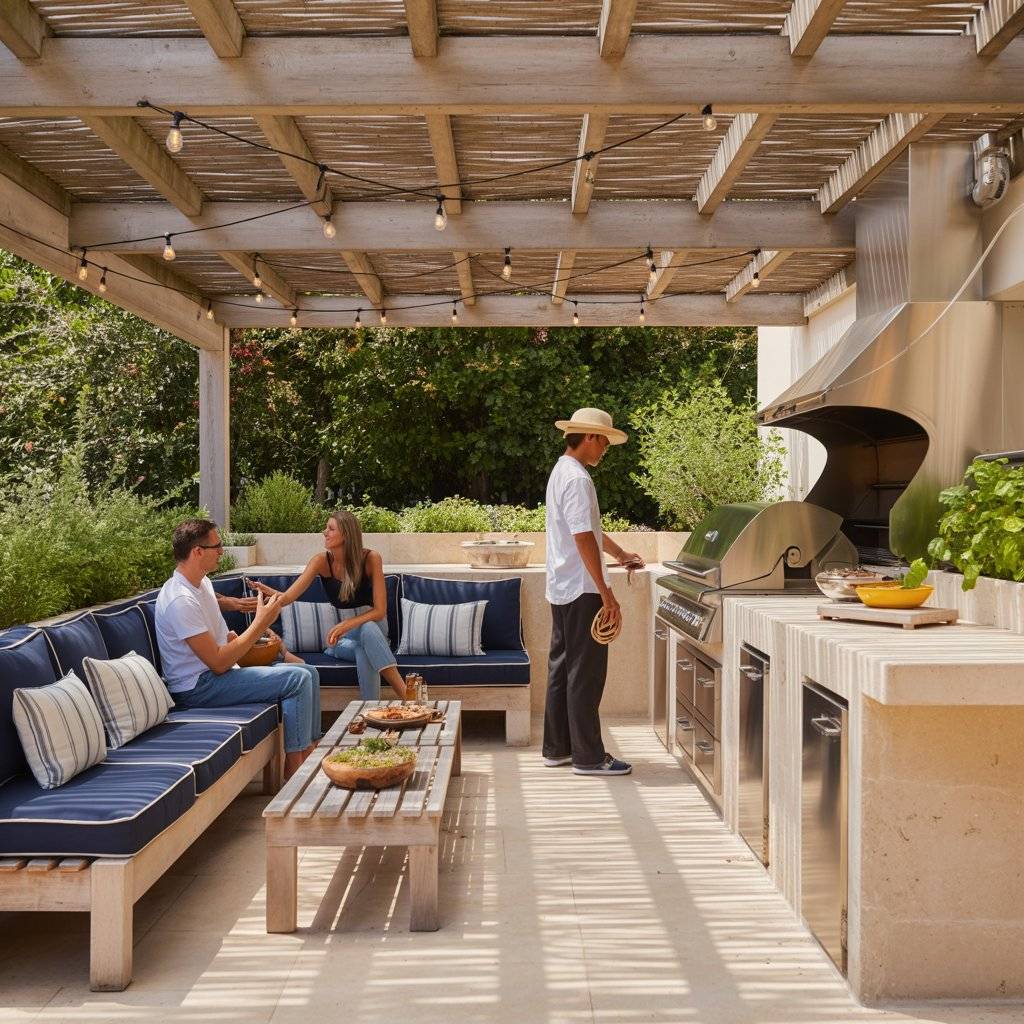
Before building, think about how easy the kitchen will be to clean and maintain. Outdoor surfaces can collect dust, grease, and leaves. Choosing materials that are easy to wipe and resistant to stains can save time later.
Simple designs are often easier to maintain than very complex ones. Smooth surfaces, sealed stone, and stainless steel are usually easy to clean.
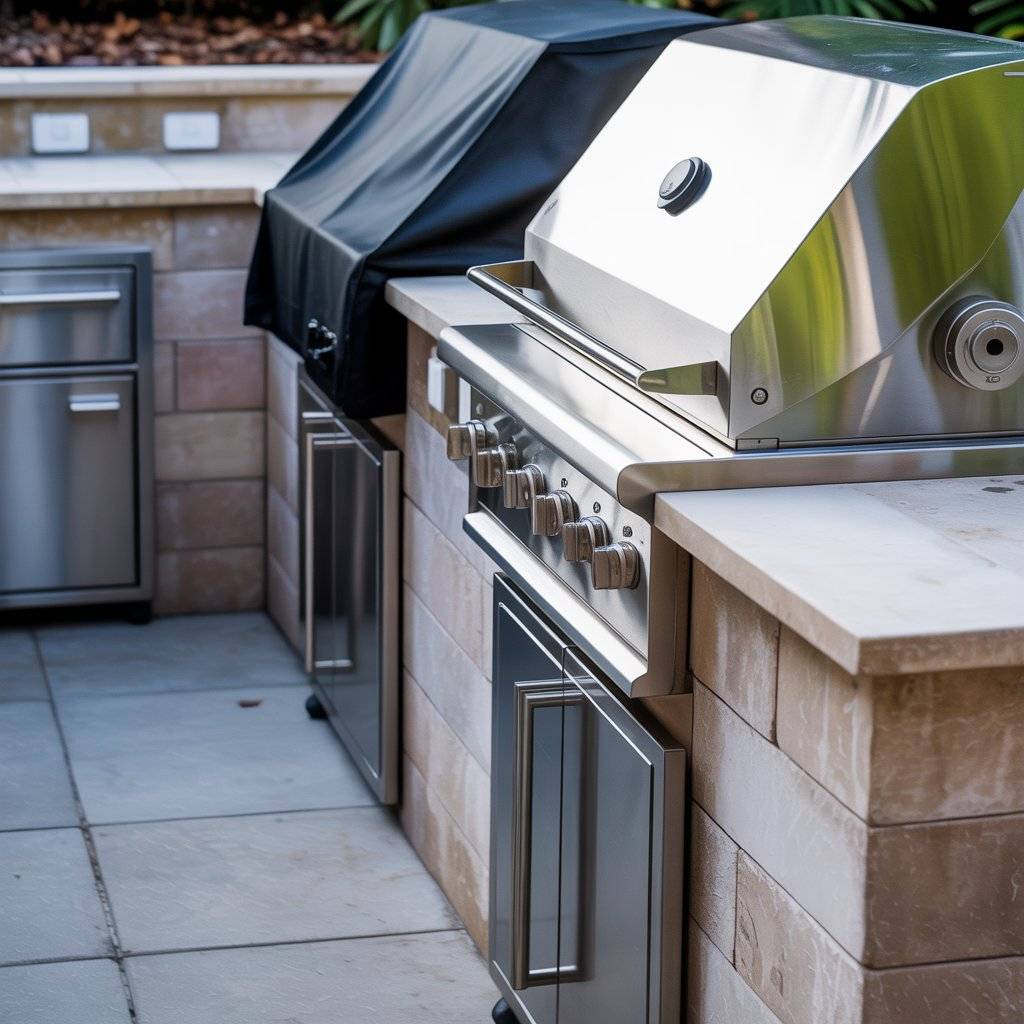
It also helps to cover appliances when not in use to protect them from weather. Planning for maintenance helps keep the kitchen looking good and working properly for many years.
Recommended Products for an Outdoor Kitchen
1. Best Main Appliance (Grill)
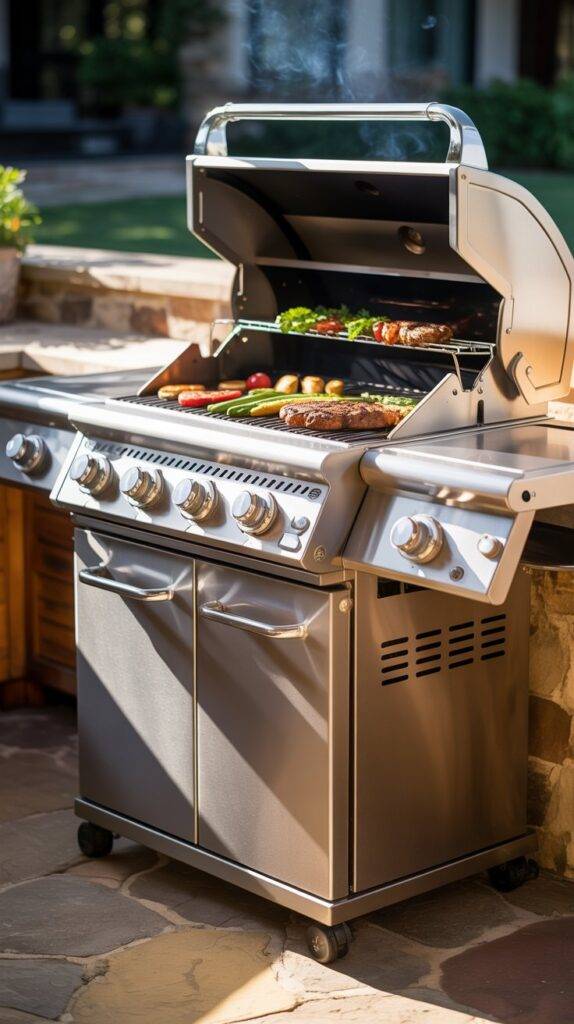
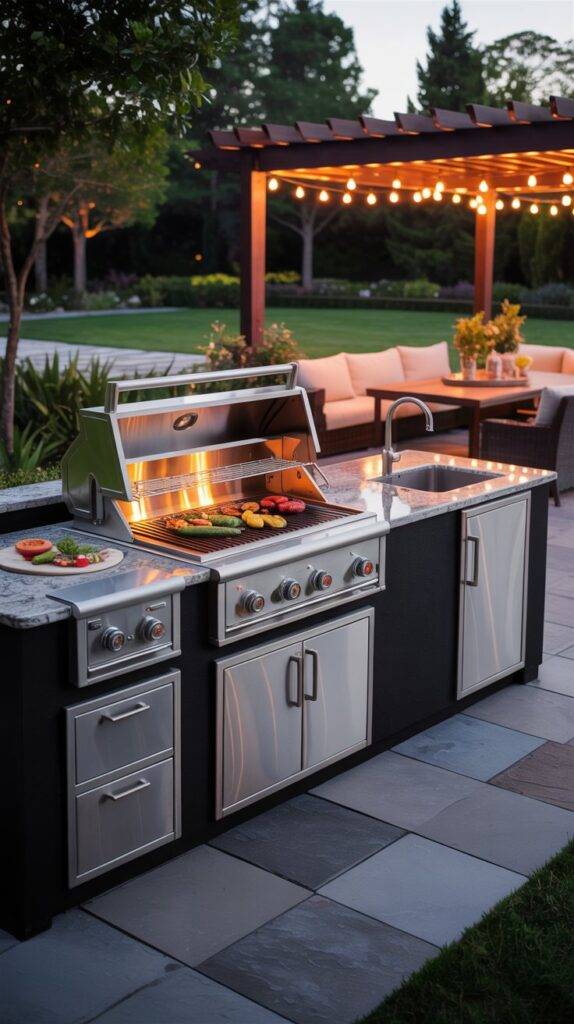
A good outdoor kitchen starts with a reliable grill. A stainless steel propane gas grill is a practical choice because it heats quickly and is easy to control. Many models include multiple burners, which makes it possible to cook different foods at the same time. This is helpful when preparing meals for family or guests.
Stainless steel is also easier to clean and handles outdoor weather better than many other materials. Most grills include features like side shelves, temperature control knobs, and strong lids that keep heat consistent. A propane grill is simple to use, even for beginners, because the heat level can be adjusted easily.
This type of grill works well for everyday cooking and special gatherings. It is one of the most common choices for people building an outdoor kitchen because it balances performance, durability, and convenience.
Stainless Steel Propane Gas Grill – Strong and Easy to Use
2. Best All-in-One Outdoor Kitchen Setup
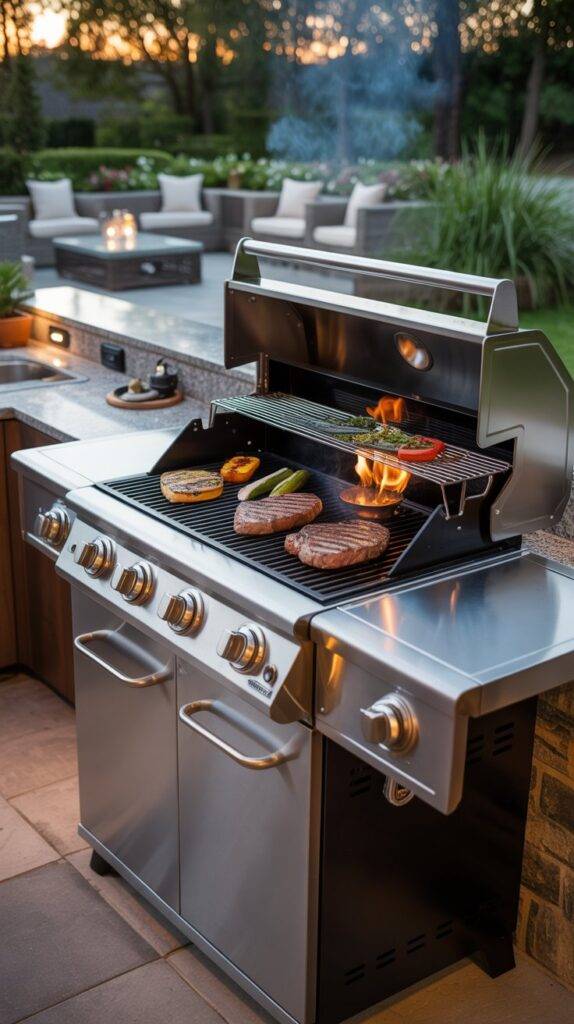
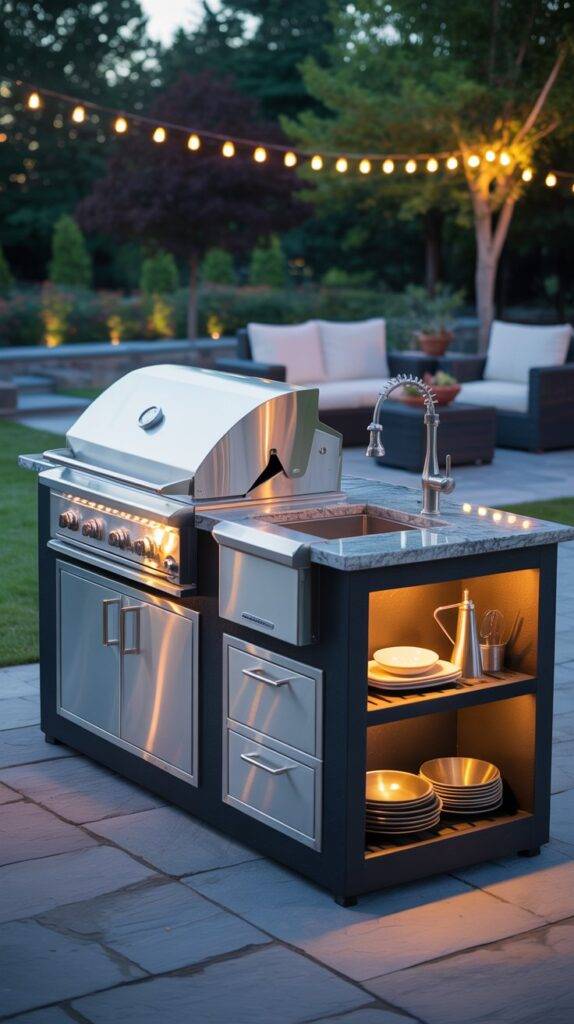
If you want a complete solution, an outdoor kitchen island can save time and planning effort. This type of setup usually includes a grill, sink, storage cabinets, and preparation space in one structure. Instead of building each part separately, everything is already designed to work together.
Having a sink nearby makes cleaning easier, while storage cabinets help keep cooking tools organized. Many kitchen islands are built with weather-resistant stainless steel, which helps prevent rust and damage from rain or sun exposure.
This option is useful for people who want a professional look without designing every detail from the beginning. It can also help create a more organized cooking space because everything is placed in a logical layout.
3-in-1 Stainless Steel Outdoor BBQ Kitchen Island with Sink
3. Best Storage Solution
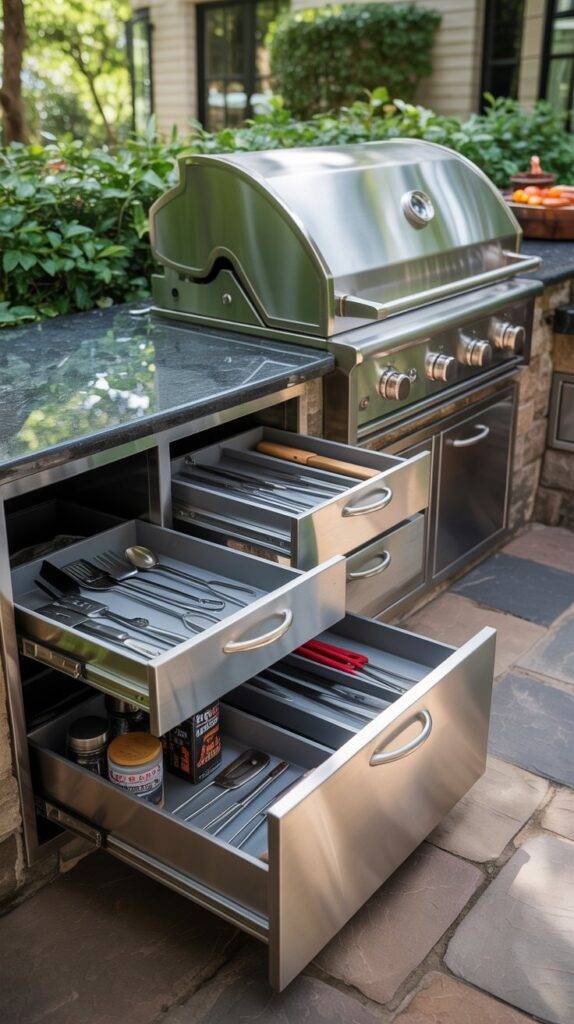
Storage is often overlooked when building an outdoor kitchen, but it makes daily use much easier. A stainless steel storage cabinet gives you space to keep utensils, grill tools, and cleaning supplies protected from dust and weather.
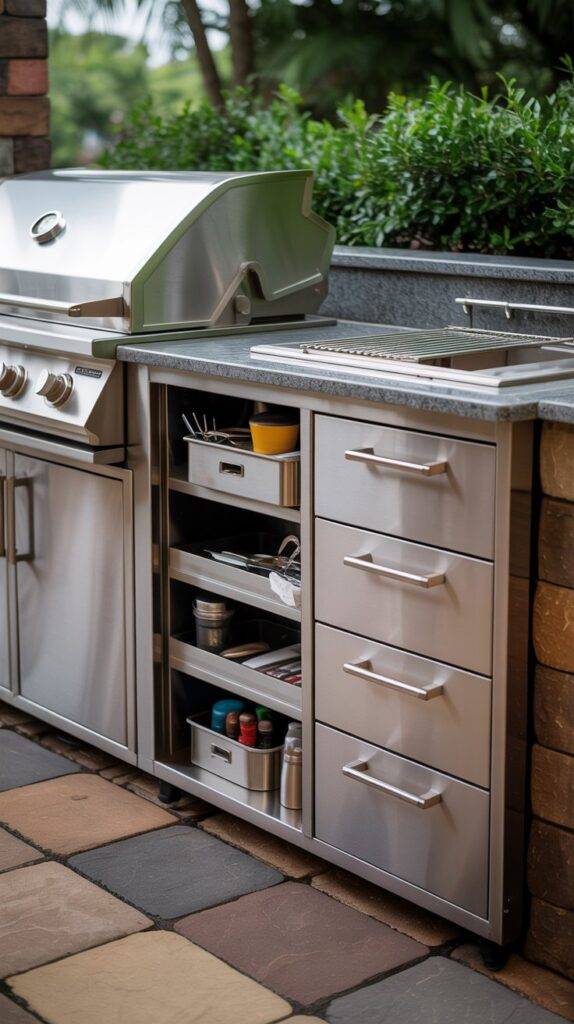
Cabinets designed for outdoor use are built to handle moisture and temperature changes. Many include drawers and shelves that help organize items neatly. Instead of carrying tools in and out of the house each time, everything stays ready in one place.
Good storage helps keep the cooking area clean and reduces clutter on countertops. It also protects tools so they last longer. This makes the outdoor kitchen more practical for regular use.
Outdoor Kitchen Stainless Steel Storage Cabinet
Tips
Start small if you are unsure. A simple outdoor kitchen with a grill and counter can still work very well. Focus on quality materials instead of adding too many features at once.
Measure your space carefully before building. Always allow enough room to move comfortably while cooking. Think about how often you will use the space so you build something practical, not just decorative.
Mistakes to Avoid
One common mistake is building too far from the house. This can make cooking feel like extra work. Another mistake is choosing materials that cannot handle outdoor weather.
Some people also forget storage, which leads to clutter. Poor lighting can make cooking difficult at night. Rushing the design can lead to changes later that cost more money. Taking time to plan helps avoid these problems.
FAQs
Do I need a big space for an outdoor kitchen?
No. Even a small area can work well if the layout is planned properly.
Is an outdoor kitchen expensive?
It depends on the materials and appliances. Simple designs can fit smaller budgets.
What is the most important feature?
A good grill and enough counter space are usually the most useful.
Can I build it myself?
Many parts can be done yourself, but electrical or plumbing work may need professional help.
Styling Ideas
Choose colors that match your home exterior to create a balanced look. Natural materials like stone and wood often blend well with outdoor spaces. Adding plants near the kitchen can make the area feel more relaxed.
Simple decorations such as lanterns or neutral cushions can improve the atmosphere without making the space look crowded. Keep the design clean so the kitchen stays practical and easy to maintain.
Conclusion
Building an outdoor kitchen takes planning, but the effort is worth it. When the layout, materials, and features are chosen carefully, the space becomes easy to use and enjoyable for many years.
Focus on what you truly need, keep the design simple, and choose materials that last outdoors. A well-planned outdoor kitchen can make cooking more comfortable and help you enjoy spending time outside more often.
Related Post: